

Preserving History, Creating Meaningful Connections
By Tom Seest
At LegacyExplorations, we help people plan and explore their legacy by collecting information and news regarding end-of-life planning.
Please share this post with your friends, family, or business associates who may want help to plan or explore their legacy.
Framed Memories – Making Legacy Out Of Objects
Framed memories don’t just hang on the wall; they stand as testament to life’s rich tapestry—a profound legacy storytelling that connects us through generations. Each object, whether it’s a weathered photograph, a quirky trinket, or an old letter, holds an unspoken history, a fragment of someone’s soul waiting to be shared. They are the tangible threads that weave our personal narratives, reminding us of our roots, our struggles, and our triumphs.
Think about the last time you rummaged through a box of old family memorabilia. Perhaps you stumbled upon an object that sparked an avalanche of memories, transporting you back to laughter-filled afternoons or solemn family gatherings. These moments, once lost in the haze of time, are what give life meaning. This is the essence of legacy storytelling—it’s not just about preserving the past; it’s about breathing life into it, ensuring that it lives on in the hearts of future generations.
Engaging in this practice instills a sense of duty, a moral obligation to honor our ancestors while teaching our children the values we hold dear. It’s ethical to let younger generations understand where they came from, grounding them in a rich history that deserves to be celebrated. An old fishing rod tells tales of adventures shared; a faded quilt carries stitches of familial bonds. And who could resist the pull of such genuine connections?
Beyond nostalgia, there’s a rational aspect to framing our memories. Psychology tells us that engaging with our history can enhance our wellbeing, building resilience and a sense of identity. It’s about making sense of who we are and where we fit into this vast world. So, when you glance at that framed photo of your grandparents on their wedding day, it’s not just a snapshot; it’s a declaration of enduring love and commitment—a legacy that inspires us to act.
There’s an authority in these artifacts; their mere presence invites conversation, forging connections among friends and families. They provide a foundation for storytelling that can break down barriers, ensuring that we share our narratives openly. And so, the next time you find yourself in a place filled with memories, take a moment. Honor those legacies, articulate their stories, and keep that spirit alive. Because each framed memory isn’t just a part of the past; it’s a beacon illuminating the path forward for all who come after.

Framed Memories – Making Legacy Out Of Objects
Framed Memories – Making Legacy Out Of Objects
- Framed memories are a testament to life’s rich tapestry, connecting us through generations.
- Each object, like photos or trinkets, holds unspoken histories and fragments of someone’s soul.
- These tangible threads remind us of our roots, struggles, and triumphs, weaving our personal narratives.
- Legacy storytelling enhances life’s meaning by breathing life into memories for future generations.
- Engaging with family memorabilia instills a sense of duty to honor ancestors and pass down values.
- Psychology suggests that connecting with our history enhances wellbeing, building resilience and identity.
- Framed memories invite conversation, foster connections, and illuminate paths for future generations.

Framed Memories – Making Legacy Out Of Objects
Table Of Contents
- Framed Memories – Making Legacy Out Of Objects
- What Cherished Memories Do You Want to Preserve Forever?
- What Emotions Do Your Favorite Keepsakes Evoke In You?
- How Do You Choose Which Items Define Your Legacy?
- What Role Do Memories Play In Shaping Your Identity?
- How Can You Transform Everyday Objects Into Lasting Treasures?
- What Ethical Considerations Arise When Preserving Family Heirlooms?
- How Does Sharing Your Legacy Strengthen Family Bonds?
- Conclusion
- Other Resources
- Glossary Of Terms
- Other Questions
- Haiku
- Poem
- Checklist
What Cherished Memories Do You Want to Preserve Forever?
Every heartbeat is a brushstroke on the canvas of our existence, crafting a legacy that shapes who we are and how we connect with one another. As you sit quietly, think about the cherished memories that populate your mind. Is it the sound of laughter at family gatherings, the way your mother’s eyes sparkled when she shared her stories, or the heartfelt conversations that stretched late into the night with friends? These moments form the backbone of our lives—they define us and create connections that last beyond our time on Earth.
Legacy storytelling isn’t just about passing down tales; it’s about ensuring that our essence continues to ripple through the lives of those we love. What if you could preserve the stories of your youth, the lessons learned through heartache, or the motivation behind your greatest achievements? Remember, it’s not just the landmarks of life we want to capture; it’s the emotions tied up in them—the wit of your grandfather, the warmth of your mother’s hug, the thrill of adventure with friends.
Now, let’s engage the rational side of this equation. Studies show that sharing family stories fosters resilience and builds a sense of identity in children. When they hear about struggles faced and triumphs earned, they learn to navigate their own challenges more effectively. Yes, there’s undeniable power in these narratives, and their impact can last a lifetime—or longer.
Thinking ethically, there’s an obligation to preserve histories that often go untold. Every family has untapped lore, adventures woven into the very fabric of their being. Recognizing and sharing these stories enriches the collective experience of your family, ensuring that both triumphs and failures serve as guideposts for future generations.
Moreover, consider the social aspect: how often do you gather with others, recounting old tales and laughing over shared experiences? These gatherings bind us together, reminding us that we’re part of something larger. They create a tapestry of connection that is woven in love and vulnerability, encouraging honesty and compassion in each relationship.
So take action. Pick up a pen, record a video, start telling your story, and ask others to share theirs. You hold the key to creating a lasting legacy that not only honors your past but also ignites inspiration in the hearts of those who come after you. After all, every memory cherished is a gift waiting to be passed on.

What Cherished Memories Do You Want to Preserve Forever?
What Cherished Memories Do You Want to Preserve Forever?
- Every heartbeat contributes to the legacy of our existence and connections.
- Cherished memories, like laughter and heartfelt conversations, shape our identity.
- Legacy storytelling preserves our essence and impacts our loved ones.
- Capturing stories involves conveying emotions and experiences beyond mere events.
- Sharing family stories enhances resilience and identity in children, helping them tackle challenges.
- There is an ethical responsibility to share untold family histories, enriching collective experiences.
- Storytelling fosters social bonds and creates a tapestry of connection within relationships.

What Cherished Memories Do You Want to Preserve Forever?
What Emotions Do Your Favorite Keepsakes Evoke In You?
Keepsakes are more than mere objects—they are windows into our past, encapsulating memories that define our very essence. When you hold a faded photograph or a weathered toy from childhood, you’re not just gripping a piece of material; you’re cradling your own legacy. Each item tells a story—a narrative filled with laughter, tears, triumphs, and tribulations. These stories, often anchored in emotion, forge a bond between who we were and who we are today.
Think about your favorite keepsake for a moment. What emotions wash over you as you recall the day it entered your life? Perhaps it’s that hand-knit blanket from a beloved grandparent, entangling you in warmth that mirrors their embrace. Or maybe it’s a ticket stub from a concert that echoes the exhilarating thrill of youthful rebellion. Each keepsake holds the power to captivate our hearts, ignite nostalgia, and remind us of the people and experiences that shaped us.
This isn’t just sentimental fluff. There’s a rational side to these artifacts. Psychology tells us that our attachment to physical objects can improve emotional well-being. Keepsakes trigger memories, sparking joy and promoting gratitude for moments lived. They remind us of our connections and the people who influenced our journeys—friends, family, mentors. It’s a reminder that we are part of a larger narrative, a legacy woven through generations.
When we look at our keepsakes, we inherently reflect on the ethical dimensions of life. Each item carries a responsibility—a duty to honor the memories and values they represent. We owe it to ourselves and our loved ones to cherish these stories, to share them openly, and to pass them on, prolonging their significance for future generations.
Moreover, in today’s fast-paced world, we often find ourselves yearning for connection. Keepsakes invite conversations, weaving us together through shared histories and collective experiences. They act as touchstones, cultivating community and trust, reinforcing the idea that we’re never truly alone in our journeys.
So, plug into your emotions and consider the stories behind your favorite belongings. What do they reveal about your legacy? As you revisit these treasures, let their power inspire you to share your own narrative, fostering connections that uplift both you and those around you.

What Emotions Do Your Favorite Keepsakes Evoke In You?
What Emotions Do Your Favorite Keepsakes Evoke In You?
- Keepsakes are more than objects; they capture memories that shape our identity.
- Each keepsake tells a unique story filled with emotions, connecting our past to our present.
- Items like photographs or toys evoke nostalgia and remind us of significant relationships.
- Psycho-emotional research shows that keepsakes can enhance emotional well-being and joy.
- Every keepsake carries responsibility; we must honor and share the memories they represent.
- Keepsakes promote connection and trust, fostering community through shared stories.
- Reflecting on keepsakes can inspire us to share our narratives and strengthen our bonds.

What Emotions Do Your Favorite Keepsakes Evoke In You?
How Do You Choose Which Items Define Your Legacy?
When it comes to defining your legacy, the choices you make about the stories you leave behind can shape perceptions for generations. Think about that for a moment. What will your legacy storytelling reveal about who you were? Will it echo the values you held dear, or will it fade into the background, lost in a sea of unremarkable memories?
Choosing items that speak to your legacy isn’t merely an exercise in nostalgia; it’s a chance to reflect on your values, your triumphs, and yes, even your failures. Every object, every anecdote holds the potential to illustrate the essence of your life’s work. Picture a worn-out pair of boots that walked countless miles, or a tattered book filled with notes and margins that hint at the wisdom you gathered. These are not just possessions; they are conversations waiting to happen. They open the door to discussions about resilience and growth, fostering a connection with those who come after you.
But it’s not all about sentiment. Your legacy also requires some tough thinking, a gut check on what’s truly meaningful. Are you leaving behind a collection of accolades or a testament to hard-won lessons? Ask yourself: What stories will resonate most with those you love? What items will cement your place in their hearts and minds? Consider the ethical implications of your choices—what principles do you want to convey? Today’s decision could influence tomorrow’s attitudes and behaviors. Will they remember you as someone who stood for integrity, hard work, and kindness?
And while your legacy storytelling is undeniably personal, remember that it’s also a social endeavor. The connections you forge through sharing your journey are the threads that bind us all. Each item has the power to inspire others, to lead them to act, or to challenge the status quo. Think of the ripples created by one thoughtful action or one profound story. Your legacy becomes a seed planted in the minds of others, and who knows what it might grow into?
Choosing what defines your legacy is both an emotional and a deliberate act. Tap into that instinctual desire to be remembered, to make an impact, and steer it with purpose and clarity. Give the future something it can cherish and reflect upon, knowing that every story you tell adds depth to the narrative of your life.

How Do You Choose Which Items Define Your Legacy?
How Do You Choose Which Items Define Your Legacy?
- Your legacy is shaped by the stories you choose to leave behind, influencing perceptions for generations.
- Legacy storytelling reflects your values, triumphs, and failures through meaningful objects and anecdotes.
- Items like worn boots or tattered books can foster discussions about resilience and personal growth.
- It’s crucial to evaluate what is truly meaningful in your legacy—accolades vs. hard-won lessons.
- Your choices convey ethical principles and may affect how you are remembered by loved ones.
- Legacy storytelling is both personal and social, connecting individuals and inspiring collective action.
- Deliberately choose items that create a cherished and impactful narrative to reflect upon in the future.

How Do You Choose Which Items Define Your Legacy?
What Role Do Memories Play In Shaping Your Identity?
Memories are the threads that weave together the intricate tapestry of our identities. Each recollection serves as a building block, constructing the person we are and shaping the legacy we leave behind. Think about it: every moment you’ve lived, whether triumphant or heart-wrenching, contributes to your unique story. It’s a narrative filled with laughter, love, losses, and lessons. These experiences are not just recollections; they are powerful tools that mold our values and beliefs.
When we engage in storytelling, we aren’t merely recounting past events—we’re sharing pieces of ourselves. Those stories allow us to connect, sparking empathy and understanding. Picture sitting around a campfire, sharing tales from our youth. As you recount a misadventure from some long-ago summer, others lean in, hanging on every word. They nod, chuckle, and sometimes even wipe away a tear. In those moments, we aren’t just reminiscing; we’re building bridges across the shared human experience. This narrative isn’t just yours—it belongs to everyone who listens.
Rationally speaking, our memories serve as valuable lessons. They help us navigate the complexities of life, providing insights from our past that guide our present decisions. When faced with challenges, our minds often flicker back to moments of resilience, reminding us of our capacity to overcome and adapt. These memories, seasoned with hard-earned wisdom, bolster our resolve, giving us the confidence to face the unknown. It’s not just sentimental; it’s practical.
Ethically, the stories we carry also reflect the values we choose to uphold. They can signal to others what we stand for, framing our interactions and how we contribute to our communities. Sharing our narratives fosters connection, showcasing not just our individuality but also the collective essence of humanity.
Ultimately, our memories do more than shape who we are; they inspire us to step into the future with courage. They urge us to leave a legacy that resonates beyond ourselves. So, when you reflect on your own life, remember—a single story can ignite change. By embracing and sharing those memories, you invite others not just to listen, but to join you in crafting a brighter tomorrow.

What Role Do Memories Play In Shaping Your Identity?
What Role Do Memories Play In Shaping Your Identity?
- Memories weave together our identities, forming a unique narrative.
- Each experience contributes to who we are, influencing our values and beliefs.
- Storytelling builds connections, fostering empathy and understanding among listeners.
- Recollections serve as valuable lessons that guide our present decisions.
- Memories remind us of resilience and adaptability in the face of challenges.
- Sharing narratives reflects our values and enhances community interactions.
- Embracing and sharing memories inspires courage and the potential for change.

What Role Do Memories Play In Shaping Your Identity?
How Can You Transform Everyday Objects Into Lasting Treasures?
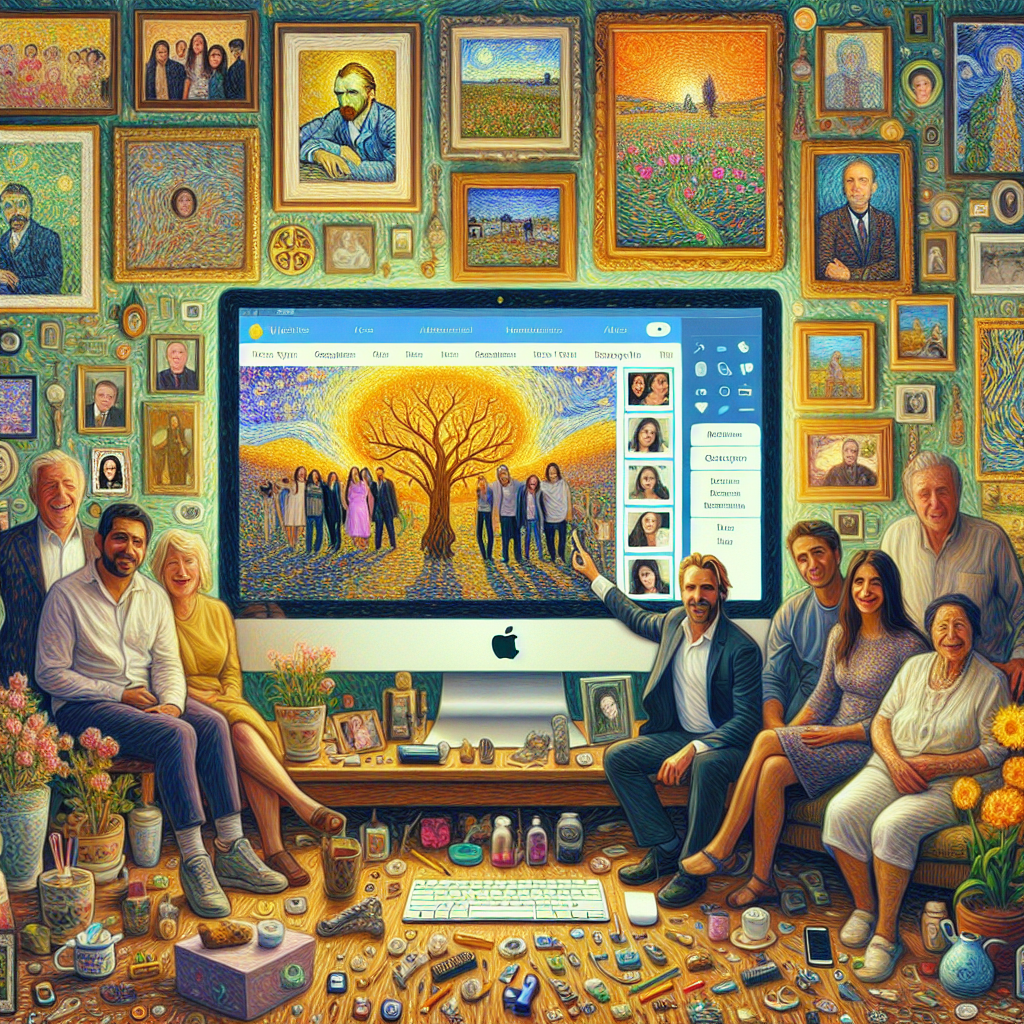
Everyday objects, seemingly ordinary and unremarkable, can hold the power to transform into lasting treasures, carrying with them bits of our legacy and threads of our storytelling. Picture it: a worn-out baseball glove, faded and frayed, tossed in the corner of your attic. To many, it’s just a relic of a bygone era, but to you, it’s more than that. It’s a bridge connecting your childhood laughter to your child’s future dreams.
Emotionally, these objects can evoke potent memories, each scratch and stain a chapter in your journey. When you take the time to recognize the significance embedded in seemingly trivial items, you’re not just reminiscing; you’re celebrating a legacy woven through generations. Each item in your home can tell a story—of joy, struggle, love, or even redemption. Think about Grandma’s old recipe box. Instead of a dusty relic, see it as a treasure trove of family history—each card a lesson, a cherished meal, a gathering that shaped who you are today.
Rationally, these transformations aren’t just about sentiment. They tap into our very need to connect, reminding us of what truly matters. It’s about preserving memories in a world obsessed with the new and flashy. The ethical appeal here lies in the conscious choice to value our past. In a society often quick to discard, taking the time to cherish our possessions promotes sustainability, respect, and mindfulness.
Authority springs from the collective understanding that transforming objects into treasures adds value not just to our lives but to those around us. You become a storyteller, passing down wisdom through tangible tokens. Consider how these objects can unite families, spark conversations, and inspire the next generation to honor their own stories.
Narratively, we all have items that carry reminders of where we’ve come from. When we share these stories—the why behind the object—we foster connections with others. It invites them to reflect on their own meanings and memories, creating a communal tapestry of experience rich in human emotion.
So, next time you gaze at a treasured item, ask yourself: What legacy does it whisper? What stories can it share? Dust it off, give it a spot of honor, and let it enrich your life and those around you. Embrace the transformative power of everyday objects. Celebrate the stories they embody, and in doing so, you might just inspire someone else to do the same.

How Can You Transform Everyday Objects Into Lasting Treasures?
How Can You Transform Everyday Objects Into Lasting Treasures?
- Everyday objects can transform into lasting treasures that embody our personal legacy and storytelling.
- A worn-out baseball glove illustrates the connection between childhood memories and future aspirations.
- Emotionally significant items evoke powerful memories, with each scratch and stain telling a chapter of our journey.
- Recognizing the value of seemingly trivial items celebrates a legacy that spans generations.
- Transforming objects taps into our need for connection and preserves memories in a fast-paced world.
- Valuing our past promotes sustainability, respect, and mindfulness in a society prone to discard items.
- Sharing the stories behind treasured items fosters connections, creating a communal tapestry rich in human emotion.
How Can You Transform Everyday Objects Into Lasting Treasures?
What Ethical Considerations Arise When Preserving Family Heirlooms?
When we think about family heirlooms, what often emerges is a tapestry of memories woven through time. These cherished items represent much more than just objects; they epitomize ourlegacy and the rich history that binds us together. However, preserving these treasures doesn’t come without its challenges and ethical considerations.
At the heart of the matter lies the art ofstorytelling. Each heirloom carries with it a narrative waiting to be told—a story steeped in love, loss, and resilience. But who has the authority to dictate how those stories are shared? Is it the matriarch who has held onto Grandma’s quilt for decades or the child who has just discovered it among dusty boxes? Balancing respect for tradition with openness to new interpretations is a delicate dance that can lead to both conflict and deeper understanding.
Then there’s the gut-wrenching question of what happens when an heirloom falls into the wrong hands. When heirlooms are passed down without discussion or agreement, resentment can fester among family members. These beloved items can become battlegrounds for disputes rather than symbols of unity. Establishing open lines of communication can help mitigate these conflicts and ensure that every voice is heard. This is about more than just items; it’s about preserving the relationships that surround them.
Let’s not forget the social responsibility that comes with inheriting family treasures. What ethical obligations do we have to the generations before us and those yet to come? Should we keep heirlooms in the family or consider gifting them to museums or communities where their stories can reach a wider audience? In doing so, we not only create an opportunity forlegacy storytelling but also allow others to share in our history.
As we contemplate these questions, inspiration can arise from understanding that preserving heirlooms is a responsibility—to honor the past, to uplift our present, and to nurture the future. Finding a path that respects tradition while embracing change requires courage, empathy, and a commitment to open dialogue. By navigating these ethical waters thoughtfully, we can create an enduring legacy that transcends the physical objects themselves, strengthening the familial bonds that mean so much. In this dance of preservation, let’s invite each other in—after all, it’s the stories that make the heirlooms truly priceless.

What Ethical Considerations Arise When Preserving Family Heirlooms?
What Ethical Considerations Arise When Preserving Family Heirlooms?
- Family heirlooms embody memories and symbolize our legacy and history.
- Each heirloom carries a narrative rooted in love, loss, and resilience.
- The storytelling authority over heirlooms is often a source of conflict among family members.
- Passing down heirlooms without communication can lead to resentment and disputes.
- Inheriting treasures comes with social responsibilities regarding their preservation and sharing.
- Considering gifting heirlooms to museums can broaden their impact and audience.
- Preserving heirlooms requires courage, empathy, and dialogue to strengthen familial bonds.

What Ethical Considerations Arise When Preserving Family Heirlooms?
How Does Sharing Your Legacy Strengthen Family Bonds?
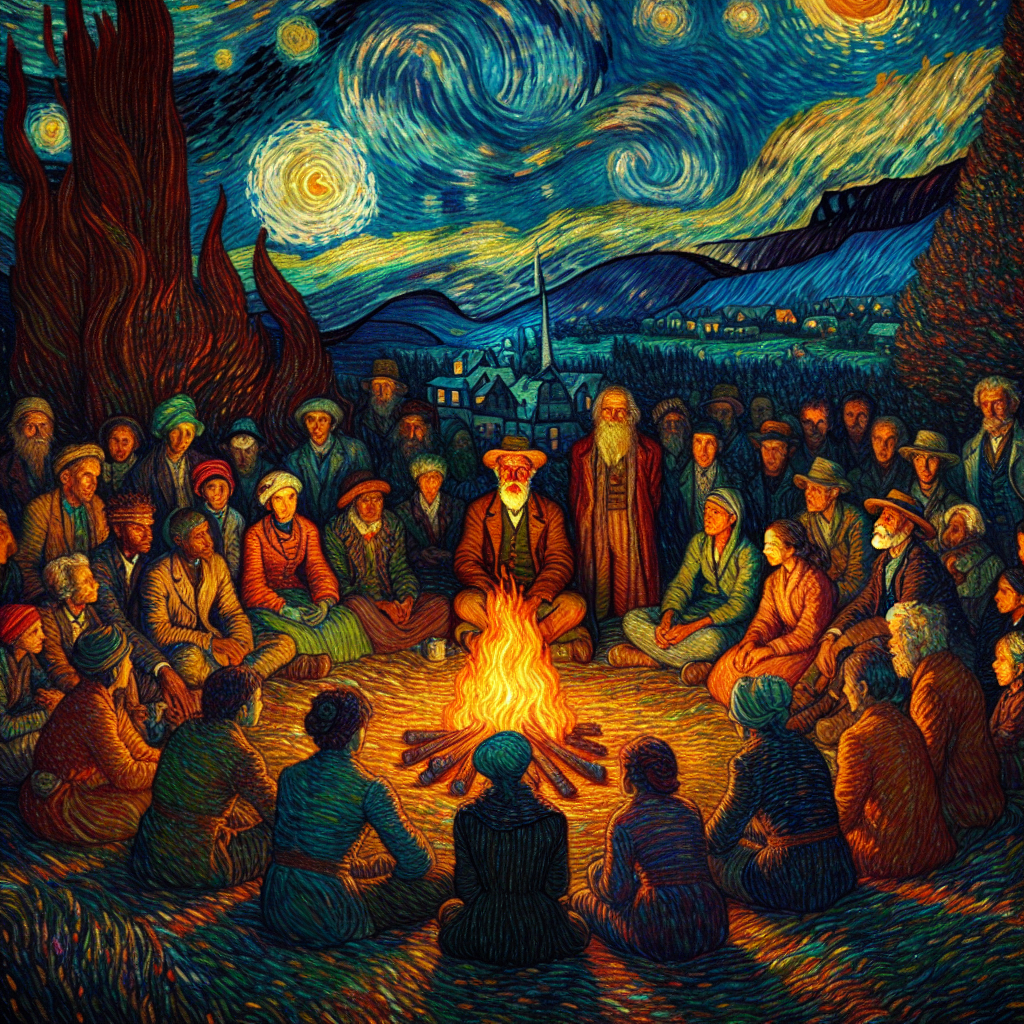
When we talk about legacy storytelling, it’s not just a charming pastime or a simple family tradition; it’s the lifeblood of connection that makes families thrive. Every time you share a story from your past, you’re weaving a thread that ties your family together, reinforcing bonds that might otherwise drift apart. Think about it: the relatable tales of your struggles, triumphs, and choices become touchstones for younger generations, giving them a sense of who they are and where they’ve come from.
The act of storytelling invites us to pause and reflect on the lessons engendered through our experiences. By sharing your narrative—be it the challenges of your first job, the joys of parenthood, or the mistakes you learned from—you galvanize a sense of purpose and understanding. It appeals to the heart, as family members find resonance in your words, discovering echoes of their own lives within your experiences. This fosters empathy and strengthens the emotional ties that make family unique.
On a rational level, the beauty of legacy storytelling is underscored by the fact that it preserves knowledge. Each story encapsulates wisdom—whether it’s how to weather a storm or the importance of integrity and hard work. When adults share their life lessons, they plant seeds in the minds of younger generations, cultivating a garden of values and ethics that can be harvested for years to come. Imagine the value of imparting crucial life lessons that can inform decisions and guide pathways for your children or grandchildren.
But it goes deeper than just knowledge transfer; it’s about building trust. In a world that often seems fragmented and disconnected, shared narratives forge a sense of belonging. This storytelling tradition reminds everyone that they stand on the shoulders of giants, echoing familial accomplishments and ideals. It creates a shared culture that celebrates not just individual achievements, but collective identity.
As you lean into legacy storytelling, you’re not merely communicating; you’re advocating for your family’s values and history. This practice fosters a sense of community within your family unit, creating a narrative that binds everyone together. So, embrace the power of your stories. Leave behind not just memories, but a legacy that your family will carry forward—an enduring testament to connection, love, and resilience in an ever-changing world.

How Does Sharing Your Legacy Strengthen Family Bonds?
How Does Sharing Your Legacy Strengthen Family Bonds?
- Legacy storytelling is crucial for family connection and bonding, reinforcing ties that might otherwise weaken.
- Sharing personal stories provides younger generations with a sense of identity and understanding of their family history.
- The act of storytelling encourages reflection on lessons learned from personal experiences, fostering empathy among family members.
- Stories preserve knowledge and wisdom, planting seeds of values and ethics in younger generations.
- Legacy storytelling builds trust and a sense of belonging in families, celebrating both individual and collective achievements.
- This tradition advocates for and communicates the family’s values and history, fostering unity within the family unit.
- Embracing legacy storytelling creates an enduring legacy of connection, love, and resilience for future generations.
How Does Sharing Your Legacy Strengthen Family Bonds?
Conclusion
Framed memories are more than mere artifacts; they are the heartbeat of our shared existence. They remind us of who we are, where we came from, and the stories that bound us together across time. Each weathered photograph, cherished letter, or quirky trinket is a vessel carrying the essence of those who lived before us. These objects contain echoes of laughter, whispers of love, and even the weight of heartache, assuring us that we are not alone in our journey through life.
Engaging with these keepsakes is an act of storytelling—a moral obligation to honor the legacies that have shaped us. This process allows us to connect with younger generations, grounding them in a history rich with lessons learned. Imagine the impact of recalling your grandfather’s fishing tales or sharing the warmth imbued in a family quilt. We owe it to our ancestors and ourselves to breathe life into these narratives, creating a legacy that ripples forward.
On a rational level, there’s science backing up the emotional ties we form with these memories. Research indicates that engaging with our history can enhance our well-being, building resilience and a clearer sense of identity. By sharing our family stories, we foster a connection that can strengthen relationships and ignite a communal sense of belonging. It goes beyond sentiment; it’s a reminder that we are part of something larger, a tapestry woven from shared human experience.
Ethically, our responsibility deepens; the stories we tell shape the values of future generations. What will they learn from our triumphs, failures, and the lessons we choose to pass on? Each heirloom provides a platform for discourse, allowing us to weave together the richness of our familial history. The act of sharing these accounts fortifies trust within our family unit, encouraging honesty and compassion.
Rounding out this narrative are the practical considerations that come with preserving our legacies. It’s a balance of honoring the past while navigating the complexities of the present—decisions about which items to preserve and how to share their stories with others. Every choice we make has the potential to foster connection and inspire those who follow.
So, the next time you encounter a framed memory or an everyday object steeped in significance, take a moment to reflect. It’s not just a piece of your past; it’s an opportunity to connect, to inspire, and to build a legacy that resonates through generations. This is our greatest gift—the stories we share and the connections we nurture, illuminating the path ahead for those who come after us.

Conclusion
Conclusion:
- Framed memories serve as vital connections to our shared existence, reminding us of our identities and histories.
- Each cherished item, such as photographs or letters, carries the essence of those who lived before us, encompassing joy, love, and sorrow.
- Engaging with keepsakes fosters storytelling, honoring the legacies that shape our lives and connecting with future generations.
- Science supports that interacting with our history enhances well-being, resilience, and a stronger sense of identity.
- Sharing family stories helps strengthen relationships and deepen a sense of communal belonging, turning memories into a collective tapestry.
- Ethically, the narratives we pass down influence future generations, promoting trust, honesty, and compassion within families.
- Preserving legacies involves practical decisions about which memories to keep and how to articulate their significance for others.

Conclusion
Other Resources

Other Resources
Here is a list of other resources you can review online to learn more:
- Xarona
- Legacy Learned
- LifeNaut
- Bcelebrated
- Forever Missed
- MyWishes
- IronClad Family
- Remembered.com
- Postumo
- Everplans
- LegacyFamilyTree
- Funeral Finder
- FindMyPast
- MyMoriam
- Trust And Will
- Ever Loved
- Personal Legacy Advisors
- LegacyLearned
- Tributize
- Afternote
Use This Prompt To Get More Resources With Your Favorite Online AI Tool: Please provide me with a list of online articles with their URLs in a bulleted list that I can read regarding Framed Memories – Making Legacy Out Of Objects

Other Resources
Glossary Terms
Framed Memories – Making Legacy Out Of Objects – Glossary Of Terms
1. Artifacts: Objects with historical or cultural significance often used to tell stories about the past.
2. Legacy: Something handed down from one generation to another, encompassing traditions, values, and objects with sentimental value.
3. Framing: The process of enclosing a picture or object in a protective material, often used to enhance display and preservation.
4. Preservation: Techniques and methods used to maintain and protect objects from deterioration or damage over time.
5. Personalization: Customizing objects or displays to reflect personal stories, memories, or preferences.
6. Sentimental Value: The emotional worth something holds for an individual beyond its monetary or practical value.
7. Shadow Box: A display case that allows three-dimensional objects to be viewed; commonly used for preserving and showcasing memories.
8. Curate: The act of selecting, organizing, and presenting items in a meaningful way for display.
9. Memory Capsule: A container designed to hold items that represent memories and experiences, typically sealed for future discovery.
10. Nostalgia: A sentimental longing for the past, often resulting in the inclination to preserve memories and objects.
11. Display: The arrangement and presentation of items, typically for visual appreciation and storytelling.
12. Storytelling: The art of sharing narratives, often used in the context of explaining the significance of framed memories.
13. Mixed Media: An art form that combines various materials and techniques, often used in personalized memory displays.
14. Tangible: Objects that can be physically touched and interacted with, making memories more concrete.
15. Symbolism: The use of symbols to represent ideas or qualities, often employed in choosing items that convey deeper meanings in memory framing.
16. Curation: The selection and organization of artifacts to create a cohesive narrative or experience.
17. Display Racks: Shelving or stands specifically designed to hold and showcase framed memories and objects.
18. Emotionally Charged: Describes items that evoke strong feelings or memories for the individual.
19. Commemorate: To honor and remember a person, event, or period, often through the framing of related objects.
20. Collage: An artistic composition made of various items and images assembled into a single frame to represent personal history.
21. Digitization: The process of converting physical items or photographs into digital formats for preservation and sharing.
22. Miniature: Small-scale replicas or objects that represent larger items or events, often used in memory displays.
23. Ancestry: The lineage or family history that can be depicted through framed items connected to heritage.
24. Heritage: Traditions, achievements, and artifacts passed down from previous generations.
25. Chronicle: A detailed account or record of events in order, often used in memory framing to tell a story.
26. Commemoration: The act of preserving the memory of a person or event through objects or displays.
27. Embellishment: Decorative elements added to frames or displays to enhance visual appeal.
28. Recollection: The act of remembering past events associated with specific objects or memories.
29. Souvenirs: Objects kept as reminders of places visited or events experienced, often included in framed memories.
30. Iconography: The use of visual imagery and symbols to convey particular meanings or stories within framed displays.

Glossary Of Terms
Other Questions
Framed Memories – Making Legacy Out Of Objects – Other Questions
If you wish to explore and discover more, consider looking for answers to these questions:
- What are some practical ways to preserve cherished memories and items?
- How can storytelling be incorporated into family gatherings?
- What are some creative ideas for displaying framed memories in the home?
- How do different cultures approach legacy storytelling?
- What psychological benefits come from sharing family stories?
- How can technology aid in preserving family histories and memories?
- What ethical dilemmas arise when deciding who inherits family heirlooms?
- How can families resolve conflicts that arise over the inheritance of heirlooms?
- What are some effective strategies for engaging younger generations in storytelling?
- How can individuals identify which stories or items are most significant to their legacy?

Other Questions
Haiku
Framed Memories – Making Legacy Out Of Objects – A Haiku
Framed memories whisper,
Stories woven through our hearts,
Legacy lives on.

Haiku
Poem
Framed Memories – Making Legacy Out Of Objects – A Poem
In the cradle of time, where memories dwell,
Lives a tapestry rich, a heart-woven spell.
Objects once idle, now echo our past,
Each tells a tale, from shadows to cast.
A photograph whispers of laughter and tears,
A faded old letter recalls joy through the years.
These treasures remind us of roots intertwined,
Of struggles and triumphs that fashion the mind.
In sifting through boxes, our stories take flight,
Reviving the warmth of those long-lost delights.
The fishing rod’s whimsy, the quilt’s gentle thread,
We honor their legacy, the lives that they led.
Wisdom tucked deep in each crack of our past,
Shapes our identity; their lessons hold fast.
For sharing our tales weaves resilience strong,
Fostering unity where all hearts belong.
Ethics compel us to honor and share,
The stories of loved ones, the burden we bear.
In preservation’s dance, let voices unite,
Creating connections that shine ever bright.
As everyday items transform into gold,
With narratives rich, their history told,
Embrace this endeavor, cultivate love,
For each cherished memory, a treasure trove.
So gather your stories, let laughter unfold,
In the legacy woven, let hearts be consoled.
With each shared reflection, we nourish our ties,
And the legacy lives in the love that we prioritize.

Poem
Checklist
Framed Memories – Making Legacy Out Of Objects – A Checklist
Checklist for Creating Lasting Legacies Through Memories and Objects
Emotional Connection
_____ Reflect: Take time to consider the favorite memories associated with objects in your life. What stories do they tell?
_____ Identify: List keepsakes that evoke strong emotions. What feelings do they bring up for you and why?
_____ Celebrate: Organize a family gathering to share the stories behind your cherished items. How do these stories strengthen your relationships?
Rational Considerations
_____ Document: Write down the stories of your major keepsakes. How do these narratives add value to your legacy?
_____ Evaluate: Assess the emotional and psychological benefits of sharing family stories. What insights can you gain for your personal identity?
_____ Act: Create a plan for preserving important items—consider taking photos, writing descriptions, or recording videos.
Ethical Responsibility
_____ Discuss: Have open conversations about family heirlooms. How can everyone’s voice be heard in the storytelling process?
_____ Decide: Determine the best ways to pass on family treasures. Should they stay within the family, or can they be shared with the community through museums or projects?
_____ Respect: Consider the history and meaning behind each item. Are you honoring the legacy they represent responsibly?
Authority and Influence
_____ Engage: Share your family stories with younger generations. What lessons can they learn from your experiences?
_____ Empower: Encourage others to share their memories and perspectives. How does this foster a collaborative environment for understanding and appreciation?
_____ Inspire: Recognize the authority of your family’s narrative. Create opportunities for mentorship and guidance based on shared wisdom.
Narrative Framework
_____ Create: Start a family journal or a digital archive capturing stories. What format works best for your family’s storytelling?
_____ Connect: Use everyday objects to spark discussions about the past. How do these items act as conversation starters among family members?
_____ Share: Develop a tradition of storytelling—what approaches can you implement that engages everyone in meaningful dialogue?
Social Connections
_____ Bond: Organize events where relatives can reminisce and share stories together. How can these gatherings enhance familial bonds?
_____ Invite: Encourage friends to participate in your legacy storytelling. How does this widen the community of remembrance and appreciation?
_____ Reflect: After sharing stories, discuss the impact of these narratives on your family’s identity. How has it changed the way you see each other?
Harness the power of your memories and cherished items to build a lasting legacy that connects and inspires future generations.

Checklist
At LegacyExplorations, we help people plan and explore their legacy by collecting information and news regarding end-of-life planning.
Please share this post with your friends, family, or business associates who may want help to plan or explore their legacy.