

Navigating Digital Memories: Where Love Meets Legacy In The Cloud
By Tom Seest
At LegacyExplorations, we help people plan and explore their legacy by collecting information and news regarding end-of-life planning.
Please share this post with your friends, family, or business associates who may want help to plan or explore their legacy.
From Facebook to Icloud – a Legacy Maze
In a world where our lives are documented pixel by pixel, the journey from Facebook to iCloud is akin to wandering through a maze of digital legacies. Each post, photo, and shared memory tells a story—your legacy storytelling etched into the fabric of cyberspace. Yet, as we navigate this intricate landscape, we often find ourselves caught between the ephemeral nature of social media and the permanence of storage solutions.
Reflect for a moment. Your digital footprint is more than just likes and shares; it’s a narrative filled with laughter, tears, triumphs, and failures. This journey prompts us to ask: what will remain once the scroll stops? The emotional weight of our online presence can be overwhelming. It’s not merely about preserving data; it’s about safeguarding who we are and what we stand for. We want our children and their children to understand our stories, to feel our joys and struggles, to connect with our essence long after we’re gone.
Consider the rational side. It’s imperative to think critically about where we stash our memories and milestones. Platforms like Facebook allow us to cultivate connections but wake up one day, and our digital scrapbook could vanish. On the flip side, solutions like iCloud promise security, but how many of us truly grasp the intricacies of data management? The ethical dimension comes into play here; our trust in these services must be met with accountability from the providers. They hold the keys to our past—our hopes to immortalize our stories.
Narratively, think of your legacy not as a burden but as an invitation. Each forgotten password, each lost photo, can rekindle a sense of urgency to encapsulate your story before time erodes your digital memories. This is more than self-preservation; it’s a call to action for each of us to curate our chapters thoughtfully, to engage with those who resonate with our experiences, and to spark conversations that transcend generations.
Finally, in this social maze, you’re not alone. Millions are wrestling with the same question: How do we preserve our legacy in a transient digital world? Together, let’s embark on this journey, hand in hand, to ensure that our stories wield power and connection, echoing through the years, long after the screens dim. It’s time we embrace the challenge and mold a legacy not just remembered but deeply felt.
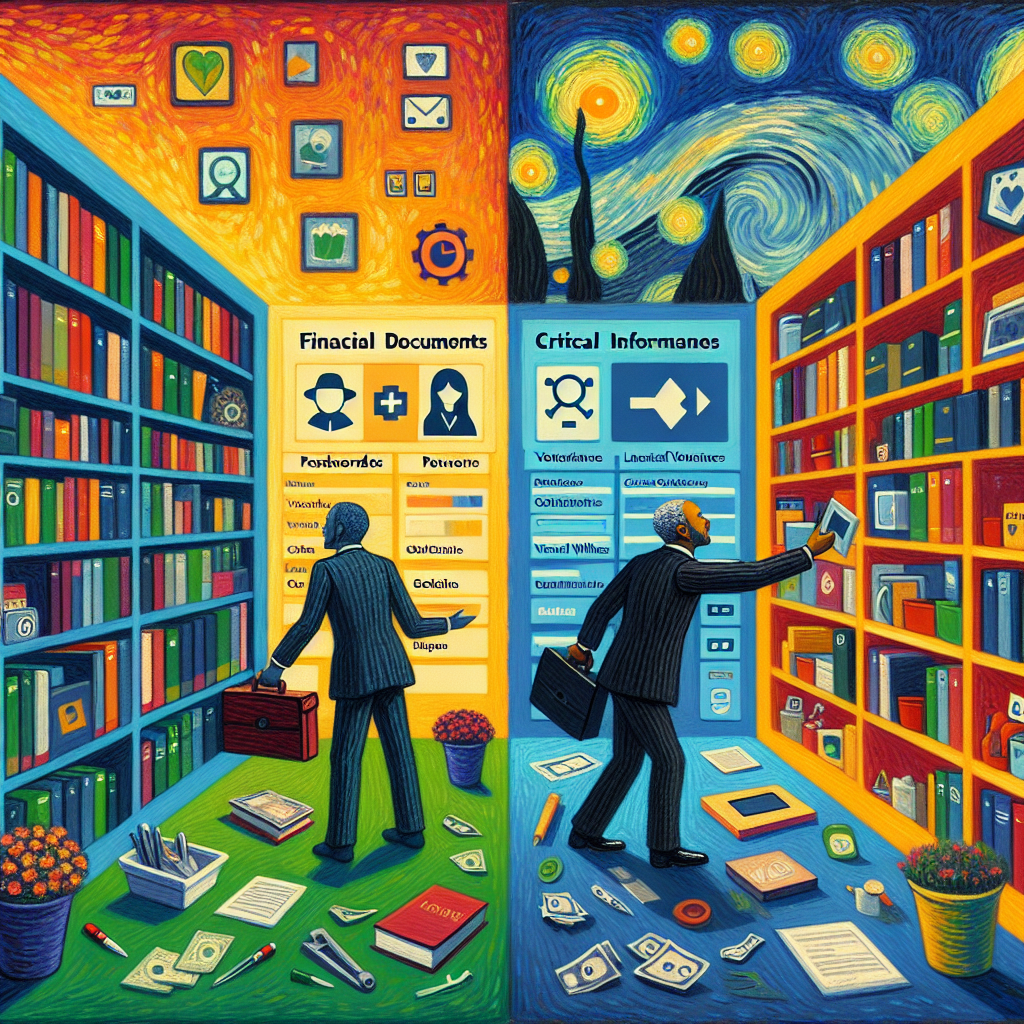
From Facebook to Icloud – a Legacy Maze
From Facebook to Icloud – a Legacy Maze
- The transition from Facebook to iCloud represents the navigation through digital legacies.
- Each online memory contributes to a personal narrative of joys, struggles, and identity.
- Digital footprints encompass more than data; they symbolize what we value and wish to preserve.
- The choice of storage solutions raises questions about data management and the risks of loss.
- Trust in digital services requires accountability from providers regarding data security.
- Legacy-building is an invitation to curate personal histories and foster intergenerational connections.
- Preserving our stories collectively is essential in ensuring their lasting impact through time.

From Facebook to Icloud – a Legacy Maze
Table Of Contents
- From Facebook to Icloud – a Legacy Maze
- What Memories Do You Want to Leave Behind for Loved Ones?
- How Can Digital Assets Be Managed After Death?
- What Happens to Your Social Media Accounts After You Pass?
- How Can You Ensure Your Wishes Are Honored Digitally?
- What Stories Do You Want Your Online Presence to Tell?
- Do You Trust Tech Companies with Your Digital Legacy?
- How Can Sharing Your Legacy Empower Your Loved Ones?
- Conclusion
- Other Resources
- Glossary Of Terms
- Other Questions
- Haiku
- Poem
- Checklist
What Memories Do You Want to Leave Behind for Loved Ones?
When it comes to the legacy we leave, it’s often the stories that matter most. Legacy storytelling isn’t just about recounting heroic deeds or monumental achievements; it’s about the rich tapestry of lived experiences—those moments that may seem ordinary at first glance but hold extraordinary value in the hearts of our loved ones. Think about your own life. What anecdotes, lessons, or insights resonate with you? Those are the threads that will weave your legacy.
Consider the stories that made you laugh, the challenges that taught you resilience, or the moments of vulnerability that helped shape your character. Each memory serves as a beacon, guiding the next generation through the inevitable storms of life. By sharing your experiences, you provide a roadmap for your loved ones, helping them navigate their own journeys. This isn’t merely a passive act; it invites engagement. When we share stories, we don’t just pass on knowledge; we foster connection, encouraging our family and friends to reflect on their own lives.
Moreover, there’s an ethical duty in storytelling—to ensure that our loved ones understand the values we hold dear. It’s about imparting wisdom rooted in experience. When we discuss our failures alongside our successes, we craft a narrative that’s relatable and human. It’s not just about being a role model; it’s about showing that it’s okay to stumble, to learn, and to grow. This authenticity resonates on a deeper level, inspiring trust and confidence.
Look at the power behind narratives that evoke emotions. Your stories don’t need to be grand; they need to be genuine. Share the tale of that one time you faced adversity but found joy through community, hard work, or a simple act of kindness. Those moments anchor us to our humanity and inspire everyone to look inward and evaluate their own values and choices.
In sharing your life’s narrative, you play a pivotal role in shaping the memories your loved ones will carry with them. Focus on the heart, engage the head, and stir the gut. The stories we tell matter profoundly, often in ways we cannot fully comprehend until we see the impact they leave behind. Embrace your legacy storytelling. Craft your narrative not just for your sake, but for the generations that will follow. They will carry these memories, and in doing so, they will carry a piece of you with them always.

What Memories Do You Want to Leave Behind for Loved Ones?
What Memories Do You Want to Leave Behind for Loved Ones?
- Legacy storytelling emphasizes the importance of personal stories over grand achievements.
- Every anecdote or lesson forms part of an individual’s legacy and resonates with loved ones.
- Sharing experiences creates a roadmap for future generations, helping them navigate challenges.
- Storytelling fosters connection and encourages reflection among family and friends.
- There is an ethical obligation to share values and impart wisdom through personal narratives.
- Authentic stories, whether about success or failure, inspire deeper trust and connection.
- Crafting and sharing your narrative shapes the memories your loved ones will cherish forever.

What Memories Do You Want to Leave Behind for Loved Ones?
How Can Digital Assets Be Managed After Death?
Managing digital assets after death is an often overlooked yet profoundly important aspect of modern life. As we navigate the digital landscape, our online presence becomes an integral part of our legacy. This is more than a simple collection of photos, accounts, or virtual currencies; it’s a narrative that reflects our lives, our relationships, and our values. Just think about the stories embedded in our social media posts or the emails that captured moments we might have otherwise forgotten. These bits of data hold immense sentimental value.
When a loved one passes away, the task of managing their digital assets can feel daunting. The emotional weight is heavy; memories flood in as we scroll through old messages or photos, and suddenly, these digital remnants become part of our grieving process. Yet, amid the sadness, a clear, rational approach must prevail—organizing access to these assets can prevent further heartache for those left behind. Creating a Digital Estate Plan is an essential step; it is not just a protective measure, but a gift to your heirs. By designating accounts, passwords, and preferences, you’re crafting a roadmap that leads them through the complex terrain of your digital footprint.
Ethically, we owe it to our loved ones to handle our digital assets responsibly. It’s vital to have discussions about how we wish our online personas to be treated after we’re gone. This conversation can bridge gaps and foster connection, ensuring that our story continues to resonate, even when the storytellers fade. By embracing Legacy Storytelling, we allow our values and experiences to live on, and we empower our friends and family to share our journey in a way that honors our memory.
Engagement in this planning also speaks to a deeper understanding of the digital age we inhabit. Our online lives are woven into the fabric of who we are, and as we leave this world, our digital presence can still influence, inspire, and provide comfort. By taking steps to manage these assets wisely, we pave the way for a respectful and meaningful farewell.
Community also plays a crucial role. By discussing these topics openly, we normalize the need for preparedness surrounding digital legacies. Everyone, regardless of age or tech-savviness, can relate to the importance of leaving a clear trail for those we care about. We owe it to ourselves and to future generations to ensure our stories are preserved, respected, and shared with love.

How Can Digital Assets Be Managed After Death?
How Can Digital Assets Be Managed After Death?
- Managing digital assets after death is a crucial yet often overlooked responsibility.
- Our online presence contributes significantly to our legacy and encompasses more than just digital files.
- The process of handling digital assets can evoke strong emotions and be part of the grieving journey.
- Creating a Digital Estate Plan helps organize access to assets and offers clarity for heirs.
- Ethical discussions about handling online personas can help ensure continued connection and resonance of personal stories.
- Engaging in digital asset management reflects a deeper understanding of our digital existence and its impact after death.
- Open conversations about digital legacies normalize the importance of preparedness among all individuals.

How Can Digital Assets Be Managed After Death?
What Happens to Your Social Media Accounts After You Pass?
In our fast-paced digital age, social media isn’t just a tool for sharing photos and opinions; it’s a platform for legacy storytelling, a modern tapestry woven with moments, memories, and connections that define who we are. But what happens to these digital footprints when we leave this world? This question may seem simple, yet it cuts to the very heart of how we understand our relationships and the narratives we leave behind.
While most of us swipe, click, and type without a second thought, it’s essential to recognize that our online lives are a treasure trove of experiences — both ours and those we share with others. Each post, comment, and like reflects a part of our journey, forming a rich mosaic of our existence. If we approach the topic rationally, we see that most social media platforms have policies for accounts after death. Some allow for memorialization, turning profiles into virtual shrines, while others require family consent for deletion or access. These practicalities underscore a deeper ethical obligation: to consider how we treat our digital selves and the impact on those we cherish.
But it’s not just the technical details that matter. There’s an emotional weight tied to every profile picture and shared meme. Think of the stories embedded in those images. Wouldn’t it be comforting for loved ones to scroll through and feel your presence again? This isn’t just nostalgia; it’s a vital connection that bridges loss and love, keeping memories alive amidst the digital ether.
Then there’s the narrative at play. When someone passes, their social media accounts often become a locus for sharing memories and stories, a communal space for grieving and celebrating life. Friends and family leave messages, recount tales, and collectively honor the life that was lived. This social appeal fosters a sense of unity, reminding us that while our physical forms may fade, the bonds we create persist, resonating with warmth and familiarity.
Ultimately, as we navigate this complex landscape, we find ourselves faced with a choice: to approach our social media presence thoughtfully and intentionally or to let it drift into obscurity. The decision to plan for our digital legacies speaks volumes about the value we place on our stories. So take time now to reflect on your presence online. Consider how you want your legacy storytelling to unfold—not just during your life, but well beyond it, inspiring trust, confidence, and connection in those you leave behind.

What Happens to Your Social Media Accounts After You Pass?
What Happens to Your Social Media Accounts After You Pass?
- Social media serves as a platform for legacy storytelling, reflecting our moments and connections.
- Digital footprints raise questions about relationships and the narratives we leave behind after death.
- Online lives represent a treasure trove of experiences, forming a mosaic of our existence.
- Social media platforms have policies regarding accounts after death, including memorialization options.
- The emotional weight of profiles and shared content provides comfort to loved ones after loss.
- Accounts often become spaces for sharing memories and celebrating lives, fostering communal grieving.
- Planning for our digital legacies reflects the value we place on our stories and impacts those we leave behind.

What Happens to Your Social Media Accounts After You Pass?
How Can You Ensure Your Wishes Are Honored Digitally?
In an age where our lives are interwoven with technology, ensuring your wishes are honored digitally requires more than just a few clicks. It’s about crafting a legacy that tells your story, a legacy storytelling that resonates beyond mere data. Picture this: your grandchildren recounting moments of your life, not just the highlights, but the little anecdotes that made you who you were.
Start by creating a digital will. This isn’t just a document; it’s your voice shouting above the cacophony of silence. List your digital assets—social media accounts, blogs, and photographs—and specify who gets to curate your online presence. Picture the power of having control over your legacy, a force that can drive your loved ones to remember and celebrate you in the way you intend.
Consider your online footprint. Each post and tweet are not merely fragments of thoughts; they encapsulate your beliefs, your humor, your essence. Review them regularly. Align your digital narrative with your values. Ask yourself if your digital persona echoes your real-life convictions. This is about more than just personal brand mastery; it’s ethically right to leave behind a digital identity that reflects who you truly are.
You will need an advocate, someone fiercely loyal who will ensure your wishes are realized. This person becomes the guardian of your digital legacy, understanding the ethical weight that accompanies such a responsibility. By having an authority figure—a trusted friend or family member—who knows your values and desires, you gain peace of mind that your wishes will not just be followed, but respected.
Moreover, narrative plays a critical role. Sharing stories about your life can create a tapestry that future generations will cherish. Encourage your loved ones to do the same. Open up dialogues about your choices, your hopes, and your dreams. This not only fosters connection but also empowers others to reflect on their own legacies, ensuring a ripple effect of intention and purpose.
Invite your family and friends into this conversation. Let them know how important it is to honor the digital you. By engaging in these discussions, you elevate the heart of this process. It’s not just about technology; it’s a deeply human endeavor.
In this digital age, the profound responsibility lies with you. Protect your story. Honor your legacy. Ensure your wishes are not just hashtags and status updates, but cherished memories and guiding principles for those you leave behind.

How Can You Ensure Your Wishes Are Honored Digitally?
How Can You Ensure Your Wishes Are Honored Digitally?
- Crafting a digital legacy involves more than just basic online management; it requires storytelling that resonates.
- Create a digital will to voice your wishes regarding your online presence, specifying who will manage your digital assets.
- Regularly review your online footprint to ensure it reflects your true beliefs and values.
- Designate a trusted advocate to uphold your digital legacy and wishes.
- Sharing personal stories fosters intergenerational connections and helps others reflect on their own legacies.
- Engage family and friends in discussions about your digital identity to emphasize its importance.
- Ultimately, ensure your digital presence is a cherished part of your legacy, guiding those you leave behind.

How Can You Ensure Your Wishes Are Honored Digitally?
What Stories Do You Want Your Online Presence to Tell?
In a world more connected than ever, the essence of your online presence transcends mere pixels on a screen. It isn’t just about curated images or cleverly worded posts; it’s about legacy storytelling—crafting a narrative that resonates with who you are and what you stand for. Every interaction you engage in, every post you share, is a chapter in a tale that others will read and interpret. What do you want your story to convey?
Think about the heart of your narrative. People are drawn to authenticity. They want stories that evoke emotions, stories of perseverance, compassion, and shared experiences. When you embrace vulnerability, you pull back the curtain on what it truly means to be human. This emotional connection lays the foundation for trust; it fosters relationships that extend far beyond a single interaction. A compelling narrative makes others feel a part of your journey—individuals sharing in your triumphs and challenges can become friends, supporters, and allies.
Next, consider the rational side of your story. There’s a certain power in truth and clarity. When you articulate your values and purpose clearly, you establish authority. Be straightforward about what drives you. Share the lessons learned through hard-fought battles, the insights that have shaped your worldview. People respect honesty and are inspired by those who can combine their passions with a clear vision. This is where your story doesn’t just attract followers—it cultivates advocates.
Your ethical compass also plays a pivotal role. Stand firm in your beliefs and the issues that matter to you. Show that your online presence isn’t just a façade; it represents your commitment to making a difference. When you align your actions with your values, you build credibility. People want to support those who act with integrity and lead by example. Your story, then, becomes a call to action—a narrative that encourages others to join you in creating a positive impact.
Finally, weave social appeals into your legacy storytelling. Include the voices and experiences of those around you. Highlight moments of community, collaboration, and shared goals. We are all part of a larger tapestry, and recognizing this interconnectedness can amplify your message. Your story may rotate around you, but its ripples extend to encompass everyone you touch.
Reflect on the stories you share. Are they building a legacy that aligns with your true self? Are they inviting others to connect, understand, and act? It’s the stories we tell that shape the world we inhabit.

What Stories Do You Want Your Online Presence to Tell?
What Stories Do You Want Your Online Presence to Tell?
- Your online presence is about legacy storytelling, not just curated images or posts.
- Authenticity and emotional connection are essential for trust and lasting relationships.
- Be clear about your values and purpose to establish authority and inspire others.
- Your ethical compass should guide your online actions, showing commitment to making a difference.
- Stories should include community voices and shared experiences to amplify your message.
- Reflect on whether your stories align with your true self and invite connection and action.
- Recognize that storytelling shapes the world and impacts those around you.

What Stories Do You Want Your Online Presence to Tell?
Do You Trust Tech Companies with Your Digital Legacy?
In today’s digital world, our lives are woven into the fabric of technology, creating a tapestry that tells our unique stories. But when it comes to entrusting tech companies with our digital legacy, we must pause and reflect. Each post, every photo, and all those cherished moments we share online comprise our Legacy Storytelling — the narratives that define who we are long after we’re gone.
Imagine a future where your loved ones can look back at your digital footprint and feel your presence. The very thought is comforting, yet it raises profound questions about trust. Who holds that narrative? Who has the authority to shape these remnants of our lives? It’s a monumental responsibility to manage someone’s memories and identity. How do we ensure that these stories are preserved with dignity and respect?
Rationally, we recognize that technology can be a double-edged sword. While it provides unprecedented access to our stories and experiences, it also poses risks. Breaches of privacy, manipulations by corporate interests, and the potential for exploitation loom large. We must evaluate the ethical implications of letting companies wield the power to curate our legacies. Are they equipped to handle this legacy with respect, or are we simply another data point at their mercy?
Yet, when we look at the landscape of tech companies, there are some shining examples of corporate responsibility. These organizations have risen to the challenge, prioritizing user consent and transparency in their services. They encourage open discussions about data management and policies, fostering a relationship built on trust. Connecting with those who understand the weight of our stories can bring confidence in their ability to safeguard our digital lives.
Ultimately, it boils down to a gut feeling: who do you trust with your legacy? The stories we share, the memories we create, these are not just data but threads that connect us to our families and friends. As we become more conscious of our digital presence, we can cultivate relationships with companies that are responsive to our needs and concerns. We can demand that they take their role seriously, ensuring our digital legacy is treated not as an asset, but as a cherished narrative waiting to be honored and passed down through generations.
So, as you navigate this digital landscape, consider your legacy. Engage with those who prioritize your story, fostering a future where your essence continues to resonate, providing comfort and connection, well beyond your years.

Do You Trust Tech Companies with Your Digital Legacy?
Do You Trust Tech Companies with Your Digital Legacy?
- Digital lives are intertwined with technology, creating personal narratives that define us.
- Entrusting tech companies with our digital legacy raises questions of trust and authority.
- The preservation of stories and memories requires dignity and respect from those managing them.
- Technology can provide access to our stories but also poses risks like privacy breaches and exploitation.
- Some tech companies prioritize user consent and transparency, fostering trust through ethical practices.
- Choosing who to trust with our legacy is crucial; these narratives are vital connections to loved ones.
- Engaging with responsible companies can ensure our digital legacy is cherished and honored for future generations.

Do You Trust Tech Companies with Your Digital Legacy?
How Can Sharing Your Legacy Empower Your Loved Ones?
Sharing your legacy is one of the most profound gifts you can offer your loved ones. It’s not just about leaving behind possessions or financial assets; it’s about sharing the essence of who you are and the experiences that molded you. Legacy storytelling serves as a bridge connecting generations, weaving together the threads of personal history, values, and life lessons. Imagine your children, grandchildren, or even friends finding inspiration in your stories long after you’re gone, feeling your presence in the words you’ve shared, and learning from the path you’ve walked.
Every story you tell carries an emotional weight. It’s the laughter you shared, the struggles you faced, and the triumphs you celebrated—moments that resonate and bind us together. When you open up about your journey, you’re not just recounting events; you’re highlighting the lessons learned and the wisdom gained through resilience. Those narratives encourage reflection, sparking conversations that delve deeper than the surface. They ask your loved ones to consider their own values, decisions, and the stories they will eventually tell.
Rationally, sharing your legacy provides clarity and perspective. It’s a way to articulate your beliefs and instill them in those you cherish. By expressing your hopes, dreams, and the principles that guided your life, you empower them to navigate their own paths with confidence and purpose. It invites accountability and responsibility for their choices, reinforcing the idea that they are part of a larger narrative—a legacy that transcends individual successes or failures.
Ethically, there’s immense value in passing down the principles that matter most. By highlighting values such as hard work, kindness, or integrity, you cultivate a sense of shared identity and responsibility within your family or community. Each story you share reinforces your authority not just as a parent or mentor, but as a steward of a lineage that strives to make a positive impact on the world.
Engagement through legacy storytelling fosters connection and strengthens bonds. It nurtures an environment where conversations flourish, where vulnerability is met with understanding. Your legacy is more than just a collection of stories; it’s an invitation for others to reflect, learn, and grow. It cultivates trust—a trust that you’ve paved the way for them, not just in words, but through the shared experiences and timeless lessons that endure beyond a lifetime. So, take the time to share your legacy. It might just be the most powerful thing you do for those you love.

How Can Sharing Your Legacy Empower Your Loved Ones?
How Can Sharing Your Legacy Empower Your Loved Ones?
- Sharing your legacy is a profound gift that extends beyond material possessions.
- Legacy storytelling connects generations by highlighting personal history, values, and life lessons.
- Each story carries emotional weight, emphasizing shared experiences and wisdom gained.
- Articulating beliefs through legacy fosters clarity and empowers loved ones to navigate their paths.
- Passing down values like hard work and kindness cultivates shared identity and responsibility.
- Legacy storytelling strengthens bonds, encourages reflection, and nurtures understanding.
- Sharing your legacy is an opportunity for growth, trust, and leaving a lasting impact.

How Can Sharing Your Legacy Empower Your Loved Ones?
Conclusion
The digital landscape we navigate today is a complex, vibrant tapestry where every moment captured online contributes to our legacy. As we traverse this maze from Facebook to iCloud, it’s essential to recognize that our digital footprints extend far beyond mere data; they echo the very essence of who we are. Each post, photo, and shared memory showcases not just our lives but the stories we leave behind. It’s not merely about preserving memories; it’s about ensuring our experiences resonate and connect long after we’re gone.
Consider the emotional significance of your online presence. The laughs, the tears, the lessons learned—these experiences are woven into our identities and, by extension, into our legacies. We must ask ourselves what we want to leave behind for future generations. Our stories should provide comfort and guidance, allowing loved ones to feel our presence even when we’re no longer by their side. This isn’t just about nostalgia; it’s about crafting a narrative that is relevant and accessible.
Rationally, we need to think critically about where we store these memories. While platforms like Facebook foster connection, they remain fragile; at any moment, our digital scrapbooks could vanish. On the other hand, iCloud and similar services offer a promise of security—yet how many of us understand the intricacies of managing our data? It is crucial to address this landscape with a plan that ensures our past is safeguarded and honored appropriately.
Beyond the practicalities lies an ethical responsibility. Trust in these digital service providers should be rooted in accountability. We must ensure they respect our legacies, treating our stories with the dignity they deserve. This brings us to a greater narrative: instead of viewing legacy as a burden, let’s see it as an invitation to engage. With every misstep, like a forgotten password, we are reminded to capture our narratives meaningfully.
In this collective journey, we find community. Millions grapple with preserving their legacies in a transient digital world, reminding us we are not alone. It’s time to embrace the responsibility of shaping our legacies—making them not just remembered but profoundly felt. As we share our lives, we create an enduring impact that echoes through the years, encouraging connection, understanding, and growth among generations. The stories we tell matter deeply, reinforcing bonds and guiding our loved ones long into the future. Let’s ensure that when the screens dim, echoes of our lives continue to resonate.

Conclusion
Conclusion:
- The digital landscape is a complex tapestry that shapes our legacy through online moments.
- Our digital footprints represent our identities, showcasing lives and stories beyond mere data.
- Emotional significance lies in online presence, with experiences influencing our legacies.
- We should thoughtfully consider what we want to leave behind for future generations.
- Storage of memories requires critical planning, balancing connection and security.
- Ethical responsibility involves accountability from digital service providers towards our legacies.
- Preserving our legacies fosters community and encourages connection across generations.

Conclusion
Other Resources

Other Resources
Here is a list of other resources you can review online to learn more:
- Storyfile
- Personal Legacy Advisors
- Ancestry
- LifeSite
- EverNote
- Geneanet
- MyMoriam
- RocketLawyer
- LastPass
- Living Wisely
- Association of Personal Historians
- PartingWishes
- Xarona
- Tributes
- Postumo
- How Has Time Changed The Cost Of Capturing Family Legacy Stories
- APH
- Remembered.com
- INELA
- IronClad Family
Use This Prompt To Get More Resources With Your Favorite Online AI Tool: Please provide me with a list of online articles with their URLs in a bulleted list that I can read regarding From Facebook to Icloud – a Legacy Maze

Other Resources
Glossary Terms
From Facebook to Icloud – a Legacy Maze – Glossary Of Terms
1. Account: A user profile created on a platform, allowing access to services and personalization of content.
2. Algorithm: A set of rules or calculations used by social media platforms to determine the visibility of posts and ads.
3. Cloud Computing: The delivery of computing services over the internet, enabling data storage and access remotely.
4. Data Privacy: The handling and protection of personal information shared on digital platforms.
5. Digital Footprint: The trail of data left by a user’s online activity, including social media interactions and transactions.
6. Firewall: A security system that monitors and controls incoming and outgoing network traffic based on predetermined security rules.
7. Identity Theft: The unauthorized use of personal information to impersonate someone, typically for financial gain.
8. Interoperability: The ability of different systems, devices, or applications to work together and exchange information seamlessly.
9. IoT (Internet of Things): A network of interconnected devices that communicate and share data with each other over the internet.
10. Metadata: Data that provides information about other data, often used to describe the content, quality, and context of digital files.
11. Multi-factor Authentication (MFA): A security process that requires two or more forms of verification before granting access to an account.
12. Privacy Settings: Options within an application that allow users to control who can see their information and how it’s shared.
13. Profile: A collection of personal information on a social media platform that represents an individual or entity.
14. SDK (Software Development Kit): A collection of tools and documentation that developers use to create applications for specific platforms.
15. Social Media: Online platforms that enable users to create, share, and interact with content and other users.
16. Terms of Service (ToS): Legal agreements outlining the rules and regulations that users must follow when using a service.
17. Two-step Verification: A security method that requires users to provide two different authentication factors to verify their identity.
18. User Experience (UX): The overall experience of a person using a digital product, focusing on ease of use and satisfaction.
19. User Interface (UI): The means by which users interact with a digital product, including design, layout, and interactive elements.
20. Virtual Private Network (VPN): A service that creates a secure, encrypted connection over a less secure network, enhancing privacy.
21. Web Hosting: A service that allows individuals or organizations to publish a website on the internet.
22. Cloud Storage: An online service that allows users to store and manage their data on remote servers.
23. Digital Legacy: The digital information and assets that remain after an individual passes away, including social media accounts and online content.
24. Data Breach: A security incident in which unauthorized individuals gain access to sensitive information.
25. End-to-end Encryption: A method of data transmission where only the communicating users can read the messages.
26. Phishing: A fraudulent attempt to obtain sensitive information by disguising as a trustworthy entity in electronic communication.
27. Platform: A foundation or environment in which applications are developed and run, including social media and cloud services.
28. Spam: Irrelevant or unsolicited messages sent over the internet, often for advertising purposes.
29. Syncing: The process of matching data across different devices to ensure consistency and accessibility.
30. User Agreement: A legal document that outlines the rights and responsibilities of the user and the service provider.

Glossary Of Terms
Other Questions
From Facebook to Icloud – a Legacy Maze – Other Questions
If you wish to explore and discover more, consider looking for answers to these questions:
- What exactly counts as a digital asset (accounts, files, cryptocurrencies, domain names, etc.)?
- How do I create a digital estate plan and where should I store it?
- What specific information should I include in a digital will?
- How do I designate a digital executor or legacy contact and what powers should they have?
- How do major platforms handle accounts after death (Facebook, Instagram, X/Twitter, Apple/iCloud, Google, LinkedIn)?
- How can family members gain access to accounts protected by passwords and two‑factor authentication?
- What legal authority do heirs have to access or control a deceased person’s online accounts?
- How do laws and policies differ by country or state regarding digital asset inheritance?
- Can data be retrieved from cloud storage or social accounts if no login details were left behind?
- How should I preserve photos, videos, messages, and other sentimental files for the long term?
- What file formats and storage practices best ensure long‑term readability and durability?
- How do I migrate content between platforms (for example, exporting Facebook albums to iCloud)?
- What are the risks of granting platforms ongoing custody of my memories versus retaining local backups?
- How do I instruct platforms to memorialize versus delete my social media accounts?
- How should joint or shared accounts and content involving other people be handled after death?
- What happens to cryptocurrencies, NFTs, and other blockchain assets when an owner dies?
- How should I store and pass on encryption keys, seed phrases, and password manager access securely?
- Are there professional services or tools that help manage digital legacies, and how do I evaluate them?
- How do privacy policies and terms of service affect post‑mortem access and control?
- What ethical considerations apply when publishing or sharing a deceased person’s online content?
- How can I curate the stories and context (comments, reactions, dates) so my legacy is meaningful to heirs?
- What practical steps can minimize family conflict over digital assets and legacy storytelling?
- How can I ensure my digital wishes are legally enforceable in my estate plan?
- Who is the best person to appoint as a digital custodian and what criteria should I use?
- How often should I review and update my digital legacy plan as platforms and technology change?
- How long do cloud providers retain data after an account is closed, memorialized, or deleted?
- What are the potential costs or fees heirs may face to access, transfer, or preserve digital assets?
- How can I protect sensitive personal information while still preserving meaningful memories?
- What should I do about recurring subscriptions, automatic billing, and online services after death?
- Where can I find trustworthy legal and technical resources to help build a comprehensive digital legacy plan?

Other Questions
Haiku
From Facebook to Icloud – a Legacy Maze – A Haiku
Digital tales unfold,
Memories bridge hearts and souls,
A legacy lives.

Haiku
Poem
From Facebook to Icloud – a Legacy Maze – A Poem
In the digital world where memories dwell,
From Facebooks posts to iClouds shell,
We weave our stories, pixel by pixel,
A legacy maze, where moments entwine and tickle.
Your laughter, your tears, each triumph and strife,
Echoes of essence, the heartbeat of life.
What whispers remain when the scroll reaches ends?
Memories, connections, where love never bends.
With each fleeting post, a question we face,
How to preserve what time cannot erase?
Think critically now, for moments are fleeting,
In clouds they may linger, yet oft go unheeding.
An ethical duty, the weight of the past,
Trust in these platforms, their bonds must hold fast.
We stitch our narratives, not burdens but gifts,
Inviting engagement, where the heart gently lifts.
Consider your legacy, not just what you owned,
But stories that blossom in every heart known.
When faced with the loss, those tales become light,
Navigating through darkness, guiding souls bright.
So gather your stories, both wise and sincere,
Share laughter and lessons, draw loved ones near.
In this realm of connection, you’re never alone,
Together, our legacies flourish and grow.
Poem
Checklist
From Facebook to Icloud – a Legacy Maze – A Checklist
Emotional Appeals
✅______ Reflect on key stories and moments that define your essence.
✅______ Consider the legacy of love you want to leave behind for your loved ones.
✅______ Identify the experiences that bring you and your family joy; these are the heart of your narrative.
Rational Appeals
✅______ Create a secure digital estate plan to manage your online presence efficiently.
✅______ Review and organize your digital assets regularly to prevent confusion for loved ones.
✅______ Familiarize yourself with the policies of social media platforms regarding posthumous accounts.
Ethical Appeals
✅______ Discuss your wishes for your digital legacy with family and friends to ensure clarity and understanding.
✅______ Choose a trusted advocate who can uphold your values and wishes regarding your online presence.
✅______ Reflect on the ethical implications of how your digital presence might be managed after your passing.
Authority Appeals
✅______ Establish a digital will that outlines how you want your digital assets handled.
✅______ Research and select reliable tech companies that prioritize user privacy and consent in managing digital legacies.
✅______ Stay informed about best practices in digital asset management for peace of mind.
Narrative Appeals
✅______ Craft personal anecdotes that your loved ones can carry forward, sharing both triumphs and challenges.
✅______ Encourage open conversations and storytelling within your family about memories and values.
✅______ Document lessons learned and wisdom gained throughout your life for future generations.
Social Appeals
✅______ Engage with your community to normalize discussions about digital legacies and estate planning.
✅______ Share your legacy stories on social platforms, inviting others to reflect on their narratives.
✅______ Collaborate with family members in curating shared memories that honor both individuals and connected histories.

Checklist
At LegacyExplorations, we help people plan and explore their legacy by collecting information and news regarding end-of-life planning.
Please share this post with your friends, family, or business associates who may want help to plan or explore their legacy.