

“Rediscovering Our Digital Past: The Stories We’ve Left Behind”
By Tom Seest
At LegacyExplorations, we help people plan and explore their legacy by collecting information and news regarding end-of-life planning.
Please share this post with your friends, family, or business associates who may want help to plan or explore their legacy.
From Floppy Disks to Forgotten Files
In a world where information is fleeting and the latest technology often takes center stage, it’s easy to overlook the roots of our digital journey. From the gritty sound of a floppy disk sliding into a drive to the dark corners of forgotten files on a host of obsolete devices, we find a tapestry woven with our collective experiences—each artifact a testament to the way we’ve interacted with technology.
Those floppy disks, once heralded as revolutionary, were more than just storage devices. They represented an era of discovery, curiosity, and innovation. Each click and whir was a step into a new frontier. With every file saved, we weren’t just preserving data; we were crafting a legacy—a story of who we were and what we aimed to achieve amidst the rapid changes of technology. This is the essence of legacy storytelling, connecting the past with the present, enriching our understanding of how far we’ve come.
Fast forward to today, where terabytes have replaced mere megabytes, and cloud storage is the norm. Yet, for all our advancements, there remains a sense of nostalgia tied to those early devices. They remind us of simpler times when waiting for a file to save was just part of the process, not an inconvenience. On some level, we bond over shared experiences of frustration and triumph—the tension of waiting, the fear of corruption, and the thrill of finally accessing long-lost documents.
But with progress comes a cost. Our digital landscapes are littered with forgotten files, remnants of memories that. To ignore them would be to dismiss a vital part of our narrative. Each file, whether still active or collecting digital dust, represents a choice—a moment in time that signifies growth and learning. There’s value in those forgotten moments, in those pieces of our digital heritage that evoke echoes of hard work, creativity, and occasionally, regret.
As we navigate this ever-evolving digital age, there’s an ethical responsibility for each of us. We must honor our past while engaging with the future. In the process, we cultivate a stronger connection not only to our own stories but to the larger narrative of humanity’s relentless pursuit of progress. Embracing this journey fosters appreciation for the tools that helped shape our lives, encouraging us to share our experiences and insights, paving the way for future storytellers.
So, let’s take a moment to reflect on those floppy disks and the files they preserved. They hold not just data, but emotions, aspirations, and lessons learned—our legacy, waiting to be explored.

From Floppy Disks to Forgotten Files
From Floppy Disks to Forgotten Files
- Floppy disks symbolize a pivotal era in technology, representing curiosity and innovation.
- Each saved file reflects a legacy of personal growth and collective experiences.
- Modern advancements like terabytes and cloud storage evoke nostalgia for earlier technology.
- Shared experiences with old devices foster a bond through common frustrations and triumphs.
- Forgotten files act as remnants of our digital heritage, highlighting moments of creativity and regret.
- There’s an ethical responsibility to honor past technology while embracing future innovations.
- Reflecting on legacy inspires appreciation for the tools that shaped our lives and storytelling.

From Floppy Disks to Forgotten Files
Table Of Contents
- From Floppy Disks to Forgotten Files
- What Memories Do Floppy Disks Hold for You?
- How Have Tech Changes Impacted Archiving?
- Which Old Tech Do You Miss the Most?
- Are We Losing Our Digital Heritage?
- How Does Nostalgia Influence Our Tech Choices?
- What Stories Do Old Files Tell About Us?
- How Can We Preserve Important Digital Memories?
- Conclusion
- Other Resources
- Glossary Of Terms
- Other Questions
- Haiku
- Poem
- Checklist
What Memories Do Floppy Disks Hold for You?
In the corners of attics and the depths of old drawers, floppy disks lie waiting—silent sentinels of a bygone era. They may seem like relics of a technological past, but they hold more than just data; they encapsulate a legacy, a collective story we share. Remember the sound of the disk spinning up, the click of the drive engaging? Those moments carried a weight, a promise that what we created and saved would endure. Floppy disks were the first tangible connection many of us had to the digital world, a bridge from paper to pixels.
For many, their significance goes beyond mere storage; they represent the late nights spent coding, the excitement of completing a big project, or the thrill of transferring your first presentation to a teacher—or maybe even the bittersweet goodbye of moving away to college. Each save was a step toward something bigger, a piece of ourselves stored away for future reflection. These disks are filled with our triumphs and our flops, each one a chapter in the narrative of our lives.
From an ethical standpoint, the shared experiences surrounding these disks foster a unique bond. The clunky, unreliable nature of floppy disks reminds us that perfection is not inherent in technology. It humbles us, teaching resilience through countless attempts to retrieve files that sometimes just wouldn’t unstick. It’s a reminder that our worth isn’t tied to the ease of access, but to the effort we put into achieving our goals.
In a world that’s rapidly evolved into microchips and cloud storage, the nostalgic allure of floppy disks tugs at the heart. They spark connections with others who share similar memories, triggering conversations that weave together our digital stories into one rich tapestry. Perhaps it’s our collective yearning for simpler times that draws us back. We remember the thrill of our first email or the relief of finally securing that term paper—it echoes experiences that many of us have lived, creating a shared narrative of growth and learning.
So, next time you stumble upon a dusty box of these ancient disks, take a moment to reflect. What legacy do they carry? What stories can they tell? Each disk isn’t just a piece of outdated technology, but a testament to our journey—a call to remember where we’ve come from and the connections that have shaped us along the way.

What Memories Do Floppy Disks Hold for You?
What Memories Do Floppy Disks Hold for You?
- Floppy disks serve as nostalgic relics, representing a significant part of our technological past.
- They evoke memories of early digital experiences, like coding late at night and sharing presentations.
- Each disk symbolizes personal growth, containing both successes and failures in our journey.
- Their imperfect nature teaches resilience and emphasizes effort over ease of access.
- Floppy disks create a shared bond among people with similar experiences, fostering connections.
- In today’s tech landscape, they remind us of simpler times and the evolution of storage methods.
- Discovering old disks prompts reflection on the legacy of our digital past and personal stories.

What Memories Do Floppy Disks Hold for You?
How Have Tech Changes Impacted Archiving?
Archiving has always been about preserving the essence of who we are and where we’ve been. It’s a legacy storytelling endeavor, a bridge to understanding our collective journey. Yet, as technology evolves, archiving transforms in ways both profound and perplexing.
In the not-so-distant past, archiving meant tangible boxes stacked high in dusty basements or libraries. Those boxes held stories of triumph, failure, joy, and sorrow—artifacts of humanity. Each document was a whisper from the past, telling the stories of those who walked before us. But in today’s digital age, the landscape of preserving those legacies has shifted dramatically.
The heart of the issue lies in accessibility. Digital archiving has democratized information, empowering individuals to connect with their heritage. It’s no longer just institutions that hold the keys to our past; it’s now within everyone’s reach. The internet made it possible for anyone with a story to share to step onto the global stage. Just think of the countless narratives surfacing from diverse voices, each contributing to a richer, more inclusive tapestry of human experience.
However, with this accessibility comes complexity. The sheer volume of information poses challenges. How do we discern what deserves preservation? It’s a responsibility that weighs heavily on the shoulders of archivists and historians. We are not just curators; we are stewards of truth, tasked with sifting through data overload to find the golden narratives that resonate. This requires a keen eye and thoughtful discernment, ensuring that the most impactful stories survive the noise.
Moreover, ethical considerations loom large. With technology, the potential for misinterpretation and manipulation increases. The question arises: how do we maintain integrity in what we choose to preserve? Guardianship over our shared stories demands not just skill but a commitment to authenticity. Archivists must navigate these waters carefully, ensuring that the stories told are true reflections of our collective identity.
This journey into the digital realm fosters a newfound connection. Each archive we build is not just a collection of data but a conversation with the past. Archiving today means actively engaging with our history and shaping the future narratives we want to tell. It’s a call to action for everyone: contribute, share, and engage. In a world overflowing with information, let’s not forget the power of legacy storytelling—an enduring connection to our past that inspires hope for our futures.

How Have Tech Changes Impacted Archiving?
How Have Tech Changes Impacted Archiving?
- Archiving preserves our essence and collective journey.
- Traditionally involved tangible boxes in dusty locations, holding human stories.
- Digital archiving democratizes information and connects individuals to their heritage.
- Accessibility brings challenges in discerning what to preserve.
- Ethical considerations are crucial to maintaining integrity and authenticity in preservation.
- Modern archiving fosters connections with our history and encourages active engagement.
- Legacy storytelling inspires hope for the future amidst information overload.

How Have Tech Changes Impacted Archiving?
Which Old Tech Do You Miss the Most?
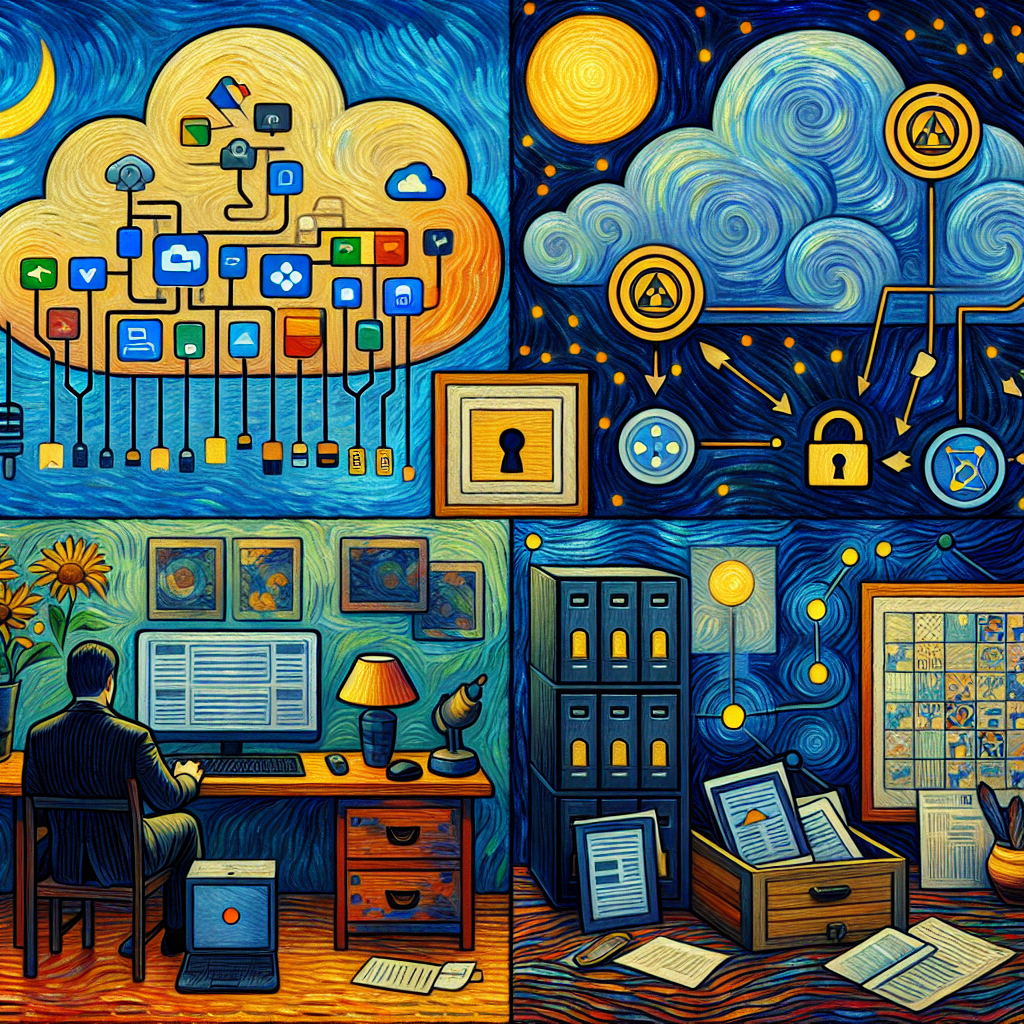
In a world buzzing with the latest gadgets and instant connectivity, it’s easy to forget the charm of old tech that once felt indispensable. Think about it: the legacies of the devices that shaped our lives offer more than mere nostalgia; they tell a story. They embody our personal histories and collective experiences, sparking connections to memories that ground us.
Take, for instance, the typewriter. The rhythmic clacking of keys, the satisfying ding at the end of a line—it was more than a writing tool. It was a ritual. Each letter pressed was a commitment. In an era of instant messaging, the typewriter reminded us to slow down, to think deliberately. It taught us the value of revision, of crafting our words with care—a skill increasingly lost in the immediacy of digital communication.
And what about the rotary phone? With its thick cord and cumbersome dial, it limited our mobility but fostered intimacy. Conversations had weight; they weren’t interrupted by notifications. Each ring coaxed us back to a more deliberate interaction, where voices carried the warmth of presence. We didn’t just call; we connected. This longing for genuine interaction persists, even as screens dominate our lives.
Photographs taken on film, too, evoke a profound sense of yearning. The anticipation of developing a roll, the vibrant unpredictability of each shot holds a magic today’s digital snapshots lack. There was an artistry in waiting, in preserving moments that mattered. Each print was a tangible slice of life, sparking stories shared with family and friends.
Listening to music on vinyl is yet another reminder of the acoustic experience that anchored our youth. The crackle and pop of a record as it spins captures attention in a way that streaming albums often fail to do. It’s a tactile relationship with sound—one that invites us to sit back, listen, and truly appreciate the artistry of the music itself.
Ultimately, these relics of technology represent more than faded memories; they signify lessons we can still learn. In our rush toward progress, we often overlook the depth these old tools offered us. Embracing their legacy invites us to reclaim valuable aspects of our humanity—intention, connection, and authenticity. Let’s not just remember the old tech; let’s weave their stories into our lives today, fostering bonds that go beyond surface-level interactions. These devices are more than metal and plastic; they are links to our past, guiding us toward a more meaningful future.
Which Old Tech Do You Miss the Most?
Which Old Tech Do You Miss the Most?
- The charm of old technology evokes nostalgia and personal stories.
- Typewriters promoted a slower, more thoughtful writing process.
- Rotary phones fostered intimacy and meaningful conversations.
- Film photography created anticipation and appreciation for moments captured.
- Vinyl records provided a tactile music experience that enhances enjoyment.
- Old tech embodies lessons about intention, connection, and authenticity.
- Reconnecting with these relics supports deeper, more meaningful interactions.

Which Old Tech Do You Miss the Most?
Are We Losing Our Digital Heritage?
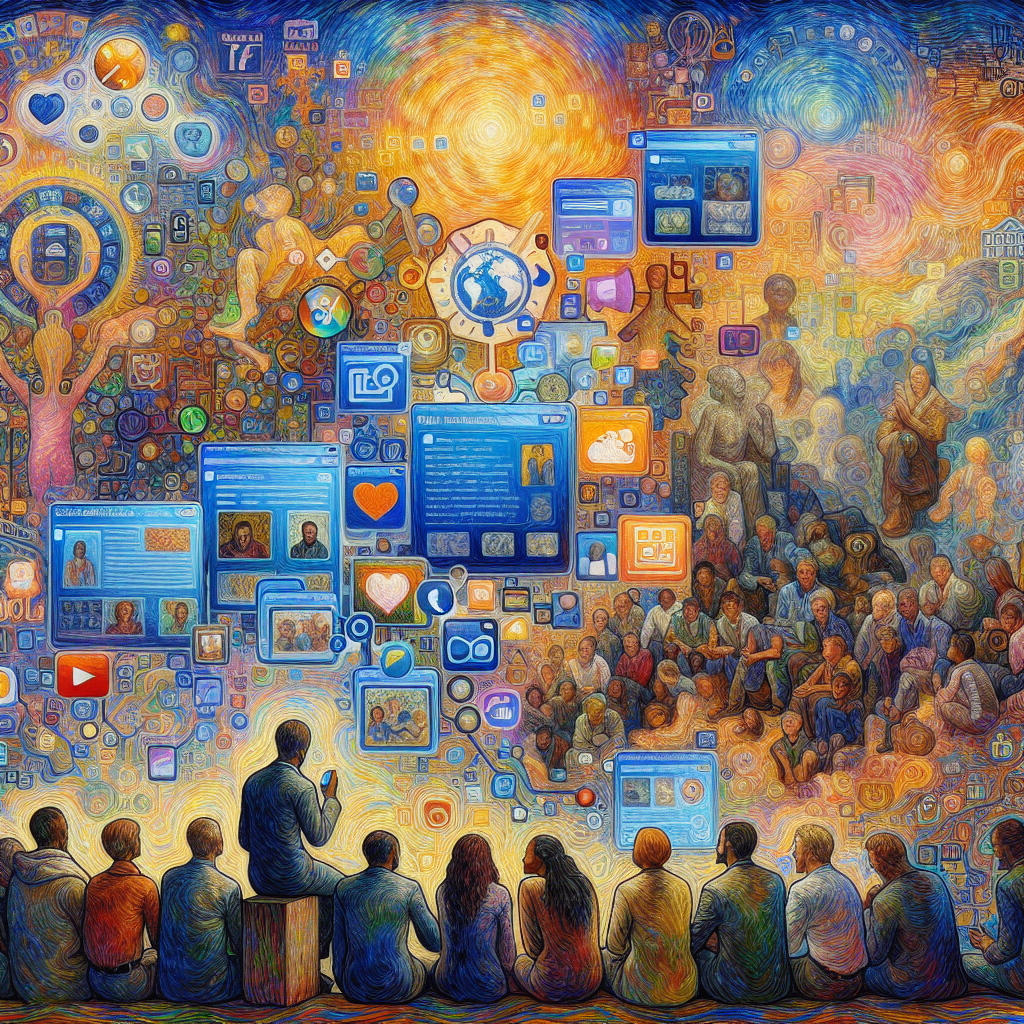
In an age where every moment is captured, streamed, and shared, it’s easy to forget the weight of our digital legacy. It’s not merely about the photos, tweets, and posts stored in the cloud; it’s about the rich tapestry of digital storytelling that defines who we are. Each meme, each blog post, each video we create weaves into the larger narrative of our collective experience. Yet, as we barrel forward, could we be overlooking what makes these fragments of life memorable? Are we risking a loss of connection to our own history because we fail to preserve the essence of our times?
Consider the significance of legacy storytelling. It carries with it not just the stories we tell, but the memories that form our identities. When we post a picture of a family gathering or share a heartfelt message, we’re crafting a narrative that transcends time. These stories are vital, connecting generations in ways that can’t be replicated through the sterile pages of a hard drive. But as platforms rise and fall—think of MySpace, Vine, and countless others—so too do the stories and relationships tied to them. With every shuttered site or deleted account, we risk losing not just data, but the very fabric of our lives.
From an ethical standpoint, we have a responsibility to safeguard these snippets of existence. Organizations and individuals alike must prioritize the preservation of this digital heritage, recognizing that it reflects our society’s values, struggles, and triumphs. It’s a snapshot of human creativity and resilience. In trusting the companies that hold our data, we must ask: how well will they protect our memories, our histories? In the frenzy of innovation, the human element can easily be overlooked—a jarring thought when you consider the stories that shaped our communities.
Look around. Everyone has a story to tell, yet many remain untold, buried beneath forgotten platforms and outdated technology. Our digital memories are intertwined with our social fabric, and it is through collective effort that we ensure they don’t vanish into obscurity. Let’s act—not with fear of loss, but with the hope of preserving our legacy for future generations. By fostering an environment that values and protects these stories, we lay the groundwork for a future that honors the intricate narratives of our past. Together, let’s ensure that the legacy of our digital age endures, that every captured moment remains a vibrant thread in the ongoing tapestry of humanity.

Are We Losing Our Digital Heritage?
Are We Losing Our Digital Heritage?
- Digital legacy encompasses more than just photos and posts; it represents a rich tapestry of storytelling.
- Each piece of digital content contributes to our collective narrative and memory.
- The importance of legacy storytelling lies in its power to connect generations and preserve identity.
- As social media platforms evolve and disappear, valuable stories and relationships may be lost.
- There is an ethical responsibility to safeguard our digital heritage, reflecting societal values and history.
- Individual and organizational efforts are necessary to prevent digital memories from fading into obscurity.
- Preserving digital stories allows future generations to honor and learn from our past experiences.

Are We Losing Our Digital Heritage?
How Does Nostalgia Influence Our Tech Choices?
Nostalgia is a powerful force that shapes our technology choices, often leading us to favor devices and platforms that resonate with our past experiences. When we think about the gadgets that keep us connected, it’s hard not to feel a sense of attachment to the tech that has been woven into our personal legacy. These choices aren’t just about practicality; they are steeped in legacy storytelling, connecting the dots between our past, present, and future.
Consider, for a moment, the moment you first pressed the keys on a clunky keyboard, its distinct sound echoing memories of late-night projects or exciting chats with friends. That visceral connection to technology evokes a feeling of comfort. We gravitate toward tools that remind us of simpler times, perhaps a beloved handheld gaming device or the early days of the internet, where discovery felt boundless. This emotional pull can compel us to seek out brands that prioritize nostalgia in their design and marketing, leveraging our fond memories to foster a deeper connection.
Yet, our rationale plays its part too. As we navigate an ever-evolving tech landscape, we often seek reassurance in what we know. Familiar interfaces and nostalgic features have a comforting quality that makes us feel anchored amidst rapid change. The compelling stories around these beloved brands build trust; they are narrative threads that remind us why we fell in love with their products in the first place. We are drawn to the authority of these narratives—they imply reliability and a sense of community—demonstrating that we’re not alone in this journey.
Furthermore, the social aspect cannot be overlooked. Our tech choices are often influenced by what our friends, family, and communities embrace. Social media feeds teem with posts showcasing cherished gadgets, replete with stories that evoke laughter, pride, or even a tinge of sadness. When someone shares a photo of an old smartphone, sparking a flood of memories, it creates an unspoken bond. We are reminded that our experiences, and the tech that accompanied them, are part of a larger story.
Ultimately, nostalgia does more than influence our preferences; it builds bridges between generations. As we navigate our tech choices, let us embrace this influence and honor the legacy storytelling that comes with it. By connecting our past with the present, we can make choices that resonate with not just ourselves, but with those around us as well.

How Does Nostalgia Influence Our Tech Choices?
How Does Nostalgia Influence Our Tech Choices?
- Nostalgia influences technology choices, fostering attachment to familiar devices and platforms.
- Technology choices are intertwined with personal legacy and storytelling, connecting past, present, and future.
- Emotional connections to technology evoke comfort, often rooted in early experiences with gadgets.
- Brand nostalgia attracts consumers, enhancing connections through design and marketing that recalls fond memories.
- Familiar interfaces provide reassurance amid rapid technological change, building trust in beloved brands.
- Social influences shape tech preferences, with shared experiences creating bonds through community narratives.
- Nostalgia bridges generations, encouraging mindful tech choices that resonate across personal and collective histories.

How Does Nostalgia Influence Our Tech Choices?
What Stories Do Old Files Tell About Us?
Old files are more than just stacks of yellowing paper or bits of digital data; they’re the legacy of our lives woven into a narrative that speaks to where we’ve been and where we’re headed. Opening an old file can feel like stepping into a time capsule, where you encounter echoes of laughter, whispers of mistakes, and the triumphs that shaped you. Each document holds a story, a piece of your history begging to be unearthed.
The act of delving into these archives can be an emotional journey. Perhaps it’s a love letter, preserved in fragile pages, that stirs a feeling of nostalgia. Or maybe it’s a report card that reminds you of youthful aspirations and the dreams that once burned brightly. These artifacts not only capture moments but also connect us to our past selves, revealing how much we’ve grown—and, in some cases, how far we’ve strayed from the path we envisioned.
Rationally, the stories embedded in these files can inform our future choices. They offer a wealth of lessons learned, reminding us not just of successes, but also of the missteps that paved our way. With every read-through, we gain insight, bolstering our decision-making toolbox with the wisdom of experience. Each file is not merely a remnant; it’s a beacon guiding us through the fog and confusion of life.
Ethically, the importance of preserving these narratives cannot be overstated. Our legacy storytelling isn’t just about us; it’s about those who came before and those who will follow. It’s an opportunity to instill values and share our truths, creating a tapestry woven with the threads of family history, community struggles, and collective joy. By valuing what these files hold, we embrace our responsibilities to honor our stories and share them, creating connections that transcend generations.
Furthermore, there’s authority in authenticity. When we bravely confront our past through these old files, we stand as storytellers, not just narrators. This authority fosters trust; it reinforces the idea that it’s okay to be imperfect, to stumble, and to rise again.
Ultimately, what stories do these old files tell about us? They allude to the intricate dance of life—messy, beautiful, and real. They remind us that our journeys are intertwined, a shared human experience shaping our present and future. So let’s pull those files from the archives and listen. There’s wisdom waiting to be discovered, and perhaps even a spark to ignite our next chapter.

What Stories Do Old Files Tell About Us?
What Stories Do Old Files Tell About Us?
- Old files represent the legacy of our lives, reflecting our past and guiding our future.
- Engaging with these archives can evoke emotions and nostalgia, linking us to our past selves.
- These artifacts capture significant moments and lessons, illustrating personal growth and missteps.
- Stories in old files can inform future decisions, enhancing our understanding and wisdom.
- Preserving narratives connects us with those before and after us, fostering community and shared history.
- Confronting our past through these files allows for authenticity, reinforcing trust and acceptance of imperfection.
- Ultimately, old files reveal the intertwined experiences of life, offering insights and potential for future growth.

What Stories Do Old Files Tell About Us?
How Can We Preserve Important Digital Memories?
In today’s digital world, preserving important memories is both a privilege and a responsibility. Many of us have stacks of photos, videos, and documents stored away in the vast reaches of the cloud or trapped within outdated devices. While technology makes capturing moments easier, it also creates a risk of losing those bits of our lives if we don’t take action. Preserving these memories isn’t just about safeguarding files; it’s about understanding the significance of our legacy.
Legacy storytelling is more than just recording events; it’s about weaving a narrative that connects generations. Think about the stories your grandparents shared—those tales of resilience, struggle, and triumph that shape who we are today. Those memories shouldn’t just fade into obscurity. They need to be shared, celebrated, and cherished. When we digitally archive our photos, we must also consider what stories they tell, how they reflect our values, and how they connect us to our history.
Emotionally, memories can invoke joy, nostalgia, and sometimes even sorrow. Take time to sift through those digital archives and select the moments that resonate most. Create albums that tell the story of your family’s journey, each photo a chapter in a much larger narrative. This is an opportunity not only to preserve but to reflect on our shared experiences and family values, solidifying our identity, both as individuals and members of a community.
Rationally, consider the practical steps. Use reliable storage methods—external hard drives, cloud services with good reputations, and even physical backups—ensuring that data isn’t in one vulnerable place. This isn’t just a technical task; it’s a commitment to future generations, an ethical duty to protect the heritage built through years of hard work, joy, and love.
Moreover, engaging with others can enhance this process. Share your collections during family gatherings, encouraging others to contribute their stories. This isn’t merely about preserving your memories; it’s about building a communal tapestry that reflects the rich complexity of your shared past.
Lastly, remember that stories endure long after the images fade. By consciously deciding to preserve and share these memories, we foster a culture of remembrance and gratitude. This act not only strengthens bonds among family and friends but also serves as a reminder of our shared journey—a profound connection that echoes through time. Let’s ensure that our important digital memories remain alive and available, ready to inspire future generations.

How Can We Preserve Important Digital Memories?
How Can We Preserve Important Digital Memories?
- Preserving memories in the digital age is a privilege and responsibility.
- Legacy storytelling connects generations and reflects our history and values.
- Memories evoke emotions such as joy, nostalgia, and sorrow.
- Organize digital archives to create albums that narrate family journeys.
- Utilize reliable storage methods to safeguard data for future generations.
- Engage with family to share and contribute to collective memories.
- Preserving memories fosters a culture of remembrance and strengthens familial bonds.

How Can We Preserve Important Digital Memories?
Conclusion
In navigating the digital landscape, it’s vital to acknowledge our roots, reflecting on the story full of memories, triumphs, and trials that shape our tech-rich existence. Tom Seest’s exploration from “Floppy Disks to Forgotten Files” serves as a heartfelt reminder that behind every piece of technology lies a narrative, waiting to be unveiled. Those floppy disks aren’t mere relics; they embody a transformative era of curiosity and connection. Each save moment captured on those disks signifies a leap into the future, marking personal and shared milestones in our digital journey.
Today, the rapid evolution we’ve witnessed—from floppy disks to cloud storage—comes with mixed feelings. We reminisce about a time when the anticipation of saving a file came with a satisfying whir, a shared experience of both frustration and joy. This nostalgia is more than sentimentality; it represents our collective identity as we reckon with what has been lost along the way. Forgotten files, relegated to the digital dust, carry the weight of unspoken stories that deserve our attention. Ignoring them isn’t just about forgetting past technologies; it means overlooking fragments of who we are and how far we’ve come.
Our ethical responsibility in this digital age calls us to reconnect with our past. As stewards of our legacy, we should embrace the narratives woven into our experiences, ensuring they’re not merely numbers on a hard drive but cherished memories for future generations. This connection is vital; it enriches our understanding of humanity’s progress and presents an opportunity to share our stories, reinforcing bonds that link us to our past.
The tales held in those old files offer profound lessons, underscoring that our worth isn’t tied to the technology we wield but to the persistence and effort we bring to our endeavors. Each forgotten file speaks volumes about our aspirations, successes, and even mistakes—pictures of our journey, vibrant threads in the tapestry of human experience.
So, as we sift through the digital remnants of bygone eras, let’s not only consider what we’ve created but also what we can preserve for those who come after us. Each piece of digital heritage invites us to reflect, connect, and learn—an enduring call to honor the past while actively shaping a future that celebrates our shared humanity. Let’s dig deep, uncover those stories, and keep the legacy alive, sparking conversations that transcend time, ensuring that our journey is remembered and valued long after we’ve moved on.

Conclusion
Conclusion:
- Acknowledge the importance of our digital roots and the narratives behind technology.
- Tom Seest’s exploration highlights the story encapsulated in floppy disks, representing a transformative era.
- The evolution from floppy disks to cloud storage evokes nostalgia, blending joy and frustration.
- Forgotten files symbolize lost memories and the weight of unfinished stories deserving recognition.
- Emphasizing our ethical responsibility to reconnect with the past enriches our understanding of human progress.
- The lessons from old files illustrate that our worth stems from persistence and effort, not just technology.
- Preserving digital heritage invites reflection and conversation, ensuring our journey is remembered and valued.
Conclusion
Other Resources

Other Resources
Here is a list of other resources you can review online to learn more:
- LastPass
- How Has Time Changed The Cost Of Capturing Family Legacy Stories
- FindMyPast
- Willmaker
- MyWishes
- Forever Missed
- LifeWeb 360
- Personal Legacy Advisors
- APH
- LegacyFamilyTree
- LifeNaut
- RocketLawyer
- ForeverMissed
- USLegalWills.com
- Funeral Finder
- Legacy
- My Wonderful Life
- Digital Legacy Association
- Geneanet
- Legacy Learned
Use This Prompt To Get More Resources With Your Favorite Online AI Tool: Please provide me with a list of online articles with their URLs in a bulleted list that I can read regarding From Floppy Disks to Forgotten Files

Other Resources
Glossary Terms
From Floppy Disks to Forgotten Files – Glossary Of Terms
1. Floppy Disk: A magnetic storage medium that was commonly used for data storage and transfer in the 1980s and 1990s, available in various sizes such as 3. 5-inch and 5. 25-inch.
2. Hard Drive: A non-volatile storage device that uses magnetic disks to store and retrieve digital data, offering larger capacities compared to floppy disks.
3. File System: A method of organizing and storing files on a storage medium, defining how data is named, stored, and retrieved.
4. Data Corruption: Damage or alteration of data that renders it unreadable or unusable, often caused by hardware failure or software bugs.
5. Backup: A copy of data stored separately to prevent loss in case of hardware failure, data corruption, or accidental deletion.
6. Archiving: The process of moving old data to a separate storage location to free up space while retaining it for future reference.
7. USB Flash Drive: A portable storage device that uses flash memory to store data, more durable and compact than floppy disks.
8. Cloud Storage: Online storage that allows users to save and access data over the internet, often providing automatic backups and accessibility from multiple devices.
9. Read-Only Memory (ROM): A type of non-volatile storage that permanently holds data, typically used to store firmware or software that doesn’t change frequently.
10. Write-Protect: A feature that prevents data from being written or modified on a storage medium, often used for preserving original files.
11. Format: The process of preparing a storage device to hold data, which includes organizing its file system and erasing existing data.
12. Disaster Recovery: Strategies and processes for recovering data in the event of a catastrophic failure or loss, ensuring business continuity.
13. Degraded Performance: A condition where a storage medium operates less efficiently, often due to fragmentation or wear over time.
14. Data Retrieval: The process of accessing and recovering data stored on a device, especially in cases of corruption or loss.
15. Partitioning: Dividing a storage device into sections that can be managed separately, allowing for better organization and use of disk space.
16. S. M. A. R. T. (Self-Monitoring, Analysis, and Reporting Technology): A monitoring system for storage devices that detects and reports various indicators of reliability.
17. NAND Flash: A type of non-volatile storage technology used in USB drives and SSDs, characterized by faster write speeds and data retention.
18. Disk Imaging: Creating a complete copy of a storage device, including all files and the file system structure, often used for backups.
19. File Recovery Software: Programs designed to restore lost or deleted files from storage devices, often using advanced techniques to recover data.
20. Metadata: Data that provides information about other data, such as the file’s creation date, size, and format.
21. Data Encryption: The process of encoding data to prevent unauthorized access, ensuring confidentiality and security.
22. Obsolescence: The state of being no longer useful or relevant due to advancements in technology, often seen with older storage devices like floppy disks.
23. Physical Media: Tangible storage devices, such as disks or tapes, used for storing digital data.
24. Access Time: The time it takes for a storage device to retrieve data after a request is made, impacting overall performance.
25. Digital Footprint: The trail of data left behind by users while interacting with digital devices and the internet, including stored files.
26. File Format: The structure and encoding of data in a file, determining how it is stored and accessed, such as . txt, . jpg, or . docx.
27. Bit Rot: The gradual decay of stored data due to bit errors over time, highlighting the importance of regular backups.
28. Data Migration: The process of transferring data from one storage solution to another, often during upgrades or system changes.
29. Virtual Storage: An abstraction of physical storage, allowing for flexible resource management and scalability in cloud environments.
30. File Retention Policy: Guidelines governing how long different types of data are kept before being deleted or archived, ensuring compliance and efficiency.

Glossary Of Terms
Other Questions
From Floppy Disks to Forgotten Files – Other Questions
If you wish to explore and discover more, consider looking for answers to these questions:
- How can I recover files from floppy disks or other obsolete media?
- What hardware and software tools are required to read different floppy formats (e.g., 3.5″, 5.25″, IBM-formatted disks)?
- Which legacy file formats are most at risk of becoming unreadable?
- How do I convert legacy file formats to modern formats without losing content or formatting?
- What are the best practices for creating long-term, redundant backups of digital archives?
- How do I verify the integrity and authenticity of recovered or migrated files?
- What metadata should I capture and preserve with each recovered file?
- How do I handle encrypted, password‑protected, or corrupted legacy files?
- Where can I find professional digitization or data‑recovery services, and what do they cost?
- How do I decide which files or artifacts are worth preserving and which can be discarded?
- What legal and copyright issues arise when archiving or sharing family or community files?
- How do I obtain consent for preserving and publishing other people’s digital content?
- How can I preserve the original software environment required to open or run old files and programs?
- What is emulation, and how can it be used to access obsolete applications and media?
- Are cloud storage services reliable for long‑term preservation, and what are their risks?
- How can I avoid vendor lock‑in and the risk of platform shutdowns that could erase archives?
- Which archival standards and metadata schemas should I follow (for example, PREMIS, Dublin Core)?
- How do cultural institutions (libraries, archives, museums) manage digital collections differently from individuals?
- Can social media accounts, blogs, and now‑defunct platforms be archived, and how do I do it legally and practically?
- How should sensitive personal data be handled when creating family or community archives?
- What should I do with digital accounts, files, and social media of deceased relatives?
- How can I organize and catalog a large personal digital archive so files remain discoverable?
- What tools and workflows make scanned photos and documents searchable (OCR, tagging, indexing)?
- Are there community projects, museums, or volunteer efforts that help preserve digital heritage?
- How can I assess and mitigate the risk of data corruption on aging storage media?
- What are the typical failure modes and lifespans of different storage media (floppy, CD/DVD, HDD, SSD, magnetic tape)?
- How frequently should archives be migrated to new media or formats to remain accessible?
- How do I preserve the emotional context or stories behind files, not just the data itself?
- How do checksums, manifests, and version control help maintain archive integrity over time?
- What are acceptable trade‑offs between compression (or lossy formats) and long‑term fidelity for photographs, audio, or video?
- How do museums and archives determine what parts of popular culture and the web deserve preservation?
- What public policies and national standards govern responsibility for preserving digital heritage?
- How can I locate missing documentation (README files, manuals, provenance) needed to interpret old files?
- What are the environmental and energy costs of large‑scale digital preservation, and how are they managed?
- How can I engage family members and communities in curating and contributing to a shared digital legacy?

Other Questions
Haiku
From Floppy Disks to Forgotten Files – A Haiku
Floppy disks whisper,
Legacy’s echoes preserved,
In time’s gentle grasp.

Haiku
Poem
From Floppy Disks to Forgotten Files – A Poem
In a world of fleeting data, we pause to reflect,
Floppy disks whisper tales of past intellect.
Sounds of spinning disks, the sweet click of a drive,
Moments of creation where our memories thrive.
These relics of tech, with stories to tell,
Craft legacies rich, where nostalgia can dwell.
Each saved file a fragment, of laughter or strife,
A testament woven through the fabric of life.
From dusty attics to the depths of old drawers,
Old tech holds our journeys, our victories, our wars.
Typewriters clack rhythms, rotary phones call,
Inviting connection, recalling it all.
Yet, as we advance, we face a steep cost,
Forgotten files linger—so many lives lost.
Digital heritage fades, like whispers in time,
As platforms dissolve, and we lose whats sublime.
With every archive retrieved, we honor our past,
By cherishing stories, our legacies last.
In every old file, wisdom patiently waits,
To guide us through choices and open new gates.
So let us remember, both heart and mind clear,
The echoes of history that we hold so dear.
Preserve every moment, share tales from our hearts,
For each click and each whir, a new journey starts.

Poem
Checklist
From Floppy Disks to Forgotten Files – A Checklist
Emotional Appeals
✅______ Reflect on your connections to old technology (e.g., floppy disks, typewriters).
✅______ Share a personal story related to an old file or device.
✅______ Identify memories associated with specific digital artifacts.
Rational Appeals
✅______ Organize old files and digital archives for clarity.
✅______ Choose reliable storage solutions for preserving digital memories.
✅______ Regularly back up important files to prevent loss.
Ethical Appeals
✅______ Acknowledge the responsibility of preserving digital heritage.
✅______ Consider how your archived stories can inform future generations.
✅______ Uphold accuracy in documenting past experiences and narratives.
Authority Appeals
✅______ Research best practices for digital archiving and preservation.
✅______ Learn from experts in the field of digital archiving.
✅______ Utilize resources from trusted institutions for effective methods of preservation.
Narrative Appeals
✅______ Create albums or collections that tell a story of your journey.
✅______ Include character arcs or themes from your digital history.
✅______ Engage with family members to gather and share collective stories.
Social Appeals
✅______ Discuss technology and its impact on your life with friends and family.
✅______ Encourage community conversations about shared digital memories.
✅______ Celebrate experiences that resonate with others, fostering connections across generations.

Checklist
At LegacyExplorations, we help people plan and explore their legacy by collecting information and news regarding end-of-life planning.
Please share this post with your friends, family, or business associates who may want help to plan or explore their legacy.