

Embracing Our Past: Crafting A Purposeful Narrative
By Tom Seest
At LegacyExplorations, we help people plan and explore their legacy by collecting information and news regarding end-of-life planning.
Please share this post with your friends, family, or business associates who may want help to plan or explore their legacy.
From Fragments to Framework: Making Sense Of Memories
Memories are the threads we weave into the fabric of our lives, each frayed edge holding a story untold. They come to us in snippets and flashes, like echoes from the past, urging us to stitch them into a coherent narrative. This is where the art of Legacy Storytelling enters the scene, illuminating our experiences and transforming the chaos of fragmented memories into a well-crafted tapestry of meaning that resonates in the heart and the mind.
Consider the moments that define you. Perhaps it’s the smell of your grandmother’s cookies, the fading notes of a long-forgotten song, or even the laughter shared with friends around a campfire. These fragments, seemingly disjointed, hold enormous potential. When we engage in Legacy Storytelling, we don’t just archive our memories; we breathe life into them, giving them depth and significance. This is an invitation to examine our roots, to explore not just what we’ve experienced, but what those experiences mean in the broader context of our lives.
Every memory is like a piece of a puzzle. Alone, it may not make sense, but when interconnected, a beautiful picture emerges—a picture that serves not only as a record of who we are but as a beacon for others striving to find their way. The stories we tell—those mirror our values, inspire action, and cultivate connections with others. By sharing our narratives, we weave a bridge between past and present, one that invites others to walk across and share their journeys as well.
This is not just nostalgia; it’s an ethical imperative to honor our experiences and the legacies we intend to pass on. Statistics suggest that people who engage in storytelling are more likely to connect meaningfully with others, fostering communities built on shared understanding and compassion. It assures us that we’re not alone in our struggles and triumphs, that our experiences matter.
Your memories matter. Each story is an invitation to reflect, to grow, and to inspire. By embracing the fragments of our lives and shaping them into a narrative, we not only safeguard our legacy but ignite a spark of connection in others. So ask yourself: What stories will you tell? What legacy do you want to share? Start weaving today, and watch the fabric of your life unfold beautifully.
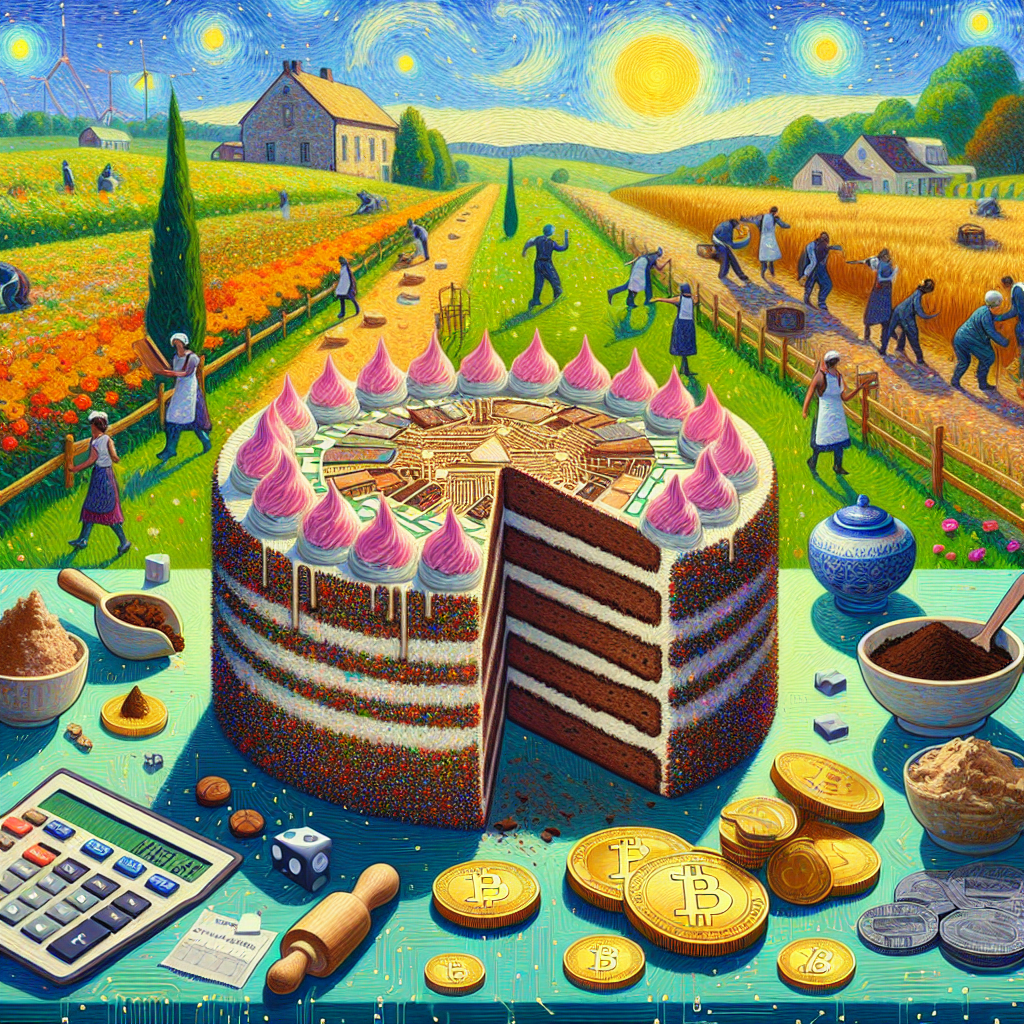
From Fragments to Framework: Making Sense Of Memories
From Fragments to Framework: Making Sense Of Memories
- Memories are like threads that create the fabric of our lives, holding untold stories.
- Legacy Storytelling helps transform fragmented memories into a meaningful narrative.
- Personal moments, such as scents or laughter, can serve as powerful pieces in our stories.
- Each memory is a puzzle piece that forms a larger picture of identity when interconnected.
- Sharing stories fosters connections and reflects our values, inspiring action in others.
- Storytelling is essential for creating communities founded on shared experiences and compassion.
- Embracing and narrating our memories not only safeguards our legacy but also connects us with others.

From Fragments to Framework: Making Sense Of Memories
Table Of Contents
- From Fragments to Framework: Making Sense Of Memories
- How Do Our Memories Shape Our Identity And Sense Of Self?
- Can Understanding Our Past Help Us Navigate Our Future Decisions?
- What Role Do Emotions Play In How We Remember Significant Moments?
- How Can We Reconcile Conflicting Memories To Find Inner Peace?
- Are Our Memories Always Reliable, Or Can They Be Misleading?
- How Do Shared Memories Strengthen Our Relationships And Communities?
- Can Storytelling Help Us Make Sense Of Fragmented Memories?
- Conclusion
- Other Resources
- Glossary Of Terms
- Other Questions
- Haiku
- Poem
- Checklist
How Do Our Memories Shape Our Identity And Sense Of Self?
Our memories aren’t just snapshots of moments gone by; they’re the intricate threads woven into the very fabric of who we are. Think about it: each recollection, whether sweet or bitter, shapes our legacy—the mark we leave on the world and those around us. Every time we reminisce, we’re not just revisiting a scene; we’re engaging in a form of storytelling that transcends time. It’s in these stories, laden with emotion, where we discover a deeper understanding of ourselves.
Imagine an elderly man telling tales of his youth—each story a brushstroke painting a vibrant picture of resilience, joy, and heartbreak. It pulls us in, doesn’t it? We don’t just listen out of curiosity; we connect, feeling every triumph and setback as if they were our own. These narratives build bridges across generations, crafting a rich tapestry of shared experiences that remind us we’re not alone in our struggles. They ignite a spark within us, inspiring us to reflect on our paths and, perhaps, even to rewrite our own narratives.
Rationally speaking, our memories help us learn from the past. They guide our decisions, inform our values, and influence our relationships. But there lies an ethical dimension here, too. Each memory carries weight; it shapes how we navigate our interactions with others. When we recount our stories, we risk exposing the vulnerabilities that define us, yet we also stand tall in our truths. It’s in this courageous act of sharing that we not only affirm our existence but also foster empathy and understanding within our communities.
Moreover, stories resonate on a social level. They unite us in our shared humanity, weaving diverse threads into a collective narrative. This isn’t just about you or me; it’s about generations that came before us and those that will follow. Our memories, our legacies, become beacons of hope, illuminating the way for others who may find themselves lost in their own journey.
So, the next time you find yourself in a quiet moment, reflecting on the memories that have shaped you, recall the stories you carry. They are not just pieces of your past; they are the strong, unwavering roots of your identity, ripe for sharing. Embrace that courage, and let your legacy of storytelling inspire not only you but everyone around you.

How Do Our Memories Shape Our Identity And Sense Of Self?
How Do Our Memories Shape Our Identity And Sense Of Self?
- Memories are integral to our identity, shaping our legacy and the mark we leave on the world.
- Each recollection, whether positive or negative, serves as a form of storytelling that reveals deeper self-understanding.
- Narratives connect us across generations, illustrating shared experiences and universal struggles.
- Our memories inform decisions, values, and relationships, helping us learn from past experiences.
- Sharing our stories fosters empathy and understanding, affirming our existence and courage.
- Stories unite us as a community, weaving diverse experiences into a collective narrative across time.
- Memories are the roots of our identity, inviting us to embrace our past and inspire others through storytelling.

How Do Our Memories Shape Our Identity And Sense Of Self?
Can Understanding Our Past Help Us Navigate Our Future Decisions?
Can understanding our past help us navigate our future decisions? You bet it can. Our lives are woven together through the threads of legacy and storytelling, each thread telling a tale of triumph, failure, resilience, and growth. Picture yourself sitting around a fire, listening to the stories of those who came before you. There’s a raw power in those narratives, a reminder that every choice we make echoes in the hearts of those who follow.
Think about it: every stumble you’ve encountered, every obstacle you’ve overcome is part of a larger tapestry. Nobody gets through life unscathed. And yet, it’s those scars that tell the most profound stories, the ones that teach us invaluable lessons. When we take a moment to reflect on the decisions made by our ancestors—those who faced similar challenges—we gain insights that aren’t just theoretical; they are the very realities that shaped our world. This is where understanding our past pays dividends in the present.
Rationally speaking, learning from history equips us with a compass for our decisions. Think back to pivotal moments in time; how many were shaped by the missteps and successes of yesteryear? The truth is, history often repeats itself, and those who ignore its lessons are bound to repeat its mistakes. If we can sift through the noise and find those golden nuggets of wisdom from our past, we can steer our future with intention and purpose.
But it’s not just about logic. It’s deeply ethical too—a nod to those who paved the way for our own journeys. By honoring their stories, we recognize the sacrifices and triumphs that got us here. We share a sense of community with those around us, as we remember our collective struggles and victories. When we acknowledge our history, we also embrace our responsibility to carry it forward, to ensure that the future is brighter for those who come after us.
So let’s make a pact: to listen, to learn, and to let our past shape our future. Together, we create a narrative that inspires, connects, and empowers—not just ourselves, but everyone who taps into the legacy of our shared journey. Be the storyteller of your life, and let the past guide you as you forge a path filled with hope and determination. The future is waiting, and it’s a blank page ready to be filled with your story.

Can Understanding Our Past Help Us Navigate Our Future Decisions?
Can Understanding Our Past Help Us Navigate Our Future Decisions?
- Understanding our past can significantly influence our future decisions.
- Your life experiences, both triumphs and failures, contribute to a larger narrative.
- Reflecting on the choices made by ancestors provides valuable insights into contemporary challenges.
- Learning from history acts as a compass, helping to avoid past mistakes.
- Honoring the stories of those before us creates a sense of community and shared responsibility.
- Embracing our history allows us to create a brighter future for future generations.
- Let the past guide you in crafting an inspiring and hopeful narrative for your life.

Can Understanding Our Past Help Us Navigate Our Future Decisions?
What Role Do Emotions Play In How We Remember Significant Moments?
When we look back on our lives, it’s not just the events themselves that shape our memories; it’s the emotions tied to those pivotal moments that etch them into the very fabric of our being. Think about it: the graduation day where tears of pride streamed down your face, the wedding where pure joy filled the air, or the heart-wrenching phone call that changed everything. These instances are laced with feelings, turning fleeting experiences into lasting legacy storytelling that weaves through our narratives.
Emotions act as the highlighters of memory, marking key moments with vivid colors that can’t be ignored. When we experience something deeply—whether it’s joy, sorrow, or triumph—our brains take notice and prioritize those events for future recall. The rush of adrenaline during a thrilling experience sharpens our awareness, while profound sadness might wrap the memory in a fog that’s hard to shake. This interplay makes it clear: memories aren’t just chapters in a book; they are visceral experiences that remind us we’re alive and connected to the larger human story.
Beyond the personal, there’s something universal about how we remember significant moments. Think of the stories shared around campfires or family gatherings—each tale comes loaded with emotion and meaning. These narratives foster connection, creating a web of shared experience that solidifies relationships and builds community. When we share these stories, we tap into something that feels both personal and collective, affirming that we’re not alone in our heartaches or joys.
We must also consider the ethical dimension of our memories. What stories do we choose to carry forward, and how do they shape our identity and values? By reflecting on our most significant moments, we can consciously select which emotions to nurture and pass on, ensuring our legacies are filled with empathy, resilience, and hope.
Ultimately, the role of emotions in how we remember significant moments is a powerful reminder of our humanity. It’s a call to action: cherish your memories, share your stories, and reflect on the emotional weight behind each. Your legacy is being written, not just in the major milestones, but in the small, emotional memories that inspire and connect. The stories we tell become our heritage—not just for ourselves, but for those who will follow in our footsteps, carrying forth the lessons embedded in each heartfelt memory.

What Role Do Emotions Play In How We Remember Significant Moments?
What Role Do Emotions Play In How We Remember Significant Moments?
- Emotions, tied to pivotal moments, shape and etch memories into our being.
- Key events like graduations, weddings, and life-changing calls are marked by strong feelings.
- Emotions highlight memories, prioritizing experiences for future recall.
- Memory is a visceral experience, reminding us of our humanity and connection to the larger story.
- Sharing emotionally rich stories fosters connections and builds community, reinforcing that we are not alone.
- Ethical reflection on memories helps shape our identity, values, and the legacies we pass on.
- Our legacy is built on emotional memories; cherish and share them to inspire future generations.

What Role Do Emotions Play In How We Remember Significant Moments?
How Can We Reconcile Conflicting Memories To Find Inner Peace?
Life is full of moments that etch themselves into our memories, both the sweet and the bitter. We carry these memories with us like a heavy backpack, each one a pebble adding weight until we question whether we can keep going. Reconciling those conflicting memories is not just a journey; it can be a path to finding inner peace.
Think back to your own legacy storytelling, the narrative you pass from one generation to the next. Each tale carries with it a lesson learned or a mistake made, but when those stories are at odds, it creates a discord within us. For example, perhaps you remember a childhood filled with laughter, yet overshadowed by an event that left a scar. How do you reconcile both parts of your history? By understanding that they are interconnected strands of the same fabric.
This isn’t just an emotional exercise; it requires a rational approach as well. Engage your head. Take a moment to sift through these memories, laying out the facts like pieces of a puzzle. Why do certain events provoke anger or sadness? The memories we cling to affect our mental landscape, influencing how we perceive ourselves and our relationships. By breaking down these experiences, we can create a more balanced view, giving rise to clarity and self-compassion.
Ethically speaking, embracing our whole story—both the triumphs and the struggles—allows us to connect with others on a deeper level. It teaches us vulnerability, inviting those around us to share their own conflicting memories. This social connection can foster a community of understanding and healing, a place where pride meets humility.
Consider the narratives we craft together, shared over coffee or during a quiet moment with a friend. These stories build bridges, stitching together our varied experiences into a tapestry rich with texture. When we accept that inner turmoil can coexist with hope, we lead ourselves toward freedom.
So, let’s act. Take the time to write down your memories. Share them; seek counsel; allow yourself to grieve the past and celebrate the present. Acknowledge that aligning your conflicting memories isn’t an easy task, but it’s a worthwhile one. Each step brings you closer to inner peace and a more profound understanding of your own legacy. Trust that this work has value, not just for you, but for those who will share in your journey.

How Can We Reconcile Conflicting Memories To Find Inner Peace?
How Can We Reconcile Conflicting Memories To Find Inner Peace?
- Life offers moments that shape our memories, both positive and negative.
- Reconciling conflicting memories is essential for achieving inner peace.
- Legacy storytelling passes lessons and experiences between generations.
- Understanding interconnected memories helps us reconcile our histories.
- Analyzing memories can help establish a balanced perspective and foster self-compassion.
- Embracing our full stories encourages vulnerability and deeper connections with others.
- Writing down and sharing memories aids in grieving the past and celebrating the present.

How Can We Reconcile Conflicting Memories To Find Inner Peace?
Are Our Memories Always Reliable, Or Can They Be Misleading?
Our memories are like old photographs, faded in spots yet bursting with life if you squint just right. Each recollection carries a piece of our legacy, a fragment that shapes who we are. But what happens when those memories start to play tricks on us? Let’s unpack this paradox.
Imagine gathering around a dinner table, sharing stories that have been passed down through generations. You laugh about the time Uncle Joe accidentally set the barbecue on fire, but was it really Uncle Joe? Or was it your brother in a frantic attempt to impress his girlfriend? Each retelling morphs the details, adding layers of embellishment. This is legacy storytelling at play—both delightful and dangerous. Just as we weave tales for our loved ones, are we unconsciously threading in inaccuracies that distort our past?
At the heart of it all lies a fundamental question: Can we trust our memories? Neuroscience tells us that the human brain is a malleable labyrinth, capable of reshaping memories with each revisit. With every recall, we might inadvertently blend reality with imagination, shaping our narratives to fit our current beliefs or emotions. It’s a bittersweet dance, where the more we cherish a moment, the more likely it is to change—sometimes just a shade, sometimes drastically.
This realization gnaws at the gut: How much of what we remember is actual truth? It stirs an ethical dilemma—who holds the right to redefine a shared experience? The stories we tell and retell, whether to entertain or enlighten, come with an weighty responsibility. In a world rife with misinformation, especially today, authenticity in our narratives is crucial. Our memories matter, not just to us but to the generations that follow. The legacy we leave is often built on the stories we share.
As you think about your own memories and how they shape your identity, it might inspire you to share those tales more thoughtfully. Dig deep into the jewels of your past; relish the emotions they evoke but also question their accuracy. In doing so, you foster genuine connections not just with others, but with yourself. Take a moment—reflect on your life’s tapestry. Then, pull a thread from that tapestry and let it unravel into a story worth telling.

Are Our Memories Always Reliable, Or Can They Be Misleading?
Are Our Memories Always Reliable, Or Can They Be Misleading?
- Memories can be compared to old photographs—faded yet vibrant when examined closely.
- Each memory contributes to our identity and legacy, but they can become distorted over time.
- Storytelling, especially within families, often leads to embellished and altered retellings of events.
- The human brain reshapes memories, blending reality with imagination during recollection.
- This raises questions about the authenticity of our memories and the ethical implications of retelling shared experiences.
- In an age of misinformation, maintaining authenticity in our narratives is essential for future generations.
- Reflecting on our memories can deepen connections with ourselves and inspire more thoughtful storytelling.

Are Our Memories Always Reliable, Or Can They Be Misleading?
How Do Shared Memories Strengthen Our Relationships And Communities?
Shared memories are the invisible threads that weave us together, binding individuals into relationships and communities. Picture yourself sitting around a table, laughter echoing off the walls, and animated stories flowing freely, each tale a piece of a collective puzzle. That shared laughter, those stories—from awkward childhood moments to triumphant victories—create a rich tapestry that fosters connection. These aren’t just memories; they are our legacy. They define who we are and who we aspire to be.
In an age where digital interactions often overshadow face-to-face connections, we risk losing the profound impact of shared experiences. Think about the narratives that fill the air during family gatherings or community events. A nostalgic recount of a shared adventure—like a backyard campout or a neighborhood block party—sparks a flicker of warmth in our hearts. These moments resonate deeply, reminding us of our shared humanity and the bonds that surpass time and distance. Emotionally, they ground us, filling our lives with meaning.
Yet, it’s not just about nostalgia; there’s reasoning behind this human phenomenon. Studies show that shared experiences promote empathy and understanding, allowing us to see the world through another’s eyes. This perspective fosters a sense of belonging that is essential for cultivating solid relationships. When individuals share their stories, they engage in an essential exchange of truth that builds trust. This is an ethical foundation upon which relationships thrive.
To illustrate, consider a community that banded together to restore a park, leaving behind a legacy of dedication and hard work that would be shared through generations. Friends who worked side by side recount the long days spent planting trees and painting benches. Their memories encapsulate not just the physical location, but also the collective triumph and commitment to a better future—a rich legacy born from shared determination.
As we engage in our own stories, whether through storytelling at a family gathering or participating in community events, we ensure that this legacy endures. By sharing our experiences, we don’t just reminisce; we reinforce the very fabric of our relationships and communities. Let’s commit to creating moments together—because every shared memory is a stepping stone towards a stronger bond and a brighter future. So next time you find yourself surrounded by friends or family, take a moment to share that story. Together, let’s build a legacy that not only defines us but inspires future generations.

How Do Shared Memories Strengthen Our Relationships And Communities?
How Do Shared Memories Strengthen Our Relationships And Communities?
- Shared memories connect individuals, forming relationships and communities.
- Laughter and stories create a rich tapestry that enhances connection and defines our legacy.
- Digital interactions can overshadow the importance of face-to-face shared experiences.
- Narratives from family or community events evoke warmth and remind us of our shared humanity.
- Shared experiences promote empathy and understanding, essential for solid relationships.
- Engaging in community projects, like restoring parks, creates lasting legacies of dedication.
- By sharing our stories, we reinforce relationships and commit to building a brighter future.

How Do Shared Memories Strengthen Our Relationships And Communities?
Can Storytelling Help Us Make Sense Of Fragmented Memories?
When we think of our lives, they often resemble a box of mismatched puzzle pieces scattered across the floor. Some memories are vivid, sharp in detail, while others slip through our fingers like sand—faint echoes of laughter, the warmth of a loved one’s embrace, or the bittersweet taste of regret. This is where legacy storytelling steps in, offering a lifeline to connect those fragments into a coherent narrative.
Imagine sitting around a fire with friends and family, sharing tales of triumph and tribulation. Each story, no matter how small, is a thread woven into the tapestry of our existence. These narratives don’t just serve to entertain; they provide context and meaning. When we share our experiences, we bridge the gaps in our memories, transforming disjointed moments into something rich and whole. This isn’t just about reminiscing; it’s about crafting a legacy that resonates with those we cherish.
From a rational standpoint, neuroscience supports the notion that storytelling enhances memory retention and understanding. When we create a narrative around our experiences, our brains engage more fully, enabling us to grasp complex emotions and ideas. This process turns fragmented memories into a cohesive story we can reflect upon, gaining insights we may have missed when those moments were merely fleeting thoughts.
Ethically, we have a duty to ourselves and the future generations. By sharing our stories, we not only honor our past but also pave the way for others to learn from our experiences. It creates a lineage of wisdom and resilience, empowering others to face their challenges with the knowledge that they’re not alone.
Legacy storytelling cultivates a sense of belonging, which speaks to our very nature as social beings. It fosters connection, reminding us that we all share in the human experience of love, loss, and hope. By engaging with our stories, we deepen our relationships, allowing our loved ones to see the world through our eyes and understand the heartbeats behind our laughter and tears.
So, let’s gather those pieces of our lives that feel scattered and make the conscious choice to tell our stories. Whether it’s around a campfire or over coffee, remember that every story has the power to heal, connect, and inspire. Embrace that legacy; it may just illuminate the path for someone else.

Can Storytelling Help Us Make Sense Of Fragmented Memories?
Can Storytelling Help Us Make Sense Of Fragmented Memories?
- Life memories resemble scattered puzzle pieces, some vivid and others faint.
- Legacy storytelling helps connect these fragments into a coherent narrative.
- Sharing stories creates a tapestry of experiences, providing context and meaning.
- Neuroscience shows that storytelling enhances memory retention and understanding.
- Sharing our stories honors the past and guides future generations through wisdom.
- Legacy storytelling fosters a sense of belonging and enhances social connections.
- Every story has the potential to heal, connect, and inspire others.

Can Storytelling Help Us Make Sense Of Fragmented Memories?
Conclusion
Memories are the bedrock of our identities, weaving together the fabric of our lives in ways that illuminate not just who we are but who we aspire to be. Each recollection, from the simplest joy to the deepest sorrow, carries within it a lesson, a spark igniting potential in us and forging connections with those around us. The beauty of Legacy Storytelling lies in its ability to transform fragmented memories into a coherent narrative—a narrative that embodies resilience, compassion, and a sense of belonging.
Imagine the stories you’ve tucked away in the corners of your mind, moments shared with loved ones or challenges faced with grit. It’s easy to brush them aside, but when we take the time to articulate these experiences, we create powerful bridges between the past and the present. These aren’t merely tales; they are the embodiments of shared struggles and victories, binding us into communities built on empathy and authentic connection.
On a rational level, our memories guide our decisions, teaching us invaluable lessons and reminding us of our shared humanity. Each story we share adds depth to our relationships, fostering a sense of trust that is vital for meaningful connections. When we engage in this intentional act of storytelling, we risk revealing our vulnerabilities, but therein lies the true power: vulnerability fosters understanding, opening pathways for dialogues that heal and inspire.
From an ethical perspective, we have a responsibility to honor our experiences and those who came before us. By sharing our narratives, we pave the way for future generations, providing them with the wisdom distilled from our collective journeys. The stories we tell serve not only as records of who we are but also as beacons of hope for others navigating their own paths.
As each person adds their unique thread to the tapestry of our shared experiences, we cultivate an environment where memories enrich lives beyond our own. So, take time to sift through those memories, examine the gems, and share your reflections. The act of weaving your narrative does more than safeguard your legacy; it ignites a spark in others, encouraging them to find their voice and their story.
Ask yourself: What will your legacy be? What memories will you choose to share? Embrace the art of storytelling—not just as a means of reflecting on your past but as a purposeful act that influences your present and shapes our collective future. The stories we craft today will echo in the hearts of those who follow, inviting them to carry forward the rich legacy of human experience. Let’s honor our pasts and ignite our futures—together.

Conclusion
Conclusion:
- Memories are essential to our identities and influence our aspirations.
- Each recollection imparts lessons, igniting potential and fostering connections.
- Legacy Storytelling transforms fragmented memories into coherent narratives of resilience and belonging.
- Articulating experiences creates bridges between the past and present, enriching communities through empathy.
- Sharing stories fosters trust and facilitates understanding through vulnerability.
- We have a responsibility to honor our experiences and provide wisdom for future generations.
- Storytelling is a purposeful act that influences the present and shapes the future, inviting others to carry on our legacy.

Conclusion
Other Resources

Other Resources
Here is a list of other resources you can review online to learn more:
- RocketLawyer
- FamilySearch
- How Has Time Changed The Cost Of Capturing Family Legacy Stories
- APH
- FuneralWise
- Knotify.me
- Obituary Templates
- Digital Legacy Association
- Memorial Matters
- NoLo
- INELA
- Xarona
- LifeWeb 360
- USLegalWills.com
- LegalNature
- LifeSite
- Storyfile
- Ever Loved
- Association of Personal Historians
- ForeverMissed
Use This Prompt To Get More Resources With Your Favorite Online AI Tool: Please provide me with a list of online articles with their URLs in a bulleted list that I can read regarding From Fragments to Framework: Making Sense Of Memories

Other Resources
Glossary Terms
From Fragments to Framework: Making Sense Of Memories – Glossary Of Terms
1. Memory: The cognitive process of encoding, storing, and retrieving information from past experiences.
2. Fragment: A partial or incomplete recollection of an event, often lacking context or detail.
3. Framework: A structured system or theoretical model that helps organize and interpret memories.
4. Recall: The ability to retrieve information or experiences from memory without external cues.
5. Recognition: The process of identifying previously encountered information or experiences with the help of cues.
6. Encoding: The initial stage of memory formation, where sensory information is converted into a form that can be stored.
7. Storage: The process of maintaining encoded information over time for later retrieval.
8. Retrieval: The process of accessing and bringing stored information back into conscious awareness.
9. Context: The surrounding circumstances or environment associated with a memory that can aid in its recall.
10. Association: The mental connections formed between related ideas or experiences that enhance memory retrieval.
11. Semantic memory: A type of long-term memory that involves the storage of general knowledge and facts about the world.
12. Episodic memory: A subtype of long-term memory that involves the recollection of specific events and experiences from one’s life.
13. Flashbulb memory: A vivid and detailed recollection of a significant event, often accompanied by strong emotional reactions.
14. Cue: A stimulus or signal that aids in the retrieval of memory information.
15. Amnesia: A condition characterized by partial or total loss of memory, affecting the ability to recall information.
16. Neuroplasticity: The brain’s ability to reorganize itself by forming new neural connections in response to learning or experience.
17. Schema: A cognitive structure that represents knowledge and organizes information and experiences to facilitate memory.
18. Priming: A technique in which exposure to one stimulus influences the response to another stimulus, often used to enhance memory retrieval.
19. Interference: The phenomenon where new or old information disrupts the retrieval of desired memories.
20. Memory consolidation: The process by which short-term memories are stabilized and integrated into long-term memory.
21. Autobiographical memory: A type of memory that pertains to personal life experiences, combining elements of both episodic and semantic memory.
22. Metamemory: An individual’s awareness and understanding of their own memory processes, including knowledge of what they remember and how they remember.
23. Reconstruction: The process of piecing together memories that may be incomplete or fragmented, often influenced by current knowledge or beliefs.
24. Attention: The cognitive process of selectively focusing on certain stimuli while ignoring others, crucial for effective encoding of memories.
25. Temporal lobe: The brain region associated with processing auditory information and encoding memory, particularly episodic memory.
26. False memory: A recollection that people believe to be true but is distorted or fabricated, often resulting from suggestion or misinformation.
27. Chunking: A memory strategy that involves breaking down information into smaller units or groups to enhance retention.
28. Working memory: A limited capacity system that temporarily holds and manipulates information for cognitive tasks.
29. Neurotransmitter: Chemical substances that transmit signals across synapses in the brain and are involved in memory processes.
30. Long-term potentiation: A persistent strengthening of synapses based on recent patterns of activity, believed to be a mechanism underlying learning and memory.

Glossary Of Terms
Other Questions
From Fragments to Framework: Making Sense Of Memories – Other Questions
If you wish to explore and discover more, consider looking for answers to these questions:
- What specific techniques can be used in Legacy Storytelling?
- How can one start the process of crafting their own narrative?
- What impact does sharing personal stories have on mental well-being?
- How can conflicting memories be integrated into a cohesive narrative?
- What roles do cultural and social contexts play in how we remember?
- Are there any common patterns in how different cultures approach storytelling?
- How can we encourage younger generations to value and share their memories?
- What ethical responsibilities do we have when sharing others’ stories?
- How can shared memories serve as a tool for community building?
- What role does forgiveness play in reconciling past memories?
- How can technology enhance or hinder the process of memory sharing?
- In what ways can storytelling influence personal identity and growth?
- What are the psychological effects of revisiting traumatic memories through storytelling?
- How does the act of storytelling change the way we perceive our past?
- What resources are available for those looking to improve their storytelling skills?

Other Questions
Haiku
From Fragments to Framework: Making Sense Of Memories – A Haiku
Fragments of our past,
Stories weave through time and heart,
Legacy ignites.

Haiku
Poem
From Fragments to Framework: Making Sense Of Memories – A Poem
In the tapestry of time, our memories dwell,
Threads of laughter, echoes of sorrow to tell.
Each moment a fragment, a puzzle to weave,
Crafting a legacy, in memories we believe.
Taste of grandmother’s cookies, a campfire’s warm glow,
Moments that shape us, in ways we may not know.
For memories matter, they resonate deep,
Turning chaos to stories, alive in our sleep.
Dancing through eras, they bind us in grace,
Every tale shared a bridge, heartbeats we trace.
With wisdom from elders, we learn and we grow,
In the warmth of their stories, our spirits will flow.
Yet not all are perfect, some memories clash,
Bittersweet recollections, that cause hearts to thrash.
In facing our conflicts, we seek to find peace,
Embracing the whole, we allow the pain to cease.
Can we trust our reflections, or are they misled?
Lives reproduced in shades, of what’s been said.
But still, through our storytelling, we courageously strive,
To pass down our truths, and feel more alive.
Let emotions guide us, highlighting the way,
Through joy and through sorrow, we face a new day.
In sharing our journeys, our legacies grow,
A community strengthened, in the stories we know.
So gather the fragments, let your heart take the lead,
In crafting those narratives, plant hope like a seed.
For as we invite others, to cross that shared span,
We shape a bright future, hand in trembling hand.

Poem
Checklist
From Fragments to Framework: Making Sense Of Memories – A Checklist
Checklist for Crafting Your Legacy Through Storytelling
Emotional Connections
_____ Reflect on your most cherished memories: What emotions do they evoke?
_____ Identify significant moments from your past: How did they shape your identity?
_____ Think about the stories that make you feel connected to others: Which moments could inspire vulnerability?
Rational Understanding
_____ Analyze your recollections: What lessons can you learn from your memories?
_____ Consider how your past informs your present decisions: Are there patterns you can identify?
_____ Assess how storytelling enhances memory retention: Have you experienced this in your life?
Ethical Reflections
_____ Evaluate the narratives you choose to share: Are they authentic and respectful of your experiences?
_____ Think about the responsibility to honor your legacy: What values do you wish to pass forward?
_____ Consider how your stories can encourage empathy: In what ways can sharing your experiences strengthen community bonds?
Authority and Expertise
_____ Investigate the research on memory and storytelling: What insights resonate with your experiences?
_____ Look for examples of legacy storytelling in different cultures: How have others successfully shared their narratives?
Narrative Development
_____ Start drafting your stories: What key themes emerge when you stitch your memories together?
_____ Use prompts to uncover fragmented memories: Can you describe a memory in detail that stands out?
_____ Experiment with different storytelling formats: Would a journal, a conversation, or a video capture your story best?
Social Engagement
_____ Create opportunities for shared storytelling: Can you plan a family gathering or community event?
_____ Invite others to share their stories with you: How can you facilitate deeper connections?
_____ Reflect on the impact of shared experiences: How do they strengthen your relationships?
By following this checklist, you can begin to weave the intricate tapestry of your life’s narrative, embracing the past to inform and inspire your journey ahead.

Checklist
At LegacyExplorations, we help people plan and explore their legacy by collecting information and news regarding end-of-life planning.
Please share this post with your friends, family, or business associates who may want help to plan or explore their legacy.