

Transcending Platforms: Preserving Connections And Cherished Moments
By Tom Seest
At LegacyExplorations, we help people plan and explore their legacy by collecting information and news regarding end-of-life planning.
Please share this post with your friends, family, or business associates who may want help to plan or explore their legacy.
From Imessage to Android – Where Do the Memories Go?
From iMessage to Android – Where Do the Memories Go?
In a world where every tap and swipe connects us, the transition from iMessage to Android can feel like stepping into a new chapter of an old book. Instead of just changing devices, you might find yourself wrestling with a tidal wave of memories that seem to slip through your fingers like sand. Every photo shared, every heartfelt message, each emoji that once encapsulated a laugh or a tear – they form a legacy storytelling of our lives, capturing moments that shape who we are.
Consider this. Each conversation we’ve had, the silly banter, the late-night confessions, are pieces of a narrative that reflect our relationships. Memories tied to those green and blue bubbles tell stories of friendship, love, heartbreak, and joy. But as you upgrade to a new system, a nagging question surfaces: where do these memories go? You begin to realize that it’s not merely about the loss of texts or chatter; it’s about something deeper, a part of your history that you can no longer readily access.
Shifting from iMessage’s familiar comfort to the newness of Android can bring a mix of excitement and apprehension. Like leaving a beloved hometown for a fresh start, it evokes a sense of adventure tinged with nostalgia. We cling to our devices like we cling to memories, believing they hold something irreplaceable. The very act of migrating contacts and photos poses a dilemma: how do we preserve our essence, the core of our identity wrapped in digital communication, when the format changes?
This transition isn’t solely about technology; it speaks to our relationships. The connection we fostered through texts helps us navigate life’s storms. It’s a reminder that memories don’t have to be tied to a platform. By embracing change, we can archive these stories in our hearts. We have the power – ethically and emotionally – to honor and carry with us our legacy storytelling, regardless of the device we use.
Navigating this shift can also spark conversations among friends and family. Sharing your experience, the challenges faced, and discovering shared memories builds a community. It’s this shared experience that cultivates understanding and connection, rooting us in our shared human experience. So while the medium may change, the message remains. Trust in the fact that memories are resilient – they may shift, but they never leave us. The stories endure, waiting to be retold in new ways, preserving the essence of who we are through every transition.

From Imessage to Android – Where Do the Memories Go?
From Imessage to Android – Where Do the Memories Go?
- The transition from iMessage to Android can evoke nostalgia and a sense of loss regarding memories.
- Each message and photo shared represents a unique narrative of relationships and personal history.
- The shift raises questions about where memories go when changing platforms.
- Moving from iMessage to Android combines excitement with apprehension, akin to leaving a familiar place.
- This transition reflects deeper emotional connections, challenging how we preserve our identity in digital communication.
- Sharing experiences of this shift fosters community and understanding among friends and family.
- Regardless of the medium, memories endure and adapt, sustaining our essence through transitions.

From Imessage to Android – Where Do the Memories Go?
Table Of Contents
- From Imessage to Android – Where Do the Memories Go?
- What Happens to Cherished Conversations When Switching Platforms?
- How Do We Preserve Vital Memories During an Os Transition?
- Why Do Our Texts Hold Emotional Value That Deserves Protection?
- What Are the Ethical Implications Of Losing Digital Memories?
- How Can We Ensure Our Stories Are Carried From Imessage to Android?
- What Role Does Nostalgia Play In Digital Communication?
- How Do Friends Experience Our Transition Between Messaging Systems?
- Conclusion
- Other Resources
- Glossary Of Terms
- Other Questions
- Haiku
- Poem
- Checklist
What Happens to Cherished Conversations When Switching Platforms?
In an ever-evolving digital landscape, the platforms we choose to communicate reflect more than just technological preferences; they often shape our most cherished conversations. Each interaction, whether a light-hearted exchange with a friend or a profound dialogue with a loved one, carries weight, forming a part of the tapestry of our lives. The switch to a new platform can feel akin to uprooting a beloved tree—it disrupts not just our routines but the very essence of our connections.
Legacy storytelling thrives in these exchanges, serving as the foundation of shared experiences. When we hop from one platform to another, we risk losing threads of our narrative, the simple but powerful shared moments that bridge distances. Conversation is more than words; it embodies our histories, emotions, and identities. These cherished moments reflect our human experience, constructing a legacy that endures through time.
Switching platforms can evoke a sense of loss, not just of content but of the emotional currency spent in those conversations. Remember the first time you shared a laugh over a meme, or the long nights spent navigating a friend through life’s dilemmas? Those moments are irreplaceable. The fear of losing them can be overwhelming. However, there lies an opportunity as well—an invitation to cleanse digital clutter and to curate what truly matters. It’s a chance to preserve those golden nuggets of communication that define your relationships.
Intellectually, we grapple with the realities of data migration and compatibility. How do we ensure that the memories captured aren’t left behind? It calls for action—investing time in saving and archiving our dialogue. Whether through screenshots, exports, or careful documentation, our cherished conversations deserve that attention.
Ethically, we must consider the implications of our digital choices. Each platform brings its own philosophy of communication and privacy; being informed empowers us to choose wisely. Trust your instincts—align with those that respect the value of your conversations.
Socially, we engage with a community of friends and family that can navigate this transition together. Share stories and techniques for preserving conversations, fostering a sense of camaraderie in this digital age. When we openly discuss the significance of our interactions, we inspire others to reflect on their connections, reinforcing the idea that every conversation, no matter where it occurs, contributes to the legacy we leave behind.

What Happens to Cherished Conversations When Switching Platforms?
What Happens to Cherished Conversations When Switching Platforms?
- Digital communication platforms shape our interactions and connections.
- Switching platforms risks losing valuable narratives and shared moments.
- Conversations embody our histories, emotions, and identities.
- There is a sense of loss associated with changing platforms, not just of content but of emotional connections.
- Opportunity exists to cleanse digital clutter and curate meaningful conversations.
- Data migration requires careful saving and archiving of cherished dialogues.
- Community engagement and sharing preservation techniques can reinforce the importance of our interactions.

What Happens to Cherished Conversations When Switching Platforms?
How Do We Preserve Vital Memories During an Os Transition?
How Do We Preserve Vital Memories During an OS Transition?
In the midst of an OS transition, where change can feel overwhelming, we often find ourselves at a crossroads between the past and the future. It’s in these moments that we must dig deep, embracing the art of legacy storytelling. This isn’t just about preserving memories; it’s about capturing the essence of who we are and what we’ve experienced, ensuring that our stories echo through time.
Think back to moments in your life that shaped you. Maybe it’s a lesson learned from a steadfast mentor or a family tradition passed down through generations. These are the narratives that connect us to our roots and guide our journey forward. Legacy storytelling isn’t merely an exercise in nostalgia; it’s a powerful tool for navigating transitions, providing clarity and direction. When we articulate our experiences, we not only affirm our past but also illuminate our path ahead.
Holding onto these vital memories doesn’t just appeal to our emotional core; it also engages our rational minds. When we document our experiences—maybe through journals, videos, or shared conversations—we construct a repository of knowledge that can inform our decisions during uncertain times. This act of preservation creates a framework that allows us to reflect critically on what matters most, ensuring that our values and lessons remain prominent, even as our surroundings shift.
Ethically, we have a responsibility to share our stories. In doing so, we pass the torch to others in our communities, allowing them to learn from our journeys and mistakes. This is where trust is built. When we open up our lives to others, we foster a connection that transcends generations, creating a network of shared wisdom that benefits us all.
The narrative threads we weave through our legacy storytelling create bonds with those around us, reinforcing our societal fabric. By inviting family and friends into these stories, we cultivate a sense of belonging and reassurance. Everyone has a story worth telling, and when we gather to share these tales, we make the intangible tangible, forcing us to confront our shared humanity.
As we navigate an OS transition, let’s ground ourselves in legacy storytelling. By doing so, we honor our past, equip ourselves for today, and inspire those who will follow. The act of preserving vital memories becomes not just a refuge but a rallying point—an affirmation that while our operating systems may change, our core narratives will remain as beacons of strength and resilience.

How Do We Preserve Vital Memories During an Os Transition?
How Do We Preserve Vital Memories During an Os Transition?
- OS transitions can be overwhelming, requiring a focus on preserving vital memories.
- Legacy storytelling captures the essence of our experiences and identities.
- Personal narratives connect us to our roots and provide guidance for the future.
- Documenting experiences creates a knowledge repository, aiding decision-making.
- Sharing stories fosters connections, builds trust, and creates a network of wisdom.
- Inviting others into our narratives cultivates belonging and reinforces societal bonds.
- Preserving memories serves as a rallying point, affirming strength and resilience in change.

How Do We Preserve Vital Memories During an Os Transition?
Why Do Our Texts Hold Emotional Value That Deserves Protection?
In today’s world, where messages fly faster than you can blink, it’s easy to forget the profound impact our texts can have. Each digital note—whether a simple “Thinking of you” or a heartfelt apology—is part of a broader tapestry of our lives, a form of legacy storytelling that connects us to our past, our values, and one another. This isn’t just about words on a screen or emojis that convey what we feel; it’s about the emotions wrapped within those characters.
From a rational standpoint, our texts serve as modern-day artifacts. They hold narratives of our growth, friendships, and love. Every message is a snapshot of a moment in time, a pixelated piece of our shared existence. We archive these exchanges not merely for nostalgia but as a testament to who we are—stories waiting to be told to future generations, offering insights into our lives that photos alone cannot provide. Protecting these texts means preserving a part of our identity, ensuring our legacy endures beyond the immediacy of life’s daily grind.
Now, think about the ethical implications. When we send a message, we make a choice to share a part of ourselves—our hopes, fears, and experiences. Each text is a bridge; by damaging or deleting them, we risk severing those connections and dismissing the humanity within them. They deserve our respect; they are manifestations of our trust in one another. Standing up for the protection of our texts is akin to safeguarding our right to be heard and understood, ensuring that our stories are honored and our voices are retained.
But let’s not overlook the emotional appeal. Recall that late-night text from a friend who just knew you needed a lift or the love note exchanged in a moment of vulnerability. These interactions resonate deeply within us. They weave the fabric of our relationships, imbuing them with meaning and significance. When we cherish and protect these messages, we acknowledge the humanity behind every word—a recognition that we are all striving for connection in this complex world.
Finally, as a society, embracing the notion that our texts hold emotional value fosters a sense of community. It invites dialogue and connection, encouraging us to realize we are not alone. These digital exchanges can inspire action; they remind us to hold close the fleeting moments of kindness and understanding that define our shared experiences, emphasizing that every word counts in shaping our tapestry of life. Let’s protect our texts, for in doing so, we protect the very essence of our stories and the legacy we leave behind.

Why Do Our Texts Hold Emotional Value That Deserves Protection?
Why Do Our Texts Hold Emotional Value That Deserves Protection?
- Messages convey profound impacts, serving as a legacy storytelling tool that connects us to our past and one another.
- Textual exchanges are modern-day artifacts, representing narratives of growth, friendships, and love.
- Each message preserves part of our identity, offering insights for future generations beyond mere nostalgia.
- Ethically, sending messages involves sharing our innermost thoughts and experiences, forming bridges of connection.
- Every text deserves respect as it reflects our trust in one another and our right to be heard.
- Emotional exchanges strengthen relationships, recognizing the humanity and connectedness in our interactions.
- Valuing texts fosters community and dialogue, reminding us of the importance of kindness and understanding in our shared experiences.
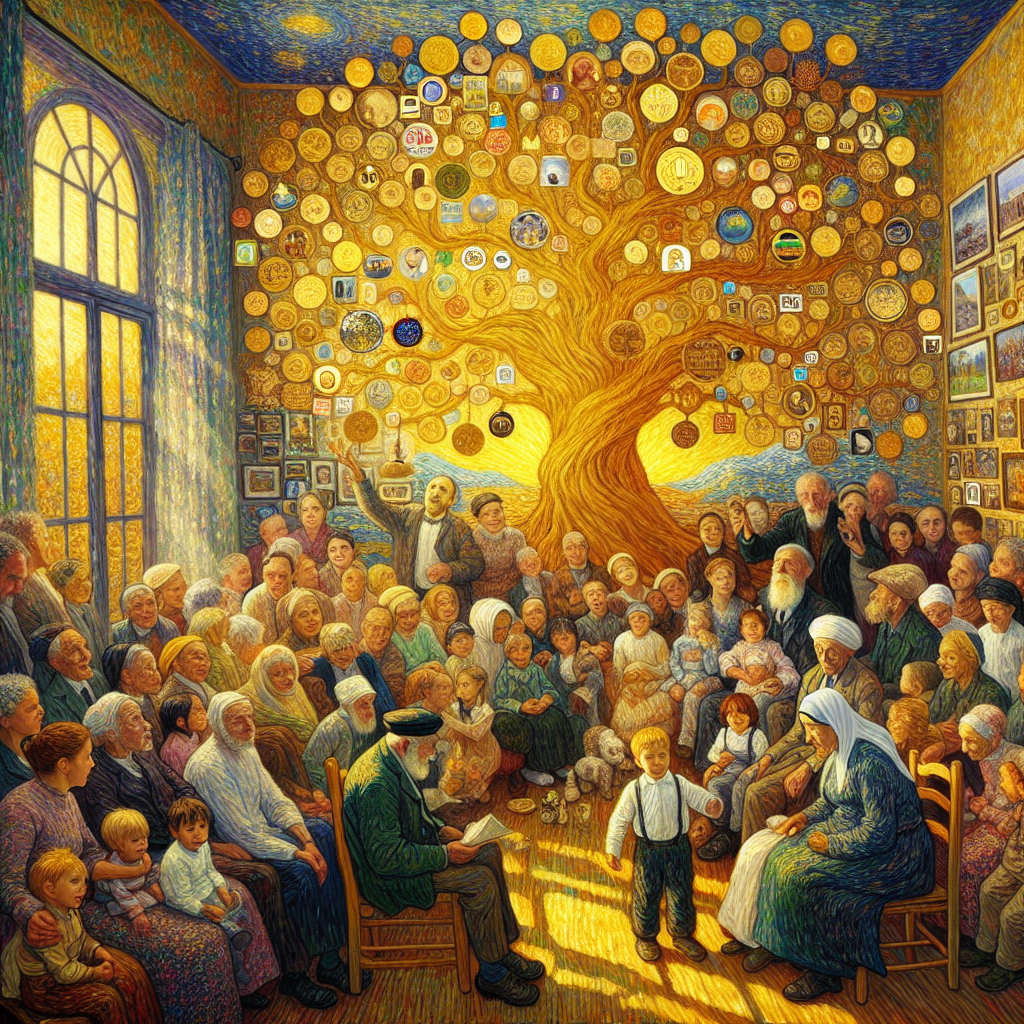
Why Do Our Texts Hold Emotional Value That Deserves Protection?
What Are the Ethical Implications Of Losing Digital Memories?
Losing digital memories isn’t just a technical issue; it’s a profound ethical concern that reaches into the heart of what it means to be human. In a world where we capture our lives through pixels and bytes, every lost photo or erased video isn’t merely a file gone; it’s a fragment of our legacy torn away. Each image we choose to share builds a narrative—a rich tapestry woven from the threads of our experiences, our triumphs, even our everyday struggles. This is legacy storytelling at its finest, giving us a chance to convey who we are, the values we hold dear, and the moments that define us.
Think about it: how many milestones have been documented digitally? Birthdays, graduations, the first steps of a child—they’re not just memories, they’re the pieces of our stories that we intend to pass down. When these memories vanish, so do the connections we have with those pivotal moments. The loss is felt not just by individuals but by families, communities, and generations. The emotional weight of this loss is staggering. We are left with the ache of absence; memories once shared become ghosts of the past, haunting us with “what was.”
On a rational level, the implications extend beyond personal grief. There’s a growing dialogue about the ethics of data ownership and the responsibility we bear toward our digital artifacts. Who controls our memories when servers fail, or companies go under? We place trust in platforms to safeguard our stories, yet there’s an unsettling uncertainty about what happens when those platforms falter. We must question the very systems that curate our memories—are they stewarding our legacy, or are we merely digits in a database?
The ethical stakes are high. As we stand at this technological crossroads, we must advocate for better protections for our digital legacies, demanding transparency from the entities we rely upon. It’s about empowerment, forging connections that are resilient amidst technological failures. It’s an invitation for each of us to take responsibility, to ensure that our stories are preserved not just for ourselves, but for future generations who deserve to know their roots.
In embracing this cause, we not only safeguard our own narratives but also reinforce the social bonds that hold us together. Our digital memories are more than data; they are the bridges that link us to each other and our histories. Let’s commit to championing the ethical preservation of these memories, ensuring our legacies endure, one digital footprint at a time.

What Are the Ethical Implications Of Losing Digital Memories?
What Are the Ethical Implications Of Losing Digital Memories?
- Losing digital memories is a significant ethical concern impacting our humanity.
- Every lost photo or video represents a fragment of our legacy.
- Digital milestones, such as birthdays and graduations, are vital parts of our stories.
- The loss of these memories affects individuals, families, and communities, creating an emotional void.
- The ethics of data ownership and responsibility for digital artifacts are increasingly highlighted.
- Advocating for better protections and transparency for our digital legacies is essential.
- Preserving memories strengthens social bonds and ensures future generations know their roots.

What Are the Ethical Implications Of Losing Digital Memories?
How Can We Ensure Our Stories Are Carried From Imessage to Android?
How Can We Ensure Our Stories Are Carried From iMessage to Android?
In a world increasingly dominated by screens and texts, the importance of legacy storytelling cannot be overstated. Every message we send carries a piece of who we are; it’s a glimpse into our lives, our fears, our triumphs, and our failures. But what happens when those stories get lost in the shuffle of technology? When an iMessage fails to cross over to an Android, a bridge collapses, and with it, a connection.
The stakes are high. Consider a daughter texting her father about a promotion she’s worked tirelessly to achieve; consider a friend sharing a heartbreaking moment of loss. Those messages are more than mere words; they represent shared experiences, memories that shape our identities. So, how do we ensure that our stories transcend the barriers of technology?
First, we must prioritize compatibility. It’s not just about adopting the latest app; it’s about embracing platforms that understand the value of legacy storytelling. Tech developers need to craft solutions that go beyond mere functionality. They must create environments where our words can flow freely, where devices speak the same emotional language. It’s a call to action—not just for tech giants but for us, the users, to advocate for seamless integration.
Now, let’s appeal to reason. Think of the countless relationships that rely on communication. With an increasingly mobile society, a message that doesn’t arrive not only affects the sender and recipient but can ripple out, altering the fabric of our social connections. Technology should not be a barrier; rather, it should be a tool that reinforces our narratives.
We also have an ethical responsibility. The failure to preserve our stories isn’t just a technical glitch; it’s a disservice to our shared humanity. Legacy storytelling isn’t a luxury; it’s a necessity that fosters connection across diverse platforms. Companies must understand that every lost message is a missed opportunity to relate, to empathize, to grow together.
The heart of the matter lies in how we view our connections. Each iMessage, each Android notification, is a thread in a broader tapestry of human experience. By making intentional choices in our communication methods, we lay the groundwork for a future where everyone’s voice is heard, valued, and remembered.
In this modern age, we must come together as storytellers to demand a world where our narratives don’t just vanish into the ether of outdated technology but flourish and thrive, inviting new generations to carry them forward.

How Can We Ensure Our Stories Are Carried From Imessage to Android?
How Can We Ensure Our Stories Are Carried From Imessage to Android?
- Legacy storytelling is vital, representing personal experiences and identities.
- Messages lost between iMessage and Android create disconnections in communication.
- Emphasizing compatibility in tech solutions is essential for preserving stories.
- Technology should reinforce social connections rather than serve as a barrier.
- There is an ethical duty to ensure that stories are passed on across platforms.
- Every lost message represents a missed opportunity for connection and empathy.
- Collective action is needed to foster an environment where narratives thrive.

How Can We Ensure Our Stories Are Carried From Imessage to Android?
What Role Does Nostalgia Play In Digital Communication?
What Role Does Nostalgia Play in Digital Communication?
Nostalgia, that warm, lingering feeling we get when looking back at cherished moments, plays a unique role in the way we interact with one another online. In a world saturated with instant messages and fleeting tweets, tapping into nostalgia can reestablish a sense of connection that transcends the screen. It’s like digging through an old box of photographs—each image tells a story, each moment connects us to our past.
Digital communication often feels impersonal, a mere exchange of bytes and pixels. However, the power of legacy storytelling shifts that dynamic. The stories we share from our past—our first crush, family vacations, or the music that shaped our younger years—forge bonds that can only be kindled by shared experiences. These narratives, when woven into our digital exchanges, remind us that there’s more beneath the surface than what we see on our screens. They resonate on an emotional level, sparking laughter, tears, and sometimes a sense of solidarity that a simple text can’t achieve.
From a rational perspective, invoking nostalgia is a powerful tool in digital messaging. According to research, nostalgia can enhance mood, boost feelings of social connectedness, and even inspire action. When you remember the good times, whether it was a group campfire or a long summer road trip, it motivates you to recreate those vibes in today’s context. It’s quite simple; we seek to share our fond memories or recreate experiences that make us feel whole. Think of how many videos, memes, or posts fling us back to simpler times—they thrive because they remind us of who we are and where we came from.
Ethically, nostalgia has the power to remind us of our values and ideals, emphasizing the importance of community and connection. When we share our past, we acknowledge the wisdom gained over time—an authority built upon lived experiences that encourages others to join in the dialog.
In this digital age, where authenticity sometimes feels like an elusive quality, engaging with nostalgia fosters trust. It reminds people that they aren’t alone in their memories and insecurities; it invites them to participate, creating a cultural tapestry that embraces the messy, beautiful lives we’ve all led.
So, in a society driven by hashtags and emojis, let’s hold on to those golden threads of nostalgia. Sharing our legacies, one story at a time, not only enriches our digital communication but also strengthens the fabric of our communities, reminding us all that we’re in this together.

What Role Does Nostalgia Play In Digital Communication?
What Role Does Nostalgia Play In Digital Communication?
- Nostalgia fosters connections in digital communication, transcending the impersonal nature of instant messaging.
- Legacy storytelling shares personal experiences that deepen relational bonds and enhance emotional resonance.
- Research indicates nostalgia can improve mood, social connectedness, and motivate action.
- Sharing fond memories helps recreate positive experiences and reminds individuals of their identity.
- Nostalgia emphasizes shared values and community, encouraging participation in collective dialogue.
- Engaging with nostalgia builds trust and acknowledges shared insecurities and experiences.
- In a digital landscape dominated by superficial interactions, nostalgia enriches communication and strengthens community ties.

What Role Does Nostalgia Play In Digital Communication?
How Do Friends Experience Our Transition Between Messaging Systems?
In an age where we ping messages like popcorn in a hot skillet, the transition between messaging systems can feel as jarring as a sudden halt on a roller coaster. It’s not just about switching platforms; it’s about how that shift ripples through our connections. Imagine a group of friends that have built their legacy through late-night chats and shared memes, each message a thread in the tapestry of their relationship. When the format changes, it’s more than an adjustment; it’s a pivotal moment in their collective story—what some might call Legacy Storytelling.
For many, messaging isn’t merely a digital exchange; it serves as a lifeline, a way to maintain ties that matter. Each notification buzz signals more than just a message—it represents the thoughts, laughs, and wisdom shared over time. When we shift our messaging systems, we unwittingly challenge the very fabric of our friendships. The transition can evoke feelings of loss or uncertainty. Friends may find themselves grappling with the question: Will our connection remain steadfast amid the change?
This isn’t just about technology or adapting to new apps; it’s about embracing a shared legacy. Friends who have weathered life’s storms together know that authenticity lies at the heart of their connection. They are united by the stories that have shaped them—the late-night conversations that turned into dawn, the light-hearted banter that masked deeper struggles. Changing platforms might seem trivial, yet it sometimes brings about a fresh perspective. It forces us to adapt, to reconsider our communication, and to scrap the overly curated exchanges for something raw and real.
Nostalgia can be a powerful motivator. Think about it: haven’t we all clung to old messaging threads, scrolling through memories like a treasured photo album? It’s this journey of witnessing someone’s triumphs and tribulations that binds us. And while a new messaging system may feel uncomfortable as we navigate emojis and stickers in place of heartfelt words, it can also act as a catalyst for growth. It beckons us to amplify our voice, reshape our narrative, and foster deeper connections.
Thus, as we embark on transitions between messaging systems, let’s embrace the adventure. Share the stories that define us, and build with our friends a richer legacy that adapts to new environments but never forgets its roots. It’s about maintaining trust and connection, for in every transition lies an opportunity to strengthen our ties.

How Do Friends Experience Our Transition Between Messaging Systems?
How Do Friends Experience Our Transition Between Messaging Systems?
- The transition between messaging systems can disrupt established connections.
- Messaging serves as a lifeline, representing shared experiences and emotions.
- Changing platforms can evoke feelings of loss and uncertainty about relationships.
- Authenticity is crucial, with friendships rooted in shared stories and experiences.
- Nostalgia plays a significant role in our attachment to old messaging threads.
- New messaging systems encourage growth and deeper connections through adaptation.
- Embracing these transitions can help maintain trust and strengthen relationships.

How Do Friends Experience Our Transition Between Messaging Systems?
Conclusion
The transition from iMessage to Android represents more than just a technological shift; it’s an emotional journey that intertwines our digital footprints with our personal narratives. As we navigate this change, we confront the reality that our messages, photos, and connections are integral to who we are. Each text encapsulates laughter, heartbreak, and shared experiences, forming a rich tapestry of our lives. It’s natural to worry about what happens to these memories when the format changes. Much like moving from a hometown filled with memories, this switch carries both excitement and nostalgia, as we grapple with the fear of losing our digital legacies.
As we explore this landscape, we must not overlook the power of legacy storytelling. It’s crucial to recognize that our interactions—conversations, shared moments, and multimedia clips—carry an emotional weight that deserves protection. They reflect our history and identity, shaping our connections with others. Moving to a new platform poses a challenge: will our important conversations and cherished memories survive the transition? This question strikes at the heart of our relationships, revealing that they are not simply made up of words but rather the essence of our shared human experience.
In embracing this change, we have an opportunity to preserve these stories. By documenting and sharing our sentiments, we ensure that our voices echo beyond the confines of specific technology. Ethically, we must hold the providers accountable for safeguarding our narratives—a responsibility that extends to each of us as users. Each of us has a role in championing the preservation of our digital memories, creating a community solidarity where our voices continue to resonate.
Nostalgia functions as a vital thread in this process, reminding us of the emotional ties that bind us to our past. By reflecting on our shared experiences, we find comfort and unity, embracing both the familiar and the unfamiliar as we adapt. The memories themselves may change mediums, but the stories remain, connecting us to our roots while allowing for growth.
Ultimately, the shift from iMessage to Android should not be seen as a loss but rather as an evolution—a chance to forge deeper connections and richer narratives that honor who we are. Let’s navigate this transition with courage, fostering resilience in our storytelling and celebrating the profound impact our memories hold, regardless of the platform.

Conclusion
Conclusion:
- The transition from iMessage to Android is an emotional journey intertwined with personal narratives.
- Messages, photos, and connections reflect our identity and shared experiences.
- Concerns arise regarding the preservation of memories during the format change.
- Legacy storytelling highlights the emotional weight of our interactions and memories.
- Accountability of providers and users is crucial in safeguarding our digital narratives.
- Nostalgia connects us to our past while adapting to new platforms.
- This shift should be viewed as an evolution, fostering deeper connections and richer narratives.

Conclusion
Other Resources

Other Resources
Here is a list of other resources you can review online to learn more:
- ForeverMissed
- NoLo
- INELA
- LastPass
- Tributize
- Digital Legacy Association
- AmericanAncestors
- Storyworth
- Memorial Matters
- Is There A Need To Pay For Copyrighting Services For Personal Or Family Legacy Stories?
- Afternote
- Can Telling and Preserving Personal or Family Legacy Stories Be Therapeutic?
- LifeSite
- FuneralWise
- MyHeritage
- YouMattered
- Directive Communication Systems
- FutureMe
- Tributes
- Legacy Learned
Use This Prompt To Get More Resources With Your Favorite Online AI Tool: Please provide me with a list of online articles with their URLs in a bulleted list that I can read regarding From Imessage to Android – Where Do the Memories Go?

Other Resources
Glossary Terms
From Imessage to Android – Where Do the Memories Go? – Glossary Of Terms
1. iMessage: Apple’s messaging service that allows users to send texts, photos, videos, and more over Wi-Fi or cellular data.
2. Android: A mobile operating system developed by Google, used primarily in smartphones and tablets.
3. Migration: The process of transferring data from one platform to another, in this case from iMessage to Android.
4. Data Transfer: The movement of data from one device or system to another, often involving various types of files, messages, and media.
5. Compatibility: The ability of different systems or devices to work together without conflict, particularly relevant when moving from iMessage to Android.
6. Cloud Storage: A service that allows users to store data remotely on the internet rather than on a local hard drive, sometimes used for backing up messages.
7. SMS: Short Message Service, the text messaging standard used by most mobile phones, including Android.
8. MMS: Multimedia Messaging Service, a protocol used to send messages that include multimedia content like images and videos.
9. Backup: The process of creating copies of data to protect against loss, often an essential step before migration.
10. Restore: The process of retrieving backed-up data and transferring it back to a device after a reset or migration.
11. Encryption: A security measure that encodes messages to protect them during transfer, important in messaging apps to ensure privacy.
12. Export: The action of saving or transferring data from one application to another, relevant for moving messages from iMessage.
13. Import: The process of bringing data into a new platform or application, such as importing messages into an Android messaging app.
14. App Compatibility: The degree to which an app functions correctly on a particular operating system, impacting how messages transfer.
15. Cross-Platform: The ability of software or applications to operate across different computing platforms, such as both iOS and Android systems.
16. Phone Number: The unique identifier used to send and receive messages and calls on mobile devices.
17. Message History: A record of previously sent and received messages, which users often wish to transfer when switching devices.
18. Contact List: A stored collection of all users’ saved contacts, important for maintaining communication after switching platforms.
19. iCloud: Apple’s cloud storage service, often used to back up iMessage data before migrating to a different platform.
20. Android Messages: The default messaging app for Android devices, capable of sending both SMS and MMS.
21. Third-Party Apps: Applications developed by companies other than the operating system’s provider, sometimes used to facilitate message transfer.
22. Synchronization: The process of ensuring that data is consistent and up to date across multiple devices and platforms.
23. User Interface (UI): The means by which a user interacts with a device or application, which may differ significantly between iMessage and Android.
24. Notification: An alert or message on a device that informs users of new messages, calls, or updates.
25. Settings: Configuration options that allow users to adjust how messages are sent, received, and stored on devices.
26. VoIP: Voice over Internet Protocol, a technology that allows for voice communication over the internet, sometimes included in messaging services.
27. Digital Footprint: The trail of data a user leaves behind online, including message activity and usage patterns.
28. Privacy Settings: Options available to users to control who can view their messages and data, important during platform migration.
29. File Format: The specific way data is encoded for storage and transmission, which may vary between different messaging applications.
30. User Manual: A document or resource that provides instructions on using a device or application, often helpful for navigating new platforms.

Glossary Of Terms
Other Questions
From Imessage to Android – Where Do the Memories Go? – Other Questions
If you wish to explore and discover more, consider looking for answers to these questions:
- How do I transfer my complete iMessage history to an Android phone?
- Can Android devices receive old iMessages or only SMS/MMS after switching?
- What steps must I take on my iPhone before activating a new Android to avoid losing messages?
- How do I disable iMessage properly so I don’t miss texts from Apple users?
- Which message elements can be preserved—text, photos, videos, voice notes, stickers, reactions, and Memoji?
- Will message timestamps, sender/recipient info, and metadata transfer intact?
- Can group chats with iPhone users be preserved when I move to Android?
- How are read receipts and typing indicators affected when switching platforms?
- Do message reactions (tapbacks) convert to something meaningful on Android?
- What happens to message encryption (iMessage end-to-end) during migration?
- Are there reliable third‑party tools or services to export and convert iMessage threads to Android-friendly formats?
- Is it safe to use third‑party apps that request my Apple ID or iCloud access to retrieve messages?
- Can I export iMessage conversations into PDF, HTML, or other archival formats for long‑term storage?
- How can I preserve large attachments and high‑resolution photos/videos during migration?
- Will migrating cause duplicated messages or broken threads and how can I prevent that?
- How much time, storage space, and technical skill does migration typically require?
- Are there free methods to archive iMessages, or will I need paid software/services?
- Can I use a Mac or PC as an intermediary to export and convert messages safely?
- What are the privacy and legal implications of exporting conversations that include other people?
- Do I need consent from contacts before archiving or migrating shared conversations?
- How do data retention policies of Apple and Google affect my long‑term access to messages?
- What happens to messages stored only in iCloud if I close my Apple ID or stop paying for iCloud storage?
- Can deleted iMessages be recovered during the migration process?
- How do I preserve message continuity if I plan to use both iPhone and Android devices intermittently?
- Should I switch to a cross‑platform messaging app (WhatsApp, Signal, Telegram) and how does that affect my legacy threads?
- How does RCS on Android compare to iMessage, and will it handle features like high‑quality media and read receipts?
- How do I handle legacy content like old text threads I want to keep but don’t need on my new phone?
- What are best practices for organizing, tagging, or indexing archived conversations for future retrieval?
- How can I ensure my archived messages remain readable and accessible as file formats and operating systems evolve?
- Are there legal or estate planning considerations for passing digital message archives to heirs?
- What ethical responsibilities do I have when storing or sharing conversations that involve sensitive personal information?
- How will my social dynamics change (e.g., “green bubble” stigma) and should I communicate the change to friends and family?
- What troubleshooting steps should I take if messages stop arriving after I move to Android?
- Can I merge iMessage history from multiple Apple devices into a single Android message archive?
- Which migration approach best preserves the emotional and narrative context of conversations rather than just raw data?

Other Questions
Haiku
From Imessage to Android – Where Do the Memories Go? – A Haiku
Memories like rivers,
Flowing through screens and heartbeats,
Legacy endures.

Haiku
Poem
From Imessage to Android – Where Do the Memories Go? – A Poem
From iMessages warm embrace to Android’s open space,
A journey unfolds, memories flicker, a bittersweet trace.
Each text, a thread in our tapestry spun,
Whispers of laughter, heartaches begun.
In digital realms where moments reside,
Messages treasured, emotions collide.
A snapshot of time, each word holds weight,
Connections we cherish, they resonate.
Yet as platforms shift, echoes arise,
Fears of lost stories, beneath pixelated skies.
But change, like seasons, brings growth in its wake,
New narratives form, for our bonds are at stake.
Legacy storytelling, our hearts intertwine,
Each conversation, a bridge, a lifeline.
We carry our past in bytes and in texts,
In each digital exchange, a part of us reflects.
Oh, let’s honor the moments that mold who we are,
Protecting our narratives, our guiding stars.
For in the vast sea of ones and of zeros,
Memories endure, our personal heroes.
So as we shift from one world to another,
Let’s weave our stories, let’s uplift each other.
For while platforms may change, the essence stays true,
In every heartfelt message, our legacy grew.

Poem
Checklist
From Imessage to Android – Where Do the Memories Go? – A Checklist
Emotional Appeals
✅______ Reflect on significant messages that shaped your relationships.
✅______ Create a personal story archive; jot down impactful conversations and memories.
✅______ Design a nostalgic photo album or digital scrapbook from your chats.
Rational Appeals
✅______ Research methods for data migration between platforms.
✅______ Prioritize backup solutions for preserving messages and media.
✅______ Evaluate compatibility options for seamless communication across devices.
Ethical Appeals
✅______ Commit to understanding your rights regarding data ownership and privacy.
✅______ Advocate for ethical practices in tech use, supporting companies that prioritize user memory preservation.
✅______ Share your knowledge about preserving digital memories with friends and family.
Authority Appeals
✅______ Consult tech experts or credible sources for best practices in data management during transitions.
✅______ Follow guidelines provided by platforms to ensure a smooth transition.
✅______ Keep abreast of the latest tools and apps designed for memory preservation.
Narrative Appeals
✅______ Share your transition story with friends and encourage them to document theirs.
✅______ Use your experiences to inspire others to prioritize their digital legacies.
✅______ Create a community discussion around the importance of maintaining connections through stories.
Social Appeals
✅______ Foster dialogues with friends about the significance of digital memories.
✅______ Collaborate on group projects to document shared experiences.
✅______ Encourage group sharing of techniques for efficient memory preservation during transitions.

Checklist
At LegacyExplorations, we help people plan and explore their legacy by collecting information and news regarding end-of-life planning.
Please share this post with your friends, family, or business associates who may want help to plan or explore their legacy.