

Crafting A Legacy: The Art Of Reviving Luxury Brands
By Tom Seest
At LegacyExplorations, we help people plan and explore their legacy by collecting information and news regarding end-of-life planning.
Please share this post with your friends, family, or business associates who may want help to plan or explore their legacy.
From Legacy Shelf to Luxury Brand – the Revival Playbook
In the ever-evolving world of branding, there comes a time when a legacy brand sheds its skin, stepping boldly into the realm of luxury without losing the heart and soul that made it a household name. This transformation isn’t merely a stylistic overhaul—it’s a revival that hinges on authentic Legacy Storytelling. It’s about reaching deep into the narrative treasure chest, pulling out stories that resonate with people’s experiences and aspirations, and presenting them in a way that stirs the heart, engages the head, and moves the gut.
You see, we’re not just talking about rebranding; we’re venturing into the complex dance of reconnecting with customers on a personal level. Memories tied to grandma’s favorite sweater or the old family car must be honored. Rather than viewing the past as a burden, it becomes a launching pad for innovation. Brands that successfully embrace their rich histories can craft authentic stories that evoke nostalgia, drawing on the emotional ties that transcend generations. That nostalgic pull doesn’t just attract loyal customers; it cultivates new ones who crave craftsmanship and authenticity over disposable trends.
At the heart of this strategy is the understanding that consumers are looking for more than just products; they’re seeking values and ethics that align with their own. Today, successful brands wear their virtues like badges of honor—sustainability, artisan craftsmanship, community support. It’s no longer just about making a sale; it’s about forging connections rooted in shared beliefs. By walking the talk and embodying ethical standards, brands can ignite trust. This isn’t just good marketing; it’s a moral imperative that resonates with an increasingly conscientious audience.
But before we dive headlong into this revival, we must acknowledge the voice of authority. Real transformation calls for expertise at every turn—curators, designers, and storytellers who understand the delicate balance between heritage and modernity. The world longs for that expert touch, combined with a bold vision that isn’t afraid to challenge the status quo.
As we embrace these elements in our Revival Playbook, let’s remember that we’re not just selling products but crafting experiences. People want a seat at the table; they want to engage in an inspiring narrative that’s as much theirs as it is the brand’s. In this way, luxury becomes less about opulence and more about the rich, genuine stories we tell together.

From Legacy Shelf to Luxury Brand – the Revival Playbook
From Legacy Shelf to Luxury Brand – the Revival Playbook
- Legacy brands evolve into luxury while preserving their core identities through authentic Legacy Storytelling.
- This transformation requires deep engagement with customers, honoring past memories linked to brand legacy.
- Successful brands leverage their histories to create nostalgic stories that resonate across generations.
- Consumers today seek brands that reflect their values, such as sustainability and community support.
- Brands must embody their ethical commitments to build trust in an increasingly conscientious market.
- Real transformation needs expertise from curators, designers, and storytellers to balance heritage and modernity.
- The ultimate goal is to craft experiences that engage consumers in a shared narrative, redefining luxury.

From Legacy Shelf to Luxury Brand – the Revival Playbook
Table Of Contents
- From Legacy Shelf to Luxury Brand – the Revival Playbook
- What Emotions Does Your Brand Evoke In Your Customers?
- How Can Data-Driven Insights Reshape Your Brand Strategy?
- What Values Do Your Target Customers Hold Dear In Luxury Brands?
- How Does Your Brand Differentiate Itself In a Saturated Market?
- What Risks Are You Willing to Take to Transform Your Legacy Brand?
- How Can Customer Testimonials Create a Narrative Around Your Brand?
- What Unique Skills Does Your Team Bring to the Luxury Market?
- Conclusion
- Other Resources
- Glossary Of Terms
- Other Questions
- Haiku
- Poem
- Checklist
What Emotions Does Your Brand Evoke In Your Customers?
When you think about your brand, paint a picture of what it truly represents. It’s not just a logo or a catchy tagline; it’s a feeling—a connection that resonates deep within the hearts of your customers. What emotions does your brand evoke? That’s the legacy you’re building. A great brand goes beyond the basics; it engages the heart, head, and gut, tapping into layers of human experience that foster loyalty like nothing else.
Let’s dive into legacy storytelling, the art of weaving a narrative that strikes a chord with your audience. Picture a craftsman in a workshop, pouring his soul into every detail, every design. That’s your brand. You’re not just offering a product; you’re sharing a story steeped in authenticity. When customers connect emotionally, they don’t just see you as a vendor; they begin to feel like part of something larger. They trust your vision, and that trust has the power to create lifelong commitment.
But let’s not ignore the rational side—the head. In this fast-paced world, customers search for assurance that their choices are sound. They want data, they crave transparency. Are you providing them enough insights to feel confident in their decisions? Showcase your expertise and back it up with evidence. Whether it’s testimonials, case studies, or statistics, let your authority shine through, giving them the peace of mind that comes from knowing they’re making the right choice.
Now, how do you tap into that gut instinct? This is where your brand’s ethical grounding comes into play. Customers are more discerning than ever; they’re looking for brands that prioritize respect for the community and the environment. Show them that you care. If your brand stands for something meaningful—whether it’s sustainability, equality, or empowerment—make that a key part of your narrative. It’s not just good business; it’s about creating a social impact that resonates with your audience and makes them proud to be associated with you.
Your brand story isn’t just a collection of facts; it’s an invitation to join a community. It’s about building connections that matter, weaving together the personal and the universal. Inspire your customers to trust, to engage, and to act. When you evoke emotions through legacy storytelling, you don’t just create customers—you cultivate advocates for your brand, standing by your side as co-authors of this remarkable journey. Every interaction, every memory shapes the legacy you’re building together.

What Emotions Does Your Brand Evoke In Your Customers?
What Emotions Does Your Brand Evoke In Your Customers?
- Your brand represents more than just a logo or tagline; it embodies feelings and connections with customers.
- Emotions evoked by your brand contribute to the legacy you build, fostering loyalty and deeper engagement.
- Legacy storytelling connects customers to your brand narrative, making them feel part of something larger.
- To build trust, provide rational insights and evidence, such as testimonials and statistics, to support customer decisions.
- Your brand’s ethical stance on issues like sustainability and equality can resonate with discerning customers.
- Craft your brand story as an invitation to join a community, inspiring trust and engagement.
- Every customer interaction contributes to the legacy, cultivating brand advocates who share your journey.

What Emotions Does Your Brand Evoke In Your Customers?
How Can Data-Driven Insights Reshape Your Brand Strategy?
In a world overflowing with information, the notion of shaping your brand strategy by leaning into data-driven insights might feel like a high-tech dream. But what if I told you it’s about more than just numbers and analytics? At its core, this approach taps into the very essence of who you are as a brand—your legacy storytelling. It’s about weaving the data into narratives that resonate deep within the hearts of your audience.
Imagine standing around a campfire, sharing tales that evoke laughter, tears, and everything in between. These stories paint a vivid picture of your brand’s ethos and mission. When data points illuminate trends and preferences, they become your guide, steering your storytelling in ways that create real connections. That data shows you what makes people tick—their hopes, their struggles, and their desires. It transforms cold statistics into relatable tales that echo in the minds of your customers.
Rationally, harnessing these insights leads to informed decision-making. Each insight serves as a beacon, pointing you toward strategies that resonate with your target audience. You can tailor your messages, adjusting your tone, style, and delivery to align with what your customers truly value. Think of it as building a bridge of trust; the stronger your foundation, laid with data, the more confident your customers will feel stepping across it.
Ethically, there’s wisdom in transparency. Audiences today crave authenticity. By embracing data-driven storytelling, you let your consumers in on the journey. It’s not just about selling products; it’s about sharing experiences and fostering community. When they see you using data responsibly to cater to their needs, it reinforces a sense of loyalty that transcends the typical buyer-seller relationship.
Embrace the authority of informed choices. Share case studies, testimonials, and stories of success grounded in real data. Show your audience that you’re not just throwing spaghetti at the wall to see what sticks; you’re making calculated moves based on their preferences and feedback.
Ultimately, a new brand strategy shaped by data isn’t just numbers on a page; it’s a call to action. It invites every member of your community to join you on a journey marked by shared values and collective growth. When you embrace this approach, you’re not just reshaping your brand—you’re reimagining the relationships that define it.

How Can Data-Driven Insights Reshape Your Brand Strategy?
How Can Data-Driven Insights Reshape Your Brand Strategy?
- Brand strategy shaped by data-driven insights goes beyond just numbers; it integrates legacy storytelling.
- Data should be woven into narratives that resonate emotionally with the audience, similar to sharing stories around a campfire.
- Insights illuminate consumer trends, helping brands create connections by understanding customers’ hopes, struggles, and desires.
- Informed decision-making based on data allows brands to customize messages and build trust with their audience.
- Transparency and authenticity are crucial; using data responsibly fosters loyalty and a sense of community.
- Share case studies and success stories grounded in real data, showing a calculated approach rather than random trial and error.
- A data-driven brand strategy invites community participation, promoting shared values and collective growth.

How Can Data-Driven Insights Reshape Your Brand Strategy?
What Values Do Your Target Customers Hold Dear In Luxury Brands?
When it comes to luxury brands, understanding what resonates with your target customers is essential. These consumers don’t just buy products; they invest in a legacy. They cherish the stories intertwined with each piece, drawing them into a narrative that is rich and layered. This isn’t merely about opulence; it’s about connection, craftsmanship, and culture—a tapestry woven with deep emotional significance.
Consider how a brand frames its storytelling. It isn’t merely a recounting of facts; it’s an invitation to be part of something greater. Luxury brands thrive when they weave the essence of their heritage into their products, transforming items into talismans steeped in history. These stories evoke feelings, sparking desires that go beyond the surface. When a consumer learns that a handbag is crafted with techniques honed over generations or that a watchmaker uses time-honored methods to bring their creations to life, it unlocks a feeling of trust and authenticity. They’re not just buyers; they’re stewards of a legacy.
Yet, emotional resonance isn’t the only factor. Luxury consumers possess a keen sense of individuality and ethical consciousness. They gravitate towards brands that embody values aligned with theirs. Whether it’s sustainability, community impact, or fair labor practices, today’s discerning customers demand transparency and integrity. They’re often savvy enough to research and aware of the implications behind their purchases. When a luxury brand champions ethical practices, it builds rapport and fosters loyalty, signaling to customers that their choices matter.
And let’s not overlook the power of authority in shaping perceptions. Influencers, celebrities, and brand ambassadors play a significant role, but it’s authenticity that draws customers in. When a brand aligns with leaders who embody its principles, it amplifies trust and reinforces the narrative. People want proof that the stories they buy into are lived experiences, not just marketing ploys.
Ultimately, luxury consumers want to feel like they belong to an exclusive community that values quality over quantity. They’re seeking connections—not just with the products but with the brand and, by extension, with others who share their aspirations. Luxury isn’t just a price tag; it’s a mindset, a commitment to heritage, and a shared journey of appreciation, respect, and admiration for the craftsmanship behind it all.

What Values Do Your Target Customers Hold Dear In Luxury Brands?
What Values Do Your Target Customers Hold Dear In Luxury Brands?
- Luxury brand consumers invest in a legacy, valuing stories behind products.
- Storytelling is key; it invites consumers to connect with something greater.
- Heritage and craftsmanship transform products into items of emotional significance.
- Emotional resonance builds trust and authenticity in luxury brands.
- Consumers prefer brands with aligned values, including sustainability and ethical practices.
- Influencers and brand ambassadors enhance perceptions, but authenticity is vital.
- Luxury is about quality, connection, and belonging to an exclusive community.
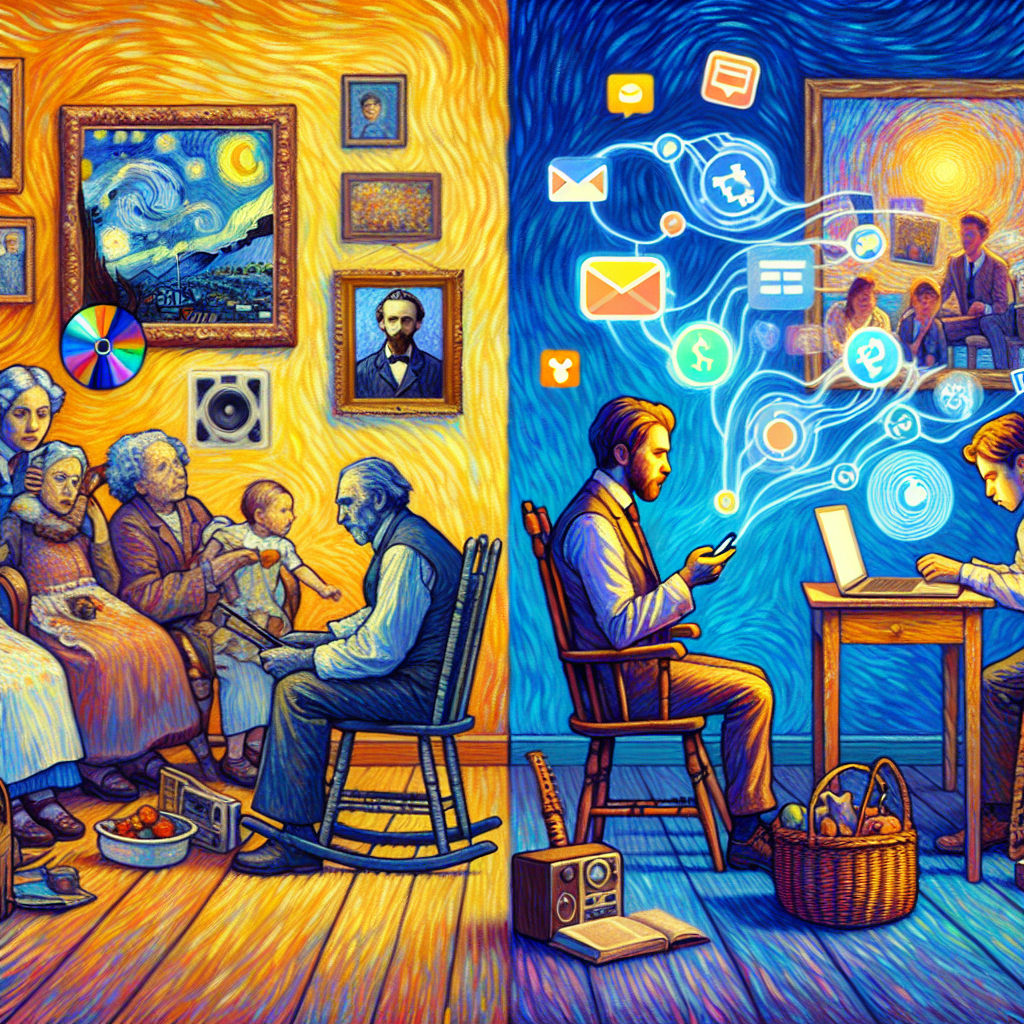
What Values Do Your Target Customers Hold Dear In Luxury Brands?
How Does Your Brand Differentiate Itself In a Saturated Market?
In a world overflowing with brands vying for attention, the question isn’t just how to stand out—it’s about how to resonate. Picture the bustling marketplace where everyone shouts their offerings at the top of their lungs. What makes your message rise above the noise? It’s not just about flashy ads or clever slogans; it’s about your legacy and the story you choose to tell.
Every remarkable brand has a legacy, a tapestry woven from values, experiences, and the very essence of why it exists. What’s your brand’s origin story? Is it born from struggle, aspiration, or the quest to bring about change? Tapping into that narrative not only establishes credibility but builds an emotional bridge with your audience. When you share the journey—challenges faced, victories won—you invite consumers into your world. They don’t just see a product; they witness a purpose.
Consider how customers connect with brands on a human level. They want to feel part of something larger than themselves, a community where shared values reign supreme. This is where storytelling becomes a powerful tool. When you craft your brand’s legacy through authentic storytelling, you appeal to the heart. It’s about sparking feelings—joy, nostalgia, hope—that lead people to associate those emotions with your name. You’re not just selling a product; you’re sharing a piece of a shared journey that resonates deeply.
Now, let’s engage the head. A significant part of differentiation lies in the rational reasons behind choosing you over competitors. Your commitment to quality, ethical practices, or innovative techniques must be crystal clear. Data, testimonials, and endorsements from trusted sources reinforce your authority. When potential customers see that their values align with yours, it builds trust—a crucial element lost on many in a saturated market.
Finally, let’s not overlook the gut. In a world dominated by endless choices, the instinct to choose you often transcends logic. It’s the intuition that whispers, “This brand feels right.” That gut feeling stems from knowing you’re part of a larger story—a narrative that fosters connection and inspires action.
So as you carve out your space in this crowded marketplace, remember the power of your legacy and how your story unfolds. Embrace the heart, head, and gut approach as you invite others to join you on an unforgettable journey, one that inspires trust and confidence in your brand’s mission.

How Does Your Brand Differentiate Itself In a Saturated Market?
How Does Your Brand Differentiate Itself In a Saturated Market?
- In a crowded marketplace, brands must focus not only on standing out but resonating with their audience.
- Every exceptional brand has a legacy shaped by its values, experiences, and purpose.
- Sharing your brand’s origin story creates credibility and emotional connections with consumers.
- Storytelling allows brands to invite consumers into their journey, promoting a sense of purpose beyond products.
- Connecting with customers on a human level fosters community and shared values.
- Clear differentiation through quality, ethics, and innovation builds trust and authority in a saturated market.
- A successful brand resonates instinctively, encouraging consumers to choose it based on both logic and emotion.

How Does Your Brand Differentiate Itself In a Saturated Market?
What Risks Are You Willing to Take to Transform Your Legacy Brand?
When it comes to transforming a legacy brand, it’s all about the risks you’re willing to embrace—or the ones you’re terrified to take. Think about it. Your brand has a story, a legacy storytelling woven into the fabric of the community and the lives it touches. But what happens when the landscape shifts? What’s your move when the tide of consumer preferences changes direction, and you’re left standing at the crossroads of tradition and innovation?
Let’s face it: most people are wired to avoid discomfort. But let’s also be clear: transformation doesn’t come wrapped in a neat little package. If you want to breathe new life into your brand while honoring its history, something’s got to give. You’ve got to ask yourself—what legacy do you want to leave behind? Is it one marked by hesitation, or is it one that embodies courage and evolution?
Emotional connections run deep. Think about the people who’ve poured their hearts into this brand—the loyal customers, the steadfast employees, the communities that have rallied around it. They’re not just statistics; they’re real lives tied to your brand’s narrative. When you take a bold step toward transformation, you’re not just altering a logo or a product line; you’re engaging in a profound conversation with your supporters. It’s about being transparent about your choices and inviting them to join you on this journey. You’re essentially saying, “This isn’t just my legacy; it’s ours.”
Now let’s move to the rational side. In today’s fast-paced marketplace, sticking to the status quo can feel safe, but that safety is an illusion. You’re not just defending your brand’s glory days; you’re risking irrelevance. The question isn’t whether change is scary; it’s whether stagnation is scarier. With the right strategies and insights, you can not only mitigate risks but also create opportunities to redefine what your brand stands for.
Ethically, a legacy brand has a responsibility—to the people it serves, the environment it impacts, and the values it represents. Every risk you take in transforming your brand should resonate with those principles. This isn’t just business; it’s a legacy worth fighting for.
So ask yourself, what risks are you willing to take? Are you ready to write the next chapter of your legacy, forging a path that not only honors the past but inspires the future? The choice is yours, and the time is now. Make it count.

What Risks Are You Willing to Take to Transform Your Legacy Brand?
What Risks Are You Willing to Take to Transform Your Legacy Brand?
- Transforming a legacy brand involves embracing calculated risks.
- Brands have deep-rooted stories tied to their communities; shifts in consumer preferences require thoughtful responses.
- Transformation requires a balance between honoring history and evolving; consider the legacy you want to leave.
- Engaging emotional connections is crucial; loyal customers and employees contribute to the brand narrative.
- Bold transformations invite stakeholders into a shared legacy journey, fostering transparency and collaboration.
- Stagnation is a risk; the current marketplace demands adaptation to avoid irrelevance.
- Ethical responsibility to community and environment should guide transformational risks; legacy brands have a meaningful fight ahead.

What Risks Are You Willing to Take to Transform Your Legacy Brand?
How Can Customer Testimonials Create a Narrative Around Your Brand?
When you think about brand identity, it’s easy to get lost in the glitzy ads and polished slogans. But dig a little deeper, and you’ll find the heart of your business beats in the stories of your customers. Their testimonials don’t just echo your company’s achievements; they create a compelling legacy that resonates with potential clients on multiple levels. When a customer shares their experience, they’re not merely endorsing a product; they’re actively participating in a narrative—a dynamic tale that weaves your brand into the fabric of their lives.
Imagine a single mom juggling work and family who finally snags that elusive peaceful morning thanks to your coffee. Her testimonial isn’t just a string of compliments; it’s a powerful narrative that speaks to resilience, hope, and the small joys that fuel our days. This story invites others to share in this experience, showing them they’re not alone in their struggles. The emotional connection here isn’t just marketing fluff—it’s real, and it strikes a chord.
On a rational level, testimonials serve as social proof, an ethical beacon in a crowded marketplace. When people hear authentic stories from their peers, they aren’t just reassured about quality—they’re convinced they’re making a responsible choice. Each testimonial reinforces trust, laying down a foundation of authority that no polished ad can replicate. The voices of real customers resonate louder than any soundbite, turning casual browsers into engaged participants in your brand’s journey.
Think of the power of those narratives. They create an invisible thread binding your customers to you, forming a community built on shared experiences. This connection is not merely transactional; it’s transformational. As new customers read these heartfelt accounts, they see reflections of their own needs and aspirations. They’re inspired to join a movement, to be part of something bigger than themselves.
So when crafting your brand’s story, don’t overlook the profound impact of customer testimonials. They are more than just words; they encapsulate the human experience, bridging the gap between brands and individuals. Embrace these narratives, harness their power, and watch as your brand evolves from a faceless entity into a trusted friend, rooted firmly in the stories of those it serves.

How Can Customer Testimonials Create a Narrative Around Your Brand?
How Can Customer Testimonials Create a Narrative Around Your Brand?
- Brand identity extends beyond ads and slogans; it is grounded in customer stories.
- Customer testimonials create a compelling legacy that resonates with potential clients.
- Testimonials transform customer experiences into narratives that weave brands into lives.
- Emotional connections in testimonials are genuine and resonate deeply with others.
- On a rational level, testimonials serve as social proof, confirming trust and quality.
- Narratives foster community, forging connections that are both transactional and transformational.
- Customer testimonials bridge the gap between brands and individuals, enhancing brand identity.

How Can Customer Testimonials Create a Narrative Around Your Brand?
What Unique Skills Does Your Team Bring to the Luxury Market?
When considering the luxury market, it’s crucial to recognize that success isn’t measured solely by the price tag but by the emotions and experiences behind every purchase. Our team doesn’t just sell products; we cultivate connections that resonate deeply with our clients. This isn’t just business; it’s about crafting a legacy story that reflects the aspirations and values of our clientele.
Imagine that first breathtaking glance at a timeless piece—a watch glinting in the soft light or a handcrafted leather bag that tells a tale of artisanship. Each item in the luxury market is more than a status symbol; it carries with it a narrative that intertwines with our customers’ personal stories. In a world of fast fashion and fleeting trends, we stand firm with a commitment to authenticity and exceptional quality. This dedication is where our unique skills come into play.
Our team is composed of passionate individuals who understand that luxury is an experience, not just a purchase. We pride ourselves on expertise—knowing the intricate details of each product, the history of craftsmanship, and the innovative trends pushing the market forward. With every interaction, we share our knowledge, fostering a sense of trust that transforms mere transactions into lasting relationships. This is about more than just showing the value; it’s about telling what lies behind that value—the heartbeats of creators, the dreams of clients, and the legacy we collectively build.
We also recognize the role of ethical responsibility in our industry. Luxury doesn’t have to come at the cost of sustainability; rather, it should lead the way in ethical practices. From sourcing environmentally friendly materials to supporting local artisans, our commitment resonates deeply in a time when consumers care more than ever about their impact on the world.
In this landscape, we’re not just selling luxury; we’re inviting our clients to become part of a larger narrative. Each purchase they make is a stroke in their own legacy canvas, and we are here to ensure that canvas isn’t just beautiful but meaningful. So, while others may chase trends, we stand ready to engage hearts and minds, fostering connections that endure and inspire admiration—because that’s truly what the luxury market is all about.

What Unique Skills Does Your Team Bring to the Luxury Market?
What Unique Skills Does Your Team Bring to the Luxury Market?
- Success in the luxury market is defined by emotions and experiences, not just price.
- The team focuses on creating deep connections with clients to build a legacy that reflects their aspirations and values.
- Each luxury item embodies a narrative that intertwines with the personal stories of customers.
- The commitment to authenticity and exceptional quality distinguishes the brand from fast fashion.
- Team members possess expertise in product details, craftsmanship history, and innovative market trends.
- There is a focus on ethical responsibility, promoting sustainability and supporting local artisans.
- Every purchase contributes to the client’s legacy, fostering enduring connections and inspiring admiration.

What Unique Skills Does Your Team Bring to the Luxury Market?
Conclusion
Navigating the delicate journey from legacy to luxury is not merely about marketing strategies or brand identity; it’s about embracing a profound storytelling process that celebrates authenticity and deep emotional connections. In every corner of the branding landscape, success lies not in flashy presentations, but in the genuine narratives that resonate with consumers’ hearts, minds, and instincts. At its core, luxury is no longer about opulent displays; it’s about crafting stories that echo the shared heritage of our communities.
Take a moment to visualize the rich tapestry of memories that bind us to our favorite brands. Perhaps it’s the comforting embrace of a well-worn sweater or the craftsmanship behind a cherished watch. These aren’t just products; they’re relics of our personal tales, infused with nostalgia, trust, and aspiration. It’s imperative for brands to recognize this deep-seated emotional bond and respond with narratives that honor the past while innovating for the future.
As we stand at the increasingly complex crossroads of consumer expectations, the demand for transparency, ethical practices, and community engagement has grown louder. Today’s consumers seek more than just products; they crave alignment with values that resonate beyond the transaction. Brands must adopt an ethical framework that not only speaks volumes about their commitment to sustainability and societal well-being but also builds a bridge of trust with their audience.
The authority of storytelling becomes essential here. Brands must lean on knowledgeable experts who can adeptly merge historical legacy with a fresh vision. This narrative empowerment is vital in a market flooded with options, as it allows a brand to rise above the clamor, inviting customers to share in a compelling story rather than just passively consume.
In this evolving narrative landscape, customer testimonials become integral—you’re not just telling your story; your customers are joining you on the journey, crafting a legacy together. Their experiences and voices infuse your brand with delightful authenticity, reinforcing the connection that can turn casual consumers into staunch advocates.
As brands adapt and innovate, they must remain resolute: every risk taken should echo the values they stand for. The transformation isn’t just a rebranding; it’s a call to action—a commitment to creating experiences that invite engagement and respect. Ultimately, this revival doesn’t just redefine luxury; it transforms the way we view our connections with the brands we love, inviting us all to co-create a legacy worth celebrating.
Conclusion
Conclusion:
- Transitioning from legacy to luxury involves authentic storytelling and deep emotional connections.
- Success in branding is rooted in genuine narratives that resonate with consumers, rather than flashy presentations.
- Luxury is about crafting stories that reflect shared community heritage, rather than just opulent displays.
- Brands must honor emotional bonds with consumers by integrating narratives that respect the past while innovating for the future.
- Today’s consumers demand transparency, ethical practices, and alignment with values, beyond mere products.
- Storytelling is crucial for brands to differentiate themselves, using expert insights to merge legacy with new visions.
- Customer testimonials create authentic connections, transforming casual consumers into dedicated brand advocates.

Conclusion
Other Resources

Other Resources
Here is a list of other resources you can review online to learn more:
- Legacy Learned
- Xarona
- Meminto
- LegalNature
- Personal Legacy Advisors
- FindMyPast
- How to Save Your Family�s Stories from Being Lost Forever � A Step-by-Step Guide to Creating a Lasting Digital Legacy
- Storyfile Life
- WishesKeeper
- Willmaker
- Postumo
- PartingWishes
- RocketLawyer
- Obituary Templates
- Afternote
- My Wonderful Life
- DocuBank
- LegalZoom
- FamilySearch
- Ever Loved
Use This Prompt To Get More Resources With Your Favorite Online AI Tool: Please provide me with a list of online articles with their URLs in a bulleted list that I can read regarding From Legacy Shelf to Luxury Brand – the Revival Playbook

Other Resources
Glossary Terms
From Legacy Shelf to Luxury Brand – the Revival Playbook – Glossary Of Terms
1. Legacy Brand: A brand with a long history and established reputation, often facing challenges in adapting to modern market demands.
2. Brand Revival: The process of rejuvenating an established brand, often through innovation, rebranding, and marketing strategies.
3. Market Repositioning: Changing the perception of a brand in the minds of consumers to capture new markets or segments.
4. Luxury Market: A market that caters to high-end consumers seeking premium products and experiences, often characterized by exclusivity and high price points.
5. Consumer Experience: The overall interaction a consumer has with a brand, encompassing every touchpoint and influencing brand loyalty.
6. Brand Equity: The value a brand adds to a product based on consumer perceptions, loyalty, and associations.
7. Heritage Marketing: Leveraging a brand’s historical background, values, and authenticity to connect with consumers emotionally.
8. Product Innovation: The development of new products or enhancements to existing products to meet changing consumer needs or preferences.
9. Brand Storytelling: Crafting a narrative around a brand to create emotional connections with consumers and deepen engagement.
10. Omnichannel Strategy: Integrating multiple channels of communication and distribution to provide a seamless customer experience.
11. Collaborative Marketing: Partnerships with other brands or influencers to expand reach and enhance brand credibility.
12. Target Demographics: Specific groups of consumers identified as the primary audience for marketing efforts based on characteristics like age, income, and lifestyle.
13. Sustainability Practices: Methods employed by brands to minimize environmental impact and promote social responsibility, appealing to eco-conscious consumers.
14. Luxury Brand Positioning: Strategies used to distinguish a luxury brand from competitors, often involving exclusivity, quality, and heritage.
15. Digital Transformation: The integration of digital technology into all areas of a business, fundamentally changing operations and value delivery.
16. Experiential Marketing: Creating memorable experiences for consumers to foster brand loyalty and emotional connections.
17. Brand Loyalty: The tendency of consumers to continue buying the same brand due to positive experiences and emotional connections.
18. Visual Identity: The aesthetic aspect of a brand, including logos, colors, and design elements that represent the brand’s personality.
19. Consumer Insights: Data and analysis regarding consumer behavior and preferences used to inform marketing strategies.
20. Rebranding: The process of changing the corporate image of a brand to attract a new audience or refresh its market presence.
21. Aspirational Branding: Marketing that aligns a brand with the aspirations and lifestyle of its target audience, creating a desire for ownership.
22. Product Differentiation: Distinguishing a brand’s products from competitors through unique features, quality, or branding strategies.
23. Cultural Relevance: The importance of a brand being in tune with current cultural trends and consumer values to maintain appeal.
24. E-commerce Strategy: Approaches and tactics used to sell products online, increasingly important for brands in the digital age.
25. Influencer Engagement: Collaborating with individuals who have significant social media followings to promote products and enhance brand visibility.
26. Sales Channels: Various platforms through which products are sold, including physical stores, online marketplaces, and direct-to-consumer websites.
27. Brand Advocacy: When consumers actively promote and support a brand, influencing others to consider or purchase from that brand.
28. Lifestyle Branding: Creating a brand that represents a particular lifestyle, influencing consumer identity and choices.
29. Customer-Centric Approach: A business strategy that prioritizes the needs and preferences of customers in all aspects of brand development and marketing.
30. Finite Markets: Niche markets with limited target audiences, often requiring specialized marketing techniques to reach potential customers effectively.

Glossary Of Terms
Other Questions
From Legacy Shelf to Luxury Brand – the Revival Playbook – Other Questions
If you wish to explore and discover more, consider looking for answers to these questions:
- What are the key elements involved in legacy storytelling?
- How do brands effectively balance heritage with modernity?
- What strategies can brands use to build emotional connections with customers?
- How can brands identify and communicate their core values?
- What role does customer engagement play in the revival of a luxury brand?
- What specific examples exist of successful legacy brand transformations?
- How can brands measure the impact of nostalgia in their marketing?
- What ethical considerations should brands keep in mind during transformation?
- How can brands effectively utilize testimonials to reinforce their story?
- What is the importance of transparency in luxury branding?
- How can a brand’s unique team skills contribute to its identity in the luxury market?
- What are the common pitfalls brands face during the revival process?
- How can data and analytics enhance brand storytelling strategies?
- What methods can brands employ to cultivate a community around their story?
- How can brands ensure consistency in their legacy narrative across various platforms?

Other Questions
Haiku
From Legacy Shelf to Luxury Brand – the Revival Playbook – A Haiku
Legacy brands rise anew,
Stories breathe life, trust ignites,
Crafting hearts and dreams.

Haiku
Poem
From Legacy Shelf to Luxury Brand – the Revival Playbook – A Poem
From dusty shelves of yesteryear,
A legacy brand seeks to reappear,
Not in shadows but in the light,
Crafting tales that ignite the night.
With threads of nostalgia, woven tight,
Each stitch a story, bold and bright,
Memories linger like a cherished song,
In the heart of the brand, where we belong.
Consumers seek more than glitzy shows,
They long for meaning, for truth that glows,
Sustainability’s whisper, ethics on display,
A commitment to values in every way.
As artisans fashion with loving care,
A touch of history hung in the air,
They dare to innovate, yet honor the past,
Crafting connections built to last.
What risks will you take as tides shift and sway?
To transform, to evolve, come what may,
Invite your patrons onto this ride,
Together, a legacy that won’t subside.
In the noise of the market, let’s rise above,
With narratives crafted from trust and love,
Each testimonial, a living link,
In every word, we share, we think.
So embrace the heart, the head, the gut,
In every choice, may authenticity strut,
Luxury is more than a status or price,
It’s the shared journey, a bond that’s precise.
Let the world hear your brand’s resounding call,
Invite them to witness, invite them to fall,
Into a story where they play a part,
Reviving luxury—an art from the heart.

Poem
Checklist
From Legacy Shelf to Luxury Brand – the Revival Playbook – A Checklist
Checklist for Reviving a Luxury Brand Using Legacy Storytelling
Emotional Appeals
_____ Identify the core emotions your brand evokes (e. g. , nostalgia, joy, belonging).
_____ Develop a personal narrative that connects past experiences with current offerings.
_____ Share stories of customer transformations and memorable experiences tied to your brand.
Rational Appeals
_____ Utilize data-driven insights to guide your storytelling and decision-making.
_____ Provide clear benefits of your products—evidence of quality, craftsmanship, and sustainability.
_____ Showcase testimonials and case studies to reinforce the authority behind your claims.
Ethical Appeals
_____ Define your brand’s values and ensure they align with your audience’s beliefs.
_____ Commit to sustainable practices and ethical sourcing as part of your brand mission.
_____ Generate transparency in your operations—communicate how choices impact the community and environment.
Authority Appeals
_____ Collaborate with industry experts, designers, and storytellers to enrich your brand narrative.
_____ Share insights and perspectives from thought leaders that can add credibility.
_____ Look for partnerships that reflect your brand’s values and resonate with your target audience.
Narrative Appeals
_____ Craft a compelling origin story for your brand that illustrates growth and transformation.
_____ Weave customer stories into your marketing strategy to bring authenticity to your messaging.
_____ Position your brand as part of a larger cultural or historical conversation that adds depth to its identity.
Social Appeals
_____ Create opportunities for customers to share their own testimonials and stories related to your brand.
_____ Foster a community atmosphere—encourage customer interactions and engagements based on shared experiences.
_____ Leverage social media to build a narrative that encourages participation and connection.
Risk Management
_____ Assess potential risks when transforming your brand while respecting its heritage.
_____ Encourage a culture of innovation within your team, allowing for calculated risk-taking.
_____ Communicate openly with your customer base about changes, inviting them to be part of the journey.
This checklist serves as a guide to navigate the complex interplay of emotional, rational, ethical, authority, narrative, and social factors crucial for revitalizing your luxury brand through authentic legacy storytelling.

Checklist
At LegacyExplorations, we help people plan and explore their legacy by collecting information and news regarding end-of-life planning.
Please share this post with your friends, family, or business associates who may want help to plan or explore their legacy.