

Rediscovering Connections: The Impact Of Social Media’s Rise And Fall
By Tom Seest
At LegacyExplorations, we help people plan and explore their legacy by collecting information and news regarding end-of-life planning.
Please share this post with your friends, family, or business associates who may want help to plan or explore their legacy.
From Myspace to Oblivion
In the ever-churning landscape of social media, it’s easy to reminisce about the days when Myspace ruled the online world. Picture a time when the spark of connection was born from customizable profiles and music playlists that spoke to our souls. It wasn’t just a platform; it was a digital playground where we carved out our identities, sharing our triumphs and struggles through a tapestry of colorful backgrounds and catchy tunes. This was a legacy that transcended mere data; it was storytelling at its most personal.
Yet, as the pixels faded into memory, we find ourselves facing a broader question: what happens to the stories we leave behind? The very fabric of our connections now feels stretched thin as new platforms emerge, each promising a better way to share ourselves. But in this relentless pursuit of the next big thing, let’s not forget the relationships, the laughter, and the tears that once filled our screens. They were narratives that mattered, grounding us in the shared human experience.
For many, Myspace was a rite of passage, a canvas for the adolescent spirit to express itself. We were all artists, vloggers, and friends, relying on a platform that felt like home. The youth of today often miss the power of those connections, chasing fleeting likes and surface interactions instead. This shift raises ethical questions about our engagement with social media. Are we prioritizing quantity over quality? Are we losing the essence of what connects us as a community?
Historically, social networks have served not just as a means of communication but as vital vessels for preserving our legacies. Every post, every photo, was an invitation to share our truths, to weave our stories into the larger narrative of humanity. Yet, with platforms falling in and out of fashion, that legacy risks being washed away. The guardians of our past must become advocates for our stories, ensuring that the lessons learned and moments shared continue to resonate, inspiring future generations.
As we navigate this digital frontier, we must ask ourselves: how can we reclaim those connections gone astray? It begins with a commitment to genuine engagement. Let us not simply scroll past a post or a memory; let us dive deeper. Find ways to honor the stories that have shaped you while inviting others to do the same. In doing so, we not only celebrate the legacy of platforms like Myspace but rekindle the spark of camaraderie and understanding that has always united us. Embrace the stories, for they remind us of our shared humanity.

From Myspace to Oblivion
From Myspace to Oblivion
- Myspace was a significant social media platform, characterized by customizable profiles and music playlists.
- It served as a digital playground for identity expression, connecting individuals through shared narratives.
- The transition to new platforms raises questions about the preservation of personal stories and connections.
- Many young people today favor superficial interactions over meaningful relationships previously fostered on Myspace.
- Ethical concerns arise regarding the prioritization of quantity of interactions over quality in social media engagement.
- Social networks historically preserved legacies, with posts and photos as integral parts of personal and collective storytelling.
- Genuine engagement is necessary to reconnect with meaningful stories and relationships, celebrating shared humanity.

From Myspace to Oblivion
Table Of Contents
- From Myspace to Oblivion
- What Memories From Myspace Still Bring You Joy?
- How Did Myspace Shape Online Identity?
- What Ethical Dilemmas Arise From Digital Nostalgia?
- How Does Nostalgia Affect Our Present Decisions?
- How Does the Rise Of New Platforms Influence Social Behavior?
- In What Ways Do Social Media Platforms Impact Mental Health?
- What Stories From Myspace Are Worth Remembering Today?
- Conclusion
- Other Resources
- Glossary Of Terms
- Other Questions
- Haiku
- Poem
- Checklist
What Memories From Myspace Still Bring You Joy?
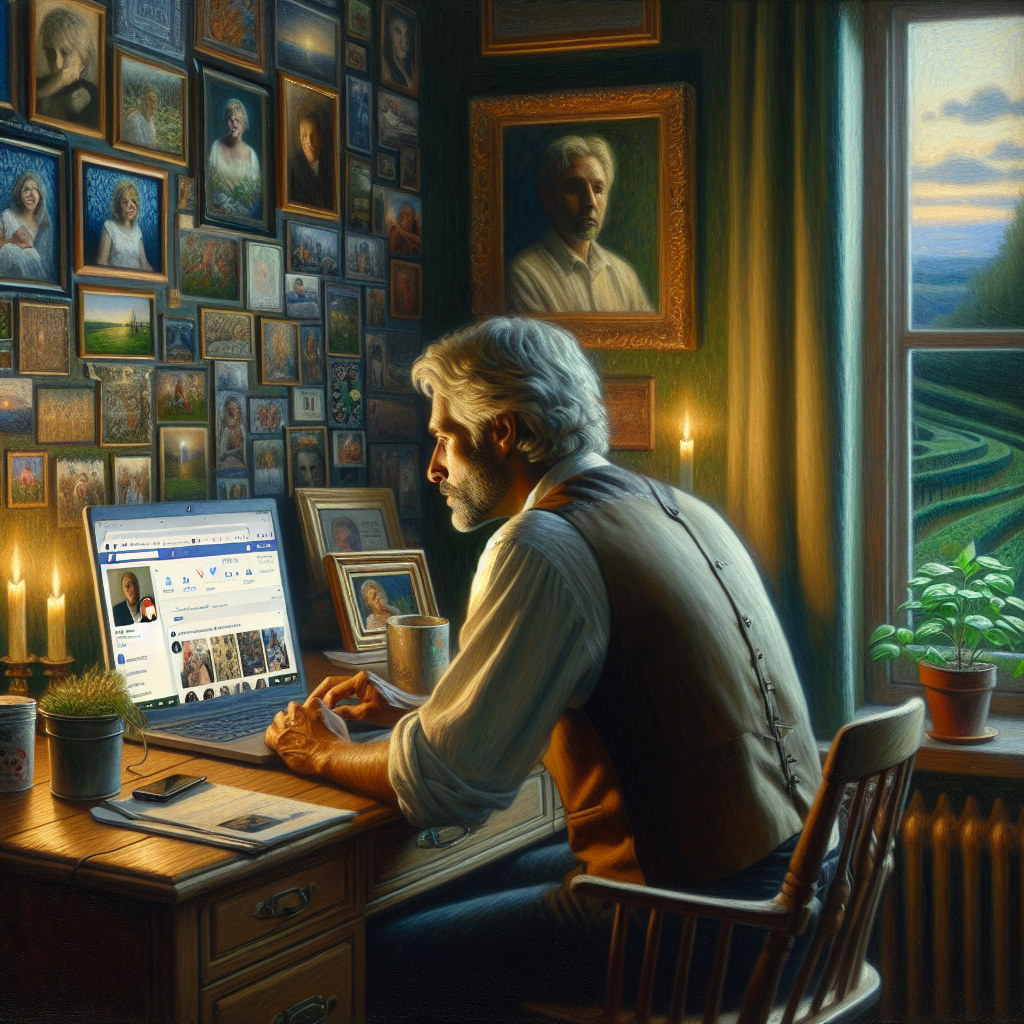
As we meander through the corridors of our digital past, Myspace stands out as a unique chapter—a canvas where our younger selves painted vivid stories full of hope, connection, and a touch of rebellion. It’s more than a social networking site; it’s a tapestry woven with the threads of life, friendship, and yes, sometimes heartache. Each profile, a window into our souls, offers a glimpse of what we valued, who we admired, and how we dared to express ourselves. The music playlists that blared our identities, the glittery backgrounds reflecting our tastes, and the Top 8 that defined our closest connections—all stand as milestones in our legacy storytelling.
Think back to the thrill of customization: selecting that perfect song that resonated with our teenage angst or joy. Those melodies didn’t just fill the air; they filled our hearts, binding us to memories carried through time. We weren’t just kids sharing updates; we were curators of our lives, each post a brushstroke on the portrait of who we were. Reflecting on those moments stirs a sense of nostalgia, reminding us of simpler times when the term “social media” didn’t conjure images of algorithms but instead of friendships forged through earnest conversations.
What about the late-night chats with friends, fueled by the freedom of youth and the anonymity of the screen? Each interaction was a blend of laughter, vulnerability, and sometimes, a quiet desperation to be understood. Those conversations, often peppered with laughter or the cathartic release of tears, forged bonds that transcended digital spaces, leading to face-to-face meetings filled with awkwardness and joy. They built a network of camaraderie that taught us the value of real connection amidst a growing digital landscape.
However, what resonates most profoundly is the ethical legacy we lay down through these shared moments. In a world driven by quick likes and fleeting interactions, Myspace thrived on deeper narratives. It wasn’t just about sending a request; it was about showing appreciation for someone’s art, thoughts, or quirks. The ethical pull of valuing another’s existence over mere perception is something we can still draw from today.
These memories, carried forward, show us that no matter how much the world evolves, the core of our human experience remains unchanged. Amidst the chaos of modern social media, Myspace holds a special place where we learned to express, connect, and grow. It beckons us to reminisce, to honor the paths we took, and to inspire a future where we fuse connection with authenticity. Let’s recapture that spirit and nurture our digital legacies, enriching not only our lives but also those of the communities we build.

What Memories From Myspace Still Bring You Joy?
What Memories From Myspace Still Bring You Joy?
- Myspace represents a unique chapter in our digital past, showcasing hope, connection, and rebellion.
- Profiles served as windows into individual identities, emphasizing personal values and expressions.
- Music playlists and customizable profiles were essential for self-expression and emotional connection.
- Late-night chats created meaningful friendships, blending laughter and vulnerability.
- Myspace fostered genuine interactions, contrasting with today’s quick, superficial social media engagements.
- The platform emphasized valuing others over mere perception, leaving an ethical legacy.
- Reflecting on Myspace encourages authenticity and deeper connections in our evolving digital landscape.
What Memories From Myspace Still Bring You Joy?
How Did Myspace Shape Online Identity?
Myspace, a once-thriving social network, was more than just a platform; it was a cultural phenomenon that laid the groundwork for how we present ourselves online. Each profile was a canvas, allowing users to paint a vibrant picture of their lives, thoughts, and passions. Through legacy storytelling, Myspace enabled a generation to explore their identities in a way that felt authentic and liberating.
At its peak, Myspace wasn’t just a collection of profiles, but a burgeoning community bursting with creativity. The thrilling clamor of unique layouts, personalized music playlists, and dynamic backgrounds beckoned users to embrace their individuality. For many, it was a first taste of the digital self, an opportunity to craft a narrative unbound by societal norms. The freedom to express oneself was exhilarating, and it fostered connection as people shared stories—from the mundane to the extraordinary—inviting others into their worlds.
Yet, as exhilarating as this digital experience was, it also posed ethical dilemmas. Users faced the challenge of balancing authenticity with the desire for acceptance. Would they present their truest selves or curate a persona that aligned more closely with others’ expectations? This struggle is one we still grapple with today, as the lines between real life and online representation blur.
Rationally, we can analyze Myspace’s lasting impact. It taught us the principles of online identity—how to engage, connect, and navigate a digital landscape that requires constant reinvention. The lessons learned here inform our every click and post, teaching us that how we present ourselves matters, not just to our peers but to the larger narrative of who we are.
But this journey wasn’t without authority figures. Influencers and public personalities began to emerge, shaping our perceptions of success and desirability in the online realm. Their rise raised questions about authenticity. Were they truly relatable, or merely shadows of our aspiration? As followers, we needed to navigate these waters wisely.
Ultimately, Myspace was not just a platform; it was a training ground that forged a generation skilled in self-presentation. It sparked a movement of digital identities, reminding us that we are not alone in this journey. Sharing our stories—our legacies—invites connection, fostering trust and understanding among those with whom we share this vast, online space. It taught us that behind every profile is a person longing to be seen, heard, and appreciated.

How Did Myspace Shape Online Identity?
How Did Myspace Shape Online Identity?
- Myspace was a cultural phenomenon that transformed online self-presentation.
- Users created vibrant profiles, exploring their identities authentically through legacy storytelling.
- It fostered a creative community with unique layouts, personalized music, and dynamic backgrounds.
- Users grappled with balancing authenticity and acceptance in their online personas.
- Myspace’s impact taught principles of online identity and the significance of self-presentation.
- The rise of influencers raised questions about authenticity and relatability among users.
- Myspace was a training ground for digital identities, emphasizing the importance of sharing stories.

How Did Myspace Shape Online Identity?
What Ethical Dilemmas Arise From Digital Nostalgia?
In an age where our digital footprints tell stories of our past, we find ourselves grappling with a profound ethical dilemma: how do we navigate the sentimental journey of digital nostalgia without losing sight of our responsibilities? Legacy storytelling, at its core, connects us to our roots, rekindling memories of simpler times. Yet, while these memories can evoke warmth, they can also present challenges that tug at our hearts, stimulate our minds, and sometimes even tighten our guts.
Picture this: a social media feed teeming with images of yesteryears, where every post is a curated glimpse into someone’s perfect life. The allure of nostalgia pulls on our emotions, fostering connections to our personal histories and shared experiences. However, this can quickly spiral into a comparison trap, where we measure our present against a glorified past. The heart yearns for those simpler days, but the head reminds us that nostalgia can distort reality. What happens when we idolize a time that was not as idyllic as we remember? This juxtaposition leads us to question the ethics of portrayal: Are we honoring our legacy, or are we cherry-picking memories for social clout?
Moreover, the digital age has birthed an urgency to capture every moment. This relentless drive can erode authentic experiences. Instead of savoring life’s simple pleasures, we often find ourselves behind a screen, perpetuating a cycle where likes and shares validate our significance. Here lies a crucial ethical inquiry: Where do we draw the line between genuine legacy storytelling and exploitation for online validation? This dilemma doesn’t just affect individuals; it resonates throughout society, influencing how we perceive each other and ourselves.
Then there’s the authority of truth. With filters and editing software at our fingertips, how can we trust that the nostalgia we’re consuming is an accurate representation? As we craft digital narratives that shape our identities, we must ask ourselves: Are we preserving our legacy, or are we risking it for a moment of digital fame?
Nostalgia, in its many forms, is a powerful force. It has the ability to inspire us to reconnect, to remember, and to reflect. However, as we navigate this emotional landscape, we must remain vigilant, ensuring that our legacy storytelling does more than merely evoke a wistful glance back. It should serve as a guiding beacon, encouraging honesty, fostering connection, and inspiring future generations to appreciate the present while respecting the past.

What Ethical Dilemmas Arise From Digital Nostalgia?
What Ethical Dilemmas Arise From Digital Nostalgia?
- Digital footprints reflect our past, posing an ethical dilemma about navigating digital nostalgia and responsibilities.
- Legacy storytelling connects us to our roots and evokes memories, but can also present emotional challenges.
- Social media can create a comparison trap, distorting our perception of the past and present.
- There is a tension between honoring our legacy and curating memories for social validation.
- The urgency to capture every moment can undermine authentic experiences and meaningful legacy storytelling.
- With editing tools available, the accuracy of our nostalgic portrayals is questionable.
- Nostalgia should inspire connection and reflection while guiding future generations to appreciate both the present and the past.

What Ethical Dilemmas Arise From Digital Nostalgia?
How Does Nostalgia Affect Our Present Decisions?
Nostalgia weaves itself through the fabric of our lives, providing a lens through which we view our present decisions. It’s more than just a wistful longing for the past; it’s a powerful force that can shape our choices in unexpected ways. Stories of yesteryears are entwined in our memories, forming a legacy that informs who we are today. This legacy storytelling anchors us, reminding us of where we’ve come from and guiding us toward where we might head next.
When we reflect on fond memories—time spent with family, moments of joy, or even the thrill of youthful adventures—we connect with emotions that transcend mere recollection. These feelings can ignite an inner spark, prompting us to chase after similar experiences in the here and now. Think about it: how often do we gravitate toward familiar comforts, whether it’s a favorite meal that takes us back to childhood or a song that evokes a wave of nostalgia? Each choice we make is filtered through that nostalgic lens, colored by the stories we’ve lived and the emotions they conjure.
From a rational perspective, nostalgia serves a practical purpose. It can bolster our resolve during tough times, reminding us of prior victories and the support systems we’ve built. Reflecting on past successes or the resilience we showed in overcoming challenges instills confidence. It’s as if we’re armed with the wisdom of our own experiences, equipping us to tackle today’s hurdles.
But nostalgia doesn’t just affect the individual; it connects us with others. In sharing our stories, we foster relationships and strengthen community bonds. When we gather to reminisce, we find common ground in our shared experiences. This social interplay enriches our lives, reminding us that while our journeys may differ, the emotions we contend with are universal.
Yet, we must tread carefully. While nostalgia holds the power to uplift, it can also cloud our judgment, creating a longing to return to an idealized past that never truly existed. Acknowledging this duality reinforces our ethical responsibilities in decision-making. In valuing our legacy storytelling, we inspire not only ourselves but those around us to forge new paths grounded in the lessons learned from our histories.
In essence, nostalgia shapes our present decisions by anchoring us in our stories—blending emotion with logic, shaping connections, and motivating us to act in ways that honor our past while embracing our future.

How Does Nostalgia Affect Our Present Decisions?
How Does Nostalgia Affect Our Present Decisions?
- Nostalgia influences present decisions, offering a perspective that shapes choices.
- It is a powerful force intertwined with memories, forming a legacy that guides us.
- Reflecting on fond memories connects us emotionally, prompting the pursuit of similar experiences.
- Nostalgia serves practical purposes, reinforcing resolve and confidence during tough times.
- Sharing nostalgic stories strengthens relationships and community bonds through shared experiences.
- While uplifting, nostalgia can also cloud judgment, leading to idealized views of the past.
- Ultimately, nostalgia blends emotion with logic, encouraging actions that honor both history and future paths.

How Does Nostalgia Affect Our Present Decisions?
How Does the Rise Of New Platforms Influence Social Behavior?
How does the rise of new platforms influence social behavior? It’s a question that delves deep into what it means to connect in today’s world. We’ve witnessed a staggering evolution in how we communicate — from smoke signals to tweets — and it’s hard not to feel a tug at our heartstrings when reflecting on this journey. Legacy storytelling, a practice as old as humanity itself, has met its match in the dynamic and often chaotic landscape presented by modern platforms.
Picture this: a grandmother shares her family’s history on her blog, weaving together tales from decades past, not just for her own nostalgia but for a new generation eager to learn. She’s tapping into legacy storytelling, a precious art that binds us through shared experiences. Yet, with platforms that allow instant sharing, we find ourselves standing at a crossroads. The compelling stories that once took weeks to unfold now appear at the click of a button. This immediacy offers tremendous power but also introduces a certain vulnerability.
On one hand, these platforms democratize voice, enabling stories from diverse backgrounds to rise, resonating with our shared humanity. Each status update and scroll through a feed can evoke empathy, sparking conversations that transcend geographical boundaries. But on the other, the very nature of instant communication can dilute authenticity. We risk losing the depth of connection that comes from truly knowing a story, piece by piece. Using social platforms, we face how we filter our identities, piecing together curated narratives. This demands an ethical reflection on the value of genuine interaction versus the appeal of quick engagement.
New platforms also create new social norms. Engaging with a narrative online can spark movements, from environmental campaigns to social justice, igniting the desire in us for connection and action. Yet in this rapid-fire sharing, the challenge lies in discerning between noise and meaningful dialogue. We’ve all been there—caught up in the fervor of trending topics—only to wonder later if we engaged with something of substance.
As we step forward, let’s remember the power of legacy storytelling. Embrace the wisdom of the past while navigating the creativity of the present. Use these platforms not just for the thrill of sharing but for building connections that inspire trust and foster community. Let’s take a moment to reflect on how we can enrich our social behavior, understanding that each story contributes not just to our personal narrative but to the vast tapestry of human experience.

How Does the Rise Of New Platforms Influence Social Behavior?
How Does the Rise Of New Platforms Influence Social Behavior?
- The rise of new communication platforms has significantly influenced social behavior.
- Legacy storytelling is challenged by the immediacy and chaos of modern platforms.
- Instant sharing promotes diverse voices but may dilute authenticity in storytelling.
- Social platforms can evoke empathy and spark global conversations.
- There is a tension between quick engagement and meaningful connection.
- New platforms establish social norms, igniting movements for connection and action.
- Legacy storytelling remains vital for building trust and community amidst rapid change.

How Does the Rise Of New Platforms Influence Social Behavior?
In What Ways Do Social Media Platforms Impact Mental Health?
In the ever-evolving landscape of social media, the impact on mental health is a narrative woven into the very fabric of our lives. Every scroll, every post, every share tells a story—sometimes our own, other times a legacy storytelling passed down in bits and bytes. This digital tapestry is more than mere entertainment; it shapes who we are, how we connect, and the lens through which we view our world.
Consider how social media platforms have revolutionized communication. With a touch of a finger, we can broadcast our thoughts to the universe, seeking validation, connection, or sometimes just a moment of distraction. It’s exhilarating, yet it can also leave us feeling vulnerable. When likes and comments become the currency of our worth, we risk losing sight of our intrinsic value. We must ask ourselves: does our self-esteem hinge on a screen or the authentic relationships in our lives?
From a rational standpoint, studies over the years highlight the dual nature of social media. On one hand, it can foster community, support networks, and access to valuable information. On the other, it can be a pitfall of comparison and isolation. When we curate our lives online, we often present an idealized version of reality, leading others to feel inadequate. This dissonance between online portrayals and real-life struggles creates a rift that can deeply affect mental health.
Now, let’s tug at the heartstrings. Remember the last time you connected with a friend after seeing their vulnerable post? That moment of empathy, of shared humanity, can build bridges in ways that words often can’t. It’s essential to recognize that behind every profile is a person navigating their own challenges. When we engage with openness and authenticity, we contribute to a healthier digital ecosystem.
Ethically, we must consider our role as users within this landscape. As we navigate our feeds, there’s a responsibility to foster positivity, support, and genuine connection. It starts with understanding our digital footprints matter, not just to us but to those who follow. Every interaction holds the power to uplift or tear down. The choice is ours.
The way we engage with social media is a reflection of our values and priorities. By approaching it with mindfulness, we can protect our mental health while also uplifting others. The true legacy storytelling isn’t about the number of followers or likes, but the depth of connection we cultivate in the digital age. Remember, we are not just users; we are a community with the ability to shape our shared experience.

In What Ways Do Social Media Platforms Impact Mental Health?
In What Ways Do Social Media Platforms Impact Mental Health?
- The impact of social media on mental health is significant and complex.
- Social media redefines communication, facilitating both connection and vulnerability.
- Likes and comments can distort self-worth, making intrinsic value difficult to recognize.
- Social media has a dual nature, enabling community support while fostering comparison and isolation.
- Empathy can stem from authentic engagement, bridging gaps between individuals.
- Users have a responsibility to promote positivity and meaningful connections online.
- Mindful engagement on social media enhances mental health and enriches community bonds.

In What Ways Do Social Media Platforms Impact Mental Health?
What Stories From Myspace Are Worth Remembering Today?
Amid the digital noise of today’s social platforms, there lies a treasure trove of stories from the Myspace era that still resonate with us, urging us to reflect on our own narratives. In a world where fleeting trends come and go faster than a click, the legacy of Myspace serves as a poignant reminder of the art of storytelling—one that’s deeply rooted in our human experience.
Myspace was a unique canvas, inviting us to paint our lives with bold strokes of creativity and connection. It offered a space for self-expression, where individuals could curate their profiles, share music, and connect over shared interests. Here, friendships blossomed in a time before algorithms dictated our interactions. Each profile was a legacy of storytelling, a personal tapestry woven from the threads of our lives, hopes, and dreams. These stories remind us that we are not alone in our struggles and aspirations but part of a larger community.
Reflecting on this period, we see how Myspace encouraged us to be authentic, fostering connections that often felt deeper than mere digital interactions. It challenged us to think about who we were and who we wanted to be. This platform wasn’t just about the latest song playlist or shiny graphics; it was about the values we held and the messages we wanted to share with the world. The sincerity of these narratives resonates today, reminding us of our collective journey and the importance of staying true to ourselves.
Moreover, the ethical dimension of these stories should not be overlooked. The friendships and communities formed during this time exemplified a raw, unfiltered approach to connection, showing us how trust and vulnerability can lead to powerful, lasting bonds. In an age where transparency is often overshadowed by curated images and staged content, remembering the unpolished but real connections of Myspace can inspire us to forge deeper relationships in our lives today.
The authority of these stories lies in their authenticity. They remind us that every experience—whether a triumphant comeback or a heartfelt farewell—holds value. As we navigate through our memories of Myspace, we rediscover the essence of legacy storytelling, where every post and every interaction contributed to a narrative larger than ourselves.
Ultimately, as we sift through the digital dust of the past, let us cherish those Myspace moments that shaped us. They serve as a call to action, inviting us to honor our stories, connect with others, and embrace the beauty of being truly, unapologetically ourselves.

What Stories From Myspace Are Worth Remembering Today?
What Stories From Myspace Are Worth Remembering Today?
- The Myspace era offers valuable stories that encourage reflection on personal narratives.
- Myspace served as a platform for creativity and genuine connection before algorithm-driven interactions.
- Each user profile represented a personal story, creating a sense of community and shared experience.
- The platform fostered authenticity and meaningful relationships, challenging users to explore their identities.
- Friendships formed on Myspace exemplified trust and vulnerability, contrasting with modern curated social media.
- Every interaction on Myspace contributed to a larger narrative, emphasizing the importance of shared experiences.
- Reflecting on Myspace encourages us to honor our stories and embrace authenticity in our interactions today.

What Stories From Myspace Are Worth Remembering Today?
Conclusion
In today’s frenetic digital landscape, it’s crucial to pause and reflect on the foundation laid by platforms like Myspace, which was not merely a social media site but a vibrant tapestry of our formative years. Myspace allowed us to explore identity in a vivid, authentic manner, serving as our first canvas for self-expression. It was a place where personal stories flourished amidst colorful profiles and playlists that resonated with the very essence of who we were, forging connections deeper than any algorithm can fathom.
As we venture deeper into this evolving social universe, we must acknowledge the lessons from our past. The ethical responsibility that comes with sharing our stories is paramount. It isn’t just about the superficial interactions that today’s platforms often promote; it’s about nurturing genuine connections that remind us of our shared humanity. Myspace taught us the value of storytelling—not for likes but for the bonds established through vulnerability and authenticity.
However, nostalgia can close the door on reality. While reminiscing about the “good old days” of Myspace, it’s easy to overlook the ethical implications of our current digital practices. Are we cultivating relationships grounded in truth, or are we merely chasing the elusive validation that today’s social media often provides? The heart longs for those authentic connections, yet the head must guide us to embrace platforms that promote crass engagement over meaningful dialogue.
Myspace’s legacy is a call to reclaim the art of storytelling. Let us remember that each profile was not just a collection of data but a chronicle of lives lived—filled with laughter, heartache, and growth. As we navigate new social frontiers, let’s prioritize quality over quantity in our interactions, aiming to rekindle that spirit of camaraderie and understanding. This allows us to honor the stories that shaped us while creating a space where future generations can find their voices.
Ultimately, it’s not merely about harking back to what once was but about weaving the lessons learned into our present. Together, we can embrace this opportunity to redefine our connections, remind ourselves of our intrinsic worth beyond the screen, and inspire others to do the same. Let’s carry forward the essence of those Myspace moments—celebrating authenticity in our stories and fostering connections that resonate throughout the vast expanse of human experience.

Conclusion
Conclusion:
- Myspace was more than just a social media platform; it was a significant part of our formative years.
- It provided a space for authentic self-expression and identity exploration through personal stories and creative profiles.
- The platform emphasized genuine connections through storytelling rather than superficial interactions for likes.
- Nostalgia for Myspace can obscure current ethical concerns regarding digital engagement and validation.
- We must prioritize meaningful dialogue over crass engagement in today’s social media landscape.
- Myspace’s legacy encourages us to focus on quality interactions and the importance of individual stories.
- It’s essential to integrate lessons from the past to redefine our connections and celebrate authenticity in our narratives.
Conclusion
Other Resources

Other Resources
Here is a list of other resources you can review online to learn more:
- Funeral Services Guide
- Storyfile
- ForeverMissed
- Trust And Will
- Personal Legacy Advisors
- deviantART
- Willmaker
- PartingWishes
- How To Write Legacy Stories That Appeal To The Heart, Gut and Head
- Obituary Templates
- FamilySearch
- LifeWeb 360
- Digital Legacy Association
- Living Wisely
- Bcelebrated
- LivingDNA
- StoryCorps
- IronClad Family
- Geni
- Knotify.me
Use This Prompt To Get More Resources With Your Favorite Online AI Tool: Please provide me with a list of online articles with their URLs in a bulleted list that I can read regarding From Myspace to Oblivion
Other Resources
Glossary Terms
From Myspace to Oblivion – Glossary Of Terms
1. Social Networking: Online platforms that facilitate connectivity and interaction among users.
2. MySpace: An early social network launched in 2003, known for music and personal profiles.
3. Facebook: A popular social networking site launched in 2004, emphasizing user interactivity and content sharing.
4. Twitter: A microblogging platform created in 2006 that allows users to post short updates called tweets.
5. Instagram: A photo-sharing social network launched in 2010, centered on visual content and personal branding.
6. Tumblr: A microblogging platform known for creative content and a strong community culture, launched in 2007.
7. Reddit: A social news aggregation site that allows users to discuss various topics through submissions and comments.
8. AIM (AOL Instant Messenger): A messaging service popular in the early 2000s that enabled real-time chat.
9. Profiles: Personal pages that showcase user information, interests, and posts on social networking sites.
10. Friendship: A mutual relationship between users on social platforms, often indicated by connection requests.
11. Status Update: A feature allowing users to share their current thoughts or activities with their network.
12. Privacy Settings: Tools that allow users to control who can view their information and posts.
13. Influencer: An individual with the power to affect others’ purchasing decisions through social media presence.
14. Digital Footprint: The trail of data one leaves while using the internet, including social media interactions.
15. Viral Content: Media that quickly gains popularity and widespread sharing across the internet.
16. FOMO (Fear of Missing Out): The anxiety of feeling left out of social experiences, often amplified by social media.
17. Curate: The act of selecting, organizing, and presenting user-generated content or posts on social networks.
18. Engagement: The interaction between users and content, such as likes, shares, and comments.
19. Troll: A user who posts inflammatory comments to provoke others online.
20. Meme: A humorous image or video that spreads rapidly through social media.
21. Feed: A continuously updated stream of posts, images, and updates from users’ social circles.
22. Algorithm: A set of rules used by social platforms to determine the relevance and visibility of content.
23. Hashtag: A word or phrase preceded by a ‘#’ symbol, used to categorize content and enhance discoverability.
24. Platform Migration: The process of users transitioning from one social networking site to another.
25. Ethics of Social Media: The moral considerations surrounding online interactions and data sharing.
26. Cyberbullying: Harassment or bullying that occurs through digital platforms.
27. Content Creation: The process of generating media, posts, or information for online sharing.
28. User-Generated Content: Material created by users of an online system, often influencing community dynamics.
29. Influencer Marketing: A marketing strategy that seeks to leverage individuals with large followings to promote products.
30. Oblivion: The state of being forgotten; in this context, referring to social platforms that have lost popularity and user engagement. Glossary Of Terms
Other Questions
From Myspace to Oblivion – Other Questions
If you wish to explore and discover more, consider looking for answers to these questions:
- What exactly caused Myspace’s decline and failure to keep users?
- Who owns Myspace now and who is responsible for its archives or data?
- Can former users retrieve or recover their old Myspace profiles, photos, music, and messages?
- How much Myspace content has been permanently lost and what was deleted?
- Are there public archives or preservation projects that saved Myspace content?
- What legal rights do users have over content they posted on Myspace?
- How should people plan for their digital legacy and inheritance across platforms?
- What technical challenges are involved in archiving dynamic, custom-profile content like Myspace’s?
- How did Myspace shape the discovery and promotion of musical artists?
- In what ways did Myspace create the early influencer economy and online celebrity culture?
- What lessons should new social platforms learn from Myspace’s design and business mistakes?
- How do platform design choices (customization, friend lists, music embeds) affect identity and community formation?
- How does nostalgia influence consumer behavior and decisions about returning to or using old platforms?
- What ethical issues arise from curating or monetizing digital nostalgia?
- How do algorithms and platform incentives shape authenticity and mental-health outcomes?
- What research exists on the psychological impact of losing access to a long-standing social platform?
- How do generational experiences of social media differ between Myspace-era users and today’s users?
- What responsibilities do platforms have to preserve user memories and cultural heritage?
- How can individuals ethically reclaim and honor connections lost when platforms shut down or change?
- Are there tools or services that help export, back up, or archive social media content before it’s lost?
- How do terms of service and privacy policies affect ownership and portability of posted content?
- What role did advertising and monetization strategies play in Myspace’s trajectory?
- Could Myspace-style features (Top 8, heavy personalization) be reinvented successfully today?
- How did Myspace contribute to online harms (cyberbullying, exposure) and how were those handled?
- What practical steps can users take now to protect their digital memories across current platforms?
- How does the impermanence of social platforms affect collective memory, culture, and historical research?
- What policies or regulations could prevent future mass loss of cultural digital content?
- How do platform migrations (communities moving from one site to another) affect social ties and trust?
- How have artists, creators, and communities adapted after Myspace’s decline?
- Which Myspace-era stories or profiles best illustrate its cultural impact and why are they important to remember?
- How can educators use Myspace’s history to teach digital literacy and responsible online behavior?
- What are the costs and trade-offs of preserving every element of our online past?
- How can individuals and communities tell authentic digital stories today without exploiting nostalgia for clicks?
- Is it possible for a platform like Myspace to re-emerge, and what would it need to do differently to survive?

Other Questions
Haiku
From Myspace to Oblivion – A Haiku
Nostalgic echoes,
Myspace’s vibrant stories,
Connections remain.

Haiku
Poem
From Myspace to Oblivion – A Poem
In a realm where Myspace once shone bright,
Connections forged in playful, pure delight.
A canvas of colors, music, and heart,
Each profile a story, a cherished work of art.
Now we sift through pixels, recalling the past,
Where lessons were learned, friendships built to last.
Yet as new platforms bloom, we ponder the cost,
In chasing the fleeting, what connections are lost?
Nostalgia whispers, “Remember your roots,”
But ethical dilemmas raise troubling disputes.
Are we curating memories, or just chasing likes?
In the echo of laughter, does authenticity spike?
Each scroll ignites stories, a tapestry spun,
Between truth and facade, where do we run?
Let’s reclaim the essence of sharing and care,
For every soul matters, in this vast digital air.
Together we build, with hearts open wide,
Embracing our stories, let empathy guide.
In the legacy written, may we find the way,
To honor our past as we brighten today.
Poem
Checklist
From Myspace to Oblivion – A Checklist
Checklist for Rediscovering Connections and Ethical Engagement in Social Media
✅______ Reflect on a favorite Myspace memory that brings you joy. Share it with someone.
✅______ Craft a gratitude list of the people you connected with on Myspace.
✅______ Create a playlist of songs that remind you of your Myspace days and share it with friends.
Rational Appeals
✅______ Analyze how many genuine connections you have made through social media in the past month.
✅______ Consider the time spent on social media versus real-life interactions. Reflect on the quality of each.
✅______ Assess the impact of your social media usage on your mental health and well-being.
Ethical Appeals
✅______ Pledge to engage authentically online. Use your platform to uplift others’ stories.
✅______ Think about how you can contribute positively to digital conversations.
✅______ Evaluate how your social media presence aligns with your true values and intentions.
Authority Appeals
✅______ Seek out stories or insights from thought leaders about building authentic communities online.
✅______ Follow accounts that promote genuine interactions and social responsibility.
✅______ Attend webinars or read articles on ethical digital practices.
Narrative Appeals
✅______ Share your story of how Myspace influenced your identity and connections.
✅______ Encourage friends to share their Myspace narratives and discuss their evolution online.
✅______ Reflect on how storytelling shapes your experiences and connections today.
Social Appeals
✅______ Start a discussion group or book club focused on the evolution of social media and its impact on relationships.
✅______ Organize a reunion or virtual meet-up with old Myspace friends to reminisce and reconnect.
✅______ Participate in online challenges that encourage meaningful engagement over superficial interactions.
Checklist
At LegacyExplorations, we help people plan and explore their legacy by collecting information and news regarding end-of-life planning.
Please share this post with your friends, family, or business associates who may want help to plan or explore their legacy.