

Embracing Technology: Preserving Tradition
By Tom Seest
At LegacyExplorations, we help people plan and explore their legacy by collecting information and news regarding end-of-life planning.
Please share this post with your friends, family, or business associates who may want help to plan or explore their legacy.
From Pen and Paper to Pixels: a Legacy Guide
From an early age, many of us were enchanted by the crackle and pop of a well-used notebook, pages stained with coffee, ink, and the sweat of inspiration. That’s where it all begins—our legacy storytelling—the stories that dance on the tip of our pens, waiting to be shared with loved ones, friends, and sometimes, even strangers. Yet in this age of screens and digital whispers, we must ask ourselves: what are we giving up in this tidy transition from pen and paper to pixels?
Every time you tap out a tweet or click “send” on an email, remember there’s a timeless thread connecting you to those who came before—those whose words shaped the world with a stroke of a pen. Legacy storytelling is about connecting generations, weaving a narrative that holds meaning, lest we forget the heart of our humanity stitched into every story told.
Visually stunning graphics and rapid-fire notifications may capture attention, but can they move us? Can they cultivate empathy? When we share the cadence of a handwritten letter, brittle and faded, we’re speaking the language of our souls. It strikes at the gut, reminding us what it means to be alive, to care for one another. It’s not just about reaching an audience; it’s about forming bonds that transcend time and space.
Consider the power of sharing a story around a dinner table, with each laugh echoing like a cherished memory. At that moment, the audience is not just passive; they are participants in an exchange that embodies our shared values, our integrity, and our laughter. This is the essence of legacy storytelling: the rich tapestry of collective experience, each thread carefully chosen, lovingly crafted.
As we navigate this digital frontier, let’s make sure our hearts beat in rhythm with our words. Use those pixels not as a barrier but as a bridge. Capture the essence of your tales, honor the voices of the past, and invite others to contribute their stories to the mosaic. By doing so, we create a culture rich with connection, encouraging a society that values authenticity and shared history.
So, ignite the spark of your legacy storytelling today. Grab a pen, pull out that keyboard, or gather around a table. Reflect on what matters, for someday, the echoes of your stories might just be the lifeblood of future generations.

From Pen and Paper to Pixels: a Legacy Guide
From Pen and Paper to Pixels: a Legacy Guide
- Many find joy in the tactile experience of notebooks, symbolizing personal storytelling.
- Legacy storytelling connects generations through meaningful narratives.
- Digital communication risks losing the emotional depth of handwritten correspondence.
- Sharing stories fosters bonds that transcend time and space.
- The dinner table serves as a space for active engagement in storytelling.
- Embrace digital tools as bridges to preserve and share authentic stories.
- Encourage reflection on personal narratives to inspire future generations.

From Pen and Paper to Pixels: a Legacy Guide
Table Of Contents
- From Pen and Paper to Pixels: a Legacy Guide
- What Memories Do You Cherish From Your Handwritten Notes?
- How Has Technology Improved Your Ability To Express Yourself?
- What Fears Do You Have About Losing Your Handwritten Legacy?
- Is Your Digital Collection As Meaningful As Your Physical One?
- How Can Storytelling Bridge The Gap Between Pen And Pixels?
- What Steps Can You Take To Preserve Your Handwritten Pieces?
- How Do You Feel When You Read Handwritten Letters From Loved Ones?
- Conclusion
- Other Resources
- Glossary Of Terms
- Other Questions
- Haiku
- Poem
- Checklist
What Memories Do You Cherish From Your Handwritten Notes?
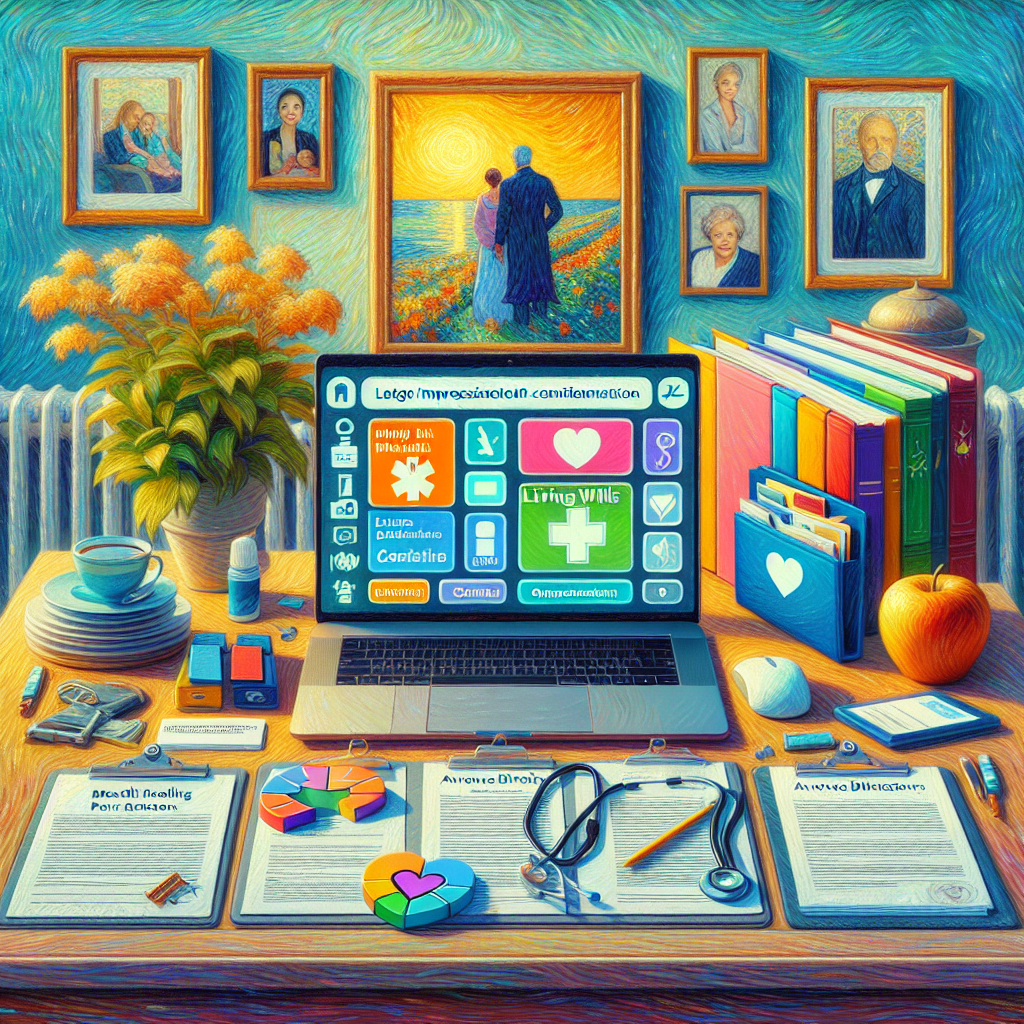
What memories do you cherish from your handwritten notes? Take a moment to consider the legacy encapsulated in those ink-splattered pages. Each frayed edge, every smudge of a tear, tells a story—your story. Handwritten notes aren’t just pieces of paper; they’re vessels of emotion, the tangible artifacts of our lives that endure long after we’ve moved on.
Think about the last time you pinned down that fleeting thought—the one that sparked your imagination or nudged you toward a life-altering decision. Was it nestled in a classroom, where a teacher’s words inspired you, or scrawled in your pocket notebook while traveling through a city that felt like home? Those notes carry the weight of inspiration, reminding you of dreams once whispered in the dark, or goals outlined in the light of hope.
There’s a bittersweet beauty to revisiting those notes. They connect us with who we once were while illuminating the journey that brought us to this moment. It’s about legacy storytelling; each line has the potential to teach, inspire, and provoke thought. They are ethical reminders of our struggles, triumphs, and the values that guide us. Revisiting those notes can stir not just nostalgia, but also a sense of duty—duty to live intentionally, to pass on wisdom, and to understand that our experiences can uplift others.
Moreover, the act of writing in our own hands fosters genuine connection. In an age dominated by screens and fleeting interactions, those handwritten scrawls stand out as a testament to authenticity. They invite reflection and encourage vulnerability, inviting others into our world. When we share these notes—be it with a loved one, a friend, or even in a blog or journal—we cultivate a community of shared experiences and understanding.
So, what do you cherish from your handwritten notes? Take a moment to rediscover your own narrative. As you sift through those pages, remember that they are not just records of the past; they are an invitation to engage with the present, to inspire action, and to leave a lasting imprint on the lives of those who hold them dear. Your legacy matters. Your stories matter. Embrace them, share them, and let them remind you of the beautiful tapestry you weave with every word.
What Memories Do You Cherish From Your Handwritten Notes?
What Memories Do You Cherish From Your Handwritten Notes?
- Handwritten notes serve as vessels of emotion, capturing personal stories and experiences.
- Each note holds memories of inspiration, dreams, and pivotal life moments.
- Revisiting these notes connects us with our past and highlights our personal journeys.
- They serve as reminders of struggles, triumphs, and the values that guide us.
- The act of writing by hand fosters genuine connection, standing out in a digital age.
- Sharing these notes fosters community and promotes reflection and vulnerability.
- Handwritten notes invite us to engage with the present and inspire action, contributing to our legacy.

What Memories Do You Cherish From Your Handwritten Notes?
How Has Technology Improved Your Ability To Express Yourself?
Think about it: every day, technology hands you a paintbrush and a canvas—your voice and your story. In the not-so-distant past, sharing a piece of yourself required not just bravery but access to the right platforms, often gated by cost or chance. Now, your legacy storytelling can be as simple as tapping a screen. Whether it’s a blog post, a TikTok video, or a heartfelt tweet, you’ve got the tools to narrate your own experience, shaping how the world sees you.
Imagine the impact of this ability. You can share memories of a family recipe, a favorite camping trip, or that moment when you overcame a challenge that once seemed insurmountable. Through the magic of social media and digital platforms, these slices of life can resonate far beyond your immediate circle, creating connections with people who might be halfway across the globe. This is profoundly human. We crave connection and understanding, and technology feeds that hunger.
The appeal of expressing yourself through technology goes beyond mere convenience; it’s also ethical. By sharing your story, you give others permission to share theirs, breaking down barriers of isolation and misunderstanding. It’s a communal act that fosters empathy and compassion, reminding us that we’re all in this together. When you see someone stand up and share their truth, it prompts a ripple effect, stirring emotions and raw recognition in others.
Let’s not forget the authority that comes with authenticity. Your individual experiences are yours alone. No one can take that from you. When you bravely stand in your truth, you establish yourself as a credible voice, cultivating trust and inspiring those around you to do the same. Your story matters—no less than those of the celebrities or historical figures we often idolize.
In every post, tweet, or video, you’re contributing to the rich tapestry of human experience, building community one story at a time. Embrace the power not just to express but to connect—because your words have the potential to ignite change, to influence thought, and to make a real difference. So take a moment, breathe deep, and share your journey. You might just inspire someone else to do the same, forging a path of understanding across the vast, interconnected landscape of humanity.

How Has Technology Improved Your Ability To Express Yourself?
How Has Technology Improved Your Ability To Express Yourself?
- Technology empowers individuals to share their stories easily through various platforms.
- Legacy storytelling has transformed from a brave act requiring special access to a simple act of tapping a screen.
- Sharing personal experiences can connect people globally, fostering a sense of community.
- Expressing your story encourages others to do the same, breaking down isolation and promoting empathy.
- Authenticity gives individuals authority over their experiences, establishing them as credible voices.
- Each story contributes to the collective human experience, building a diverse community.
- Your words have the power to inspire change and promote understanding in society.

How Has Technology Improved Your Ability To Express Yourself?
What Fears Do You Have About Losing Your Handwritten Legacy?
Imagine, for a moment, a son or daughter sitting quietly, flipping through pages filled with their parent’s cursive—stories born on paper that tell of laughter, heartache, and the wisdom of years. Handwritten memories are more than mere ink on paper; they’re a palpable connection, a whisper from the past that continues to guide us through life’s unpredictable journey. What happens if those pages vanish?
Think about it: the smell of old paper, the distinctive scratch of a pen, the intimacy of someone’s thoughts laid bare. It speaks volumes about who we are and where we come from. When we lose that handwritten legacy, we risk severing the very ties that bind us to our ancestors. Those stories of hardship and triumph, they aren’t just relics; they’re our collective identity. Losing them feels like watching the roots of a family tree wither under neglect. What will our children hold onto, if not the stories that shape their understanding of themselves and their place in the world?
Rationally speaking, the digital age has altered our approach to communication. But while the screens beckon, they lack that personal touch—no tactile warmth, no ink stains that tell their own story of intentionality and effort. When you log off from your email, what remains? Just fleeting notifications and blinking cursors. You can’t cradle a memory stored in the cloud as you would a handwritten letter, its edges frayed and ink faded.
Ethically, should we not prioritize preserving our written legacies? It’s our responsibility to ensure that future generations grasp not just the facts of our lives, but the emotions and ethos behind them. We are the stewards of our families’ narratives, and abandoning that duty feels like turning our backs on an ethical obligation.
Remember the feeling of receiving a letter in the mail? The anticipation, the tactile thrill, the connection—this is what drives us. Our stories deserve to be cherished, to be shared not just in living rooms but passed down through time. So let’s step back from our devices, grab a pen, and commit ourselves to the act of legacy storytelling. In a world racing toward the next digital breakthrough, let’s sow our stories deep into the soil of tradition, cultivating a garden of memories that will thrive for years to come.

What Fears Do You Have About Losing Your Handwritten Legacy?
What Fears Do You Have About Losing Your Handwritten Legacy?
- Handwritten memories create a deep connection to the past, reflecting laughter, heartache, and wisdom.
- The loss of handwritten legacies severes ties to ancestors and their stories of hardship and triumph.
- Modern digital communication lacks the personal touch and intimacy found in handwritten correspondence.
- Digital formats cannot replace the tactile warmth and emotional depth of a handwritten letter.
- There is an ethical obligation to preserve our written legacies for future generations.
- Receiving a letter evokes anticipation and connection, highlighting the importance of sharing stories.
- We should prioritize legacy storytelling by stepping away from devices and embracing traditional writing methods.

What Fears Do You Have About Losing Your Handwritten Legacy?
Is Your Digital Collection As Meaningful As Your Physical One?
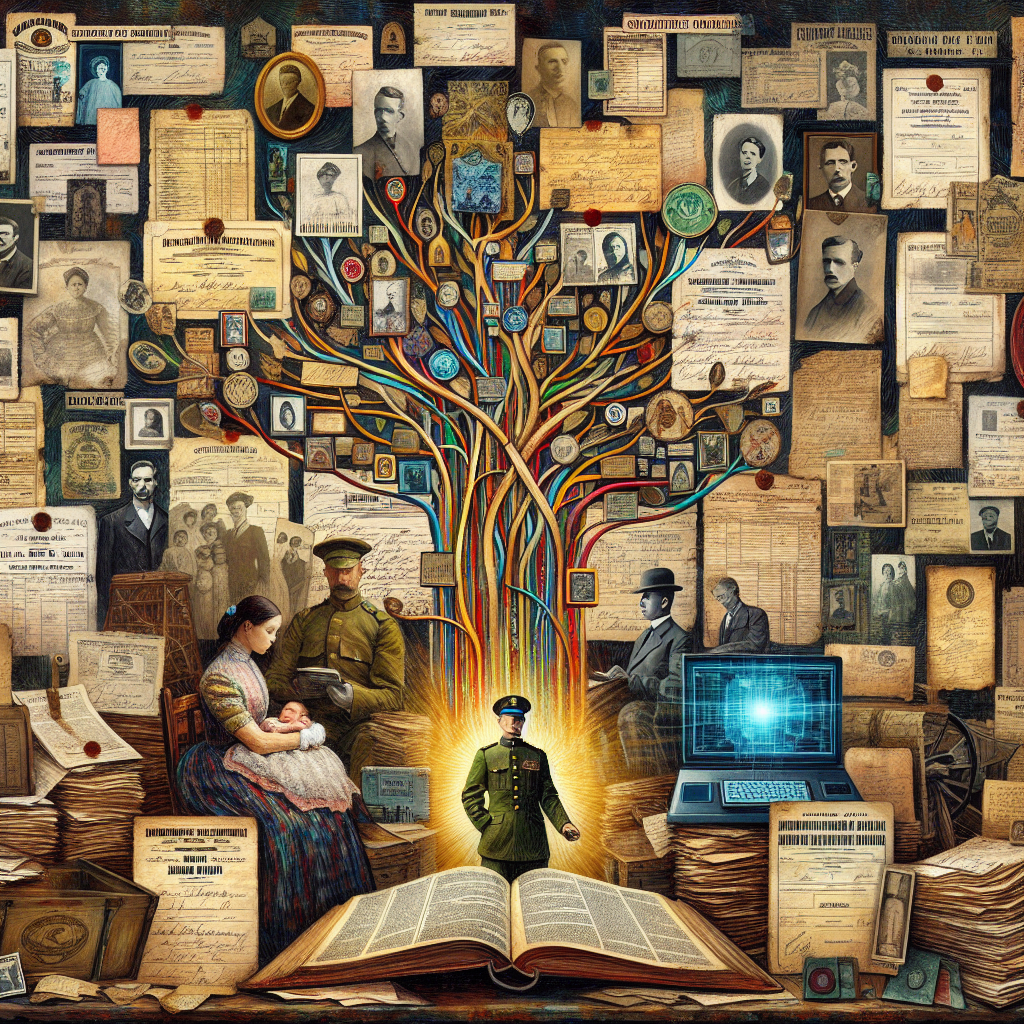
In a world where swiping right feels more intimate than a handshake, it’s worth pondering: is your digital collection as meaningful as the trinkets gathering dust on your shelf? The truth is, both have stories etched into their very essence—each item a thread in the tapestry of your life. Think of the last family reunion where laughter echoed over a dog-eared photo album. Those faded images carried laughter, tears, and tales spun over decades, bringing your family’s legacy to life. Now, contrast that with the vast expanse of digital archives. On one hand, they offer convenience. On the other, they can feel like a jumble of bits and bytes, disconnected from the heart.
Consider this: each click, each file saved, could be the seed of a story waiting to blossom into a legacy. Potentially, that old digital photo could hold the same warmth as Grandma’s quilt if we approach it with intent. Are you filtering through the digital noise to tell meaningful stories, or are you merely amassing data like a squirrel hoarding acorns for winter? We live in an age where our identities are increasingly written in zeros and ones, and understanding the emotional weight behind our digital collections can imbue them with a sense of belonging.
Ethically speaking, how are we curating this digital legacy? By choosing significance over abundance, you can honor not just yourself but also those who come after you. Imagine your children, flipping through your curated digital space, wishing to grasp the essence of who you were. They deserve more than a desolate wasteland of selfies and memes; they deserve your narrative, your unfiltered stories that form a compass for their journey.
Moreover, let’s reflect on this socially. Your collection, whether physical or digital, speaks volumes about who you are. By sharing your stories, you invite dialogue and connection. A thoughtful post about a cherished moment can resonate deeply with others, fostering community and storytelling that transcends screens. This is where the magic lies—trust in the permanence of a memory, the flourishing of relationships, and the understanding that your story, whether embedded in pixels or nestled on a shelf, can inspire others.
So, step back and ask yourself: Is your digital collection an echo of your physical one? Are you weaving your legacy through thoughtful storytelling? In doing so, you’re not just preserving memories; you’re forging connections across generations, ensuring that your story continues to matter.

Is Your Digital Collection As Meaningful As Your Physical One?
Is Your Digital Collection As Meaningful As Your Physical One?
- Digital collections can be as meaningful as physical items, each holding stories integral to one’s life.
- Family photos often evoke emotions and memories, contrasting with the disconnection of digital archives.
- Every digital file can be the foundation of a narrative, deserving intentional curation to enhance its emotional value.
- Curating a digital legacy with significance allows one to honor their own story and that of future generations.
- A thoughtful digital collection can resonate with others and foster community through shared storytelling.
- Personal collections reflect individual identity, highlighting the importance of meaningful memories over mere quantity.
- By weaving thoughtful narratives, individuals can ensure their stories have lasting connections across generations.
Is Your Digital Collection As Meaningful As Your Physical One?
How Can Storytelling Bridge The Gap Between Pen And Pixels?
When it comes to bridging the chasm between pen and pixels, the heart of the matter lies in Legacy Storytelling. It’s the pulse of our shared human experience, a connection woven through time, and it reminds us that every story matters. Picture this: a grandparent recounting tales of their youth, their face animated with memories, filling the room with laughter, tears, and lessons learned. Those stories aren’t just words; they’re shared moments, bonding us as a community—real flesh-and-blood connections.
Now, let’s consider the power of these narratives in our high-tech world, where screen time can overshadow face-to-face interaction. Each pixel on a screen has a story to tell, but too often, it’s detached from the voices that once brought it to life. Legacy Storytelling offers a solution. It encourages us to tap into our own narratives, instilling a sense of purpose and grounding us in our values. When we blend the tangible with the virtual, we enrich each pixel with the warmth of human experience.
Rationally speaking, incorporating storytelling into digital spaces doesn’t just evoke feelings; it invites engagement. Think about it—those catchy hashtags and viral memes often start from a story waiting to be told. By crafting narratives that resonate with audiences, we tap into their shared experiences, allowing them to see themselves in those pixels. Each reaction, each click is evidence of a collective heartbeat, a community drawn together by threads of empathy and understanding.
Ethically, the responsibility lies with us to tell stories that reflect our diverse experiences and promote inclusivity. It’s our duty to ensure that the narratives bridging pen and pixels don’t only amplify dominant voices but embrace the entire spectrum of human life. The legacy of our storytelling will not only shape our digital landscapes but also influence future generations.
So, how do we foster that connection? We start by embracing authenticity. Let your audience see the real you in every line of code and every frame captured. Share the stories that ignite your passion, and watch as others become inspired to share theirs. In a world often ruled by algorithms, remember: the strongest connections aren’t formed through bytes—they’re crafted through shared stories that resonate within our souls, nurturing trust and igniting action.

How Can Storytelling Bridge The Gap Between Pen And Pixels?
How Can Storytelling Bridge The Gap Between Pen And Pixels?
- Legacy Storytelling bridges the gap between pen and pixels, connecting shared human experiences.
- Personal narratives, like grandparents’ stories, create real connections and community bonding.
- In a tech-driven world, screen narratives often lack the human touch; Legacy Storytelling reconnects this essence.
- Storytelling in digital spaces enhances engagement through relatable narratives that resonate with audiences.
- The responsibility lies in promoting inclusive stories that reflect diverse experiences rather than amplifying dominant voices.
- Fostering connections requires authenticity; share your true stories to inspire others.
- Strong connections are formed through shared narratives, not just technology or algorithms.

How Can Storytelling Bridge The Gap Between Pen And Pixels?
What Steps Can You Take To Preserve Your Handwritten Pieces?
When it comes to preserving your handwritten pieces, you’re not just holding onto paper; you’re safeguarding a piece of your soul. Each scrawl carries the weight of thought, the echo of laughter, and sometimes, the silent tears of moments past. These pages are more than ink and fibers—they are legacy storytelling, a testament to who you are and what you’ve lived. So how do you ensure that the future generations don’t just toss your treasures into the recycle bin?
Start with the basics. Use archival-quality materials for storage. Avoid regular paper and pens that fade and deteriorate. This means investing in acid-free paper and pens with archival ink, which could feel like being overly cautious, but trust me, each dollar spent is a vote for your story to live on. It’s a tangible commitment to the people who will read your words long after you’re gone.
Next comes the organization. Categorize your works, whether by theme, date, or mood. Think of it as curating your own museum exhibit—because that’s what it is! When your descendants pull out a box of letters, essays, or journal entries, they should feel as though they’re stepping inside a time capsule. This organization’s not just practical; it’s a way of reconnecting with those moments.
Let’s not forget the digital world we live in today. Scan your favorites and store them in multiple locations—your cloud, a hard drive, maybe even some flash drives tucked away in a drawer. This dual approach ensures that even if a physical piece is lost, its essence remains intact. Many folks balk at the idea of needing tech for something as timeless as handwritten words, but remember, it’s not about replacing the tangible; it’s about enhancing your reach.
And finally, share your pieces. Start discussions with loved ones about your writings, let them see the passion that flowed through your fingertips. This is where ethical storytelling comes into play—by inviting others to engage with your words, you transform them from mere artifacts into living, breathing narratives. Each conversation can deepen connections, evoke emotions, and inspire others.
By investing in preservation, you’re choosing to be more than a mere footnote in history. You’re ensuring that your heart, your trials, your triumphs, will reverberate through time. Preserve these pieces, not just for yourself, but for the generations eager to understand their roots and find their own stories entwined with yours.

What Steps Can You Take To Preserve Your Handwritten Pieces?
What Steps Can You Take To Preserve Your Handwritten Pieces?
- Preserving handwritten pieces safeguards a part of your soul, reflecting your thoughts, laughter, and emotions.
- Use archival-quality materials, such as acid-free paper and archival ink, to ensure longevity.
- Organize your works by theme, date, or mood, resembling a museum exhibit for future generations.
- Digitally scan your writings and store them in multiple locations for backup.
- Engage loved ones by discussing your writings, transforming them into living narratives.
- Investing in preservation allows your legacy to resonate and remain relevant over time.
- Preserve your stories for future generations to connect with their roots and personal histories.

What Steps Can You Take To Preserve Your Handwritten Pieces?
How Do You Feel When You Read Handwritten Letters From Loved Ones?
There’s something undeniably powerful about receiving a handwritten letter from a loved one. You open that envelope and, for just a moment, the world around you fades. It’s like time travel, linking you to memories and feelings that may have slipped through the cracks of our busy lives. Each loop and flourish of the pen tells a story—a legacy storytelling, if you will—of connection that a text message simply can’t replicate.
Consider the emotional weight carried in that single piece of paper. It’s real, tactile, and imbued with intention. The letters are a tangible reminder that someone took the time—not just to craft words, but to consider you deeply enough to put pen to paper. You can almost hear their voice in those lines, echoing sentiments of love, encouragement, or even joy. Every heartfelt phrase draws you into a narrative that was crafted just for you, wrapped in a layer of vulnerability and authenticity.
Rationally, we know that human connection is vital; it fuels our motivation and shapes our well-being. Research consistently shows that people who maintain close relationships tend to live longer and happier lives. When you hold a handwritten letter, you’re engaging in an act that transcends mere words—it’s a commitment to remembering what truly matters. It’s about investing in bonds that enrich our lives in immeasurable ways.
Ethically, the act of writing a letter demonstrates respect for the recipient. It signifies that you value them enough to slow down, to reflect, and to create something meaningful. In a society where digital communication dominates, choosing to write by hand illustrates a form of craftsmanship that is rapidly dwindling. This act cultivates a culture of mindfulness, fostering deeper connections that echo through time.
Moreover, there’s a social component that needs to be acknowledged. In sharing and collecting these letters, families weave a tapestry of their collective history. They gather in living rooms, reading aloud from the past, connecting generations through shared emotions and experiences. It transforms into a legacy that can be passed on, each letter acting as a chapter in a family’s ongoing story.
So the next time you sit down to write—or to read a handwritten letter—remember that you’re not just exchanging ink on paper. You’re participating in a profound tradition that celebrates the human experience, one beautiful, imperfect, and heartfelt letter at a time. It’s a way to connect, remember, and inspire, forging bonds that last beyond the written word.

How Do You Feel When You Read Handwritten Letters From Loved Ones?
How Do You Feel When You Read Handwritten Letters From Loved Ones?
- Handwritten letters evoke powerful emotions and connect us to cherished memories.
- Each letter serves as a tactile reminder of the time and intention invested by the sender.
- Reading a letter allows you to hear the sender’s voice and emotions, adding depth to the message.
- Human connection, emphasized through letters, contributes to longer, happier lives.
- Writing by hand shows respect for the recipient and fosters mindful, meaningful relationships.
- Sharing letters helps families connect through shared history, forming a collective narrative.
- Engaging in letter writing is part of a rich tradition that celebrates human experiences and connections.

How Do You Feel When You Read Handwritten Letters From Loved Ones?
Conclusion
As our world shifts from the tactile beauty of pen and paper to the sleek allure of pixels, we must not forget the roots of our storytelling. The enchantment of handwritten notes—those cherished vessels of emotion that carry the weight of our experiences—reminds us of our shared humanity. Each scrawl represents a moment in time, a connection to those who came before us. Imagine a moment spent with family, recounting tales that were once handwritten with love; this is the essence of legacy storytelling. Unlike fleeting texts that disappear into digital noise, these tangible relics invite us to reflect on our journey, illuminating the struggles and triumphs that define us.
The power of technology, while transformative, cannot overshadow the warmth of personal connection. Every character typed, every image shared, has the potential to resonate deeply if it’s rooted in authenticity and intention. Technology has empowered us to share our stories far and wide, breaking down barriers that once silenced many. But with this power comes ethical responsibility. Our narratives must honor diverse experiences and encourage others to share their truths, forging a community united by empathy.
Consider the fear of losing our handwritten legacies—those pages filled with ink and emotion. What would happen if these artifacts were forgotten? They aren’t simply symbols of our past; they forge connections that bridge generations. As we embrace the digital age, we should take care to preserve our handwritten pieces. Investing in archival materials and sharing these stories strengthens the fabric of our community, ensuring that future generations understand not just the facts of our lives, but the emotions behind them.
As we weave our narratives across both mediums, let’s embrace the authenticity of our experiences. Whether through a heartfelt letter or a digital post, each word holds potential to inspire change and foster connections. Your stories matter—breathe life into them, share them, and let the threads of your legacy resonate. In doing so, we cultivate a culture rich with understanding, where every tale, whether inscribed in ink or shared through a screen, contributes to the beautiful tapestry of our collective experience. Our legacy storytelling isn’t merely about preserving memories; it’s about igniting connections and inspiring future generations to find their voice in the ongoing narrative of humanity.

Conclusion
Conclusion:
- The transition from pen and paper to digital media should not diminish the value of handwritten notes as vessels of emotion and shared humanity.
- Handwritten notes represent meaningful moments and connections, emphasizing the essence of legacy storytelling.
- Unlike digital messages, tangible relics invite reflection on personal journeys, highlighting struggles and triumphs.
- Technology offers transformative power and wide reach but must be used with ethical responsibility to honor diverse narratives.
- Preserving handwritten legacies is crucial for bridging generations and maintaining emotional connections.
- Investing in archival materials and sharing stories fortifies community ties and enriches collective understanding.
- Each story, regardless of the medium, contributes to a cultural tapestry that inspires change and fosters connections across generations.

Conclusion
Other Resources

Other Resources
Here is a list of other resources you can review online to learn more:
- Your Digital Afterlife
- Is There A Need To Pay For Copyrighting Services For Personal Or Family Legacy Stories?
- USLegalWills.com
- Legacy Family Tree
- Ancestry
- Memorial Matters
- INELA
- Association of Personal Historians
- DocuBank
- Funeral Finder
- How To Write Legacy Story Headlines That Appeal To The Heart, Gut and Head
- LifeWeb 360
- Willmaker
- APH
- Knotify.me
- My Wonderful Life
- Remembered.com
- MyHeritage
- deviantART
Use This Prompt To Get More Resources With Your Favorite Online AI Tool: Please provide me with a list of online articles with their URLs in a bulleted list that I can read regarding From Pen and Paper to Pixels: a Legacy Guide
Other Resources
Glossary Terms
From Pen and Paper to Pixels: a Legacy Guide – Glossary Of Terms
1. Analog: Refers to traditional methods of representation, such as pen and paper, where information is physical rather than digital.
2. Digital: Relating to technology that generates, stores, and processes data in a format that can be easily manipulated by computers.
3. Calligraphy: The art of decorative handwriting or handwritten lettering, often performed with specialized tools.
4. Typeface: A design for a set of characters that share common design features. Typefaces can be classified into families like serif, sans-serif, and display.
5. User Interface (UI): The point of interaction between the user and a computer program, influencing ease of use and functionality.
6. Graphic Design: The craft of creating visual content to communicate messages using typography, imagery, and layout techniques.
7. Cartography: The study and practice of making maps, encompassing the design and production of representations of geographic spaces.
8. Pixels: The smallest units of a digital image or display, used to create visuals on screens.
9. Digi-Sketching: The practice of creating illustrations or designs digitally, often using drawing tablets and software.
10. Typography: The style and appearance of printed matter, involving font selection, spacing, and arrangement.
11. E-Publishing: The digital publication of e-books and other electronic media, allowing wider distribution and accessibility.
12. Multimodal: Utilizing multiple methods of communication to convey a message, integrating text, visuals, and sound.
13. Virtual Reality (VR): A simulated experience that can replicate or create the environment for immersive interaction using technology.
14. Augmented Reality (AR): An interactive experience that enhances the real world with digital overlays and information through devices.
15. Sketchnoting: The visual representation of information using a combination of handwriting, drawings, and layouts in real-time learning situations.
16. PDF (Portable Document Format): A file format developed by Adobe to present documents in a manner independent of software, hardware, or operating systems.
17. Cloud Computing: The delivery of computing services over the internet, including storage, processing, and software applications.
18. Album: A collection of photos or artwork, traditionally printed on paper, which may now be digitized for electronic access.
19. Infographic: A visual representation of information or data designed to make complex information easily understandable.
20. Non-linear Narrative: A storytelling format that does not follow a straightforward, chronological path, allowing for multiple perspectives or outcomes.
21. Storyboard: A visual sequence of drawings or images representing the shots planned for a video or film project.
22. Digital Footprint: The trail of data left by users when they interact with digital services and devices, encompassing social media activity and online purchases.
23. Bespoke: Custom-made or tailored to individual specifications, often referring to design or technology solutions.
24. Consumer Engagement: Strategies and practices aimed at building relationships and enhancing interaction with customers through various media.
25. Content Management System (CMS): Software that enables users to create, manage, and modify digital content without needing specialized technical knowledge.
26. Webinar: An online seminar or presentation conducted over the internet, allowing interaction between presenters and participants.
27. Open Source: Software with source code that can be inspected, modified, and enhanced by anyone, promoting collaborative development.
28. Artistic License: The freedom for artists and creators to deviate from fact or convention for artistic effect.
29. Projection Mapping: A technology that uses a projector to turn objects, often irregularly shaped, into a display surface for video projection.
30. Sustainable Design: The practice of designing products or systems with a focus on minimizing environmental impact and promoting longevity.
Glossary Of Terms
Other Questions
From Pen and Paper to Pixels: a Legacy Guide – Other Questions
If you wish to explore and discover more, consider looking for answers to these questions:
- How can one start their own legacy storytelling journey?
- What are some effective ways to share handwritten stories with others?
- What tools or platforms can best facilitate digital storytelling?
- What techniques can be used to enhance the emotional connection in digital storytelling?
- How can one balance between digital and handwritten storytelling methods?
- What are the ethical considerations in preserving and sharing personal stories?
- How can technology help in preserving handwritten legacies?
- What are some recommendations for organizing and categorizing handwritten notes?
- How can storytelling help heal emotional trauma?
- What historical examples illustrate the importance of legacy storytelling?
- How has the transition from pen to pixel affected the writing process?
- What are the key elements of impactful storytelling?
- How can communities be encouraged to engage in legacy storytelling?
- What are the benefits of maintaining both digital and physical collections of stories?
- What role does nostalgia play in the appreciation of handwritten letters?

Other Questions
Haiku
From Pen and Paper to Pixels: a Legacy Guide – A Haiku
Ink stains tell our tales,
Threads of heart and soul connect,
Pixels bridge the past.

Haiku
Poem
From Pen and Paper to Pixels: a Legacy Guide – A Poem
In pages worn and ink-stained dreams,
Our stories rise like muted beams,
A dance of letters—each line we trace,
Threads of legacy in time’s embrace.
Once, a pen was a treasure, a voice,
Now pixels cloak our tales—our choice,
Yet in each click and tap, we must strive,
To keep the essence of our lives alive.
Handwritten notes, where heartbeats dwell,
Whispers of wisdom that stories tell,
In crumpled papers and yellowed sheets,
Exist the roots where memory meets.
Imagine a child with questions deep,
Holding close the words we used to keep;
What happens if those pages fade,
And silence the laughter, the love we made?
Technology has opened wide the door,
Yet within the chaos, we must explore,
Curate the noise with intention and care,
For connections thrive when stories we share.
Preserve with purpose, each fray and tear,
Your narrative holds the weight of despair;
Yet joy and struggle, etched in each part,
Compose the tapestry of the human heart.
Write not just for self, but for those yet to come,
Let your words echo, let your legacy hum,
In handwritten letters or pixels aglow,
Share the truth of your journey, let authenticity flow.
So lift your pen, or tap at your screen,
Craft your tale, let your spirit be seen,
For in every story, each burst of light,
Lies the power to connect, to unite.
In the heart of tradition and technology’s climb,
Let love and memory transcend space and time;
With every sentence, we plant seeds anew,
In the garden of stories, let us bloom and break through.

Poem
Checklist
From Pen and Paper to Pixels: a Legacy Guide – A Checklist
Legacy Storytelling Checklist: Bridging the Past and Present
Heart
_____ Reflect on the emotions tied to your handwritten notes—what memories do they hold for you?
_____ Identify moments from your past that could inspire others. What stories ignite your passion?
_____ Share your handwritten letters with loved ones. What emotions do these convey, and how do they connect you?
Head
_____ Assess the significance of your digital collection. Does it reflect meaningful experiences, or is it merely data?
_____ Organize your handwritten pieces for preservation. Are you using archival-quality materials?
_____ Consider the impact of your digital storytelling—how can you engage your audience authentically?
Gut
_____ Acknowledge your fears about losing handwritten legacies. What do these fears reveal about your values?
_____ Reflect on the warmth and authenticity of handwritten letters versus digital communication. How does this influence your connections?
_____ Foster conversations around your legacy pieces—how can this act transform artifacts into living narratives?
Emotional Appeals
_____ Cultivate empathy by sharing stories that resonate with collective experiences and challenges.
_____ Embrace vulnerability in storytelling—identify and share moments of triumph and hardship.
Rational Appeals
_____ Understand the value of personalized storytelling—how does it engage your audience and foster connections?
_____ Explore the benefits of preserving memories—what actions can you take to ensure your stories endure?
Ethical Appeals
_____ Commit to preserving your legacy for future generations—what ethical obligations guide your storytelling?
_____ Share diverse narratives that reflect your experiences and the experiences of others—how can this promote inclusivity?
Authority Appeals
_____ Trust in your unique voice; recognize that your stories hold value and authenticity.
_____ Seek inspiration from the storytelling traditions of those who came before you—what lessons can they impart?
Narrative Appeals
_____ Envision the legacy you want to leave behind. What stories will characterize your journey?
_____ Create narratives that encourage others to contribute their experiences—how can storytelling foster a sense of community?
Checklist
At LegacyExplorations, we help people plan and explore their legacy by collecting information and news regarding end-of-life planning.
Please share this post with your friends, family, or business associates who may want help to plan or explore their legacy.