
Remembering Our Stories: The Human Cost Of Digital Progress
By Tom Seest
At LegacyExplorations, we help people plan and explore their legacy by collecting information and news regarding end-of-life planning.
Please share this post with your friends, family, or business associates who may want help to plan or explore their legacy.
From Scrapbooks to Server Farms – What We Lost
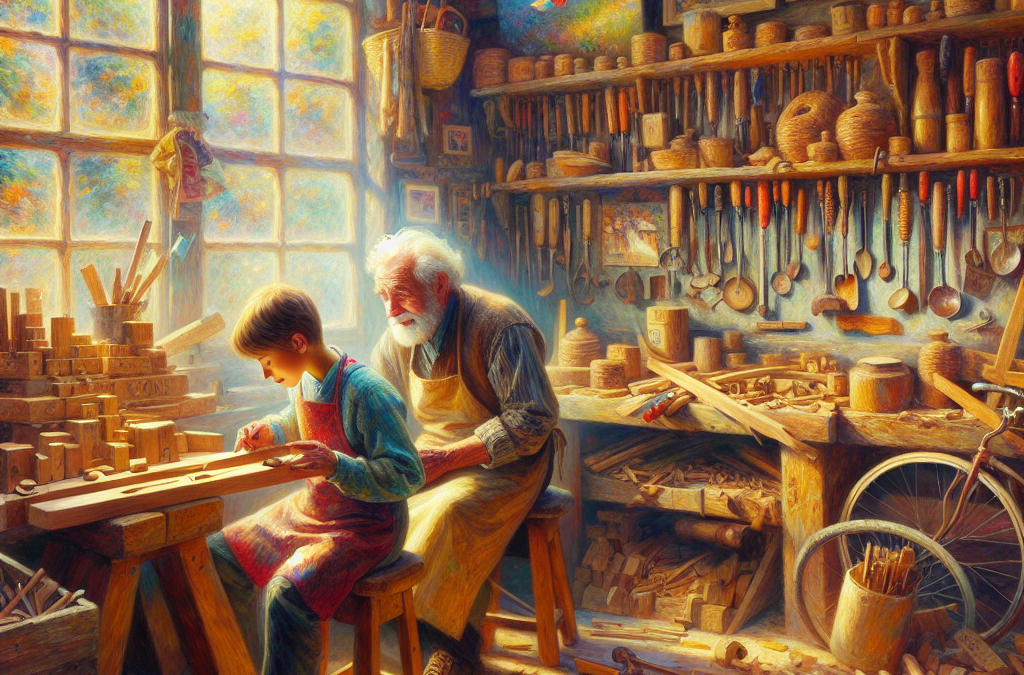
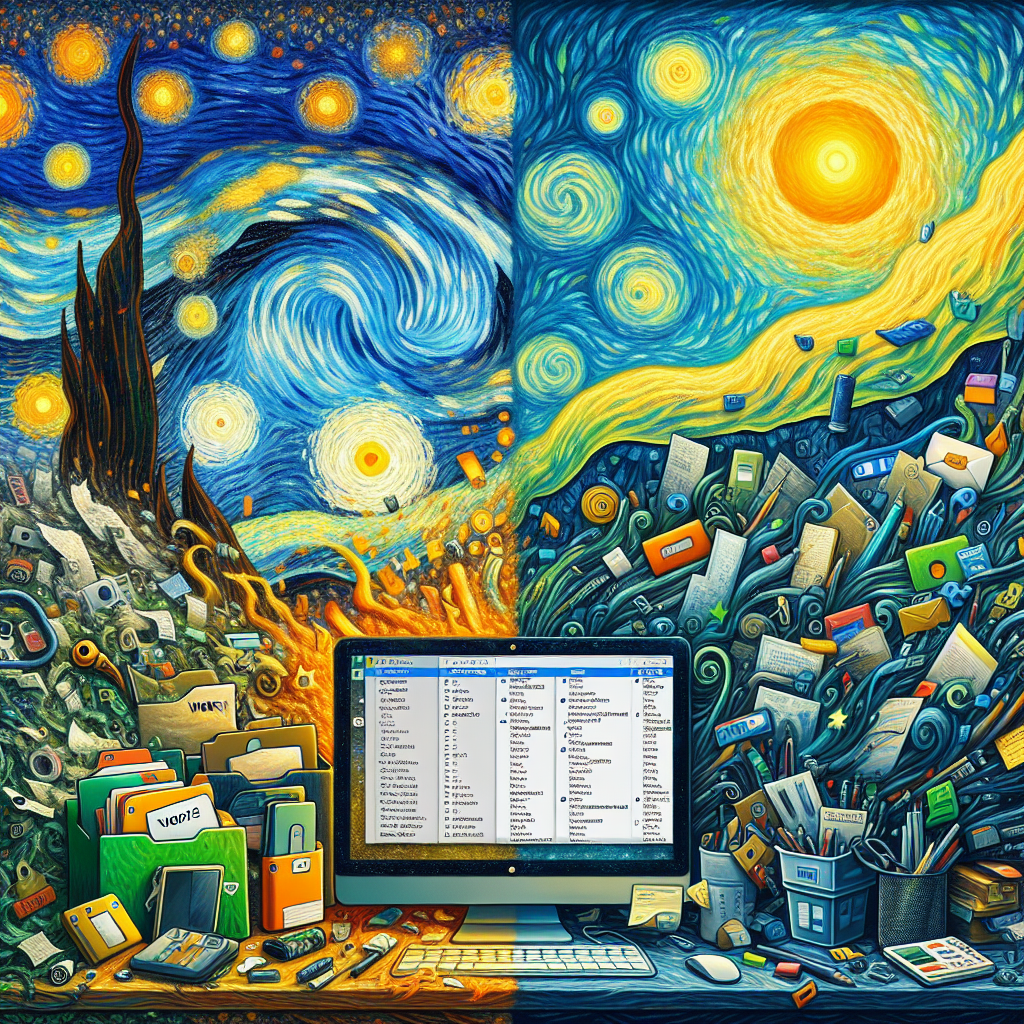
In an age where selfies and social media posts reign supreme, something profound has been lost in the transition from scrapbooks to server farms: the art of Legacy Storytelling. Once upon a time, stories were crafted with intention, each photograph carefully placed, each memory lovingly inscribed in the margins. These collections became family heirlooms, tangible threads connecting generations, nurturing our sense of identity in a fast-paced world.
Picture a weathered scrapbook filled with faded photographs—the birthday celebrations, family reunions, and candid moments, each page a testament to love, joy, and even sorrow. These books held more than just images; they encapsulated life lessons and shared experiences. They were invitations to gather around, to relive moments, to teach children about their roots. Today, however, our stories are often relegated to the ephemeral walls of social media, a fleeting digital existence where likes and shares can easily overshadow the deeper connections we once cultivated.
Rationally, we’ve traded permanence for convenience. Server farms storing our digital memories may offer the promise of endless storage, but what happens when technology advances, and formats change? Our cherished family videos and photographs could vanish without warning, like whispers in the wind. There’s a simple truth—connectedness thrives on touch, interaction, and meaning. A digital archive may lack the soul of a handwritten note or the warmth of a crafted page.
Ethically, we must ask ourselves what kind of legacy we wish to leave behind. Do we want our children and grandchildren to inherit a hard drive filled with files or a tangible, heartfelt representation of our family’s journey? Legacy Storytelling offers a chance to honor those who came before us, to celebrate their lives with earnest reflection and creativity.
Socially, we can rekindle meaningful connections by embracing the art of storytelling. Just think about your family gathering around the table, sharing these artifacts of life. In those moments of laughter and shared nostalgia, we reclaim a part of ourselves that technology can’t touch—a bond woven through time.
So as we navigate this world of instant gratification, let’s challenge ourselves to slow down, to create something that endures. Let’s reclaim Legacy Storytelling, ensuring our history, our laughter, and our love do not fade into the void but stand as vibrant testaments of who we are. It’s time to turn the page and write stories that resonate with our hearts, heads, and guts, connecting us not just to our past but to one another.

From Scrapbooks to Server Farms – What We Lost
From Scrapbooks to Server Farms – What We Lost
- The art of Legacy Storytelling is losing its significance in the era of social media and digital storage.
- Traditional scrapbooks served as family heirlooms, preserving memories and nurturing familial connections.
- Tangible collections provided lessons, fostered gatherings, and helped teach children about their heritage.
- Digital memories stored in server farms may lack permanence and sentiment compared to physical artifacts.
- Ethically, the choice between digital files and tangible representations affects the legacy we leave for future generations.
- Rekindling storytelling can strengthen social bonds and create moments of shared nostalgia among family.
- The call to action emphasizes creating enduring stories that connect us to our past and to each other.

From Scrapbooks to Server Farms – What We Lost
Table Of Contents
- From Scrapbooks to Server Farms – What We Lost
- What Memories Do Scrapbooks Hold That We Cherish?
- How Has Digital Transformation Changed Our Connection to the Past?
- Are We Losing the Value Of Tangible Memories In a Digital World?
- What Role Do Physical Keepsakes Play In Our Emotional Well-Being?
- How Do Technological Advancements Impact Our Storytelling Abilities?
- What Are the Ethical Implications Of Replacing Physical Memories?
- How Do Societal Shifts Influence Our Ways Of Remembering?
- Conclusion
- Other Resources
- Glossary Of Terms
- Other Questions
- Haiku
- Poem
- Checklist
What Memories Do Scrapbooks Hold That We Cherish?
Scrapbooks are more than just paper and glue; they’re a tangible chronicle of our lives, a celebration of our unique legacy. Within their pages, we find the art of storytelling—our stories. Each photograph, ticket stub, or handwritten note captures moments that, when strung together, form a vivid tapestry of our experiences. It’s a powerful reminder that our journeys are worth preserving.
Think back to that first day at school, the exhilaration of a graduation, or the quiet joy of family gatherings. These memories, once fleeting, are now etched in the fibers of our scrapbooks. They beckon us to revisit not just the events but the emotions tied to them. Each turn of the page invites us to reflect on the laughter, the tears, and the milestones that shaped us into who we are today. This isn’t mere nostalgia; it’s a celebration grounded in the ethics of remembering and honoring our past.
The emotional appeal here is undeniable. As we flip through scrapbook pages, we are drawn into a wellspring of fond recollections and valid experiences. We share these stories with family and friends, often over a cup of coffee, reinforcing our connections. These shared moments carry an authority of familiarity, grounding us in a space where we belong. They remind us of our collective human experience, creating bonds that span generations.
These pages hold a narrative that isn’t just for the author, but for all who come after. They serve as a compass for younger family members, a guide to understanding where they come from, fostering a sense of identity and belonging. In a world that often feels chaotic and disjointed, scrapbooks offer a sense of stability. They encourage us to take action—not just to document but to create meaning and build a legacy for our loved ones.
Emotionally, we’re called to cherish the moments that matter, the snapshots that make our hearts swell with pride. Rationally, we recognize the importance of preserving these memories, as they provide context and continuity in our lives. The ethical responsibility of legacy storytelling becomes clear when we consider that our experiences can inspire and guide those who follow in our footsteps.
So, the next time you find a quiet moment, pull out that scrapbook. Let it speak to you, remind you of your story, and inspire you to keep adding to your legacy. After all, these memories are not just artifacts; they are stories waiting to be told, cherished not only for ourselves but for those who will come after.

What Memories Do Scrapbooks Hold That We Cherish?
What Memories Do Scrapbooks Hold That We Cherish?
- Scrapbooks are a tangible chronicle of our lives, celebrating our unique legacy.
- They illustrate the art of storytelling through photographs, mementos, and handwritten notes.
- Each page reflects significant moments and emotions, encouraging reflection on our journeys.
- Shared stories in scrapbooks reinforce connections with family and friends, creating bonds.
- They serve as a guide for younger generations, fostering identity and belonging.
- Scrapbooks provide stability in a chaotic world, encouraging the creation of meaningful legacies.
- Preserving memories serves both emotional and rational purposes, inspiring those who follow.

What Memories Do Scrapbooks Hold That We Cherish?
How Has Digital Transformation Changed Our Connection to the Past?
Digital transformation has redefined how we interact with our past, reshaping our connections in ways that evoke nostalgia, pride, and sometimes discomfort. The stories we tell—our legacy storytelling—have evolved from oral traditions passed down through generations to digital narratives shared across platforms, cultures, and continents. This shift is not just technological; it’s a reawakening of our identities.
Think about it: we now have the ability to preserve and share our family histories with an ease that previously seemed impossible. A simple social media post can immortalize a cherished moment, while online archives breathe new life into forgotten tales. We can connect with our ancestors through virtual platforms that house their stories, giving us insights into their struggles, victories, and everyday lives. Suddenly, every photograph, every diary entry or letter, becomes part of a digital tapestry that links us to who we are, urging us to reflect on the trajectory of our lives.
Yet, while this digital age enriches our access to historical narratives, it also challenges the authenticity of those stories. We grapple with the implications of how history is often filtered through the lenses of power and privilege. Who gets to tell the story? How do we honor the voices that have been silenced? Our ethical responsibility in this digital transformation is to create spaces where these narratives are not only available but also respected and represented. We’re called to engage critically, crafting a narrative that acknowledges diverse experiences while fostering connection.
Furthermore, the head also plays a vital role in this transformation. Data analytics, often seen as cold and calculating, can reveal patterns in history that illuminate broader societal trends. By understanding these patterns, we gain a greater appreciation for the human experience, leading us not just to understand the past but to learn from it. This insight empowers us to take meaningful action in the present, shaping a future that honors our shared legacy.
The gut appeal lies in the emotional resonance of these stories. Every time we share an anecdote about our grandparents’ struggles or celebrate cultural rituals, we forge bonds that transcend time and space. Digital platforms enable this spirit of connection, loudly proclaiming that our stories matter.
In a world increasingly dominated by noise, our legacy storytelling can serve as a beacon, guiding us back to our roots and reminding us of the profound impact our histories have on our collective human experience. It’s about time we harness the power of this digital transformation, inviting everyone to participate in shaping a narrative that’s rich, varied, and distinctly ours.

How Has Digital Transformation Changed Our Connection to the Past?
How Has Digital Transformation Changed Our Connection to the Past?
- Digital transformation reshapes connections to our past, evoking nostalgia, pride, and discomfort.
- Legacy storytelling has evolved from oral traditions to digital narratives shared globally.
- We can easily preserve and share family histories, turning moments into digital memories.
- This digital age raises issues of authenticity in historical narratives, questioning who gets to tell the stories.
- Our ethical responsibility involves creating spaces for diverse narratives to be respected and represented.
- Data analytics reveals historical patterns, enhancing understanding of societal trends and human experiences.
- Legacy storytelling connects people across time, emphasizing the importance of our shared histories.

How Has Digital Transformation Changed Our Connection to the Past?
Are We Losing the Value Of Tangible Memories In a Digital World?
In a world increasingly dominated by screens, the tactile warmth of tangible memories slips further from our grasp. Think about it. When was the last time you thumbed through an old photo album, inhaling the musty scent of paper and ink, each snapshot telling a story that feels alive? Legacy storytelling—crafting narratives that connect generations—has deep roots in our shared human experience. Yet, we find ourselves leaning more on the convenience of digital archives, sacrificing the soul of our experiences for fleeting clicks and swipes.
This isn’t just nostalgia; it’s a rational concern. We thrive on connection, sharing moments not solely for likes or shares but to spark meaningful conversations. The stories behind our cherished possessions—be it a grandmother’s quilt or a dusty baseball glove—inform our identities. By relegating these items to the back corners of our memory, we risk losing not just physical tokens but the very essence of who we are. Memories are more than data points; they are threads woven into the fabric of our lives.
Ethically, we bear a responsibility to preserve our history for future generations. Every family story is a testament to resilience, joy, and struggle, deserving to be passed down intact. When children scroll through digital images instead of holding a timeworn photograph, they miss the lessons learned in the margins of life—the smiles, the smudged fingerprints, the feeling of nostalgia that can only accompany something tangible. They miss the call to honor where they came from.
Narratively, consider how conversations spark over shared objects. Each item brings forth a wealth of stories. “Remember this?” becomes a catalyst for laughter, sadness, and reflection. These stories foster connection, invoking a sense of community that transcends the isolation of digital existence. They inspire trust not only in our relationships but also in our own experiences.
So, as we navigate this digital frontier, let’s not lose sight of the value of the physical. Reclaim those moments. Dust off that old box of treasures, share those stories, and create a legacy that is not just preserved but felt—keeping alive the essence of what makes us human in an ever-changing world. Our memories deserve more than to fade into oblivion; they deserve to be celebrated, cherished, and shared. The heart, the head, the gut—they all align in recognizing the truth: tangible memories are much more than artifacts; they are the very foundation of our shared existence.
Are We Losing the Value Of Tangible Memories In a Digital World?
Are We Losing the Value Of Tangible Memories In a Digital World?
- The warmth of tangible memories is being overshadowed by digital experiences.
- Legacy storytelling connects generations but is being sacrificed for digital convenience.
- Physical objects carry stories that shape our identities and foster meaningful connections.
- Relegating cherished items risks losing the essence of who we are.
- We have an ethical responsibility to preserve our family history for future generations.
- Shared objects can spark conversations and invoke community feelings.
- Emphasizing physical memories enriches our human experience in a digital age.

Are We Losing the Value Of Tangible Memories In a Digital World?
What Role Do Physical Keepsakes Play In Our Emotional Well-Being?
Physical keepsakes hold a unique place in our lives, often serving as tangible reminders of moments that shape our identities and relationships. These objects, whether a faded photograph, a cherished letter, or a well-worn piece of jewelry, carry with them the weight of our legacy and the stories we weave through time. Each keepsake encapsulates a narrative, connecting us to our past while offering a bridge to the present and future.
Consider the power of legacy storytelling. These artifacts allow us to share the tales of those who came before us, fostering a sense of belonging that transcends generations. When we hear the story behind a dusty old baseball glove or a grandmother’s quilt, we don’t just see items; we connect with the emotions, sacrifices, and joys they represent. In this way, keepsakes become conduits for our shared humanity, igniting conversations that enrich our lives and strengthen familial ties.
From a rational perspective, the psychological effects of holding onto these items are profound. Research shows that physical reminders of important experiences can reduce anxiety and improve our mental well-being. They provide comfort, serving as anchors in tumultuous times, and affirm our connections to loved ones, both living and departed. A simple object can ground us, triggering memories that evoke joy and stability when the world feels chaotic.
Ethically, the act of preserving keepsakes can nurture values such as respect and gratitude. By safeguarding these items, we honor the people and moments that have profoundly shaped us. Passing down keepsakes fosters a sense of responsibility, urging us to consider what we want to maintain and share with future generations. This stewardship of memories reinforces our community bonds, inviting collaboration and understanding.
Moreover, there’s an undeniable physical sensation that accompanies keepsakes. Holding an item that carries emotional weight can stir feelings deep within us, evoking nostalgia that can leave one feeling both uplifted and reflective. It’s not just a matter of sentimentality; these artifacts resonate with our very core, connecting our intellect with our emotions and our inherent need for social belonging.
In this world, where virtual connections often overshadow genuine human interaction, embracing physical keepsakes reminds us of the beauty in the tangible. They urge us to honor our past, enrich our present, and cultivate a future rooted in understanding and connection. So, next time you hold onto a cherished item, remember: you’re not just preserving a keepsake; you’re continuing a story, your legacy.

What Role Do Physical Keepsakes Play In Our Emotional Well-Being?
What Role Do Physical Keepsakes Play In Our Emotional Well-Being?
- Physical keepsakes serve as tangible reminders of significant moments in our lives, shaping identities and relationships.
- These objects encapsulate narratives that connect us to our past and bridge to the present and future.
- They enable legacy storytelling, fostering belonging that transcends generations and igniting meaningful conversations.
- Research shows that physical reminders can reduce anxiety, improve mental well-being, and provide comfort during challenging times.
- Preserving keepsakes nurtures values like respect and gratitude, encouraging responsibility for what we share with future generations.
- Holding emotional keepsakes evokes nostalgia and connects our intellect with our emotions and social needs.
- Embracing physical keepsakes highlights the importance of tangible connections in an increasingly virtual world, enriching our understanding and connections.

What Role Do Physical Keepsakes Play In Our Emotional Well-Being?
How Do Technological Advancements Impact Our Storytelling Abilities?
In a world buzzing with technological advancements, the art of storytelling is undergoing a fascinating transformation. It’s not just about the tools we use—whether it’s a smartphone, a podcast, or a virtual reality headset—but also how these innovations reshape the narratives we craft and share. Legacy storytelling, a practice that has preserved our history and morals through generations, faces a new frontier with each breakthrough in technology.
At the heart of this change lies the profound ability to connect. In an era where social media noise can drown the nuanced tales of our lives, the challenge is to carve out space for authentic narratives that resonate. These advancements can bridge gaps, allowing diverse voices to speak in unison. Consider how a simple tweet can spark movements, turning personal experiences into a call for action. The emotional weight of a single story, shared globally, can mobilize communities and challenge societal norms.
Yet, we must wield these tools wisely. While technology can amplify voices, it can also distort the truth or amplify the trivial. Ethical storytelling becomes essential. It is our responsibility to discern what narratives deserve to be highlighted. The stories that endure, that enrich our legacy, are rooted in authenticity and ethical considerations. As we navigate this digital landscape, we must ensure that the tales we tell don’t just capture attention but capture hearts and minds.
Think of the authority that comes from sharing a story deeply rooted in personal experience. When we share about our struggles, triumphs, and everyday lives, we not only foster trust but also invite a sense of community. It’s a reminder that behind every screen is a human being with emotions and dreams. Engaging with narratives that reflect our shared humanity allows us to find common ground, to recognize ourselves in others.
While technological advancements offer the tools for innovation in storytelling, the true power lies in our hands. We are the storytellers—charged with the task of harnessing these advancements to inspire, educate, and connect. By embracing these new platforms, we can keep the flame of legacy storytelling alive, ensuring it burns bright for generations to come. The question remains: what stories will you tell in this evolving landscape? Let’s take action, craft narratives that matter, and contribute to a collective legacy that honors the past while embracing the future.

How Do Technological Advancements Impact Our Storytelling Abilities?
How Do Technological Advancements Impact Our Storytelling Abilities?
- Technological advancements are transforming the art of storytelling, influencing how narratives are created and shared.
- Legacy storytelling, preserving history and morals, faces new challenges and opportunities with each technological breakthrough.
- Authentic narratives must be carved out amidst social media noise, allowing diverse voices to resonate.
- Stories can mobilize communities and challenge societal norms, exemplified by impactful messages shared on platforms like Twitter.
- Ethical storytelling is crucial, requiring discernment in highlighting narratives that are authentic and enriching.
- Sharing personal experiences fosters trust and a sense of community, reflecting our shared humanity.
- Storytellers are responsible for using technological tools to inspire, educate, and contribute to a lasting legacy.

How Do Technological Advancements Impact Our Storytelling Abilities?
What Are the Ethical Implications Of Replacing Physical Memories?
What Are the Ethical Implications of Replacing Physical Memories?
The notion of replacing physical memories touches on a profound aspect of what it means to be human. Our memories are not just fleeting moments; they’re the threads woven into the fabric of our existence. Consider the tales of our grandparents, their trials and triumphs recounted with a mix of nostalgia and wisdom. It’s through these experiences that we learn who we are and where we come from. When we think about replacing these physical memories, we’re not just facing a technological question; we’re confronting an ethical dilemma that challenges the very core of our legacy storytelling.
Imagine for a moment the emotional impact of replacing a cherished memory. A family gathering, a child’s laughter, or a summer’s day can be encapsulated in a moment yet lost in an instant. Could the tantalizing allure of a flawless memory replacement—free from pain and regret—compromise the authenticity of our experiences? This raises questions not only about our personal narratives but also about the collective history we share. If memories can be manufactured, where does that leave our stories? Without the scars and wrinkles of true experiences, do we risk losing the depth that makes us relatable to one another?
From a rational standpoint, the implications extend beyond the individual. The authority of our shared experiences lends us wisdom. The lessons learned in hardship are often passed down through stories that shape our communities and cultures. We can’t help but wonder: if memories are replaceable, do we inadvertently erase this wisdom? There’s a social contract here; it’s built on trust that our stories, both good and bad, will shape future generations.
The gut feeling this evokes is unsettling. Are we trading in the richness of our lived experiences for a sanitized version of reality? Diving into this ethical minefield requires us to consider action. Engage in conversations about memory, heritage, and the value of the human experience. Embrace the imperfections; they add color to life’s narrative.
As we navigate this technological frontier, let’s foster a connection with the past that honors our truths, ensuring that even as we innovate, we hold tightly to the legacy storytelling that defines our humanity. In doing so, we not only preserve our memories but also reaffirm our commitment to the stories that unite us all.
What Are the Ethical Implications Of Replacing Physical Memories?
What Are the Ethical Implications Of Replacing Physical Memories?
- The concept of replacing physical memories raises profound ethical questions about humanity and identity.
- Memories are essential to our existence and shape our understanding of ourselves and our heritage.
- Replacing cherished memories could result in a loss of authenticity and the depth of lived experiences.
- Manufactured memories may weaken personal narratives and collective history.
- The shared wisdom gained from hardships may be at risk if memories can be easily replaced.
- Addressing these ethical issues requires active discussions about memory, heritage, and human value.
- Preserving our memories and stories is crucial to maintaining our connection to the past and our humanity.

What Are the Ethical Implications Of Replacing Physical Memories?
How Do Societal Shifts Influence Our Ways Of Remembering?
In the grand tapestry of human existence, the way we remember is constantly evolving, shaped by the world around us. Each societal shift—whether technological, cultural, or philosophical—wields a profound impact on our collective memory. At the heart of this transformation lies the concept of legacy and the importance of storytelling. Legacy is not just what we leave behind; it’s what we pass down through generations, woven into the beliefs and narratives that define us.
Consider how storytelling has served as a cornerstone for communities throughout history. Before technology told our tales, we relied on campfires and gathering spaces to create connection, sharing experiences that forged bonds and shaped identities. These narratives—fuels of our past—provided moral lessons and communal strength. Today, despite advancements that allow stories to be shared with a swipe or a click, the essence remains unchanged: we crave connection and understanding.
However, with these new platforms, the storytelling landscape is diversifying. Social media, for instance, offers an immediacy that can both enhance and dilute memory. On one hand, it amplifies voices that once went unheard, enabling us to embrace a tapestry of experiences that enrich our narrative. On the other, it risks reducing our memories to fleeting moments, overshadowed by the overwhelming influx of information.
This dance between depth and breadth invites reflection. What do we choose to remember, and what do we risk forgetting? Ethical considerations come into play as we navigate the noise, discerning which stories deserve to be told and preserved. Trust becomes paramount; we invest our emotional energy in those stories that resonate, those narratives that shape our lives and the lives of others.
Moreover, the shift toward digital storytelling underscores the importance of fostering a sense of authority and authenticity. In an age where anyone can share their legacy, discerning the genuine from the sensational is crucial. We must be vigilant curators of our own memories, parsing through the noise to connect with stories that inspire us to act, to feel, and to believe.
The challenge lies in embracing our past while adapting to the present. It’s our duty to ensure that the narratives we craft today will anchor future generations, preserving the essence of who we are. Let us remember that every story told adds a new thread to the fabric of our legacy, shaping not just our memories but the very society we hope to build.

How Do Societal Shifts Influence Our Ways Of Remembering?
How Do Societal Shifts Influence Our Ways Of Remembering?
- The evolution of memory is influenced by societal shifts including technology, culture, and philosophy.
- Legacy encompasses what is passed down through generations, shaping beliefs and narratives.
- Storytelling has historically been a cornerstone for community connection and identity formation.
- Digital platforms, like social media, diversify storytelling but can dilute memory due to information overload.
- Ethical considerations arise in choosing which stories to preserve amidst vast content.
- Authority and authenticity in digital storytelling are essential for discerning genuine narratives.
- Narratives crafted today will impact future generations and influence societal development.

How Do Societal Shifts Influence Our Ways Of Remembering?
Conclusion
In “From Scrapbooks to Server Farms – What We Lost,” Tom Seest reveals the shifting landscape of how we preserve and share our legacies. Once, our histories were meticulously etched in scrapbooks—tangible treasures that connected generations through carefully curated photographs and handwritten notes. Each page served as a tactile link to our past, a reminder of moments filled with love and laughter. In contrast, today’s digital narratives often lose their depth and permanence, reduced to fleeting likes and shares on social media. As we embark on this digital journey, it’s essential to recognize what we sacrifice: meaningful connections forged through the warmth of the physical.
Rationally, the convenience of digital storage is undermined by its fragility. Formats change, technology advances, and cherished memories risk vanishing into the ether. This tradeoff prompts us to reflect on what legacy we want to leave. Do we want future generations to inherit a hard drive filled with digital files or a heartfelt scrapbook rich in family stories? Ethically, we must consider the weight of our choices. Each story that goes untold or unpreserved diminishes our collective identity.
From an emotional standpoint, keepsakes—be they old photographs or family heirlooms—serve as vital conduits for nostalgia, grounding us amidst chaos. They connect us to our roots and evoke powerful reflections on life’s milestones. In experiences shared around a table, we nurture these bonds, reinforcing our shared humanity.
As society evolves, so too must our storytelling abilities. Technological advancements can enrich our narratives but also challenge their authenticity. Engaging with diverse voices and experiences allows us to create a richer tapestry of shared narratives. Yet, we must remain vigilant in distinguishing authentic stories from mere noise, upholding the ethical responsibility to share narratives that resonate deeply.
Ultimately, as we navigate this digital frontier, we must not forget the value of tangible memories and the lessons etched in their margins. Legacy storytelling is not merely an act of preservation; it is a celebration of our humanity. By reclaiming this art, we ensure our histories do not merely fade into oblivion but stand as vibrant testaments to our identities. Let’s turn the page, craft meaningful narratives, and ensure our stories resonate with the heart, head, and gut—connecting us to our past and one another in this fast-paced world.

Conclusion
Conclusion:
- Tom Seest discusses the evolution of preserving and sharing legacies from physical scrapbooks to digital formats.
- Physical scrapbooks create meaningful connections through tangible memories, while digital narratives often lack depth.
- The fragility of digital storage raises concerns about the permanence of cherished memories.
- Legacy considerations involve choosing between digital files and heartfelt scrapbooks rich in family stories.
- Keepsakes evoke nostalgia and connect us to our roots, reinforcing shared humanity during family gatherings.
- Technological advancements can enrich storytelling but challenge authenticity; diverse voices enhance shared narratives.
- Reclaiming the art of legacy storytelling celebrates our humanity and helps ensure our histories remain vibrant and meaningful.

Conclusion
Other Resources

Other Resources
Here is a list of other resources you can review online to learn more:
- Memorial Matters
- Personal Legacy Advisors
- Xarona
- deviantART
- FindMyPast
- Can Telling and Preserving Personal or Family Legacy Stories Be Therapeutic?
- How To Write Legacy Story Headlines That Appeal To The Heart, Gut and Head
- FamilySearch
- INELA
- MyHeritage
- International End of Life Doula Association
- 23AndMe
- Ancestry
- AmericanAncestors
- Everplans
- MyWishes
- LifeWeb 360
- Obituary Templates
- Cake
Use This Prompt To Get More Resources With Your Favorite Online AI Tool: Please provide me with a list of online articles with their URLs in a bulleted list that I can read regarding From Scrapbooks to Server Farms – What We Lost

Other Resources
Glossary Terms
From Scrapbooks to Server Farms – What We Lost – Glossary Of Terms
1. Analog: Pertaining to data that is represented in a continuous form, often associated with traditional scrapbook materials.
2. Archival: Related to the storage and preservation of documents or objects for future reference, critical for both scrapbooks and digital data.
3. Aesthetic: The principles concerning the appreciation of beauty in art and design; essential in scrapbook creation.
4. Bit Rot: The gradual decay of digital data over time, leading to loss of information in server farms.
5. Cataloging: The process of organizing and describing items, crucial for maintaining both physical scrapbooks and digital archives.
6. Curation: The selection and organization of content, particularly important for maintaining meaningful collections.
7. Data Migration: The transfer of data between different storage systems, often necessary for preserving digital scrapbook collections.
8. Decoupage: An art form where images are glued onto surfaces to create a layered effect, popular in scrapbook design.
9. Ephemera: Collectible items not intended to be preserved, often used in scrapbooks to capture moments.
10. Digital Loss: The disappearance of digital information due to various factors affecting storage stability.
11. Embroidery: Decorative stitching used in scrapbooks for embellishing pages or adding texture.
12. Metadata: Data that provides information about other data, important for organizing digital collections.
13. Overexposure: The loss of detail in images due to excessive light, a concern for both scrapbook photos and digital imagery.
14. Preservation: The act of maintaining the condition and integrity of both physical and digital materials.
15. Print on Demand: The ability to produce printed materials only when needed, relevant for sharing scrapbook projects.
16. Queuing Theory: The study of waiting lines, applicable in server farms for managing data requests efficiently.
17. Restoration: The process of repairing or improving the condition of damaged scrapbook materials or digital files.
18. Scrapbooking: The hobby of creating personalized albums with photos, memorabilia, and decorative elements.
19. Server Farm: A collection of servers used for data storage and processing, central to understanding digital data loss.
20. Third-Party Hosting: Utilizing external services for data storage, which can affect the control over preserved content.
21. Tactile: Related to the sense of touch, an important aspect of physical scrapbooks that digital formats can’t replicate.
22. Transparency: The clarity and visibility of elements within a design or data structure, crucial in both mediums.
23. Virtual Archive: A digital collection of historical documents and artifacts accessible online.
24. Watermark: A recognizable image or pattern embedded into content for security or branding, relevant in digital formats.
25. Workflows: The series of processes involved in managing both physical and digital projects.
26. Zine: A self-published booklet that often utilizes scrapbook techniques for personal expression.
27. Compression: The reduction of data size to save space, significant for managing large digital collections.
28. Fragmentation: The breakup of data or documents into parts, which can lead to loss of context and information.
29. Accessibility: The design consideration that ensures the usability of materials for a broad audience, relevant to both scrapbooks and digital formats.
30. Legacy: The lasting impact or preservation of creative works and memories, connecting both expression and storage.
Glossary Of Terms
Other Questions
From Scrapbooks to Server Farms – What We Lost – Other Questions
If you wish to explore and discover more, consider looking for answers to these questions:
- How can I practically preserve both physical scrapbooks and digital files for the long term?
- Which digital file formats are safest for long-term photo, video, and document preservation?
- How often should I back up my digital memories, and what backup strategies work best?
- Should I prioritize cloud storage, local hard drives, or a combination, and why?
- How do I protect my digital archive from format obsolescence and technological change?
- What metadata should I add to photos and documents to preserve context for future generations?
- How can I digitize fragile or bound scrapbooks without damaging them?
- What are the costs involved in professional digitization and archival services?
- How do I ensure privacy and consent when preserving and sharing family memories online?
- Who legally owns photos and digital content after someone dies, and how should estate planning address this?
- What are the ethical limits of editing, restoring, or “improving” old photos and memories?
- How can families create hybrid legacy projects that combine tangible keepsakes with digital storytelling?
- What role should institutions (libraries, museums, archives) play in preserving personal and community histories?
- How might AI and deepfake technology affect the authenticity of personal memories and family narratives?
- What steps can I take to prevent social media accounts from losing or deleting important memories?
- How do server farms and cloud providers handle data redundancy, and how reliable are they really?
- What are the environmental impacts of storing massive amounts of digital memories in data centers?
- How can marginalized or silenced voices ensure their stories are preserved and represented accurately?
- What best practices exist for curating and editing a family legacy without erasing uncomfortable truths?
- How can educators incorporate legacy storytelling into curricula to strengthen intergenerational learning?
- How do cultural differences affect attitudes toward physical keepsakes versus digital archives?
- What accessibility considerations should be made so future generations with disabilities can access archives?
- How do I create an emotional, narrative structure for a legacy project rather than a simple photo dump?
- What security measures should I use to protect sensitive family records from hacking or data breaches?
- How do I choose which items to preserve physically and which to digitize or discard?
- What legal or ethical issues arise when using third-party services to host or curate family stories?
- How can communities organize collective preservation projects for local or cultural histories?
- What are practical first steps for someone who wants to start preserving their family legacy today?

Other Questions
Haiku
From Scrapbooks to Server Farms – What We Lost – A Haiku
Tales of love entwined,
Scrapbooks fade in pixels’ grasp,
Memories ignite.
Haiku
Poem
From Scrapbooks to Server Farms – What We Lost – A Poem
In the dance of time, our tales once spun,
Scrapbooks holding laughter, the warmth of the sun.
Memories in margins, each photo a thread,
Whispers of love linger where stories are read.
Yet in bright screens we find a fleeting abode,
As server farms rise, our pasts heavy load.
The touch of a page, the scent of old ink,
Connects us to roots, makes us ponder and think.
In digital archives, we search for our past,
But glances in pixels fade quick and slip fast.
What’s lost in the blur of likes and shares?
The essence of family, the weight of our cares.
Our hearts seek the stories, our souls crave the feel,
Of keepsakes and moments, connections that heal.
Each token a bridge to those who once stood,
A quilt, an old glove—we remember whats good.
Ethics demand we cherish what once was,
To honor our journey, our laughter, our flaws.
As we craft our legacies, let’s take a stand,
To weave tales with meaning, with purpose, by hand.
So gather your memories, let their voices soar,
In the tapestry woven, rich tales at the core.
In balancing progress with memories shared,
We rekindle connections, with love unprepared.
Embrace the real, the tangible, hold tight,
For stories worth telling are those born from light.
From scrapbooks to server farms, the shift we embrace,
Yet the heart of legacy lies in each loving trace.

Poem
Checklist
From Scrapbooks to Server Farms – What We Lost – A Checklist
Checklist for Reclaiming Legacy Storytelling
✅______ Reflect on a cherished memory you have preserved in a scrapbook or keepsake.
✅______ Consider how sharing these memories could strengthen family bonds.
✅______ Identify an object or photo that evokes strong feelings; plan a story around it to share with loved ones.
Rational Appeal
✅______ Assess the longevity of your digital memories; what might be lost as technology evolves?
✅______ Create a plan for preserving important family stories or memories in a physical format.
✅______ Consider the psychological benefits of tangible memories for emotional well-being.
Ethical Appeal
✅______ Determine the legacy you wish to leave for future generations; what stories are essential?
✅______ Engage others in discussions about the value of preserving personal and family histories.
✅______ Make a commitment to honor and represent the diverse narratives of your family or community.
Authority Appeal
✅______ Seek out expert opinions or resources on the importance of legacy storytelling.
✅______ Attend workshops or community events focused on storytelling methods.
✅______ Collaborate with family members to validate and enrich your shared narratives.
Narrative Appeal
✅______ Write down a family story; focus on the details and emotions involved.
✅______ Create a scrapbook page that narrates a significant event in your life with photos and written reflections.
✅______ Encourage family gatherings where stories are shared and new narratives are created.
Social Appeal
✅______ Organize a family storytelling night to share and document memories together.
✅______ Use social media thoughtfully to celebrate and preserve memories rather than letting them fade.
✅______ Build a community group focused on memory sharing and storytelling initiatives.

Checklist
At LegacyExplorations, we help people plan and explore their legacy by collecting information and news regarding end-of-life planning.
Please share this post with your friends, family, or business associates who may want help to plan or explore their legacy.