

Transforming Chaos: The Journey From Memories To Digital Legacy
By Tom Seest
At LegacyExplorations, we help people plan and explore their legacy by collecting information and news regarding end-of-life planning.
Please share this post with your friends, family, or business associates who may want help to plan or explore their legacy.
From Shoeboxes to Server Clutter
From the moment the first family piled their cherished memories into a shoebox, a legacy was born. Those mementos—crinkled photographs, handwritten letters, and ticket stubs—spoke of triumphs, losses, and the beautifully mundane moments that stitch together the fabric of our lives. These boxes, filled with memories, offer a glimpse into our history, each item a silent witness to the laughter and tears that define us. But in an era where these tangible treasures are giving way to digital clutter, we must ask ourselves: what is the story we want to tell?
As we shift from shoeboxes to endless drives of data, the transition isn’t just physical—it’s deeply emotional. The challenge lies in ensuring our stories remain personal and relatable, not lost in the ether of the cloud. We owe it to ourselves, and to those who come after us, to elevate our legacy storytelling beyond mere pixels. Our narratives deserve intention, depth, and context.
Navigating the world of server clutter requires not just technological know-how but an ethical commitment to preserving the essence of who we are. Scrolling through endless folders can feel daunting; our memories drown in a sea of files. Yet, the key is to approach this digital domain with a sense of purpose. The heart of legacy storytelling thrives on connection. By curating our digital footprints, we can shape a narrative that resonates with authenticity.
When we share our stories—big or small—we create a collective tapestry that speaks to our shared human experience. Each thread woven together reminds us of our common struggles and victories, fostering a sense of belonging in an increasingly fragmented world. This shared narrative is essential; it is what binds us, offering a sanctuary of understanding in an otherwise chaotic landscape.
Embracing our history in a digital realm doesn’t mean we lose connection to our roots. Instead, it becomes an opportunity to enhance our legacy, ensuring our tales of triumph and resilience transcend generations. As we learn to navigate and filter through that server clutter, let’s remember the power of a well-told story. A memory preserved is a legacy earned—one that inspires trust, invokes action, and carries the weight of our shared humanity, reminding us that beneath the chaos lies a profound narrative waiting to be unearthed.
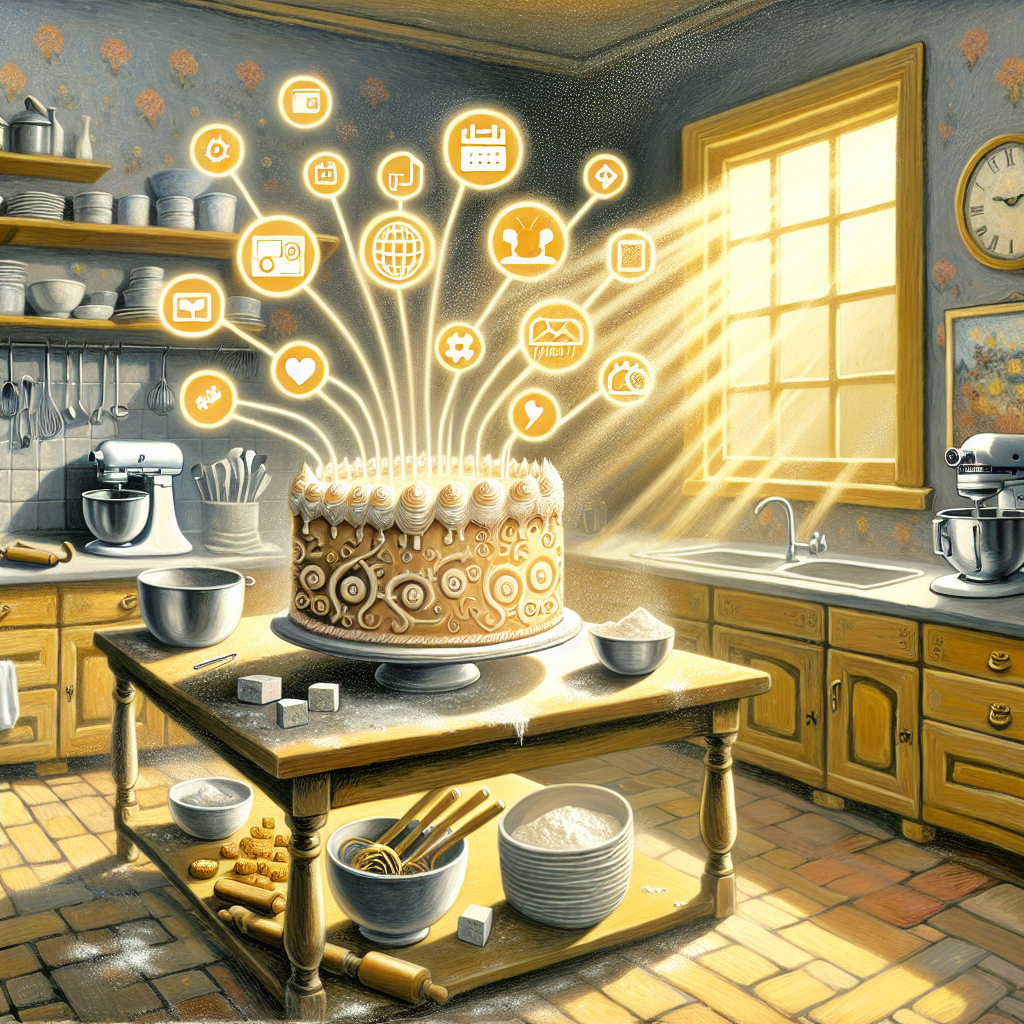
From Shoeboxes to Server Clutter
From Shoeboxes to Server Clutter
- The legacy begins with cherished memories stored in shoeboxes, including photographs, letters, and ticket stubs.
- These mementos capture the essence of life’s moments—triumphs, losses, and everyday experiences.
- In a digital age, physical treasures are being replaced by digital clutter, prompting reflection on the stories we wish to tell.
- The transition from tangible to digital is both physical and emotional, requiring intent to retain personal and relatable narratives.
- Legacy storytelling demands ethical commitment and technological understanding to preserve our essence amid server clutter.
- Sharing stories fosters a sense of belonging and connection, weaving a communal tapestry of human experience.
- Embracing our digital history enhances our legacy, ensuring that our stories of resilience endure through generations.

From Shoeboxes to Server Clutter
Table Of Contents
- From Shoeboxes to Server Clutter
- What Memories Are Locked Away In Your Old Shoeboxes?
- How Can Digital Organization Change Your Life?
- What If Your Clutter Is Actually Hindering Your Progress?
- How Do You Feel When You See Your Disorganized Space?
- Are You Ready to Let Go Of What No Longer Serves You?
- What Hidden Treasures Could You Find In Your Old Keepsakes?
- What Ethical Dilemmas Arise When Decluttering Your Life?
- Conclusion
- Other Resources
- Glossary Of Terms
- Other Questions
- Haiku
- Poem
- Checklist
What Memories Are Locked Away In Your Old Shoeboxes?
Behind every closed shoebox lies a treasure trove of memories, waiting for the right moment to be rediscovered. These unassuming boxes, often shoved into the corners of basements or tucked away in attics, house the echoes of our lives. They carry snippets of our past—letters from long-lost friends, photographs of moments now frozen in time, receipts from places visited, and even small trinkets that tell a bigger story.
Each item within these boxes reflects a piece of our legacy, a canvas painted with the brushstrokes of our experiences. They hold the stories we often forget, yet they resonate with the truth of who we are, the choices we’ve made, and the paths we’ve walked. This is legacy storytelling at its purest; every memory stored is not just a reminder of moments we’ve lived, but a testament to the relationships we’ve nurtured and the life we’ve crafted.
As you sift through the contents, consider the feelings that surface. The snap of a photograph might transport you back to a jubilant family gathering, or the crumple of an old letter could bring forth a bittersweet reminiscence. These treasures can spark joy, nostalgia, and sometimes sadness. However, each emotion is a reminder of our shared human experience. It connects us and underscores an important truth: our lives are woven together by the stories we tell and the memories we cherish.
Yet, beyond the sentimental allure of these keepsakes lies a rational truth. These glimpses into the past are also a reflection of how we navigate our present. They ground us in honest narratives, reinforcing our values and reminding us of the people who have shaped our journey. There’s a certain ethical weight in preserving these remnants, as they honor not just our own history but the legacies of those who walked before us.
With each box you open, you stand at the crossroads of past, present, and future. These memories invite us to foster connection, not only with our own history but also with those around us. By sharing these stories, we create a community of understanding and empathy. The act of opening your shoebox is more than just a personal endeavor; it’s an invitation to join in a collective human experience, the essence of what it means to truly live and connect. So, go ahead—dig into those boxes. You might just unearth not only your past but also the inspiration to forge a brighter future.

What Memories Are Locked Away In Your Old Shoeboxes?
What Memories Are Locked Away In Your Old Shoeboxes?
- Closed shoeboxes hold hidden memories and stories from our past.
- Items inside reflect our legacy, including letters, photographs, receipts, and trinkets.
- Each memory reveals truths about who we are and the paths we’ve taken.
- Sifting through contents can evoke joy, nostalgia, and sadness, connecting us through shared experiences.
- These keepsakes also remind us of the values and people that shape our lives.
- Opening these boxes fosters connections with our history and with others.
- Engaging with memories can inspire a deeper understanding of ourselves and a brighter future.

What Memories Are Locked Away In Your Old Shoeboxes?
How Can Digital Organization Change Your Life?
Digital organization is more than just a way to tidy up your life; it’s a powerful tool that can fundamentally alter how you interact with the world. Think of it as carving out a path through the dense jungle of daily chaos—a path that leads not just to efficiency, but to a richer, more meaningful existence. It’s about creating a legacy, a story that you tell with every decision you make and every moment you capture.
When you embrace digital organization, you’re not just managing tasks; you’re reclaiming your time and energy, making room for the things that truly matter. Imagine waking up each day feeling grounded and focused, rather than overwhelmed by a barrage of notifications and clutter. You can free yourself from the shackles of disarray and tell a different story—one woven with intention, where every email, document, and photo serves a purpose.
Moreover, this isn’t merely about improving your productivity—it’s an ethical commitment to yourself and your loved ones. By organizing your digital life, you invest in the moments that shape your legacy. Picture sharing stories with your children, not just of your accomplishments, but of your journey. With organized memories and experiences, you’re equipped to illustrate the lessons learned along the way, the triumphs and trials that define who you are.
You establish trust with those around you when you take control of your digital domain. Friends and family will see your commitment to clarity and purpose, and in turn, they may find inspiration to follow suit. This collective shift fosters a culture of organization and intention in your immediate social sphere, creating a ripple effect in the lives of others. It’s a community-building exercise; one small act can lead to greater cohesion and shared understanding.
You’re taking a stand, not just for your wellbeing, but for a future that is more manageable and meaningful. The act of organizing is not simply about tidiness; it’s about weaving a narrative that resonates. It’s an invitation to trust in the process and progress—to know that with each small step towards digital organization, you’re not just changing your life; you’re crafting the legacy story that will outlive you.

How Can Digital Organization Change Your Life?
How Can Digital Organization Change Your Life?
- Digital organization transforms interaction with the world, creating a path to efficiency and meaningful existence.
- Embracing organization helps reclaim time and energy, allowing focus on what truly matters.
- Organized digital life fosters a narrative that reflects personal legacy and experiences.
- Sharing organized memories enhances storytelling with loved ones, illustrating lessons learned in life.
- Establishing clarity in digital domains builds trust and inspires friends and family to organize.
- This collective shift promotes a culture of organization, enhancing social cohesion and understanding.
- Digital organization isn’t just tidiness; it’s about creating a lasting narrative and investing in future wellbeing.

How Can Digital Organization Change Your Life?
What If Your Clutter Is Actually Hindering Your Progress?
Take a moment to look around. The piles of stuff, the unfinished projects, the overflowing boxes—they often tell a tale of who we are, but what if they’re also holding us back? This clutter isn’t just a minor inconvenience; it can creep into our lives, weighing on our minds and inhibiting our progress.
Let’s engage with our own legacy through the lens of storytelling. Each item in our homes has a history, a reason for being there, but identifying whether it contributes to our journey or drags us down requires honesty. How many of those items are truly necessary? How many are memories that we carry, yet don’t use? When you’re trying to forge a path forward, it’s critical to differentiate between what helps you and what hinders you.
Rationally, we know that excess can cause confusion. Studies have shown a direct link between a cluttered environment and decreased productivity. The more we’re surrounded by chaos, the harder it becomes to focus on what truly matters. Ethically, keeping our spaces clear can be seen as a form of respect for our time and our efforts. We owe it to ourselves to surround our ambitions with inspiration rather than distraction.
Now, imagine a life where each room supports you—a sanctuary that fosters creativity, productivity, and peace. Picture walking into your space and feeling invigorated rather than overwhelmed. This isn’t just wishful thinking; it’s entirely within reach.
Sharing experiences connects us as humans. Recall the story of a small business owner who, after clearing her workspace of unnecessary clutter, experienced a dramatic turnaround. She found clarity in her vision and purpose, leading to new opportunities she hadn’t even considered before. If she can do it, so can you. We all have the power to influence our stories, shaping them with intention rather than allowing circumstances to dictate our paths.
So, let’s embrace the challenge of decluttering—not as a chore, but as an act of courage that honors our own journey. This isn’t about getting rid of everything; it’s about making space for what truly matters. Acknowledge that letting go can be liberating, creating room for growth and new stories. Make the conscious choice to reclaim your narrative; clear the clutter, and you might just discover the progress you’ve been seeking all along.

What If Your Clutter Is Actually Hindering Your Progress?
What If Your Clutter Is Actually Hindering Your Progress?
- Clutter reflects who we are but can hold us back, weighing on our minds and inhibiting progress.
- Each item in our homes has a history; we must assess if it contributes positively or detracts from our journey.
- Excess clutter is linked to decreased productivity; chaos makes it harder to focus on what matters.
- Keeping spaces clear respects our time and efforts, surrounding ambitions with inspiration.
- Imagine a life where each room fosters creativity, productivity, and peace, leading to a sense of invigoration.
- Personal stories of transformation highlight the potential for clarity and new opportunities through decluttering.
- Decluttering is an act of courage that allows for growth and the reclamation of our narratives.

What If Your Clutter Is Actually Hindering Your Progress?
How Do You Feel When You See Your Disorganized Space?
When you walk into a disorganized space, what do you feel? It’s an avalanche of emotions, isn’t it? That sense of chaos can bury you under the weight of what should be simple: clarity, purpose, and peace. You’re not just looking at a room filled with clutter; you’re staring into a mirror reflecting your life’s legacy—a silent story begging to be told.
In our homes, the disorder is more than just mess; it’s a testament to our choices. What legacy are you crafting with every item piled high, every surface cluttered? Each piece of disarray is a chapter in your story, whispering tales of procrastination, loss, or simply the busyness of life. Yet, within that chaos lies an opportunity—the chance to rewrite your narrative. Embracing organization can serve as a powerful turning point, rewriting the script to reflect resilience and determination.
Think about it: how often have you gotten overwhelmed, staring at the chaotic jumble of your space, while simultaneously feeling the pressure to conform to some standard of order? Trust me, you’re not alone. Many people face that dilemma, caught in the whirlwind of daily responsibilities. That mix of anxiety and guilt can be paralyzing, even leading to a feeling of inadequacy.
Let’s engage your gut. Picture taking a deep breath as you step into a freshly organized space. The air is lighter, your mind clearer, and a sense of accomplishment washes over you. You’ve claimed back a part of your life. It’s not just about aesthetics; it’s ethical too—being responsible for your belongings and your environment. It reflects self-respect and care for not just yourself, but for those around you, fostering stronger connections with loved ones who share your space.
Each time you tackle a messy corner or a relentlessly overflowing closet, you become an authority in your own life. You gain mastery over the space that once felt controlling. Invite friends to help you; it cultivates community, transforming the chore into a shared experience. Whether it’s a family member or a neighbor, there’s a bond that forms in the process—stories exchanged, laughter shared, and connections strengthened.
So, the next time you’re faced with a disorganized space, remember it’s not just about cleaning up. It’s about reclaiming your life’s narrative, instilling trust in your ability to change, and taking proactive steps towards a legacy that speaks not of chaos but of clarity and purpose. Every action you take from here on out is another word written in the story of your life.

How Do You Feel When You See Your Disorganized Space?
How Do You Feel When You See Your Disorganized Space?
- Disorganization evokes a range of emotions, highlighting the need for clarity and peace.
- A cluttered space reflects personal choices and the legacy being crafted.
- Each disorganized item tells a story of procrastination, loss, or busyness.
- Embracing organization offers an opportunity to rewrite one’s narrative with resilience.
- Feeling overwhelmed by chaos is a common experience, leading to anxiety and guilt.
- Organization promotes self-respect, environmental responsibility, and strengthens relationships.
- Turning cleaning into a community experience fosters connections and shared stories.
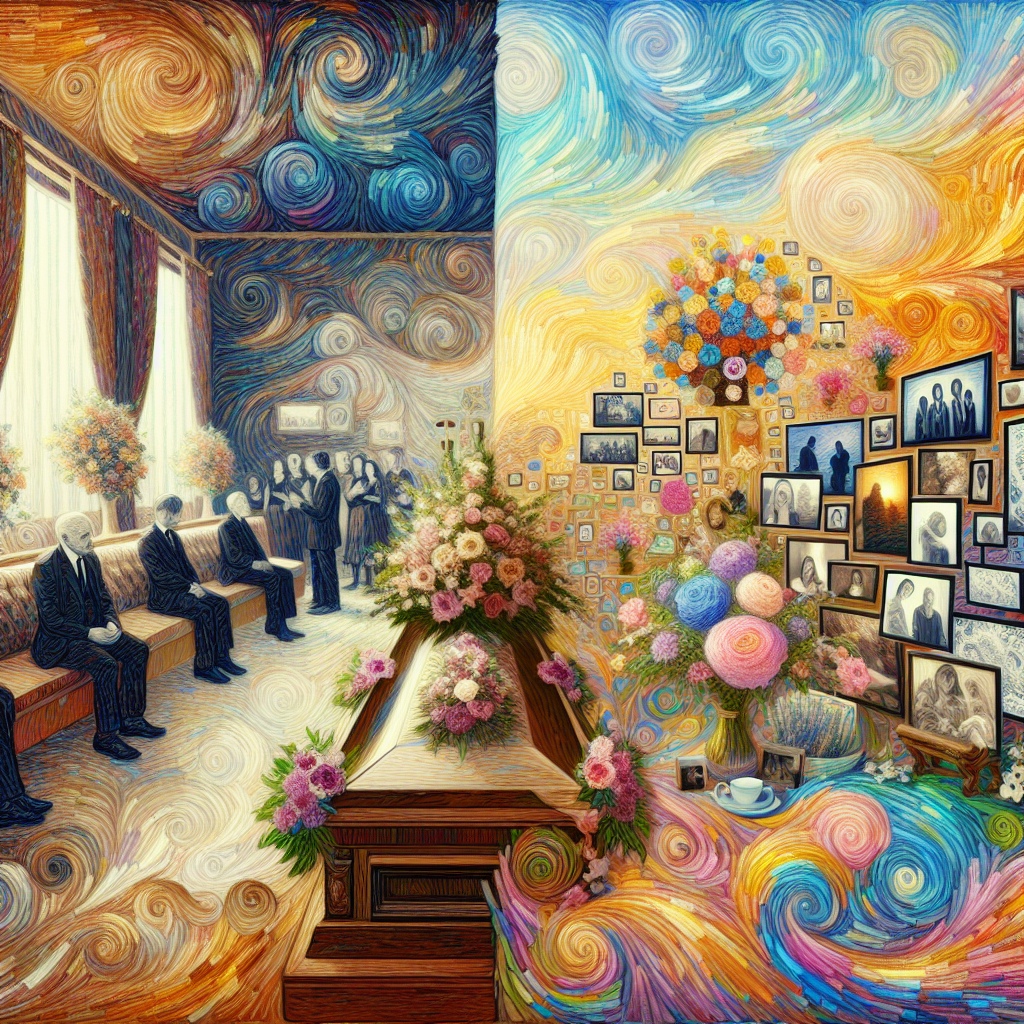
How Do You Feel When You See Your Disorganized Space?
Are You Ready to Let Go Of What No Longer Serves You?
Are you ready to let go of what no longer serves you? It’s a question that demands both courage and reflection, often lurking in the shadows of our busy lives, waiting for the right moment to emerge. Think about it: most of us carry burdens—whether they are relationships, jobs, or habits—that weigh us down. We cling to them out of habit, fear, or the misguided notion that they define us. But here’s the kicker: they don’t.
Imagine your life as a story—a legacy storytelling where you are the author. What narrative are you writing if you’re holding onto what’s no longer relevant? Each chapter should reflect growth, change, and the richness of experience. When we let go of things that no longer serve us, we create space for new opportunities, forging a path towards authenticity. We become more relatable and, in turn, foster deeper connections with others who may be grappling with similar struggles.
Rationally, every time we cling to the past, we inhibit our ability to embrace the present and future. It’s a basic tenet of life: you can’t fill a cup that’s already brimming. By shedding the excess, you free yourself to engage with what truly matters. This is not just about decluttering your physical space; it’s about making ethical choices that honor your own journey and the journeys of those around you. Engaging in this process makes us more attuned, both to ourselves and the world, fostering a sense of community with others who are on their own paths.
Narratively, think of the moments in your life that changed everything. Often, these are the times we chose to let go. Perhaps it was a job that stifled your creativity or a friendship that drained your energy. The instinct to hold on is human, but the true essence of living is found in the moments we take the plunge and trust that something better lies ahead.
This journey is not easy. It requires introspection and sometimes discomfort. Yet, it’s in these moments we discover our strength and resilience. Embrace the uncertainty. You’ll find that letting go can pave the way for a story worth telling—a legacy that reflects not just who you were, but who you’ve become and who you aspire to be.

Are You Ready to Let Go Of What No Longer Serves You?
Are You Ready to Let Go Of What No Longer Serves You?
- Letting go of burdens like relationships, jobs, or habits requires courage and reflection.
- Many cling to these burdens out of habit, fear, or the false belief that they define them.
- Your life is a narrative; holding onto the irrelevant interrupts growth and change.
- Shedding what no longer serves creates space for new opportunities and fosters authenticity.
- Clinging to the past inhibits engagement with the present and future; you can’t fill a brimming cup.
- Letting go enhances self-awareness and community connections through shared experiences.
- The journey of letting go is challenging but leads to strength, resilience, and a richer legacy.

Are You Ready to Let Go Of What No Longer Serves You?
What Hidden Treasures Could You Find In Your Old Keepsakes?
We all have old keepsakes tucked away in boxes, collecting dust in attics or on forgotten shelves. These seemingly insignificant items often hold more than we realize. As we sift through a lifetime of possessions, it isn’t just about the clutter; it’s about the legacy they carry and the stories they tell. Each trinket is tied to a moment, a memory, or a person who shaped our lives. That faded photograph of your grandmother in her wedding dress? It’s not just a snapshot; it’s a portal to a time gone by, rich with laughter, love, and lessons.
Engaging in legacy storytelling through these objects can breathe life into the past. Every keepsake has a narrative waiting to be unearthed, a piece of history that connects us to our roots. The old baseball glove, worn and cracked, could belong to a father who taught his child how to dream big. These stories remind us that we are part of something much larger, an ongoing saga filled with trials and triumphs.
But it’s not merely about nostalgia. There’s a rational side to this treasure hunt as well. By reconnecting with our past, we forge a stronger identity. In a world filled with constant change, these pieces can ground us, serving as reminders of who we are and what we stand for. The act of preserving these keepsakes can even offer practical benefits. Vintage items often have value to collectors, but beyond monetary worth, they hold intrinsic value; they encapsulate experiences we can pass down to future generations.
Ethically, we owe it to ourselves and our family histories to honor these keepsakes. Let us not forget the lessons imbued in our belongings, the reminders of resilience, creativity, and community. Sharing these treasures with others fosters social bonds, deepening connections with family and friends. Storytelling is an age-old practice that creates trust; by sharing our stories, we invite others into our lives.
So, the next time you stumble upon a dusty box, take a moment. Dig deep, pull out those treasures, and reflect on the legacies that shaped your journey. Each item may very well inspire you, provoke thought, or even spark action—as you realize that within these old keepsakes lies not just your past, but the potential to inspire future generations.

What Hidden Treasures Could You Find In Your Old Keepsakes?
What Hidden Treasures Could You Find In Your Old Keepsakes?
- Old keepsakes often hold significant memories and stories from our lives.
- Each item is tied to personal moments that shape our identities.
- Legacy storytelling through objects can connect us to our roots and history.
- Preserving keepsakes helps forge a stronger identity amid constant change.
- Vintage items have both monetary and intrinsic value, capturing experiences for future generations.
- Honoring keepsakes fosters social bonds and deepens connections with family and friends.
- Reflecting on these treasures can inspire and provoke thought about our legacies.

What Hidden Treasures Could You Find In Your Old Keepsakes?
What Ethical Dilemmas Arise When Decluttering Your Life?
In the journey of decluttering, we often stumble upon the treasure trove of our lived experiences. Each item carries a legacy, a chapter of our personal storytelling that can provoke a battlefield of ethical dilemmas. This isn’t merely about freeing up physical space; it’s about grappling with the emotional weight of what we choose to keep or toss aside.
Picture a dusty, old box in the attic. Inside lies the wedding dress of a grandmother you never met. It’s not just fabric; it’s a whispered legacy of dreams, love, and resilience. To discard it feels like erasing a part of your identity crafted through generations. Rationally, it might make sense to create space for new experiences, but the heart tugs insistently, reminding you that memories are not so easily discarded. Balancing nostalgia with practicality turns decluttering into a delicate dance.
Then there’s the sheer weight of responsibility that comes with our belongings. Many items are intertwined with relationships and commitments; think of the long-forgotten gifts from friends now estranged. Holding onto those physical reminders can feel like an emotional anchor, tethering you to the past and complicating the future. But letting go? That can inadvertently send a message—are we abandoning those connections, or are we simply choosing to step into a new narrative?
A strong ethical component arises when considering how to honor the stories tied to our possessions. What happens to grandma’s jewelry if you decide it’s time to let go? Selling it? Donating it? Each choice begs deeper questions about value, remembrance, and community. It challenges us to think critically about how we engage with our physical world while shaping the narrative we wish to tell.
There’s also a societal aspect—how we navigate these discussions with loved ones can influence our decisions. Many will relate to the shared experience of sorting through a deceased family member’s belongings, revealing the tension between preserving someone’s legacy and making space for our lives. The act of decluttering can spark vital conversations about what truly holds value in our lives, driving home the notion that legacy doesn’t just define others; it shapes who we are and how we choose to move forward.
Ultimately, decluttering isn’t just an exercise in physical organization; it’s an invitation to reflect on our legacies, ethics, and the stories that define us. The decisions we make resonate well beyond our immediate surroundings, calling us to define not only what we hold onto but also who we aspire to be.

What Ethical Dilemmas Arise When Decluttering Your Life?
What Ethical Dilemmas Arise When Decluttering Your Life?
- Decluttering reveals the emotional weight of possessions, tied to personal stories and legacies.
- Items like a grandmother’s wedding dress represent deep connections to identity and history.
- Balancing nostalgia with practicality complicates the decluttering process.
- Physical belongings often carry emotional responsibility and reminders of relationships.
- Deciding to let go of items raises ethical questions about value and remembrance.
- Discussing possessions with loved ones can lead to conversations about legacy and its impact.
- Decluttering serves as an opportunity to reflect on personal narratives and aspirations.

What Ethical Dilemmas Arise When Decluttering Your Life?
Conclusion
The journey from shoeboxes overflowing with memories to navigating the complexities of digital legacies is profound. Each crinkled photograph, handwritten letter, and ticket stub previously tucked away holds stories that encapsulate who we are. These mementos, while cluttering our physical spaces, tether us to experiences that demand remembrance. Yet as we transition to a world dominated by digital data, we face a pivotal question: How do we honor our past amidst the virtual chaos?
Digital organization is not merely about tidying up files; it’s about reclaiming our narratives, crafting legacies that resonate with authenticity and depth. In a landscape saturated with information, the challenge lies in curating our digital footprints thoughtfully. Each item we manage, from emails to cherished family photos, should reflect our intentions, helping to weave a tapestry of shared human experience. This storytelling enriches our connections, grounding us in common values that transcend generational divides.
As we sift through memories stored in shoeboxes and the digital realm, we must pause and consider the emotional weight of what we keep or discard. Every choice we make holds ethical implications—are we honoring our histories, or merely clearing the way for convenience? There’s a deep resonance in preserving not just our legacies, but those of our ancestors, ensuring their stories ripple into the future.
The clutter in our lives is more than just physical; it represents narratives laden with potential. By recognizing what serves us and what hinders our progress, we reclaim agency over our stories. When we clear the clutter, we pave the way for growth and connection, inviting others to share in our journeys. It becomes a communal act, fostering empathy and a sense of belonging, even amid disarray.
Ultimately, as we reflect on what lies buried in our old keepsakes, we uncover hidden treasures—stories that breathe life into our existence, shaping who we become. Embracing this process of decluttering allows us not only to honor the past but to step boldly into a future that values clarity and purpose. Letting go of what no longer serves us opens doors to new opportunities, echoing the shared human experience of resilience and renewal inherent in every legacy. In this act of storytelling, we find not just our past, but the strength to forge ahead, crafting narratives that inspire trust and spark transformation.
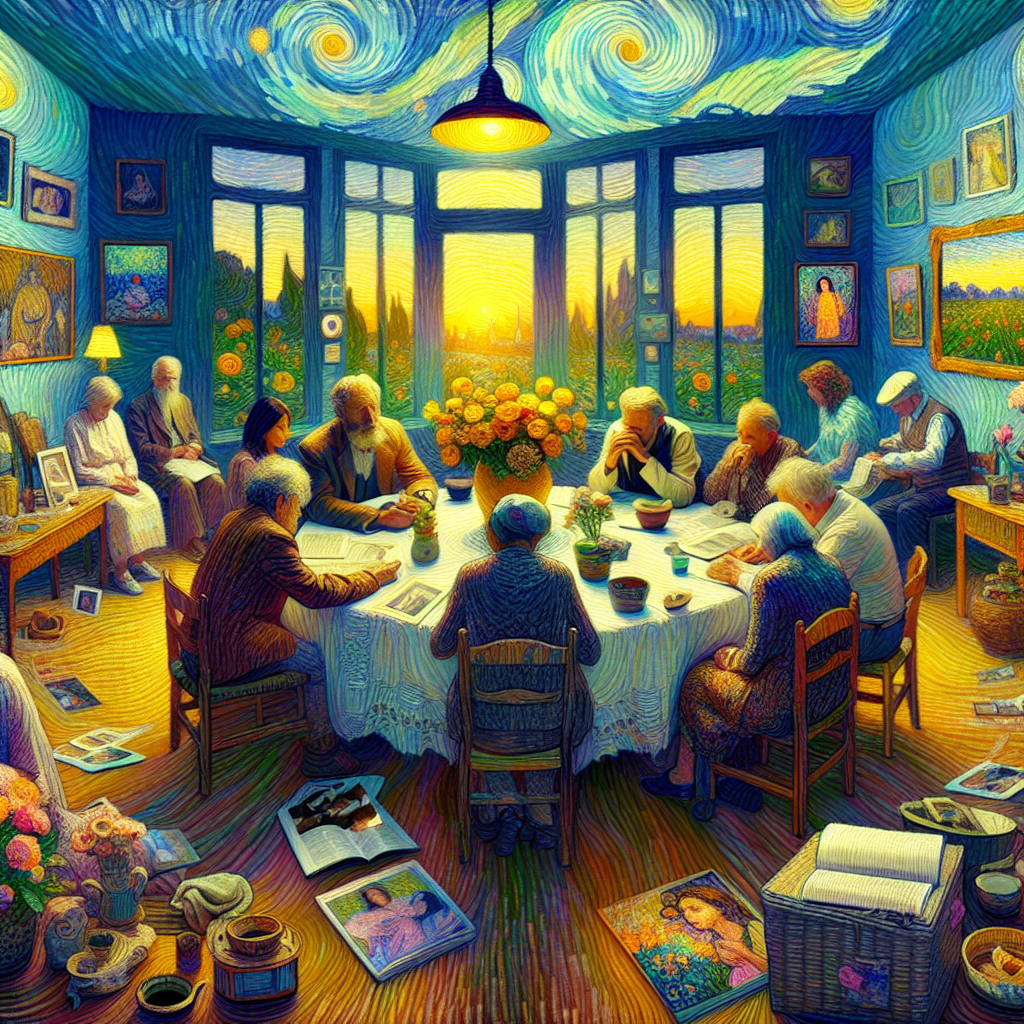
Conclusion
Conclusion:
- The journey from physical mementos to digital legacies highlights the importance of memories in shaping identities.
- Digital organization involves reclaiming narratives and creating authentic legacies amidst overwhelming information.
- Each digital item we manage should reflect our intentions and contribute to a shared human experience.
- Preserving memories requires ethical consideration of what we keep or discard, honoring both personal and ancestral histories.
- Clutter represents narratives with potential, and recognizing their value allows for growth and connection.
- Decluttering not only honors the past but also clears the way for future opportunities and empowers resilience.
- This process of storytelling helps forge ahead, crafting narratives that inspire trust and transformation.
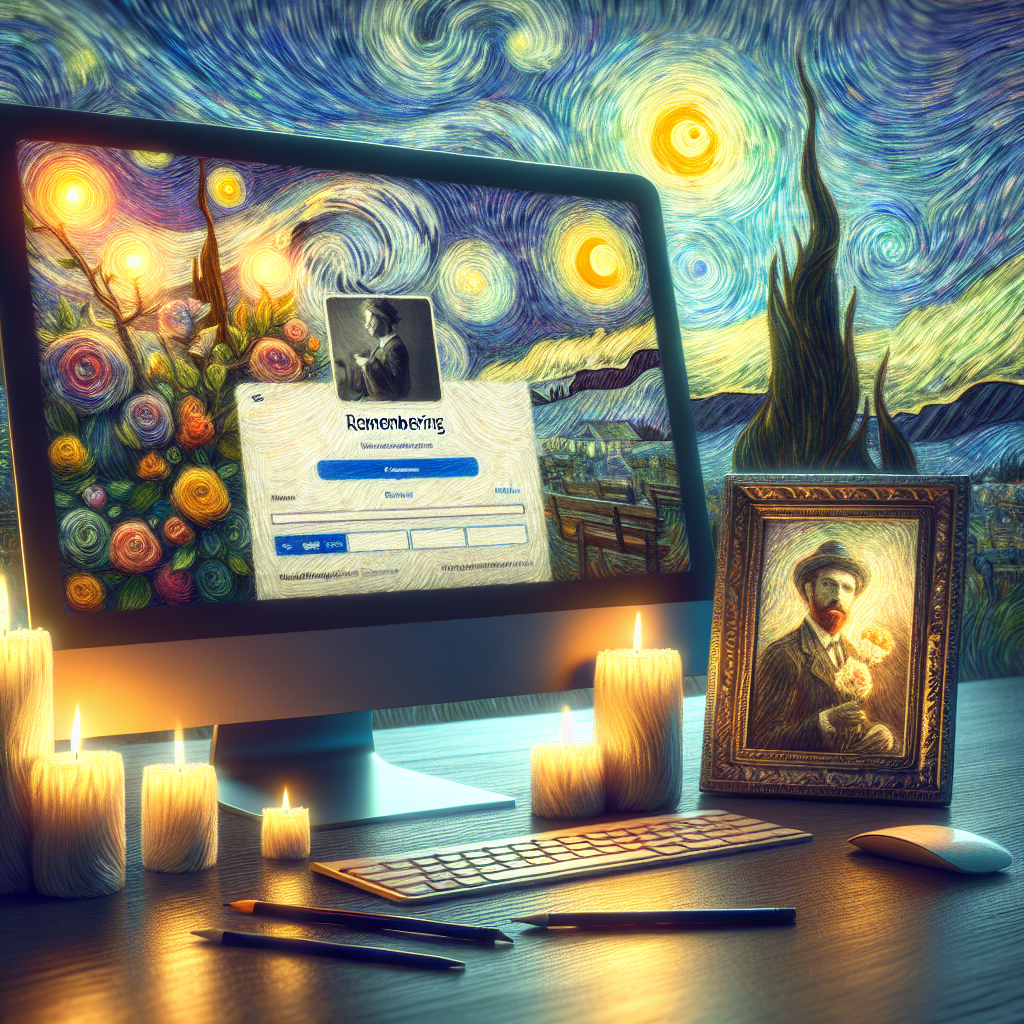
Conclusion
Other Resources

Other Resources
Here is a list of other resources you can review online to learn more:
- Can Telling and Preserving Personal or Family Legacy Stories Be Therapeutic?
- Is There A Need To Pay For Copyrighting Services For Personal Or Family Legacy Stories?
- FutureMe
- NoLo
- ForeverMissed
- Storyworth
- LifeBio
- MyWishes
- Personal Legacy Advisors
- Geni
- Cake
- UpCounsel
- Willmaker
- LifeSite
- How Has Time Changed The Cost Of Capturing Family Legacy Stories
- Knotify.me
- Bcelebrated
- Xarona
- Directive Communication Systems
- Digital Legacy Association
Use This Prompt To Get More Resources With Your Favorite Online AI Tool: Please provide me with a list of online articles with their URLs in a bulleted list that I can read regarding From Shoeboxes to Server Clutter

Other Resources
Glossary Terms
From Shoeboxes to Server Clutter – Glossary Of Terms
1. Shoebox: A small, rectangular box for storing various items, often used metaphorically to represent disorganized storage.
2. Clutter: A collection of items or information that is disorganized, leading to inefficiency.
3. Server: A computer system or program that provides services to other computers, often managing data storage and processing.
4. Data Management: The process of collecting, storing, and utilizing data efficiently.
5. File Organization: The system of arranging and categorizing files for easy access and retrieval.
6. Virtual Storage: Remote storage solutions that allow data to be stored and accessed over the internet.
7. Archiving: The process of moving data that is not frequently accessed to a separate storage location for long-term preservation.
8. Backup: A copy of data that is stored separately to prevent loss in case of hardware failure or corruption.
9. Redundancy: The duplication of critical components or functions of a system to increase reliability and fault tolerance.
10. Data Retrieval: The process of extracting stored data for use.
11. Organizational Tools: Software or physical tools designed to help manage and sort information or items efficiently.
12. Metadata: Data that provides information about other data, such as creation date and file type.
13. Cloud Computing: The delivery of computing services over the internet, allowing for scalable resources and flexible access.
14. Information Overload: A state in which the amount of information exceeds one’s capacity to process it effectively.
15. Folder Structure: The hierarchy in which folders and files are organized within a storage system.
16. File Extension: The suffix at the end of a filename that indicates the file type, aiding in identifying how a file can be opened.
17. Synchronization: The process of ensuring that data is the same across multiple devices or locations.
18. Version Control: The management of changes to documents, programs, and other information stored as computer files.
19. Data Integrity: The accuracy and consistency of stored data over its lifecycle.
20. Digital Clutter: An excess of digital files, emails, or information that hinders productivity and organization.
21. Task Automation: Using technology to perform repetitive tasks without human intervention.
22. Hyperlink: A reference or link from one document to another document or resource on the internet.
23. File Compression: Reducing the size of a file to save space and improve transfer speeds.
24. User Interface (UI): The means by which a user interacts with a computer or software, impacting usability.
25. Access Control: A security technique that regulates who or what can view or use resources in a computing environment.
26. Network Storage: Data storage that is accessible over a network, allowing multiple users to access the same files.
27. Data Encryption: The process of converting data into a coded format to protect it from unauthorized access.
28. System Performance: A measure of how effectively a computer system operates in terms of speed and resource management.
29. Workflow Management: The coordination of tasks and processes to optimize efficiency in operations.
30. Information Architecture: The structural design of shared information environments, focusing on organizing and labeling content effectively.

Glossary Of Terms
Other Questions
From Shoeboxes to Server Clutter – Other Questions
If you wish to explore and discover more, consider looking for answers to these questions:
- How do I decide which physical keepsakes to keep, digitize, or discard?
- What are the best methods and equipment for digitizing photos, letters, audio, and video?
- Which digital file formats are best for long‑term preservation and compatibility?
- How should I name and folder my digital files so they remain discoverable over time?
- What metadata should I add to digital items to preserve context, dates, and people involved?
- Which apps, platforms, or services are recommended for managing a personal or family archive?
- How do I create secure, redundant backups of my digital legacy?
- Cloud storage versus local storage—what are the pros and cons for preserving memories?
- How much will long‑term digital preservation cost and how can I budget for it?
- How do I ensure my digital files remain accessible as file formats and technologies evolve?
- How should I handle privacy and sensitive information when curating and sharing memories?
- What legal steps should I take so heirs can access my digital assets after I die?
- Should I encrypt personal files, and how do I securely pass decryption keys to heirs?
- What ethical considerations arise when digitizing and publishing other people’s personal items?
- How do I handle family disagreement over what to keep, discard, or publish?
- How can I involve relatives in the curation process without creating conflict?
- What storytelling frameworks or templates help turn disparate items into a coherent legacy?
- How do I balance keeping everything versus curating highlights that tell a stronger story?
- How do I preserve fragile physical media (film reels, tapes, brittle paper) safely before digitizing?
- Are there professional archivists or services I should consider and how do I evaluate them?
- How do I document provenance and authenticity for heirlooms and historical items?
- How should I tag or categorize memories—by person, date, theme, event, or location?
- How often should I review and reorganize my digital archive to keep it useful and accurate?
- What privacy risks exist when sharing legacy materials online and how can I mitigate them?
- How can I make a digital archive usable for elderly or non‑technical family members?
- What are best practices for recording and preserving oral histories and interviews?
- Which items belong in a public family history versus a private family archive?
- How do I preserve social media content, messages, and online accounts as part of a legacy?
- How do copyright and rights of likeness affect my ability to share family materials?
- How can I augment physical keepsakes digitally (annotations, scans, timelines, AR experiences)?
- What emotional effects can decluttering and digitizing have, and how should I prepare for them?
- What step‑by‑step plan should I follow to build and finalize a family legacy archive?
- How do I decide what to do with items that may have significant monetary value?
- How do cultural or generational differences influence decisions about preserving and presenting legacy?
- How can I measure or evaluate the completeness and usefulness of a family archive?
- How can legacy storytelling be used to foster reconciliation, understanding, or healing within families?
- What governance or access rules should I set for who can edit, add to, or remove items from the archive?
- How do I ensure authenticity and prevent accidental loss, corruption, or tampering of digital records?

Other Questions
Haiku
From Shoeboxes to Server Clutter – A Haiku
Memories in boxes,
Stories fade in digital,
Legacy unfolds.
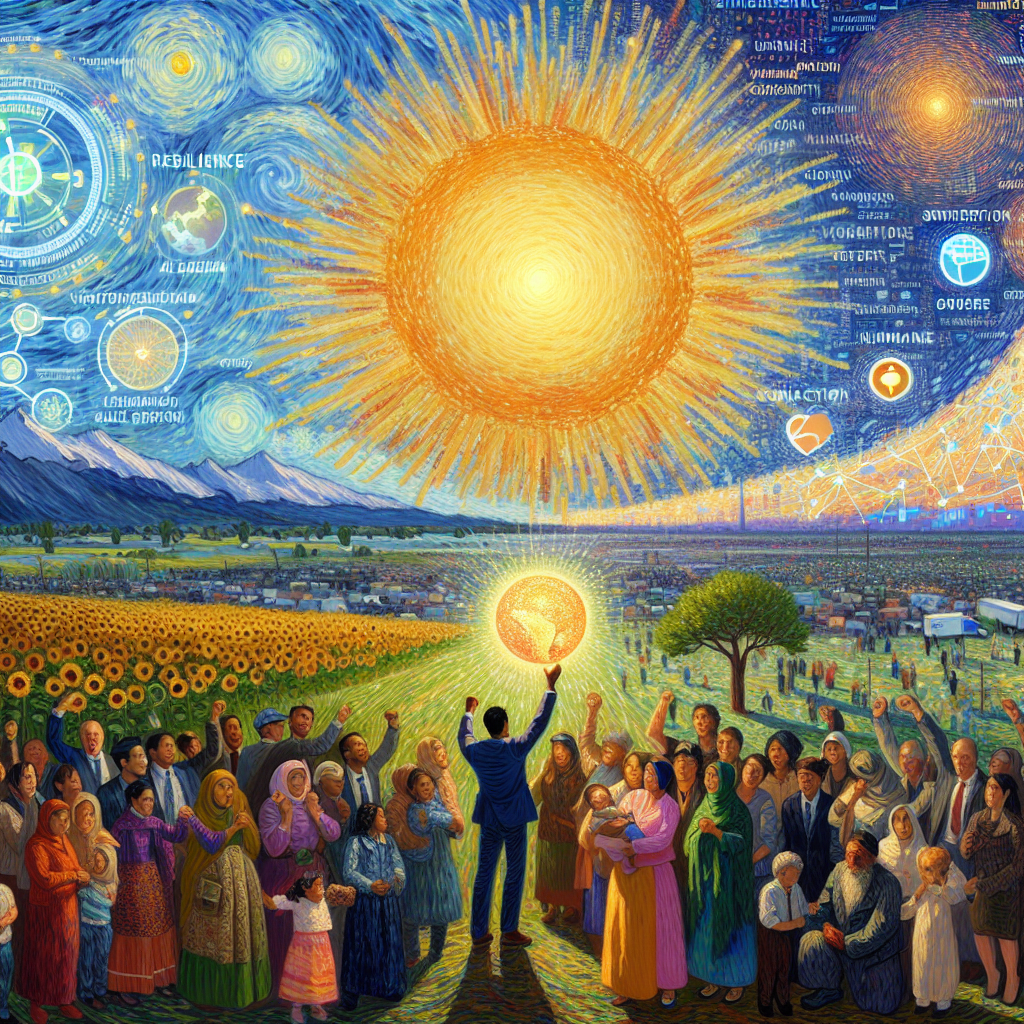
Haiku
Poem
From Shoeboxes to Server Clutter – A Poem
In boxes forgotten, treasures lie,
Memories wrapped in whispers, not goodbye.
Photographs frayed, letters worn,
Each piece a story, a life reborn.
From shoeboxes filled with laughter and pain,
To digital clutter in a virtual domain.
Legacies crafted through every decision,
A tapestry woven with heart’s precision.
Yet in the chaos of data and drive,
We ponder the essence, the stories that thrive.
What do we cherish, what do we hold dear?
As we navigate clutter, let’s make it clear.
Every item kept, a chapter we tell,
A collective narrative, where all hearts dwell.
Let go of the burdens that weigh on the mind,
Create space for growth, for the new paths you find.
From past to present, the journey unfolds,
In each memory shared, our humanity holds.
So sift through your treasures, let your heart guide,
For within these moments, our legacies reside.
With courage take steps to clear out the old,
Reclaim your narrative, let your story be told.
In organized spaces, find clarity bright,
Craft a legacy, let your future ignite.
Together we weave, through joy and through tears,
A legacy rich, connecting our years.
Remember—the chaos can lead to the heart,
Where stories of life, of love, will not part.

Poem
Checklist
From Shoeboxes to Server Clutter – A Checklist
From Memories to Digital Legacy
✅______ Reflect on your legacy: What stories do you want your legacy to tell?
✅______ Reflect on your legacy: How do your memories define who you are today?
Identify and Organize Keepsakes
✅______ List cherished items in your shoeboxes that hold significance.
✅______ Allocate a specific space for each item to avoid clutter.
Embrace Digital Organization
✅______ Choose a system for organizing digital files (e.g., folders, tags).
✅______ Make time to regularly update and curate your digital space.
Engage Emotionally
✅______ Take time to reminisce when handling physical keepsakes.
✅______ Document the emotions associated with each memory or item.
Foster Connections
✅______ Share stories behind keepsakes with family and friends.
✅______ Get others involved in the organization process for shared experiences.
Make Ethical Decisions
✅______ Consider the legacy of each item before discarding.
✅______ Reflect on the impact of your choices on your family’s history.
Prioritize What Matters
✅______ Determine which items are essential to your narrative.
✅______ Let go of items that no longer serve your current life story.
Reclaim Your Space
✅______ Set goals for decluttering specific areas of your home.
✅______ Create a peaceful environment that fosters creativity and productivity.
Keep the Connection Alive
✅______ Plan regular check-ins with your stories and keepsakes.
✅______ Establish traditions for sharing family legacies with future generations.
Encourage a Broader Conversation
✅______ Initiate discussions about the value of memories and stories with your community.
✅______ Explore broader ethical implications of legacy storytelling in group settings.

Checklist
At LegacyExplorations, we help people plan and explore their legacy by collecting information and news regarding end-of-life planning.
Please share this post with your friends, family, or business associates who may want help to plan or explore their legacy.