

Transforming Memories Into Meaning: Your Journey Begins Here
By Tom Seest
At LegacyExplorations, we help people plan and explore their legacy by collecting information and news regarding end-of-life planning.
Please share this post with your friends, family, or business associates who may want help to plan or explore their legacy.
From Storage to Storytelling
In a world overflowing with information, the real challenge isn’t what we know, but what we choose to remember. We all have boxes in our attics, dusty albums in our basements, and cluttered digital spaces filled with remnants of our past. These aren’t just artifacts; they’re fragments of our legacy, waiting to be unearthed and transformed into stories that resonate with our lives and those of others. Legacy storytelling is not merely about recounting events; it’s about weaving a tapestry of experiences that give meaning to our existence.
Consider the stories behind the objects we keep. A weathered baseball glove might invoke memories of long summer afternoons, laughter, and lessons learned on the field. Each mark, each stitch tells a tale. When we share these narratives, we not only honor our past but also give others a glimpse into the lives that came before them. It’s a way to connect across generations, bridging the gap between the lessons learned and the knowledge we pass on.
The heart of legacy storytelling lies in its power to evoke emotions. It’s in the shared moments, the struggles faced, and the triumphs celebrated. These stories have the ability to teach empathy, responsibility, and resilience. They encourage us to reflect on our own lives and can even guide us in making decisions today. They remind us of our shared humanity, that regardless of where we come from or where we’re going, we all carry the weight and wonder of our stories.
But there’s a rational side, too. Our experiences and the stories we tell can foster community and connection. In an age where isolation often reigns, storytelling invites us to gather—to listen, to share, and to understand. It builds relationships, creating a social fabric that strengthens our bonds and enriches our lives. Each story is a thread weaving us closer together.
As custodians of our past, it is our ethical duty to preserve and share these narratives. We owe it to ourselves and to those who come after us. Let’s not allow our legacies to be stowed away in forgotten corners, but rather bring them out into the light. Transform your clutter into a celebration, and in doing so, inspire confidence in the future while honoring the past through your unique legacy storytelling. Embrace it, share it, and watch how it ignites conversations and forges connections that matter.

From Storage to Storytelling
From Storage to Storytelling
- Challenge lies in what we choose to remember amidst information overload.
- Objects we keep tell stories and hold fragments of our legacy.
- Legacy storytelling weaves experiences that give meaning to existence.
- Emotional connections through shared moments foster empathy and resilience.
- Storytelling builds community, combating isolation and strengthening bonds.
- As custodians of our past, it is our duty to preserve and share narratives.
- Transform clutter into celebration, inspiring confidence while honoring the past.

From Storage to Storytelling
Table Of Contents
- From Storage to Storytelling
- What Stories Are Hidden In Your Forgotten Belongings?
- How Can You Transform Clutter Into Memories?
- Are You Ready to Discover the Value In What You Own?
- What Emotional Connections Do We Have with Our Possessions?
- How Can Storytelling Change Our Perspective on Material Items?
- What Memories Do Your Items Evoke When You Truly Reflect?
- How Does Your Past Shape Your Current Relationship with Belongings?
- Conclusion
- Other Resources
- Glossary Of Terms
- Other Questions
- Haiku
- Poem
- Checklist
What Stories Are Hidden In Your Forgotten Belongings?
In every dusty attic, every cluttered garage, lies a wealth of forgotten treasures just waiting to be rediscovered. These belongings aren’t merely things; they are threads woven into the fabric of our lives, holding stories and legacies that shape who we are. The stories behind these items often reveal much about our pasts—moments of joy, sorrow, triumph, and failure.
When you stumble upon a faded photograph or an old toy, the emotional weight of those discoveries can draw you in, turning a simple glance into a profound moment of reflection. That photograph might remind you of a beloved family member—someone whose lessons and laughter guided you through tough times. Or consider that toy, perhaps a cherished item from childhood, reminding you of simpler days, untethered by adult complexities. These instances exemplify the art of legacy storytelling, where each object becomes a vessel, carrying the essence of experiences and relationships that define our narratives.
Yet, there’s a rational aspect at play as well. Psychologists suggest that reminiscing over forgotten belongings can play a significant role in reinforcing our personal identities. By engaging with these items, we reconnect with the values that have always underpinned our decisions. Objects have an uncanny ability to ground us, providing context to our lives in an ever-changing world. They might remind us of the hardships overcome or the dreams yet to chase, prompting us to not only cherish our history but to also build a future aligned with that legacy.
Ethically, we owe it to ourselves and to future generations to preserve these stories. Each belonging has the potential to teach lessons—stories that cultivate resilience, empathy, and a sense of belonging. Sharing these narratives fosters a connection between generations, bridging the gap that often arises in families, reminding us that we are all part of a larger story.
As we glance around our homes, we should invite our communities to do the same. These shared experiences, these objects, can build relationships and inspire conversations that might have lain dormant. By paying attention to what feels forgotten, we breathe life back into our narratives, transforming analog memories into living legacies.
So, as you sift through those boxes and forgotten corners, remember: within those seemingly trivial belongings rests a universe of stories waiting to be told. Embrace them, share them, and let them inspire not just you, but everyone who crosses your path.

What Stories Are Hidden In Your Forgotten Belongings?
What Stories Are Hidden In Your Forgotten Belongings?
- Forgotten treasures in attics and garages hold significant personal stories and legacies.
- Every item can evoke profound reflections on joy, sorrow, and personal history.
- Objects serve as vessels carrying the essence of experiences and relationships.
- Reminiscing over belongings can reinforce personal identity and core values.
- Preserving stories from belongings can teach resilience, empathy, and a sense of belonging.
- Sharing narratives fosters connections between generations, bridging familial gaps.
- Engaging with forgotten items can transform memories into living legacies for community inspiration.

What Stories Are Hidden In Your Forgotten Belongings?
How Can You Transform Clutter Into Memories?
Transforming clutter into memories is about more than just tidying up; it’s an emotional journey that connects us deeply to our past and those we love. Think of your clutter not as mess but as a treasure trove of your life’s legacy. Each object tells a story—be it an old toy, a faded photograph, or a piece of furniture passed through generations. These items embody the experiences that shaped who you are, and acknowledging their significance can unlock a wealth of emotions.
Start by diving into your personal archives. As you sift through the accumulation of years, let the memories wash over you. Remember the countless laughter shared over family dinners or the quiet moments curled up with a beloved book. This is the heart of legacy storytelling—using tangible objects to recount the narratives of your life. Each piece has its own voice: the chipped mug that witnessed countless morning rituals, the worn-out sneakers that traveled countless miles. These remnants are artifacts of your journey, and each one deserves to be honored.
Rationally, consider the psychology behind what makes us hold onto things. The clutter often represents our fears of letting go, of forgetting. But by consciously selecting which items to keep, we reclaim our spaces and our memories. Curating your belongings doesn’t mean erasing your past; rather, it allows you to celebrate it. Decluttering with intention positions you as the storyteller of your own life, choosing which chapters to highlight.
Ethically, we owe it to ourselves and future generations to preserve meaningful artifacts. By passing on these stories, we breathe life into heirlooms, ensuring they carry forward not just as objects, but as vessels of our shared histories. This act connects us to a greater narrative, promoting a legacy of values and traditions.
On a social level, sharing your decluttering journey can inspire others. Invite friends to join you, creating a supportive space for legacy storytelling. The conversations that arise—the laughter, the shared memories—forge connections that transcend the clutter itself, reinforcing the idea that we’re all in this together.
Ultimately, transforming clutter into memories isn’t just an act of cleaning; it’s a call to action to embrace our stories, honoring our past while creating space for the future. By unearthing these treasures, we not only lighten our physical surroundings but also enrich our emotional landscapes, allowing ourselves and others to engage with the essence of who we are. It’s time to embrace that clutter and let it remind us of our beautiful, complicated lives.

How Can You Transform Clutter Into Memories?
How Can You Transform Clutter Into Memories?
- Transforming clutter into memories is an emotional journey connecting us to the past and loved ones.
- Clutter represents a treasure trove of life’s legacy, with each item telling a unique story.
- Diving into personal archives evokes memories and honors the significance of tangible objects.
- Consciously selecting which items to keep helps reclaim spaces and celebrates personal history.
- Preserving meaningful artifacts connects us to shared histories and promotes legacies of values.
- Sharing the decluttering experience can inspire and create supportive community connections.
- Embracing clutter enables us to honor our past while making space for future growth.

How Can You Transform Clutter Into Memories?
Are You Ready to Discover the Value In What You Own?
Every object you possess is more than just a thing; it’s a chapter in your legacy storytelling. Whether it’s your grandmother’s rocking chair or that old toolbox from your first job, each item tells a tale, weaving a narrative rich with memories, struggles, and triumphs. Think about that for a moment. What do those items represent? They are not merely possessions; they embody the lessons learned and experiences lived. When you pause to reflect on their significance, you unlock a deeper understanding of your values.
Discovering the value in what you own isn’t just about dollars and cents. It’s also about the emotions tied to those items. Heartstrings tug at the sight of a family heirloom or the first trophy you earned. These connections remind us of who we are and where we came from. They reflect our growth and resilience. In a disposable world, it’s vital to cherish what we possess, recognizing that many things hold intrinsic worth far beyond their market value.
Rationally, we live in an age where consumption often overshadows appreciation. The more we own, the more overwhelmed we can feel. By reassessing our belongings, we empower ourselves to declutter not just our physical spaces but our minds as well. This is an opportunity to be intentional. What if we focused on quality over quantity? What if the value we sought lay in the stories these objects tell, rather than their ability to fill a void?
Ethically, it’s our responsibility to honor our past while being mindful of our resources. Each item has a story; every story has significance. This responsibility extends beyond us. By appreciating what we own, we inspire those around us to recognize that value doesn’t always mean more stuff; it could mean preserving what matters.
As you embark on this journey, invite friends or family to join in. Share the narratives behind your treasures; encourage them to do the same. Social connections flourish when we bond over our shared histories, creating a sense of community steeped in mutual respect for one another’s legacies.
Take a moment to look around you. What do your belongings reveal about your life? The value in what you own is waiting to be discovered. It’s time to dig deep—not just for monetary worth but for the meaning wrapped up in the very fabric of your existence.

Are You Ready to Discover the Value In What You Own?
Are You Ready to Discover the Value In What You Own?
- Objects represent chapters in personal legacy, embodying memories and experiences.
- Items hold emotional value, reminding us of our identity and growth.
- Recognizing intrinsic worth is important in a disposable consumer culture.
- Reassessing belongings aids in mental decluttering and prioritizing quality over quantity.
- Each item tells a story, highlighting the ethical responsibility to honor our past.
- Encouraging sharing stories promotes community and mutual respect for legacies.
- Examining possessions reveals deeper meanings beyond monetary worth.

Are You Ready to Discover the Value In What You Own?
What Emotional Connections Do We Have with Our Possessions?
Our possessions often echo the stories of our lives, serving as tangible links to our past, our memories, and our identities. Each item we own can be thought of as a chapter in our personal saga—a legacy storytelling that shapes who we are. From that worn-out baseball glove that’s seen better days to the faded photographs that remind us of loved ones lost, these items carry a weight that transcends their material value. They become vessels for our triumphs, losses, and everyday moments.
Consider the chair where you sat with your grandmother, the fabric still holding the faint scent of her perfume. Every time you pass it by, the heart swells with nostalgia. It’s not just a chair; it’s a portal back to laughter-filled afternoons, wisdom imparted over the simplest of meals, and an unbreakable bond that time cannot diminish. This is the gut feeling we experience, a visceral reminder of the people and moments that have shaped us.
In a world that often prioritizes newness and novelty, it’s vital to recognize the stories behind our possessions—stories that evoke emotion, spark reflection, and reveal deeper truths about our values. Our belongings not only reflect who we are but also offer a sense of belonging to something larger than ourselves. They create connections between generations, linking us to our ancestors and anchoring us in our current lives. When we share these stories, we invite others into our experiences, fostering connections that can bridge divides and create community.
Rationally, it makes sense to cherish our possessions. They represent hard work, sacrifice, and moments that have defined us. As we navigate through life’s ups and downs, these items can remind us of our resilience and the joys that come even in the smallest forms. Ethically, we have a responsibility to honor these connections, treating our possessions not just as things, but as keepers of our shared humanity.
Every item has a story, and every story deserves to be told. By recognizing the emotional connections we have with our possessions, we affirm the importance of legacy storytelling in our lives. In a sense, we hold the power to shape these narratives—not just for ourselves but for those who follow in our footsteps. Each object stands ready to inspire trust, confidence, and a commitment to preserving our shared heritage, weaving a tapestry of life experiences that connects us all.

What Emotional Connections Do We Have with Our Possessions?
What Emotional Connections Do We Have with Our Possessions?
- Our possessions connect us to our past, memories, and identities.
- Each item represents a chapter in our personal stories, transcending material value.
- Items evoke nostalgia and serve as reminders of influential moments and people.
- Recognizing the stories behind our belongings fosters connections between generations.
- Sharing these stories creates community and bridges divides.
- Possessions symbolize hard work and resilience, reflecting who we are.
- Every item has a narrative that contributes to our shared cultural heritage.

What Emotional Connections Do We Have with Our Possessions?
How Can Storytelling Change Our Perspective on Material Items?
At the heart of every object we own lies a narrative waiting to be told—a legacy storytelling that shapes our understanding of what truly matters. Each material item, whether a family heirloom or a simple tool, carries with it memories, emotions, and lessons learned. Imagine the stories woven into a weathered pair of boots: the adventures they’ve escorted, the obstacles they’ve faced, and the hands that have stitched them together. These aren’t just items; they’re testaments to human experience, resilience, and love.
When we pause to reflect on the stories behind our possessions, we begin to see them as more than mere material goods. This shift in perspective encourages a deeper appreciation for the craftsmanship and sacrifices associated with each item. It’s easy to overlook the significance of what we own until we understand the legacy that accompanies it. This examination of our belongings invites us not only to value the past but also to recognize our role in shaping the future. We become participants in a narrative much larger than ourselves, one that binds generations and cultures through common threads of experience.
Consider how storytelling can foster a sense of connection. As we share our personal narratives with friends and family, we invite them to see our possessions through our eyes. These shared experiences create bonds that transcend words and actions, allowing us to engage with each other on a deeper level. We might gather around a table, each item sparking a memory, a laugh, or a lesson learned. In these moments, the weight of materialism lifts, replaced by a collective acknowledgment of our shared humanity.
Moreover, the ethical implications of this perspective shift cannot be understated. By valuing the stories behind our items, we become more conscious consumers. We learn to appreciate craftsmanship, supporting artisans and small businesses, while also questioning the mass-produced culture that often devalues true artistry. This mindfulness cultivates a sense of responsibility not just for ourselves, but for the world we inhabit. We begin to desire quality over quantity, mindful consumption over mindless accumulation.
In embracing the power of storytelling around material items, we empower ourselves and others to rethink our relationship with the things we own. Let’s inspire each other to look beyond the surface, to cherish the connections that enrich our lives, ensuring that every object we possess reflects not just our desires, but the legacy we wish to leave behind.
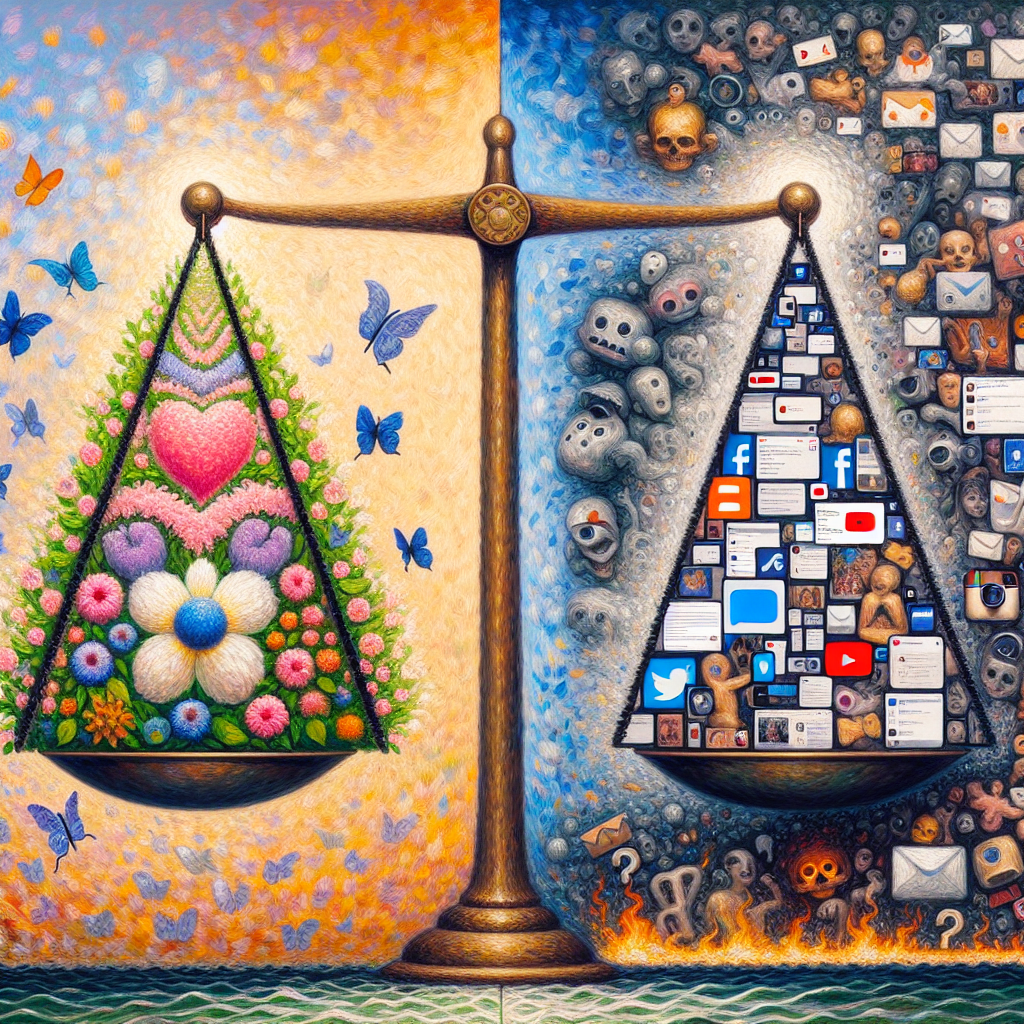
How Can Storytelling Change Our Perspective on Material Items?
How Can Storytelling Change Our Perspective on Material Items?
- Every object possesses a narrative, representing a legacy that shapes our understanding of significance.
- Items hold memories, emotions, and lessons, illustrated through examples like weathered boots.
- Reflection on possessions fosters appreciation for craftsmanship and the sacrifices involved.
- This perspective encourages us to recognize our role in shaping the future through our belongings.
- Storytelling creates connections, inviting others to view our possessions from our experiences.
- Valuing stories promotes conscious consumerism, appreciating artisans while questioning mass production.
- Embracing storytelling empowers a rethink of our relationship with material items, influencing desires and legacies.
How Can Storytelling Change Our Perspective on Material Items?
What Memories Do Your Items Evoke When You Truly Reflect?
What do your belongings say about you? Pause for a moment and let those words resonate. Each item in your home, whether it’s a rusted toolbox passed down through generations or a faded photograph capturing a moment long gone, carries with it a legacy. The art of legacy storytelling resides not just in the stories told, but in the stories lived. Each belonging is a chapter, a thread in the tapestry of your life.
Think of the old boots by the door. Worn and scuffed, they’ve traversed trails, marked milestones, and stood witness to your journey. They carry the scent of adventure and the weight of hard work. When you reflect, they call to mind long hikes with friends or solitary moments atop a mountain, reminding us that life’s richest experiences come not just from success but from struggle, sweat, and the thrill of the unknown.
Now, consider the faded letters tucked in a drawer, relics of a time when communication required patience and intent. Each word recalls laughter shared, tears shed, promises made, and dreams discussed under starlit skies. They are a testament to connections forged, much like the relationships we nurture. In this fast-paced digital age, the tangible, the personal, stirs a deep nostalgia. It evokes a gut feeling, urging us to remember the bonds that ground us.
Reflecting on these items also opens the door to ethical contemplation. What legacy are we leaving for future generations? What stories will our possessions tell when we’re gone? By understanding our past through these objects, we can consciously shape our narratives moving forward, ensuring they are rooted in authenticity and purpose.
Consider the impact of sharing these stories. Each item you cherish can serve as a bridge, connecting generations. They provide context, honor traditions, and inspire conversations that transcend time. The dinner table where you gathered for family meals becomes more than just furniture; it’s a crucible of laughter, love, and lessons.
Ultimately, your memories, wrapped in the fabric of your belongings, invite reflection and action. Embrace them. Treasure them. These items are more than mere possessions; they are intimate reminders of who you were, who you are, and who you aspire to become. Through legacy storytelling, you craft a narrative that honors the past while igniting the future, weaving a legacy that is distinctly yours.

What Memories Do Your Items Evoke When You Truly Reflect?
What Memories Do Your Items Evoke When You Truly Reflect?
- Belongings reflect personal legacy and storytelling through lived experiences.
- Every item, like old boots or faded letters, symbolizes memories and milestones.
- Personal possessions evoke nostalgia, reminding us of significant relationships and experiences.
- The past influences our future narratives and encourages ethical reflection on legacy.
- Sharing stories associated with belongings connects generations and honors traditions.
- Items like family dinner tables hold emotional weight beyond their physical form.
- Embracing and treasuring belongings fosters reflection on identity and aspirations.

What Memories Do Your Items Evoke When You Truly Reflect?
How Does Your Past Shape Your Current Relationship with Belongings?
Your past plays an undeniable role in shaping your relationship with belongings. Think of your possessions not just as items, but as a thread woven through the rich tapestry of your life. Each piece you hold carries a legacy, echoing memories that can make you smile or gasp, evoke laughter or bittersweet nostalgia. That old leather jacket? It’s more than fabric; it’s a story of youthful rebellion, late-night adventures, or the comfort of a loved one’s embrace, causing you to reflect on choices made and paths taken.
Storytelling has a unique power. It allows us to connect with our experiences and share narratives that define us. When we consider our belongings, we often see more than their material value; we see the chapters of our lives written within them. The dusty box tucked away in the attic may be filled with trinkets from friends, reminders of moments long past, beckoning you to reminisce about the people you’ve loved and lost. Each item tells a story, and collectively, they form a map of where we’ve been and who we’ve become.
This relationship also has a practical side. Your past can shape your present decisions about what to keep and what to let go. Is that collection of baseball cards cluttering your space a source of joy or burden? You’ll find clarity in understanding that it’s the memories attached to them that matter, not just the items themselves. By recognizing this, you can declutter your life not just physically but emotionally, creating space for what truly matters.
Moreover, your relationship with belongings is not just personal; it’s deeply ethical. In a world obsessed with consumerism, where each purchase comes with environmental and social costs, think about the legacy you want to leave. Are you a steward of your belongings or a mindless consumer? By making mindful choices, you shape not just your lives but the lives of those who follow.
In fostering this connection with your belongings, you cultivate a greater sense of purpose and belonging within your community. Share your stories, engage in discussions, and invite others to reflect on their items. The future is a mix of where we’ve been and how we choose to move forward. Make those choices count. Your belongings can become the dialogue of your life, resonating with the past while forging a path into the future.
How Does Your Past Shape Your Current Relationship with Belongings?
How Does Your Past Shape Your Current Relationship with Belongings?
- Your past significantly influences your relationship with possessions, which are more than just items; they represent personal stories.
- Each belonging carries memories that can evoke various emotions and reflections on life choices.
- Storytelling allows individuals to connect with their experiences and view their belongings as chapters of their lives.
- Your relationship with belongings involves practical decisions about what to keep or discard based on their emotional significance.
- Conscious consumerism is vital, as each purchase has environmental and social implications—consider the legacy of your choices.
- Fostering connections with belongings can create a sense of community and purpose by sharing stories and encouraging reflection.
- Your belongings can serve as a dialogue of your life, merging past experiences with future aspirations.

How Does Your Past Shape Your Current Relationship with Belongings?
Conclusion
In the journey from storage to storytelling, the essence of our lives is captured in the seemingly mundane items we possess. Every object holds a story, a connection to moments that have shaped us. These stories, often tucked away in attics or buried within digital files, are more than just memories; they are the fabric of our legacy. When we take the time to reflect on what these items mean, we uncover a world of emotions, connections, and histories—crafting a narrative that ties us to our past and shapes our future.
Each belonging becomes a vessel of experience, carrying the weight of life lessons learned, triumphs celebrated, and struggles endured. For example, an old baseball glove can evoke memories of childhood play, laughter, and important life lessons imparted on the field. These cherished objects invite us to remember not just our personal milestones but also the shared human experience that transcends generations. In sharing these stories, we honor our heritage, bridging gaps across time and reminding others of the shared journey we’re all a part of.
This isn’t merely an emotional endeavor; there’s a rational aspect to acknowledging our possessions. Psychologists note that engaging with our belongings reinforces our identity and helps us connect with our values. By sifting through what we own, we don’t just declutter but reclaim our narrative. It’s a chance to decide what to keep based on what truly resonates with us. We’re not just clearing physical space; we’re also making emotional room for the future.
Ethically, we have a responsibility to preserve these stories—not just for ourselves but for future generations. Each narrative carries wisdom that can teach resilience and empathy, reminding us of our shared humanity. In a world where materialism often overshadows meaning, re-evaluating our relationship with what we own can lead to a more mindful existence.
When we narrate our history through our possessions, we ignite conversations that foster connection and community. Our belongings become more than objects; they tell the world who we are and what we value. As we honor our past and embrace our identities, we create a life that invites others to engage with their own legacies. So, let’s dig through those boxes and forgotten corners. Every item is a thread in the tapestry of life, waiting to be woven into the grand narrative of who we are and who we aspire to be.

Conclusion
Conclusion:
- The essence of our lives is captured in the mundane items we possess, each holding a unique story.
- These stories form a narrative that connects us to our past and shapes our future.
- Belongings serve as vessels of experience, symbolizing life lessons, triumphs, and struggles.
- Engaging with our possessions helps reinforce our identity and connect with our values.
- We have an ethical responsibility to preserve these narratives for future generations.
- Narrating our history through possessions fosters connection and community.
- Each item is a thread in the tapestry of life, contributing to the grand narrative of who we are.

Conclusion
Other Resources

Other Resources
Here is a list of other resources you can review online to learn more:
- 23AndMe
- INELA
- Everplans
- How To Write Legacy Story Headlines That Appeal To The Heart, Gut and Head
- How to Avoid Losing Your Family History One Generation at a Time
- LivingDNA
- FamilySearch
- Trust And Will
- Funeral Finder
- Can Telling and Preserving Personal or Family Legacy Stories Be Therapeutic?
- How Has Time Changed The Cost Of Capturing Family Legacy Stories
- deviantART
- Willmaker
- FuneralWise
- MyHeritage
- LegacyFamilyTree
- YouMattered
- Bcelebrated
- Your Digital Afterlife
- MyWishes
Use This Prompt To Get More Resources With Your Favorite Online AI Tool: Please provide me with a list of online articles with their URLs in a bulleted list that I can read regarding From Storage to Storytelling

Other Resources
Glossary Terms
From Storage to Storytelling – Glossary Of Terms
1. Archive: A collection of documents or records stored for future reference and preservation.
2. Cataloging: The systematic arrangement of items, often in a database, for easy retrieval.
3. Data Management: The practice of collecting, storing, and utilizing data in an organized way.
4. Digital Preservation: Techniques used to maintain and ensure access to digital information over time.
5. Ephemera: Items designed to be temporary, such as flyers, tickets, or pamphlets, often collected for their historical value.
6. Metadata: Data that provides information about other data, such as its origin, structure, and context.
7. Narrative: A spoken or written account of connected events; a story.
8. Oral History: The collection and study of historical information using audio recordings of interviews with people having personal knowledge of past events.
9. Repository: A location where data is stored and managed, often digitally.
10. Storyboarding: A visual representation of a narrative, organized frame by frame.
11. Transcription: The process of converting spoken language into written text.
12. Curate: To select, organize, and present content or materials with a specific focus.
13. Folklore: Traditional beliefs, customs, and stories passed through generations, often reflecting cultural heritage.
14. Heirloom: A valuable object passed down through generations, often connected to family history.
15. Interpretation: The act of explaining the meaning of a text or artifact, especially in the context of storytelling.
16. Narrative Arc: The structure of a story that includes the exposition, rising action, climax, falling action, and resolution.
17. Preservation: The act of maintaining and protecting items from damage or decay.
18. Storyline: The sequence of events in a narrative, outlining the main plot.
19. Visual Storytelling: The use of images and visual elements to convey a narrative or message.
20. Artifact: An object made by humans, typically of cultural or historical interest.
21. Folk Narrative: A traditional story or legend passed down orally, often reflecting the culture of a community.
22. Story Mapping: The process of visually representing a story’s components to understand its structure better.
23. Contextualization: Placing information or artifacts in context to enhance understanding.
24. User Experience (UX): The overall experience of a person using a product, particularly in terms of how easy or pleasing it is to use.
25. Chronology: The arrangement of events in the order they occurred.
26. Data Visualization: The graphical representation of information and data to facilitate understanding.
27. Contextual Storytelling: Crafting narratives that incorporate the surrounding context or background to enrich the story.
28. Audience Engagement: Strategies used to captivate and maintain the interest of an audience.
29. Memory Keeping: The practice of preserving personal or family history in various forms, such as scrapbooking or journaling.
30. Narrative Technique: The methods and approaches used in telling a story, including style, point of view, and pacing.

Glossary Of Terms
Other Questions
From Storage to Storytelling – Other Questions
If you wish to explore and discover more, consider looking for answers to these questions:
- How do I begin turning a box of clutter into meaningful stories?
- What practical steps help identify which items are worth keeping?
- How can I organize and catalog belongings for easy storytelling later?
- What are simple methods for digitizing photos, letters, and keepsakes?
- Which tools or apps are best for preserving and sharing digital memories?
- How do I record and preserve oral histories from older relatives?
- What questions should I ask family members to uncover meaningful stories?
- How can I turn an object’s history into a compelling narrative or memoir?
- What formats work best for legacy storytelling (books, videos, audio, websites)?
- How do I balance factual accuracy with emotional storytelling?
- What are ethical considerations when sharing family stories publicly?
- How do I handle sensitive or painful memories tied to objects?
- When should I seek professional help for item conservation or restoration?
- How do I preserve fragile items (textiles, paper, photographs) long-term?
- What archival materials and storage conditions are recommended?
- How can I involve children and younger generations in legacy projects?
- What are affordable ways to create keepsakes or memory books?
- How do I decide between keeping, donating, selling, or discarding items?
- How do I document provenance and ownership of heirlooms or antiques?
- What legal or financial issues should I consider when passing items on?
- How can storytelling change my approach to consumption and decluttering?
- What prompts or exercises help elicit deeper memories from objects?
- How do I integrate photos, objects, and text into a cohesive story?
- How can I preserve digital-only artifacts like emails, social posts, and files?
- What privacy and security concerns arise when sharing family archives online?
- How can I use storytelling to heal relationships or resolve family conflicts?
- Where can I find templates, guides, or workshops for legacy storytelling?
- How do I assess the monetary versus sentimental value of possessions?
- When and how should I get items appraised by experts?
- How can I create a legacy plan that includes stories, objects, and instructions?
- What role can community organizations or local museums play in preserving stories?
- How do cultural differences affect what and how we preserve family legacies?
- How can I make legacy storytelling part of end-of-life or estate planning?
- What are common pitfalls to avoid when curating family memories?
- How can technology (AI, scanning, restoration software) assist in storytelling?
- How do I maintain ongoing momentum so legacy projects don’t stall?
- What are low-effort, high-impact actions to start a legacy storytelling habit?

Other Questions
Haiku
From Storage to Storytelling – A Haiku
Hidden threads of past,
Memories woven with care,
Stories wait to bloom.

Haiku
Poem
From Storage to Storytelling – A Poem
In attics of memory, treasures lie,
Whispers of stories, where echoes of time sigh.
Each object a chapter, each mark a refrain,
Binding us to laughter, to loss, and to pain.
A glove worn with echoes of games on the green,
A photograph faded, yet rich in the sheen
Of moments we cherished, of lessons we learned,
In the threads of our history, our hearts are discerned.
Step into the clutter, let memories unfold,
With each piece a narrative, a legacy told.
From the chair once held close by a grandmother’s embrace,
To the toys that remind us of childhood’s soft grace.
Let us not stow our past where shadows remain,
But bring forth the stories, let joy break the chain.
In sharing our journeys, in honoring the old,
We weave through connection, in alchemy gold.
For in every belonging lies wisdom and care,
A gift to the future, a bond that we share.
So sift through your treasures, let hearts intertwine,
Transform clutter to meaning, and your legacy shine.
Poem
Checklist
From Storage to Storytelling – A Checklist
Emotional Appeals
✅______ Reflect on your favorite belongings; what feelings do they evoke?
✅______ Share a story about a cherished item with a friend or family member.
✅______ Create a memory box that includes items tied to significant life events.
Rational Appeals
✅______ Identify at least three items that represent key milestones in your life.
✅______ Assess the emotional significance of each item to understand what truly matters.
✅______ Make a list of items you’re willing to declutter; consider how they impact your space and mind.
Ethical Appeals
✅______ Consider the stories behind family heirlooms; how can you honor these narratives?
✅______ Think about sustainability; are you prepared to pass on meaningful items rather than discard them?
✅______ Reflect on how preserving stories contributes to your legacy and future generations.
Authority Appeals
✅______ Read about the psychology of memory and possessions to deepen your understanding.
✅______ Explore resources on legacy storytelling to enhance your storytelling techniques.
✅______ Consult with family members about their stories to enrich your own narrative.
Narrative Appeals
✅______ Write down a short narrative for three of your favorite belongings, highlighting their stories.
✅______ Organize a gathering for family and friends to share their own possessions and the memories they hold.
✅______ Use photographs of items to spark discussions about past experiences and generational connections.
Social Appeals
✅______ Share your decluttering journey on social media to inspire others.
✅______ Host an event where friends can bring items to share their stories.
✅______ Encourage conversations about the historical significance of personal possessions within your community.

Checklist
At LegacyExplorations, we help people plan and explore their legacy by collecting information and news regarding end-of-life planning.
Please share this post with your friends, family, or business associates who may want help to plan or explore their legacy.