
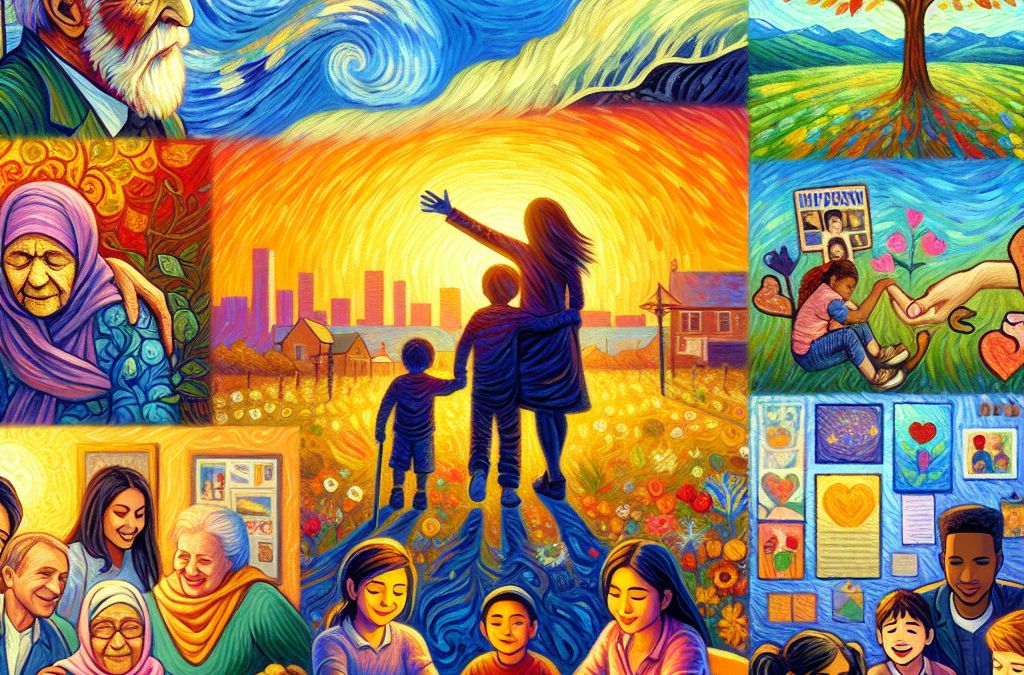
Empowering Generations Through Knowledge Transfer
By Tom Seest
At LegacyExplorations, we help people plan and explore their legacy by collecting information and news regarding end-of-life planning.
Please share this post with your friends, family, or business associates who may want help to plan or explore their legacy.
From Tools to Tutorials – Skill-Sharing As a Legacy Path
In a world moving rapidly toward automation, the tools we use can often overshadow the most essential aspect of crafting a future: our stories. Legacy storytelling is not merely passing down techniques or skills; it’s about sharing the heart and soul behind those tools. Each hammer swing, each brush stroke, carries the weight of a lesson learned, a hardship overcome, or a dream realized. When we invite others to share in that narrative, we do more than hand over a tool—we hand over a piece of ourselves.
Imagine sitting around a fire, the glow illuminating faces filled with curiosity, as you recount the story of how you mastered the art of woodworking from your grandfather, who carved more than just furniture. He crafted values: patience, perseverance, and pride in workmanship. The cycle of skill-sharing becomes not just a transaction, but a connection—binding generations together through shared experience. It’s in these moments that we see the true power of what we leave behind.
Teaching is a responsibility, a moral obligation to nurture the next generation. It’s not just about imparting knowledge; it’s about igniting a spark. In sharing our legacy stories, we become mentors, guiding a path toward mastery that transcends mere technique. We create an accountability that extends beyond ourselves, as each story encourages another to take up the mantle, further weaving the fabric of community.
Equally important, there’s a rational aspect to skill-sharing that cannot be ignored. There’s a wealth of knowledge in our own communities, ready to be harnessed and celebrated. By investing in skill-sharing, we can create a more competent, capable society—one where knowledge isn’t hoarded but rather distributed among eager learners, fostering innovation, resilience, and independence.
Most importantly, when we share our skills and stories, we engage with the social fabric around us. We create spaces where vulnerability is celebrated, where individuals can voice their dreams and setbacks without fear. This supportive environment fosters trust and connection, turning classrooms into families, neighborhoods into networks.
In every act of sharing, we plant seeds of inspiration. Let’s cultivate a legacy not just of tools, but of stories that equip generations to come—encouraging them to dream bigger, build stronger, and connect deeper. Let’s commit to this vital exchange, ensuring our stories, and the skills behind them, live on, shaping the future with every craft we pass along.

From Tools to Tutorials – Skill-Sharing As a Legacy Path
From Tools to Tutorials – Skill-Sharing As a Legacy Path
- In an automated world, storytelling remains crucial for sharing the essence behind techniques and tools.
- Sharing stories about craftsmanship connects generations and imparts values beyond mere skills.
- Teaching is a moral duty that encompasses igniting passion and fostering mentorship.
- Legacy storytelling encourages community accountability and inspires the next generation to continue traditions.
- Investing in skill-sharing enhances community knowledge and promotes a more capable society.
- Creating supportive environments allows for vulnerability and connection, turning learning spaces into close-knit communities.
- Every act of sharing inspires future generations to dream, build, and connect, cultivating a lasting legacy.

From Tools to Tutorials – Skill-Sharing As a Legacy Path
Table Of Contents
- From Tools to Tutorials – Skill-Sharing As a Legacy Path
- What Skills Do You Wish to Pass on to Future Generations?
- What Emotions Arise When You Think About Your Legacy?
- How Does Teaching Others Enhance Your Own Understanding?
- What Ethical Responsibility Do We Have to Share Our Skills?
- Can You Think Of a Time When a Mentor Changed Your Life?
- How Does Sharing Your Skills Benefit Your Mental Well-Being?
- What Stories Do You Have About Someone Teaching You?
- Conclusion
- Other Resources
- Glossary Of Terms
- Other Questions
- Haiku
- Poem
- Checklist
What Skills Do You Wish to Pass on to Future Generations?
When we think about the skills we wish to pass on to future generations, it’s easy to get caught up in the tangible — the technical know-how, the trade skills that can make a living. But at a deeper level, it’s about crafting a legacy, a tapestry of values and experiences that threads through the heart of our communities. Storytelling is one of the most powerful skills we can share. It’s not merely about recounting events; it’s about imparting wisdom, evoking empathy, and forging connections across generations.
The stories we tell shape our understanding of who we are and where we come from. They build bridges between the past and the future, all while reminding us that we are part of something larger than ourselves. Think of the old tradespeople who lean back in their chairs, pipe in hand, and recount the sweat-drenched triumphs and fiery failures of their craft. Their stories resonate on an emotional level— they highlight perseverance, creativity, and human resilience. When we share our stories, we invite others into our world, fostering a shared humanity that urges us to work together to create a better future.
Equally important is the rational side of these skills. In an age dominated by technology, the ability to communicate effectively—whether through storytelling or simple conversation—is surfacing as an essential skill. It is vital to develop critical thinking and problem-solving abilities, skills that will enable future generations to not only navigate change but to thrive amid it. These skills were not handed down in a vacuum; they came alive in stories rich with lessons learned.
Ethics play a role too; the values embedded within our narratives guide future generations in making decisions that honor their past while paving new paths. When storytelling becomes a rite of passage, it embeds a sense of responsibility in the fabric of their character.
To impart these skills is to share a piece of ourselves, to invite others to learn from our journeys—the successes, the missteps, and everything in between. When we speak openly about our experiences, we create a space for connection and vulnerability, fostering trust and confidence in the future’s hands. So let’s take the time to tell our stories, to lay down our legacies, and to inspire a new generation to not just survive, but to thrive.

What Skills Do You Wish to Pass on to Future Generations?
What Skills Do You Wish to Pass on to Future Generations?
- Focus on passing down not just tangible skills, but also values and experiences.
- Storytelling is essential for imparting wisdom, evoking empathy, and creating intergenerational connections.
- Stories shape our identity and connect the past with the future.
- Sharing stories fosters a sense of shared humanity and community collaboration.
- Effective communication, critical thinking, and problem-solving are crucial skills for future generations.
- Ethics embedded in narratives guide decision-making and instill a sense of responsibility.
- Sharing personal journeys fosters connection and vulnerability, laying the groundwork for trust and confidence in future leaders.

What Skills Do You Wish to Pass on to Future Generations?
What Emotions Arise When You Think About Your Legacy?
When you take a moment to think about your legacy, a cascade of emotions can drown you—pride, fear, joy, and uncertainty all wrestling for space in your heart and mind. It’s an instinctual dance between what you’ve accomplished and what you’ve yet to fulfill. Legacy isn’t just a word; it’s a complex tapestry woven from our choices, our relationships, and the narratives we leave behind. Sharing your legacy is part of a powerful form of storytelling. It’s the way we define the chapters of our lives, breathing life into experiences that can inspire others.
Imagine sitting by the fire with those you love, recounting the twists and turns of your journey. The joy in their laughter, the awe in their eyes, it’s a testament to the impact we all hope to make. Yet, lurking in the background is a nagging anxiety—is my story meaningful? Have I done enough? This duality can leave us in a constant state of reflection, weighing our aspirations against our reality. But that’s not just a personal battle; it’s a universal one. Many struggle with these sentiments, leading us to question our place in the grander mosaic of human experience.
From a rational standpoint, considering our legacy can serve as a powerful motivator. It pushes us to evaluate our ethical responsibilities to others—our families, communities, even future generations. Your legacy is not just about you; it’s about how your actions ripple through time and affect those who follow. What principles do you want to stand for? What values do you want to instill in your children or the young minds you mentor?
Now, envision the stories you’ll leave behind—tales of hard work, resilience, and the pursuit of dreams. They are not just your own but form part of a collective consciousness that binds us all together. By sharing not only our triumphs but also our failures, we create space for vulnerability and connection. This authenticity can foster a sense of trust, both within ourselves and with others.
So when the weight of legacy bears down on you, let it propel you forward rather than hold you back. Embrace the journey of storytelling, knowing that every decision shapes the world in ways you might never fully comprehend. As you reflect on your legacy, remember that it’s about what you inspire in others—an action that resonates both now and well beyond your years.

What Emotions Arise When You Think About Your Legacy?
What Emotions Arise When You Think About Your Legacy?
- Legacy evokes powerful emotions, including pride, fear, joy, and uncertainty.
- It is a complex tapestry woven from choices, relationships, and narratives.
- Sharing your legacy is an essential form of storytelling that inspires others.
- Many experience anxiety about the meaningfulness of their stories and accomplishments.
- Considering legacy motivates a reflection on ethical responsibilities to others and future generations.
- Stories of hard work and resilience contribute to a collective consciousness that connects us all.
- Embracing storytelling can propel personal growth and inspire others beyond our years.

What Emotions Arise When You Think About Your Legacy?
How Does Teaching Others Enhance Your Own Understanding?
When we think about the profound impact of teaching others, we often overlook the magic that happens within our own minds and hearts. It’s a beautiful cycle, really—a legacy storytelling that binds generations, where the act of sharing knowledge not only shapes the learner’s path but deepens our own understanding. Picture this: you’re standing in front of a group, maybe a classroom or a workshop. As you explain complex concepts, you find yourself connecting dots you never quite realized were there. It’s as if the very act of teaching illuminates the shadows in your own understanding, allowing you to grasp nuances and intricacies you may have long taken for granted.
But let’s get to the heart of it. Teaching requires us to clarify our thoughts, to sift through layers of information until we can present it in a way that resonates. There’s an ethical dimension here, too. We carry the responsibility to impart knowledge accurately and with integrity. In doing so, we honor the trust placed in us by our students, reinforcing our credibility as guides and mentors. This relationship cultivates a nurturing environment where everyone feels valued.
Now, consider the gut-level reaction we feel when a student finally gets it—the light in their eyes, that “aha” moment that lights up the room. It’s a visceral reminder of why we do what we do. These shared experiences weave a narrative rich with emotion and motivation, creating a community that thrives on collaboration and mutual growth.
Moreover, teaching others means crafting a social contract. It’s more than a simple exchange of knowledge; it’s about connection. When we share our expertise, we invite others to share theirs, fostering an environment where ideas flourish. This communal growth is important for all of us, because let’s face it—no one is an island. We are shaped by those around us, and the dialogue that teaching inspires allows us to learn from others as well.
Every lesson we teach, every question we answer, contributes to a larger tapestry of understanding. It cements our own learning while helping others discover their potential. So, whether you’re sharing a skill, a trade, or a philosophy, remember this: the act of teaching isn’t just about giving; it’s about receiving in return—an invaluable exchange that enriches both the teacher and the learner.

How Does Teaching Others Enhance Your Own Understanding?
How Does Teaching Others Enhance Your Own Understanding?
- The act of teaching deepens our understanding while shaping learners’ paths.
- Teaching connects dots in our own knowledge, illuminating previously overlooked complexities.
- It requires clarifying thoughts and presenting information in a resonant way.
- Teachers bear the ethical responsibility to impart knowledge accurately and with integrity.
- Moments of student comprehension create a motivational narrative that enriches the teaching experience.
- Teaching fosters a social contract that encourages the exchange of ideas and communal growth.
- Every lesson contributes to a greater tapestry of understanding, benefiting both teacher and learner.

How Does Teaching Others Enhance Your Own Understanding?
What Ethical Responsibility Do We Have to Share Our Skills?
Every skill we possess is a thread in the intricate tapestry of our communities. When we choose to share what we know—be it carpentry, cooking, coding, or caring for others—we’re not merely passing along information; we’re weaving a legacy. This is where storytelling becomes pivotal. The knowledge we share carries the weight of our experiences, our failures, and our triumphs. It’s a narrative that deserves to be told, cherished, and passed on.
Think back to that moment when someone lent you a guiding hand. Maybe it was a mentor, a neighbor, or even a stranger who took the time to teach you something vital. That connection, that generosity, created ripples of change that extended far beyond that single encounter. When we share our skills, we’re giving others the same opportunity to flourish. We’re lighting a path for those who come after us. How many times have we had a breakthrough in our own lives simply because someone decided to share their wisdom?
The ethical responsibility of sharing our skills isn’t just about altruism; it’s about recognizing the interconnectedness of our lives. Our individual growth is tied to that of others. Each time we lend our knowledge, we’re not just enhancing someone else’s journey; we are reinforcing the very fabric of society. In a world where so many feel isolated, sharing our skills can bridge gaps and build communities.
Let’s be real: it takes courage to step forward and offer help. You might worry about not being good enough or doubt the impact you can have. But here’s the truth: every small act of sharing can ignite massive change. When we embrace our roles as teachers, we foster trust and confidence within our communities. We’re not just sharing knowledge; we’re igniting passion and possibility.
Engaging in skill-sharing is more than an act of generosity; it’s a responsibility, a tribute to those who shared with us before. It’s an invitation to participate in a legacy of growth, resilience, and hope. So, the question remains: what legacy will you choose to create? Will you step into the role of a storyteller today, sharing your skills with those who stand ready to learn? The impact you make could be the catalyst for someone else’s extraordinary journey.

What Ethical Responsibility Do We Have to Share Our Skills?
What Ethical Responsibility Do We Have to Share Our Skills?
- Every skill contributes to the tapestry of our communities, weaving a legacy through shared knowledge.
- Storytelling is crucial as it carries the weight of our experiences, failures, and triumphs.
- Sharing skills creates connections and has the potential to create ripples of change in the community.
- Sharing knowledge enhances individual growth and reinforces the fabric of society.
- It takes courage to offer help, but even small acts of sharing can lead to significant change.
- Engaging in skill-sharing is not just generosity; it is a responsibility to honor those who taught us.
- The legacy we choose to create by sharing our skills can catalyze extraordinary journeys for others.

What Ethical Responsibility Do We Have to Share Our Skills?
Can You Think Of a Time When a Mentor Changed Your Life?
It was a humid afternoon, and the sun hung low, casting long shadows across the dusty workshop. I remember stepping inside, feeling out of place among the seasoned guys who embodied grit and hard-earned wisdom. They were craftsmen, and I was just a kid, armed with ambition but lacking direction. Then he shuffled in—a mentor whose very presence seemed to shift the atmosphere. He was grizzled and tough, but beneath that seasoned exterior lay a commitment to something greater than himself.
He drew on the walls of the workshop with his fingers, weaving a legacy through storytelling, recounting tales of failure, resilience, and ultimately, triumph. As I listened, something remarkable happened. Those tales weren’t merely words; they were life lessons, a playbook of sorts for anyone willing to pay attention. Suddenly, I wasn’t just absorbing information; I was part of a narrative far larger than my own. Each anecdote was a challenge to rise above my circumstances, to embrace uncertainty, and to turn every setback into a springboard.
Rationally, it made sense; I was hungry for knowledge, eager to learn, yet it was the emotional connection that changed everything. He took the time to see me—not just as a mentee but as a future craftsman, someone who could carry forward the legacy of skill and tenacity. It was ethical too; he believed that what had been given to him should be passed on, much like a cherished family heirloom. It instilled in me the responsibility to do the same, to hoist the torch high for those who came after.
Over the months, our conversations turned from technical skills to life choices and embracing failures. He taught me that mentorship isn’t about teaching; it’s about drawing out what’s already within. When he retired, I stood in that workshop, now filled with memories, and felt the weight of a profound understanding: my journey was just beginning, shaped by his lasting influence.
Now, as I reflect, I realize that it’s more than just a collection of moments—it’s a responsibility. What I learned that day in the workshop on that humid afternoon isn’t just part of my past; it’s a call to action. If you have a mentor in your life, cherish them. If you don’t, consider becoming one. After all, legacy isn’t only about what we leave behind; it’s also about what we inspire in others to continue.

Can You Think Of a Time When a Mentor Changed Your Life?
Can You Think Of a Time When a Mentor Changed Your Life?
- The narrator enters a dusty workshop, feeling out of place among experienced craftsmen.
- A mentor arrives, transforming the atmosphere with his presence and commitment to a greater purpose.
- Through storytelling, the mentor shares tales of failure, resilience, and triumph, offering valuable life lessons.
- The narrator becomes emotionally connected to the mentor’s stories, feeling part of a larger narrative.
- Mentorship is depicted as a transmission of knowledge and responsibility, akin to passing a family heirloom.
- Conversations evolve from technical skills to life choices, highlighting that mentorship draws out potential from within.
- The narrator recognizes the importance of legacy and encourages cherishing mentors or becoming one to inspire others.

Can You Think Of a Time When a Mentor Changed Your Life?
How Does Sharing Your Skills Benefit Your Mental Well-Being?
When we think about sharing our skills, it’s easy to overlook how deeply this simple act can nourish our mental well-being. There’s something fundamentally human about passing on what we know; it connects us, creates bonds that go beyond the superficial small talk of life. Imagine teaching a child to fix a bike or showing a neighbor how to cook a family recipe. These moments are more than just knowledge transfers; they are opportunities for storytelling, for creating a legacy that resonates across generations.
First, let’s get to the heart of it. Sharing skills allows us to step outside our own lives for just a moment. When we teach or mentor, we become invested in someone else’s success. That investment is a powerful antidote to isolation and despair. Helping others brings a sense of purpose, grounding us in our community and reminding us that we matter. Every time you share what you know, you’re not just imparting knowledge; you’re weaving your own experiences into a larger narrative, enriching both your life and the lives of others.
From a rational standpoint, engaging with others through skill-sharing can significantly reduce stress and anxiety. When we focus on teaching, we shift our mental energy from our own worries to something greater. The chatter of our inner critics and often overwhelming self-doubt quiets as we concentrate on facilitating another’s growth. The feedback we receive—a smile, a thank you, or a moment of understanding—acts as a balm for our own mental battles.
Ethically and socially, skill-sharing fosters a culture of cooperation and gratitude. It cultivates trust; it pulls us into a web of mutual support where we feel valued. As we invest in others, we create a community that thrives on connection. Just think of the ripple effects: a simple lesson can inspire someone to step out of their comfort zone, pursue their passions, or embrace their own potential.
Furthermore, sharing skills raises our collective awareness of the inherent value of everyone’s talents. We all have something to offer, a unique story shaped by our own experiences. By sharing yours, you not only contribute to your community but also find your role within it, making every moment feel significant. So grab that toolbox, put on that apron, or unlock that door to creativity. The act of sharing your skills won’t just uplift others—it will nourish your own spirit, creating a legacy that lives long after you’re gone.

How Does Sharing Your Skills Benefit Your Mental Well-Being?
How Does Sharing Your Skills Benefit Your Mental Well-Being?
- Sharing skills fosters deeper connections beyond superficial interactions.
- Teaching and mentoring create bonds and stories that resonate across generations.
- Engaging in skill-sharing helps alleviate feelings of isolation and despair.
- Skill-sharing provides a sense of purpose, grounding us in our community.
- Focusing on others’ growth reduces stress and quiets self-doubt.
- It cultivates a culture of cooperation, trust, and mutual support.
- Sharing unique talents raises collective awareness of everyone’s inherent value.

How Does Sharing Your Skills Benefit Your Mental Well-Being?
What Stories Do You Have About Someone Teaching You?
If you pause for a moment and think about it, the best lessons often come wrapped in the most unexpected packages. Sometimes, a single encounter or a brief conversation can leave an imprint on your character—a legacy that shapes the way you view your place in the world. These moments of teaching are more than mere exchanges of information; they are acts of storytelling, where the teller becomes the tale, and the tale becomes part of you.
Imagine an image of an older mechanic, grease-stained hands under the hood of a weathered truck, teaching a wide-eyed teenager how to listen to an engine. It’s not just about car repairs; it’s about understanding how things work, recognizing their subtle rhythms, and appreciating the artistry in the machinery of life itself. This is about more than skills; it’s about building a foundation for responsibility, a narrative that binds generations.
Now, think of the wisdom shared in that cramped garage, elevated by the enthusiasm of youthful eyes absorbing the gospel of tools and grit. Each lesson learned is a brick laid in the road to becoming someone who can not only fix broken machines but also mend what frays within oneself. This is the kind of legacy storytelling that resonates deeply. It inspires an ethical obligation to pass on knowledge and experience to others, forging bonds across age and background.
On a rational level, consider how these instances solidify our understanding of teamwork and mentorship. They remind us that everyone we meet has a lesson hidden in their story. Perhaps you also of know someone who taught you about perseverance through their own struggles. Their journey echoed in your heart, urging you to face your own challenges with renewed resolve.
In the digital age, where connections can feel fleeting, these real-life narratives remind us of our shared humanity, pulling at our gut emotions. You are not alone in your quest for growth; we are all students in the classroom of life, learning from one another, inadvertently shaping our legacies.
So, what stories do you have about someone teaching you? Each tale, no matter how small, weaves into the fabric of our shared existence, urging us to perpetuate the cycle of learning, engaging others with the wisdom we’ve gained. This isn’t just about the story itself; it’s about the connection, the growth, and the legacy we leave behind.

What Stories Do You Have About Someone Teaching You?
What Stories Do You Have About Someone Teaching You?
- Lessons often come from unexpected encounters and conversations that shape our character.
- Teaching moments are storytelling acts that intertwine the teller and the tale.
- An older mechanic teaches a teenager not just about car repairs but also about understanding and appreciating life.
- Each lesson serves as a foundational block for responsibility and a narrative that connects generations.
- Real-life mentorship fosters ethical obligations to transfer knowledge across age and backgrounds.
- These experiences remind us that everyone has a lesson hidden in their personal story.
- Stories about teaching and learning weave into the fabric of our existence, urging us to continue the cycle of growth and connection.

What Stories Do You Have About Someone Teaching You?
Conclusion
As we stand at the intersection of tradition and technological advancement, we must remember that it’s not just about the tools we wield, but the stories they tell and the values they embody. In a society dazzled by automation, the art of skill-sharing emerges as a crucial legacy we can nurture. Each skill we learn carries the weight of experience, perseverance, and deep-rooted values, passed down through generations. It’s about more than the technique; it’s about imparting a piece of who we are, alongside the tools we use.
Picture this: gathering around a humble fire, sharing tales of struggle and triumph, where each anecdote acts as both a lesson and a bridge connecting our pasts with the futures of those who come after us. These moments transform the individual act of teaching into a powerful mechanism for community building, affirming our ethical obligation to inspire the next generation. We owe it to them—not merely to pass along skills, but to ignite a flame of curiosity, resilience, and connection that binds us together.
The rationale for embracing skill-sharing is simple yet profound. Our shared knowledge acts as a lifeblood to innovation and independence, enriching our communities and preparing us to navigate an ever-changing world. Every time we lend our skills to others, we participate in the creation of a tapestry woven from diverse experiences, empowering everyone involved and reducing the isolation so common in today’s fast-paced life.
At an emotional level, teaching fosters a sense of belonging and purpose, anchoring us in a collective narrative. Each interaction can evoke joy and pride as we witness others flourish. When we open up, sharing both our successes and failures, we shape an authentic space where vulnerability is cherished, trust is built, and the future feels attainable.
As we reflect on our own legacies, it becomes vital to recognize the ethical dimensions of sharing our skills; it is not just a selfless act but a tribute to those who have invested in us. The spirit of mentorship transforms stories into tools for greater understanding, urging us to think not just of what we leave behind, but of how we can guide others on their journeys.
Let’s commit to sharing knowledge, crafting stories, and shaping legacies that inspire future generations to dream bigger and connect deeper. Each of us has the power to create ripples of change—so, what legacy will you choose to cultivate today?

Conclusion
Conclusion:
- We exist at the crossroads of tradition and technology, emphasizing the importance of the stories and values behind our tools.
- Skill-sharing is a vital legacy that carries the weight of experience and cultural values across generations.
- Community-building occurs through teaching and sharing narratives, fostering connections between past and future.
- Skill-sharing enhances innovation and independence, enriching communities in a rapidly changing world.
- Teaching creates a sense of belonging and purpose, cultivating an environment of joy, trust, and vulnerability.
- Recognizing the ethical dimensions of mentorship underscores our responsibility to honor those who have supported us.
- We are encouraged to actively share knowledge and shape legacies that empower future generations.

Conclusion
Other Resources

Other Resources
Here is a list of other resources you can review online to learn more:
- Your Digital Afterlife
- Storyfile Life
- Association of Personal Historians
- UpCounsel
- Ever Loved
- Digital Legacy Association
- GhostMemo
- LegacyLearned
- MyHeritage
- MyMoriam
- Is There A Need To Pay For Copyrighting Services For Personal Or Family Legacy Stories?
- Lexikin
- FutureMe
- RocketLawyer
- LegalZoom
- LegalNature
- Personal Legacy Advisors
- How To Write Legacy Stories That Appeal To The Heart, Gut and Head
- Meminto
- How to Save Your Family�s Stories from Being Lost Forever � A Step-by-Step Guide to Creating a Lasting Digital Legacy
Use This Prompt To Get More Resources With Your Favorite Online AI Tool: Please provide me with a list of online articles with their URLs in a bulleted list that I can read regarding From Tools to Tutorials – Skill-Sharing As a Legacy Path
Other Resources
Glossary Terms
From Tools to Tutorials – Skill-Sharing As a Legacy Path – Glossary Of Terms
1. Skill-Sharing: The practice of exchanging knowledge and expertise among individuals, often to foster learning and community development.
2. Legacy Path: A method of passing down skills or knowledge that creates a lasting impact on future generations.
3. Tutorial: A step-by-step guide or lesson designed to teach a specific skill or knowledge area to learners.
4. Mentorship: A relationship in which a more experienced individual guides and supports a less experienced person in their learning journey.
5. Workshops: Interactive training sessions where participants engage in hands-on activities to develop specific skills.
6. Community: A group of individuals sharing common interests or goals, often collaborating to learn from one another.
7. Digital Tools: Software and applications that facilitate skill-sharing, learning, and collaboration online.
8. Resource Sharing: The act of distributing materials, tools, or information among individuals or groups to enhance educational opportunities.
9. Learning Platform: A technology-based environment that provides access to courses, tutorials, and resources for skill development.
10. Knowledge Transfer: The process of conveying information and skills from one person or group to another.
11. Peer Learning: A collaborative learning process where individuals learn from each other, often in informal settings.
12. E-Learning: Education conducted via electronic media, typically on the internet, allowing for flexible and remote learning.
13. Collaboration: Working together towards a common goal, often enhancing the learning experience through shared efforts and resources.
14. Skill Inventory: A comprehensive list of skills possessed by individuals in a community, used to assess and share capabilities.
15. Facilitator: A person who guides and supports a group’s learning process, ensuring smooth communication and engagement.
16. Crowdsourcing: The practice of obtaining information or services from a large group of people, often via online platforms, to enhance knowledge creation.
17. Hands-On Learning: An experiential learning approach where participants engage in direct, practical activities to acquire new skills.
18. Online Community: A virtual space where individuals connect and engage with each other based on shared interests and goals.
19. Skill Development: The process of acquiring new skills or enhancing existing ones to improve personal or professional capabilities.
20. Documentation: The act of creating written guides, manuals, or records that outline processes and skills for future reference.
21. Feedback Loop: A cyclical process where learners receive input on their performance to improve their skills and understanding over time.
22. Networking: Building and maintaining professional relationships that can facilitate skill-sharing and opportunities for collaboration.
23. Microlearning: An educational approach that involves short, focused segments of learning to enhance retention and engagement.
24. Open Source: Software or resources that are made available to the public for free, encouraging collaboration and access to knowledge.
25. Social Learning: Learning that occurs through observing and interacting with others within a community or social setting.
26. Content Creation: The process of generating original material, such as articles, videos, or tutorials, to educate and share skills.
27. Curriculum Development: The design and organization of educational content and learning experiences to achieve specific learning objectives.
28. Cross-Generational Learning: The exchange of knowledge and skills between different age groups, promoting diverse perspectives and wisdom sharing.
29. Skill Badge: A digital or physical credential awarded to individuals for demonstrating proficiency in a particular skill, often used in learning communities.
30. Lifelong Learning: An ongoing, voluntary pursuit of knowledge and skills that extends beyond formal education, emphasizing continuous personal and professional development.

Glossary Of Terms
Other Questions
From Tools to Tutorials – Skill-Sharing As a Legacy Path – Other Questions
If you wish to explore and discover more, consider looking for answers to these questions:
- What specific skills are considered essential for sharing across generations?
- How can storytelling enhance the skill-sharing process?
- What are effective methods for documenting legacy stories?
- How can communities promote and support skill-sharing initiatives?
- What challenges might arise when passing on skills and stories?
- How can technology aid in the skill-sharing process?
- What role does emotional intelligence play in teaching and sharing skills?
- How do different cultures approach skill-sharing and legacy storytelling?
- What impact does mentoring have on both the mentor and mentee?
- How can individuals identify the values they want to pass on to future generations?
- What are the psychological benefits of sharing knowledge and skills?
- How do personal experiences influence the way we teach others?
- What resources are available for those looking to develop their teaching skills?
- In what ways can we recognize and celebrate those who have shared their skills with us?

Other Questions
Haiku
From Tools to Tutorials – Skill-Sharing As a Legacy Path – A Haiku
Stories shared like light,
Crafting legacies of hope,
Skills bridging our hearts.

Haiku
Poem
From Tools to Tutorials – Skill-Sharing As a Legacy Path – A Poem
In a world where machines often take the lead,
The heart of our craft lies in the stories we weave.
Each tool, each lesson, a whisper of grace,
Connecting the past to our present embrace.
Gather ’round the fire, with faces aglow,
We share our journeys, the highs and the lows.
A hammer’s swing echoes with wisdom unspoken,
In dreams realized and trials that’ve broken.
Teaching’s a bond, more than just skill,
A spark ignited, a collective will.
By nurturing young hearts, we craft our own fate,
Fostering trust in a community’s state.
In sharing our knowledge, we lighten our loads,
Transforming simple skills into vibrant roads.
From the stories of mentors who shaped our way,
To the tender moments where our spirits sway.
Remember the laughter, the “aha” surprise,
When minds open wide and potential will rise.
Every shared tale is a legacy sown,
Through each twist and turn, our hearts have grown.
So when you reflect on the mark you will leave,
Know it’s through stories that we learn to believe.
Let’s honor our past as we forge a new tale,
Empowering the next, as we set forth to sail.
In every act of kindness, in every skill shared,
Lies a tapestry woven with deep thought and care.
Planting the seeds of hope, with every exchange,
Create a future where love will remain.

Poem
Checklist
From Tools to Tutorials – Skill-Sharing As a Legacy Path – A Checklist
Skill-Sharing Legacy Checklist
Emotional Appeals
_____ Reflect on a story you cherish about a mentor. What emotions does it evoke?
_____ Identify skills or lessons from your life that you feel passionate about passing on.
Rational Appeals
_____ List three specific skills you possess that can benefit others.
_____ Evaluate the impact of sharing these skills on your community. How can it lead to innovation and resilience?
Ethical Appeals
_____ Contemplate your responsibility to share your skills. What legacy do you want to create for future generations?
_____ Discuss with a friend how sharing your knowledge can foster trust and connection in your community.
Authority Appeals
_____ Seek out workshops, books, or events led by respected mentors in your field. What new skills or insights can you gain to enhance your teaching?
_____ Research successful skill-sharing initiatives in your community. What best practices can you adopt?
Narrative Appeals
_____ Document your own journey of learning a skill. What challenges and triumphs shaped your story?
_____ Share an anecdote with someone about the power of storytelling in teaching. How did it connect you with them?
Social Appeals
_____ Join or create a local skill-sharing group. What skills can you both offer and learn from others?
_____ Reflect on how teaching and learning collaboratively can strengthen community bonds. How can you initiate this within your circles?
Action Items
_____ Commit to teaching at least one skill to another person within the next month. What will you teach?
_____ Attend a community event focused on knowledge transfer. How will you integrate this experience into your legacy?

Checklist
At LegacyExplorations, we help people plan and explore their legacy by collecting information and news regarding end-of-life planning.
Please share this post with your friends, family, or business associates who may want help to plan or explore their legacy.