

Navigating The Future Of Words: Embrace Change, Shape Tomorrow
By Tom Seest
At LegacyExplorations, we help people plan and explore their legacy by collecting information and news regarding end-of-life planning.
Please share this post with your friends, family, or business associates who may want help to plan or explore their legacy.
From WordPerfect to Word to What?
In the vast landscape of technology, the evolution of word processing has mirrored the changes in our own lives. We started with programs like WordPerfect, a classic that helped shape our approach to writing—structured yet flexible, a nod to our legacy and the importance of storytelling. Each time we opened that software, we weren’t just typing away; we were crafting narratives, preserving memories, and connecting ideas that would touch hearts and inspire minds.
As we transitioned to Microsoft Word, we didn’t just adopt a new tool; we embraced an evolution. Here was a platform that reflected our growing need for collaboration and creativity. It was less about the software itself and more about what it enabled us to do—form bonds with colleagues, share thoughts with friends, and convey our deepest convictions. We wrote our stories, not just for ourselves but for an audience that craved connection. In an era dominated by the digital landscape, each click of a key became a bridge to the world.
But as we navigate this maze of technological advancement, we must ask: from Word to what? The question isn’t just about the next software upgrade; it strikes the very core of our existence. It’s about our legacy, our ethos of storytelling, and how we choose to share our voice in a digital age that often feels overwhelming. Artificial intelligence and cloud-based platforms are emerging, promising to change how we craft narratives. They offer tools that can analyze, predict, and optimize, inviting us to trust in their capabilities. Yet, one must wonder—at what cost?
The heart of the matter is our human connection. As technology transforms our ability to communicate, it is essential to hold onto the values that foster real, meaningful exchanges. The stories we tell and the ways we tell them define our relationships and our society. In this rapidly changing environment, there is a power in preserving our legacy of storytelling. Each word we choose, each narrative we build, can inspire others to take action, to reflect, and to grow.
So, as we stand on the precipice of what comes next, let us remember that our journey from WordPerfect to Word is more than just a technical evolution—it’s an invitation to forge connections that will shape our future.

From Wordperfect to Word to What?
From Wordperfect to Word to What?
- The evolution of word processing reflects changes in our lives, starting with WordPerfect as a flexible tool for storytelling.
- Transitioning to Microsoft Word represented an embrace of collaboration and creativity, allowing deeper connections.
- The digital landscape transformed each keystroke into a bridge for sharing ideas and narratives.
- A key question arises: “From Word to what?” highlighting the importance of legacy and storytelling in a digital age.
- Emerging technologies like AI and cloud platforms promise new ways to craft narratives but raise concerns about costs.
- Preserving human connection is essential as technology changes communication, impacting our relationships and society.
- The journey from WordPerfect to Word symbolizes an invitation to forge meaningful connections that shape the future.

From Wordperfect to Word to What?
Table Of Contents
- From Wordperfect to Word to What?
- What Does Your Writing Say About Your True Self?
- Are You Maximizing Your Productivity?
- How Has Technology Changed Your Creative Expression?
- What Challenges Do You Face In Transitioning to New Software?
- Can You Trust That New Tools Enhance Your Work Quality?
- How Do Your Peers Adapt to Changing Technologies?
- What Story Do You Want Your Words to Tell?
- Conclusion
- Other Resources
- Glossary Of Terms
- Other Questions
- Haiku
- Poem
- Checklist
What Does Your Writing Say About Your True Self?
Writing is far more than mere words on a page; it’s the voice of your soul, a mirror reflecting the essence of who you are. This act transcends the mundane, becoming a form of Legacy Storytelling that invites others to walk alongside you in your journey. Each sentence you craft, every tale you tell, reveals the raw fabric of your experiences, values, and aspirations. It’s not just about the plot; it’s about the pulse of humanity that beats behind it.
Consider the power of the stories we tell. They shape our identities, bridging generational gaps and fostering community. When you write, you’re not just sharing; you’re connecting on a human level, planting seeds of empathy and understanding. Whether it’s a personal essay or a fictional narrative, your writing resonates with the common threads of struggle, joy, and resilience. It’s an invitation for others to see themselves in your words, to recognize their own stories reflected back to them.
There’s also an ethical responsibility in this craft. With every word, you hold the potential to influence perceptions and inspire change. Writing has the ability to challenge the status quo, ignite conversations, and foster goodwill. When you approach your narrative with honesty, you build trust with your readers. They sense your authenticity; they know you’re not just spinning yarns, but sharing pieces of your life that matter.
The emotional weight of your stories can’t be underestimated. Each anecdote you pen can bring comfort to a heart in need, provoke thought in an analytical mind, or spark action in an individual ready to embrace change. Your experiences inform your perspective, providing a unique lens through which they can relate to the world. This connection, hinged on vulnerability, creates a shared human experience that resonates with us all.
Writing is both an art and a craft, a dance between head and heart. It calls upon the intellect while also touching the gut. Each story is a currency of connection, a testament to your lived experiences, a dance of words that invites others to join in this grand narrative of life. So, be bold in your writing; before here’s your chance to leave a mark on the world, let your words reflect not only who you are, but also who you aspire to be. Engage, inspire, and become part of the greater story we are all writing together.

What Does Your Writing Say About Your True Self?
What Does Your Writing Say About Your True Self?
- Writing is a profound expression of the soul, reflecting personal essence and experiences.
- It serves as Legacy Storytelling, inviting others to share in one’s journey and values.
- Stories shape identities, bridge generational gaps, and foster community connections.
- Writing promotes empathy, allowing readers to see their own stories reflected.
- There is an ethical responsibility to influence perceptions and inspire change through honest narratives.
- Emotional anecdotes provide comfort, provoke thought, and encourage action.
- Writing is an art that combines intellect with emotion, creating a shared human experience.

What Does Your Writing Say About Your True Self?
Are You Maximizing Your Productivity?
In a world that often equates busyness with productivity, it’s time we take a hard look at what maximizing our productivity truly means. It’s more than just cranking out tasks and tick-marking to-do lists. We all have a legacy to uphold, a story to tell, and while it’s tempting to rush through life, we must also understand the importance of slowing down and focusing on what truly matters.
Think about the moments in your life that have shaped who you are. These legacy moments aren’t just for reflection; they’re powerful fuel for your journey ahead. When you approach productivity with an understanding of your purpose—your story—you ground your actions in something substantial. It’s about weaving together the various threads of your life: personal values, family commitments, and professional aspirations. Consider how often you work tirelessly, only to look back and wonder, “Was it worth it?” That nagging feeling of dissatisfaction is a result of working without an anchor.
Employing the art of storytelling in your approach can vastly enrich your process. Rather than merely completing tasks, view your work through the lens of your legacy. Each email sent, every meeting attended, and every project completed becomes a chapter in the narrative you’re crafting. Ask yourself: does this contribute to my story?
You have the ability to unlock a profound connection with the people and environment around you. Much of our productivity is tied to our social interactions. Collaborating, sharing ideas, and teaming up with others fosters a sense of community that enhances our individual productivity. People often underestimate the power of working alongside others, how it can drive motivation and spur creativity.
Moreover, think about the ethical dimensions of your work. Are you contributing to something impactful? Is your productivity propelling not just you, but those around you toward a greater good? When you prioritize meaningful work, you inspire confidence not just in yourself, but in your colleagues and peers too.
So, as you tackle your work today, remember that true productivity lies not in the quantity of tasks completed, but in their value. Embrace your legacy, share your story, and engage with the world around you. Let that sentiment sink in, and suddenly, you’ll find that maximizing productivity becomes less of a task and more of a rewarding journey.

Are You Maximizing Your Productivity?
Are You Maximizing Your Productivity?
- Maximizing productivity goes beyond completing tasks and tick-marking to-do lists.
- Understanding your legacy and purpose helps ground your actions in meaningful goals.
- Legacy moments fuel your journey and shape your identity.
- Employ storytelling to view work as contributing to your life narrative.
- Collaboration and social interactions enhance productivity and creativity.
- Consider the ethical impact of your work on yourself and others.
- True productivity is measured by the value of tasks completed, not their quantity.

Are You Maximizing Your Productivity?
How Has Technology Changed Your Creative Expression?
In a world where screens often overshadow the human touch, technology has transformed the landscape of creative expression in ways both profound and intimate. Legacy storytelling, the ancient practice of sharing tales that connect us to our roots and each other, has evolved into a digital tapestry woven with threads of innovation and accessibility. Picture the artisans of yesteryear, gathering around a flickering fire, imparting wisdom through spoken word—the heartbeat of a community resonating in those shared moments.
Today, that same pulse can be felt in a short film shared across social media or an interactive podcast that invites listeners to engage with a narrative unfolding in real-time. We’ve traded the campfire for the cloud, but the essence remains: our stories are still our connections to one another. Technology democratizes the art of storytelling. No longer confined to the few with access to traditional publishing or production, anyone with a smartphone can capture a moment, a feeling, or a thought, and broadcast it globally. This shift invites voices from all corners, enriching our collective narrative and ensuring that diverse perspectives find their way into the cultural conversation.
Yet, with this democratization comes a responsibility. As creators, we are stewards of our stories. We wield a power that can uplift or undermine. The ethical implications of what we share weigh heavily; it’s vital to recognize the impact our narratives can have. This digital age calls for a new generation of storytellers who not only seek to entertain but also to inspire, educate, and challenge societal norms. The very act of sharing is an invitation to foster connection—each post, each blog, each video, a stepping stone in the journey toward understanding.
Moreover, the rational mind can’t help but appreciate the technological tools at our disposal—graphic design software, video editing apps, and collaborative platforms allow creators to refine their work, reach wider audiences, and forge communities around shared interests. These tools elevate our creative expression, turning mere thoughts into impactful stories that resonate with the gut.
When we embrace technology as an extension of our legacy storytelling, we have an opportunity to inspire action and cultivate trust. We can harness these advancements not just to tell our stories, but to elevate the narratives of those who are too often silenced. This intersection of technology and creativity invites us all to share our legacies, ensuring they endure and evolve in ways that reflect the richness of our shared human experience.

How Has Technology Changed Your Creative Expression?
How Has Technology Changed Your Creative Expression?
- Technology has transformed creative expression, merging ancient storytelling with modern innovation.
- Storytelling has evolved from communal gatherings to digital platforms like social media and podcasts.
- Technology democratizes storytelling, allowing anyone with a smartphone to share their narratives globally.
- Creators have a responsibility to recognize the impact of their stories and to uphold ethical standards.
- A new generation of storytellers is needed to inspire, educate, and challenge societal norms.
- Technological tools enhance creative expression, enabling creators to refine their work and build communities.
- Embracing technology as a storytelling extension fosters connections and elevates marginalized voices.
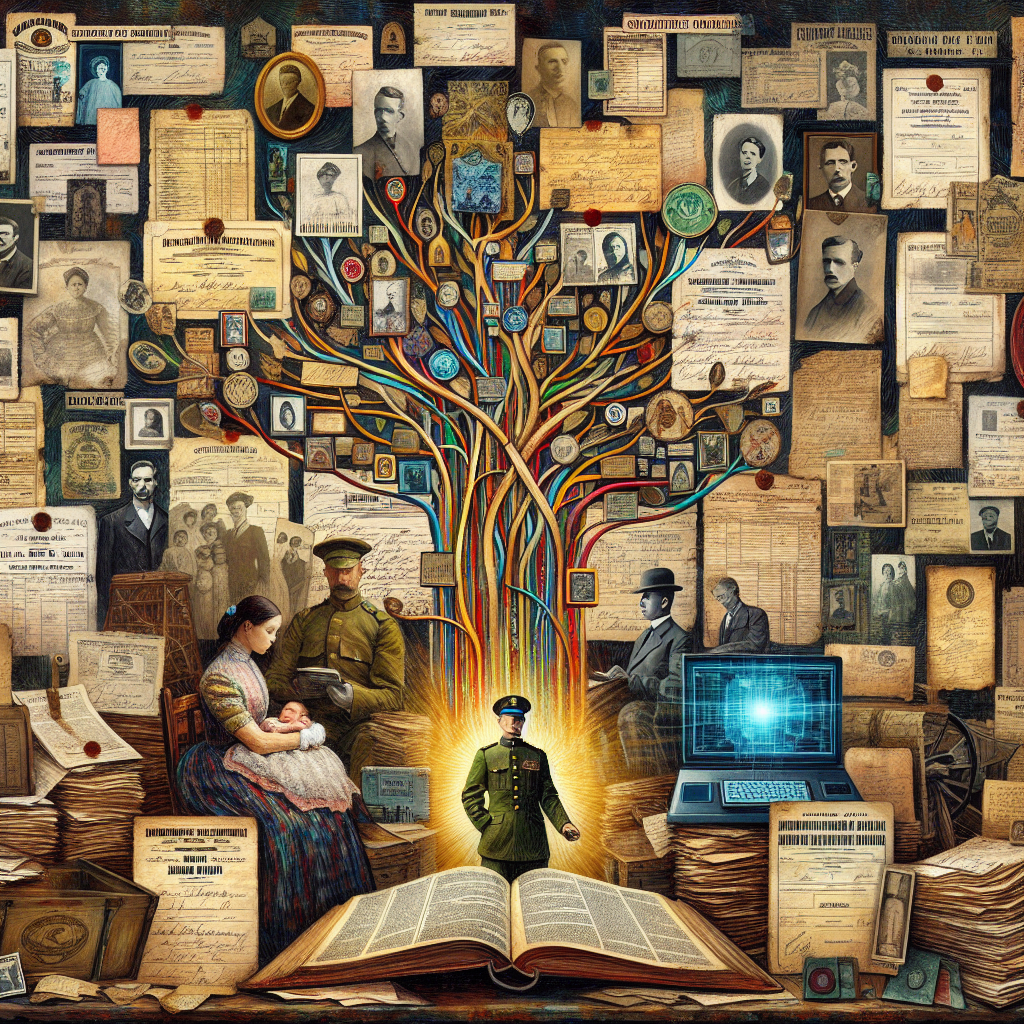
How Has Technology Changed Your Creative Expression?
What Challenges Do You Face In Transitioning to New Software?
Transitioning to new software can feel like stepping into uncharted waters, where the familiar comforts of the past collide with the uncertainties of the future. Every day, countless organizations take this leap, driven by the desire to enhance efficiency and innovation. Yet, lurking beneath the surface are challenges that often go unspoken.
First, there’s the emotional weight of leaving behind legacy systems—those trusted companions that have long told the story of how business was done. These systems may be outdated, but they come with a legacy storytelling of triumphs and trials, embedding themselves in the culture of an organization. For many, saying goodbye feels like a betrayal, and this emotional conflict can stifle progress.
Rational considerations also come into play. New software promises to streamline operations, but the reality is often a complex web of training needs, technical glitches, and resistance to change. Employees face the daunting task of learning a new interface, often leading to frustration and a dip in productivity during the transition. This is where the head must engage; clear communication about the benefits of the new system is crucial. It’s about showing how this change can lead to growth, not just for the business, but for each individual.
Ethically, organizations have a responsibility to support their staff through this transition. Providing adequate training and resources builds trust and fosters a sense of security. When employees feel equipped to tackle new challenges, they are more likely to embrace the journey ahead.
But let’s not forget the authority that comes with sharing success stories. When leaders share their own experiences, casting light on the hurdles they’ve faced and how they overcame them, it resonates deeply. It’s a reminder that every great achievement is sprinkled with setbacks.
Social support is equally vital. Those navigating the transition shouldn’t feel isolated. Building a community around this process, whether through teams or departments, reinforces the notion that they are not alone in this endeavor. Shared experiences can transform anxiety into collective strength, creating an environment where new software is not just adopted, but embraced.
Transitioning to new software isn’t just about the technology itself; it’s about people—our fears, our hopes, and our shared story. Facing these challenges head-on, we pave the way for a future where innovation thrives, and our legacy continues to evolve.

What Challenges Do You Face In Transitioning to New Software?
What Challenges Do You Face In Transitioning to New Software?
- Transitioning to new software presents emotional and practical challenges for organizations.
- Legacy systems, despite being outdated, carry significant emotional weight and cultural importance.
- Adoption of new software often involves training needs, technical issues, and employee resistance.
- Effective communication about the benefits of new systems is essential for facilitating change.
- Organizations have an ethical responsibility to support employees with adequate training and resources.
- Sharing success stories by leaders can inspire and motivate employees amidst challenges.
- Building a supportive community during the transition can enhance employee engagement and collective strength.
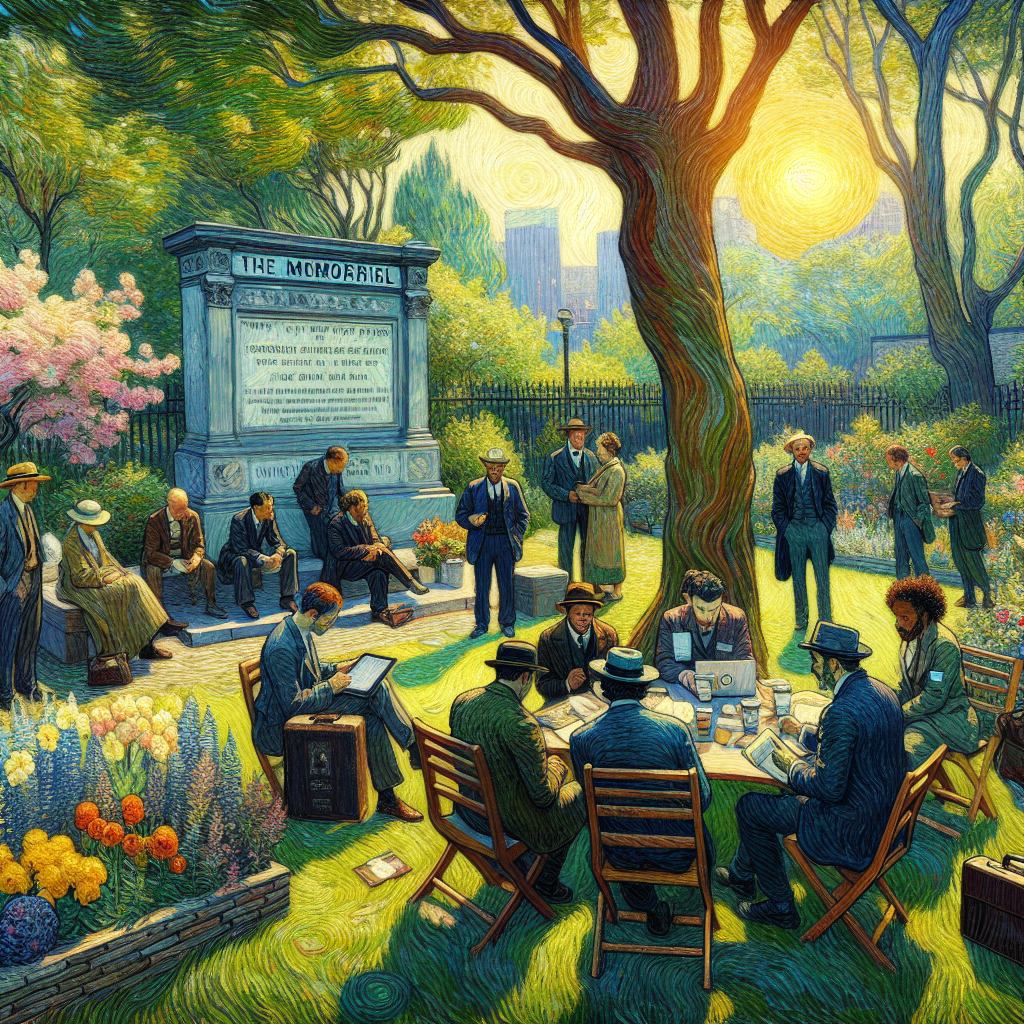
What Challenges Do You Face In Transitioning to New Software?
Can You Trust That New Tools Enhance Your Work Quality?
In a world where shiny gadgets and high-tech solutions promise to revolutionize the way we work, it’s easy to get swept up in the excitement. But before you dive headlong into adopting every new tool that hits the market, pause for a moment and consider what trust really means in your professional life. When you think about the legacy storytelling of those who came before us, the lessons learned in the trenches offer a wisdom that transcends mere technology.
Imagine the skilled craftsman, whose hands tell stories of dedication and artistry. His tools were simple but effective, honed over years of practice. The value he placed on his work was not reliant on the technology at his disposal but on the craftsmanship he embodied. This narrative speaks volumes about how we should approach modern advancements. New tools can enhance work quality, but relying solely on them without understanding their place in your workflow can lead to disappointment.
Trusting new tools begins with a balanced perspective. Rationally, technology can streamline processes, improve accuracy, and even foster creativity in ways we never thought possible. Consider how data analytics can illuminate patterns in your work, providing insights that lead to informed decisions. These advancements can transform your approach, ensuring your efforts yield better results.
Yet, the ethical aspect can’t be overlooked. As industries evolve, so does the responsibility of those who wield the tools. Are they genuinely improving the work, or merely creating distractions? Reflecting on how these tools impact your environment and the people you work with builds a foundation of trust that is crucial for decision-making.
Creating a connection within your team or community is essential. When you share why you’re integrating a new tool—rooted in personal experience or solid research—it resonates on an emotional level. Your colleagues want to feel engaged and part of a narrative that values progress without losing sight of the craftsmanship behind their roles.
The journey toward embracing new tools is not just about the innovations themselves but about how they integrate into your legacy. When you choose to adopt them, let your decisions be guided by a blend of experience, ethics, collective wisdom, and the real stories of those who have walked this path before you. Trust grows not just from believing in technology but from understanding how it enhances your ability to deliver quality work, fostering a culture of excellence that everyone can participate in.

Can You Trust That New Tools Enhance Your Work Quality?
Can You Trust That New Tools Enhance Your Work Quality?
- Modern advancements promise to revolutionize work but require careful consideration of trust in professional contexts.
- Historical lessons from skilled craftsmen highlight the importance of craftsmanship over reliance on technology.
- New tools can enhance work quality but must be understood and integrated into existing workflows.
- Technology can improve processes, accuracy, and creativity, transforming decision-making through data analytics.
- Ethical considerations are crucial; tools should genuinely improve work rather than create distractions.
- Building connections within teams by sharing the rationale for new tool integration fosters engagement and trust.
- Trust develops from understanding how technology enhances quality work and supports a culture of excellence.

Can You Trust That New Tools Enhance Your Work Quality?
How Do Your Peers Adapt to Changing Technologies?
In a world where the only constant is change, watching our peers navigate the shifting sands of technology can be both inspiring and instructive. The stories of adaptation are not just tales of individuals; they weave a rich tapestry of legacy storytelling that connects us across generations. Each person’s journey is like a thread in that tapestry, revealing how we embrace innovation while respecting the traditions that got us here.
Consider the seasoned craftsman who has traded his chisels for digital tools. At first, there’s an understandable tension—an instinctive resistance rooted in years of mastered technique. Then comes the moment of clarity; he realizes that technology isn’t a threat but an ally. It amplifies his craft, allowing him more time to focus on creativity. This shift is not just about pixels and screens; it’s about reconciling the old with the new, ensuring that the essence of his work remains intact. The heart of this adaptation lies in recognizing that every new tool is an extension of our human experience, enhancing our capabilities rather than replacing our identities.
Rationally, the benefits are clear. Learning to work alongside technology opens doors to increased efficiency, wider audiences, and expanded horizons. Those who embrace change often find themselves at the forefront, steering communities toward progress. They don’t just adapt; they lead. This leadership emerges from a deep understanding of both ethical responsibility and the power of collective growth. It’s not just about personal gain; it’s about lifting others as we climb.
On a social level, the bonds formed through shared experiences of transformation are powerful. When peers come together, exchanging knowledge and lessons learned, it fosters a sense of belonging. It’s this community that builds trust and encourages even the most hesitant among us to step forward. Each tale of triumph over technological fear acts as a beacon, inviting us to take our own leap into the future.
As we look to our peers, we see reflections of ourselves—faces illuminated by the glow of screens, yet rooted in the rich soil of experience. The next time you find someone wrestling with change, remember their legacy stories. Let them remind you that adapting to new technologies is not about losing what we’ve built; it’s about securing a future where our stories continue to evolve, ensuring that our contributions resonate through time. Embrace the journey together, because in the end, it’s not just about the technology. It’s about us, our stories, and the connections that bind us.

How Do Your Peers Adapt to Changing Technologies?
How Do Your Peers Adapt to Changing Technologies?
- Change is a constant, and observing peers adapt to technology is inspiring and educational.
- Individual stories of adaptation create a rich tapestry that connects generations.
- Craftsmen adapting to digital tools face initial resistance but realize technology enhances creativity.
- Embracing technology leads to increased efficiency, broader audiences, and community leadership.
- Collective growth and ethical responsibility are key components of effective leadership in adaptation.
- Shared experiences build community, trust, and encourage transformation among peers.
- Adapting to technology ensures the evolution of our stories and maintains connections among us.

How Do Your Peers Adapt to Changing Technologies?
What Story Do You Want Your Words to Tell?
In the quiet moments where we reflect on the stories we’ve shared, a question looms large: what legacy do we want our words to leave behind? Each interaction, each narrative we weave, carries the potential to resonate with hearts and minds. Legacy storytelling is not just about the grand tales of heroes and legends; it is about the ordinary moments that define who we are and what we stand for. These stories represent the sum of our experiences, the lessons learned, and the connections forged over a lifetime.
Think about the power words hold. They can inspire, educate, and even heal. A well-told story transforms mere facts into a message that transcends time. When we choose to share our experiences, we become authorities of our own lives. This authority comes not from standing on a pedestal but from the authenticity of our voices. Admit the mistakes, celebrate the triumphs, and show vulnerability—all these elements form a narrative that invites others in. They create a space where common ground can be found, where readers or listeners feel a tug at their heartstrings because they see themselves reflected in our tales.
Life is messy, and so are the stories we tell. There’s an ethical responsibility that comes with words, a recognition that our narratives can either uplift or diminish others. That’s why it’s crucial to engage with honesty and integrity, fostering connections that encourage understanding rather than division. We should strive to share not just our successes but also our struggles. In embracing the full spectrum of our experiences, we create a tapestry that others can relate to, connecting across generations and social divides.
But it’s not just about connection; it’s an invitation to action. Each story has the potential to spark change. When we share how we overcame adversity or stood up for what we believed in, we don’t just tell a story; we create a blueprint for others. It ignites a fire within, encouraging them to find their own courage and voice. The stories we choose to tell shape our legacies, crafting a narrative that future generations can draw inspiration from.
Ultimately, the question remains: What story do you want your words to tell? As you ponder that, remember that every word carries weight, and with it, the potential to forge a legacy that echoes far beyond your own life. Choose wisely and embrace the storyteller within.

What Story Do You Want Your Words to Tell?
What Story Do You Want Your Words to Tell?
- Legacy storytelling reflects on the impact of our words and the narratives we create.
- It encompasses both grand tales and ordinary moments that define our identities.
- Words possess the power to inspire, educate, and heal, transforming facts into timeless messages.
- Authenticity in sharing experiences fosters authority and invites connection through vulnerability.
- Stories carry an ethical responsibility, influencing others and promoting understanding.
- Sharing both successes and struggles helps bridge generational and social divides.
- Each story can spark change, encouraging others to find their own courage and craft inspiring legacies.

What Story Do You Want Your Words to Tell?
Conclusion
In this digital age, where technology reshapes how we express ourselves, the journey from WordPerfect to Microsoft Word—and beyond—reflects a deeper transformation in our communication. Each platform we’ve embraced served not just as tools but as extensions of our storytelling heritage. Writing transcends basic words on a page; it’s a vital connection to our identities, allowing us to share our stories and experiences. This fundamental truth beckons us to reflect on how we can nurture authentic connections amidst the whirlwind of technological advancement.
The evolution of word processing software parallels our own lives, where every keystroke is not merely functional but emotional, resonating with the desire for connection. Yet, amid this progression, we face pressing questions about our future narratives and the methods we choose to convey them. As artificial intelligence and cloud technologies emerge, they hold the promise of redefining how we craft narratives. However, we must weigh these innovations against the risk of losing the essence of our storytelling—our human connections.
Writing invites vulnerability, an opportunity to craft narratives that resonate with others and forge communities. Each story we share extends an invitation for empathy and understanding. It is not enough to simply transmit information; we have a deeper ethical responsibility to inspire and engage. Our words can provoke thought, spark change, and create meaningful dialogue that inspires others to reflect and take action.
As we navigate the complexities of modern communication, we should not only focus on improving productivity and adopting new tools but also on maximizing the value of our written expressions. Real productivity stems from purpose—understanding the impact of our work on ourselves and those around us. Writing must be an intentional act, guiding our actions toward a legacy that embodies our values and aspirations.
Technology presents us with both challenges and opportunities. While it democratizes storytelling, we must remain mindful of its ethical implications. Each tool we adopt should enhance our ability to connect rather than distract from the essence of our narrative. As we collectively chart our paths amidst these advancements, let’s root our endeavors in authentic storytelling, fostering a culture where every voice matters, and every narrative enriches the tapestry of our shared human experience.
Ultimately, as we reflect on the stories we wish to tell, let us embrace the legacies we are crafting—stories that not only honor our past but illuminate a future where our words continue to hold the power to inspire, heal, and unite us all.

Conclusion
Conclusion:
- The transition from WordPerfect to Microsoft Word mirrors a broader transformation in communication in the digital age.
- Writing is a vital connection to our identities and a means to share our stories and experiences.
- Technological advancements pose questions regarding our future narratives and the methods of storytelling.
- Artificial intelligence and cloud technologies have the potential to redefine narrative crafting, but risks exist in losing human connections.
- Writing encourages vulnerability and the creation of narratives that resonate, fostering empathy and understanding.
- True productivity in writing comes from intentionality and understanding the impact of our expressions.
- We should prioritize authentic storytelling and ethical considerations amidst the challenges and opportunities of technology.

Conclusion
Other Resources

Other Resources
Here is a list of other resources you can review online to learn more:
- FutureMe
- RocketLawyer
- USLegalWills.com
- Is There A Need To Pay For Copyrighting Services For Personal Or Family Legacy Stories?
- Legacy Family Tree
- LifeNaut
- Digital Legacy Association
- 23AndMe
- Meminto
- IronClad Family
- Willmaker
- Ever Loved
- ForeverMissed
- APH
- MyHeritage
- MyWishes
- Storyfile
- LivingDNA
- Legacy Learned
Use This Prompt To Get More Resources With Your Favorite Online AI Tool: Please provide me with a list of online articles with their URLs in a bulleted list that I can read regarding From Wordperfect to Word to What?

Other Resources
Glossary Terms
From Wordperfect to Word to What? – Glossary Of Terms
1. WordPerfect: A word processing software developed by Corel, widely used in the 1980s and 1990s, known for its strong formatting capabilities.
2. Microsoft Word: A widely used word processing application developed by Microsoft, part of the Microsoft Office suite, offering features for document creation and editing.
3. Document Formatting: The arrangement and appearance of text in a document, including changes in font, size, colors, and layout.
4. File Extension: A suffix at the end of a filename that indicates the file type, such as . docx for Word documents and . wpd for WordPerfect documents.
5. Compatibility: The ability of different software programs to read and edit files created in one another’s formats.
6. Templates: Pre-designed document layouts that can be customized for specific uses, saving time in document creation.
7. Collaboration Tools: Features that enable multiple users to work on the same document simultaneously, often found in cloud-based platforms.
8. Cloud Storage: Online storage solutions that allow users to save and access documents from any device with internet connectivity.
9. Spell Check: A software feature that reviews text for spelling errors, often providing suggestions for corrections.
10. Version Control: The management of changes to documents over time, allowing users to track edits and revert to previous versions if needed.
11. Formatting Toolbar: A set of on-screen tools in word processors that provide quick access to formatting options like bold, italics, and bullet points.
12. Macros: Automated sequences of commands and actions that can be recorded and executed to perform repetitive tasks efficiently.
13. Insert Function: A command that allows users to add elements such as images, tables, and charts into a document.
14. Export: The process of saving a document in a different file format, which may include options like PDF or HTML.
15. Commenting: A feature that allows users to leave remarks or feedback within the document without altering the original text.
16. Track Changes: A function that records all edits made to a document, highlighting additions, deletions, and formatting changes.
17. Footnotes: References or explanatory notes placed at the bottom of a page in a document to provide additional information or citations.
18. Endnotes: Similar to footnotes, but compiled at the end of a document rather than at the bottom of each page.
19. Header: The top section of a document that can contain titles, page numbers, or the author’s name.
20. Footer: The bottom section of a document used for page numbering, copyright information, or other relevant notes.
21. Citation: A reference to a source used in the document, providing credit to original authors and allowing readers to locate sources.
22. Styles: Predefined sets of formatting options that can be applied to text for consistency throughout a document.
23. Review Pane: A feature that displays all comments and tracked changes in a separate panel for easy navigation and editing.
24. Embedding: The process of incorporating files, such as images or spreadsheets, into a document so they can be edited within that document.
25. Outline View: A view mode that helps organize the structure of a document by displaying headings and subheadings hierarchically.
26. Mail Merge: A feature that allows users to create personalized documents by merging a template with a data source, such as a mailing list.
27. Keyboard Shortcuts: Combinations of keys that perform specific functions in word processing software, enhancing efficiency.
28. Page Layout: The arrangement of elements on a page, including margin settings, orientation (portrait or landscape), and page size.
29. Autosave: A feature that automatically saves changes made to a document at regular intervals to prevent data loss.
30. PDF Conversion: The process of changing a document into a Portable Document Format (PDF), which preserves formatting and is easily shareable.
Glossary Of Terms
Other Questions
From Wordperfect to Word to What? – Other Questions
If you wish to explore and discover more, consider looking for answers to these questions:
- What comes after Microsoft Word — which platforms or paradigms are emerging as the next standard?
- How will artificial intelligence change authorship and creative ownership?
- How can writers preserve their unique voice when using AI-assisted tools?
- Which tools best support collaborative storytelling across teams and time zones?
- How do you evaluate whether a new tool actually improves the quality of your work?
- What training and resources are needed to transition smoothly from legacy software?
- How can organizations minimize productivity loss during software migration?
- What ethical guidelines should govern the use of AI in storytelling and content creation?
- Who owns content produced or co-produced with AI — the creator, the tool maker, or both?
- How can writers protect privacy and sensitive material when using cloud-based platforms?
- What measures ensure accessibility and inclusion in digitally distributed stories?
- How should productivity be measured meaningfully beyond task counts and hours?
- How do you balance speed and efficiency with depth and craft in writing?
- What are best practices for maintaining authenticity on social media and publishing platforms?
- How can legacy storytelling traditions be preserved in a digital-first world?
- How do you manage version control, provenance, and archiving of digital documents?
- What legal implications arise from AI editing, suggestion, and content generation?
- How do you identify and mitigate bias introduced by AI writing tools?
- How can teams build trust and buy-in when adopting new creative technologies?
- What social supports and mentorship models help peers adapt to changing tech?
- How can storytelling be integrated into everyday workflows to enhance purpose and legacy?
- What metrics or signals indicate a tool is fostering genuine creativity rather than distraction?
- How do creators retain craftsmanship when routine tasks become automated?
- What are the environmental costs of cloud-based and AI-powered writing tools?
- How should writers approach monetization and intellectual property in the digital age?
- How do copyright and fair use evolve with AI-assisted remixing and aggregation?
- What role will emerging interfaces (voice, AR/VR) play in future storytelling?
- How can communities amplify marginalized voices responsibly using digital tools?
- What safeguards are needed to prevent deepfakes and misleading narratives created with new tools?
- How should one choose between competing platforms — criteria, trade-offs, and long-term viability?

Other Questions
Haiku
From Wordperfect to Word to What? – A Haiku
Words weave our legacy,
Bridging hearts, crafting stories,
Future’s voice unfolds.

Haiku
Poem
From Wordperfect to Word to What? – A Poem
From Word to What? A Legacy in Lines
In a world where words evolve and change,
We crafted stories, let our truths arrange.
From WordPerfects charm to Word’s embrace,
Each keystroke a bridge, a sacred space.
Technology dances, swift and bold,
Yet in every byte, our legacies unfold.
We write not just for self, but to commune,
Each tale a constellation, a shared tune.
But what of connections in this digital haze?
Flat screens may shine, but can they amaze?
In crafting narratives, there lies a call,
To nurture our essence, lest we crumble and fall.
As AI rises, whispers of doubt loom,
What cost do we pay, what shadows, what gloom?
Yet amid the rush, our hearts must stay true,
For authenticity breathes life, in all that we do.
Remember your roots, the moments that bind,
Slow down the frenzy, seek purpose to find.
Writing as legacy—a mirror, a map,
Invites us to share, to light, and to tap.
So as we embrace the tools of today,
Let trust be our anchor, let wisdom convey.
With each word we wield, may it echo with grace,
In this grand tapestry, lets find our own place.
For the stories we tell shape the world we see,
A shared human journey, our legacy—free.
As we ponder tomorrow, let courage take flight,
For in every bold tale, lies the power of light.

Poem
Checklist
From Wordperfect to Word to What? – A Checklist
Emotional Appeal
✅______ Reflect on the impact of your stories. What emotions do they evoke in your readers?
✅______ Consider your legacy. What do you want your writing to mean to future generations?
✅______ Identify personal anecdotes that highlight your journey in writing.
Rational Appeal
✅______ Analyze the benefits of new writing tools. How will they enhance your productivity and creativity?
✅______ Evaluate past experiences with software. What lessons did they teach you about your writing process?
✅______ Set specific, measurable goals for adapting to new technologies in your writing.
Ethical Appeal
✅______ Assess the responsibility of sharing stories. How can your writing uplift or challenge societal norms?
✅______ Commit to authenticity. Are your narratives reflecting your true self and the truth of your experiences?
✅______ Encourage ethical storytelling. How will your writing promote empathy and understanding?
Authority Appeal
✅______ Learn from established writers. What insights can you glean from their experiences with transitioning technologies?
✅______ Share your writing successes. What stories of triumph can you offer as motivation?
✅______ Seek mentorship or guidance from experts in the field of digital writing and technology.
Narrative Appeal
✅______ Craft a personal writing narrative. How has your writing journey evolved over time?
✅______ Connect with your audience. What common experiences can your stories evoke to foster connection?
✅______ Use storytelling techniques. How will you engage readers through compelling narratives?
Social Appeal
✅______ Build a community. Who can you collaborate with or seek support from in your writing endeavors?
✅______ Share experiences. What challenges have you faced that resonate with others in your field?
✅______ Foster connections through shared storytelling. How can your experiences help others feel less isolated in their journeys?

Checklist
At LegacyExplorations, we help people plan and explore their legacy by collecting information and news regarding end-of-life planning.
Please share this post with your friends, family, or business associates who may want help to plan or explore their legacy.