

Empowering Generations With Essential Life Lessons
By Tom Seest
At LegacyExplorations, we help people plan and explore their legacy by collecting information and news regarding end-of-life planning.
Please share this post with your friends, family, or business associates who may want help to plan or explore their legacy.
From Youtube to Family Archive – Sharing Skills That Matter
When we dive into the digital world, we find a treasure trove of skills and knowledge shared by countless people on platforms like YouTube. This is more than just a collection of tips; it’s a worthy legacy. Each video tells a story, a glimpse into someone’s journey and experiences. These creators aren’t just sharing facts; they’re weaving narratives that connect us all. And therein lies the beauty of legacy storytelling. It’s a communal experience, where lessons learned can be transformed into wisdom passed down through generations.
Imagine for a moment that you’re sitting at the dinner table with family, swapping stories about how to fix a leaky faucet or build a birdhouse. Those are not just skills; they’re threads that bind us together, creating a family archive of shared knowledge. With each recipe perfected or tool mastered, we’ve enriched not just our homes but our relationships. This isn’t merely about functionality; it’s about creating experiences that resonate on a deeper level.
Engaging in this act of sharing skills also cultivates a sense of responsibility. You might not be a master craftsman or a gourmet chef, but that’s where the magic lies. You don’t need to be an expert to impart what you know. By showing your family how to change a tire or cook a beloved dish, you create a ripple effect of learning and growth. We learn from each other and uplift one another, fostering a community where every voice matters.
However, let’s not ignore the power of technology in this equation. Yes, we live in a fast-paced world where distractions abound, but those same devices can serve a greater purpose. They connect us to resources that were previously unimaginable. By sharing what we learn online and incorporating those skills into our daily lives, we create a culture of learning that extends beyond the confines of any single home.
So, why not start today? Dust off those old tools, open a recipe book, or click on that how-to video that piqued your interest. Dive into transformation, not just for yourself, but for the generations to come. Cultivate a legacy that speaks not just of what you know, but who you are. Embrace the stories that enrich your life and the lives of those you cherish the most. Celebrate the simple act of sharing skills—and make your family archive a testament to love, learning, and connection.

From Youtube to Family Archive – Sharing Skills That Matter
From Youtube to Family Archive – Sharing Skills That Matter
- The digital world offers a wealth of skills and knowledge shared by creators on platforms like YouTube.
- Videos serve as legacy storytelling, connecting us through personal narratives and experiences.
- Sharing skills fosters a communal experience that transforms lessons into wisdom passed through generations.
- Family stories about practical skills create an archive of shared knowledge and strengthen relationships.
- Engaging in skill-sharing promotes a sense of responsibility without needing to be an expert.
- Technology connects us to resources and facilitates a culture of learning that transcends individual homes.
- Embrace the act of sharing skills to cultivate a legacy that reflects who you are and enriches your loved ones.

From Youtube to Family Archive – Sharing Skills That Matter
Table Of Contents
- From Youtube to Family Archive – Sharing Skills That Matter
- What Cherished Skills Would You Pass Down to Future Generations?
- How Can Sharing Our Skills Strengthen Family Bonds and Community Ties?
- What Role Do Storytelling and Narrative Play In Sharing Skills?
- How Can We Ethically Share Knowledge to Empower Others?
- What Skills Have Shaped Your Identity and Made You Who You Are?
- How Can Family Archives Preserve Valuable Life Lessons for the Future?
- What Impact Does Sharing Expertise Have on Our Collective Well-Being?
- Conclusion
- Other Resources
- Glossary Of Terms
- Other Questions
- Haiku
- Poem
- Checklist
What Cherished Skills Would You Pass Down to Future Generations?
When we consider the skills we want to pass down to future generations, it’s essential to weave a tapestry of experiences that not only informs but inspires. When you think about your own memories, what comes to mind? It’s likely not just the facts learned in school, but the lessons experienced on a job site, in the kitchen, or out in the field. This is what I call legacy storytelling—the art of sharing wisdom through the narratives of our lives.
Picture a young adult standing before you, eager to learn. You can see the flicker of curiosity in their eyes, much like you once had. What do you want them to know? That perseverance is often more valuable than talent? That patience, honed through countless hours of practice, is a skill unto itself? It’s not just about teaching someone how to hold a hammer or boil water; it’s about imparting the grit it takes to master those skills and the pride that accompanies them.
Think about it: Each skill, whether it’s carpentry, cooking, or repair work, carries a piece of history, a hard-earned lesson. They connect us. And in a world where automation and technology threaten to diminish human touch, passing down these cherished abilities becomes a sacred act. It’s not just for the sake of learning; it’s about fostering resilience in future generations. By sharing our stories of failure and success, we prepare them for the unpredictable journey of life.
Moreover, consider the ethical responsibility we bear. When we hoard knowledge, we risk creating generations that lack the foundational skills that bind communities together. Through legacy storytelling, we not only ensure that our labor isn’t lost but also cultivate an understanding of dignity in work. Skill is nothing without context—without the narrative behind it.
As we open up those dialogues, we invite future generations to share their own experiences, creating a continuous cycle of learning and growth. Community bonds strengthen when we encourage the exchange of knowledge. It’s not just about bonding; it’s about empowering. By fostering these connections, we instill confidence in our young people, showing them that they hold the power to shape their destinies.
So, let’s not shy away from sharing our skills. Let’s embrace the responsibility of teaching, engaging in meaningful discussions, and building a legacy that inspires trust and confidence, shaping a brighter future—one skill, one story at a time.

What Cherished Skills Would You Pass Down to Future Generations?
What Cherished Skills Would You Pass Down to Future Generations?
- Legacy storytelling is about sharing wisdom through personal narratives, not just facts learned in school.
- Values like perseverance and patience are more important than mere technical skills.
- Every skill carries a history, helping to connect us and foster resilience in future generations.
- Sharing our stories of failure and success prepares young people for life’s unpredictable journey.
- Hoarding knowledge can create generations lacking essential community skills; sharing it cultivates understanding and dignity in work.
- Encouraging dialogue allows future generations to share their experiences, creating a cycle of learning and empowerment.
- Teaching skills and engaging in meaningful discussions help build a legacy of trust and confidence for a brighter future.

What Cherished Skills Would You Pass Down to Future Generations?
How Can Sharing Our Skills Strengthen Family Bonds and Community Ties?
In the quiet heartbeats of our daily lives, we find a profound truth: sharing our skills can breathe life into our family bonds and reignite the spark of community connection. Think about it—every family has a treasure chest of talents, wisdom, and stories just waiting to be unleashed. When we take the time to share what we know, we’re not just passing on knowledge; we’re weaving a rich tapestry of legacy storytelling that connects generations. Imagine a child, eyes wide with curiosity, as a grandparent teaches them how to carve wood, or a parent showing their teenager the art of repairing a bicycle. These moments foster not just skill, but trust, crafting memories that anchor relationships for years to come.
From a rational perspective, consider the skills that can transform households and communities. When we pass on practical skills like cooking, gardening, or basic home repairs, we’re equipping our loved ones to navigate a world that often feels chaotic and overwhelming. Each shared recipe or gardening tip is a stepping stone toward resilience, fueling self-sufficiency and confidence. And let’s be honest: in a fast-paced society that prioritizes instant gratification, the art of patiently learning a trade fosters an appreciation for effort, patience, and perseverance.
Ethically, there’s a sense of responsibility attached to our abilities. We are stewards of our knowledge, entrusted to guide the next generation through the minefield of life. When we share our skills, we’re not just teaching; we’re modeling values like collaboration, generosity, and respect for one another’s efforts. This ripple effect extends beyond our homes and into our neighborhoods. Communities that prioritize skill-sharing become vibrant ecosystems where everyone feels valued and empowered.
This is where the gut feelings come into play. When we engage in skill-sharing, we cultivate relationships grounded in authenticity. We share laughter, struggles, and triumphs—moments that resonate with our very essence as human beings. It creates a social fabric that binds us together, reminding us we’re not alone in our journeys. Everyone has a story to tell, a skill to offer, or a hardship to overcome. By sharing our talents, we remind one another that we are part of something greater, firmly grounded in the shared experience of life.
Embrace the opportunity to lift someone else while deepening your own connections. In doing so, you’re not just sharing skills; you’re crafting a legacy that will serve your family and community long after the moment has passed.

How Can Sharing Our Skills Strengthen Family Bonds and Community Ties?
How Can Sharing Our Skills Strengthen Family Bonds and Community Ties?
- Sharing skills enhances family bonds and strengthens community connections.
- Families possess unique talents and stories that can be shared to create a rich legacy.
- Teaching skills like woodworking or bicycle repair fosters trust and creates lasting memories.
- Practical skills like cooking and gardening equip loved ones to thrive in a chaotic world.
- Skill-sharing promotes resilience, self-sufficiency, and appreciation for perseverance.
- There is a sense of responsibility in sharing knowledge, modeling values such as collaboration and respect.
- Engaging in skill-sharing cultivates authentic relationships, reminding us of our shared human experience.

How Can Sharing Our Skills Strengthen Family Bonds and Community Ties?
What Role Do Storytelling and Narrative Play In Sharing Skills?
When we think about sharing skills, we often overlook a powerful tool at our disposal: storytelling. It’s more than just a way to entertain; it’s a vehicle for connection and understanding. Think about this: every time someone passes on a skill, they’re not just imparting knowledge; they’re weaving a legacy. And that legacy is steeped in the stories that define it.
Take a moment to reflect on the tradespeople and artisans who shaped the world around you. Each one has a tale that illustrates why their craft matters—not just to them, but to society as a whole. When they recount their experiences, they offer a glimpse into the challenges they’ve faced, the triumphs they’ve celebrated, and the lessons they’ve learned. This is where storytelling shines. It transforms technical proficiency into relatable narratives that resonate with our hearts.
Think about the emotional weight of a story that speaks to perseverance. Imagine a mechanic who learned not just how to fix cars but also the value of hard work and integrity from their grandfather in a small garage. When they share that journey, there’s a connection that transcends generations. These narratives help us understand why skills matter, not just in the doing but in the being. They give us insight into the character of the person behind the craft, inviting us to trust their expertise.
Reason tells us that skills are important, but it’s the stories that make us care. They appeal not only to our heads but also ignite our guts—instilling a sense of urgency to pick up the tools, to learn, to pass it on. The act of storytelling becomes a shared ritual, fostering an environment where collective wisdom thrives. Moreover, in a world where skills can often feel isolated or fragmented, these stories create a tapestry of learning that connects us all.
On the ethical side, there’s a responsibility to share these narratives. By doing so, we ensure that the knowledge doesn’t die with a generation. Each skill shared through storytelling strengthens community ties and emphasizes the importance of mentorship. It’s a call to action; it challenges us to not just be recipients of knowledge but active participants in this legacy of skill-sharing. This is a dance of reciprocation, a living cycle that nurtures growth and fosters a culture rich in wisdom.
Storytelling is not just how we share skills; it’s how we build legacies that endure. So let’s roll up our sleeves, embrace our stories, and invite others to join in this journey of learning, growth, and connection.

What Role Do Storytelling and Narrative Play In Sharing Skills?
What Role Do Storytelling and Narrative Play In Sharing Skills?
- Storytelling is a powerful tool for sharing skills and building connections.
- Every skill shared is part of a legacy woven from personal stories.
- Tradespeople’s narratives illustrate the significance of their crafts to society.
- Stories transform technical skills into relatable experiences that resonate emotionally.
- They foster trust in the expertise of the storyteller by revealing their character.
- The act of storytelling encourages collective learning and mentorship within communities.
- Embracing storytelling helps build enduring legacies and nurtures a culture of growth.

What Role Do Storytelling and Narrative Play In Sharing Skills?
How Can We Ethically Share Knowledge to Empower Others?
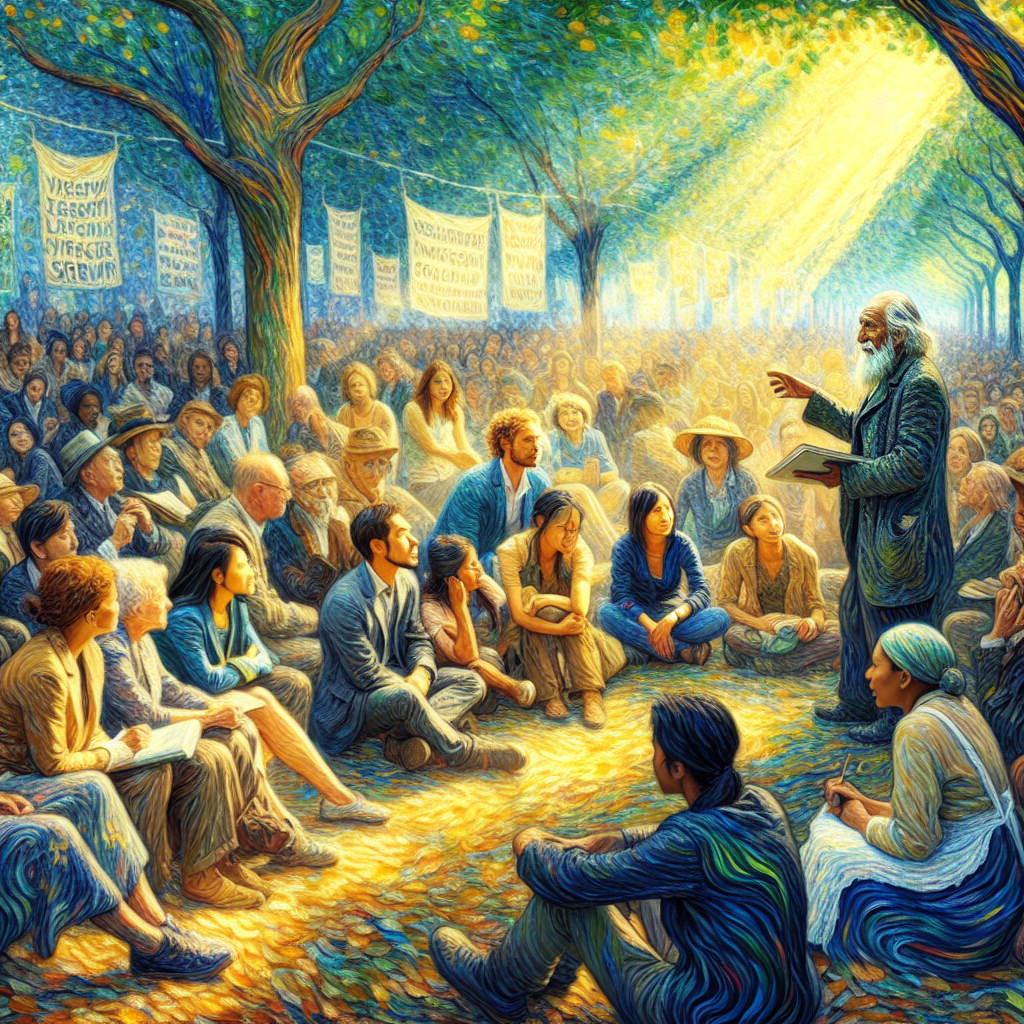
Imagine a world where knowledge isn’t hoarded, but freely shared; where each story told weaves a legacy of empowerment and growth. It’s not merely about passing on facts or skills; it’s about crafting connections that resonate deep within us. It’s about igniting a spark in someone that propels them towards their own greatness. That’s where the real power lies.
Legacy is not just what we accomplish but how we help others realize their potential. Think about the people in your life who took the time to invest in you; perhaps a mentor, a teacher, or even a stranger who stopped to share a crucial piece of advice at the right time. They didn’t just impart knowledge; they made you believe you were capable of something greater. When you hold onto that sense of responsibility, you become part of a chain reaction, a ripple in the fabric of humanity that allows others to thrive.
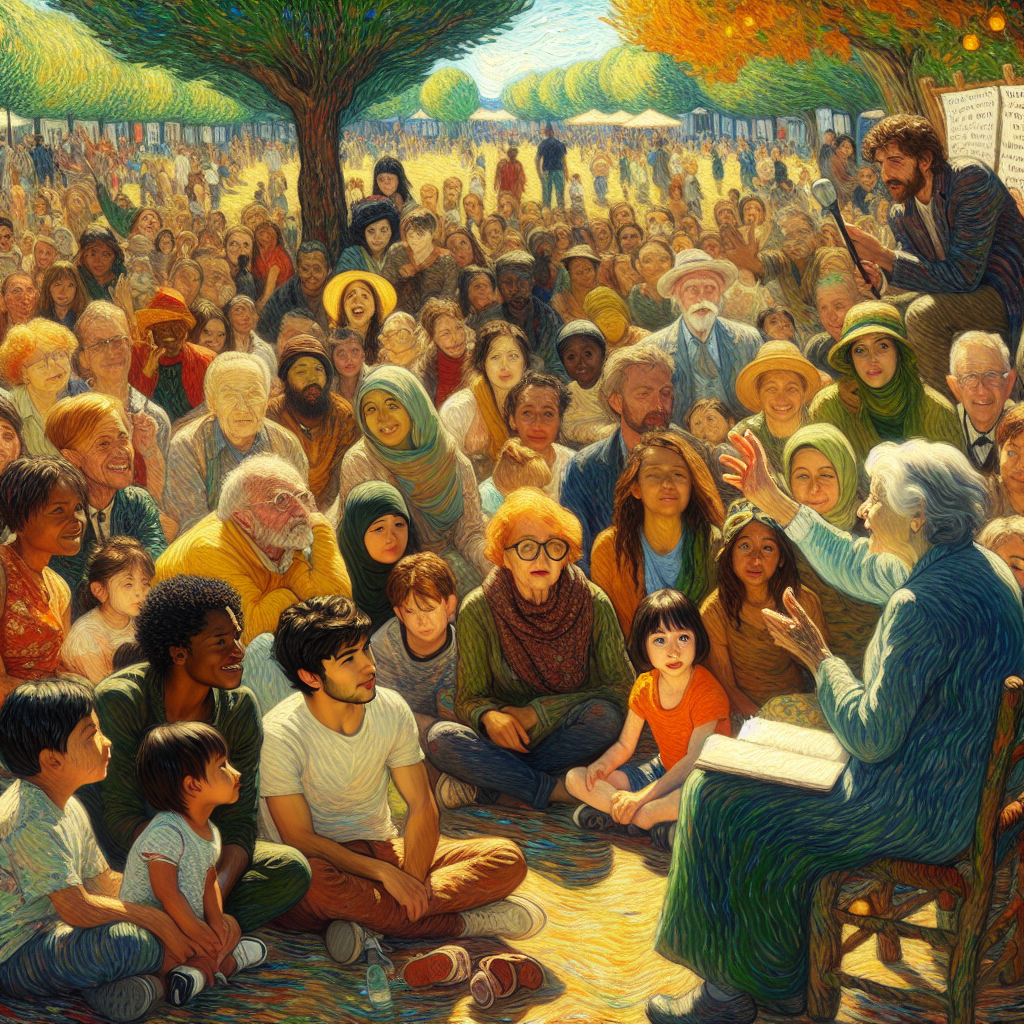
Storytelling serves as a bridge—the heart and soul of our experiences. They remind us we’re not alone in our struggles or triumphs. When we candidly share our own paths, with all bumps and detours, we let others know it’s okay to stumble along the way. The stories that truly resonate are not just about success; they’re about resilience. They speak to the gut, stirring feelings that compel us to take action. Engaging with others through narratives creates a culture of empathy and learning, helping to eliminate barriers that often hinder growth.
But sharing knowledge ethically also requires a sense of awareness. It’s essential to consider the motivations behind our actions. Are we simply ticking a box, or are we genuinely invested in fostering the growth of others? The simplest way to assess our approach is through the lens of authenticity. If we lead with our values and prioritize the needs of those we aim to help, we get closer to creating a positive impact.
So, how do we ensure that our knowledge-sharing isn’t just a one-way street? Engage with your community. Listen. Ask questions. Create spaces for dialogue. Consider how your skills can solve real problems for real people. In doing so, we cultivate a safer, more inclusive environment where everyone feels empowered to share their unique narrative—a narrative that has the potential to uplift us all. Together, let’s build a legacy worth sharing.
How Can We Ethically Share Knowledge to Empower Others?
How Can We Ethically Share Knowledge to Empower Others?
- Envision a world where knowledge is shared freely, fostering empowerment and growth.
- Legacy is measured not just by personal achievements but by helping others realize their potential.
- Mentors and individuals who invest time in us can ignite our belief in our own capabilities.
- Storytelling serves as a bridge that connects us through shared experiences of struggle and triumph.
- Resilient stories resonate deeply, encouraging empathy and acting as a catalyst for growth.
- Ethical knowledge-sharing requires awareness of our motivations and a commitment to authenticity.
- Engage with your community to create inclusive spaces for dialogue, fostering a culture of shared narratives.
How Can We Ethically Share Knowledge to Empower Others?
What Skills Have Shaped Your Identity and Made You Who You Are?
What skills have shaped your identity and made you who you are? It’s a question that, at first glance, seems simple. Yet, when you dig deeper, it becomes a profound exploration of your legacy—a tapestry woven from countless experiences, failures, and triumphs. Each thread tells a story, and every skill acquired becomes a chapter in your unique narrative.
Consider a skill you’ve honed over time. Perhaps it’s the precision of carpentry, the artistry of cooking, or the grit of perseverance. These skills don’t just fill your toolbox; they build character. They teach you discipline, patience, and the importance of showing up—lessons that resonate far beyond that one task. For instance, think back to the first time you failed at something you cared about. Maybe you began crafting furniture, only to watch your first project collapse under its own weight. Ouch! But what did that moment teach you? It taught you resilience.
This connection between skill and identity is what brings us together as humans. We all share those moments of triumph and defeat, creating a bond that runs deeper than surface-level interactions. When you share your legacy story with others, you tap into a shared language. They understand, they empathize, and before you know it, you’ve forged a connection that transcends mere acquaintance. It’s not about skill mastery; it’s about the journey and the lessons learned along the way—lessons that make you proud of your achievements but humble in your experiences.
Now, let’s talk ethics. Every skill comes with a responsibility. It’s not just about what you gain but what you give back. Consider the older tradespeople who mentor younger generations—passing on not just skills but wisdom, principles, and values. This is more than instruction; it’s the legacy they leave behind, shaping the next round of storytellers and craftsmen. When you invest in others, you broaden the impact of your skills, creating ripples that extend far beyond your immediate sphere.
So, what skills have shaped you? What legacy tales have you stitched into your life’s quilt? Reflecting on these questions doesn’t just inspire; it ignites action. Share your story, engage with others, and embrace the skills that have defined you. You might be surprised at the connections you uncover and the lives you touch along the way. Your story matters, and it’s time to tell it.

What Skills Have Shaped Your Identity and Made You Who You Are?
What Skills Have Shaped Your Identity and Made You Who You Are?
- The question of skills shaping identity prompts deep reflection on personal legacy.
- Skills learned over time, such as carpentry or cooking, contribute to character development.
- Experiences of failure, like a collapsed furniture project, teach resilience and other valuable lessons.
- Sharing stories of skills fosters connections and empathy among individuals, strengthening human bonds.
- Every skill brings ethical responsibility, emphasizing the importance of giving back to others.
- Mentorship by experienced tradespeople passes on not just skills but also wisdom and values.
- Reflecting on one’s skills and legacy can inspire meaningful action and connections with others.

What Skills Have Shaped Your Identity and Made You Who You Are?
How Can Family Archives Preserve Valuable Life Lessons for the Future?
Family archives serve as a treasure trove of legacy storytelling, inviting us to reconnect with our roots while illuminating the values that shaped those who came before us. Imagine sitting around a polished kitchen table, the aroma of freshly baked pie wafting through the air, as stories unfold—tales of perseverance in the face of hardship, of laughter shared between siblings, and of wisdom passed from one generation to the next. These moments aren’t just memories; they are life lessons waiting to be embraced.
At the heart of these archives lies our shared humanity, where stories transform from mere words into teachable moments. As we sift through yellowed letters, faded photographs, and handwritten journals, we unearth truths that resonate across time. Each snippet reveals not just the events of a life lived but the instincts and decisions that guided those lives. This is not just history; it’s a roadmap for the future, rich with insights that remind us we are not alone in our struggles.
From the rational perspective, family archives foster critical thinking about our own choices. They challenge us to examine what values we hold dear and whether we are honoring them. Consider the weight of knowing how your grandmother navigated the trials of her time—could her triumphs inspire your own journey through contemporary challenges? This connection builds confidence, proving that the foundations of resilience are often laid decades before we even take our first steps.
Ethically, engaging with our family narratives cultivates a sense of responsibility. By preserving these archives, we honor the sacrifices and dreams of our ancestors, acknowledging that the legacy we create today will echo in the stories told by our descendants. This act isn’t just about us; it’s about the collective human experience, about ensuring that wisdom isn’t lost but inherited.
When we share these stories with friends and family, we foster connection, creating communities grounded in shared experiences and understanding. In a world overwhelmed by digital noise, these personal histories stand as a quiet reminder of what truly matters: relationships, integrity, and the simple lessons that can guide us through the toughest of times. So, let’s dive deep into our family archives, for within them lies a wealth of knowledge that can guide not only our own lives but illuminate the paths of those yet to come.

How Can Family Archives Preserve Valuable Life Lessons for the Future?
How Can Family Archives Preserve Valuable Life Lessons for the Future?
- Family archives are valuable resources for legacy storytelling, helping us reconnect with our roots and recognize the values of our ancestors.
- These archives capture moments of perseverance, laughter, and wisdom, turning memories into life lessons.
- They reflect our shared humanity, transforming narratives into teachable moments that resonate through time.
- Engaging with family histories fosters critical thinking about our values and choices, encouraging personal reflection and growth.
- Understanding the experiences of ancestors can inspire present-day resilience and navigate contemporary challenges.
- Preserving family narratives instills a sense of responsibility, ensuring that the wisdom of the past is inherited by future generations.
- Sharing stories fosters connection and community, highlighting the importance of relationships and integrity in our lives.

How Can Family Archives Preserve Valuable Life Lessons for the Future?
What Impact Does Sharing Expertise Have on Our Collective Well-Being?
When we step into the arena of sharing our expertise, we’re not just exchanging knowledge; we’re weaving a complex tapestry of connection that can profoundly impact our collective well-being. Imagine a world where every skilled individual imparts their hard-earned wisdom, transforming not just lives but entire communities. This isn’t about superficial networking or cold professional exchange; it’s about legacy storytelling—crafting narratives that resonate through shared experiences.
Think back to a moment when an expert—a mechanic fixing your car, a teacher guiding your child, or a craftsman perfecting his craft—took the time to share not just their skills but their story. That connection you felt was more than just transactional; it struck a chord deep within your gut. It instilled a sense of confidence and allowed you to see the tangible value of skill and experience. Every time we share what we know, we create ripples that can build trust and inspire action, encouraging others to uncover their own capabilities.
Rationally speaking, consider the facts: communities that prioritize sharing expertise thrive. They experience lower unemployment rates, stronger civic engagement, and a sense of shared purpose that transcends individual ambitions. When we nurture a culture of collaboration, we not only bolster our own well-being but also elevate those around us. By inviting others into our journeys, we provide a sturdy bridge over the abyss of uncertainty that many face in today’s fragmented society.
Ethically, it becomes clear that we owe it to each other to share our insights and experiences. As custodians of knowledge, we hold the responsibility to uplift those who come after us, to leave a legacy that speaks to the hearts of future generations. Every workshop, every mentoring session, and every casual conversation is an opportunity to empower others and enrich our communities.
Lastly, think about the stories you share; they have the power to ignite passion and inspire change. When we tell our tales—victories, failures, and everything in between—we resonate on a human level, breaking down barriers and fostering connection. This is not just about education; it’s about cultivating a community where everyone has a seat at the table, where your expertise doesn’t just shine, but illuminates the path for others.
So let’s not hoard our knowledge like some precious gem locked in a vault. Instead, let’s break it open, share it, and watch as we collectively rise, transform, and thrive together. We’re all in this together, building a legacy that reflects the power of shared wisdom.

What Impact Does Sharing Expertise Have on Our Collective Well-Being?
What Impact Does Sharing Expertise Have on Our Collective Well-Being?
- Sharing expertise creates deep connections that enhance collective well-being.
- Every skilled individual has the potential to impart wisdom that transforms lives and communities.
- Meaningful exchanges are rooted in storytelling, creating lasting emotional impacts.
- Communities that prioritize knowledge sharing enjoy lower unemployment, stronger civic engagement, and a collective purpose.
- Inviting others into our journeys offers support and guidance amid societal uncertainties.
- We have an ethical obligation to share our knowledge, empowering future generations.
- Stories have transformative power, fostering community and inspiring change through shared experiences.

What Impact Does Sharing Expertise Have on Our Collective Well-Being?
Conclusion
In a world filled with the clamor of notifications and relentless distractions, the simple act of sharing skills emerges as a beacon of hope and connection. Each time we impart knowledge—whether it’s fixing a leaky sink or cooking a favorite family dish—we weave threads into a communal tapestry that binds generations. This isn’t just about functionality; it’s about building relationships that can weather life’s storms. Imagine the warmth around a dinner table, where storytelling transcends generations, transforming individual experiences into collective wisdom. These moments become the roots of our family archives, preserving invaluable lessons that shape who we are.
From the emotional perspective, consider the power of legacy storytelling. Each skill we pass down carries with it not just techniques but hard-earned values—perseverance, patience, and the importance of failure. As we share our own triumphs and setbacks, we offer more than knowledge; we ignite curiosity and foster resilience in those who follow us. This exchange becomes a sacred responsibility, reminding us that the act of teaching is an act of love. It empowers others, creating ripples that uplift entire communities.
On a rational level, societies that promote skill-sharing thrive. They experience stronger social bonds and heightened self-reliance, which translates into vibrant communities. When we teach, we empower—not just ourselves but our neighbors, friends, and families. By doing so, we are actively participating in a culture that values hard work and respect for craftsmanship, creating a legacy of dignity in labor.
However, ethical sharing is paramount. It means engaging authentically, being present, and prioritizing the needs of those we seek to help. It invites dialogue and fosters a sense of belonging, ensuring that everyone’s voice is valued. Think about it: what is a community but a collection of stories and shared experiences? By honoring and expanding these narratives, we create a space where each person can contribute their unique skills and wisdom.
As we embrace this journey of sharing expertise, let’s remember the stories that brought us to this moment. Let’s revive the traditions of our past while nurturing the seeds of future growth. In doing so, we craft a legacy that speaks not only to the skills we’ve acquired but also to the connections we’ve forged. So roll up those sleeves, gather your loved ones, and celebrate the transformation of knowledge into a living, breathing heritage that honors our journey and shapes generations yet to come. Together, we can cultivate a world rich in shared wisdom and connection, where every skill matters and every story counts.

Conclusion
Conclusion:
- Sharing skills fosters hope and connection in a distraction-filled world.
- Imparting knowledge builds relationships that can withstand life’s challenges.
- Storytelling at the dinner table transforms individual experiences into collective wisdom.
- Legacy storytelling conveys not only techniques but also values like perseverance and resilience.
- Communities that promote skill-sharing experience stronger social bonds and self-reliance.
- Ethical sharing involves authenticity, presence, and valuing everyone’s voice in the community.
- Crafting a legacy of knowledge and connection enriches future generations and honors our past.

Conclusion
Other Resources

Other Resources
Here is a list of other resources you can review online to learn more:
- FutureMe
- Your Digital Afterlife
- Memorial Matters
- GhostMemo
- RootsMagic
- Funeral Services Guide
- Xarona
- LastPass
- Obituary Templates
- FindMyPast
- LifeSite
- ForeverMissed
- LegalNature
- UpCounsel
- Digital Legacy Association
- Geni
- DocuBank
- LivingDNA
- WishesKeeper
Use This Prompt To Get More Resources With Your Favorite Online AI Tool: Please provide me with a list of online articles with their URLs in a bulleted list that I can read regarding From Youtube to Family Archive – Sharing Skills That Matter

Other Resources
Glossary Terms
From Youtube to Family Archive – Sharing Skills That Matter – Glossary Of Terms
1. YouTube: A popular online video-sharing platform where users can upload, view, and share videos on various topics.
2. Content Creation: The process of producing informative or entertaining material for media platforms, including videos, blogs, and social media.
3. Digital Archives: Collections of digital materials that preserve and provide access to information, often including photographs, videos, and documents.
4. Skills Sharing: The act of teaching or demonstrating skills and knowledge to others, often through workshops or online platforms.
5. Family Archive: A collection of family-related documents, photos, and videos that preserve personal histories and memories.
6. Video Editing: The process of manipulating and arranging video footage to create a finished project, including cutting, adding effects, and incorporating audio.
7. Vlog: A video blog where individuals share personal experiences, thoughts, or tutorials, typically in a casual format.
8. Workflow: A sequence of processes or actions involved in producing and managing content, from planning to publishing.
9. Branding: The creation of a distinct identity and image for a product, service, or individual, especially relevant in content creation.
10. SEO (Search Engine Optimization): Techniques used to improve a website’s visibility and ranking on search engines, crucial for driving traffic to videos.
11. Audience Engagement: The interaction between content creators and their viewers or followers, often measured by comments, shares, and likes.
12. Metadata: Data that provides information about other data, often used to categorize and enhance the discoverability of content.
13. Online Community: A group of individuals who interact and share interests through digital platforms, including forums and social media.
14. Tutorial: An instructional video or guide that teaches viewers how to perform a specific task or skill.
15. Livestreaming: Broadcasting real-time video content over the internet, allowing immediate viewer interaction.
16. Editing Software: Programs used to edit videos, add effects, and produce content, examples include Adobe Premiere and Final Cut Pro.
17. Content Strategy: A plan that outlines how to create, publish, and manage content to achieve specific goals, such as audience growth or brand awareness.
18. Influencer: A person who has the power to affect the purchasing decisions of others because of their authority or popularity in a particular niche.
19. Digital Literacy: The ability to effectively find, evaluate, use, and create information using digital technologies.
20. Video Monetization: The process of earning revenue from video content, typically through advertising, sponsorships, or subscriptions.
21. Channel Branding: The visual and thematic elements that define a creator’s YouTube channel, including logo, banner, and video style.
22. Documentary: A non-fiction film or video that provides a factual report on a specific subject, often used for educational purposes.
23. Social Media Marketing: The use of social media platforms to promote content, engage audiences, and drive traffic to a primary website or channel.
24. Archiving: The process of collecting and preserving digital content for future reference, ensuring that it is stored securely and accessibly.
25. Skill Development: The enhancement of skills through practice, education, or training, particularly with digital tools and technology.
26. Curation: The act of selecting and organizing content from various sources for a specific purpose or audience.
27. Storytelling: The art of using narrative techniques to communicate a story or message, a key component in engaging video content.
28. Tutorial Series: A collection of instructional videos that focus on a specific topic, allowing viewers to learn progressively.
29. User-Generated Content: Any form of content, such as videos, blogs, or posts, created by users rather than brands, fostering community involvement.
30. Content Distribution: The methods and channels used to share and promote content to reach a wider audience, including social media, email, and collaborations.

Glossary Of Terms
Other Questions
From Youtube to Family Archive – Sharing Skills That Matter – Other Questions
If you wish to explore and discover more, consider looking for answers to these questions:
- How can individuals start their own family archives for skill sharing?
- What types of skills are considered essential for passing down?
- What are some examples of storytelling techniques that enhance skill-sharing?
- How can technology aid in documenting and sharing family skills?
- What are the benefits of sharing life lessons beyond family settings?
- How can we encourage younger generations to engage in skill-sharing?
- What challenges might arise when trying to share skills within a family?
- How can communities organize skill-sharing events or workshops?
- What role do mentors play in the passing down of skills?
- How does sharing skills contribute to social cohesion in communities?
- What methods can be used to assess the effectiveness of skill-sharing initiatives?
- How do cultural backgrounds influence the types of skills that are shared?
- What are the ethical considerations in choosing which skills to share?
- How can adults who didn’t learn skills in their youth begin to share knowledge at a later stage?
- How can skill-sharing help address gaps in education and employment?

Other Questions
Haiku
From Youtube to Family Archive – Sharing Skills That Matter – A Haiku
Wisdom shared through hands,
Stories weave our legacies,
Skills bind hearts and homes.

Haiku
Poem
From Youtube to Family Archive – Sharing Skills That Matter – A Poem
In a world of fleeting clicks and screens so bright,
A legacy dwells, woven in soft, gentle light.
Through tales of skill shared, from hand to hand,
Connections bloom, like flowers across the land.
Gather round the table, where stories unfold,
Of fixing a leak or of recipes old.
Each lesson a thread in the fabric of kin,
With love and patience, a legacy begins.
You don’t need to master each craft you bestow;
Simple acts of sharing let confidence grow.
From kitchen to workshop, the cycle extends,
In every young heart, the spark of skill blends.
Imagine those moments—grandparent and child—
Where laughter rings out, and curiosity’s wild.
In teaching, we touch on more than just know-how,
We nurture resilience, we savor the now.
Each story empowers, igniting the soul,
Encouraging others to strive for their goal.
With tools of a trade and wisdom to lend,
Our choice to share knowledge can strengthen, can mend.
Ethics remind us, we gather not just to own,
But to pass down the kindness, the struggles we’ve known.
Through archives of family, we cherish the past,
Ensuring those lessons on earth will endure, last.
So let’s welcome the call, share skills, make it real,
Craft a world where connection is woven with zeal.
In sharing our journeys, we nurture both trust,
A communal foundation, transforming our just.
Embrace every story; let the narratives flow,
For within each life lesson, abundance can grow.
Together we rise, in a chorus of grace,
A legacy built by our heart, head, and embrace.

Poem
Checklist
From Youtube to Family Archive – Sharing Skills That Matter – A Checklist
Checklist for Sharing Skills and Creating a Legacy
Emotional Appeal (Heart)
_____ Reflect on a cherished skill you learned from a family member. How did it shape your identity?
_____ Recall a moment when you shared a skill or knowledge. How did it impact your relationship with that person?
_____ Consider a story you can share that illustrates the importance of a skill in your life. What emotions does it evoke?
Rational Appeal (Head)
_____ Identify three practical skills you possess that could benefit others (e. g. , cooking, repair work, gardening).
_____ List specific scenarios where sharing these skills could enhance resilience in your family or community.
_____ Analyze how shared skills can contribute to self-sufficiency and confidence in future generations.
Ethical Appeal
_____ Reflect on the responsibility you have to share your knowledge. Who can benefit from your skills and insights?
_____ Consider how hoarding knowledge could negatively impact future generations. What can you do to remedy this?
_____ Think about how sharing your skills aligns with your core values of collaboration and generosity.
Authority Appeal
_____ Research a mentor or creator whose skill-sharing has impacted you or your community. What can you learn from their approach?
_____ Seek out or establish a local group that focuses on skill-sharing. How can these shared experiences build community trust?
_____ Identify an expert in your field. How can you engage with them to improve your own skill-sharing practices?
Narrative Appeal
_____ Write down a personal story related to a skill you learned and how it has influenced your life. What key lessons does it convey?
_____ Encourage someone in your family to share a story about a skill they learned. What insights can be gained from their narrative?
_____ Create a family archive that highlights significant skills and the lessons associated with them. What stories are essential to include?
Social Appeal (Gut)
_____ Initiate a conversation in your family about skills that are valued. How do these conversations strengthen relationships?
_____ Identify a community event where skill-sharing can take place. How can participation in such events contribute to collective well-being?
_____ Encourage your peers to share their skills with you. How can fostering an environment of openness enrich your social connections?
Action Steps
_____ Choose a skill to teach a family member. Set a date and prepare materials needed for the lesson.
_____ Document a skill-sharing experience. Reflect on the emotional and relational impacts it had on you and the learner.
_____ Create a plan to regularly engage with your community through skill-sharing workshops or storytelling sessions. What positive changes can this bring?

Checklist
At LegacyExplorations, we help people plan and explore their legacy by collecting information and news regarding end-of-life planning.
Please share this post with your friends, family, or business associates who may want help to plan or explore their legacy.