

Protecting Your Digital Legacy: A Gen X Approach
By Tom Seest
At LegacyExplorations, we help people plan and explore their legacy by collecting information and news regarding end-of-life planning.
Please share this post with your friends, family, or business associates who may want help to plan or explore their legacy.
Gen X Guide to Privacy After Death – Email, Texts and More
When contemplating the topic of privacy after death, it’s easy to feel a chill run down your spine. What will happen to your emails, texts, and digital footprints when you kick the bucket? This isn’t just about technology—it’s a matter of legacy storytelling. It’s the final chapter of your story, and like any good writer, you want to ensure it resonates with your loved ones.
Picture this: your family sifting through your online accounts, trying to piece together the fragments of your life. They stumble upon emails filled with heartfelt messages, or texts that share your deepest fears and dreams. For many, this could be a comforting reminder of your essence. But, let’s face it, it could also lead to unintended consequences. Imagine an unresolved conflict surfacing or a sensitive document leaked at a critical moment. Your digital imprints can guide your loved ones or lead them astray.
Ethically, many of us believe in the sanctity of privacy—even after we’re gone. It’s about respecting the spaces we’ve occupied, the secrets we held, and the relationships we nurtured. You wouldn’t want just anyone rifling through your personal thoughts or unfinished business, right? By taking control of your digital afterlife, you protect your loved ones from the potential emotional upheaval of unintentional revelations.
Emotionally, our connections matter. When you embark on legacy storytelling, you’re crafting a narrative that envelops the people you care about in warmth and understanding. Share the triumphs and missteps; let them know they’re not alone in their struggles. In doing this, you create a meaningful dialogue that extends beyond your lifetime.
Now, let’s get practical. Designate a trusted individual as your digital executor—someone who understands the fine balance between preserving your privacy and sharing the valuable lessons of your life. Provide them with guidance on what to keep, what to delete, and how to manage your online presence.
Lastly, consider your online platforms. Take the time to understand their policies and plan accordingly. This is the gutsy side of legacy storytelling; it empowers you to dictate how your story is told, even after you’re no longer here to tell it.
Remember, it’s about crafting a narrative that reflects who you are, leaving behind not just remnants of your life but a roadmap of love and wisdom for those you leave behind. Your digital legacy deserves just as much care as the memories you share face-to-face. The ultimate goal? Inspire trust and confidence in those who will carry on your story.

Gen X Guide to Privacy After Death – Email, Texts and More
Gen X Guide to Privacy After Death – Email, Texts and More
- Contemplating privacy after death raises concerns about the fate of digital footprints like emails and texts.
- Your digital legacy is a crucial part of your final story, impacting how loved ones remember you.
- Finding comfort or facing challenges, family may encounter sensitive information left behind.
- Respect for privacy after death is vital to protect personal thoughts, secrets, and relationships.
- Legacy storytelling creates a lasting emotional connection and dialogue with loved ones.
- Designate a trusted digital executor to manage your online presence and balance privacy with meaningful sharing.
- Understand online platform policies to effectively plan your digital legacy and ensure its faithful representation.

Gen X Guide to Privacy After Death – Email, Texts and More
Table Of Contents
- Gen X Guide to Privacy After Death – Email, Texts and More
- How Do You Want Your Digital Legacy to Be Remembered?
- What Steps Can You Take to Protect Your Privacy Now?
- Are Your Loved Ones Aware Of Your Digital Preferences?
- How Would You Feel About Your Private Messages Being Shared?
- What Ethical Responsibilities Do We Have to Deceased Individuals?
- How Can Technology Help Manage Your Online Presence Posthumously?
- What Are the Consequences Of Ignoring Your Digital Footprint?
- Conclusion
- Other Resources
- Glossary Of Terms
- Other Questions
- Haiku
- Poem
- Checklist
How Do You Want Your Digital Legacy to Be Remembered?
In a world buzzing with digital noise, it’s easy to forget that each post, photo, and tweet we leave behind contributes to our legacy—a digital tapestry we weave whether we’re aware of it or not. Think about that for a moment. What do you want that tapestry to look like? What story do you want it to tell long after you’re gone? Legacy storytelling isn’t just for the rich and famous; it’s for everyone, and it begins with the choices we make today.
Picture this: Your kids, your grandkids, or even a stranger scrolling through a digital archive, sharing moments that define who you were. Will they see photos of family gatherings, laughter, and joy? Or will they stumble upon snarky comments and bitter disputes? Each digital footprint matters, shaping the impressions you leave behind. It’s not just about being remembered; it’s about being remembered for the right reasons, and that’s a responsibility we should all embrace on a moral level.
This goes beyond the sentimental; it speaks to who we are. When we consciously craft our digital personas, we recognize the power of our words and actions. The ethical implications are profound. By choosing to uplift rather than deride, we add to a legacy built on kindness, resilience, and connection. People gravitate toward authenticity, and when we lay bare our struggles along with our successes, we cultivate a shared experience that resonates deeply with others.
And let’s not forget the gut feeling this sparks. Everyone wants to belong, to know their life has mattered. No one wants to look back and wonder, “What if?” Take action now; start a blog, share your thoughts, or even create a digital scrapbook for your loved ones. Remember that your story could be the guiding light for someone else’s journey.
This isn’t a call for perfection; it’s an invitation to be real. Embrace the narrative of your life. Share your mistakes and victories alike, and build a foundation of trust with those who come after. You’ve got a unique legacy to share, so don’t hesitate. The world is waiting to hear your story, and once it’s out there, it will live on long after you’ve signed off. Let it echo with love, authenticity, and connection—because that’s how you want to be remembered.

How Do You Want Your Digital Legacy to Be Remembered?
How Do You Want Your Digital Legacy to Be Remembered?
- Every digital post contributes to a personal legacy—a tapestry we weave unknowingly.
- Future generations may review our digital footprints; choices made today shape this legacy.
- Legacy storytelling is for everyone, not just the rich and famous, and begins with our actions.
- Our digital persona should reflect values like kindness, resilience, and authenticity.
- Sharing both struggles and successes fosters a deep connection with others.
- This is an invitation to share your life narrative, not a call for perfection.
- Your story can inspire others; let it be filled with love and connection for an enduring legacy.

How Do You Want Your Digital Legacy to Be Remembered?
What Steps Can You Take to Protect Your Privacy Now?
When it comes to protecting your privacy, it begins with understanding the power of Legacy Storytelling. Imagine your story—your life’s narrative—laid bare for the world to see. It’s a discomfort some of us brush aside, believing it won’t happen to us. Yet, the truth is, our data is a part of us, and once it’s out there, it can change the entire course of our stories.
Start by taking inventory. Look around your digital landscape. Are your social media profiles public? Do your friends have access to information that you wouldn’t want strangers to see? Think about it: each photo, each post, each comment can tell a story about you that doesn’t align with the narrative you want to share. That’s the gut punch of this digital age; it’s a constant reminder that every click and keystroke adds a chapter to your personal saga.
Next, turn your attention to your online accounts. A strong password is akin to a sturdy lock on the door of your home. Use a mix of upper and lowercase letters, symbols, and numbers. Change them routinely. Look into two-factor authentication; it’s the digital equivalent of having a trusted friend check your property while you’re away.
The ethical imperative here isn’t just about you; it’s about the legacy you’re crafting for those who come after you. Consider how your choices today affect not only your own narrative but also that of your family, loved ones, or even your community. Do you want your story to be one of carelessness, or would you prefer a tale of vigilance?
Beyond individual actions, foster a sense of social responsibility. Talk to your friends and family about privacy—make it a topic of your conversations. Share your discoveries, warn one another about potential pitfalls, and celebrate the victories when you make it through unscathed. Each of us carries the weight of our own stories, but together, we can construct a community that values privacy.
Taking these steps not only secures your personal space but also strengthens the fabric of our collective narrative. You have the power to shape your own story—don’t let someone else dictate what that looks like. Empower yourself and those around you. It’s time to take action.

What Steps Can You Take to Protect Your Privacy Now?
What Steps Can You Take to Protect Your Privacy Now?
- Protecting your privacy starts with understanding the importance of Legacy Storytelling.
- Consider your digital footprint; assess the privacy settings of your social media profiles.
- Be mindful of the information shared by friends that could expose personal details to strangers.
- Secure your online accounts with strong, unique passwords and consider two-factor authentication.
- Understand that your choices today impact not only your narrative but also that of your loved ones.
- Encourage discussions about privacy with friends and family to build a collective awareness.
- Take proactive measures to shape your own story and foster a community that values privacy.

What Steps Can You Take to Protect Your Privacy Now?
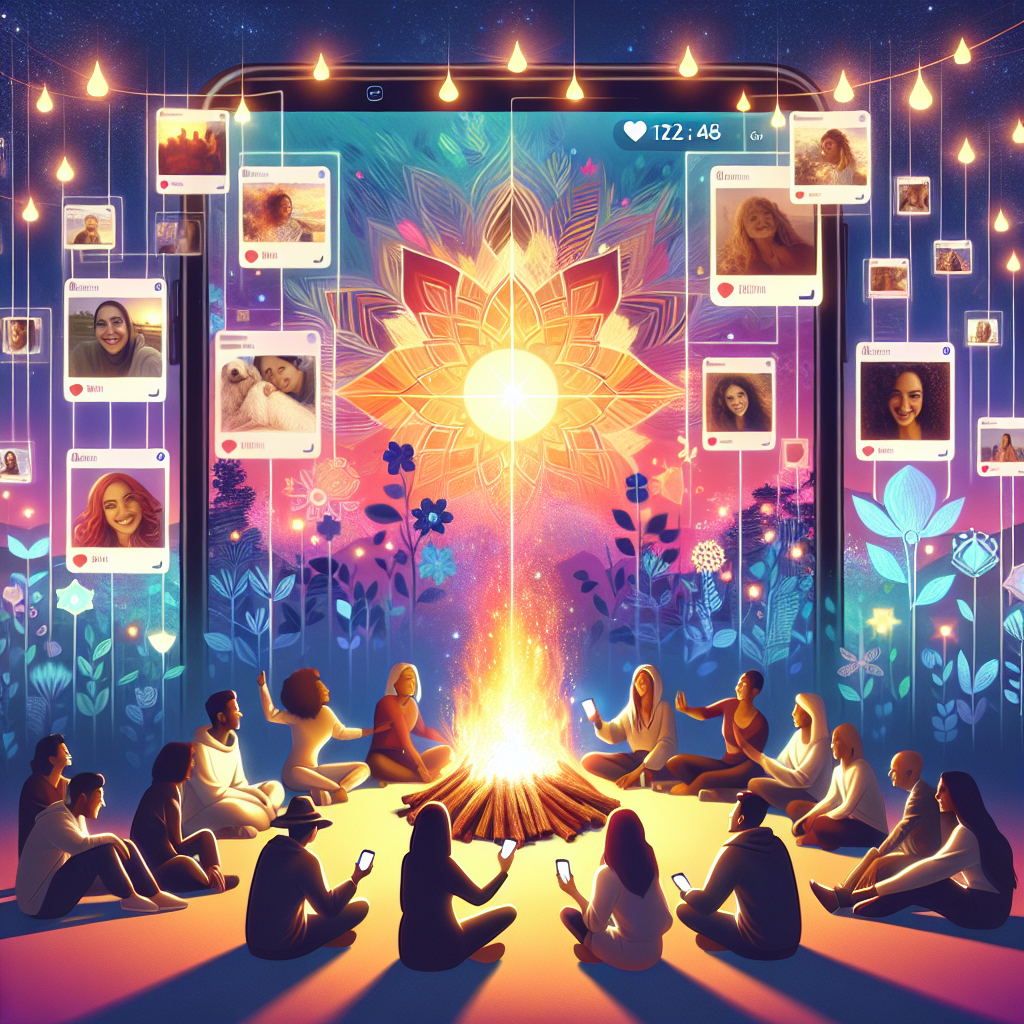
Are Your Loved Ones Aware Of Your Digital Preferences?
In the quiet corners of our digital lives, we often forget that what we create and share doesn’t just evaporate into the ether; it becomes part of our legacy. Legacy storytelling isn’t just a buzzword; it’s the narrative we craft for those we leave behind. But have you ever paused to consider — do your loved ones truly understand your digital preferences?
Think about it. In our fast-paced world, our online presence often speaks volumes about who we are and what matters to us. Yet, many of us zip through life leaving behind trails of pictures, posts, and messages without giving our family members the roadmap they might need as they navigate our digital footprint. Imagine the emotional weight of a loved one sifting through your social media, trying to piece together your passions, preferences, and values from a patchwork of digital artifacts. It’s like reading a book with missing pages.
From a rational standpoint, clarity in your digital preferences can simplify life for your loved ones during times of grief. What platforms do you want your memories shared on? Are there posts or messages you’d prefer to be kept private? Communicating these preferences not only alleviates the burden on those left behind but also empowers them to honor you as you wish. It’s a one-act play where clarity leads to comfort.
Ethically, this conversation is crucial. You have the opportunity to shape your narrative, guiding how your story unfolds in the digital realm. Every meme, every profound quote, and every hilarious photo captures a piece of your identity. Sharing your thoughts about what should remain or what should be deleted is not only generous — it’s vital.
Now, let’s connect on a more personal level. When was the last time you sat down with your loved ones and discussed these digital snippets that represent so much of who you are? Let’s not wait for a time of tragedy to foster these conversations. Remember that every family has its unwritten stories. By addressing your digital preferences, you give your relatives an invitation to know you better, even after you’re gone.
In the grand tapestry of life, your digital preferences are threads waiting to be woven. So take the time, share your insights, and help create a legacy that shines brightly, ensuring your story continues to inspire and connect long after you’ve logged off.

Are Your Loved Ones Aware Of Your Digital Preferences?
Are Your Loved Ones Aware Of Your Digital Preferences?
- Digital creations are part of our legacy and should be thoughtfully managed.
- Legacy storytelling helps loved ones understand our personal narratives and preferences.
- A cluttered digital presence can complicate the emotional process for those left behind.
- Clarifying digital preferences simplifies matters for loved ones during grief and loss.
- Communicating wishes for sharing or deleting digital content empowers families and honors individual legacies.
- Conversations about digital snippets should happen proactively, not just in times of tragedy.
- Your digital preferences are essential threads in the tapestry of life, shaping ongoing connections.
Are Your Loved Ones Aware Of Your Digital Preferences?
How Would You Feel About Your Private Messages Being Shared?
Imagine for a moment that every intimate thought you’ve ever shared in a private message was suddenly on display for the world to see. Your hopes, fears, and dreams, all laid bare. It’s a chilling thought, isn’t it? The reality is, we live in an age where our digital footprints are as permanent as a tattoo—each text, photo, or comment a potential part of our legacy. Legacy storytelling isn’t just about grand tales; it’s also about the quiet moments, the whispers shared in the confines of a screen that capture the essence of who we are.
Now, let’s engage the heart. Think about those late-night confidences shared with a friend. Vulnerabilities expressed in moments of raw honesty. When we message, we trust. We open up in ways we wouldn’t in person, knowing that the screen provides a cloak of safety. But what if that safety net suddenly vanished? When you consider privacy, it’s about more than security; it’s about connection, about the sacredness of sharing our most authentic selves without fearing judgment or betrayal.
From a rational standpoint, the risk is clear. Companies and platforms we rely on often reshape our personal narratives without consent. Data breaches and misuse of information have become all too common, fostering a climate of distrust. Why should we accept that trade-off? Why should our most personal communications be fodder for profit or scrutiny? When we allow this to happen, we erode our ethical boundaries and undermine our very humanity.
Imagine the stories that could be lost forever—the laughter, the lessons learned, the bonds forged. This isn’t just about messages; it’s about what we stand to lose as a community. Trust is the backbone of relationships, and sharing your private messages threatens to fracture that foundation.
There’s authority in our resilience. We have the power to demand transparency and accountability from those who govern our digital spaces. By advocating for privacy, we’re not just protecting ourselves; we’re laying the groundwork for a future where everyone can communicate freely.
So let us foster a collective conversation. Share your thoughts, voice your concerns, and connect with others. When we unite to protect our shared narratives, we can ensure that legacy storytelling flourishes in a way that respects our individuality while connecting us all. The heart, the head, and the gut—let’s engage them all for the sake of our private selves.

How Would You Feel About Your Private Messages Being Shared?
How Would You Feel About Your Private Messages Being Shared?
- The digital age has rendered our personal messages akin to public declarations, with lasting impacts on our privacy.
- These messages capture the essence of our identities and intimate moments shared with others.
- Messages offer a sense of safety, allowing us to express vulnerabilities that might not occur face-to-face.
- Privacy issues extend beyond security; they influence trust and the authenticity of our connections.
- Data breaches and unauthorized use of personal information undermine trust and ethical boundaries.
- The act of sharing private messages can jeopardize essential community bonds and relationships.
- Advocating for privacy is crucial for building a future where respectful communication can thrive and individual narratives are honored.

How Would You Feel About Your Private Messages Being Shared?
What Ethical Responsibilities Do We Have to Deceased Individuals?
When we think about those who have passed on, the weight of what they left behind can be profound. Each life tells a story—a narrative woven through love, struggle, triumph, and loss. These legacies are much more than just memories; they are the fingerprints of values, beliefs, and aspirations that shape the world we continue to inhabit. Honoring the ethical responsibilities we have to deceased individuals is not just about remembrance; it’s about preserving their legacy and ensuring their voices resonate beyond the grave.
Think about it: every time you recall a cherished moment with someone who has passed, you’re engaging in a form of legacy storytelling. It’s a powerful act—one that connects us to our shared humanity. Yet, as we navigate this delicate terrain, we must approach it with respect and care. Our responsibility doesn’t end with mourning; it extends into how we tell their stories. The way we represent their lives—honestly and authentically—reflects not just on them, but also on us. It’s a call to uphold moral integrity, recognizing that we are stewards of their history, not mere narrators of convenience.
Rationally speaking, our ethical obligations are rooted in the understanding that the memories we share and the stories we tell contribute to our collective identity. They shape societal narratives, influence generations, and provide a moral framework for how we understand ourselves and others. Consider the impact of a well-told story: it can inspire someone to action, enkindle change, or even foster healing. The weight of this responsibility cannot be overstated.
Moreover, ethically, we must respect the dignity of deceased individuals. This means being mindful of how their complexities—flaws and virtues alike—are portrayed. It’s an invitation to engage with their lives fully, allowing their experiences to guide how we connect not only with them but with one another. This is where social accountability comes into play; in a way, the legacy of the departed becomes a tapestry that binds the living together.
So, as we reflect on our responsibilities toward those who have passed, let’s strive to keep their stories alive not just in our hearts, but in our actions, ensuring that they continue to inspire trust, confidence, and love in a world that desperately needs it. Let us honor them in a way that transcends time, for their legacies are the markers of who we are and who we aspire to be.

What Ethical Responsibilities Do We Have to Deceased Individuals?
What Ethical Responsibilities Do We Have to Deceased Individuals?
- Every life tells a unique story encompassing love, struggle, triumph, and loss.
- Legacies comprise values, beliefs, and aspirations that influence our current world.
- Honoring deceased individuals involves preserving their legacy and ensuring their voices endure.
- Recalling cherished memories is a form of legacy storytelling that connects us to our shared humanity.
- We must tell their stories with honesty and authenticity, reflecting our moral integrity.
- Our ethical obligations include respecting the complexities of their lives, portraying flaws and virtues alike.
- Keeping their stories alive inspires trust and love, transcending time and shaping our collective identity.

What Ethical Responsibilities Do We Have to Deceased Individuals?
How Can Technology Help Manage Your Online Presence Posthumously?
Imagine leaving behind not just memories, but a legacy that speaks long after your voice has faded. With the explosion of technology, managing your online presence posthumously has transformed from a daunting task into a remarkable opportunity for Legacy Storytelling. Think for a moment about the times we’ve heard the stories of those who came before us—those intricate tales woven from experiences, lessons learned, and heartfelt moments. Technology, when harnessed thoughtfully, allows us to script our own narratives and ensure they resonate for generations to come.
Start with social media. Platforms like Facebook and Instagram now offer tools that allow you to curate a digital afterlife. By designating trusted individuals to manage your accounts, your stories, photos, and wisdom can continue to be shared, sparking conversations and connections even when you’re no longer there to share them yourself. You can script your digital future, one post at a time—even providing directives on sharing your experiences, values, and dreams.
Picture that, an archive of your life—a collection of lessons learned. Whether it’s through a blog that captures family recipes passed down like heirlooms or video messages recorded during moments of reflection, every bit contributes to the narrative you leave behind. Combining deeply personal storytelling with the sheer accessibility of technology means your essence can reach out and touch loved ones during times of grief, guiding them through their sorrow with joy found in your shared moments.
Ethically, there’s a responsibility in how we present ourselves online. Craft your legacy thoughtfully, preserving not just the highlight reel but the nuanced reality of being human—the failures, the triumphs, and everything in between. This authenticity fosters deeper connections, inviting those left behind to not just mourn, but to celebrate a life fully lived.
Furthermore, consider the ripple effect. Each life story encapsulated online has the power to inspire and uplift, to create a community that upholds your values and ideals. The digital age allows our legacies to intertwine, encouraging conversations that might have otherwise been lost to time.
So, as you reflect on your life, ask yourself: What stories do I want to leave behind? Harness technology to capture your essence and ensure your voice remains a part of the ongoing dialogue of life—a powerful testament to the human experience. It’s not just about being remembered; it’s about being recognized in a way that only you can tell.

How Can Technology Help Manage Your Online Presence Posthumously?
How Can Technology Help Manage Your Online Presence Posthumously?
- Leave behind a legacy that resonates long after you are gone, utilizing technology for Legacy Storytelling.
- Social media platforms allow curation of a digital afterlife, enabling sharing of stories, photos, and wisdom posthumously.
- Create an archive of life experiences through blogs, videos, and reflections that guide loved ones in times of grief.
- Present an authentic portrayal of life, including failures and successes, to foster deeper connections with those you leave behind.
- Your online legacy has the potential to inspire others and create a community that reflects your values and ideals.
- Encourage ongoing conversations and connections through your digital footprint, ensuring your voice is part of life’s dialogue.
- Reflect on the stories you want to share, capturing your essence for future generations.

How Can Technology Help Manage Your Online Presence Posthumously?
What Are the Consequences Of Ignoring Your Digital Footprint?
In a world where every click and keystroke etches itself onto the vast canvas of the internet, ignoring your digital footprint is like leaving your front door wide open in a neighborhood filled with nosy neighbors. You might think you’re being clever, that you can dash in and out without anyone noticing. But the truth? Your digital legacy is a story—your legacy storytelling—crafted by choices you might not even remember making.
Consider this: each time you share a moment, rant about a bad day, or celebrate a win online, your words ripple outward, shaping perceptions long after you’ve clicked “post.” Think about your future self, a decade down the line. What will you find when you Google your name? A treasure trove of nostalgic memories or a minefield of regrets? Disturbingly, we often neglect to ponder the long-term implications of our online actions, choosing instead to live in the now. Rationally, this is a gamble; every unchecked box on a privacy policy or impulsive share takes you one step closer to a reputation that may not reflect who you are.
Ethically, are we okay with what we’ve laid out there for the world to scrutinize? Every article we read, every post we share, contributes to a collective judgment. Employers, partners, friends—all will form opinions based on snippets of life that might bear little relation to your true character. The cost of this digital negligence is real and profound. It can shape opportunities, alter relationships, and define identities.
But let’s get down to the heart of the matter. Picture your loved ones looking through your digital archives, searching for the essence of who you were—what will they discover? Access to your humor, wisdom, hopes, and dreams, or a trail of regret and misunderstandings? Your story is unfolding, both online and offline, and it’s about time we start telling it wisely and honestly.
We are all part of a larger narrative, woven together by our interactions and experiences. Take charge of the story you want to tell. Protect it, curate it, and don’t just let it happen by chance. Your digital footprint is your voice—the one you’re crafting for generations to hear. Don’t let it be a whisper; make it a resounding echo that reflects the best version of who you are.

What Are the Consequences Of Ignoring Your Digital Footprint?
What Are the Consequences Of Ignoring Your Digital Footprint?
- Every online action contributes to your digital footprint, much like leaving your front door open.
- Your digital legacy is shaped by choices that may not always be memorable.
- Future reflections on your online presence could reveal either cherished memories or significant regrets.
- Neglecting the long-term impact of your online actions is a risky gamble.
- Your online activities influence how others perceive you, affecting relationships and opportunities.
- Consider what your loved ones might find in your digital archives regarding your essence and true character.
- Take control of your narrative; curate your digital footprint to resonate positively for future generations.

What Are the Consequences Of Ignoring Your Digital Footprint?
Conclusion
Navigating the waters of our digital legacy isn’t merely an act of organizing files or adjusting privacy settings; it’s a profound opportunity to shape how we are remembered. For Generation X, who have seen the world transition from analog to digital, this is a uniquely urgent task. Each email, text, and post contributes to a tapestry that represents our lives—even when we’re not around to weave it ourselves. This is more than just about data—it’s about leaving behind a narrative that our loved ones can cherish, learn from, and connect with.
Imagine the turmoil your family could face while picking through the remnants of your online presence without guidance. Your digital footprint can evoke comfort or chaos. The stakes are high: unresolved conflicts could resurface, while cherished memories might fade into obscurity if left unaddressed. Ethically, we owe it to those we love to craft an honest representation of ourselves—our triumphs and struggles—to lift the burden of piecing together a fragmented version of who we were.
The emotional aspect is equally critical. When we approach legacy storytelling with intention, we create opportunities for connection that resonate beyond our lifetimes. This isn’t about crafting a perfect narrative; it’s about being real, relatable, and authentic. Our experiences, shared openly, create dialogues that bridge generations. This empowerment extends to choosing digital executors wisely—individuals who know us well enough to balance our privacy with the meaningful lessons of our lives.
Rationally, it’s evident that technology can aid in safeguarding our legacies. Social media platforms now offer tools to manage our accounts posthumously, allowing us the chance to narrate our lives even when we’re not there to share in the conversations. A blog, a scrapbook, or a digital archive can serve as a conduit for our thoughts and values, providing clarity and comfort to those we leave behind.
Engaging in these discussions with loved ones about our digital preferences and choices fortifies interpersonal bonds. Let’s not shy away from addressing what we want to keep or share; it’s an act of love. Ultimately, our narratives matter, shaping both our legacy and the fabric of the community around us. A strong digital legacy stands as a testament to who we are—a roadmap of love and wisdom, echoing our lives long after we’ve logged off. It’s time to take control and craft the story you want told—a story that reflects the very best of who you are.

Conclusion
Conclusion:
- Navigating digital legacy involves more than organizing files; it’s about shaping how we are remembered.
- Generation X faces the urgent task of managing their online presence as they transition from analog to digital.
- Each digital interaction contributes to a narrative that can comfort or create chaos for loved ones after our passing.
- It’s essential to create an honest representation of ourselves, highlighting both triumphs and struggles.
- Intentional legacy storytelling fosters connections that resonate beyond our lifetimes and bridges generational gaps.
- Technology offers tools to manage our digital legacies, allowing for posthumous narratives that provide comfort to those we leave behind.
- Engaging with loved ones about digital preferences and choices strengthens relationships and shapes a lasting legacy.

Conclusion
Other Resources

Other Resources
Here is a list of other resources you can review online to learn more:
- Ancestry
- Storyfile
- Geni
- ForeverMissed
- Legacy Learned
- Bcelebrated
- LifeSite
- Forever Missed
- Geneanet
- My Wonderful Life
- Legacy Family Tree
- How to Avoid Losing Your Family History One Generation at a Time
- LegacyLearned
- LivingDNA
- How Has Time Changed The Cost Of Capturing Family Legacy Stories
- 23AndMe
- Obituary Templates
- LegalNature
- NoLo
- Ever Loved
Use This Prompt To Get More Resources With Your Favorite Online AI Tool: Please provide me with a list of online articles with their URLs in a bulleted list that I can read regarding Gen X Guide to Privacy After Death – Email, Texts and More

Other Resources
Glossary Terms
Gen X Guide to Privacy After Death – Email, Texts and More – Glossary Of Terms
1. Afterlife Digital Legacy: The collection of online accounts, data, and content a person leaves behind after passing away.
2. Digital Estate: The entirety of a deceased person’s digital assets, including social media accounts, emails, and other online presences.
3. Executor: An individual designated in a will to manage the deceased’s estate, including their digital assets.
4. Privacy Settings: Configurations that determine who can view or access an individual’s online accounts and content.
5. Account Recovery: The process of regaining access to a deceased person’s online accounts to manage or close them.
6. Memorialization: A process offered by some social media platforms that transforms a deceased person’s account into a memorial, allowing friends and family to share memories.
7. User Agreement: A contract between a user and a service provider outlining the terms of service, including what happens to accounts after death.
8. Digital Will: A legal document that specifies how a person wants their digital assets to be handled after their death.
9. Data Deletion: The process of permanently removing an individual’s online accounts and content from digital platforms.
10. Online Account: Any account created on the internet, including social media, email, and cloud storage services.
11. Intestate: Dying without a valid will, affecting the distribution of both physical and digital assets.
12. Cloud Storage: Online services where users can store their files and data, which may include important documents related to digital assets.
13. Access Permissions: Settings that dictate who can view or manage certain digital assets, typically adjusted by the account holder.
14. Social Media Policies: Guidelines set by social media platforms that outline how accounts are managed after the user’s death.
15. Data Transfer: Moving digital content and assets from a deceased person’s account to those of heirs or designated individuals.
16. Identity Theft Prevention: Strategies implemented to protect a deceased person’s digital identity from unauthorized use after their death.
17. Custodian: An individual or entity responsible for managing a deceased person’s digital assets as specified by the will or legal documents.
18. End-of-Life Planning: The process of preparing for the management of assets and affairs following a person’s death, including digital considerations.
19. Data Protection Laws: Regulations that govern how personal data must be handled, including after a person’s death.
20. Permissions Matrix: A framework used to understand different levels of access and control over digital assets before and after death.
21. Cyber Legacy: The enduring digital presence of an individual, shaped by their online activities, communications, and interactions.
22. Legacy Contact: A person designated to manage a deceased user’s online accounts and digital content, particularly on social media platforms.
23. Online Clutter: Unused or outdated online accounts and content that can accumulate over time, posing privacy and security risks.
24. Account Privileges: Rights associated with managing or accessing an online account, which may need to be transferred after death.
25. Data Recovery Services: Services that assist in retrieving lost or inaccessible data from deceased individuals’ digital accounts.
26. Appointing Powers: Legal authority granted to an executor or custodian to manage digital assets according to the deceased’s wishes.
27. Digital Footprint: The trail of data left behind by an individual’s online activities, influencing the handling of their digital estate.
28. Notification Procedures: Steps to inform digital service providers about a user’s death, often required to manage accounts.
29. Personal Data: Any information that can identify an individual, which may include emails, texts, and online interactions.
30. Virtual Memorials: Online tributes or sites created to honor and remember deceased individuals through shared memories and legacies.

Glossary Of Terms
Other Questions
Gen X Guide to Privacy After Death – Email, Texts and More – Other Questions
If you wish to explore and discover more, consider looking for answers to these questions:
- What steps can I take to prepare my digital legacy?
- How can I designate a digital executor effectively?
- What should I include in my digital legacy planning?
- How do different online platforms handle deceased users’ accounts?
- What are the risks of sharing too much online?
- How can I communicate my digital preferences to my family?
- What technology can assist in preserving my digital legacy?
- How can I ensure my private messages remain confidential after I pass?
- What happens to social media accounts when someone dies?
- How can I remove unwanted digital footprints from the internet?
- What conversations should I have with loved ones regarding digital legacies?
- How can legacy storytelling benefit future generations?
- What ethical considerations surround managing the digital legacies of deceased individuals?
- How can I balance between privacy and sharing my story online?
- What resources are available for understanding digital legacy management?

Other Questions
Haiku
Gen X Guide to Privacy After Death – Email, Texts and More – A Haiku
Digital footprints mark,
A legacy left behind;
Craft your tale with love.

Haiku
Poem
Gen X Guide to Privacy After Death – Email, Texts and More – A Poem
In the twilight shadows of what we leave,
Lies a legacy woven through the digital weave.
Each click, each post, a thread in our tale,
A tapestry bright, or a silent wail.
Amidst the whirlwind of bytes and beams,
What echoes will shape our loved ones’ dreams?
Emails and texts, hearts laid bare,
Whispers of hopes marked by love and care.
Yet caution, dear ones, in this bold digital space,
For every sweet memory, there’s a truth to face.
Unspoken fears can rise from the dust,
Revealing the ghosts we neglected, we must.
In the realm of ethics, we hold sacred trust,
For it’s not just our voice; it’s our spirit we thrust.
Decide what’s to linger when shadows take flight,
Do we guide with kindness, or leave a stark blight?
Imagine your story, laid forth with grace,
A narrative crafted, no empty space.
A digital executor, guardians of lore,
To echo your laughter, your love, and much more.
But who knows your wishes, your heart’s quiet plea?
To share or keep secret—a choice yours to decree.
Discuss the unspoken, let clarity reign,
So when grief descends, there’s comfort not pain.
With every click, we sketch our own fate,
What will your legacy cultivate?
Engage the community, share the intent,
Let empathy flourish, and your truth be spent.
For technology’s gifts can bind us as one,
Empowering the stories of lives just begun.
Each post, a spark in the legacy’s fire,
A beacon of love, fulfilling our desire.
So tread wisely, dear soul, through this vast, wild expanse,
Craft the life narrative, embrace your own dance.
What will they remember when your story’s retold?
A life touched by warmth, or by shadows grown cold?
Choose wisely your path, let your heart be the guide,
For the most precious of gifts is the love we provide.
When the final act comes and your voice starts to cease,
What echoes of you will bring comfort and peace?
Poem
Checklist
Gen X Guide to Privacy After Death – Email, Texts and More – A Checklist
Gen X Guide to Privacy After Death _____ Personal Digital Legacy Checklist
Heart: Emotional Appeals
_____ Reflect on your legacy: What memories do you want your loved ones to cherish?
_____ Consider how your digital footprints can provide comfort or confusion to your family.
_____ Identify and share your personal stories that can inspire and connect with others.
_____ Think about private messages and confidences: How would you feel if they were made public?
Head: Rational Appeals
_____ Assess your digital landscape: Are your social media accounts private?
_____ Create strong, unique passwords and consider two-factor authentication for added security.
_____ Designate a trusted digital executor to manage your online presence according to your wishes.
_____ Research the privacy policies of online platforms you are using and plan accordingly.
Gut: Ethical and Authority Appeals
_____ Review ethical responsibilities for sharing legacy stories of deceased loved ones; be respectful in your storytelling.
_____ Initiate conversations with family about your digital preferences and preferences for private messages.
_____ Reflect on how your online actions impact not just you, but your family and community’s legacy.
_____ Commit to crafting a digital narrative that reflects your true values and character.
Narrative: Personal Storytelling
_____ Start a blog or digital scrapbook to document your journey, lessons learned and family recipes.
_____ Capture meaningful moments through videos or written messages to share with loved ones.
_____ Celebrate both your successes and struggles to create a well-rounded narrative.
Social: Community Engagement
_____ Discuss digital privacy topics with friends and family to raise awareness and foster communal responsibility.
_____ Create a support system of accountability for maintaining privacy among your social circles.
_____ Collaborate with loved ones to curate a respectful and thoughtful digital legacy.
Action Steps
_____ Schedule time to review and curate your digital content regularly.
_____ Create a plan for how your accounts should be handled after your passing.
_____ Share your insights and preferences with your loved ones to ensure they carry on your narrative accurately.

Checklist
At LegacyExplorations, we help people plan and explore their legacy by collecting information and news regarding end-of-life planning.
Please share this post with your friends, family, or business associates who may want help to plan or explore their legacy.