

Navigating Legacy And Digital Afterlife: An Essential Handbook For Gen Z
By Tom Seest
At LegacyExplorations, we help people plan and explore their legacy by collecting information and news regarding end-of-life planning.
Please share this post with your friends, family, or business associates who may want help to plan or explore their legacy.
Gen Z’s Guide to Posthumous Privacy
When we think about the notion of privacy after we’re gone, it’s easy to toss it aside like a forgotten item in a crowded attic. But let’s face it: our digital footprints tell a story, and it’s one we often overlook, especially when it comes to our legacy. Legacy Storytelling isn’t just a fancy term; it’s an invitation to shape how the world remembers us long after we’ve left the stage.
Imagine a future where your social media accounts or digital memories are silenced or distorted by algorithms that know nothing of who you really were. These platforms, while powerful, can easily turn sentiment into mere clicks and likes if we don’t guide them. Each photo, each post, every hashtag has the potential to weave a narrative about us that may not align with our real legacy. It’s up to you to curate this story, to ensure that it reflects who you are and what you stood for—your values, your joys, your essence.
Now, consider the ethical implications of digital remains. Are we okay with our loved ones sifting through a labyrinth of online content, trying to piece together a puzzle that might not connect? You wouldn’t want your grandkids to remember you solely through filtered selfies or an outdated blog post. Instead, think about the legacy you’d prefer to leave behind—one filled with authentic connections, deeply personal insights, moments that provoke laughter, reflection, and perhaps a tear or two.
This isn’t just a heart matter; it’s also a rational one. In an age where privacy seems like a fading concept, taking control of your narrative can offer peace of mind—not only for you but for those you leave behind. It’s about regaining agency in a landscape that often feels chaotic and uncontrollable. Being proactive about your posthumous privacy means you’re owning your story, not leaving it to chance.
Start small. Create a digital diary, a video message for future generations, or articulate wishes regarding your online presence. Discuss these thoughts with friends or family. A simple conversation about what matters most can spark a chain reaction of connection, fostering a sense of community in facing the inevitable.
In this journey of Legacy Storytelling, you have the power to define the last chapter of your life—one that resonates with heart, wisdom, and authenticity. So roll up your sleeves, take a deep breath, and dive into this vital conversation. Trust in yourself; your legacy is worth it.
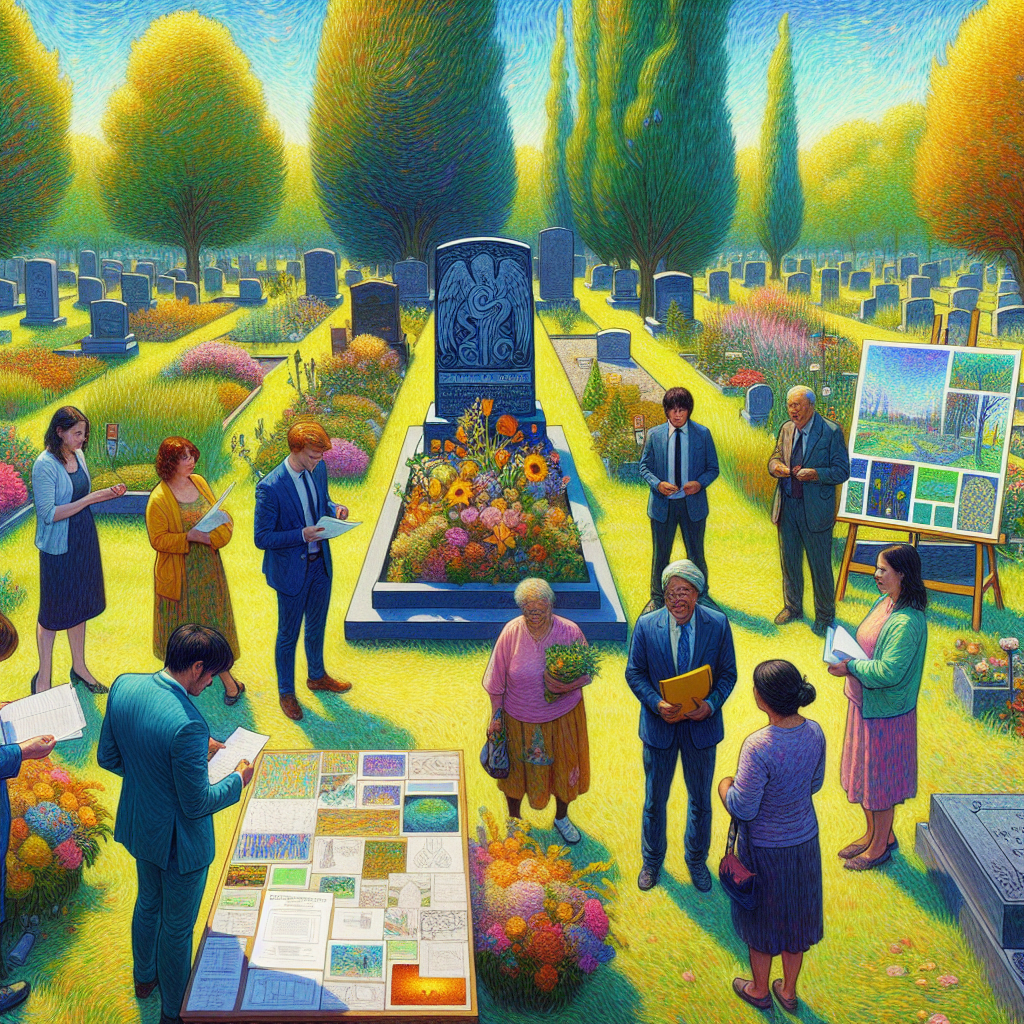
Gen Z’s Guide to Posthumous Privacy
Gen Z’s Guide to Posthumous Privacy
- Our digital footprints create a lasting narrative that often goes overlooked in discussions of legacy.
- Legacy Storytelling offers a way to influence how we’re remembered long after we pass away.
- Social media algorithms can distort our true essence, making it crucial to curate our online narratives.
- We should consider the ethical implications of our digital remains and how they affect our loved ones.
- By taking control of our narrative, we regain agency in a chaotic digital landscape, offering peace of mind.
- Engaging in discussions about our legacy can foster community and connection among family and friends.
- Legacy Storytelling empowers us to define the final chapter of our lives with authenticity and wisdom.

Gen Z’s Guide to Posthumous Privacy
Table Of Contents
- Gen Z’s Guide to Posthumous Privacy
- What Legacy Do You Want to Leave Behind for Future Generations?
- Are Your Online Accounts Protected From Data Misuse After Your Death?
- What Stories Do You Want Told About You In the Digital Realm?
- How Can You Balance Your Online Presence with Your Desire for Privacy?
- Do You Trust Platforms to Handle Your Data Responsibly, Even In Death?
- What Role Does Consent Play In Sharing Your Digital Life Posthumously?
- Should There Be Laws Governing Digital Legacies and Online Privacy?
- Conclusion
- Other Resources
- Glossary Of Terms
- Other Questions
- Haiku
- Poem
- Checklist
What Legacy Do You Want to Leave Behind for Future Generations?
When we think about the legacy we’ll leave behind, it’s often a mixed bag of pride, hopes, and perhaps even regret. Legacy isn’t just about achievements; it’s about the stories we create and the values we instill in those who come after us. Imagine your grandchild sitting in a rocking chair, sharing tales of your life, the lessons you taught, and the choices you made. That’s the essence of legacy storytelling—a way to connect past actions with future aspirations.
Consider this: the world is filled with stories, not just those etched in history books but those woven into family gatherings, echoed in laughter and sometimes in tears. These narratives hold the power to shape character, morality, and the very identity of future generations. What you do today influences who they will become tomorrow. It’s a call to be intentional with your choices, to align your daily actions with the legacy you wish to leave.
Think about the ethical implications of your legacy. Are you building a world where honesty, hard work, and compassion are the cornerstones? Or are you contributing to a culture that glorifies convenience over commitment? Remember, the greatest impact often lies not in grand gestures but in the small acts of kindness that ripple through time.
To truly inspire trust and confidence, reflect on your values and the vision you hold for the future. What principles do you want your children—and their children—to inherit? Engaging in this introspection invites a deeper connection with your community. It cultivates a sense of belonging that transcends generations, reminding us that we’re all part of something larger.
Now, let’s move from thought to action. Start engaging in conversations; share your experiences and listen to the stories of others. Create a space where values can be expressed, debated, and cherished. This isn’t just about your legacy; it’s about fostering a culture of resilience, empathy, and authenticity.
Legacy is a living thing, one that grows and transforms as we do. By being mindful of the narratives we leave in our wake, we can forge pathways of possibility for those who follow, lighting the way with our lived experiences and heartfelt hopes. What story will you tell? What will be your lasting impact? The choice lies within you.

What Legacy Do You Want to Leave Behind for Future Generations?
What Legacy Do You Want to Leave Behind for Future Generations?
- Legacy encompasses pride, hopes, and regrets; it’s about the stories and values we pass on.
- Legacy storytelling connects past actions with future aspirations, influencing generations to come.
- Every action today shapes character, morality, and identity of future generations.
- Ethical considerations matter when building a legacy; aim for honesty, hard work, and compassion.
- Small acts of kindness have a long-lasting impact on the culture we create.
- Reflecting on personal values deepens connection with the community and fosters belonging.
- Engage in conversation to share and cherish narratives that promote resilience, empathy, and authenticity.

What Legacy Do You Want to Leave Behind for Future Generations?
Are Your Online Accounts Protected From Data Misuse After Your Death?
When we think about the end of our lives, the focus often drifts toward the big, sweeping gestures—the grand farewell, the final bucket list ticked off. But in this digital age, what about the quieter, yet equally significant aspects of our legacies? Our online accounts are more than just repositories of memories; they shape how we are remembered, how our loved ones grieve, and how our stories are told. This is where legacy storytelling takes on a mantle heavier than mere nostalgia.
Imagine your loved ones sifting through your digital remains, unsure of what to keep and what to delete. They’re confronted with a barrage of unfamiliar passwords, social media accounts, and digital assets that could easily slip through the cracks. It’s a heart-wrenching scenario: auntie’s Instagram filled with cherished moments, but no one has the key to unlock her life’s narrative. Without proper planning, those memories may evaporate into the digital ether, leaving only silence in the space where laughter once echoed.
Rationally, it’s essential to plan for this. Data breaches and misuse don’t pause for your passing—they continue unabated. Protecting your accounts isn’t just a safeguard against identity theft; it’s an act of love for those you leave behind, ensuring they won’t have to navigate a digital minefield or live with the anguish of your data being mishandled. Policies can be established, and passwords can be encrypted, but it takes an informed strategy to ensure your wishes are honored posthumously.
Ethically, you owe it to your family to take this on. Don’t let them carry the burden of grief, compounded by confusion over your digital life. Show them you care enough to leave a clear path forward. This isn’t just about governance; it resonates deeply with our sense of responsibility toward our loved ones.
You possess the authority over your narrative. Every photo uploaded, every post shared is a brushstroke in the canvas of your legacy. With intention, you can craft that story even after you’ve departed. Share your wishes with those who matter. Have the conversations; let your legacy flourish in the hearts of others rather than languish behind locked screens.
In this digital age, prepare to protect not just your assets, but the very essence of who you are, ensuring your story is told the way you intended. The choice is yours—make it a legacy that lives on and inspires trust in those left behind.

Are Your Online Accounts Protected From Data Misuse After Your Death?
Are Your Online Accounts Protected From Data Misuse After Your Death?
- Legacy storytelling encompasses more than grand gestures; it includes the digital aspects of our lives.
- Online accounts significantly shape how we are remembered and how our stories are told.
- Without proper planning, our digital memories could be lost, leaving loved ones with confusion and regret.
- Protecting your online accounts is a safeguard against identity theft and an act of love for your family.
- It is essential to establish policies and encrypt passwords to honor your wishes after your passing.
- You have the authority to shape your narrative and should communicate your legacy wishes clearly.
- Taking proactive steps ensures that your story is told as you intended, inspiring trust and remembrance.

Are Your Online Accounts Protected From Data Misuse After Your Death?
What Stories Do You Want Told About You In the Digital Realm?
What stories do you want told about you in the digital realm? This is more than a simple question; it’s a call to introspection. Legacy storytelling isn’t just an art; it’s a craft woven into the very fabric of who we are and how we connect with others. In a world where pixels can perpetuate an image for eternity, what you choose to share, and how it’s perceived, will shape your narrative not just now, but for generations.
Picture this: your grandkids scrolling through a digital album centuries from now, piecing together your life. The stories they find may spark pride, a sense of kinship, or even inspiration to forge their own paths. But is the story you leave behind one that resonates with courage, authenticity, and honesty? Or is it a curated facade, a glossy veneer masking the real, vibrant you? It’s time to reflect on the values and experiences you want to encapsulate.
By embracing your truth and sharing the highs and lows of your journey, you undertake the responsibility of legacy storytelling. Let’s be real—life isn’t just about the peaks. The pitfalls, the grit, the moments that made you want to throw in the towel, they’re part and parcel of your story too. They forge resilience; they embody humility. These elements create a relatable narrative that extends beyond your individual experience, tapping into shared human emotions that echo through time and space.
Think logically for a moment: people connect with authenticity, not artifice. Demonstrating vulnerability can foster trust, drawing others in and forging connections that transcend mere acquaintance. This isn’t just your story; it’s a shared narrative that encourages empathy and understanding, allowing others to see reflections of their own struggles and triumphs in your experiences.
Ethically, the tales we tell shape societal narratives. When you choose what to communicate in the digital space, you wield power over the perceptions you create—not just for yourself, but for your community. What will they reinterpretble? How will they echo your lessons? Choose wisely, and make an intentional impact.
So, ask yourself this: If your digital legacy tells the story of a person who lived courageously and authentically, what influence will it hold for those who follow in your footsteps? Write that story, and not just with the intention of being remembered, but as a guide for others navigating their own journeys.

What Stories Do You Want Told About You In the Digital Realm?
What Stories Do You Want Told About You In the Digital Realm?
- The importance of reflecting on the stories you want to share in the digital realm emphasizes legacy storytelling as a crucial craft.
- Your digital narrative can significantly impact future generations, such as your grandchildren, shaping their understanding of who you were.
- Consider if your story is one of authenticity and courage or if it merely presents a curated facade.
- Embracing both the highs and lows of your journey contributes to a relatable and resilient narrative.
- Authenticity and vulnerability foster trust and connections, encouraging shared empathy and understanding.
- The stories we choose to tell influence societal narratives and perceptions within our communities.
- Creating a digital legacy that showcases courage and authenticity can guide and inspire others in their own journeys.

What Stories Do You Want Told About You In the Digital Realm?
How Can You Balance Your Online Presence with Your Desire for Privacy?
In today’s digital jungle, where a click can capture your life story, it’s easy to get swallowed up by the urge to share. We post photos of our kids, our meals, or our misadventures, seeking connection and approval, often forgetting the personal cost of our virtual bravado. But there’s power in knowing how to balance that presence with the desire for privacy, and it starts with understanding what truly matters to you.
Imagine your legacy — the story you leave behind not just for those who scroll through your social media, but for the loved ones who will remember you. It’s about more than likes and shares; it’s about crafting a narrative that reflects your values, your aspirations, and your truth. Legacy storytelling is an art, and every post can be a brushstroke. So, before you hit “send,” consider whether your words enrich your story or detract from it.
Let’s get real for a second. It’s not just about self-promotion; it’s about how you want to be perceived in the world. You can engage with friends and family without broadcasting every detail of your life to an ever-expanding audience. Create boundaries that empower you. Share the highlights, but save the lowlights for your closest circle. Your gut will tell you when something feels off. Trust it. There’s strength in knowing when to say no to exposure.
Ethically speaking, we also have a duty to protect not just ourselves but those around us. Tagging friends in photographs without their permission, or sharing details that involve others, can breach trust. Respect for privacy is foundational to any meaningful relationship, online or offline.
Think about the people you admire — their impact isn’t measured in viral moments but in authenticity. Instead of chasing followers, cultivate friendships. Pursue deeper connections that uplift rather than overwhelm your spirit. Remember, your voice has weight. Use it wisely, and let your presence online reflect not just your life, but the life you want to lead.
By choosing to balance your online presence with your need for privacy, you’re not just protecting yourself; you’re curating a legacy that resonates, creating a tapestry of meaningful moments without sacrificing the things that matter most. So, take a breath, be intentional, and let your story unfold in a way that feels true to you.

How Can You Balance Your Online Presence with Your Desire for Privacy?
How Can You Balance Your Online Presence with Your Desire for Privacy?
- In the digital age, the urge to share personal experiences can overshadow the importance of privacy.
- Legacy storytelling involves crafting a narrative that reflects your values and aspirations, not just seeking likes or shares.
- Consider the impact of your posts; assess whether they enrich your story or detract from it before sharing.
- Establish boundaries for sharing; engage with close friends and family without broadcasting every detail to a larger audience.
- Respecting the privacy of others is crucial and should be prioritized in online interactions to maintain trust.
- Pursue authenticity and meaningful connections rather than focusing on gaining followers or viral moments.
- Balancing online presence with privacy protection allows for a curated legacy that resonates and reflects who you want to be.

How Can You Balance Your Online Presence with Your Desire for Privacy?
Do You Trust Platforms to Handle Your Data Responsibly, Even In Death?
When we think about our digital presence, it’s easy to overlook the implications hiding in the shadows of our online lives. Imagine this: your grandmother’s recipe, lovingly typed out and shared on a blog. Or that heartfelt email to a friend during tough times. These aren’t just bits and bytes; they’re your legacy. Legacy storytelling stretches beyond what we leave behind; it’s how we’re remembered.
But here’s the reality we face: the platforms that hold our stories may not prioritize them the same way we do. They’re businesses, after all, driven by profits, algorithms, and shareholder interests. When you pass, will your cherished memories be treated with reverence or tossed into the digital black hole? We trust these platforms to safeguard our narratives, to honor our wishes, to protect the essence of who we are. But can they handle that weight responsibly, even after we’re gone?
It’s time to engage our hearts and minds. Have you thought about your digital assets? Is your online footprint a reflection of your values? The stories you leave behind can impact your family, friends, and community. They can educate, inspire, and provide comfort to those still walking this Earth. But to facilitate that, we must be proactive. Do you know the policies governing your most treasured platforms? Is there a clear plan for what happens to your data when you step away from this life?
Ethics come into play here. Just as we expect our healthcare providers to handle our personal data with care, we should require the same from our digital custodians. Imagine an authoritative figure—a trusted voice—standing up for your rights, ensuring your digital legacy is treated as it should be: with dignity. This isn’t just about you; it’s a societal issue that resonates with everyone who shares their lives online.
You’re not alone in feeling apprehensive. Many are concerned about their digital legacies. Engage in discussions, share your thoughts, and advocate for policies that empower individuals to control their narratives posthumously. After all, every click, every post, every shared experience is a thread in the rich tapestry of your life. Let’s not let those threads unravel silently; let’s weave a narrative that echoes through eternity. Your story deserves to be told—and cherished—long after you’re gone.

Do You Trust Platforms to Handle Your Data Responsibly, Even In Death?
Do You Trust Platforms to Handle Your Data Responsibly, Even In Death?
- Digital presence holds significant implications for our legacies beyond mere data.
- Platforms that store our stories prioritize profit over personal narratives.
- Concerns exist about the preservation and reverence of cherished memories after passing.
- Individuals should assess whether their online footprints reflect their values and intentions.
- Proactive planning is essential for managing digital assets and understanding platform policies.
- Ethical considerations demand that digital custodians handle personal data with care and respect.
- Engagement and advocacy are crucial for ensuring control over digital legacies posthumously.

Do You Trust Platforms to Handle Your Data Responsibly, Even In Death?
What Role Does Consent Play In Sharing Your Digital Life Posthumously?
When we think of our digital lives, it’s easy to overlook the most crucial element: consent. Imagine a beloved grandmother, whose posts filled with wisdom and warmth ripple through family gatherings like her famous potato salad. Now, imagine that her digital footprint—her emotional legacy—becomes a source of contention after she’s gone. Who gets the right to share her stories, her photos, her very essence? This is where consent steps in, like a sturdy guardrail on a treacherous cliff.
Legacies are more than mere data; they are narratives that bind us together, intertwining the lives of family and friends. Each click, each heartfelt post, becomes part of a larger tapestry called Legacy Storytelling. It’s not just about sharing memories; it’s about honoring the wishes of those we’ve lost, ensuring they rest easy knowing that their stories will be passed down respectfully. When we ignore consent, we risk unraveling the very fabric that connects us to our loved ones, turning heartwarming anecdotes into silent grievances.
From a rational standpoint, consent clarifies ownership. Did Grandma want her adventures shared in a podcast? Or her witty retorts tweeted? These questions demand thoughtful answers. Establishing clear boundaries around digital legacies can prevent disputes that may tarnish memories. It cultivates respect not only for the departed but also for those they left behind—the grief-stricken family navigating a world that feels forever changed.
Ethically, it’s paramount to consider how our actions affect others. In an age where privacy fades faster than a summer sunset, we must tread carefully. Diving headfirst into sharing without consent can fracture relationships and teach the next generation the wrong lessons about respect and boundaries.
Sharing someone’s digital legacy isn’t simply about clicks and likes; it’s a practice steeped in trust. It’s about allowing others to share in the joy, pain, laughter, and love embedded in those moments. When consent is honored, it enriches the storytelling experience, illuminating the true spirit of those we cherish.
Ultimately, consent becomes the bridge we build, not just between us and the departed, but among ourselves. It invites family and friends to unite in honoring a life lived, fostering connection within our communities. Let’s approach the digital realm like we would a family gathering—with a clear sense of respect, love, and above all, consent.

What Role Does Consent Play In Sharing Your Digital Life Posthumously?
What Role Does Consent Play In Sharing Your Digital Life Posthumously?
- Consent is a crucial element in managing our digital lives and legacies.
- Digital footprints should reflect the wishes of loved ones, ensuring their emotional legacy is honored.
- Legacy Storytelling binds families through shared narratives that require respect for the departed’s wishes.
- Clear boundaries around digital legacies can prevent disputes and cultivate respect among family members.
- Ethically, sharing without consent can damage relationships and set poor examples for future generations.
- Honoring consent enriches the storytelling experience, highlighting the true essence of those we cherish.
- Consent fosters connection among family and friends, creating a respectful digital environment akin to a family gathering.

What Role Does Consent Play In Sharing Your Digital Life Posthumously?
Should There Be Laws Governing Digital Legacies and Online Privacy?
In our increasingly digital world, where lives are shared through screens and stories unfold in pixels, the question of governance around digital legacies and online privacy beckons like a long-lost friend. What happens to our “legacy storytelling” when we’re no longer here to narrate it? Each social media post, each email, each photo uploaded represents more than a moment; it encapsulates the essence of who we are. Yet, without proper laws guiding this digital terrain, what becomes of our stories?
Consider this: every individual’s online presence is a unique tapestry, woven with personal experiences, thoughts, and memories. Until now, this tapestry has floated in a digital ether, susceptible to the whims of algorithms and corporate policies. That unnerves the gut. It’s unsettling to imagine a world where our stories, cherished by family and friends, could be lost forever or manipulated by those with no connection to the memories they contain.
Emotionally, think of the legacy we wish to leave behind. Our digital footprints are part of our identity, reverberating through generations. Laws designed to protect our digital legacies and privacy aren’t just about fostering a sense of control—they’re about preserving the heart and soul of our narratives. It’s about ethical responsibility—the right to determine what happens to our digital remnants.
From a rational perspective, consider the repercussions that happen when policies are vague or non-existent. A modern-day tragedy occurs when families are denied access to their loved ones’ online accounts after a death due to lack of regulations, leaving them to mourn both the loss of life and the loss of connection through shared digital memories. Strong, clear laws can mitigate such emotional turmoil, forging pathways for families to engage with their legacies rather than stumble through bureaucratic barriers.
Finally, there’s a fundamental social imperative at play. In an era where online interactions often overshadow physical ones, protecting digital legacies aligns with our collective values—transparency, respect, and integrity. We owe it to ourselves and future generations to ensure that stories are celebrated, not silenced, in this vast digital expanse.
The call for laws governing digital legacies and online privacy isn’t merely a technicality; it’s an invitation for connections to endure beyond the veil of death, preserving the heart of who we are in the realms we might never touch again. Let’s rally for a future where our digital storytelling thrives, even when we’re no longer there to tell it ourselves.

Should There Be Laws Governing Digital Legacies and Online Privacy?
Should There Be Laws Governing Digital Legacies and Online Privacy?
- The governance of digital legacies and online privacy is increasingly crucial in our digital world.
- Each individual’s online presence reflects their unique experiences and identities.
- Without proper regulations, digital stories may be lost or manipulated posthumously.
- Laws protecting digital legacies and privacy are essential for preserving personal narratives.
- Vague or nonexistent policies can lead to emotional distress for families mourning their loved ones.
- Protecting digital legacies aligns with our societal values of transparency, respect, and integrity.
- There is a collective call for legislation that ensures our digital storytelling continues beyond our lifetimes.

Should There Be Laws Governing Digital Legacies and Online Privacy?
Conclusion
Navigating the ever-complex landscape of our digital lives means grappling with more than selfies and status updates; it’s about Legacy Storytelling. This isn’t just about who we are now, but how we’ll be remembered and revered after we exit the stage. Picture your digital footprint as a vast tapestry, crafted from moments that define your essence, intertwined with the values and lessons you want to impart. The truth is, the legacy we leave isn’t simply a collection of viral moments; it’s an intricate narrative woven with love and intention.
Ethics come into play as we ponder what happens to our online presence once we’ve moved on. The emotional weight of our digital trails burdens those left behind. Do we want them sifting through an endless stream of uninhibited posts, unsure of what to cherish or discard? We owe it to our loved ones to ensure that they’re not left grappling with fragmented memories. Instead, we should strive for a legacy that resonates with authenticity—an identity that encapsulates not just triumphs, but the struggles that forged us.
Logically, taking control is imperative; emotions alone won’t safeguard our digital selves. Have conversations with family and friends about your wishes, establish boundaries for what to share, and decide what stories hold significance. Your legacy deserves protection, like a cherished heirloom, not a forgotten relic left to algorithmic fate. This thoughtful curation of your online life isn’t just for you, but an act of love that reshapes how your legacy will echo through the ages.
But there’s more to it than protection—it’s about connection. Engage with those around you; share your journey and invite them into your narrative. Those interactions foster a sense of community and belonging, transforming your personal story into a collective experience that vibrates with shared humanity.
As we adjust to the realities of online presence and privacy, it’s incumbent upon us to ask: what laws should govern our digital legacies? With every pixel we share, we exercise our narratives yet risk leaving behind chaos without clear legal frameworks to protect our voices after we’re gone. It’s time for a rallying cry for change, to advocate for policies ensuring that our digital legacies are treated with the respect they deserve, making sure our stories don’t fade into the digital abyss but rather flourish as guiding lights for future generations.
So ask yourself: in the end, what kind of story do you want to tell? Take charge of your narrative; you’re the author here. Make it count.

Conclusion
Conclusion:
- Navigating our digital lives involves more than just sharing moments; it’s about Legacy Storytelling.
- Our digital footprint is a tapestry of experiences reflecting our essence and the values we wish to impart.
- The legacy we leave should be an authentic narrative that includes both our triumphs and struggles.
- It’s important to have discussions with loved ones about our online wishes to help them navigate our digital presence after we are gone.
- Curating our online lives is an act of love, ensuring our legacy is preserved rather than left to be forgotten.
- Engagement with others transforms personal stories into collective experiences, fostering community and connection.
- We must advocate for legal frameworks that protect our digital legacies, ensuring our stories have lasting impact beyond our lives.

Conclusion
Other Resources

Other Resources
Here is a list of other resources you can review online to learn more:
- Directive Communication Systems
- How to Avoid Losing Your Family History One Generation at a Time
- Funeral Services Guide
- Is There A Need To Pay For Copyrighting Services For Personal Or Family Legacy Stories?
- 23AndMe
- Lexikin
- Association of Personal Historians
- Storyfile
- Legacy Learned
- USLegalWills.com
- MyMoriam
- LifeWeb 360
- LegacyFamilyTree
- EverNote
- Ancestry
- Forever Missed
- AmericanAncestors
- EverLoved
- Storyfile Life
- Meminto
Use This Prompt To Get More Resources With Your Favorite Online AI Tool: Please provide me with a list of online articles with their URLs in a bulleted list that I can read regarding Gen Z’s Guide to Posthumous Privacy
Other Resources
Glossary Terms
Gen Z’s Guide to Posthumous Privacy – Glossary Of Terms
1. Posthumous: Referring to events that occur after an individual’s death, particularly regarding privacy rights and the management of their digital legacy.
2. Privacy: The right to keep personal information, communications, and activities private, especially after death.
3. Legacy: The lasting impact or effects left by an individual, often encompassing their values, beliefs, and possessions.
4. Digital Legacy: The collection of an individual’s online presence, including social media accounts, digital assets, and personal data that persist after their death.
5. Estate Planning: The process of organizing and managing an individual’s assets and wishes regarding their distribution after death, including digital assets.
6. Executor: A person appointed to manage an individual’s estate according to their will, which can include overseeing digital accounts.
7. Will: A legal document expressing an individual’s wishes regarding the distribution of their property and the care of dependents after their death.
8. Trust: A legal arrangement where assets are held by one party for the benefit of another, which may also cover digital assets.
9. Informed Consent: Permission granted by individuals based on a full understanding of the potential consequences, relevant in terms of managing digital information posthumously.
10. Data Breach: An incident where unauthorized access to private information occurs, complicating privacy concerns after death.
11. Social Media Accounts: Online profiles maintained on platforms such as Facebook, Instagram, and Twitter, which can represent significant digital legacies.
12. Online Presence: The totality of a person’s activities and interactions on digital platforms, which may include social media, blogs, and websites.
13. Account Management: The process of overseeing and controlling access to online accounts, especially after an individual’s death.
14. Digital Footprint: The trail of data left by users on the internet, significant in evaluating one’s online legacy.
15. Privacy Policy: A legal document that outlines how personal data is collected, used, and protected, important for understanding posthumous handling of data.
16. Anonymity: The state of being unidentified or concealed online, relevant for privacy after death.
17. Cybersecurity: The practice of protecting digital information from unauthorized access, significant for safeguarding legacies.
18. Data Sharing: The practice of distributing or providing access to information, which can impact privacy after death.
19. Ethics: Moral principles guiding decisions about the treatment of digital assets and privacy in a posthumous context.
20. Next of Kin: The closest living family members, often involved in estate and privacy decisions after death.
21. Intestate: A situation in which a person dies without a valid will, complicating the assignment of digital assets.
22. Data Minimization: The principle of limiting the collection and storage of personal data, relevant in discussions about posthumous privacy.
23. Digital Will: A legal document specifying how a person’s digital assets and accounts should be handled after their death.
24. Survivorship: The concept of how rights and responsibilities regarding an individual’s assets transfer to heirs after death.
25. Public vs. Private Information: The distinction between data that is openly accessible and data that is intended to remain confidential, critical for posthumous privacy.
26. Obituary: A notice of a person’s death that can include personal information, raising privacy considerations after death.
27. Identity Theft: Fraudulent access to and use of someone’s personal information, highlighting the risks associated with digital legacies.
28. Consent Management: The process of managing permissions regarding data usage and sharing, crucial for ensuring privacy rights are honored.
29. Virtual Memorial: Online platforms dedicated to honoring deceased individuals, which can raise issues related to privacy and consent.
30. Reputation Management: The practice of influencing and controlling the public perception of an individual, which can extend to managing posthumous legacies.
Glossary Of Terms
Other Questions
Gen Z’s Guide to Posthumous Privacy – Other Questions
If you wish to explore and discover more, consider looking for answers to these questions:
- What steps can I take to ensure my digital legacy is preserved after I pass away?
- How can I create a digital diary or video message for my future generations?
- What are the legal implications of digital privacy and legacy across different platforms?
- How can I discuss my digital wishes with family and friends effectively?
- What options do I have for managing my social media accounts after my death?
- Can I prepare a will regarding my digital assets, and if so, how?
- What technologies or tools can help me manage my posthumous privacy?
- How should I approach sharing personal stories that involve other people?
- What should I do if I disagree with a platform’s policy on data handling in death?
- What role do family ethics play in navigating someone’s digital accounts after they die?
- How can I start conversations about digital legacies within my community?
- What resources are available to help me understand digital legacy laws in my country?
- Are there organizations that advocate for better digital privacy laws for the deceased?

Other Questions
Haiku
Gen Z’s Guide to Posthumous Privacy – A Haiku
Legacy whispers soft,
In pixels, stories entwined—
Honor, heart, and truth.

Haiku
Poem
Gen Z’s Guide to Posthumous Privacy – A Poem
In the attic of time, our stories dwell,
Silent echoes waiting, longing to tell;
Digital footprints, a narrative spun,
What will survive us when our days are done?
We craft our legacies with each heartfelt share,
Photos and posts, woven with care;
Yet amidst the likes, do we risk the truth?
Is our essence captured, or lost in a sleuth?
Oh, the weight of remembrance, the tales we’re to weave,
Shaped by the choices, we make and believe;
Will our grandkids gather, not just to reflect,
But to celebrate lives filled with honor and respect?
In this quest for connection, we must hold tight,
To values that matter, to stories that light;
Through laughter, through tears, our humanity’s thread,
Embracing the messy, the brave, and the red.
Do we trust the platforms, the guardians we’ve sworn,
To cradle our memories, even when we’re gone?
Or are we adrift, in a landscape unclear,
Hoping our essence won’t fade with our fears?
Consent is the bridge in this digital sea,
Honoring wishes, preserving the “we;”
Let’s foster connections that enrich, not divide,
Keeping the love that forever will guide.
So take up the mantle, let intentions bloom,
Crafting your legacy, not shrouded in gloom;
Embrace the conversation, share heart and insight,
For a story well-told can become a beacon of light.
Let’s rally together, for laws that protect,
Our legacies cherished, our privacy respected;
In the tapestry woven, may we find our grace,
Lighting paths for the future, each story in place.

Poem
Checklist
Gen Z’s Guide to Posthumous Privacy – A Checklist
Checklist for Navigating Your Posthumous Privacy and Digital Legacy
Heartfelt Reflections
_____ What values do you want to instill in future generations through your legacy?
_____ How would you like your loved ones to remember you—what stories resonate with your essence?
_____ Have you considered the emotional impact on your family regarding your digital footprint and legacy?
Rational Planning
_____ Are your online accounts secured with passwords and proper privacy settings?
_____ Have you developed a strategy for your digital assets, including what you want to be kept or deleted?
_____ Do you understand the policies of the platforms you share your life on concerning data management after your death?
Ethical Considerations
_____ Who has the right to access and share your digital stories and memories?
_____ Are you prepared to communicate your wishes regarding your online presence to loved ones?
_____ How can you ensure your digital legacy reflects the authentic you, minimizing misinterpretation?
Authority Engagement
_____ Have you taken steps to educate yourself about laws governing digital legacies and online privacy?
_____ Are you actively advocating for policies that protect individual narratives in the digital space?
_____ Are you seeking credible sources or authorities to help guide your decisions about online legacy management?
Narrative Crafting
_____ What moments in your life do you want future generations to understand and learn from?
_____ How can you document both your triumphs and struggles to create an authentic narrative?
_____ What formats (written, video, audio) can you use to capture your stories meaningfully?
Social Connections
_____ Have you engaged in conversations with friends and family about legacy and digital privacy?
_____ Are you fostering a community around legacy storytelling, sharing insights and experiences?
_____ How can you involve others in shaping a collective narrative that honors shared values and connections?
Intuitive Choices
_____ Reflect on how sharing details of your life online makes you feel—are you comfortable with the balance between presence and privacy?
_____ Trust your instincts when deciding what to share—does it enrich your narrative or diminish it?
_____ Regularly check in with your feelings about your digital presence and make adjustments as necessary.
Use this checklist as a guiding framework to thoughtfully navigate the complexities of your posthumous privacy and the legacy you wish to leave behind.

Checklist
At LegacyExplorations, we help people plan and explore their legacy by collecting information and news regarding end-of-life planning.
Please share this post with your friends, family, or business associates who may want help to plan or explore their legacy.