

The Art Of Tapping Into Nostalgia For Gen Z’s Success
By Tom Seest
At LegacyExplorations, we help people plan and explore their legacy by collecting information and news regarding end-of-life planning.
Please share this post with your friends, family, or business associates who may want help to plan or explore their legacy.
Gen Z’s Playbook for Modern Nostalgia In Business
In the whirlwind world of business, where everything seems fleeting, it’s Generation Z that is reclaiming the power of nostalgia, spinning it into gold. They’re not just consumers; they’re curators of a legacy shaped by stories that matter. This isn’t mere sentimentality; it’s a purposeful revival grounded in emotional resonance. Imagine a young entrepreneur weaving the legacy of a beloved childhood toy into a new eco-friendly design. It’s that alchemy of revisiting the past while marching forward with intention—a powerful blend that appeals to the heart.
Let’s not underestimate the impact of storytelling. A well-crafted narrative can function as a bridge, connecting the past to the present, the individual to the collective. Gen Z understands that authenticity matters. They’re drawn not just to products, but to the stories behind them. When a brand transparently shares its journey, its struggles, and triumphs, it resonates deeply. This rational approach creates trust, inviting consumers to be part of something larger than themselves—a community grounded in shared memories and values.
Now, consider the ethical side of this equation. In a landscape often tarnished by fast fashion and disposability, brands that embrace sustainability and social responsibility strike a chord with today’s youth. They aspire to support businesses that carry both a legacy and a conscience. This generation, more than any before it, demands accountability, expecting companies to align their missions with a respect for the planet and its people.
And the beauty of it all is that this isn’t just corporate jargon; it’s personal. Every nostalgic product launched from a place of genuine love holds the potential to make the consumer feel seen and valued. When a company revives a retro design or reimagines a favorite snack, it’s not merely a savvy marketing move; it’s a heartfelt invitation to relive cherished moments.
Finally, it’s about social influence—how moments together forge connections. In tapping into nostalgia, brands encourage shared experiences, be it through social media challenges or collaborative projects. When a business taps into the collective memory of a generation, it doesn’t just sell; it engages, fostering a sense of belonging stamped by familiarity. That’s where trust is built—and that’s the playbook Gen Z is writing. They’ve figured out that the foundation of successful business isn’t just profit; it’s the richness of the narratives we choose to share and celebrate.

Gen Z’s Playbook for Modern Nostalgia In Business
Gen Z’s Playbook for Modern Nostalgia In Business
- Generation Z is harnessing nostalgia to create meaningful connections in business.
- They are not just consumers but curators of stories that resonate emotionally.
- Storytelling serves as a bridge between the past and the present, fostering authenticity.
- Brands that transparently share their journey cultivate trust and a sense of community.
- Gen Z values sustainability and social responsibility in the brands they support.
- Nostalgic products invite consumers to relive cherished memories and feel valued.
- Brands leveraging nostalgia foster shared experiences, building trust and a sense of belonging.

Gen Z’s Playbook for Modern Nostalgia In Business
Table Of Contents
- Gen Z’s Playbook for Modern Nostalgia In Business
- How Does Nostalgia Influence Your Purchasing Decisions?
- Why Is Storytelling Vital for Brands Connecting with Gen Z?
- What Ethical Considerations Should Brands Keep In Mind with Nostalgia?
- How Can Nostalgia Create Authentic Connections with Consumers?
- What Role Does Social Media Play In the Resurgence Of Nostalgia?
- How Can Brands Successfully Blend Old and New for Relevance Today?
- Why Do Retro Brands Resonate More with Gen Z Consumers?
- Conclusion
- Other Resources
- Glossary Of Terms
- Other Questions
- Haiku
- Poem
- Checklist
How Does Nostalgia Influence Your Purchasing Decisions?
Nostalgia, that warm quilt of memories we wrap around ourselves on cold days, has a remarkable sway over our hearts and wallets. With every purchase, we’re not just acquiring an item; we’re buying a piece of the past—our childhood, our family traditions, our sense of belonging. It’s as if every product whispers, “Join me in this legacy,” inviting us to recall a simpler time when a favorite toy or a cherished snack defined our world.
Think about it—a retro candy bar or a vinyl record isn’t just sugar or music; it’s a portal to those carefree summers spent chasing fireflies or those Saturday nights gathered around the record player, voices mingling with the melody. When brands tap into those emotions through storytelling, they do more than sell products; they curate experiences, weaving a narrative that resonates at our core. We crave connection, and nothing connects us like shared memories.
Now, let’s talk numbers. Marketers have long understood the psychology behind nostalgia, and studies reveal that our purchasing decisions are often driven by emotional connections rather than practical needs. When we encounter a clever ad that tugs at our heartstrings—perhaps featuring a family laughing over a dinner table full of the brand’s products—we are more inclined to pull out our credit cards. It’s not just advertising; it’s a call to be part of something meaningful, something that anchors us to our roots.
Ethically, it raises a question: Are we allowing our emotions to steer our decisions too much? While nostalgia can bond us to brands in ways that evoke trust and loyalty, it’s crucial to balance those feelings with a discerning mind. Are we purchasing items for their quality and value, or merely because they tug at our heartstrings?
In this competitive marketplace, brands that prioritize authenticity, well-crafted narratives, and genuine connection will thrive. They understand that nurturing memories is central to their identity, and in doing so, they invite us to participate actively in their story.
So, the next time you’re standing in an aisle, contemplating whether to buy that classic product or trendier option, pause and think about what those memories mean to you. Will you invest in your past, or let that moment slip away? The choice is yours, and the legacy you create is just as important as the purchases you make.
How Does Nostalgia Influence Your Purchasing Decisions?
How Does Nostalgia Influence Your Purchasing Decisions?
- Nostalgia influences our emotions and purchasing decisions, connecting us to memories of the past.
- Buying products often represents acquiring a piece of our childhood and family traditions.
- Retro items, such as candy bars or vinyl records, serve as portals to cherished memories.
- Brands that effectively use storytelling create emotional connections and curate engaging experiences.
- Nostalgia-driven marketing taps into our emotions, prompting us to buy products that evoke trust and loyalty.
- It’s important to balance emotional decisions with practicality when making purchases.
- Brands focusing on authenticity and genuine connections are more likely to succeed in a competitive market.

How Does Nostalgia Influence Your Purchasing Decisions?
Why Is Storytelling Vital for Brands Connecting with Gen Z?
In a world where attention spans are shorter than a TikTok video, the art of Legacy Storytelling has become a lifeline for brands aiming to connect with Gen Z. This isn’t just about clever marketing; it’s about weaving narratives that resonate, inspire, and drive action. Young consumers today are not just looking for products; they crave stories that reflect their values and experiences. They want brands that can speak to their hearts, engage their minds, and move them to act.
Imagine a young individual scrolling through their feed, bombarded with countless ads and messages. What catches their eye? It’s the story of a brand that stands for something greater than itself. That’s where Legacy Storytelling comes into play. It allows a brand to convey its mission, its struggles, and its triumphs—not through polished advertisements but through authentic narratives that foster connection and relatability. So, when a brand shares its journey of overcoming challenges or its commitment to sustainability, it doesn’t just inform; it builds trust.
This generation is savvy and discerning. They don’t buy into fluff; they crave authenticity. When brands share their struggles and victories, it humanizes them and makes them relatable. This is the emotional appeal that resonates deeply with Gen Z. They see their own challenges reflected in these stories, feeling a sense of solidarity and support. It’s this emotional connection that can transform a fleeting glance into a lasting loyalty.
Moreover, there’s something inherently ethical about a brand that embraces Legacy Storytelling. It shows transparency, a willingness to share the truth—even the uncomfortable parts. This is vital in a time when many are questioning the integrity of corporations. A brand that openly discusses its impact on society, its sustainability practices, or its efforts toward diversity doesn’t just build trust; it establishes authority. Young consumers are more likely to rally behind brands that demonstrate a commitment to doing good in the world.
Finally, consider the power of community. Legacy Storytelling fosters not just a brand-consumer relationship but a social connection. When a brand’s narrative resonates, it sparks conversations among friends and family, creating shared experiences and deeper engagements.
In essence, understanding the importance of Legacy Storytelling isn’t merely about grasping a marketing tool; it’s about recognizing the heartbeat of a generation eager to form connections based on authenticity, trust, and shared values. And that’s where the real magic happens.

Why Is Storytelling Vital for Brands Connecting with Gen Z?
Why Is Storytelling Vital for Brands Connecting with Gen Z?
- Legacy Storytelling helps brands connect with Gen Z by creating narratives that resonate and inspire.
- Young consumers seek brands that reflect their values and experiences, not just products.
- Authentic narratives foster trust by sharing a brand’s mission, struggles, and triumphs.
- Gen Z craves authenticity and humanization, making relatable stories essential for loyalty.
- Ethical storytelling shows transparency and builds authority, crucial for corporate integrity.
- Legacy Storytelling creates social connections by sparking conversations and shared experiences.
- Understanding Legacy Storytelling is vital for forming genuine connections with a discerning generation.

Why Is Storytelling Vital for Brands Connecting with Gen Z?
What Ethical Considerations Should Brands Keep In Mind with Nostalgia?
When brands dip their toes into the nostalgia pool, they need to tread carefully, or they might find themselves swimming with sharks. Nostalgia is a powerful force—it tugs at heartstrings, igniting feelings of warmth and safety associated with simpler times. But wield it wisely; emotional manipulation can backfire faster than a poorly-timed punchline. It’s essential that brands honor the legacy of the memories they evoke while crafting their storytelling.
Consider the long-lasting impact of a nostalgic campaign. Every memory tied to a brand is part of a larger narrative—the legacy storytelling shaped over years, even decades. Brands that tap into this history must remember: they’re not just selling a product; they’re participating in a cultural conversation. Authenticity is key. If a brand jumps on the nostalgia bandwagon without a genuine connection to those memories, it feels disingenuous, leaving consumers with a sense of betrayal. Take a moment to think about how it feels when someone tries too hard to fit into a group—awkward, forced, uncomfortable. That’s the last thing you want for your audience.
Brands have to do their homework. They need to know the history they’re invoking. Who does this memory belong to? What emotional weight does it carry? Engage in some serious self-reflection before launching your campaign, because these memories don’t belong to the brand; they belong to the consumers who lived them. A brand that recognizes the sensitivity of these stories fosters trust, paving the way for authentic connections that reach deep into consumers’ hearts.
Finally, there’s a powerful social component at play. Nostalgia is a shared experience; it creates a sense of community. Brands that tap into collective memories can foster connection among consumers, but they must ensure that they’re representing diverse narratives. Everyone experiences nostalgia differently, and that diversity should be celebrated, not overlooked.
Ultimately, brands hold a responsibility when reviving these cherished memories. They must honor, respect, and elevate the legacy of the past, shaping a future that resonates with both new audiences and those who remember. Approach nostalgia thoughtfully, and you can create lasting relationships built on trust, authenticity, and shared stories.

What Ethical Considerations Should Brands Keep In Mind with Nostalgia?
What Ethical Considerations Should Brands Keep In Mind with Nostalgia?
- Nostalgia can evoke warm feelings but must be used carefully to avoid backlash.
- Brands should honor the legacy of memories they invoke through authentic storytelling.
- Nostalgic campaigns contribute to a larger narrative, making brands part of cultural conversations.
- Authenticity is crucial; brands must have genuine connections to the memories they reference.
- Brands need to understand the history and emotional significance of the memories they invoke.
- Nostalgia fosters community, but brands must ensure diverse narratives are represented.
- Brands have a responsibility to respect and elevate past memories while appealing to new audiences.
What Ethical Considerations Should Brands Keep In Mind with Nostalgia?
How Can Nostalgia Create Authentic Connections with Consumers?
Nostalgia has a remarkable way of weaving emotional threads that connect brands and consumers on a deeper level. When a product or service harkens back to fond memories, it’s not just selling a tangible item; it’s tapping into a legacy that resonates with our very identity. Think about it—every time a familiar jingle plays or a classic advertisement flashes across the screen, your mind is transported back to a simpler time. Those moments are treasures, a tapestry of shared experiences that solidify bonds.
Take a moment to consider how your favorite childhood snack brought comfort during stormy afternoons or how a vintage car model stirred excitement on the streets. These memories shape our lives and influence what we choose to bring into our homes. Marketers leveraging nostalgic cues don’t just present products; they share a legacy through storytelling that beckons us back to those cherished times, igniting feelings of warmth, belonging, and authenticity.
But nostalgia isn’t merely sentimental fluff. It engages the rational mind, too. Research shows that consumers are more likely to trust brands that evoke positive memories. When emotions are intertwined with decision-making, that sense of familiarity builds trust, instilling confidence in our purchases. If a brand recognizes the value of the past, it shows an understanding that resonates ethically; they honor the essence of their audience.
Think, for instance, about the powerful narrative of a family-run business that’s been around for generations. They often invite customers into their story, framing their product not simply as a commodity, but as a piece of a larger journey. This shared narrative helps people feel part of something greater—a community that values heritage and enduring quality. It’s that sense of belonging that transforms a casual observer into a dedicated advocate for the brand.
This is where the magic happens; nostalgia creates a strong social appeal, fostering connections that transcend mere transactions. By embracing our collective memories, brands invite consumers to share in their legacy, encouraging engagement and loyalty that goes beyond the surface. As consumers, we long to be part of stories that echo our past and celebrate who we are today.
By harnessing nostalgia effectively, brands can inspire action, building trust through genuine connections that stand the test of time. After all, it’s not just about selling a product; it’s about making a heartfelt invitation to join a timeless journey.

How Can Nostalgia Create Authentic Connections with Consumers?
How Can Nostalgia Create Authentic Connections with Consumers?
- Nostalgia connects brands and consumers emotionally, creating a deeper bond.
- Products invoking fond memories tap into a legacy tied to personal identity.
- Familiar jingles and advertisements transport consumers back to cherished times.
- Marketers use storytelling to evoke warmth, belonging, and authenticity.
- Research indicates that positive memories foster consumer trust in brands.
- Family-run businesses share their journey, inviting customers into their narrative.
- Nostalgia encourages brand loyalty through meaningful connections and shared experiences.
How Can Nostalgia Create Authentic Connections with Consumers?
What Role Does Social Media Play In the Resurgence Of Nostalgia?
Social media, a phenomenon that connects us across time and space, has unwittingly become a vessel for nostalgia—a bittersweet journey back to simpler times, shared through curated posts, hashtags, and trending challenges. Each scroll through our feeds is not just a search for the latest memes or viral videos; it’s an invitation to relive our collective past. This way of consuming content pulls at our heartstrings, tapping into the emotions we carry for moments that shaped us—like the scent of freshly baked cookies wafting from Grandma’s kitchen or the laughter of friends at a backyard barbecue.
In a world driven by rapid change, the allure of nostalgia offers us a comforting anchor. It’s a reminder that, while technology may evolve, the values and connections we cherish remain timeless. Social media acts as a modern-day scrapbook, allowing us to share our Legacy Storytelling in vivid detail. Remember those cassette tapes and Saturday morning cartoons? Today, we can relish those memories while reconnecting with friends from those golden days we thought we’d lost. This isn’t merely sharing; it’s a conscious effort to reclaim the past in our fast-paced digital age.
With every shared TikTok dance or Instagram throwback, we are not just participating in trends; we’re weaving narratives that resonate deeply. These stories, whether they harken back to a favorite childhood toy or an unforgettable summer road trip, stir feelings of familiarity and warmth. The power of nostalgia becomes even more potent when we realize it’s not just about us—it’s about the connections we nurture through our shared experiences. This renewed focus on the past fosters community, encouraging conversations that span generations.
Ethically, nostalgia on social media invites us to reflect on where we came from and where we wish to go. It challenges us to think critically about our cultural heritage and the lessons buried within our collective memories. In a way, it serves as a reminder to engage with our roots, ensuring that the legacy we leave behind honors the experiences that shaped us.
So, as you scroll through your feed next time, take a moment to appreciate those posts that stir those old feelings. Dive into a shared memory or start a conversation about those beloved days gone by. In this digital landscape, nostalgia isn’t just a fleeting feeling—it can be a powerful motivator for connection, reflection, and celebration in our ever-evolving journey. Embrace it; it’s part of what makes us human.

What Role Does Social Media Play In the Resurgence Of Nostalgia?
What Role Does Social Media Play In the Resurgence Of Nostalgia?
- Social media serves as a vessel for nostalgia, connecting memories through curated posts and hashtags.
- Scrolling through feeds invites users to relive collective past experiences and emotions.
- The allure of nostalgia offers comfort in a rapidly changing world, anchoring cherished values and connections.
- Social media functions like a modern scrapbook, allowing individuals to share their legacy stories.
- Every shared trend, such as TikTok dances or Instagram throwbacks, contributes to weaving familiar narratives.
- Nostalgia fosters community through shared experiences, promoting intergenerational conversations.
- Engaging with nostalgia encourages reflection on cultural heritage and the impact of past experiences.

What Role Does Social Media Play In the Resurgence Of Nostalgia?
How Can Brands Successfully Blend Old and New for Relevance Today?
In a world where trends rise and fall faster than a jack-in-the-box, brands wrestling with their identity are reminders that the old and new can coexist, each enhancing the other’s value. Think about it: the most memorable brands are those rooted in legacy, weaving a rich tapestry of stories that connect generations. It’s not just about selling a product; it’s about telling a legacy story—a narrative that resonates not just in the minds of consumers, but in their hearts and guts.
Imagine a familiar brand that has retained its core values while adapting to the fast-paced, digital landscape. There’s an emotional pull in the way they honor their history while embracing the fresh perspectives of the present. This blend fosters a connection, evoking nostalgia while also inviting a modern audience to join the conversation. A well-crafted legacy story pulls you in, whether that’s a family-owned bakery that still uses Grandma’s recipe or a shoe company that champions sustainability by repurposing their materials into something new. These brands don’t just exist in the marketplace; they become part of their customers’ lives.
Rationally, the beauty of blending the old with the new lies in the trust it instills. Brands that acknowledge their past while adapting to contemporary values demonstrate an understanding that not all change is good; sometimes, continuity is what consumers crave. Ethical considerations inevitably arise. When a brand prioritizes transparency about its heritage and the changes it makes, it builds credibility. People want to support brands that respect their roots and engage in social responsibility, making a conscious choice in a world often overshadowed by ephemeral fads.
Consider the stories we share. It’s how we make sense of our experiences. A brand that embraces legacy storytelling invites customers on a journey, highlighting not only where they’ve been, but where they’re going. It sparks conversation and builds a community. Social connections thrive when stories intertwine, creating a shared language that fosters loyalty and kinship.
So, as brands tackle the question of relevance today, let them draw from the well of the past while stepping boldly into the future. Combining history with innovation isn’t just a strategy; it’s a testament to the human story—the stories we all live, breathe, and share. This blend doesn’t just resonate; it reverberates through every touchpoint of our daily lives, inspiring trust and calling us to action.

How Can Brands Successfully Blend Old and New for Relevance Today?
How Can Brands Successfully Blend Old and New for Relevance Today?
- Brands balancing old and new enhance each other’s value in a rapidly changing landscape.
- Memorable brands are rooted in legacy and connect with generations through storytelling.
- Emotional connections arise when brands honor their history while adapting to modern perspectives.
- Legacy stories, such as family traditions or sustainable practices, engage customers deeply.
- Trust is built when brands acknowledge their past and adapt to contemporary values.
- Engaging in ethical practices and transparency cultivates credibility among consumers.
- Legacy storytelling fosters community and loyalty by intertwining shared experiences and narratives.

How Can Brands Successfully Blend Old and New for Relevance Today?
Why Do Retro Brands Resonate More with Gen Z Consumers?
When you peel back the layers of what makes retro brands so magnetic to Gen Z, it becomes clear that it’s not just nostalgia for nostalgia’s sake. It’s about legacy storytelling—a way of weaving the past into the fabric of today’s reality. These brands have a story, a journey that resonates with the values this generation holds dear. They symbolize authenticity, a connection to a time when things were a bit simpler and often, more genuine.
Let’s face it: life can feel like a relentless treadmill, with the pace set by the ceaseless buzz of technology and social media. In that whirlwind, the sturdy silhouette of vintage brands offers a sense of stability, a grounding reminder of shared experiences. The classic logos and familiar jingles evoke memories—whether they’re your own or your parents’—that allow Gen Z to tap into a greater narrative, one that tells them they are part of something bigger than themselves.
From a rational standpoint, retro brands excel in trustworthiness. There’s a sense of reliability in products that have stood the test of time. Unlike many fast-fashion alternatives that prioritize fleeting trends over sustainability, retro brands often come with a sustainable ethos, reminding consumers that quality lasts longer than quantity. This is appealing to a generation increasingly concerned about the planet.
On an ethical level, embracing retro is also about making conscious choices. When consumers opt for vintage or repurposed items, they’re not just buying a product; they’re supporting a narrative of responsible consumption and the rejection of disposable culture. This aligns with the values of social consciousness that Gen Z champions.
Moreover, let’s not underestimate the role of social connection in this phenomenon. Wearing a vintage tee or using a retro gadget isn’t just about style; it’s a badge of identity. It sparks conversations, builds community, and creates a sense of belonging. These brands are not merely products; they evoke a lifestyle and a connection to a collective past.
As we navigate this thrilling landscape of commerce and culture, it’s imperative to acknowledge that Gen Z is not just a consumer group; they are storytellers in their own right. By appreciating retro brands, they elevate those legacy stories, ensuring they resonate for generations to come. So, rather than dismissing their affection for the past, let’s celebrate it and recognize the powerful connections it fosters.
Why Do Retro Brands Resonate More with Gen Z Consumers?
Why Do Retro Brands Resonate More with Gen Z Consumers?
- Retro brands appeal to Gen Z through legacy storytelling, linking past experiences with modern values.
- These brands symbolize authenticity and stability in a fast-paced, technology-driven world.
- Familiar logos and jingles evoke shared memories, fostering a sense of belonging.
- Retro brands are viewed as trustworthy and reliable due to their time-tested nature.
- They often embody a sustainable ethos, appealing to Gen Z’s concerns about environmental impact.
- Choosing vintage or repurposed items aligns with Gen Z’s values of responsible consumption and social consciousness.
- Engaging with retro brands allows Gen Z to express their identity and connect with their collective past, enhancing their storytelling role.

Why Do Retro Brands Resonate More with Gen Z Consumers?
Conclusion
In the vibrant realm of business, where the buzz of buzzing trends can drown out the human experience, Generation Z is skillfully harnessing nostalgia as a beacon of authenticity. More than just sentimental longing, this resurgence in fond memories transforms fleeting consumption into lasting connections, melding the past with the present in a meaningful way. It’s not just about products; it’s about stories. Picture this: a young entrepreneur reviving an iconic childhood toy, reimagined through an eco-conscious lens, inviting consumers to partake in a shared emotional journey.
Storytelling emerges as the lifeblood for brands aiming to genuinely connect with Gen Z. In a landscape cluttered with advertisements, it’s the narratives that resonate—those winding tales of struggle, triumph, and authenticity—that capture attention and inspire loyalty. When brands embrace the raw honesty of their journeys, they not only build trust; they become relatable, fostering a sense of community grounded in shared values. It’s here that ethical considerations surface, illuminating the responsibility brands have to uphold authenticity and maintain respect for the memories they evoke.
Moreover, nostalgia on social media amplifies this phenomenon, shaping modern interactions around collective memories. A simple scroll down a feed can ignite conversations and rekindle connections, reminding us that while technology evolves, the core values we cherish remain steadfast. This digital tapestry of shared experiences invites participation, urging consumers to engage and celebrate their histories in a world that craves authenticity.
The successful fusion of old and new becomes a powerful strategy for brands navigating an ever-changing marketplace. It creates an emotional bridge, appealing to our hearts, minds, and guts. Retro brands, with their enduring legacies, resonate deeply with Gen Z, not simply because of nostalgia but due to the authenticity and sustainability they represent. Choosing retro is more than a fashion statement; it’s a conscious decision—a badge of identity—woven into the narrative of conscious consumption aimed at rejecting disposability.
Ultimately, as brands tap into the rich vein of nostalgia, they invite consumers to join in their stories and shape an inclusive future grounded in shared memories. It’s more than just selling products; it’s about inspiring connections that stand the test of time. So, as Generation Z writes their modern playbook, they remind us all that truly successful business transcends transactions—it’s about the legacies we create and the stories we tell. In this unfolding journey, nostalgia isn’t just a warm embrace; it’s the fabric that weaves us all together.

Conclusion
Conclusion:
- Generation Z utilizes nostalgia as a means of creating authentic connections in business.
- Nostalgia transforms temporary consumption into lasting emotional bonds through storytelling.
- Brands that share relatable narratives foster loyalty and community among Gen Z consumers.
- Honesty in brand storytelling builds trust and nurtures respect for shared memories.
- Social media amplifies nostalgia, encouraging conversations based on collective experiences.
- The blend of old and new in branding appeals to Gen Z’s desire for authenticity and sustainability.
- Nostalgia promotes an inclusive future by inviting consumers to engage in shared legacy-building stories.

Conclusion
Other Resources

Other Resources
Here is a list of other resources you can review online to learn more:
- Lexikin
- Willmaker
- Can Telling and Preserving Personal or Family Legacy Stories Be Therapeutic?
- deviantART
- Funeral Services Guide
- Storyfile
- LifeWeb 360
- LegacyLearned
- How Has Time Changed The Cost Of Capturing Family Legacy Stories
- Living Wisely
- YouMattered
- Xarona
- Forever Missed
- MyWishes
- DocuBank
- IronClad Family
- LastPass
- ForeverMissed
- Tributes
Use This Prompt To Get More Resources With Your Favorite Online AI Tool: Please provide me with a list of online articles with their URLs in a bulleted list that I can read regarding Gen Z’s Playbook for Modern Nostalgia In Business

Other Resources
Glossary Terms
Gen Z’s Playbook for Modern Nostalgia In Business – Glossary Of Terms
1. Nostalgia: A sentimental longing for the past, often evoking positive emotions tied to memories.
2. Gen Z: The generation born approximately between 1997 and 2012, known for its digital fluency and value-driven consumer behavior.
3. Retro: A style or trend from the past that is revived and popularized in contemporary culture, often appealing to nostalgic sentiments.
4. Branding: The process of creating a unique identity for a product or company that resonates with consumers, often incorporating nostalgic elements.
5. Digital Savvy: The ability to navigate and utilize digital technologies competently, a key trait of Gen Z.
6. Pop Culture: The set of ideas, practices, and phenomena that are prevalent in mainstream society at a given time, often a source of nostalgia.
7. Social Media Marketing: The use of social media platforms to promote products or services, tapping into nostalgic trends to engage target audiences.
8. Target Audience: A specific group of consumers identified as the intended recipients of a marketing message, often segmented by age, interests, or behaviors.
9. Experience Economy: A market driven by the desire for memorable experiences, often linked to nostalgia and emotional connections to brands.
10. Authenticity: The quality of being genuine or real, which is highly valued by Gen Z when interacting with brands that evoke nostalgia.
11. Influencers: Individuals with a significant online following who can sway consumer decisions, often promoting nostalgic brands or trends.
12. Consumer Behavior: The study of individuals’ buying habits and preferences, particularly how nostalgia influences these decisions among Gen Z.
13. Memes: Cultural elements, often humorous images or ideas, that spread socially; they can evoke nostalgia through references to past trends.
14. Curated Content: Handpicked digital material that reflects specific themes or interests, often including nostalgic elements to engage audiences.
15. Brand Loyalty: A consumer’s commitment to repurchase or continue using a brand, often strengthened through nostalgic connections.
16. Merchandising: The activity of promoting the sale of goods, often incorporating nostalgic designs or themes to attract consumers.
17. Limited Edition: Exclusive products released in small quantities, frequently evokes nostalgia by harkening back to past styles or designs.
18. E-commerce: Buying and selling goods online, where nostalgic themes can enhance product appeal and encourage purchases.
19. Community Engagement: Strategies to foster connections within a target audience, often leveraging shared nostalgic experiences.
20. Mood Boards: Visual collages that represent a concept or theme; often used in marketing to convey a sense of nostalgia.
21. Revival: The act of bringing back a past trend or style, which can generate excitement and nostalgia among consumers.
22. A/B Testing: A method of comparing two versions of a marketing element to see which performs better, often used to assess nostalgic appeals.
23. Sustainability: An essential consideration for modern brands that resonate with Gen Z, who prefer nostalgic products that are environmentally conscious.
24. Brand Storytelling: Crafting a narrative around a brand that resonates with consumers, often including nostalgic themes to enhance emotional engagement.
25. Visual Identity: The use of design elements such as color, typography, and imagery that communicates a brand’s personality, often leveraging nostalgia.
26. Cultural Relevance: The significance of a brand or product in current societal contexts, which can be amplified through nostalgic associations.
27. Fan Culture: Communities built around shared interests in specific media or products, often thriving on nostalgic connections.
28. Subscription Model: A business model where consumers pay a recurring price for ongoing access to a product or service, sometimes offering nostalgic products.
29. Hyperpersonalization: Tailoring marketing messages and products to individual consumers, often including nostalgic elements that resonate with their past.
30. Trend Forecasting: The practice of predicting future trends based on current behaviors and past patterns, especially those attractive to Gen Z.

Glossary Of Terms
Other Questions
Gen Z’s Playbook for Modern Nostalgia In Business – Other Questions
If you wish to explore and discover more, consider looking for answers to these questions:
- What specific strategies can brands use to tap into nostalgia effectively?
- How can brands ensure their nostalgic storytelling is authentic?
- What are some examples of brands that have successfully blended nostalgia with modern elements?
- How does nostalgia affect different demographic groups beyond Gen Z?
- In what ways can brands measure the effectiveness of nostalgia-driven marketing campaigns?
- What ethical pitfalls should brands avoid when using nostalgia in their messaging?
- How can brands leverage social media to amplify their nostalgic narratives?
- What role does nostalgia play in consumer loyalty and retention?
- How can businesses balance nostalgia and innovation to remain relevant?
- What are the challenges of marketing nostalgic products to a diverse audience?
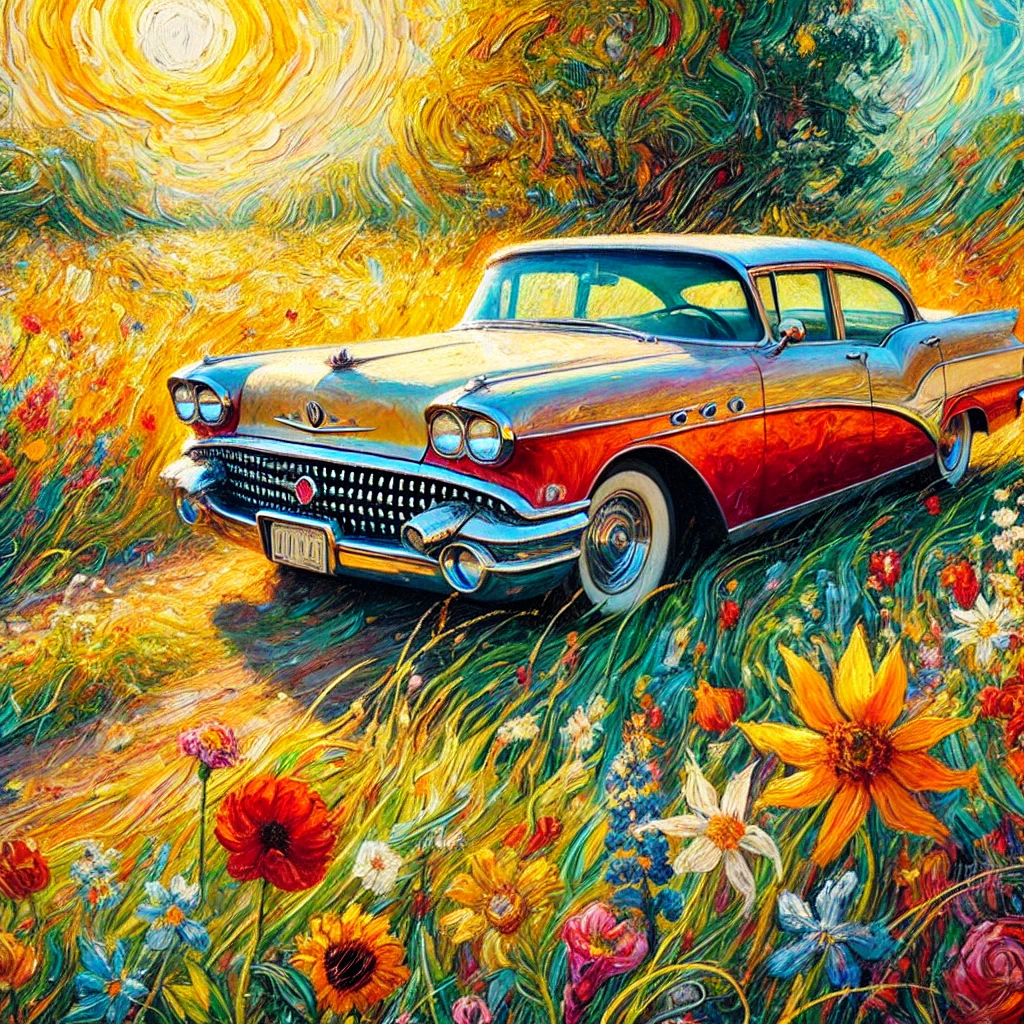
Other Questions
Haiku
Gen Z’s Playbook for Modern Nostalgia In Business – A Haiku
Nostalgia’s embrace,
Weaving tales that time preserves;
Legacy lives on.

Haiku
Poem
Gen Z’s Playbook for Modern Nostalgia In Business – A Poem
In a world that rushes, fleeting and fast,
Gen Z weaves nostalgia, a bridge to the past.
From toys of their youth to the candy they crave,
They find in each memory a path they can pave.
This isn’t just longing for days gone away,
It’s a call to connect, a meaningful sway.
With stories and struggles, transparency reigns,
In each heartfelt narrative, trust blooms and gains.
They yearn for the brands that stand with a cause,
Embracing sustainability, with ethical laws.
A legacy built on values held dear,
Inviting the world in, so all may draw near.
Their choices reflect not just wants but a need,
To be part of a movement, to grow and to lead.
As they scroll through their feeds, amidst memes and trends,
They seek out connections, where nostalgia blends.
Retro designs tell tales of tradition and pride,
Crafting experiences where heartstrings reside.
These brands are a compass; they anchor and bind,
Creating a tapestry, strong and aligned.
So as they embrace the past with fresh eyes,
Let’s honor those memories, let genuine ties rise.
In every purchase, a legacy lies,
A celebration of stories that time can’t disguise.
Together we march, past and present entwined,
Gen Z will show us the paths we can find.
In a world filled with noise, let each memory spark,
A return to our roots, with each heartfelt mark.

Poem
Checklist
Gen Z’s Playbook for Modern Nostalgia In Business – A Checklist
Checklist for Harnessing Nostalgia in Your Brand Strategy
Heartfelt Connections:
_____ Identify the emotional stories behind your brand’s origins.
_____ Connect your product or service to universally cherished memories within your target audience.
_____ Craft narratives that evoke warmth and a sense of nostalgia—think personal, relatable stories.
Rational Engagement:
_____ Analyze how nostalgia affects purchasing behavior and connect those insights to your marketing strategies.
_____ Maintain transparency about the brand’s journey and ethical practices to build trust with consumers.
_____ Incorporate feedback from your audience to refine your nostalgic narratives and ensure they resonate.
Ethical Responsibility:
_____ Ensure your campaigns honor and respect the memories and cultural significance of the nostalgia you invoke.
_____ Balance emotional appeals with rational analysis—evaluate if your products genuinely add value beyond sentimentality.
_____ Highlight sustainability and social responsibility in your narratives to align with Gen Z’s values.
Authority and Authenticity:
_____ Prioritize authenticity in storytelling; avoid superficial or exploitative nostalgia.
_____ Ground your narratives in historical context, showing a genuine connection to the past.
_____ Leverage endorsements and stories from trusted figures or communities to reinforce credibility.
Narrative Building:
_____ Use “Legacy Storytelling” techniques to intertwine your brand’s past with its future vision.
_____ Promote shared experiences among consumers, creating communal stories that enrich brand loyalty.
_____ Develop social media campaigns that invite user-generated content reflecting nostalgic themes and community connections.
Social Appeal:
_____ Encourage participation by creating nostalgic challenges or discussions on social media.
_____ Celebrate diverse narratives that resonate with different segments of your audience.
_____ Foster a sense of community through shared experiences related to nostalgia, positioning your brand as a vehicle for connection.
By incorporating these elements into your brand strategy, you can create deeper connections with consumers through the power of nostalgia, enhancing engagement and trust while staying relevant in today’s market.

Checklist
At LegacyExplorations, we help people plan and explore their legacy by collecting information and news regarding end-of-life planning.
Please share this post with your friends, family, or business associates who may want help to plan or explore their legacy.