

Building Bridges Through Legacy Projects
By Tom Seest
At LegacyExplorations, we help people plan and explore their legacy by collecting information and news regarding end-of-life planning.
Please share this post with your friends, family, or business associates who may want help to plan or explore their legacy.
How Can Legacy Projects Revolutionize Family Connections Across Time?
In this fast-paced world, where the click of a button often feels more significant than a heartfelt memory, the art of Legacy Storytelling invites us to slow down and savor our history. Imagine gathering around a table—perhaps the kitchen table where generations have shared meals—and diving into a trove of family tales. This is where legacy projects come alive, allowing us to weave our past into the fabric of our present.
Legacy projects are not just about preserving old photos or dusty heirlooms; they’re about breathing life into those memories. They encourage families to document stories, anecdotes, and lessons learned over the years. These narratives serve as a bridge to connect with loved ones, both current and future. Through carefully crafted storytelling, we discover that every family has a unique tapestry woven from laughter, challenges, triumphs, and failures.
Consider this: when we engage in Legacy Storytelling, we’re not just recalling events; we are imparting values and traditions that shaped us. It’s an opportunity for younger generations to grasp their heritage and understand the sacrifices and joys that came before them. By participating in legacy projects—interviewing grandparents, creating scrapbooks, or even producing video documentaries—family members create a richer context for their own lives. Each story adds depth, grounding them in a shared identity that transcends time.
Furthermore, legacy projects cater to our innate desire for connection. In a world where we often feel dispersed and disconnected, these stories forge bonds. They invite our loved ones into a narrative that is richer than any social media post could convey. The act of storytelling itself becomes a vehicle for communication, fostering empathy and understanding across generations. Imagine a grandchild listening intently to the tales of struggles and victories faced by their grandparents. In those moments, the past does not feel so distant; it transforms into a living, breathing part of their reality.
Ultimately, legacy projects empower families to establish roots in an ever-changing landscape. By engaging in Legacy Storytelling, we affirm our identities, build resilience, and connect across time in ways that matter. It is in these stories that we find not just connection, but a sense of belonging—ensuring that no matter how far we roam, we’ll always carry a piece of our family legacy with us.

How Can Legacy Projects Revolutionize Family Connections Across Time?
How Can Legacy Projects Revolutionize Family Connections Across Time?
- Legacy Storytelling encourages us to slow down and appreciate our family history.
- It goes beyond preserving photos and heirlooms, focusing on documenting stories and lessons learned.
- These narratives connect current and future generations, highlighting the unique tapestry of family experiences.
- Engaging in Legacy Storytelling imparts values and traditions to younger generations.
- Activities like interviews, scrapbooking, and video documentaries enrich family contexts and identities.
- Legacy projects foster connections and understanding in a world often marked by disconnection.
- Ultimately, they empower families to affirm their identities and establish a sense of belonging across time.

How Can Legacy Projects Revolutionize Family Connections Across Time?
Table Of Contents
- How Can Legacy Projects Revolutionize Family Connections Across Time?
- What Is A Legacy Project And Why Is It Important?
- How Can Legacy Projects Strengthen Family Bonds?
- What Are Effective Ways To Start A Legacy Project?
- How Can Technology Enhance Legacy Projects Today?
- What Are The Challenges Of Creating A Legacy Project?
- How Can Family History Be Recorded In A Legacy Project?
- What Role Does Storytelling Play In Legacy Projects?
- Conclusion
- Other Resources
- Glossary Of Terms
- Other Questions
- Haiku
- Poem
- Checklist
What Is A Legacy Project And Why Is It Important?
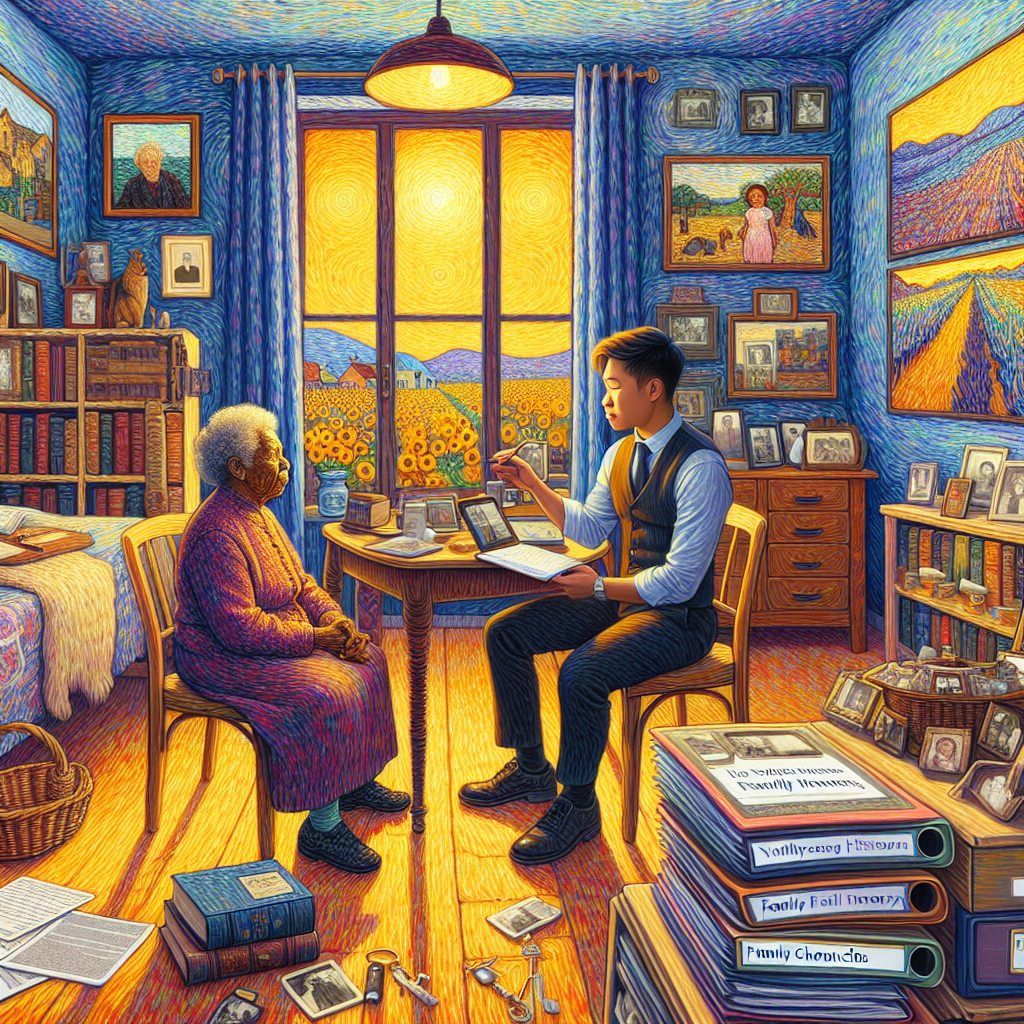
When we think about leaving a mark, we often picture grand achievements and monumental successes. But the truth is, a legacy project doesn’t have to be some massive undertaking; it can be the simple act of capturing your life’s journey in meaningful ways. At its core, a legacy project is a personal initiative aimed at preserving memories, values, and insights for future generations. It’s not just about documenting dates on a family tree or producing polished volumes of memoirs; it’s a much deeper form of connection, often referred to as Legacy Storytelling.
Legacy Storytelling weaves the tapestry of your individual experiences into a narrative that can resonate far beyond your own lifetime. Think of it as a treasure map, directing your loved ones toward the gems of wisdom and humor you’ve accumulated throughout your days. This form of storytelling can take many shapes — from letters to family members, to videos, to scrapbooks, or even simple conversations around the dinner table. Regardless of the format, the goal remains the same: to share your truths, values, and dreams, cultivating a sense of belonging and understanding within your family or community.
Why does this matter? Well, it’s about more than just the stories themselves; it’s about the connections they foster. As we traverse the ups and downs that life inevitably throws our way, it’s the shared narrative that binds us to those we care about. It allows us to reflect on our experiences, conveying lessons learned and emotions felt. Imagine generations gathering years from now, not just to recall family history, but to engage with the very essence of who you were — your hopes, your struggles, and your triumphs.
In a world captivated by digital noise and fleeting moments, a legacy project stands as a beacon of authenticity, reminding us of the values worth carrying into the future. So, whether it’s through a recorded video recounting cherished memories, or a handwritten letter filled with advice, consider embarking on your own legacy project. You might just be surprised at the stories waiting to be told, and the impact they’ll have on the hearts and minds of those who come after you. After all, it’s not just about what you leave behind; it’s about the connections that endure long after you’re gone.

What Is A Legacy Project And Why Is It Important?
What Is A Legacy Project And Why Is It Important?
- A legacy project is a personal initiative to preserve memories, values, and insights for future generations.
- It encompasses more than just family trees or memoirs; it’s a form of Legacy Storytelling.
- Legacy Storytelling creates a narrative from individual experiences, serving as a treasure map of wisdom.
- This storytelling can take various forms, including letters, videos, scrapbooks, or conversations.
- The aim is to share truths and values, fostering a sense of belonging and understanding.
- Shared narratives provide connections that bind families and communities through life’s experiences.
- Engaging in a legacy project creates an authentic reminder of values worth preserving for the future.
What Is A Legacy Project And Why Is It Important?
How Can Legacy Projects Strengthen Family Bonds?
When you think about family, what comes to mind? It’s often the memories, stories, and the legacy left behind by those who came before us. Legacy projects provide the perfect opportunity to gather around and delve into the treasure trove of our shared history. They allow us to connect not just with the past, but also with each other. It’s about crafting a narrative that strengthens the fabric of family ties through the art of legacy storytelling.
Imagine this: your grandmother, sitting around the dinner table, bursting with tales of her youth. Each story is a thread, weaving its way through generations, forming a tapestry of laughter, hardship, lessons learned, and love. Legacy storytelling brings these threads to the forefront. When family members participate in legacy projects, they breathe new life into old memories, painting a vivid picture of who they are and where they come from. Suddenly, a name on a family tree turns into a character we know intimately, as if they’ve walked through our lives alongside us.
But it doesn’t just end with grandparents. Legacy projects are an avenue for sharing the stories of younger generations too. Children and teenagers often think their experiences are too mundane to be documented, but that’s where we can help reshape the narrative. When they contribute their stories to family scrapbooks, interviews, or digital archives, it empowers them. They realize their lives matter and that they have a story worth sharing, strengthening their connection to the family unit.
Moreover, the act of coming together to create these projects fosters communication. It gets family members talking — diving deep into discussions that often get overlooked during day-to-day life. Who wouldn’t want to gather around a campfire or a dining table, armed with questions and curiosity? Legacy projects can spur these meaningful conversations, transforming simple gatherings into profound exchanges that leave lasting impacts.
As we delve into legacy storytelling, we find something beautiful: the unyielding connections formed through shared experiences. Legacy projects turn abstract concepts of family into tangible, relatable stories and enhance the bond that holds us together. By preserving our histories, we also create an environment where family members feel valued, understood, and intimately connected, ensuring that these stories aren’t just told, but cherished for generations to come.

How Can Legacy Projects Strengthen Family Bonds?
How Can Legacy Projects Strengthen Family Bonds?
- Legacy projects allow families to explore and share their shared history.
- Storytelling strengthens family ties and creates a narrative that connects generations.
- Older family members, like grandparents, share their life stories, enriching the family tapestry.
- Younger generations benefit from legacy projects by realizing their experiences are significant.
- Creating legacy projects fosters communication and deeper connections among family members.
- Meaningful discussions arise from gatherings focused on legacy storytelling.
- Preserving family histories ensures stories are cherished and valued for future generations.

How Can Legacy Projects Strengthen Family Bonds?
What Are Effective Ways To Start A Legacy Project?
So, you’ve decided it’s time to create a legacy project, something that will carry your values, experiences, and wisdom into the future. It’s a venture that goes beyond mere documentation; it’s about storytelling that preserves the essence of who you are. To embark on this journey, you might want to consider a few effective strategies.
First off, let’s talk about Legacy Storytelling. This isn’t just about recounting events in your life; it’s about weaving those experiences into a narrative that resonates with others. Start by gathering your thoughts. What moments in your life shaped your beliefs and choices? Make a list of significant events, lessons learned, and pivotal experiences. Remember, the aim is to craft a narrative that speaks not just to your journey, but to the universal human experience.
Next, choose your medium. Are you a natural with a pen or a touch typist? Maybe you’d rather share your story through video or audio recordings. Whatever you choose, make sure it aligns with how you best express yourself. If you’ve got stories but don’t feel equipped to write them down, consider reaching out to a local writer or a trusted friend. Collaborating with someone who can help frame your narrative can be invaluable.
Once you have a medium, it’s time to think about how to present your legacy. A well-organized digital archive can provide a treasure trove for future generations. Want to go old-school? Create a scrapbook filled with photographs, mementos, and handwritten accounts. The tactile nature of a physical project can resonate deeply with those who come after you, adding a layer of intimacy to your storytelling.
Let’s not forget about engagement; involve your family. Invite them into the process. Perhaps host brainstorming sessions where stories flow freely, or make a family gathering a storytelling night. This collective reminiscence not only strengthens bonds but helps in uncovering narratives you may not have considered.
Lastly, remember to be authentic. These stories are your truth—raw, beautiful, and unapologetically real. People will connect with the vulnerability of your experiences far more than any polished narrative ever could. So don’t hold back. Your legacy project will not only preserve your story but may also inspire others to reflect on their own journeys and the legacies they wish to leave behind.
What Are Effective Ways To Start A Legacy Project?
What Are Effective Ways To Start A Legacy Project?
- Creating a legacy project involves storytelling that captures your values and experiences for the future.
- Legacy storytelling is about weaving personal experiences into a narrative that resonates universally.
- Gather significant events and lessons from your life to form the foundation of your narrative.
- Choose a medium that aligns with your expression style, whether writing, video, or audio.
- Consider collaborating with a writer or trusted friend to help frame your narrative effectively.
- Present your legacy through organized digital archives or tactile physical projects like scrapbooks.
- Engage family in the storytelling process to strengthen bonds and uncover hidden narratives.

What Are Effective Ways To Start A Legacy Project?
How Can Technology Enhance Legacy Projects Today?
In a world that thrives on constant connectivity, the enduring power of legacy projects has never been more vital. Legacy storytelling is an art form that captures the essence of our shared human experience, a way to hand down lessons learned and memories made. But what if I told you that technology could turn these treasured narratives into dynamic, engaging experiences that resonate with audiences both old and young?
First off, let’s consider how technology can enhance the depth and breadth of legacy storytelling. With the advent of multimedia platforms, people have more tools at their disposal than ever before. Gone are the days when a dusty photo album or a stack of inherited letters sufficed. Nowadays, you can weave together videos, audio recordings, and digital archives to create an immersive experience that draws family and friends into the heart of your story. Imagine a virtual platform where loved ones can share their first-hand accounts, saving those moments that define us for future generations.
And then there’s the issue of accessibility. Modern technology provides an opportunity to democratize legacy storytelling. Many folks have a wealth of stories to tell but lack the means to do so. Now, smartphones can record oral histories, while social media can serve as the perfect vessel to transport these narratives across the globe. A simple video call can bridge the gap of distance, allowing families scattered across the country or even the world to unite and share their legacies in real-time.
But it’s more than just recording stories; it’s about engaging with them. Imagine integrating interactive timelines, augmented reality, or even digital family trees. Visitors can click on different branches of that tree, unlocking stories and photographs that bring your ancestry to life. This isn’t just a read-and-forget method; it’s a living, breathing tapestry that grows as more voices contribute.
Lastly, technology provides the tools for preservation. Digital archives ensure that these narratives aren’t vulnerable to the ravages of time. You no longer have to worry about fading photographs or crumbling pages. Instead, your legacy can be safely secured in the cloud, accessible any time, anywhere.
So, as we honor our past through legacy storytelling, let technology be the magnifying glass that brings those moments into sharper focus, amplifying the voices of generations gone by and weaving them into the fabric of our present. After all, what good is a legacy if it’s not shared?

How Can Technology Enhance Legacy Projects Today?
How Can Technology Enhance Legacy Projects Today?
- The importance of legacy projects and storytelling remains vital in a connected world.
- Technology can enhance legacy storytelling by creating dynamic and engaging multimedia experiences.
- Modern tools enable the integration of videos, audio recordings, and digital archives for immersive storytelling.
- Technology democratizes legacy storytelling, allowing more people to share their narratives through smartphones and social media.
- Engagement can be increased with interactive features like timelines, augmented reality, and digital family trees.
- Digital archives preserve stories against the decay of time, ensuring legacies are safely stored and accessible.
- Technology enriches legacy storytelling by amplifying voices from the past and connecting them to the present.

How Can Technology Enhance Legacy Projects Today?
What Are The Challenges Of Creating A Legacy Project?
Creating a legacy project is no small feat. It’s a journey that requires not only passion but a hefty dose of patience and realism. From the conceptual stage to the final touches, every step along the way can come with a unique set of challenges. Let’s dive into some of the hurdles you might face as you embark on this meaningful endeavor.
First off, legacy storytelling can feel overwhelming. You might have a treasure trove of memories and stories at your disposal, but weaving them into a coherent narrative is another matter entirely. It’s not just about collecting anecdotes; it’s about crafting a narrative that resonates. You have to consider who your audience is and how to present your tales in a way that captivates them. This requires a delicate balance of authenticity and appeal.
Then, there’s the challenge of organization. Many people find it daunting to sift through a lifetime of experiences, picking and choosing which moments to include. A legacy project isn’t just a scrapbook of photos; it’s an opportunity to reflect on a life’s work. This demands introspection and clarity. Figuring out which stories best encapsulate your values, lessons, and experiences can be tricky. You want the essence of who you are to shine through, but that takes time and thoughtfulness.
Another significant challenge is the emotional weight of revisiting the past. Legacy projects often evoke a sense of nostalgia, but they can also dredge up memories that are painful or complicated. Navigating that emotional landscape requires resilience. It’s essential to be prepared for the feelings that might surface and to find healthy ways to process them. This journey can be cathartic, but it can also be tough.
Technology plays a role, too. In our ever-digital world, choosing the right medium for your legacy project can be a minefield. Will you go old-school with pen and paper, or embrace the latest software? Each choice comes with its own set of challenges, from learning curves to the fear of obsolescence.
Lastly, there’s the reality of time. Life can get busy, and carving out moments for a legacy project often takes intentional effort. Balancing this undertaking with daily responsibilities is no easy task. But at the end of the day, every hurdle crossed is a step closer to capturing a slice of who you are, and that’s what makes it all worthwhile.

What Are The Challenges Of Creating A Legacy Project?
What Are The Challenges Of Creating A Legacy Project?
- Creating a legacy project requires passion, patience, and realism.
- Legacy storytelling involves crafting a coherent narrative from a collection of memories and stories.
- Organization is crucial, requiring introspection to choose poignant moments that reflect values and experiences.
- Revisiting the past can evoke both nostalgia and painful memories, demanding emotional resilience.
- Choosing the right medium (digital vs. traditional) for the project can present technical challenges.
- Time management is essential, as balancing the project with daily responsibilities requires intentional effort.
- Each challenge faced brings you closer to capturing your legacy, making the journey worthwhile.

What Are The Challenges Of Creating A Legacy Project?
How Can Family History Be Recorded In A Legacy Project?
When it comes to family history, we’re often talking about more than just names and dates written in a dusty old ledger. No, family history is like a tapestry—woven from threads of experiences, lessons, and tales that shape who we are. That’s where legacy storytelling steps in, giving us a way to bind those threads into something tangible. It’s not just about preserving facts; it’s about honoring the individuals behind those facts, so their stories echo through the ages.
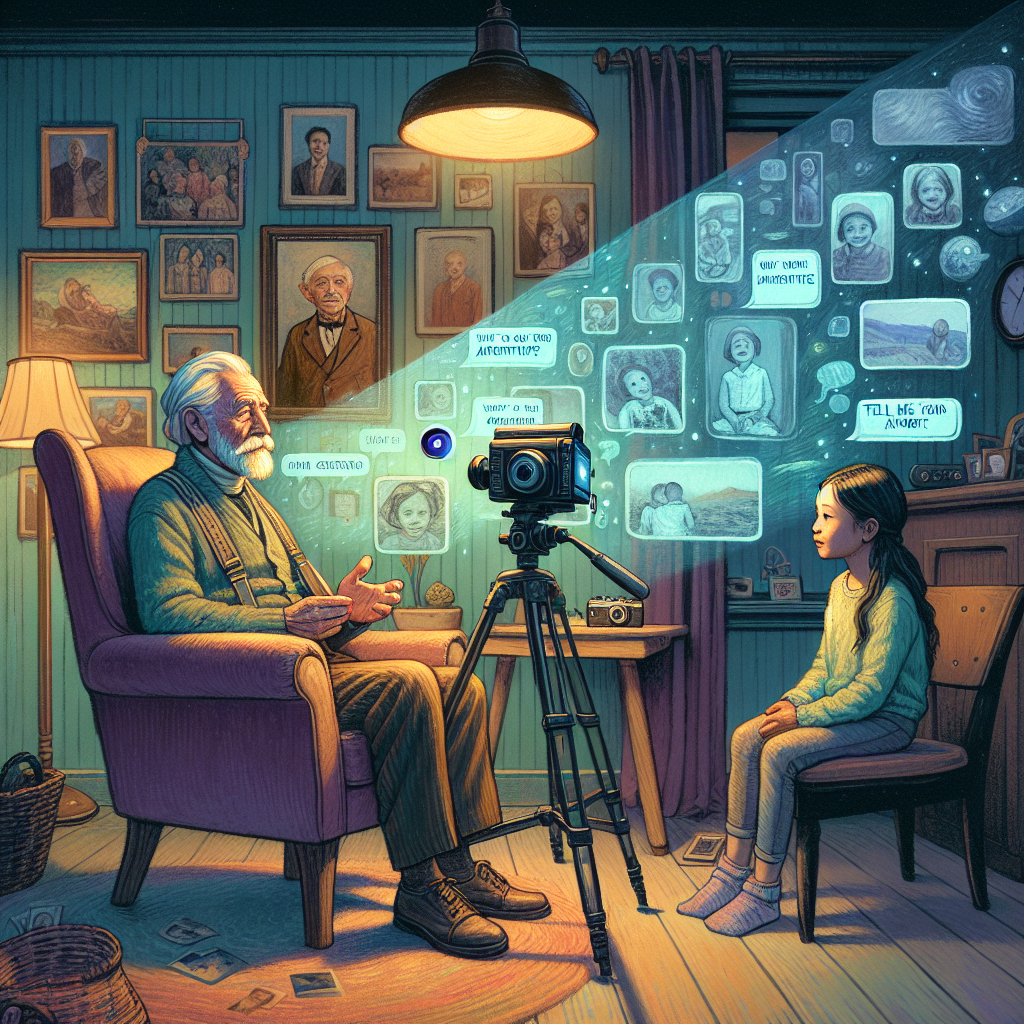
First off, start by gathering everyone in the family. Yeah, it might feel like herding cats, but remember that each family member brings their own slice of history to the table. Put on a pot of coffee, fire up a camera, or even just pull out a notebook. The goal here is to create a relaxed environment where people feel comfortable sharing their stories. Encourage everyone to recount their most memorable moments—those wild adventures, the trials and tribulations, the absurd things that happened. These stories form the foundation of legacy storytelling, and they’re often far more illuminating than the usual genealogical facts.
Now, you’ve got a treasure trove of anecdotes, but you can push it even further. Consider incorporating artifacts—old letters, photographs, or heirlooms. These objects have a unique power to evoke emotions and spark memories that might otherwise be forgotten. As you weave these artifacts into your legacy project, you’re not just telling a story; you’re bringing it to life, creating a multi-dimensional experience.
Next, make use of technology. Sure, there’s something special about gathering around the table, but recording those conversations digitally can help preserve them for years to come. Whether it’s audio recordings, video interviews, or even a blog dedicated to family history, embrace the digital age. You never know who might stumble upon this project years down the line and find a connection to their roots.
Finally, share your legacy story widely. Create a family newsletter or social media group where updates about the project can be shared and discussed. After all, what’s a story without an audience? By nurturing the connections between family members, you’re fostering a culture of storytelling that transcends generations.
Recording family history in a legacy project is about preserving the essence of who we are. It’s about laying down a narrative that ensures the voices of those who came before us will never fade away.
How Can Family History Be Recorded In A Legacy Project?
How Can Family History Be Recorded In A Legacy Project?
- Family history is more than names and dates; it resembles a tapestry woven from experiences and stories.
- Legacy storytelling honors individuals and preserves their narratives for future generations.
- Gathering family members fosters a comfortable environment for sharing memorable moments and anecdotes.
- Incorporating artifacts like letters, photographs, and heirlooms enhances the storytelling experience by evoking emotions.
- Utilizing technology, such as recordings and blogs, helps preserve family stories for years to come.
- Sharing legacy stories through newsletters or social media builds connections and fosters a culture of storytelling.
- A legacy project is essential for preserving the essence of family history and ensuring voices are not forgotten.

How Can Family History Be Recorded In A Legacy Project?
What Role Does Storytelling Play In Legacy Projects?
When it comes to legacy projects, storytelling isn’t just an afterthought; it’s the very backbone holding everything together. Imagine embarking on a journey to honor your family’s history or a cherished community. You don’t just dive into a pile of photos and documents; instead, you weave a narrative that brings those pieces to life. That’s where legacy storytelling truly shines.
First off, let’s talk about connection. We all crave a sense of belonging, and storytelling provides that bridge. A well-crafted narrative illuminates the passions, struggles, and triumphs of those who came before us. By sharing these stories, we forge a deeper connection not only with our ancestors but also with each other. It transforms dry facts and figures into a vibrant tapestry of human experience that resonates with the listener on a profound level. This is the heart of legacy storytelling—it’s about making the past relevant today.
Furthermore, storytelling serves a vital role in preserving cultural identities. Every community has its unique tales, and the act of sharing them ensures they don’t fade into obscurity. When you gather around the campfire, or in the living room, recounting tales from years gone by, you’re not just reminiscing; you’re actively participating in a tradition that shapes the future. These stories become beacons for future generations, teaching them values and lessons that remain applicable in an ever-changing world.
But let’s not forget the impact on the storyteller themselves. There’s something incredibly profound about articulating one’s own legacy. When you take the time to reflect and tell your story, it not only solidifies your place in history, but it also fosters a sense of purpose. Each tale brings back memories, shedding light on what molded you into who you are today. In essence, legacy storytelling becomes a cathartic experience that empowers individuals while enriching the tapestry of the community.
So, whether you’re documenting historic events or personal anecdotes, remember that storytelling is a tool to preserve and enhance our legacy projects. It’s more than just words on a page—it’s about encapsulating lives, spawning connections, and carrying forward the wisdom of our predecessors. Above all, it’s about honoring the past while building a future that remains rooted in shared history. Every legacy has a story waiting to be told.

What Role Does Storytelling Play In Legacy Projects?
What Role Does Storytelling Play In Legacy Projects?
- Legacy storytelling is essential for connecting with family history and community heritage.
- It transforms mundane facts into compelling narratives that resonate deeply with listeners.
- Storytelling fosters a sense of belonging and a deeper connection to ancestors and each other.
- Preserves cultural identities by sharing unique community tales and preventing their obsolescence.
- Participating in storytelling traditions teaches values and lessons for future generations.
- Reflecting on personal stories empowers storytellers and solidifies their place in history.
- Storytelling is a tool to enhance legacy projects by encapsulating lives and wisdom from the past.

What Role Does Storytelling Play In Legacy Projects?
Conclusion
Conclusion: Tying It All Together – The Importance of Legacy Projects
Alright folks, let’s wrap this up and tie a nice bow around the importance of legacy projects and how they can shine a light on family connections through time. In our fast-paced, tech-driven world, where notifications often drown out meaningful conversation, it’s essential to take a step back and remember the art of legacy storytelling. We’re talking about sharing experiences that stretch across generations, creating vibrant narratives that are so much more than facts and figures. Imagine gathering around a dinner table where grandparents regale their grandchildren with tales of perseverance through hard times and the joy of shared victories. That’s where the magic happens, my friends.
Legacy projects are opportunities to dig deep into our family trees, not merely as names etched on a page, but as real people whose lives are woven into the fabric of who we are today. By documenting stories—through interviews, scrapbooks, or multimedia experiences—we breathe life into history and forge connections that transcend distance and time. We bridge generations, imparting values and lessons learned on the shoulders of those who came before us.
Now, here’s the kicker: every story told not only connects us to the past but empowers future generations too. We can give our children and grandchildren a clearer understanding of their roots, helping them feel grounded amidst life’s chaotic currents. And when technology comes into play? Well, it opens up a world of possibilities for recording, preserving, and sharing these cherished stories—making them accessible for years to come. A video call with a grandparent miles away ought to be as rich in connection as a face-to-face chat over coffee.
But let’s not kid ourselves—creating a legacy project isn’t all sunshine and rainbows. We’re diving into a pool of emotions that can sometimes feel overwhelming. It’s about tackling the memories that may be painful but ultimately cathartic through the lens of storytelling. It’s an exercise in vulnerability that can be daunting, sure, but also incredibly rewarding.
So, whether you’re thinking of penning a heartfelt memoir, crafting a photo scrapbook, or recording oral histories, remember this: legacy projects aren’t merely about what you leave behind; they’re a chance to connect, communicate, and collaborate across generations. When we emphasize these shared narratives, we unleash the potential for belonging and understanding that can last a lifetime. Now get out there and start weaving your family’s tapestry—you owe it to yourselves and to those who come after you!

Conclusion
Conclusion:
- Legacy projects highlight the importance of family connections through storytelling.
- Sharing experiences across generations creates vibrant narratives beyond mere facts.
- Documenting stories through various mediums breathes life into family history.
- Such projects bridge generations, imparting values and lessons from ancestors.
- Every story enhances understanding of roots, grounding future generations.
- Technology facilitates recording and sharing family stories for years to come.
- Creating legacy projects can be emotional but ultimately rewarding, connecting families deeply.

Conclusion
Other Resources

Other Resources
Here is a list of other resources you can review online to learn more:
- Digital Legacy Association
- Remembered.com
- Storyworth
- Memorial Matters
- Everplans
- MyWishes
- 23AndMe
- RootsMagic
- LifeBio
Use This Prompt To Get More Resources With Your Favorite Online AI Tool: Please provide me with a list of online articles with their URLs in a bulleted list that I can read regarding How Can Legacy Projects Revolutionize Family Connections Across Time?

Other Resources
Glossary Terms
How Can Legacy Projects Revolutionize Family Connections Across Time? – Glossary Of Terms
1. Legacy Project: A purposeful endeavor aimed at preserving family history, stories, and values for future generations.
2. Genealogy: The study and tracing of family lineages and history through records, documents, and oral traditions.
3. Oral History: A method of preserving family history through storytelling and firsthand accounts, often recorded through interviews.
4. Family Tree: A visual representation of a family lineage, illustrating relationships and connections across generations.
5. Heirloom: A cherished object or artifact passed down through generations, often holding significant personal or historical value.
6. Tradition: Customs and practices passed down within a family, often shaping identity and values over time.
7. Memoir: A narrative account of one’s life experiences often focusing on significant events, relationships, and family history.
8. Photo Archive: A collection of family photographs curated to preserve memories and visual history for future generations.
9. Digital Storytelling: The use of digital media to share personal narratives, combining text, images, audio, and video.
10. Cultural Heritage: The legacy of physical artifacts, traditions, and practices that define a family’s cultural identity and history.
11. Preservation: The act of maintaining and protecting family history and cultural artifacts to ensure their longevity.
12. Legacy Letter: A written document that conveys personal values, advice, and life lessons to future generations.
13. Family Reunion: A gathering of extended family members to celebrate heritage, strengthen bonds, and share stories.
14. Storytelling Circle: A communal activity where family members share stories and experiences, fostering connection and understanding.
15. Time Capsule: A container filled with items representing the current time, buried to be opened in the future, linking generations.
16. Ancestral Research: The process of investigating family history through archives, DNA testing, and historical records.
17. Memory Mapping: A visual tool that helps families track and plot significant memories and events across generations.
18. Legacy Fund: A financial resource established to support and sustain family projects aimed at preserving heritage.
19. Family Mission Statement: A concise declaration of a family’s core values and beliefs, guiding future generations.
20. Curation: The selective organization and presentation of family artifacts, photos, and stories to ensure their impact and relevance.
21. Value Sharing: The process of explicitly communicating family values and traditions to younger generations.
22. Sustainability: The practice of maintaining and nurturing family connections and legacies over time, ensuring their relevance.
23. Intergenerational Dialogue: Conversations between different age groups within a family, enhancing understanding and connection.
24. Vocation: An individual’s calling or purpose, often reflecting family values and traditions passed down through generations.
25. Legacy Workshop: A structured gathering where family members collaboratively create projects aimed at preserving their heritage.
26. Personal Narrative: An individual’s unique account of their experiences, contributing to the collective family story.
27. Memento: An object kept as a reminder of a person or event, often carrying sentimental value within a family.
28. Shared Experiences: Moments or events that families partake in together, enhancing bonds and creating lasting memories.
29. Emotional Legacy: The sentiments, relationships, and bonds that families cultivate and pass down, shaping future generations’ emotional well-being.
30. Connectedness: The sense of belonging and relation among family members that stems from understanding and honoring shared history.

Glossary Of Terms
Other Questions
How Can Legacy Projects Revolutionize Family Connections Across Time? – Other Questions
If you wish to explore and discover more, consider looking for answers to these questions:
- What specific types of legacy projects can families undertake?
- How can we effectively document oral histories from family members?
- What are some tips for engaging younger family members in legacy projects?
- How do legacy projects differ from traditional genealogy research?
- What innovative technologies are available for creating legacy projects?
- How can families ensure that their legacy project is preserved for future generations?
- What emotional challenges might arise when revisiting past family stories?
- How can we address and include difficult family histories in legacy projects?
- What role does family culture play in shaping legacy storytelling?
- How can storytelling be used to foster understanding in blended families?
- What resources are available for families starting their own legacy projects?
- How can legacy projects help individuals cope with loss or grief?
- What are some creative mediums for sharing family legacies beyond writing?
- How can families ensure their legacy projects tell a balanced narrative?
- What are some common pitfalls to avoid when creating a legacy project?
Other Questions
Haiku
How Can Legacy Projects Revolutionize Family Connections Across Time? – A Haiku
Stories bridge the past,
Family threads intertwine,
Legacy lives on.

Haiku
Poem
How Can Legacy Projects Revolutionize Family Connections Across Time? – A Poem
In a world that spins on the click of a key,
Where memories fade like shadows at sea,
Let us gather ‘round where our stories unfold,
At the heart of our family, both tender and bold.
With tales wrapped in laughter, and lessons in pain,
A tapestry woven from joy and disdain,
Each thread a connection, a glimpse of the past,
Linking hearts to each other, our futures steadfast.
From the kitchen table where we share our delight,
To the campfire glow in the stillness of night,
Legacy projects breathe life into lore,
Creating a bridge to the ones we adore.
Gather the artifacts, the letters, the tales,
The laughter, the heartaches, the wisdom that prevails,
Let technology enhance what our hands choose to weave,
Preserving our stories for those yet to believe.
With every shared moment, the fabric grows tight,
Connecting the past to our flickering light,
We’ll pass on our truths, our hopes, and our dreams,
And forge open pathways, weaving intricate seams.
For in storytelling’s arms, we find solace and grace,
A means to remember each cherished embrace,
In the echoes of voices that ring from the night,
We honor our history, our roots, our birthright.
So come, family members, with hearts open wide,
Let’s gather together, let our essence abide,
For a legacy lived is a legacy shared,
In every tale spoken, in love, we are bared.
Through laughter and struggle, the stories emerge,
In a legacy forged, we find strength and converge,
As time spins unyielding, we rise — hand in hand,
Across generations, our spirits will stand.

Poem
Checklist
How Can Legacy Projects Revolutionize Family Connections Across Time? – A Checklist
1. Determine Your Purpose
_____ Identify why you want to create a legacy project.
_____ Reflect on the memories, values, and lessons you want to share.
2. Gather Family Members
_____ Organize a family gathering to discuss the project.
_____ Encourage everyone to share their stories and experiences.
3. Choose a Storytelling Medium
_____ Decide how you want to document the stories (e. g. , written documents, videos, audio recordings, scrapbooks).
_____ Consider collaborating with a writer or someone experienced in storytelling.
4. Collect Artifacts
_____ Gather old letters, photographs, heirlooms, and other items that can enrich your project.
_____ Use these artifacts to evoke memories and add depth to your storytelling.
5. Engage with Technology
_____ Explore various digital tools and platforms for capturing and preserving stories (e. g. , blogs, digital family trees, multimedia presentations).
_____ Consider using cloud storage for safekeeping and easy access.
6. Start Recording Stories
_____ Compile significant events, lessons learned, and pivotal experiences into a coherent narrative.
_____ Record oral histories or conduct interviews with family members.
7. Be Authentic
_____ Share your genuine experiences and feelings.
_____ Embrace the raw and beautiful aspects of your story.
8. Facilitate Communication
_____ Create opportunities for open discussions about family history and stories.
_____ Use prompts or questions to stimulate conversation and reflection.
9. Organize and Present the Project
_____ Consider how to best organize the material you collect (e. g. , chronological order, themes).
_____ Create an appealing presentation format that speaks to the family and future generations.
10. Share Your Legacy
_____ Distribute the completed project among family members.
_____ Consider creating a family newsletter or social media group for ongoing discussions and updates.
11. Reflect and Adapt
_____ Encourage feedback from family members on the project.
_____ Be open to adding new stories or revising the project as time goes on.
12. Celebrate Your Heritage
_____ Organize an event or family gathering to celebrate the completion of the project.
_____ Reinforce the importance of these stories in shaping family identity and connection.
13. Plan for Future Generations
_____ Think about how to pass on the legacy project to younger family members.
_____ Encourage them to contribute their own stories and experiences to the family legacy.
This checklist can serve as a guide to creating meaningful and impactful legacy projects, helping families connect and preserve their shared histories for generations to come.

Checklist
At LegacyExplorations, we help people plan and explore their legacy by collecting information and news regarding end-of-life planning.
Please share this post with your friends, family, or business associates who may want help to plan or explore their legacy.