

Passing Down Wisdom For Future Success
By Tom Seest
At LegacyExplorations, we help people plan and explore their legacy by collecting information and news regarding end-of-life planning.
Please share this post with your friends, family, or business associates who may want help to plan or explore their legacy.
How Can Legacy Storytelling Inspire Future Generations to Thrive?
In a world where digital content floods our screens and attention spans shrink to match, the power of Legacy Storytelling stands as a beacon, guiding us toward deeper connections and understanding. It’s not just about passing down tales for the sake of nostalgia; it’s about forging a bridge between yesterday and tomorrow, allowing future generations to thrive on the wisdom of those who came before.
Think about it. Every family, every community, has a treasure trove of stories that encapsulate struggles, triumphs, and lessons learned. Legacy Storytelling is more than reciting dates and events; it’s about the emotions tied to those moments—the raw, unfiltered human experience. When we share these stories, we’re not merely preserving a history; we’re providing context, inspiration, and a framework for navigating the complexities of life.
Imagine a young person grappling with self-doubt, unsure of their path in an increasingly uncertain world. Now, consider how a story from a grandparent or a community elder, laden with struggles and eventual triumphs, could spark a flame of motivation in that young mind. “If they overcame X, why can’t I overcome my Y?” The potency of Legacy Storytelling lies in its ability to resonate on a deeply personal level, offering both solace and encouragement.
Moreover, Legacy Storytelling has a communal aspect that helps foster a sense of belonging. When stories are shared around a dinner table or during a community gathering, they serve as threads that weave individuals into the larger tapestry of their heritage. It reminds us that we are part of something bigger; we inherit not just dreams, but also responsibilities—responsibilities to carry forward the lessons learned and the values instilled.
In our fast-paced society, where everything is disposable, we often overlook the importance of slowing down to listen. We have to make the conscious choice to honor those narratives. By doing so, we cultivate a culture of resilience and empathy, urging future generations to thrive with an understanding of their roots.
Ultimately, Legacy Storytelling is an investment in the future. It’s a commitment to ensure that the trials and triumphs of our past do not fade into obscurity but instead serve as a foundation for growth and potential. We don’t just tell stories; we pass along the keys to thriving in the unpredictable journey of life.
How Can Legacy Storytelling Inspire Future Generations to Thrive?
How Can Legacy Storytelling Inspire Future Generations to Thrive?
- Legacy Storytelling fosters deeper connections and understanding amidst the flood of digital content.
- It bridges the past and future, helping generations thrive on ancestral wisdom.
- Stories encapsulate struggles, triumphs, and lessons, emphasizing emotional experiences.
- Sharing stories provides context and inspiration for navigating life’s complexities.
- Legacy Storytelling resonates personally, offering solace and encouragement in challenging times.
- It fosters a sense of belonging by connecting individuals to their heritage during shared moments.
- This practice creates a culture of resilience and empathy, investing in future generations.

How Can Legacy Storytelling Inspire Future Generations to Thrive?
Table Of Contents
- How Can Legacy Storytelling Inspire Future Generations to Thrive?
- What Is Legacy Storytelling And Its Significance Today?
- How Can Stories Shape Our Cultural Identity?
- In What Ways Do Stories Connect Us Across Generations?
- What Are The Key Elements Of Impactful Legacy Storytelling?
- How Can We Encourage The Sharing Of Personal Stories?
- What Role Does Memory Play In Storytelling For The Future?
- How Can Technology Enhance The Preservation Of Stories?
- Conclusion
- Other Resources
- Glossary Of Terms
- Other Questions
- Haiku
- Poem
- Checklist
What Is Legacy Storytelling And Its Significance Today?
Legacy storytelling is much more than just a way to pass the time; it’s an essential lifeline that connects our past to the present. Think about it: the tales we share—whether they’re passed down through generations or told at a family dinner—are the threads that weave our personal and collective histories. They are the lifeblood of our experiences, encapsulating the trials, triumphs, and lessons learned throughout our lives. Legacy storytelling invites us to reflect on our roots, and more importantly, it gives us a chance to remember those who came before us.
So, why should we care about legacy storytelling in today’s fast-paced, digital age? For one, it provides a sense of identity. In a world where people often feel lost in the shuffle, sharing our stories gives us a stronger sense of belonging. It allows us to take a trip down memory lane, reminding us of where we came from and the values instilled in us by our forebears. Whether it’s a grandmother’s tales of overcoming hardship or a father’s stories of the wild experiences of youth, these narratives shape who we are and inform how we view the world around us.
But it doesn’t stop there. Legacy storytelling is also a powerful tool for fostering empathy and understanding. By telling our stories, we create common ground; we highlight our challenges and celebrate our achievements. In essence, we reveal our humanity. As we recount these stories, we cultivate meaningful connections with others, bridging gaps that may otherwise seem insurmountable. In a time when division feels omnipresent, these narratives can beg for a greater understanding and appreciation of diverse perspectives.
Moreover, with the rise of technology, the canvas of legacy storytelling has transformed. Podcasts, blogs, and social media offer new avenues for sharing our narratives, allowing us to reach wider audiences. However, the message remains the same: every story matters. Whether you’re writing your memoir or sharing a quirky family tradition online, you’re contributing to a rich trove of narratives that will play a crucial role in the lives of future generations.
Legacy storytelling is not just about recounting events; it’s about cherishing connections, preserving culture, and fostering a deeper understanding of ourselves and each other. In today’s chaotic world, the value of this age-old practice has never been more significant.

What Is Legacy Storytelling And Its Significance Today?
What Is Legacy Storytelling And Its Significance Today?
- Legacy storytelling connects our past to the present, weaving personal and collective histories.
- It provides a sense of identity and belonging in a fast-paced, digital age.
- These narratives shape our values and influence how we view the world.
- Legacy storytelling fosters empathy and understanding by creating common ground.
- Recounting our stories cultivates meaningful connections and bridges divides.
- Technology has transformed legacy storytelling through podcasts, blogs, and social media.
- This practice preserves culture and enhances our understanding of ourselves and each other.

What Is Legacy Storytelling And Its Significance Today?
How Can Stories Shape Our Cultural Identity?
Stories are the threads that weave the fabric of our cultural identity. They’re not just mere entertainment; they are the legacy storytelling that binds generations. Think about it: every tale told around a campfire or passed down through the ages carries with it lessons, values, and perspectives. It’s amazing how a simple story can shape the way a community sees itself and its place in the world.
Take a moment to consider the families that gather on holidays, sharing stories of their ancestors, the hardships they faced, and the triumphs they celebrated. It’s in these moments that the essence of legacy storytelling shines. These narratives aren’t simply history; they’re blueprints. They remind the younger generation where they come from, instilling a sense of pride and purpose. When we tell our stories, we forge a connection to our past while simultaneously sculpting our future.
Then there are the tales we find in literature, film, and music—each one serving as a mirror reflecting cultural beliefs and social norms. Pivotal narratives can spark movements, inspire change, and create a collective identity. In this way, legacy storytelling becomes a powerful tool for shaping our cultural framework. It’s like a silent conversation that spans decades, maybe centuries, allowing diverse voices to contribute to the same narrative.
And let’s not forget the role of folklore and mythology. These are the age-old stories that carry wisdom passed down from our ancestors. They encapsulate the struggles and triumphs of our forebears, teaching us about morality, resilience, and the human condition. They serve as touchstones for cultures, reminding us that our experiences, while unique, are also universal. When faced with challenges, tapping into these legacy stories can provide comfort and a roadmap for navigating tough times.
At the end of the day, stories do more than merely convey facts; they engage and inspire. They allow us to bridge gaps, fostering understanding and empathy across cultural divides. As we highlight and celebrate our collective narratives, we ensure that our legacy storytelling continues to thrive, creating a dynamic cultural identity built on shared experiences, lessons learned, and aspirations for the future. Embracing our stories, we not only honor our past but also pave the way for a richer, more inclusive tomorrow.

How Can Stories Shape Our Cultural Identity?
How Can Stories Shape Our Cultural Identity?
- Stories form the fabric of cultural identity and bind generations.
- Legacy storytelling carries lessons, values, and perspectives through time.
- Family gatherings sharing ancestral stories instill pride and purpose in the younger generation.
- Literature, film, and music serve as mirrors reflecting cultural beliefs and can inspire change.
- Folklore and mythology encapsulate wisdom, teaching resilience and morality.
- Stories foster understanding and empathy across cultural divides.
- Embracing our stories honors the past and paves the way for a richer, inclusive future.

How Can Stories Shape Our Cultural Identity?
In What Ways Do Stories Connect Us Across Generations?
In a world that’s constantly buzzing with the latest technology and trends, one might wonder how we find common ground between generations. How do the stories we share help bridge the gap? The answer lies in the age-old tradition of legacy storytelling—a practice that’s been woven into the very fabric of humanity since the dawn of time.
Legacy storytelling is more than just passing down tales; it’s the art of connecting, resonating, and, dare I say, healing. Think about it. Every family has its anecdotes, those colorful yarns that seem to take on a life of their own with each retelling. These stories aren’t just entertainment; they carry lessons, values, and wisdom from one generation to the next. Just like a well-worn toolbox, they equip younger folks with the tools they need to face life’s challenges head-on.
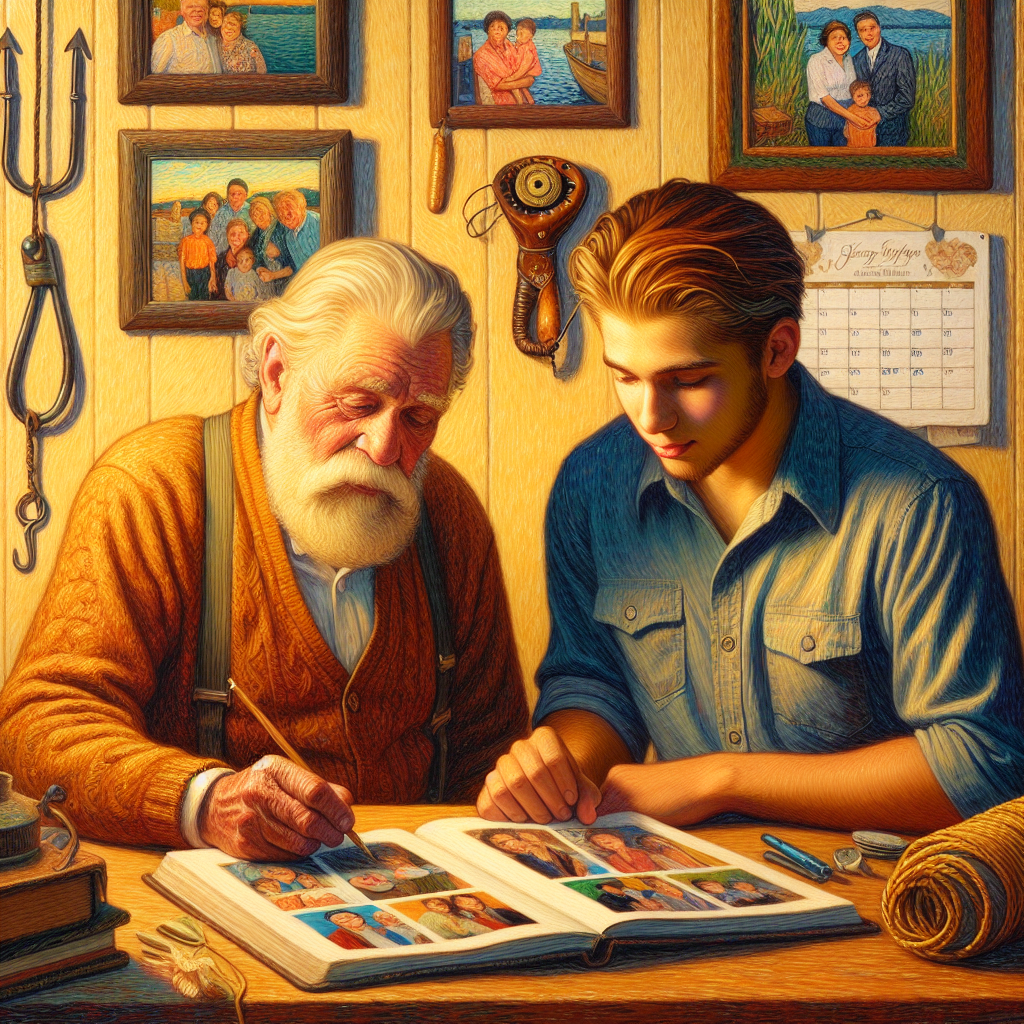
When grandparents sit around the table regaling their grandchildren with tales of the “good old days,” something magical happens. The young listeners transform into historians, absorbing details about their ancestors’ struggles and triumphs. A story that might be fifty years old doesn’t just fade away into history; it becomes a living testament to resilience, courage, and sometimes even a little mischief. It’s not simply about facts and dates; it’s about feeling, and that connection transcends age.
It’s in these moments of storytelling that we also gain perspective. Grandpa might tell the story of how he fought in a war, or Grandma might recount tales of raising a family during tougher times. These narratives strip away the superficial divides of age, class, and even geography. Suddenly, we realize that while the world may change, the human experience is remarkably similar. Each generation faces its own set of hurdles, and the stories we tell help highlight our shared humanity.
Moreover, legacy storytelling fosters empathy and understanding. As we listen to stories from those who walked a different path, we gain insights into their struggles, successes, and everything in between. It encourages us to ask questions, seek advice, and, ultimately, build bonds that might otherwise be missed in the hustle and bustle of everyday life.
The stories we share across generations form the threads that weave us together. Through legacy storytelling, we don’t just celebrate our past; we create a rich tapestry of experiences that helps us understand each other better, fostering a sense of belonging that is critical in today’s fast-paced world.

In What Ways Do Stories Connect Us Across Generations?
In What Ways Do Stories Connect Us Across Generations?
- Legacy storytelling connects generations by sharing experiences and lessons.
- It is a traditional practice that has been part of humanity since ancient times.
- Stories shared within families provide wisdom and tools for younger generations to navigate challenges.
- Grandparents’ tales of the past help grandchildren understand their heritage and history.
- Storytelling transcends superficial divides, revealing shared human experiences and empathy.
- Listening to diverse narratives fosters understanding and strengthens familial bonds.
- Legacy storytelling creates a collective tapestry of experiences, enhancing our sense of belonging.

In What Ways Do Stories Connect Us Across Generations?
What Are The Key Elements Of Impactful Legacy Storytelling?
Legacy storytelling is more than just sharing a few anecdotes; it’s about crafting a narrative that resonates across generations. It’s about weaving together the threads of our past with the hopes for our future. When you think about what makes an impactful legacy story, there are several key elements to consider.
First off, authenticity is paramount. There’s nothing worse than a sanitized tale that feels more like a rehearsed script than lived experience. True legacy storytelling requires a willingness to dig deep into the muddy waters of our personal histories. Embrace the imperfections and mistakes; they make the journey relatable and ultimately richer. Think of it as the difference between a dull brochure and a thrilling expedition—one is flat and uninspiring, while the other invites you to tag along for the ride.
Next, we have connection. Good stories forge bonds; they make us laugh, cry, and reflect. An impactful legacy story isn’t just about the storyteller; it is about the audience, too. Consider the lessons you’re imparting. What wisdom can you offer that allows your listeners to see themselves in your narrative? Engage them with vivid details and emotions that spark their imagination. This kind of connection can turn a simple recounting of events into a shared experience.
Then there’s clarity. The best storytelling is clear and compelling. Avoid getting bogged down in excessive detail or tangents that dilute the essence of your story. Know your main message, and ensure every element of your narrative contributes to that message. It’s about striking the right balance—making your point while keeping your audience captivated.
Lastly, there is purpose. Impactful legacy storytelling serves a function. What do you wish to achieve by sharing your story? Whether it’s preserving family history, imparting moral lessons, or simply providing entertainment, having a clear purpose in mind can guide your narrative. Understanding the “why” behind your story will help you craft a more powerful narrative that resonates with those who hear it.
Impactful legacy storytelling is not merely about recounting what happened. It’s about connecting hearts and minds across time, leaving a mark that echo through generations—an enduring testament to who we are and what we’ve experienced along the way.
What Are The Key Elements Of Impactful Legacy Storytelling?
What Are The Key Elements Of Impactful Legacy Storytelling?
- Legacy storytelling is about crafting narratives that resonate across generations.
- Authenticity is crucial; embrace imperfections and personal histories for a richer story.
- Connection with the audience is key, allowing them to see themselves in the narrative.
- Clarity in storytelling is essential; avoid excessive detail and focus on the main message.
- Purpose drives impactful storytelling; identify your goals for sharing your story.
- Effective legacy storytelling connects hearts and minds across time.
- It leaves an enduring testament to our experiences and identities.

What Are The Key Elements Of Impactful Legacy Storytelling?
How Can We Encourage The Sharing Of Personal Stories?
In a world where we often scroll past encapsulated moments of life in bytes and pixels, the beauty of Legacy Storytelling fades into the background. It’s about time we reignite our passion for sharing personal stories, not just as a means of entertainment, but as a vital connection to our roots and to one another. How do we make this happen? Let’s break it down.
First, we need to cultivate environments where stories feel safe to share. Whether it’s around a family dinner table or during a community gathering, spaces that promote trust and openness can empower individuals to articulate their experiences. Remember, everyone has a story; some might just need a nudge or the right context to reveal it. Let’s create opportunities for people to speak—maybe a storytelling event, an open mic night, or even a weekly coffee catch-up that encourages good old-fashioned conversation. The key is to foster a culture where people feel their tales matter.
Next up is the art of listening. Often, we focus too much on speaking, forgetting how powerful it is to simply listen. When we dedicate our ears and hearts to someone’s tale, we validate their experience and encourage them to dig deeper. Show genuine interest. Ask questions. Give them room to explore the nuances of their history. When individuals feel heard, they are more likely to open up more fully, sharing the rich details that make each story unique.
Let’s not overlook the role of technology. In today’s digital age, we can use platforms like blogs, podcasts, and social media to reach broader audiences than ever before. But here’s the kicker: we must approach this technology mindfully. Encourage storytelling that goes beyond likes and shares—promote narratives that carve out memories, touch hearts, and inspire others.
Another effective way to promote storytelling is through intergenerational engagement. Encourage younger generations to sit down with their elders and ask them about their lives. This not only preserves history but instills a sense of ownership of one’s legacy. We’re all guardians of our family stories, and sharing that legacy strengthens ties within families and communities.
Ultimately, we all carry stories capable of shaping the world around us. If we want to encourage the sharing of personal stories, we must lead with authenticity, extend our hands with care, and above all, remind each other: our stories matter. Let’s keep them alive.

How Can We Encourage The Sharing Of Personal Stories?
How Can We Encourage The Sharing Of Personal Stories?
- The beauty of Legacy Storytelling is fading in a digital world filled with fleeting moments.
- We must create safe environments for sharing personal stories, like family gatherings or community events.
- Encourage storytelling through events and conversations that foster a culture of openness and trust.
- Listening is just as important as telling stories; it validates experiences and encourages deeper sharing.
- Use technology mindfully to promote storytelling that resonates and inspires beyond simple engagement metrics.
- Encourage intergenerational engagement to preserve history and strengthen family and community ties.
- Emphasize the importance of authenticity and care in sharing stories, reminding each other that our narratives matter.

How Can We Encourage The Sharing Of Personal Stories?
What Role Does Memory Play In Storytelling For The Future?
Memory is the foundational bedrock of storytelling, acting as a bridge that connects our past to the stories we craft for the future. Think about it: every heartfelt story, every insightful tale, rises from the rich soil of our shared experiences. This isn’t just a nostalgic stroll down memory lane; it’s a crucial ingredient in what we can label as “Legacy Storytelling.”
Legacy storytelling doesn’t just preserve the past; it actively shapes how future generations perceive their heritage. Whether we’re recounting family histories around a campfire or sharing societal experiences in a classroom, the memories we choose to uplift play an integral role in shaping collective identity. Each anecdote serves as a thread in the grand tapestry of our culture and community. If memory is the ink, then storytelling is the canvas, and together, they create portraits of who we are and aspire to be.
Moreover, as technology evolves, our relationship with memory and storytelling also changes. Digital platforms enable us to record and archive experiences that would otherwise fade into obscurity. But herein lies a paradox: while we can save an abundance of memories, the art of articulating them—of transforming them into compelling narratives—requires a balance. It’s genuinely about curating what matters. In the realm of legacy storytelling, the challenge is to filter the noise and elevate memories that resonate deeply, igniting the flames of curiosity and empathy in our audiences.
What’s vital here is that stories anchored in memory forge connections. They remind us that we’re part of a lineage—not just of ancestors, but also of ideas, dreams, and lessons learned. When we share stories grounded in our lived experiences, we invite others to see the world through our eyes, deepening their emotional and intellectual engagement.
As we build a future layered with stories, we must grapple with the responsibility of memory. It’s not just about what we choose to remember but why that matters. Legacy storytelling will require an intentional effort to curate narratives that reflect our values and aspirations, ensuring that the echoes of our memories resonate authentically and meaningfully. After all, the stories we tell today pave the way for the memories of tomorrow, and those who share them carry the weight of legacy forward. So let’s get to work on the tales worth telling!

What Role Does Memory Play In Storytelling For The Future?
What Role Does Memory Play In Storytelling For The Future?
- Memory serves as the essential foundation for storytelling, connecting our past with future narratives.
- Legacy storytelling preserves past experiences and shapes future generations’ understanding of their heritage.
- Sharing memories helps define collective identity through anecdotes that enrich culture and community.
- Technology allows us to archive memories, but articulating them into compelling narratives remains a challenge.
- Effective legacy storytelling involves curating meaningful memories that inspire curiosity and empathy.
- Stories based on personal memories create connections and invite others to see the world through different perspectives.
- There is a responsibility in legacy storytelling to select narratives that reflect our values and aspirations for the future.

What Role Does Memory Play In Storytelling For The Future?
How Can Technology Enhance The Preservation Of Stories?
In a world swamped by distractions and instant gratification, preserving stories is not just a noble endeavor; it’s a necessity. Legacy storytelling holds the power to connect generations, bridging the gap between the wisdom of elders and the curiosity of youth. Technology, with all its bells and whistles, has become the unsung hero in this quest to keep our narratives alive.
First, let’s talk about accessibility. Once upon a time, if you wanted to preserve a story, you had to rely on the written word or the town hall gathering where everyone would sit around swapping tales until the early hours. Today, anyone with a smartphone can capture a moment, record a voice, or film a memory. Suddenly, those intimate family anecdotes that might have slipped through the cracks are safely stored on the cloud, ready to be revisited whenever you need a reminder of where you came from.
Then there’s the art of oral history. We often hear about how important it is to pass down stories verbally—the way past generations shared their experiences. With technology, we now have tools like podcasts and social media platforms that allow us to broadcast those oral traditions to a broader audience. Imagine gathering your relatives for a storytelling session and then sharing those recordings with family members who live far away. You’re not just preserving a legacy; you’re expanding its reach.
Moreover, let’s not forget about digital storytelling platforms. They enable people to weave together elements like text, images, audio, and video to create rich narratives. Anyone can become a storyteller. Schools are even bringing this into the curriculum, teaching students how to effectively convey their own experiences and cultures through these mediums. Young folks are picking up the mantle of their heritage, learning to honor the stories of their families while infusing them with their own voices.
Finally, technology can enhance engagement. As we navigate our busy lives, we often overlook the past. But through interactive applications or virtual reality experiences, history can come alive in a way that truly captivates. Whether it’s visiting an ancestral homeland through a 360-degree experience or simply watching a family documentary assembled from old reels, technology turns passive memories into lively, immersive tales.
Preserving our stories is about more than just documentation; it’s about connection, identity, and resilience. With technology as our ally, we’re not just keeping our legacies intact; we’re breathing new life into them.

How Can Technology Enhance The Preservation Of Stories?
How Can Technology Enhance The Preservation Of Stories?
- Preserving stories is essential in a world full of distractions and instant gratification.
- Legacy storytelling connects generations, bridging the wisdom of elders with the curiosity of youth.
- Technology enhances accessibility, allowing anyone with a smartphone to capture and store stories.
- Oral history can be shared widely through podcasts and social media, connecting family members across distances.
- Digital storytelling platforms empower individuals to create rich narratives using text, images, audio, and video.
- Schools are incorporating storytelling in curricula, encouraging students to convey their cultural experiences.
- Interactive technology, like virtual reality, makes history engaging and immersive, revitalizing our connection to the past.

How Can Technology Enhance The Preservation Of Stories?
Conclusion
Conclusion: The Power of Legacy Storytelling
Alright folks, let’s take a moment to chew on something we often overlook in today’s go-go-go world filled with endless streams of digital content and quick, disposable updates: Legacy Storytelling. Believe it or not, this age-old practice isn’t just fluff or family folklore—it’s a lifeline connecting our past with the present and future. It’s the backbone of our human experience, loaded with lessons hard-earned and wisdom passed down. Think of it as the ultimate toolkit for life, ready to equip our younger generations with the knowledge and empathy they need to navigate a rapidly changing world.
At its core, Legacy Storytelling is about forging connections. It’s not enough to simply recount facts and figures; it’s about sharing the raw, unfiltered emotions tied to our experiences. Each tale recounted around a dinner table or shared in a community gathering isn’t just a story; it’s a thread that weaves individuals into a cohesive tapestry of heritage. When a grandparent shares a tale of triumph against adversity, that narrative doesn’t just provide context—it ignites a flicker of hope and possibility in a young mind wrestling with their own doubts. It’s a gentle reminder that they’re not alone, that resilience runs in their blood.
Yet, let’s face it: in our fast-paced lives, the act of slowing down to listen can be a challenge. But it’s an essential one! Honoring these stories cultivates a culture of empathy, resilience, and a vital sense of belonging. We as storytellers have a responsibility—to foster an environment where sharing personal narratives is both encouraged and celebrated. This isn’t merely about preserving the past, but about building a future rooted in understanding and mutual respect. Technology can lend a hand here too, offering innovative ways to amplify narratives across generations. Whether we’re using podcasts, social media, or virtual experiences, each platform provides an opportunity to connect deeper with our stories and share them with a broader audience.
As we move forward into the unknown, let’s commit to embracing our stories vigorously. They’re the very essence of who we are, and they hold the keys to thriving in an unpredictable future. So gather those anecdotes, spark those conversations, and most importantly, remember: your story matters. Together, let’s ensure that the lessons of yesterday shape the opportunities of tomorrow, crafting a legacy perhaps our ancestors would be proud of. Now, go get telling!

Conclusion
Conclusion:
- Legacy Storytelling connects our past with the present and future.
- This age-old practice offers valuable lessons and wisdom for younger generations.
- Storytelling forges deep connections, sharing emotions tied to experiences.
- Personal narratives inspire resilience and hope in listeners, reminding them they are not alone.
- Listening to stories cultivates empathy, resilience, and belonging within communities.
- Technology can enhance storytelling through podcasts, social media, and virtual experiences.
- Embracing and sharing our stories is essential for shaping a legacy we can be proud of.

Conclusion
Other Resources

Other Resources
Here is a list of other resources you can review online to learn more:
- RocketLawyer
- DocuBank
- Funeral Services Guide
- StoryCorps
- LivingDNA
- AmericanAncestors
- Legacy Family Tree
- Trust And Will
- FutureMe
- Ever Loved
Use This Prompt To Get More Resources With Your Favorite Online AI Tool: Please provide me with a list of online articles with their URLs in a bulleted list that I can read regarding How Can Legacy Storytelling Inspire Future Generations to Thrive?
Other Resources
Glossary Terms
How Can Legacy Storytelling Inspire Future Generations to Thrive? – Glossary Of Terms
1. Legacy: The story or impact passed down from previous generations, encompassing values, traditions, beliefs, and memories.
2. Storytelling: The craft of sharing narratives that convey experiences, values, and lessons, often through oral or written forms.
3. Cultural Heritage: The collective traditions, customs, and artifacts that define a community and are passed down through generations.
4. Inspiration: The stimulation of creativity or motivation derived from stories that encourage individuals to take action or pursue their goals.
5. Resilience: The ability to recover from setbacks or challenges, often encouraged by stories of overcoming adversity from past generations.
6. Identity: A sense of self that is shaped by narratives and experiences from family, community, and societal history.
7. Connection: The bond formed between individuals through shared stories and experiences, fostering a sense of belonging.
8. Values: Core beliefs and principles that guide actions and decisions, often transmitted through storytelling.
9. Tradition: Practices, rituals, or customs passed down through generations that reflect a community’s cultural identity.
10. Empathy: The capacity to understand and share the feelings of others, often enhanced through exposure to diverse narratives.
11. Mythology: A collection of traditional stories that explain natural phenomena or cultural practices, often conveying moral lessons.
12. Archiving: The process of preserving stories and histories for future generations, ensuring that cultural narratives are not lost.
13. Mentorship: A relationship in which guidance and knowledge are passed from one individual to another, often through storytelling.
14. Narrative: A structured account of a series of events or experiences, central to the art of storytelling.
15. Wisdom: The accumulation of knowledge and insights gained through life experiences that can benefit future generations.
16. Intergenerational Learning: Knowledge and skills exchanged between different age groups, often facilitated through storytelling.
17. Affirmation: The act of validating and acknowledging experiences or feelings through shared narratives, fostering confidence.
18. Legacy Projects: Initiatives or efforts aimed at preserving and sharing important stories and histories for future generations.
19. Transformative Learning: Educational experiences that profoundly change the learner’s perspective, often prompted by impactful stories.
20. Emotional Resonance: The effect a story has on the audience, evoking feelings that encourage reflection and personal growth.
21. Inclusivity: The practice of embracing diverse voices and stories, ensuring that multiple perspectives are shared and appreciated.
22. Advocacy: The act of supporting a cause or idea, often motivated by compelling personal or communal stories.
23. Vision: An inspired outlook on the future that is sometimes ignited by stories from the past.
24. Compassion: A deep awareness of and sympathy for the suffering of others, often cultivated through empathetic storytelling.
25. Community: A group of individuals connected by shared values, experiences, or histories, often strengthened through collective storytelling.
26. Historical Context: The background against which stories are told, providing insights into the circumstances that shape narratives.
27. Narrative Therapy: A therapeutic approach that uses storytelling to help individuals reframe and understand their personal experiences.
28. Empowerment: The process of gaining confidence and power, often influenced by stories that highlight resilience and potential.
29. Symbolism: The use of symbols within stories to convey deeper meanings and themes that resonate across generations.
30. Legacy of Change: A set of ideas, actions, or models that encourage transformation and progress, informed by the lessons of past narratives.
These terms and their descriptions provide a foundational understanding of how legacy storytelling can inspire and motivate future generations to thrive.

Glossary Of Terms
Other Questions
How Can Legacy Storytelling Inspire Future Generations to Thrive? – Other Questions
If you wish to explore and discover more, consider looking for answers to these questions:
- What are some examples of legacy storytelling practices in different cultures?
- How can individuals start their own legacy storytelling journey?
- What are the psychological benefits of sharing personal stories?
- How does legacy storytelling differ from other forms of storytelling?
- What tools and technologies are most effective for preserving stories?
- Can legacy storytelling be beneficial in professional environments?
- How?
- What challenges do people face in engaging with legacy storytelling?
- How can schools incorporate legacy storytelling into their curricula?
- What role does storytelling play in community building and cohesion?
- How can we encourage more diverse stories to be shared and preserved?

Other Questions
Haiku
How Can Legacy Storytelling Inspire Future Generations to Thrive? – A Haiku
Legacy stories thrive,
Bridges built through shared wisdom,
Roots nourish the ground.

Haiku
Poem
How Can Legacy Storytelling Inspire Future Generations to Thrive? – A Poem
In a world where pixels flash and fade,
Where moments slip through fingers like sand,
There lies a power, a thread well-made,
In stories we tell, across generations they stand.
Legacy storytelling, not mere nostalgia’s call,
But bridges we build from past to present time,
Encapsulating triumphs, where shadows fall,
Igniting in youth a spirit to climb.
Gather ’round tables, with laughter and tears,
Through tales of struggle, love, and grace,
We bind our journeys, soothe our fears,
We find our place in this shared embrace.
Authentic whispers of ancestors’ strife,
Carved in the heart, they shape who we are,
Crafting identities in the tapestry of life,
Guiding the lost, like a steadfast star.
From grandparent’s wisdom, a spark can ignite,
A question of courage, a beacon of hope,
With each narrative shared, we make the world bright,
Equipped with past lessons, together we cope.
Amid pixels we dance, as stories take flight,
Digital echoes keep memories alive,
Through platforms and podcasts, we share our light,
With every retelling, our histories thrive.
So let’s cradle our stories, both big and small,
In every voice, the essence of who we are flows,
For in these legacies, we hear the call—
To honor the past, as the future unfolds.

Poem
Checklist
How Can Legacy Storytelling Inspire Future Generations to Thrive? – A Checklist
1. Create a Safe Space for Sharing
_____ Establish regular gatherings (family dinners, community events) where stories can be shared openly.
_____ Encourage an environment of trust and respect, ensuring everyone feels comfortable to share their stories.
2. Practice Active Listening
_____ Show genuine interest when others share their stories.
_____ Ask follow-up questions to deepen the narrative and validate their experiences.
_____ Encourage the storyteller to elaborate on feelings and details that resonate.
3. Emphasize Authenticity
_____ Share your own stories with honesty, embracing imperfections and vulnerabilities.
_____ Move away from sanitized or rehearsed narratives; aim for relatable and enriching experiences.
4. Connect with the Audience
_____ Tailor your storytelling to resonate with those listening, using vivid details and emotions.
_____ Highlight lessons learned or morals that listeners can apply to their lives.
5. Focus on Clarity and Purpose
_____ Keep stories clear and compelling by sticking to the main message.
_____ Understand the purpose behind sharing your story (preserving history, imparting wisdom, or simply entertaining).
6. Utilize Technology for Preservation
_____ Record oral histories using smartphones or audio/video recording tools.
_____ Share stories on social media or blog platforms to reach wider audiences.
_____ Explore digital storytelling tools to combine text, images, and audio for richer narratives.
7. Encourage Intergenerational Engagement
_____ Facilitate conversations between different generations (e. g. , asking grandparents about their childhood).
_____ Create opportunities for younger generations to learn about family history and express ownership of their legacy.
8. Curate Meaningful Memories
_____ Choose which memories to share thoughtfully, highlighting those that reflect shared values and experiences.
_____ Create collective experiences that underscore the strengths and challenges of your heritage.
9. Foster Empathy and Understanding
_____ Use storytelling as a means to bridge cultural gaps and promote understanding.
_____ Encourage the sharing of diverse perspectives and narratives to enrich collective identities.
10. Celebrate the Process
_____ Continue nurturing the practice of storytelling as a vital part of cultural heritage.
_____ Recognize and honor the contributions of each storyteller, understanding their role in preserving legacy.
By following this checklist, you can actively engage in Legacy Storytelling, ensuring that rich narratives are shared, preserved, and appreciated across generations.

Checklist
At LegacyExplorations, we help people plan and explore their legacy by collecting information and news regarding end-of-life planning.
Please share this post with your friends, family, or business associates who may want help to plan or explore their legacy.