

LifeSite: Safeguarding Your Online Legacy
By Tom Seest
At LegacyExplorations, we help people plan and explore their legacy by collecting information and news regarding end-of-life planning.
Please share this post with your friends, family, or business associates who may want help to plan or explore their legacy.
How Can LifeSite Help Preserve a Digital and Online Legacy?
In a world that’s spinning faster than a Tinder date gone wrong, taking care of our digital and online legacy can feel like a daunting task. We’re talking about what happens to our online presence when we step off this mortal coil. Whether you’re a social media aficionado, a passionate blogger, or someone who’s just dabbled in a few online forums, leaving behind a comprehensive legacy is important, and that’s where LifeSite comes into play.
Imagine the Internet as a bustling town square, where every chat, post, and photo is a piece of your story. LifeSite is like the wise old librarian who knows exactly how to catalog those stories and preserve them for future generations. It’s about ensuring that your life’s work—both the profound and the mundane—remains accessible to those who matter most.
So how does LifeSite get the job done? Well, first off, it provides an easy-to-use platform that simplifies the process of gathering and managing your digital assets. Imagine crafting a digital time capsule, a customizable collection that includes your social media accounts, cherished photos, videos, financial information, and important documents. LifeSite allows you to organize this wealth of information in one secure place, making it easier for family and friends to access it when the time comes.
But it doesn’t stop there. LifeSite also serves as your digital estate planner. Equipped with features that enable you to set up guidelines for how your online presence should be handled, it empowers you to decide what’s important and how you want it shared—or not shared. Do you want that cringy high school photo to be archived and treated as a family heirloom, or would you prefer it remain forever hidden in the vaults of time? Your call.
Additionally, LifeSite puts a strong emphasis on security. With all the cybersecurity threats lurking about, knowing that your digital assets are protected adds peace of mind to this often-overlooked part of life planning. It’s about treating your online legacy with the same reverence you’d have for an old family recipe or a dusty photo album.
In summary, preserving your digital and online legacy with LifeSite is not just about leaving behind an imprint in cyberspace; it’s about telling your story in a way that resonates long after you’re gone. After all, the sum of our experiences shapes the stories we leave behind, and LifeSite is here to help you tell yours.

How Can LifeSite Help Preserve a Digital and Online Legacy?
How Can LifeSite Help Preserve a Digital and Online Legacy?
- Managing your digital and online legacy is essential as online presence lasts beyond our lifetime.
- LifeSite acts like a wise librarian, cataloging and preserving personal stories for future generations.
- The platform facilitates the organization of digital assets, including social media, photos, and important documents.
- LifeSite enables users to create a digital time capsule for easy access by family and friends later.
- It functions as a digital estate planner, providing features to establish guidelines for managing online presence.
- LifeSite emphasizes security to protect digital assets from cybersecurity threats.
- Preserving your legacy with LifeSite helps tell your unique story, maintaining its resonance after you’re gone.

How Can LifeSite Help Preserve a Digital and Online Legacy?
Table Of Contents
- How Can LifeSite Help Preserve a Digital and Online Legacy?
- What Steps Should I Take To Organize My Online Accounts?
- How Can LifeSite Assist With Managing My Social Media Legacy?
- What Happens To My Digital Assets When I Die?
- How Can I Communicate My Wishes For My Digital Legacy?
- What Tools Does LifeSite Offer For Digital Legacy Preservation?
- How Can I Protect My Online Identity For Future Generations?
- What Are The Risks Of Not Planning My Digital Legacy?
- How Does LifeSite Handle Sensitive Information In My Digital Legacy?
- Conclusion
- Other Resources
- Glossary Of Terms
- Other Questions
- Haiku
- Poem
- Checklist
What Steps Should I Take To Organize My Online Accounts?
Alright folks, let’s get real. In a world where our lives are increasingly lived online, keeping our digital affairs in order isn’t just smart—it’s essential. We’re talking about safeguarding your privacy, maintaining peace of mind, and being able to find that one old email you swore you saved. So grab your proverbial toolbox, and let’s get to work.
First things first—make a list. Yeah, I know lists can sometimes feel about as exciting as watching paint dry. But trust me, it’s a crucial step. Grab a pen and paper—or better yet, whip out that fancy note-taking app. Jot down every online account you’ve signed up for. This means everything from streaming services to shopping platforms, banking apps, and social media. You’ll be astonished at how many accounts we accumulate without even thinking about it.
Once you’ve got your list, take a hard look at each item. Ask yourself, “Do I even use this?” If the answer is no, it’s time to hit that delete button. The fewer accounts you have, the easier they are to manage. Plus, fewer accounts mean fewer potential vulnerabilities.
Next up, let’s talk passwords. I get it—coming up with a new password can feel like trying to write the next great American novel. But trust me, using the same password across multiple sites is like leaving your front door wide open and hoping no one walks in. Invest in a reputable password manager. These handy tools not only store your passwords securely but also generate strong ones for you. Plus, they’ll remind you to change passwords regularly, which is crucial for keeping your accounts safe.
Now, let’s consider two-factor authentication. I know, I know, it’s another step that feels like a chore, but it’s like putting a deadbolt on that front door. It requires an extra layer of security—some info only you have access to—before letting you in. Honestly, it’s well worth the little bit of time it takes.
Finally, set a time—once a month, every few months—to revisit your accounts. Check for any that need updating or deleting. Keep it simple and treat it like a routine household chore. The more you keep your digital space organized, the less of a headache it’ll be in the long run. Roll up those sleeves, dive into that digital clutter, and take control of your online life. You’ll be glad you did.

What Steps Should I Take To Organize My Online Accounts?
What Steps Should I Take To Organize My Online Accounts?
- Keeping digital affairs organized is essential for privacy and peace of mind.
- Start with making a comprehensive list of all your online accounts, from streaming to banking.
- Review each account and delete those you no longer use to reduce vulnerabilities.
- Use a reputable password manager to securely store and generate strong passwords.
- Implement two-factor authentication for added security on your accounts.
- Regularly revisit and update your accounts, treating it like a routine chore.
- Staying organized will make managing your digital life easier and less stressful.

What Steps Should I Take To Organize My Online Accounts?
How Can LifeSite Assist With Managing My Social Media Legacy?
In the great tapestry of life, our digital footprints tell a story that spans years, friendships, and sometimes even entire philosophies. But what happens when the dust settles, and we’re left with the challenge of preserving our social media legacy? Enter LifeSite, a forward-thinking platform designed to ensure that your online legacy is managed with the same care and respect as the photo album tucked away in your attic.
First off, let’s tackle the elephant in the room: our online presence is more than just a collection of cat memes and vacation photos. It’s a treasure trove of memories, wisdom, and sometimes wild opinions that reflect who we are and what we stood for. With LifeSite, you can take charge of your narrative, empowering you to choose how your online persona will be remembered long after you’ve logged off for the last time.
Managing your social media legacy isn’t simply about erasing embarrassing posts—though let’s not kid ourselves; we all have a couple we wish would vanish. It’s about curating a digital narrative that your loved ones can cherish. LifeSite offers tailored services that allow you to designate specific contacts to manage your accounts when the time comes. You can leave behind a carefully curated collection of memories, wisdom, and values that matter most to you.
Moreover, LifeSite gives you the tools to convey your wishes clearly. With features that enable you to outline your preferences for how you want your social media accounts handled posthumously, it’s like leaving a digital roadmap for your family and friends. Want your Twitter to become an inspirational account, sharing quotes and memories? Or perhaps you’d prefer your Facebook to become a memorial page? LifeSite fits the bill, allowing you to articulate your vision for how you’d like your online presence to be honored.
And let’s not forget communication. This platform fosters conversation among your loved ones about what it means to manage a digital legacy. After all, it’s not just about technology; it’s about the human connections that bind us. LifeSite offers a space for family discussions on how to remember you accurately, ensuring that your digital essence lives on in a meaningful way.
In a world where our lives are increasingly lived online, LifeSite stands as a reliable partner in helping us craft a social media legacy that reflects our truth. Whether we’re here to witness it or not, it’s a legacy worth managing.

How Can LifeSite Assist With Managing My Social Media Legacy?
How Can LifeSite Assist With Managing My Social Media Legacy?
- LifeSite is a platform dedicated to managing your online legacy with care and respect.
- Our digital footprints represent our memories, wisdom, and personal philosophies.
- The platform allows users to curate their digital narrative for loved ones to cherish.
- LifeSite offers tailored services for designating contacts to manage accounts posthumously.
- Users can outline preferences for account handling, such as turning accounts into memorial pages.
- LifeSite facilitates conversations among loved ones about managing a digital legacy.
- The platform emphasizes the importance of preserving human connections in the digital age.

How Can LifeSite Assist With Managing My Social Media Legacy?
What Happens To My Digital Assets When I Die?
When we shuffle off this mortal coil, we tend not to think about the bits and bytes we leave behind. You know, those countless digital treasures that represent our lives in the virtual realm—social media accounts, digital photos, online banking, and the sprawling collection of digital files we’ve amassed over the years. So, what happens to all that when we take our final bow? Well, buckle up; it’s a ride through the digital wild west, and you might be surprised by what you find.
First things first: your digital assets are just like your physical ones, but they require a different kind of thinking. Think of them as an invisible attic brimming with memories, finances, and maybe a sprinkling of embarrassing selfies. When you pass away, these digital relics don’t just vanish into thin air. Instead, they become the responsibility of your loved ones—or worse, they might remain untouched, gathering the digital dust of neglect.
Now, many of us have probably put off estate planning long enough to mistake a coffee break for a comprehensive look at our will. But here’s the kicker: without proper planning, your loved ones might be left scratching their heads, wondering how to access your accounts, find your online assets, or even deal with those pesky subscription services that keep billing your credit card long after you’re gone.
The first step in securing your digital assets is to create a list—a good old-fashioned inventory. Note the passwords, usernames, and what each account holds. It might feel tedious, but think about it: you wouldn’t leave your physical estate for someone to figure out. They need a map, a guide, and a little nudge in the right direction.
Next up, consider appointing a digital executor. This person will be your go-to for navigating the online labyrinth posthumously. Discussing your wishes proactively can save family members from potential heartache and confusion—a kindness in a time that’s rough enough without dealing with Facebook’s Byzantine policies on memorialization.
Lastly, don’t shy away from delving into the privacy policies of your digital platforms. Each one has its own rules on what happens to your data when you expire. Knowledge is power, and the last thing you want is your digital estate to go unaccounted for—a disorganized mess that could easily have been a blessing, now turned burden. Embrace the responsibility and ensure your digital legacy mirrors the life you lived, with intention and clarity.

What Happens To My Digital Assets When I Die?
What Happens To My Digital Assets When I Die?
- Digital assets, like social media accounts and digital photos, represent our lives in the virtual realm.
- Upon death, digital assets require management, similar to physical assets, and need proper planning.
- Loved ones may struggle to access accounts and manage subscriptions without clear guidance.
- Creating an inventory of digital assets, including passwords and usernames, is essential.
- Appointing a digital executor can help navigate online affairs after death.
- Understanding the privacy policies of digital platforms is crucial for managing data posthumously.
- Being proactive with digital asset management ensures a clear and intentional digital legacy.

What Happens To My Digital Assets When I Die?
How Can I Communicate My Wishes For My Digital Legacy?
When it comes to managing your digital legacy, you might think it’s as simple as leaving behind an old hard drive or jotting down a few passwords. But let’s face it: the digital world is as complex as the tangled mess of wires behind your TV. If you want to ensure your wishes are honored after you’re gone, it pays to take a thoughtful, direct approach.
First things first: it’s crucial to create a digital estate plan, much like you would for your physical possessions. Start by making a comprehensive list of all your online accounts, digital assets, and any social media profiles. This list should include everything from financial accounts and email subscriptions to your social media pages and cloud storage solutions. Trust me, if it’s sitting out there in cyberspace, it might as well be an untamed herd of wild cats—just waiting to run amok if you’re not around to wrangle them.
Now, here’s where you want to get specific. According to experts, it’s essential to articulate what you want done with each of these digital assets. Do you want your Facebook and Instagram photos downloaded and saved for posterity? Or maybe you prefer to have those accounts permanently deleted—goodbye, embarrassing college memories. Document your wishes clearly, and don’t shy away from being explicit; ambiguity is the enemy of clarity.
Next, consider leveraging a digital executor. This is someone you trust, a modern-day guardian of your virtual archive, so to speak. Just as you wouldn’t hand over the keys to your house to someone you hardly know, be selective about who you choose. Outline their role clearly: what they can access, what they can share, and what should remain private. Make sure you communicate your plans with them during your lifetime, so everyone’s on the same page.
Finally, take the time to regularly review this plan. Just like the technology around us evolves—new apps, platforms, and gadgets popping up daily—so too should your digital legacy plan. Update it as needed, and ensure your chosen executor remains informed about any changes.
At the end of the day, preparing your digital legacy isn’t just a matter of leaving a trail of breadcrumbs for those you leave behind. It’s about asserting control over your digital footprint and ensuring that your wishes carry weight, even when you’re not around to advocate for them. So roll up those sleeves, get organized, and communicate your thoughts clearly—it’s a task worth tackling.

How Can I Communicate My Wishes For My Digital Legacy?
How Can I Communicate My Wishes For My Digital Legacy?
- Managing your digital legacy requires more than just leaving behind a hard drive or a list of passwords.
- Creating a digital estate plan is essential, similar to planning for physical possessions.
- Make a comprehensive list of your online accounts, digital assets, and social media profiles.
- Clearly articulate your wishes for each digital asset, including preferences for deletion or preservation.
- Consider appointing a digital executor to manage your digital legacy, selecting someone you trust.
- Regularly review and update your digital legacy plan as technology changes and evolves.
- Prepare your digital legacy to maintain control over your digital footprint and ensure your wishes are honored.

How Can I Communicate My Wishes For My Digital Legacy?
What Tools Does LifeSite Offer For Digital Legacy Preservation?
In today’s fast-paced world, our lives are entwined with the digital realm like a tight-knit family at a Sunday barbecue. Between social media posts, cherished emails, and all those awkward selfies on our phones, we create a staggering amount of content that speaks to who we are. But what happens to that digital treasure trove when we’re no longer here to tell the tales? Enter LifeSite, wielding tools crafted to help you prepare a digital legacy worthy of preservation.
First off, let’s talk about LifeSite’s centralized storage solutions. Think of it as a digital vault where all your important documents, cherished photographs, and sentimental recordings can be organized in a way that even your most forgetful family member can understand. This platform lets you create an account that houses everything from a scanned copy of Great Aunt Edna’s famous cookie recipe to those heartfelt video messages to your grandchildren. You gather it all in one secure spot—easy to access for those you leave behind.
Now, how about sharing your story? LifeSite takes the concept of a digital legacy and enhances it with storytelling. They offer templates that make it as simple as pie (and just as enjoyable) to compose narratives about your life experiences. You can sit down and reflect on the quirky moments that shaped you, from learning to ride a bike to that one time you accidentally set off the fire alarm during a family dinner. One click sends these stories to your loved ones, ensuring that your voice is heard long after you’ve gone.
Security is paramount, and LifeSite knows it. With encryption and multi-factor authentication, they safeguard your digital treasures like Fort Knox. Your loved ones won’t need to worry about a cyber-assault erasing your legacy. They can focus on what truly matters—celebrating the life you lived and the memories you’ve left behind.
LifeSite doesn’t stop at preservation—it also emphasizes proactive planning. They offer tools that allow users to set up passing on instructions for their digital assets. Think of it as handing over the keys to your kingdom, with clear guidance for those who will navigate your digital domain after you’re gone.
In a world where memories may seem ephemeral, LifeSite provides the means to anchor them in permanence. With thoughtful tools, simple organization, and a focus on storytelling, they empower individuals to shape their digital legacies into something robust and lasting. So go ahead, make your mark in the digital world, and let LifeSite help you ensure your story continues to shine.

What Tools Does LifeSite Offer For Digital Legacy Preservation?
What Tools Does LifeSite Offer For Digital Legacy Preservation?
- LifeSite helps users prepare a digital legacy for preservation.
- Centralized storage solutions serve as a digital vault for important documents and cherished memories.
- Users can easily organize content like photos, videos, and documents in one secure location.
- LifeSite offers storytelling templates, making it easy to share significant life experiences.
- The platform employs encryption and multi-factor authentication for robust security of digital assets.
- Users can proactively plan by providing instructions for passing on their digital assets.
- LifeSite empowers individuals to create lasting digital legacies through thoughtful organization and reflection.

What Tools Does LifeSite Offer For Digital Legacy Preservation?
How Can I Protect My Online Identity For Future Generations?
In today’s digital age, the online realm is much like an old, rusted barn; it’s filled with memories and treasures, but it’s also home to a few critters you wouldn’t want to share your space with. Much like we wouldn’t let a raccoon into the kitchen, it’s prudent to safeguard your digital footprint, not just for yourself, but for generations to come. After all, our online identities are more than mere usernames and passwords; they are legacies that may shape how future generations perceive us.
Start with the fundamentals: control your information. Every time you post a picture, comment on a thread, or fill out a form, you’re essentially giving away pieces of yourself. Treat these offerings like you would your grandmother’s favorite heirloom—handle them with care. Before hitting “send,” ask yourself: is this something I would want my grandchildren to see? If the answer is no, back away from the keyboard.
Next, embrace the tools available to you. Privacy settings are your best friends. Platforms are increasingly aware of their users’ desire for privacy and have made strides in allowing you to manage who sees what. Tweak those settings to keep your information from wandering off into the digital wild.
Don’t forget about passwords—they’re the locks on your virtual door. Strong, unique passwords are paramount. Avoid using easily guessed information like birthdays or pet names. Instead, think like a safecracker and create a complex combination that only you can decipher. And please, for the love of all things tech-savvy, enable two-factor authentication wherever possible. Think of it as putting a deadbolt on that digital barn door.
Consider your digital legacy as well. Services like Google’s Inactive Account Manager let you dictate what happens to your online accounts if you happen to be absent from the digital landscape for a while. Don’t leave it to chance; plan ahead so that your digital existence doesn’t unintentionally morph into a ghost town filled with outdated selfies and embarrassing tweets.
Finally, educate and engage with your family about online safety. Make conversations about digital responsibility a regular practice. With the right knowledge, future generations can navigate the digital landscape confidently, ensuring that your online identity remains an asset rather than a liability.
Remember, taking the time to protect your online identity today is an investment in the legacy you leave for tomorrow.

How Can I Protect My Online Identity For Future Generations?
How Can I Protect My Online Identity For Future Generations?
- Today’s online environment resembles a rusted barn filled with memories and potential risks.
- It’s essential to safeguard your digital footprint for yourself and future generations.
- Treat your personal information with care, similar to a cherished heirloom.
- Utilize privacy settings on platforms to control who sees your information.
- Use strong, unique passwords and enable two-factor authentication for added security.
- Plan your digital legacy with tools like Google’s Inactive Account Manager for future intentions.
- Engage your family in discussions about online safety to ensure responsible digital navigation.

How Can I Protect My Online Identity For Future Generations?
What Are The Risks Of Not Planning My Digital Legacy?
Let’s face it: in this age of technological snowdrifts, your digital presence is as real as the shoes you wear. They’re not just pixels on a screen; they’re connections, memories, and perhaps, for some, an online version of their very soul. So, what are the perils of leaving your digital legacy up to the winds of fate? Well, buckle up because it can get bumpy.
First off, there’s the risk of total digital disarray. Without a plan, your online accounts can become a Pandora’s box. Imagine a family member stumbling upon your email or social media accounts only to find a chaotic mix of drafts, unposted rants, and perhaps a few embarrassing selfies. Who wants that? The absence of a clear strategy can lead to confusion and even shame. Your digital assets should reflect the person you were, not a jumbled heap of forgotten thoughts and leftover content.
Then there’s the security concern. If you don’t take steps to protect your data, it could fall into the wrong hands. Think about that: your personal photos, financial information, and sensitive correspondence spread out like pages in a poorly-marked notebook for anyone to flip through. Without a designated plan, your loved ones might struggle to regain access. Consider adding layers of security, like passwords and two-factor authentication—whatever you do, don’t leave your digital doors wide open for cyber intruders to waltz in.
Let’s not forget the emotional burden on your family. When you pass, the last thing you want to do is leave your loved ones picking up the pieces of your digital life—like a cryptic treasure hunt. They should be celebrating your life, not scrambling to figure out what you left behind, how to access it, or worse, what secrets you buried online. Leaving clear instructions can save them heartache and confusion.
Ultimately, without a solid plan for your digital legacy, you risk erasing parts of your identity or leaving it scattered to the digital ether. It’s not just about protecting your data; it’s about ensuring that the essence of who you are—your stories, your achievements, your connections—are preserved with the dignity they deserve. So grab a notebook, gather your passwords, and have a chat with your loved ones. Planning your digital legacy isn’t just the smart thing to do; it’s a profoundly respectful gesture for the people left behind.

What Are The Risks Of Not Planning My Digital Legacy?
What Are The Risks Of Not Planning My Digital Legacy?
- Your digital presence is a vital aspect of your identity in today’s technology-driven world.
- Without a plan, your online accounts can lead to digital chaos, confusing and embarrassing your loved ones.
- Lack of security can expose personal data to risks, with sensitive information easily accessed by intruders.
- Leaving behind a digital mess places an emotional burden on your family during an already difficult time.
- Clearly outlining your digital legacy can prevent confusion and allow your family to celebrate your life instead of scrambling to piece things together.
- Preserving your digital legacy is essential to maintain the integrity of your identity, stories, and connections.
- Planning your digital legacy is a respectful act for your loved ones and ensures your essence is honored after you’re gone.

What Are The Risks Of Not Planning My Digital Legacy?
How Does LifeSite Handle Sensitive Information In My Digital Legacy?
When it comes to our digital lives, we’re often swimming in a sea of data. It’s a vast and sometimes murky ocean filled with personal information, cherished memories, and a history that tells our unique stories. That’s where LifeSite comes in, helping to ensure your digital legacy is managed with the utmost care and respect. But how does this platform handle the sensitive information that’s part and parcel of our online existence? Let’s dive into it.
First off, LifeSite embodies a principle akin to a well-oiled machine: transparency. They recognize that your digital legacy is, well, just that—*yours*. From the get-go, they empower you with information about how your data is collected, used, and eventually passed on. It’s all laid out clearly, so you won’t find yourself staring at a screen full of jargon with no clue about what it means for you and your family.
Now, let’s talk protection. You wouldn’t leave your front door wide open while you’re off on a month-long vacation, right? LifeSite treats your information with that same level of vigilance. Employing advanced encryption techniques ensures that only the right people—your chosen successors—have access to your digital treasures when the time comes. It’s as secure as a vault, layered with safeguards designed to keep prying eyes at bay.
Moreover, LifeSite understands that sensitivity goes beyond just keeping your data safe. It’s about handling your memories and emotions with care. When you designate someone to inherit your digital legacy, that person is entrusted with your life’s snapshots—literal and metaphorical. LifeSite guides you in making thoughtful choices about who gets access to what, allowing you to leave behind not just data, but a curated collection of your legacy, preserving the essence of your story.
And let’s not forget about the team behind LifeSite. They’re a bunch of folks who get it—they know that digital legacies aren’t just numbers and letters; they’re the love letters, family photos, and life milestones that deserve to be treated with dignity. Their commitment to ethical management of your information shines through in every interaction.
So, when you think about your digital legacy, rest assured that LifeSite is not just another cog in the machine. They’re the stewards of your story, ensuring your sensitive information is handled with the respect it deserves, safeguarding what matters most as you make the journey from this world to the next.
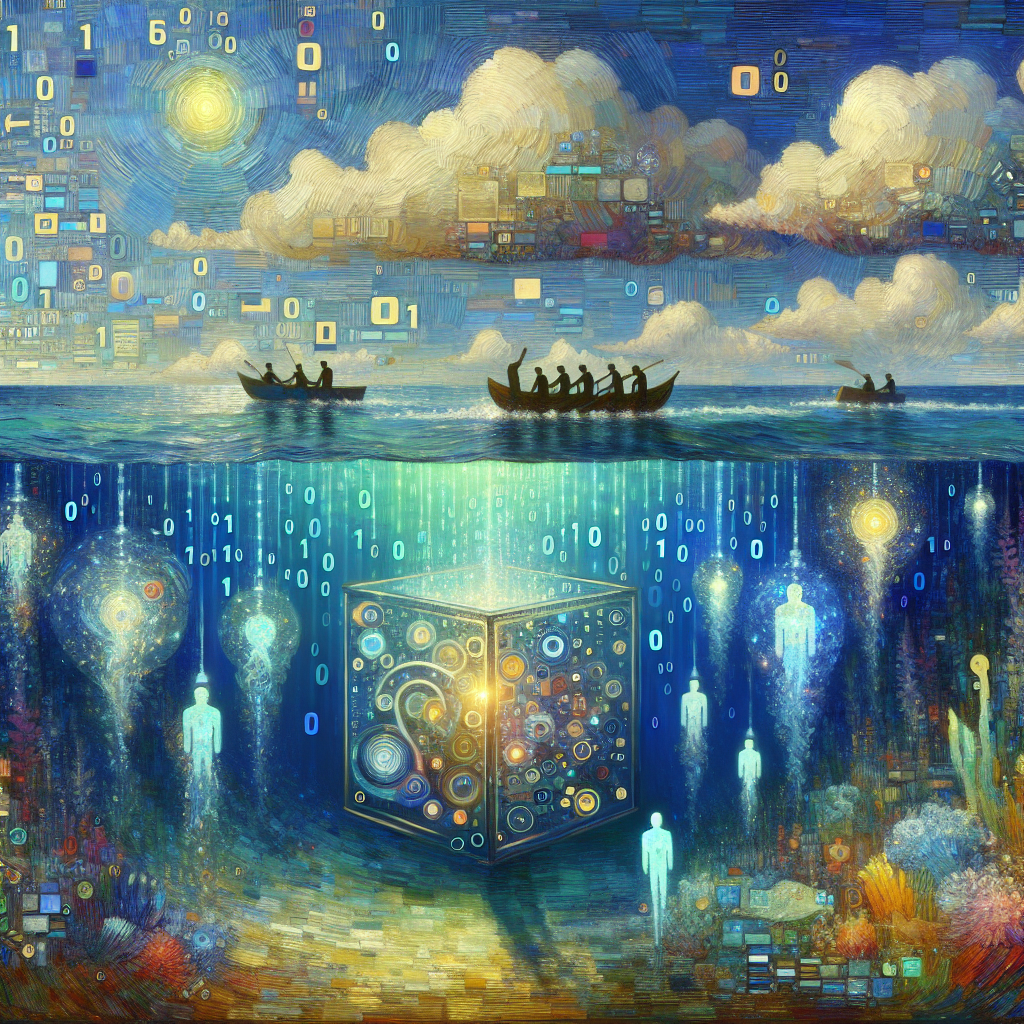
How Does LifeSite Handle Sensitive Information In My Digital Legacy?
How Does LifeSite Handle Sensitive Information In My Digital Legacy?
- LifeSite helps manage your digital legacy with care and respect.
- The platform emphasizes transparency regarding data collection, usage, and transfer.
- Advanced encryption techniques protect your information and restrict access to chosen successors.
- LifeSite guides users in selecting who inherits their digital assets to preserve personal memories.
- The team behind LifeSite is committed to ethical management of digital legacies.
- LifeSite recognizes that digital legacies encompass meaningful personal stories and emotions.
- The platform serves as stewards of your story, ensuring sensitive information is handled with dignity.

How Does LifeSite Handle Sensitive Information In My Digital Legacy?
Conclusion
In our fast-paced digital world, managing your online legacy might feel as overwhelming as figuring out the latest social media trends. But it shouldn’t be; that’s where LifeSite steps in as your trusty guide. Think of LifeSite as the digital vault for your memories, a wise librarian helping you preserve everything that composes your virtual life, from cherished family photos to the cringeworthy moments you’d prefer to forget.
If you’re like most people, your online presence can resemble a wild barn filled with treasured memories and some items you’d rather toss out. LifeSite helps you sift through the digital clutter—offering a user-friendly platform where you can securely organize and manage your online assets into a customizable digital time capsule. With everything organized in one place, it makes it simpler for your loved ones to access your legacy when they need to.
And we all know that life isn’t just about the good times; it also contains some awkward memories. LifeSite allows you to curate your online narrative, empowering you to designate how you want your social media accounts handled when the time comes. Whether you’d like to keep your platforms alive with meaningful memories or put your embarrassing posts into the “do not resuscitate” category, you’re in control.
But security is paramount in this digital age. LifeSite is aware of the lurking threats and keeps your assets protected through advanced encryption and strict privacy controls. Imagine not having to worry whether your loved ones are left to untangle your digital estate in the wake of your passing. With a clear digital estate plan in place, you’re ensuring they can focus on celebrating your life instead of being burdened by uncertainty.
At the end of the day, LifeSite isn’t just a tool; it’s a proactive partner in safeguarding your digital story. In this regard, it helps you take the reins of your online existence, assert your wishes, and leave behind a meaningful legacy that resonates through time. So, roll up your sleeves, get organized, and let LifeSite help you capture the living essence of who you are for generations to come. After all, our stories deserve more than just passing mentions; they should be preserved with care and respect.

Conclusion
Conclusion:
- LifeSite serves as a guide for managing your online legacy in the digital world.
- It acts as a digital vault, helping users preserve all aspects of their virtual life.
- The platform allows for easy organization of digital clutter into a customizable time capsule.
- LifeSite enables users to curate their online narrative, including handling social media accounts after death.
- The service prioritizes security, using advanced encryption and strict privacy controls.
- Establishing a clear digital estate plan can ease the burdens on loved ones after one’s passing.
- LifeSite helps users capture and preserve their stories for future generations with care and respect.

Conclusion
Other Resources

Other Resources
Here is a list of other resources you can review online to learn more:
- How to Preserve Your Digital Legacy (and Why You Should): This article provides a comprehensive guide on how to preserve your digital legacy.
- Estate Planning for Digital Assets: How to Protect Your Online Legacy: This article discusses the importance of including digital assets in your estate planning and provides practical steps to ensure your online legacy is protected.
- LifeSite makes securing your documents online simple and safe: This article introduces LifeSite as a seamless way to securely store your documents online and share them with your loved ones whenever needed.
- LifeSite for Creating a Digital L.I.F.E. File: This article explains why using a digital L.I.F.E. File is beneficial, as paper documents are easily destroyed in natural disasters and everyday accidents.
I hope you find these resources helpful! Let me know if you need help with anything else.

Other Resources
Glossary Terms
How Can LifeSite Help Preserve a Digital and Online Legacy? – Glossary Of Terms
1. Digital Legacy: The collection of digital assets, online presence, and electronic communications that a person leaves behind after their passing.
2. LifeSite: A platform that empowers individuals and families to plan, manage, and preserve their digital legacies thoughtfully.
3. Asset Management: The process of organizing and controlling digital properties, such as social media accounts, emails, and digital documents.
4. Privacy Settings: Configurations that define who can see your information online, which can help protect digital legacies.
5. Online Estate Planning: The process of deciding how digital assets will be handled upon an individual’s death or incapacitation.
6. Data Preservation: The practices used to protect and keep digital information accessible for future reference or use.
7. Will: A legal document outlining how a person’s assets, including digital assets, should be distributed after their death.
8. Executor: A person designated to carry out the terms of a will, including the management of digital legacies.
9. Social Media Accounts: Profiles created on platforms like Facebook, Twitter, and Instagram that need special considerations for legacy management.
10. Access Protocols: Guidelines determining who can access digital accounts and what permissions they have after someone’s passing.
11. Digital Footprint: The trail of data one leaves online, which includes social media activity, website visits, and digital publications.
12. Guardianship: Legal arrangements that assign a trusted individual to manage a person’s online accounts, especially after their death.
13. Online Trust: A legal entity that can hold a person’s digital assets, ensuring they’re managed according to their wishes.
14. Memorialization: The process of honoring a deceased person’s online presence, often through special tributes or features on social media platforms.
15. User Agreement: Terms and conditions established by online service providers, specifying account usage and management protocols after death.
16. Digital Heirs: Individuals designated to inherit digital assets and accounts, often outlined in an estate plan.
17. Legacy Planning: The strategic process of preparing for the management and distribution of one’s physical and digital assets after death.
18. Content Management: The method of organizing digital content for easy access and preservation, including photos, videos, and documents.
19. Cloud Storage: Remote storage solutions used to safeguard digital files, ensuring they remain accessible regardless of location.
20. Digital Vault: A secure online repository for storing sensitive digital information and ensuring that it can be accessed by designated individuals.
21. Password Management: Tools and practices that help organize and secure login credentials for online accounts, essential for digital legacy management.
22. Charitable Giving: Directing digital assets or online presence to support charitable organizations in the legacy plan.
23. Artificial Intelligence: Technologies that may assist in managing or commemorating digital legacies through automated systems or engagement.
24. Transfer of Ownership: Procedures for legally transferring control of digital accounts and assets to designated heirs.
25. Backup Solutions: Strategies for creating duplicates of important digital files to prevent loss over time.
26. Digital Will: A specific declaration pertaining to the management of digital assets, often integrated with traditional wills.
27. Content Sharing: The distribution of digital files and memories among friends and family as part of preserving one’s legacy.
28. Ethical Considerations: The moral implications of managing and accessing a deceased person’s digital legacy, including respect for privacy and intentions.
29. Legacy Website: A dedicated online space created to honor a person’s life and contributions, often containing photos, stories, and memories.
30. Data Deletion: The process of securely removing digital assets or accounts from online platforms as part of a legacy plan, when desired.

Glossary Of Terms
Other Questions
How Can LifeSite Help Preserve a Digital and Online Legacy? – Other Questions
If you wish to explore and discover more, consider looking for answers to these questions:
- What is a digital legacy?
- How does LifeSite differ from other digital legacy services?
- Can I customize my digital legacy on LifeSite?
- What types of digital assets can I manage with LifeSite?
- What happens to my LifeSite account if I stop using it?
- Is it possible to add new digital assets to my LifeSite account after I initially create it?
- How does LifeSite ensure the security of my information?
- What happens if I forget my LifeSite password?
- Can I designate multiple people to manage my digital legacy on LifeSite?
- How long will my data be stored with LifeSite?
- Are there any fees associated with using LifeSite?
- What if my digital executor is unable or unwilling to fulfill their role?
- Does LifeSite provide assistance in legal matters regarding digital assets?
- How frequently should I update my digital legacy plan?
- What resources does LifeSite offer to help me educate my family about my digital legacy?

Other Questions
Haiku
How Can LifeSite Help Preserve a Digital and Online Legacy? – A Haiku
Digital tales preserved,
Legacy shines bright and clear,
LifeSite holds the key.

Haiku
Poem
How Can LifeSite Help Preserve a Digital and Online Legacy? – A Poem
In the whirlwind of a digital age we dwell,
Where memories linger, stories swell.
As we scroll through life, in pixels and light,
What becomes of our essence when we fade from sight?
LifeSite emerges, a guardian so wise,
To catalog journeys beneath online skies.
Like a librarian holding your tales in trust,
Preserving your laughter, your wisdom, your dust.
Craft a time capsule, a virtual embrace,
Of photos and moments, all cherished in space.
From cringy snapshots to triumphs so grand,
LifeSite wraps it gently, with a caring hand.
With tools that empower, they show you the way,
To shape your digital legacy, come what may.
Designate keepers to honor your voice,
Creating a roadmap—an informed choice.
Protecting your treasures from cyber’s fierce claim,
With security measures, they shield your name.
For in an open barn of digital spree,
Guarding your heirlooms is key, you see.
Organize your accounts with lists in hand,
Wipe away clutter, take a stand.
Set passwords strong as fortress walls,
And through two-factor gates, let protection call.
For it’s not just data; it’s life intertwined,
The laughter, the tears, the stories designed.
Communicate wishes, for clarity’s grace,
So loved ones can navigate this vast digital space.
If left to mere chance, chaos will reign,
A tangled confusion, emotions in strain.
But with LifeSite’s guidance, you’ll find peace anew,
A legacy crafted, your truth shining through.
So heed this call as you navigate time,
Preserve your essence; let your story climb.
In this dance of existence, as we come and we go,
Ensure your voice echoes in the hearts that you know.

Poem
Checklist
How Can LifeSite Help Preserve a Digital and Online Legacy? – A Checklist
Steps to Organize Your Online Accounts
1. Make a Comprehensive List
_____ Note all online accounts including social media, banking, and streaming services.
2. Evaluate Account Usage
_____ Determine which accounts you actively use and delete the ones you don’t.
3. Use Strong Passwords
_____ Create unique, strong passwords for each account using a password manager.
4. Enable Two-Factor Authentication
_____ Add an extra layer of security to accounts where available.
5. Schedule Routine Account Reviews
_____ Set a regular interval (monthly or quarterly) to revisit your accounts for updates or deletions.
Managing Your Social Media Legacy
1. Assess Your Social Media Presence
_____ Identify accounts and the content you wish to preserve or delete.
2. Designate Contacts for Social Media Management
_____ Choose trusted individuals to manage your social media accounts posthumously.
3. Outline Preferences for Account Handling
_____ Clearly define how each account should be managed (e. g. , memorial pages, account deletion).
4. Encourage Family Discussions
_____ Initiate conversations about your wishes with family members regarding your digital legacy.
Communicating Your Digital Legacy Wishes
1. Create a Digital Estate Plan
_____ List all online accounts and specify what should happen to them.
2. Document Specific Wishes
_____ Clearly articulate how you want your digital assets managed or preserved.
3. Choose a Digital Executor
_____ Select a trusted person to act on your behalf for managing your digital estate.
4. Update and Review Your Plan Regularly
_____ Keep your digital legacy plan current with any changes in accounts or preferences.
Tools Provided by LifeSite
1. Centralized Storage Solutions
_____ Use LifeSite’s platform to organize important documents and memories in one secure location.
2. Storytelling Templates
_____ Utilize available templates to narrate your life experiences and memories.
3. Security Features
_____ Take advantage of LifeSite’s encryption and multi-factor authentication to protect your data.
4. Proactive Planning Tools
_____ Set up clear instructions for passing on your digital assets.
Protecting Your Online Identity
1. Control Your Information
_____ Be mindful of what you share; consider the future implications of your posts.
2. Adjust Privacy Settings
_____ Use the privacy settings on platforms to restrict who can view your information.
3. Utilize Strong Passwords and Two-Factor Authentication
_____ Secure your accounts to prevent unauthorized access.
4. Engage Family in Online Safety Discussions
_____ Educate and discuss digital responsibility with family members regularly.
Risks of Not Planning Your Digital Legacy
1. Digital Disarray
_____ Avoid leaving your loved ones to sort through a chaotic digital mess.
2. Security Vulnerabilities
_____ Protect your sensitive information from potential breaches.
3. Emotional Burden on Loved Ones
_____ Prevent family members from the stress of having to guess your wishes.
4. Erasure of Identity
_____ Ensure that your digital legacy accurately reflects who you are.
Handling Sensitive Information with LifeSite
1. Understand Transparency Practices
_____ Be informed about how LifeSite collects and uses your data.
2. Utilize Security Measures
_____ Trust in LifeSite’s encryption and safeguards for sensitive information.
3. Choose Trusted Individuals for Access
_____ Carefully select who will inherit your digital legacy.
4. Engage with LifeSite’s Ethical Management Team
_____ Be assured that your memories and data will be handled with care and respect.
By following this checklist, you can ensure you’re taking significant steps towards preserving your digital legacy with LifeSite while also protecting your online identity for future generations.

Checklist
At LegacyExplorations, we help people plan and explore their legacy by collecting information and news regarding end-of-life planning.
Please share this post with your friends, family, or business associates who may want help to plan or explore their legacy.