

Unlocking The Power Of Personal Legacy
By Tom Seest
At LegacyExplorations, we help people plan and explore their legacy by collecting information and news regarding end-of-life planning.
Please share this post with your friends, family, or business associates who may want help to plan or explore their legacy.
How Can Personal Legacy Be The Greatest Inheritance?
When we think about inheritance, our minds often wander to tangible assets: the house on the corner, the family vacation cabin, or perhaps that vintage car parked in the garage. Don’t get me wrong—those things can be wonderful. But what if I told you that the most valuable inheritance you can leave behind doesn’t have a dollar sign attached to it? Enter the world of legacy storytelling.
Imagine sitting around a roaring campfire, the warmth of the flames dancing in the evening air, and listening to the tales of those who came before you. Stories of perseverance, of hardship, of joy, and of sorrow—they weave together the fabric of who we are. Legacy storytelling isn’t just about recounting past events; it’s about imparting wisdom and values that transcend generations. It’s the kind of inheritance that doesn’t depreciate in value—it appreciates with age, much like a fine wine.
Consider this: what do you want your children or grandchildren to remember about you? It’s easy to think in terms of possessions, but think deeper. What experiences shaped you? What lessons learned the hard way would you want to pass down? Take a moment to sit with a loved one and share those stories. Discuss your triumphs, but also your mistakes. Those moments of vulnerability can bond you in ways that material wealth never could.
Now, let’s be clear: legacy storytelling requires action. It requires a willingness to embrace your past and shape the future through the stories you share. Grab a journal, a camera, or even invite the family over for a weekend gathering. Record those anecdotes, capture those candid moments, and preserve the laughter and tears. You might be surprised at how liberating it is to embrace your narrative.
When we pass on our legacy through storytelling, we create a lasting impact. We remind those we love of their roots and guide them in navigating their own paths. It’s more than just words; it’s a roadmap for future generations, illustrating that life is a rich tapestry of experiences.
So, before you worry about what to leave behind, think about the stories you have yet to tell. Your personal legacy has the power to inspire, to teach, and to connect over and over again. That’s the inheritance that matters most.

How Can Personal Legacy Be The Greatest Inheritance?
How Can Personal Legacy Be The Greatest Inheritance?
- Inheritance is often thought of in terms of tangible assets, like property or valuable items.
- The most valuable inheritance is actually legacy storytelling, which imparts wisdom and values.
- Storytelling emphasizes experiences that shape an individual, allowing lessons to be passed down.
- Sharing personal stories creates bonds that material wealth cannot replicate.
- Legacy storytelling requires action, such as recording stories or gathering family to share experiences.
- Passing on one’s legacy through storytelling provides guidance and a sense of identity for future generations.
- Your personal legacy through stories can inspire and connect, making it the most meaningful inheritance.

How Can Personal Legacy Be The Greatest Inheritance?
Table Of Contents
- How Can Personal Legacy Be The Greatest Inheritance?
- What Does It Mean To Leave A Personal Legacy?
- Why Is A Personal Legacy Important?
- How Can I Define My Personal Values For My Legacy?
- What Role Does Storytelling Play In Shaping A Legacy?
- How Can I Involve Family In Creating A Personal Legacy?
- What Are Practical Ways To Document My Life Experiences?
- How Can I Pass Down Life Lessons To Future Generations?
- Conclusion
- Other Resources
- Glossary Of Terms
- Other Questions
- Haiku
- Poem
- Checklist
What Does It Mean To Leave A Personal Legacy?
Leaving a personal legacy isn’t just about how much you’ve achieved or the titles you’ve held; it’s about the footprints you leave behind. Think of it as your own personal storybook, filled with chapters that tell the tale of who you are, what you valued, and how you impacted others. Personal legacies are often crafted through the simplest, everyday moments—a shared laugh, a lesson taught, or a hand lent when it mattered most. Each of these moments weaves into the fabric of what we leave behind.
Imagine Legacy Storytelling as a vehicle through which you can share those rich, meaningful experiences. It’s the art of conveying your journey in such a way that others can connect with it. When you share your stories—your triumphs, struggles, and even your stumbles—you’re inviting others to learn from your experiences. You’re providing a backdrop against which they can understand their own narratives. That’s how legacies endure; they resonate within us, bridging generations.
But let’s get real for a second: creating a legacy is not about polishing your public persona or amassing accolades. It’s often the unglamorous work that counts. It’s saying “yes” to that extra hour helping a neighbor or sticking around for a friend in need. It’s the wisdom passed down over kitchen tables and campfires, where sometimes the most profound lessons come wrapped in humor or hardship. If you’re willing to wear your heart on your sleeve and share those raw moments, people will feel empowered to do the same.
So, what does it mean to leave a personal legacy? It means being intentional about the kind of impact you want to make. It means realizing that every choice you make becomes part of that larger narrative, creating ripples you may not see in your lifetime. But here’s the beautiful part: when you choose to live with purpose and integrity, those ripples can turn into waves. When you open up that book of life and invite others to understand your journey, you empower them to write their own.
In essence, your legacy is a reflection of your values and relationships. So, lean into those connections. Share your stories. Inspire others not only to remember you but to carry forward the wisdom you’ve shared. After all, isn’t that what makes life’s journey worth it?

What Does It Mean To Leave A Personal Legacy?
What Does It Mean To Leave A Personal Legacy?
- Leaving a personal legacy is about the impact you make, not just your achievements or titles.
- Your legacy is like a personal storybook that shares who you are, what you value, and your influence on others.
- Meaningful moments—such as shared laughs or offered help—contribute to your legacy.
- Legacy Storytelling helps convey your experiences, allowing others to connect and learn from them.
- Creating a legacy is often about the unglamorous, everyday actions rather than accolades.
- Leaving a personal legacy involves intentional choices that create ripples in others’ lives.
- Your legacy reflects your values and relationships, encouraging you to share stories that inspire future generations.

What Does It Mean To Leave A Personal Legacy?
Why Is A Personal Legacy Important?
Picture this: you’re sitting around a campfire with your friends or family on a chilly evening, sharing stories from your past. Each tale is a thread, weaving together a tapestry of experiences, lessons, and emotions. This is legacy storytelling at its finest—when we pass down not just facts and figures, but the essence of who we are. Why does it matter? Because each one of us is writing a story every day, and our personal legacy is the book we leave behind when the pages run out.
Creating a legacy is more than just a lofty concept reserved for famous figures; it’s a deeply personal endeavor that each of us can embrace. Whether through small daily actions or monumental life choices, our legacies shape who we are and how we are remembered. Think about it: what stories do you want your loved ones to share around that campfire? What kind of impact do you want to leave? These questions challenge us to live intentionally, making choices that resonate with our true selves.
Now, here’s the kicker: a personal legacy isn’t only about what we leave for others, but also what it gives us in the here and now. By reflecting on and cultivating our legacy, we gain clarity on our values and priorities. We become more grounded in our lives, making decisions that aren’t just thoughtless reactions to the moment but are aligned with our core beliefs and aspirations.
And let’s be real—life can sometimes feel overwhelming. When you’re caught up in the daily grind, it’s easy to lose sight of what really matters. But when you consciously think about crafting your legacy, it inspired action. It’s a powerful motivator that helps you prioritize experiences and relationships over material possessions. It encourages us to step out of our comfort zones and take calculated risks.
So, take a moment to reflect. What’s your legacy story? What values do you want to instill in others? Whether it’s compassion, resilience, or a sense of humor, your legacy is an invitation for others to carry forward your ideals. By sharing your story, you empower those around you to do the same. In a world that often rushes past, the true value of a personal legacy lies in its ability to connect us and remind us of our shared humanity. So go ahead and start weaving that narrative; the campfire is waiting.

Why Is A Personal Legacy Important?
Why Is A Personal Legacy Important?
- Legacy storytelling allows us to pass down not just facts, but the essence of who we are.
- Creating a legacy is a personal endeavor that shapes our identity and how we are remembered.
- Consider what stories you want loved ones to share about you around a campfire.
- A personal legacy provides clarity on our values and priorities in the present.
- Reflecting on our legacy helps us prioritize experiences and relationships over material possessions.
- Crafting a legacy is a powerful motivator that encourages us to step out of our comfort zones.
- Your legacy empowers others to carry forward your ideals and connect us through shared humanity.

Why Is A Personal Legacy Important?
How Can I Define My Personal Values For My Legacy?
Defining your personal values isn’t just an introspective exercise; it’s a journey that sets the foundation for your legacy—and trust me, this journey is worth every moment you invest. Think of it like a map you’re creating for future generations, a way to share who you were and what truly mattered to you.
Let’s kick things off with a little self-discovery. Grab a notebook because this isn’t a passive endeavor. Reflect on the moments in your life when you felt proud or fulfilled. What values were you embodying in those instances? Maybe it was integrity when you stood up for a friend, or perseverance when you tackled an overwhelming challenge. These snapshots of your life are crucial in shaping your legacy storytelling. They serve as the narrative thread that will weave through your tale, illustrating who you were beyond your achievements.
Next, don’t shy away from the hard questions. What do you stand for? What bugs you? Sometimes, our values shine brightest in the light of our frustrations. If you’ve ever felt a wash of anger at something unjust, there’s a value lurking beneath that emotion, begging for recognition. These core beliefs are the bedrock of your legacy; they define your character in the grand story of your life.
Now, picture the world a decade, two decades, or even three decades down the road. What do you want people to remember about you? Crafting a legacy means reaching out to those who will carry your story forward. Share your values with loved ones; let them know what drives you. Don’t make them guess. This kind of open dialogue can spark rich conversations that reveal even more about what you believe.
And here’s the kicker: your values aren’t set in stone. They can evolve as you grow and navigate different experiences. Be open to change, and allow your understanding of what matters to deepen over time.
Your legacy isn’t just a one-time delivery; it’s an ongoing conversation woven into the fabric of your family, friends, and community. Defining your values is like tuning the strings of your legacy guitar—get it right, and the music you leave behind will resonate long after you’ve left the stage. So, grab that notebook, start reflecting, and begin crafting the story that will keep your spirit alive for generations to come. Your legacy deserves nothing less.

How Can I Define My Personal Values For My Legacy?
How Can I Define My Personal Values For My Legacy?
- Defining personal values is a critical journey that shapes your legacy.
- This process serves as a map for future generations, illustrating your true self.
- Engage in self-discovery by reflecting on moments when you felt proud or fulfilled.
- Identify the core values represented in those significant life moments.
- Address the hard questions regarding what you stand for and what frustrates you; these reflect your core beliefs.
- Communicate your values openly with loved ones to enrich conversations and ensure your legacy is passed on.
- Be open to the evolution of your values as you grow; your legacy is a living conversation.

How Can I Define My Personal Values For My Legacy?
What Role Does Storytelling Play In Shaping A Legacy?
In a world bursting with information, it’s the stories that cut through the noise and leave an indelible mark on our hearts and minds. Legacy storytelling is the craft of weaving a narrative that reflects your values, experiences, and the essence of who you are. It’s more than just reminiscing; it’s about distilling life’s lessons into tales that resonate through time.
Think of it this way: every one of us is a walking anthology filled with chapters yet to be written. Our experiences, triumphs, and even our failures are the pages that come together to create a legacy. But simply existing isn’t enough. To shape a legacy that others will remember, we must tell our stories, not just for ourselves but for those who come after us.
Consider the importance of narrative in shaping perspectives. Have you ever sat around a campfire, captivated by a story that spoke to you on some deep, personal level? That’s the power of storytelling. The right tale, told in the right way, can inspire action, spark change, or even shift the trajectory of someone’s life. By sharing our stories, we create a sense of connection, an invisible thread that binds us to others.
When you share a slice of your life—a lesson learned, a mountain climbed, or a hurdle overcome—you’re not just talking about yourself. You’re inviting others to join you on your journey, making them feel like they’re part of something bigger. In doing so, you craft a legacy that extends beyond your own narrative, inspiring others to embrace their own stories.
Now let’s get real: life isn’t always a fairy tale. It’s messy, unpredictable, and, at times, downright tough. Yet, in those gritty moments lie the raw materials for meaningful storytelling. By embracing vulnerability and authenticity, we elevate our stories and connect with others on a profoundly human level. Our legacies are shaped not solely by our achievements, but by the stories we tell about the struggles we’ve faced and conquered.
So, as you reflect on your own life, remember this: your story is powerful. It’s a legacy waiting to be shared. Whether through conversation, writing, or digital media, don’t underestimate the impact your narrative can have. Embrace it, share it, and watch as your legacy unfolds—one story at a time.

What Role Does Storytelling Play In Shaping A Legacy?
What Role Does Storytelling Play In Shaping A Legacy?
- Legacy storytelling reflects values, experiences, and personal essence.
- Each individual is a walking anthology, with experiences forming their legacy.
- Telling stories is essential for creating a memorable legacy for future generations.
- Storytelling shapes perspectives and can inspire action or change.
- Sharing personal journeys invites others to connect and join in a collective experience.
- Vulnerability and authenticity in storytelling enhance connections with others.
- Your story is a powerful legacy—embracing and sharing it can have a significant impact.

What Role Does Storytelling Play In Shaping A Legacy?
How Can I Involve Family In Creating A Personal Legacy?
When it comes to crafting a personal legacy, involving your family isn’t just a nice idea – it’s essential. Picture this: a circle of loved ones gathered around, sharing stories that weave the fabric of your family’s history. That’s what legacy storytelling is all about. It’s less a formal affair and more an invitation to reminisce, reflect, and rejoice in the moments that have shaped you.
Start by choosing a comfortable setting where everyone can relax and be open. This doesn’t need to be a family reunion or a grand event; it might simply be a cozy Sunday around the kitchen table, or a casual bonfire in the backyard. The atmosphere should feel safe and welcoming, a space where everyone can share freely, giving themselves permission to connect on a deeper level.
Next, consider prompting the conversation with some thought-provoking questions. Ask each family member to share a story about a pivotal moment in their life, or a cherished memory that ties back to you or your family’s history. You might say, “What’s a lesson you learned from grandma that’s stuck with you?” or “Can anyone recall a time when we overcame a challenge together?” These aren’t just questions; they’re keys to unlocking a treasure trove of experiences and insights you may not have known existed.
As the tales unfold, encourage everyone to take notes or record the stories. This brings in a tangible element to legacy storytelling, transforming fleeting moments into lasting keepsakes. Consider creating a family journal or setting up a shared digital platform where these stories can be stored and revisited. Not only does this preserve memories, but it also fosters a sense of unity and continuity for future generations.
And let’s be real for a minute; some families might feel hesitant about diving into the past. It’s perfectly normal. But by leading the way and sharing your own stories—warts and all—you create an environment where vulnerability becomes strength. This honesty builds trust and invites others to share their truths, adding richness to the narrative you’re crafting together.
Involving your family in this process of legacy storytelling nurtures bonds and helps everyone appreciate the journey you’ve traveled together. It’s an act of love that cultivates a deep connection and ensures that your family’s legacy is carried forward, treasured, and shared for years to come. So gather your loved ones and start weaving that tapestry of stories; after all, a legacy is more than what you leave behind; it’s about what you build together.

How Can I Involve Family In Creating A Personal Legacy?
How Can I Involve Family In Creating A Personal Legacy?
- Involving family in crafting a personal legacy is essential for meaningful legacy storytelling.
- Create a comfortable and safe setting for sharing memories, like a kitchen table or backyard bonfire.
- Use thought-provoking questions to prompt stories about pivotal moments or cherished family memories.
- Encourage family members to take notes or record stories, creating tangible keepsakes of memories.
- Consider establishing a family journal or digital platform for preserving and revisiting stories.
- Share your own vulnerabilities to build trust and encourage others to share their truths.
- Legacy storytelling nurtures family bonds and ensures that your legacy is appreciated and carried forward.

How Can I Involve Family In Creating A Personal Legacy?
What Are Practical Ways To Document My Life Experiences?
Alright, let’s get to the meat and potatoes. You’ve had experiences in your life that deserve more than a fleeting thought—why not put them down for posterity? Documenting your life isn’t just for the memoirists or social media influencers; it’s for everyone who wants to leave a piece of their soul behind. Think of it as constructing a time capsule, but instead of shoveling stuff into the ground, you’re weaving tales that can inspire, connect, or even challenge future generations. Ready to dig in? Let’s explore some practical ways to get started!
First off, don’t get caught up in the myths of fancy equipment and perfect prose. Sometimes, all you need is a good old-fashioned notebook. Find a comfortable spot, grab a pen, and start writing. Jot down your thoughts, memories, or even quirky stories that come to mind. Whether it’s the smell of your grandmother’s famous pie or a defining moment from your youth—those slices of life are pure gold. This is Legacy Storytelling at its most authentic.
Photography is another powerful tool that many of us underestimate. Snap pictures or create a dedicated photo album thatlines up experiences alongside your written accounts. Get creative! Capture mundane moments that might seem trivial today but can evoke a flood of memories down the line. Don’t worry about making it perfect; the goal is to capture your reality, however unfiltered it is.
Consider digital options, too. Blogs, podcasts, or even short videos are fantastic alternatives. Recording your thoughts or sharing stories with an audience allows you to connect with others who may have walked similar paths. Plus, in a world dominated by fleeting social media posts, creating a longer-form narrative can become refreshing. Your voice deserves to be heard, and there are plenty of platforms where it can resonate.
Lastly, don’t forget the power of conversations. Gather family and friends and share stories—your stories. You’ll find that everyone has a unique perspective on events that shaped your life. Document these conversations, whether in dialogue or by recording them. It all contributes to that rich tapestry of your life experiences.
So, there you have it. Start where you are, use what you have, and do what you can. This journey of documenting your life isn’t just an exercise; it’s a celebration of you!

What Are Practical Ways To Document My Life Experiences?
What Are Practical Ways To Document My Life Experiences?
- Documenting life experiences is important for leaving a legacy.
- Everyone can engage in Legacy Storytelling, not just memoirists or influencers.
- A simple notebook and a pen can be effective tools for writing your stories.
- Photography can enhance storytelling by capturing moments and creating photo albums.
- Digital platforms like blogs, podcasts, and videos offer alternative ways to share stories.
- Conversations with family and friends can provide unique perspectives on your life events.
- Start documenting your life with available resources, celebrating your experiences along the way.

What Are Practical Ways To Document My Life Experiences?
How Can I Pass Down Life Lessons To Future Generations?
When it comes to passing down life lessons, you might think it’s all about grand speeches or teaching moments drenched in deep wisdom. But sometimes, the most impactful lessons come from the simplest of gestures. Let’s dive into a little something we like to call legacy storytelling—because that’s precisely what we’re doing when we open our hearts and share fragments of our lives.
Think about it: every scar, every triumph, and every misstep you’ve ever taken tells a story. These stories are like gold nuggets buried deep in your life’s experience, waiting for the next generation to discover. They form a bridge between your world and theirs, guiding them not just with what you’ve done, but how you felt and what you learned along the way.
Start by gathering your loved ones—whether that’s family, friends, or even kids in your community. Make it a routine, a monthly get-together or a casual weekend chat over coffee. Share those remarkable stories, but don’t forget to include the awkward, the uncomfortable, and the hilarious. Maybe it’s the time you took on a job that seemed impossible and how it turned out differently than expected. Or perhaps it’s about the sheer grit it took to mend a relationship that seemed broken beyond repair.
Invite them into your narrative. Ask open-ended questions that get them thinking about their own experiences. “What was the hardest lesson you learned this year?” or “When was a time you felt proud of yourself?” These conversations create a two-way street, allowing them to reflect on their own life lessons while soaking in your wisdom.
The beauty of legacy storytelling is that it’s more than just words—it’s a force that binds us. When you share a laugh over a shared misadventure or marvel together at a hard-earned victory, you’re passing on not just wisdom but a sense of belonging and trust.
So, don’t be shy. Dig into those stories that shaped who you are. Let your successes and failures echo through generations. Every tale shared is another brushstroke in the canvas of your family’s history. Embrace this opportunity to ignite inspiration and connection, and watch as those valuable life lessons take root in the hearts of the people you love. The world may change, but the wisdom of your experiences can light the way for others long after you’re gone.

How Can I Pass Down Life Lessons To Future Generations?
How Can I Pass Down Life Lessons To Future Generations?
- Legacy storytelling involves sharing personal life experiences as impactful lessons.
- Every life experience, including scars and triumphs, provides valuable stories for future generations.
- Gather loved ones regularly to connect and share stories, fostering a community of learning.
- Include a mix of remarkable, awkward, and humorous stories to enrich discussions.
- Encourage open-ended questions to invite reflection on personal experiences from others.
- Legacy storytelling fosters a sense of belonging and trust while imparting wisdom.
- Sharing stories contributes to a family’s history and inspires future generations.

How Can I Pass Down Life Lessons To Future Generations?
Conclusion
When we talk about inheritance, our minds often drift towards the predictable: the house on the corner or the prized vintage car tucked away in the garage. But let’s take a moment to think outside that box—or garage. What if I told you the true treasure you can leave behind doesn’t come with a price tag? Enter the realm of personal legacy, or as I like to call it, legacy storytelling. This is a chance to weave together the threads of your life, capturing not just the peaks but also the valleys—a full-bodied narrative that can inspire generations to come.
Imagine gathering around a flickering campfire, surrounded by your loved ones, sharing stories that reflect your struggles, triumphs, and, yes, even your failures. That’s legacy storytelling at work. It’s about more than just preserving facts; it’s about imparting life lessons, instilling values that become guiding stars for those who come after you. Think about it: what do you want your kids or grandkids to remember? Material possessions may fade away, but stories of resilience, compassion, and connection create a wealth that appreciates with every retelling.
And let’s be honest: crafting a legacy isn’t about polishing up your public persona or racking up accolades; it’s about authenticity. So how do we go about this? Start by grabbing a pen, opening your heart, and sharing your experiences—no filters, just the honest-to-goodness truth. Yes, that means talking about your mistakes along with your victories. These narratives are what bind us, providing pathways for future generations to navigate their own lives with wisdom drawn from your experiences.
It’s a call to action, my friends. Legacy storytelling isn’t a passive endeavor; it requires you to be intentional, to engage your loved ones in the crafting of this beautiful tapestry of life. So gather the family, break bread together, and invite stories to emerge. Create spaces where everyone feels safe to share their own tales, to laugh, to cry, and to remember. Document those moments and cherish them.
In a world rushing by at breakneck speed, remember: it’s these shared experiences that anchor us in our humanity. Your legacy isn’t just what you leave behind; it’s the narrative thread that binds generations together. So, why not start today? Gather those around you, lean into those moments, and together, let’s spin a yarn that resonates long after the last embers have burned out. That’s the legacy that truly matters.

Conclusion
Conclusion:
- Inheritance often evokes thoughts of material possessions like houses and cars.
- True treasure lies in personal legacy, also known as legacy storytelling.
- Legacy storytelling weaves a narrative that includes both struggles and triumphs.
- Sharing stories around a campfire can impart important life lessons and values.
- Authenticity is vital in crafting a legacy that reflects true experiences, including mistakes.
- Legacy storytelling requires intentional engagement with loved ones to create lasting memories.
- Your legacy is the narrative that connects generations, emphasizing shared experiences.

Conclusion
Other Resources

Other Resources
Here is a list of other resources you can review online to learn more:
- Cake
- NoLo
- Afternote
- Tributes
- Legacy Family Tree
- UpCounsel
- RocketLawyer
- Lexikin
- Digital Legacy Association
Use This Prompt To Get More Resources With Your Favorite Online AI Tool: Please provide me with a list of online articles with their URLs in a bulleted list that I can read regarding How Can Personal Legacy Be The Greatest Inheritance?

Other Resources
Glossary Terms
How Can Personal Legacy Be The Greatest Inheritance? – Glossary Of Terms
1. Legacy: Something handed down from one generation to another, encompassing values, beliefs, and memories.
2. Inheritance: Assets or valuables passed on to heirs, often monetary or material, but also includes intangible legacies.
3. Values: Core principles or standards that guide behavior and decision-making, often instilled through family teaching.
4. Family Traditions: Customs passed down through generations, fostering a sense of identity and continuity within families.
5. Wisdom: Knowledge gained through experience, often shared as life lessons that can guide future generations.
6. Storytelling: The art of sharing personal experiences and narratives that can impart lessons and values to descendants.
7. Role Model: A person whose behavior serves as a standard for others, particularly important in shaping successors’ choices and ethics.
8. Resilience: The ability to recover from setbacks, a trait that can be cultivated and passed on as part of a legacy.
9. Philanthropy: Charitable giving that reflects personal values and beliefs, contributing to a lasting impact on communities.
10. Mentorship: Guidance provided to others, imparting knowledge and experiences that help shape their paths in life.
11. Ethos: The characteristic spirit or values of a culture or community, often passed down and forming a part of personal legacy.
12. Impact: The effect or influence that a person’s actions and values have on the lives of others.
13. Values-based Living: Maintaining a life guided by core personal principles, creating a blueprint for future generations.
14. Cultural Heritage: Traditions, customs, and artifacts inherited from previous generations, enriching personal legacy.
15. Personal Growth: Ongoing development in an individual’s character and abilities, a key aspect of shaping a meaningful legacy.
16. Emotional Intelligence: The ability to understand and manage emotions, crucial for building strong relationships and effective inheritance.
17. Narrative Legacy: The stories and experiences shared within a family that contribute to a sense of connection and belonging.
18. Character: The mental and moral qualities distinctive to an individual, forming a cornerstone of a personal legacy.
19. Generosity: A willingness to give, which can manifest through charitable acts that shape a legacy of kindness.
20. Community Engagement: Involvement in local initiatives that fosters connections and reinforces values within a community.
21. Inspirational Leadership: Leading by example to motivate others, influencing how one’s legacy is perceived and followed.
22. Sustainability: The pursuit of practices that ensure long-term ecological balance, which can form part of a responsible personal legacy.
23. Mindfulness: The practice of being present and attentive, which can help in making deliberate choices that impact one’s legacy.
24. Creativity: The ability to think outside the box, enabling the creation of unique legacies through art, innovation, or problem-solving.
25. Reflection: The process of looking back on one’s life and experiences to derive meaning, aiding in crafting a coherent legacy.
26. Virtue: Behavior showing high moral standards, often essential in defining a personal legacy.
27. Vision: A clear idea of what one wants to achieve, guiding efforts and decisions in shaping an impactful legacy.
28. Emotional Legacy: The emotional responses, bonds, and relationships cultivated over a lifetime that can influence future generations.
29. Intangible Assets: Non-physical representations of worth, such as knowledge, skills, and reputation, contributing to a legacy.
30. Final Testament: A will or document outlining one’s wishes after death, often including reflections on personal values and intention regarding inheritance.

Glossary Of Terms
Other Questions
How Can Personal Legacy Be The Greatest Inheritance? – Other Questions
If you wish to explore and discover more, consider looking for answers to these questions:
- What are some specific examples of personal legacies left by others?
- How can I start my own legacy storytelling process?
- What are some common mistakes to avoid in legacy storytelling?
- How do I choose which stories to share about my life?
- What tools or resources can help me document my legacy effectively?
- Are there workshops or groups dedicated to legacy storytelling?
- How can I make legacy storytelling a family tradition?
- What if my family is not interested in legacy storytelling?
- How can I inspire younger generations to value legacy storytelling?
- What role does cultural background play in shaping a personal legacy?
- Can digital storytelling be part of a personal legacy?
- What are some effective communication strategies for sharing my legacy?
- How can I ensure my legacy is remembered after I’m gone?
- What should I do if I feel my stories are not significant enough to share?
- How can I blend my personal legacy with community or societal impact?

Other Questions
Haiku
How Can Personal Legacy Be The Greatest Inheritance? – A Haiku
Legacy weaves our tales,
Stories rich with joys and scars,
We plant seeds of love.
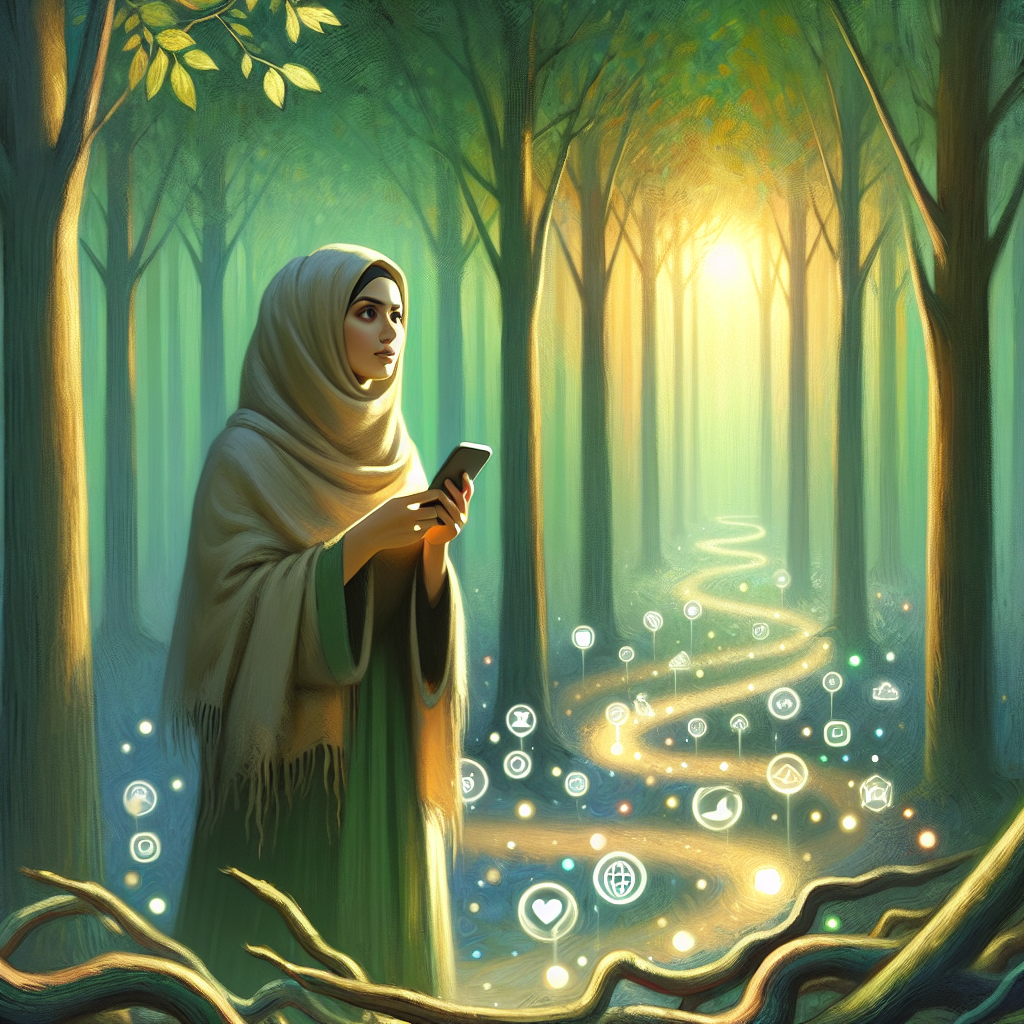
Haiku
Poem
How Can Personal Legacy Be The Greatest Inheritance? – A Poem
Inheritance often sways in gold,
But the truest treasure remains untold.
Beyond the house, the car, the creed,
Lies a wealth in stories, our hearts’ very seed.
Gather ‘round the flickering firelight,
Share your journey, your fears, your flight.
Every triumph, every heartfelt sigh,
Threads the tapestry of “what” and “why.”
Each tale of struggle, joy, and pain,
Echoes through time, a sweet refrain.
It’s wisdom passed from hand to hand,
Crafted in moments—simple, grand.
Think of the lessons in laughter, in tears,
The bonds that strengthen across the years.
For when we share our tales so true,
Life’s narrative sparkles anew.
A personal legacy, not measured in might,
But in connections forged, in love’s pure light.
What will they remember when you are gone?
The stories of life, the spirit drawn on.
So pick up a pen, or lift up your voice,
In a world of noise, this is your choice.
Document moments, let your heart take flight,
For you’re building a guide—a beacon so bright.
Invite family close, let the stories unfold,
In each memory shared, a legacy told.
Through kitchen tables and cozy talks near,
Crafting your future, your values held dear.
As pages run out, and the ink fades away,
It’s these timeless echoes that forever will stay.
So weave your narrative, let the warmth flow,
True inheritance lies in the love we bestow.

Poem
Checklist
How Can Personal Legacy Be The Greatest Inheritance? – A Checklist
1. Reflect on Your Values:
_____ Identify the core values that are most important to you.
_____ Write down specific examples from your life that embody these values.
2. Start Documenting Your Stories:
_____ Set aside dedicated time each week to write or record your memories.
_____ Use a journal, voice recorder, or blog to capture your experiences.
3. Initiate Family Conversations:
_____ Organize regular family gatherings to share stories and memories.
_____ Prepare open-ended questions to encourage deeper discussions about personal histories.
4. Create a Family Legacy Journal:
_____ Start a shared journal where family members can contribute stories and narratives.
_____ Consider digital platforms for easy access and collaboration.
5. Involve Future Generations:
_____ Include younger family members in storytelling sessions to share their perspectives.
_____ Encourage them to document their own stories as they grow.
6. Utilize Various Mediums:
_____ Combine writing with photography to create visual narratives of your experiences.
_____ Explore other formats like videos or podcasts to tell your stories dynamically.
7. Capture Life Lessons:
_____ Reflect on key lessons learned throughout your life and jot them down.
_____ Share these lessons in familial discussions and encourage others to share theirs.
8. Be Vulnerable and Authentic:
_____ Share your struggles and mistakes alongside your successes to foster connection.
_____ Create a safe space where family members feel comfortable expressing their truths.
9. Encourage Legacy Storytelling:
_____ Make storytelling a tradition in your family gatherings, emphasizing its importance.
_____ Model the practice by being open about your life experiences.
10. Review and Revise:
_____ Regularly revisit and reflect upon your documented stories and values.
_____ Allow your legacy to evolve as your experiences and understandings grow.
11. Keep the Narrative Alive:
_____ Share your collected stories and lessons frequently, making them part of family lore.
_____ Consider creating a family website or social media group to share updates and narratives.
12. Celebrate and Honor Experiences:
_____ Hold special events or activities that commemorate important stories or milestones.
_____ Encourage the family to acknowledge and celebrate personal achievements and growth.
This checklist will guide you in crafting and passing down a powerful personal legacy that can inspire and connect future generations.

Checklist
At LegacyExplorations, we help people plan and explore their legacy by collecting information and news regarding end-of-life planning.
Please share this post with your friends, family, or business associates who may want help to plan or explore their legacy.