

Ensure Your Family’s Future With A Lasting Legacy
By Tom Seest
At LegacyExplorations, we help people plan and explore their legacy by collecting information and news regarding end-of-life planning.
Please share this post with your friends, family, or business associates who may want help to plan or explore their legacy.
How Can Preserving Your Legacy Secure The Success for Your Family?
When you think about the concept of legacy, it’s easy to picture grand monuments or lavish endowments. But there’s something much more profound and intimate at play here—something that connects families across generations. It’s not just about what you leave behind; it’s about the lessons, stories, and values that shape who your family becomes long after you’re gone. This is the heart of legacy storytelling.
Imagine gathering your family around a crackling fire, sharing tales from your past, both the triumphs and the trials. Those stories are not merely anecdotes; they’re the fabric of your family’s identity. They inspire, educate, and sometimes even entertain, but most importantly, they provide a sense of continuity. When your children, or grandchildren, hear about the obstacles you overcame or the choices that defined you, they learn resilience, honor, and the art of hard work—principles that are foundational to any family’s success.
In a world increasingly dominated by technology and fleeting social media moments, taking the time to engage in genuine legacy storytelling fosters deep connections. It’s a chance to slow down and reflect on what truly matters. Recognizing your roots, understanding your family’s history, and appreciating the values that have served as guiding stars can empower the next generation to navigate their own challenges with confidence.
It’s vital to think of legacy as a living, breathing entity. Your stories can become tools for motivation and guidance, teaching the next generation how to adapt and thrive in the face of adversity. They become a navigational compass, helping your family chart a course when storms roll in. And unlike financial assets that may wane over time, the wisdom planted in the hearts of your loved ones can grow into something infinitely valuable.
So, how do you start? Pull out that old photo album or video recorder, and dive into memory lane. Ask your parents or grandparents about their experiences; you’ll be surprised at the treasures waiting to be discovered. As you create this rich tapestry of experiences and lessons, you’re not just preserving history—you’re laying the foundation for your family’s enduring success. Embrace this opportunity, and in doing so, you’ll not only enrich your family legacy but also empower generations to come.

How Can Preserving Your Legacy Secure The Success for Your Family?
How Can Preserving Your Legacy Secure The Success for Your Family?
- Legacy is not just about monuments or endowments, but about lessons, stories, and values that shape families across generations.
- Legacy storytelling involves sharing both triumphs and trials, forming the fabric of a family’s identity.
- Family stories provide inspiration, education, and a sense of continuity for future generations.
- In a tech-driven world, engaging in legacy storytelling fosters deep familial connections and reflection on what truly matters.
- Legacy should be viewed as a living entity, where stories act as motivational tools and guiding principles for adaptation and resilience.
- Beginning this process can involve using old photo albums or recording memories by asking older family members about their experiences.
- Creating a rich tapestry of family experiences not only preserves history but also establishes a foundation for future success.

How Can Preserving Your Legacy Secure The Success for Your Family?
Table Of Contents
- How Can Preserving Your Legacy Secure The Success for Your Family?
- What Does It Mean To Preserve Your Legacy?
- Why Is Legacy Important For Families?
- What Role Does Estate Planning Play In Legacy Preservation?
- How Can I Ensure My Values Are Passed To Future Generations?
- What Are The Benefits Of Creating A Trust For My Family?
- How Does Life Insurance Factor Into Legacy Planning?
- What Steps Should I Take To Start Preserving My Legacy?
- Conclusion
- Other Resources
- Glossary Of Terms
- Other Questions
- Haiku
- Poem
- Checklist
What Does It Mean To Preserve Your Legacy?
When we talk about preserving your legacy, we’re diving into the deep end of a pool that’s all too often overlooked. Think of it this way: your legacy is not just a footnote in your life’s story; it’s the very narrative that shapes how you will be remembered. Through Legacy Storytelling, we get a chance to share the tales that define us. It’s about capturing the essence of who you are, the battles you’ve fought, the laughter you’ve shared, and even the lessons learned along the way.
Now, you might be sitting there wondering, “What’s the big deal? I’m just living my life.” Well, that’s where most of us make a misstep. Each of us carries an invaluable collection of experiences—moments that are unmistakably our own. Yet, many of us let these moments slip away, like sand through our fingers. Have you ever been to a family gathering where someone brings out old photographs? Suddenly, stories surface—some laugh-out-loud funny, others tinged with a bittersweet poignancy. These snippets of the past don’t just entertain; they connect us to our roots and help us understand who we are in the broader tapestry of life.
Preserving your legacy isn’t about achieving some grandiosity or obsessively chronicling every detail of your life. Rather, it’s about authenticity. What really matters to you? What stories do you want your grandchildren to hear? How can you weave your values and lessons into tales that resonate? Taking the time to reflect on these questions can feel daunting, but it’s wholly worth it.
Embrace the imperfections—maybe your story isn’t a fairy tale, and that’s perfectly alright. It’s your truth, and that holds power. Record it, share it, and don’t shy away from the lessons learned in the messy moments. Whether it’s through conversations with family, journal entries, videos, or even a blog, find a medium that speaks to you.
So, as you navigate your daily life, remember to gather those moments that matter. Craft your narrative with intention, allowing others to see the beauty in your journey. In doing so, you’ll create a legacy that doesn’t just fade away with time but inspires others to share their own stories and embolden them to live life fully. It’s the stories we leave behind that carry us forward, binding generations in shared experience.

What Does It Mean To Preserve Your Legacy?
What Does It Mean To Preserve Your Legacy?
- Your legacy shapes how you will be remembered and is more than just a footnote in your life’s story.
- Legacy Storytelling allows sharing the tales that define who you are, including your battles, laughter, and lessons learned.
- Many people overlook the significance of their own experiences, which can easily slip away if not acknowledged.
- Reflecting on personal stories, especially during family gatherings, connects us to our roots and identity.
- Preserving your legacy focuses on authenticity rather than chronicling every detail of your life.
- Embrace imperfections in your story; it is your truth that holds power and resonates with others.
- Craft your narrative intentionally to inspire others, creating a legacy that binds generations through shared experiences.

What Does It Mean To Preserve Your Legacy?
Why Is Legacy Important For Families?
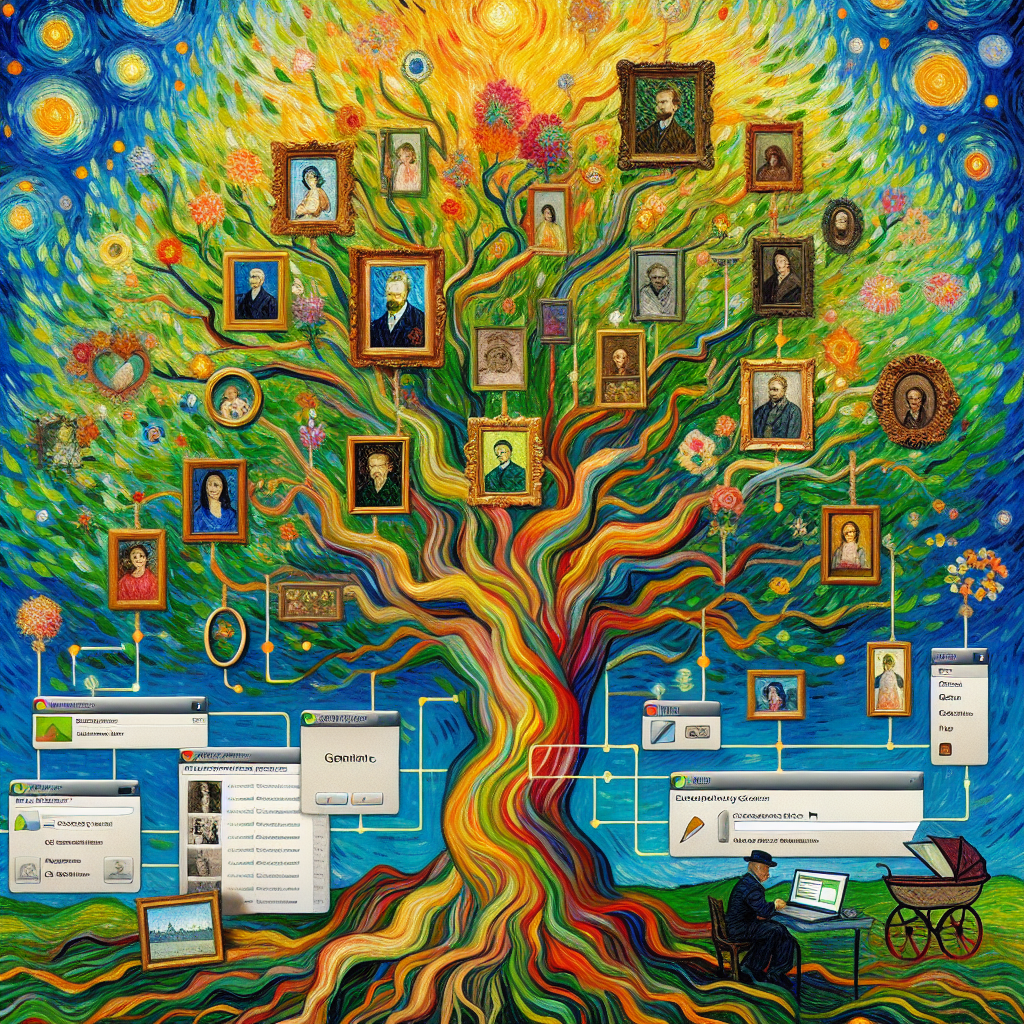
Every family has a story, a rich tapestry woven from the moments that shape who we are and how we see the world. This is where legacy storytelling comes into play—a powerful tool that connects generations, offering a sense of belonging and continuity that can ground us in an ever-changing world. Think about it. The tales of our ancestors, the decisions they made, the struggles they endured, and the victories they celebrated are not just relics of the past; they’re our roots, and they deserve to be remembered and shared.
Legacy is about more than just passing down heirlooms or financial assets; it’s about imparting values, wisdom, and the lessons learned from life’s hard knocks. When families engage in legacy storytelling, they create a safe space where history can be discussed, shared, and cherished. It’s in those heart-to-heart conversations—whether seated around the dinner table or gathered on a porch under the stars—that families forge deeper connections. A simple story about a grandparent’s first job or the family’s immigration journey can instill resilience, compassion, and an understanding of our shared human experience.
Moreover, legacy has the power to inspire confidence in younger generations. Children who know and understand their family’s narrative often feel more secure in their identity. They draw strength from those stories, feeling seen and heard, knowing that their struggles aren’t isolated battles but rather part of a larger, enduring journey. And let’s not overlook the joy that comes with sharing these stories. There’s something undeniably magical about a family gathering filled with laughter, nostalgia, and a renewed appreciation for where we’ve come from.
In a world increasingly disconnected, legacy storytelling grows more crucial. It’s an invitation to pause, reflect, and dive into the richness of our shared experience. So, take a moment to sit down with your family, pick up a pen, or press record. Capture those tales before they slip away into the ether. This is more than just reminiscing; it’s about building a bridge between past, present, and future. It’s the legacy you create—not just for you, but for those who will come after you. In this way, every story told helps paint a picture of who you are, resulting in a legacy that continues to inspire trust, confidence, and action in generations to come.

Why Is Legacy Important For Families?
Why Is Legacy Important For Families?
- Every family has a unique story that shapes their identity and worldview.
- Legacy storytelling connects generations and provides a sense of belonging and continuity.
- It involves sharing values, wisdom, and lessons from past experiences rather than just physical possessions.
- Heartfelt conversations foster deeper family connections and understanding.
- Children who know their family’s narrative often feel more secure in their identity.
- Sharing stories creates joy, nostalgia, and appreciation for family history during gatherings.
- Legacy storytelling is essential for building a bridge between the past, present, and future.
Why Is Legacy Important For Families?
What Role Does Estate Planning Play In Legacy Preservation?
When we embark on our journey through life, we all craft a story—our legacy story. It’s the tale of love, laughter, lessons learned, and values instilled. For many of us, the greatest treasure lies not in the material wealth we accumulate, but in the rich experiences and wisdom we pass down to those we cherish. That’s where estate planning comes into the picture—a vital tool for ensuring our legacy story endures long after we’re gone.
Now, you might think of estate planning as just another item on your to-do list, like getting that awkward checkup or finally tackling that closet filled with mismatched odds and ends. But let me tell you, the importance of estate planning extends far beyond paperwork and legal jargon; it’s about embracing the story of who you are and what you stand for.
Imagine this: your children or grandchildren, decades from now, trying to piece together the puzzle of their familial roots. What were your hopes and dreams? What challenges did you overcome? Estate planning allows you to leave behind more than just assets; it lets you gift them an understanding of your journey. With a solid estate plan, you can convey your values through carefully outlined wishes, ensuring that your legacy story is told authentically and lovingly.
Think about it—by setting aside time to create a thoughtful estate plan, you’re not just preparing for the inevitable; you’re taking charge. You’re saying, “I want my loved ones to remember me not just for my possessions but for my principles.” This kind of proactive approach builds trust. It shows your family that you care about their future and that you’ve made choices with their best interests at heart.
And let’s not forget the tangible benefits. A well-crafted estate plan can help minimize disputes among heirs, alleviate burdensome taxes, and even support causes that meant the world to you. It’s like leaving behind a roadmap, guiding those you leave behind through the emotional labyrinth of loss while helping define the legacy story that they will carry forward.
So, lean into the idea of estate planning. Embrace it as a way to articulate your values, preserve your memories, and honor your legacy. After all, your story deserves to be told, and with a little preparation, it can echo through generations to come.

What Role Does Estate Planning Play In Legacy Preservation?
What Role Does Estate Planning Play In Legacy Preservation?
- Everyone crafts a legacy story throughout their life, filled with love, laughter, and lessons.
- The true treasure lies in experiences and wisdom passed down, rather than material wealth.
- Estate planning is essential for preserving this legacy story after we’re gone.
- It goes beyond paperwork; it’s about expressing who you are and your values.
- Thoughtful estate planning allows future generations to understand your journey and principles.
- A well-crafted estate plan minimizes disputes, reduces taxes, and supports meaningful causes.
- Embracing estate planning ensures your story is told and honors your legacy for generations.

What Role Does Estate Planning Play In Legacy Preservation?
How Can I Ensure My Values Are Passed To Future Generations?
How Can I Ensure My Values Are Passed to Future Generations?
When you start thinking about the values you want to pass on, it can feel a bit like trying to catch smoke with your bare hands. But here’s the thing: values aren’t just abstract concepts; they’re the building blocks of who we are and what we stand for. If you want to ensure your values become a part of your family’s fabric, consider the art of Legacy Storytelling. It’s a powerful tool that goes beyond simply talking about your principles—it’s about weaving them into the very stories that shape your family’s history.
Think about it: Every family has its own tales, those cherished anecdotes that get shared over dinner or during holiday gatherings. These are not just stories; they’re vessels for your values. Instead of lecturing your kids about honesty or hard work, share a story from your life where those values played a crucial role. Maybe it’s about a tough job you took on when times were hard, or a moment of integrity that made all the difference. These stories? They stick. They resonate. They get passed down.
When you share the lessons learned from personal experiences, you’re not just telling your kids what to do; you’re showing them how your values have guided you through thick and thin. This kind of Legacy Storytelling can create a living narrative that your children will hold onto, drawing strength and understanding from it as they navigate their own lives. It becomes a part of them.
But let’s not stop there. Create opportunities for your family to share their own stories. Encourage conversations that dive into the past—where you came from, the trials you’ve faced, and the triumphs you’ve celebrated. These exchanges can be the lifeblood of your family’s values and history. You’ll find that when they articulate their experiences, they often reflect your core principles back to you, enhancing and enriching the legacy.
In today’s fast-paced world, where so much spills over into our daily lives, taking the time to engage with each other and share these narratives can be a grounding experience. It builds trust, fosters connection, and above all, ensures that your values don’t fade away but rather thrive in the hearts and minds of future generations. So gather your family, ignite those conversations, and start crafting a legacy that will endure. The stories you tell today can be the values they cherish tomorrow.

How Can I Ensure My Values Are Passed To Future Generations?
How Can I Ensure My Values Are Passed To Future Generations?
- Values are essential for shaping identity and guiding principles.
- Legacy Storytelling is a key method for passing down values through family stories.
- Personal anecdotes can effectively demonstrate values like honesty and hard work.
- Sharing lessons from personal experiences creates a lasting impact on children.
- Encouraging family members to share their own stories reinforces core values.
- Engaging in storytelling fosters trust and connection within the family.
- Creating a narrative legacy ensures that values are cherished by future generations.

How Can I Ensure My Values Are Passed To Future Generations?
What Are The Benefits Of Creating A Trust For My Family?
Creating a trust for your family might initially seem like a task reserved for the ultra-wealthy or the over-complicated, but let’s break it down into something that resonates with all of us: legacy storytelling. Picture this: you’re not just a caretaker of assets; you’re a storyteller, weaving a narrative that benefits those you care about most. A trust isn’t just a legal structure; it’s a way to ensure your story continues long after you’re gone.
So, what’s in it for your family? For starters, a trust allows you to specify how your assets will be distributed. No more guessing games or unintended consequences where your hard-earned money ends up in places you never intended. Think of it as a family roadmap, guiding your loved ones through the rough terrain of inheritance. You can dictate when and how assets are released, ensuring that your children or grandchildren are ready to handle that kind of responsibility—whether it’s at 18 or when they’re older and have better life experience under their belts.
But wait, there’s more! A trust often helps your family avoid probate court, which can be a long and stressful process. You know, the kind filled with legal jargon that nobody really understands? By creating a trust, you’re cutting through the red tape, allowing your family to access what you’ve left them without excessive delays or legal battles. It’s about creating a smooth transition—one that honors your legacy and keeps your family intact during tough times.
Moreover, a trust can provide tax benefits that keep more money in your family’s pocket instead of lining the pockets of Uncle Sam. And let’s be honest; in a world where every dime counts, that advantage can be a game-changer.
Above all, creating a trust communicates love and foresight. It’s about taking the time to think ahead and crafting a future where your family feels secure, supported, and anchored by your intentions. It’s not just about wealth; it’s about building a lasting legacy story that speaks to your values, beliefs, and hopes for your family’s future. Trust me—there’s no better way to show you care. So, roll up your sleeves, dive in, and start crafting that narrative today. Your family deserves it.

What Are The Benefits Of Creating A Trust For My Family?
What Are The Benefits Of Creating A Trust For My Family?
- Creating a trust is about legacy storytelling, not just asset management.
- A trust allows you to specify how your assets are distributed, avoiding unintended consequences.
- It serves as a family roadmap, guiding loved ones through inheritance issues.
- A trust can help your family avoid the long and stressful probate court process.
- It can provide tax benefits, keeping more money within the family.
- Creating a trust communicates love and foresight, ensuring family security and support.
- It’s a way to build a lasting legacy that reflects your values and hopes for the future.

What Are The Benefits Of Creating A Trust For My Family?
How Does Life Insurance Factor Into Legacy Planning?
Legacy planning isn’t just about numbers on a balance sheet; it’s about weaving together a story that reflects your values, dreams, and aspirations. When we think of legacy, we often envision the grand gestures: the family home that’s been passed down for generations, or the lessons taught around the dinner table. But life insurance, while sometimes viewed through a financial lens, plays a pivotal role in this narrative—an unsung hero in the grand saga of your life.
Think of life insurance as the safety net that allows you to craft your legacy storytelling without the burden of financial dread hanging overhead. It’s not merely a policy; it’s a tool that can free your loved ones from worry. Imagine facing an unexpected tragedy; without financial security, that loss can become a double whammy, hitting your family emotionally and economically. By securing a life insurance policy, you’re ensuring that your story continues with grace and stability, allowing your loved ones to grieve without the added stress of financial turmoil.
And let’s be real—legacy planning sometimes feels like a daunting task. Where do you even start? You could pull out the family tree and dive headfirst into complicated trusts and estate taxes, but there’s more to it than that. The goal here is connection and continuity, not confusion. Life insurance can help bridge gaps, providing a smooth transition for your family while they navigate the tough times.
Consider the myriad possibilities that life insurance can offer. It can fund educational pursuits, allowing your children or grandchildren to chase their dreams without the weight of student debt. It can support a favorite charity that reflects your values, ensuring that even after you’re gone, your spirit of giving carries on. Perhaps it allows your spouse to maintain their standard of living during a difficult time. These are the threads that bind your legacy storytelling together, threads that might otherwise fray in the absence of that safety net.
So, before you brush off life insurance as something for the “other guy,” think about the power it holds in shaping how your story is told and remembered. It’s not just a policy—it’s a commitment to the future you want for those you love.

How Does Life Insurance Factor Into Legacy Planning?
How Does Life Insurance Factor Into Legacy Planning?
- Legacy planning is about more than financial assets; it reflects your values and aspirations.
- Life insurance plays a crucial role in legacy planning by providing financial security for loved ones.
- It serves as a safety net, allowing you to tell your story without the burden of financial worry.
- Life insurance helps families navigate grief without added financial stress after a loss.
- It offers opportunities to fund education and support charitable endeavors in alignment with your values.
- Life insurance ensures your loved ones can maintain their standard of living during challenging times.
- Consider life insurance as a commitment to the future and a way to shape your legacy positively.

How Does Life Insurance Factor Into Legacy Planning?
What Steps Should I Take To Start Preserving My Legacy?
Alright, let’s get down to it! You might be wondering, “How do I start preserving my legacy?” Well, let me tell you—it doesn’t have to be this massive, daunting undertaking. In fact, it can be as simple as sitting down with a warm cup of coffee, a good pen, and some paper. Let’s dive into a few steps that can guide you on this path of Legacy Storytelling.
First off, embrace your story. Every wrinkle, every scar, and every laugh lines has a tale to tell. Start journaling or recording your thoughts—capture the moments that matter most. Write about your triumphs and your failures. Consider the people who have shaped your life; the lessons learned from them are treasures worth preserving. This isn’t just about you; it’s about the connections you’ve built.
Next, think about your values. What principles guide your day-to-day life? Write them down, and don’t hesitate to elaborate on the “why” behind them. This isn’t just for your descendants; it’s a framework that can help you reflect and possibly pivot your life towards what truly matters. Your values are like breadcrumbs for the next generation, leading them to understand what really counts.
Now, get the family involved. Invite your relatives to share their stories as well—perhaps at a family gathering. You’ll be surprised at how many untold tales are waiting to burst forth! Record these sessions, flip through family photos together, and let each person contribute to the tapestry of your family history. This creates a shared experience that not only strengthens bonds but also enriches the fabric of your collective legacy.
Then, consider a medium for your stories. Will it be a book, a blog, or perhaps a video series? The important thing is to choose what feels right for you. Make sure it aligns with how you want your voice to be remembered. After all, this isn’t just about archiving, it’s about connecting with future generations.
And finally, don’t forget to reflect and update your legacy often. Life changes, and so do we. Every new chapter is an opportunity to add color to the canvas of your existence. By taking these steps, you’re not just preserving your story; you’re planting seeds for the stories of tomorrow. So grab that pen, fire up that recorder, and start preserving your legacy!

What Steps Should I Take To Start Preserving My Legacy?
What Steps Should I Take To Start Preserving My Legacy?
- Start preserving your legacy with simple steps in a relaxed setting.
- Embrace your story by journaling or recording your thoughts and experiences.
- Reflect on your values and write them down, explaining the reasons behind them.
- Involve family members by inviting them to share their stories and memories.
- Choose a medium for storytelling, like a book, blog, or video series, that resonates with you.
- Regularly reflect on and update your legacy to match life changes.
- By documenting your journey, you plant seeds for future generations’ stories.

What Steps Should I Take To Start Preserving My Legacy?
Conclusion
Conclusion: Securing a Legacy for Your Family
So here we stand at the end of our journey through the halls of legacy—a place where stories, values, and memories interweave to craft something far richer than mere inheritance. You see, preserving your legacy isn’t about accumulating trinkets or crystal decanters; it’s about cultivating something timeless that will inspire future generations. It’s a calling to share who you are, what you’ve experienced, and the hard-fought lessons along the way.
Life is a series of stories, folks—some hilarious, some heart-wrenching, but all packed with wisdom just waiting to be shared. Imagine gathering the family around, reminiscing about Grandpa’s wacky first job or Grandma’s brave journey across the ocean. These aren’t just tales; they’re priceless touchstones that offer continuity and a sense of belonging in an ever-shifting world. The values and principles embedded in these narratives serve as guiding lights for your family when the going gets tough. They teach resilience, compassion, and fortitude, and they echo through the generations.
But how do we start this essential process? It could be as simple as dusting off those old photo albums or firing up a recorder and capturing the essence of your story. Don’t underestimate the power of conversation—harness those family gatherings to dig deep, share experiences, and celebrate what makes your family unique. Trust me, you might uncover hidden gems of wisdom that will become the fabric of your legacy.
And let’s not dismiss the practical side! Estate planning and trust creation may not seem as exciting as storytelling, but they’re vital. Think of them as the sturdy frame that supports your family’s narrative, ensuring that the stories you tell don’t fade into obscurity when you’re gone. By preparing your loved ones for both the emotional and financial transitions they may face, you’re granting them the freedom to keep the story alive without unnecessary stress.
So why wait? Grab this opportunity to be intentional about your legacy. Reflect on your journey, set aside time to share, and embrace every messy, imperfect detail. The stories you craft today aren’t just tales; they’re lifelines that will empower the generations to come. Let’s create a legacy that doesn’t fade but instead continues to flourish—because in the end, it’s not just a legacy; it’s your family’s enduring narrative woven into the very fabric of who they are. So roll up your sleeves and get started. The pen is in your hands!

Conclusion
Conclusion:
- Preserving your legacy is about cultivating timeless values rather than accumulating material possessions.
- Life is made up of stories that can inspire future generations and provide continuity and belonging.
- Narratives within families convey wisdom and teach resilience, compassion, and fortitude.
- Start the legacy process by sharing stories through conversations and family gatherings.
- Don’t overlook practical aspects like estate planning and trust creation to support your family’s narrative.
- Being intentional about your legacy allows you to reflect on your journey and share meaningful experiences.
- Create a legacy that flourishes over time, embedding your family’s story into their identity.
Conclusion
Other Resources

Other Resources
Here is a list of other resources you can review online to learn more:
- Personal Legacy Advisors
- MyMoriam
- APH
- Storyworth
- Willmaker
- My Wonderful Life
- StoryCorps
- Obituary Templates
- RootsMagic
Use This Prompt To Get More Resources With Your Favorite Online AI Tool: Please provide me with a list of online articles with their URLs in a bulleted list that I can read regarding How Can Preserving Your Legacy Secure The Success for Your Family?

Other Resources
Glossary Terms
How Can Preserving Your Legacy Secure The Success for Your Family? – Glossary Of Terms
1. Legacy: The tangible and intangible assets, values, and beliefs passed down from one generation to another.
2. Estate Planning: The process of organizing an individual’s assets and affairs to ensure they are managed according to their wishes after death.
3. Trust: A legal arrangement wherein one party holds property or assets for the benefit of another, often used to manage estates and protect family assets.
4. Will: A legal document that outlines how a person wants their assets distributed upon death.
5. Inheritance: The assets, property, or rights that someone receives from a deceased relative or friend.
6. Financial Literacy: The understanding of financial concepts, which empowers individuals to make informed decisions to build and manage wealth.
7. Generational Wealth: Assets passed down from one generation to the next, contributing to the family’s financial stability and prosperity.
8. Philanthropy: The act of donating time, money, or resources to charitable causes, which can be part of an enduring legacy.
9. Family Governance: The structure and processes that guide family decision-making, often involving succession planning and conflict resolution.
10. Intangible Assets: Non-physical assets such as brand reputation, intellectual property, and family traditions that can contribute to a legacy.
11. Succession Planning: The process of identifying and developing new leaders within a family business, ensuring smooth transitions and the business’s longevity.
12. Life Insurance: A financial product that provides a payout upon the insured’s death, often used to secure a family’s financial future.
13. End-of-Life Care: Medical and personal care provided to individuals nearing the end of life, which can influence family legacy through personal decisions.
14. Cultural Heritage: The customs, values, and traditions of a family or community that shape their identity and legacy.
15. Family Council: A formalized group of family members that meets regularly to discuss family’s affairs, governance, and legacy planning.
16. Asset Protection: Strategies to safeguard personal assets from financial liabilities and creditors, ensuring the family’s wealth remains intact.
17. Values Statement: A declaration of key family beliefs and ethics that guide decisions and behaviors, crucial for preserving memory and culture.
18. Mentorship: The process of guiding and influencing the next generation, empowering them to achieve their potential and continue the family legacy.
19. Probate: The legal process of validating a will and administering the estate of a deceased person, impacting how a legacy is honored.
20. Charitable Trust: A trust set up to manage charitable donations, allowing the family to give back to the community while securing tax benefits.
21. Family Tradition: Practices and rituals that reinforce familial bonds, passing down beliefs and values to future generations.
22. Educational Fund: Savings or investment accounts established to pay for future education costs for family members, enhancing their opportunities.
23. Philosophy of Life: A family’s core beliefs and principles that guide their actions and decisions, forming the foundation of their legacy.
24. Memorialization: The act of commemorating a loved one, often through ceremonies or monuments, preserving their memory for future generations.
25. Tax Planning: Strategies to minimize tax liabilities on inherited wealth, ensuring that a larger portion of the estate benefits the family.
26. Financial Legacy: The monetary aspects of one’s legacy, including savings, investments, and estates that contribute to a family’s financial foundation.
27. Personal Branding: The process of establishing a unique public persona or reputation, often crucial for achieving professional success and securing family status.
28. Retirement Planning: Preparing financially for the post-working years, ensuring resources are available for both oneself and future family members.
29. Emotional Legacy: The emotional bonds, stories, and lessons passed down through generations, shaping family dynamics and identities.
30. Conflict Resolution: The techniques and processes used to resolve disputes among family members, essential for maintaining harmony and preserving the legacy.

Glossary Of Terms
Other Questions
How Can Preserving Your Legacy Secure The Success for Your Family? – Other Questions
If you wish to explore and discover more, consider looking for answers to these questions:
- What are some effective ways to gather and share family stories?
- How can I document my family’s history in a meaningful way?
- What are the key elements of a successful legacy plan?
- How do I choose the right medium for my legacy storytelling?
- What common mistakes should I avoid when preserving my legacy?
- How can I involve younger family members in legacy storytelling?
- What benefits does legacy storytelling have on family dynamics?
- Are there specific topics that are important to include in my legacy?
- How often should I update my legacy plan or stories?
- What resources are available to help with estate planning?
- How can I ensure my legacy resonates with future generations?
- What are the emotional benefits of preserving family stories?
- How can I approach legacy storytelling if my family is not close?
- How does culture influence legacy storytelling?
- What role do photographs play in preserving a legacy?

Other Questions
Haiku
How Can Preserving Your Legacy Secure The Success for Your Family? – A Haiku
Stories weaves our fate,
Lessons held close, hearts unite—
Legacy ignites.
Haiku
Poem
How Can Preserving Your Legacy Secure The Success for Your Family? – A Poem
Legacy in the Tapestry of Time
In quiet moments, gather near,
With tales to spark both joy and tear,
For legacy is more than wealth,
It’s the love we share, our family’s health.
Not just monuments that stand so tall,
But threads of stories, binding us all,
Of trials faced and triumphs won,
A lineage of lives, where past and present run.
Around the fire, let memories ignite,
The laughter, lessons, woven tight,
From grandparents’ hopes to dreams we hold,
In rich anecdotes, our truths unfold.
Through stories told, resilience grows,
In changing tides, our wisdom flows,
A compass for those who come ahead,
With roots to ground them, fears to shed.
Estate plans and trusts, they pave the way,
For journeys together, come what may,
A roadmap crafted with care and thought,
Inheritances of kindness, lessons taught.
Life insurance, a safety net spun,
To shield our loved ones when days are done,
Dreams pursued, futures bright,
A legacy of strength, to guide their flight.
So gather round, let voices blend,
Every tale a bridge, each heart to mend,
From laughter shared to tears we weep,
In family bonds, our legacies keep.
Take pen to paper, name the stars,
Document moments, both near and far,
In every heartbeat, in every sigh,
A story lives on, in the echoes of why.
Embrace the journey, let reminders call,
For the stories we leave become treasures for all,
In the tapestry of time, woven true,
A legacy thrives in the love we imbue.

Poem
Checklist
How Can Preserving Your Legacy Secure The Success for Your Family? – A Checklist
Checklist: Steps to Preserve Your Legacy for Future Generations
1. Embrace Your Story
_____ Start journaling or recording your thoughts.
_____ Write about both triumphs and failures.
_____ Reflect on significant people and lessons learned.
2. Identify Your Values
_____ List the principles that guide your life.
_____ Elaborate on the “why” behind those values.
_____ Consider how these values shape your daily decisions.
3. Involve Your Family
_____ Organize a family gathering to share stories.
_____ Record these storytelling sessions.
_____ Flip through family photos together to inspire conversation.
4. Choose a Medium for Your Legacy
_____ Decide how you want to preserve your stories (e. g. , book, blog, video series).
_____ Select a format that feels authentic and accessible.
5. Capture Family History
_____ Collect old photographs, letters, or documents.
_____ Conduct interviews with older family members to gather their stories.
6. Reflect and Update Regularly
_____ Schedule regular check-ins to reflect on and update your legacy documentation.
_____ Incorporate new experiences and teachings as life evolves.
7. Consider Legal Aspects
_____ Explore estate planning options and create a will.
_____ Think about setting up trusts to secure your family’s financial future.
8. Communicate Your Wishes
_____ Discuss your legacy plans with family members.
_____ Share the values and lessons you hope to pass down.
9. Explore Life Insurance Options
_____ Evaluate life insurance policies that offer financial security for your family.
_____ Consider how life insurance can support your legacy goals.
10. Engage in Legacy Storytelling
_____ Make storytelling a regular family activity.
_____ Encourage younger generations to share their own stories, creating a living legacy.
By following this checklist, you can begin the meaningful process of preserving your legacy, ensuring that your stories, values, and lessons are passed down to future generations.

Checklist
At LegacyExplorations, we help people plan and explore their legacy by collecting information and news regarding end-of-life planning.
Please share this post with your friends, family, or business associates who may want help to plan or explore their legacy.