

Unlocking Family Strength: The Power Of Preserving Your Past
By Tom Seest
At LegacyExplorations, we help people plan and explore their legacy by collecting information and news regarding end-of-life planning.
Please share this post with your friends, family, or business associates who may want help to plan or explore their legacy.
How Can Preserving Your Past Ease Future Challenges for Families?
Picture this: you’re sitting around the dinner table, the aroma of your favorite dish wafting through the air while laughter and storytelling fill the room. Those moments aren’t just about a full belly or a warm home; they’re the foundation of something much bigger. The stories we tell, the traditions we keep, and the memories we create aren’t just nostalgic—they’re a vital part of our family’s structure. This is where the magic of legacy storytelling comes into play.
Now, let’s get a little real for a moment. Life can throw us some curveballs—unexpected health issues, financial challenges, or the heartache of losing a loved one. When the storms hit, having a solid grasp of who we are and where we came from can be a game changer. Legacy storytelling is not just a fluffy term; it’s a lifeline. It reminds us that our families have weathered storms before, and the stories we share act as guiding stars during tumultuous times.
Think about it: when you share stories of resilience, perseverance, and triumph, you’re shaping your family’s narrative. Each anecdote becomes a thread in the tapestry of your collective identity. When challenges arise, those stories serve as both a compass and a source of inspiration. They remind us that we come from strong roots. The wisdom passed down through generations can help us navigate rough waters with renewed confidence.
So, how can you start this process? It doesn’t take a master storyteller or an epic setting. Gather your loved ones—perhaps over that same dinner table—and simply start talking. Share memories, pull out old photo albums, or even create a family journal. Let the younger generation connect with the roots they may perceive as distant. Engaging with your family’s past is a way of establishing trust, showing them that they belong to something much larger than themselves.
The act of preserving your family’s history is more than an exercise in nostalgia. It creates a resilient foundation, a safety net that can catch us when life gets tough. So take the plunge. Embrace legacy storytelling. Your future self—and your family—will thank you for it.

How Can Preserving Your Past Ease Future Challenges for Families?
How Can Preserving Your Past Ease Future Challenges for Families?
- Family dinners foster connection through storytelling, creating lasting memories.
- Legacy storytelling strengthens family identity, especially during challenging times.
- Sharing stories of resilience helps shape the family narrative and provides inspiration.
- Anecdotes serve as guidance and reassurance, reminding families of their strong roots.
- Engaging in legacy storytelling fosters trust and belonging among family members.
- Simple activities like sharing memories and looking through photo albums can initiate the storytelling process.
- Preserving family history creates a foundation for resilience, acting as a support during tough times.

How Can Preserving Your Past Ease Future Challenges for Families?
Table Of Contents
- How Can Preserving Your Past Ease Future Challenges for Families?
- What Is The Importance Of Preserving Family History?
- How Can Family Stories Help Us Today?
- What Methods Are Best For Documenting Family Memories?
- How Do Photographs Aid In Preserving Our Past?
- What Role Do Heirlooms Play In Family Legacy?
- How Can Oral Histories Benefit Future Generations?
- What Resources Can Families Use To Preserve Their History?
- Conclusion
- Other Resources
- Glossary Of Terms
- Other Questions
- Haiku
- Poem
- Checklist
What Is The Importance Of Preserving Family History?
When you peel back the layers of your family history, you discover more than just names and dates; you unveil a treasure trove of legacy storytelling that shapes who you are. Think about it: your grandfather might have been a coal miner who faced the harsh realities of life to build a better future. And while his experiences may feel light-years away from your cozy living room, that legacy breathes life into your own story. Each generation adds a chapter, and preserving those tales helps paint a fuller picture of your own journey.
There’s something profound about connecting with your roots. Each story carries the weight of emotions—triumphs, struggles, joys, and heartaches. It’s in these narratives that we find not only inspiration but also guidance. Imagine your great-aunt who overcame tremendous odds; her story can light a path in your own darkest hours. By cherishing these accounts, we learn resilience, empathy, and the power of perseverance.
Beyond just entertainment, engaging in family history fosters a sense of belonging. It creates a bridge between generations, strengthening bonds that are easily lost in our fast-paced world. Children today may not have the privilege of sitting on the lap of an elder, listening to their tales. But when we preserve those stories—through scrapbooks, oral histories, or digital archives—we ensure that they become a part of our shared experience, allowing younger generations to appreciate their heritage and understand their place in this grand tapestry of life.
So, what can you do to safeguard this invaluable legacy? Start by talking to family members. Schedule a Sunday dinner and record those magical moments. Create a family tree and fill it with stories and photos. Engage your kids in conversations about their ancestors, sparking curiosity and pride. Remember, it’s not just about collecting data; it’s about breathing life into those narratives, helping them resonate with emotion.
If we fail to preserve our family history, we risk losing pieces of who we are. Let’s make a conscious effort to nurture our legacy storytelling, ensuring that our voices echo through time, providing wisdom, warmth, and connection for generations to come. Preserve your history today, and watch how it enriches tomorrow.

What Is The Importance Of Preserving Family History?
What Is The Importance Of Preserving Family History?
- Family history reveals a deeper legacy that influences personal identity beyond just names and dates.
- Each generation contributes to a narrative, enriching the understanding of one’s own journey.
- Family stories encompass emotions of triumph, struggle, joy, and heartache, offering inspiration and guidance.
- Engaging with family history fosters a sense of belonging and strengthens intergenerational bonds.
- Preserving stories through various mediums ensures younger generations appreciate their heritage.
- Actions to safeguard family history include recording conversations and creating family trees filled with stories.
- Failing to preserve history risks losing significant parts of personal and familial identity.

What Is The Importance Of Preserving Family History?
How Can Family Stories Help Us Today?
Have you ever sat around the dinner table, the aroma of your favorite dish wafting through the air, and felt that warm embrace of connection with your family? Those moments, my friends, are often the breeding grounds for something much deeper—something we casually call “Legacy Storytelling.” But what does that really mean? Well, it’s storytelling of the kind that leaves a mark, a flavor that lingers long after the table has been cleared.
Imagine for a moment the life lessons tucked away in the folds of your family’s history. Those tales of triumph, heartache, resilience, and humor are more than entertaining anecdotes; they are blueprints for our own lives. They shape our identities, illuminate our paths, and, quite frankly, offer a treasure trove of wisdom that can guide us through today’s challenges.
In an age where everything feels transient, where digital connections often replace heartfelt conversations, there’s a particular kind of magic in the intimacy of shared stories. They invite us to pause and reflect. When you hear your grandmother’s intense recounting of how she navigated the trials of youth or your uncle’s quirky tales from the 70s, you’re not just hearing history—you’re experiencing a connection to a bigger picture. You’re reminded that you are part of something larger than yourself.
Let’s face it: life can be overwhelming, and sometimes we feel adrift in a sea of uncertainty. Revisiting those family stories can be that anchor. They teach us that challenges are often universal, and they offer strategies to combat our own storms. Just as we listen to folk tales that speak of heroes and legends, our family’s narratives remind us that, beneath it all, we share the same human experiences.
So, why not embrace the art of Legacy Storytelling in your own life? Gather the family, share the stories that matter, and create a culture of openness and memory. Capture those narratives—write them down, record them, and cherish them. It can spark conversations that resonate across generations. You might just be surprised at the insights waiting to be uncovered, the laughter waiting to erupt, or the tears poised to flow.
Ultimately, family stories are not just relics of the past; they are bridges to understanding who we are and who we can become. So let these stories illuminate your present; let them guide your journey. After all, they’re not just stories—they’re the roots from which we grow.

How Can Family Stories Help Us Today?
How Can Family Stories Help Us Today?
- The dinner table serves as a setting for “Legacy Storytelling,” which creates lasting connections.
- Family history contains valuable life lessons that shape our identities and guide us through challenges.
- Shared stories foster intimacy and invite reflection, reminding us of our connection to something larger.
- Revisiting family stories can provide comfort and strategies to navigate life’s uncertainties.
- Legacy Storytelling encourages open conversations and the sharing of significant family narratives.
- Capturing family stories can lead to surprising insights, laughter, and emotional connections.
- Family stories are essential for understanding our past and shaping our future, acting as roots for personal growth.

How Can Family Stories Help Us Today?
What Methods Are Best For Documenting Family Memories?
When it comes to capturing family memories, think of it as creating a tangible legacy—something to pass down from generation to generation like the precious heirlooms you unearthed in your grandmother’s attic. You may wonder how in the world you can bottle up those cherished moments amid the hustle and bustle of daily life. No need to fret. There are some compelling methods that ensure your family’s stories get the attention they deserve.
First and foremost, think about legacy storytelling. This isn’t just about gathering the kids around the fireplace and regaling them with tales of your youthful antics—though, let’s be honest, we all love a good laugh at the expense of our past misadventures. Legacy storytelling encapsulates the essence of your family’s history: milestones, triumphs, even the not-so-glamorous bumps along the road. Gather family members—young and old—and encourage them to share their memories. You’ll find an incredible tapestry of stories forms when voices blend and laughter rings out.
Next up on the list is the power of photographs. Yes, the classic photo album may feel outdated, but it has a charm that’s hard to replicate. Create a family scrapbook that combines images, ticket stubs, and little notes detailing the significance of each event. Make it a family project—everyone can contribute their favorite memories. Trust me: flipping through the album will whisk you back to those moments, reigniting the warmth and nostalgia that only family can bring.
Then there’s the world of technology. Consider starting a family blog or digital archive. In today’s fast-paced digital age, apps and social media can connect generations in real-time. Set up a private family group where you can share stories, updates, or even record video messages for future generations. The beauty of these digital platforms is that they can transcend the limitations of physical storage; they don’t gather dust on a shelf!
Finally, never underestimate the power of letters. Handwrite letters to your loved ones, expressing thoughts or recounting memories. Not only does a handwritten letter have an irreplaceable personal touch, but it also serves as a delightful surprise for future family members.
So, dust off those photo albums, gather your family, and start documenting your journey. After all, building a family legacy is about capturing the spirit of who you are together—one story, one photo, one memory at a time.

What Methods Are Best For Documenting Family Memories?
What Methods Are Best For Documenting Family Memories?
- Capture family memories as a tangible legacy to pass down through generations.
- Engage in legacy storytelling by gathering family members to share their experiences and history.
- Create a family scrapbook that combines photographs, ticket stubs, and notes for a collective project.
- Consider starting a family blog or digital archive to connect generations through stories and updates.
- Utilize social media and apps to document memories in real-time, transcending physical storage limitations.
- Handwrite letters to family members, providing a personal touch and delightful surprises for future generations.
- Begin documenting your family’s journey to build a legacy, one story and memory at a time.

What Methods Are Best For Documenting Family Memories?
How Do Photographs Aid In Preserving Our Past?
In a world racing toward the future, we often forget to pause and appreciate the moments that have shaped us. Photographs are more than mere snapshots; they’re like windows back in time, gateways to our shared human experience. Those images—frozen fragments of life—hold the power of Legacy Storytelling, allowing us to connect with our past in a profoundly personal way.
Think about it: when you sift through an old shoebox filled with family photos, each one tells a story. A worn-out picture of your grandparents during their first dance evokes a warmth that transcends generations. A candid shot of a family picnic captures the laughter of your childhood and reminds you of simpler times. Each photograph whispers secrets about who we were, where we came from, and the lessons embedded in our history.
But it’s not just about us as individuals; those photos ripple outwards, weaving a tapestry that connects friends, families, and entire communities. They preserve moments of joy, struggle, and growth, allowing us to reflect on the broader narrative of our society. They give a face to the abstract concepts of history, turning dates and facts into relatable figures with real stories. These visual mementos foster connection, reminding us that while time may march on, the collective human experience is timeless.
In this era of digital selfies and cloud storage, let’s not lose sight of the beauty of tangible photographs. Yes, the new technology is impressive, but there’s an irreplaceable charm in holding a physical photograph, running your fingers over the surface where real lives once unfolded. When we print those moments, we transform fleeting experiences into permanent relics of our Legacy Storytelling.
So, here’s a challenge: look for those boxes in your attic or that digital treasure trove on your phone. Share those cherished images with your friends and family. Set aside an evening to dive into your past, recounting stories that bring laughter and perhaps even tears. Create your own legacy in the process. By sharing these photographs, we strengthen connections, ensuring that the tales of our triumphs and trials don’t fade away. It’s our responsibility and privilege to keep the past alive, one photograph at a time. Remember, every picture is a page in the shared narrative we’re all writing together. Let’s not let those stories fall silent.

How Do Photographs Aid In Preserving Our Past?
How Do Photographs Aid In Preserving Our Past?
- Photographs serve as windows to our past, connecting us to shared human experiences.
- Each photo holds the power of Legacy Storytelling, offering personal connections to history.
- Old family photos evoke emotions and memories that transcend generations.
- Images preserve moments of joy, struggle, and growth, creating a tapestry of societal narratives.
- Tangible photographs provide an irreplaceable charm compared to digital formats.
- Sharing cherished images fosters connections and allows us to create our own legacies.
- Every photograph is a page in the ongoing shared narrative of our lives; let’s keep those stories alive.
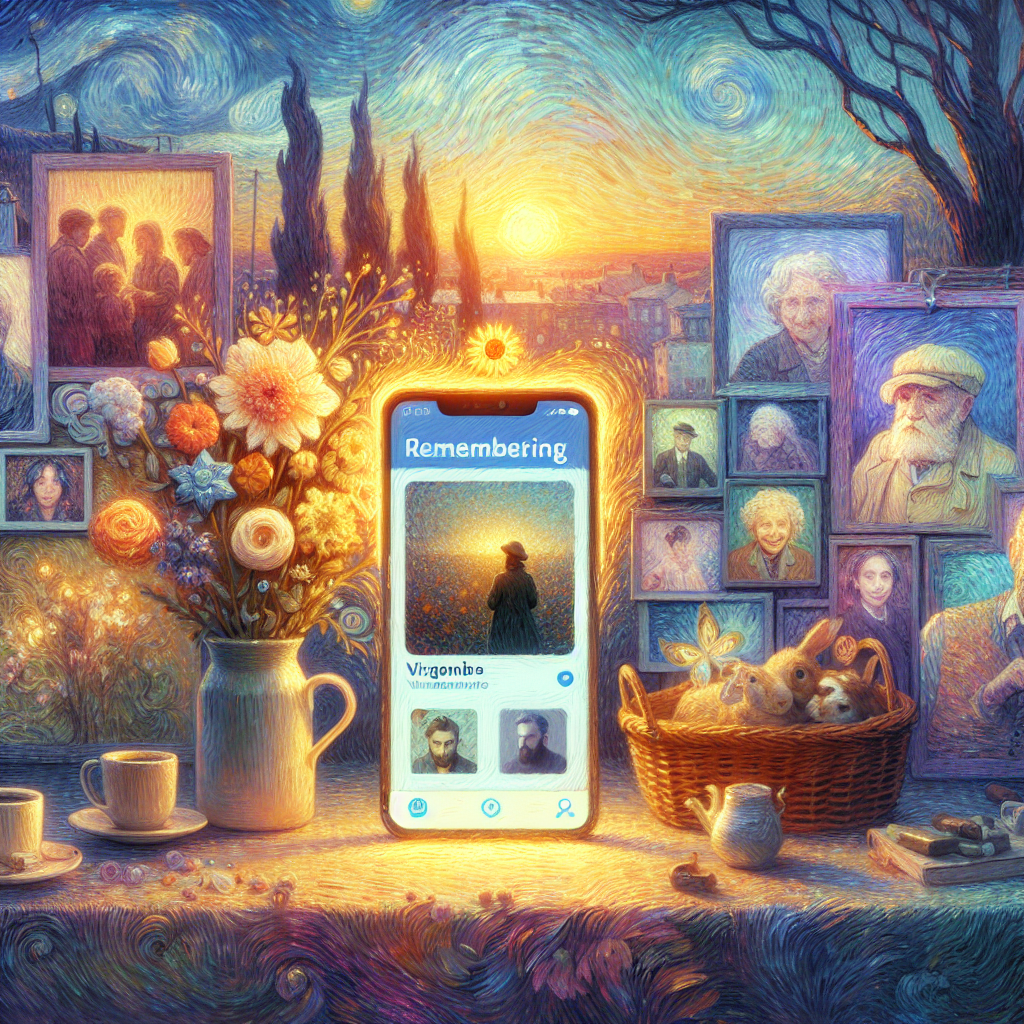
How Do Photographs Aid In Preserving Our Past?
What Role Do Heirlooms Play In Family Legacy?
When you think of heirlooms, you might picture dusty old boxes stored in attics or grandma’s delicate china, but there’s so much more to them than meets the eye. Heirlooms are the tangible threads of our family legacy—a bridge that connects generations through shared stories and experiences. They might be a well-worn guitar, a handmade quilt, or even a vintage clock that ticks away the minutes while echoing laughter from birthdays long past. Each item whispers secrets of our heritage, offering us a glimpse into the lives and aspirations of those who came before us.
Legacy storytelling often revolves around these cherished possessions. Each heirloom carries its own narrative, rich with the struggles, joys, and triumphs of our ancestors. Imagine sitting around the dinner table, passing down the tale of that hand-carved wooden eagle your grandfather fashioned during tough times. It’s not just a piece of wood; it’s a symbol of resilience, a testament to creativity born from hardship. And when you share that story with younger family members, you aren’t just handing down a keepsake; you’re entrusting them with a piece of their identity.
In a way, heirlooms serve as emotional anchors in a world that’s constantly changing. They remind us of who we are and where we came from, fostering connection not just to the past but to each other in the present. Let’s face it: life moves fast, and it’s easy to get swept away by the day-to-day grind. But when you have an heirloom in your hands, you can pause for a moment and reflect on the rich tapestry of your family history. It offers you a chance to create new stories to add to the legacy, weaving in your own experiences and insights.
So, next time you come across a family heirloom, take a moment to dive into its story. Share it, celebrate it, and keep it alive. By investing in these moments, we ensure that our families grow closer and our legacies endure, becoming not just memories etched in time but living narratives that inspire future generations. In this way, heirlooms become a powerful reminder that we’re all part of something bigger—a timeless tapestry woven through love, lessons, and shared experiences.

What Role Do Heirlooms Play In Family Legacy?
What Role Do Heirlooms Play In Family Legacy?
- Heirlooms are more than just old items; they connect generations and tell family stories.
- Each heirloom has a unique narrative that reflects the struggles and triumphs of ancestors.
- Sharing stories about heirlooms helps pass down identity and heritage to younger family members.
- Heirlooms act as emotional anchors, reminding us of our roots amidst life’s changes.
- They provide opportunities to reflect on family history and create new stories.
- Celebrating and sharing heirlooms helps strengthen family bonds and preserve legacies.
- Heirlooms symbolize our connection to a larger narrative woven through love and shared experiences.

What Role Do Heirlooms Play In Family Legacy?
How Can Oral Histories Benefit Future Generations?
Oral histories are far more than just stories; they are legacies waiting to unfold. Imagine sitting around a campfire, the flickering flames illuminating faces that are eager to listen and speak. In that moment, stories come alive—rich tales of hardship, joy, resilience, and triumph that paint a vibrant tapestry of our shared human experience. This is legacy storytelling at its most authentic. It’s not merely about relaying facts and dates; it’s the essence of connection. It’s where wisdom meets warmth, and past meets present.
When we engage in oral history, we open a door to the past. We invite our ancestors into our living rooms, elevating their experiences into teaching moments for younger generations. Children and grandchildren don’t just inherit possessions or financial assets—they receive something far more valuable: understanding. They glean life lessons, ethical frameworks, and cultural nuances that no textbook can convey. The warmth of a grandmother’s laughter, the gravity in a father’s voice recounting a struggle—these are the treasures of memory that foster empathy and strength.
Think about it: in this fast-paced, technology-driven world, we are often too quick to scroll past the very stories that hold our identity. When we take the time to record and share oral histories, we create a bridge—a solid connection to our roots. It’s an invitation to delve deeper into where we come from, shaping how we view our place in the world. Young people grow up not just as individuals but as part of a vibrant narrative that places them within a community, a lineage, a history.
Moreover, oral histories influence future decision-making. When faced with choices, individuals who understand their background can draw upon the experiences of those who came before them. They can emulate the courage of a great-grandmother who overcame adversity or learn from the missteps of an uncle who took a different path. This is not just storytelling; this is an action-packed guide to navigating life.
Engaging with oral histories is not just beneficial—it’s essential. It builds a foundation, fosters connection, and inspires future generations to carry forward their legacy. So, let’s gather those stories, share those experiences, and create a living library of unique life lessons that will echo through the years. After all, it is in these narratives that our true legacy lies.

How Can Oral Histories Benefit Future Generations?
How Can Oral Histories Benefit Future Generations?
- Oral histories serve as legacies, rich with stories of hardship, joy, and resilience.
- They create deep connections, blending past and present through authentic storytelling.
- Engaging in oral history allows for the sharing of wisdom and life lessons across generations.
- Children inherit more than material possessions; they gain understanding and cultural context.
- Recording oral histories helps maintain a connection to one’s roots and community identity.
- These narratives inform future decision-making by providing valuable insights from ancestors’ experiences.
- Gathering and sharing oral histories is essential for fostering connection and inspiring future generations.

How Can Oral Histories Benefit Future Generations?
What Resources Can Families Use To Preserve Their History?
When it comes to preserving your family’s history, think of it as putting on a treasure hunt. You’re not just digging up stories; you’re unearthing a priceless legacy—your legacy. It’s about those small moments, the shared laughter, the struggles, and the triumphs, all woven together like a sturdy old quilt. So what tools do you need to stitch together this beautiful tapestry of memory?
Start with legacy storytelling. This is the heart of your family’s rich history. Gather everyone around the dinner table or a cozy living room. Set up a camera or hit record on your latest fancy gadget, and just let the stories flow. Ask your grandparents about their childhoods. You might be surprised to learn they once had wild adventures, too! You’ll discover insights into how the world has changed and an uncanny reflection of your own life. These stories are not just anecdotes; they are the threads that connect generations, beacons of resilience and wisdom.
Old photographs are another treasure chest waiting to be opened. Dig through the dusty albums or shoeboxes in the attic. Take a moment to label each picture with names and dates. A simple “Mom at 18” isn’t just a caption; it becomes a pivotal memory, anchoring future generations in your family’s saga. Digital tools, like scanning apps, can help more than just preserve them—they can help you share them widely. Social media family groups can serve as virtual bulletin boards where photos and stories live on, transcending both time and distance.
Have you ever thought about writing a family history book? It might sound daunting, but it doesn’t have to be. Start small: dedicate a family night to brainstorming stories and sharing bits of wisdom. Every tale told adds another brush stroke to your family’s portrait. There are also many online platforms and templates that can guide you in crafting a meaningful account.
Finally, embrace local archives or libraries, where you’ll find historical records that could give you insights into your family tree. They’re often full of hidden gems that can heighten your understanding and appreciation of your ancestry.
So grab your laptop, unite your family, and let the storytelling begin! Your history deserves to be told, cherished, and passed down. Because when you preserve your stories, you create a legacy that will inspire untold generations.

What Resources Can Families Use To Preserve Their History?
What Resources Can Families Use To Preserve Their History?
- Preserving family history is akin to a treasure hunt, unearthing a priceless legacy.
- Engage in legacy storytelling with family to connect generations through shared laughter and experiences.
- Record stories from older family members, such as grandparents, to gain insights into their lives and your own.
- Old photographs should be organized and labeled to anchor future generations in your family’s narrative.
- Utilize digital tools and social media to preserve and share family stories and images widely.
- Consider writing a family history book, starting small by brainstorming stories during family gatherings.
- Explore local archives and libraries for historical records that can enhance your understanding of your ancestry.

What Resources Can Families Use To Preserve Their History?
Conclusion
As we wrap up this exploration of preserving family history, let’s take a moment to reflect on what it really means to embrace our past. Picture this: you’re gathered with your loved ones, sharing stories that echo through time. Those tales aren’t merely echoes of yesteryear—they’re your family’s lifeblood, threads of resilience, triumph, and connection that knit together the fabric of who you are. In the face of the inevitable storms of life—be it health crises, financial woes, or emotional heartaches—these stories stand as guiding stars, illuminating the paths carved before us by those who came before.
You see, legacy storytelling isn’t just a nostalgic pastime; it’s a survival kit. It’s the wisdom passed down through generations, arming us with the experiences of our forebears. These narratives remind us that challenges are universal and can be faced with grit and grace. By connecting to our roots, we foster a sense of belonging that is crucial in today’s fast-paced, often disconnected world. It’s not just about reminiscing; it’s about creating a robust foundation for future generations so they can weather their own storms with confidence.
So how do you get rolling on this? Start simple. Find that old dinner table—or any quiet nook—and dive into the rich tapestry of your family’s past. Pull out photo albums, dust off heirlooms, even grab your smartphone and record the gems of family history. Spend time discovering and documenting these narratives, whether through scrapbooks, digital archives, or even just good old-fashioned chinwags around the table. The history you preserve today isn’t just for you; it’s for the kid who will one day need to know where they come from and how resilient their ancestors were.
Before you know it, you’ll be building a legacy that doesn’t just sit on dusty shelves, but one that lives and breathes in the hearts of your family. By passing down your history, you’re ensuring that future generations will not only know who they are but will also feel a sense of pride and confidence in navigating the world. So grab your family, ignite that storytelling spark, and forge a legacy that will withstand the test of time. Because in preserving our past, we open the door to a future that thrives on connection, understanding, and strength. Your family deserves nothing less—now go out there and make it happen!

Conclusion
Conclusion:
- Embracing family history strengthens the bonds between loved ones through shared stories.
- Family stories are vital connections that reflect resilience, triumph, and identity.
- Legacy storytelling serves as a survival kit, offering wisdom and experiences passed down through generations.
- These narratives provide guidance in facing life’s challenges with grit and grace.
- Connecting to roots fosters belonging in a fast-paced, disconnected world.
- Document family stories using various methods like scrapbooks, digital archives, or conversations.
- Preserving history ensures future generations can navigate their lives with confidence and pride.

Conclusion
Other Resources

Other Resources
Here is a list of other resources you can review online to learn more:
- LivingDNA
- Storyfile Life
- Digital Legacy Association
- My Wonderful Life
- YouMattered
- APH
- INELA
- DocuBank
- 23AndMe
- Xarona
Use This Prompt To Get More Resources With Your Favorite Online AI Tool: Please provide me with a list of online articles with their URLs in a bulleted list that I can read regarding How Can Preserving Your Past Ease Future Challenges for Families?

Other Resources
Glossary Terms
How Can Preserving Your Past Ease Future Challenges for Families? – Glossary Of Terms
1. Ancestry: The lineage or heritage of a family, including tracing back familial origins and histories.
2. Heritage: Traditions, values, and artifacts passed down from previous generations, contributing to a family’s identity.
3. Genealogy: The study of family lineage and the tracing of familial relationships across generations.
4. Legacy: Something handed down from the past, particularly values, beliefs, or physical artifacts that influence future generations.
5. Narrative: A structured account of related events, often used to convey family history and personal experiences.
6. Tradition: A long-established custom or practice that is maintained and transmitted within a family or community.
7. Storytelling: The art of sharing personal or family stories, which can foster connection and understanding among family members.
8. Memory: The mental faculty of retaining and recalling past experiences, which can shape a family’s culture and values.
9. Preservation: The act of keeping, maintaining, or safeguarding historical documents, artifacts, or memories for future generations.
10. Archiving: The process of storing and organizing historical documents, photos, and other materials for future reference.
11. Cultural Continuity: The transmission of cultural elements, such as stories, practices, and values, across generations.
12. Family Reunion: A gathering of extended family members, often celebrating shared history and strengthening familial bonds.
13. Oral History: The practice of collecting and preserving family stories and experiences through spoken word rather than written accounts.
14. Artifacts: Objects or items from the past that hold historical significance and illustrate family history.
15. Values: Core beliefs or principles that guide behavior and decision-making within a family context.
16. Wisdom: Knowledge acquired over time, often imparted by older generations to guide younger family members.
17. Identity: The characteristics and qualities that define an individual or family, often influenced by familial heritage.
18. Intergenerational Relationships: Connections and interactions between different generations of a family, which can foster understanding and support.
19. Preserving Intent: The purpose and commitment to maintain family history actively, ensuring it is not lost over time.
20. Documentation: The process of recording family events, history, and narratives in written or digital formats for posterity.
21. Emotional Resilience: The ability of family members to adapt to challenges and stresses, often bolstered by a strong sense of identity and support.
22. Crisis Management: Strategies developed to navigate and cope with unexpected difficulties or challenges within the family structure.
23. Connection: The relationships and bonds formed between family members, often strengthened through shared memories and values.
24. Support System: The network of family and friends that provides emotional and practical assistance during challenges.
25. Reflection: The process of thinking critically about past experiences, helping family members learn and grow from their history.
26. Supportive Environment: An atmosphere within a family that promotes understanding, acceptance, and emotional safety.
27. Change Management: Techniques and strategies families use to adapt to life transitions and challenges.
28. Conflict Resolution: Methods and strategies for resolving disagreements and fostering harmony within a family.
29. Family Culture: The shared values, beliefs, and practices within a family that shape interactions and traditions.
30. Coping Strategies: Techniques and approaches used by families to manage stress, grief, and other challenges effectively.

Glossary Of Terms
Other Questions
How Can Preserving Your Past Ease Future Challenges for Families? – Other Questions
If you wish to explore and discover more, consider looking for answers to these questions:
- What specific techniques can families use for effective legacy storytelling?
- How can preserving family stories improve mental health and familial bonds?
- What are some examples of family traditions that highlight legacy storytelling?
- How can families encourage children to get involved in preserving their history?
- What tools or apps are recommended for documenting family stories and memories?
- How can families effectively organize and store their historical photographs?
- What role do family gatherings play in the process of preserving history?
- How can technology assist in preserving oral histories?
- What are the best ways to share family stories with extended family or distant relatives?
- How can families address sensitive or painful stories from their past?
- What can be done to ensure family traditions are passed down to future generations?
- Are there professional services available to help families preserve their history?
- How can the preservation of family history impact identity formation in children?

Other Questions
Haiku
How Can Preserving Your Past Ease Future Challenges for Families? – A Haiku
Shared stories bind us,
Roots grow through trials and laughs—
Legacy lives on.

Haiku
Poem
How Can Preserving Your Past Ease Future Challenges for Families? – A Poem
Tapestry of Time
Gather ’round the table bright,
Where laughter flows and hearts unite,
A fragrant feast, stories unfold,
In whispered tales of days of old.
Legacy—a thread so fine,
Stitching moments through the line,
In challenges faced, in triumphs told,
A family’s strength through tales of old.
Each shared memory, a guiding star,
Reminds us who we truly are,
Roots are deep where love has grown,
In echoes of laughter, we find our own.
Photographs, those frozen frames,
Capture joy, remind us of names,
Tangible treasures, heirlooms we hold,
Whispers of warmth, stories retold.
Gather stories, let them flow,
In the light of a candle’s glow,
Oral histories lift spirits high,
Teaching us lessons time can’t deny.
So pick up a pen, or dust off a tome,
Create a haven that feels like home,
Through scrapbooks, letters, or digital space,
Preserving our past, our legacy’s grace.
As life’s tempest swirls and bends,
In family tales, our journey wends,
For the stories we weave will light the way,
Guiding our children, come what may.
Embrace the past, keep it alive,
In every heart where memories thrive,
For in this tapestry, woven tight,
Family’s strength shines ever bright.

Poem
Checklist
How Can Preserving Your Past Ease Future Challenges for Families? – A Checklist
Checklist: Preserving Your Family’s History for Future Challenges
1. Start Legacy Storytelling
_____ Gather family around a meal or comfortable setting.
_____ Share personal stories and memories from past generations.
_____ Encourage everyone to contribute anecdotes, emphasizing resilience and family triumphs.
2. Engage in Family History
_____ Create a family tree identifying ancestors and significant moments.
_____ Discuss family heritage and cultural backgrounds.
_____ Collect stories that illustrate experiences and values.
3. Document Family Memories
_____ Create a family scrapbook with photographs, captions, and mementos.
_____ Consider setting up a family blog or a private group on social media for sharing stories and updates.
_____ Handwrite letters to family members recalling shared experiences.
4. Utilize Photographs
_____ Organize family photos in albums or digital folders.
_____ Label photographs with dates, names, and stories behind the images.
_____ Schedule a time to reminisce over old photos as a family activity.
5. Preserve Heirlooms
_____ Identify family heirlooms and discuss their significance and backstories.
_____ Share heirloom stories during family gatherings.
_____ Create a database or scrapbook dedicated to heirlooms, tagging each item with its history.
6. Conduct Oral Histories
_____ Record interviews with family members, especially elders, sharing their experiences.
_____ Transform storytelling sessions into video recordings for future generations.
_____ Compile recorded oral histories into a digital archive or a personal family documentary.
7. Explore Resources for Preservation
_____ Research local archives and libraries for historical records relevant to your family.
_____ Utilize scanning apps or services to digitize old photographs and documents.
_____ Consider online tools and templates for creating a family history book.
8. Foster Intergenerational Connections
_____ Invite younger family members to participate in memory-keeping activities.
_____ Encourage dialogue about family stories and values to spark curiosity.
_____ Organize family reunions focused on sharing and preserving stories and experiences.
9. Review and Reflect
_____ Regularly take time to share newly discovered stories or memories.
_____ Revisit and update family history documents and albums as new events occur.
_____ Reflect on how family stories shape identity and connection in the present.
10. Commit to Continuous Preservation
_____ Schedule regular family storytelling nights or events.
_____ Make preserving family history a family tradition.
_____ Foster an atmosphere where sharing stories is valued and anticipated.
By following this checklist, you can ensure that your family’s history is preserved, fostering a strong connection among generations and providing a foundation of wisdom and resilience for future challenges.

Checklist
At LegacyExplorations, we help people plan and explore their legacy by collecting information and news regarding end-of-life planning.
Please share this post with your friends, family, or business associates who may want help to plan or explore their legacy.