

Unlocking Healing Through Shared Experiences
By Tom Seest
At LegacyExplorations, we help people plan and explore their legacy by collecting information and news regarding end-of-life planning.
Please share this post with your friends, family, or business associates who may want help to plan or explore their legacy.
How Can Sharing Your Life Experiences Foster Emotional Healing?
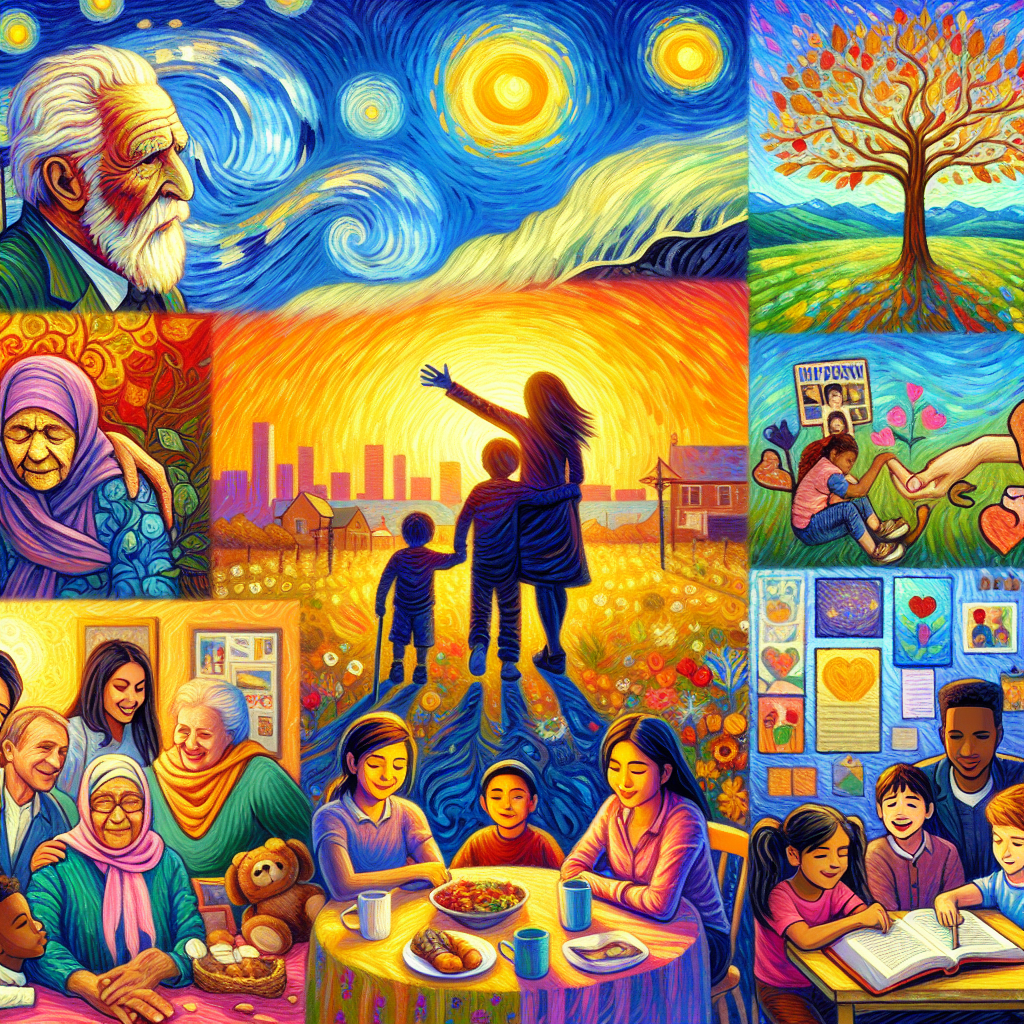
There’s something profoundly human about gathering around a fire, sharing tales that resonate with both laughter and tears. That act of sharing—what we might call legacy storytelling—has a power that transcends mere entertainment. It’s a conduit for emotional healing, one that reflects our shared struggles and triumphs.
When you open up about your life experiences, you’re not just recounting a sequence of events. You’re giving voice to your journey, the raw and unvarnished truth of it. Each story becomes a piece of your legacy, a thread woven into the fabric of who you are. And in that act of creation, you invite others to connect with their own stories. You allow others to see that they’re not alone in their challenges, their heartaches, or their moments of joy.
Imagine sitting across from a friend or even a stranger, and as your stories intertwine, you start to notice the similarities in experiences. Maybe it’s the heartbreak of a lost love or the thrill of accomplishment against all odds. In those moments of connection, you realize that pain is universal, and so is resilience. Every shared experience becomes a shared healing process, as it opens pathways for understanding, empathy, and growth.
Moreover, storytelling encourages reflection. When we articulate our past, we begin to make sense of it. It’s like holding up a mirror to our experiences; we start to see patterns, lessons, and a deeper understanding of ourselves. In exploring these moments, we find the ability to reframe our narratives—from being victims of circumstance to being architects of our future. That shift in perspective can lift burdens we didn’t know we were carrying.
But here’s the kicker: the act of listening is just as vital as the act of sharing. When we listen to others’ stories, we’re not just passive observers; we’re active participants in that emotional exchange. We create a safe space where vulnerability can flourish, helping others heal in ways they may not even realize they need.
So, whether it’s around a bustling kitchen table or an intimate gathering under the stars, let your story be heard. Share the trials, the tribulations, and the triumphs. In doing so, you not only honor your legacy but also contribute to a larger tapestry of human experience that can be both profoundly healing and inspirational. Remember, it’s not just about you; it’s about all of us.

How Can Sharing Your Life Experiences Foster Emotional Healing?
How Can Sharing Your Life Experiences Foster Emotional Healing?
- Gathering around a fire for storytelling is a deeply human act that promotes emotional healing.
- Legacy storytelling gives voice to personal journeys and reflects shared struggles and triumphs.
- Sharing stories fosters connection, revealing that challenges, heartbreaks, and joys are universal experiences.
- Storytelling encourages reflection, helping individuals make sense of their past and understand themselves better.
- A shift in perspective allows storytellers to see themselves as architects of their future rather than victims of circumstance.
- The act of listening is crucial; it transforms listeners into active participants in the emotional exchange.
- Sharing your story honors your legacy and contributes to a larger tapestry of human experience, encouraging healing and inspiration.

How Can Sharing Your Life Experiences Foster Emotional Healing?
Table Of Contents
- How Can Sharing Your Life Experiences Foster Emotional Healing?
- What Does Emotional Healing Mean In Personal Experiences?
- How Does Sharing Stories Promote Emotional Well-Being?
- What Are The Benefits Of Talking About Past Trauma?
- How Can Vulnerability Aid In Emotional Recovery?
- What Role Does Empathy Play In Shared Experiences?
- Can Journaling Enhance The Process Of Healing Through Sharing?
- How Do Support Groups Facilitate Emotional Healing?
- Conclusion
- Other Resources
- Glossary Of Terms
- Other Questions
- Haiku
- Poem
- Checklist
What Does Emotional Healing Mean In Personal Experiences?
Emotional healing isn’t just a concept tossed around in self-help circles; it’s a journey that often begins in the most unexpected of places. Think about it: every person you encounter carries a legacy—some beautiful, some jagged, and all intertwined with their own unique stories. Emotional healing is about collecting those narratives, embracing the highs and lows, and piecing them into something whole.
When we talk about legacy storytelling, we’re diving deep into the art of sharing our personal experiences, the good, the bad, and the downright ugly. It’s the way we sift through the mess of our lives and emerge with lessons learned or at least a clearer iota of understanding. Whether you’ve faced a traumatic event, lost a close friend, or struggled with self-doubt, these stories become the marrow of who you are. They hurt, but they also bind you to your purpose, creating a framework within which healing can occur.
The crux of emotional healing lies in vulnerability—a word that gets thrown around a lot but not always understood. When we dare to unearth our past and expose our scars to the light, we invite others in. This creates a space for genuine connection, where shared experiences spark compassion and understanding. It’s almost like a communal balm, softening the hardened edges of our individual histories.
But here’s the kicker: healing doesn’t happen in isolation. Like a good story, it needs an audience. Those who listen to our legacy storytelling help us embrace our experiences rather than hide from them. Engaging in conversations with others who’ve walked similar paths can illuminate dark corners of our psyche. And what may at first seem like a heavy load begins to feel lighter when it’s dispersed among friends, family, or even strangers who want to connect.
Moreover, emotional healing isn’t linear. It’s messy, complex, and often challenging. You might feel like you’re making strides one day, only to be bulldozed by a whirlwind of emotion the next. But that’s part of the experience—an essential chapter in your legacy storytelling. Each setback is just another plot twist that adds depth to your narrative.
So, as you wade through the waters of emotional healing, remember: your story matters. Share it, retell it, and watch as the alchemy of vulnerability and connection transforms pain into purpose.

What Does Emotional Healing Mean In Personal Experiences?
What Does Emotional Healing Mean In Personal Experiences?
- Emotional healing is a journey that often starts in unexpected places.
- Each individual carries a unique legacy comprised of personal narratives—both beautiful and challenging.
- Legacy storytelling involves sharing personal experiences, helping us gain insights from our struggles.
- Vulnerability is key to emotional healing, allowing for genuine connections and shared compassion.
- Healing requires an audience; engaging with others makes the burden of experiences feel lighter.
- Emotional healing is a non-linear process that can be messy, complex, and filled with ups and downs.
- Your story is important; sharing it can transform pain into purpose through vulnerability and connection.

What Does Emotional Healing Mean In Personal Experiences?
How Does Sharing Stories Promote Emotional Well-Being?
There’s something magical about the way stories travel from one mouth to another, bridging gaps, soothing hearts, and crafting connections. You see, every time we share a tale—be it a funny mishap or a poignant moment—we’re engaging in a practice known as Legacy Storytelling. It’s more than just recounting an experience; it’s about handing down pieces of our lives, like heirlooms, from one person to the next. This act is steeped in tradition and wrapped in layers of emotional significance.
When we tell our stories, we’re not just filling the silence; we’re creating a space for people to resonate with our experiences. Have you ever shared a difficult time in your life, only to find someone nodding in empathetic agreement? That connection is vital. It reminds us that we’re not alone in our struggles, and it offers a release valve for the bottled-up emotions we all grapple with. The act of storytelling encourages us to process our feelings and makes the burdens of life seem just a tad lighter.
Moreover, Legacy Storytelling nurtures a sense of belonging. In a world that often feels fragmented and disconnected, retelling our stories helps us carve out a community where empathy reigns supreme. It’s an invitation, really, to partake in the messiness of human experience. The stories we share serve as a lifeline—lifting us up when we’re down and offering a fresh perspective when we’re stuck in a rut.
But let’s not overlook the sheer joy that comes from a good story. The light-hearted anecdotes and laugh-out-loud moments lift our spirits, boosting overall emotional health. A well-timed chuckle can chase away the clouds of despair, illuminating the path ahead. When we share laughter, we’re also reinforcing our bonds with others, turning fleeting moments into lasting memories.
In essence, sharing our stories is an act of emotional well-being. It’s a powerful tool that encourages self-reflection and personal growth. By opening up about our lives, we create a culture of vulnerability and trust, and we pave the way for others to do the same. So next time you gather around a campfire or sit down at the dinner table, remember the profound impact your own stories can have on those around you. After all, it’s not just about what we say; it’s about who we become through the sharing of our legacies.

How Does Sharing Stories Promote Emotional Well-Being?
How Does Sharing Stories Promote Emotional Well-Being?
- Stories create connections, bridge gaps, and soothe hearts through Legacy Storytelling.
- Sharing experiences serves as a means to pass down pieces of our lives, much like heirlooms.
- Storytelling fosters resonance and empathy, reminding us we’re not alone in our struggles.
- This practice nurtures a sense of belonging and community in a fragmented world.
- Joyful stories and laughter enhance emotional health and strengthen bonds between people.
- Sharing narratives promotes self-reflection, personal growth, and a culture of vulnerability.
- Each story shared contributes to personal and communal legacies, shaping who we become.

How Does Sharing Stories Promote Emotional Well-Being?
What Are The Benefits Of Talking About Past Trauma?
When we talk about the muck and mire of our past, we aren’t just engaging in a casual conversation; we’re diving headfirst into a unique form of Legacy Storytelling. This isn’t merely a therapeutic exercise; it’s a powerful tool that offers numerous benefits, not just for the storyteller but for everyone listening.
First off, sharing past traumas can be a form of catharsis. Letting those feelings spill out can clear the air, allowing for emotional breathing room that’s often hard to come by. Not only do we release pent-up emotions, but we also pave the way for understanding. By talking about what we’ve experienced, we create a narrative that helps transform our pain into something meaningful. We shape chaos into coherence, and that’s no small feat.
Then there’s the aspect of connection. When we share our stories, we’re broadcasting a universal signal: “I’ve been there too.” This kind of vulnerability fosters empathy not just between individuals, but also within communities. It builds bridges where once there were chasms, creating a space where others can feel safe sharing their experiences. The circle widens, and suddenly, shared pain becomes a shared strength.
Moreover, discussing past trauma can lead to valuable insights into our own lives. By reflecting on what has happened, we can identify patterns and triggers that might still be affecting us. It’s like putting a puzzle together; the more pieces we fit, the clearer the picture becomes. This self-awareness can empower us to break cycles of behavior that we’ve been unwittingly repeating.
Let’s not forget that Legacy Storytelling is also a crucial part of learning. We often hear the phrase, “History repeats itself.” When we talk about our experiences, we’re not just chronologizing our pain; we’re setting the stage for lessons learned. By sharing our stories, we contribute to the collective wisdom of those around us, sparking conversations that can lead to growth and healing for others who may find themselves in similar situations.
In essence, discussing past trauma is about more than just reliving difficult moments. It’s an act of reclaiming one’s narrative. It’s a way to turn scars into stories that inspire resilience in others. Through this shared process, we honor our struggles while forging connections that ultimately enrich our lives and the lives of those around us. So, dive in. Share your story. You never know who might need to hear it.

What Are The Benefits Of Talking About Past Trauma?
What Are The Benefits Of Talking About Past Trauma?
- Legacy Storytelling involves sharing past traumas, going beyond casual conversation.
- Sharing experiences can provide catharsis, creating emotional breathing room.
- Transforming pain into a coherent narrative helps foster understanding.
- Vulnerability in storytelling builds empathy and creates connections within communities.
- Discussing trauma enhances self-awareness by identifying patterns and triggers.
- Legacy Storytelling offers valuable lessons, contributing to collective wisdom.
- Sharing stories honors struggles, inspires resilience, and enriches lives.

What Are The Benefits Of Talking About Past Trauma?
How Can Vulnerability Aid In Emotional Recovery?
When it comes to emotional recovery, vulnerability can often feel like an uncomfortable, risky proposition. After all, who wants to lay their feelings bare for the world to see? Yet, this seemingly daunting act of opening up can be a powerful catalyst for healing. Embracing vulnerability allows us to strip away the polished facades we’ve built, revealing the raw, unfiltered narratives of our lives. It’s a journey into the heart of what it means to be human—a legacy storytelling experience that connects us to ourselves and to others.
Picture this: You’ve been carrying a burden, a weight that seems to grow heavier with each passing day. So, what do you do? Many of us have been conditioned to push those feelings down, to act like everything’s fine, but that’s a slippery slope. Vulnerability turns that notion on its head. When you allow yourself to speak about what’s really going on inside, you’re not just facilitating your own emotional recovery; you’re engaging in legacy storytelling, the act of sharing our individual tales in a way that can transcend generations.
By sharing our struggles, we’re crafting a narrative that resonates with others. Someone else, perhaps on a different path, may find solace in your story. You may unknowingly provide the lifeline they desperately need, serving as proof that they’re not alone. There’s a healing power in this reciprocity, a communal exposure to the messiness of life—where heartache and joy intermingle—and it can foster profound empathy.
However, it’s important to recognize that vulnerability isn’t about wallowing; it’s about growth. It requires a certain courage, a willingness to face discomfort, and an openness to the possibility of vulnerability being met with kindness and understanding. Your voice can become part of a broader tapestry, supporting others as they navigate their own challenges.
In a world that often prioritizes perfection and strong, silent heroes, using vulnerability as a tool for emotional recovery may feel revolutionary. Yet, it is in this very act that we not only shed the isolation of our pain but also leave behind a legacy. Our stories become threads woven into the fabric of human experience, reminding us all that healing is a collective journey—one where sharing and vulnerability pave the path to recovery.

How Can Vulnerability Aid In Emotional Recovery?
How Can Vulnerability Aid In Emotional Recovery?
- Vulnerability can feel uncomfortable but is essential for emotional recovery and healing.
- Opening up allows us to shed polished facades and share raw personal narratives.
- Engaging in vulnerability promotes legacy storytelling, connecting individuals across generations.
- Sharing personal struggles can resonate with others and provide much-needed support.
- Vulnerability fosters empathy through communal experiences of life’s challenges.
- It requires courage and an openness to growth, rather than wallowing in discomfort.
- Sharing our stories helps create a collective journey of healing, reinforcing that we are not alone.

How Can Vulnerability Aid In Emotional Recovery?
What Role Does Empathy Play In Shared Experiences?
When we talk about shared experiences, we often overlook the unsung hero lurking in the background: empathy. Now, empathy isn’t just some warm, fuzzy feeling that spouts platitudes about kindness. No, empathy is the gritty, honest grease that keeps the wheels of connection turning smoothly.
You see, when people come together to forge shared experiences, they’re not merely engaging in a repetitive drumbeat of daily life. They’re crafting what I like to call legacy storytelling—the kind of narrative that transcends mere experience and shapes the way we perceive one another over time.
Think about it. When we empathize with someone’s struggle, we’re essentially stepping into their shoes, shedding our own biases. We relate to their trials and triumphs, and in doing so, we create a tapestry of understanding. That’s the magic of empathy. It transforms mundane moments into significant life lessons, binding us together through shared laughter, struggles, and tears. Take a team working tirelessly on a construction site. Each person, with their unique backgrounds and stories, comes together to create something larger than themselves. When one worker faces a challenge, empathy from others can turn that tough day into a shared experience filled with support and camaraderie. This is the essence of legacy storytelling—a narrative built upon empathy, where each person’s contribution adds color and depth.
Now, empathy isn’t just limited to the here and now. It reaches back into our past and helps carve out the legacy we leave behind. The stories we tell, the relationships we cultivate, and the experiences we share—all are steeped in the ability to understand one another. When we exercise empathy, we develop a foundation that can withstand life’s storms. It can turn isolated moments into cohesive parts of a broader narrative, impacting not only the present but also how future generations view and interact with each other.
In essence, empathy serves as the cornerstone of our shared experiences. It not only enriches the stories we tell but also ensures that those stories resonate far and wide—long after the boots stop moving and the tools are put down. So, if you ever find yourself in the thick of a shared experience, keep empathy close at hand. It might just help you write a legacy worth passing on.

What Role Does Empathy Play In Shared Experiences?
What Role Does Empathy Play In Shared Experiences?
- Empathy is a crucial element in building shared experiences, far beyond a mere feeling of kindness.
- Shared experiences lead to legacy storytelling, shaping perceptions over time.
- Empathy allows individuals to relate to others’ struggles, creating a tapestry of understanding.
- Through empathy, mundane moments transform into significant life lessons and connections.
- Empathy fosters support and camaraderie, illustrated by a team overcoming challenges together.
- It also helps craft the legacies we leave behind, influencing future interactions and understanding.
- Empathy enriches our narratives, ensuring they resonate with others and endure over time.

What Role Does Empathy Play In Shared Experiences?
Can Journaling Enhance The Process Of Healing Through Sharing?
When we think about healing, we often imagine quiet moments of reflection, perhaps perched on the edge of a serene lake or under a sprawling oak tree. But what if I told you that one of the most effective tools for personal healing can be found not in meditation, but in the simple act of putting pen to paper? Journaling can do more than just capture daily thoughts; it can become a pathway for healing, a means of legacy storytelling that can connect you not just with yourself, but also with others.
At its core, journaling is a deeply personal endeavor, allowing individuals to sift through their emotions in a safe space. Writing can help untangle the complexities of fear, grief, or anger, transforming chaotic thoughts into structured narratives. Each word resonates, unearthing memories that may have been tucked away, allowing us to confront them head-on. This is where the magic happens. By sharing these stories, whether with a trusted friend, a family member, or even a larger audience, we create a lineage of lived experience that can bolster both individual and collective healing.
Consider how sharing your narrative—your struggles, triumphs, and everything in between—can inspire someone else who might be grappling with similar issues. The act of voicing your experience can be a courageous step. In doing so, you not only validate your own journey but also foster a sense of connection with others. We become threads in a vast tapestry of shared human experiences, weaving together stories that illustrate the beauty of resilience.
Legacy storytelling transcends mere entertainment; it becomes a living archive of our trials and triumphs. Through journaling, each entry becomes a testament to our journey, a reminder of how far we’ve come, and an invitation for others to relate and heal alongside us. It’s about creating a narrative that echoes beyond our own lives, sparking understanding and empathy in a world that often feels disconnected.
In essence, when we journal and share our sagas, we tap into a wellspring of healing—proof that we are not alone, that our narratives matter. This simple, yet profound practice allows us to embrace the struggles of our past while bravely stepping into a future filled with hope. So, grab that notebook, and let the healing begin; your story deserves to be told, and who knows who it might inspire along the way?

Can Journaling Enhance The Process Of Healing Through Sharing?
Can Journaling Enhance The Process Of Healing Through Sharing?
- Journaling serves as a powerful tool for personal healing beyond meditation.
- Writing allows individuals to explore and process their emotions in a safe environment.
- The act of writing helps transform chaotic thoughts into structured narratives.
- Sharing personal stories fosters connections and creates a lineage of lived experiences.
- Voicing our struggles can inspire others dealing with similar issues.
- Legacy storytelling through journaling serves as an archive of trials and triumphs, encouraging empathy.
- Journaling allows us to embrace past struggles while looking forward to a hopeful future.

Can Journaling Enhance The Process Of Healing Through Sharing?
How Do Support Groups Facilitate Emotional Healing?
When we talk about emotional healing, it’s easy to get lost in the technicalities—the therapies, the medications, the prescriptions—but the real magic often happens in less clinical environments. Enter support groups. These gatherings, often composed of individuals facing similar trials, serve as a lifeline for many. In corners of community centers, church basements, or even virtual rooms, something remarkable unfolds: a connection that leads to transformation.
At the heart of support groups is what I’d call “Legacy Storytelling.” You’d be amazed at what happens when folks begin to share their personal stories. It isn’t just about swapping tales of hardship. It’s about breathing life into experiences that might otherwise wither in silence. When people open up, they allow others to see not just the struggle, but the resilience, the growth, and sometimes, the humor that comes with navigating life’s challenges. This storytelling isn’t just cathartic for the narrator; it invites listeners to reflect on their own journeys, to relate, and to heal.
Consider the power of hearing someone articulate an experience you’ve gone through yourself, albeit in a different way. It’s like finding a key to a door you didn’t even know was locked. Suddenly, you’re no longer alone in your battle. You’re part of a tapestry—interwoven with stories of hurt, triumph, vulnerability, and strength. Every person’s legacy contributes to a broader narrative that resonates, supports, and uplifts.
Moreover, these groups cultivate an environment of empathy. When someone hears your struggles and responds with understanding, the healing can be profound. You start to feel validated, as if your pain is acknowledged, rather than brushed aside. The act of listening becomes a healing balm, softening the rough edges of your emotional wounds.
And let’s not forget the practical benefits that come with such gatherings. As connections deepen, so too does the willingness to offer advice, tools, and coping mechanisms that have worked—or not worked—for others. It’s a space ripe for collective wisdom where shared experiences turn into valuable lessons.
In these unique settings, healing isn’t merely about finding solutions; it’s about weaving a community narrative, built on the premise that each story, every struggle, adds to our shared legacy. That’s where the real work of healing takes place—together, as one.

How Do Support Groups Facilitate Emotional Healing?
How Do Support Groups Facilitate Emotional Healing?
- Emotional healing often happens outside of clinical settings, particularly in support groups.
- Support groups provide a lifeline for individuals facing similar challenges, fostering connection and transformation.
- “Legacy Storytelling” is central to support groups, allowing participants to share personal stories and experiences.
- Sharing stories promotes resilience, growth, and a sense of humor, facilitating mutual reflection and healing.
- The experience of hearing relatable stories from others can create a sense of belonging and shared struggle.
- Support groups cultivate empathy, validating individuals’ feelings and experiences through active listening.
- These gatherings also provide practical benefits, enabling the sharing of advice, tools, and coping mechanisms.

How Do Support Groups Facilitate Emotional Healing?
Conclusion
As we wrap up this discussion on the power of sharing life experiences for emotional healing, let’s pause for a moment and reflect on what this really means. We’ve talked about legacy storytelling, that age-old practice of recounting our tales around the proverbial campfire—acknowledging that these stories are not just mere entertainment, but essential ingredients in our healing journey. When we share our victories and struggles, we’re laying down breadcrumbs, forging connections that lead to solidarity, understanding, and growth.
Think about it: have you ever been struck by how a simple story can transform a mundane moment into something rich with empathy? It’s in those vulnerable exchanges—where humor meets heartache—that we expose the profound truth: we are not alone. Each of us carries burdens, stitched with pain and resilience, and by opening up our narratives, we uncover a shared human experience. This process becomes a communal balm for the soul, easing our individual struggles by scattering them among friends, family, and even strangers who resonate with our tales.
But make no mistake, it’s not just the act of telling our stories; it’s the listening that adds weight to this endeavor. When we genuinely tune in to someone else’s story, we actively engage in that emotional exchange, creating a haven where healing can flourish. So, the next time you sit down with a buddy or gather around a family table, be willing to share those layers of your life. Not only will it honor your unique journey, but it’ll also cultivate a space that invites others to do the same.
And let’s not forget tools like journaling or participating in support groups—these are vital cogs in our healing machinery. They allow for reflection, streamlined communication, and mutual understanding. Each shared experience enriches the collective wisdom we all carry forward. At the end of the day, as we navigate our personal challenges, remember that vulnerability isn’t just an act of bravery; it is the very foundation upon which emotional healing is built. Your story matters. Share it, listen to others, and understand that in this high-stakes game of life, we’re all in this together. The legacies we share don’t just heal us; they inspire those around us. So go on and weave your thread into the beautiful tapestry of human existence—it just might ignite a spark of hope in someone else.

Conclusion
Conclusion:
- The power of sharing life experiences plays a crucial role in emotional healing.
- Legacy storytelling serves as a vital component, transforming struggles into paths towards solidarity and growth.
- Vulnerable exchanges of stories foster empathy and reveal shared human experiences, reminding us we are not alone.
- Listening to others’ narratives is as important as sharing our own, enhancing the emotional connection and healing potential.
- Tools like journaling and participating in support groups are crucial for reflection and mutual understanding in the healing process.
- Vulnerability is essential for emotional healing, serving as a foundation to cope with personal challenges.
- Sharing stories can inspire and create a sense of hope, weaving individual experiences into a greater human tapestry.

Conclusion
Other Resources

Other Resources
Here is a list of other resources you can review online to learn more:
Use This Prompt To Get More Resources With Your Favorite Online AI Tool: Please provide me with a list of online articles with their URLs in a bulleted list that I can read regarding How Can Sharing Your Life Experiences Foster Emotional Healing?

Other Resources
Glossary Terms
How Can Sharing Your Life Experiences Foster Emotional Healing? – Glossary Of Terms
1. Empathy: The ability to understand and share the feelings of others, fostering a deeper emotional connection.
2. Vulnerability: The willingness to open up about one’s feelings, experiences, and struggles, which can facilitate healing.
3. Narrative Therapy: A therapeutic approach that uses storytelling and personal narratives to help individuals make sense of their experiences.
4. Catharsis: The process of releasing and relieving strong or repressed emotions, often achieved by sharing experiences.
5. Community: A group of people with shared interests or experiences, providing support and belonging during healing journeys.
6. Support System: The network of friends, family, and professionals who provide emotional and practical assistance.
7. Active Listening: A communication technique where the listener fully concentrates, understands, and responds thoughtfully, enhancing the sharing experience.
8. Self-Disclosure: The act of sharing personal information, thoughts, or feelings with others, which can promote intimacy and understanding.
9. Resilience: The ability to recover from difficulties or setbacks; sharing experiences can strengthen resilience by offering new perspectives.
10. Trauma: A deeply distressing or disturbing experience that can impact emotional well-being and may benefit from expression.
11. Healing Journey: The process of overcoming emotional pain and trauma, often aided by sharing experiences with others.
12. Peer Support: Emotional and practical assistance gained from individuals who have similar experiences, which can enhance healing.
13. Mindfulness: The practice of being present in the moment, often incorporated into sharing experiences to enhance emotional awareness.
14. Therapeutic Alliance: The collaborative relationship between a therapist and client, important for effective healing through shared narratives.
15. Journaling: Writing about one’s experiences, thoughts, and emotions as a form of self-expression and reflection.
16. Forgiveness: Letting go of anger and resentment towards oneself or others, often a key aspect of emotional healing.
17. Personal Growth: The ongoing process of self-improvement and understanding that can be enriched by sharing experiences.
18. Reflection: The act of contemplating one’s experiences and feelings, leading to insights and emotional clarity.
19. Trust: A foundational element in sharing personal experiences, allowing for open and honest communication.
20. Grief: The deep sorrow associated with loss, which can be mitigated by sharing and processing feelings with others.
21. Compassion: Emotional response of caring for others’ suffering, often developed through shared experiences.
22. Storytelling: The act of conveying events and experiences in a structured format to foster understanding and connection.
23. Expressive Arts: Creative forms of expression (like art, music, or drama) used to communicate feelings and experiences.
24. Brene Brown: A researcher and author known for her work on vulnerability, courage, and the power of sharing experiences.
25. Self-Compassion: Treating oneself with kindness and understanding during difficult times, often enhanced through shared narratives.
26. Healing Circles: Group gatherings where individuals share their experiences in a safe and supportive environment.
27. Interpersonal Connection: Building relationships with others through shared experiences, fostering a sense of belonging and support.
28. Affirmation: Positive statements made about oneself or others that can boost emotional well-being during healing processes.
29. Coping Strategies: Techniques or methods individuals use to manage stress and emotional pain, enhanced through sharing.
30. Emotional Validation: The act of recognizing and affirming another’s feelings as legitimate, crucial for healing through shared experiences.

Glossary Of Terms
Other Questions
How Can Sharing Your Life Experiences Foster Emotional Healing? – Other Questions
If you wish to explore and discover more, consider looking for answers to these questions:
- What specific techniques can enhance the process of sharing life experiences for emotional healing?
- How can one find a safe space for legacy storytelling?
- What are some effective methods for listening actively during storytelling sessions?
- How can vulnerability lead to stronger relationships?
- Are there any scientific studies that support the benefits of storytelling for emotional healing?
- What role do cultural differences play in how stories are shared and received?
- How can one overcome the fear of sharing personal stories?
- What are some examples of successful legacy storytelling in support groups?
- How can journaling be integrated into the practice of legacy storytelling?
- What impact does social media have on the sharing of life experiences?
- How can empathy be cultivated in a community setting?
- What are some common challenges faced during emotional recovery through storytelling?
- How does sharing stories change our perspective on trauma over time?
- What workshops or resources are available for those interested in exploring legacy storytelling?
- Can storytelling be a form of therapy, and if so, how?
- What are some narratives that particularly resonate with audiences and encourage healing?

Other Questions
Haiku
How Can Sharing Your Life Experiences Foster Emotional Healing? – A Haiku
Stories shared ignite
Empathy heals fractured hearts,
Threads of life connect.

Haiku
Poem
How Can Sharing Your Life Experiences Foster Emotional Healing? – A Poem
In the glow of a flickering flame,
We gather, souls unmasked, untamed.
With laughter’s light and sorrow’s song,
We share our tales, where we belong.
Each story a thread in a tapestry vast,
Binding our hearts, present to past.
The rawness of life, both joy and pain,
Transforms isolation into a shared refrain.
Legacy stories, woven with care,
Offer solace, reminding us we’re rare.
In vulnerability, we find our might,
Together we rise, from darkness to light.
Empathy dances in shared embrace,
As we mirror each other’s scarred face.
Through whispers, we sift through the mess,
Finding strength in our soft-heartedness.
Past traumas laid bare, so hard to face,
Become beacons of hope, healing space.
In listening and sharing, burdens grow light,
From singular shadows, we emerge into sight.
Through journals and groups, we pen our art,
Crafting connections that mend the heart.
Each tale a compass, guiding the way,
For those who walk trails, now lost in the fray.
So gather with me, beneath the night sky,
Let shoulders lean close, don’t be shy.
For in sharing our legacies, we learn and grow,
Together, we flourish—together, we glow.

Poem
Checklist
How Can Sharing Your Life Experiences Foster Emotional Healing? – A Checklist
1. Identify Your Story
_____ Reflect on important life experiences (positive and negative).
_____ Choose a story you’d like to share.
2. Create a Safe Space for Sharing
_____ Find a comfortable environment (e. g. , a quiet room, nature).
_____ Ensure there is mutual trust among participants.
3. Practice Vulnerability
_____ Be open about your feelings and emotions related to your experiences.
_____ Acknowledge that sharing can be uncomfortable but is a step toward healing.
4. Engage in Active Listening
_____ When others share, focus completely on their words.
_____ Avoid interrupting; respond with empathy and understanding.
5. Encourage Reflection
_____ Ask open-ended questions that prompt deeper thinking about experiences.
_____ Reflect together on the lessons learned from collective narratives.
6. Celebrate Shared Experiences
_____ Note common themes in stories (e. g. , resilience, heartache, joy).
_____ Emphasize the universal nature of these experiences.
7. Utilize Journaling
_____ Write about personal experiences and feelings as a form of self-reflection.
_____ Share entries with trusted individuals or support groups.
8. Participate in Support Groups
_____ Seek or create a group focused on similar experiences or challenges.
_____ Participate actively by sharing your stories and listening to others.
9. Recognize the Healing Power of Storytelling
_____ Understand that sharing your story helps others feel less isolated.
_____ Reflect on how your journey can inspire and uplift others.
10. Keep the Legacy Alive
_____ Continuously share stories with others, passing down wisdom and insights.
_____ Encourage family and friends to share their legacies as well.
11. Revisit Your Stories Regularly
_____ Re-evaluate stories as you grow; they may hold new meanings over time.
_____ Use storytelling sessions to discuss changes in perspective.
12. Engage in Community Storytelling
_____ Find community events or platforms where you can share stories.
_____ Participate in collective narrative projects that highlight shared experiences.
By following this checklist, you can create a supportive environment for emotional healing through storytelling, strengthen connections with others, and contribute to the collective legacy of shared human experiences.
Checklist
At LegacyExplorations, we help people plan and explore their legacy by collecting information and news regarding end-of-life planning.
Please share this post with your friends, family, or business associates who may want help to plan or explore their legacy.