

Redefining Aging Through The Power Of Storytelling
By Tom Seest
At LegacyExplorations, we help people plan and explore their legacy by collecting information and news regarding end-of-life planning.
Please share this post with your friends, family, or business associates who may want help to plan or explore their legacy.
How Can Storytelling Transform The Way We View Aging?
In a world that often seems obsessed with youth and the relentless pursuit of staying young, it’s time we flip the script on aging. Now, I’m not talking about some sugar-coated notion that we should all simply embrace the years as they roll by. Rather, I’m suggesting we harness the power of legacy storytelling. That’s right—by weaving narratives about our lives and the lives of those we hold dear, we can radically transform not just how we see aging, but how we celebrate it.
Picture this: instead of viewing aging as a decline, we frame it as an accumulation of experiences. Each wrinkle, each gray hair becomes a chapter in a grander tale. Legacy storytelling allows us to share our journeys—the struggles, the triumphs, the lessons learned. It encourages reflection, admiration, and, most importantly, connection. We can tell our grandchildren about the time we struck out on our own, carved a path through life’s unpredictability, or faced our fears and came out the other side stronger. These stories, rich with detail, resonate like a well-tuned instrument, reminding us that there’s a value in our growing years.
But it’s not just the old telling stories; it’s intergenerational. Young people can learn from the experience of their elders, and through this exchange, they gain a sense of perspective. They see that what they face today is not so different from what others have endured. When they hear about resilient ancestors who weathered storms, it equips the next generation with tools they may not even know they need.
Aging, after all, isn’t just about getting older; it’s about building a legacy that transcends time. Each story shared forms a bridge between generations, breathing life into the ongoing narrative of family history. It transforms the way we perceive the inevitable march of time. Suddenly, aging becomes something worthy of respect—a testament to endurance and creativity rather than something to fear or lament.
So next time you catch yourself grimacing at your reflection in the mirror, remember that legacy storytelling offers a powerful lens through which to view aging. It’s not the end; it’s merely a new chapter, rich with lessons, wisdom, and yes, even humor. Embrace it, tell it, live it. And in doing so, let’s transform aging into a celebration of life well-lived.

How Can Storytelling Transform The Way We View Aging?
How Can Storytelling Transform The Way We View Aging?
- Aging should be viewed through the lens of legacy storytelling, rather than just the fear of decline.
- Every wrinkle and gray hair represents a chapter in our unique life narratives.
- Sharing stories encourages reflection, admiration, and connection with others.
- Intergenerational storytelling allows younger generations to learn from the experiences of their elders.
- Aging is about building a legacy that links generations and enriches family history.
- Viewing aging as a testament to endurance and creativity can transform our perspective on getting older.
- Legacy storytelling reframes aging as a celebration of life filled with lessons and wisdom.

How Can Storytelling Transform The Way We View Aging?
Table Of Contents
- How Can Storytelling Transform The Way We View Aging?
- What Is The Role Of Storytelling In Shaping Our Perceptions Of Aging?
- How Can Personal Narratives Influence Attitudes Towards Older Adults?
- What Are Effective Storytelling Techniques For Discussing Aging?
- How Does Cultural Context Impact Storytelling About Aging?
- How Can We Use Storytelling To Challenge Stereotypes About Aging?
- How Can Communities Use Storytelling To Support Older Adults?
- What Role Does Technology Play In Modern Storytelling About Aging?
- Conclusion
- Other Resources
- Glossary Of Terms
- Other Questions
- Haiku
- Poem
- Checklist
What Is The Role Of Storytelling In Shaping Our Perceptions Of Aging?
Storytelling has been a cornerstone of human experience since time immemorial, a thread that stitches together our collective memories. When it comes to aging, the narratives we hear—or spin ourselves—have a profound impact on how we view the later stages of life. Take a moment to reflect on the stories that have shaped your understanding of aging. They often evoke emotions and perceptions that can be both comforting and daunting.
Legacy storytelling is particularly powerful in this context. As we grow older, the stories we share and pass down become a crucial part of our identity and, eventually, our legacy. These narratives serve not only to educate but also to inspire. They shape how we perceive the aging process, offering examples of resilience, achievement, and wisdom. The elderly in our lives often serve as repositories of these narratives, distilling their experiences into lessons for us—reminders that aging can be an adventure rather than a burden.
Contrary to the prevalent notion that aging is synonymous with decline, storytelling invites us to reconsider that narrative. Through the lens of shared experiences, we witness a more nuanced portrayal of aging. It can be a time for reinvention, exploration, and new opportunities. Think about the older individuals who have embraced new hobbies, learned new skills, or even started businesses in their golden years. These stories challenge the stereotype of retirement as simply a winding down; they showcase the vibrant life that can flourish even as the years accumulate.
Moreover, storytelling acts as a bridge between generations. It promotes empathy, helping younger individuals appreciate the unique challenges and triumphs of their elders. By listening to and sharing stories, we foster intergenerational connections that dissolve age-related barriers, encouraging a richer dialogue about what it means to grow older. It gives us a chance to question our own biases and assumptions about aging.
Storytelling plays an indispensable role in shaping our perceptions of aging. It transcends numbers and milestones, inviting us to engage with the lived experiences of those who came before us. Each tale helps craft a narrative that honors our past while illuminating the path forward, reminding us that aging isn’t merely about the years we’ve counted, but the stories we’ve woven along the way.

What Is The Role Of Storytelling In Shaping Our Perceptions Of Aging?
What Is The Role Of Storytelling In Shaping Our Perceptions Of Aging?
- Storytelling is fundamental to human experience, influencing our collective memory and perspective on aging.
- Legacy storytelling becomes essential as we age, shaping our identity and the narratives we pass down.
- These narratives educate and inspire, showcasing resilience, achievement, and wisdom in the aging process.
- Older individuals often share valuable lessons from their experiences, reframing aging as an adventure rather than a burden.
- Storytelling challenges the stereotype that aging equates to decline, highlighting opportunities for reinvention and growth.
- It fosters intergenerational connections, promoting empathy and understanding between younger and older individuals.
- Storytelling plays a crucial role in shaping perceptions of aging, encouraging engagement with the experiences that enrich our lives.

What Is The Role Of Storytelling In Shaping Our Perceptions Of Aging?
How Can Personal Narratives Influence Attitudes Towards Older Adults?
In an age where the polarized dialogue around aging often drowns out the wisdom and experience of older adults, we can turn to a powerful method of communication: Legacy Storytelling. This isn’t just about spinning yarns over a cup of coffee; it’s about digging deep into our collective experiences and pulling out those threads that connect generations. Personal narratives hold the potential to reshape how we perceive age and challenge the stereotypes that often cloud our views.
Imagine sitting with an older adult and hearing tales of their youth—stories filled with grit, humor, and even a dash of folly. When we engage in Legacy Storytelling, we aren’t just passing time; we are building bridges. These shared experiences foster empathy and humanize older adults, who can often be seen merely as “the elderly” or “the retired.” Instead, the stories transform them into vibrant characters in our lives, complete with dreams, struggles, and triumphs that resonate across time.
When communities embrace personal narratives, we witness a seismic shift in attitudes. These stories have the power to dismantle the stereotypes that bubble up from a society fixated on youth. Rather than being viewed as burdens or relics, older adults can be recognized for the wisdom they carry and the lessons they can impart. Personal narratives encourage younger generations to interact with older adults in a meaningful way, nurturing mutual respect, understanding, and collaboration.
Furthermore, these stories can break down isolation. The act of sharing one’s life story not only validates the elder’s experiences but also fosters a sense of belonging and community. When people listen to and share these narratives, it helps to combat ageism—a pervasive issue that, sadly, still flourishes in many corners of society. Legacy Storytelling offers a vehicle for older adults to reclaim their identities and assert their relevance in an ever-changing world.
But here’s the thing: it’s not just older adults who benefit from this exchange. When younger folks take a moment to listen, they gain valuable perspectives that can inform their own lives. The lessons embedded in these stories are not bound by age; they transcend time and context, providing guidance that can spark growth and inspire change.
In short, personal narratives serve as a catalyst for connection, understanding, and transformation. By embracing the art of Legacy Storytelling, we can foster a culture that celebrates the contributions of older adults and enriches the lives of everyone involved.

How Can Personal Narratives Influence Attitudes Towards Older Adults?
How Can Personal Narratives Influence Attitudes Towards Older Adults?
- Legacy Storytelling acts as a powerful communication tool that highlights the wisdom and experiences of older adults.
- Engaging in personal narratives helps reshape perceptions of aging and challenges stereotypes associated with older adults.
- Through storytelling, older adults become vibrant characters with relatable dreams, struggles, and triumphs.
- Communities embracing personal narratives can shift attitudes away from viewing older adults as burdens toward recognizing their wisdom.
- Sharing stories fosters a sense of belonging and combats isolation and ageism within society.
- Younger generations benefit from listening to life stories, gaining valuable lessons that encourage personal growth.
- Legacy Storytelling cultivates connection and understanding, enriching the lives of both older and younger individuals.

How Can Personal Narratives Influence Attitudes Towards Older Adults?
What Are Effective Storytelling Techniques For Discussing Aging?
When it comes to discussing aging, the art of storytelling becomes a powerful tool. It’s not just about sharing experiences; it’s about connecting generations, bridging gaps, and celebrating legacies. Let’s face it: aging can be a touchy subject. But if we skillfully weave the tales of our elders and their experiences, we can transform it into a narrative that warms the heart, sparks laughter, and stirs reflection.
One of the most effective techniques in this journey is Legacy Storytelling. This approach focuses on preserving the essence of what individuals have lived through and the wisdom they’ve gleaned along the way. Rather than presenting aging as a grim inevitability filled with loss, we can craft narratives that highlight resilience, passion, and rich life lessons. By framing aging as a continuous evolution rather than an endpoint, we invite listeners to appreciate and celebrate the journey.
To kick things off, begin with personal anecdotes. Sharing a simple, relatable story can draw your audience in. It’s often said that familiarity breeds comfort, and when you evoke relatable moments—like the first time you struggled with a computer or navigated a tricky relationship—you make the experience feel accessible. These nuggets of truth resonate, creating a sense of unity across generations.
Engaging dialogue is another powerful technique. Encourage dialogue by asking open-ended questions. What was your first job like? What life lesson taught you the most? These conversations not only ignite storytelling but also allow for a rich exchange of perspectives. Listening is just as critical as speaking; sometimes, the most heartfelt stories come not from the tellers but from the listeners who recognize the beauty in shared experiences.
Furthermore, incorporate sensory details. Rich, vivid descriptions can transport listeners, allowing them to feel as if they are stepping into the storyteller’s shoes. Whether it’s the smell of a blooming garden or the sound of laughter echoing down a hallway, these sensory cues can powerfully resonate, making the stories unforgettable.
Ultimately, the goal is to honor the process of aging, acknowledging the challenges while shining a light on the extraordinary. By employing Legacy Storytelling, we create an atmosphere where stories can flow freely and inspire not just nostalgia, but also hope for the future. Aging isn’t just about counting years—it’s about counting moments, and those moments deserve to be shared.

What Are Effective Storytelling Techniques For Discussing Aging?
What Are Effective Storytelling Techniques For Discussing Aging?
- Storytelling is a powerful tool for discussing aging, connecting generations, and celebrating legacies.
- Legacy Storytelling preserves the essence and wisdom of individuals, portraying aging as a journey rather than a loss.
- Personal anecdotes create relatability and unity across generations.
- Engaging dialogue through open-ended questions fosters rich exchanges of perspectives.
- Listening is equally important as storytelling; heartfelt stories often emerge from shared experiences.
- Sensory details enhance storytelling, making experiences vivid and unforgettable.
- The aim is to honor aging by highlighting both its challenges and extraordinary moments, inspiring hope for the future.

What Are Effective Storytelling Techniques For Discussing Aging?
How Does Cultural Context Impact Storytelling About Aging?
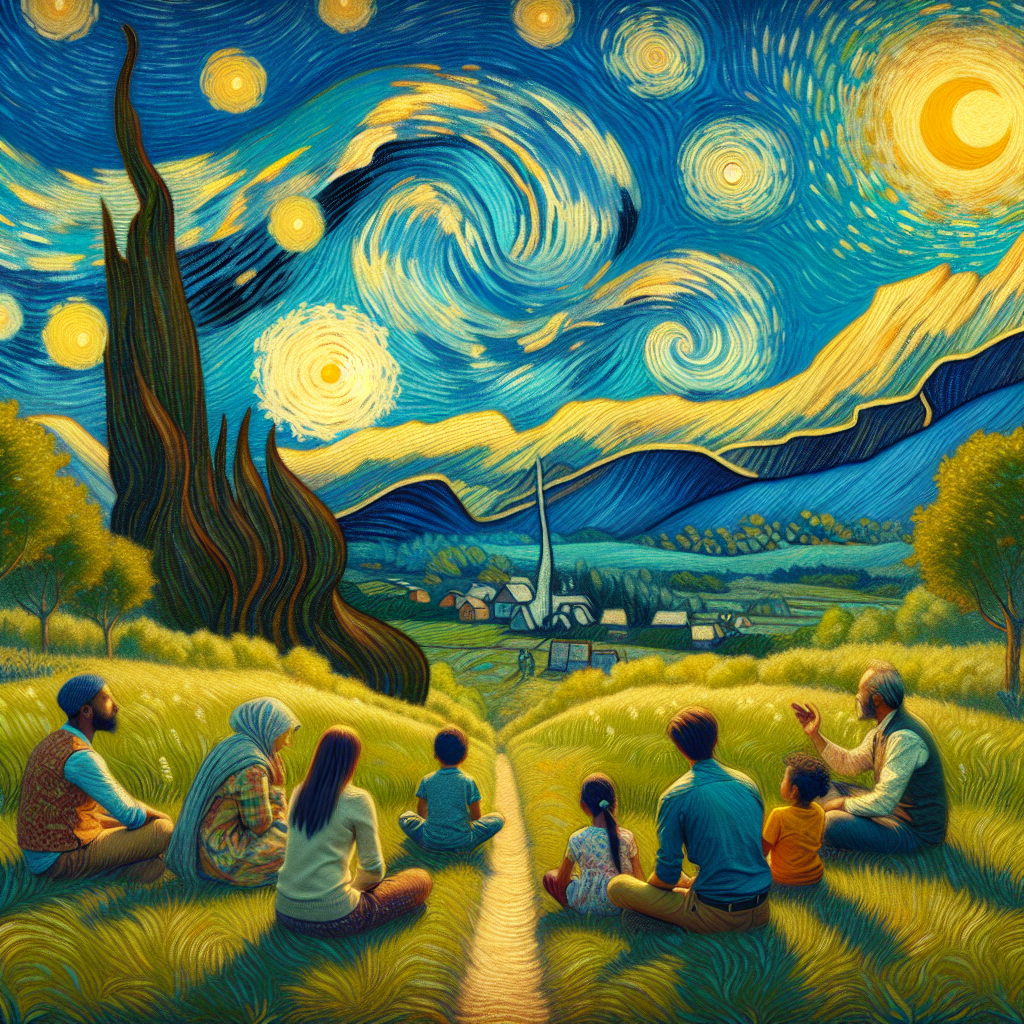
When we think about storytelling, especially concerning aging, it’s essential to realize that cultural context shapes the way these narratives are woven and perceived. Think about it—every culture has its own lens through which it views age and the elderly. In some societies, older individuals are celebrated as repositories of knowledge, their experiences seen as a treasure trove of legacy storytelling. Here, elders are revered; their life’s lessons serve as guiding stars for the younger generation. These stories aren’t just anecdotes; they become the backbone of tradition and a way to pass down invaluable wisdom.
Contrast that with cultures where youth is more glorified, and aging is often sidelined. In these environments, the stories told about aging may focus more on loss—loss of vitality, loss of relevance, and perhaps even loss of identity. Here, the narrative can shift from one of honor to one of melancholy. When the stories reflect a cultural disdain for aging, they can influence individuals’ perceptions of growing older, leading to a sense of isolation and fear. These narratives can create an unspoken pressure to remain youthful, often sidelining those who have much to share.
What’s fascinating is how legacy storytelling can emerge from these cultural attitudes. In a society that values the wisdom of its elders, storytellers enrich the narrative with lessons on resilience, perseverance, and the beauty of a life well-lived. These tales inspire younger generations, providing them with roadmaps forged from the trials and tribulations of those who came before. They become not just stories about old age but powerful life lessons that can guide younger individuals through their own journey.
On the flip side, when stories about aging are told from a negative perspective, they can contribute to a larger narrative that diminishes the value of those later years. This can perpetuate stereotypes and further isolate elders. The stories we tell shape not only how we view aging but also how we live through it.
Ultimately, the cultural context in which storytelling about aging happens can either nourish a rich tradition of legacy storytelling or contribute to a more tragic narrative. It’s up to us to recognize these dynamics and strive to celebrate the full spectrum of what aging can mean—both in our personal lives and the cultural tales we choose to share.

How Does Cultural Context Impact Storytelling About Aging?
How Does Cultural Context Impact Storytelling About Aging?
- Cultural context significantly influences narratives around aging and the elderly.
- Some cultures celebrate elders, viewing their experiences as valuable wisdom for younger generations.
- In these societies, storytelling serves as a means to pass down tradition and life lessons.
- Contrarily, cultures prioritizing youth may focus on loss when discussing aging, leading to feelings of isolation and fear.
- Narratives from negative perspectives can diminish the value of later years and perpetuate stereotypes about aging.
- Positive legacy storytelling can inspire resilience and provide guidance for younger individuals.
- Recognizing and promoting diverse narratives about aging can enrich cultural perspectives and personal experiences.
How Does Cultural Context Impact Storytelling About Aging?
How Can We Use Storytelling To Challenge Stereotypes About Aging?
When we think about aging, it’s all too easy to fall into a trap of clichés—grumpy old men, forgetful grandmothers, or frail old-timers unable to contribute to society. These stereotypes are as persistent as they are damaging, limiting our understanding of what growing older really means. But here’s the thing: storytelling can serve as a powerful tool to dismantle these narrow narratives, providing a fresh perspective on the lives and contributions of older individuals.
Legacy storytelling is one avenue that deserves our attention. This approach goes beyond mere nostalgia; it serves to celebrate the rich tapestry of experiences that older generations have woven throughout their lives. Think about it: when we share stories—whether it’s recounting a long-lost adventure, a hard-earned triumph, or a moment of profound wisdom—we’re not only preserving history but challenging the prevailing myths about aging. Each of these narratives adds color and depth to a society that’s all too quick to revert to generalizations.
Consider the impact of sharing a story about an octogenarian who’s launched a new business or an avid gardener who’s teaching young children the importance of sustainability. These stories reveal the truth that age doesn’t equate to inactivity; in fact, they often highlight resilience, creativity, and ongoing contribution to the community. By changing the narrative from “What can the elderly do?” to “What are they doing?” we can begin to dismantle those outdated stereotypes.
Moreover, storytelling fosters connection—a bridge between generations. It invites younger people to engage with their older counterparts, helping to humanize those who might otherwise be viewed as mere caricatures. Interactions become richer when stories are exchanged, breaking down the walls of misunderstanding.
And let’s not forget the technological angle. In our digital age, the medium of storytelling has expanded dramatically. Social media platforms create new opportunities for older adults to share their tales, join virtual communities, and challenge stereotypes in real-time. This eventuality not only empowers them but also encourages a broader audience to reconsider preconceived notions about aging.
In essence, if we use storytelling effectively, we can spark conversations, shift perceptions, and create a more inclusive understanding of aging. Each shared experience adds another layer to our collective narrative, urging society to not just see older individuals, but to truly understand them. Let’s commit to amplifying these voices, one story at a time.

How Can We Use Storytelling To Challenge Stereotypes About Aging?
How Can We Use Storytelling To Challenge Stereotypes About Aging?
- Aging is often misunderstood through damaging stereotypes like grumpy old men and forgetful grandmothers.

How Can We Use Storytelling To Challenge Stereotypes About Aging?
How Can Communities Use Storytelling To Support Older Adults?
In today’s fast-paced world, the art of storytelling is often overlooked, yet it remains one of the most powerful tools for fostering connections within communities, especially when it comes to supporting older adults. The idea is simple: when we listen to the stories of those who have come before us, we not only honor their legacy but also weave the fabric of our own community tighter. Legacy storytelling can be a bridge that transforms our neighborhoods into a living tapestry of shared experiences, wisdom, and laughter.
Imagine a cozy gathering at a local community center where older adults share their life stories over a warm cup of coffee. That’s where the magic begins. When individuals recount their journeys, they don’t just share facts and events; they infuse their tales with emotion, tension, and resolution. And as they do, they create connections not just between their own lives and those of their listeners, but also among generations. It’s a beautiful symphony of voices, each note harmonizing with the others.
Communities can take this concept even further by organizing dedicated storytelling events. Think open-mic nights where older adults take the stage, or themed storytelling workshops that focus on specific life experiences such as immigration, war, love, or resilience. These gatherings do not only entertain; they educate and inspire. Younger generations can gain invaluable insights and learn about their history through the eyes of the elders. It’s a two-way street where both sides benefit; the older adults feel valued and engaged, while younger folks walk away with a richer understanding of their communal roots.
Moreover, technology can also play a pivotal role in legacy storytelling. Digital platforms allow for the preservation and sharing of these narratives, ensuring they are not lost to time. A simple podcast series or YouTube channel can become a treasure trove of stories that resonate with both local and wider audiences. Recording sessions can be fun intergenerational projects, engaging young volunteers to help older adults capture and edit their stories. This initiative not only preserves history but also fosters meaningful relationships and combats social isolation.
In a world that’s all too focused on what’s next, let’s remember to celebrate what’s past. By embracing the wisdom of older adults through storytelling, communities can not only uplift these individuals but also create a legacy of connection, understanding, and compassion that resonates for generations to come. After all, it’s the stories we share that define who we are.

How Can Communities Use Storytelling To Support Older Adults?
How Can Communities Use Storytelling To Support Older Adults?
- Storytelling is a powerful tool for fostering community connections, especially for older adults.
- Listening to the life stories of older generations honors their legacy and strengthens community bonds.
- Gatherings where older adults share their stories create emotional connections across generations.
- Dedicated storytelling events, like open-mic nights or themed workshops, can educate and inspire participants.
- Younger generations gain invaluable insights into history through the narratives of their elders.
- Technology facilitates the preservation and sharing of stories through digital platforms like podcasts and YouTube.
- Embracing older adults’ wisdom through storytelling fosters connections and compassion, creating a lasting legacy.
How Can Communities Use Storytelling To Support Older Adults?
What Role Does Technology Play In Modern Storytelling About Aging?
In today’s fast-paced world, technology isn’t just an accessory; it’s a powerful tool reshaping the way we tell our stories, especially those that address the rich and complex theme of aging. Moreover, this shift is transforming what we might call legacy storytelling—the art of passing down life experiences, wisdom, and family histories in an engaging way.
Imagine this: a grandparent, once limited to sharing tales around the dinner table, can now harness technology to enrich their narrative. With a smartphone, they can record their stories, capturing the nuances of voice and emotion that would otherwise fade with time. These recordings can be shared with family members spread across the globe, ensuring that the essence of their life experiences remains alive and well. By using simple video editing software, they can splice together clips of family events, highlights from their own history, or even create digital scrapbooks that stir nostalgia.
And let’s not forget social media platforms. These tools allow seniors to create vibrant, interactive timelines or “story arcs,” bringing their past experiences into the social sphere where younger generations can interact with and learn from their legacies. Posting pictures and anecdotes not only keeps memories alive but also cultivates a sense of belonging and connection among family members and friends.
Furthermore, there are innovative platforms dedicated to preserving oral histories. Some organizations now offer services that digitize and archive personal stories, allowing individuals to contribute their narratives to a grand tapestry of collective memory. This collaborative approach means that the tales of one’s life can exponentially enrich not just the family legacy but also the cultural narrative of our society as a whole.
Moreover, technology facilitates an unprecedented opportunity for cross-generational dialogue. Apps and online forums foster conversations between the young and old, bridging the generational gap as they weigh in together on themes of aging, wisdom, and mortality. This dialogue can create mutual understanding, breaking down stereotypes about aging while allowing older individuals to articulate their thoughts and experiences in fresh, engaging formats.
At the end of the day, technology has become the modern quill, capturing the vibrant mosaic of our lives and ensuring that the legacy of our stories carries on, thriving in the digital age. In this way, aging transforms from a quiet reflection on life into a dynamic exchange of ideas, beautifully woven together by the threads of technology.

What Role Does Technology Play In Modern Storytelling About Aging?
What Role Does Technology Play In Modern Storytelling About Aging?
- Technology reshapes storytelling, particularly in addressing themes of aging.
- Legacy storytelling is evolving into a more engaging and accessible art form.
- Grandparents can use smartphones to record their stories, capturing emotions and nuances.
- Video editing software allows for the creation of digital scrapbooks and family event compilations.
- Social media enables seniors to create interactive timelines that engage younger generations.
- Innovative platforms digitize and archive personal stories, contributing to collective memory.
- Technology fosters cross-generational dialogue, enhancing understanding between young and old.

What Role Does Technology Play In Modern Storytelling About Aging?
Conclusion
In wrapping up this deep dive into the transformative power of storytelling on our perception of aging, let’s take a moment to reflect on just how pivotal these narratives can be in reshaping our collective understanding of what it means to grow older. Now, don’t get me wrong—we all know that aging can bring its fair share of challenges. It often feels like society has its foot firmly planted on the accelerator when it comes to youth, leaving those with silver hair and plenty of life experience stuck in the slow lane. But here’s the kicker: if we shift gears and embrace legacy storytelling, we can catapult ourselves right out of that one-dimensional thinking.
Consider the essence of legacy storytelling, where every wrinkle and gray hair tells a tale—a story filled with trials, triumphs, wisdom, and yes, even humor. It’s about viewing aging not as a downward slope but as a fantastic voyage dotted with memorable peaks. When we embrace these stories, we allow ourselves to be reminded that growing older is more than just ticking off birthdays; it becomes about accumulating experiences that connect generations.
Think of the wisdom packed into personal narratives shared by grandparents—the rollercoaster of emotions, the life lessons learned through resilience, the audacity to pursue newfound endeavors in their golden years. Each story serves as a thread weaving the fabric of family history together, cultivating respect and admiration among younger generations. These tales foster empathy, bridging the gaps between age groups and igniting an understanding that challenges stereotypes surrounding aging.
In a world teeming with glorified youth culture, why not flip the narrative? Through storytelling, we can diminish the prejudices that cast older adults as irrelevant, reminding everyone that they are dynamic individuals brimming with relevance and contributions to make. And guess what? This isn’t just a cozy chat over coffee; it’s a necessary conversation that helps dismantle ageist stereotypes and promotes connections that are sorely needed in our age-divided society.
So let’s commit to turning the spotlight on legacy storytelling. Share your own stories, invite older adults to share theirs, and make space for dialogues that transcend age. Technology can help us amplify these voices, ensuring that their stories don’t slip into the ether. Let’s celebrate aging as a rich tapestry of experience that deserves honor and respect—a narrative worthy of not just telling but living fully. As we embrace this ethos, we’ll not only change the way we see aging; we’ll redefine it entirely, reclaiming the artistry of a life well-lived.

Conclusion
Conclusion:
- Storytelling transforms our perception of aging, reshaping collective understanding.
- Aging presents challenges, but society often favors youth over older generations.
- Legacy storytelling enables a shift from negative perceptions to positive narratives about aging.
- Every wrinkle and gray hair represents a rich personal story filled with wisdom and humor.
- Grandparents’ narratives connect generations, fostering respect and empathy among age groups.
- Flipping the narrative through storytelling counters ageist stereotypes and highlights older adults’ contributions.
- Embracing legacy storytelling fosters connections and celebrates aging as a valuable experience.

Conclusion
Other Resources

Other Resources
Here is a list of other resources you can review online to learn more:
- AmericanAncestors
- International End of Life Doula Association
- Memorial Matters
- Digital Legacy Association
- Forever Missed
- FamilySearch
- Association of Personal Historians
- deviantART
- FindMyPast
- Bcelebrated
Use This Prompt To Get More Resources With Your Favorite Online AI Tool: Please provide me with a list of online articles with their URLs in a bulleted list that I can read regarding How Can Storytelling Transform The Way We View Aging?
Other Resources
Glossary Terms
How Can Storytelling Transform The Way We View Aging? – Glossary Of Terms
1. Aging: The process of becoming older, which encompasses physical, emotional, and social changes over time.
2. Narrative: A spoken or written account of connected events; a way of organizing and conveying experiences.
3. Storytelling: The art of sharing stories, using language, visuals, or performances to convey messages and emotions.
4. Perspective: A particular attitude or way of considering an issue; influences how aging is perceived in society.
5. Cultural Narratives: Shared stories within a culture that shape collective beliefs and perceptions about aging.
6. Identity: The qualities, beliefs, and characteristics that make a person or group unique; can evolve with age.
7. Empathy: The ability to understand and share the feelings of another, fostering deeper connections through stories.
8. Wisdom: The ability to think and act using knowledge, experience, understanding, and insight; often associated with aging.
9. Memory: The mental capacity to store and recall past experiences; storytelling can enhance the preservation of memories in aging.
10. Intergenerational: Relating to or involving multiple generations; storytelling can bridge gaps and foster understanding between age groups.
11. Experience: The process of doing and seeing things; unique experiences often form the basis of compelling stories about aging.
12. Resilience: The capacity to recover quickly from difficulties; stories can highlight resilience in the face of aging-related challenges.
13. Legacy: What individuals leave behind after they pass, often encapsulated in stories that reflect their lives and values.
14. Community: A group of people living in the same place or having a particular characteristic in common; storytelling can strengthen community bonds across ages.
15. Social Isolation: A state of being separated from others; storytelling can help combat loneliness in aging populations.
16. Activism: Efforts to enact change; storytelling can be a powerful tool for advocating for the rights and well-being of older adults.
17. Cognitive Engagement: The mental process of actively acquiring and understanding information; storytelling can promote cognitive health in aging.
18. Aging Positively: The concept of viewing aging as a natural and fulfilling stage of life rather than a decline; storytelling can support this viewpoint.
19. Narrative Therapy: A form of therapy that encourages individuals to tell their stories to reframe their experiences and identities.
20. Vulnerability: The quality of being open to emotional exposure; storytelling can help normalize feelings of vulnerability in aging.
21. Tradition: Long-established customs and practices; stories can preserve traditions that are vital to cultural understanding of aging.
22. Hope: A feeling of expectation for positive outcomes; stories of overcoming challenges can instill hope regarding aging.
23. Truth: The quality of being in accordance with fact or reality; storytelling can serve as a medium for sharing truths about aging.
24. Narrative Competence: The ability to effectively create, understand, and interpret stories; crucial for engaging with others’ narratives of aging.
25. Dialectics: A method of argumentation that resolves contradictions; exploring various narratives about aging can provide a comprehensive understanding.
26. Agency: The capacity of individuals to act independently and make choices; storytelling can empower older adults to assert their agency.
27. Transformation: A thorough or dramatic change in form or appearance; storytelling can empower transformative views on aging.
28. Symbolism: The use of symbols to represent ideas or qualities; stories often employ symbolism to convey deeper meanings about aging.
29. Connection: The relationship and bond between individuals; storytelling fosters connections that can diminish feelings of isolation.
30. Legacy Narrative: A focused recounting of one’s life experiences and values; can serve to communicate the essence of a person’s experiences in aging.

Glossary Of Terms
Other Questions
How Can Storytelling Transform The Way We View Aging? – Other Questions
If you wish to explore and discover more, consider looking for answers to these questions:
- What are some examples of legacy storytelling in different cultures?
- How can individuals get started with their own legacy storytelling?
- What benefits does storytelling offer to older adults specifically?
- How can storytelling improve the mental health of older adults?
- What are some common misconceptions about aging that storytelling can challenge?
- How can communities facilitate storytelling events for older adults?
- What techniques can younger generations use to connect with older adults through storytelling?
- How can schools incorporate storytelling about aging into their curricula?
- What role do caregivers play in the storytelling process for older adults?
- How can storytelling promote empathy and understanding between generations?
Other Questions
Haiku
How Can Storytelling Transform The Way We View Aging? – A Haiku
Aging redefined now,
Stories weave our legacies,
Wisdom’s bridge grows strong.

Haiku
Poem
How Can Storytelling Transform The Way We View Aging? – A Poem
In a world that adores the fleeting years,
Where youth drowns the wisdom that age holds dear,
Let’s turn a page on the tales we once knew,
And celebrate aging, a journey, a view.
Each wrinkle a chapter, each gray hair a line,
Life’s story unfolds in the moments divine.
With legacy storytelling, let’s craft our own paths,
Where laughter and lessons outshine the dark drafts.
Grandparents whisper of courage and fight,
Reflecting their journeys through shadows and light.
In every exchange, a bridge comes alive,
For wisdom from ages past, we will thrive.
Intertwined generations, a tapestry spun,
With threads of resilience, a life’s web begun.
Dialogues blossom, and connection takes flight,
Youth learns from the elders, their futures ignite.
Embracing technology, the stories we share,
Capture emotions and memories rare.
The heart of the past meets the digital dawn,
As history breathes on, its legacy drawn.
From open mics echoing tales of the wise,
To podcasts that amplify joy and the cries,
Together we gather, in circles we tell,
How aging can flourish, how life truly swells.
So let’s redefine aging, discard all the fear,
For the tales that we tell make the path crystal clear.
In each shared experience, let love intertwine,
Aging’s not an end, but a life that can shine.

Poem
Checklist
How Can Storytelling Transform The Way We View Aging? – A Checklist
1. Understanding Legacy Storytelling
_____ Reflect on the importance of storytelling in your life.
_____ Identify personal stories you can share.
_____ Consider how sharing your stories can impact others.
2. Using Personal Narratives
_____ List significant life experiences that can inspire or educate.
_____ Reframe narratives about aging, focusing on resilience and growth.
_____ Find ways to integrate humor and wisdom in your stories.
3. Encouraging Intergenerational Connections
_____ Initiate conversations with older adults in your community.
_____ Encourage younger generations to ask questions about the past.
_____ Create opportunities for storytelling exchanges between age groups.
4. Effective Storytelling Techniques
_____ Practice using personal anecdotes to illustrate your points.
_____ Use open-ended questions to foster dialogue during storytelling.
_____ Incorporate sensory details to enhance the vividness of your stories.
5. Challenging Stereotypes About Aging
_____ Identify common stereotypes about older adults in your community.
_____ Share counter-narratives that celebrate aging and contributions of older adults.
_____ Utilize storytelling to highlight active roles played by older individuals.
6. Creating Community Engagement
_____ Organize community storytelling events to celebrate elders.
_____ Facilitate workshops focusing on legacy storytelling techniques.
_____ Develop a storytelling club or group for sharing experiences.
7. Leveraging Technology for Storytelling
_____ Explore tools for recording and sharing your stories (e. g. , smartphones, audio/video platforms).
_____ Consider creating a family or community digital archive for stories.
_____ Utilize social media to share stories and engage with younger audiences.
8. Cultural Context and Perception of Aging
_____ Reflect on how your culture shapes views of aging.
_____ Share stories that highlight the positive aspects of aging within your cultural context.
_____ Embrace diverse narratives that preserve cultural heritage regarding aging.
9. Fostering Ongoing Dialogues About Aging
_____ Start discussions with friends and family about their perspectives on aging.
_____ Use storytelling as a tool in educational settings to change perceptions.
_____ Encourage local advocacy for recognizing contributions of older adults.
10. Continuing the Legacy
_____ Identify ways to pass down the stories of your family, community, or culture.
_____ Create a plan for future storytelling endeavors, including recording or writing down stories.
_____ Reflect on the lessons you’ve learned and how they can inform future generations.
By using this checklist, you can actively participate in redefining aging through the art of storytelling, fostering connections that benefit both individuals and communities.

Checklist
At LegacyExplorations, we help people plan and explore their legacy by collecting information and news regarding end-of-life planning.
Please share this post with your friends, family, or business associates who may want help to plan or explore their legacy.