

Uncover Your Story: Preserving Your Legacy With Ancestry
By Tom Seest
At LegacyExplorations, we help people plan and explore their legacy by collecting information and news regarding end-of-life planning.
Please share this post with your friends, family, or business associates who may want help to plan or explore their legacy.
How Can The Ancestry Website Help Preserve an Online Legacy?
In an age where digital footprints are often transient and our histories can feel like mere ephemera, the Ancestry website serves as a modern-day time capsule—one that collects, catalogs, and champions the narratives that bind us to our roots. For those of us who have ever wondered how to weave the threads of our lineage into a cohesive tapestry, this platform offers a treasure trove of tools that makes the preservation of our familial stories a labor of love, rather than a daunting task.
Imagine sitting around a campfire, swapping tales of eccentric Great-Uncle Harold or the courageous matriarch who braved the seas to come to America. Ancestry ensures that these stories don’t get lost in the shuffle of life’s daily grind. With their expansive record collections, you can trace your family tree back through the ages, unveiling the lives of those who shaped you long before you took your first steps. But it’s not just about the names and dates; it’s about breathing life into those individuals through the stories that define them.
Another remarkable feature is the ability to build and share your family tree online, allowing relatives near and far to connect with this living document of your lineage. Each branch represents more than just blood ties; it symbolizes shared experiences, traditions, and values. When you collaborate with family members to fill in the gaps of your history, you’re not just preserving data; you’re fostering a sense of belonging and identity that can resonate through generations.
Moreover, Ancestry encourages the preservation of personal anecdotes in a way that transcends traditional genealogy. Users can upload photos, letters, and even anecdotes, weaving them into the rich fabric of their family’s history. These elements serve as digital heirlooms—intangible items that capture time and emotion, allowing future generations to feel a connection to those who walked before them.
In a world where everything seems fleeting, preserving an online legacy through Ancestry means you’re creating a bridge—one that links the past to the present, while charting a course for the future. Your legacy doesn’t just reside in dusty old albums or forgotten shoeboxes; it thrives in a digital archive that can be accessed, cherished, and handed down, ensuring that the lives, struggles, and triumphs of those who came before you will never be forgotten. In essence, it’s not just about finding your ancestors; it’s about inviting them into the conversations of today and the memories of tomorrow.

How Can The Ancestry Website Help Preserve an Online Legacy?
How Can The Ancestry Website Help Preserve an Online Legacy?
- Ancestry acts as a modern-day time capsule, preserving our familial narratives.
- The platform offers tools that make preserving family stories enjoyable rather than overwhelming.
- Users can trace their family tree and uncover the lives of their ancestors.
- Building and sharing family trees online fosters connections among relatives and emphasizes shared experiences.
- Ancestry encourages the preservation of personal anecdotes through photos, letters, and stories.
- The platform creates a digital legacy that connects past, present, and future generations.
- Ultimately, Ancestry helps revive ancestral conversations and memories for current and future generations.

How Can The Ancestry Website Help Preserve an Online Legacy?
Table Of Contents
- How Can The Ancestry Website Help Preserve an Online Legacy?
- What Features Does Ancestry Offer For Preserving Family History?
- How Can I Create A Family Tree On Ancestry?
- What Are The Benefits Of Using Ancestry For Genealogical Research?
- How Can Photos And Documents Be Uploaded To Ancestry?
- What Options Are Available For Sharing Family History On Ancestry?
- How Does Ancestry Ensure The Privacy Of My Family Data?
- Can Ancestry Help Me Connect With Distant Relatives?
- What Are The Best Practices For Maintaining My Ancestry Account?
- How Does Ancestry Support Historical Record Preservation?
- What Tools Does Ancestry Provide For Storytelling My Family Legacy?
- What Is The Difference Between Ancestry And Other Genealogy Sites?
- How Can I Restore Lost Information In My Ancestry Account?
- What Can I Do To Make My Online Legacy More Accessible On Ancestry?
- How Can Ancestry Help Me Discover My Cultural Heritage?
- What Role Does Dna Testing Play In Creating My Legacy On Ancestry?
- Conclusion
- Other Resources
- Glossary Of Terms
- Other Questions
- Haiku
- Poem
- Checklist
What Features Does Ancestry Offer For Preserving Family History?
When it comes to preserving family history, Ancestry offers a treasure trove of features that are as robust as a seasoned family storyteller. Let’s take a stroll through these digital halls, where every click has the potential to unlock a chapter of your lineage.
First off, there are the family trees. We’re not talking about the kind that shades your backyard; this is your personal legacy going back generations. Ancestry allows you to create an extensive family tree that branches out to include relatives you may not even know you had. You can start by inputting your own information and then watch as the tree grows with each new discovery. You’ll be amazed at how quickly you can connect the dots when history gets put into perspective.
Ancestry’s records database is another powerful asset in the preservation of family history. With billions—yes, billions—of historical records at your fingertips, you can dive into birth, marriage, and death certificates, census data, and even military records. It’s like being handed a treasure map, with each document leading you closer to the rich tapestry of your ancestry. Imagine holding the very same documents that told the stories of your great-grandparents. It doesn’t get more authentic than that!
And let’s not overlook the DNA testing kit. When you send in your sample, you’re in for more than just a fascinating breakdown of your ethnic origins. Ancestry’s DNA service connects you with living relatives you might not have known existed. This feature turns the abstract notion of ancestry into a living, breathing community. Suddenly, you’re more than just a name on a tree; you’re part of a network that stretches across the globe.
For those with a penchant for storytelling, Ancestry offers tools for documenting and sharing your findings. You can add stories, photos, and even audio recordings to your family tree, transforming static information into dynamic narratives. Imagine being able to capture your grandmother’s voice as she recounts her childhood—now that’s preserving history in high definition.
Lastly, Ancestry provides a supportive community. You’re not alone in your quest; forums abound with fellow explorers ready to share tips and wisdom. Whether you’re searching for an elusive ancestor or simply seeking advice on how to tell the family story, there’s a camaraderie that makes the journey all the more rewarding.
In sum, Ancestry is like a high-tech time machine. It arms you with the tools to dig deep, connect dots, and preserve your family’s unique legacy for generations to come. So, roll up your sleeves, embrace the adventure, and discover the remarkable journey of your heritage!

What Features Does Ancestry Offer For Preserving Family History?
What Features Does Ancestry Offer For Preserving Family History?
- Ancestry offers a variety of features for preserving family history.
- Users can create extensive family trees that include distant relatives.
- The records database contains billions of historical documents, including birth, marriage, and census data.
- Ancestry’s DNA testing kit connects users with living relatives and offers insights into ethnic origins.
- Tools are available for storytelling, allowing users to add stories, photos, and recordings to their family trees.
- Ancestry provides a supportive community through forums where users can share tips and advice.
- The platform serves as a comprehensive resource for discovering and preserving individual family legacies.

What Features Does Ancestry Offer For Preserving Family History?
How Can I Create A Family Tree On Ancestry?
Creating a family tree on Ancestry is like piecing together a monumental puzzle that has been scattered across generations. The beauty of it lies not just in the finished product but in the journey of discovery along the way. So, grab a cup of coffee and let’s roll up our sleeves—this isn’t just a Sunday stroll in the park; it’s an adventure into your heritage.
To begin, you’ll first need to sign up for an Ancestry account. Think of this as setting the foundation for a sturdy home; without it, everything else is just floating in the ether. Once you’re in, you’ll be greeted by a blank canvas—your own personal family tree ready to take shape. It’s like an open field waiting for the seeds of history to be planted.
Start simple. Input your name, birthdate, and birthplace. Boom! Just like that, you’re the first entry in what will become a sprawling network of relatives. Next, go ahead and add your parents, then your grandparents, and move outward. Like climbing a family-sized mountain, each step reveals a new viewpoint—every name, every date, every story adds another layer to your ancestry.
Now, here’s where the fun really begins. Ancestry is equipped with powerful search tools and historical records that can help you unearth hidden gems about your kinfolk. Scour through census data, military records, and immigration lists. Each document is like a breadcrumb leading you to new relatives—and sometimes, long-lost family secrets you never knew existed. Imagine finding distant cousins you never knew you had or artifacts that connect you to pivotal moments in history.
If you stumble upon a mystery, don’t fret. Family history is often filled with twists and turns that would make a soap opera look straightforward. Sometimes you’ll hit a dead end; other times, a surprise awaits you just around the corner.
Lastly, don’t forget to share your findings! Ancestry allows you to collaborate with distant relatives who may be working on their trees too. It’s a social network for history buffs, and who doesn’t love a good family story? Celebrate the journey and the connections you make. After all, when you piece together your family tree, you’re not just compiling names; you’re reconnecting with the roots that nourish who you are today. So, get started and let your exploration unfold—you never know what stories await just beneath the surface.

How Can I Create A Family Tree On Ancestry?
How Can I Create A Family Tree On Ancestry?
- Creating a family tree on Ancestry is a rewarding journey of discovery into your heritage.
- Start by signing up for an Ancestry account, laying a foundation for your family tree.
- Begin with yourself—input your name, birthdate, and birthplace as the first entry.
- Add your parents and grandparents, gradually expanding your family network.
- Utilize Ancestry’s powerful search tools and historical records to uncover hidden family gems.
- Embrace the twists and turns of family history—it can be unpredictable and engaging.
- Share your findings and collaborate with distant relatives, fostering connections through shared stories.

How Can I Create A Family Tree On Ancestry?
What Are The Benefits Of Using Ancestry For Genealogical Research?
When it comes to digging into your family tree, there’s a wealth of digital resources at your fingertips, but few are as robust and comprehensive as Ancestry. You might wonder, “What’s the big deal?” Well, let’s break it down in simple terms.
First off, Ancestry offers access to a colossal database of records. We’re talking millions of birth, marriage, death, and census records, all neatly organized and searchable. Think of it as the world’s largest library, but instead of dusty books, you’ve got interactive records that let you trace your lineage across generations. This ease of access means you’re not spending countless hours at county courthouses or sifting through boxes in attics; you can click and scroll from the comfort of your couch.
Now, let’s not forget the joy of connecting with long-lost relatives. Ancestry uses DNA testing to link you with potential family members, which opens the door to a whole new world of connections. Imagine that distant cousin who might live halfway across the globe—through Ancestry, you can share family stories, exchange photos, and perhaps even learn about unique cultural traditions you never knew existed. There’s something undeniably thrilling about realizing you share a bloodline with someone you’ve never met. It’s like finding a hidden piece of yourself.
Another significant benefit is the user-friendly interface. Even if you’re a tech novice, Ancestry guides you through the process of building your family tree step by step. No need for fancy software or advanced computer skills—just your curiosity and a few clicks. With hints and suggestions that pop up as you input data, it feels like having a personal research assistant cheering you on.
Plus, the community aspect can’t be overlooked. Ancestry has forums and groups where fellow genealogists share tips and advice, fostering a sense of camaraderie among those piecing together their pasts. It’s a helpful and welcoming environment, where even the most novice researchers can feel at home.
Lastly, the thrill of discovery is a major incentive. Every record you uncover or relative you connect with adds a new layer to your story. You’re not just digging up names; you’re resurrecting histories. The benefits? They’re as deep as your roots, and as the branches spread, so does your understanding of who you are. And let’s face it, there’s nothing quite like the satisfaction of uncovering your family’s narrative—it’s a rewarding journey worth embarking on.

What Are The Benefits Of Using Ancestry For Genealogical Research?
What Are The Benefits Of Using Ancestry For Genealogical Research?
- Ancestry provides access to a vast database of records, including millions of birth, marriage, death, and census records, making it an extensive resource for genealogy research.
- The platform offers convenience, allowing users to trace their lineage from home without the need to visit courthouses or sift through physical documents.
- DNA testing features connect users with potential relatives, enabling the discovery of long-lost family members and cultural traditions.
- Ancestry’s user-friendly interface guides users through building their family tree, making it accessible to people with varying levels of tech skills.
- The platform includes hints and suggestions that assist users as they input their data, enhancing the research experience.
- Ancestry fosters a community through forums and groups, where genealogists share tips and support each other in their quests for ancestral knowledge.
- The excitement of discovery is a key motivator, as users uncover their family’s history and gain a deeper understanding of their identity.

What Are The Benefits Of Using Ancestry For Genealogical Research?
How Can Photos And Documents Be Uploaded To Ancestry?
Diving into your family history can feel a bit like opening a treasure chest filled with dusty old relics, and what better way to keep those treasures safe than sharing them with the world? Uploading photos and documents to Ancestry is not only a savvy nod to your ancestors; it’s also an opportunity to ensure their stories don’t fade into obscurity. So, roll up your sleeves, because it’s time to bring those nuggets of history into the digital age!
First things first, you’ve got to get your hands on the goods. Look around your home; you might find that stack of old black-and-white photos tucked away in a shoebox or grandma’s collection of handwritten recipes tucked between the pages of a well-loved cookbook. If you’re anything like most folks, those family heirlooms deserve a better fate than collecting dust. Dust off your scanner or grab your smartphone, because it’s time to capture those memories.
When you’re ready to make the upload, go ahead and log into your Ancestry account. If you don’t have one yet, creating an account is straightforward. Once you’re in, navigate to the family tree you’ve been building—your online family scrapbook. Look for an option that says “Upload Photos” or “Add Document.” It’s generally as clear as a sunny day in June.
Next, select the file you want to upload. Ancestry accepts a variety of file formats, so whether it’s a JPEG of Great Uncle Joe’s prized 4-H trophy or a PDF of Grandma’s wedding certificate, you’re in good shape! Make sure to label your files accurately; you want future generations to know exactly what they’re looking at. Maybe add a little description—who’s in the photo, when it was taken, or why that document is so special in the grand tapestry of your family saga.
Once all your images and documents are properly uploaded, take a moment to bask in the joy of it all. Knowing that you’re not just hoarding those memories, but sharing them with family and friends, as well as others who might be piecing together their own history, is something to be proud of. Remember, every photo shared and document uploaded is a step closer to creating a lasting legacy. So, whether you’re a seasoned genealogist or just starting out, don’t let those precious memories linger on a dusty shelf—upload them to Ancestry and let your family story thrive!

How Can Photos And Documents Be Uploaded To Ancestry?
How Can Photos And Documents Be Uploaded To Ancestry?
- Diving into family history is akin to opening a treasure chest.
- Uploading photos and documents to Ancestry preserves ancestors’ stories.
- Start by finding old family photos and documents around your home.
- Use a scanner or smartphone to digitize these memories.
- Log into your Ancestry account and navigate to your family tree to upload files.
- Ancestry accepts various file formats; label and describe your uploads for future generations.
- Sharing these memories contributes to a lasting family legacy.

How Can Photos And Documents Be Uploaded To Ancestry?
What Options Are Available For Sharing Family History On Ancestry?
In a world where family ties often extend beyond the dinner table, Ancestry provides a rich tapestry for anyone with a thirst to delve into their familial roots. Whether you’re a casual dabbler or a full-blown genealogy enthusiast, Ancestry has some impressive options for sharing your findings, and trust me, you don’t want to miss out on these avenues.
First off, let’s talk about family trees. These digital giants are more than just a way to map out your lineage; they’re a platform for storytelling. Each branch is like a chapter in your family saga, waiting to be explored and shared. Once you’ve built that tree, you can invite relatives to join in. They can add their own stories and memories directly. Imagine a virtual family reunion happening right on your computer screen, complete with photos of Grandma’s first car or Grandpa’s fishing toolbox. It’s a connection that transcends generations, and all it takes is a click of a button.
Next, we’ve got the option to create and share “family history” profiles. This isn’t just a dry record of names and dates; it’s about putting flesh on the bones of your ancestors’ lives. You can include anecdotes, important life events, and even personal beliefs. By sharing these profiles, you’re not just passing on facts; you’re breathing life into the dusty pages of history. Once again, you can allow family members to contribute, turning your research into a collaborative effort.
And how about photos? Oh boy, do we love our photos! Ancestry allows you to upload images and documents directly relevant to your family tree. Think birth certificates, wedding photos, or candid moments from family vacations. These snapshots help future generations connect to their heritage in a visceral way. Each photo is a time capsule, and Ancestry provides the perfect venue to showcase them, allowing you to comment and share with family members across the globe.
Finally, let’s not forget the power of messaging. Ancestry offers tools that let you communicate directly with family members who are also researching their ancestry. This feature is great for exchanging stories, documentation, and even the occasional family recipe. It fosters a community feel that can sometimes be missing in our hyper-connected, yet distant, digital lives.
In a nutshell, Ancestry has equipped you with everything you need to not just discover, but also share your family history. So roll up your sleeves, dig deep, and let those stories unfold. It’s not just about where you come from; it’s about keeping those connections alive for generations to come.

What Options Are Available For Sharing Family History On Ancestry?
What Options Are Available For Sharing Family History On Ancestry?
- Ancestry helps users explore their familial roots, catering to both casual users and genealogy enthusiasts.
- Family trees serve as a storytelling platform, allowing users to share their lineage and invite relatives to contribute memories.
- Users can create and share detailed family history profiles, which include anecdotes and important life events.
- Ancestry allows users to upload and share photos and documents relevant to their family tree, helping connect generations.
- Photos act as time capsules, showcasing family history and allowing comments and sharing among relatives.
- The messaging tool enables direct communication with family members researching their lineage, fostering a sense of community.
- Ancestry provides comprehensive tools for discovering and sharing family history, emphasizing the importance of keeping connections alive.

What Options Are Available For Sharing Family History On Ancestry?
How Does Ancestry Ensure The Privacy Of My Family Data?
When it comes to digging into our heritage, many folks rightly wonder just how their personal information is being managed. After all, our family trees are more than just collections of names; they’re repositories of stories, legacies, and the kind of information that runs deep in our veins. So, what does Ancestry do to keep that data as close to the vest as grandma’s secret cookie recipe?
First off, let’s talk about encryption. Imagine wrapping your beloved heirloom in a layer of protective plastic—only the best for that framed portrait of great-great-uncle Fred. Ancestry uses cutting-edge encryption protocols to protect your data both at rest and during transmission. This means that whether your information is sitting on their servers or zooming through the digital ether, it’s safeguarded against prying eyes. Think of it as a digital vault fortified with the kind of security you’d expect from Fort Knox.
But it doesn’t stop there. Ancestry also takes a rigorous approach to data access. Not everyone gets a look at your juicy genealogical secrets. Access to your data is tightly controlled, with only authorized personnel given a peek behind the curtain. This is akin to having a bouncer at the door of an exclusive club, ensuring that only those with a legitimate need can enter. Ancestry’s team undergoes comprehensive training on privacy policies, so they know the importance of guarding your information like a hawk watching over its nest.
Additionally, transparency is key. Ancestry is open about what data it collects and how it’s utilized. You’re not signing up for a mystery box; you’re laying it all out on the table. With clear privacy policies, you have the knowledge and confidence to make informed choices about what you share. After all, you wouldn’t hand your car keys to just anyone, right?
Lastly, you have control over your own data. Ancestry allows you to manage your preferences, including the option to delete your data at any time. This kind of power gives you peace of mind, ensuring that rather than being lost in the system, you’re the one steering the ship.
In short, Ancestry prioritizes privacy like a diligent guardian, combining technology, control, and transparency to ensure your treasured family data remains as safe as possible. So you can focus on what really matters—unearthing the fascinating tapestry of your lineage without having to worry about who’s peeking in.

How Does Ancestry Ensure The Privacy Of My Family Data?
How Does Ancestry Ensure The Privacy Of My Family Data?
- Ancestry prioritizes the management and protection of personal genealogical data, seeing it as more than just names.
- The company employs cutting-edge encryption protocols to secure data both at rest and during transmission.
- Access to user data is strictly controlled, with only authorized personnel permitted to view it.
- Ancestry’s team receives comprehensive training on privacy policies to ensure data is protected diligently.
- The company maintains transparency about data collection and usage, providing clear privacy policies.
- Users have control over their own data, including options to manage preferences and delete information at any time.
- Ancestry combines technology, control, and transparency to safeguard family data while users explore their heritage.

How Does Ancestry Ensure The Privacy Of My Family Data?
Can Ancestry Help Me Connect With Distant Relatives?
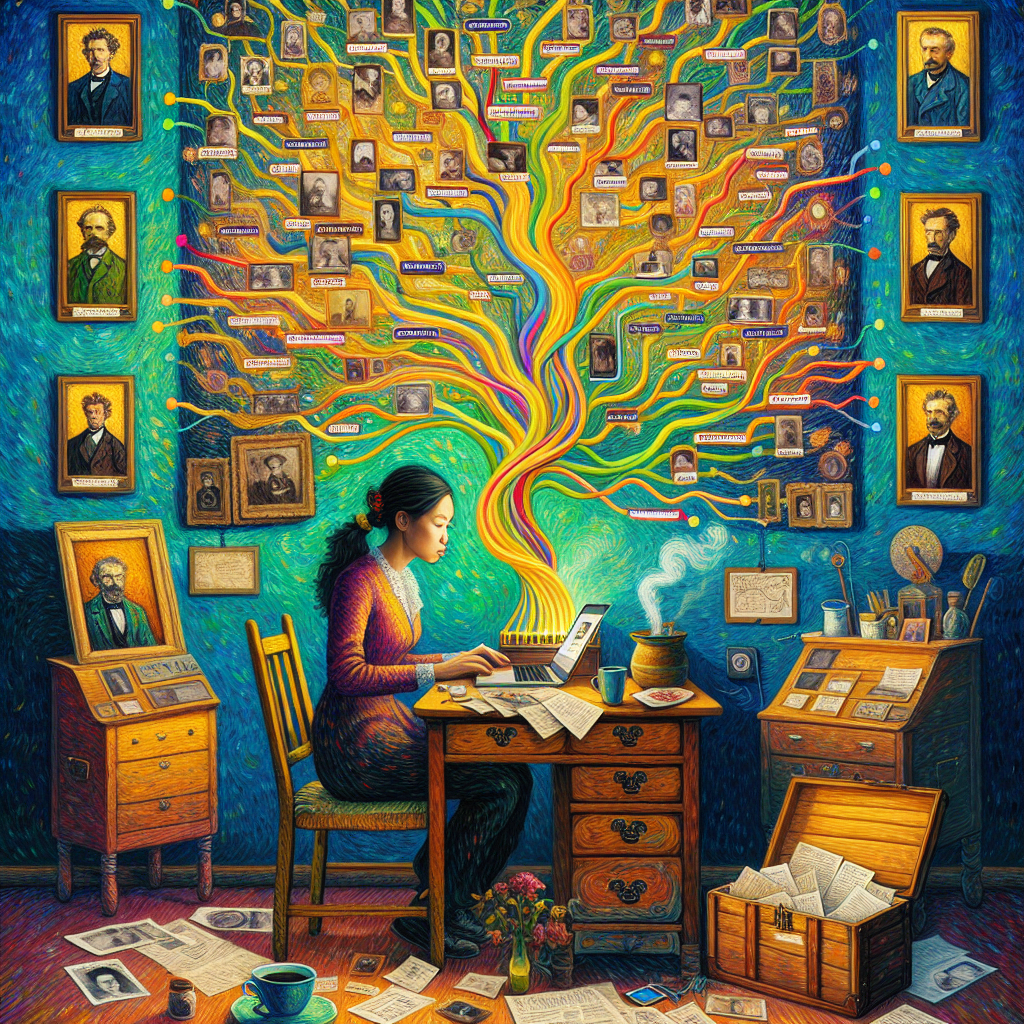
Picture this: you’re scrolling through your family tree, and there it is—a name that sends a shiver down your spine. A great-great-uncle you’ve never heard of, who allegedly once solved a mystery on the frontier. Or perhaps it’s a long-lost cousin who lives halfway around the world, with half your genes and all your quirks. Connecting with distant relatives can feel like uncovering a hidden treasure. But can ancestry research actually help you dig deeper into these family connections?
Absolutely. Ancestry tools are like a map leading you through a labyrinth of names, dates, and maybe a few scandalous stories, but there’s a bit of an art to it. First off, there are the basic genealogy websites that allow you to create a family tree with the ease of piecing together a jigsaw puzzle—if only every puzzle piece came with a bonus backstory. By entering what you know, you increase your chances of connecting with others who share your lineage. But beware, crafting your family tree isn’t just a casual stroll down memory lane; it requires detective work, patience, and sometimes, a strong cup of coffee.
Utilizing DNA testing is where things really get interesting. It’s one thing to see a name you recognize, but it’s another to match with someone who shares your biological blueprint. Companies offer genetic testing that not only reveals your ancestry but can also connect you with distant relatives who’ve taken the test. You might receive an email from a second cousin you never knew you had, which can lead to discussions, family stories, and possibly a long-overdue family reunion—all thanks to a few cheek swabs and a little curiosity.
But hold on! It’s not all sunshine and familial bliss. You might stumble upon a family connection that shakes your understanding of your heritage. Secrets sometimes hide behind ancestral doors, and you might want to prepare for some surprises. After all, family history can be a double-edged sword—like discovering a goldmine filled with stories, or an unexpected plot twist that changes everything.
So, can ancestry help you connect with distant relatives? Yes, it can. Just remember, digging into your ancestry is less about finding a perfect picture of your lineage and more about embarking on a journey filled with discoveries, surprises, and perhaps even a few unruly skeletons dancing in the family closet. Enjoy the ride!
Can Ancestry Help Me Connect With Distant Relatives?
Can Ancestry Help Me Connect With Distant Relatives?
- Discovering distant relatives can feel like uncovering hidden treasure.
- Ancestry research allows deeper connections through genealogy tools.
- Basic genealogy websites help create family trees with engaging backstories.
- Effective family tree crafting requires detective work, patience, and sometimes coffee.
- DNA testing provides a unique way to connect with biological relatives.
- Uncovering family connections may reveal surprising secrets about your heritage.
- Exploring ancestry is a journey filled with discoveries and unexpected twists.

Can Ancestry Help Me Connect With Distant Relatives?
What Are The Best Practices For Maintaining My Ancestry Account?
When it comes to delving into our roots, there’s no shortage of excitement. We get to unearth dusty stories, trace family trees, and perhaps even discover we’re related to royalty. But just like tending to a garden or feeding livestock, maintaining your Ancestry account requires a bit of consistent care. So, let’s roll up our sleeves and dive into the best practices that will help you keep your genealogical journey flourishing.
First and foremost, keep your information organized. Think of your Ancestry account as a digital filing cabinet. It’s tempting to throw everything in there willy-nilly, but doing so creates a mess that even the most stubborn detective would struggle to sift through. Create clear labels, tag your documents, and utilize the tree structure that Ancestry provides. When you meticulously organize your findings, you’ll save yourself some serious head-scratching during your next research session. And let’s be honest—nobody likes digging through that haystack for that elusive needle.
Next up: regular updates. Just as your family grows and shifts, so too should your ancestry account. Make it a habit to check in on your family tree, verify new information, and incorporate fresh findings. If a distant cousin discovers a vital document that changes what you thought you knew, embrace it! This is all part of the journey. Missing out on recent records could mean leaving pieces of your family’s story untold, and who wants that?
Security is key—just like locking up your barn at night. Take the necessary precautions to protect your account. Use strong, unique passwords and consider enabling two-factor authentication. After all, your family history deserves better than being left open to prying eyes. Treat it with the same respect you’d give your great-grandma’s heirloom.
And let’s not forget about those connections. Ancestry isn’t just a solitary venture; it’s a community of like-minded explorers. Engage with others, collaborate, and share your findings. You never know when a friendly cousin will jump in with a treasure trove of information that could round out your family saga.
Lastly, don’t rush the process. This is a journey, not a race. Celebrate every small victory—whether it’s finding a long-lost ancestor or connecting with a distant relative. Approach your Ancestry account like a fine-aged whiskey; it gets better with time and patience. So, keep exploring, stay organized, and above all, enjoy the ride!

What Are The Best Practices For Maintaining My Ancestry Account?
What Are The Best Practices For Maintaining My Ancestry Account?
- Maintain your Ancestry account with consistent care to support your genealogical journey.
- Keep your information organized by creating clear labels, tagging documents, and utilizing the tree structure.
- Regularly update your family tree with new information and findings to prevent leaving family stories untold.
- Ensure security by using strong passwords and enabling two-factor authentication for your account.
- Engage and collaborate with the Ancestry community to uncover hidden family connections and information.
- Celebrate small victories throughout your research journey, recognizing each discovery as part of the bigger picture.
- Approach your Ancestry exploration with patience, understanding that it improves with time and effort.

What Are The Best Practices For Maintaining My Ancestry Account?
How Does Ancestry Support Historical Record Preservation?
When it comes to ancestry, there’s more to the story than just tracing family trees and discovering long-lost relatives. Ancestry’s commitment to historical record preservation is an important chapter in the ongoing tale of our collective heritage. Think of it as the unsung hero of genealogy – vital, often overlooked, but absolutely essential.
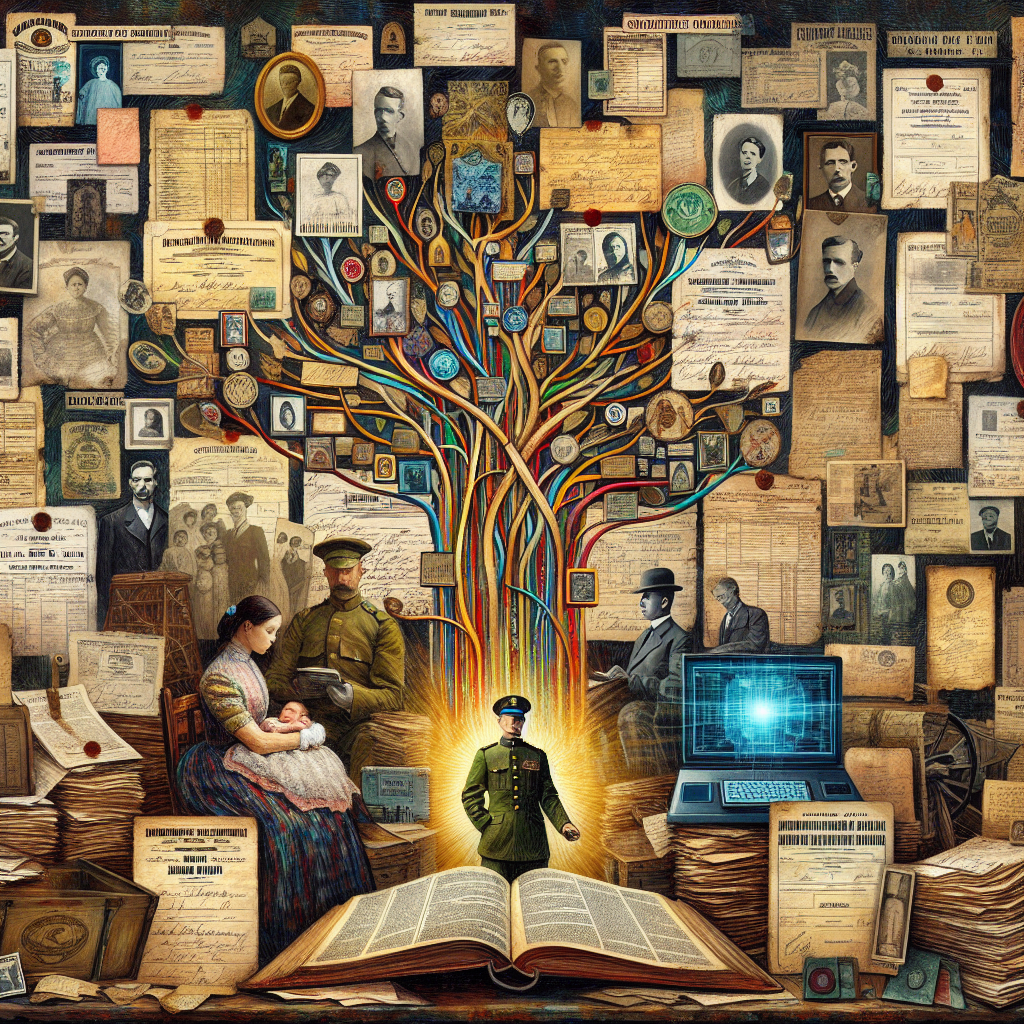
Let’s face it—our history is an intricate tapestry woven together from countless threads: birth certificates, military records, and old photographs, to name just a few. Each piece offers a glimpse into the lives of those who came before us, holding stories, struggles, and triumphs that are worthy of remembrance. Ancestry recognizes this, which is why their mission extends beyond mere record collection; they prioritize preservation so future generations can connect with their roots.
Ancestry employs a multi-faceted approach to safeguard these precious documents. First and foremost, they work closely with archives, libraries, and historical societies across the globe. By partnering with institutions that specialize in preserving historical records, Ancestry helps to digitize and catalog materials that might otherwise languish in obscurity. This isn’t just about getting your hands on a juicy document; it’s about ensuring that our collective memory is stored in a way that is both accessible and secure.
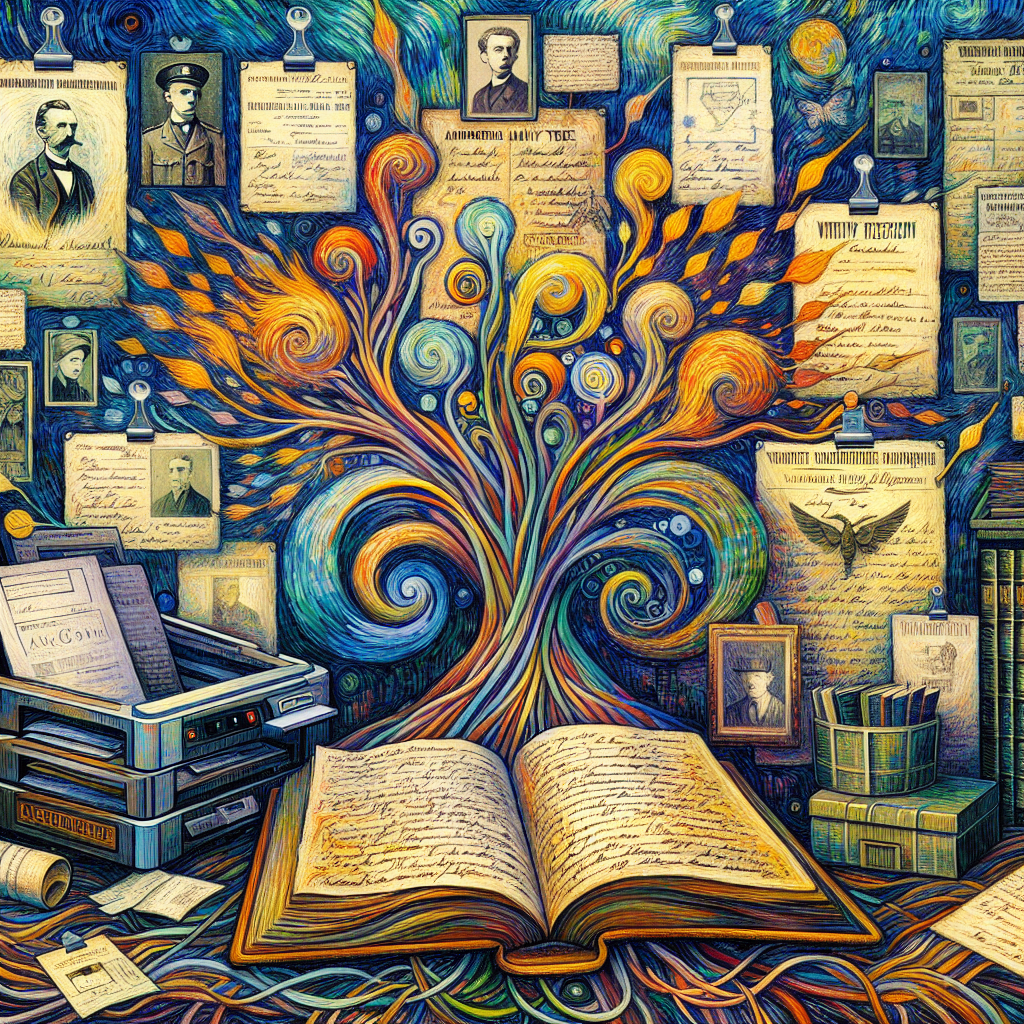
Moreover, Ancestry invests in cutting-edge technology for digitization. Preservation is no longer confined to dusty filing cabinets and fragile paper. They utilize high-resolution scanners and advanced data management systems that make it easier to store and retrieve information efficiently. This not only minimizes physical wear and tear on original documents but also enhances accessibility; a family history that might have required a road trip to a remote archive can now be explored from the comfort of our own homes.
Perhaps most importantly, Ancestry fosters a culture of responsibility. They understand that preserving the past is not just a task but a commitment to future generations. Ancestry encourages users not only to explore their own histories but to contribute to the greater project of preservation. By sharing personal stories, photos, and even lesser-known records, individuals become active participants in maintaining the historical dialogue.
In a world where the past can all too easily fade into obscurity, Ancestry stands as a vigilant guardian of our shared history. They remind us that every record is a fragment of our identity, deserving of preservation and reverence, ensuring that tomorrow’s question of “Who were we?” has a rich and clear answer.
How Does Ancestry Support Historical Record Preservation?
How Does Ancestry Support Historical Record Preservation?
- Ancestry’s mission extends beyond tracing family trees to include historical record preservation, vital for our collective heritage.
- Historical records, such as birth certificates and military records, weave together the intricate tapestry of our history.
- Ancestry partners with archives, libraries, and historical societies globally to digitize and catalog essential documents.
- The organization utilizes cutting-edge technology, including high-resolution scanners, to improve the preservation and accessibility of records.
- Preservation efforts help reduce physical wear and tear on original documents, allowing for easier access to family histories.
- Ancestry promotes a culture of responsibility, encouraging users to contribute their personal stories and records for collective preservation.
- The organization’s commitment ensures our shared history is preserved, allowing future generations to connect with their roots.
How Does Ancestry Support Historical Record Preservation?
What Tools Does Ancestry Provide For Storytelling My Family Legacy?
When it comes to weaving the rich tapestry of your family legacy, Ancestry provides a collection of tools that can turn dusty old data into lively stories worth telling. Imagine standing at the crossroads of history and personal experience, armed with a toolkit designed to help you not just discover your lineage, but to share it in vivid detail.
First off, let’s talk about the obvious—the family tree. Ancestry’s interactive family tree is like your own personal yellow brick road through generations past. You can build, edit, and expand your tree, adding names, dates, and places until it resembles an ambitious blueprint of your ancestry. But it doesn’t stop there. Each branch is an opportunity to dig deeper into stories, to add snippets of life and context. What was your great-great-grandfather’s profession? Did he serve in a war? Was he a pioneer in his own right? This is where you start to breathe life into those names on the family tree.
Now, once you’ve gathered the bare bones of your ancestors, you can dive into Ancestry’s vast collection of historical records. Think of them as the breadcrumbs leading you toward heartwarming or heart-wrenching tales. Census records, military drafts, immigration logs—each document can uncover a new facet of your family’s story. Maybe you discover that your great-aunt was a suffragette or that your distant cousin sailed on one of the first immigrant ships to America. These findings add the necessary details that transform ordinary skeletons into captivating narratives.
Another stellar feature of Ancestry is the ability to integrate photos and stories into your family tree. A picture says a thousand words, as they say, and Ancestry allows you to enrich your narrative with visual documentation. Imagine sharing not just names, but also dog-eared photographs of relatives, letters filled with longing, and cherished heirlooms that tell emotional tales of their own.
Lastly, Ancestry offers tools for collaboration. You can connect with other family members, crowdsource memories, and bring together pieces of the puzzle that might otherwise remain scattered. After all, storytelling is seldom a solo endeavor; it’s the orchestration of shared history, and everyone’s piece contributes to the whole.
In a nutshell, Ancestry doesn’t just help you trace your genealogy; it empowers you to craft your family’s legacy into a living story, one that can be passed on through the generations. And let’s face it, that’s a legacy worth leaving behind.

What Tools Does Ancestry Provide For Storytelling My Family Legacy?
What Tools Does Ancestry Provide For Storytelling My Family Legacy?
- Ancestry provides tools to transform historical data into lively family stories.
- The interactive family tree serves as a blueprint for building and expanding your ancestry.
- Each branch of the family tree allows for the exploration of personal narratives and historical contexts.
- Ancestry’s vast collection of historical records reveals captivating details about your ancestors.
- Users can integrate photos and stories, enriching their family narratives with visual elements.
- Ancestry encourages collaboration, connecting family members to share memories and stories.
- The platform empowers users to craft and preserve their family legacy for future generations.

What Tools Does Ancestry Provide For Storytelling My Family Legacy?
What Is The Difference Between Ancestry And Other Genealogy Sites?
When it comes to digging into our roots, many of us find ourselves standing at the crossroads of ancestry and genealogy sites. Now, if you’ve ever taken a gander at both, you might be scratching your head, wondering what separates the proverbial wheat from the chaff. So, let’s roll up our sleeves and take a closer look at these platforms that promise to unravel our family secrets but often leave us in a tangled mess of branches.
First off, let’s get one thing straight: all genealogy sites are not created equal. They vary in scope, approach, and the depth of content they provide. Ancestry.com is often touted as the heavyweight champion in this arena, primarily because it combines a vast database of historical records with powerful tools designed to help you build your family tree. Think of it as a high-tech, all-in-one tool. Ancestry doesn’t just tell you who your great-great-grandparents were; it provides access to census data, military records, immigration logs, and more, all wrapped up in an easy-to-navigate interface.
On the flip side, there are other genealogy sites that may focus more on community engagement or specific regional records. For instance, sites like FamilySearch offer a treasure trove of historical documents for free, thanks to the efforts of dedicated volunteers. However, they might lack some of the fancy bells and whistles that come with a paid subscription. Here, you might find yourself doing a bit more legwork, but the payoff can be just as rewarding.
Then there’s the matter of DNA testing—a game changer in the world of genealogy. Ancestry leads the way in this area, allowing users not only to trace lineage through records but also to discover genetic connections. This blend of technology and tradition modernizes the exploration of our ancestry, offering insights that traditional methods alone may miss.
Lastly, let’s not forget the user experience. Some sites might feel like a labyrinth, with less intuitive navigation and an overwhelming amount of information. Meanwhile, Ancestry often prides itself on being user-friendly, which can make the daunting task of piecing together your family history feel a bit less like deciphering hieroglyphics.
So, what’s the bottom line? The difference between Ancestry and other genealogy sites boils down to the breadth of resources, user experience, and what you want to get out of the journey. Whether you’re looking to meticulously trace your lineage or simply want to know your roots, there’s a platform out there that’s right for you. Now get out there and start digging!

What Is The Difference Between Ancestry And Other Genealogy Sites?
What Is The Difference Between Ancestry And Other Genealogy Sites?
- Genealogy sites vary greatly in scope, approach, and content depth.
- Ancestry.com is a leading platform, offering a vast database of historical records and tools for family tree building.
- Other genealogy sites like FamilySearch provide free historical documents, but may lack advanced features.
- DNA testing by Ancestry enables users to trace lineage and discover genetic connections, enhancing traditional genealogy methods.
- User experience varies; Ancestry is known for its user-friendly interface compared to other sites that may be more complex.
- The choice between platforms depends on available resources, user experience, and personal genealogy goals.
- Overall, there’s a suitable genealogy platform for everyone, whether you want detailed lineage tracing or a simple exploration of your roots.

What Is The Difference Between Ancestry And Other Genealogy Sites?
How Can I Restore Lost Information In My Ancestry Account?
Restoring lost information in your ancestry account can feel a bit like searching for a needle in a haystack. But don’t fret! With a little patience and a few strategic steps, you can reclaim those precious family connections that slipped through the cracks. Let’s roll up our sleeves and dig in.
First things first: take a deep breath. It happens to the best of us – data gets lost, little fingers hit the wrong button, and the digital world can sometimes feel like a whirlwind. If you’ve misplaced your family tree, forgotten your login credentials, or accidentally deleted important documents, know that you’re not alone. The good news is that there are ways to recover what you thought was gone for good.
Start with the basics. If you’ve simply forgotten your password, there’s usually a “Forgot Password?” link on the login page. Click that, and follow the prompts. You’ll receive an email with instructions to reset your password. This is an easy fix that can get you back into your account in no time.
Now, if it’s your tree that seems to have vanished into thin air, try checking the “My Trees” section on your account dashboard. Sometimes, trees can be accidentally unlinked or hidden from view. If you’ve transitioned to a new computer or device, make sure you’re logged into the same account. It’s easy enough to get mixed up, especially if you have multiple branches of family at play.
Next, dive into the “Recent Activity” or “View Changes” sections (if available) of your account. This will give you insight into any changes made to your family tree. If you notice something awry, you can often revert to a previous version of your tree with the click of a button.
For those who’ve downloaded the data or photos in the past, check your backup files or cloud storage. There’s a chance your hard work was saved before it disappeared from view. Ah, technology—it may seem like a fickle friend, but when it cooperates, it can save the day.
If all else fails, don’t hesitate to reach out to customer support. Explain your situation, and they may be able to assist you in recovering your lost information. The folks on the other end of the line are usually well-versed in these matters and can walk you through the process.
Remember, genealogy is a journey, not a sprint. While it might take some time to get everything squared away, the family stories and histories you gather along the way are worth every effort. So grab a cup of coffee, buckle in, and take it one step at a time!

How Can I Restore Lost Information In My Ancestry Account?
How Can I Restore Lost Information In My Ancestry Account?
- Restoring lost information in your ancestry account can be challenging, but it’s possible.
- Data loss is common; take a moment to breathe and assess the situation.
- If you’ve forgotten your password, use the “Forgot Password?” link to reset it.
- Check the “My Trees” section to see if your family tree is simply hidden or unlinked.
- Explore the “Recent Activity” or “View Changes” sections for insights into your family tree’s modifications.
- Look into your backup files or cloud storage for any saved data or photos from your account.
- Contact customer support if necessary; they can guide you through recovery options.

How Can I Restore Lost Information In My Ancestry Account?
What Can I Do To Make My Online Legacy More Accessible On Ancestry?
When it comes to making your online legacy accessible on Ancestry, remember: nothing worthwhile ever comes easy. Think of it as a good old-fashioned barn raising—everyone needs the right tools, a little elbow grease, and a plan. Let’s roll up those sleeves and dig into what you can do to ensure your family’s history stands the test of time and is available for anyone who might wish to remember you.
First off, content is king! It’s not enough to just fill in a few names on a family tree and feel accomplished. Go deep. Dive into the stories behind those names. Gather photographs, letters, and artifacts. If you have the chance, sit down with family members and record their memories. Every photo holds a story, and every story adds a layer to your legacy. The more texture and richness you provide, the more accessible it becomes to others who will view it down the line.
Now, let’s tackle organization. Have you ever tried to navigate a cluttered attic? Frustrating, right? That’s exactly how your family history can feel without proper structure. Use Ancestry’s tools to create clear categories—think albums for specific events or branches of the family tree. Tag your content! You want future generations to find Grandma Edna’s baked bean recipe without having to wade through a sea of unrelated documents.
Sharing is another crucial element. Once you’ve crafted a polished presentation of your legacy, don’t just lock it up in a virtual vault. Invite others into your history. Share your tree with family members, encourage collaboration, and let others add their stories and memories. The more folks involved, the richer and more diverse the legacy becomes.
And let’s not forget about regular updates. Our history is never static; it’s a living, breathing narrative. Make it a habit to revisit and revise your information as new discoveries come to light or as your family evolves.
Finally, engage with the Ancestry community. Join forums, participate in discussions, and seek advice. Your experiences, combined with the knowledge of others, can create a comprehensive resource that benefits everyone seeking their roots.
In short, making your online legacy accessible on Ancestry requires intention, detail, and an open invitation for others to join you on the journey. So, let’s get to it—your legacy deserves to be as vibrant as the lives it represents.

What Can I Do To Make My Online Legacy More Accessible On Ancestry?
What Can I Do To Make My Online Legacy More Accessible On Ancestry?
- Building your online legacy on Ancestry requires effort and a solid plan, similar to a barn raising.
- Content is crucial; gather in-depth stories, photographs, letters, and memorabilia to enrich your family tree.
- Organize your materials using Ancestry’s tools to create clear categories and tags for easy navigation.
- Encourage sharing and collaboration on your family tree to enhance the richness of your legacy.
- Regularly update your information to reflect new discoveries and the evolving nature of your family’s history.
- Engage with the Ancestry community through forums and discussions to gain insights and support.
- Creating an accessible online legacy requires intention, depth, and inviting others to be part of your journey.

What Can I Do To Make My Online Legacy More Accessible On Ancestry?
How Can Ancestry Help Me Discover My Cultural Heritage?
Let’s face it: digging into your ancestry is like unearthing a treasure chest—all those stories and secrets just waiting to be discovered. It might sound cliché, but our family history is one wild ride, filled with characters and adventures that shaped who we are today. So, if you find yourself pondering where you came from, you’re not alone. Ancestry research is becoming a popular pastime, and it’s easier than ever to jump into the fray.
First things first: where do you even start? Well, it often begins with a simple family tree. You can gather information from your relatives—those folks who, typically, can’t help but share a good yarn or two about the family’s past. Their anecdotes may lead you to surprising connections, sparking a deep dive down a rabbit hole of genealogical exploration.
Once you have a rough outline of your family connections, you can jump into the digital age. Online ancestry platforms offer a wealth of resources—from census records to immigration documents—each piece a puzzle that contributes to the larger picture of your heritage. This outside research can link you to ancestors you never knew existed and reveal surprising truths about your family’s journey through time.
But don’t just stop there. Travel to your ancestral homeland, if you can. Walking the same streets, visiting the same churches, or even standing in front of the house where your great-grandparents once lived can provide a profound connection to your roots. It’s like coming full circle—seeing the places that shaped your family’s history, breathing in the same air they did. It can evoke an indescribable feeling of belonging.
The beauty of ancestry isn’t just in the facts and figures. It’s in the stories that emerge—the tales of struggle, resilience, and triumph that make up your familial narrative. Every twist and turn of your lineage paints a picture that connects you not only to your past but also to a larger cultural tapestry. The foods, traditions, and customs passed down through generations become more than mere history; they become a fabric you can wrap around yourself.
By exploring your Jewish, Irish, or Japanese roots—or any other cultural heritage, for that matter—you’re not just unearthing names and dates; you’re uncovering who you are and what you’re made of. So grab a shovel, dig in, and let your ancestry guide you to the stories that await. It’s all about discovering the legacy you carry into the future.

How Can Ancestry Help Me Discover My Cultural Heritage?
How Can Ancestry Help Me Discover My Cultural Heritage?
- Exploring ancestry is akin to unearthing a treasure chest filled with family stories and secrets.
- Starting your ancestry research often begins with creating a family tree and gathering information from relatives.
- Online ancestry platforms provide resources like census and immigration records, aiding deeper exploration.
- Traveling to your ancestral homeland can deepen your connection to your roots and family history.
- The beauty of ancestry lies in the rich stories of struggle, resilience, and triumph within your family narrative.
- Unearthing cultural roots gives insight into who you are and what legacy you carry forward.
- Engaging with your heritage is a journey of self-discovery and connection to a larger cultural tapestry.

How Can Ancestry Help Me Discover My Cultural Heritage?
What Role Does DNA Testing Play In Creating My Legacy On Ancestry?
When it comes to building your legacy, DNA testing isn’t just another trendy gadget; it’s a treasure map that leads you deep into the roots of your family tree. Imagine diving into a vast ocean of ancestry, where each strand of your DNA is a thread woven into the fabric of history. That’s where the excitement lies—not in the science of it all, but in the stories waiting to be uncovered.
At its core, DNA testing provides insights that are often lost to time, connecting you to distant relatives you didn’t know existed. These connections can illuminate long-lost chapters of your family’s history, offering a glimpse into the lives of those who came before you. Was Great Grandma Mary really part Native American? Did Uncle Joe fight in the war, or was he just spinning yarns at the family reunion? Your DNA holds clues that could finally answer these burning questions.
But it’s not just about the past; it’s about who you are today. With a simple swab or a bit of saliva, you can dive into a genetic profile that reveals not only your ethnic origins but also potential health risks that run in your bloodline. This knowledge empowers you to make informed decisions about your health and lifestyle. You’re not just a passive passenger on life’s journey; you become a navigator, steering yourself towards choices that honor your ancestry.
And let’s talk about the thrill of discovery! Imagine receiving your results and seeing names in the potential relative list. Suddenly, a cousin you never knew exists reaches out, and you’re swapping stories and digging into old photographs. These connections can forge bonds that span the globe, rooted in shared heritage. They transform the abstract concept of ancestry into something tangible—real people with real stories.
Ultimately, DNA testing serves as a powerful tool for creation and connection. It helps you understand not just where you came from, but also where you fit into the larger tapestry of humanity. Each finding adds a puzzle piece to your legacy, allowing you to share your journey with future generations. So, don’t shy away from that test kit—embrace it! Dive into your DNA. After all, your legacy isn’t just what you leave behind; it’s the rich tapestry of stories and connections that define who you are and where you belong.

What Role Does DNA Testing Play In Creating My Legacy On Ancestry?
What Role Does DNA Testing Play In Creating My Legacy On Ancestry?
- DNA testing acts as a treasure map to uncover family history and ancestry.
- It provides insights into long-lost relatives and family stories, connecting you to your roots.
- DNA can help answer important questions about your ancestors, enriching your family narrative.
- The process reveals your ethnic origins and potential health risks, informing personal health decisions.
- It fosters connections with newfound relatives, allowing for shared stories and memories.
- DNA testing enhances understanding of your place in humanity’s tapestry and your legacy.
- Embracing DNA testing enriches your legacy through stories and connections for future generations.

What Role Does DNA Testing Play In Creating My Legacy On Ancestry?
Conclusion
In the digital age, where memories can dissipate like morning fog, Ancestry.com emerges as a powerful lifeline, connecting us to our past while forging bonds for the future. Think of it as a modern-day treasure hunt—an opportunity to explore the rich narratives of our ancestry and preserve them for generations to come. With the tools and resources available on Ancestry, diving into your lineage doesn’t feel like a chore; it transforms into an engaging adventure. You’re not just tracking names and dates but weaving a vibrant tapestry filled with tales that celebrate the lives that came before yours.
Ancestry provides a wellspring of opportunities for exploration. Its vast collection of historical records—from birth and marriage documents to military service records—acts as your trusty compass, guiding you through the twists and turns of your family tree. But here’s the kicker: it’s not just about the facts; it’s about breathing life into those figures. Imagine discovering a long-lost ancestor who shared your passions or learning that a relative fought bravely in a pivotal war. These revelations bridge generations, allowing you to appreciate your family’s struggles and triumphs, lending context to the blood that courses through your veins.
What takes this journey further is the emphasis on sharing—inviting family members into the fold of your discoveries. Ancestry fosters collaboration, urging you to gather stories, photographs, and personal anecdotes. Each shared experience enriches your family’s legacy, contributing a deeper understanding of shared identity and values. And let’s not forget the capacity to integrate visual elements—uploading photos and documents transforms static family trees into dynamic narratives that resonate emotionally.
Moreover, Ancestry recognizes the importance of preserving our historical records. By partnering with libraries and archives, they’re ensuring that the documents and stories from our past don’t fade into obscurity. Instead, they’re digitizing history, making it accessible to anyone eager to learn about their roots.
Lastly, with the integration of DNA testing, Ancestry opens up a gateway to connect with living relatives you might never have met. It’s more than just a DNA test; it’s a way to build a community that embraces shared heritage and celebrates common ancestry.
In closing, Ancestry.com is more than a database; it’s a platform for storytelling, bridging the gap between past and present. By nurturing these connections, you preserve your legacy, ensuring that the tales of your ancestors live on and inspire future generations. Grab that shovel, dive deep into your family history, and let those stories shape who you are today. After all, it’s not just about where you come from—it’s about who you choose to be in the grand narrative of your family’s journey.

Conclusion
Conclusion:
- Ancestry.com serves as a vital connection to the past, enabling users to explore their ancestry and preserve family histories.
- The platform offers extensive historical records, transforming genealogical research into an engaging adventure rather than a tedious task.
- Users can discover personal stories and context about their ancestors, such as shared passions and significant historical events.
- Ancestry encourages family collaboration by inviting members to share stories, photographs, and personal anecdotes.
- The platform preserves historical records through partnerships with libraries and archives, digitizing important documents for accessibility.
- With DNA testing integration, Ancestry helps users connect with living relatives and build communities around shared heritage.
- Ancestry.com is positioned not just as a database, but as a storytelling platform that nurtures family legacy and identity for future generations.

Conclusion
Other Resources

Other Resources
Here is a list of other resources you can review online to learn more:
- “Raccolte di archivi gratuite”
- “Find your family. Free Genealogy Archive”
- “Find Your Ancestors & Family History – Genealogy & Ancestry …”
- “Resources for Genealogists and Family Historians”
- “Opinion: Genealogy technology provides false sense of …”
- “A Nation of Descendants – Oxford Academic”
- “Documenting Family History in the Digital Age”
- “Ancestry.com | DNAeXplained – Genetic Genealogy | Page 2”
- “Genealogy as theatre of self-identity”
- “Roots Quest : Inside America’s Genealogy Boom”
- “May | 2018 | DNAeXplained – Genetic Genealogy”

Other Resources
Glossary Terms
How Can The Ancestry Website Help Preserve an Online Legacy? – Glossary Of Terms
1. Ancestry: A genealogy website that provides resources for tracing family history and preserving genealogical records.
2. Genealogy: The study of family ancestries and histories, often involving the documentation of family lines through generations.
3. Digital Legacy: The digital footprint and assets left behind by an individual, encompassing online accounts, social media profiles, and digital content.
4. Family Tree: A diagram representing family relationships and lineage, often created and maintained on genealogical websites to visualize ancestries.
5. Histories: Detailed narratives or accounts of individuals or families, which may include life events, achievements, and cultural background.
6. Census Records: Official documents collected at regular intervals documenting the population, used for genealogy research to trace family members and their circumstances.
7. DNA Testing: A method used by Ancestry to provide insights into ethnic origins and familial connections through genetic analysis.
8. Historical Records: Documents from the past, such as birth, marriage, and death certificates, that help construct genealogies and preserve histories.
9. Family History: The history of a person’s ancestors, which may include biographical details, significant life events, and social context.
10. Collaborative Research: The shared investigation of genealogy with other researchers on the platform, facilitating the exchange of information and resources.
11. Online Memorials: Digital spaces hosted on ancestry or memorial websites where individuals can commemorate and celebrate lives of those who have passed.
12. Documentation: The act of recording evidence and relevant information, essential for preserving an accurate family history.
13. Legacy Project: An initiative focused on documenting and preserving personal or family histories, often incorporating various media and contributions.
14. Historical Context: Information regarding the time period and circumstances surrounding ancestors, which helps enrich family stories and genealogies.
15. Preservation: The protection and maintenance of records, memories, and artifacts to ensure they remain accessible for future generations.
16. Socio-Cultural Influence: The impact of societal values and cultural practices on an individual’s family history and legacy.
17. Oral Histories: First-hand accounts and stories passed down verbally through generations that help capture family narratives.
18. Genealogical Society: Organizations dedicated to the study of genealogy, providing members with resources and community for research.
19. Family Archives: A collection of family documents, photographs, and heirlooms that preserve a family’s history over time.
20. AncestryDNA: A specific service provided by Ancestry that analyzes a person’s DNA to determine their ethnic background and connect them with distant relatives.
21. Public Records: Official documents and materials that are accessible to the public, including birth and death records, property deeds, and marriage certificates.
22. Restoration: The process of repairing and preserving old documents or photographs to maintain their integrity and legibility.
23. User-Generated Content: Information and narratives contributed by users on genealogy platforms which enhance the depth and breadth of family histories.
24. Cloud Storage: An online service where families can store their digital archives securely, ensuring that their legacy is preserved regardless of physical storage limitations.
25. Record Linking: The practice of connecting various records and documents to build a fuller picture of a family’s history.
26. Interests: Personal hobbies or pastimes that can be explored within the framework of family history, potentially linking generational traits.
27. Ancestral Home: The original or historic residence of a person or family often serving as a focal point in genealogical research.
28. Life Timeline: A chronological representation of significant events in an individual’s life, used to highlight personal milestones in genealogy.
29. Generational Research: The practice of investigating and documenting the history across multiple generations of a family.
30. Heirlooms: Precious objects passed down from one generation to the next, often holding significant sentimental and historical value in family narratives.

Glossary Of Terms
Other Questions
How Can The Ancestry Website Help Preserve an Online Legacy? – Other Questions
If you wish to explore and discover more, consider looking for answers to these questions:
- What steps do I need to take to start my family tree on Ancestry?
- How can I ensure the accuracy of the information I add to my family tree?
- What resources does Ancestry provide for beginners in genealogical research?
- Can I access Ancestry without a subscription, and if so, what features are available?
- How can I collaborate with other researchers on Ancestry to enrich my family tree?
- What are some common mistakes to avoid when using Ancestry for family research?
- How often does Ancestry update its historical record database?
- What privacy settings can I manage on my Ancestry account?
- Are there any mobile apps available for using Ancestry?
- What types of historical records can I find on Ancestry?
- How does Ancestry handle duplicate records in my family tree?
- What educational resources does Ancestry offer to help users improve their genealogy skills?
- Can I use Ancestry to search for records in foreign countries?
- How can Ancestry assist with tracking down adoption records?
- What support does Ancestry offer for users experiencing technical difficulties?

Other Questions
Haiku
How Can The Ancestry Website Help Preserve an Online Legacy? – A Haiku
Roots intertwine deep,
Stories breathe life through the past,
Legacy preserved.

Haiku
Poem
How Can The Ancestry Website Help Preserve an Online Legacy? – A Poem
In the realm of fleeting traces, where memories gently fade,
Ancestry stands a beacon, a digital cascade.
An online legacy, a time capsule so profound,
Binding us to roots and tales, where true treasures abound.
With tales of Great-Uncle Harold and matriarchs who sailed,
Every story shared around the fire, their echoes never failed.
From birth to death, and all in-between,
Ancestry weaves connections, a vibrant, living scene.
Create your family tree, let its branches stretch and grow,
Discover hidden kinship, histories overflow.
With records vast, like stars that light the night,
Every document a glimpse into lives that took flight.
Upload those cherished photos, the letters penned in care,
Turn static names to narratives, memories to share.
Capturing laughter, love, and life in every frame,
Each snapshot whispers softly of the legacy you claim.
Engage with family, build a living document,
Each branch your heritage, a shared testament.
Communities unite in forum and chat,
Exchanging tips and tales; in history, we’re all a part of that.
And as you unearth your past, ensure your data’s safe,
With privacy as armor, guarding each cherished waif.
Encryption’s gentle embrace, like a vault of memory stored,
Giving you peace to explore the heritage adored.
So dive deep into the ocean, let your DNA unfurl,
Connecting distant relatives, revealing another world.
Through each swab and every test, a lineage to trace,
Creating bonds anew, stitching time’s tender lace.
So here’s to Ancestry, the tools you hold so dear,
To discover, preserve, and wildly share the cheer.
For in this digital narrative, where all our stories blend,
We’re building bridges through the ages—heritage without end.

Poem
Checklist
How Can The Ancestry Website Help Preserve an Online Legacy? – A Checklist
Preparing to Create Your Family Tree
_____ Sign up for an Ancestry account: Establish your foundation for building a family tree.
_____ Gather initial information: Collect your birth date, birthplace, and names of immediate family members.
Building Your Family Tree
_____ Input your details: Start with yourself and work backward through your parents and grandparents.
_____ Utilize search tools: Explore Ancestry’s vast records database to find additional relatives and historical information.
_____ Collaborate with family: Share your tree with family members to gather their input and fill in gaps.
Preserving Family Stories and Documents
_____ Upload photos and documents: Digitize family photos, letters, and important documents to enrich your family tree.
_____ Add personal anecdotes: Include stories and memories associated with your ancestors.
Connecting with Relatives
_____ Use DNA testing: Consider testing your DNA to connect with distant relatives and discover more about your heritage.
_____ Engage with community: Participate in Ancestry forums or groups to share discoveries and learn from others.
Maintaining Privacy and Security
_____ Secure your account: Use strong passwords and enable two-factor authentication for added protection.
_____ Understand privacy settings: Familiarize yourself with what data you are sharing and how Ancestry handles privacy.
Regularly Updating and Organizing
_____ Keep your tree organized: Label and tag your documents for easy access and future reference.
_____ Update as you go: Regularly revisit your family tree to incorporate new information and verify existing details.
Sharing Your Legacy
_____ Invite family involvement: Encourage relatives to add their own stories, photos, and documents to your family tree.
_____ Create family history profiles: Write detailed profiles of your ancestors that include life events and anecdotes.
Engaging with Ancestry’s Resources
_____ Explore historical records: Regularly search for new documents that could add depth to your family history.
_____ Participate in preservation efforts: Contribute to preserving historical records and engage in the genealogy community.
Discovering Cultural Heritage
_____ Research your heritage: Delve into records that reveal your ethnic origins and family traditions.
_____ Visit ancestral homelands: If possible, travel to locations significant to your family’s history.
Reflecting and Building Your Legacy
_____ Document your findings: Keep a journal or digital log of your discoveries and reflections on your family’s journey.
_____ Create an easily accessible format: Organize your family history in a way that is easily shared with future generations.
By completing this checklist, you can effectively use Ancestry to preserve and enhance your online legacy for current and future family members to cherish.

Checklist
At LegacyExplorations, we help people plan and explore their legacy by collecting information and news regarding end-of-life planning.
Please share this post with your friends, family, or business associates who may want help to plan or explore their legacy.