

Capturing The Legacy: Preserving The Stories Of Our Greatest Generations
By Tom Seest
At LegacyExplorations, we help people plan and explore their legacy by collecting information and news regarding end-of-life planning.
Please share this post with your friends, family, or business associates who may want help to plan or explore their legacy.
How Can We Preserve The Stories Of Our Greatest Generations?
When it comes to preserving the stories of our greatest generations, we’re often faced with a balancing act. On one hand, we have legacy—those rich narratives that shape our identity, our culture, and even our values. On the other hand, we have storytelling, that timeless art that brings life and texture to history. Together, these elements form a tapestry of human experience, and if we’re not careful, we could find ourselves on the outskirts, watching those vital threads unravel.
The good news is that we live in an age brimming with opportunities to capture and share these essential tales. From digital platforms that encourage oral histories to community initiatives focused on archival preservation, there are countless avenues to explore. Yet, the challenge remains: how do we ensure that these stories don’t just exist in the ether, but resonate with future generations?
First off, it’s crucial to encourage conversations—with grandparents, veterans, and those who’ve walked paths we can only imagine. Listening is a skill often lost in our fast-paced world, but it’s perhaps the most vital component of legacy storytelling. When we give people the space to share their experiences, we not only honor them, but we also capture the nuances of their narratives—the little details that make a story unforgettable. Think of it as not just collecting facts, but curating a living museum of humanity’s highs and lows.
Then there’s the role of technology. While it can be easy to dismiss social media as nothing more than a distraction, we’d be wise to recognize its potential for preserving history. Platforms like podcasts, video blogs, and even interactive timelines can amplify these stories far beyond the confines of a single community or family. They can become communal experiences, giving people the chance to contribute their own chapters to the ongoing saga.
Finally, let’s not forget the importance of creative expression. Art, literature, and performance can play vital roles in legacy storytelling. When artists interpret and retell these stories, they breathe new life into them. What was once a tale whispered during family gatherings can echo through galleries, theaters, and pages of books—ensuring that these narratives endure.
The preservation of our greatest generations’ stories is not just an act of remembrance; it’s a responsibility. We owe it to them—and to ourselves—to keep their narratives alive, vibrant, and engaging for generations yet unseen.
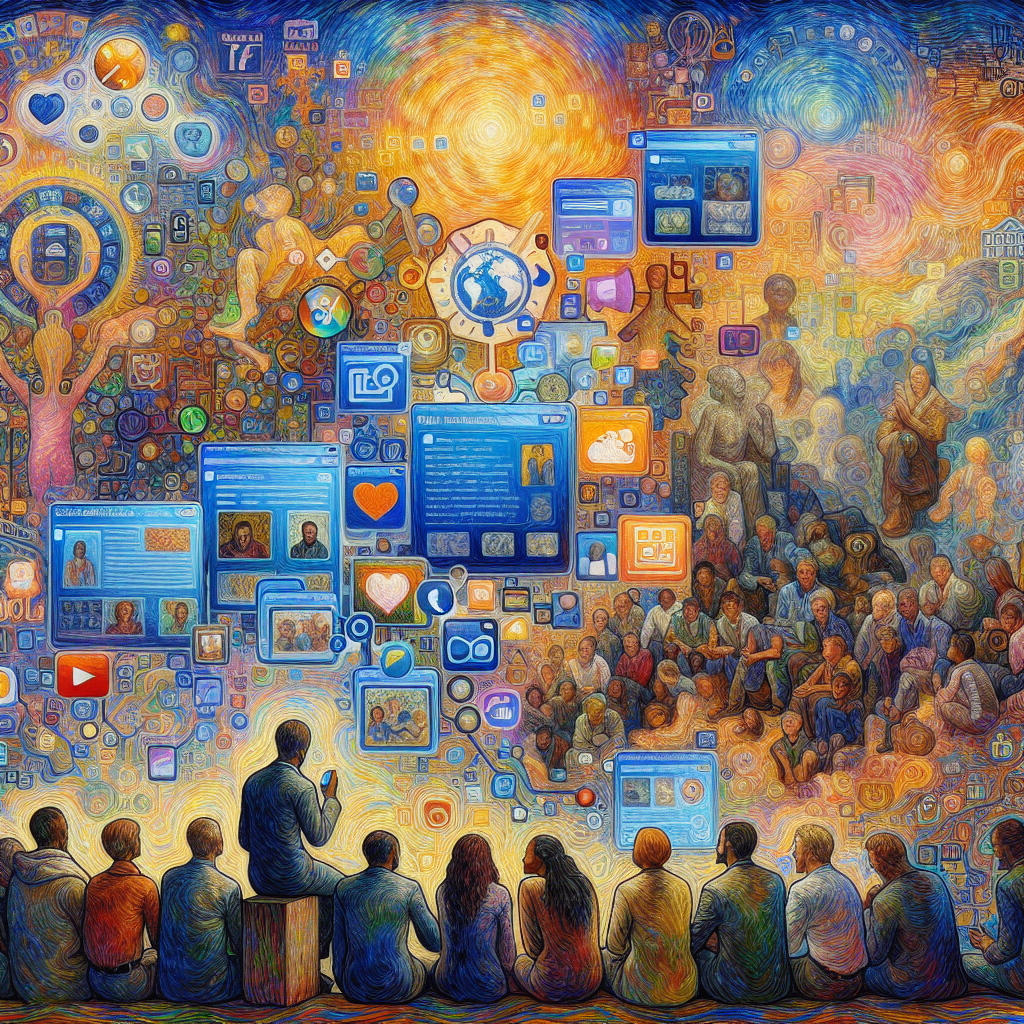
How Can We Preserve The Stories Of Our Greatest Generations?
How Can We Preserve The Stories Of Our Greatest Generations?
- Balancing legacy and storytelling is essential for preserving the narratives of past generations.
- Legacy shapes identity, culture, and values, while storytelling adds life and texture to history.
- Opportunities for capturing and sharing stories abound, from digital platforms to community initiatives.
- Encouraging conversations with elders is vital for capturing nuanced narratives and honoring their experiences.
- Technology, especially social media, can amplify and preserve stories beyond individual communities.
- Creative expression through art and literature plays a crucial role in retelling and revitalizing these stories.
- Preserving narratives is a responsibility we owe to past generations and future ones, ensuring their legacies endure.

How Can We Preserve The Stories Of Our Greatest Generations?
Table Of Contents
- How Can We Preserve The Stories Of Our Greatest Generations?
- What Are Effective Ways To Document Personal Stories?
- How Can We Engage Older Generations To Share Their Stories?
- What Technology Can Help Preserve Oral Histories?
- How Do We Ensure The Privacy Of Shared Family Stories?
- What Role Do Written Records Play In Preserving Stories?
- How Can Multimedia Enhance Storytelling For Future Generations?
- How Can Community Projects Encourage Story Preservation?
- Conclusion
- Other Resources
- Glossary Of Terms
- Other Questions
- Haiku
- Poem
- Checklist
What Are Effective Ways To Document Personal Stories?
When it comes to documenting personal stories, one thing’s clear: this isn’t just about putting pen to paper or tapping away on a keyboard. This is about crafting a narrative that captures the essence of who you are and the experiences that shaped you. At the heart of this endeavor is what I call “Legacy Storytelling.” We’re not merely recounting events; we’re weaving threads of significance into a tapestry that future generations can appreciate and learn from.
First off, start with a focus. What specific story do you want to tell? Is it a tale of triumph, a moment of vulnerability, or a lesson learned the hard way? Whittle it down to its core, and don’t underestimate the power of a good hook—something that piques interest immediately. After all, every great story needs a compelling reason for people to listen.
Next, bring in the sensory details. Don’t just describe what happened; let folks feel it, taste it, hear it. What did the air smell like that day? How did your heart race as you navigated through? Dive deep into those emotions and paint a vivid picture. A well-told story makes your audience feel as if they were right there with you, experiencing it all firsthand.
Now, let’s talk structure. Even the most riveting story requires a beginning, middle, and end. Start with the setup to hook your audience, progress into the meat of the challenges and conflicts you faced, and then conclude with the resolution or insight gained along the way. This three-part formation not only makes it digestible but also leaves room for reflection—something critical in Legacy Storytelling.
In addition, don’t shy away from the imperfections. Sometimes, it’s the messiest parts of our lives that resonate the most with others. Vulnerability is a powerful tool—it fosters connection. Sharing your struggles, mistakes, and even regrets can spark a flame of understanding and compassion. Remember, you’re not just documenting a sequence of events; you’re presenting a human experience.
Lastly, consider multimedia. Whether it be photographs, audio clips, or videos, integrating different forms of content can really enrich your story. These elements can evoke nostalgia or provide context, making your narrative more robust and engaging.
So, roll up your sleeves, and dive into the art of Legacy Storytelling. You’ll not only capture your journey but also create a legacy that honors your experiences and inspires those who come after you.

What Are Effective Ways To Document Personal Stories?
What Are Effective Ways To Document Personal Stories?
- Legacy Storytelling is about crafting a narrative that encapsulates your identity and experiences.
- Begin by focusing on a specific story, whether it’s a triumph, vulnerability, or a hard-earned lesson.
- Utilize sensory details to immerse your audience, allowing them to feel and experience your story vividly.
- Structure your narrative with a clear beginning, middle, and end to ensure it’s digestible and reflective.
- Embrace imperfections and vulnerability to foster connection and understanding with your audience.
- Incorporate multimedia elements like photos, audio, or videos to enhance your storytelling.
- Engage deeply in Legacy Storytelling to capture your journey and inspire future generations.

What Are Effective Ways To Document Personal Stories?
How Can We Engage Older Generations To Share Their Stories?
In a fast-paced world obsessed with the latest trends and technology, we often forget about the treasure trove of experiences and knowledge sitting right under our noses—our older generations. Legacy storytelling isn’t just a sentimental pastime; it’s a vital thread that connects us to our past, shaping our understanding of who we are today. So, how do we bridge that generational gap and encourage those seasoned voices to share their invaluable stories?
First off, it’s about creating a space—both physical and emotional—where these stories can thrive. Imagine gathering in a cozy living room or a sunny backyard, where laughter mingles with the scent of fresh coffee or sweet tea. It’s all about making a comfortable environment that invites open conversation. Resist the urge to dominate the dialogue; instead, let the older generation know that their voices matter. Use prompts, but don’t be surprised when stories veer off-topic—they’re often the most revealing.
Now, consider the power of technology to spark that engagement. Arrange for video calls, or even better, invite them over to show them how to use smartphones or tablets. Once they’re comfortable, guide them to record their stories. There’s something magical about a visual medium; seeing their expressions, hearing the quiver in their voices can layer depth and authenticity to their narratives. Encourage them to share anecdotes about life during different eras, pivotal moments, or lessons learned—the joys and struggles of days gone by.
Involve the younger generation. Children and grandchildren can be particularly effective storytellers themselves, armed with curiosity and a zest for genuine connection. Pair them with the storytellers to facilitate conversations that are less about script and more about discovery. Have them ask questions, play games that spark memories, or even put on an old record to ignite nostalgia. This blend of youth and age fosters a beautiful exchange of wisdom and insight.
Finally, share those stories beyond the confines of private living rooms and kitchen tables. Encourage projects that allow storytelling to flourish: writing sessions, community gatherings, or even a local podcast. By amplifying these voices, we not only preserve history but also honor the lives that shaped it. This moment is about bridging generations; it’s about connection, understanding, and creating a tapestry of narratives that enrich our community. After all, every story told adds another brushstroke to the expansive canvas of our shared human experience.

How Can We Engage Older Generations To Share Their Stories?
How Can We Engage Older Generations To Share Their Stories?
- The importance of legacy storytelling as a connection to our past and understanding of identity.
- Creating a welcoming space for older generations to share their stories, fostering comfort and open dialogue.
- Encouraging the use of technology to engage older generations, such as video calls and teaching them to record their stories.
- Highlighting the power of visual storytelling to enhance the authenticity of their narratives.
- Involving younger generations in storytelling to foster curiosity and genuine connection.
- Promoting community projects that allow storytelling to flourish, such as writing sessions and local podcasts.
- Emphasizing the value of sharing stories beyond private settings to preserve history and enrich community connections.

How Can We Engage Older Generations To Share Their Stories?
What Technology Can Help Preserve Oral Histories?
In today’s fast-paced world, where technology often seems at odds with tradition, it’s incredible how modern tools can help us preserve what really matters: the stories of our past. This is especially true when it comes to Legacy Storytelling, a practice that captures the rich narratives of individuals and communities for future generations. But how exactly can technology step in to keep these oral histories alive? Let’s think about it.
First of all, smartphones. Yes, those little rectangles of glass and metal we can’t seem to put down. They’re not just for social media or cat videos; they have powerful recording capabilities. With a few taps, anyone can record an interview or a casual conversation with grandparents or local elders. It’s about capturing the essence of a person—their voice, their laughter, the cadence of their speech, which all add layers to that narrative. Sure, you could jot down notes, but nothing compares to hearing it straight from the source.
Now, let’s talk about cloud storage. Gone are the days of dusty tape recordings or stacks of CDs buried in a drawer. With platforms like Google Drive or Dropbox, those invaluable recordings can be stored, organized, and easily shared. This means that these stories can be accessed by family members or communities, even miles apart. They become a digital archive of experiences, linking past and present in a way that ensures no story fades away.
Of course, let’s not overlook the power of social media. Sharing snippets of these oral histories on platforms like Facebook or Instagram can spark conversations and connect with audiences beyond our immediate circle. Imagine a story, once shared in a cozy living room, resonating with thousands. Social media acts as a modern campfire, bringing people together, encouraging dialogue, and enriching the narrative.
Finally, there are dedicated tools and apps designed specifically for this purpose. Platforms like StoryCorps or Legacy Tales help guide users through the storytelling process, offering prompts and easy ways to record and share these tales. They emphasize that everyone has a story worth telling, and technology makes it easy to capture those stories—ordinary or extraordinary—for posterity.
So, in our age of rapid evolution, let’s remember to embrace these technological advancements while honoring the craft of Legacy Storytelling. It’s a bridge between generations and a reminder that each story is a thread in the vast tapestry of human experience. Technology is here to help us preserve these threads, ensuring that the tapestry remains vibrant and intact for years to come.
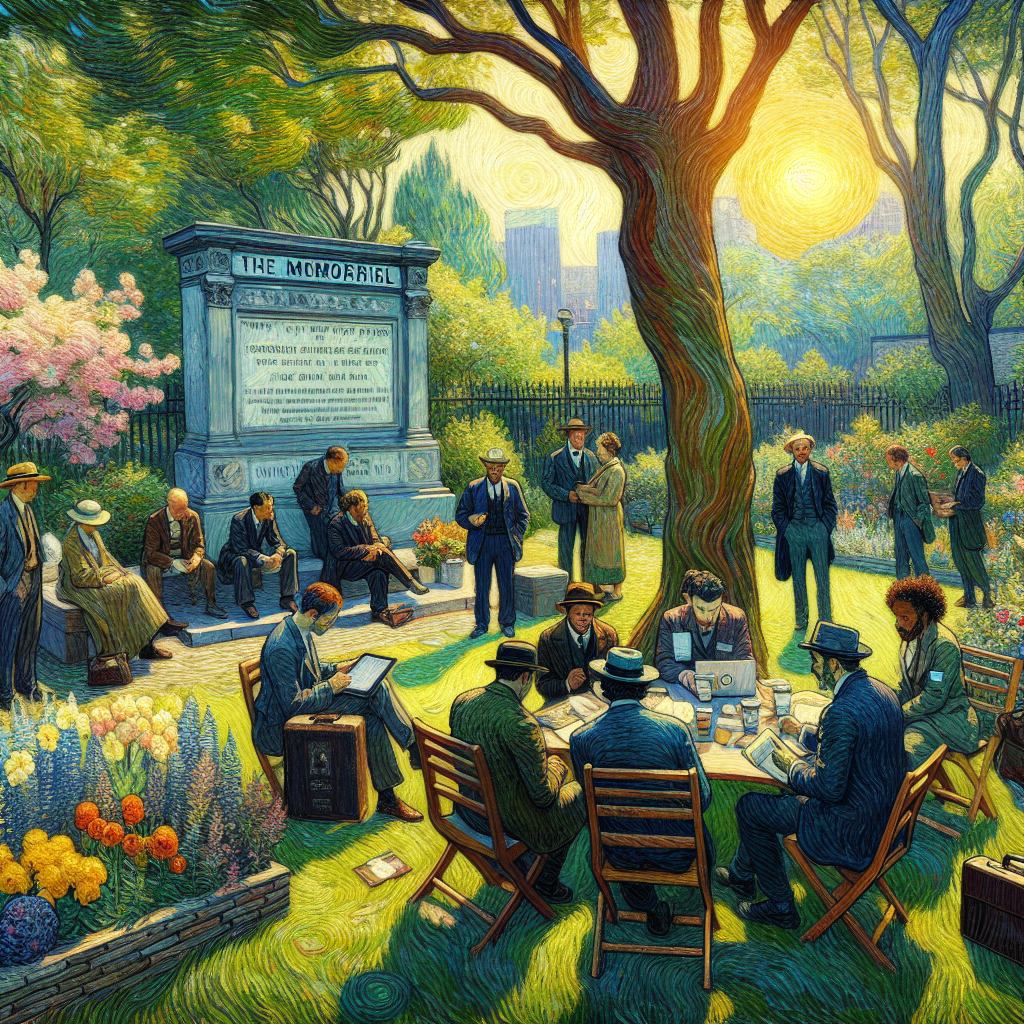
What Technology Can Help Preserve Oral Histories?
What Technology Can Help Preserve Oral Histories?
- Modern tools play a crucial role in preserving stories of the past through Legacy Storytelling.
- Smartphones allow easy recording of interviews and conversations, capturing the essence of individuals.
- Cloud storage platforms like Google Drive and Dropbox enable organized and accessible digital archives of stories.
- Social media can amplify oral histories, connecting stories with wider audiences and sparking conversations.
- Dedicated tools and apps, such as StoryCorps and Legacy Tales, facilitate the storytelling process.
- Technology helps ensure that both ordinary and extraordinary stories are preserved for future generations.
- Embracing technological advancements in Legacy Storytelling connects generations and enriches the human experience.

What Technology Can Help Preserve Oral Histories?
How Do We Ensure The Privacy Of Shared Family Stories?
In a world where everyone’s got a story—and let’s face it, who doesn’t?—the art of Legacy Storytelling gains importance like never before. Sharing family tales is a way to preserve history, pass down wisdom, and connect generations. But as we swap these nuggets of nostalgia, a question emerges: How do we ensure the privacy of those shared family stories?
Picture this: Grandma’s on her rocking chair, spinning tales of her youth, from dodging the chores to outsmarting the neighborhood kids. Those stories enrich our lives, giving us a glimpse into our roots. However, sharing these stories can sometimes feel like opening a door to a treasure chest—exciting, yet daunting. After all, not every family saga is for public consumption.
First things first, it’s essential to have a family agreement. This unwritten pact is crucial before diving headfirst into the realm of Legacy Storytelling. Everyone should be on the same page about what can be shared, and what remains a family secret. This conversation may uncover concerns and preferences regarding sensitive subjects, ensuring everyone feels comfortable.
Next, take the time to clarify boundaries. We live in an era where a click can turn private stories into public headlines. When gathering stories, be mindful of what should stay within the family circle. A little discretion goes a long way. Avoid sharing specific names, locations, or any identifying details that could compromise someone’s privacy—after all, it is not just about protecting our narrative, but also respecting the experiences of those intertwined in it.
Consider the medium through which you choose to record these stories. In a digital age, the temptation to broadcast memories is ever-present, but sometimes less is more. Think about creating a family book, a journal filled with anecdotes, polished over a cup of coffee rather than sharing them on social media for all to see. This way, you’re creating a treasured keepsake that can be passed down, not a fleeting post that could be lost in the digital ether.
Ultimately, the goal of Legacy Storytelling is to celebrate our history while safeguarding it. By fostering open communication, respecting boundaries, and choosing the right medium, we can ensure that our family stories are passed down through generations with both authenticity and privacy intact. It’s all about finding that sweet spot where memories shine and privacy is respected.

How Do We Ensure The Privacy Of Shared Family Stories?
How Do We Ensure The Privacy Of Shared Family Stories?
- The importance of Legacy Storytelling is on the rise in preserving family history and connecting generations.
- Sharing family tales provides insight into roots but raises concerns about privacy.
- A family agreement is vital to establish what stories can be shared and which remain private.
- Setting clear boundaries is essential to protect sensitive information from becoming public.
- Avoid sharing identifiable details when recounting stories to respect everyone’s privacy.
- Consider creating a family book or journal rather than broadcasting stories on social media for greater intimacy.
- The goal is to celebrate family history while maintaining authenticity and privacy through open communication and thoughtful choices.

How Do We Ensure The Privacy Of Shared Family Stories?
What Role Do Written Records Play In Preserving Stories?
In the grand tapestry of human history, written records serve as the sturdy thread woven through the fabric of our shared existence. When we talk about *Legacy Storytelling*, written records become not just repositories of information, but rather the very vessels that carry our stories across time. Imagine standing in a dusty archive, surrounded by the whispers of those who came before us, as the ink spills forth tales of triumph, tragedy, and everything in between. It’s not just about preserving facts; it’s about breathing life into the past.
Written records allow us to capture the nuances of human experience. They encapsulate the heart and soul of a story in a way that verbal tales alone often cannot. Think of the power held within a single letter, a diary entry, or a book. Each written word is like a tiny beacon, shining light on the thoughts and feelings of those who lived through significant moments. They offer us a lens into their world, shaping our understanding of who we are as a society. This is where *Legacy Storytelling* really takes root—by preserving individual narratives and weaving them into the broader narrative of human experience.
Consider the lore of ancient civilizations preserved in clay tablets or the rich oral traditions that were eventually transcribed into manuscripts. These written records do more than just document events; they elevate personal stories to timeless legacies. They bridge generations, connecting grandchildren to their ancestors and immersing them in the rich tapestry of familial histories that might otherwise fade into oblivion. Through books, letters, and digital archives, we can engage with the personal insights of those who walked the earth before us, thereby enriching our collective memory.
Beyond simple preservation, written records encourage us to analyze our past, ask questions, and explore the intricacies of human behavior. They provide context to our triumphs and failures, revealing patterns that can illuminate both the present and future. When we consider *Legacy Storytelling*, we recognize that these records are not just about who we were, but about who we aspire to become. As we write our own stories, we inevitably contribute to this ongoing narrative, hoping that our experiences will, in turn, inform future generations. In this way, the act of writing becomes a powerful tool for connection, understanding, and ultimately, legacy.

What Role Do Written Records Play In Preserving Stories?
What Role Do Written Records Play In Preserving Stories?
- Written records are essential in preserving the stories and experiences that define human history.
- *Legacy Storytelling* transforms written records into vessels that carry our collective stories through time.
- These records capture the nuances of human experience, revealing thoughts and feelings that oral tales may not convey.
- Historical artifacts like clay tablets and manuscripts elevate personal stories into lasting legacies.
- Written records connect generations, enriching familial histories and bridging the past with the present.
- They encourage analysis of our past, helping to illuminate patterns and insights relevant to present and future.
- The act of writing contributes to an ongoing narrative, allowing individuals to inform and connect with future generations.

What Role Do Written Records Play In Preserving Stories?
How Can Multimedia Enhance Storytelling For Future Generations?
In a world saturated with information, it’s easy to forget the art of Legacy Storytelling. We’ve all heard the phrase “a picture is worth a thousand words,” and that rings true in the realm of multimedia. As we push into a future where technology evolves at breakneck speed, multimedia is set to transform the way we share our stories, connecting generations like never before.
Think about it for a moment. Imagine a grandparent sitting down with their grandchild—not just to recount an old family tale, but to bring it to life through a dynamic blend of video clips, images, and sound. Instead of simply saying, “Back in my day…” they could pull up old photos, play snippets of music from that time, or even share a short video of themselves at a family gathering. It’s not just storytelling; it’s an immersive experience that captivates the senses.
Legacy Storytelling isn’t about merely passing down information; it’s about forging connections and preserving the essence of who we are. When we tap into multimedia, we’re not just embellishing a narrative; we’re broadening the emotional landscape. Colors, sounds, and visuals complement the spoken word, creating a tapestry of memory that leaves a lasting impression. The spark in a child’s eyes as they see their lineage unfold before them? That’s storytelling at its finest: alive, vibrant, and unforgettable.
Furthermore, as technology advances, there are more avenues for creativity at our fingertips. Virtual reality can transport a listener right into the heart of a story. Augmented reality can overlay rich detail on photographs or artifacts, adding depth and context that mere verbal explanation could never achieve. These aren’t just fanciful dreams; they’re emerging tools that encourage interactive engagement with tales that deserve to be told.
As we look ahead, it’s crucial to recognize that multimedia isn’t just an addition to our storytelling toolkit; it’s a pivotal part of our legacy. Our stories—which hold the values, history, and experiences of our lives—deserve the full arsenal of resources available to us. By leveraging multimedia, we can ensure that the narratives we share today resonate far beyond the present, echoing across time and space. What could be more powerful than that? As generations continue to unfold, let’s embrace the future of storytelling, crafting legacies that engage hearts, minds, and imaginations across the ages.

How Can Multimedia Enhance Storytelling For Future Generations?
How Can Multimedia Enhance Storytelling For Future Generations?
- Legacy Storytelling is an essential art often overlooked in a world filled with information.
- Multimedia transforms storytelling, allowing for dynamic connections between generations.
- Examples include grandparents sharing family tales through videos, images, and music, making stories immersive experiences.
- This form of storytelling forges connections and preserves the essence of family histories.
- Technology offers creative avenues such as virtual reality to enhance engagement with stories.
- Multimedia serves as a pivotal part of our storytelling legacy, enriching our narratives with depth and context.
- Embracing multimedia in storytelling ensures that narratives resonate across time and generations.

How Can Multimedia Enhance Storytelling For Future Generations?
How Can Community Projects Encourage Story Preservation?
When we think about the value of stories, we often overlook just how essential they are to our communities. Legacy storytelling is the lifeblood of cultures, traditions, and personal histories. Community projects focused on preserving these stories can create a powerful ripple effect that transcends time, connecting generations in ways we might not always recognize.
Imagine a group of neighbors gathering to share their unique experiences, each person adding a thread to the communal narrative tapestry. That’s the beauty of community storytelling—it’s about inclusivity and authenticity, ensuring that everyone has a voice in crafting shared memories. These projects can take many forms, from oral history recordings to written collections, or even digital archives. Whatever the format, the goal remains the same: to preserve and celebrate the stories that define a community.
Let’s not forget that the act of storytelling isn’t just about preserving the past; it’s also about igniting conversations for the future. When community members take the time to document their experiences, they inevitably inspire others to do the same. A teenager hearing their grandparent’s tale of resilience during tough times might find the courage to share their own struggles with mental health. In that moment, a young person learns that their voice matters, and a connection is built that spans generations.
Community projects can operate as catalysts for societal change, too. They encourage people to confront uncomfortable truths, explore diverse perspectives, and engage in dialogue around historical events that may be glossed over in traditional education systems. This is where storytelling shifts from a simple exercise in nostalgia into a transformative process that fosters understanding, empathy, and healing.
Furthermore, the collaborative nature of these projects nurtures relationships among participants, creating stronger bonds within the community. When residents come together to share, they build trust and respect, resulting in a culture that values every individual’s experiences. As people see themselves reflected in others’ stories, they cultivate a sense of belonging that can lead to increased civic engagement and social responsibility.
Community projects dedicated to legacy storytelling do more than preserve the past; they invigorate the present and inspire the future. By amplifying voices and fostering connections, these initiatives ensure that the rich tapestry of human experience continues to thrive for generations to come. So, let’s roll up our sleeves, grab a pen or a microphone, and commit to preserving the vibrant stories waiting to be told.

How Can Community Projects Encourage Story Preservation?
How Can Community Projects Encourage Story Preservation?
- Legacy storytelling is essential to cultures, traditions, and personal histories.
- Community projects help preserve stories, creating connections across generations.
- Storytelling fosters inclusivity, allowing everyone to contribute unique experiences.
- Projects can include oral histories, written collections, and digital archives.
- Documenting experiences can ignite meaningful conversations and inspire others.
- These initiatives encourage dialogue about uncomfortable truths and diverse perspectives.
- Community storytelling strengthens bonds, promotes civic engagement, and values individual experiences.

How Can Community Projects Encourage Story Preservation?
Conclusion
As we stand on the precipice of the future, staring into the eyes of a rapidly changing world, one question rises above the noise: how can we make sure the tales of our greatest generations don’t slip through the cracks of time? We’ve all heard the adage that history is written by the victors, but let’s not forget that history is also told by those who lived it. If we want to preserve these rich narratives—deep wells of wisdom and lived experiences—we must actively engage with the storytellers among us: our grandparents, veterans, and anyone who has trod a path we’ve yet to explore.
The beauty of the digital age is that we now possess the tools and platforms to not only capture these stories but to elevate them, to breathe life into them. Whether through blogs or podcasts, we can turn intimate family tales into shared experiences that resonate across communities. Storytelling, after all, thrives best when it’s communal, and nothing beats a kitchen table full of family members reminiscing and laughing over shared memories.
Listening is an art we often overlook. It requires patience, curiosity, and the willingness to let the stories unfold organically. Such dialogue isn’t just about preserving facts; it’s about capturing the essence of human experience—the emotions, the messiness, the highs and lows that define our journeys. It’s the nitty-gritty details—the smell of coffee brewing on a Sunday morning or the sound of laughter echoing on long summer nights—that etch the past into our memories.
Now, let’s not shy away from technology. Our smartphones are more than mere gadgets; they’re modern-day time capsules waiting to be filled. They can record interviews, store precious moments, and archive voice memories, ensuring those narratives never fade away. And when it comes to sharing, social media can take these stories from the intimate setting of a living room to a wider audience, igniting conversations and connections we never anticipated.
Ultimately, preserving these stories isn’t just a nice idea; it’s a responsibility we owe to ourselves and to those we cherish. It’s about creating a vibrant tapestry of our shared history, a legacy that future generations can hold on to and learn from. So, let’s roll up our sleeves and embark on this journey of storytelling together. Because the stories of our greatest generations not only deserve to be told; they need to be celebrated, cherished, and passed down with vigor. That’s how we preserve not just our history, but our very identity as a people.

Conclusion
Conclusion:
- The importance of preserving stories from previous generations to prevent them from being lost to time.
- Acknowledgment that history is shaped by those who lived it, not just the victors.
- The digital age provides tools like blogs and podcasts to capture and share personal narratives.
- Storytelling thrives in communal settings, such as family gatherings filled with laughter and shared memories.
- Listening to stories is an art that requires patience and curiosity to capture the essence of human experience.
- Modern technology, especially smartphones, can serve as time capsules for recording and archiving stories.
- Preserving these stories is a responsibility that allows future generations to learn from shared history and identity.

Conclusion
Other Resources

Other Resources
Here is a list of other resources you can review online to learn more:
- Storyworth
- RootsMagic
- Xarona
- LastPass
- Personal Legacy Advisors
- ForeverMissed
- Forever Missed
- UpCounsel
- Living Wisely
- NoLo
Use This Prompt To Get More Resources With Your Favorite Online AI Tool: Please provide me with a list of online articles with their URLs in a bulleted list that I can read regarding How Can We Preserve The Stories Of Our Greatest Generations?

Other Resources
Glossary Terms
How Can We Preserve The Stories Of Our Greatest Generations? – Glossary Of Terms
1. Oral History: The collection and study of historical information using audio recordings of interviews with people having personal knowledge of past events.
2. Archiving: The process of storing and preserving documents, photographs, and other materials for future reference.
3. Legacy: Something handed down from one generation to another, including stories, traditions, and cultural practices.
4. Genealogy: The study of family origins and history, helping to trace lineage and preserve ancestral stories.
5. Digital Preservation: The freedom of information strategy aimed at ensuring that digital artifacts remain accessible over time.
6. Cultural Heritage: The legacy of physical artifacts and intangible attributes of a group or society inherited from past generations.
7. Ethnography: The systematic study of people and cultures from the point of view of the subject, often used in preserving living histories.
8. Storytelling: The art of conveying stories, experiences, and knowledge through narratives, whether oral or written.
9. Memoir: A historical account or biography written from personal knowledge, focusing on the author’s experiences.
10. Intergenerational Dialogue: Conversations and exchanges between different generations, which can enrich understanding and preserve stories.
11. Documentary: A factual film or television program that captures real-life stories, events, and individuals, serving as a means of storytelling.
12. Scrapbooking: The practice of creating a book of memories through photos, written stories, and memorabilia, preserving personal histories.
13. Photographic Archives: Collections of photographs stored for historical preservation and research, often capturing moments from past generations.
14. Folklore: The traditional beliefs, customs, and stories of a community, passed down through generations, reflecting cultural heritage.
15. Heritage Preservation: The process of protecting and maintaining historical sites, artifacts, and cultural practices for future generations.
16. Podcasting: Digital audio files available for streaming or download, often used to share personal stories and interviews.
17. Anthropology: The study of human societies, cultures, and their development, often applied in preserving stories through research and documentation.
18. Transcription: The process of converting spoken words into written text, crucial for preserving oral histories.
19. Legacy Project: An initiative designed to capture and record the stories and memories of individuals or communities for future generations.
20. Community Engagement: Involvement and participation of community members in projects aimed at preserving local stories and histories.
21. Family Archives: Personalized collections of documents, photographs, and artifacts that reflect a family’s history and heritage.
22. Resilience: The ability of individuals and communities to maintain their cultural narratives and traditions despite challenges.
23. Historical Fiction: A literary genre that reconstructs past events through storytelling, blending history with imaginative narratives.
24. Creative Nonfiction: A genre that includes factual storytelling in literary form, often preserving personal stories with artistic elements.
25. Biographical Sketch: A concise summary of an individual’s life experiences, achievements, and personal stories, often used for preservation.
26. Memorialization: The act of honoring and preserving the memory of an individual or event, often through monuments or storytelling.
27. Crowdsourcing: The process of obtaining information or contributions from a large group of people, often used for preserving collective stories.
28. Curatorship: The active selection and management of collections in museums and archives, often involving the preservation of stories.
29. Digital Storytelling: The practice of using digital tools to tell stories, combining multimedia elements to preserve and share narratives.
30. Historiography: The study of historical writing and the methods of historians, important for analyzing and preserving collective memories through documentation.

Glossary Of Terms
Other Questions
How Can We Preserve The Stories Of Our Greatest Generations? – Other Questions
If you wish to explore and discover more, consider looking for answers to these questions:
- What are some popular digital platforms for preserving oral histories?
- How can individuals get started with Legacy Storytelling?
- What challenges do people face when trying to document their family histories?
- How can we involve children in the process of storytelling?
- What are some creative ways to present family stories to younger generations?
- How do cultural differences affect storytelling practices across generations?
- What are the best practices for conducting interviews with older generations?
- How can communities ensure diverse voices are represented in storytelling projects?
- What are the benefits of preserving stories through writing vs. multimedia?
- How can we ensure that the digital stories we preserve remain accessible in the future?

Other Questions
Haiku
How Can We Preserve The Stories Of Our Greatest Generations? – A Haiku
Tales of ancestors,
Woven through time, hearts, and hands—
Legacy thrives bright.

Haiku
Poem
How Can We Preserve The Stories Of Our Greatest Generations? – A Poem
In a world where tales entwine,
Legacies whisper, histories shine.
From elders’ lips and pages worn,
The fabric of life is lovingly borne.
Gather ‘round, let voices rise,
In cozy corners where laughter lies.
With every tale, a thread is cast,
Binding futures to a cherished past.
Let’s weave the words with heart and grace,
In sacred spaces, wisdom’s embrace.
Encourage the young to ask and learn,
While tech bridges gaps, let knowledge burn.
Each record penned, each photo framed,
Preserves the moments, the joys unclaimed.
Through multimedia’s vivid art,
The essence of souls shall never depart.
Community blooms with shared intent,
Gathering stories, a collective lament.
In every struggle, in every cheer,
We find our strength, we conquer fear.
So let us honor the past that’s told,
In every whisper, a legacy bold.
For every story etched in time,
Is a heartbeat, a pulse, a reason to climb.
Together we’ll nurture, together we’ll share,
The beautiful tapestry, woven with care.
In every generation, let history flow,
For the stories we keep are the seeds we sow.

Poem
Checklist
How Can We Preserve The Stories Of Our Greatest Generations? – A Checklist
Engaging in Legacy Storytelling
1. Create Dialogue Opportunities
_____ Set aside regular times to talk with older generations (e. g. , family gatherings, one-on-one conversations).
_____ Use conversation starters or prompts to spark storytelling.
2. Listen Actively
_____ Practice active listening—allow storysharers to express themselves without interruptions.
_____ Take notes or record conversations to capture details.
Documenting Personal Stories
3. Choose a Focus
_____ Identify a specific theme or event to narrate (e. g. , key life moments, lessons learned).
4. Incorporate Sensory Details
_____ Include descriptions of sights, sounds, and feelings to make the stories vivid.
_____ Ask about the emotional impact of events.
5. Structure the Narrative
_____ Organize stories into a clear beginning, middle, and end.
_____ Highlight challenges faced and insights gained.
6. Embrace Vulnerability
_____ Encourage sharing of imperfections and struggles to foster connection.
Utilizing Technology
7. Record Oral Histories
_____ Use smartphones or recording devices for capturing stories in audio or video formats.
_____ Explore apps designed for story preservation, like StoryCorps.
8. Implement Cloud Storage
_____ Use cloud services (e. g. , Google Drive) to store and organize recorded stories securely.
_____ Share access with family members for easy viewing.
9. Explore Social Media Opportunities
_____ Create closed social media groups for sharing stories and reminiscing with family or community.
_____ Post snippets to engage a wider audience while ensuring privacy.
Promoting Story Sharing Among Generations
10. Facilitate Comfortable Environments
_____ Choose inviting spaces to encourage open conversations (like cozy living rooms or gardens).
_____ Offer refreshments to create a relaxed atmosphere.
11. Encourage Interaction with Younger Generations
_____ Involve children and grandchildren in storytelling sessions to bridge generational gaps.
_____ Use games or activities that spark memories.
12. Share Beyond Family
_____ Organize community events or writing workshops focused on story exchange.
_____ Create digital archives or podcasts to make stories accessible to a larger audience.
Protecting Privacy
13. Establish Family Agreements
_____ Discuss what stories can be freely shared and which should remain private as a family decision.
14. Clarify Boundaries on Sensitive Content
_____ Avoid sharing identifiable information that could infringe on the privacy of others involved in stories.
15. Select Appropriate Mediums
_____ Choose analog forms like family books to preserve stories without broadcasting them digitally.
Enhancing Storytelling with Multimedia
16. Integrate Visual and Auditory Elements
_____ Include photos, videos, and audio clips to enrich storytelling experiences.
17. Explore Advanced Technologies
_____ Consider using virtual or augmented reality to provide immersive storytelling experiences.
Participating in Community Projects
18. Support Local Storytelling Initiatives
_____ Participate in or help organize community storytelling events.
19. Foster Inclusivity in Story Sharing
_____ Encourage diverse voices and experiences to create a richer communal narrative.
20. Encourage Reflective Conversations
_____ Use shared stories as a basis for discussions on community challenges and histories, promoting understanding and healing.
Final Reminders
_____ Keep a journal or log of shared stories to track the rich history being documented.
_____ Celebrate the completion of each storytelling project as a way to honor the contributions of different generations.

Checklist
At LegacyExplorations, we help people plan and explore their legacy by collecting information and news regarding end-of-life planning.
Please share this post with your friends, family, or business associates who may want help to plan or explore their legacy.