

Crafting A Cozy Atmosphere For Sharing Stories
By Tom Seest
At LegacyExplorations, we help people plan and explore their legacy by collecting information and news regarding end-of-life planning.
Please share this post with your friends, family, or business associates who may want help to plan or explore their legacy.
How Can You Create a Comfortable Setting for Story Sharing?
Creating a comfortable setting for story sharing is an art form, one that taps into our innate desire to connect and understand. When you think about legacy storytelling, you’re essentially opening a portal to the past, bridging the gap between generations through shared experiences. So, how do you set the stage for such powerful exchanges?
First, consider the environment. The right space can transform even the shyest of folks into eager storytellers. Seek locations that are familiar and inviting. A cozy living room, a favorite park bench, or even a crackling campfire can serve as the perfect backdrop. You want people to feel at ease, not like they’re under a spotlight. When we’re comfortable, sanity has a way of bending, and genuine stories can find their way into the conversation.
Next, think about the setup. Seating arrangements matter. Circle seating encourages inclusivity, promoting eye contact and camaraderie. Create a space without barriers, and watch as walls break down. The more relaxed everyone feels, the more willing they’ll be to share their tales. People love to tell stories when they feel they’re a part of something bigger—a tribe, a community, or even just a group of enthusiastic listeners.
Then, there’s the question of ambiance. Adjust the lighting to create warmth. Soft, natural light can invoke a sense of nostalgia, while gentle background music can set the tone. Just be mindful of what’s playing; you don’t want a jarring soundtrack to break the spell of intimacy. The idea is to foster an atmosphere conducive to sharing, where every voice can be heard and appreciated.
Now, let’s not forget to establish a norm of respect. Encourage attentiveness, where listeners practice active engagement by nodding or making intermittent supportive sounds. This proactive atmosphere can work wonders, encouraging individuals to dig deeper and share more than just surface-level tales. Acknowledgement goes a long way in legacy storytelling.
Finally, be prepared to lead by example. Share your own stories, warts and all. Vulnerability breeds connection, and when someone sees you opening up—embracing the messy, the embarrassing, and the beautiful—they’ll be more inclined to follow suit. And there you have it: a recipe for an inviting atmosphere where stories aren’t just told; they’re celebrated.

How Can You Create a Comfortable Setting for Story Sharing?
How Can You Create a Comfortable Setting for Story Sharing?
- Creating a comfortable setting for story sharing taps into our innate desire to connect and understand.
- Choose familiar and inviting environments to foster storytelling, such as cozy living rooms or campfires.
- Seating arrangements matter; circular seating promotes inclusivity and encourages sharing.
- Adjust the ambiance with soft lighting and gentle background music to enhance the storytelling experience.
- Establish a norm of respect by encouraging active engagement from listeners to deepen conversations.
- Lead by example by sharing your own stories, including vulnerabilities, to inspire others to share.
- This approach creates an inviting atmosphere where stories are celebrated and appreciated.

How Can You Create a Comfortable Setting for Story Sharing?
Table Of Contents
- How Can You Create a Comfortable Setting for Story Sharing?
- What Techniques Encourage Openness In Participants?
- How Can You Establish Trust Among The Group?
- What Role Does Body Language Play In Storytelling?
- How Can You Set The Mood For Sharing Stories?
- How Can You Manage Time Effectively During Storytelling Sessions?
- What Activities Can Help Break The Ice Before Sharing?
- How Does Active Listening Contribute To Comfort?
- Conclusion
- Other Resources
- Glossary Of Terms
- Other Questions
- Haiku
- Poem
- Checklist
What Techniques Encourage Openness In Participants?
When it comes to coaxing the honest truth from participants, there are a few seasoned techniques that have earned their stripes in the field. One powerful approach is what’s commonly referred to as Legacy Storytelling. It’s not just about acquiring data; it’s about weaving together the threads of human experience into a cohesive narrative that resonates. Here’s where the magic happens. When individuals feel their stories are valued, they’re much more likely to open up.
Imagine sitting down with someone who has lived a full life, perhaps filled with ups and downs, triumphs and tribulations. When you invite them to share their experiences, you’re not just asking for the facts—you’re encouraging them to reflect, to remember, and to relive those moments that made them who they are. Legacy Storytelling is about creating a safe space, where vulnerability is welcomed, and authenticity is the currency of the exchange.
One technique to enhance that openness is the use of open-ended questions. Instead of asking, “Did you like your job?” try something broader like, “What was it like working in that field?” This invites a more in-depth response, allowing participants to journey through their memories and reveal insights they may not have subconsciously guarded. It shifts the focus from giving a right answer to sharing an experience.
Another effective tactic is storytelling prompts. By presenting participants with a theme or scenario—like overcoming a personal challenge—you can spark their imagination. They begin to unfold stories from deep within, often sharing anecdotes that they may have thought long forgotten. Suddenly, you’re not just a listener; you’re a co-creator of a shared narrative.
Then there’s the art of active listening. When you lean in, maintain eye contact, and nod encouragingly, you send a powerful message: “Your story matters.” The more validated participants feel, the more likely they are to open the door to their inner thoughts and emotions.
Finally, remember the setting matters too. A relaxed atmosphere—perhaps over a cup of coffee in a cozy corner—can dissolve barriers. It’s about treating the conversation like a collaboration rather than an interrogation. The more comfortable you make your participants, the more open they’ll be, and the richer the exchanges will become. It’s a delicate dance that thrives on trust, empathy, and above all, the belief that everyone has a story worth telling.

What Techniques Encourage Openness In Participants?
What Techniques Encourage Openness In Participants?
- Legacy Storytelling is a technique that focuses on weaving human experiences into cohesive narratives.
- Valuing individuals’ stories encourages them to open up and share their truth.
- Open-ended questions promote in-depth responses and allow participants to reflect on their experiences.
- Storytelling prompts can spark imagination, leading to sharing of meaningful anecdotes.
- Active listening enhances validation, making participants feel that their stories matter.
- A relaxed atmosphere can break down barriers and foster collaboration in conversations.
- Building trust and empathy is key to enriching exchanges and encouraging participants to share their stories.

What Techniques Encourage Openness In Participants?
How Can You Establish Trust Among The Group?
In any group setting, whether it’s a team of workers mopping floors or a crew tackling a monumental task, trust acts as the glue that binds individuals into a cohesive unit. Establishing trust among group members isn’t just a nice-to-have; it’s a must-have for a successful operation. So, how do you weave that essential thread into the fabric of your team?
First and foremost, engage in Legacy Storytelling. This isn’t just about sharing anecdotes from the past, though those have their place. It’s about weaving a tapestry of experiences that connects everyone in an emotionally resonant way. When each team member shares their journey, struggles, and triumphs, it lays the foundation for mutual respect and understanding. People relate to stories—they feel involved and recognized. That sense of belonging strengthens the bond and builds trust.
Transparency is another crucial component. No one likes to feel left in the dark, and a lack of communication breeds suspicion faster than you can say “misunderstanding.” Open the lines of communication and keep them clear, whether that involves sharing goals, discussing challenges, or bouncing around innovative ideas. This transparency cultivates a culture of honesty, making it easier for team members to trust one another.
Next comes accountability. If you’ve promised something, deliver it. If you’ve made a mistake, own up to it. Each person in the group must understand that they are responsible not only for their own tasks but also for supporting their teammates. When people see that their colleagues stand by their commitments, it aligns everyone with common objectives and fosters respect among peers.
Also consider team-building activities that are both fun and engaging. From icebreakers to skills challenges, these exercises create shared experiences, breaking down the walls of formality. It’s in these relaxed environments that individuals often unveil their true selves—jokes are cracked, stories are shared, and human connections are made. Laughter and collaboration in a non-work setting create the camaraderie that translates hard work into compelling collective efforts.
Finally, be patient. Trust isn’t built overnight. It takes effort and time, but when you harness the power of Legacy Storytelling, transparency, accountability, and experience-sharing, you inch closer to creating a tight-knit group that relies on one another, ready to tackle whatever comes next.

How Can You Establish Trust Among The Group?
How Can You Establish Trust Among The Group?
- Trust is essential in group settings, acting as the glue that binds individuals together.
- Engage in Legacy Storytelling to share experiences, struggles, and triumphs, fostering mutual respect and understanding.
- Maintain transparency by keeping communication open about goals, challenges, and innovative ideas.
- Encourage accountability; individuals should own their commitments and support teammates.
- Incorporate fun and engaging team-building activities to create shared experiences and strengthen bonds.
- Recognize that building trust takes time and effort, utilizing storytelling, transparency, and experience-sharing.
- A cohesive team is more prepared to tackle challenges when they establish strong trust among members.

How Can You Establish Trust Among The Group?
What Role Does Body Language Play In Storytelling?
When it comes to storytelling, it’s not just the words we choose that create a memorable tale; it’s also the nuances of body language that breathe life into our narratives. The art of storytelling is a rich tapestry woven from both verbal and non-verbal threads, and understanding how these two elements work together can elevate a simple story into an unforgettable experience.
Legacy storytelling is steeped in history, often handed down through generations. Think about how a family gathers around the fireplace, the flickering flames casting shadows as Grandma recounts the misadventures of Uncle Joe. Her hands dance through the air, mimicking the chaos, while her facial expressions flick from incredulous to amused. Every raised eyebrow, every dramatic pause, amplifies the emotion in her story, pulling her audience in closer. Without her rich body language, the story might feel flat, lacking the depth that makes it relatable.
Consider what would happen if she told that same tale while sitting rigidly, staring at the floor. The laughter, the gasps, and the shared memories that usually emerge would likely evaporate. When stories are delivered with a heartfelt connection between the storyteller and the listener, it’s almost like you can see the invisible threads that tie them together. Body language serves as that bridge—an unspoken language communicating interest, enthusiasm, and sometimes even tension.
For instance, think about a story that narrates a victory against all odds. The storyteller might lean in, emphasizing the stakes, their voice rising as they describe the excitement. Their arms might extend, palms facing upward, as if inviting the listeners to visualize that moment of triumph. This isn’t just embellishment; it’s purpose-driven. The body becomes an instrument that underscores the emotional peaks and valleys of the narrative, making every twist feel more visceral.
Moreover, gestures can serve nuanced functions in legacy storytelling. A subtle nod can indicate agreement, while a frown can evoke sympathy. These non-verbal cues can reinforce the story and transform a simple anecdote into a shared experience, fostering connection and empathy between the storyteller and the audience.
Body language is not merely an accompaniment to words; it’s an essential component of human communication that has the power to shape stories into living, breathing entities that linger long after the final word is spoken. So the next time you find yourself telling a story, remember to engage your body as much as your voice. After all, in the grand tradition of legacy storytelling, it’s all about creating a connection that resonates with the hearts and minds of your audience.

What Role Does Body Language Play In Storytelling?
What Role Does Body Language Play In Storytelling?
- Storytelling combines verbal and non-verbal elements to create memorable narratives.
- Legacy storytelling is a tradition shared across generations, often reflecting familial connections.
- Body language enhances storytelling, adding depth and relatability to the tale.
- Without expressive body language, stories can feel flat and lacking in emotional engagement.
- Gestures and body movements communicate interest and emotions, connecting the storyteller with the audience.
- Non-verbal cues like nods or frowns can deepen empathy and enrich the storytelling experience.
- Engaging both voice and body is crucial for creating impactful connections during storytelling.

What Role Does Body Language Play In Storytelling?
How Can You Set The Mood For Sharing Stories?
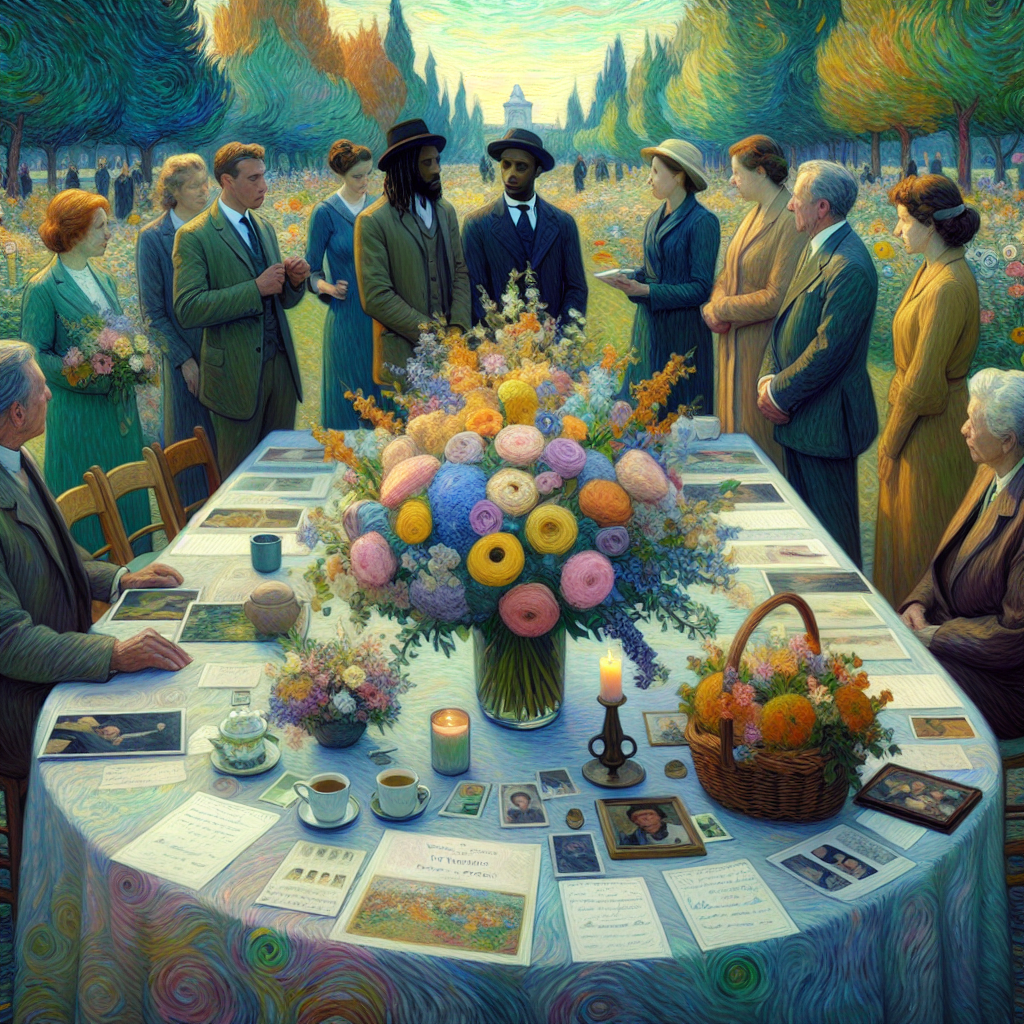
Setting the mood for sharing stories is an art, a delicate dance between ambiance and anticipation. When it comes to Legacy Storytelling, creating the right environment can transform an ordinary narrative into a memorable experience. Whether you’re gathered around a crackling fire, sitting at a well-worn kitchen table, or encircled by friends in a cozy living room, the atmosphere you cultivate shapes the stories that will unfold.
First, let’s talk about lighting. You want something warm and inviting. Dim the overhead lights and swap harsh fluorescents for soft, flickering candles or an old lamp that has seen countless tales shared under its gentle glow. This kind of lighting invites comfort and encourages a sense of intimacy, making everyone feel at ease. Remember, the darker the room, the brighter the stories can shine.
Next, consider the seating arrangement. It’s important to have people facing one another, allowing for eye contact and connection. Think of it as creating a circle — a symbol of unity where no one is more important than the other. Each person holds a piece of the legacy being woven into the fabric of the evening. Comfortable chairs, perhaps with a few blankets thrown in for good measure, can make all the difference. It’s about feeling relaxed enough to share, to laugh, or even to shed a tear.
Now, let’s not forget about the ambiance. Background sounds can either enhance or distract from what’s being shared. Soft music, the gentle crackle of a fire, or even the sounds of nature can act as a soothing backdrop. Just make sure the volume is low enough that it doesn’t compete with the stories. Every tale deserves its moment in the spotlight, so eliminate distractions that can pull attention away from the narrative.
Finally, engage all the senses. The scent of a warm baked good or the comforting aroma of coffee or herbal tea can evoke nostalgia and set a comforting tone. Food, after all, is often tied to memory, and breaking bread together can inspire shared tales that have been simmering in the hearts of your companions.
Legacy storytelling isn’t just about the words spoken; it’s about the connections forged and the emotions stirred. So, take the time to set the scene. The mood you create will frame the stories to come, ensuring that what is shared isn’t merely recounted but felt, remembered, and cherished for generations ahead.
How Can You Set The Mood For Sharing Stories?
How Can You Set The Mood For Sharing Stories?
- Setting the mood for storytelling enhances the experience and transforms narratives into memorable occasions.
- Lighting should be warm and inviting; use candles or soft lamps to create a comfortable atmosphere.
- The seating arrangement is crucial; ensure face-to-face interactions and a circular formation for connection.
- Consider the ambiance; low-volume background sounds like soft music or crackling fire improve storytelling without distractions.
- Engage all senses by incorporating comforting scents, such as baked goods or coffee, to evoke nostalgia.
- Legacy storytelling is about building connections and stirring emotions, not just sharing words.
- The scene you set influences the depth of the stories shared, making them felt, remembered, and cherished.

How Can You Set The Mood For Sharing Stories?
How Can You Manage Time Effectively During Storytelling Sessions?
When it comes to storytelling sessions, whether it’s a casual gathering around the campfire or a professional environment, managing your time effectively can make or break the experience. We all know that storytelling is about connection, engagement, and perhaps most importantly, legacy storytelling. Crafting stories that resonate and leave a lasting impression requires careful planning and execution.
First and foremost, establish a clear purpose for your storytelling session. Are you sharing personal anecdotes, historical tales, or lessons learned from life experiences? Knowing your objective helps you stay focused and efficient with your time. Set a specific duration for the session, and make sure you communicate this to your audience. When people know there is a timeline, they tend to engage more actively, eager to grasp each moment before it slips away.
Next, outline your story before you begin. This doesn’t mean scripting every word, but creating a roadmap can keep you on track. Identify key points you want to hit and allocate approximate time limits to each part. Perhaps you want to spend a few minutes setting the context, a larger chunk sharing the climax, and a succinct conclusion that ties everything together. It’s all about balance.
Practice is key too. Run through your story a couple of times to gauge how long it takes to tell it. This rehearsal can help you identify any areas that could use trimming. When time is of the essence, every word matters. Aim to keep your introduction engaging, but don’t linger too long—jump into the heart of the story. You want to capture attention quickly, ensuring that the essence of your legacy storytelling shines through.
Incorporating pauses is another effective time management technique. They can accentuate important points and give your audience a moment to absorb what they’ve just heard. Just be wary of overdoing it; too many pauses can lead to a disconnect.
Finally, remain flexible. While your plan is in place, be prepared to adapt if the audience seems particularly engaged or if there’s a spontaneous discussion that enriches the session. After all, part of storytelling’s magic comes from the unexpected. By managing your time wisely, you enhance not only your storytelling skills but also the way you leave your mark on those who listen. And that’s truly what legacy storytelling is all about.

How Can You Manage Time Effectively During Storytelling Sessions?
How Can You Manage Time Effectively During Storytelling Sessions?
- Effective time management is essential for successful storytelling sessions, whether casual or professional.
- Establish a clear purpose for your session, identifying the type of stories you will share.
- Set a specific duration for the session and communicate this to your audience to enhance engagement.
- Outline your story to create a roadmap while keeping key points and time limits in mind.
- Practice your story prior to the session to determine timing and identify areas for improvement.
- Incorporate pauses to emphasize important points and allow for audience reflection.
- Remain flexible and be prepared to adapt your storytelling approach based on audience engagement.

How Can You Manage Time Effectively During Storytelling Sessions?
What Activities Can Help Break The Ice Before Sharing?
When it comes to breaking the ice before diving into deeper conversations, sometimes you just need a little nudge. Whether you’re at a gathering, a work event, or a community meeting, finding a way to connect with others can be as essential as the air we breathe. So, what activities can help shatter that initial awkwardness? Let’s explore a few that stand the test of time.
First up, we have Legacy Storytelling. It’s a powerful tool that allows individuals to share their personal histories and experiences. This means inviting people to recount their own stories, whether it’s a cherished memory from childhood or a lesson learned the hard way. Not only does this create an intimate atmosphere, but it also encourages vulnerability, enabling others to open up in return. Think about it: everyone loves a good story, and when it’s personal, it’s even better.
Next on our list is the classic Two Truths and a Lie. This game is straightforward but effective. Each person shares two truthful statements and one fabricated tale about themselves. The challenge lies in deciphering which story is the fib. It’s not just fun; it also reveals unexpected layers of personality and creates a sense of camaraderie through shared laughter and surprise.
Another great option is to conduct a Show and Tell. This isn’t just for kids; adults can benefit from it too. Ask participants to bring an item that holds personal significance and share its story. This sparks meaningful conversations and offers insights into one another’s lives in a tangible way.
If you’re feeling a bit adventurous, consider organizing a Group Challenge. Whether it’s a physical activity like a scavenger hunt or a mental task like a riddle-solving expedition, collaborating on a goal fosters teamwork and breaks down barriers faster than you can say “let’s get to know each other.”
And, of course, there’s always the good old-fashioned Icebreaker Questions. Prepare a list of quirky, thought-provoking, or humorous prompts to ignite conversation. They can range from the mundane—like “What’s your favorite book?”—to the bizarre—like “If you could have dinner with any historical figure, who would it be?”
So, whether you opt for storytelling or playful activities, remember that the aim is to forge connections from the ground up. With these approaches in hand, you’ll soon find that breaking the ice doesn’t have to be a daunting task—it can be the beginning of something extraordinary.

What Activities Can Help Break The Ice Before Sharing?
What Activities Can Help Break The Ice Before Sharing?
- Breaking the ice is crucial for connecting with others at gatherings, work events, or community meetings.
- Legacy Storytelling allows individuals to share personal histories, creating an intimate atmosphere and encouraging vulnerability.
- Two Truths and a Lie is a fun game where participants share two truths and one lie about themselves to foster camaraderie.
- Show and Tell isn’t just for kids; it enables adults to share significant personal items and their stories, sparking meaningful conversations.
- A Group Challenge, such as a scavenger hunt or riddle-solving task, promotes teamwork and quick connections.
- Icebreaker Questions, ranging from quirky to thought-provoking, can be prepared to ignite conversations among participants.
- Using these activities can transform breaking the ice from a daunting task into an opportunity for extraordinary connections.

What Activities Can Help Break The Ice Before Sharing?
How Does Active Listening Contribute To Comfort?
Active listening isn’t just a skill; it’s an art form that can transform conversations and, ultimately, foster comfort in our relationships. Picture a scene where two people engage in dialogue. One person is busy crafting their next response, while the other is pouring their heart out. It’s like trying to build a bridge where the foundation is shaky. In contrast, when active listening comes into play, that bridge becomes solid as a rock, allowing both parties to traverse the landscape of their shared experience with ease and security.
At the core of active listening lies the concept of Legacy Storytelling. When we listen intently, we’re not merely hearing words; we’re absorbing someone’s narrative, their struggles, their triumphs, and their truths. It’s about honoring that story and recognizing it as part of their legacy. Each shared tale becomes a thread in the intricate tapestry of human connection. When we genuinely listen, we illuminate those threads – making the speaker feel valued and understood. This acknowledgment can provide a level of comfort that’s hard to find elsewhere.
Imagine being in discomfort, perhaps during a difficult life transition. Engaging in conversation with someone who is actively listening can be a soothing balm. They nod, maintain eye contact, and respond with empathy. It’s like sitting by a warm fire on a chilly night, feeling the warmth wash over you as you unwrap your thoughts and feelings. That kind of ambiance, crafted through attentive listening, can alleviate feelings of isolation and vulnerability.
In a more practical sense, active listening builds trust. When people know they’re being heard, it creates a safe space for them to express themselves. Trust is essential in any relationship, be it personal or professional. With trust comes the comfort of knowing that you can lay your burdens down – even if just for a moment.
Additionally, the comfort derived from active listening isn’t just beneficial for the speaker; it works both ways. The listener also gains insights, perspectives, and stories that enrich their own experience. They become part of a dialogue that deepens their understanding of the world around them. This mutual exchange can add layers of comfort that pave the way for deeper connections and foster a sense of community.
In a world that often feels fragmented, active listening is a reminder that we can weave our stories together, celebrating the legacies we share while offering the comfort of understanding and connection.

How Does Active Listening Contribute To Comfort?
How Does Active Listening Contribute To Comfort?
- Active listening is both a skill and an art form that enhances conversations and relationship comfort.
- It involves genuinely absorbing another person’s narrative, recognizing their struggles, triumphs, and truths.
- Active listening helps in illuminating the speaker’s story, making them feel valued and understood.
- During difficult life transitions, active listening can provide comfort, alleviating feelings of isolation.
- Active listening fosters trust, creating safe spaces for open expression in personal and professional relationships.
- The listener also benefits by gaining new insights and perspectives that enrich their own experiences.
- In a fragmented world, active listening helps weave our stories together, promoting understanding and connection.

How Does Active Listening Contribute To Comfort?
Conclusion
As we draw this exploration of storytelling to a close, let’s take stock of why this art form matters so much. At its core, storytelling serves as a bridge connecting us to our histories and to one another. Crafting a comfortable environment for sharing stories isn’t just about setting the scene; it’s about fostering a climate where vulnerable exchange can occur, where every participant feels valued and respected. To start, the atmosphere you create is critical. Whether gathered around a campfire or tucked into a cozy living room, the space should feel inviting and familiar. That sense of ease allows even the most reserved among us to step out of the shadows and share. But it’s not just about comfort. The setup matters too. Arranging seating in a circle encourages eye contact and connection, promoting the feeling that everyone is part of a collective experience. A little good lighting and soft background music can evoke a warmth that draws people in—making the stories themselves shine.
Now, let’s not overlook the power of listening. Active listening transforms the storyteller’s experience. When listeners engage with empathy, nodding and maintaining eye contact, it sends a powerful message: your story matters. This level of attentiveness builds trust, an essential ingredient for genuine storytelling. When individuals feel heard, they’re more likely to dig deep, revealing the richness of their lived experiences. Not to mention, sharing personal anecdotes allows us to connect on a profound level, enriching the fabric of our communities.
Speaking of connection, icebreakers can work wonders in melting away initial awkwardness. Simple games or prompts remind us that we’re human, and that we all carry stories worth telling. Engaging in activities that break down barriers sets the stage for authentic sharing, turning what could be a daunting task into a collaborative and enjoyable experience.
In the end, storytelling isn’t just about recounting events; it’s about celebrating our shared humanity, our legacies. It’s an invitation to lean into vulnerability and forge connections that can endure over time. So, as you venture forth, remember the tools at your disposal. Take care in creating your atmosphere, listen actively, and embrace the stories of those around you. In doing so, you transform mere moments into lasting memories, and stories into legacies worth cherishing. After all, life is a collection of stories waiting to be shared—let’s make sure they’re told in comfort and warmth.

Conclusion
Conclusion:
- Storytelling connects us to our histories and to one another.
- Creating a comfortable sharing environment fosters vulnerable exchanges where participants feel valued.
- The atmosphere is crucial; inviting spaces encourage even reserved individuals to share their stories.
- Seating arrangements, such as circles, promote eye contact and a collective experience.
- Active listening enhances storytelling, building trust and encouraging deeper sharing of personal experiences.
- Icebreakers and interactive activities can reduce initial awkwardness and promote authentic sharing.
- Storytelling celebrates our shared humanity and transforms moments into lasting memories and legacies.

Conclusion
Other Resources

Other Resources
Here is a list of other resources you can review online to learn more:
- My Wonderful Life
- Legacy
- MyHeritage
- International End of Life Doula Association
- WishesKeeper
- Tributize
- Legacy Family Tree
- Remembered.com
- Storyfile Life
- Association of Personal Historians
Use This Prompt To Get More Resources With Your Favorite Online AI Tool: Please provide me with a list of online articles with their URLs in a bulleted list that I can read regarding How Can You Create a Comfortable Setting for Story Sharing?

Other Resources
Glossary Terms
How Can You Create a Comfortable Setting for Story Sharing? – Glossary Of Terms
1. Empathy: Understanding and sharing the feelings of others, which fosters a safe and supportive environment for storytelling.
2. Active Listening: Fully concentrating, understanding, and responding thoughtfully to a speaker, enhancing the connection in story sharing.
3. Safe Space: An environment where individuals feel secure and free from judgment, encouraging open and honest sharing.
4. Nonverbal Communication: Body language, facial expressions, and gestures that convey emotions and reactions, contributing to the comfort level of storytellers.
5. Vulnerability: The willingness to expose one’s true feelings and experiences, which can strengthen connections during story sharing.
6. Inclusivity: Ensuring that everyone feels welcome and valued, regardless of background, which enhances participation in storytelling.
7. Minfulness: The practice of being fully present in the moment, which can help participants feel more at ease while sharing their stories.
8. Trust: Building confidence and reliability among participants, essential for fostering a supportive atmosphere for narrative exchange.
9. Feedback: Constructive responses to stories shared, which can affirm the storyteller and enhance the overall experience.
10. Facilitator: A person who guides discussions and fosters engagement, ensuring that everyone has a chance to share their stories.
11. Group Dynamics: The interactions and relationships among participants that can influence how comfortable individuals feel sharing.
12. Physical Environment: The arrangement and ambiance of the space (lighting, seating, etc. ) that can impact the comfort and openness of storytelling.
13. Icebreakers: Activities or questions designed to reduce tension and encourage interaction, helping participants feel more comfortable sharing.
14. Narrative Structure: The framework used to organize a story (beginning, middle, end) that helps storytellers articulate their experiences effectively.
15. Cultural Sensitivity: Being aware and respectful of different cultural backgrounds, which helps create an inclusive setting for sharing stories.
16. Authenticity: The quality of being genuine and true to oneself, encouraging others to share their real experiences and emotions.
17. Boundaries: Understanding and respecting personal limits regarding what participants are comfortable sharing or discussing.
18. Storytelling Techniques: Various methods (such as pacing, tone, and detail) that help enhance the delivery and impact of shared stories.
19. Encouragement: Positive reinforcement that motivates participants to open up and share more, fostering a supportive atmosphere.
20. Connection: The emotional bond formed between participants that promotes trust and willingness to share stories.
21. Reflection: Taking time to think deeply about one’s experiences and emotions, often leading to more meaningful storytelling.
22. Shared Experiences: Commonalities in personal stories that can foster deeper connections and understanding among participants.
23. Comfort Zones: Familiar environments or situations where individuals feel at ease, which can help facilitate story sharing.
24. Narrative Therapy: A therapeutic approach that uses storytelling as a way for individuals to make sense of their experiences.
25. Interpersonal Skills: Skills that aid in effective communication and relationship building, crucial for creating a comfortable storytelling setting.
26. Humor: Use of light-heartedness and laughter that can ease tension and enhance comfort during story sharing sessions.
27. Story Circles: A format for sharing stories in a group setting that encourages participation and mutual support.
28. Empowerment: Encouraging individuals to take ownership of their stories, which can enhance their confidence in sharing.
29. Mindset: The mental attitude that can affect how participants approach storytelling, whether they feel open or guarded.
30. Closure: The process of concluding storytelling sessions in a way that offers reflection and a sense of completion for participants.

Glossary Of Terms
Other Questions
How Can You Create a Comfortable Setting for Story Sharing? – Other Questions
If you wish to explore and discover more, consider looking for answers to these questions:
- What are some common barriers to effective storytelling?
- How can storytelling be used in a corporate environment?
- What are the benefits of storytelling in personal relationships?
- How do cultural differences impact storytelling techniques?
- What role does feedback play in storytelling sessions?
- How can technology enhance the storytelling experience?
- What types of stories resonate most with different age groups?
- How can one recover if a story does not resonate with the audience?
- What are the long-term impacts of storytelling on personal development?
- How can you encourage quieter individuals to share their stories?

Other Questions
Haiku
How Can You Create a Comfortable Setting for Story Sharing? – A Haiku
Cozy space invites,
Stories weave through warm shadows,
Hearts connect, tales flow.

Haiku
Poem
How Can You Create a Comfortable Setting for Story Sharing? – A Poem
In a circle of warmth, where stories ignite,
A tapestry woven, from darkness to light.
With hushed tones and laughter, old tales take flight,
In cozy embraces, past’s whispers invite.
Seek spaces familiar, where comfort unfolds,
A living room’s glow or a campfire’s holds.
Here barriers shatter, as stories are shared,
With each heart that opens, a legacy bared.
Adjusting the lighting, soft music plays,
It cradles the moment, in tender malaise.
Active listening blossoms, as trust comes alive,
Where vulnerability thrives, and connections arrive.
With open-ended questions, the depth is embraced,
And icebreakers dance, as the tension is chased.
Through gestures and laughter, emotions cascade,
In the art of the telling, no voice goes unlade.
So gather together, in warmth and in cheer,
To share the rich fabric of life’s tapestry here.
For every soul’s journey is worthy to tell,
In cozy communion, where all stories dwell.

Poem
Checklist
How Can You Create a Comfortable Setting for Story Sharing? – A Checklist
Preparing the Environment
_____ Choose a familiar and inviting location (cozy living room, park bench, campfire).
_____ Ensure the space is free from distractions and interruptions.
Setting Up the Space
_____ Arrange seating in a circle to promote inclusivity and eye contact.
_____ Incorporate comfortable seating options (like soft chairs, cushions, or blankets).
Creating the Ambiance
_____ Adjust lighting to create warmth (soft lighting, candles).
_____ Play gentle background music that enhances the mood without being distracting.
_____ Consider sensory elements like the aroma of coffee, tea, or baked goods.
Encouraging Respect and Engagement
_____ Establish a norm of attentiveness (e. g. , nodding, making supportive sounds).
_____ Lead by example by sharing your own stories and demonstrating vulnerability.
Techniques for Openness in Participants
_____ Use open-ended questions to invite deeper responses.
_____ Present storytelling prompts to inspire imagination and discussion.
_____ Practice active listening (lean in, maintain eye contact, respond empathetically).
Building Trust
_____ Encourage individuals to share their personal stories to foster connections.
_____ Maintain transparency about the session’s purpose and goals.
_____ Engage in team-building activities that encourage bonding.
Utilizing Body Language
_____ Use expressive body language to convey emotion and connection.
_____ Encourage participants to be aware of their own body language during stories.
Managing Time Effectively
_____ Set a clear purpose and duration for the storytelling session.
_____ Create a loose outline to stay on track while allowing for flexibility.
_____ Incorporate pauses for reflection to enhance engagement.
Ice-Breaking Activities
_____ Facilitate “Two Truths and a Lie” for lighthearted engagement.
_____ Organize a “Show and Tell” for personal sharing.
_____ Prepare quirky icebreaker questions to spark initial conversations.
Active Listening Skills
_____ Practice active listening techniques to make speakers feel valued and understood.
_____ Acknowledge shared stories to cultivate comfort and trust among participants.
Final Touches
_____ Remind participants that everyone has a story worth telling.
_____ Foster an atmosphere of appreciation where all stories are celebrated.
Use this checklist to create a nurturing and inviting environment for storytelling that encourages openness, trust, and connection among participants.

Checklist
At LegacyExplorations, we help people plan and explore their legacy by collecting information and news regarding end-of-life planning.
Please share this post with your friends, family, or business associates who may want help to plan or explore their legacy.