

Creating Lasting Memories: Making Legacy Storytelling Fun
By Tom Seest
At LegacyExplorations, we help people plan and explore their legacy by collecting information and news regarding end-of-life planning.
Please share this post with your friends, family, or business associates who may want help to plan or explore their legacy.
How Can You Make Legacy Storytelling a Fun Family Activity?
Legacy Storytelling is more than just spinning a yarn; it’s about weaving the threads of history into the fabric of your family’s identity. This process isn’t reserved for time capsules or dusty heirlooms found in attic corners. Nope, it’s much more dynamic. Imagine gathering your clan around a dinner table or campfire, sharing tales that define who you are and where you come from. With a few simple tips, you can turn this into a fun family activity that will resonate for generations.
Start by making it a regular tradition. Designate a ‘story night.’ Perhaps it’s a monthly event where everyone comes prepared, whether it’s a week’s worth of family lore or a wild adventure from their own lives. You might be surprised at what your relatives have to share—stories can range from the extravagant to the everyday, and each carries a nugget of wisdom, humor, or nostalgia. Make it a potluck-style event where everyone brings snacks, and the food becomes an icebreaker, opening an avenue for conversations.
Next, embrace creativity in your storytelling. Encourage family members to present their stories in unique ways. Create props, use costumes, or even incorporate multimedia elements. A PowerPoint presentation featuring old photos or videos puts a modern twist on legacy storytelling that kids especially might love. The idea is to go beyond just telling—get everyone involved in an immersive experience. How about putting on a skit that re-enacts a family vacation? The laughs and memories will stick far longer than a mere retelling.
Consider pairing stories with genealogy. Dive into your family’s history and present it like a treasure hunt. With each story shared, add to a larger family tree on a wall or in a digital format. Kids can take ownership of their heritage, fostering a sense of pride and belonging. It might even inspire a new appetite for history or storytelling. Who knows, maybe that quiet cousin has the wildest tales tucked away, just waiting for the right cue to spill.
Ultimately, the goal of Legacy Storytelling is to ignite connections among family members. As you engage in this practice, you transform your family’s history into vibrant, living narratives. So roll up your sleeves, gather those stories, and prepare for a raucous, heartfelt, and utterly enjoyable experience that will bridge the past and the future.

How Can You Make Legacy Storytelling a Fun Family Activity?
How Can You Make Legacy Storytelling a Fun Family Activity?
- Legacy Storytelling weaves history into the family’s identity, going beyond mere artifacts.
- Make storytelling a regular tradition, such as a designated ‘story night’ each month.
- Encourage participation with a potluck-style event where snacks serve as icebreakers.
- Promote creativity in storytelling through props, costumes, and multimedia elements.
- Pair stories with genealogy to create an engaging family history treasure hunt.
- Foster a sense of pride and belonging by involving children in sharing their heritage.
- The ultimate goal is to ignite family connections and transform history into vibrant narratives.

How Can You Make Legacy Storytelling a Fun Family Activity?
Table Of Contents
- How Can You Make Legacy Storytelling a Fun Family Activity?
- What Is Legacy Storytelling And Why Is It Important?
- How Can I Engage My Family In Storytelling?
- What Tools Can Help With Preserving Family Stories?
- How Do I Start A Family Storytelling Tradition?
- What Themes Should We Explore In Our Family Stories?
- How Can We Use Technology To Enhance Storytelling?
- What Activities Can Make Storytelling More Interactive?
- Conclusion
- Other Resources
- Glossary Of Terms
- Other Questions
- Haiku
- Poem
- Checklist
What Is Legacy Storytelling And Why Is It Important?
At its core, Legacy Storytelling is about preserving the rich tapestry of our past—capturing experiences, lessons, and values that have shaped who we are and who we aspire to be. It’s a deliberate act, a way of handing down the stories that connect generations. Think of it as a bridge, linking grandparents to grandchildren, weaving the fabric of family history into a narrative that transcends time. This is what makes it so vital.
Why, you might ask, is Legacy Storytelling important? Well, let’s get down to brass tacks. In an age where everything feels temporary—where tweets have a shelf life of thirty seconds—Legacy Storytelling offers something durable. It’s the antidote to forgetfulness in an information-overloaded world. When we share stories of our struggles, triumphs, or those quirky family traditions that make us unique, we fortify our identities. We paint a vivid picture of where we came from, and that helps anchor us in an ever-changing landscape.
Moreover, Legacy Storytelling isn’t just for families. Organizations and communities can harness its power as well. By chronicling the journeys of their founders or sharing the tales of those who walked the hard path before, they reinforce shared values and a sense of belonging. Imagine a small business that blooms over generations, each telling its chapter in the evolving story. These stories inspire resilience; they serve as blueprints for future decisions. In a world filled with uncertainty, knowing the history can be a powerful guide.
Additionally, there’s an emotional resonance that comes from Legacy Storytelling. It fosters connection and empathy, reminding us that we’re part of something bigger than ourselves. When we hear about our ancestors’ hardships or triumphs, we develop a sense of gratitude and perspective that can be transformative.
Creating your own Legacy Story doesn’t require a Pulitzer Prize. It’s about authenticity and honesty—sharing your individual journey with sincerity and passion. Whether it’s through writing, oral storytelling, or even digital mediums, the only prerequisite is the desire to share your experience. The beauty of Legacy Storytelling is that it invites everyone to participate, ensuring that no voice gets lost in the cacophony of time. So dive in, tell those stories, and let the threads of your legacy weave through the lives of those who will come after you.

What Is Legacy Storytelling And Why Is It Important?
What Is Legacy Storytelling And Why Is It Important?
- Legacy Storytelling preserves experiences, lessons, and values that shape our identity.
- It connects generations, acting as a bridge between grandparents and grandchildren.
- In a fast-paced world, it offers a durable antidote to forgetfulness and reinforces personal identity.
- Organizations and communities can also benefit by chronicling their histories and shared values.
- These stories inspire resilience, serving as guides for future decisions in uncertain times.
- Legacy Storytelling fosters emotional connection and empathy, reminding us of our shared human experience.
- Creating a Legacy Story is accessible to all and encourages authentic sharing of personal journeys.

What Is Legacy Storytelling And Why Is It Important?
How Can I Engage My Family In Storytelling?
You’ve probably noticed that storytelling is an art anchored deep in our human experience, yet it seems to be losing ground in our tech-saturated world. If you want to breathe some life back into it and engage your family in storytelling, you’ve come to the right place. Let’s roll up our sleeves and explore how we can weave Legacy Storytelling into the fabric of our family gatherings.
First off, consider your surroundings. Create a storytelling corner in your home, where stories can flow as effortlessly as coffee on a Sunday morning. Toss in some comfy chairs or assortment of cushions, maybe even some warm lighting. This space should feel cozy and inviting, encouraging everyone to drop their devices and lean in—figuratively and literally.
Next, it’s about accessibility. Encourage your family members to bring their stories to the table—no holds barred! Ask open-ended questions to get the juices flowing. “What was your proudest moment?” or “Can you share a story about a family tradition?” The beauty of storytelling is that it lets us share our legacy, the roots of who we are and where we come from, while building empathy. Listen actively, nodding your head, and maintaining eye contact. Nothing kills a story faster than a distracted audience.
To spice things up, suggest some storytelling themes or prompts. Picture this: each month, a different family member gets the spotlight, leading the narrative. They could share stories about their childhood or perhaps recount a family trip gone awry. Not only does this engage every member, but it also enshrines those moments in collective memory—a true celebration of your family’s unique legacy.
Don’t forget the power of props! Grab some old photos, heirlooms, or family recipes to reminisce over. Passing around tangible items can spark narratives that may otherwise remain buried under time. And remember, even the most “boring” stories can come to life when they get the right treatment. The key is to find that thread of connection that ties everyone back to the essence of being a family.
Finally, wrap it up with a storytelling night. Make it an event! Cook together, share a meal, and then let the stories roar into life. The laughter, the pauses, and the emotions shared—all of it is pivotal in ensuring that your family’s storytelling legacy lives on, one tale at a time.

How Can I Engage My Family In Storytelling?
How Can I Engage My Family In Storytelling?
- Storytelling is an essential aspect of human experience but is diminishing in our technology-focused world.
- Create a dedicated storytelling corner at home to encourage a cozy and inviting atmosphere.
- Encourage open-ended questions to stimulate storytelling and foster family connections.
- Rotate the spotlight each month to highlight different family members’ stories and experiences.
- Use props such as photos, heirlooms, and family recipes to spark nostalgic narratives.
- Transform storytelling into a special event with meals and shared experiences to enrich family bonds.
- Focus on the emotions and connections during storytelling to preserve your family’s legacy.
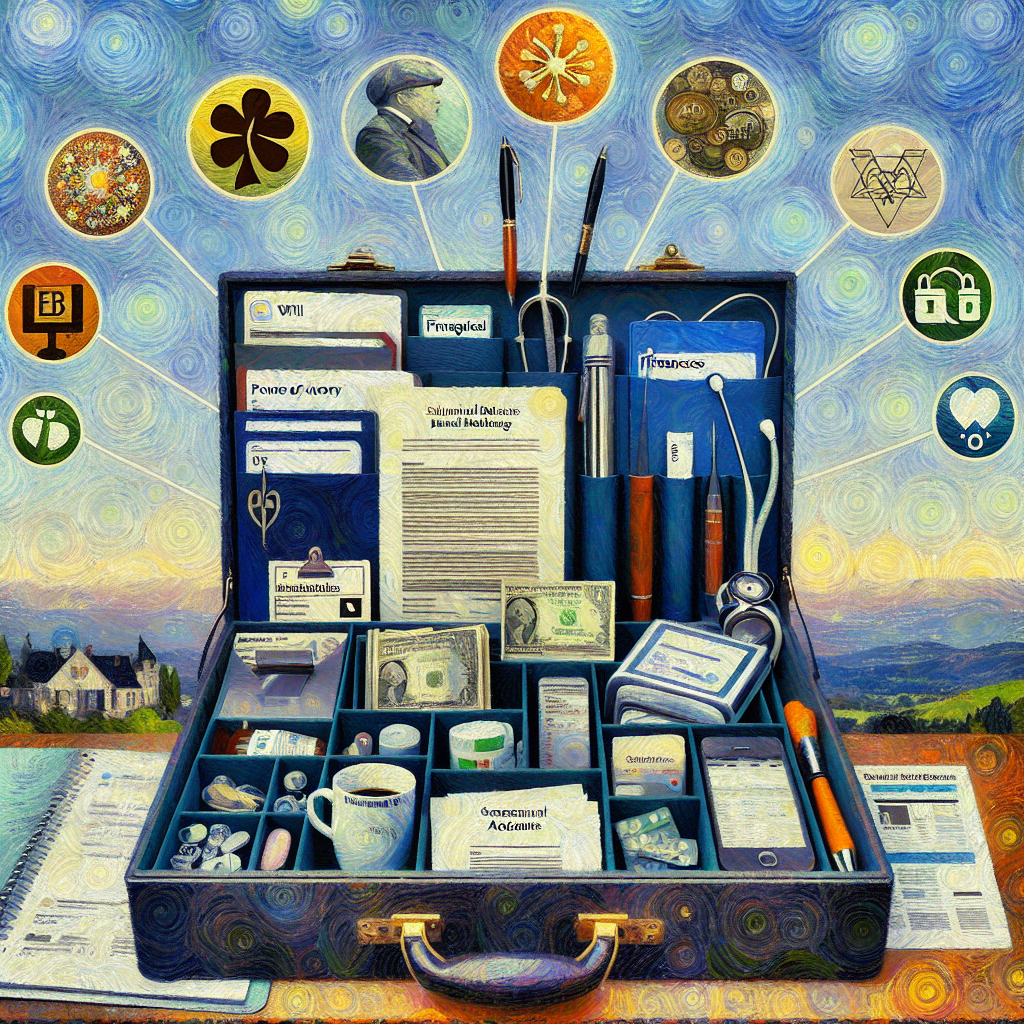
How Can I Engage My Family In Storytelling?
What Tools Can Help With Preserving Family Stories?
If there’s one thing that the digital age has made abundantly clear, it’s that stories matter. Each family has its own unique history, filled with trials, triumphs, and those quirky anecdotes that make for grand dinner table discussions. With the art of Legacy Storytelling becoming an important method of connecting generations, keeping those stories alive takes the proper tools. So, what can you use to safeguard these narratives?
First up, let’s talk about good old-fashioned pen and paper. Yes, I know it seems antiquated in an age of smartphones and tablets, but trust me—there’s something magical about writing it all down. Handwritten letters, journals, or a dedicated family history workbook can bring you closer to the narratives you want to preserve. They allow the storyteller’s personality to shine through every flourish and scribble, a tangible slice of their essence captured for future generations.
Now, if you’re more of a tech-savvy type, then software programs dedicated to genealogy and family trees can be invaluable. Platforms like Ancestry or MyHeritage help you trace your lineage and even share family stories with relatives. You can upload photos, documents, and even record interviews. With a few clicks, you can create a visual map of your family’s history that can be as interactive as it is informative.
Speaking of interactive, let’s not forget about video. In an era where everyone’s a content creator, recording oral histories is easier than ever. Grab a smartphone or a camcorder, sit down with Grandma, and let her recount the tales of yesteryears. You’ll be amazed at the nuggets of wisdom and humor that come pouring out when you create a comfortable setting for storytelling. These videos can serve as a cherished digital heirloom for years to come.
Audio recordings are another tool worth mentioning. Whether it’s through a simple voice memo app on your phone or a more sophisticated digital recorder, capturing stories through audio gives them life in a way that written words often can’t. The emotion, the inflections, the shared laughter—it all helps preserve the fabric of those stories.
In the pursuit of preserving family legacies, don’t overlook community resources. Local historical societies and libraries often offer workshops, resources, and digitization services that can help turn your family stories into lasting legacies. Whatever method you choose, remember: each story is a thread in the tapestry of your family’s legacy. So grab that pen, open that app, and start weaving your family’s tale—you won’t regret it.

What Tools Can Help With Preserving Family Stories?
What Tools Can Help With Preserving Family Stories?
- The digital age highlights the importance of storytelling and preserving unique family histories.
- Legacy Storytelling connects generations and requires proper tools to keep stories alive.
- Handwritten methods, like journals and family history workbooks, capture storytellers’ personalities.
- Genealogy software, such as Ancestry and MyHeritage, helps trace lineage and share family narratives.
- Recording oral histories through video is an interactive way to capture family tales and create digital heirlooms.
- Audio recordings preserve stories with emotional nuances that written words may miss.
- Community resources, like workshops and digitization services, can assist in preserving family legacies.

What Tools Can Help With Preserving Family Stories?
How Do I Start A Family Storytelling Tradition?
Gather ’round, folks! If you’re looking to create a family storytelling tradition, you’re in for a delightful ride. Legacy storytelling is as old as time itself, passed down from generation to generation, and it’s an art form worth reviving in today’s fast-paced world. So how do you start this beautiful journey? Buckle up, and let’s dive into it.
First things first: create an inviting space. Whether it’s your living room, a cozy backyard, or a family campfire, pick a spot that feels warm and welcoming. Grab some blankets, set up some chairs, and get ready to settle in for the evening. Remember, storytelling isn’t just about the words but also about the atmosphere that surrounds you. It’s about creating a space where memories can be shared and cherished.
Next, gather your family. This can include parents, grandparents, aunts, uncles, and even close family friends. The more, the merrier! If you have little ones, invite them too. You’d be astonished at the stories they come up with. Think of this gathering as more than just a tradition; it’s a chance to etch your family history into the fabric of each other’s lives. You’re not just passing time; you’re building a legacy.
Once everyone is present, it’s time to kick off the storytelling. You can assign roles if you like—perhaps one person opens with a family story, followed by others sharing their own tales or even spinning a yarn that’s completely made up! The key is to make it interactive. Encourage questions and laughter. This isn’t a lecture; it’s a collaborative experience where everyone can contribute something meaningful.
As the weeks and months go by, consider documenting these stories. A simple notebook can do wonders or a more high-tech approach like recording audio or video may suit your family’s style. This documentation will be a priceless treasure for future generations, ensuring that the rich tapestry of your family’s legacy storytelling endures.
Lastly, don’t forget to make it a routine. Perhaps it’s a monthly session or a holiday tradition. Whatever you choose, the important thing is consistency. The more often you share stories, the more comfortable everyone will become. And before you know it, you’ll have a thriving tradition that brings joy, connection, and a sense of belonging to all involved.
So, roll up your sleeves, gather your tribe, and get ready to spin some tales. Your family’s legacy is waiting to be told!

How Do I Start A Family Storytelling Tradition?
How Do I Start A Family Storytelling Tradition?
- Create an inviting storytelling space, such as a cozy living room, backyard, or campfire.
- Gather family members, including parents, grandparents, aunts, uncles, and even friends.
- Encourage participation from everyone, including children, to enrich the storytelling experience.
- Make storytelling interactive by assigning roles and inviting questions and laughter from participants.
- Document the stories in a notebook or through audio/video recording for future generations.
- Establish a routine for storytelling, whether monthly or during special occasions.
- Cultivate a thriving family tradition that fosters joy, connection, and belonging.

How Do I Start A Family Storytelling Tradition?
What Themes Should We Explore In Our Family Stories?
When it comes to diving into family stories, it’s a bit like rummaging through an attic full of dusty boxes—you never quite know what you’ll find, but there’s a good chance there’s something valuable hiding in there. Legacy storytelling is more than just passing down tales; it’s about capturing the essence of who we are and where we come from. So, what themes should we explore in these narratives that shape our identities?
First and foremost, consider resilience. Each generation has faced its share of challenges, whether economic hardships, societal changes, or personal struggles. By recounting these stories of perseverance, we not only honor those who came before us but also equip younger family members with the strength to tackle their own adversities. These accounts reveal the grit our ancestors had and remind us that struggle is part of the human experience.
Next up is the theme of community. Every family is a microcosm of a larger society, and the relationships we build—both within and outside our families—are crucial. Sharing stories about neighbors, friends, or groups that shaped our family dynamics can highlight the importance of friendship and support networks. It reminds us that we are not alone in our journeys; we have allies, mentors, and collaborators who walk alongside us.
Another important theme is the concept of tradition. Every culture carries its unique customs, holidays, and rituals that are woven into the fabric of family life. By exploring these traditions, we nod to the past while passing them down to future generations. It’s about understanding why we celebrate, what we cherish, and how these practices connect us to our roots.
Don’t forget about humor. Life isn’t all about the heavy lifting; there’s plenty of laughter and lightness amidst the struggles. Family stories often come with their share of mishaps, misunderstandings, and downright funny moments. These tales remind us that joy exists even in chaos, and they bond us together through shared laughter.
Lastly, consider the theme of identity. Who are we really? What shaped our values, our beliefs, and our passions? Digging deep into these questions can illuminate not just individual identities but the collective identity of the family. It’s about understanding that each story tells us something fundamental about who we are—and why it matters.
Incorporating these themes into legacy storytelling not only enriches the narratives but creates a tapestry of meaning for generations. So, dust off those boxes, gather the family, and let the stories flow. You might be surprised by what you uncover.

What Themes Should We Explore In Our Family Stories?
What Themes Should We Explore In Our Family Stories?
- Legacy storytelling captures the essence of our identities and heritage.
- Resilience is a central theme, showcasing the perseverance of past generations facing challenges.
- Community plays a crucial role, emphasizing the importance of relationships and support networks.
- The concept of tradition connects families to their cultural roots through customs and rituals.
- Humor is vital, reminding us that laughter exists even during tough times and bonding us through shared experiences.
- Exploring identity reveals individual and collective values, beliefs, and passions.
- Incorporating these themes enriches storytelling and creates a meaningful legacy for future generations.

What Themes Should We Explore In Our Family Stories?
How Can We Use Technology To Enhance Storytelling?
In today’s fast-paced world, storytelling has taken on a new shape, one where technology and tradition meld to create something uniquely captivating. While the fundamentals of Legacy Storytelling—sharing experiences passed down through generations—remain unchanged, the tools we use to convey these tales have evolved dramatically. We’re no longer limited to fireside chats or dusty old family albums; our devices have become modern-day vessels for our narratives.
Picture this: a grandparent recounting stories of their youth, the kind that builds character and connects generations. Now imagine enhancing that experience using immersive technology. With virtual reality, for instance, a child can step back in time, walking through the streets of their grandparent’s childhood neighborhood. Instead of merely hearing about the past, they can see it, feel it, and understand it in ways that resonate on a deeper level. This is where technology shines, transforming mere words into experiences that enrich understanding.
Then there’s the power of social media. What better way to share Legacy Storytelling than through platforms designed for sharing? Families can create digital archives, using photos, videos, and snippets of conversations to weave together a tapestry that preserves their history. With a simple click, a story can reach beyond the confines of the family, inviting others to join in and appreciate the richness of a shared legacy. The immediacy and accessibility of technology make it possible for storytellers to find their audience far and wide, creating connections that transcend geography.
Additionally, podcasting has emerged as a modern twist on storytelling. By capturing the essence of narratives through voice, sound, and music, storytellers can engage listeners in a way that feels intimate and personal. It’s an auditory journey where emotions are conveyed not just by what’s said, but how it’s said. Each story, whether it’s a humble family affair or a historic event, becomes an audio experience that can move hearts and minds.
In this new age, the challenge isn’t merely to tell stories but to do so in a way that captures attention and fosters connection. Technology has empowered us to enhance Legacy Storytelling, ensuring that the tales of our ancestors not only survive but thrive in the digital landscape. So let’s embrace these advancements, for when technology meets tradition, storytelling becomes a powerful force that defines who we are, where we’ve been, and where we’re headed.

How Can We Use Technology To Enhance Storytelling?
How Can We Use Technology To Enhance Storytelling?
- Storytelling has evolved to blend technology and tradition, creating captivating narratives.
- Legacy Storytelling fundamentals remain unchanged, focusing on generational experience sharing.
- Modern devices serve as tools for storytelling, surpassing traditional methods like fireside chats.
- Immersive technologies like virtual reality allow deeper connections by enabling experiential learning.
- Social media facilitates sharing Legacy Storytelling, creating digital archives of family history.
- Podcasting offers a personal touch to storytelling through audio, engaging listeners intimately.
- Technology enhances storytelling, ensuring the survival and relevance of ancestral tales in the digital age.

How Can We Use Technology To Enhance Storytelling?
What Activities Can Make Storytelling More Interactive?
Storytelling, at its core, is about connection. But let’s face it: a story can sometimes feel like a monologue, especially when told in a traditional format. If you want to transform a simple narrative into a riveting experience, it helps to make it interactive. After all, everyone loves a good tale, but what if that tale could come alive? Here are some activities to enhance your Legacy Storytelling and engage your audience.
First off, consider the age-old practice of retelling. Instead of merely recounting a family’s history or a memorable incident, invite your audience to add their own spin. This could be as simple as pausing during a pivotal moment and asking listeners how they think things should have turned out. It’s a way to create ownership in the narrative, allowing every participant to weave their thread into the tapestry of the story.
Next up: visual aids. Who doesn’t love a good picture? By incorporating photographs, drawings, or even old letters, you not only provide context but also spark memory. For instance, if you’re describing a summer barbecue from the good old days, why not show a photo of the grill and the gang? People will naturally engage with something they can see, triggering recollections that add depth to the telling.
Then, think about role-playing. This is a surefire way to breathe life into your storytelling sessions. Assign roles to volunteers from the audience, allowing them to act out key scenes. Not only does this encourage people to step out of their comfort zones, but it also cultivates a deeper understanding of the characters and situations involved. It’s fascinating to see how different individuals interpret the same event.
Another effective method is to incorporate questions during the storytelling. Instead of waiting until the end for a Q&A, sprinkle questions throughout your tale. This can keep your audience engaged and thinking critically about the unfolding drama. Ask them about their experiences or how they might respond to a particular conflict.
Finally, cap it all off with a legacy-sharing session. Encourage participants to share their own memories that relate to the story. This creates a rich dialogue, fostering community and shared experience. In this way, you ensure the tale isn’t just yours but a collective journey that honors everyone’s contributions.
By blending these activities into your storytelling, you can create an engaging atmosphere that honors the art of Legacy Storytelling while making it a memorable experience for all involved. Storytelling is not just about the words; it’s about creating an experience to cherish.

What Activities Can Make Storytelling More Interactive?
What Activities Can Make Storytelling More Interactive?
- Storytelling is fundamentally about connection, but traditional formats can feel like a monologue.
- Transform narratives into interactive experiences to engage audiences effectively.
- Encourage audience participation by allowing them to add their own perspectives during the retelling of stories.
- Incorporate visual aids such as photographs and drawings to enhance context and trigger memories.
- Use role-playing by assigning roles to audience members to bring key scenes to life.
- Ask questions throughout the storytelling to maintain engagement and encourage critical thinking.
- End with a legacy-sharing session, allowing participants to share their own related memories and foster community dialogue.

What Activities Can Make Storytelling More Interactive?
Conclusion
Alright folks, let’s wrap this up with a bow, shall we? Legacy storytelling isn’t just about recounting family anecdotes; it’s about crafting those connections that define who we are as individuals and as a family unit. It’s more than just a dreary lecture—this can be downright fun! So, how can we transform it into a lively family activity? Well, let’s break it down, Mike Rowe style.
First off, establish a routine. Set a specific “story night.” Make it a potluck of tales and snacks where everyone comes armed not just with their favorite dish, but with family lore or personal escapades. You never know—grandma might regale you with the wild romance of her youth, or that quiet cousin could surprise you with tales that’ll keep you laughing for weeks.
Next, loosen up the storytelling format! How about turning those stories into performances? Use props, dress up a bit, even use a little tech to spice things up. Seriously, nothing brings a family trip to life quite like a hilarious reenactment, complete with costumes. And let’s not forget about the treasure hunt aspect! Combine storytelling with genealogy; digging into family history not only sparks interest but roots your kids in their heritage.
Now, let’s not skim over the power of good company. Create a welcoming space that fosters conversation—a nook in your home, all cozy and inviting. This is where stories flow as freely as iced tea on a hot summer day. Use open-ended questions to get those cogs turning. The trick here? Make it a two-way street. While sharing tales, encourage your kids to dig into their own experiences.
And remember, it’s crucial to document these narratives—be it through old-fashioned pen and paper or cutting-edge video recordings. Each story you capture becomes a thread in the vibrant tapestry of your family’s legacy, which you can pass down for generations. Plus, these narratives foster empathy, resilience, and a sense of belonging that’s crucial in today’s chaotic world.
Lastly, don’t forget to invite technology into this storytelling circle. Use social media to share these cherished moments or flip through family history apps to visualize your connections. The point is to make it engaging and interactive, ensuring that storytelling evolves from a simple activity into a cherished family tradition.
So roll up those sleeves, gather the clan around, and let the storytelling begin! There’s no age limit on this, folks. Together, you’ll weave memories that won’t just linger in the air—they’ll be etched into your family’s identity for generations to come. Now get out there and start telling those stories; your legacy awaits!

Conclusion
Conclusion:
- Legacy storytelling connects individuals and families through shared narratives.
- Establish a routine with a designated “story night” featuring potluck dishes and family tales.
- Encourage creative storytelling formats by incorporating performances, props, and costumes.
- Create a welcoming space for sharing stories, using open-ended questions to facilitate conversation.
- Document the stories through writing or recordings to preserve your family’s legacy for future generations.
- Utilize technology and social media to enhance and share storytelling experiences within the family.
- Storytelling is a timeless activity that strengthens family bonds and creates lasting memories.

Conclusion
Other Resources

Other Resources
Here is a list of other resources you can review online to learn more:
- Legacy
- Remembered.com
- Association of Personal Historians
- Bcelebrated
- FindMyPast
- Storyworth
- 23AndMe
- MyHeritage
- Tributes
- Everplans
Use This Prompt To Get More Resources With Your Favorite Online AI Tool: Please provide me with a list of online articles with their URLs in a bulleted list that I can read regarding How Can You Make Legacy Storytelling a Fun Family Activity?

Other Resources
Glossary Terms
How Can You Make Legacy Storytelling a Fun Family Activity? – Glossary Of Terms
1. Legacy: The passing down of stories, values, and traditions from one generation to the next.
2. Storytelling: The art of conveying events, experiences, and lessons through narratives, often utilizing characters and plots.
3. Family Tradition: Customs or practices that are passed down within a family, often creating a sense of unity and belonging.
4. Memory Mapping: A technique for visualizing and organizing memories and experiences, often used to trigger stories.
5. Interviewing: The process of asking family members questions to gather information and stories, typically done in a conversational manner.
6. Nostalgia: A sentimental longing for the past, often evoked through stories that remind family members of shared experiences.
7. Story Circle: A gathering where family members sit in a circle to share stories, fostering connection and engagement.
8. Artifact: An object with historical significance that can serve as a story prompt or a point of connection to family history.
9. Scrapbook: A book of collected memories and stories that can include photographs, letters, and other memorabilia.
10. Oral History: A historical account collected through spoken narratives from individuals, preserving unique perspectives.
11. Journal: A personal record of thoughts, experiences, and stories, often used to reflect on family heritage.
12. Interactive Timeline: A visual representation of family history events, allowing members to see connections and stories across generations.
13. Cultural Heritage: The traditions, customs, and artifacts that represent a family’s background and history.
14. Genealogy: The study of family lineage and history, often involving research into ancestry.
15. Digital Storytelling: The use of digital tools to create and share stories, allowing for multimedia elements like video, audio, and images.
16. Family Tree: A diagram that represents family relationships and lineage, often used as a visual aid in storytelling.
17. Story Prompt: A cue or idea used to inspire a storytelling session, helping family members to recall memories.
18. Role-Playing: A fun activity where family members act out certain stories or roles from their family history to make storytelling lively.
19. Memory Jar: A jar filled with slips of paper on which family members write down their fondest memories, which can be shared at storytelling events.
20. Legacy Letter: A written document that shares personal insights, values, and stories meant to be passed on to future generations.
21. Video Recording: Capturing family stories and histories on video to preserve voices and visuals for future enjoyment.
22. Storyboarding: The process of planning out the sequence of stories or events visually, often used in preparation for collaborative storytelling.
23. Collective Memory: The shared pool of knowledge and information within a family, representing common experiences and stories.
24. Character Sketch: A brief description of a family member that highlights their personality traits, anecdotes, and significance in family stories.
25. Themed Story Nights: Designated family gatherings focused on specific themes, such as “travels” or “family secrets,” to inspire storytelling.
26. Legacy Book: A compiled collection of family stories, histories, and photographs, often created collaboratively by multiple family members.
27. Celebration of Life: A gathering to honor and celebrate the stories and contributions of a family member, often involving shared storytelling.
28. S’Laughter: A playful combination of storytelling and laughter, emphasizing the fun and joy that come with sharing family stories.
29. Story Telling Games: Interactive games designed to stimulate storytelling, encouraging creativity and spontaneity among family members.
30. Tradition Revival: The act of breathing new life into old family customs or storytelling practices, making them relevant and enjoyable again for modern family members.

Glossary Of Terms
Other Questions
How Can You Make Legacy Storytelling a Fun Family Activity? – Other Questions
If you wish to explore and discover more, consider looking for answers to these questions:
- What are some specific storytelling themes to explore?
- How can we make legacy storytelling relevant for younger generations?
- What types of stories are most effective for legacy storytelling?
- What are some examples of successful family storytelling traditions?
- How can we encourage shy family members to participate in storytelling?
- What are the benefits of recording family stories in different formats?
- Are there any recommended tools or software for documenting stories?
- What kind of props can enhance storytelling sessions?
- How can storytelling be incorporated into family gatherings and holidays?
- How can we involve extended family or friends in our storytelling traditions?
- What are some creative ways to present family stories beyond traditional storytelling?
- How can we ensure that younger generations carry on the storytelling tradition?
- What role does listening play in effective storytelling?
- Can you suggest some fun icebreaker activities for family storytelling nights?
- What are the potential challenges when starting a family storytelling tradition?

Other Questions
Haiku
How Can You Make Legacy Storytelling a Fun Family Activity? – A Haiku
Gather ‘round to share,
Tales of love, laugh, and history—
Legacy lives on.

Haiku
Poem
How Can You Make Legacy Storytelling a Fun Family Activity? – A Poem
Gather ’round, dear families, a tale shall unfold,
A tapestry woven, rich and bold.
In the warmth of our hearts, by the firelight’s glow,
Let’s tell of our journeys, the paths we all know.
Every story a thread in the fabric of time,
Resilience and laughter, a rhythm, a rhyme.
From old dusty albums to screens shining bright,
We’ll share our sagas beneath starry night.
Create a space cozy, a nook to embrace,
Where stories take flight in a welcoming place.
With snacks and with laughter, let memories bloom,
Each tale a small treasure, dispelling the gloom.
So raise up your voices, let grandma’s tales soar,
With skits and with costumes, we’ll yearn for more lore.
Props of old photos and recipes shared,
A journey through time, crafted with care.
Engage every heart, with questions that peek,
As laughter erupts, our connection is sleek.
Technology’s magic may join in our dance—
From podcasts to videos, let memories enhance.
Embrace all the moments, the tough and the sweet,
In every lost struggle, there’s a story complete.
For legacy lives in the bonds that we share,
An antidote to forgetfulness, woven with care.
So spin these bright tales, let their wisdom ignite,
In the hearts of our children, like stars shining bright.
As we pass down our stories—this glorious quest,
Generations united, our family blessed.

Poem
Checklist
How Can You Make Legacy Storytelling a Fun Family Activity? – A Checklist
1. Establish a Storytelling Tradition:
_____ Designate a “story night” (weekly/monthly)
_____ Create a comfortable space for storytelling (cozy corner, campfire)
2. Encourage Participation:
_____ Invite all family members to share their stories
_____ Use open-ended questions to inspire storytelling (e. g. , “What was your proudest moment?”)
3. Make it Interactive:
_____ Incorporate props and visual aids (old photos, heirlooms)
_____ Assign roles for storytelling skits or re-enactments
_____ Use prompts or themes for each session (e. g. , family vacations, childhood memories)
4. Create a Potluck Atmosphere:
_____ Have snacks or meals brought by family members to foster fun and relaxation
5. Embrace Technology:
_____ Record stories using audio/video for future generations
_____ Use digital tools to create a family tree or archive stories (Ancestry, MyHeritage)
6. Explore Engaging Themes:
_____ Focus on themes such as resilience, community, traditions, and humor in storytelling
7. Document and Preserve Stories:
_____ Keep a family history journal or workbook
_____ Consider using genealogy software for organized story sharing
8. Encourage Creative Storytelling:
_____ Introduce multimedia elements (PowerPoint presentations, videos)
_____ Consider podcasts or audio recordings for storytelling sessions
9. Foster a Collaborative Environment:
_____ Allow audience members to contribute their memories related to the stories told
_____ Create moments for questions and discussion to keep engagement high
10. Maintain Consistency:
_____ Schedule regular storytelling events to ensure it becomes a family tradition
_____ Encourage family members to come prepared with stories to share
11. Add Fun Activities:
_____ Include games or activities related to the stories shared, such as trivia or storytelling challenges
12. Reflect on Stories:
_____ Share what was learned or felt after each storytelling session to deepen the connection among family members.
With this checklist in hand, you can encourage your family to actively engage in legacy storytelling, create meaningful connections, and preserve your family’s unique history for future generations.
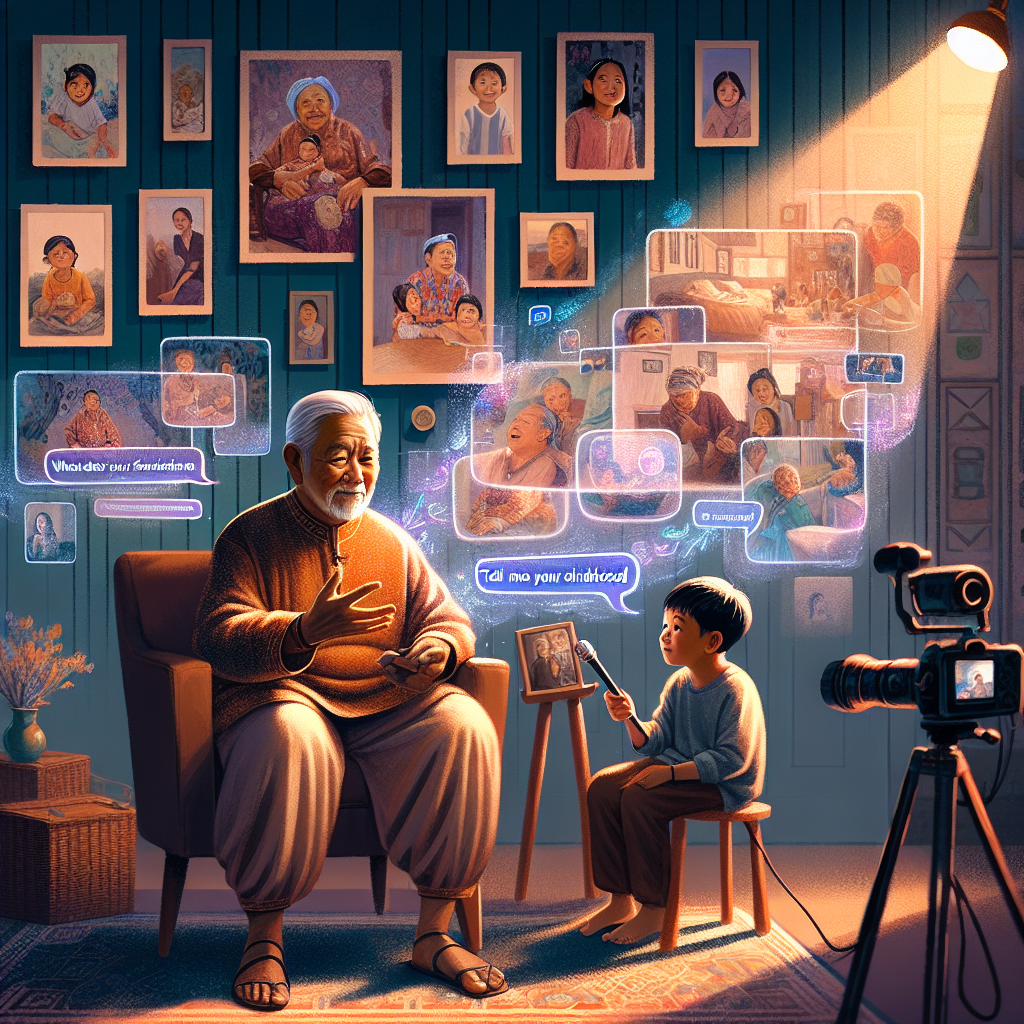
Checklist
At LegacyExplorations, we help people plan and explore their legacy by collecting information and news regarding end-of-life planning.
Please share this post with your friends, family, or business associates who may want help to plan or explore their legacy.