

Capturing And Sharing Senior Memories
By Tom Seest
At LegacyExplorations, we help people plan and explore their legacy by collecting information and news regarding end-of-life planning.
Please share this post with your friends, family, or business associates who may want help to plan or explore their legacy.
How Can You Preserve Seniors’ Stories for Future Generations?
In a world where technology is evolving at lightning speed, one might think that the tales of our elders would get lost in the shuffle. But here’s a thought: what if those stories are the very essence of our legacy? It’s time we put our heads together and figure out how to preserve senior stories for future generations in a way that honors their wisdom and experience.
First off, let’s talk about legacy storytelling. This isn’t just a fancy term—it’s a powerful practice that can weave together the fabric of our family stories, rich with emotion, life lessons, and cultural heritage. We’re not just recording dates and events; we’re capturing the laughter, the tears, and the hard-earned wisdom. So, how do we do that?
Start by opening a dialogue. Sit down with your loved ones and ask open-ended questions that get them talking. Instead of simply inquiring about dates and places, dive deeper. Ask them to share their proudest moments, their biggest regrets, or the lessons life has taught them. You might be surprised at what comes to light—things that never made it into a family photo album.
Once you’ve gathered those stories, consider how you’ll preserve them. Recording these tales is a game-changer. Mobile devices and voice recorders make it incredibly easy to capture their words. Don’t underestimate the power of video, either. There’s something profoundly moving about seeing a loved one share their story—it’s real, it’s raw, and it’s rejuvenating.
Then, think about the format. You can compile their stories into a scrapbook or family book, complete with photographs, memorabilia, and other visual elements. Even a blog or a social media page can serve as a living legacy, reaching not just the current generation but opening the door to the future.
Finally, don’t keep these treasures locked up. Share them widely. Gather the family for a storytelling evening, turning those tales into an engaging event that connects generations. If your loved ones are comfortable, consider sharing their stories with the broader community, preserving them for future historians to admire and learn from.
Preserving seniors’ stories isn’t just a task—it’s an honoring of their journey. It ensures that the wisdom of the ages isn’t misplaced but rather handed down, one generation to the next. And in that passing, we find strength, kinship, and understanding that transcends the ages. So let’s get to it and make sure those voices are heard!

How Can You Preserve Seniors’ Stories for Future Generations?
How Can You Preserve Seniors’ Stories for Future Generations?
- Technology evolves rapidly, but elder stories are vital to our legacy.
- Legacy storytelling captures family stories rich in emotion, lessons, and heritage.
- Engage elders with open-ended questions about their experiences and life lessons.
- Record stories using mobile devices, voice recorders, or videos to preserve authenticity.
- Present stories in formats like scrapbooks, family books, or online platforms.
- Share stories in family gatherings or with the broader community to honor their journey.
- Preserving these narratives fosters strength, kinship, and understanding across generations.

How Can You Preserve Seniors’ Stories for Future Generations?
Table Of Contents
- How Can You Preserve Seniors’ Stories for Future Generations?
- How Can Technology Aid In Preserving Oral Histories?
- How Can Written Narratives Be Organized For Easy Access?
- What Are The Best Practices For Recording Interviews With Seniors?
- How Should Sensitive Topics Be Approached During Storytelling?
- What Tools Are Available For Digitizing Old Photographs And Documents?
- How Can Communities Support Preserving Local Senior Stories?
- What Are The Benefits Of Creating A Family Memory Book?
- Conclusion
- Other Resources
- Glossary Of Terms
- Other Questions
- Haiku
- Poem
- Checklist
How Can Technology Aid In Preserving Oral Histories?
In a world spinning faster than a whirlwind, where the clamor of modern life sometimes drowns out the voices of our past, technology emerges as a beacon of hope for preserving oral histories. You see, there’s an art to capturing those lived experiences—what I like to call “Legacy Storytelling.” It’s about giving a microphone to the voices that built our communities, shaped our beliefs, and influenced our decisions.
Thanks to advancements in technology, our collective consciousness is no longer confined to fading memories and outdated tape recorders. Today, we have a suite of powerful tools at our disposal that can immortalize these important narratives. High-quality microphones, smartphone apps, and digital recording devices enable individuals to capture oral histories with remarkable clarity. No longer are we confined to dusty archives; we can document the heartfelt stories of our elders right in our living rooms or local community centers.
But it doesn’t stop there. Social media platforms and online storytelling networks provide a unique venue for these stories to be shared far and wide. Imagine a grandmother recounting tales of her youth as a young immigrant, a voice now preserving not just her history, but an entire cultural tapestry woven from countless similar threads. Through blogs, podcasts, and video sharing, these narratives can reach an audience that transcends geographical boundaries. No story should languish in obscurity; with technology, they can resonate and connect with future generations.
Moreover, technology brings with it a level of engagement that can enhance the storytelling experience. Interactive websites and multimedia presentations allow storytellers to weave in photographs, videos, and documents that enrich the narrative. Are you not more drawn in when a story unfolds with accompanying visuals? It’s a bridge to the past, offering context and color to experiences that might otherwise fade away.
Finally, let’s not overlook the importance of archiving these stories. Cloud storage and digital libraries ensure that oral histories are preserved and protected from the ravages of time. These digital repositories become treasure troves for researchers, educators, and families. Through careful curation, we ensure that the powerful tales of resilience, love, and struggle aren’t lost, but celebrated.
In a digital age brimming with distractions, technology has the power to keep the wisdom of our past alive—connecting us not just to where we come from but also enriching our understanding of who we are today. So let’s embrace the tools available to us and make sure the voices of yesterday echo into tomorrow.

How Can Technology Aid In Preserving Oral Histories?
How Can Technology Aid In Preserving Oral Histories?
- Technology plays a crucial role in preserving oral histories, giving rise to “Legacy Storytelling.”.
- Modern tools like high-quality microphones and smartphone apps empower individuals to capture stories with clarity.
- Social media and online storytelling networks facilitate the sharing of diverse narratives across geographical boundaries.
- Interactive media enriches the storytelling experience, incorporating visuals that enhance engagement.
- Cloud storage and digital libraries safeguard oral histories for future generations.
- These digital archives serve as valuable resources for researchers, educators, and families.
- Embracing technology ensures that our past continues to resonate and inform our present and future.

How Can Technology Aid In Preserving Oral Histories?
How Can Written Narratives Be Organized For Easy Access?
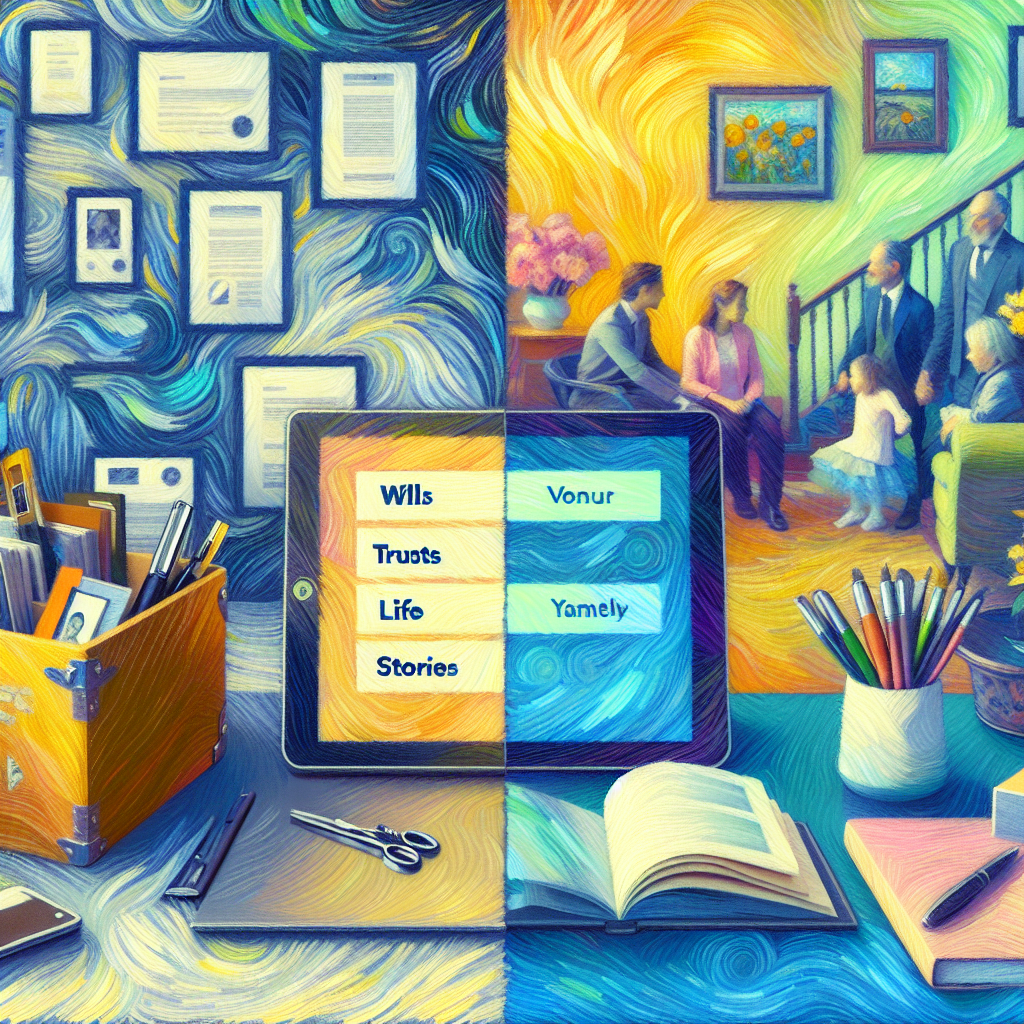
When it comes to organizing written narratives, think of it like laying the groundwork for a solid building. The structure needs to be both intuitive and accessible, allowing readers to navigate through years of rich, complex stories with ease. After all, we’re all here for one reason: to understand, to learn, and maybe even to appreciate the depth of Legacy Storytelling that others have poured their hearts and souls into.
First off, consider the purpose of your narratives. Are they meant to entertain, educate, or preserve memories? Each purpose calls for a slightly different organizational strategy. If you’re chronicling family history or important life lessons, why not go chronological? Start from the beginning, laying down a timeline that captures key moments. It’s like taking a stroll down memory lane—only this time, you pave the way with dates and events.
Next, you might want to think about themes. What are the core ideas that run through your stories? Love, struggle, triumph—they all have their own rhythms. By grouping narratives by theme, you not only enhance their coherence but also make it easier for readers to find what resonates most with them. If someone’s curious about resilience, they can quickly dive into a section dedicated solely to those trials and triumphs.
Visual aids can’t be overlooked, either. Consider adding charts, maps, or even images that complement and contextualize your words. This isn’t just good for decor; it aids in cognitive retention, making it easier for readers to latch onto the emotions and messages you’re conveying. Think of these visuals as breadcrumbs leading back to the heart of your Legacy Storytelling.
Then, there’s the digital era to consider. Organizing narratives on a blog or website opens up a whole new realm of possibilities. Hyperlinks can connect story threads, and search functions can direct readers exactly where they want to go. Whether it’s through categories, tags, or a well-placed search bar, the digital space offers unmatched clarity and accessibility.
Lastly, don’t forget the value of feedback and collaboration. Engaging with your readers can provide insights into how they perceive your organization. Are they finding what they need? Are there stories they wish to explore that aren’t as easy to locate? You might be surprised by their input.
Ultimately, organizing your written narratives isn’t just about arranging words on a page. It’s about creating a meaningful experience that honors the craft of storytelling while facilitating engagement. So, roll up your sleeves and dig into that mountain of stories—you might just find a way to turn them into treasures that everyone can access and appreciate.
How Can Written Narratives Be Organized For Easy Access?
How Can Written Narratives Be Organized For Easy Access?
- Organizing written narratives is similar to laying a solid building foundation, ensuring intuitive and accessible structure for readers.
- Consider the narrative’s purpose—entertainment, education, or memory preservation—each requiring different organizational strategies.
- Chronological organization is effective for chronicling stories like family history, allowing readers to follow a timeline of key moments.
- Grouping narratives by themes (e.g., love, struggle, triumph) enhances coherence and helps readers find content that resonates with them.
- Visual aids such as charts, maps, and images can improve cognitive retention and complement storytelling by providing contextual support.
- The digital space offers innovative organization methods through blogs/websites using hyperlinks, categories, and search functions for better accessibility.
- Engaging with readers for feedback and collaboration can reveal insights on narrative organization and areas for improvement.

How Can Written Narratives Be Organized For Easy Access?
What Are The Best Practices For Recording Interviews With Seniors?
When it comes to capturing the voices of our elders through interviews, there lies a distinct art and purpose—one that demands both respect and thoughtful consideration. Legacy storytelling isn’t merely a trend; it’s a profound way to preserve the wisdom gained from years of trials and triumphs.
First and foremost, creating a comfortable atmosphere is paramount. Remember, it’s not just about the questions you ask; it’s about how you make the interviewee feel. Choose a quiet and familiar setting, perhaps their living room or a favorite café. This environment allows seniors to express themselves freely, tapping into their memories without the distraction of unfamiliar surroundings.
Next, approach the conversation with curiosity. This isn’t a job interview; it’s a dialogue about their life experiences. Prepare open-ended questions that encourage storytelling, such as, “Can you share your fondest childhood memory?” or “What’s a lesson you learned the hard way?” This prompts them to provide rich narratives instead of simple yes or no responses, allowing their true essence to shine through.
Recordings, whether audio or video, should be secondary to the conversation itself. Make sure to use quality equipment that captures sound without distortion. Test it beforehand, because nothing is worse than discovering a faulty recording halfway through a poignant tale. Position the microphone strategically, ensuring you can hear their voice clearly without interruptions from background noise. If possible, consider using a backup device, just in case.
Before diving in, it’s crucial to explain the purpose of your recording. Many seniors may feel apprehensive about being filmed or taped. Assure them that this is all about preserving their legacy through storytelling, a way to pass down their experiences to future generations. It’s about honoring their journey, not just capturing footage.
Lastly, don’t forget the value of patience. Some memories may take time to surface, and silence can be an important part of the process. Allow them to think, reflect, and really immerse themselves in their story. It’s in those quiet moments that the most profound narratives often emerge.
In summary, when recording interviews with seniors, creating a comfortable setting, asking genuine questions, ensuring quality recordings, communicating the intent clearly, and practicing patience are not just best practices—they’re essential to crafting a meaningful legacy through storytelling that will resonate for years to come.

What Are The Best Practices For Recording Interviews With Seniors?
What Are The Best Practices For Recording Interviews With Seniors?
- Capturing elder voices through interviews requires respect and thoughtful consideration.
- Legacy storytelling preserves wisdom gained from life experiences, beyond mere trends.
- Creating a comfortable atmosphere is crucial for encouraging free expression.
- Approach conversations with curiosity and ask open-ended questions to spark rich narratives.
- Ensure quality audio/video recordings are secondary to the natural flow of conversation.
- Explain the purpose of the recording to alleviate any apprehension from interviewees.
- Practice patience; give seniors time to reflect, as silence can lead to profound stories.

What Are The Best Practices For Recording Interviews With Seniors?
How Should Sensitive Topics Be Approached During Storytelling?
When it comes to storytelling, there are few things more powerful than the way we approach sensitive topics. Legacy storytelling is not just about passing down tales; it’s about weaving a narrative that honors the complexities of the human experience. The key to successfully tackling sensitive subjects lies in the balance of honesty and empathy.
First off, let’s address the elephant in the room: people often shy away from difficult conversations. Topics like loss, mental health, and societal issues can evoke strong reactions, but here’s the kicker—when we gloss over these subjects, we rob the story of its depth. It’s essential to dive into the muck and mire of life, and that means being willing to confront uncomfortable truths head-on.
When embarking on this journey, clarity is paramount. You want your audience to understand not just the narrative but the emotions that come with it. Take the time to explore the ‘why’ behind sensitive topics. What do they mean to the characters in your story? What lessons can be gleaned, and how do they impact the legacy of those involved? Asking these questions elevates mere storytelling into a meaningful dialogue.
Next, let’s talk about tone. The way we frame sensitive subjects can make all the difference in how they’re perceived. A narrative that feels accusatory or dismissive will alienate your audience. Instead, create an inviting atmosphere for discussion. Use humor sparingly—but effectively—as a bridge to engage listeners. People often connect with humor because it allows us to explore difficult topics without feeling overwhelmed.
Another crucial aspect is to recognize that vulnerability breeds connection. When you approach sensitive topics with authenticity, you demonstrate courage. Your willingness to engage deeply fosters trust, allowing listeners to feel safe in their feelings. And let’s face it, people don’t just want to hear about life; they want to feel it. They want to understand they aren’t alone in their struggles.
Finally, remember that legacy storytelling is about making a lasting impact. Your narrative doesn’t just exist to entertain; it’s a vessel for change and connection. It paves the way for future generations to confront their own stories with honesty and compassion. So wear that responsibility proudly, and let your tales be a testament to the resilience of the human spirit. After all, real storytelling—especially about sensitive topics—requires a heart left wide open.

How Should Sensitive Topics Be Approached During Storytelling?
How Should Sensitive Topics Be Approached During Storytelling?
- Legacy storytelling involves honoring the complexities of the human experience.
- Addressing sensitive topics requires a balance of honesty and empathy.
- Avoiding difficult conversations robs stories of depth; confronting uncomfortable truths is essential.
- Clarity is key; explore the significance of sensitive topics for characters and their legacies.
- The tone of the narrative affects audience perception; frame discussions invitingly and use humor effectively.
- Vulnerability fosters connection and trust; authenticity allows audiences to feel understood in their struggles.
- Legacy storytelling serves as a catalyst for change and connection, aiming to impact future generations with honesty and compassion.

How Should Sensitive Topics Be Approached During Storytelling?
What Tools Are Available For Digitizing Old Photographs And Documents?
In our modern age, preserving history has never been easier—or more crucial. As we dive into the world of digitizing old photographs and documents, we encounter a fantastic array of tools that can help breathe new life into our cherished memories. Whether you’re a genealogy enthusiast eager to uncover your family’s past or simply someone wanting to preserve a few beloved snaps, the right equipment can turn your legacy storytelling into a reality.
First up on our toolkit list is the flatbed scanner. This trusty workhorse is perfect for those high-resolution scans you want for your photo album or family history project. Flatbed scanners can handle fragile documents and larger prints without breaking a sweat. Just lay your photo down, hit the button, and voila! You’ve just captured a moment in time that could have otherwise faded away into obscurity.
If you’re feeling adventurous, consider a photo scanner. These specialized gadgets are more streamlined, designed to quickly digitize stacks of images. They work a bit like a multi-page document feeder for your printer. You pop in your photos, and they come flying out the other side, converted to digital format. The best part? Many even have features for automatic color correction, so your faded photos can regain some of their original vibrance.
Of course, in this tech-savvy era, we can’t forget about our smartphones. The cameras on these devices have come a long way, and with the right apps, like Google PhotoScan or Adobe Scan, you can quickly turn your document archives and photo albums into digital treasures. You might not get the same resolution as with a flatbed scanner, but let’s be honest: It’s a lot easier than hauling out the scanner when you just want to snap a quick pic of Grandma’s chestnut-hued portrait.
For those with a little more time on their hands and a knack for the DIY approach, there are also options to create your own digital archive. Invest in preservation tools—acid-free sleeves, archival quality boxes—and combine those with high-quality scanning software. A little care and consideration can ensure that your legacy storytelling efforts are built on a solid foundation.
In short, whether you’re deep in the trenches of ancestry research or just trying to declutter your attic, there’s a treasure trove of digitizing tools at your disposal. Embrace them, and give your old photographs and documents the second chance they deserve. After all, they’re more than just pictures; they’re stories waiting to be told.

What Tools Are Available For Digitizing Old Photographs And Documents?
What Tools Are Available For Digitizing Old Photographs And Documents?
- Preserving history is crucial in the modern age, with digitization making it easier than ever.
- Flatbed scanners are ideal for high-resolution scans of fragile documents and larger prints.
- Photo scanners offer a quick way to digitize stacks of images with automatic color correction features.
- Smartphones, paired with apps like Google PhotoScan or Adobe Scan, provide an accessible way to digitize photos and documents.
- DIY enthusiasts can create digital archives using acid-free preservation tools and high-quality scanning software.
- A variety of digitizing tools are available for both genealogy research and personal preservation projects.
- Old photographs and documents contain stories that deserve to be shared and preserved.

What Tools Are Available For Digitizing Old Photographs And Documents?
How Can Communities Support Preserving Local Senior Stories?
In every corner of our communities, the wisdom of our older generations glimmers like hidden treasure. These men and women, filled with experiences that shaped our neighborhoods, have stories that are far too valuable to fade away. So, how do we, as a community, roll up our sleeves and dive into the important work of preserving these local senior stories?
First off, it starts with creating a platform for legacy storytelling—a space where these narratives can be shared and celebrated. Think about it: a community event dedicated to storytelling where seniors can take the stage, share their wisdom, and engage with the audiences. This can happen in local theaters, community centers, or even libraries. By hosting such events, we foster a sense of belonging and appreciation, reminding everyone how vital these stories are to our collective identity.
Next, we need to embrace technology, not as a hindrance but as a bridge. We’re living in an age where smartphones and tablets can be used to record oral histories, conduct interviews, and curate digital collections. Local volunteers could be trained to assist seniors in documenting their life stories. Imagine the impact of creating an online archive where family members and future generations can access and enjoy these narratives. It’s like planting a seed for future generations, ensuring that the tales told around family tables don’t get lost in time.
Another avenue is collaboration. Local schools could partner with senior centers to facilitate intergenerational programs where students interview seniors as part of their curriculum. This not only preserves stories but also fosters mutual respect and understanding between generations. A young person’s perspective on these tales can breathe new life into the narratives, making them relevant and engaging for a wider audience.
Let’s not forget the power of the printed word. Creating community-sponsored publications—books, pamphlets, or even newsletters—highlighting these stories could help preserve them in a tangible format. Imagine the joy on a senior’s face when they see their story immortalized on the pages of a community book, resonating far beyond their immediate circle.
Ultimately, preserving local senior stories requires intention and effort from all of us. Through events, technology, partnerships, and publications, we hold the power to keep these invaluable legacies alive. Let’s take action and celebrate the incredible tapestries woven from the lives of our seniors. After all, every story deserves to be told, and every storyteller deserves to be heard.

How Can Communities Support Preserving Local Senior Stories?
How Can Communities Support Preserving Local Senior Stories?
- Older generations hold valuable stories that shape communities.
- Creating platforms for legacy storytelling can help share and celebrate senior narratives.
- Community events can engage seniors and foster belonging and appreciation.
- Technology can be utilized to document oral histories and create digital collections.
- Collaboration between local schools and senior centers can facilitate intergenerational storytelling programs.
- Community-sponsored publications can preserve stories in tangible formats.
- Collective effort is needed to keep local senior stories alive and celebrated.

How Can Communities Support Preserving Local Senior Stories?
What Are The Benefits Of Creating A Family Memory Book?
In the hustle and bustle of our everyday lives, we often let the little moments slip through our fingers like grains of sand. But what if I told you that creating a family memory book could be a game changer? It’s not just a collection of photos and scribbles; it’s a powerful tool for legacy storytelling, and it packs a punch in ways you might not expect.
First and foremost, a family memory book serves as a time capsule. Imagine flipping through its pages years from now and coming face-to-face with the smiles of your ancestors, the silly antics of your kids, and those quiet moments that defined your family’s collective spirit. You are not just chronicling life events; you’re weaving a narrative that transcends time, allowing future generations to understand where they came from. It’s about connecting the dots in a legacy storytelling that will echo long after the last page is turned.
Now, let’s talk about the emotional benefits. In our fast-paced world, we often forget to celebrate the everyday victories, the laughter that rolls through the kitchen, the stories shared around the dinner table. A family memory book captures these moments, elevating them from mere memories to cherished traditions. It encourages reflection and gratitude, and let’s face it—there’s a certain warmth in leafing through pages filled with love, goofy family selfies, and heartfelt notes scrawled in the margins.
Furthermore, engaging in the process of creating a family memory book is a fantastic way to bond with your family. Whether you’re sifting through old photos, sharing stories, or crafting the layout together, each moment spent is an opportunity to strengthen those familial ties. You are not just creating a book; you’re building memories in real-time, fostering connections that will last a lifetime.
Lastly, let’s not underestimate the educational value. For younger generations, a family memory book can spark curiosity and serve as a fascinating, tangible history lesson. It gives kids a sense of identity and belonging, helping them understand the rich tapestry of their heritage.
So, as you consider the potential of a family memory book, think beyond the pages. This isn’t just about capturing moments; it’s about creating a legacy, telling your family’s story in a way that can endure. You’re not just documenting history; you’re shapingit—a book worth writing, one page at a time.

What Are The Benefits Of Creating A Family Memory Book?
What Are The Benefits Of Creating A Family Memory Book?
- A family memory book acts as a time capsule, preserving family smiles and moments for future generations.
- It captures the narrative of a family’s history, connecting present experiences with ancestral roots.
- Emotionally, it celebrates everyday victories and fosters reflection and gratitude among family members.
- Creating the book together strengthens family bonds through shared storytelling and collaborative efforts.
- It provides educational value for younger generations by sparking curiosity about their heritage.
- The process transforms fleeting moments into cherished traditions, enriching family dynamics.
- A family memory book is not just documentation but a means of shaping and creating a lasting legacy.
What Are The Benefits Of Creating A Family Memory Book?
Conclusion
In a world where time speeds ahead and the voices of our seniors often get drowned out, we have an incredible opportunity to embrace legacy storytelling as a way to preserve their invaluable stories. You see, these stories aren’t just quaint anecdotes; they’re the very fabric of our shared history, woven with lessons, emotions, and cultural heritage. So, let’s stop to ponder how we might capture and share these treasures before they fade into obscurity.
First, it all begins with engaging in meaningful conversations. Give your elders the chance to share their proudest moments, biggest regrets, and lessons learned. You might uncover gems that didn’t make it into the family photo album or history book. And once those stories start flowing, record them. Whether it’s through voice memos, videos, or written accounts, technology has blessed us with tools that can preserve their wisdom in a real and relatable way. Imagine the power of seeing and hearing a loved one recount their experiences—that’s pure treasure.
But it doesn’t just stop at recording. We can creatively compile these stories into memory books, digital archives, or even community events. Just think about hosting storytelling evenings that invite multiple generations to connect and share; it’s not just engaging, it’s a celebration of our roots and identity. And let’s not underestimate the reach of social media and digital platforms—these are doors to a wider audience that can resonate with the experiences of seniors in our communities.
Now, let’s talk about organizing these stories for easy access. Similar to constructing a sturdy building, we need a structure that allows readers to navigate the wealth of narratives that our elders offer. Whether through chronological timelines, thematic collections, or digital platforms equipped with search capabilities, organization matters. It enhances understanding and appreciation, allowing the stories to resonate long after they’ve been told.
Let’s also acknowledge the sensitive topics that sometimes arise. Honesty and empathy go hand in hand when addressing tougher subjects. Remember, digging into the thigh-deep muck of life’s challenges not only brings depth to the narrative but fosters connections.
In this digital age, we have amazing tools at our fingertips to document, share, and preserve these valuable histories. From archiving old photos with scanners to training local volunteers in storytelling digital documentation, we can secure the past for generations to come.
Ultimately, preserving seniors’ stories is a collective endeavor. It’s our responsibility to honor their legacies by listening, recording, and sharing in meaningful ways. So let’s roll up our sleeves and get to work—because every story matters, and every storyteller deserves to be heard. In the end, these narratives teach us about resilience, love, and unity that transcends time, reminding us that as long as we listen, our elders will forever resonate in our lives.

Conclusion
Conclusion:
- Legacy storytelling preserves seniors’ invaluable stories, essential to our shared history.
- Engage elders in meaningful conversations to uncover proud moments, regrets, and lessons.
- Record stories using technology like voice memos, videos, or written accounts for preservation.
- Create memory books, digital archives, or community storytelling events to compile and share stories.
- Organize narratives for easy access, using chronological timelines or thematic collections.
- Address sensitive topics with honesty and empathy to deepen connections in storytelling.
- Preserving seniors’ stories is a collective responsibility; every narrative teaches about resilience and unity.

Conclusion
Other Resources

Other Resources
Here is a list of other resources you can review online to learn more:
- Lexikin
- Postumo
- Association of Personal Historians
- Legacy
- Knotify.me
- Funeral Services Guide
- FindMyPast
- Afternote
- FutureMe
- Xarona
Use This Prompt To Get More Resources With Your Favorite Online AI Tool: Please provide me with a list of online articles with their URLs in a bulleted list that I can read regarding How Can You Preserve Seniors’ Stories for Future Generations?

Other Resources
Glossary Terms
How Can You Preserve Seniors’ Stories for Future Generations? – Glossary Of Terms
1. Oral History: The collection and study of historical information using recordings from personal testimonies and stories shared verbally.
2. Digital Archive: An online storage system that allows users to store, organize, and access various forms of media, including audio, video, and written narratives.
3. Narrative: A structured account of a series of events or experiences, often told in a personal or reflective manner.
4. Genealogy: The study of family history and lineage, often involving the collection of stories and records that preserve family heritage.
5. Anthology: A published collection of stories, poems, or essays that can include personal narratives from multiple contributors.
6. Memorialization: The act of preserving memories or stories to honor a person or group, often through physical or digital means.
7. Transcription: The process of converting spoken words into written text, often used in documenting oral histories.
8. Intergenerational Project: Initiatives that bring together different generations to share and document stories, fostering connections and understanding.
9. Storytelling: The art of sharing stories, often used as a means of preserving culture, experiences, and historical events.
10. Life Story Book: A personalized book that captures an individual’s life experiences and stories through photographs and personal narratives.
11. Recording: The act of capturing audio or video of individuals recounting their stories for future reference.
12. Memoir: A written account of specific events or periods in a person’s life, as told from their perspective.
13. Video Biography: A documentary-style video that showcases an individual’s life story through interviews, photographs, and personal artifacts.
14. Preservation: The process of maintaining and protecting materials, such as documents and digital files, to ensure they last for future generations.
15. Legacy: Something handed down from one generation to another, including stories, values, and traditions.
16. Curation: The act of selecting, organizing, and presenting stories and narratives in a meaningful way, often for public display.
17. Archiving: The process of storing and preserving valuable documents and recordings for long-term access and use.
18. Personal Narrative: A first-person story that reflects one’s personal experiences, thoughts, and feelings.
19. Community Documentation: Collaborative efforts to record and preserve the stories and experiences of a community, enhancing collective memory.
20. Story Quilt: A creative project using fabric squares, where each square represents a part of a story or memory, often stitched together to form a larger narrative.
21. Podcast: A digital audio file series that can include storytelling and interviews, making sharing personal stories accessible to wider audiences.
22. Social Media Archive: Utilizing platforms like Facebook or Instagram to preserve and share stories through posts, images, and videos.
23. Voice Recognition Software: Technology that can transcribe spoken stories into written text, aiding in the documentation process.
24. Historiography: The study of historical writing and methods, particularly regarding how stories are recorded and interpreted.
25. Ethnography: A qualitative research method that explores and documents people’s cultures and lived experiences, often through storytelling.
26. Story Circle: A group setting where individuals take turns sharing personal stories, promoting community and preserving shared experiences.
27. Memory Map: A visual representation or drawing that illustrates significant locations and events in a person’s life and their associated memories.
28. Digital Storytelling: The practice of using digital tools to create and share stories, often combining visuals, audio, and text.
29. Living History: An approach that promotes the recreation of historical events through real-life narratives and experiences, often involving participants.
30. Family Archive: A collection of family documents, photographs, and stories, maintained to preserve the family’s history for future generations.

Glossary Of Terms
Other Questions
How Can You Preserve Seniors’ Stories for Future Generations? – Other Questions
If you wish to explore and discover more, consider looking for answers to these questions:
- What are some engaging questions to ask seniors to elicit deeper stories?
- What are the best tools for recording video interviews with seniors?
- How can families prevent the loss of oral histories within their own lineage?
- What should be considered when choosing a location for storytelling interviews?
- Are there recommended platforms for sharing seniors’ stories online?
- How can audio recordings be effectively archived for future generations?
- What ethical considerations should be kept in mind when sharing seniors’ stories publicly?
- How do different cultures approach the preservation of elders’ narratives?
- What community resources are available to support families in documenting their elders’ stories?
- How can we involve schools in the process of capturing and sharing senior stories?
- What are creative ideas for family memory books that go beyond traditional scrapbooking?
- How can families ensure the quality of interviews conducted with seniors?

Other Questions
Haiku
How Can You Preserve Seniors’ Stories for Future Generations? – A Haiku
Elders share their lives,
Stories weave through time and heart—
Legacies endure.

Haiku
Poem
How Can You Preserve Seniors’ Stories for Future Generations? – A Poem
In the rush of life where stories fade,
Elders hold treasures, memories made.
Their laughter, their tears, a legacy’s thread,
A tapestry woven of lives that they’ve led.
Let’s gather their tales, with heart and intent,
Share moments of wisdom, the lessons they lent.
With open-ended questions, we’ll draw out their light,
In familiar spaces, where wrongs turn to right.
Technology beckons, a tool we embrace,
To capture their voices, a warm, loving space.
Recordings and videos, each story retained,
A bridge to the past, where connections are gained.
Scrapbooks and blogs filled with faces and names,
Let family gatherings ignite storytelling flames.
Together we’ll laugh, we’ll reflect and we’ll cry,
For these timeless emotions will never say die.
Sensitivity meets the art of the tale,
Navigating heartache where few dare to sail.
Honesty wrapped in a tender, warm hug,
Opens the door for connection, a tug.
Communities forming, anyone can partake,
With storytelling evenings, new steps that we take.
Students and seniors, hand in hand they explore,
A legacy woven, a bond to restore.
A family memory book, nostalgia to hold,
Captures the moments, both timid and bold.
An echo of laughter, a timeline laid bare,
A treasure chest of lives, stories scattered with care.
So cherish the seniors, their voices, their song,
For through them we learn, to whom we belong.
In each precious story, an echo shall ring,
A legacy cherished, in the love that we bring.

Poem
Checklist
How Can You Preserve Seniors’ Stories for Future Generations? – A Checklist
1. Prepare for Storytelling
_____ Create a Comfortable Atmosphere: Choose a familiar and quiet setting for the conversation.
_____ Plan Open-Ended Questions: Develop questions that encourage storytelling, such as:
_____ “Can you share your fondest childhood memory?”
_____ “What was your proudest moment in life?”
_____ Explain the Purpose: Clarify to the storyteller why their stories are being recorded and the importance of preserving their legacy.
2. Recording Stories
_____ Choose the Right Equipment:
_____ Use high-quality audio or video recording devices.
_____ Consider backup devices for redundancy.
_____ Test Equipment Before Starting: Ensure all devices are functional and positioned correctly.
_____ Capture the Conversation: While recording, focus on the dialogue—don’t let the technology overshadow the storytelling.
3. Organizing and Storing Stories
_____ Compile Stories in a Logical Format:
_____ Chronological: Highlight significant life events in order.
_____ Thematic: Group stories around central themes (e. g. , love, struggle, resilience).
_____ Incorporate Visual Aids: Add photographs, maps, and charts to enrich the narratives.
_____ Use Digital Storage: Consider using cloud storage or digital libraries to preserve and share stories.
4. Sharing and Engaging with the Stories
_____ Host Storytelling Events: Organize family gatherings or community events for storytelling.
_____ Leverage Technology: Share stories through social media, blogs, or community websites for wider reach.
_____ Encourage Feedback: Engage with family members or community to gather insights on the organization and content of the stories.
5. Digitizing Memories
_____ Utilize scanning tools: Use flatbed scanners or photo scanners for high-quality digitization.
_____ Smartphone Applications: Consider using apps designed for easy photo and document scanning.
_____ Secure Quality Archiving Supplies: Invest in acid-free materials for preserving physical copies before digitizing.
6. Addressing Sensitive Topics
_____ Approach with Care: Be prepared for emotional discussions and promote honesty and empathy through conversations.
_____ Mind Your Tone: Frame sensitive subjects thoughtfully to foster open dialogue.
7. Community Involvement
_____ Foster Intergenerational Programs: Encourage local schools to partner with seniors for storytelling projects.
_____ Create a Time for Sharing: Organize community events where seniors can share their stories with the public.
_____ Establish Local Archives: Work on building platforms or publications that highlight senior narratives in written form.
By following this checklist, you can ensure that the stories of seniors are cherished, preserved, and shared with future generations, continuing their legacies and wisdom.

Checklist
At LegacyExplorations, we help people plan and explore their legacy by collecting information and news regarding end-of-life planning.
Please share this post with your friends, family, or business associates who may want help to plan or explore their legacy.