

Crafting Your Timeless Tale: Storytelling For A Lasting Impact
By Tom Seest
At LegacyExplorations, we help people plan and explore their legacy by collecting information and news regarding end-of-life planning.
Please share this post with your friends, family, or business associates who may want help to plan or explore their legacy.
How Can You Transform Your Stories Into a Lasting Legacy?
Legacy Storytelling is more than just a catchy phrase; it’s a call to arms for those of us who understand that our experiences are worth sharing. We live in a world dominated by instant gratification, where a tweet can vanish faster than yesterday’s news. But amid this chaos lies a profound truth: stories are the threads that weave our legacy into the fabric of time.
So, how can you transform your stories into a lasting legacy? It begins with authenticity. Forget the polished narrative or the perfect punchline. Instead, dig deep and embrace your messy, real-life experiences. Think of the time you learned a valuable lesson while working a tough job or a moment of vulnerability that changed your perspective. These stories are the soul of Legacy Storytelling. They pack the emotional punch that can resonate with future generations.
Next, consider your audience. Who are you sharing your story with? Your family, friends, or perhaps a broader community? Tailor your storytelling to evoke empathy and connection. Share not only your triumphs but also your failures. Talk about the bumps along the way, those moments when life threw you a curveball. It’s in those details that others find common ground, inspiration, and a sense of belonging.
Another crucial element is consistency. Legacy Storytelling isn’t a one-and-done affair. It requires dedication. Write in a journal, start a blog, or collaborate on a podcast — whatever medium speaks to you. Regularly share your experiences and insights. Each account adds another layer to your legacy, creating a tapestry of stories that reflect who you are.
Lastly, I implore you to make use of technology. In this digital age, your stories can reach far beyond your immediate circle. Video, audio, and written formats allow your voice to echo in ways that were previously unimaginable. Record your stories, share them on social media, or even create a documentary. The key is to preserve your narratives in formats that can stand the test of time.
Legacy Storytelling is more than a term; it’s an opportunity to ensure that your experiences, lessons, and passions endure long after you’re gone. Embrace it, craft it, and pass it on. After all, our stories may be the greatest gift we leave behind.

How Can You Transform Your Stories Into a Lasting Legacy?
How Can You Transform Your Stories Into a Lasting Legacy?
- Legacy Storytelling emphasizes sharing authentic experiences rather than polished narratives.
- Stories serve as threads that weave our legacy into the fabric of time.
- Identify your audience to tailor your storytelling for greater empathy and connection.
- Include both triumphs and failures to resonate with listeners and foster a sense of belonging.
- Consistency is vital; regularly share your stories through journals, blogs, or podcasts.
- Utilize technology to amplify your reach and preserve your narratives for future generations.
- Your stories can leave a lasting impact and ensure that your experiences endure beyond your lifetime.

How Can You Transform Your Stories Into a Lasting Legacy?
Table Of Contents
- How Can You Transform Your Stories Into a Lasting Legacy?
- What Does It Mean To Leave A Lasting Legacy?
- How Can I Identify My Key Stories?
- Why Is Storytelling Important For Legacy Building?
- What Tools Can Help Me Document My Stories Effectively?
- How Can I Engage My Family In Storytelling?
- What Role Does Digital Media Play In Preserving Stories?
- How Can I Overcome The Fear Of Sharing My Stories?
- Conclusion
- Other Resources
- Glossary Of Terms
- Other Questions
- Haiku
- Poem
- Checklist
What Does It Mean To Leave A Lasting Legacy?
Leaving a lasting legacy is a concept that resonates with many, yet its true meaning often gets tangled in the fluff of sentimentality. At its core, a legacy is about the mark you leave on the world, the stories that will outlive you, and the impact you have on the people around you. It’s a humbling endeavor, often requiring us to look beyond our immediate concerns and think about how our actions can ripple through time.
One powerful way to think about legacy is through Legacy Storytelling. This isn’t just about collecting tales from your past or jotting down your personal history; it’s about weaving those stories into a fabric that can inspire, teach, and provide a roadmap for others. Your experiences—both triumphs and tribulations—become valuable assets for others to learn from. These stories hold lessons that can guide future generations, offering them wisdom you’ve gleaned from living a full, rich life.
Imagine your grandchildren sitting around a fire, listening intently as you recount the challenges you faced and the decisions that shaped your journey. Perhaps you shared a moment of courage that led to an unexpected opportunity or a failure that forged resilience in you. Those stories turn into a legacy that isn’t just about you, but a bridge that connects your family to the past and future. When you share these moments, you’re creating a narrative that others can carry forward, one that inspires them to forge their own paths.
Moreover, your legacy isn’t confined to family alone; it reverberates through your community, your profession, and even beyond. It can be in the way you treat others, the values you stand for, or the projects you champion. Each interaction is another thread in the tapestry of your existence.
To leave a lasting legacy, give yourself permission to intentionally shape your story. Engage in meaningful relationships, take calculated risks, and reflect on what truly matters to you. The way you choose to live each day will be the blueprint for how others remember you. When people look back at your life, may they not just see a series of accomplishments, but a rich narrative that continues to inspire long after you’re gone. That, my friend, is what it means to leave a lasting legacy.

What Does It Mean To Leave A Lasting Legacy?
What Does It Mean To Leave A Lasting Legacy?
- Legacy reflects the mark you leave on the world and the stories that outlive you.
- It requires thinking beyond immediate concerns and recognizing the impact of your actions.
- Legacy Storytelling involves weaving personal narratives that can inspire and guide others.
- Your life experiences, both good and bad, become valuable lessons for future generations.
- Your legacy can connect family across time and inspire them to create their own paths.
- It extends beyond family to your community, profession, and the values you uphold.
- To shape your legacy, engage meaningfully, take risks, and reflect on what matters most.

What Does It Mean To Leave A Lasting Legacy?
How Can I Identify My Key Stories?
Identifying your key stories can seem like an intimidating task, but it doesn’t have to be. Think of it as unearthing the hidden gems within your life narrative—stories that resonate, inspire, and reveal deeper truths. It’s all about digging through the sediment of your experiences and pulling out the shiny bits that tell the world who you are.
Start with the concept of Legacy Storytelling. This is about framing your life through the stories you want to leave behind. What lessons have you learned? What moments have shaped your character? Consider experiences that not only impacted you but also touch on universal themes of struggle, triumph, or transformation. Legacy stories have the remarkable ability to transcend time, resonating with others and establishing a connection that remains long after the story ends.
To identify these key stories, take some time for reflection. Grab a notebook and jot down significant life events. This could be everything from a tough break-up that taught you resilience to an unexpected career shift that opened new doors. As you write, pay attention to those instances that stirred strong emotions or those experiences where you mused, “This is a story worth telling.” Don’t shy away from the messy moments; the struggles often yield the most compelling narratives.
Next, consider who your audience is. What do you want them to take away from your tales? Different stories will resonate with different people, so ask yourself: What truths do I want to share? What values do I want to impart? This helps in honing in on those key stories that align with your intentions.
Then, there’s the matter of context. Your legacy comes alive in the way you craft your narratives. How do you present the challenges you faced? What lessons did you extract from your journey? The way you weave your stories can either capture someone’s attention or cause their eyes to glaze over. Infuse your accounts with authenticity and be sure to include the sensory details—what did you see, hear, feel, and even smell? This immersive approach makes your stories less like distant memories and more like shared experiences.
Finally, don’t forget to share them! Test these stories with friends or family. Their reactions can help you determine which ones hold the most weight. Eventually, you’ll have identified those key stories that aren’t just pieces of your life, but the very fabric of your legacy. So, roll up your sleeves and dig in; your narrative treasure awaits!
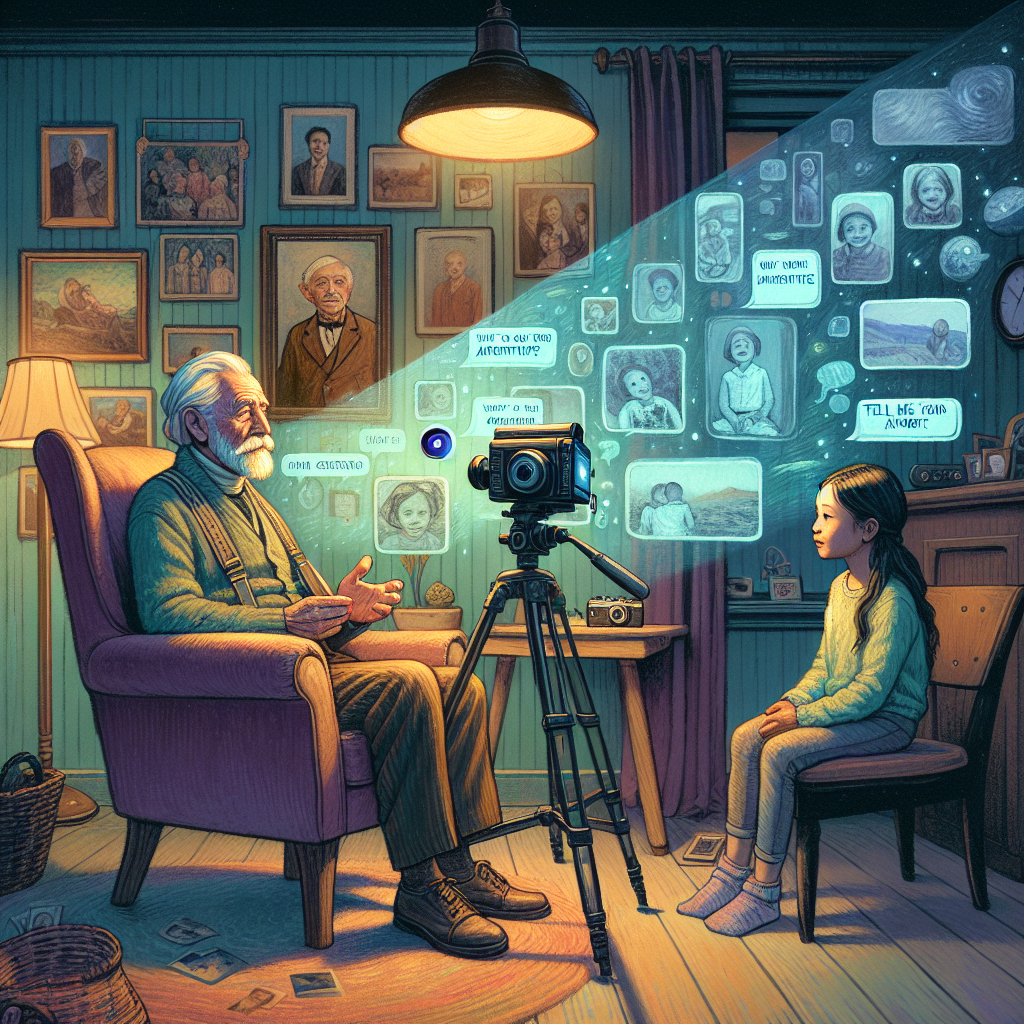
How Can I Identify My Key Stories?
How Can I Identify My Key Stories?
- Identifying key stories can feel intimidating but can reveal valuable insights about your life.
- Focus on Legacy Storytelling: frame your life through stories you wish to leave behind.
- Reflect on significant life events that have shaped your character and hold universal themes.
- Write down experiences that evoke strong emotions; messy moments often yield the best stories.
- Consider your audience and the lessons or values you want to impart through your narratives.
- Craft your stories with context and sensory details to create engaging narratives.
- Share and test your stories with others to identify which ones resonate most deeply.

How Can I Identify My Key Stories?
Why Is Storytelling Important For Legacy Building?
When it comes to legacy, few things carry as much weight as storytelling. It’s not just about recounting events; it’s about weaving a tapestry that connects the past with the future. Legacy storytelling serves as a powerful vehicle for passing down not only facts but also values, traditions, and lessons learned. In a world where information is dispersed in snippets and sound bites, the act of telling a story can anchor our experiences in a deeper, more meaningful context.
Consider this: Every family has its anecdotes—tales of triumph and tribulation that shape the identity of its members. These stories forge connections, teaching younger generations about resilience, integrity, and the importance of hard work. When someone shares a personal narrative, they’re not just relaying historical data; they’re transmitting the essence of who they are and the principles they hold dear.
Legacy storytelling isn’t confined to the family unit, either. In communities, storytelling can serve as a binding agent, uniting people with shared histories and collective experiences. When tribes or communities recount their heritage through stories, they create a sense of belonging. This bond is particularly powerful during difficult times, as these narratives remind us that we’re not alone in our struggles.
Let’s not overlook the role of storytelling in shaping our professional legacies as well. In careers where the grind is as familiar as the air we breathe, sharing stories can inspire, motivate, and educate those who come after us. A lesson learned from failure can provide invaluable insights for the next generation; a tale of success can spark ambition. In this way, the act of storytelling transforms mere experiences into a legacy that resonates far beyond our individual lives.
The impact of legacy storytelling is as profound as it is multifaceted. It’s an effective way to ensure that values and wisdom aren’t lost to time. Through stories, we shape our identity and instill a sense of purpose in those who will carry our legacy forward. Whether it’s around a family dinner table, in a community gathering, or within the walls of an organization, the power of shared narratives remains irreplaceable.
In the grand tapestry of life, our stories are the threads that bind generations, weaving a legacy that endures long after we’re gone. It’s this interconnectedness that makes storytelling not just important, but essential.

Why Is Storytelling Important For Legacy Building?
Why Is Storytelling Important For Legacy Building?
- Legacy storytelling connects the past with the future, passing down facts, values, traditions, and lessons learned.
- Family anecdotes shape identity and teach resilience, integrity, and hard work to younger generations.
- Storytelling serves as a binding agent in communities, fostering a sense of belonging through shared histories.
- During tough times, narratives remind individuals that they are not alone in their struggles.
- In professional settings, sharing stories can inspire, motivate, and educate the next generation.
- Legacy storytelling preserves values and wisdom, shaping identity and instilling purpose.
- Our stories create an enduring legacy, emphasizing the essential role of storytelling in life.

Why Is Storytelling Important For Legacy Building?
What Tools Can Help Me Document My Stories Effectively?
When it comes to Legacy Storytelling, the tools you choose can make all the difference in the world. Let’s face it, the art of storytelling isn’t just about what you say; it’s also about how you present it. You’ve got a lifetime of experiences and memories to share, and the right tools can help you capture those moments effectively, turning them into a narrative that resonates for generations to come.
First off, let’s talk about the good old-fashioned pen and paper. Yes, I said it! In a world inundated with digital devices, there’s still something soul-stirring about jotting down your thoughts in a notebook. It’s tactile; it’s personal. Each stroke of the pen connects you to your story in a way that typing never quite can. Plus, there’s no battery life to worry about. You can write anywhere—from a cozy nook in your home to the great outdoors, where the only interruption may be the rustle of leaves.
Now, if you prefer a more digital approach, there’s no shortage of software designed to help you craft your tales. Programs like Scrivener and Evernote allow you to organize your thoughts, outline your stories, and keep everything neatly tucked away. They both offer templates that can kick-start your creative process, guiding you through the journey of turning raw memories into polished narratives.
Consider recording your stories, too. Voice recorders, whether handheld or app-based on your smartphone, can be a fantastic way to capture your storytelling in its most authentic form. Sometimes the words flow more freely when you’re speaking them aloud rather than writing them down. This method can be especially helpful for those of us who find it easier to express ourselves verbally. Plus, you’ll create a treasure trove of audio memories that can be shared with loved ones.
For the tech-savvy storytellers, video tools can add another layer to your Legacy Storytelling. Platforms like Adobe Spark or even simple smartphone editing apps allow you to create captivating video montages. Combine visuals with your narratives, and you’ll give life to the stories through images that your audience can see, hear, and feel.
So, whether you choose ink or pixels, just remember: the tools are here to serve you. They’re not the story itself; they’re the medium through which your legacy will be heard, cherished, and remembered. Choose wisely, and let your stories resonate through time.

What Tools Can Help Me Document My Stories Effectively?
What Tools Can Help Me Document My Stories Effectively?
- The choice of tools plays a crucial role in Legacy Storytelling.
- Storytelling is about both the narrative and its presentation.
- Pen and paper offer a personal, tactile experience that digital devices cannot replicate.
- Digital software like Scrivener and Evernote helps organize thoughts and outline stories.
- Voice recorders provide an authentic way to capture storytelling through spoken word.
- Video tools like Adobe Spark enable storytellers to create engaging visual narratives.
- Regardless of the medium, the key is to choose tools that enhance and resonate with your legacy.

What Tools Can Help Me Document My Stories Effectively?
How Can I Engage My Family In Storytelling?
Storytelling is an age-old craft that binds us together, connecting generations through shared experiences and wisdom. When we dip our toes into the pool of Legacy Storytelling, we create ripples that can affect our families for years to come. It’s not just about recounting events; it’s about preserving a tapestry of our lives, weaving lessons, laughter, and love into the fabric of our family history.
So, how do you engage the family in storytelling? Well, for starters, set the stage. Find a cozy spot where everyone feels comfortable, whether it’s the living room couch or a fire pit in the backyard. The ambiance can work wonders; it softens conversations and opens hearts. Next, you’ll want to invoke a little nostalgia. Start the ball rolling by sharing a memorable tale from your own childhood. You know the one – the kind that makes you laugh so hard you nearly drop your coffee. As you share, you’ll notice others around you perking up, curious to throw their own stories into the mix.
Encouragement is key. Invite your family members to contribute their pieces, even if it’s just a small anecdote. Kids, for example, may surprise you with their vivid recounting of events. Ask them about their favorite holidays or the first time they rode a bike. It’s in these everyday gems that true Legacy Storytelling thrives.
Consider prompts as well—questions that spark curiosity and bring forth memories. “What was your first job?” or “Who was your best friend growing up?” Such questions are like fishing lines cast into the vast sea of family history, waiting to reel in a treasure trove of wisdom and laughter.
Additionally, don’t shy away from recording these moments. With smartphones in hand, we have the luxury of capturing stories in photos, videos, or even written journals. These keepsakes can be passed down, turning memories into heirlooms that future generations will cherish.
And remember, storytelling isn’t a one-time event; it’s a journey. Make it a regular ritual, perhaps a monthly family night where everyone shares. This builds a culture of connection and narrates the ongoing story of your family. After all, the tales we tell today may just be the legacy our families pass down tomorrow.

How Can I Engage My Family In Storytelling?
How Can I Engage My Family In Storytelling?
- Storytelling connects generations through shared experiences and wisdom.
- Legacy Storytelling creates lasting ripples that affect families for years.
- Set a cozy stage to foster comfortable storytelling environments.
- Start with personal childhood tales to inspire others to share their stories.
- Encourage family members, including kids, to contribute anecdotes and memories.
- Use prompts to spark curiosity and evoke hidden family memories.
- Regular storytelling gatherings strengthen family bonds and preserve legacies.

How Can I Engage My Family In Storytelling?
What Role Does Digital Media Play In Preserving Stories?
In an age where everything seems to be passing through our screens, we often overlook the crucial role digital media plays in preserving stories that shape our culture and identity. Think about it: every tale, every anecdote, every piece of wisdom from our grandparents deserves a fighting chance against the relentless march of time. That’s where digital media comes into play, serving as a modern-day archive for all those nuggets of truth and experience we hold dear.
Legacy storytelling isn’t just about keeping family traditions alive; it’s an intricate web of shared experiences that connect generations. Digital platforms allow us to capture these narratives in ways that were once unimaginable. Remember the days of gathering around the fire or at the dinner table, listening to a grandparent recount tales of their youth? Now, we have the ability to film those moments, preserving their voice and the emotion behind their words—stories that can be revisited again and again.
Imagine an old photo album, its pages worn and faded, the pictures barely recognizable. Digital media transforms those fleeting memories into vibrant, easily accessible content. With just a click, you can dive into a vault of family history, exploring photos, videos, and voice recordings that tell a tale far richer than any single snapshot could convey. This is where the concept of archiving intersects with legacy storytelling; it’s about contextualizing the past so future generations can grasp not just the “what,” but the “why” behind our family lore.
Furthermore, digital media extends this preservation to communities and cultures worldwide. Documentaries, podcasts, and online platforms allow voices from the margins to reach audiences they might never have encountered otherwise. A local fisherman’s story about the changing tides can inspire activists, researchers, and dreamers on the other side of the globe. Digital storytelling has the potential to transcend borders and create a collective narrative that celebrates the richness of our shared human experience.
So, the next time you find yourself scrolling through social media or binge-watching a series, take a moment to appreciate the profound impact of digital media on legacy storytelling. As we weave our stories into the digital fabric, we’re not just preserving the past; we’re lighting the way for future generations to understand who they are and where they come from. Just remember: behind every click and scroll lies a world of stories waiting to be told.

What Role Does Digital Media Play In Preserving Stories?
What Role Does Digital Media Play In Preserving Stories?
- Digital media plays a crucial role in preserving cultural stories and identities.
- Legacy storytelling connects generations through shared experiences.
- Modern digital platforms allow us to capture and preserve family narratives.
- Digital transformations make old memories accessible and vivid, beyond traditional albums.
- Archiving enhances our understanding of family lore by providing context.
- Digital media helps share diverse voices and stories from communities worldwide.
- Engaging with digital storytelling helps future generations understand their heritage.

What Role Does Digital Media Play In Preserving Stories?
How Can I Overcome The Fear Of Sharing My Stories?
There’s something primal about a good story. It’s more than a sequence of events; it’s the essence of who we are. Each tale we tell is a thread in the tapestry of our life, and when we share, we’re pulling people into our world. But let’s face it—sometimes, sharing those stories feels like standing on a stage with the spotlight blaring down, your heart pounding like a jackhammer.
First, let’s acknowledge the elephant in the room: fear. Fear of judgment, fear of vulnerability, and fear of irrelevance are all part of the package. But here’s the deal: everyone has a story worth telling. Your legacy is tied up in those narratives. They have the power to connect, inspire, and perhaps even heal. So, how do we move from trepidation to triumph?
Start by reframing your mindset. Picture storytelling not as self-exposure but as legacy storytelling—a chance to pass on your experiences to those who can benefit from them. When you view it that way, the daunting “me” transforms into a more inclusive “we.” Understand that your life’s chapters can resonate with others. Maybe your struggle mirrors someone else’s, or your triumph offers a glimmer of hope.
Next, practice makes perfect. Don’t underestimate the power of rehearsal. Start small—share a story with trusted friends or family. Gauge their responses. You’ll likely find them leaning in, eager to hear more, and that reaction can be intoxicating. Gradually, expand your audience. Perhaps venture into community groups or online platforms. The more you share, the less daunting it becomes. You’re not just spouting facts; you’re painting pictures with your words.
And let’s not forget authenticity. There’s a certain magic in being authentic—it breaks down barriers. People aren’t looking for perfection; they’re looking for genuine connection. Embrace the flaws and fumbles of your tales. Those imperfections are what make them relatable.
Finally, remember: every story has its unique place in the world. Your experiences are a treasure trove waiting to be unlocked. By overcoming your fear, you’re not just creating your legacy; you’re inviting others into it. So, don’t let fear hold you hostage. Step into the light, share your stories, and watch as they weave connections that transcend time and space. Your legacy is waiting—go on and tell it!

How Can I Overcome The Fear Of Sharing My Stories?
How Can I Overcome The Fear Of Sharing My Stories?
- Storytelling is a primal aspect of human experience, reflecting our identities and life narratives.
- Fear of judgment, vulnerability, and irrelevance can hinder sharing personal stories.
- Every individual has a story worth telling, essential for creating connections and inspiration.
- Reframe the perception of storytelling from self-exposure to legacy storytelling to ease anxiety.
- Practice sharing stories with trusted individuals to build confidence before expanding to larger audiences.
- Authenticity in storytelling fosters genuine connections and relatability; imperfections are valuable.
- Overcoming fear enables you to share your unique stories, creating lasting connections and a meaningful legacy.

How Can I Overcome The Fear Of Sharing My Stories?
Conclusion
Alright, folks, here we are at the conclusion of this journey through Legacy Storytelling—a concept that transforms our life experiences into a narrative that doesn’t just fade away but lingers for generations to come. In a world obsessed with fleeting moments and quick bites of information, we need to remember that our stories—those glorious, messy tales of triumph, failure, love, and resilience—are the threads that weave our legacy into the fabric of time.
Let’s break it down. First, authenticity is everything. Don’t go dusting off your highlights or polishing your performance for the sake of appearances. Dive into the grit and grime of your real-life experiences. It’s those moments of vulnerability and the lessons learned from hard knocks that resonate deeply with people. Share the drudgery and the breakthroughs alike; that’s where the magic lies!
Next, think audience. Who will be the lucky recipients of your wisdom? Whether it’s your family huddled around the dinner table or a wider online community, tailor your storytelling to stir empathy and connection. And don’t forget consistency! Think of storytelling as a marathon, not a sprint. Regularly share your snippets of life, whether through journaling, blogging, or podcasts. Each account layers onto your legacy like a quilt—making it more vibrant and meaningful with every piece added.
In this digital age, take advantage of technology. Record your sagas, capture moments in video, or create audio diaries. Gone are the days when stories were confined to the oral tradition alone; now, with a smartphone and a few tools, your tales can be archived and accessed long after you’re gone. Imagine a future generation clicking through a treasure trove of your experiences—what a gift!
Now, remember that leaving behind a lasting legacy isn’t just about you. It’s about shaping the future. Your stories can guide your grandchildren, inspire your community, and create lasting connections that bind us all. Share your triumphs and failures; the insights they contain are priceless assets for generations ahead.
So, here’s my challenge to you: dig deep, embrace vulnerability, and share those stories that echo your truth. Make storytelling a family affair. Capture it, document it, and cherish it. After all, your stories are more than mere accounts of your life—they are the greatest gift you’ll ever leave behind. Let’s make sure they resonate, inspire, and connect—because in the end, that’s what it means to leave a legacy worth remembering. Now, go out there and share your tales!

Conclusion
Conclusion:
- Legacy storytelling transforms life experiences into enduring narratives.
- Authenticity is crucial; embrace vulnerability in sharing real-life moments.
- Consider your audience and tailor your stories to foster empathy and connection.
- Maintain consistency in storytelling, treating it as a marathon with regular contributions.
- Utilize technology to record and archive your stories for future generations.
- Your stories not only reflect your life but also shape and inspire future generations.
- Make storytelling a shared family experience, cherishing and documenting your narratives.

Conclusion
Other Resources

Other Resources
Here is a list of other resources you can review online to learn more:
- Memorial Matters
- Storyfile
- DocuBank
- Storyfile Life
- Everplans
- My Wonderful Life
- Funeral Finder
- FuneralWise
- FutureMe
- Knotify.me
Use This Prompt To Get More Resources With Your Favorite Online AI Tool: Please provide me with a list of online articles with their URLs in a bulleted list that I can read regarding How Can You Transform Your Stories Into a Lasting Legacy?

Other Resources
Glossary Terms
How Can You Transform Your Stories Into a Lasting Legacy? – Glossary Of Terms
1. Legacy: The long-lasting impact or memory left behind through actions, stories, or contributions to others.
2. Narrative: A structured account of related events, often used to convey a message or lesson.
3. Storytelling: The art of conveying events, either factual or fictional, in a compelling and engaging manner.
4. Values: Core beliefs or principles that guide decisions and actions, often reflected in personal stories.
5. Memorialize: To preserve the memory of someone or something through storytelling, art, or rituals.
6. Heritage: The traditions, achievements, and characteristics handed down from previous generations.
7. Mentorship: The guidance provided by a mentor, often sharing personal stories and lessons to help others grow.
8. Impact: The measurable effect that stories or actions have on individuals or communities.
9. Authenticity: The quality of being genuine and true to oneself, crucial for creating relatable and powerful stories.
10. Reflection: The process of thinking deeply about personal experiences to extract meaning and lessons.
11. Community: A group of individuals connected by shared experiences, values, or beliefs, often a focus of storytelling.
12. Connection: The bond formed between storyteller and audience, essential for resonating messages.
13. Empathy: The ability to understand and share the feelings of others, enhancing the relatability of stories.
14. Purpose: The reason or intention behind sharing a story, often tied to personal values or goals.
15. Experience: Personal events or encounters that shape an individual’s narrative and inspire storytelling.
16. Cultural Narratives: Stories that reflect the values, beliefs, and experiences of a particular culture or community.
17. Documentation: The act of recording personal stories, thoughts, or experiences for future reference or legacy.
18. Preservation: The process of maintaining and protecting stories and histories for future generations.
19. Intergenerational: Relating to or involving multiple generations, often referring to the sharing of stories and values.
20. Inspiration: The process of being mentally stimulated to act or create, often sparked by poignant stories.
21. Collaborative Storytelling: A method where multiple people contribute to a narrative, often enhancing depth and perspective.
22. Symbolism: The use of symbols to convey deeper meanings within a story, adding layers to its interpretation.
23. Chronicle: A factual written account of important or historical events in the order they occurred.
24. Philosophy: A set of beliefs or values that influences the storytelling process and the lessons embedded within.
25. Legacy Projects: Initiatives aimed at capturing and sharing personal or family narratives for posterity.
26. Resilience: The ability to recover from difficulties, often showcased in personal stories of overcoming challenges.
27. Teachings: Lessons learned from personal experiences or stories that can be passed on to others.
28. Archiving: Collecting and preserving stories, documents, and artifacts for future generations to explore.
29. Story Arc: The structure that outlines the progression of a story, including its beginning, middle, and end.
30. Celebration: The act of recognizing and honoring important stories or legacies, creating a sense of community.

Glossary Of Terms
Other Questions
How Can You Transform Your Stories Into a Lasting Legacy? – Other Questions
If you wish to explore and discover more, consider looking for answers to these questions:
- What are some examples of Legacy Storytelling?
- How can I ensure that my stories resonate with a broader audience?
- What are the most effective mediums for sharing my legacy stories?
- Can storytelling be used as a therapeutic tool?
- How do I balance between personal storytelling and the privacy of others involved in my stories?
- What are some tips for improving my storytelling skills?
- How can I encourage my community to participate in Legacy Storytelling?
- What historical or cultural significance does Legacy Storytelling hold?
- How do modern storytelling techniques differ from traditional ones?
- What are the challenges of preserving stories in digital formats?
- How can I curate my stories for different audiences?
- Are there specific themes or topics that are particularly impactful in storytelling?
- What role does emotion play in effective storytelling?
- How can I use visual aids to enhance my storytelling?
- What are some common pitfalls to avoid in Legacy Storytelling?

Other Questions
Haiku
How Can You Transform Your Stories Into a Lasting Legacy? – A Haiku
Stories echo through time,
Woven with truth, love, and grace—
Legacies reside.

Haiku
Poem
How Can You Transform Your Stories Into a Lasting Legacy? – A Poem
In a world where moments fade away,
Stories, our legacy, are here to stay.
Not polished scripts or perfect lines,
But raw, real tales—our messy designs.
From lessons learned in struggles faced,
To joyful moments, our hearts embraced.
Each tale a thread in life’s grand weave,
Crafting the legacy we long to leave.
Audience gathered, hearts open wide,
In the tales of our past, let connection reside.
Not just victories, but failures and fear,
In shared vulnerabilities, true bonds appear.
Consistency is key, let your voice be heard,
Through journals, blogs, or spoken word.
Digital realms, our stories expand—
Echoing truths across distant lands.
Invite your clan to share in the night,
Gather ‘round tales, let the memory ignite.
With prompts of nostalgia, watch stories flow,
As wisdom and laughter together will grow.
Fear may whisper, “Your tale isn’t grand,”
But each soul has a treasure, a story at hand.
Reframe and rehearse, take a gentle leap,
In the telling of truths, our legacies seep.
So write, record, and capture the sound,
In every tale shared, a connection is found.
For our stories, dear friends, are bridges, not walls,
They echo through time, in their beauty, we marvel.
Embrace this rich tapestry, woven with care,
Let your voice echo; your legacy’s there.
In the fabric of history, your stories reside,
In sharing your journey, your spirit’s your guide.

Poem
Checklist
How Can You Transform Your Stories Into a Lasting Legacy? – A Checklist
1. Reflect on Your Authentic Experiences
_____ Identify personal stories that are genuine and meaningful.
_____ Embrace both triumphs and struggles as essential components of your narrative.
2. Understand Your Audience
_____ Determine who you are sharing your stories with (family, friends, wider community).
_____ Tailor your messaging to resonate with their experiences.
3. Maintain Consistency
_____ Commit to regularly documenting and sharing your tales (journals, blogs, podcasts).
_____ Create a plan for ongoing storytelling that evolves over time.
4. Utilize Technology
_____ Explore different mediums such as audio recordings, videos, or social media platforms.
_____ Consider creating a digital archive of your stories to preserve them for future generations.
5. Identify Key Stories
_____ Spend time reflecting on significant life events that have shaped your character.
_____ List at least five key stories that convey important lessons or values.
6. Engage Your Family in Storytelling
_____ Create a cozy and inviting space for family storytelling sessions.
_____ Encourage family members to share their anecdotes and experiences.
7. Incorporate Digital Media for Preservation
_____ Capture and document stories through photos, videos, and voice recordings.
_____ Share family stories via online platforms for broader accessibility.
8. Overcome Fear of Sharing
_____ Reframe storytelling as a means of legacy building rather than self-exposure.
_____ Begin by sharing stories in small, trusted circles and gradually expand your audience.
9. Practice Your Storytelling Skills
_____ Rehearse key stories with a friend or family member before sharing more widely.
_____ Focus on delivering your narrative authentically and with emotional resonance.
10. Encourage Regular Storytelling Sessions
_____ Establish a family tradition of storytelling nights or monthly gatherings.
_____ Use prompts to facilitate discussions and jog memories among participants.
11. Document Feedback and Reactions
_____ Take note of how others respond to your stories and what resonates with them.
_____ Use this feedback to refine your narratives and identify potential new stories to explore.
By following this checklist, you can effectively share your personal narratives, build a legacy through storytelling, and ensure that your experiences and values endure for future generations.

Checklist
At LegacyExplorations, we help people plan and explore their legacy by collecting information and news regarding end-of-life planning.
Please share this post with your friends, family, or business associates who may want help to plan or explore their legacy.