

Uncovering Your Family’s Untold Stories
By Tom Seest
At LegacyExplorations, we help people plan and explore their legacy by collecting information and news regarding end-of-life planning.
Please share this post with your friends, family, or business associates who may want help to plan or explore their legacy.
How Can You Turn Family History Into Engaging Stories?
Turning family history into engaging stories is not just about putting words on a page; it’s about breathing life into the past and drawing connections that resonate today. Legacy storytelling becomes an art form when you take the time to weave together the threads of your family’s narrative, creating a tapestry that honors their experiences while captivating your audience.
Start by digging deep. This isn’t a surface-level endeavor. You need to unearth the tales that might be buried in old photographs, letters, or dusty boxes of keepsakes. Ask your family members to share their recollections — each voice adds richness and perspective. You might be surprised at what you find. An ordinary event can be elevated to an extraordinary tale when told through the lens of emotion and memory.
Once you’ve gathered your material, think strategically about how to present it. An engaging story doesn’t just recite facts; it pulls the reader in and keeps them eager to know what happens next. Develop your narrative arc: introduce your characters (a.k.a. your ancestors), establish the setting, and outline the conflict or challenge they faced. What were their struggles and triumphs? This creates a hook that can draw in your audience, making them feel invested in your family’s journey.
But remember, storytelling isn’t just about the narratives themselves. It’s about how they are shared. Use vivid details to bring scenes to life. Describe the sounds, the smells, the emotions—these sensory elements help your listeners visualize the experience. For instance, instead of simply stating that your great-grandfather was a farmer, illustrate what a day in his life might have looked like. Picture the sun rising over the fields, the smell of freshly tilled soil, or the laughter shared during family meals after a long day’s work. This sensory storytelling transforms mere facts into relatable human experiences.
Lastly, find your voice. Authenticity is key in legacy storytelling. Speak from the heart and don’t shy away from your own reactions or insights about these family stories. Whether it evokes pride, sadness, or humor, your emotional responses will resonate with others and make the tale even more compelling. By mixing genuine emotions with gripping narratives, you’ll keep your audience engaged and connected to the legacy you are preserving. This is how family history becomes not just a collection of facts, but a living, breathing story that honors the past and inspires the future.

How Can You Turn Family History Into Engaging Stories?
How Can You Turn Family History Into Engaging Stories?
- Legacy storytelling involves creating engaging narratives that honor family history.
- Delve into various materials like photographs and letters to uncover hidden stories.
- Involve family members to share their recollections for added richness and perspective.
- Develop a narrative arc by introducing characters, setting, and conflicts faced by ancestors.
- Incorporate vivid sensory details to enhance the storytelling experience.
- Maintain authenticity by expressing your genuine emotions and reactions throughout the story.
- Transform family history into relatable experiences that inspire and connect with audiences.
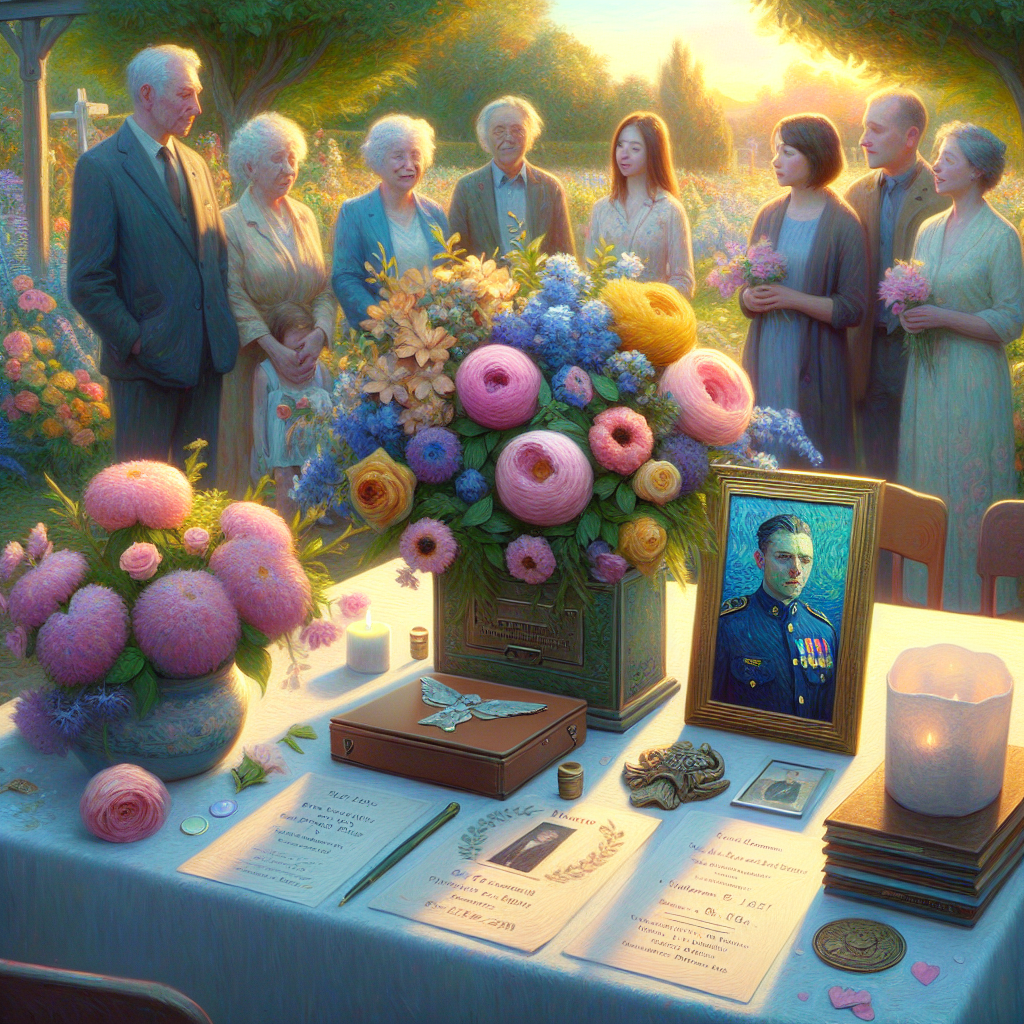
How Can You Turn Family History Into Engaging Stories?
Table Of Contents
- How Can You Turn Family History Into Engaging Stories?
- What Tools Can Help You Document Stories?
- How Can Photographs Enhance Family Narratives?
- What Is The Best Way To Organize Family History Research?
- How Do You Choose The Right Format For Storytelling?
- What Elements Make A Family Story Compelling?
- How Can You Incorporate Historical Context Into Stories?
- How Do You Engage Younger Generations In Family History?
- Conclusion
- Other Resources
- Glossary Of Terms
- Other Questions
- Haiku
- Poem
- Checklist
What Tools Can Help You Document Stories?
When it comes to documenting stories, especially those that shape our legacies, one size does not fit all. There are countless tools available, each with its own set of features and benefits, but the best tool is the one that resonates with your particular style and needs. Just like a carpenter chooses a hammer based on the type of job, you need to find the right instruments to construct your narrative.
First on the list are digital audio recorders. These little gadgets capture not just voices, but the emotions behind them—the unique inflections and pauses that bring stories to life. If you’re interviewing someone about their life experiences, a good quality audio recorder ensures that no word is lost, preserving those insights for future generations. Plus, the process of listening back can stir up memories and additional stories, creating a rich tapestry of your legacy storytelling.
Next up, video cameras. These days, even a smartphone can shoot high-quality video, making it easier than ever to film interviews or share experiences. When someone recounts a pivotal moment in their life, the expressions on their face, the sparkle in their eyes—all of it adds depth. Video captures not just the story, but the storyteller’s personality, which can transform a simple narrative into a captivating legacy that feels personal and engaging.
For those who prefer the written word, journals and notebooks are timeless tools. There’s something deeply personal about writing down stories by hand; it allows your thoughts to flow organically. Handwritten notes often convey emotion more vividly than typed text. Whether it’s a family recipe or a cherished childhood memory, writing it down solidifies that story in your mind and heart, creating an enduring document of your legacy.
Lastly, story mapping software can be a great asset for those who want to organize their ideas visually. With these tools, you can outline your stories, categorize themes, and even draw connections between different narratives. This structured approach can make the complex process of legacy storytelling feel more manageable and empowering.
So whether you’re recording a voice, filming a face, scribbling notes, or mapping out themes, the tools for legacy storytelling are diverse. It’s not just about documenting life; it’s about ensuring that the tales we tell—those that define us—will resonate for generations to come. Choose your tools wisely, and start building your narrative legacy today.

What Tools Can Help You Document Stories?
What Tools Can Help You Document Stories?
- Documenting stories requires choosing the right tools based on personal style and needs.
- Digital audio recorders capture voices and emotions, preserving insights for future generations.
- Video cameras, including smartphones, enhance stories by visually capturing the storyteller’s expressions and personality.
- Journals and notebooks provide a personal touch to writing stories, allowing organic thought flow and conveying emotion.
- Story mapping software helps organize ideas visually, making legacy storytelling more manageable.
- The tools for legacy storytelling are diverse, catering to different methods of documentation.
- Choosing the right tools is essential for building a narrative legacy that resonates through generations.

What Tools Can Help You Document Stories?
How Can Photographs Enhance Family Narratives?
There’s something about a photograph that can make the past feel a little more alive. You might not always remember what you had for dinner last Tuesday, but that snapshot of your great-aunt Agnes at her wedding brings a flood of memories—both yours and others’—to the forefront. In the realm of legacy storytelling, photographs serve as the perfect bridge between generations, weaving together threads of history, emotion, and identity.
Now, let’s think about what a family photograph really represents. At first glance, it’s just an image, possibly faded or scratched, but it transcends mere pixels or print. It’s a slice of life captured in a moment—one’s essence forever frozen in time. These images carry stories, offering glimpses into lives lived, choices made, and paths taken. They act as portals to long-ago days, bringing nostalgia to the forefront and often prompting fascinating yarns around the dinner table.
In the art of legacy storytelling, the power of photographs cannot be overstated. They prompt questions: Who are these people? What were their lives like? What joys and struggles did they face? Each image invites you to dig deeper, evoking the stories wrapped around those faces and places. As you engage with family members—grandparents, parents, aunts, and uncles—each photograph becomes a catalyst for dialogue, sparking reminiscences that can enrich your understanding of your lineage.
Moreover, when you organize family gatherings, having these visuals sprinkled throughout creates an atmosphere steeped in memory and connection. Imagine sharing a meal, surrounded by walls adorned with images that resonate with the shared spirit of your family. You’re not just preserving history; you’re actively participating in the ongoing narrative of who you are and where you came from.
Yet, let’s not forget the role of modern technology. Today, preserving and sharing these photographs is easier than ever, allowing families to curate digital albums or even create multimedia presentations. Not only does this make legacy storytelling accessible, but it also allows family narratives to evolve, incorporating new generations and their experiences while respecting and honoring what came before.
In essence, photographs breathe life into family stories. They act as anchors in a world that’s constantly shifting, reminding us of the threads that connect us to our past, enhancing the richness of our narratives, and ensuring that our legacy is alive, well, and ready to be passed on.

How Can Photographs Enhance Family Narratives?
How Can Photographs Enhance Family Narratives?
- Photographs evoke memories and emotions, bridging the gap between generations.
- They represent more than just images; they capture moments and stories from the past.
- Family photographs invite exploration of lineage, prompting questions about the lives of ancestors.
- They serve as catalysts for conversations and reminiscences with family members.
- Displaying photographs during family gatherings enhances connection and creates a shared atmosphere of memory.
- Modern technology enables easy preservation and sharing of family photographs, making legacy storytelling accessible.
- Photographs anchor family narratives, reminding us of our connections to the past and ensuring legacies are preserved.

How Can Photographs Enhance Family Narratives?
What Is The Best Way To Organize Family History Research?
When it comes to family history research, we often find ourselves drowning in a sea of documents, photographs, and memories. It can be overwhelming, but don’t let that deter you! To truly honor your ancestors and build a legacy storytelling project that will stand the test of time, it’s crucial to put a little structure into your chaotic treasure trove of information.
First and foremost, let’s talk about a good old-fashioned plan. Start by determining what you want to achieve with your family history research. Are you piecing together a story for future generations? Perhaps you want to trace your lineage back to a particular time and place. Whatever your goal, having clarity will guide your efforts and keep you focused amid the whirlwind of information.
Next, it’s all about organization. One of the best ways to get your ducks in a row is to use a digital tool. There are plenty of software options out there designed specifically for genealogy research. These tools can help you create family trees, store documents, and even source records you might not have considered. If you prefer the tactile experience, consider using binders or notebooks to compartmentalize your research. Label each section by family branch or generation, and include a table of contents—because nothing says “I’ve got my act together” quite like an organized binder.
Now, let’s not forget about Legacy Storytelling, the secret sauce to making this research resonate. Your family history isn’t just a list of names and dates; it’s the rich tapestry of experiences, values, and quirks that shaped who you are today. So, as you gather information, weave in narratives. Record anecdotes, capture the essence of personalities, and even integrate interview snippets from surviving family members. This brings your research to life and enriches the stories you’ll pass down.
Lastly, keep your findings easily accessible. Whether it’s a cloud-based platform or a physical archive at home, consistency will save you time in the long run. Create a filing system or database that allows you to quickly retrieve what you need. This way, when you feel the itch to dig deeper, you can dive in without wading through a disorganized mess.
By establishing a clear plan, leveraging technology or traditional methods for organization, and focusing on Legacy Storytelling, you can transform your family history research into a meaningful endeavor that not only honors your past but also paves the way for future generations. So roll up your sleeves, dive into that treasure trove, and uncover the stories waiting to be told!

What Is The Best Way To Organize Family History Research?
What Is The Best Way To Organize Family History Research?
- Family history research can be overwhelming due to the abundance of documents, photographs, and memories.
- Establish a clear plan by identifying your research goals, such as telling a story for future generations or tracing your lineage.
- Use digital tools or traditional methods to organize your research effectively, such as creating family trees or using binders with labeled sections.
- Incorporate Legacy Storytelling by weaving narratives, recording anecdotes, and integrating interviews to enrich your family history.
- Maintain accessible findings through a consistent filing system or database for easy retrieval of information.
- By combining planning, organization, and storytelling, you can create a meaningful family history project.
- Embrace the process and uncover the stories that await by engaging deeply with your family’s legacy.

What Is The Best Way To Organize Family History Research?
How Do You Choose The Right Format For Storytelling?
Choosing the right format for storytelling is akin to selecting the right tool for a job – you wouldn’t use a sledgehammer to do precision work, right? Every story has its unique flair, and how you tell it can make all the difference. In a world bustling with digital noise and constant distractions, the technique you employ can be the deciding factor in whether your message resonates or fades into the background.
Let’s start with the concept of legacy storytelling. This isn’t just about recounting tales from the past; it’s about weaving narratives that endure and speak to the universal human experience. When considering legacy storytelling, think about what will stand the test of time. A well-crafted story can capture the essence of traditions, values, and lessons learned, like a well-tended garden that continues to flourish long after it’s been planted.
Now, the format is crucial. Are you engaging via a podcast, where the sound of your voice adds layers to your story? Or perhaps a video, where visuals, music, and emotion work in tandem to create an immersive experience? Maybe you’re crafting a good old-fashioned book, allowing readers to dive deep and savor every word at their own pace. Each platform has its perks and pitfalls, and recognizing your story’s heart helps guide you toward the right choice.
Consider your audience. Are they on a commute, scrolling through social feeds, or curled up with a good book? Meet them where they are. If your narrative needs visuals, maybe a documentary format is your best bet. If you’re addressing complex ideas that require reflection, a lengthy article or essay might be best.
Then there’s the emotional tone. Different storytelling formats can evoke a range of feelings. A lively sketch or comedic short can uplift, while a solemn monologue or reflective essay can provoke thought and introspection. Decide the emotion you aim to capture and choose accordingly.
In the final analysis, there’s no single “right” answer – only what feels authentic to your story. The goal is to connect, and that necessitates experimentation and an open mind. Play with formats until one fits like a glove, and remember, every great story starts with a leap of faith into the unknown. Choose wisely, and let the journey unfold.

How Do You Choose The Right Format For Storytelling?
How Do You Choose The Right Format For Storytelling?
- Choosing the right storytelling format is key to effectively conveying messages.
- Legacy storytelling focuses on enduring narratives that reflect universal human experiences.
- Different formats (podcasts, videos, books) offer unique benefits and drawbacks.
- Understanding your audience’s context helps determine the best storytelling approach.
- The emotional tone of your story can be shaped by the chosen format.
- There’s no single correct format; authenticity and experimentation are essential.
- Great stories often begin with a willingness to explore and take risks.

How Do You Choose The Right Format For Storytelling?
What Elements Make A Family Story Compelling?
Gather around, folks; let’s talk about the art of family storytelling. Now, you might think the tales we pass down are just sweet little anecdotes, but there’s a lot more weight behind those words than meets the eye. Family stories are like a well-aged bottle of wine; they hold legacy, learning, and lessons that can shape generations. So, what makes a family story compelling enough to stand the test of time?
First off, let’s discuss the essence of *Legacy Storytelling.* This isn’t just about recounting facts and dates; it’s about weaving an intricate tapestry of experiences that connect us to our roots. You see, a powerful family story encapsulates shared struggles, triumphs, and the everyday quirks that make a family unique. When you can visualize your ancestors trudging through a snowstorm or laughing at an inside joke, it transforms mere history into something visceral and relatable.
Next, consider the characters involved. Compelling family stories are often brimming with colorful personalities. It’s not just about the hero or the matriarch; an ensemble cast of eccentric relatives provides richness and diversity. You know the type—the loud uncle who tells outrageous stories, the wise grandmother who offers sage advice, or the mischievous cousin who pulled pranks at every holiday gathering. These characters add depth and make listeners yearn for more.
Emotion is another critical component. A gripping family story doesn’t shy away from the messy, emotional bits of life. It captures the tears and laughter, the heartache and joy, showcasing the human spirit in all its complexity. It’s this emotional honesty that resonates, bridging generational gaps and reminding us that, while our stories may differ, our feelings are universal.
And let’s not overlook the element of resilience. Family stories often highlight the trials faced by those before us—hard times, tough decisions, and the grit it took to overcome adversity. When we share these hardships, it not only offers a sense of pride but also serves as a reminder that we, too, can weather whatever storms come our way.
In essence, a compelling family story isn’t just a recounting of past events; it’s a living, breathing narrative filled with legacy, characters, emotions, and resilience. So the next time you gather with family, take a moment to listen—and perhaps even share—because these stories are what truly bind us together.

What Elements Make A Family Story Compelling?
What Elements Make A Family Story Compelling?
- Family storytelling encompasses legacy, learning, and important life lessons.
- Legacy storytelling weaves experiences that connect us to our roots through shared struggles and triumphs.
- Colorful characters, such as eccentric relatives, enrich family stories and engage listeners.
- Compelling stories highlight the emotional complexity of life, capturing both heartache and joy.
- Resilience is a key theme, showcasing how past trials and hardships can instill pride and lessons for overcoming adversity.
- These narratives transform mere history into visceral and relatable experiences.
- Family stories serve as bonds that unite generations and foster connection within families.

What Elements Make A Family Story Compelling?
How Can You Incorporate Historical Context Into Stories?
When it comes to storytelling, history isn’t just a backdrop—it’s the very soil from which the roots of great narratives grow. To weave genuine historical context into your stories, you need to dig deep and uncover the layers of experience that shape your characters and plots. Enter legacy storytelling, where the echoes of the past breathe life into the present.
Imagine you’re writing about a small town that thrives on a river’s edge. Instead of simply describing this idyllic setting, consider how the river has influenced the lives of generations. What stories does it carry? Perhaps it’s seen joyfully fishing families on sunny afternoons, but also witnessed the struggles of those downstream during harsh floods. By blending these historical nuances into your descriptions, you give your readers a sense of place steeped in legacy.
Next, think about the people who inhabit your story. Every character is a product of their time—shaped by the events, morals, and lessons that came before them. A young woman in your narrative may be chasing dreams in a world that systematically limits her opportunities, echoing the silent screams of her foremothers. By incorporating historical context into their decisions and desires, you create multidimensional characters that resonate with authenticity.
Now, let’s not forget about the power of dialogue. Characters can reflect the vernacular of their times, using phrases, slang, or references that offer insight into their societal norms and struggles. Through their conversations, readers get a glimpse into the historical tensions that shape their interactions, how they view their legacy, and whether they are destined to repeat the mistakes of the past.
And then there’s the plot—how events unfold must also be rooted in history. A disastrous train crash or a groundbreaking moment in civil rights can serve as pivotal points that catalyze change. By threading these events into your narrative, you anchor your story in a reality that respects and acknowledges the weight of historical moments.
Incorporating historical context into your stories is not just about adding flavor; it’s about crafting a meal that nourishes the mind and soul. By remembering the past and embracing legacy storytelling, you can create tales that not only entertain but also educate, inspire, and honor the generations that have shaped our lives today. So roll up your sleeves, dive into the dirt of history, and let those stories flourish!

How Can You Incorporate Historical Context Into Stories?
How Can You Incorporate Historical Context Into Stories?
- History serves as a foundational element in storytelling, enriching narratives with depth and context.
- Legacy storytelling breathes life into characters and plots by exploring historical layers and experiences.
- The setting, such as a river in a small town, should reflect historical influences on the community’s past and present.
- Characters are shaped by their historical context, enriching their motives and struggles with authenticity.
- Dialogue can reveal the societal norms of the time, offering insights into historical tensions and legacies.
- Plot events should be rooted in historical occurrences, creating significant moments that drive change.
- Incorporating history in storytelling not only entertains but also educates and honors previous generations.

How Can You Incorporate Historical Context Into Stories?
How Do You Engage Younger Generations In Family History?
Engaging younger generations in family history isn’t a task reserved for dusty old tomes or endless genealogical charts. It’s a dynamic, messy, and often hilarious journey that can breathe life into those stories our ancestors carry. And at the heart of this journey? Legacy Storytelling.
Think about it: young people thrive on connection, creativity, and authenticity. When you present family history as a well-crafted narrative rather than a static list of names, dates, and places, you open the door to curiosity. So how do you kickstart the interest? Dive into the quirks and calamities that make your family’s story uniquely… well, yours.
Start with a digital age twist—leverage technology. Create short video snippets or podcasts where you recount memorable family tales. Consider recording the stories of older relatives; those anecdotes, laden with personality, are gold. You might find kids aren’t just interested in their great-great-grandfather’s military service, but rather, the calamity that followed when he suddenly decided to ride an ostrich during a town fair. It’s the human side of history that resonates most, and that’s where you strike gold.
Next, get them involved. Organizing family gatherings where everyone shares their favorite stories can enhance the communal vibe. Hand out “Family History Bingo” cards with different ancestor traits, then let them go on a scavenger hunt for these unique attributes. This makes learning about family history an interactive experience, not a chore.
Don’t underestimate the power of hands-on experiences. Set up a family tree project where they can choose a branch of the family to research. Mysteries abound in genealogy! What if great-aunt Edna was a secret bootlegger? Or great-grandpa was a silent film star? Those mysteries spark intrigue and ignite passion.
Lastly, embrace the power of the visual. With the plethora of online platforms available, posting family photos with engaging captions can create a dialogue on social media. You’ll be surprised how quickly younger generations will jump in to contribute their own memories and thoughts, deepening their connection to the past.
Remember, folks, family history isn’t just genealogy; it’s about creating a tapestry of lives lived. So dig deep, embrace the stories, and encourage younger generations to do the same. Because when they see their history as part of a larger narrative wreathed in tales of love, laughter, and resilience, they’ll be more likely to carry that legacy forward for generations to come.

How Do You Engage Younger Generations In Family History?
How Do You Engage Younger Generations In Family History?
- Engaging younger generations in family history is a dynamic and creative journey.
- Legacy Storytelling presents family history as a narrative rather than a static list.
- Leverage technology by creating short video snippets or podcasts of memorable family tales.
- Involve young people by organizing family gatherings for storytelling and interactive games.
- Encourage hands-on experiences with research projects into family branches, uncovering intriguing mysteries.
- Utilize social media to share family photos and captions, inviting dialogue and contributions from younger generations.
- Family history should be viewed as a tapestry of lives, rich with stories of love, laughter, and resilience.

How Do You Engage Younger Generations In Family History?
Conclusion
As we wrap up this exploration into turning family history into engaging stories, it becomes clear that the past is not a dusty relic but a vibrant, living tapestry woven from the threads of our ancestors’ experiences. Legacy storytelling is about so much more than just recounting names and dates; it’s about breathing life into those who came before us, casting their struggles and victories in a light that is relevant in our own lives.
So, how do we transform our familial past into compelling narratives? First, dig deep. Unearth those hidden gems in old photographs, letters, and shared anecdotes from family members. What you might initially see as mundane could reveal profound connections and emotions. A simple dinner gathering could turn into an epic tale of perseverance and love when viewed through the lens of memory. It’s this emotional resonance that grabs an audience and pulls them into your narrative.
Once you’ve gathered your materials, think about how you present them. Compelling stories rely on a strong narrative arc. Introduce your ancestors as characters—give them voices and personalities. What were their struggles, joys, and unique quirks? Vivid storytelling, infused with sensory details, will pull listeners into the moments you describe. Picture that great-grandfather farming at dawn, smelling the fresh earth and hearing the distant laughter of family. This vivid portrayal transforms mere facts into relatable experiences, helping everyone connect emotionally.
Don’t overlook the tools and formats that can help you document and share your stories. Whether using digital audio recorders to capture interviews, video cameras to bring those tales to life, or journals to write down memories by hand, each method serves to preserve the stories for future generations. Tailor your approach to match your style and needs—this is about you and your family’s unique narrative.
Moreover, photographs serve as powerful catalysts. They are not just images; they are portals to past connections, inviting questions that inspire deeper dialogue during family gatherings. And let’s not forget about organizing this treasure trove of information. A structured approach ensures your findings remain accessible and ready for storytelling.
Ultimately, it’s about engaging younger generations, bridging the gap between the past and present. Using modern technology and interactive methods to share these stories fosters a sense of ownership over family history, enriching the narrative. So dive in headfirst, roll up your sleeves, and begin crafting these rich, engaging stories. Because when we share the essence of who we are—from triumphs to tribulations—we ensure that the tapestry of our legacy remains alive, vibrant, and relevant for all who come after us.

Conclusion
Conclusion:
- Family history is a vibrant tapestry of our ancestors’ experiences, not just names and dates.
- Transform your familial past into compelling narratives by digging deep and uncovering hidden gems in photographs, letters, and anecdotes.
- Craft a strong narrative arc by presenting ancestors as characters with voices, personalities, struggles, and joys.
- Use vivid storytelling and sensory details to make historical experiences relatable and emotionally engaging.
- Utilize various tools and formats, such as audio recorders, video cameras, and journals, to document and share stories.
- Photographs serve as powerful prompts for deeper conversations about family history during gatherings.
- Engage younger generations with modern technology to enrich the narrative and keep the family legacy alive and relevant.

Conclusion
Other Resources

Other Resources
Here is a list of other resources you can review online to learn more:
- Funeral Finder
- Trust And Will
- USLegalWills.com
- Obituary Templates
- LastPass
- 23AndMe
- Bcelebrated
- EverNote
- Ever Loved
- FutureMe
Use This Prompt To Get More Resources With Your Favorite Online AI Tool: Please provide me with a list of online articles with their URLs in a bulleted list that I can read regarding How Can You Turn Family History Into Engaging Stories?

Other Resources
Glossary Terms
How Can You Turn Family History Into Engaging Stories? – Glossary Of Terms
1. Ancestry: The lineage or descent of a person or family; a study of one’s family tree and heritage.
2. Narrative: A spoken or written account of connected events; a story that conveys personal or historical experiences.
3. Chronology: The arrangement of events in the order they occurred; essential for crafting a coherent timeline in storytelling.
4. Oral History: The practice of collecting and preserving spoken accounts from individuals about their personal experiences and memories.
5. Genealogy: The study of family ancestry and lineage, often involving the documentation of family trees and historical connections.
6. Memoir: A historical account or biography written from personal knowledge, detailing significant moments or themes in one’s life.
7. Cultural Context: The social, historical, and cultural background that influences the meaning and significance of family stories.
8. Characterization: The creation of vivid characters in storytelling, which may include family members whose traits and experiences are emphasized.
9. Theme: The central idea or underlying message of a story; in family history, often revolves around identity, legacy, or resilience.
10. Setting: The environment or context in which a story takes place, significant for grounding family stories in time and place.
11. Conflict: A struggle or clash that propels the narrative forward; can be internal (emotional) or external (societal challenges faced by ancestors).
12. Legacy: The impact or contributions of one’s ancestors; what they left behind in terms of values, traditions, and family stories.
13. Primary Sources: Original documents or artifacts, such as letters, diaries, or photographs, which provide firsthand accounts of family history.
14. Secondary Sources: Analyses or interpretations of primary sources; often used to enrich the understanding of family history.
15. Imagery: Descriptive language that appeals to the senses, used in storytelling to create vivid mental pictures of family events and experiences.
16. Voice: The distinct style or tone of storytelling, reflecting the personality of the narrator and the characters within the family history.
17. Perspective: The viewpoint from which the story is told; can shift between different family members to provide diverse narratives.
18. Emotion: The feelings conveyed through storytelling; eliciting emotions can engage readers and help them connect personally with family stories.
19. Symbolism: The use of symbols to represent larger concepts; family heirlooms or traditions can symbolize deeper meanings within stories.
20. Resilience: The ability to recover from hardships; often a key theme in family histories that shape the narrative of struggle and triumph.
21. Dialogue: The conversational exchanges between characters; incorporating family sayings or anecdotes can enhance authenticity in storytelling.
22. Plot: The sequence of events that make up a story; organizing family stories into a structured plot helps maintain engagement.
23. Research: The process of gathering information about family history, including historical records, interviews, and literature.
24. Contextualization: Placing family stories in a broader historical or cultural framework to give them additional meaning and significance.
25. Intergenerational: Relating to or involving multiple generations; a theme often explored in family stories that highlight traditions and values passed down.
26. Tradition: Customs or beliefs passed down from generation to generation; integral in shaping family narratives.
27. Story Arc: The progression of a story through initiation, conflict, climax, and resolution, which can structure family histories effectively.
28. Engagement: The act of capturing and maintaining the interest of the audience; crucial for making family stories resonate with readers.
29. Ethnography: The study of cultures and communities through observation, often used in understanding the cultural backgrounds of family stories.
30. Cross-Generational: Involving or connecting different generations within the family; often highlights the continuity and change in family history.

Glossary Of Terms
Other Questions
How Can You Turn Family History Into Engaging Stories? – Other Questions
If you wish to explore and discover more, consider looking for answers to these questions:
- What are some effective methods to gather family stories from relatives?
- How can I preserve family history in a way that will last for generations?
- What common pitfalls should I avoid while documenting family stories?
- How can I incorporate oral histories into my family storytelling project?
- What role do emotions play in effective storytelling?
- How can I make family history more appealing to a non-interested audience?
- What types of multimedia can enhance family narratives?
- How can family recipes be woven into family storytelling?
- What are some creative ways to present family stories to younger generations?
- Are there any specific storytelling techniques that resonate well with children?
- How do I ensure the accuracy of the family stories I collect?
- What resources or platforms can assist with family history research?
- How can I create a visual family tree that supports my storytelling?
- What is the importance of emotional authenticity in family stories?
- How can I encourage family members to share their stories more freely?

Other Questions
Haiku
How Can You Turn Family History Into Engaging Stories? – A Haiku
Uncover the past,
Threads of history entwined,
Stories breathe; they live.

Haiku
Poem
How Can You Turn Family History Into Engaging Stories? – A Poem
In whispers of yesteryear, the stories lie,
A tapestry woven of truth and sigh,
Where voices echo through time’s gentle streams,
Life intertwines, forming our dreams.
Dig deep through the dust, let the past unfold,
In letters and photos, in memories told.
Gather the voices, each unique thread,
Embrace their emotions, let them be spread.
With ancestors painted in vivid display,
Their struggles and triumphs, we bring to the fray,
Each character vivid, with quirks and with grace,
In laughter and heartache, we find our place.
In sensory details, the past comes alive,
Imagine the fields, feel the warmth, and thrive,
From the smell of the soil to the stories they share,
These fragments of life float sweet in the air.
Choose your format, like a craftsman select,
A canvas that captures, an art to perfect.
Through video, journal, or song’s tender call,
Craft narratives timeless, to resonate with all.
Photographs whisper, with power untold,
Each snapshot a portal, each memory bold.
They summon connections, spark laughter and tears,
Through moments immortal, our history nears.
Embrace the structure, let chaos align,
With digital tools and hearts that combine.
Map out your stories, organize with care,
For legacy blooms in the roots that we share.
Engaging the young, with laughter and play,
Transforming the mundane in a colorful way.
Podcasts and games, the stories ignite,
The flame of tradition burns vibrant and bright.
So, let us remember, as days gently flow,
Family tales are seeds, in rich soil we sow.
With love and with laughter, through trials we blend,
In each woven story, our heritage mend.

Poem
Checklist
How Can You Turn Family History Into Engaging Stories? – A Checklist
1. Start with Deep Research
_____ Gather old photographs, letters, and keepsakes.
_____ Conduct interviews with family members for their recollections.
_____ Record anecdotes and personal stories.
2. Develop Your Narrative Arc
_____ Introduce your characters (ancestors).
_____ Establish the setting to ground the story.
_____ Outline the conflict or challenges faced by family members.
3. Enhance with Sensory Details
_____ Describe sounds, smells, and emotions surrounding key events.
_____ Use vivid imagery to illustrate life experiences.
4. Find Your Authentic Voice
_____ Share your own emotional responses to the stories.
_____ Ensure your storytelling feels genuine and heartfelt.
5. Choose Appropriate Tools for Documentation
_____ Utilize digital audio recorders to capture interviews.
_____ Employ video cameras or smartphones for visual storytelling.
_____ Keep journals or notebooks for handwritten stories.
_____ Explore story mapping software to organize themes.
6. Incorporate Historical Context
_____ Blend historical events into your narrative for depth.
_____ Develop multidimensional characters influenced by their time.
_____ Use dialogue that reflects historical vernacular.
7. Organize Your Research Effectively
_____ Create a family history aim or goal.
_____ Use digital genealogy tools or physical binders for organization.
_____ Maintain a filing system for easy access to your findings.
8. Engage Younger Generations
_____ Use technology (videos, podcasts) to present family tales.
_____ Involve younger family members in storytelling events.
_____ Create interactive family projects (e. g. , family tree).
_____ Share family photos on social media with engaging stories.
9. Cultivate Compelling Elements
_____ Focus on shared struggles, triumphs, and family quirks.
_____ Highlight colorful characters within your family stories.
_____ Capture emotional experiences that resonate with your audience.
_____ Showcase resilience and the lessons learned through adversity.
10. Make Storytelling a Shared Experience
_____ Organize family gatherings to share stories and foster connections.
_____ Create activities that allow for exploration and discovery of family history.
By following this checklist, you can engage your family in a meaningful exploration of your shared history and craft stories that not only honor your ancestors but also resonate with future generations. Happy storytelling!

Checklist
At LegacyExplorations, we help people plan and explore their legacy by collecting information and news regarding end-of-life planning.
Please share this post with your friends, family, or business associates who may want help to plan or explore their legacy.