

Preserving Family Roots Through Legacy Storytelling
By Tom Seest
At LegacyExplorations, we help people plan and explore their legacy by collecting information and news regarding end-of-life planning.
Please share this post with your friends, family, or business associates who may want help to plan or explore their legacy.
How Can You Use Legacy Storytelling to Foster Generational Bonds?
When it comes to fostering connections across generations, there’s a time-honored tool at our disposal that often gets overlooked: Legacy Storytelling. This practice isn’t just a fanciful pastime; it’s a bridge forged through shared experiences, wisdom, and the rich tapestry of our family histories. Imagine sitting around a fire, the flames flickering while stories are exchanged, each one a thread that weaves us closer together. That’s the magic of it.
Legacy storytelling serves as a foundation for understanding who we are and where we come from. It’s not merely about recounting past events but rather about instilling values and lessons that have weathered the storms of time. For grandparents, parents, and even eager children, sharing tales of triumph, struggle, and everyday life creates a sense of continuity that connects us all. These are the anecdotes that highlight the resilience of our ancestors, the quirkiness of family traditions, and the humor-filled misadventures that define us.
Consider taking the time to ask your elders about their lives. You might be surprised at the treasure trove of stories they hold. Questions like “What was your first job?” or “What challenges did you face growing up?” can open the door to meaningful conversations. Not only do these stories enrich your understanding of family dynamics, but they also serve to humanize those who came before us. Suddenly, grandma is not just “grandma”; she’s a vibrant individual with hopes, dreams, and a past filled with moments that resonate even in today’s world.
As you dive into this storytelling, don’t underestimate the power of your own narratives. Children and young adults have stories to tell too. When you share your experiences, whether it’s about navigating life transitions or acquiring a skill, you empower the next generation to learn from your adventures. This two-way street makes legacy storytelling a communal exercise, fostering respect and curiosity.
So grab a cup of coffee, gather the family, and kick off a conversation. Encourage everyone to contribute their stories, creating a living archive of legacy that will be passed on for years to come. This is about more than mere nostalgia—it’s an opportunity to cultivate bonds that last, proving that while time may march on, our stories do endure, binding us across generations.

How Can You Use Legacy Storytelling to Foster Generational Bonds?
How Can You Use Legacy Storytelling to Foster Generational Bonds?
- Legacy storytelling is a valuable tool for fostering connections across generations.
- This practice shares experiences and wisdom, creating a rich tapestry of family histories.
- It provides a foundation for understanding personal identities and family backgrounds.
- Engaging elders in storytelling helps humanize them and reveals their vibrant pasts.
- Children and young adults also have valuable stories that contribute to legacy storytelling.
- This two-way exchange promotes respect and curiosity among generations.
- Creating a living archive of stories cultivates lasting bonds and connections over time.

How Can You Use Legacy Storytelling to Foster Generational Bonds?
Table Of Contents
- How Can You Use Legacy Storytelling to Foster Generational Bonds?
- How Does Legacy Storytelling Strengthen Family Connections?
- What Are The Key Elements Of An Engaging Legacy Story?
- How Can You Encourage Elders To Share Their Stories?
- What Role Do Photographs Play In Legacy Storytelling?
- How Can You Incorporate Technology Into Legacy Storytelling?
- What Are Some Creative Ways To Document Family Histories?
- How Does Storytelling Help Preserve Cultural Identities?
- Conclusion
- Other Resources
- Glossary Of Terms
- Other Questions
- Haiku
- Poem
- Checklist
How Does Legacy Storytelling Strengthen Family Connections?
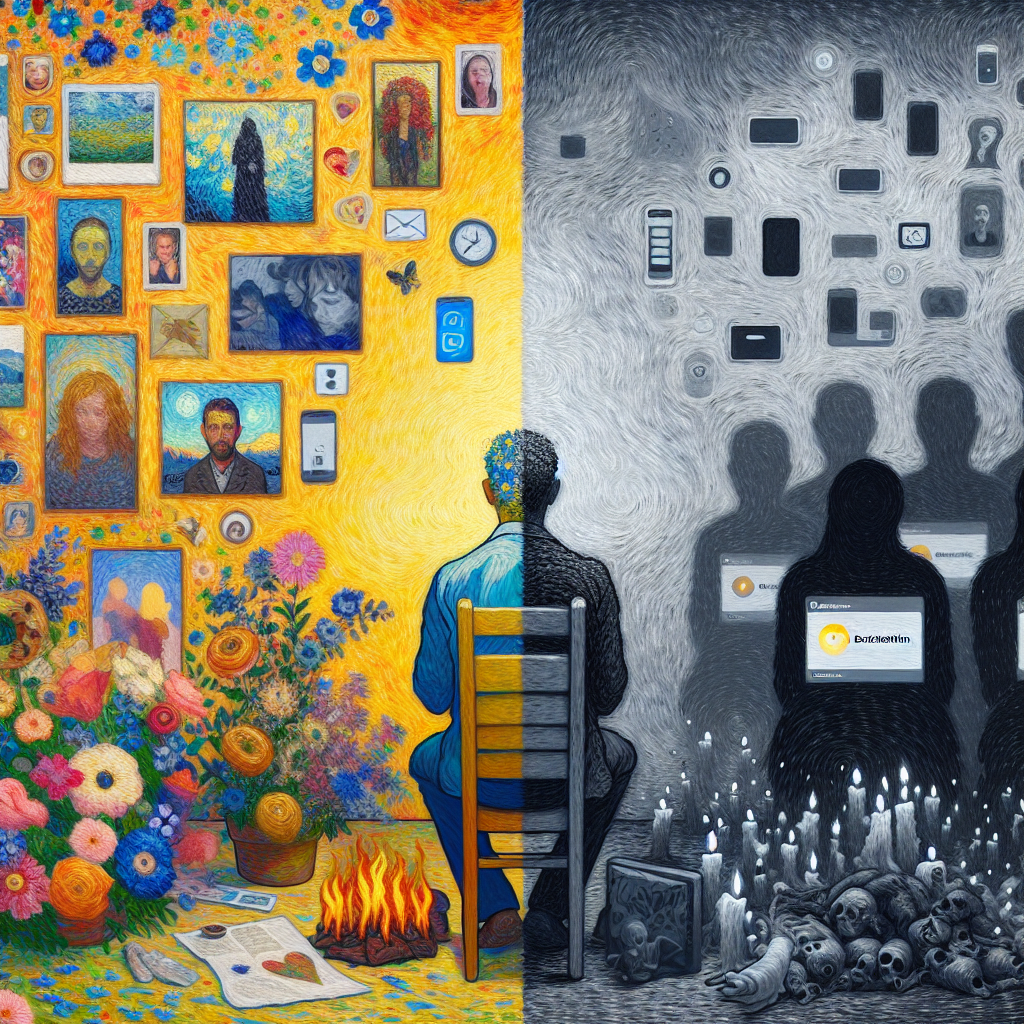
In a world overflowing with screens and quick snippets of information, it’s easy to overlook the power of a good story. Enter Legacy Storytelling, a phenomenon that has been around for centuries. This is not just about sharing tales – it’s about weaving the intricate threads of family history and values into the fabric of our lives. Picture this: Grandma sitting in a cozy armchair, animatedly recounting her youthful escapades while the kids lean in, rapt with attention. There’s magic in this moment, a connection that goes far beyond mere words.
Why does it matter? Because our stories are often the glue that binds us. When family members share their experiences, they build a shared identity that can be a powerful force. Think of those family gatherings where everyone recounts their version of the same cherished memory; laughter fills the air, and generations become intertwined. The details may change, but the essence remains, strengthening bonds and creating a tapestry of shared heritage.
Legacy Storytelling isn’t just about nostalgia; it’s about imparting wisdom to the younger generations. Every tale carries with it lessons learned, obstacles overcome, and triumphs celebrated. When children hear about their ancestors’ struggles and successes, they grasp a broader perspective on life. It’s one thing to read about courage in a history book, but it’s entirely different when it’s wrapped in the personal stories of one’s own family. These narratives provide context, instilling values and morals that resonate far more deeply than a lecture ever could.
Moreover, Legacy Storytelling creates a sense of belonging. As we tell our stories, we reinforce the idea that we are part of something bigger than ourselves. We may not have the luxury of daily interactions with distant relatives, but through storytelling, we keep their memories alive. It fosters a collective voice that echoes through generations, a legacy to be carried forth.
In a time when the plates are spinning faster than ever, and families drift in different directions, taking a moment to share these legacies becomes essential. Each story passed down is a thread in a tapestry of connection, stitched with love and understanding. So, gather your family, create that circle, and let the stories flow. You might just find that in the past lives the strength to forge the present and future.

How Does Legacy Storytelling Strengthen Family Connections?
How Does Legacy Storytelling Strengthen Family Connections?
- Legacy Storytelling is an age-old practice that weaves family history and values into our lives.
- It fosters connection and shared identity, strengthening bonds during family gatherings.
- Stories provide a tapestry of shared heritage that intertwines generations through cherished memories.
- Each tale imparts wisdom, highlighting lessons learned and triumphs celebrated across generations.
- Personal narratives resonate more deeply than historical facts, offering context and instilling values.
- Through storytelling, a sense of belonging is created, connecting individuals to something larger than themselves.
- In a fast-paced world, sharing these legacies is essential for maintaining familial connections and understanding.
How Does Legacy Storytelling Strengthen Family Connections?
What Are The Key Elements Of An Engaging Legacy Story?
When it comes to Legacy Storytelling, there are a few key elements that can transform a simple tale into something that resonates deeply, something that sticks with you long after the last word has been spoken. We all have our stories, our experiences, and our memories—it’s how we weave them together that truly matters.
Authenticity is Key
First, let’s get one thing straight: authenticity is the bedrock of any engaging legacy story. When telling your story, it’s imperative to be genuine and true to yourself. People can sense insincerity from a mile away. If you recount a time when you stumbled, broke down, or simply were not at your best, embrace it! There’s a certain power in vulnerability. Weaknesses and failures often bring depth to our narrative and allow others to connect on a human level.
The Hook that Captivates
Next, you need a hook. You know that feeling when you hear a story and you’re glued to the speaker? That’s the hook doing its job. It’s the captivating line or moment that raises the eyebrows and piques curiosity. Perhaps it’s a moment of triumph, a funny incident, or a heart-wrenching decision. Find that pivotal piece—the moment that grabs your audience by the collar.
Relatable Characters and Conflicts
A good legacy story features relatable characters and conflicts. Share the challenges you faced, the memorable cast of characters involved—be it family, friends, or even historical figures. This creates a framework for your listeners, who can find bits of themselves in your narrative. Conflict drives a story forward, and resolution leads to growth. So, outline what you learned and how you changed.
Emotion and Empathy
Emotion is like the secret sauce in legacy storytelling; it has the power to transform an ordinary experience into something monumental. Whether it’s joy, sorrow, or a little bit of both, tap into those feelings! Your audience wants to connect—give them that emotional experience. Empathy is built on shared feelings, and when you evoke it, you invite others to reflect on their own journeys and experiences.
Conclusion: Leaving a Mark
Finally, think about the takeaway. What do you want your audience to remember after they’ve walked away? An engaging legacy story doesn’t just entertain; it leaves a mark, a lesson, or a challenge. So, as you craft your tale, keep these elements in mind, and watch your legacy unfold in ways you never thought possible. After all, every story is an opportunity; make yours a gripping one.

What Are The Key Elements Of An Engaging Legacy Story?
What Are The Key Elements Of An Engaging Legacy Story?
- Authenticity is Key: Genuine storytelling fosters connection; embrace vulnerability and share weaknesses and failures.
- The Hook that Captivates: Identify a captivating moment that grabs your audience’s attention and keeps them engaged.
- Relatable Characters and Conflicts: Include relatable characters and challenges that allow listeners to see themselves in the narrative.
- Emotion and Empathy: Use emotion to elevate your story; evoke feelings that connect your audience to their personal experiences.
- Conclusion: Leaving a Mark: Aim to leave a memorable takeaway or lesson for your audience, ensuring your story resonates long after it’s told.
- Shared Stories: Personal experiences are universal; weaving them well enhances relatability and connection.
- Opportunity for Engagement: Every story presents a chance to leave a lasting impression; make yours impactful and engaging.

What Are The Key Elements Of An Engaging Legacy Story?
How Can You Encourage Elders To Share Their Stories?
Gather around, folks, because we’re diving into a topic that’s as rich as Grandma’s secret recipe and as valuable as a hidden treasure chest: Legacy Storytelling. Now, if you’ve ever sat down with someone older and listened to their tales—whether it’s about the roaring ’20s, the grit of the Great Depression, or the first time they laid eyes on a television set—you know just how powerful these stories can be. They’re not just anecdotes; they’re pieces of history, wisdom, and life lessons, all wrapped up in the experiences of those who came before us. So, how do we encourage our elders to share these stories that are just waiting to be told? Let’s dive in!
First, start with the obvious—create the right environment. Comfort is key. Find a cozy spot in the living room or maybe take a leisurely stroll through the park. The setting matters. If they feel relaxed and a bit nostalgic, the floodgates of memory may just open wide. You know how it goes: when people feel at ease, their stories come tumbling out like chips off an old block.
Next, drop the formalities. Forget interrogating them like they’re the subject of an oral history project. Instead, engage them with open-ended questions. Try something like, “What was life like when you were my age?” or “What’s the one moment you’ll never forget?” Such questions give them the freedom to roam through their memories, plucking out the most poignant tales. And remember, listening is just as important as asking. Show genuine interest, lean in, and express curiosity about their experiences.
Then, tie their stories to the present. Help them understand that their legacy isn’t just a collection of old memories; it’s a living testament that shapes who we are today. Maybe those tales can provide you with lessons or even solutions to some of life’s puzzles. Connect their past with your present, and watch their eyes light up as they realize their narrative continues to matter.
Finally, don’t let these stories vanish into thin air. Capture them! Be it through recording podcasts, jotting them down in a journal, or even creating a family video, preserving their legacy adds value not just for you but for future generations. It transforms those fleeting moments into something tangible and passes the wisdom forward.
So, go out there and coax your elders into storytelling. It’s not just about their voice; it’s about the lives they’ve lived—and the legacies they leave behind.

How Can You Encourage Elders To Share Their Stories?
How Can You Encourage Elders To Share Their Stories?
Here’s a formatted bulleted HTML list summarizing the text on Legacy Storytelling:
- Legacy storytelling preserves powerful tales from elders, offering insights into history and life lessons.
- Create a comfortable and nostalgic environment to encourage storytelling.
- Use open-ended questions to engage elders and allow them to share their experiences freely.
- Listening attentively is crucial; show genuine interest in their stories.
- Connect their past stories to present experiences, highlighting their ongoing relevance.
- Preserve these stories through various mediums like recordings, journals, or family videos.
- Encouraging storytelling honors their lives and strengthens familial legacies.

How Can You Encourage Elders To Share Their Stories?
What Role Do Photographs Play In Legacy Storytelling?
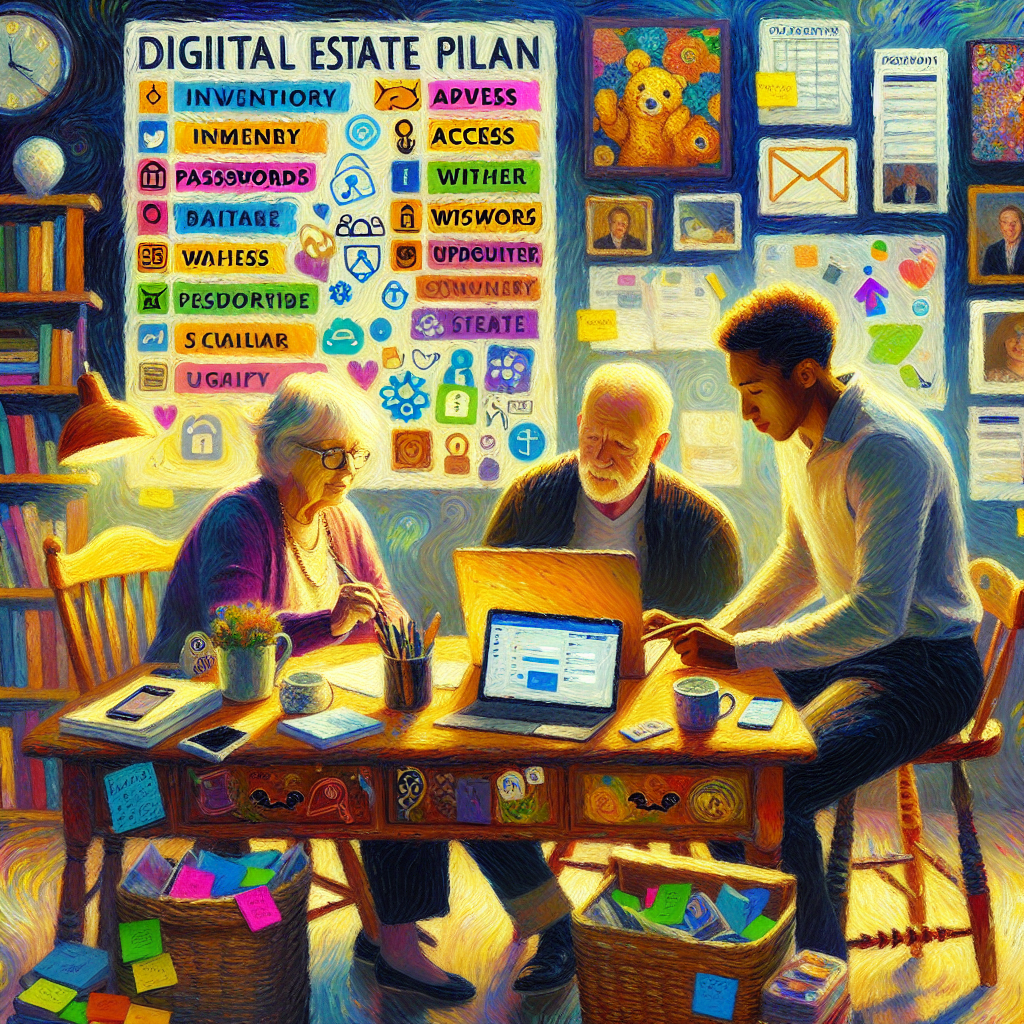
When we dive into the world of Legacy Storytelling, we quickly realize that words alone often fall short. Enter photographs—those timeless snapshots of life that possess an extraordinary ability to transcend generations. They capture fleeting moments, freezing time and anchoring our memories in tangible form. A picture tells a story in ways that words alone simply cannot, offering a visual narrative that resonates deeply with our experiences.
Think about it: a weathered photograph of a family gathering, with laughter dancing through the air. Each face holds a narrative, a connection to shared histories that adds layers to our family lore. When we engage in Legacy Storytelling, it’s these photographs that serve as our storytellers, providing context, emotion, and a sense of belonging for those who gaze upon them. They act as much more than mere decoration; they are windows into the past.
Photographs evoke feelings and prompt questions. Who is that smiling child? What was significant about the day that picture was taken? Each question opens a door to storytelling—an opportunity to connect younger generations with their roots. The smiles, the tears, and even the awkward poses all weave a tale that brings history to life. By showcasing these images in our narrative, we invite listeners to share in the experience and contribute their interpretations.
Furthermore, photographs help preserve the essence of individuals and experiences that might otherwise fade away with time. As we gather around a photo album, the room fills with stories forgotten or never shared. Each image can spark dialogue, encouraging participants to recall anecdotes that may have slipped their minds. In this way, photographs become conduits for memory, allowing us to reflect on the legacy we inherit and, in turn, pass on to future generations.
In summary, the role of photographs in Legacy Storytelling cannot be overstated. They serve as powerful catalysts in preserving family histories, igniting conversations, and enriching our collective narrative. By incorporating images into our storytelling practices, we not only maintain our legacies but also deepen the bonds that hold us together. So, the next time you dust off that old album or scroll through digital archives, remember: you’re not just looking at pictures; you’re setting the stage for a history yet to be told.

What Role Do Photographs Play In Legacy Storytelling?
What Role Do Photographs Play In Legacy Storytelling?
- Legacy Storytelling often requires more than just words, and photographs play a crucial role.
- Photographs capture fleeting moments and anchor memories in a tangible form, offering a visual narrative.
- A weathered photo of a family gathering embodies shared histories and adds depth to family lore.
- Each photograph prompts questions and storytelling opportunities, connecting younger generations to their roots.
- Photos evoke emotions and spark dialogue, helping to recall anecdotes that may have been forgotten.
- They serve as conduits for memory, preserving the essence of individuals and experiences for future generations.
- Incorporating images into storytelling enhances collective narratives and strengthens familial bonds.
What Role Do Photographs Play In Legacy Storytelling?
How Can You Incorporate Technology Into Legacy Storytelling?
In an age where our lives are framed by screens and pixels, it’s easy to forget the art of storytelling—the profound connection it creates between generations. Legacy storytelling is not just about recounting tales from the past; it’s about weaving the essence of who we are into narratives worth sharing. So how do we blend the time-honored tradition of storytelling with the advancements that technology offers? Let’s dig deep.
First, let’s talk about accessibility. In a world bustling with gadgets and platforms, technology opens up avenues that our ancestors couldn’t have fathomed. Gone are the days when you had to huddle around a fireplace, straining to hear the voice of a grandparent. Now, you can capture those priceless stories on video. A video call can bring a grandparent’s tales to life right from the comfort of their living room to yours. Recording these stories not only preserves the nuances and emotions but also allows you to revisit them anytime and share them across the globe.
Next up, consider digital scrapbooks. Imagine curating family photos, letters, and cherished heirlooms in an online repository that can grow with each passing generation. Each family member can contribute their own slice of legacy storytelling, creating a rich tapestry of your family’s history. Tools like cloud storage or family-oriented social media platforms make it easy to collaborate and keep those memories alive, ensuring they don’t fade away with time.
And let’s not overlook social media. Yes, you heard me right! Platforms like Instagram and Facebook can serve as the modern-day town squares for sharing your stories. Post a photo with a little backstory, or create dedicated pages where family members can share their own anecdotes. It’s a beautiful way to spark conversations and encourage younger generations to engage with their history.
Lastly, consider podcasts. They’re not just for entertainment; they can be powerful vehicles for legacy storytelling. Recording family narratives in audio format invites listeners into your world—complete with tone, inflection, and emotion. Who wouldn’t want to hear Uncle Jerry recount his adventures in the Navy or Aunt Mary’s hilarious missteps in the kitchen?
Integrating technology into legacy storytelling isn’t just about modernization; it’s about enriching the narrative. By combining tradition with innovation, we can preserve our histories in ways that speak to both the heart and the mind, ensuring that our stories echo through time, loud and clear.

How Can You Incorporate Technology Into Legacy Storytelling?
How Can You Incorporate Technology Into Legacy Storytelling?
- Legacy storytelling fosters profound connections between generations and preserves the essence of who we are.
- Technology enhances accessibility, allowing stories to be captured on video and shared easily across distances.
- Digital scrapbooks enable families to curate and preserve photos, letters, and heirlooms in an online repository.
- Social media platforms act as modern town squares for sharing family stories and sparking conversations.
- Podcasts provide a dynamic medium for recording and sharing family narratives, capturing emotion and tone.
- Integrating technology into storytelling modernizes the tradition and enriches narrative experiences.
- The blend of tradition and innovation ensures that stories are preserved and resonate across time.

How Can You Incorporate Technology Into Legacy Storytelling?
What Are Some Creative Ways To Document Family Histories?
When it comes to preserving our family’s history, simply jotting down names and dates in a dusty old book just won’t cut it. If you want to create something lasting—something that captures the essence of your family—consider diving into the world of Legacy Storytelling. This approach is not just about the facts but about weaving a tapestry of narrative that reflects the quirks, values, and adventures of those who came before you.
First off, think about gathering your loved ones for an old-fashioned storytelling night. Light a fire, pop some popcorn, and let the tales flow. Encourage everyone to share their favorite memories or funny anecdotes about family members. You’d be amazed at what surfaces. Those little gems often reveal insights into personalities, hardships, and triumphs that simple documents can’t convey. This is where Legacy Storytelling thrives; the heart of the story lives in the details.
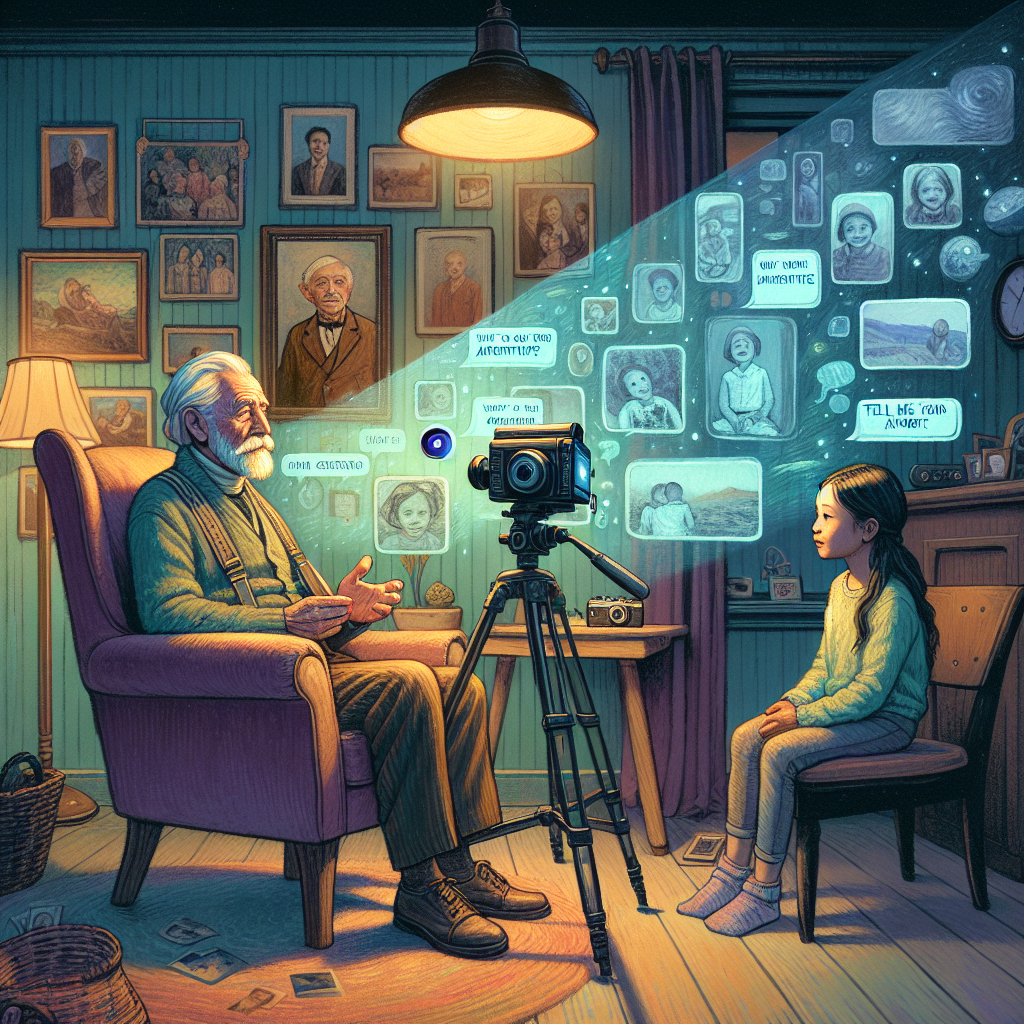
Another powerful tool is the family interview. Imagine sitting down with Grandma, or Uncle Joe, and asking them questions that prompt reflection. This isn’t just a Q&A session; it’s about creating a safe space for them to reminisce and for you to capture their stories in their own words. By using a recorder (or even just good old-fashioned notes), you can collect these narratives, giving life to the raw fabric of your family’s legacy.
Why stop at audio? Break out the video camera and document these sessions. A visual record of storytelling can be profoundly impactful because you capture not only the words but the emotions, expressions, and gestures—the very essence of a memory. This could serve as a multi-generational treasure, something to watch and share during family gatherings for years to come.
If you’re feeling particularly artistic, consider creating a family scrapbook. Sift through old photos, letters, and mementos, and arrange them in a way that tells your family’s story visually. Add captions, little anecdotes, or even poems to keep the legacy alive on each page. Scrapbooking is a hands-on approach that infuses creativity into history, making the past feel alive and relevant.
Finally, why not embrace digital storytelling? Create a family website or blog where you can share stories, updates, and historical tidbits. This not only preserves the memories but opens up a channel for future generations to contribute, turning family history into a living document of Legacy Storytelling that you all can cherish together. So, roll up your sleeves, gather those stories, and let the legacy begin!

What Are Some Creative Ways To Document Family Histories?
What Are Some Creative Ways To Document Family Histories?
- Legacy Storytelling captures the essence of family history through narratives rather than just names and dates.
- Gather loved ones for a storytelling night to encourage sharing of memories and anecdotes, revealing deeper insights into family personalities.
- Conduct family interviews to create a safe space for reflection, recording stories in the narrators’ own words.
- Utilize video to document storytelling sessions, capturing emotions and expressions alongside words for a richer memory.
- Create a family scrapbook using old photos, letters, and mementos to visually narrate your family’s stories with creative elements.
- Embrace digital storytelling by creating a family website or blog to share stories and updates, allowing future generations to contribute.
- Engage in these storytelling activities to preserve family legacy as a living document cherished by all.

What Are Some Creative Ways To Document Family Histories?
How Does Storytelling Help Preserve Cultural Identities?
Now, let’s get real for a moment. When we talk about legacy storytelling, we’re diving into something profound—something that goes beyond mere words strung together. It’s about crafting a tapestry of values, beliefs, and traditions that define who we are as a community. You see, every culture has its rich tapestry—its own unique stink, if you will—that it’s eager to pass down. Here lies the power of storytelling in preserving cultural identities.
Imagine for a second standing around a crackling fire, the night air thick with anticipation. Elders share tales of valiant warriors, wise women, and the spirits that inhabit our world. These aren’t just stories, folks; they’re the very bedrock of cultural legacy storytelling. They create connections, linking generations. You get a front-row seat to a legacy stretching back through time, a direct line to those who walked before us, leaving a mark in the world.
Why is this important? Well, think of cultural identity as a living organism. It’s dynamic, constantly evolving, yet deeply rooted in history. Stories act as the veins that transport the lifeblood of that identity, ensuring it doesn’t wither away. When you hear a story told with passion, there’s a spark. You recognize the intricacies of your heritage igniting a fire in the hearts and minds of those listening. This is where the magic happens.
Beyond the entertainment value, stories serve as vessels for teaching. They convey morality, ethics, and social norms. A well-told tale can encapsulate complex cultural concepts in a way that resonates with all ages. For instance, consider the fables of old—the clever fox, the cunning rabbit; these characters aren’t just folks in a storybook. They embody lessons that define us, that shape our worldview. Their narrative arcs encapsulate the essence of our shared struggles, triumphs, and beliefs.
And here’s the kicker: as societies become increasingly globalized, legacy storytelling serves as an anchor. It provides a way for people to reclaim their identity amid a sea of uniformity. When stories are shared, they remind us who we are—where we came from and, more importantly, where we’re going. Each narrative is a brushstroke in the grand canvas of cultural identity, reminding us that even as cultures blend and evolve, our roots remain firmly planted in the soil of our ancestors.
In essence, storytelling weaves a continuous thread, binding us to our past while illuminating the path forward. It’s not just about sharing stories; it’s about preserving a legacy—the heartbeat of cultural identity itself.

How Does Storytelling Help Preserve Cultural Identities?
How Does Storytelling Help Preserve Cultural Identities?
- Legacy storytelling encompasses values, beliefs, and traditions that shape community identities.
- Every culture has a unique tapestry of stories that it aims to pass down through generations.
- Storytelling serves as a connection between past, present, and future, creating links across generations.
- Cultural identity is dynamic and evolving, with stories acting as the lifeblood that sustains it.
- Stories teach morality and convey social norms, encapsulating complex cultural concepts in relatable ways.
- In a globalized world, legacy storytelling acts as an anchor, helping individuals reclaim their identity.
- Ultimately, storytelling preserves cultural legacies, maintaining the heartbeat of cultural identity.

How Does Storytelling Help Preserve Cultural Identities?
Conclusion
Conclusion: Crafting Connections Through Our Stories
Alright, folks, let’s wrap this up by talking about something we all can relate to—the stories that bind us together. Legacy storytelling might sound like fanciful fluff, but trust me, it’s as solid and invaluable as a family heirloom, storing not just memories but the very essence of who we are. We’re living in an age where swipes and clicks often overshadow genuine face-to-face experiences. We race through our days, but in the hustle, we’ve lost sight of a critical truth: our shared stories are the threads that weave our family fabric, creating bonds that withstand the test of time.
Picture this: You’re gathered around the dinner table, the laughter echoing as Grandma regales you with stories from her youth. The warmth, the nostalgia—they’re like the cozy blankets your mom used to throw over you when you were young. Every story, from mischief at school to hard knocks of life, reveals glimpses of resilience, reinforcing the values passed down through generations. It’s that spark of connection, a sense of belonging that we all crave, and it thrives in storytelling.
And let’s not forget the power of engaging our elders. By asking them about their lives—like what their first job was or what they learned from their struggles—we invite them to revisit moments that shaped their identities. In those stories, a beautiful transformation occurs; we cease to see them just as ‘grandparents’ and begin to understand their hopes, dreams, and the rich narratives that define their existence. Likewise, let’s not underestimate the power of younger voices. Every generation has experiences worth sharing, and when we create open avenues for conversation, we empower kids to contribute to our family story, fostering mutual respect and curiosity.
Now, if you’re feeling creative, grab a camera, start a podcast, or even set up a digital scrapbook that converts fleeting moments into a lasting legacy. Let’s incorporate technology while honoring tradition; it’s how we evolve while keeping our roots intact.
Remember, through legacy storytelling, we’re not just recounting the past; we’re building bridges to the future. Each shared tale reinforces our shared identity and serves a greater purpose: reminding us that even as the world spins faster, our stories are a steadfast reminder of where we came from. So, gather your family this weekend, brew some coffee, and let the stories roll. It’s not just nostalgia—it’s a vital thread in the fabric of life. Keep it alive, and you’ll find links to generations past, present, and future—making us all richer for it.

Conclusion
Conclusion:
- Stories connect us, serving as invaluable family heirlooms that represent our essence.
- In today’s fast-paced world, we’ve overlooked the importance of these shared stories.
- Gathering around the dinner table enhances our bonds through laughter and nostalgia.
- Engaging with elders allows us to understand their identities and life experiences more deeply.
- Younger generations also have valuable stories, fostering mutual respect through open conversation.
- Utilize technology to create lasting legacies through photography, podcasts, or digital scrapbooks.
- Legacy storytelling not only honors the past but also strengthens our shared identity for the future.

Conclusion
Other Resources

Other Resources
Here is a list of other resources you can review online to learn more:
- Living Wisely
- Storyfile
- RocketLawyer
- Knotify.me
- Tributize
- Legacy Family Tree
- FindMyPast
- MyWishes
- LegacyFamilyTree
- Bcelebrated
Use This Prompt To Get More Resources With Your Favorite Online AI Tool: Please provide me with a list of online articles with their URLs in a bulleted list that I can read regarding How Can You Use Legacy Storytelling to Foster Generational Bonds?

Other Resources
Glossary Terms
How Can You Use Legacy Storytelling to Foster Generational Bonds? – Glossary Of Terms
1. Legacy: The passing down of stories, values, and traditions that shape a family’s or community’s identity.
2. Storytelling: The art of conveying narratives that can teach, entertain, and connect generations.
3. Generational Bonds: The emotional and social connections formed between different age groups, often strengthened through shared experiences and stories.
4. Narrative: A structured account of events or experiences, often told to evoke emotion or convey meaning.
5. Ancestry: The lineage or heritage of a person, which can serve as a rich source of legacy stories.
6. Tradition: Customs or practices passed down through generations, often reflected in storytelling.
7. Cultural Heritage: The values, stories, and practices that define a group’s identity and are preserved through storytelling.
8. Oral History: The collection and study of historical information through recorded interviews and storytelling traditions.
9. Family History: The recorded events, accomplishments, and experiences of family members, often shared through stories to connect generations.
10. Values: The principles and beliefs that guide behavior, often conveyed through legacy stories.
11. Empathy: The ability to understand and share the feelings of others, enhanced through the sharing of personal stories.
12. Connection: The bond established between individuals through shared stories and experiences, fostering deeper understanding.
13. Preservation: The act of maintaining the integrity of stories and traditions so they can be passed down through generations.
14. Reflection: The process of contemplating past events and experiences, often leading to personal growth and understanding within generational narratives.
15. Identity: A person’s sense of self, often shaped by family narratives and legacy stories.
16. Symbolism: The use of symbols within storytelling to convey deeper meanings, shared by generations.
17. Interactive Storytelling: Engaging audiences in the storytelling process, encouraging participation and collaboration across generations.
18. Healing: The process of recovery from emotional pain, which can be facilitated through sharing legacies and personal stories.
19. Mentorship: A relationship in which one individual guides and supports another, often enriched by shared stories and experiences.
20. Ritual: A ceremonial act involving storytelling that can strengthen connections within families.
21. Legacy Projects: Initiatives designed to document and share family stories, often involving collaboration between generations.
22. Listening: The active process of receiving and understanding stories, essential for fostering generational bonds.
23. Intergenerational Dialogue: Conversations between different age groups that promote understanding through shared stories.
24. Story Circles: Gatherings designed for individuals to share and listen to each other’s stories, promoting connection.
25. Nostalgia: A sentimental longing for the past, often triggered by legacy stories that evoke feelings of connection and warmth.
26. Character Traits: Attributes of individuals that can be exemplified in family stories, showcasing values important to future generations.
27. Legacy Letter: A written document in which an individual shares their stories, wisdom, and values with future generations.
28. Artifacts: Objects from the past that can tell stories and provide a tangible link to family history.
29. Digital Legacy: The online presence and stories of individuals that can be shared with future generations through technology.
30. Community Storytelling: The practice of sharing stories within a community setting, fostering broader connections and social bonds across generations.

Glossary Of Terms
Other Questions
How Can You Use Legacy Storytelling to Foster Generational Bonds? – Other Questions
If you wish to explore and discover more, consider looking for answers to these questions:
- What are other benefits of legacy storytelling aside from fostering connections?
- How can I start implementing legacy storytelling in my family?
- What specific stories should I focus on when asking my elders to share?
- How can legacy storytelling be used to teach children important life lessons?
- What are some examples of legacy storytelling in different cultures?
- How can we adapt legacy storytelling for families that are far apart geographically?
- What resources or tools can assist in documenting family histories effectively?
- Are there any workshops or classes available for learning more about legacy storytelling?
- How can I include family members who may be hesitant to share their stories?
- What role do oral traditions play in preserving cultural identities through storytelling?
- How can storytelling combat the feeling of isolation in modern families?
- What techniques can ensure that legacy stories resonate across different age groups?
Other Questions
Haiku
How Can You Use Legacy Storytelling to Foster Generational Bonds? – A Haiku
Voices from the past,
Stories weave through generations,
Threads of love endure.

Haiku
Poem
How Can You Use Legacy Storytelling to Foster Generational Bonds? – A Poem
In the warmth of hearth and heart’s embrace,
Where tales unfurl in a sacred space,
Legacy storytelling, a bridge through time,
Weaving connections in rhythm and rhyme.
Gather close, let the fire ignite,
Stories of yore, in the soft twilight,
Whispers of ancestors, their courage and grace,
A tapestry sewn through each shared embrace.
From Grandma’s chair to the children’s delight,
Life lessons echo, grounding our flight,
As laughter and tears intertwine with the past,
We forge bonds of love, connections that last.
Engage the elders, their wisdom awaits,
Ask them of journeys, both wondrous and great,
In moments of silence, let stories take flight,
Turning history to anchor, in day and in night.
Photographs beckon, each snapshot a key,
Unlocking the memories, the essence of ‘we’,
With each vivid image, the past comes alive,
In shared recollections, our family thrives.
Embrace modern tools, let the stories expand,
From recordings to scrapbooks, let tech lend a hand,
A digital archive, a blog filled with cheer,
Fostering unity, our legacy clear.
From every triumph, from each painful fall,
Through tales of resilience, we rise through it all,
For in the shared narratives of our kin,
Lies a spirit unbroken, where healing begins.
So gather your loved ones, let the storytelling roll,
In the fabric of family, we find our whole soul,
Through legacy storytelling, we nurture, we grow,
Binding generations, our roots ever sow.

Poem
Checklist
How Can You Use Legacy Storytelling to Foster Generational Bonds? – A Checklist
Preparing for Legacy Storytelling
_____ Create a comfortable and inviting environment for storytelling (e. g. , cozy living room, natural setting).
_____ Gather family members of all ages to encourage inclusive participation.
_____ Set the tone for openness by letting everyone know that every story is valued.
Questions to Encourage Story Sharing
_____ What was your first job?
_____ What challenges did you face growing up?
_____ What’s the most memorable moment from your life?
_____ How did you meet your spouse/partner?
_____ What traditions did your family have when you were a child?
Key Elements of an Engaging Legacy Story
_____ Authenticity: Be genuine and embrace vulnerability in storytelling.
_____ The Hook: Start with an engaging moment that captures attention.
_____ Relatable Characters and Conflicts: Include characters and challenges that the audience can connect with.
_____ Emotion and Empathy: Tap into emotions to create a deeper connection.
_____ The Takeaway: Ensure there is a moral or lesson that resonates with the audience.
Documenting the Stories
_____ Record storytelling sessions using audio or video for future reference.
_____ Compile stories into a family scrapbook, including photos and mementos.
_____ Create a family blog or website dedicated to sharing stories and family history.
Technology Use in Legacy Storytelling
_____ Utilize video calls to connect and share stories with distant relatives.
_____ Create digital scrapbooks using cloud storage platforms.
_____ Use social media to share family stories and foster interaction.
_____ Explore the option of starting a family podcast to record and share narratives.
Enhancing Story Sharing with Visuals
_____ Incorporate photographs to prompt discussions and help illustrate stories.
_____ Use visual aids like family trees or maps to provide context to the narratives.
Strategies for Engaging Elders
_____ Approach storytelling sessions with warmth and curiosity rather than formality.
_____ Connect their past experiences to current family dynamics to emphasize relevance.
_____ Encourage them to share not just tales but also lessons learned.
Preserving Cultural Identity Through Storytelling
_____ Emphasize the importance of storytelling in conveying cultural values and traditions.
_____ Use stories as tools to teach younger generations about ethics and morals of one’s heritage.
_____ Reclaim and reinforce cultural identity through shared narratives in a globalized society.
Follow-up and Sharing
_____ Plan regular family storytelling nights to keep the tradition alive.
_____ Share documented stories with family members who couldn’t be present during sessions.
_____ Continuously invite input and contributions from all family members to create a dynamic legacy.
By utilizing this checklist, families can effectively engage in legacy storytelling, paving the way for deeper generational bonds and a richer understanding of their shared history.

Checklist
At LegacyExplorations, we help people plan and explore their legacy by collecting information and news regarding end-of-life planning.
Please share this post with your friends, family, or business associates who may want help to plan or explore their legacy.