

Unlocking The Power Of Photos In Legacy Storytelling
By Tom Seest
At LegacyExplorations, we help people plan and explore their legacy by collecting information and news regarding end-of-life planning.
Please share this post with your friends, family, or business associates who may want help to plan or explore their legacy.
How Can You Use Photos to Enhance Legacy Storytelling Efforts?
There’s something timeless about the way a photograph can freeze a moment—a snapshot of life that tells a thousand stories without saying a single word. When you embark on the noble quest for Legacy Storytelling, the inclusion of photos transforms mere words into a vibrant tapestry of experiences. If you want to breathe life into your family’s history or share the essence of who you are with future generations, photographs can perfectly complement your narrative.
First off, think of photos as visual anchors. They give context to the stories you tell, evoking emotions that words alone might fail to capture. A faded picture of your grandfather in a World War II uniform doesn’t just recount a date or a battle; it brings back the pride, the sacrifice, and the camaraderie of that time. When crafting your legacy, dig deep into old albums and boxes. Find those hidden treasures that hold the power to connect generations. Each image is a doorway to a moment in time, an invitation for your audience to step in and witness the past.
Next, you might consider how photos can help you illustrate the rich, multifaceted nature of your life experiences. Instead of relying solely on ancestral accounts or family lore, use images to bring your stories to life. A picture of the family farm can take your listeners back to childhood memories of hard work and laughter, while a snapshot of a family gathering surrounded by laughter can showcase the connections that bind you all together. These images will not only enhance your storytelling but also create a sense of familiarity and relatability that makes your legacy resonate.
Moreover, in today’s digital age, sharing photos has never been easier. You can create visually stunning presentations or even digital albums that complement your narrative. It’s like adding spice to a well-cooked meal; it enhances flavor and makes it memorable. Use captions, anecdotes, or quotes alongside your images to provide context and depth, allowing your legacy to unfold in a way that’s engaging and powerful.
So, as you embark on your Legacy Storytelling journey, remember that photos are more than mere images—they are essential elements that enrich your narrative, build connections, and capture the essence of who you are. Harness their power wisely, and you’ll create a legacy that truly resonates.

How Can You Use Photos to Enhance Legacy Storytelling Efforts?
How Can You Use Photos to Enhance Legacy Storytelling Efforts?
- Photographs can freeze moments in time, telling stories without words.
- Incorporating photos into Legacy Storytelling creates a vibrant tapestry of experiences.
- Photos serve as visual anchors that evoke emotions and provide context to narratives.
- Old photographs can connect generations, offering insights into family history.
- Images illustrate the multifaceted nature of life experiences, enhancing storytelling.
- Digital sharing of photos allows for visually stunning presentations that complement narratives.
- Photos enrich stories, build connections, and capture personal essence in Legacy Storytelling.

How Can You Use Photos to Enhance Legacy Storytelling Efforts?
Table Of Contents
- How Can You Use Photos to Enhance Legacy Storytelling Efforts?
- How Can Photos Evoke Emotions In Storytelling?
- What Types Of Photos Should Be Included For A Rich Narrative?
- How Can Captions Enhance The Meaning Of Photographs?
- What Techniques Make Photos More Impactful In Legacy Storytelling?
- How Can Technology Help Preserve Photos For Future Generations?
- How Can You Organize Photos To Create A Coherent Legacy?
- What Are Best Practices For Selecting And Displaying Family Photos?
- Conclusion
- Other Resources
- Glossary Of Terms
- Other Questions
- Haiku
- Poem
- Checklist
How Can Photos Evoke Emotions In Storytelling?
In the vast world of storytelling, few mediums can capture the human experience as profoundly as a photograph. When we think about how photos evoke emotions, we must recognize that they’re more than just images; they are snapshots of moments that resonate with our very existence. Each photograph tells a story, encapsulating feelings, experiences, and legacies that often transcend words.
Imagine a dusty black-and-white picture of a grandfather holding a child’s hand. It’s not just a simple moment frozen in time; it’s a piece of legacy storytelling. Questions arise from such images: Who was this man? What wisdom did he impart? How did that little hand feel in his strong, weathered grip? The stories behind photographs can stir potent emotions—joy, nostalgia, sorrow, or even longing—reminding us of our connections and shared experiences.
Photos have the uncanny ability to transport us to another place, allowing us to step into someone else’s shoes, even if just for a moment. A vibrant image of a family gathered around a table, laughter spilling into the air like sunlight, can evoke feelings of warmth and belonging. It conjures memories of our own shared meals or family gatherings, deep-rooted in tradition and love. In the blink of an eye, that simple photograph can trigger a whirlwind of emotions and reflections on our personal histories.
The beauty of legacy storytelling through photographs lies in their universality. Each image can act as a mirror reflecting our humanity, showcasing our triumphs and struggles, and ultimately, our resilience. Whether it’s the image of a soldier returning home, a child experiencing wonder, or a couple sharing a quiet moment, these photographs create emotional connections that can transcend generations.
Moreover, photos can evoke emotions even in those who have never shared the experiences depicted. A striking image of a natural disaster evokes empathy and compassion, compelling observers to consider their own lives and the fragility of human existence. In this way, photos act as a bridge—uniting different stories, enabling us to learn from one another, and fostering a deep sense of community.
So, as we scroll through our photo galleries or flip through old albums, let’s remember that each click of the shutter carries a story worth telling, a legacy waiting to be recognized. After all, it’s not just a picture; it’s a powerful testament to the emotions that connect us all.

How Can Photos Evoke Emotions In Storytelling?
How Can Photos Evoke Emotions In Storytelling?
- Photographs are powerful storytelling mediums that capture human experiences and evoke deep emotions.
- Each photo is a moment frozen in time, representing feelings and legacies beyond mere visuals.
- Legacy storytelling through photographs invites questions about the individuals and stories behind the images.
- Photos can transport us to different places and evoke memories of our own experiences and connections.
- The universality of photographs reflects our shared humanity, showcasing triumphs, struggles, and resilience.
- Images can evoke empathy and compassion, connecting viewers to stories and fostering community.
- Every photograph in our collections holds a significant narrative, serving as a testament to the emotions that unite us.

How Can Photos Evoke Emotions In Storytelling?
What Types Of Photos Should Be Included For A Rich Narrative?
When it comes to crafting a compelling narrative, the visual elements can be just as essential as the words we choose. You see, a picture is worth a thousand words, but the right picture can weave the threads of Legacy Storytelling into a continuous tapestry, capturing the essence of your journey. To create that rich narrative, it’s invaluable to select photos that don’t just fill space but are imbued with significance and context.
First on the list are candid moments. These spontaneous snapshots possess an authenticity that staged photos often lack. When you capture people in their element—laughing, communicating, showing genuine emotion—it brings a visceral element to your story. Candid moments draw the viewer in, allowing them to feel as though they’re part of the experience, witnessing history unfold before their very eyes.
Next up are historical images or artifacts. Including visuals from the past serves to anchor your narrative in a broader context. Old family photos, vintage travel snapshots, or even faded documents paint a vivid portrait of your roots. They allow the audience to connect with the story on a deeper level, appreciating the legacy of experiences that have shaped you or your subject.
You can’t forget about landscapes and environments. The setting is a character unto itself in any good narrative. A sweeping shot of a beloved hometown, a rustic old barn, or even a bustling city corner can evoke feelings of nostalgia, excitement, or peace. These shots not only establish context but also breathe life into the story, illustrating the world in which the events unfold.
Additionally, consider including creative portraits. Portraits can convey a wealth of information about your subjects when done thoughtfully. Whether it’s a close-up of a loved one’s weary hands or a profile filled with character and wisdom, these images allow for personal connections that resonate deeply. When individuals see their reflections in those faces, it enriches the narrative with a layer of intimacy.
Finally, don’t underestimate the power of juxtaposition. Combining contrasting images—like past and present or struggle and triumph—can create a powerful visual narrative that provokes thought and stirs emotion.
In the grand scheme of Legacy Storytelling, every image should serve a purpose. By thoughtfully selecting photos that encapsulate emotion, context, and authenticity, you’re not just telling a story; you’re crafting a rich narrative tapestry that resonates through time.

What Types Of Photos Should Be Included For A Rich Narrative?
What Types Of Photos Should Be Included For A Rich Narrative?
- Visual elements are as crucial as words in crafting a narrative.
- Candid moments capture authenticity and invite viewers to witness genuine emotions.
- Historical images anchor the narrative in a broader context and connect audiences to roots.
- Landscapes and environments serve as characters, evoking nostalgia and setting the scene.
- Creative portraits offer deep personal connections and enrich the narrative’s intimacy.
- Juxtaposition of contrasting images enhances visual storytelling and evokes emotion.
- Every image should have a purpose, contributing to a rich narrative tapestry.

What Types Of Photos Should Be Included For A Rich Narrative?
How Can Captions Enhance The Meaning Of Photographs?
Captions are often the unassuming underdogs in the world of photography, yet they wield a power that can amplify the narrative woven into each image. Think of a photograph as a canvas holding the potential for a tale, but it’s the caption that acts like the artist’s brush, applying color and depth that transforms it into a vivid experience. Just like a seasoned storyteller, a good caption adds context, encouraging viewers to dive deeper into the scene before them.
When we engage in legacy storytelling, each photo can serve as a time capsule, preserving moments that resonate with history, emotion, and culture. A young child splashing in a puddle might seem simple at face value, but with the right caption, that image can morph into a symbol of joyful innocence amid life’s storms. It might even tell a story of resilience, linking generations through shared experiences. Captions can evoke nostalgia or spark curiosity, turning a snapshot into a conversation across time.
Consider that a photograph captures a fleeting moment, yet the meaning behind it can be endless. The right caption can set the stage, provide essential background information, or even challenge the viewer’s assumptions. Take a powerful image of a protest. Alone, it conveys a moment of conflict or passion, but when paired with a thoughtful caption that shares the history of the movement and personal stories of its participants, the photograph becomes more than just an image—it becomes a piece of a larger dialogue about justice and change.
Moreover, captions help evoke a range of emotions that enhance the viewing experience. A melancholic photograph of an empty swing set can trigger feelings of loss or longing, but a caption that reflects the laughter and life once present can shift our understanding, reminding us of the beauty in memory even amidst absence.
Finally, let’s not overlook the role captions play in accessibility. For those who are hard of hearing or visually impaired, a caption becomes a bridge, offering insight and meaning that they might otherwise miss. By providing context, captions ensure that no viewer is left in the dark, enriching the collective experience of storytelling through photography.
In a nutshell, captions do more than complement photographs—they elevate them, transforming moments into meaningful legacies that resonate across generations. And that’s the beauty of combining image and text—a powerful partnership, indeed.

How Can Captions Enhance The Meaning Of Photographs?
How Can Captions Enhance The Meaning Of Photographs?
- Captions enhance the narrative of photographs, acting as a brush that adds color and depth.
- They serve as time capsules, preserving moments that resonate with history, emotion, and culture.
- The right caption can transform a simple image into a symbol of resilience and shared experiences.
- Captions provide essential context, challenge assumptions, and evoke deeper meanings behind photographs.
- They can elicit a range of emotions, shifting our understanding of an image’s significance.
- Captions improve accessibility, ensuring that everyone can engage with and appreciate the story being told.
- Overall, captions elevate photographs, transforming them into meaningful legacies that connect across generations.

How Can Captions Enhance The Meaning Of Photographs?
What Techniques Make Photos More Impactful In Legacy Storytelling?
In the world of legacy storytelling, photos aren’t just snapshots; they’re the heartbeats of our collective experience. They capture moments that transcend time, allowing us to sift through our memories like a well-thumbed book. To wield the power of imagery effectively, you have to consider the essential techniques that elevate those pictures from mere visuals to impactful elements of your narrative.
First off, think about composition. The way you frame your subjects can tell so much without uttering a single word. Utilize the rule of thirds to place elements in your photos, creating a sense of balance. By doing so, you allow the viewer’s eye to naturally wander across the image, absorbing the story as it unfolds. Don’t shy away from unusual angles; sometimes a tilted perspective can evoke emotion in a way straight-on shots simply can’t.
Then there’s the aspect of lighting. Natural light is your best friend. Early mornings and late afternoons provide that warm glow, wrapping your subjects in inviting softness. Shadow play can add depth, creating a sense of intrigue. It’s like a painter working with a palette—each decision shapes the mood of the story you’re telling.
Emotion is another critical component in legacy storytelling. Capture candid moments, genuine smiles, or even pensive expressions. These emotions resonate with viewers at a deeper level, connecting them to the people in your photos and the stories they carry. If the eyes are the windows to the soul, then your pictures should showcase those windows wide open.
Let’s not forget about context. A seemingly ordinary photograph can become extraordinary when accompanied by its backstory. A picture of a family reunion set against the backdrop of a beloved house adds layers of meaning that can resonate through generations. Capturing objects that tell stories—a weathered baseball glove, a well-used kitchen knife—can also become symbols in your narrative.
Lastly, consider the editing process. This isn’t about altering reality but rather enhancing the essence of the moment. Small adjustments to contrast, brightness, or saturation can transform a good photo into a stunning one, all while retaining its authenticity.
In sum, rich legacy storytelling is infused with impactful photographs that invite viewers into a conversation with the past. Whether through composition, lighting, emotion, or context, each technique serves to breathe life into your stories and ensures they’re remembered long after the moment has passed.

What Techniques Make Photos More Impactful In Legacy Storytelling?
What Techniques Make Photos More Impactful In Legacy Storytelling?
- Photos serve as the heartbeats of our collective experience, capturing moments that transcend time.
- Effective imagery requires consideration of essential techniques that elevate visuals into impactful narratives.
- Composition is key; using the rule of thirds and unusual angles can enhance storytelling without words.
- Natural light, especially during early mornings and late afternoons, helps create inviting softness and intrigue.
- Emotion plays a critical role; capturing candid moments and genuine expressions establishes deeper connections with viewers.
- Context adds layers of meaning; backstories and symbolic objects can enhance the significance of photographs.
- The editing process should aim to enhance the essence of moments while retaining authenticity through minor adjustments.

What Techniques Make Photos More Impactful In Legacy Storytelling?
How Can Technology Help Preserve Photos For Future Generations?
In this digital age, the way we capture and preserve our memories has evolved dramatically. Gone are the days of dusty photo albums sitting on the shelves, waiting for a family gathering to breathe them back to life. Instead, we find ourselves in a realm where technology can transform the art of Legacy Storytelling into a vibrant, interactive experience that can be shared with future generations.
Imagine this: a family gathers around a tablet or smart device, scrolling through a digital gallery filled with not only photos but the tales behind each moment. A picture of grandma as a young woman in a flowing summer dress, standing by the ocean, can be accompanied by a voice recording of her recalling that trip—the salty breeze, the laughter, the stories. With today’s technology, we can pair every snapshot with context, turning those still images into dynamic portals of our family’s history. And that’s where the magic happens.
Cloud storage solutions are game-changers in preserving these precious memories. Instead of worrying about the dreaded scenario of a fire or flood that wipes out physical photos, we can save our entire collection of memories in a secure, easily accessible space. Platforms like Google Photos and Dropbox not only store our images but also allow for easy sharing with family, near and far. You can include captions, dates, and even tags who’s who in the photo, crafting a comprehensive account of your family’s journey.
Then there’s the art of scanning old photographs and documents. Devices are available today that let you convert printed memories into high-resolution digital files. This is where the real preservation happens. Not only do these scans safeguard the images against deterioration over time, but they also allow you to restore and enhance them, breathing new life into faded family treasures. In a few clicks, those cherished memories from decades ago can shine as brightly as they once did.
Lastly, let’s not forget social media. Though sometimes a double-edged sword, platforms like Instagram and Facebook offer a way to chronicle not just individual milestones but the story of a family as a whole. Capturing everyday moments along with significant life events means that the narrative continues—and can be revisited by future generations with just a few screen taps.
In an age where technology seems to change at the drop of a hat, its role in preserving our photos and the stories they tell has never been more critical. Embracing these innovations is not just about saving images; it’s about keeping our family’s legacy alive for years to come.

How Can Technology Help Preserve Photos For Future Generations?
How Can Technology Help Preserve Photos For Future Generations?
- The digital age has transformed how we capture and preserve memories.
- Legacy storytelling is now an interactive experience through technology.
- Family gatherings can involve sharing memories via digital galleries on devices.
- Cloud storage offers secure, accessible preservation of photos and memories.
- Scanners convert old photographs into high-resolution digital files for preservation and restoration.
- Social media platforms enable chronicling family stories and everyday moments.
- Embracing technology is essential for keeping family legacies alive for future generations.

How Can Technology Help Preserve Photos For Future Generations?
How Can You Organize Photos To Create A Coherent Legacy?
Organizing photos might seem like a mundane task, but let me tell you, it’s an essential part of Legacy Storytelling. We’ve all got those boxes stashed away, stacked high in attics or crowded in closets, filled with snapshots of life moments—some mundane, some extraordinary, but all integral to the story of who we are. When we take the time to sift through these images and arrange them thoughtfully, we’re not just creating a neat collection; we’re weaving a tapestry of memories that can echo through generations.
Start by creating a central theme or a narrative. What is it that you want your legacy to convey? Is it a love story, a family saga, or perhaps a celebration of everyday moments? This focus will guide you as you comb through your vast trove of photos. As you sift through them, be discerning. Not every photo needs to make the cut. Select the ones that truly illuminate the essence of your story—images that spark joy, nostalgia, or even humor.
Once you’ve chosen your photos, it’s time to organize them. You might sort by date, event, or even by the person featured. But don’t stop there—think about adding context. A photo doesn’t just exist in a vacuum. Write down the story behind it. Who was there? What were the circumstances? How did it make you feel? By including these details, you enhance the storytelling aspect, making each photograph a chapter in your larger narrative.
Next, consider creating physical or digital albums that arrange your photos in a way that flows smoothly. A well-structured layout can transform a collection of images into a seamless journey through time. For those tech-savvy folks out there, digital platforms offer endless possibilities. You can create interactive slideshows or even multimedia experiences that keep the viewer engaged.
Lastly, remember that this is not just about you. Share your legacy with your loved ones. Invite them to add their own stories or photos, allowing the narrative to expand and include multiple perspectives. This collaboration can enrich the tapestry you’re creating and ensure that your legacy continues to resonate long after you’re gone.
Organizing photos is about much more than tidy storage; it’s a heartfelt endeavor to perpetuate your legacy and ensure that the stories of your life endure for future generations to treasure.

How Can You Organize Photos To Create A Coherent Legacy?
How Can You Organize Photos To Create A Coherent Legacy?
- Organizing photos is essential for Legacy Storytelling, representing life moments that shape our identity.
- Create a central theme or narrative to guide the selection of photos, focusing on what you want your legacy to convey.
- Select photos that truly capture the essence of your story, emphasizing those that evoke joy, nostalgia, or humor.
- Organize photos thoughtfully, considering sorting by date, event, or person, while adding context to enhance storytelling.
- Use physical or digital albums to create a well-structured flow, transforming images into a seamless journey through time.
- Encourage collaboration by inviting loved ones to share their stories or photos, enriching the narrative collectively.
- Remember, organizing photos helps perpetuate a legacy that future generations can cherish and remember.

How Can You Organize Photos To Create A Coherent Legacy?
What Are Best Practices For Selecting And Displaying Family Photos?
When it comes to selecting and displaying family photos, you’re not just rummaging through a box of memories; you’re engaging in a bit of legacy storytelling. It’s a way to honor the past and shape the memories of future generations. So, let’s dive into some best practices that will turn your family photos into a narrative worth telling.
First off, think about the theme of your legacy storytelling. Every family has its quirks, triumphs, and tragedies—select images that encapsulate these moments. Don’t just grab the first few you see. Sort through your collection and look for photos that represent milestones, special gatherings, and those candid, real-life moments. Essential events like birthdays, weddings, and anniversaries are great candidates, but don’t forget the everyday moments—the quiet dinners, family trips, and goofy faces. They all contribute to that rich tapestry of your family’s story.
Once you’ve chosen your photos, it’s time to consider presentation. There are myriad ways to display these snapshots. Framing is a classic option. Choose frames that complement your home decor, whether that’s rustic, modern, or somewhere in between. A cohesive gallery wall can turn an ordinary hallway into a visual journey through your family’s history.
For those wanting something a bit more unique, consider using photo books or digital displays. Custom photo books not only protect your images but also offer a tactile way to browse family history. In contrast, a digital display allows you to rotate images and showcase a broader selection without taking up wall space.
Don’t overlook the importance of captions or brief snippets to accompany your displays. A little context goes a long way. A simple date or a few words about what was happening in that moment creates a richer understanding and connects viewers more deeply to your family narrative.
However, there’s one crucial thing to remember: Keep it dynamic. Don’t be afraid to switch out photos and introduce new ones over time. Family stories evolve, and your displays should reflect that! Freshening things up showcases ongoing legacy storytelling, demonstrating that your family is still creating memories worth preserving.
So, roll up your sleeves, dust off those photo albums, and start curating your family’s visual narrative. Make it authentic, make it reflective, and above all, make it meaningful. After all, these are the moments that build your family’s legacy.

What Are Best Practices For Selecting And Displaying Family Photos?
What Are Best Practices For Selecting And Displaying Family Photos?
- Selecting and displaying family photos is a form of legacy storytelling, honoring the past and shaping future memories.
- Focus on thematic representation by choosing photos that capture family quirks, triumphs, tragedies, and milestones.
- Include essential events like birthdays, weddings, anniversaries, and everyday moments that add depth to your family’s story.
- Presentation options include traditional framing, creating a cohesive gallery wall, or using custom photo books and digital displays.
- Add captions or brief snippets to your displays for context, enriching the understanding of family moments.
- Keep your displays dynamic by regularly updating photos and introducing new memories to reflect the evolving family narrative.
- Curate your family’s visual narrative in an authentic and meaningful way to build a lasting legacy.

What Are Best Practices For Selecting And Displaying Family Photos?
Conclusion
As we wrap up our journey through the art of legacy storytelling, let’s take a moment to reflect on the incredible power of photographs in our lives. Mike Rowe here, and as someone who appreciates the raw and authentic narratives that come from everyday experiences, I can attest that photos are more than just pretty pictures—they’re windows to moments that shape who we are and where we come from.
Think of photographs as the silent yet eloquent storytellers of your family’s history. They have this unique ability to freeze time, encapsulating not just an image, but a world of emotions and memories that words often struggle to convey. From candid moments that reveal genuine joy to family gatherings that echo with laughter, each snapshot has the potential to bridge generations. A simple photograph can evoke powerful feelings—pride from a loved one’s service, nostalgia for a family farm, or the unspoken bonds shared among relatives.
But here’s where the magic truly happens: when you combine these visual elements with the compelling narratives of your experiences. Selecting the right photos—those that enlighten, inform, and charm—will turn your recollections into a rich tapestry that’s engaging and relatable. It’s not just about filling up space; it’s about crafting a meaningful legacy for your descendants.
And let’s not forget about technology in this process. In this digital era, preserving these gems and sharing them with future generations has never been easier. Imagine creating interactive digital albums filled with storied snapshots, accessible anytime. It allows you to breathe new life into old memories, preserving them for years to come and letting your legacy live on.
As you embark on your own legacy storytelling journey, remember that each photograph is not merely an image; it’s a testament to shared experiences, triumphs, and, yes, even struggles. Take the time to organize your photos thoughtfully, to choose captions that enhance the meaning behind each moment captured, and to display them in a way that tells your story authentically.
So, as you dig through those old boxes of photos or scroll through your digital galleries, remember this: you’re not just looking at pictures; you’re honoring a legacy. Each photo is a piece of your family’s narrative, waiting to be shared, cherished, and celebrated for generations to come. And that, my friends, is the heartbeat of legacy storytelling—turning fleeting moments into lasting memories.

Conclusion
Conclusion:
- Photographs serve as powerful storytelling tools, capturing emotions and memories that shape our identities.
- They act as silent storytellers of family history, freezing significant moments in time.
- Images can evoke strong feelings of pride, nostalgia, and connection among family members.
- Combining photographs with compelling narratives creates an engaging legacy for future generations.
- Technology facilitates the preservation and sharing of photographs through interactive digital albums.
- Each photograph should be thoughtfully organized and accompanied by meaningful captions to enhance their significance.
- Legacy storytelling transforms fleeting moments into enduring memories that honor family narratives.

Conclusion
Other Resources

Other Resources
Here is a list of other resources you can review online to learn more:
- EverLoved
- Storyfile
- LegalZoom
- LifeNaut
- INELA
- MyMoriam
- DocuBank
- LegalNature
- International End of Life Doula Association
- Legacy
Use This Prompt To Get More Resources With Your Favorite Online AI Tool: Please provide me with a list of online articles with their URLs in a bulleted list that I can read regarding How Can You Use Photos to Enhance Legacy Storytelling Efforts?

Other Resources
Glossary Terms
How Can You Use Photos to Enhance Legacy Storytelling Efforts? – Glossary Of Terms
1. Legacy: The long-lasting impact of a person’s life, including memories, values, and traditions passed down through generations.
2. Storytelling: The art of narrating events, experiences, or anecdotes to convey messages, emotions, or lessons.
3. Visual Narrative: A storytelling technique that uses images to convey a story or message, often combining visuals with text or audio.
4. Photograph: A visual representation captured using a camera that can evoke emotions and memories, contributing to storytelling.
5. Memory Keeping: A practice that involves preserving memories, often through photos, journals, or other media, to maintain family history.
6. Context: The background or circumstances surrounding a photo that gives it meaning and relevance in storytelling.
7. Symbolism: The use of symbols within photographs, such as objects or scenes that convey deeper meanings or themes in a story.
8. Archiving: The process of organizing and storing photographs and other materials for future reference, ensuring that stories are preserved.
9. Emotion: The feelings evoked by photographs that can deepen the connection to the stories being told.
10. Genealogy: The study and tracing of family lineages and history, often enhanced by photographs of ancestors and familial events.
11. Curation: The selective organization and presentation of photos to shape a coherent narrative or theme within storytelling.
12. Theme: The underlying message or subject that runs throughout a series of photographs, tying stories together.
13. Photojournalism: A form of journalism that uses images to tell news stories, illustrating events with emotional depth and context.
14. Legacy Album: A curated collection of photographs and stories that encapsulate a person’s life, values, and memories for future generations.
15. Oral History: The practice of collecting and preserving spoken accounts of memories and experiences, which can be enhanced by photographs.
16. Collage: A creative assembly of various photographs and images that tell a larger story or illustrate themes visually.
17. Narrative Arc: The structured framework of a story that includes the introduction, development, and resolution, which can be illustrated by photographs.
18. Digital Storytelling: The use of digital tools and platforms to create and share stories, incorporating photos, videos, and audio elements.
19. Heritage: The traditions, values, and artifacts inherited from previous generations, often visualized through photographs.
20. Photomontage: A combination of multiple photos into a single image that conveys complex narratives or connections.
21. Captions: Brief descriptions accompanying photographs that provide context, explanation, or enhance the story being told.
22. Reflections: Insights or personal observations that accompany photos, adding depth to the storytelling experience.
23. Universal Themes: Topics or sentiments, such as love, loss, or resilience, conveyed through photographs that resonate across cultures and generations.
24. Intimacy: The emotional closeness that photographs can create between the storyteller and the audience, enhancing personal connections.
25. Authenticity: The quality of being genuine and true to one’s story, often achieved through candid or unposed photographs.
26. Visual Legacy: The collection of images that represent an individual’s life experiences and values, contributing to their narrative.
27. Family Tree: A diagram that illustrates family relationships, often complemented by photographs of family members to enhance understanding of lineage.
28. Composition: The arrangement of elements within a photograph that affects its storytelling efficacy, including framing, light, and perspective.
29. Emotional Archive: A collection of photographs that evoke specific feelings or memories, enriching personal and collective narratives.
30. Legacy Video: A visual format that incorporates photographs, interviews, and narratives to create a dynamic storytelling piece celebrating one’s life and achievements.

Glossary Of Terms
Other Questions
How Can You Use Photos to Enhance Legacy Storytelling Efforts? – Other Questions
If you wish to explore and discover more, consider looking for answers to these questions:
- What are some tips for selecting the right photos for legacy storytelling?
- How can individuals start their own legacy storytelling journey?
- What role do digital tools play in enhancing legacy storytelling?
- How can I preserve physical photos for future generations?
- What software or apps can assist in organizing family photos?
- How can I share my legacy stories with family members who live far away?
- What are common mistakes to avoid when using photos in storytelling?
- How can you integrate photos into oral storytelling traditions?
- What is the importance of context in storytelling through photos?
- How can I create a digital scrapbook or photo album?
- What kinds of themes work best for family photo presentations?
- How can I involve multiple family members in the storytelling process?
- What ethical considerations should be taken into account when sharing family photos?
- How can I utilize social media to enhance my family legacy storytelling?
- What are some creative ways to display family photos in the home?

Other Questions
Haiku
How Can You Use Photos to Enhance Legacy Storytelling Efforts? – A Haiku
Photos tell our tales,
Capturing life’s fleeting grace—
Legacy lives on.

Haiku
Poem
How Can You Use Photos to Enhance Legacy Storytelling Efforts? – A Poem
In a world where moments flicker and fade,
Photos emerge, memories serenely laid.
Each frame a whisper, a tale to unfold,
A tapestry woven with threads of the bold.
Legacy storytelling, a noble quest,
To echo the past, where hearts find their rest.
Visual anchors in sepia-toned light,
Evoking emotions, like stars in the night.
Candid laughter caught, a glimpse of the real,
Transports us to days when joy was the seal.
Grandmas and grandfathers, in frames filled with pride,
Their lessons and stories in snapshots abide.
Let landscapes share secrets, environments sigh,
Where love and connection in stillness can lie.
From joyous gatherings to the quiet of thought,
Each photo a bridge to the lessons they’ve taught.
Captions breathe life, transforming mere clicks,
Into deep dialogues that time cannot fix.
A protest, a reunion, the stories collide,
With context and meaning, our legacies glide.
Composition and lighting, the artist’s embrace,
Turn mere snapshots to time’s tender grace.
Angles that provoke, shadows that play,
Invite us to linger, to feel and to stay.
Embrace technology, don’t shy from the new,
Clouds hold our memories, preserving the hue.
Scans of old treasures, restored with a smile,
Keep history thriving, go that extra mile.
Organize photos like chapters in books,
A journey to cherish, in every nook.
Select with intent; let the narrative flow,
A symphony of moments, a vibrant tableau.
Frame memories lovingly, allow them to tell,
Of triumphs, of trials—tales we know well.
Dynamic displays of cherished faces gleam,
A living legacy, a family’s dream.
So sift through your albums, let storytelling rise,
Photos are the heartbeats beneath the skies.
For in every snapshot, a legacy lives,
In the essence of moments, our history gives.
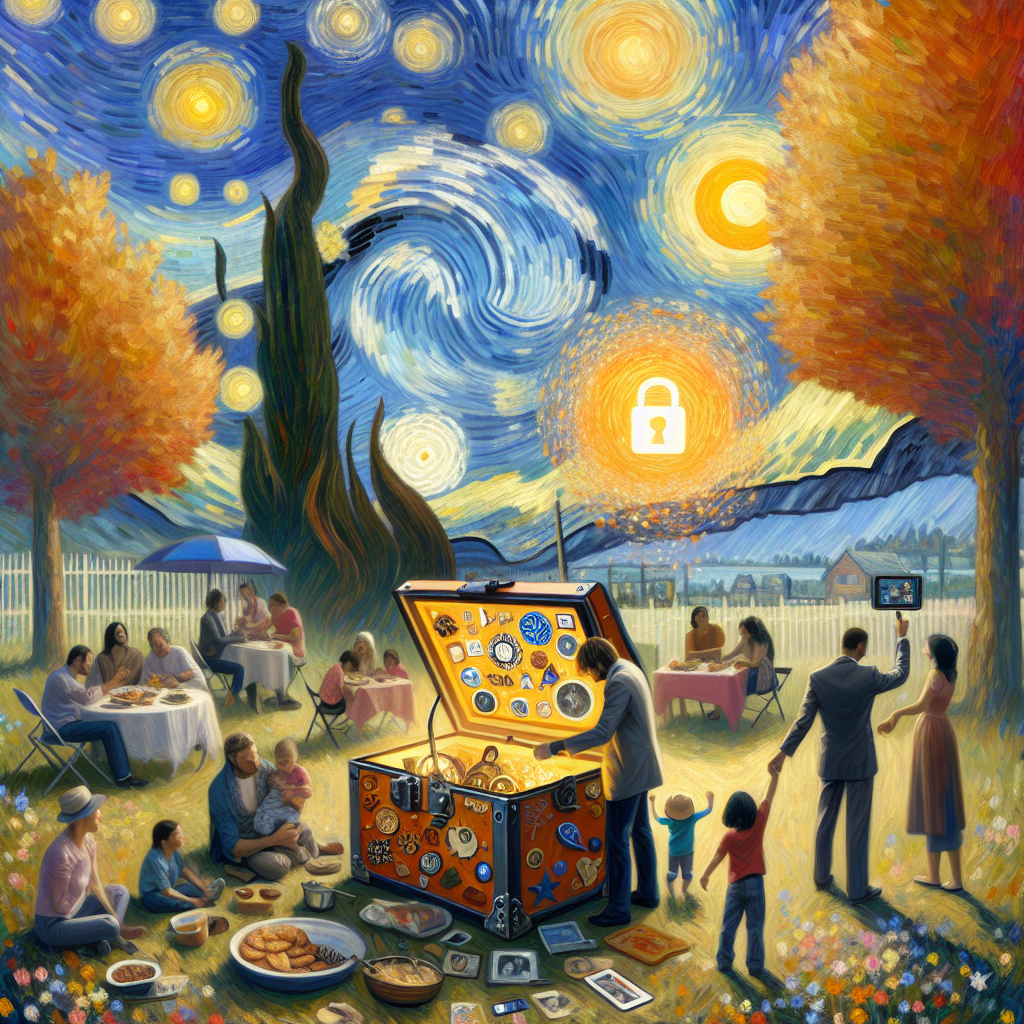
Poem
Checklist
How Can You Use Photos to Enhance Legacy Storytelling Efforts? – A Checklist
1. Identify Key Themes:
_____ Choose the main narrative or theme for your legacy storytelling (e. g. , love stories, family traditions, significant events).
2. Gather Photos:
_____ Dig deep into old albums and boxes.
_____ Collect a variety of photo types:
_____ Candid moments
_____ Historical images/artifacts
_____ Landscapes and settings
_____ Creative portraits
_____ Juxtaposed images to show contrasts
3. Evoke Emotions:
_____ Select photos that capture genuine emotions and moments.
_____ Consider images that remind viewers of shared experiences or provoke memories.
4. Create Context:
_____ Write down stories behind captured moments (who, what, when, where).
_____ Use captions and anecdotes to add depth to each photo.
5. Use Technology for Preservation:
_____ Scan old photographs and documents to create high-resolution digital files.
_____ Utilize cloud storage (e. g. , Google Photos, Dropbox) for safe, accessible, and shareable storage solutions.
_____ Consider digital photo albums or multimedia presentations.
6. Organize Thoughtfully:
_____ Sort photos chronologically, thematically, or by associated individuals.
_____ Create a coherent flow in physical or digital albums.
7. Engage Family Members:
_____ Invite family members to contribute their stories or photos, enhancing the narrative with diverse perspectives.
8. Display Creatively:
_____ Choose suitable presentation methods:
_____ Framed displays that fit your home decor.
_____ Unique formats like photo books or digital slideshows.
_____ Use captions to provide context and create deeper connections with viewers.
9. Keep it Fresh:
_____ Regularly update displays with new photos or stories to reflect ongoing family history and experiences.
10. Reflect and Connect:
_____ Review the collected images and stories to ensure they resonate with your family’s legacy.
_____ Use this time to share and reflect on family history during gatherings or storytelling sessions.
By following this checklist, you can effectively enhance your legacy storytelling efforts with photos that resonate and create lasting connections across generations.

Checklist
At LegacyExplorations, we help people plan and explore their legacy by collecting information and news regarding end-of-life planning.
Please share this post with your friends, family, or business associates who may want help to plan or explore their legacy.