

Ensuring Your Legacy Matters: A Guide For Loved Ones
By Tom Seest
At LegacyExplorations, we help people plan and explore their legacy by collecting information and news regarding end-of-life planning.
Please share this post with your friends, family, or business associates who may want help to plan or explore their legacy.
How Critically Important Is Your Legacy to Your Loved Ones?
When you hear the word “legacy,” what springs to mind? Perhaps it’s a generous inheritance or a family heirloom passed down through generations—something tangible that lights up the eyes of those who come after you. But let’s dig a little deeper. The real essence of your legacy is found in the stories you tell and the values you pass on, a treasure trove of lessons that shape the hearts and minds of your loved ones long after you’re gone.
Legacy storytelling is more than just recounting charming anecdotes from your past; it’s an invitation for connection. Think about it: when you share your experiences, you’re not only delivering information but also nurturing relationships. You’re breathing life into moments that hold meaning, laughter, and sometimes tears. Each story has the potential to resonate with those who listen, bridging the gap between generations and reinforcing the values that unite your family.
Picture a grandchild snuggled up beside you, hanging on your every word as you recount your childhood adventures. With each laugh, each gasp at a twist in the tale, you’re not just sharing a memory; you’re instilling a sense of belonging, resilience, and character. It’s these narratives that help define who your loved ones are and how they navigate the world.
But let’s face it—life gets busy. It’s easy to push the pause button on these important conversations as you juggle the demands of work, family, and everything in between. Yet, choosing to embrace legacy storytelling effectively transforms mundane moments into something extraordinary. It’s a conscious choice to invest in not only your own reflection but also your family’s future.
So, how do you make this connection happen? Start small. Share a story at dinner, or find a quiet moment on a walk to reflect on a lesson learned. Make it a habit, and before you know it, you’ll have woven a rich tapestry of experiences that your loved ones will carry into their own lives.
Ultimately, your legacy is not what you leave behind, but what you create in others. And that kind of impact lasts far longer than any object could.

How Critically Important Is Your Legacy to Your Loved Ones?
How Critically Important Is Your Legacy to Your Loved Ones?
- The concept of ‘legacy’ extends beyond material possessions, focusing on stories and values passed down.
- Legacy storytelling fosters connection and nurtures relationships through shared experiences.
- Each story helps define family identity and imparts crucial life lessons, reinforcing shared values.
- Engaging in storytelling instills qualities like belonging, resilience, and character in loved ones.
- Busy lifestyles can hinder meaningful conversations; making time for storytelling is vital.
- Start small, integrating stories into daily interactions to build a rich tapestry of family history.
- Your legacy is created through the impact you have on others, lasting longer than any physical object.

How Critically Important Is Your Legacy to Your Loved Ones?
Table Of Contents
- How Critically Important Is Your Legacy to Your Loved Ones?
- What Impact Does My Legacy Have On My Family?
- How Can I Ensure My Values Are Passed On?
- Why Should I Talk About My Legacy Now?
- How Can I Create A Meaningful Legacy For My Children?
- What Are Common Misconceptions About Leaving A Legacy?
- How Can A Will Help In Shaping My Legacy?
- What Stories Should I Share To Enhance My Legacy?
- Conclusion
- Other Resources
- Glossary Of Terms
- Other Questions
- Haiku
- Poem
- Checklist
What Impact Does My Legacy Have On My Family?
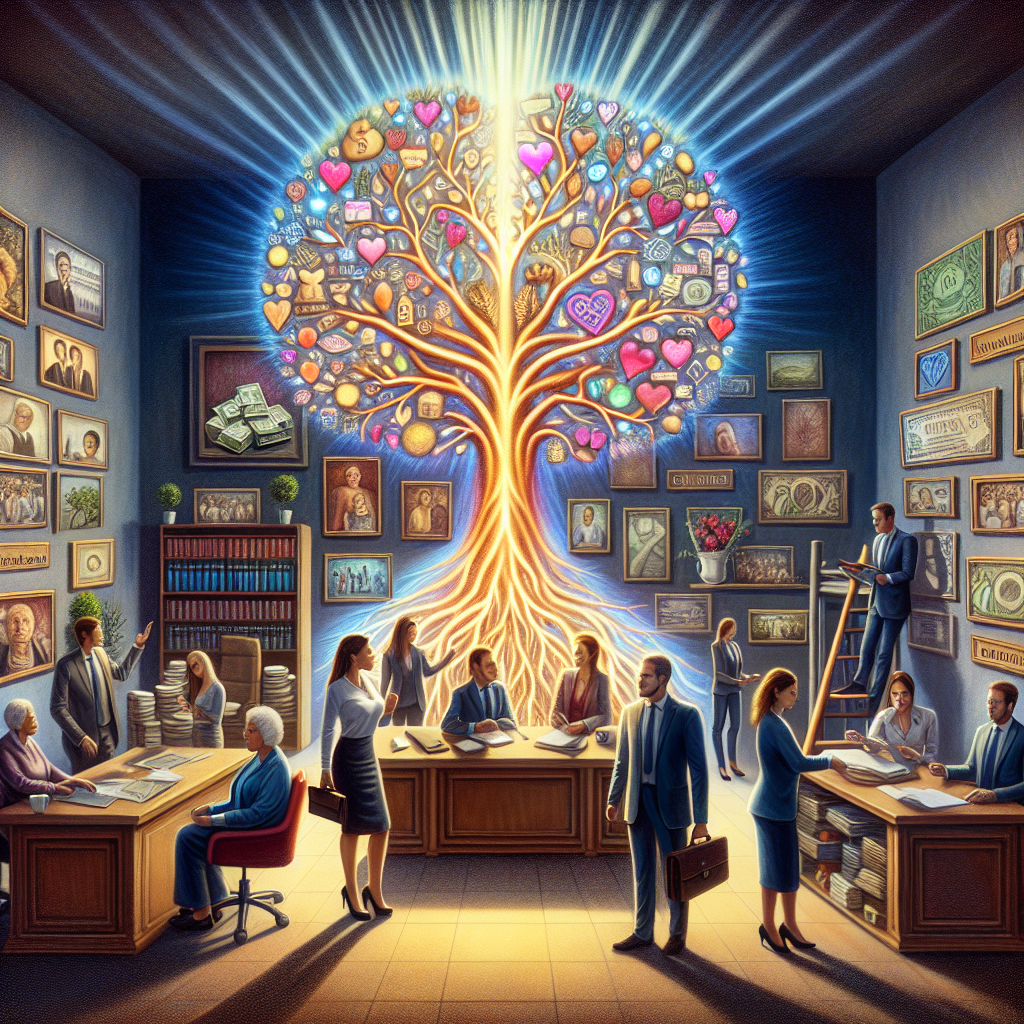
When you think of your legacy, don’t just picture a bank account or a pile of possessions. Think broader. Your legacy is the collection of stories, values, and lessons that you pass down to your family. It’s the unwritten guidebook on how to navigate this world, filled with triumphs and failures alike. Legacy storytelling is the bridge connecting generations, and its influence is profound.
Imagine family gatherings, where stories bubble to the surface over dinner or a campfire. That’s the magic of legacy storytelling at work. The tales you share—your struggles, your victories, even your embarrassing moments—become threads woven into your family’s fabric. Each narrative not only entertains but also provides invaluable insights that your children, and their children, will carry forward. This sharing shapes their identity, giving them a sense of belonging, purpose, and a roadmap of sorts, helping them navigate their own life challenges with confidence.
But here’s the kicker: legacy is not just about the big moments. It flourishes in the everyday interactions—the lesson learned while fixing a leaky faucet or the quiet resilience shown during tough times. When you share these stories, you’re giving your family a treasure trove of experiences from which to draw inspiration and strength. Think about that. You can influence how they perceive and tackle life’s curveballs based on the stories you choose to share.
Now, consider what impact your legacy might have in shaping their values. Instilling kindness, perseverance, and gratitude through your own experiences can create a ripple effect, guiding your family in how they relate to one another and to the world at large. The stories you tell are foundational. They guide decisions, inspire action, and fortify family bonds.
So, what’s stopping you? Start capturing those moments today. Gather your family and encourage them to share their own stories too. This isn’t just about you; create a family narrative that’s ever-evolving—a living testament to who you are and what you stand for. In doing so, you’ll not only foster a sense of connection but also provide your family with the tools they need to build their own distinct legacies. Trust me, that’s an impact that will resonate through time, creating a lineage rich in wisdom and continuity.

What Impact Does My Legacy Have On My Family?
What Impact Does My Legacy Have On My Family?
- Legacy extends beyond finances, encompassing stories, values, and lessons shared with family.
- Legacy storytelling connects generations and profoundly influences their identities and life paths.
- Family gatherings can be the perfect setting for sharing narratives that provide insights for future generations.
- Everyday interactions and experiences contribute significantly to a family’s legacy, shaping how they face challenges.
- Stories instill essential values like kindness and perseverance, creating a ripple effect in relationships.
- Capturing and sharing moments fosters connection and evolves a family narrative over time.
- Building a legacy enriches future generations with wisdom, strength, and a sense of belonging.
What Impact Does My Legacy Have On My Family?
How Can I Ensure My Values Are Passed On?
When it comes to passing on your values, think of it as crafting your legacy. It’s like a timeless thread woven into the fabric of your family, reminding each generation where they come from and what that really means. Legacy storytelling, my friends, isn’t just a cute phrase; it’s a living, breathing act that can shape the lives of those who come after you. So, how do you ensure that your values don’t just slip through the cracks like sand in an hourglass?
First, start with your own experiences. Gather your family, whether it’s at the dinner table, around a campfire, or just during a quiet evening at home. Share your stories—the good, the bad, the funny, and the challenging. Talk about the lessons learned and how they’ve shaped the person you are today. This is where the magic happens. The authenticity of your voice can resonate deeply. Your failures and successes paint a picture that’s way more compelling than any “how-to” guide. It brings a sense of reality that your loved ones can relate to, enabling them to see your values in action.
Next, make it a two-way street. Encourage the younger generation to share their thoughts and experiences, too. Listening is just as important as telling your own story. This creates a dialogue that fosters trust. They’ll feel valued, and when they know their opinions matter, they’re more likely to internalize the values you discuss. You’d be surprised how much can be learned over a simple conversation.
Additionally, consider documenting your stories. Whether it’s through a journal, video recordings, or a family blog, preserving these narratives can serve as a bridge between generations. The act of putting pen to paper or pressing “record” in today’s digital age captures not just your values, but also the essence of you, allowing future generations to engage with your stories on their terms.
Lastly, don’t just focus on the big moments. Everyday actions and behaviors often speak louder than words. Demonstrate your values through your daily life—kindness, resilience, integrity. Show your family how these principles play out in real-time. When they see you living your values, that creates a lasting impression that echoes long after you’re gone.
Leaving a legacy isn’t about grand declarations; it’s about nurturing connections through stories and everyday actions. Start your journey of legacy storytelling today—after all, what is a life if not shared?

How Can I Ensure My Values Are Passed On?
How Can I Ensure My Values Are Passed On?
- Passing on values is akin to crafting a legacy, serving as a reminder of family origins.
- Legacy storytelling shapes future generations through shared personal experiences.
- Gather family members to share stories that highlight lessons learned from successes and failures.
- Encourage a two-way dialogue, allowing younger generations to share their thoughts and experiences.
- Document stories through journals, videos, or family blogs to preserve narratives for future generations.
- Demonstrate values through everyday actions, showcasing principles like kindness and integrity.
- Leaving a legacy is about nurturing connections through storytelling and daily behaviors.

How Can I Ensure My Values Are Passed On?
Why Should I Talk About My Legacy Now?
You might be wondering why now is the time to dive into the deep, often tricky waters of legacy storytelling. After all, life is busy, and we’re all carrying our own buckets of responsibilities. But here’s the thing: weaving your legacy isn’t about crafting an epic tale worthy of a bestselling novel; it’s about sharing the fabric of who you are and what you stand for.
Think of your legacy as the roadmap you’re leaving behind, filled with the twists, turns, and roadside stops that define your journey. Every scratch and dent you’ve accumulated, every lesson you’ve learned, adds texture to your story. When you take the time to reflect on these things, you’re not just preserving memories for yourself; you’re handing down a treasure trove of experiences, values, and wisdom to those who come after you. It’s a gift that enriches lives.
Talking about your legacy now isn’t merely for posterity; it’s a chance for connection. We live in an age of distraction, where conversations skim the surface. Sharing your legacy invites deeper dialogue and fosters relationships that matter. It’s a way to bridge generational gaps, share laughter and tears, and create bonds that will span far beyond your own lifetime. Picture your grandkids gathered around, eyes wide with wonder, as you regale them with tales of your triumphs and challenges. By sharing now, you also empower them. You give them the courage to face their own challenges and the assurance that they’re not alone.
Additionally, addressing your legacy can clarify your values and what you wish to prioritize in your life moving forward. Maybe there are stories you’ve been meaning to tell or lessons you’ve learned the hard way. It’s time to break the silence. The process of reflecting on your narrative can also guide your current decisions, ensuring that you’re aligned with the legacy you want to leave behind.
So why talk about your legacy now? Because your story matters—today, tomorrow, and long after you’re gone. It’s never too early—or too late—to start sharing it. Dive in, get your hands dirty, and enjoy every moment of this unique journey we call life.

Why Should I Talk About My Legacy Now?
Why Should I Talk About My Legacy Now?
- Legacy storytelling is about sharing your identity, not crafting a bestseller.
- Your legacy serves as a roadmap of your life’s journey, rich with experiences and lessons.
- Reflecting on your legacy allows you to pass down valuable wisdom and enrich future generations.
- Discussing your legacy fosters deeper connections and meaningful conversations in a distracted world.
- Your stories can bridge generational gaps, creating lasting bonds with loved ones.
- Addressing your legacy helps clarify your values and priorities moving forward.
- It’s never too early or too late to share your story; your narrative is important now and for the future.
Why Should I Talk About My Legacy Now?
How Can I Create A Meaningful Legacy For My Children?
Creating a meaningful legacy for your children isn’t about the size of your estate; it’s about the stories you leave behind. Legacy storytelling is an art, one that we often overlook in our busy, tech-driven lives. Imagine for a moment the old family albums stuffed away in the attic. Each faded photograph tells a tale—some hilarious, some heart-wrenching, and some downright bizarre. It’s those stories that bind us, nurture our identity, and fuel our dreams. So, let’s talk about how you can weave your own narrative and create a tapestry rich enough for your kids to carry forward.
First, it begins with self-reflection. What experiences shaped you? What obstacles did you overcome? By sharing your triumphs and failures, you not only provide wisdom, but you also show your children that life isn’t always smooth sailing. It’s perfectly messy, with highs that soar and lows that ground you. Embrace those imperfections; they are the building blocks of your legacy.
Take a seat with your kids and share a family story. Maybe it’s about your first job, a journey across the country, or that time you got lost in the wilderness. Let them see you in your raw form: unfiltered and real. Storytelling is a magical tool that can turn mundane moments into powerful lessons. This isn’t just about keeping memories alive; it’s about giving your children a mirror reflecting their own potential. When they hear your stories, they’ll be inspired to brave their own challenges, armed with the knowledge that perseverance is part of life.
Next, encourage them to tell their own stories. Create an environment where their voices matter. Ask them about their day, their dreams, or even their fears. You’d be amazed at what they’ll share when they feel like they’re in a safe space. By fostering conversation, you not only help them articulate their thoughts but also build a foundation of trust.
Incorporate storytelling into family traditions—game nights, camping trips, or even Sunday dinners can become platforms for sharing. You’re not just building memories; you’re crafting a legacy that will be passed down through generations. When they look back, they won’t just see a name on a tombstone; they’ll feel a heartbeat, hear laughter, and remember the warmth of connection. So, start today. Share your story. Let it echo through time, and watch as your children confidently carve out their paths, grounded in the legacy you’ve imparted.

How Can I Create A Meaningful Legacy For My Children?
How Can I Create A Meaningful Legacy For My Children?
- Creating a meaningful legacy for children focuses on storytelling, not just estate size.
- Legacy storytelling connects family through shared experiences, both funny and poignant.
- Self-reflection is essential; share both triumphs and failures to impart wisdom.
- Storytelling can transform mundane moments into powerful life lessons for children.
- Encourage children to share their own stories to foster a trusting environment.
- Incorporate storytelling into family traditions to strengthen bonds and create lasting memories.
- Start sharing your story today to help children confidently navigate their own paths.

How Can I Create A Meaningful Legacy For My Children?
What Are Common Misconceptions About Leaving A Legacy?
When the term “legacy” bubbles up in conversation, it’s easy to get swept away by grand notions of wealth and fame. The truth, however, is often far less glamorous and far more profound. Let’s unravel some of these misconceptions together, shall we?
First up, let’s tackle the myth that leaving a legacy is only for the wealthy or the famous. Sure, you might think that only celebrities or billionaires can create a ‘legacy,’ but that’s just not the case. Legacy isn’t about who has the biggest bank account—it’s about the impact you make. Every moment you share, every lesson you teach, and every kindness you extend weaves into the fabric of your life’s story. It’s about your legacy storytelling, the way you engage with others and show them who you truly are. Even the smallest acts can ripple outward and influence countless lives, often in ways you’ll never fully know.
Another common misconception? That leaving a legacy requires a large audience or elaborate planning. You might think it’s as simple as writing up a will or creating a family story for posterity. While these are important touches, legacy is far more organic than that. It’s crafted in the everyday moments—those times you choose to lend a hand, those heartfelt conversations over cups of coffee, or even the little traditions you instill in your family. Harsh reality check: your legacy is being built right now, whether you realize it or not.
Then there’s the idea that legacies are created posthumously. Welcome to the 21st century, where we have the unique opportunity to leave a legacy while we’re still around to experience its impact. Your actions today resonate through time and can inspire generations. Don’t wait for that proverbial “when I’m gone” moment. Start making those memories and crafting that legacy story now.
Lastly, let’s consider the belief that anyone can leave a perfect legacy. News flash: perfection doesn’t exist. Your legacy will consist of your hits and misses. Own your mistakes, share your lessons, and celebrate your victories. The raw and authentic blend of life is what truly resonates with others.
Leaving a legacy is less about what you achieve and more about how you connected with those around you. So, dive in, share your story, and remember: your legacy isn’t some destination on the horizon—it’s the journey you embark on each day.

What Are Common Misconceptions About Leaving A Legacy?
What Are Common Misconceptions About Leaving A Legacy?
- Legacy is not limited to wealth and fame; it’s about the impact made in everyday life.
- Everyone can create a legacy through small acts of kindness and meaningful interactions.
- Leaving a legacy doesn’t require elaborate planning or a large audience.
- Your legacy is being built in the present through everyday moments and connections.
- Legacies can be created while you’re still alive, impacting future generations immediately.
- Perfection in legacy is a myth; it includes both successes and failures.
- Your legacy is defined by how you connect with others, making it a continuous journey.

What Are Common Misconceptions About Leaving A Legacy?
How Can A Will Help In Shaping My Legacy?
When we think about legacy, we often picture grand monuments or iconic achievements. But in reality, legacy is really about the stories we leave behind—the narratives that shape how we are remembered. That’s where a will steps in, serving as an essential instrument in your own legacy storytelling.
Imagine your family gathered years from now, reminiscing about your life. What stories do you want them to tell? Perhaps you spent weekends teaching your kids how to fish, or maybe you hosted legendary Sunday dinners that brought everyone together. A will can serve as the foundation for these stories, offering clarity and direction when emotions run high. It provides a map that guides your loved ones through the wilderness of grief and uncertainty, ensuring that your values and wishes are honored.
Have you ever thought about what it feels like to ensure that your great-grandchildren know your favorite recipe or your passion for gardening? Maybe you’ve got a prized collection of vintage records you want to pass down to a music-loving niece. A well-crafted will goes beyond distributing tangible assets; it encapsulates the essence of who you are and what’s important to you. It can serve as a final message, a way to share your hopes and teachings, leaving each recipient not just with a possession, but a connection to you.
And let’s not forget about the practical benefits. A will can prevent those family squabbles we’ve all seen in movies, the kind that turns families into estranged enemies. By clearly delineating your wishes, you save your loved ones from the heartache of making tough decisions without you. Consider it an act of love—a way to communicate what truly matters to you, reducing stress and uncertainty for those you leave behind.
In a world filled with competing narratives, your thoughts and wishes can be your ultimate legacy storytelling tool. Think of it as a conversation that transcends time—a way to keep the discussion going long after you’ve left the room. So, if you haven’t already, grab a pen and start drafting. Let your will be the storyteller of your life, guiding your loved ones through the chapters you wrote and creating a future filled with understanding, connection, and enduring love.

How Can A Will Help In Shaping My Legacy?
How Can A Will Help In Shaping My Legacy?
- Legacy is about the stories we leave behind, not just grand monuments or achievements.
- A will serves as an essential instrument in legacy storytelling, providing clarity during emotional times.
- A will helps shape how loved ones remember you by outlining cherished memories and values.
- A well-crafted will goes beyond asset distribution, encapsulating your passions and essence.
- Having a will can prevent family disputes, saving loved ones from difficult decisions in grief.
- A will acts as an act of love, communicating what matters to you and reducing stress for those left behind.
- Your thoughts and wishes can create a lasting legacy that continues to resonate with your family.

How Can A Will Help In Shaping My Legacy?
What Stories Should I Share To Enhance My Legacy?
When it comes to Legacy Storytelling, it’s not about crafting a grand narrative that feels like an epic novel or film. Instead, it’s about those small, authentic moments that weave together the fabric of your life. Think about it: What stories roll off your tongue during family gatherings? Which anecdotes make your friends chuckle or nod in understanding? Those are the gems worth sharing.
We all have experiences that define us, but how often do we take the time to reflect on them? Consider the first time you faced a challenge and came out the other side stronger. Perhaps it was a moment from your childhood that taught you resilience or a lesson from your job that reshaped your perspective on hard work. These stories not only reveal your character but also resonate with others who may be navigating similar waters. They help build connections, foster understanding, and ultimately strengthen your legacy.
Don’t shy away from the not-so-glamorous moments, either. It’s easy to want to share the successes—the promotions, the accolades, the happy milestones—but the struggles are what make us human. When you recount that time you failed spectacularly or the moment you had to eat humble pie, you’re opening a window into your reality. It’s in these stories that we find common ground, where others see themselves reflected in your journey.
And remember, it’s not just about recounting the events—it’s about the emotions tied to them. Tell the story of your grandmother’s unwavering spirit, the laughter shared with friends over a campfire, or that pivotal conversation with a mentor that changed your trajectory. Infuse these tales with the feelings you experienced at the time, and watch how they come alive for your audience.
Lastly, don’t forget that your stories are a gift. They hold the potential to inspire, motivate, and comfort those who hear them. Sharing with intention and vulnerability creates a legacy that transcends time—a tapestry stitched with the threads of connection and understanding. So grab a seat, call on your memories, and start sharing those priceless stories. Your voice matters, and in doing so, you pave the way for others to forge their own paths through the beautiful chaos of life.

What Stories Should I Share To Enhance My Legacy?
What Stories Should I Share To Enhance My Legacy?
- Legacy Storytelling focuses on small, authentic moments rather than grand narratives.
- Personal anecdotes from family gatherings or shared experiences are valuable stories worth telling.
- Reflecting on defining experiences helps reveal character and resonate with others.
- Sharing struggles, alongside successes, fosters human connection and relatability.
- Emotions tied to stories enrich their impact, making them more relatable and engaging.
- Your stories can inspire, motivate, and comfort others, creating lasting legacies.
- Sharing your experiences with intention helps pave the way for others through life’s chaos.

What Stories Should I Share To Enhance My Legacy?
Conclusion
In wrapping up our exploration of legacy, let’s cut through the fluff and get right to the heart of it. Legacy may conjure up images of sprawling estates or majestic family heirlooms, but folks, that’s just the surface. The real deal is what you pass down through words, values, and shared experiences—your stories. These narratives, woven into the very fabric of your family’s history, hold the power to shape their identity and instill resilience, compassion, and grit.
Picture this: a grandchild curled up in your lap, eyes wide with wonder, soaking in every twist and turn of your recounting adventures. That’s not just storytelling; that’s legacy in action. Each tale is a lifeline, connecting generations and reinforcing the values that bind your family together. In the hustle and bustle of life, it’s easy to overlook these moments, but by setting aside time for legacy storytelling, you transform the mundane into the extraordinary. Share your triumphs, your failures, and even those embarrassing moments. These slices of life cultivate a sense of belonging that will guide them through their own challenges.
And let’s not dance around the fact that this isn’t a burden or a chore—it’s an opportunity. An opportunity to create deeper connections within your family and ensure that your values don’t fade into obscurity with the passing years. This is about the little everyday actions far more than the monumental events. It’s not just what you achieved but how you chose to live.
So, how do you start? Begin small. Share a dinner table story, take a walk, and let the conversation flow. Make it a habit, and soon you’ll be weaving a rich tapestry of family history that not only preserves your legacy but empowers your loved ones to forge their own paths. Don’t shy away from showing them how you navigated life’s tricky waters, as this authentic display of vulnerability will resonate much deeper than any perfect narrative could.
Remember, your legacy is being shaped right now—by the love you show, the stories you tell, and the values you uphold. The best part? You get to do this while you’re still around to witness the impact you make. So, grab a seat, share those stories, invite your family to share theirs, and enjoy this intricate dance of life together. After all, a rich legacy is not just what you leave behind, but what you actively create in the hearts and minds of those you love. That’s the essence of true legacy storytelling. So go on—start today. Your story matters.

Conclusion
Conclusion:
- Legacy encompasses more than just material possessions; it’s about passing down stories, values, and experiences.
- Sharing personal narratives strengthens family connections and shapes their identity.
- Storytelling transforms ordinary moments into extraordinary ones, providing a sense of belonging.
- Your legacy is about the everyday actions and values you live, not just major achievements.
- Begin by sharing small stories; make it a habit to weave family history together.
- Authenticity in storytelling fosters vulnerability and deeper connections with loved ones.
- Your legacy is actively being created through love, stories, and values while you are still present.

Conclusion
Other Resources

Other Resources
Here is a list of other resources you can review online to learn more:
- AmericanAncestors
- WishesKeeper
- Postumo
- MyHeritage
- Storyfile Life
- EverLoved
- NoLo
- Personal Legacy Advisors
- INELA
- Afternote
Use This Prompt To Get More Resources With Your Favorite Online AI Tool: Please provide me with a list of online articles with their URLs in a bulleted list that I can read regarding How Critically Important Is Your Legacy to Your Loved Ones?

Other Resources
Glossary Terms
How Critically Important Is Your Legacy to Your Loved Ones? – Glossary Of Terms
1. Legacy: The impact or contribution an individual leaves behind after their death, encompassing values, possessions, and memories.
2. Inheritance: The tangible assets or property passed down to heirs, including money, real estate, and personal belongings.
3. Heir: A person legally entitled to receive a decedent’s estate or acts as a recipient of a legacy.
4. Generational Wealth: Financial assets that are passed down from one generation to another, contributing to family stability and success.
5. Values: The principles and beliefs that guide a person’s actions and decisions, often imparted to future generations.
6. Cultural Heritage: Traditions, customs, and artifacts that represent a group’s historical legacy, which can be passed down to children.
7. Memory: The mental representation of people, events, and legacies that affect how loved ones remember the deceased.
8. Impact: The lasting effect one’s actions have on others and their future, creating a meaningful legacy.
9. Philanthropy: Charitable giving that supports causes or organizations, reflecting personal values and positively influencing communities.
10. Estate Planning: The process of organizing assets and final wishes to ensure they are managed according to personal values and preferences.
11. Wishes: The specific desires an individual has for how their affairs should be managed after their death, impacting their legacy.
12. Tradition: Established customs and practices passed down through generations, forming part of a family’s identity and legacy.
13. Storytelling: The act of sharing personal or family stories to preserve memories and lessons for future generations.
14. Memorialization: The act of honoring a deceased loved one, often through rituals, monuments, or commemorative activities that preserve their legacy.
15. Ethical Will: A document expressing personal values, beliefs, and life lessons intended to guide future generations beyond material inheritance.
16. Family Ties: The bonds and relationships among family members that can strengthen the emotional aspect of leaving a legacy.
17. Influence: The effect that a person’s life and actions have on others, shaping how they view their own lives and legacies.
18. Identity: The understanding of oneself shaped by personal, familial, and cultural histories, contributing to one’s legacy.
19. Resilience: The ability to recover from loss or adversity, a quality often instilled in loved ones as part of one’s legacy.
20. Gratitude: Feeling thankful for the legacy left by others, influencing how loved ones remember and honor the deceased.
21. Relationships: Connections formed with others that can greatly affect how one’s legacy is perceived and valued by loved ones.
22. Life Lessons: Insights gained through experience that can be shared with future generations as part of one’s legacy.
23. Guidance: Advice or direction given to loved ones, often shaped by personal experiences and intended to inform their future choices.
24. Intergenerational Dialogue: Conversations between different generations that help to pass down values, stories, and legacies.
25. Closure: The resolution of grief and acceptance of loss that can be fostered by understanding and honoring a loved one’s legacy.
26. Symbolism: Objects or actions that carry deeper meanings related to personal or familial legacies, enriching memory and connection.
27. Financial Planning: The strategic management of financial resources to ensure a sustainable legacy for future generations.
28. Mentorship: The process of guiding and influencing others, particularly the younger generation, thereby extending one’s legacy.
29. Enduring Love: The lasting emotional bonds that preserve a person’s memory and legacy within the hearts of loved ones.
30. Reflection: The act of contemplating one’s life and impact, leading to a deeper appreciation and understanding of the legacy one creates.

Glossary Of Terms
Other Questions
How Critically Important Is Your Legacy to Your Loved Ones? – Other Questions
If you wish to explore and discover more, consider looking for answers to these questions:
- What specific stories should I prioritize when sharing my legacy?
- How can I start the conversation about legacy with my family?
- What types of values are most important to instill in my children?
- How can I document my legacy for future generations effectively?
- What are some tips for creating a legacy that is unique to my experiences?
- How can technology assist in preserving my legacy?
- What role does a family member’s feedback play in shaping my legacy?
- Can legacy storytelling also be beneficial for personal growth?
- What are some engaging ways to facilitate legacy storytelling during family gatherings?
- What challenges may arise when discussing legacy with family, and how can I overcome them?

Other Questions
Haiku
How Critically Important Is Your Legacy to Your Loved Ones? – A Haiku
Stories we weave now,
Values passed through generations—
Legacy lives on.

Haiku
Poem
How Critically Important Is Your Legacy to Your Loved Ones? – A Poem
In whispers soft, the tales unfold,
Of lives well-lived, of hearts of gold.
Not wealth, nor fame, the legacy we seek,
But stories shared that make us unique.
Each memory a thread, with lessons spun,
Binding generations, the old and young.
Through laughter and tears, we weave our fate,
In shared moments, we find what’s great.
The mundane shines when stories ignite,
A grandchild’s gaze, eyes wide with light.
In kitchen corners and fireside glow,
The tales of struggle, triumphs grow.
So gather ‘round, give voice to the past,
In cherished moments, let love be cast.
For every stumble, every hard-won grace,
Is a beacon to guide in life’s fast race.
Your values live in the stories you tell,
Bouncing off walls, where memories dwell.
Not grand declarations, but small acts of care,
In daily rhythms, your love lays bare.
Though life may be busy, don’t let moments slip,
In conversations deep, let connections grip.
A will can guide when you’ve gone, that’s true,
But it’s *now* that matters; your life is your cue.
Capture each moment, don’t wait for the end,
For legacies flourish where memories blend.
Every laugh, every tear, every joy that you share,
Is a stitch in the fabric of love and of care.
So take pen in hand, and start to express,
The beauty of your journey, the chaos, the mess.
Your story is precious, a treasure to hold,
A lasting legacy that never grows old.

Poem
Checklist
How Critically Important Is Your Legacy to Your Loved Ones? – A Checklist
1. Reflect on Your Legacy:
_____ Identify the key values you want to pass on (e. g. , kindness, perseverance, integrity).
_____ Consider the stories from your life that define you.
_____ Write down your life lessons and pivotal moments that shaped who you are.
2. Engage in Storytelling:
_____ Set aside regular time to share stories with your family (e. g. , dinner, campfires).
_____ Encourage family members to share their stories too.
_____ Make storytelling a family tradition during gatherings or special occasions.
3. Document Your Legacy:
_____ Start a journal or diary where you can jot down important stories and lessons.
_____ Record video or audio narrations of your stories.
_____ Create a family blog or scrapbook to store and share your family’s narratives.
4. Model Your Values:
_____ Live your values daily through your actions and decisions.
_____ Use everyday situations to highlight important lessons (e. g. , teaching how to fix something).
_____ Discuss your values openly and how they influence your life choices.
5. Use Your Will Wisely:
_____ Draft a will that not only addresses material possessions but also conveys your wishes and values.
_____ Include personal letters or messages to family members in your will.
_____ Regularly update your will as your life and relationships evolve.
6. Communicate and Connect:
_____ Initiate deeper conversations about family history and values.
_____ Foster an environment where all family members feel comfortable sharing.
_____ Create dialogue with your children about their aspirations and challenges.
7. Be Authentic and Vulnerable:
_____ Share both successes and failures; let your loved ones see the real you.
_____ Talk about struggles and how you overcame them to instill resilience.
_____ Infuse emotions into your stories to create a lasting impact.
8. Encourage Future Generations:
_____ Invite your children and grandchildren to create their own legacy stories.
_____ Provide them with the tools to document their experiences.
_____ Hold family meetings to discuss values and family history, ensuring legacy is cultivated collectively.
9. Start Today:
_____ Don’t wait to begin; share a story or lesson from your life tonight.
_____ Make legacy storytelling a part of your daily life rather than a distant goal.
_____ Take small steps each day to actively engage in creating and sharing your legacy.
10. Celebrate Your Legacy:
_____ Recognize and honor family members who embody valuable stories.
_____ Create opportunities to celebrate family heritage and milestones together.
_____ Reflect on shared memories and how they shape your family identity.
Use this checklist to take purposeful steps in sharing your legacy and creating lasting connections with your loved ones!

Checklist
At LegacyExplorations, we help people plan and explore their legacy by collecting information and news regarding end-of-life planning.
Please share this post with your friends, family, or business associates who may want help to plan or explore their legacy.