

Unearthing Truth: The Hidden Impact Of Vanishing Voices On Our Past
By Tom Seest
At LegacyExplorations, we help people plan and explore their legacy by collecting information and news regarding end-of-life planning.
Please share this post with your friends, family, or business associates who may want help to plan or explore their legacy.
How Disappearing Content Rewrites History
Disappearing content is more than just a fleeting moment in our digital age; it’s a powerful phenomenon that fundamentally rewrites our understanding of history. Each time we hit “delete,” swipe away, or let a fleeting image dissolve into the ether, we are not simply removing data; we are altering narratives, and with them, the legacy of who we are. This can evoke a visceral response in all of us, tapping into the very essence of legacy storytelling.
Think about it. Stories have always been the backbone of our culture, the threads that weave our collective identity together. Yet, in a world where content can vanish as quickly as it appears, we risk losing critical pieces of our history. This isn’t just a technological issue; it taps into our humanity. When we erase a memory, a moment, or a message, we rob future generations of the chance to learn from the past. This is not merely a loss of information; it’s a loss of understanding, empathy, and connection.
From a rational perspective, the implications are monumental. We regularly consume information online, often without stopping to consider how it shapes our perceptions, including our historical narratives. What is lost in the deletion of a tweet or the expiration of a viral post? It’s not just data; it’s context and meaning. These digital remnants can serve as a guidepost for younger generations, teaching them the lessons we often forget. The act of preserving these snippets of life is essential for future ethical understanding.
Emotionally, the idea of disappearing content resonates deeply. We’ve all experienced a moment that felt significant, only to see it slip away into the void. This evokes a sense of urgency to capture and retain what matters, to valorize our experiences as fragments of a larger legacy. Each story we decide to save contributes to a tapestry that explains who we are.
By embracing the permanence of certain stories while recognizing the ephemeral nature of others, we build a trust with the past, present, and future. It’s about fostering social responsibility to document our lives, ensuring that when we tell our stories, we honor them. In an age of instant gratification, let us not lose sight of the importance of thoughtful expression, of sharing legacies that truly resonate in the hearts and minds of those who come after us. Only then can we truly rewrite history for the better.

How Disappearing Content Rewrites History
How Disappearing Content Rewrites History
- Disappearing content reshapes our understanding of history and narratives.
- Each deletion alters legacies and our collective identity.
- The risk of losing critical historical pieces is heightened in a digital age.
- Erasing content robs future generations of valuable lessons from the past.
- Preserving digital remnants is vital for ethical understanding and context.
- Emotional resonance drives the urgency to save significant stories for future legacy.
- Thoughtful expression and documentation are key to honoring our legacies.
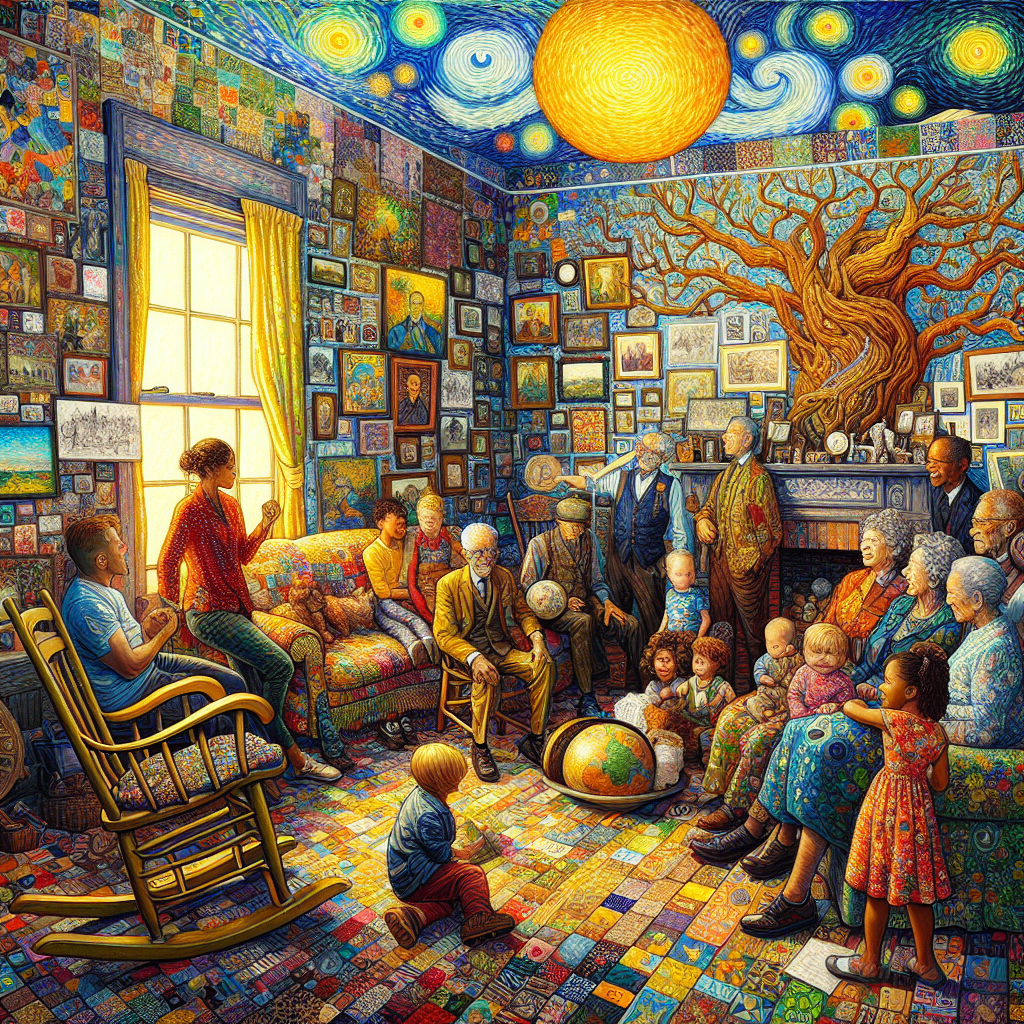
How Disappearing Content Rewrites History
Table Of Contents
- How Disappearing Content Rewrites History
- What Happens When Our Memories Fade Into the Digital Void?
- How Do We Define Truth In a World Of Disappearing Content?
- Can We Trust What We See When Information Vanishes?
- What Ethical Responsibilities Do Creators Have for Their Content?
- How Does the Absence Of Content Shape Our Collective Memory?
- Who Gets to Write History When Information Is Erased?
- What Stories Remain When Content Is Lost Forever?
- Conclusion
- Other Resources
- Glossary Of Terms
- Other Questions
- Haiku
- Poem
- Checklist
What Happens When Our Memories Fade Into the Digital Void?
In a world where every moment seems to be captured, curated, and shared, the essence of our memories faces a paradox. We live in a digital era, where our lives are endlessly documented, yet our true legacies often slip through the cracks, lost in the vastness of the digital void. Those fleeting moments—birthdays, road trips, quiet evenings—are more than mere snapshots; they are the building blocks of our legacy. Storytelling is our bridge, connecting experiences from one generation to the next, yet technology risks rendering our narratives as fragmented data, devoid of heart.
Think about it: each photograph we upload and every status update we post is more than a pixel or a character. These fragments tell a story—a story that deserves to be told in full, rich detail. Our memories shape who we are, creating an intricate tapestry of identity. When these memories fade into a sea of digital noise, we lose not just recollections but the essence of what it means to be human. We must ask ourselves, how do we prioritize these moments? Are we collecting experiences to share, or are we curating true legacy storytelling that enriches our lives?
Fostering connection to our past becomes increasingly vital. We need to understand that the art of storytelling is about weaving a narrative that transcends generations. When we share our experiences with authenticity—whether it’s the lessons learned from failure or joyful family gatherings—we not only honor our past but also empower others to find their voice. Real conversations around a kitchen table have a way of anchoring us, grounding us in our shared humanity.
Moreover, as we navigate this digital landscape, we must consider the ethical responsibilities we bear. What values do we uphold when we choose to document our lives online? Are we engaging in meaningful dialogue, or simply scrolling through the façade of happiness? The authority of our stories lies in their truth, and it’s our responsibility to ensure that future generations inherit not just the highlights, but the rich, textured narratives that define us.
Let us reclaim the power of our memories. Let’s commit to preserving our stories—the ones that matter—safeguarding them from the abyss of the digital void. This isn’t just about nostalgia; it’s about crafting a future where our legacies are filled with authenticity, connection, and heart. In doing so, we inspire trust and action, ensuring that our memories resonate long after we’ve shared them.

What Happens When Our Memories Fade Into the Digital Void?
What Happens When Our Memories Fade Into the Digital Void?
- The digital era captures and shares our lives, yet our true legacies often get lost.
- Fleeting moments contribute to our identity and serve as building blocks of our legacy.
- Storytelling connects generations but risks becoming fragmented due to technology.
- Memories are essential; they shape our identity and humanity.
- Authentic sharing of experiences fosters connection and empowers others.
- We must consider ethical responsibilities when documenting our lives online.
- Reclaiming and preserving the essence of our memories enriches our future legacies.

What Happens When Our Memories Fade Into the Digital Void?
How Do We Define Truth In a World Of Disappearing Content?
In a time when the fabric of our shared experience is fraying, we find ourselves grappling with a powerful question: how do we define truth in a world of disappearing content? Every day, we navigate a landscape increasingly dominated by transient information, where the permanence of yesterday’s news fades faster than the print in a newspaper. The stories we tell—and those that we choose to forget—hold the keys to understanding ourselves and each other. It’s in our legacy storytelling that we discover the truths that endure amidst chaos.
Consider the tales of our ancestors, warriors, and everyday heroes who give context to our collective existence. Their stories, grounded in truths both simple and profound, remind us of our shared humanity. They tap into our emotions, stirring compassion and understanding in the very marrow of our bones. Today, as we scroll past headlines designed to provoke, we must remember that real truth lies in the authentic narratives we hold dear. These are the stories that resonate deep within us and connect us on a fundamental level.
Rationally, we must be discerning. In a digital age where information can disappear like smoke, it’s essential to cultivate critical thinking—crafting our understanding of truth not from the rabble of noise but from voices we know to be credible. Seek out sources that have earned trust over time, those whose legacy storytelling carries the weight of experience. They provide a map through uncertainty, helping us discern not just what is true, but why it matters.
Ethically, we owe it to ourselves and future generations to preserve the integrity of our narratives. Each shared story, when told with honesty and purpose, contributes to a societal tapestry that reflects our complexity. Our children should not only learn history; they should engage with it emotionally, feeling the pulse of truth resonate through the ages.
And in a world increasingly fragmented by division, let’s foster connections through shared stories. Each conversation, each revelation, brings us closer to understanding. When we engage with each other authentically, we find common ground amid differences.
Ultimately, the truth is not an abstract concept; it’s a living narrative woven through our experiences. As we strive to root our lives in stories that endure, we not only honor the past but inspire each other to forge a more compassionate future, one truth at a time.

How Do We Define Truth In a World Of Disappearing Content?
How Do We Define Truth In a World Of Disappearing Content?
- We face the challenge of defining truth in an era of fleeting content.
- The stories we share and forget shape our understanding of ourselves and each other.
- Legacy storytelling reveals enduring truths amidst chaos.
- Critical thinking is essential in discerning credible sources in a digital age.
- Honest narratives contribute to a complex societal tapestry for future generations.
- Shared stories foster connections and understanding despite division.
- Truth is a living narrative, rooted in our collective experiences.

How Do We Define Truth In a World Of Disappearing Content?
Can We Trust What We See When Information Vanishes?
In a world where information can disappear at the push of a button, we find ourselves grappling with a fundamental question: how much can we actually trust our own perceptions? It’s like standing at the edge of a vast, foggy landscape, where once-clear paths are obscured, and we are left to navigate through uncertainty. Yet, amid this confusion, there’s an opportunity for connection, resilience, and understanding.
Legacy storytelling plays a crucial role in ensuring that only the most poignant narratives endure, guiding us through the murkiness of disappearing information. These stories not only preserve history but instill a sense of belonging in a rapidly changing world. When we share tales that resonate deeply, we tap into a wellspring of human experience that transcends time and situation. It’s about more than mere facts; it’s about emotion—the heartbeat of what connects us all. Each story holds weight, grounding us in our shared humanity and providing a reference point as we seek to ascertain truth from illusion.
Engaging our heads requires a rational approach to our sources. In this age of information overload, we need to sharpen our critical thinking skills, allowing us to sift through the noise. Who is providing this information? What is their motive? These questions don’t just protect us; they empower us. By questioning authority, we reclaim the narrative, ensuring that the truths we accept are well-founded. This is where our morals come into play: ethics in information sharing. It’s our responsibility to choose and promote honesty over sensationalism, cultivating a culture where trust is not just expected but earned.
But let’s not forget our guts. Instincts play a powerful role in our perception of trustworthiness. When something feels off, it often is. Our physical reactions are attuned to our surroundings, guiding us to stay vigilant. If we’re disconnected from our intuition in this digital age, we risk losing our ability to discern truth.
Ultimately, the intersection of heart, head, and gut allows us to navigate this tenuous terrain. In forging connections through legacy storytelling, in sharpening our analytical skills, and in listening to our instincts, we can cultivate a more trustworthy landscape for ourselves and future generations. Together, let’s foster a community where truth is honored, stories are shared, and every voice has the power to resonate beyond the vanishing echoes of doubt.

Can We Trust What We See When Information Vanishes?
Can We Trust What We See When Information Vanishes?
- Information can vanish quickly, raising questions about trust in perceptions.
- Legacy storytelling preserves history and fosters a sense of belonging.
- Emotional narratives connect us and provide grounding in shared humanity.
- Cultivating critical thinking is essential to navigate information overload.
- Questioning authority empowers us to reclaim the narrative and establish well-founded truths.
- Instincts are vital in assessing trustworthiness in the digital age.
- Intersecting heart, head, and gut enhances our ability to discern truth and build community.

Can We Trust What We See When Information Vanishes?
What Ethical Responsibilities Do Creators Have for Their Content?
In an age where content flows as freely as water, the responsibility resting on creators’ shoulders has never been heavier. It’s not just about what you produce; it’s about the legacy you leave behind. That legacy is intertwined with storytelling—our ability to shape perceptions, guide understanding, and illuminate truths. Every tweet, photo, and video is a thread in the vast tapestry of human experience, and careless weaving can unravel someone’s world.
Creators have a profound emotional duty to their audiences. It begins with empathy: recognizing that behind every screen is a human being, someone who might be struggling or celebrating a moment in their life. A compelling story can offer solace or ignite passion. When creators shape their messages, they must ask themselves, “What impact will this have?” The head must come into play; think critically about your narratives. Misinformation, even cloaked in cleverness, erodes trust. Trust is not just a buzzword; it’s the foundation upon which enduring relationships and communities are built.
Ethically, creators must strive for authenticity. It’s easy to sway opinions or stoke outrage, but where does that leave integrity? Take a moment to reflect on the responsibility to foster an informed audience. When creators put forth content that prioritizes veracity and respect, they establish themselves as credible authorities worthy of attention. This isn’t about playing it safe; it’s about contributing constructively to the discourse.
Narrative matters too. Everyone has a unique story to tell, and those stories can connect us in remarkable ways. Sharing your journey, with all its twists and turns, allows for genuine connection. Vulnerability can be a powerful tool. When shared authentically, it resonates and invites others to engage deeply, fostering community and understanding.
Finally, there’s a social element to consider. The very act of creating content places you in a larger conversation—one that includes cultural sensitivities and the implications of your messages. Every action has a ripple effect. Consider how your content may influence others and the precedent it sets.
Creators have the power to inspire, educate, and elevate. In wielding this power, a commitment to ethical storytelling isn’t just beneficial—it’s vital for nurturing a society where ideas can flourish, and respect prevails, ensuring that the legacy you build is one of compassion, understanding, and responsibility.

What Ethical Responsibilities Do Creators Have for Their Content?
What Ethical Responsibilities Do Creators Have for Their Content?
- Content creation carries significant responsibility due to its lasting legacy and impact on perceptions.
- Empathy is essential; creators must recognize the human experiences behind their audience.
- Consider the impact of narratives; misinformation damages trust, which is crucial for community building.
- Authenticity and integrity are vital in fostering an informed audience and being seen as credible authorities.
- Sharing personal stories fosters genuine connections and invites deeper audience engagement.
- Creativity operates within a broader social context, affecting cultural sensitivities and audience perceptions.
- Commitment to ethical storytelling is vital for inspiring and nurturing a compassionate society.

What Ethical Responsibilities Do Creators Have for Their Content?
How Does the Absence Of Content Shape Our Collective Memory?
Imagine walking through the vast halls of memory, where every corner holds a story, a lesson, or a truth. Now, picture those halls stripped bare, each wall a blank slate where profound narratives once resided. This absence of content doesn’t just diminish our individual recollections; it fundamentally alters our collective memory. In an age where information floods our senses, we risk losing the very essence of who we are—the legacy storytelling that has tethered us to our past and shaped our identities.
Content serves a dual purpose. It is both a vessel for ideas and a tool for connection. When we curate stories, we weave the fabric of our shared experience, fostering a sense of belonging. Without it, we lose sight of the values that unite us, leaving a void filled with disjointed fragments rather than cohesive narratives. The heart, our emotional engine, craves these tales; it yearns for connection through the shared struggles and triumphs of our forebears. Reflecting on their journeys offers insights and meaningful lessons, grounding us in a sea of uncertainty.
Yet, as rational beings, we also depend on these narratives to navigate the complexities of existence. Our ethical compass is built on the stories passed down through generations. They inform our beliefs and inspire our actions, urging us to rise to challenges, rally for justice, and cultivate empathy. A life devoid of content risks making us mere spectators in our own story, unable to recognize the roots of our ethical convictions.
Authority plays a crucial role in this discourse. Historians, educators, and storytellers hold the keys to our collective memory. They guide us through the labyrinth of our shared past, giving voice to the forgotten and amplifying the tales that need to resonate. In their hands lies the power to inspire trust and cultivate a deeper connection with our shared humanity.
Narratives are the lifeblood of society. They shape perspectives, encourage dialogue, and forge relationships among people of varied backgrounds. When stories are shared, they invite understanding and create a community bound by common goals and experiences.
As we navigate this information overload, let us not forget the importance of preserving and sharing our legacy storytelling. Let’s reclaim the narratives that define us, for in doing so, we strengthen the ties that bind us and ensure our collective memory endures.

How Does the Absence Of Content Shape Our Collective Memory?
How Does the Absence Of Content Shape Our Collective Memory?
- Collective memory is crucial, shaped by individual stories and narratives.
- The absence of storytelling diminishes our recollections and identities.
- Content serves as both a vessel for ideas and a tool for connection.
- Narratives promote shared experiences and foster a sense of belonging.
- Stories passed down inform our beliefs, actions, and ethical compass.
- Historians and educators play a vital role in preserving and amplifying our collective memory.
- Sharing narratives strengthens our community and understanding amidst information overload.

How Does the Absence Of Content Shape Our Collective Memory?
Who Gets to Write History When Information Is Erased?
History isn’t just an abstract concept; it’s the intricate tapestry of our legacy, woven from countless stories that deserve to be told and remembered. Yet, in an age where information can vanish as quickly as it appears, the question arises: who holds the pen that writes this unfolding narrative? The answer is deeply rooted in our collective responsibility.
When powerful forces attempt to erase information, they aren’t just silencing voices; they’re robbing us of our shared humanity. Each story, whether of triumph or struggle, serves as a critical thread in the fabric of our society. Legacy storytelling isn’t merely a pastime; it’s an act of defiance against the erasure of our past—a way to reclaim our identity and ensure that the experiences of those before us endure. The narratives we choose to share, or omit, shape not only how we view our past but also how future generations will understand their place in the world.
Consider the emotional weight carried by the stories of ordinary individuals—heroes in their own right—who fought against the tide of forgetfulness. Their tales often highlight the resilience of the human spirit, reminding us that adversity can lead to profound growth and understanding. By sharing these stories, we forge connections not only to those who lived them but also among ourselves. We find solidarity in shared experiences, nurturing a sense of community and reinforcing the values we hold dear.
On a rational level, maintaining a complete historical record is essential for informed decision-making. When we lose access to vital information, we risk repeating mistakes. Every misstep in the past echoes in the present, shaping policies and societal norms that can either uplift or hinder progress. Thus, who gets to write history becomes a critical issue; it determines how we learn from our mistakes and celebrate our successes.
Ethically, we must advocate for the preservation of diverse narratives and ensure that marginalized voices are amplified, not silenced. It’s a moral imperative to confront those who would rewrite history for their own ends. Trusting the storytellers—whether they are historians, activists, or everyday people—is crucial. When we empower them, we enable a richer understanding of our shared past.
In these times of erasure, we are called to action. We must engage in legacy storytelling, honoring those whose stories might otherwise be forgotten. It’s not just about remembering the past; it’s about shaping a future that values every voice, ensuring that our history is a collective one—one we all own.

Who Gets to Write History When Information Is Erased?
Who Gets to Write History When Information Is Erased?
- History is a tapestry of legacy comprised of stories that should be shared and remembered.
- Powerful forces erasing information silence voices and rob humanity of its shared narrative.
- Legacy storytelling is a crucial act of defiance that helps reclaim identity and preserve experiences.
- Ordinary individuals’ stories highlight resilience and foster connections within communities.
- A complete historical record is vital for informed decision-making and avoiding past mistakes.
- Advocating for diverse narratives is an ethical responsibility to amplify marginalized voices.
- Engagement in legacy storytelling is essential for shaping a future that values every voice.

Who Gets to Write History When Information Is Erased?
What Stories Remain When Content Is Lost Forever?
In a world driven by technology, it’s easy to overlook the profound weight of stories—those personal tapestries woven from laughter, heartache, and grit. Legacy storytelling reminds us that every shared experience holds significance, even as we grapple with the reality of a digital age where content can vanish without a trace. What happens when those cherished narratives slip through our fingers, lost forever in the vast abyss of the internet?
Each of us has a story, a moment in time that defines part of who we are. Think of the elders in your community, speaking with pride about their childhood memories, shaping the lives of generations. That’s legacy storytelling in action, anchoring families and friend groups to their roots, fostering connections that transcend time. These are not just mere anecdotes; they’re the bedrock of identity. When we lose those narratives, we risk losing a piece of ourselves.
On a rational level, consider the implications of absence. With every digital footprint we create, we leave behind fragments of our lives. Social networks, email threads, and even treasured files can disappear, but what remains is the essence of those experiences. They live on in the lives we’ve influenced, the hearts we’ve touched. So, as we ponder the loss of tangible content, we are compelled to ask: What stories can we salvage?
Ethically, there lies a responsibility in preserving our narratives for future generations. We owe it to those who come after us to keep our lessons alive, whether they be tales of triumph or cautionary sagas. It’s about honoring the struggles and victories that shape our collective experience, forging an unbreakable bond within our communities. The stories that endure become the moral compass guiding us through modern complexities.
Narratively, our lives echo a shared human experience. When recounting stories, we craft a bridge between our personal trials and the broader challenges faced by society. We all yearn for understanding, connection, and relatability. These shared threads create a social fabric, reminding us that we aren’t alone in our struggles.
So, when we face a world where content can vanish, let’s rise to the occasion. Let’s prioritize storytelling, not just through screens, but through our interactions, conversations, and connections. Embrace the power of legacy storytelling. It’s time to preserve what truly matters before it slips into oblivion, ensuring our stories echo on long after we are gone.

What Stories Remain When Content Is Lost Forever?
What Stories Remain When Content Is Lost Forever?
- Legacy storytelling highlights the importance of personal narratives in a technology-driven world.
- Shared experiences anchor families and communities, shaping identity and heritage.
- The loss of digital content may result in losing significant parts of ourselves.
- Each digital footprint leaves fragments of our lives that influence others.
- There exists an ethical responsibility to preserve stories for future generations.
- Storytelling fosters understanding and connection among individuals and communities.
- Emphasizing legacy storytelling is essential to ensure meaningful narratives endure.

What Stories Remain When Content Is Lost Forever?
Conclusion
Disappearing content leaves an indelible mark on our collective memory, reshaping the narratives that define who we are. In today’s digital era, we face a critical paradox: the ease of capturing moments alongside the risk of losing them to the relentless flow of information. Each delete, every fleeting tweet, alters the story we tell ourselves and one another. History isn’t simply a compilation of events; it’s a collection of lived experiences, enriched through storytelling that transcends time.
Let’s embrace the reality that every story contributes to a larger tapestry woven from shared struggles and triumphs. These tales are vital for cultivating a sense of belonging and understanding in an ever-evolving world. When we ignore the ephemeral nature of our digital narratives, we risk obliterating essential fragments of our collective identity. What we post online isn’t just data; it’s context and meaning—a lifeline for future generations that need to understand their roots and the complexities of their heritage.
This isn’t merely an intellectual exercise; it’s an ethical obligation. Each voice holds power—the power to educate, connect, and inspire. When we permit powerful forces to erase information, we aren’t just losing records; we’re silencing crucial perspectives that deserve to be heard. It is our responsibility, as creators and consumers of content, to ensure that the narratives we engage with and share reflect truth, diversity, and depth. Without these stories, we engage in a shallow retelling of history, one devoid of the emotional resonance that makes us human.
Moreover, the stories that persist become the moral compass through which we navigate contemporary challenges. They guide us, offering lessons learned through adversity and growth. As we sift through digital noise, we must actively seek out genuine narratives, those that foster connection and trust rather than division and amnesia.
Ultimately, we must commit not just to documenting life but to curating meaningful legacy storytelling. This is our chance to honor our past while shaping a future rich with authenticity and empathy. By safeguarding our stories from disappearing, we empower ourselves and generations to come, ensuring that the essence of what it means to be human endures. Let’s not allow the echoes of our experiences fade into silence; instead, let’s amplify them, nurturing a legacy that will resonate long after we’re gone.

Conclusion
Conclusion:
- Disappearing content reshapes our collective memory and narratives.
- A digital paradox exists between capturing moments and losing them in information overload.
- Every deleted post alters the personal and collective story we tell.
- Each story contributes to a larger tapestry of shared experiences and identities.
- Preserving narratives is an ethical obligation to future generations.
- Authentic stories serve as a moral compass in navigating contemporary challenges.
- Curating meaningful storytelling empowers present and future generations while honoring our past.

Conclusion
Other Resources

Other Resources
Here is a list of other resources you can review online to learn more:
- Funeral Finder
- Cake
- StoryCorps
- Bcelebrated
- EverNote
- LegacyFamilyTree
- Trust And Will
- Digital Legacy Association
- LastPass
- Storyfile
- How Has Time Changed The Cost Of Capturing Family Legacy Stories
- Ever Loved
- MyWishes
- YouMattered
- Forever Missed
- FutureMe
- NoLo
- EverLoved
- Storyworth
- International End of Life Doula Association
Use This Prompt To Get More Resources With Your Favorite Online AI Tool: Please provide me with a list of online articles with their URLs in a bulleted list that I can read regarding How Disappearing Content Rewrites History

Other Resources
Glossary Terms
How Disappearing Content Rewrites History – Glossary Of Terms
1. Disappearing Content: Digital material that is intentionally removed or becomes inaccessible over time, affecting historical records.
2. Digital Archiving: The process of collecting and preserving digital content for future access and reference.
3. Content Management: Techniques and practices for creating, storing, and maintaining digital media, influencing how history is recorded.
4. Version Control: A system that tracks changes to documents or files, crucial for maintaining historical accuracy in digital content.
5. Data Erasure: The permanent deletion of electronic information, which can alter the historical narrative associated with that data.
6. Censorship: The suppression of content deemed undesirable or harmful, impacting public perception and historical understanding.
7. Online Memory: The collective digital footprint of information that shapes a society’s understanding of its past.
8. Ephemeral Content: Digital material that is short-lived and not intended for permanent consumption, complicating historical analysis.
9. Information Obsolescence: The phenomenon where digital information becomes outdated or irrelevant, affecting historical documentation.
10. Narrative Reconstruction: The process of piecing together historical narratives based on existing but incomplete records.
11. Content Ownership: Legal rights over digital materials that influence who can alter or remove historical content.
12. Social Media Archives: Repositories of social platform content, which hold significant historical value despite being ephemeral.
13. Flashpoints: Specific moments or events captured in digital content that can change the trajectory of historical narratives.
14. Public Discourse: The discussion and debate surrounding topics in society, influenced by the availability or absence of digital records.
15. Historical Revisionism: The reinterpretation of historical facts, often influenced by the selective availability of content.
16. Fact-checking: The process of verifying information accuracy, essential in preserving a reliable historical record.
17. Content Auditing: The practice of reviewing digital content for relevance and accuracy, impacting historical narratives.
18. Metadata: Data that provides information about other data, crucial for understanding context and history.
19. Digital Footprint: The trail of data left by online activity, contributing to a collective understanding of individual and societal histories.
20. Time Capsule: Digital collections that preserve a snapshot of a specific time period, serving as future historical resources.
21. Media Ethics: Principles guiding the responsible sharing and handling of information, vital in the context of historical content management.
22. Content Lifecycle: The stages through which digital content progresses from creation to deletion, impacting historical preservation.
23. Invisibility: The phenomenon where certain voices or narratives are marginalized or erased in digital spaces.
24. Digital Forensics: The recovery and analysis of digital content to uncover historical information from deleted or altered files.
25. Crowdsourced History: Collaborative efforts of individuals to contribute to historical knowledge, often online, which may involve disappearing content.
26. Commentary: Analysis or opinions shared regarding digital content that may shape public perception and historical narratives.
27. User-Generated Content: Any content created by users on digital platforms that may influence collective historical records.
28. Cultural Memory: The shared pool of information that is retained by a community, often shaped by what content is preserved.
29. Algorithmic Bias: The inherent biases in systems that curates content, influencing which historical narratives are visible or disappear.
30. Historical Amnesia: The phenomenon where collective memory fades due to lack of documentation or removal of content, reshaping understanding of the past.

Glossary Of Terms
Other Questions
How Disappearing Content Rewrites History – Other Questions
If you wish to explore and discover more, consider looking for answers to these questions:
- What specific types of digital content are most at risk of disappearing?
- How often is historically significant content lost due to deletion, expiration, or platform policies?
- Who bears responsibility for preserving online content—platforms, users, governments, libraries, or archives?
- What legal frameworks or regulations exist to protect digital records and mandate preservation?
- How do platform retention, moderation, and takedown policies shape the historical record?
- Can deleted or expired content be recovered, and what are the technical and legal limits of recovery?
- How does ephemeral content (Stories, Snaps, disappearing messages) affect collective memory compared with permanent posts?
- What roles do national libraries, museums, and academic archives play in safeguarding online heritage?
- How do algorithms and recommendation systems influence which content survives and which fades away?
- How does deliberate erasure—censorship by states or corporations—rewrite or distort history?
- How are marginalized and underrepresented voices uniquely impacted when content disappears?
- What ethical responsibilities do creators have to preserve, contextualize, or remove their content?
- How can researchers verify the authenticity and provenance of preserved digital materials?
- What practical tools and best practices can individuals use to archive their digital legacy?
- How do privacy laws (GDPR, CCPA, etc.) interact with efforts to preserve and provide access to deleted content?
- What obligations should journalists and historians have to archive primary digital sources?
- Can decentralized technologies (blockchain, IPFS) effectively prevent erasure, and what are their limitations?
- How do commercial incentives and moderation costs conflict with long-term preservation goals for platforms?
- What criteria should determine which digital stories deserve permanent preservation?
- How does disappearing content interact with misinformation to shape inaccurate historical narratives?
- What are the consequences for legal evidence, human-rights investigations, or transitional justice when digital records vanish?
- How important is metadata and contextual conversation in preserving the meaning of digital posts?
- How can future historians interpret fragmented or incomplete digital records reliably?
- What standards, protocols, or technical formats should be adopted for sustainable, long-term digital archiving?
- How do cultural values and power dynamics influence which content gets preserved versus erased?
- How can communities reclaim or reconstruct erased histories and narratives?
- What responsibilities do platforms have to preserve records during major events like protests, disasters, or conflicts?
- How can educators incorporate digital preservation and legacy storytelling into curricula and media literacy?
- What are the economic costs and sustainable funding models for large-scale digital archiving efforts?
- How does the loss of content affect collective practices of mourning, commemoration, and communal healing?
- What concrete policy steps can lawmakers take to prevent the erasure of public-interest information?
- How might future technological change (AI moderation, new platforms) increase or reduce the risk of content disappearing?
- How do copyright, ownership, and terms-of-service constraints complicate third‑party archiving efforts?
- Who ultimately gets to define “truth” when the digital record is partial, curated, or contested?
- How can individual users balance privacy rights with the desire to preserve personal and family histories online?

Other Questions
Haiku
How Disappearing Content Rewrites History – A Haiku
Memories like shadows,
Fading voices whisper truth,
We weave history.

Haiku
Poem
How Disappearing Content Rewrites History – A Poem
In a world where whispers fade and shadows stretch,
Moments slip away, like sand through our grasp,
Every deleted voice, a story unmet,
Erasing the past, in silence we gasp.
Legacy threads, woven close to our hearts,
Each tale a beacon, a link to our past,
Yet as clicks erase, and attention departs,
The fabric of history unravels too fast.
What becomes of our truth when the pixels collapse?
Is memory anchored, or lost in the void?
Each fragment we cherish, pulled from the perhaps,
Shapes the core of our being, once shared, now destroyed.
Empathy whispers in stories we share,
A truth that connects us through laughter and tears,
Navigating uncertainties, grounded and bare,
Through the lessons of elders, the voice of our peers.
In an age of distraction, the value rings clear,
To honor the moments, preserve them with grace,
For when stories are lost, there’s so much to fear—
A legacy hollow, a forgotten embrace.
Let’s weave our narratives, rich and alive,
A tapestry gilded with voices that matter,
For those who come after, our stories will thrive,
In the echoes of history, our truths shan’t shatter.
Hold fast in this journey, hearts open, eyes wise,
As we bind our past futures in trust and in care,
In the dance of the present where memory lies,
Let’s cherish our stories, and together declare.

Poem
Checklist
How Disappearing Content Rewrites History – A Checklist
Checklist for Understanding the Impact of Disappearing Content
✅______ Reflect on a significant moment you experienced that could be lost or forgotten.
✅______ Share a personal story that highlights the importance of preserving memories.
✅______ Consider how the absence of certain narratives affects emotional connections with future generations.
Heart (Emotional Appeals)
✅______ Analyze the implications of losing historical narratives in the digital landscape.
✅______ Evaluate the credibility of the sources you encounter online.
✅______ Think critically about how deleting content alters collective understanding of past events.
Head (Rational Appeals)
✅______ Trust your instincts when something feels misleading or incomplete about a story.
✅______ Listen to your emotional reactions regarding content that resonates deeply with you.
✅______ Acknowledge feelings of urgency about preserving personal and communal histories.
Gut (Intuitive Appeals)
✅______ Commit to sharing authentic stories that respect the complexity of experiences.
✅______ Advocate for marginalized voices and ensure their stories are included in the narrative.
✅______ Reflect on the enduring responsibilities you hold as a creator of content.
Ethical Considerations
✅______ Identify credible voices and stories that have stood the test of time.
✅______ Consider who is shaping the narrative and the impact of their perspective.
✅______ Foster relationships with storytellers and historians to enhance collective memory.
Authority and Trust
✅______ Engage in legacy storytelling to connect with others through shared experiences.
✅______ Create platforms for dialogue that highlight diverse narratives.
✅______ Visualize the impact of your stories on the community and future generations.
Narrative Connection
✅______ Evaluate how your online presence influences others in terms of authenticity.
✅______ Foster a culture of meaningful sharing and connection within your community.
✅______ Promote a collective understanding that strengthens societal ties amidst digital noise.
Social Responsibility

Checklist
At LegacyExplorations, we help people plan and explore their legacy by collecting information and news regarding end-of-life planning.
Please share this post with your friends, family, or business associates who may want help to plan or explore their legacy.