

Connecting Through Stories: The Power Of Personal Narratives
By Tom Seest
At LegacyExplorations, we help people plan and explore their legacy by collecting information and news regarding end-of-life planning.
Please share this post with your friends, family, or business associates who may want help to plan or explore their legacy.
How Do Personal Narratives Strengthen Bonds Among Family Members?
In a world buzzing with noise, the act of gathering around to share personal narratives is a breath of fresh air. When family members sit down, whether over a hearty meal or a quiet evening, and start sharing their stories, something special happens. You see, Legacy Storytelling isn’t just about recounting the past; it’s about weaving a tapestry of shared experiences that nurture the bonds among family members.
First off, storytelling serves as a bridge. It connects generations, allowing grandchildren to glimpse the lives their grandparents led, filled with trials, triumphs, and everyday quirks. When that little one curls up next to grandma, the weight of her words is tangible. She’s not just sharing a tale; she’s passing down a part of the family’s legacy. That simple act can spark curiosity, leading the young ones to ask more questions about their family heritage. And just like that, a connection is forged—a bond strengthened.
Moreover, these narratives often reveal the values, beliefs, and lessons that have shaped the family over the years. A story about overcoming hardship instills resilience, while tales of togetherness in tough times foster a sense of unity. It’s as if every anecdote serves as a thread, knitting the fabric of a family’s identity tighter with each passing year. Listening to the trials faced and the triumphs celebrated builds an understanding of one another that might otherwise remain obscured by the daily grind of life.
Let’s not overlook the humor found in these stories. Laughter shared among family creates an emotional glue that holds everyone a little closer. Remember that one holiday where Uncle Ted tried to deep-fry a turkey? The way it ended in chaos is now a cherished reference point, an inside joke that reminds everyone of their shared history.
As these narratives unfold, they remind us that every family has its unique quirks and colorful characters. This shared narrative—this legacy—inspires empathy and appreciation for one another. It allows family members to see outside their own lives and truly understand where each person fits into the grand puzzle.
At the end of the day, personal narratives are more than just stories. They’re a vital component of human connection, weaving lives together, and strengthening the bonds that tie families across generations. So, gather around, share those stories, and watch how the threads of family start to weave an unbreakable tapestry of love and understanding.

How Do Personal Narratives Strengthen Bonds Among Family Members?
How Do Personal Narratives Strengthen Bonds Among Family Members?
- Legacy Storytelling fosters connection among family members by sharing personal narratives.
- It serves as a bridge between generations, allowing younger members to learn about their family’s history.
- Stories impart values, beliefs, and lessons that shape family identity and resilience.
- Listening to family tales builds understanding and strengthens bonds amid daily life’s noise.
- Humor in storytelling, like shared memories, creates emotional connections and inside jokes.
- The unique quirks and characters of each family inspire empathy and appreciation for one another.
- Personal narratives are essential for human connection, weaving families into an unbreakable tapestry of love.

How Do Personal Narratives Strengthen Bonds Among Family Members?
Table Of Contents
- How Do Personal Narratives Strengthen Bonds Among Family Members?
- What Is A Personal Narrative And Why Is It Important?
- How Can Sharing Stories Enhance Family Connections?
- What Role Do Family Traditions Play In Personal Narratives?
- How Do Personal Narratives Foster Empathy Among Family Members?
- Can Personal Narratives Help Resolve Family Conflicts?
- How Can Storytelling Improve Communication In Families?
- What Are The Psychological Benefits Of Sharing Personal Narratives?
- Conclusion
- Other Resources
- Glossary Of Terms
- Other Questions
- Haiku
- Poem
- Checklist
What Is A Personal Narrative And Why Is It Important?
A personal narrative is more than just a recounting of events; it’s the thread that weaves together our experiences, emotions, and lessons into a cohesive story that defines who we are. When you spin a personal narrative, you engage in what some might call legacy storytelling. It’s the art of taking those seemingly ordinary moments of your life and lighting them up with the glow of significance.
Why is this important, you ask? Well, let’s start by considering that every one of us has a story. Each of us has encountered moments that shaped our beliefs, our relationships, and perhaps even our futures. A personal narrative allows us not only to reflect on these experiences but to mold them into something that others can grasp and learn from. It becomes an act of sharing that builds bridges between individuals and communities, adding richness to the human experience.
Think about it. Imagine sitting around a fire, the crackling sound of wood breaking, and you share your stories while others nod in recognition. That’s the power of a personal narrative. It connects us across generations because even though your experiences are uniquely yours, there are universal themes of struggle, triumph, love, and loss that resonate with others. A well-crafted personal narrative takes those themes and expertly stitches them together, allowing readers or listeners to find pieces of themselves in your story.
Additionally, personal narratives are valuable for introspection. When we articulate our journeys in structured ways, we start to identify patterns and insights that we might otherwise overlook. It’s like holding up a mirror to our past, allowing us to see how we’ve changed, how we’ve overcome challenges, or even how we’ve repeated mistakes.
In our fast-paced world, where everyone seems to rush from one task to another, personal storytelling invites us to slow down and reflect. It encourages us to dig deep, connect with our emotions, and uncover the richness of our experiences. This doesn’t just help us understand ourselves better; it lays the groundwork for future discussions and interactions, paving the way for a shared legacy of understanding and empathy. So, the next time you’re called to share your story, embrace it. You might just find that you’re not only sharing your own experiences but contributing to a larger tapestry of human connection.

What Is A Personal Narrative And Why Is It Important?
What Is A Personal Narrative And Why Is It Important?
- A personal narrative weaves together experiences, emotions, and lessons into a cohesive story.
- It involves legacy storytelling, adding significance to ordinary moments in life.
- Everyone has a story that shapes beliefs, relationships, and futures, which a personal narrative can reflect.
- Sharing personal narratives builds connections between individuals and communities, enhancing the human experience.
- Personal narratives connect us across generations through universal themes like struggle, triumph, love, and loss.
- Articulating our journeys helps identify patterns and insights, fostering introspection and growth.
- Personal storytelling encourages reflection, emotional connection, and paves the way for empathy and understanding.

What Is A Personal Narrative And Why Is It Important?
How Can Sharing Stories Enhance Family Connections?
In a world overflowing with digital distractions, there’s something profoundly enriching about gathering the family together to share stories. It’s an age-old practice, one that transcends generations, and it holds the key to enhancing family connections in ways that modern technology simply can’t replicate. Let’s dive into the essence of legacy storytelling—a medium that not only entertains but also strengthens our bonds.
Picture this: you’re sitting around the dinner table or huddled around a cozy fire. Instead of scrolling through your phones or binge-watching another series, you’re submerged in the narratives of your family history. Legacy storytelling is like stirring up a rich stew, blending together the ingredients of personal experiences, wisdom, and the occasional dose of laughter. When family members share their tales, they are not merely recounting events; they are painting vivid portraits of their lives, allowing others to step into their shoes and witness the world through their eyes.
This practice serves multiple purposes. First, it creates a sense of belonging. When younger family members hear about the trials and triumphs of their ancestors, they start to understand where they come from. They begin to see that their identity is woven into a larger tapestry of experiences, struggles, and triumphs that preceded them. It fosters pride, emphasizes continuity, and reminds everyone that the family unit is built on shared history.
Next, legacy storytelling enhances empathy. Listening to these stories, one learns to appreciate the intricacies of family dynamics and the diverse paths each member has taken. Grandparents recounting their youthful escapades elicit laughter, while tales of challenges overcome redefine the way younger generations perceive resilience. Sudden moments of connection emerge from unexpected tales, forging deeper emotional ties.
Moreover, this form of storytelling encourages open dialogue, breaking down barriers that modern life often erects. It invites discussion, inspires curiosity, and fosters a sense of safety where family members feel comfortable sharing their own experiences, whether they’re joyous or complicated.
In an age where fast and fleeting interactions dominate our everyday lives, carving out time for legacy storytelling reminds us that our connections are worth nurturing. So, let the stories flow. Sit back, listen, and perhaps soon enough, you’ll find that these shared narratives create a legacy of connection, understanding, and love that will nourish future generations long after the stories were first told.

How Can Sharing Stories Enhance Family Connections?
How Can Sharing Stories Enhance Family Connections?
- Legacy storytelling enriches family connections in a world filled with digital distractions.
- This age-old practice allows family members to share personal experiences and wisdom.
- Legacy storytelling fosters a sense of belonging and pride among younger generations.
- Listening to family stories enhances empathy by highlighting diverse experiences.
- It encourages open dialogue and breaks down barriers in family communication.
- This practice nurtures connections, reminding us of the importance of shared narratives.
- Ultimately, legacy storytelling creates a lasting legacy of connection and love for future generations.

How Can Sharing Stories Enhance Family Connections?
What Role Do Family Traditions Play In Personal Narratives?
Family traditions serve as more than just quaint rituals passed from one generation to the next; they are the threads that weave together the fabric of our personal narratives. When we step back and look at the bigger picture, it becomes evident that these customs hold significance far beyond their surface charm. They contribute to our sense of identity, providing a backdrop against which we craft our own legacy storytelling.
Picture this: a young child, wide-eyed with curiosity, listens as a grandparent recounts tales of bygone days. This isn’t just a simple exchange of words; it’s the cornerstone of family lore. Through storytelling, the past seeps into the present, enabling the younger generation to grasp not only their heritage but also the lessons that accompany it. Consider the way a family gathers around the dinner table each Sunday, sharing laughter and recounting stories that glimmer like diamonds in the rough. Each anecdote, each inside joke, reinforces the connections that define familial bonds.
These traditions also act as bookends to our life stages. From the first pancake breakfast on a birthday to the bittersweet remembering of a loved one during holidays, these moments create a mosaic of experiences that shape our understanding of life. They teach us about resilience, love, and sometimes even loss. When we participate in rituals like these, we’re not merely going through the motions; we’re engaging in a profound form of legacy storytelling that echoes through the generations.
Personal narratives are built on these foundational experiences. They provide us with a lens through which we interpret our actions and values. Traditions anchor us, reminding us of who we are and where we come from. When we share these stories, we expand our family legacy, ensuring that the wisdom of yesteryear dance through the hearts of future generations.
So the next time you find yourself at a family gathering, take a moment to soak it in. Notice the warmth, the laughter, and the stories being told. These aren’t just idle pastimes; they are vital parts of our existence, shaping who we are and who we’ll become. Family traditions are not merely decorations for our lives—they’re the blueprint we follow as we build our own narrative, one cherished moment at a time.

What Role Do Family Traditions Play In Personal Narratives?
What Role Do Family Traditions Play In Personal Narratives?
- Family traditions act as essential threads that weave our personal narratives together.
- These customs contribute to our sense of identity, helping to craft our own legacy storytelling.
- Storytelling between generations allows the past to enrich the present, helping younger members understand their heritage.
- Gatherings, such as Sunday dinners, reinforce familial bonds through shared laughter and stories.
- Traditions mark significant life stages, creating a mosaic of experiences that teach us about resilience and love.
- Participating in rituals engages us in a profound form of legacy storytelling that transcends generations.
- Family gatherings offer opportunities to appreciate the warmth and connections that shape our identities and futures.

What Role Do Family Traditions Play In Personal Narratives?
How Do Personal Narratives Foster Empathy Among Family Members?
In the whirlwind of our everyday lives, it’s easy to overlook the power of a good story—especially the ones spun from the threads of our own lives. When family members lay bare their personal narratives, something magical happens: empathy blooms. But this isn’t just feel-good chatter; it’s a chance to forge deeper connections and lay down a framework for understanding that can shape a family’s legacy for generations.
Let’s think about legacy storytelling for a moment. It’s more than just recounting tales of the past; it’s about sharing experiences that define who we are. Imagine gathering around the kitchen table, the aroma of a hearty meal wafting through the air, and someone starts to share their story—maybe it’s a struggle they faced, an adventure they embarked on, or a simple yet profound moment of realization. As they recount their journey, the rest of the family isn’t just passively listening; they’re riding the emotional waves, feeling the highs and lows alongside the storyteller. This act of sharing fosters a sense of camaraderie, breaking down barriers that everyday interactions often create.
Now, consider the impact when young family members hear stories of resilience or vulnerability from the adults they look up to. They begin to grasp that life is a tapestry of struggles intertwined with triumphs. This understanding fosters empathy, allowing them to appreciate the “why” behind a family member’s actions or choices. Suddenly, the uncle who seems a bit gruff and distanced may emerge as a complex character with his own tales of heartache and perseverance.
Furthermore, these narratives enrich a family’s legacy. They remind us that we’re part of a larger story, one that includes not just our achievements but also our failures and growth. When one generation passes down their experiences, they instill invaluable lessons in the next. This storytelling cycle perpetuates a culture of openness and understanding, one that champions listening and expressing feelings.
So why not gather your loved ones? Share those stories, even the messy ones. Dive into the past and see how it interweaves with your present. It’s this shared act of personal storytelling that lays the groundwork for empathy, understanding, and that unbreakable family bond that lasts long after the stories have been told.

How Do Personal Narratives Foster Empathy Among Family Members?
How Do Personal Narratives Foster Empathy Among Family Members?
- Everyday life often causes us to underestimate the significance of personal stories.
- Sharing family narratives fosters empathy and deeper connections among members.
- Legacy storytelling involves sharing experiences that shape individual and family identities.
- This storytelling creates emotional engagement and camaraderie within families.
- Younger family members learn resilience and the complexities of relationships through these stories.
- Personal narratives enrich a family’s legacy by highlighting both successes and failures.
- Encouraging storytelling fosters a culture of openness, understanding, and strong family bonds.

How Do Personal Narratives Foster Empathy Among Family Members?
Can Personal Narratives Help Resolve Family Conflicts?
Family conflicts can feel like an insurmountable mountain, an obstacle that demands climbing gear, a sherpa, or at least a really good pair of boots. But what if I told you that instead of reaching for tools, what you need is your own voice? That’s where the idea of Legacy Storytelling comes in—a concept that’s as powerful as it is profound.
Now, you might be wondering: how can storytelling, something that sounds as simple as a campfire tale, help to mend the rifts that can develop between loved ones? Well, consider this: every family has a history, a rich tapestry threaded with experiences, emotions, challenges, and triumphs. Instead of letting conflicts boil over into heated arguments or lingering resentment, why not give those stories a chance to breathe? Legacy Storytelling encourages families to share their narratives, to peel back the layers and understand one another better.
When we share our stories, we invite empathy to the table. Picture this: a father recounting how a strained relationship with his own parent shaped his views on discipline. A sibling sharing how the pressures of family expectations have felt like wearing a straitjacket for years. Suddenly, the air clears, and perspectives change. Conflicts are often rooted in misunderstanding or unmet expectations, but when open dialogue is fostered through storytelling, seeds of understanding are sown.
This isn’t about sugar-coating or rewriting the past; it’s about confronting it. Legacy Storytelling allows individuals to articulate their feelings and experiences in a way that fosters connection rather than division. It’s like taking a long, hard look at a family photo album and realizing everyone’s been through something. Each story shared adds depth, context, and insight, transforming personal grievances into shared experiences.
Remember, conflict is as much a part of family life as celebrations. But how we handle that conflict defines us as a unit. Embracing our stories gives us the chance to resolve differences, heal wounds, and perhaps even laugh about the absurdities life has thrown our way. So next time family strife rears its head, consider welcoming Legacy Storytelling into the room. It just might be the compass you need to navigate those tricky waters. After all, sometimes the best way to move forward is to look back and listen.

Can Personal Narratives Help Resolve Family Conflicts?
Can Personal Narratives Help Resolve Family Conflicts?
- Family conflicts can feel overwhelming, akin to climbing a mountain.
- Legacy Storytelling emphasizes the importance of using one’s voice to address conflicts.
- Every family has a unique history filled with experiences and emotions that can heal divisions.
- Sharing personal narratives invites empathy and understanding among family members.
- Open dialogue through storytelling can transform misunderstandings and unmet expectations.
- This approach encourages confronting the past to foster connection rather than division.
- Embracing Legacy Storytelling can help resolve conflicts, heal wounds, and create deeper family bonds.

Can Personal Narratives Help Resolve Family Conflicts?
How Can Storytelling Improve Communication In Families?
Gather ‘round the dinner table, folks, because it’s time to talk about something powerful and simple: storytelling. It’s a tradition as old as humanity itself and, let’s face it, there’s no better way to build bridges between generations than through the art of narrative. Enter the realm of Legacy Storytelling—a practice that can transform plain conversations into engaging exchanges that foster understanding and connection.
At its core, Legacy Storytelling is about sharing the tales that have shaped your family’s identity. Think of it as passing down a torch; each story is a thread in the fabric of your family’s history. When you share these personal anecdotes, you’re doing more than just reminiscing; you’re giving your loved ones a glimpse into who you are, where you came from, and what values you hold dear. We’re not just talking about grandpa’s bear-hunting escapades or Aunt Edna’s infamous casserole mishap. It’s about connecting deeply with those stories that carry lessons and morals—stories that make us laugh, cry, and learn.
Now, how does this improve communication? Well, storytelling encourages openness. It creates a safe space where everyone feels valued and heard. When family members share their stories, they’re not just talking at each other; they’re engaging in a dialogue that reveals emotions, struggles, and triumphs. It’s like letting them see a collage of your life—the good, the bad, and the downright ugly. That vulnerability invites others to share, creating a chain reaction of empathy and understanding.
Moreover, storytelling bridges gaps. Whether it’s differences in age, experiences, or perspectives, when you recount tales from your youth or reflect on pivotal moments in your life, you create relatable touchpoints for others. A teenager might roll their eyes at your old-fashioned views until they hear about your first heartbreak or that time you got into a pickle at a school dance. Suddenly, you’re not just a parent; you’re a fellow traveler on this tumultuous road we call life.
So, whether it’s around a campfire, during a family gathering, or even over a casual text, lean into the timeless tradition of storytelling. Share your legacy, listen to theirs, and watch communication thrive in a way that only a well-told story can. It’s the thread that weaves us together and keeps the fabric of family strong.

How Can Storytelling Improve Communication In Families?
How Can Storytelling Improve Communication In Families?
- Storytelling is a powerful tradition that builds connections across generations.
- Legacy Storytelling involves sharing personal family tales that shape identity.
- This practice reveals personal anecdotes that highlight values and history.
- Storytelling encourages open dialogue and creates a safe space for sharing.
- It promotes empathy and understanding through shared experiences and vulnerability.
- Storytelling helps bridge gaps in age, experiences, and perspectives.
- Engaging in storytelling strengthens family bonds and enhances communication.
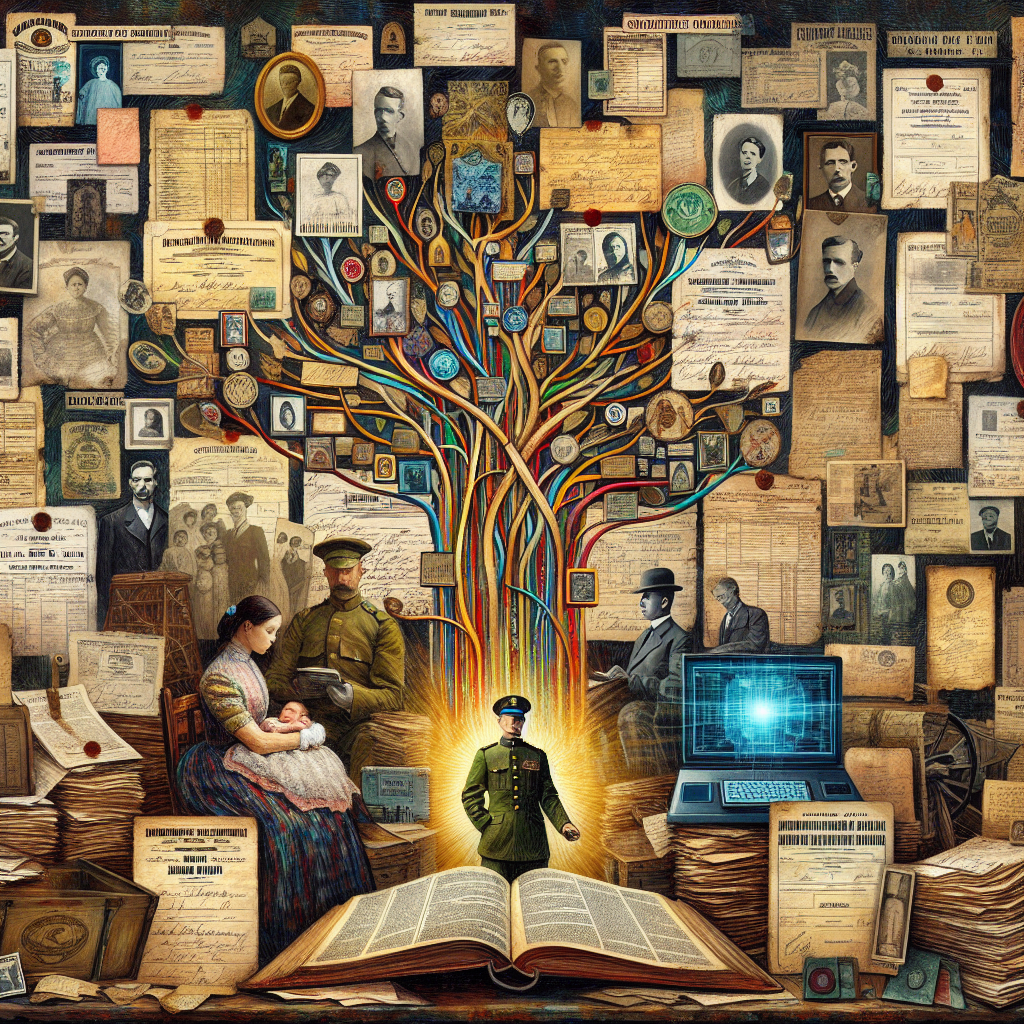
How Can Storytelling Improve Communication In Families?
What Are The Psychological Benefits Of Sharing Personal Narratives?
When you think about it, sharing personal narratives isn’t just a quirky pastime; it’s a profound psychological practice that can leave a lasting impact on both the teller and the listener. Let’s chew on this for a moment. We all have our tales—those stories that shape us, make us who we are, and ultimately, become part of our legacy. In fact, this process, often referred to as legacy storytelling, is more than a mere exchange of anecdotes; it’s a way of weaving connections across generations and communities.
When you share a slice of your experience, you’re not just spilling your guts; you’re forging relationships. By opening up about our struggles, triumphs, and everything in between, we create a bridge of empathy and understanding with others. It’s this very act of vulnerability that often encourages reciprocity, inviting others to share their own narratives. This back-and-forth can cultivate a rich tapestry of shared experience, leading to a sense of belonging that many of us crave.
There’s also a hefty psychological boost that comes with laying bare your story. Many of us walk around with emotional baggage, holding on to memories that shape our very essence. By articulating those thoughts and feelings, we engage in a form of catharsis, paving the way for healing. There’s something liberating about expressing our truth—it takes the weight off our shoulders, offering a fresh perspective on the events that shaped us.
Furthermore, legacy storytelling serves as a powerful tool for self-reflection. When we recount our experiences, we give ourselves permission to dissect them, considering the lessons we’ve learned along the way. This introspection not only aids in personal growth but can also foster resilience, arming us with the confidence to tackle future challenges.
Let’s not forget the impact it has on listeners too. When we share our tales, we often provide a new lens through which others can view their own lives. It can spark inspiration or motivate someone to confront their own issues, reminding them that they are not alone in their struggles. In a world that often feels disconnected and fragmented, there’s real power in coming together through shared stories.
So the next time you sit down with a friend or family member, consider the stories that lie within you. They hold the potential for connection, healing, and growth—not just for you, but for those fortunate enough to hear them. After all, we’re all in this human experience together, and our stories are what bind us.

What Are The Psychological Benefits Of Sharing Personal Narratives?
What Are The Psychological Benefits Of Sharing Personal Narratives?
- Sharing personal narratives is a significant psychological practice that impacts both the storyteller and the listener.
- Legacy storytelling connects generations and communities through shared experiences.
- By sharing our stories, we forge relationships and foster empathy and understanding.
- The act of vulnerability in storytelling encourages others to share their narratives, creating a sense of belonging.
- Articulating personal experiences provides catharsis, aiding in emotional healing and offering a new perspective.
- Legacy storytelling promotes self-reflection, personal growth, and resilience in facing future challenges.
- Listeners gain new insights and motivation through shared stories, reinforcing the importance of connection in a fragmented world.

What Are The Psychological Benefits Of Sharing Personal Narratives?
Conclusion
Let’s take a moment to wrap our heads—and our hearts—around the essential role that personal narratives play in family dynamics. In a world that never seems to slow down, gathering to share stories is like hitting the refresh button on our relationships. It’s not just entertainment; it’s a powerful medium that fosters connection, continuity, and understanding across the generations.
When family members sit together—whether over a comforting meal or a casual evening on the porch—and trade tales, they’re not merely recounting events; they’re crafting a rich tapestry of shared memories. These personal narratives connect us, bridging the gap between age groups, lending wisdom from one generation to the next. When grandma recounts her childhood struggles or that wild adventure she had in her youth, she isn’t just talking; she’s passing down the family’s legacy. The little ones sitting at her feet not only hear her story; they internalize it, asking questions that deepen their curiosity about where they come from.
And let’s not overlook the lessons buried within these anecdotes. Stories about overcoming adversity instill a sense of resilience. Tales of togetherness in tough times reinforce the importance of unity. In essence, every story shared adds another thread to the fabric of family identity, making it stronger and more vibrant. As laughter erupts over that infamous turkey-frying incident with Uncle Ted, it’s more than just humor—it’s bonding through shared history.
But storytelling goes beyond just building connections. It’s a catalyst for growth and emotional intelligence. When we listen to one another, we cultivate empathy, which is vital for resolving conflicts and enhancing communication. Instead of viewing each other through the narrow lens of daily grievances or misunderstandings, we begin to see the broader picture—the intricate mosaic of experiences that shape who we are.
So sit down with your family. Share those stories. Whether they’re funny, poignant, or even a bit messy—they all matter. These narratives create the lifeblood of your family, nourishing relationships and laying the groundwork for a legacy that will be cherished for years to come. Remember, it’s through these exchanges that we forge unbreakable bonds, building a legacy of love, understanding, and resilience that can weather any storm. So go ahead, gather around, and let those stories roll. You might just be surprised at how they strengthen the threads binding your family together.

Conclusion
Conclusion:
- Personal narratives play a crucial role in family dynamics, fostering connection and understanding across generations.
- Storytelling creates a rich tapestry of shared memories, bridging the gap between age groups.
- Family stories convey wisdom and pass down legacies, enriching the family identity.
- Anecdotes about overcoming hardships instill resilience and emphasize the importance of unity.
- Listening to each other’s stories cultivates empathy, essential for conflict resolution and communication.
- Every story shared nourishes family relationships, establishing a legacy cherished over time.
- Gathering to share stories strengthens family bonds and builds a legacy of love and resilience.

Conclusion
Other Resources

Other Resources
Here is a list of other resources you can review online to learn more:
- Storyworth
- Storyfile Life
- Meminto
- YouMattered
- deviantART
- FamilySearch
- Ever Loved
- AmericanAncestors
- Knotify.me
- APH
Use This Prompt To Get More Resources With Your Favorite Online AI Tool: Please provide me with a list of online articles with their URLs in a bulleted list that I can read regarding How Do Personal Narratives Strengthen Bonds Among Family Members?

Other Resources
Glossary Terms
How Do Personal Narratives Strengthen Bonds Among Family Members? – Glossary Of Terms
1. Personal Narrative: A first-person story that reflects an individual’s experiences, thoughts, and feelings, often used to convey personal identity or life lessons.
2. Family Bonds: The emotional ties and connections that exist between family members, influencing their relationships and interactions.
3. Storytelling: The art of conveying stories through spoken or written communication, fostering connection and understanding among individuals.
4. Memory Sharing: The act of recounting past experiences, which helps reinforce shared history and collective identity within families.
5. Empathy: The ability to understand and share the feelings of another, which is often enhanced through personal narratives that reveal emotions and experiences.
6. Communication: The process of exchanging information, thoughts, and feelings, essential for strengthening relationships through storytelling.
7. Cultural Identity: The shared values, traditions, and narratives that define a group, often passed down through generations, reinforcing family ties.
8. Intimacy: A close familiarity or friendship; closeness that can be fostered through sharing personal experiences and stories among family members.
9. Tradition: Customs and practices that are passed down through generations, often shared through personal narratives that solidify family identity.
10. Conflict Resolution: The process of resolving disagreements, which can be facilitated through understanding personal narratives and perspectives of each family member.
11. Intergenerational: Pertaining to relationships, stories, or exchanges between different generations, often strengthening family connections over time.
12. Vulnerability: The quality of being open about one’s emotions and experiences, which can deepen trust and closeness among family members.
13. Narrative Therapy: A therapeutic approach that encourages individuals to tell their stories, helping them gain perspective and strengthen family relationships.
14. Identity Formation: The process of developing a personal identity, which can be shaped by sharing family narratives and understanding one’s place within the family.
15. Connection: The state of being linked or related, often enhanced through shared narratives and experiences that foster closeness among family members.
16. Resilience: The ability to recover from challenges or adversity, often communicated through personal narratives that inspire hope and solidarity within families.
17. Bonding Activities: Shared experiences or rituals (like storytelling) that promote closeness and strengthen emotional ties among family members.
18. Life Lessons: Insights or morals derived from personal experiences, often shared through narratives to guide and educate younger generations in the family.
19. Shared History: A collective memory or understanding of significant events in a family’s past, often emphasized through storytelling to reinforce bonds.
20. Legacy: The history, values, and stories passed down from previous generations, which contribute to a family’s identity and strength.
21. Narrative Co-construction: The collaborative process of creating shared stories within families, contributing to a sense of unity and belonging.
22. Active Listening: The practice of fully concentrating, understanding, and responding to what is being said, which is essential for engaging with family narratives.
23. Trust: A fundamental element of healthy relationships, often built through sharing personal stories and experiences within the family.
24. Crisis Narratives: Stories that emerge from difficult experiences, providing opportunities for growth and understanding within a family context.
25. Empowerment: The process of gaining confidence and strength, often increased through the sharing of personal stories that validate individual experiences.
26. Rituals: Repetitive actions or ceremonies that families engage in, which often involve storytelling to reinforce bonds and shared identity.
27. Narrative Reflection: The act of thinking deeply about personal stories and their implications, promoting insight and understanding within family dynamics.
28. Dialogue: A conversation or exchange of ideas that can facilitate understanding and connection through shared narratives in families.
29. Healing: The process of overcoming emotional pain, often supported by the sharing and understanding of personal narratives within a family.
30. Cohesion: The quality of forming a united whole; personal narratives can enhance family cohesion by fostering common understanding and respect.

Glossary Of Terms
Other Questions
How Do Personal Narratives Strengthen Bonds Among Family Members? – Other Questions
If you wish to explore and discover more, consider looking for answers to these questions:
- What are some effective ways to encourage family members to share their personal narratives?
- How can families create a safe space for storytelling?
- What techniques can enhance storytelling for greater impact?
- Are there specific themes that resonate more in family narratives?
- How can one improve their own personal narrative skills?
- What challenges might families face in sharing personal stories?
- How can personal narratives be preserved for future generations?
- Do personal narratives differ across cultures, and if so, how?
- In what ways can storytelling help in coping with family loss?
- What role do visual elements (like family photos) play in enhancing storytelling?
- How can technology be used to document and share family stories?
- What types of family traditions are most beneficial for fostering storytelling?
- How can professionals (like therapists) use personal narratives in their practice?
- What is the difference between personal narratives and oral histories?
- How can storytelling help in addressing mental health issues within families?

Other Questions
Haiku
How Do Personal Narratives Strengthen Bonds Among Family Members? – A Haiku
Gather ’round, share tales,
Threads of love weave through the past,
Bonds grow with each word.

Haiku
Poem
How Do Personal Narratives Strengthen Bonds Among Family Members? – A Poem
In a world alive with constant noise,
Families gather, seeking joy,
Around the table, fireside glow,
We weave our tales—our hearts bestow.
Through stories shared, we build a bridge,
Linking generations at the edge,
Little ones listen, eyes wide with glee,
As Grandma’s voice carries history.
Each thread of laughter, each tear we shed,
Creates a bond, a legacy spread,
For in these narratives, lessons unfold,
Of resilience, love, and moments bold.
Like family traditions stitching tight,
Moments of joy, of struggle, of light,
We find our place in the grand design,
A tapestry rich, in stories intertwine.
With humor shared, our spirits ignite,
Inside jokes born from shared delight,
Empathy blossoms, understanding grows,
As we navigate life’s ebb and flows.
In conflict, our voices dance and sway,
Healing through tales, come what may,
For every story told with care,
Transforms divides, making room to share.
So gather around, let the tales arise,
For in every heart, a narrative lies,
These precious moments we savor and share,
Build familial ties, a legacy rare.

Poem
Checklist
How Do Personal Narratives Strengthen Bonds Among Family Members? – A Checklist
Preparing for Storytelling Sessions
1. Choose a Comfortable Setting
_____ Select a cozy spot where family members feel relaxed, such as the living room or around a campfire.
2. Set Aside Distractions
_____ Turn off devices or put them away to encourage full participation.
3. Establish Ground Rules
_____ Agree that everyone will have a chance to share without interruptions.
Encouraging Participation
4. Create a Theme
_____ Select a specific theme for sharing stories (e. g. , overcoming challenges, family traditions).
5. Invite Contributions from Everyone
_____ Encourage each family member to share their own stories, regardless of age.
6. Use Prompts if Needed
_____ Provide story starters or prompts to help those who might struggle to begin.
During the Storytelling
7. Practice Active Listening
_____ Encourage family members to listen attentively and offer feedback or ask questions after each story.
8. Express Emotions
_____ Allow space for laughter, tears, and any emotions that may arise during the sharing.
9. Create a Safe Space
_____ Remind everyone that stories may include sensitive topics, and it’s important to respect each other’s feelings.
Building Connections
10. Reflect on Shared Values
_____ After storytelling, discuss the values and lessons learned from the shared narratives.
11. Identify Common Themes
_____ Encourage family members to identify common experiences that can strengthen their bonds.
12. Keep the Conversation Going
_____ Promote ongoing discussions about stories shared and how they connect to current family dynamics.
After the Storytelling
13. Document the Stories
_____ Consider recording the stories (audio/video) or writing them down to create a family legacy book.
14. Plan Regular Storytelling Gatherings
_____ Schedule ongoing family gatherings focused on storytelling as a way to maintain connections.
15. Reflect on Personal Growth
_____ Encourage family members to reflect on how sharing their story has impacted them personally.
Additional Tips
16. Laugh Together
_____ Share humorous stories to enhance bonds through shared laughter.
17. Celebrate Unique Family Traditions
_____ Incorporate traditions into storytelling to deepen connections.
18. Explore Visual Elements
_____ Use family photos or memorabilia to help illustrate the stories being told.
Summary
_____ Celebrate Your Family’s Story
Understand that every family member’s narrative contributes to the overall family legacy, providing a rich tapestry of history, connection, and growth.

Checklist
At LegacyExplorations, we help people plan and explore their legacy by collecting information and news regarding end-of-life planning.
Please share this post with your friends, family, or business associates who may want help to plan or explore their legacy.