

Preserving The Past, Securing The Future
By Tom Seest
At LegacyExplorations, we help people plan and explore their legacy by collecting information and news regarding end-of-life planning.
Please share this post with your friends, family, or business associates who may want help to plan or explore their legacy.
How Does a Recorded Legacy Silence Future Uncertainties?
Imagine sitting by a crackling fire on a chilly evening, surrounded by family and friends, their faces aglow with anticipation. As you lean back, the warmth wraps around you. You’re not just sharing a story; you’re weaving a tapestry of memories, lessons, and beliefs that resonate through generations. That’s the essence of Legacy Storytelling—a powerful tool that quiets the anxiety of what’s to come by rooting us firmly in our shared histories.
Let’s be real: The future can feel like a wild beast just waiting to pounce. Job changes, health crises, or unexpected world events can leave us with a nagging sense of uncertainty. In these moments, having a recorded legacy—be it through letters, videos, or even audio recordings—provides a lifeline. Your thoughts, your triumphs, your unique journey become a beacon of guidance for those who will navigate the unknown long after you’re gone.
Now, don’t get me wrong. It’s intimidating to think about sharing our lives on such an intimate level, but it’s also liberating. Think of it this way: each story you tell is a building block, not just for your own narrative, but for someone else’s foundation. When you record your legacy, you are arming your loved ones with knowledge and resilience. You’re sending them a quiet assurance that while there may be uncertainty ahead, they’re never alone. They’ll have your voice—your laughter and tears—to turn to when they need encouragement or a reminder of what truly matters.
There’s a certain authenticity in sharing those moments, both proud and painful. It’s like leaving behind a treasure trove of wisdom. By recording your legacy, you transform uncertainties into meaningful connections, imparting the values and truths that can guide your descendants through their own storms.
So, why wait? Grab your smartphone or a simple notebook, and start writing your story. Think about the lessons learned, the dreams chased, and the challenges faced. Craft your narrative for those who follow. It’s not just a gift; it’s a lifeline to future generations. They’ll thank you for it. And in a world that often feels chaotic, isn’t it comforting to know you’ve done your part to silence some of that uncertainty? You’ll be creating a legacy worth cherishing—a living legacy that echoes long into the future.

How Does a Recorded Legacy Silence Future Uncertainties?
How Does a Recorded Legacy Silence Future Uncertainties?
- Legacy Storytelling creates a sense of connection and shared history among family and friends.
- A recorded legacy offers comfort during uncertain times, such as job changes or health crises.
- Your personal stories provide guidance for future generations navigating the unknown.
- Sharing intimate life experiences can be intimidating but ultimately liberating.
- Each recorded story serves as a building block for the foundation of your loved ones’ futures.
- Documenting your legacy transforms uncertainties into meaningful connections and imparts valuable lessons.
- Telling your story is a gift and a lifeline that will benefit future generations.

How Does a Recorded Legacy Silence Future Uncertainties?
Table Of Contents
- How Does a Recorded Legacy Silence Future Uncertainties?
- How Does A Recorded Legacy Provide Clarity For Future Generations?
- What Are The Benefits Of Documenting Personal Stories And Experiences?
- What Methods Can Be Used To Record A Legacy Effectively?
- In What Ways Does A Recorded Legacy Help In Decision-Making Processes?
- How Does Sharing A Recorded Legacy Reduce Anxiety About The Future?
- What Role Does Technology Play In Creating And Maintaining A Legacy?
- How Can A Recorded Legacy Address Questions Of Identity And Belonging?
- Conclusion
- Other Resources
- Glossary Of Terms
- Other Questions
- Haiku
- Poem
- Checklist
How Does A Recorded Legacy Provide Clarity For Future Generations?
Imagine sitting down with a cup of coffee, the aroma wafting through the air, as you dive into an old family album. Each page reveals a tapestry of experiences—those worn photos and handwritten notes act as portals to a time you weren’t even a part of. That’s the beauty of legacy storytelling; it’s more than just chronicling events—it’s forging a connection that transcends generational barriers.
In a world buzzing with constant distractions, where a scroll on a screen can take you to a million different places in mere seconds, it’s easy to overlook the power of our own stories. But when we take the time to record our legacies, we’re not merely documenting our lives; we’re creating a compass that future generations can use to navigate their own paths.
What does it mean to leave behind a recorded legacy? It means instilling a sense of identity, a foundation of values, and an understanding of the trials and triumphs that shaped who we are. Imagine your great-grandchildren, decades from now, holding a book filled with your thoughts, stories, and life lessons. They won’t just know you as a name etched in a family tree; they’ll see you as a real person with struggles, joys, humor, and wisdom.
Legacy storytelling serves as a guiding light, illuminating the choices we’ve made and the reasons we’ve made them. It empowers the younger generations by giving them the tools to understand where they come from and why their roots matter. It lays the groundwork for resilience and fosters gratitude—a bridge that strengthens family ties even when time and distance pull loved ones apart.
Now, more than ever, we need clarity in our lives as we navigate a complicated world. A recorded legacy does just that; it provides a roadmap for the future, filled with lessons that can help our descendants dodge the pitfalls we stumbled into. So, grab a notebook, fire up that voice recorder, or even find a quiet place to sit and reflect. Your story matters, more than you may realize. Write it down, share it openly, and create that lasting connection—a legacy that not only tells who you were but inspires others to boldly step into who they can become.

How Does A Recorded Legacy Provide Clarity For Future Generations?
How Does A Recorded Legacy Provide Clarity For Future Generations?
- Legacy storytelling connects generations, serving as a bridge across time.
- In a fast-paced digital world, personal stories are often overlooked yet carry immense value.
- Recording a legacy instills identity and values, shaping future generations’ understanding of their heritage.
- Future generations will see ancestors as real individuals through documented stories, not just names.
- Legacy storytelling empowers younger generations, helping them understand their roots and make informed choices.
- It fosters resilience and gratitude, strengthening family bonds despite distance and time.
- A recorded legacy offers clarity and serves as a roadmap for future generations, filled with valuable lessons.
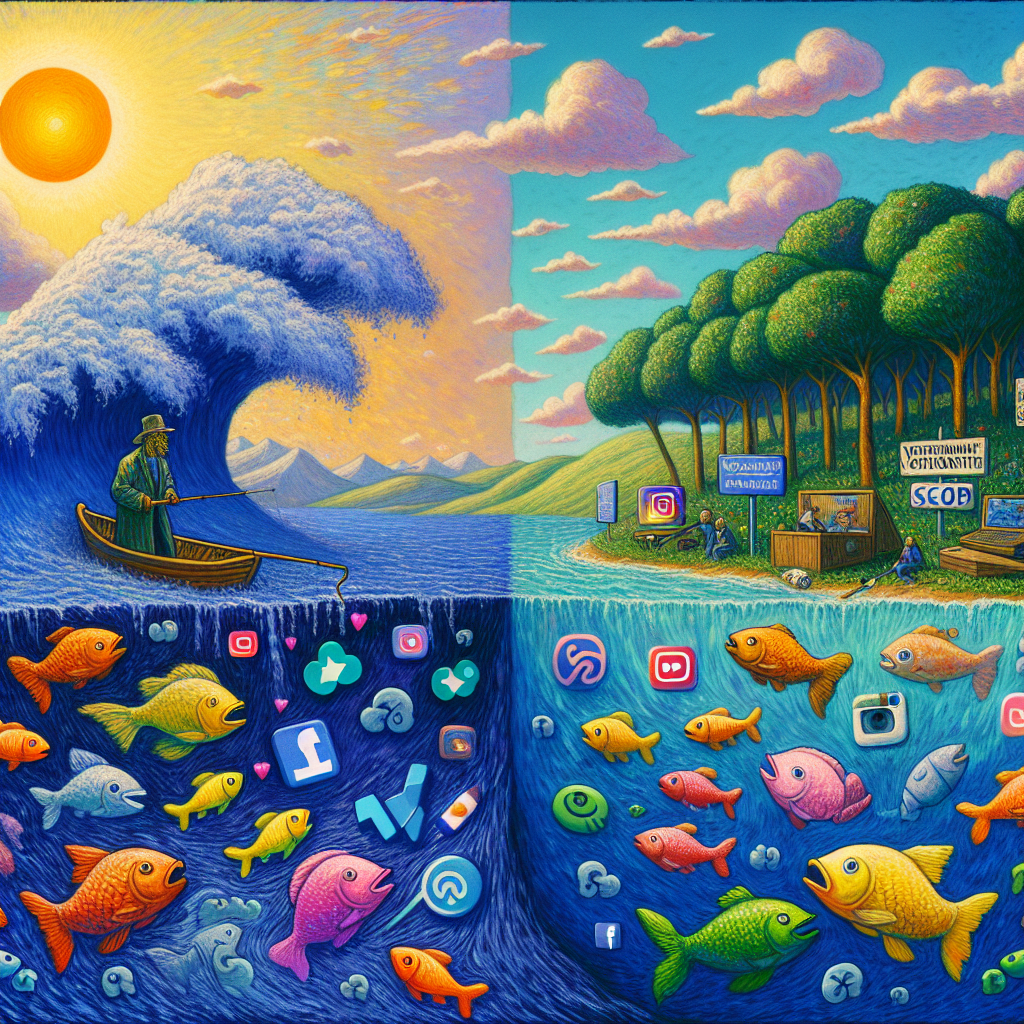
How Does A Recorded Legacy Provide Clarity For Future Generations?
What Are The Benefits Of Documenting Personal Stories And Experiences?
There’s something profound about taking a moment to pause, reflect, and jot down our personal experiences. Let’s face it; life’s a grand tapestry, woven with the threads of our triumphs, struggles, and everything in between. When we document our personal stories, we’re not just preserving memories; we’re building a legacy. And in today’s fast-paced world, that’s more precious than ever.
Why should you care about this process? Well, for starters, it’s an act of self-discovery. When we sit down to recount our experiences, we often gain insights into who we are and why we act the way we do. Each story is a lesson, a reminder of the paths we’ve traveled. In this crowded noise of life, putting pen to paper—or fingers to keys—allows us to sort through the chaos and find clarity.
But let’s not overlook another vital point: connection. Your stories have the power to resonate with others. Think back to a moment when someone shared a personal experience that struck a chord with you. It’s in those moments that we feel less alone, more understood. Legacy storytelling is about sharing that common humanity. By documenting our tales, we create bridges; we connect generations, friends, and even strangers. Imagine your grandchildren or even a future stranger reading your narrative and finding solace in your words. It’s a legacy that transcends time.
Moreover, in an age where authenticity is often sacrificed for curated perfection, your honest accounts are like a breath of fresh air. They remind everyone that life is real—messy, complicated, but ultimately rich in lessons. It takes courage to be vulnerable, but the payoff is enormous. Your willingness to share your truth inspires confidence in others to do the same. It’s a chain reaction of empowerment.
Finally, let’s not forget the therapeutic aspect of storytelling. Writing about our experiences can be cathartic. It helps us process emotions and heal from past wounds. Confronting our demons on paper helps rid us of their power and allows us to move forward. Each time we recount a struggle or a victory, we reclaim a bit of ourselves.
So, grab a notebook or a keyboard and start documenting your journey. You never know whose life you might touch or what legacy you’ll leave behind. Your story matters. And the world is waiting to listen.

What Are The Benefits Of Documenting Personal Stories And Experiences?
What Are The Benefits Of Documenting Personal Stories And Experiences?
- Documenting personal experiences fosters self-discovery and understanding of oneself.
- Personal stories serve as lessons and aid in finding clarity amidst life’s chaos.
- Sharing stories creates connections and resonates with others, highlighting shared humanity.
- Legacy storytelling allows future generations to find solace in past narratives.
- Honest storytelling counteracts the trend of curated perfection, showcasing the richness of real life.
- Storytelling has therapeutic benefits, helping individuals process emotions and heal.
- Each documented experience contributes to a personal legacy that can inspire and impact others.

What Are The Benefits Of Documenting Personal Stories And Experiences?
What Methods Can Be Used To Record A Legacy Effectively?
When it comes to recording a legacy, it’s more than just passing down stories; it’s about weaving the fabric of our lives into something that resonates with those who come after us. Think of legacy storytelling as a bridge, connecting generations through shared experiences, lessons learned, and memories cherished. So, how can we effectively capture that essence? Let’s break it down.
First off, consider the art of conversation. Settle in with family members or friends and simply talk. Ask them about their triumphs, disappointments, and those moments when they thought they’d hit rock bottom, only to find a new path ahead. These exchanges can be spontaneous, and often, the most profound insights emerge in the midst of storytelling. Recording these conversations—whether through audio or video—transforms them into timeless treasures. You can revisit them with loved ones or pass them down for future reflection.
Next, write it down. Grab that trusty notebook or fire up your laptop. Take the time to capture your own thoughts and experiences. Engage in legacy storytelling through letters or essays, chronicling your journey—the ups, the downs, and everything in between. Don’t worry about finding the perfect words; authenticity trumps perfection every time. Write for your audience, yes, but also write for yourself. This is your story, your legacy, and you have the power to shape it.
Visual storytelling is another powerful medium. Create a scrapbook, a photo album, or even a digital slideshow. Images carry weight, often evoking emotions that words alone can’t. A well-placed photograph can transport us back in time and remind us of life’s fleeting moments. Consider pairing these images with brief captions or anecdotes. This combination makes for a compelling narrative that draws others in.
And let’s not overlook the role of community. Join or create a legacy circle—gather like-minded individuals who are also interested in preserving their stories. This collaborative approach can stimulate deeper conversations and help capture a diversity of legacies. Not only do you learn from each other, but you also create a supportive network that fosters lasting relationships.
Recording a legacy is a journey—a labor of love that requires patience, reflection, and, yes, a bit of vulnerability. Embrace it, and remember that the stories shared today will echo for generations to come. So, grab your tools, gather your loved ones, and start weaving your legacy into the world. You’ll be glad you did.

What Methods Can Be Used To Record A Legacy Effectively?
What Methods Can Be Used To Record A Legacy Effectively?
- Legacy storytelling is about connecting generations through shared experiences and memories.
- Engage in meaningful conversations with family and friends to uncover profound insights and stories.
- Record conversations through audio or video to create timeless treasures for future reflection.
- Document your journey by writing letters or essays that capture your thoughts and experiences authentically.
- Use visual storytelling by creating scrapbooks, photo albums, or digital slideshows to evoke emotions.
- Form a legacy circle with like-minded individuals to encourage deeper conversations and foster community.
- Recording a legacy requires patience and vulnerability, but the impact of shared stories lasts for generations.

What Methods Can Be Used To Record A Legacy Effectively?
In What Ways Does A Recorded Legacy Help In Decision-Making Processes?
When we talk about legacy storytelling, we’re often envisioning grand tales passed down through generations—epic sagas filled with triumphs, failures, and the hard-won lessons learned along the way. But let’s pull back the curtain a bit. A recorded legacy isn’t merely about the stories we tell. It’s about the thoughtful documentation of our experiences, values, and the decisions we’ve made over time. Think of it as a compass guiding us through the complex terrain of decision-making.
Imagine standing at a crossroads, faced with a decision where all paths seem equally appealing, or perhaps utterly confusing. This is where the power of a recorded legacy truly shines. When the choices before us become overwhelming, reflecting on our past can provide invaluable insights. By looking back at the stories we’ve recorded—those moments of clarity, the missteps made, and the ultimate outcomes—we give ourselves a broader context for the present.
A well-crafted legacy offers a roadmap. It’s like having a trusted advisor at your disposal, rerunning scenarios that helped shape your very identity. Perhaps it’s that time you took a leap of faith into a new venture and came out stronger on the other side. Or maybe it’s the cautionary tale of a project that went south due to hasty decisions. Every letter, every anecdote, and every smile woven into these narratives becomes a piece of wisdom that can illuminate our current situations.
We all face decisions, big and small, that can feel paralyzing. Yet, when we lean into the stories of those who’ve walked similar paths—whether they belong to us or are shared by our elders—we gain perspectives that inform our choices. It’s not just nostalgia; it’s strategy. Learning from the past allows us to weigh options more effectively, to recognize patterns in our behavior, and ultimately to trust our instincts with a bit more clarity.
Furthermore, legacy storytelling fosters a sense of connection. When we engage with the experiences of others—whether in family discussions or community gatherings—we create a tapestry of shared knowledge. This camaraderie reinforces not only our decision-making abilities but also our collective understanding of what it means to navigate life’s twists and turns. So, as we take those crucial steps forward, let our recorded legacies be our guides, illuminating the way with the warmth of shared experiences. Trust in them, learn from them, and let them propel you toward a more confident tomorrow.

In What Ways Does A Recorded Legacy Help In Decision-Making Processes?
In What Ways Does A Recorded Legacy Help In Decision-Making Processes?
- Legacy storytelling encompasses more than grand tales; it includes thoughtful documentation of experiences and values.
- A recorded legacy acts as a compass for decision-making, especially when faced with confusing choices.
- Reflecting on past stories provides invaluable insights and context for present decisions.
- A well-crafted legacy serves as a roadmap, offering guidance through trusted narratives and experiences.
- Learning from past choices enhances decision-making abilities and helps recognize behavioral patterns.
- Legacy storytelling fosters connection and shared knowledge within families and communities.
- Engaging with recorded legacies encourages confidence and clarity as we navigate future challenges.

In What Ways Does A Recorded Legacy Help In Decision-Making Processes?
How Does Sharing A Recorded Legacy Reduce Anxiety About The Future?
Let’s face it: life can be downright unpredictable. One minute you’re coasting along, and the next, a curveball comes hurling at you, making you question everything you thought you knew. But what if I told you that sharing a recorded legacy could be your secret weapon against that anxiety? You heard me right. Though we often think of legacy storytelling as a way to preserve memories or pass down wisdom, it’s so much more than that. It’s a proactive step toward embracing uncertainty and reclaiming control.
Imagine sitting down with a loved one—maybe it’s your grandmother, who has lived through more than most of us can fathom. She shares tales of resilience, hardship, and joy. Her stories aren’t just words; they are blueprints for navigating the labyrinth of life. When we document these narratives, whether through video, audio, or writing, we aren’t just cataloging our past; we are weaving a rich tapestry of experience that can serve as a guide on future paths.
In the act of legacy storytelling, we create a deeper bond, reinforcing connections that might otherwise feel fragile. We become the custodians of our family history, bringing the lessons of yesterday into the present. This is an essential reinforcement against anxiety—the knowledge that we are part of something bigger; that our past influences our future. When you hear your grandpa’s voice echoing through a recorded tale, it’s like he’s still right there with you, encouraging you to forge ahead, no matter what unknowns lie ahead.
Moreover, sharing these stories invites vulnerability and honesty. It’s a chance to reflect and articulate what truly matters. As you share, you not only lighten your own load but also empower those around you to confront their fears, reinforcing the idea that anxieties are universal and can be overcome together.
So, if you’re feeling the weight of uncertainty, consider stepping into the realm of legacy storytelling. Gather your family, record those timeless tales, and watch as the clouds of anxiety begin to clear. Not only will you create a treasure trove of memories, but you’ll also discover renewed confidence in facing the unknown, knowing you’re anchored by the wisdom of those who came before you. Embrace the power of your story—it just might illuminate the path ahead.
How Does Sharing A Recorded Legacy Reduce Anxiety About The Future?
How Does Sharing A Recorded Legacy Reduce Anxiety About The Future?
- Life is unpredictable, often presenting challenges that provoke anxiety.
- Legacy storytelling serves as a proactive tool for embracing uncertainty and reclaiming control.
- Sharing stories from loved ones, such as grandparents, provides valuable lessons on resilience and joy.
- Documenting these narratives creates a guide for navigating future challenges.
- The practice fosters deeper connections and reinforces family history, linking the past to the present.
- Storytelling promotes vulnerability and honesty, empowering others to face their fears.
- Engaging in legacy storytelling can clear anxiety and instill confidence through the wisdom of previous generations.

How Does Sharing A Recorded Legacy Reduce Anxiety About The Future?
What Role Does Technology Play In Creating And Maintaining A Legacy?
In today’s fast-paced world, we often find ourselves caught between the rush of everyday life and the desire to leave a lasting impression—our legacy. But what does that really mean? And how does technology factor into it? Let’s take a closer look.
Legacy storytelling has evolved significantly with advancements in technology. Gone are the days when stories of our ancestors were passed down through dusty journals or whispered on family porches. Now, we have the tools to chronicle our experiences, share our passions, and preserve our values for future generations with just a few clicks.
Picture this: you’ve got a treasure trove of family photos that are slowly fading into obscurity. In the past, you might have tucked them away in an old shoebox, hoping that someone would unearth them someday. But technology allows us to digitize these memories, creating a vibrant tapestry that can be shared on social media or preserved in online albums. It makes our legacy storytelling not just a private affair, but a collective celebration of who we are.
And let’s not forget about the power of video. Ever thought about recording your thoughts, anecdotes, or even a simple “how-to” for future generations? Technology gives us platforms like YouTube, TikTok, or personal podcasts where we can share our wisdom—our laughter, our struggles, and everything in between. These mediums become a direct line to those who come after us, turning abstract notions of legacy into tangible connections.
But it’s not just about preserving memories; it’s about interaction too. Websites and apps designed for family history can engage relatives in this storytelling, helping us piece together our pasts. Imagine a digital family reunion where every member contributes moments and milestones, painting a fuller picture of your shared journey. It’s a way of stitching the fabric of family together, one pixel at a time.
Ultimately, technology provides not just the means, but the inspiration to keep the flame of our legacies alive. It’s a reminder that our stories don’t have to fade; they can resonate, evolve, and continue to foster connections through generations. So grab your smartphone, your laptop, or whatever technology you have at hand and start that legacy storytelling journey. After all, the best stories are the ones waiting to be told—and shared.

What Role Does Technology Play In Creating And Maintaining A Legacy?
What Role Does Technology Play In Creating And Maintaining A Legacy?
- In today’s fast-paced world, individuals balance everyday life and the desire to leave a lasting legacy.
- Legacy storytelling has transformed with technology, moving beyond dusty journals to digital mediums.
- Digital tools allow for the immortalization of family photos and experiences, facilitating shared legacies.
- Video platforms like YouTube and TikTok enable sharing personal stories and wisdom with future generations.
- Interactive websites and apps enhance storytelling by encouraging family contributions and engagement.
- Technology inspires the preservation and evolution of legacies, keeping stories alive through connections.
- Encouragement to use available technology to start legacy storytelling—great stories are waiting to be shared.

What Role Does Technology Play In Creating And Maintaining A Legacy?
How Can A Recorded Legacy Address Questions Of Identity And Belonging?
Life is a journey filled with twists and turns, and each of us carries a unique tapestry woven from our experiences, memories, and relationships. This is where the power of Legacy Storytelling comes into play. It’s more than just recounting the past; it’s about creating a bridge between generations, allowing us to see where we came from, and ultimately, who we are.
Think about it for a moment. In a world where our identities often feel fragmented—shaped by social media personas, transient relationships, and a constant barrage of information—recorded legacies offer an anchor. They invite us to reflect on our roots and confront the deeper questions of identity and belonging. When we sit down to listen to Grandma’s stories about the family farm or dive into Dad’s old war letters, we’re not just hearing anecdotes; we’re absorbing values, traditions, and lessons that shape us. Suddenly, we have a deeper understanding of ourselves and the paths we navigate.
Now imagine turning these stories into recorded legacies. You sit down with an elder—someone who witnessed history unfold—and ask them not just about the facts, but about how those experiences shaped their lives. “What was your biggest challenge?” “What does family mean to you?” These recorded moments become treasures, offering insights that can help clarify our own personal narratives. The wisdom shared transcends time and helps us grasp the intricate mosaic of our families and communities.
But it’s not just about understanding our past; it’s about finding our place in the present. Each story serves as a compass, guiding us through the complexities of our identities. When we see the struggles and triumphs of those who came before us, we recognize the common threads that unite us. The fears, the joys, the victories—they resonate. And in that resonance, we find belonging, a sense of being part of something greater than ourselves.
So, pick up that camera or audio recorder. Dive into the world of Legacy Storytelling. This isn’t just a project; it’s a calling. By capturing and sharing these narratives, we create a living document of our experiences, paving the way for future generations to connect with their roots. It’s time to tell these stories, not just for ourselves but for those who will come after us—because in those shared histories, we find the essence of our identity and belonging.

How Can A Recorded Legacy Address Questions Of Identity And Belonging?
How Can A Recorded Legacy Address Questions Of Identity And Belonging?
- Life is a unique journey shaped by experiences, memories, and relationships.
- Legacy Storytelling connects generations and helps us understand our identities.
- Recorded legacies provide an anchor in a fragmented world, encouraging reflection on our roots.
- Listening to family stories imparts values, traditions, and lessons, deepening self-understanding.
- Engaging with elders about their experiences offers insights into our personal narratives.
- Each story acts as a compass, helping us navigate our identities and recognize shared human experiences.
- Capturing these narratives is a calling that enriches future generations and fosters identity and belonging.

How Can A Recorded Legacy Address Questions Of Identity And Belonging?
Conclusion
As we wrap up this exploration of legacy storytelling, let’s take a moment to reflect on what all this really means. Imagine cozying up around a fire, enveloped in the shared warmth of memories and lessons handed down through family stories. This is no ordinary evening; it’s a profound moment that sets the stage for understanding our identities, navigating uncertainties, and cementing our place in the turbulent world we live in.
In a landscape that constantly bombards us with unpredictability—unexpected job losses, health scares, or the world throwing us a curveball—it’s essential to anchor ourselves and our loved ones in the resilient fabric of our family histories. By recording our legacies, we create a living, breathing connection that transcends time, helping future generations navigate the complexities before them. Consider this your blueprint for continuity.
Don’t be mistaken—putting your life stories on record might seem daunting at first. Yet, there’s something liberating about sharing your truths, whether they’re joyful or profoundly challenging. Each story becomes a vital piece for those who will follow in our footsteps, providing not only guidance but also a comforting reminder that no one faces these challenges alone. Palm your wisdom, your laughter, your struggles, and your dreams into tangible forms—be they videos, letters, or simple thoughts tucked away in a scrapbook.
This is more than just capturing experiences; it’s building bridges between generations. It’s about creating a roadmap that future family members can refer back to when life throws them off course. Think about your own life as you read entries from long-lost relatives—how it makes you feel to know that their fears, struggles, and victories were not so different from yours. This gift of insight offers cohesion, grounding us amidst chaos while nurturing gratitude and enhancing our connections.
So, if you haven’t yet grabbed that notebook or turned on your smartphone to record those priceless stories, now is the time. The universe is waiting for your story, the wisdom that you encapsulate in words or images. When we embrace this act of legacy storytelling, we arm ourselves and those we care about with clarity, resilience, and a lasting thread that weaves through time. In a world rife with uncertainties, wouldn’t it feel great to silence that anxiety, knowing you’ve done your part to illuminate the paths ahead for those who come after? Let’s create a legacy worth cherishing—your story matters, and so does the legacy you leave behind.

Conclusion
Conclusion:
- Legacy storytelling helps us understand our identities and navigate uncertainties.
- Recording family histories provides a sense of connection that transcends time.
- Sharing personal stories can be liberating and offers guidance for future generations.
- Each story serves as a reminder that challenges are universal and not faced alone.
- Capturing experiences helps build bridges between generations and creates a roadmap for the future.
- Now is the time to document your stories using various mediums like videos or letters.
- Embracing legacy storytelling promotes clarity, resilience, and a cherished connection through time.

Conclusion
Other Resources

Other Resources
Here is a list of other resources you can review online to learn more:
- UpCounsel
- Digital Legacy Association
- FutureMe
- Personal Legacy Advisors
- Geni
- Postumo
- AmericanAncestors
- StoryCorps
- INELA
- Obituary Templates
Use This Prompt To Get More Resources With Your Favorite Online AI Tool: Please provide me with a list of online articles with their URLs in a bulleted list that I can read regarding How Does a Recorded Legacy Silence Future Uncertainties?

Other Resources
Glossary Terms
How Does a Recorded Legacy Silence Future Uncertainties? – Glossary Of Terms
1. Recorded Legacy: The preservation of memories, stories, and significant life events through various media, such as videos, books, or digital formats.
2. Curation: The intentional selection and organization of materials to create a narrative or preserve history.
3. Documentation: The act of creating detailed records of experiences and events to ensure they are not forgotten.
4. Narrative: A structured story that conveys meaning and context about someone’s life or experiences.
5. Testament: A declaration or statement that serves as a record of beliefs, values, or wishes, often tied to personal legacies.
6. Preservation: The process of maintaining or protecting significant information and materials from degradation or loss.
7. Heritage: The traditions, achievements, and values passed down through generations that contribute to an individual’s or community’s identity.
8. Ancestry: The lineage or historical background of a person, often recorded to provide context to their legacy.
9. Wisdom: Insights and lessons learned from experience, often recorded to guide future generations.
10. Identity: The qualities, beliefs, and characteristics that define an individual or community, shaped often by their recorded legacy.
11. Narrative Therapy: A therapeutic approach that utilizes storytelling to help individuals make sense of their experiences and identities.
12. Memorialization: The act of honoring and remembering individuals, often through the creation of artifacts or documentation.
13. Digital Archive: An online repository that facilitates the storing and sharing of recorded legacies and memories.
14. Intergenerational Communication: The exchange of stories, values, and experiences across different age groups, vital for reinforcing legacies.
15. Legacy Planning: The process of preparing and documenting one’s values, goals, and wishes for future generations.
16. Cultural Memory: The shared pool of knowledge and information that influences a community’s identity and context.
17. Preservative Narratives: Stories specifically crafted to safeguard memories and teachings for future reference.
18. Recollection: The act of remembering experiences or information, often central to building a legacy.
19. Philosophy: The study of fundamental questions about existence and values, frequently impacting the way legacies are shaped and understood.
20. Emotional Resonance: The capacity of a legacy to evoke feelings in individuals who engage with it, often creating connection and understanding.
21. Uncertainty: The state of being unsure about future outcomes, often mitigated by the guidance of a recorded legacy.
22. Contextualization: The process of placing experiences within a framework that provides meaning and understanding.
23. Artifacts: Objects or evidence from the past that serve to convey stories or significant events within a recorded legacy.
24. Life Review: The psychological process through which individuals reflect on their life experiences, often resulting in the creation of a legacy.
25. Survival Tool: Resources or methods, including recorded legacies, used to navigate uncertainty and preserve identity.
26. Value Transmission: The process by which beliefs and values are passed from one generation to another, often emphasized in recorded legacies.
27. Emancipation: The act of freeing oneself from constraints, often facilitated by understanding and engaging with one’s recorded legacy.
28. Anecdote: A brief, interesting story or account about a personal experience that contributes to a larger legacy.
29. Sustainability: The ability to maintain and protect a legacy over time, ensuring its relevance for future generations.
30. Reflection: The process of introspection and pondering on past experiences, essential for producing a meaningful recorded legacy.

Glossary Of Terms
Other Questions
How Does a Recorded Legacy Silence Future Uncertainties? – Other Questions
If you wish to explore and discover more, consider looking for answers to these questions:
- What specific techniques can enhance legacy storytelling?
- How can I implement legacy storytelling in my family?
- What are some common challenges people face when documenting their legacy?
- How can recorded legacies be preserved for future generations?
- What platforms are best for sharing recorded legacies online?
- How do cultural differences affect the perception of legacy storytelling?
- What impact does legacy storytelling have on mental health?
- How can recorded legacies foster intergenerational communication?
- What role do photographs play in legacy storytelling?
- Can legacy storytelling help in healing family rifts?
- How do I encourage reluctant family members to share their stories?
- Are there successful examples of legacy storytelling impacting communities?
- How can technology further bridge family connections in legacy storytelling?
- What are the emotional benefits of engaging in legacy storytelling?
- How does understanding our family history contribute to personal identity?

Other Questions
Haiku
How Does a Recorded Legacy Silence Future Uncertainties? – A Haiku
Stories root us strong,
Legacy whispers our truth,
Guiding future paths.

Haiku
Poem
How Does a Recorded Legacy Silence Future Uncertainties? – A Poem
Tapestry of Time
By the crackling fire’s embrace,
Gathered round, family fills the space,
Whispers of yore weave dreams anew,
Legacy stories, timeless and true.
In a world where futures twist and turn,
Anxieties rise, and hopes may burn,
Yet through recorded words, our voices sound,
A lifeline planted in hallowed ground.
Each letter penned, each tale relayed,
Guides the uncertain—light displayed,
In laughter and sorrow, wisdom entwined,
A bridge connecting all humankind.
With every narrative, a compass is forged,
Navigating life, where paths are enlarged,
Lessons of courage, of love, and strife,
Illuminate the contours of cherished life.
Capture the moments—bring them to light,
Photos and tapes, stories in flight,
Technology’s grace holds the past in its sway,
Ensuring our voices won’t fade away.
In sharing, we foster connection profound,
Finding our place where belonging is found.
The essence of us, through tales we impart,
Becomes a rich tapestry, closely held heart.
So pause for reflection, take up your pen,
Craft your legacy for those yet to ken.
A treasure, a guide through life’s ebb and flow,
Your story, a seed planted, destined to grow.
For in recording our journeys, we find peace,
Silencing worries, granting sweet release,
A legacy crafted in love’s gentle weave,
Echoing through time—what we dare to believe.
Poem
Checklist
How Does a Recorded Legacy Silence Future Uncertainties? – A Checklist
Checklist for Creating a Recorded Legacy
Getting Started
1. Set Your Intentions: Reflect on your purpose for documenting your legacy. What stories or lessons do you want to share?
2. Choose Your Medium: Decide how you want to record your legacy (e. g. , writing, audio, video).
3. Gather Materials: Prepare notebooks, voice recorders, cameras, or any technology you’ll use for documenting.
Planning Your Narrative
4. Identify Key Themes: Consider the major themes or life lessons you want to highlight (e. g. , resilience, love, family).
5. Outline Your Stories: Create a rough outline of the stories you want to tell, including significant experiences or milestones.
Engaging with Your Past
6. Interview Family Members: Arrange conversations with relatives to gather their stories and insights.
7. Reflect on Personal Experiences: Take time to jot down your own experiences, feelings, and lessons learned throughout your life.
Recording Your Legacy
8. Capture Conversations: Record engaging discussions with family members, ensuring to cover their life journeys.
9. Write Your Story: Dedicate time to write letters, essays, or journal entries that convey your legacy.
10. Utilize Visual Aids: Create scrapbooks or digital slideshows with photos and captions that complement your narrative.
Sharing Your Legacy
11. Consider Technology: Explore platforms for sharing your stories, such as social media, family websites, or podcasts.
12. Organize a Legacy Circle: Invite friends or family to join you in sharing and documenting legacies collectively.
Maintaining Connections
13. Engage in Regular Updates: Set a schedule to revisit and add to your recorded legacy, ensuring it remains current.
14. Foster Family Conversations: Encourage family discussions around the recorded stories to keep connections alive.
Reflecting and Processing
15. Analyze Your Legacy: Reflect on the stories recorded and the perspectives they offer regarding your identity and decisions.
16. Celebrate Vulnerability: Embrace emotional storytelling, recognizing its power to heal and connect.
Final Steps
17. Preserve Your Legacy: Ensure your recorded legacy is stored safely (digitally backed up, in a physical format, etc. ).
18. Communicate Your Intent: Share with family members the importance of your documented legacy and encourage them to engage with it.
19. Encourage Future Generations: Inspire your descendants to continue the legacy storytelling tradition, building their own narratives.
Conclusion
20. Review and Reflect: Regularly revisit your legacy to assess its impact and consider additional stories to include.

Checklist
At LegacyExplorations, we help people plan and explore their legacy by collecting information and news regarding end-of-life planning.
Please share this post with your friends, family, or business associates who may want help to plan or explore their legacy.