

Uncovering The Best Legacy Planning Platform
By Tom Seest
At LegacyExplorations, we help people plan and explore their legacy by collecting information and news regarding end-of-life planning.
Please share this post with your friends, family, or business associates who may want help to plan or explore their legacy.
How Does Everplans Compare to LifeSite for Legacy Exploration?
When it comes to exploring the great depths of legacy planning, two platforms stand out in the digital landscape: Everplans and LifeSite. Both are designed to help you tackle the often daunting task of preparing your affairs for the future, but they do so with distinctly different approaches, much like two intrepid explorers forging their own paths through uncharted territory.
First, let’s take a look at Everplans. This platform delivers a user-friendly interface that’s as inviting as a warm cup of coffee on a chilly morning. The strength of Everplans lies in its comprehensive guidance. It doesn’t just throw a digital toolbox at you; it walks you through the process, helping you organize everything from wills to passwords to sentimental items you want your loved ones to cherish. With easy-to-follow checklists and a reassuring tone, Everplans aims to quell your anxiety about the “what ifs” of life, making it accessible even for those who’d rather not confront the reality of planning for the inevitable.
On the flip side, we have LifeSite—an equally robust alternative with its own unique set of offerings. LifeSite focuses on the more technical aspects of legacy management. Think of it as the finely tuned machine, built for those who appreciate a bit more control over their digital estate. Users have the ability to securely store not just documents, but also manage sensitive information like accounts, passwords, and even instructions for digital assets. LifeSite emphasizes security and flexibility, giving you peace of mind that your legacy is tucked away like a prized possession in a vault, accessible only to those you trust.
But what about emotional resonance? While both platforms aim to provide a sense of comfort and assurance, Everplans tends to lean more into the personal side of legacy planning. It engages you in the storytelling aspect of your life, encouraging you to reflect on what you really want to leave behind—not just the material assets but the memories and values that define you. LifeSite, while equally purposeful, may come off as more utilitarian, appealing to those who value a systematic approach to organization and security.
Ultimately, the choice between Everplans and LifeSite comes down to your individual needs: are you looking for a warm, guiding hand, or a well-oiled machine to securely manage the intricate details of your legacy? Whichever you choose, remember that taking action today lays the groundwork for tomorrow’s peace of mind.

How Does Everplans Compare to LifeSite for Legacy Exploration?
How Does Everplans Compare to LifeSite for Legacy Exploration?
- Everplans and LifeSite are two prominent platforms for legacy planning.
- Everplans offers a user-friendly interface and comprehensive guidance for organizing affairs.
- The platform provides checklists and a reassuring tone to help alleviate planning anxiety.
- LifeSite focuses on the technical aspects of legacy management, emphasizing security and control.
- Users of LifeSite can securely store documents and manage sensitive information like passwords.
- Everplans engages users in personal storytelling, reflecting on memories and values, while LifeSite is more utilitarian.
- The choice between the two platforms depends on individual needs for guidance versus control in legacy management.

How Does Everplans Compare to LifeSite for Legacy Exploration?
Table Of Contents
- How Does Everplans Compare to LifeSite for Legacy Exploration?
- What Is Everplans And How Does It Work?
- What Is LifeSite And Its Features?
- How Do User Experiences Differ Between Everplans And LifeSite?
- What Types Of Legacy Planning Tools Are Available On Both Platforms?
- How Do Pricing Structures Compare Between Everplans And LifeSite?
- What Customer Support Options Are Offered By Each Service?
- What Are The Privacy Policies Of Everplans And LifeSite?
- How Can Users Share Their Legacy Plans With Family Members?
- What Are The Pros And Cons Of Using Everplans?
- What Are The Pros And Cons Of Using LifeSite?
- How Intuitive Are The Interfaces Of Everplans And LifeSite?
- Are There Any Integrations With Other Tools Or Services Available?
- Which Platform Is Better For Digital Asset Management?
- How Do Both Services Handle End-Of-Life Planning And Documents?
- What Kind Of Educational Resources Do Everplans And LifeSite Provide?
- Conclusion
- Other Resources
- Glossary Of Terms
- Other Questions
- Haiku
- Poem
- Checklist
What Is Everplans And How Does It Work?
Everplans is a practical tool designed for those who want to take control of their future—and the futures of their loved ones—by tackling the often daunting task of end-of-life planning. You might be thinking, “Why would I want to think about that?” Well, let’s face it: ignoring the inevitable doesn’t make it any less inevitable. Everplans understands this, and it’s here to make that conversation a little easier to have.
At its core, Everplans is like a digital filing cabinet, but instead of collecting dust, it preserves the things that really matter: your wishes, important documents, and other vital information that will help ease the burden on your family when the time comes. Rather than leaving your loved ones scrambling through drawers and cabinets, Everplans centralizes everything into one organized space, making it accessible when they need it most.
Getting started with Everplans is as simple as a Sunday stroll—except you’ll be walking through some important decisions. You create an account and begin to outline your life and your wishes. You can list your preferences for everything from funeral arrangements to digital assets and even passwords for online accounts. The platform’s user-friendly interface ensures that you won’t feel like you’re sailing through a foggy sea of confusion.
Everplans also brings in a community element. Families can collaborate on their plans, sharing thoughts and ensuring everyone’s on the same page. This isn’t just about you—this is about making life easier for those you care about. It offers templates and prompts that guide you through the process, helping to ensure you don’t overlook anything important. You can even keep track of important contacts and essential information, creating a roadmap that others can follow.
And it doesn’t stop there. With Everplans, you can store important documents securely online. You’ll feel as if you’ve tucked everything away within the walls of a digital fortress, safeguarded for whoever needs to access it in the future. Need to update something? No problem! Everplans makes it straightforward to revise your wishes, ensuring they reflect your current beliefs and desires.
So, whether you’re meticulous about planning or just starting to dip your toes in the water, Everplans provides a thoughtful, comprehensive approach to making the tough stuff just a little easier. It’s not merely about facing the end—it’s about giving your loved ones a clearer path. Because in the end, it’s not just about you; it’s about those who will carry on.

What Is Everplans And How Does It Work?
What Is Everplans And How Does It Work?
- Everplans is a digital tool designed for end-of-life planning, empowering users to manage their future and that of their loved ones.
- It acts as a digital filing cabinet, centralizing important documents, wishes, and vital information to ease burdens on family members.
- Users can create accounts to outline their life, preferences, and important decisions, including funeral arrangements and digital asset management.
- Everplans encourages family collaboration, allowing sharing of thoughts and ensuring everyone is aligned on the plans.
- The platform offers templates and prompts, helping users avoid overlooking important information and keeping track of vital contacts.
- Documents can be securely stored online, easily updated to reflect changing wishes, providing peace of mind for users.
- Everplans simplifies the planning process, aiming to create a clearer path for loved ones when the time comes.
What Is LifeSite And Its Features?
In the ever-evolving landscape of digital communications, LifeSite stands out as a beacon for those navigating the complexities of modern life. Think of it as a well-worn tool in the shed, one that, despite its unassuming appearance, has proven indispensable to a myriad of users. From families organizing their schedules to busy professionals juggling far too many hats, LifeSite offers a suite of features tailored to streamline the chaos of daily life.
At its core, LifeSite is a dynamic life management platform designed to bring order to the whirlwind. It serves as a central hub for information, enabling users to track everything from appointments to to-do lists with ease. Imagine having all the pieces of your life organized neatly in one spot, rather than scrawled on scraps of paper or buried in a dozen apps. With LifeSite, you have a digital space that allows you to focus on what truly matters without getting lost in the noise.
One of its standout features is the calendar integration. This isn’t just your average calendar; LifeSite seamlessly syncs across devices, ensuring you’re always in the loop, whether you’re at home or on the go. Intuitive reminders pop up at just the right moment, urging you to stay on task or reminding you of important events. You can even share calendars with family and colleagues, allowing for collective planning that keeps everyone on the same page.
But it doesn’t stop there. LifeSite also includes customizable task lists. Picture this: a feature that lets you carve your responsibilities into manageable chunks, tick them off, and revel in the satisfaction of accomplishment. These lists can be categorized, prioritized, and even delegated, making collaboration a breeze for teams and families alike.
Security is yet another cornerstone of LifeSite. In today’s digital world, safeguarding your personal information is paramount, and LifeSite has taken this responsibility seriously. With robust encryption and privacy features, you can rest easy knowing your sensitive information is protected.
Finally, LifeSite prides itself on user-friendliness. The interface is straightforward, allowing even the least tech-savvy among us to maneuver with confidence. In a world filled with complex software that promises the moon but delivers frustration, LifeSite’s accessibility is a breath of fresh air.
So if you’re looking for a way to simplify your life and reclaim your precious time, LifeSite is a tool worth exploring. It’s not just about keeping track; it’s about taking charge.

What Is LifeSite And Its Features?
What Is LifeSite And Its Features?
- LifeSite is a dynamic life management platform designed to streamline modern living.
- Offers a central hub for tracking appointments, to-do lists, and more, eliminating the need for multiple apps.
- Features advanced calendar integration that syncs across devices and provides intuitive reminders.
- Includes customizable task lists that can be categorized, prioritized, and delegated for efficient collaboration.
- Emphasizes security with robust encryption and privacy features to protect users’ personal information.
- User-friendly interface allows non-tech-savvy individuals to navigate the platform with ease.
- LifeSite helps users simplify their lives and reclaim time by providing comprehensive organization tools.

What Is LifeSite And Its Features?
How Do User Experiences Differ Between Everplans And LifeSite?
When it comes to planning for the inevitable, tools like Everplans and LifeSite are designed to ease what can often feel like a monumental, even daunting task. But how do the user experiences of these two platforms stack up against one another? Buckle up, because we’re diving into the nitty-gritty.
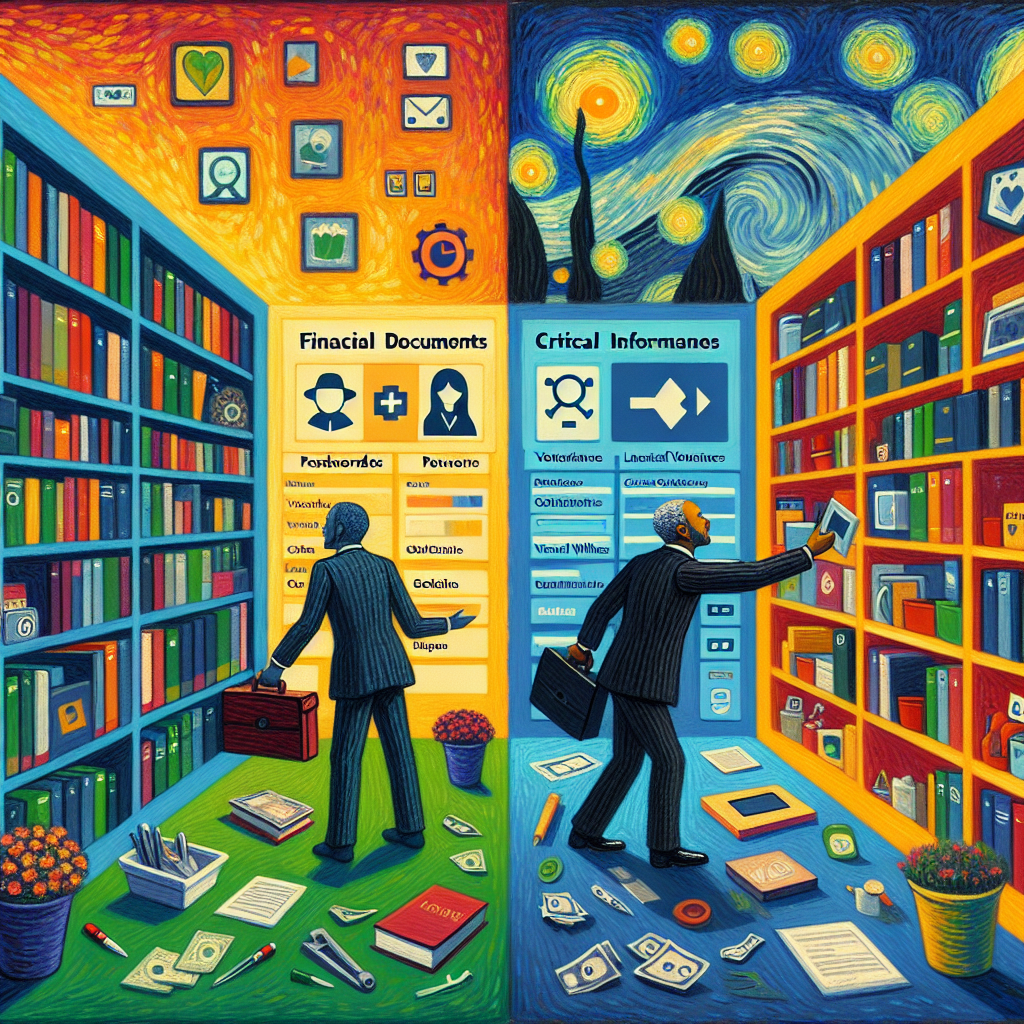
First up, let’s talk about Everplans. This platform positions itself as more of a comprehensive life management service. Navigating its interface feels a bit like strolling through a well-organized library—everything is categorized neatly, from financial documents to funeral wishes. There’s an intuitive flow that guides you toward what needs to be organized. Users can upload critical documents and even designate beneficiaries, ensuring that every important detail is neatly tucked away for when it’s needed. The bonus? Everplans offers helpful prompts and tips, almost like having a friendly guide at your side, ready to share the essentials without overwhelming you.
Now, let’s shift gears and check out LifeSite. Unlike Everplans, LifeSite opts for a more straightforward approach. It’s like a dependable toolbox, emphasizing easy organization over curated guidance. The platform allows users to create a vault of essential information—think passwords, legal documents, and health records—without the bells and whistles. For those who appreciate a no-frills experience, LifeSite provides a secure fortress for your most sensitive data. The straightforward nature is welcomed by those who want to jump right in and get organized without sifting through layered prompts or suggestions.
But here’s where the rubber meets the road—while Everplans may cater more to those who thrive on organization and detail, LifeSite offers simplicity for the more direct-minded. If you enjoy having a roadmap, Everplans is your friend. It’s like having a roadmap in a foreign country, guiding you term by term through essential languages and local customs. On the other hand, if you’re someone who prefers to grab the toolbox and tackle things yourself, LifeSite’s straightforwardness is a breath of fresh air.
Ultimately, your choice between Everplans and LifeSite boils down to personality and preference. Do you crave a rich, guided experience, or are you looking for simplicity and direct access? Just like picking the right wrench from the toolbox, it’s about what fits you best in the end.
How Do User Experiences Differ Between Everplans And LifeSite?
How Do User Experiences Differ Between Everplans And LifeSite?
- Everplans and LifeSite are tools designed to help with end-of-life planning.
- Everplans offers a comprehensive life management service with an organized interface.
- The platform allows users to upload important documents and designate beneficiaries.
- Everplans includes helpful prompts and tips for easy navigation.
- LifeSite focuses on a straightforward approach, allowing users to create a vault for essential information.
- LifeSite is ideal for users seeking a no-frills experience without extensive guidance.
- Your choice between the two depends on whether you prefer detailed organization (Everplans) or simplicity (LifeSite).

How Do User Experiences Differ Between Everplans And LifeSite?
What Types Of Legacy Planning Tools Are Available On Both Platforms?
When it comes to legacy planning, getting your ducks in a row isn’t just a smart move; it’s your ticket to peace of mind. Whether you’re utilizing a sophisticated digital platform or sticking with good old-fashioned paper, a variety of tools can help ensure your wishes are honored after you’ve taken your final bow. Let’s dig through the toolbox and spotlight the essential legacy planning tools that are available on both digital and traditional platforms.
First up is the Last Will and Testament. This is the bread and butter of legacy planning, serving as your formal directive on how your assets should be distributed. Whether you’re filling out a template online or scribbling it down in a legal pad, this document conveys your intentions loud and clear to the folks you leave behind.
Next on the list is the Living Trust. Unlike a will, which goes through probate, a living trust can help your heirs bypass this often lengthy and complicated legal process. You can create one using online services that guide you through the details, or have an attorney draft one up if you prefer a personal touch. Either way, a living trust serves as a bucket for your assets, making sure they get passed on with minimal fuss.
Don’t overlook Advance Healthcare Directives and Powers of Attorney. These important documents allow you to specify who will make healthcare decisions on your behalf if you’re unable to communicate your wishes. Whether you’re filling out an online form or drafting a handwritten document, having a Plan B in place is crucial for keeping your medical desires in check.
Beneficiary designations are a silent powerhouse in the legacy planning toolkit. These are often overlooked but critical when it comes to life insurance policies, retirement accounts, and bank accounts. You can update these easily on the respective platforms, ensuring that your assets get directed exactly where you want them to go. It’s like having a backstage pass to your own post-show performance!
Lastly, don’t forget about digital asset management tools. In this age of technology, having a strategy for your online presence—social media accounts, digital files, and cryptocurrencies—has become essential. Both digital platforms and traditional methods can help you formulate a plan for your digital footprint, allowing your legacy to live on in more ways than one.
In short, regardless of whether you’re tapping away on a keyboard or flipping through pages, the tools of legacy planning are accessible, versatile, and ready to help you secure your legacy—one thoughtful choice at a time.

What Types Of Legacy Planning Tools Are Available On Both Platforms?
What Types Of Legacy Planning Tools Are Available On Both Platforms?
- Legacy planning is crucial for peace of mind and ensuring your wishes are honored after passing.
- A Last Will and Testament is essential; it clearly states how assets should be distributed.
- A Living Trust helps heirs bypass the lengthy probate process, making asset transfer smoother.
- Advance Healthcare Directives and Powers of Attorney designate who makes healthcare decisions for you if unable to do so.
- Beneficiary designations for life insurance, retirement accounts, and bank accounts are vital for direct asset transfer.
- Digital asset management is important for planning your online presence and digital footprint.
- Legacy planning tools are accessible and versatile, whether using digital platforms or traditional methods.

What Types Of Legacy Planning Tools Are Available On Both Platforms?
How Do Pricing Structures Compare Between Everplans And LifeSite?
When it comes to planning for life’s inevitable twists and turns, choosing the right tool can feel a bit like picking a favorite tool in a workshop full of shiny gadgets. Both Everplans and LifeSite offer unique pricing structures that cater to different needs, and knowing how they stack up against each other can help you choose the right one for your situation.
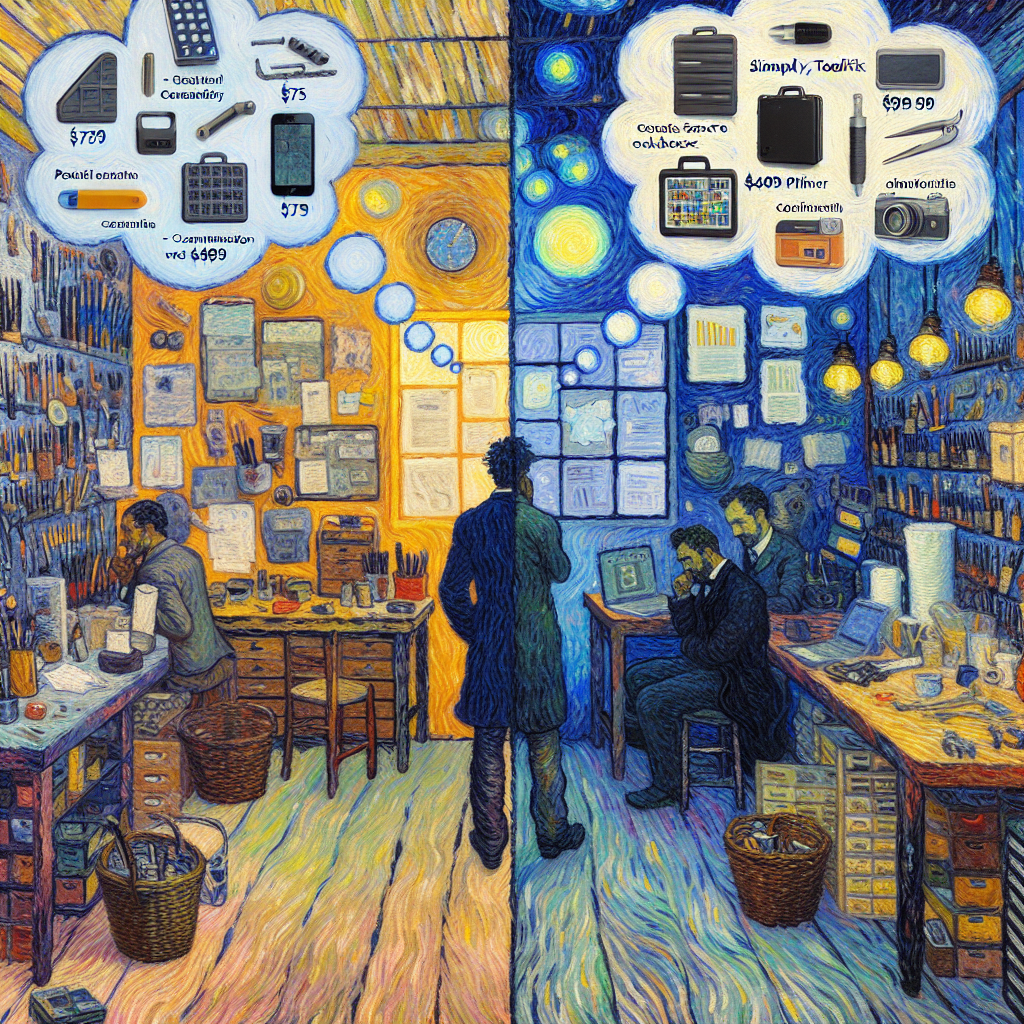
Everplans operates on a subscription model that’s as straightforward as a toolbox. For about $75 a year, users gain full access to their services. That covers everything from storing vital documents to sharing your plans with loved ones when the time comes. It’s like buying a sturdy toolbox that comes with every tool you’ll need for the big projects ahead. They also offer a 30-day free trial, giving folks a chance to kick the tires and see how it feels before committing.
On the other side of the workbench, we have LifeSite, which takes the approach of a tiered structure. They offer plans that start at a one-time fee of $99 for a basic account, which gives you access to essential storage features. If you want a little more bang for your buck, their premium plans go up to around $499, providing additional layers of security and features like advanced sharing options and more comprehensive document storage. It’s akin to upgrading your basic toolkit with some high-end gadgets that promise to make your life easier—but at a price.
The significant difference here lies not just in the cost but also in the philosophy behind user needs. Everplans, with its affordable annual fee, focuses on simplicity and accessibility. It appeals to those who prefer a set-it-and-forget-it approach to planning. In contrast, LifeSite caters to those who might value flexibility and are willing to invest more upfront for customizable features.
Ultimately, the choice between Everplans and LifeSite boils down to how you want to approach your planning. If you’re someone who likes straightforward, low-maintenance solutions without the hassle of repeated renewal fees, Everplans might just be the tool you need. But if you’re the type who loves to tinker with options, exploring various ways to organize and secure your information, LifeSite could be up your alley.
Consider your personal needs and make the choice that feels right to you—because when it comes to planning ahead, there’s no one-size-fits-all solution.

How Do Pricing Structures Compare Between Everplans And LifeSite?
How Do Pricing Structures Compare Between Everplans And LifeSite?
- Everplans offers a straightforward subscription model at about $75 a year.
- Users of Everplans can store vital documents and share plans with loved ones.
- Everplans provides a 30-day free trial for users to explore the service.
- LifeSite has a tiered pricing structure starting from a one-time fee of $99 for basic access.
- Premium LifeSite plans can cost up to $499, offering advanced features and security.
- Everplans focuses on simplicity and accessibility, ideal for a low-maintenance approach.
- LifeSite caters to those who prefer customizable features and are willing to invest more upfront.
How Do Pricing Structures Compare Between Everplans And LifeSite?
What Customer Support Options Are Offered By Each Service?
When you’re sifting through the sea of service options available today, customer support can be a make-or-break factor. After all, what good is a shiny new gadget or service if you can’t get help when things go south? So, let’s break down what kind of customer support options you can expect from some of the major players in the game.
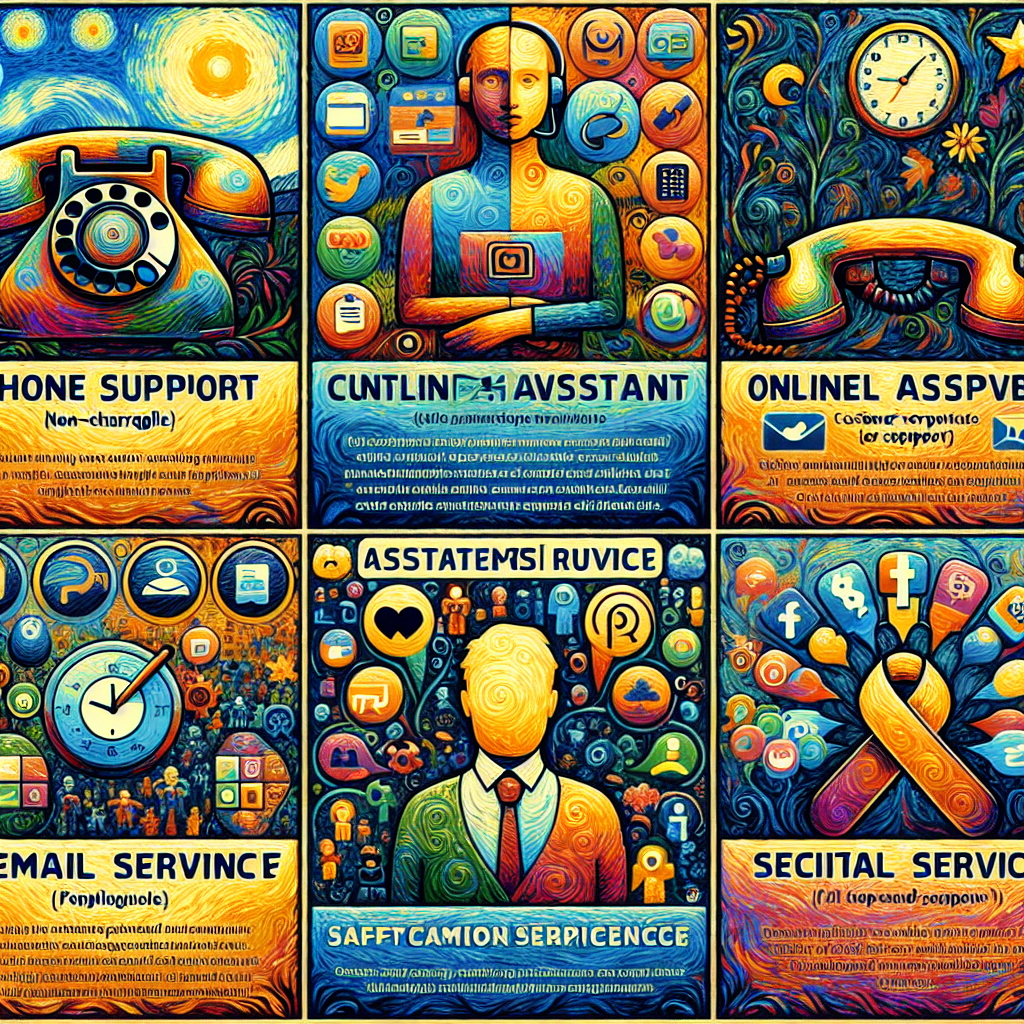
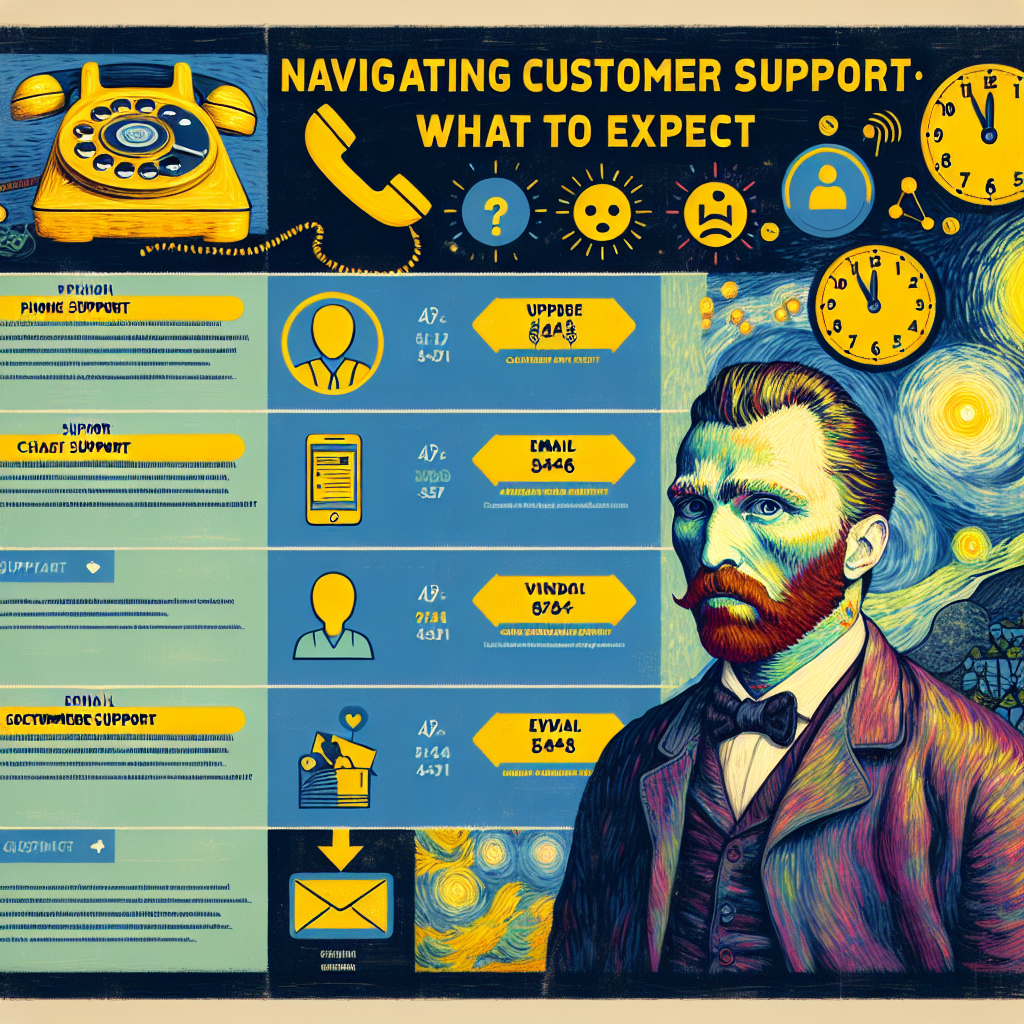
First up, we’ve got your classic contact methods: phone support. It’s tried, it’s true, and for many people, it’s the comfort of a familiar voice that does the trick. Most companies offer a toll-free number, but the real prize is the hours of operation. Look for support that goes beyond the usual 9-to-5 window, especially if you happen to be burning the midnight oil—or, better yet, if you live on the other side of the planet. Some services even offer 24/7 support, which can be a lifesaver.
Next, let’s talk chat support—the increasingly preferred method of instant help for folks who don’t want to wait on hold. Live chat systems have become a staple for many companies. A click, a type, and bam! You’re interacting with someone who’s ready to tackle your issue head-on. A word of warning, though; some chat services employ AI bots that might leave you feeling like you’re talking to a brick wall. Always check if you can escalate to a human if you need that extra touch.
Email support is still in the mix, but it can feel like sending a message in a bottle sometimes. Sure, it’s perfect for non-urgent matters where you can lay out your thoughts without interruption, but who hasn’t experienced the anxiety of waiting—sometimes days—for a reply? Some services, however, pinpoint email support as a priority, ensuring quicker response times and that warm feeling of being heard.
And let’s not forget social media support. Yes, that’s right—your Twitter feed isn’t just for cat videos and hot takes. Some companies monitor their social platforms day and night, ready to swoop in and save the day if you’ve got an urgent issue. It’s a modern twist that many find to be incredibly helpful; just tweet your problem, and you’ll be surprised at how quickly they respond.
In short, the landscape of customer support is as diverse as a well-stocked toolbox. Each service comes with its own blend of options, so do your homework and choose one that suits your style. After all, when you’re spending your hard-earned cash, you deserve to know you won’t be left high and dry when you need help most.
What Customer Support Options Are Offered By Each Service?
What Customer Support Options Are Offered By Each Service?
- Customer support is crucial when selecting a service or gadget.
- Phone support provides a familiar voice; look for extended hours or 24/7 availability.
- Live chat support is preferred for instant assistance, but be aware of AI bots that may not meet your needs.
- Email support allows for detailed queries, but response times may vary significantly.
- Social media support is emerging as a quick response option for urgent issues.
- The variety of support options necessitates research to find what best suits individual preferences.
- Understanding customer support options ensures you won’t be left without help when needed.
What Customer Support Options Are Offered By Each Service?
What Are The Privacy Policies Of Everplans And LifeSite?
In an age where our personal data is more valuable than gold, understanding the privacy policies of services like Everplans and LifeSite is as essential as knowing the difference between a flathead and a Phillips screwdriver. Both platforms promise to help us plan for the inevitable, but how they handle your sensitive information is critical to ensuring your peace of mind.
Everplans, a digital planning tool designed to help you organize and share your end-of-life plans, takes your privacy seriously. They assert that your information is yours and yours alone. The platform employs industry-standard encryption to safeguard data, which is akin to putting your valuables in a safe deposit box at the bank—only you have the key. Their policy spells out that they won’t share your information with third parties unless you give them explicit permission or the law requires it. They also emphasize that any information you upload, be it documents or preferences, remains confidential within the platform’s ecosystem. However, it’s always wise to keep your personal details close to the vest—think of it as keeping your family recipe under lock and key.
Now, let’s shift gears to LifeSite. This service, known for its focus on secure communication and planning for families, maintains a similarly robust stance on privacy. They commit to not selling your data to advertisers, which is a breath of fresh air in a world littered with data breaches and a million unsolicited ads for cat sweaters. LifeSite organizes your information into a secure environment where only those whom you choose can access it. They utilize encryption throughout their systems, ensuring that unauthorized access is about as likely as winning the lottery. Like Everplans, they clarify that they won’t share your personal information without your consent, promoting a transparent relationship with users.
In both cases, it’s essential to read the fine print. While both services take considerable measures to protect your privacy, bear in mind that no digital platform is entirely foolproof. Take the time to familiarize yourself with what information you are providing and how it will be managed. This isn’t just about creating a plan; it’s about safeguarding your legacy. After all, when it comes to planning for the future, knowledge is power, and protecting your privacy is a big part of that equation.

What Are The Privacy Policies Of Everplans And LifeSite?
What Are The Privacy Policies Of Everplans And LifeSite?
- Understanding privacy policies of platforms like Everplans and LifeSite is crucial, akin to knowing basic tools.
- Everplans emphasizes user ownership of information and uses industry-standard encryption for data security.
- The platform does not share user information with third parties without explicit user consent or legal obligation.
- LifeSite focuses on secure communication and family planning while similarly safeguarding user privacy.
- LifeSite does not sell user data to advertisers and ensures access is limited to chosen individuals.
- Both services utilize encryption to prevent unauthorized access to personal information.
- Users should carefully read privacy policies and understand data management practices, as no platform is entirely foolproof.

What Are The Privacy Policies Of Everplans And LifeSite?
How Can Users Share Their Legacy Plans With Family Members?
When it comes to legacy planning, we often find ourselves knee-deep in a whirlwind of emotions and responsibilities. But one of the most vital steps—perhaps even the cornerstone—is sharing your intentions with your family. That’s right; it’s not just about drafting documents and burying them in a drawer. It’s about having frank discussions that lay everything out on the table, ensuring that your loved ones understand your vision and wishes.
First things first, set the stage for an honest conversation. Choose a comfortable, neutral location where everyone feels at ease. This might be around the dinner table or during a casual family outing. The setting plays a big role in how well you’re received. If the atmosphere is heavy with tension or distraction, you might as well be talking to a brick wall.
Next, it’s crucial to get everyone on the same page from the start. Open the dialogue by explaining what legacy planning means to you. Share the principles driving your decisions—the values, hopes, and dreams that shape your plan. It’s essential for them to see it’s not just about assets but about creating a lasting impact. This sets the tone of the discussion, emphasizing that your plans are rooted in love and care.
Once you’ve established the framework, bring the specifics into focus. Dive into your legacy documents—wills, trusts, insurance plans, and any asset distribution details. Don’t shy away from talking about the tough stuff either. Address any sensitive topics head-on; it’s better to confront them now than to leave your family scrambling later.
Encourage questions and feedback. Let your family voice their thoughts, concerns, and preferences. This not only helps them feel included in the process but also clarifies misunderstandings that could arise later. If disagreements pop up, treat them as opportunities to discuss and negotiate rather than shutting down the conversation.
Consider documenting the discussion’s key points. This doesn’t mean drafting a formal contract, but a simple summary can go a long way in reinforcing clarity. Make sure your family knows where to find all the relevant documents. And remember, this process isn’t a one-and-done deal; revisit these conversations periodically. Life evolves, and so should your plans.
By taking these steps, you’re not just sharing a plan; you’re creating a lasting legacy built on communication and understanding.

How Can Users Share Their Legacy Plans With Family Members?
How Can Users Share Their Legacy Plans With Family Members?
- Legacy planning involves emotional conversations and responsibilities, emphasizing the importance of discussing intentions with family.
- Choose a comfortable, neutral setting for conversations to ensure openness and ease among family members.
- Begin discussions by explaining what legacy planning means, focusing on values and the impact beyond just assets.
- Discuss specific legacy documents like wills and trusts, addressing sensitive topics openly to avoid future confusion.
- Encourage family members to ask questions and provide feedback to clarify misunderstandings and foster inclusivity.
- Consider documenting key discussion points to reinforce clarity, and ensure family members know where to find relevant documents.
- Revisit planning conversations periodically to adapt to life changes, ensuring ongoing communication and understanding.

How Can Users Share Their Legacy Plans With Family Members?
What Are The Pros And Cons Of Using Everplans?
When considering the tools we use to manage our lives—especially those that deal with the inevitable transitions we all face—Everplans emerges as a compelling option. But like any good idea, it has its ups and its downs.
Pros:
First off, Everplans is designed with one clear goal: to simplify life planning. Whether you’re organizing your important documents, sharing healthcare wishes, or preparing for the future of your loved ones, Everplans provides a user-friendly platform to tackle what can be overwhelming. Think of it like having a digital toolbox that keeps all the essential items neatly organized, so when the time comes, you know exactly where to find the hammer, so to speak.
One standout feature is the ability to store vital information securely online. This means no more rifling through drawers for that insurance policy or will. Everything is accessible from anywhere, which is essential for the unpredictable moments life throws at you. If you’re the kind of person who values being prepared—a trait that serves you well in life—Everplans allows you to take charge.
Furthermore, the platform fosters meaningful family conversations. End-of-life planning can often be a taboo subject. Still, with guided prompts and resources, Everplans paves the way for discussions that can be both enlightening and necessary. It’s about taking the fear out of the unknown and transforming it into proactive planning.
Cons:
However, it’s not all roses. One of the primary downsides is the cost. While the investment may be justified for those serious about planning, the annual subscription might not suit everyone’s budget. After all, not every penny goes far when you’re navigating life’s complexities.
Another consideration is the technology barrier. For those not particularly tech-savvy or who may be wary of digital platforms, Everplans can seem intimidating. It may require some time to familiarize with the interface, and not everyone is comfortable managing their personal affairs online, especially those who prefer a more traditional method.
Finally, while Everplans is great for organization, it can’t fully address the emotional aspects of end-of-life planning. Having the right documents is essential, but navigating grief and family dynamics is an entirely different ballgame.
Everplans has its merits and drawbacks, and deciding to use it or not boils down to personal preference and circumstance. Whether you embrace this digital solution or stick to more conventional methods, what matters most is that you take the time to plan.

What Are The Pros And Cons Of Using Everplans?
What Are The Pros And Cons Of Using Everplans?
- Everplans is designed to simplify life planning by organizing important documents and healthcare wishes.
- It offers a user-friendly platform, likened to a digital toolbox for essential items.
- Users can securely store vital information online, making it accessible from anywhere.
- The platform facilitates meaningful family conversations about end-of-life planning with guided prompts.
- A significant downside is its cost, which may not be suitable for everyone’s budget.
- The technology barrier may intimidate those who are not tech-savvy or prefer traditional methods.
- While Everplans aids in organization, it does not fully address the emotional aspects of end-of-life planning.

What Are The Pros And Cons Of Using Everplans?
What Are The Pros And Cons Of Using LifeSite?
When it comes to balancing the intricate dance between personal choices and community engagement, LifeSite emerges as a platform that’s managed to carve out its own niche. Like any tool, it comes with its fair share of advantages and drawbacks, and understanding both sides can help you decide if it’s worth your time.
Pros:
First off, the user-friendly interface is a game-changer. LifeSite allows people to create a centralized space for their shared experiences—whether it’s for family events, community projects, or fundraising efforts. Imagine a virtual bulletin board, but with infinitely more bells and whistles. The ease of setting up and navigating the platform takes the headache out of organizing various activities, letting you focus more on what truly matters: connecting with people.
Then there’s the collaborative spirit that LifeSite fosters. In an age where everyone seems to be in their own digital silo, LifeSite encourages engagement and teamwork. You can rally friends or family around a common cause, whether it’s planning a get-together or launching a community initiative. The feeling of everyone coming together to support something meaningful? Priceless.
Now, let’s not gloss over the potential for increased visibility. If you’re involved in a nonprofit or organizing an event, LifeSite can help get the word out. Utilizing its built-in social sharing features allows for the kind of grassroots exposure that can turn a small gathering into a community spectacle.
Cons:
On the flip side, there are factors worth considering. For instance, not everyone is savvy with technology. While the platform is designed to be user-friendly, some folks still might find themselves scratching their heads, struggling with menus and buttons. If you’re trying to get non-tech-savvy individuals involved, this could pose a real hurdle.
Additionally, relying on a third-party platform brings the risk of losing control over your data and the narratives surrounding your activities. LifeSite’s terms and conditions dictate how your information is managed, and while they generally prioritize privacy, the lack of direct control can be unnerving for some.
Also, consider the issue of bombarding users with notifications and updates. It’s essential to maintain focus on what your original intent was, rather than letting the platform’s features take over your experience.
LLifeSite can be a powerful asset for those looking to enhance connection and engagement, but it’s crucial to weigh the pros and cons carefully to ensure it aligns with your specific needs.

What Are The Pros And Cons Of Using LifeSite?
What Are The Pros And Cons Of Using LifeSite?
- User-friendly interface: LifeSite provides a centralized space for shared experiences, making organization easier and more enjoyable.
- Encourages collaboration: The platform fosters teamwork and community engagement, allowing for joint efforts in planning events or initiatives.
- Increased visibility: LifeSite can help promote nonprofits and events through social sharing features, enhancing grassroots exposure.
- Technological challenges: Not all users are tech-savvy, which may create barriers for some individuals in navigating the platform.
- Data control concerns: Using a third-party platform means less control over data and narratives, which can be a concern for some users.
- Notification overload: Users may feel overwhelmed by frequent notifications, distracting from their original intentions for using the platform.
- Overall consideration: LifeSite can enhance connection and engagement, but it is important to weigh the pros and cons to ensure it meets individual needs.

What Are The Pros And Cons Of Using LifeSite?
How Intuitive Are The Interfaces Of Everplans And LifeSite?
When you dive into the world of digital planning tools like Everplans and LifeSite, you might find yourself feeling like a kid in a candy store—excited by the vast possibilities, yet a bit daunted by the sheer number of options. Don’t worry; we’re here to break it down.
First up is Everplans. As you log in, you’re greeted by an inviting interface that feels like a well-organized filing cabinet ready to serve you. The design is clean, with a layout that clearly outlines various sections called “plans.” Each one acts as a hub for important documents, such as wills, insurance policies, or even funeral preferences. The beauty of Everplans lies in its intuitive categorization; everything is neatly segmented into areas like estate planning, digital accounts, and health care. If you’re navigating through options, you’ll quickly notice the helpful prompts and tooltips that guide you along the path, making it easier to ensure nothing is overlooked. They even sprinkle in a touch of warm language and illustrations, which makes the process feel less like a chore and more like a thoughtful journey toward peace of mind.
On the other side of the digital block is LifeSite. As you enter, you can’t help but notice that it has a distinctly different vibe. It feels a bit more utilitarian—a straightforward interface designed with efficiency in mind. While it doesn’t offer the same visual flair as Everplans, it compensates by ensuring that every functionality is right at your fingertips. With clearly labeled sections and a simple, no-frills navigation bar, LifeSite is like a trusted toolbox. You might not have the candy-colored distractions here, but you’ll appreciate how effortlessly you can access critical information or upload documents. LifeSite does its job without any fuss, allowing you to focus on what truly matters: creating a comprehensive plan without unnecessary confusion.
Both platforms shine in their own right, but the question ultimately comes down to personal preference. If you’re someone who enjoys a visually appealing layout and a guided experience, Everplans might be your go-to. However, if you appreciate a straightforward approach and fast access to functionality, LifeSite could be more your speed. No matter your choice, both tools aim to serve an essential purpose—helping you get your affairs in order with as little stress as possible. It’s all about finding the right fit for your needs.

How Intuitive Are The Interfaces Of Everplans And LifeSite?
How Intuitive Are The Interfaces Of Everplans And LifeSite?
- Diving into digital planning tools like Everplans and LifeSite offers exciting possibilities but can feel overwhelming due to the variety of options.
- Everplans features an inviting and clean interface resembling a well-organized filing cabinet, with sections called “plans” for managing important documents.
- The platform’s intuitive categorization includes areas for estate planning, digital accounts, and health care, making it easy to navigate.
- Helpful prompts and tooltips guide users, while warm language and illustrations create a more pleasant experience.
- LifeSite offers a utilitarian and efficient interface, prioritizing straightforward functionality without visual distractions.
- Both tools provide critical information and document management but cater to different user preferences: Everplans for visual appeal and guidance; LifeSite for efficiency and simplicity.
- Choosing between the two ultimately depends on individual preferences, with both aiming to minimize stress while organizing personal affairs.

How Intuitive Are The Interfaces Of Everplans And LifeSite?
Are There Any Integrations With Other Tools Or Services Available?
When it comes to modern technology, integration is the name of the game. In a world that thrives on efficiency and interconnectedness, navigating a sea of apps and services can feel like trying to catch a greased pig. Fear not, fair reader, for the integrations available with our tool of focus are designed to streamline operations and enhance productivity, making your day a whole lot smoother.
First off, let’s talk about the heavy hitters. Whether you rely on cloud storage services like Google Drive or Dropbox, or workforce management tools such as Slack and Trello, this platform has made it a priority to play nicely with others. With straightforward integrations, you can keep your files organized in the cloud while synchronizing your team’s communication and task management. Gone are the days of jumping from one app to another like a kid on a pogo stick; these integrations help you create a seamless workflow so you can focus on the task at hand rather than struggling with different software.
But wait, there’s more! E-commerce? You got it. If you’re running an online store, this tool offers compatibility with major e-commerce platforms like Shopify, WooCommerce, and even Magento. Imagine the joy of pulling sales data into your dashboard without lifting a finger—well, almost. This means you can keep your finger on the pulse of your business, making informed decisions without the headache of tedious data entry. It’s like having a dedicated assistant without the overhead.
Now, let’s not forget about marketing. For those who have felt the struggle of managing different marketing campaigns, fear not! Integrations with email marketing platforms like Mailchimp and Constant Contact will keep your communications fluid and effective. Tracking clicks, conversions, and customer engagement becomes an effortless process, allowing you to hone in on what really counts: building relationships.
Lastly, if your business leans into the analytics side of things, you’ll be thrilled to hear that integrations with data analysis tools like Google Analytics and Tableau can give you insights that will make your head spin—in a good way, of course.
So, in the grand orchestra of technology, this tool plays well with others, letting you conduct your operations with precision. It’s all about connecting the dots, and with these integrations, you’ll find that the performance is a whole lot smoother than you might expect.

Are There Any Integrations With Other Tools Or Services Available?
Are There Any Integrations With Other Tools Or Services Available?
- Modern technology emphasizes integration for efficiency and interconnectedness.
- The tool supports major cloud storage and workforce management services, enhancing productivity.
- Streamlines workflows by minimizing the need to switch between multiple apps.
- Integrates with popular e-commerce platforms like Shopify, WooCommerce, and Magento for easy data management.
- Facilitates effortless tracking of sales data to aid in informed business decisions.
- Offers integrations with email marketing platforms such as Mailchimp and Constant Contact for effective campaign management.
- Compatible with data analysis tools like Google Analytics and Tableau, providing valuable insights.

Are There Any Integrations With Other Tools Or Services Available?
Which Platform Is Better For Digital Asset Management?
When it comes to digital asset management (DAM), finding the right platform can feel a bit like searching for a needle in a haystack. With countless options available, each boasting some kind of unique feature that promises to make your life easier, sifting through all that fluff can be as frustrating as trying to untangle a set of earbuds after they’ve spent a few hours in your pocket. So, how do you decide? The answer lies in understanding your needs and the offerings of each platform.
First off, let’s talk about usability. If you’re getting into the DAM game, you want something that won’t require a Walther PPK and a manual as thick as a good novel to navigate. Some platforms come with user-friendly interfaces that feel intuitive from the get-go. Imagine using a tool that helps you find exactly what you’re looking for in a matter of clicks—not like digging through a basement full of boxes of old memories. You need seamless navigation, easy uploading, and a simple search function, because let’s be honest: no one has the time to play hide-and-seek in a digital labyrinth.
Next on the agenda is integration. In today’s world, every piece of software needs to play nice with the others in your tech stack. A robust DAM system will integrate with your existing tools—your content management systems, your marketing automation platforms, your social media channels—all of it. If a platform stands alone like a forgotten sock on laundry day, it might not be the best fit for your organization. Look for something that meshes smoothly with your workflow to avoid unnecessary headaches.
Now, let’s discuss scalability. Your business is going to grow, and so will the assets you need to manage. A superior DAM isn’t just a one-trick pony—it should be able to accommodate your expanding library without turning your digital space into a sprawling mess.
Finally, don’t overlook customer support. You’ll want to know there’s someone in your corner ready to help when trouble strikes—whether that’s an unexpected glitch or a user question. A reliable support system can mean the difference between a minor hiccup and a full-blown crisis.
So, which platform is better for digital asset management? Well, it’ll depend on your specific needs and goals. Take the time to evaluate your options carefully, and remember: while the right choice may not always be the flashiest, it should always be the one that gets the job done.

Which Platform Is Better For Digital Asset Management?
Which Platform Is Better For Digital Asset Management?
- Choosing a digital asset management (DAM) platform is challenging due to numerous options with unique features.
- Usability is crucial; look for platforms with intuitive interfaces that allow for seamless navigation and easy uploading.
- Integration with existing software (CMS, marketing automation, social media) is essential for a smooth workflow.
- Scalability is important; the DAM should accommodate growth and manage an expanding library of assets.
- Reliable customer support is vital for addressing issues and ensuring smooth operation.
- The best DAM platform depends on your specific needs and goals, rather than just flashy features.
- Careful evaluation of options is necessary to find the right solution for effective digital asset management.

Which Platform Is Better For Digital Asset Management?
How Do Both Services Handle End-Of-Life Planning And Documents?
When it comes to end-of-life planning and documents, both services approach the topic with a mix of solemnity and practicality. It’s essential to recognize that this isn’t just paperwork; it’s the final chapter of a story that deserves attention and care.
First off, let’s talk about wills and living trusts. The service providers typically offer you a one-stop shop to get these critical documents sorted. They understand that nobody wants to think about the inevitable, but someone needs to make sure that your wishes are honored when the time comes. You’ll find a range of templates and expert guidance designed to take the confusion out of the process. Whether you’re looking to specify how your assets are distributed or who gets Grandma’s cherished quilt, each service aims to simplify the whole affair.
Then there are advance directives, often referred to as living wills. These documents lay out your preferences for medical treatment in scenarios where you can’t voice them yourself—think of it as giving your future self a voice. Both services provide clear, easy-to-understand options so you can make your choices known without getting lost in legal jargon. They understand that folks don’t want to be thinking about life support or resuscitation in the middle of a family barbecue, so they make it easier to address these tough subjects upfront.
Another critical aspect is estate planning checklists. Both services give you a roadmap to ensure no stone is left unturned. From debts to dependents, it’s not just about what you leave behind but also about tying up loose ends. A well-structured checklist takes you through the process neatly, reminding you to consider things you might have overlooked, like digital assets or sentimental items.
Lastly, let’s not forget about the ongoing support offered by these services. Life is unpredictable, and as your circumstances change, so too should your plan. They often provide tools for revisiting and revising your documents, making sure that your wishes remain current—not just a dusty file in the back of a drawer.
Whether you’re thinking about the big picture or just trying to navigate the nitty-gritty of planning for the future, both services strive to offer a respectful yet straightforward approach. They help take the mystery out of end-of-life planning, making it a little less daunting and a lot more manageable.

How Do Both Services Handle End-Of-Life Planning And Documents?
How Do Both Services Handle End-Of-Life Planning And Documents?
- End-of-life planning and documents are approached with both solemnity and practicality.
- Wills and living trusts are provided as critical documents to ensure wishes are honored.
- Services offer templates and expert guidance to simplify the planning process.
- Advance directives or living wills express preferences for medical treatment when one cannot voice them.
- Clear options are provided to avoid legal jargon and ease the discussion of tough issues.
- Estate planning checklists ensure comprehensive coverage of all necessary aspects and considerations.
- Ongoing support is available for revisiting and revising documents as circumstances change.

How Do Both Services Handle End-Of-Life Planning And Documents?
What Kind Of Educational Resources Do Everplans And LifeSite Provide?
In a world buzzing with information—where the click of a mouse can lead you down a rabbit hole of knowledge—how do you sift through it all and get what you really need? Well, if you’re trying to navigate the often murky waters of end-of-life planning, both Everplans and LifeSite offer a treasure trove of resources that demystify this sensitive subject and arm you with the tools to face it head-on.
Let’s start with Everplans. Imagine being handed a virtual Swiss Army knife, but instead of tools for fixing leaks or slicing through ropes, you get a comprehensive guide to estate planning, funeral wishes, and everything in between. Everplans isn’t just a website; it’s a roadmap to preserving your legacy and ensuring your loved ones are taken care of when the time comes. Their educational resources are rich and varied—from articles and checklists to in-depth guides that break down complex legal jargon into plain English. You’ll learn what documents you need, how to organize them, and even how to communicate your wishes effectively to those you care about. They recognize that facing end-of-life issues is no walk in the park, so they’ve put together a resource that educates and empowers.
On the flip side, LifeSite brings its own flavor to the table. With an emphasis on the digital future of legacy management, LifeSite offers educational resources focused on the importance of digital assets—think social media accounts, online banking, and that ever-elusive password list. Their guides help you understand how to safeguard your online presence, so when the inevitable comes knocking, your loved ones won’t have to wade through a technical swamp to access your digital life. LifeSite emphasizes the importance of creating a secure and organized digital legacy, equipping you with essential knowledge about how to handle everything from cloud storage to online wills.
Both platforms aim to take the fear out of planning for the future. The resources they provide help clarify the complexities of life’s ultimate uncertainties and, believe it or not, they instill a sense of agency. You learn not just how to prepare, but why it matters. Whether you’re piecing together a plan for your physical belongings or shaping how your digital persona will carry on, Everplans and LifeSite rise to the occasion with a wealth of clearly presented, actionable information. After all, in the face of life’s great unknowns, a well-informed approach is the best tool you can have in your toolbox.

What Kind Of Educational Resources Do Everplans And LifeSite Provide?
What Kind Of Educational Resources Do Everplans And LifeSite Provide?
- Everplans and LifeSite provide valuable resources for end-of-life planning.
- Everplans serves as a comprehensive guide for estate planning, funeral wishes, and legacy preservation.
- It offers a variety of educational materials, including articles, checklists, and guides simplifying complex legal jargon.
- LifeSite focuses on digital legacy management, addressing digital assets like social media accounts and passwords.
- The platform helps users secure their online presence and navigate accessing digital life after death.
- Both platforms aim to empower users by clarifying the complexities of end-of-life planning.
- They equip individuals with actionable information for preparing physical and digital legacies.

What Kind Of Educational Resources Do Everplans And LifeSite Provide?
Conclusion
As we wrap up this exploration into the realm of legacy planning, it becomes evident that both Everplans and LifeSite are commendable options for anyone looking to get their affairs in order. Much like choosing between two different paths on a hike, each platform offers its own unique set of tools and experiences, appealing to varied preferences and needs. Everplans is like that friendly neighbor with a cozy home, inviting you in for a cup of coffee and a heartfelt chat about life’s complexities. It’s user-friendly interface and warm tone ensure a supportive environment, making it a great choice for those who may feel overwhelmed at the thought of planning for the future. With its detailed checklists, templates, and community elements, it turns what can be an intimidating process into a manageable, even enlightening, journey towards creating a meaningful legacy. Everplans truly excels in guiding users through the personal narratives that define their lives.
On the flip side, we have LifeSite, the more straightforward and no-nonsense counterpart. Think of it as your reliable toolbox—simple, sturdy, and designed for practical use. LifeSite shines when it comes to the nitty-gritty of secure digital asset management, perfect for individuals who value a streamlined, efficient approach to organization. For users who prioritize control over their information, the flexibility and security of LifeSite’s features may appeal more. It provides straightforward functionality that allows users to sidestep unnecessary fluff and get down to business—making it ideal for those who like to roll up their sleeves and get things done without fuss.
Ultimately, the choice boils down to what resonates with you on a personal level. Are you looking for a nurturing hand to guide you through tough conversations and essential documents? Or do you value having a robust digital vault that keeps all your assets securely tucked away? Either way, stepping forward into planning is what truly matters. It’s about securing the peace of mind you deserve and leaving behind a legacy that reflects your values and wishes. So whether you choose Everplans, LifeSite, or another avenue, remember: the future is shaped by the thoughtful actions you take today. It’s time to embrace the journey, for the peace of mind you create today leads to the comfort of tomorrow’s security.

Conclusion
Conclusion:
- Everplans and LifeSite are both commendable options for legacy planning.
- Everplans offers a user-friendly interface with detailed checklists, templates, and community elements.
- Everplans creates a supportive environment for users who may feel overwhelmed by planning for the future.
- LifeSite is a straightforward platform focusing on secure digital asset management.
- LifeSite is ideal for those who prefer a practical approach and value control over their information.
- The choice between Everplans and LifeSite depends on personal preferences and individual needs.
- Regardless of the choice made, taking action towards planning is essential for leaving a meaningful legacy.

Conclusion
Other Resources

Other Resources
Here is a list of other resources you can review online to learn more:
- “Everplans: All the pieces of your world in one safe place”
- “Getting Your Affairs in Order Checklist: Documents to Prepare …”
- “End-of-life planning checklist: A guide to the 12 documents …”
- “Estate Planning Guide and Checklist for 2024”
- “The Ultimate Estate Planning Guide”
- “Life Insurance”
- “The Ultimate Estate Planning Checklist”
- “End-of-Life Planning: A Complete Guide – Money”

Other Resources
Glossary Terms
How Does Everplans Compare to LifeSite for Legacy Exploration? – Glossary Of Terms
1. Legacy Planning: The process of organizing and securing one’s financial and personal affairs to ensure a smooth transfer of assets and values after death.
2. Everplans: A digital tool that helps users to plan, organize, and share end-of-life preferences, financial information, and legacy documents with loved ones.
3. LifeSite: A digital estate planning platform that focuses on creating and storing essential documents such as wills, trusts, and healthcare directives.
4. User Interface (UI): The means by which a user interacts with a digital tool; it encompasses design elements and navigational components.
5. User Experience (UX): The overall satisfaction and ease with which users can navigate and utilize a platform, often assessed via ease of use and accessibility.
6. Estate Planning: The preparation of tasks that serve to manage an individual’s asset base in the event of incapacity or death.
7. Document Storage: The capability of a platform to securely store important documents related to an individual’s legacy, such as wills or medical directives.
8. Digital Vault: A secure online storage solution for sensitive documents that allows users to access and share their important information easily.
9. Guided Planning: Support offered by platforms like Everplans to lead users through the process of creating their legacy plans.
10. Customization: The ability to tailor the legacy planning process and documents to fit individual needs and preferences.
11. Access Control: Features that provide users the ability to manage who can view or access their stored documents and information.
12. Legal Compliance: The assurance that the documents generated by a platform, such as wills and trusts, meet state and federal legal standards.
13. Affordable Pricing: A key factor in comparing services, referring to the cost-effectiveness of legacy planning tools offered by Everplans and LifeSite.
14. Family Engagement: The extent to which a platform facilitates communication and collaboration among family members during legacy planning.
15. End-of-Life Planning: Crafting plans that encompass preferences and decisions regarding one’s care and arrangements at the end of life.
16. Financial Planning: The process of managing finances, which may include budgeting, investment, and preparing for taxes and expenses after death.
17. Health Care Proxy: A legal document that designates someone to make medical decisions on behalf of an individual if they become incapacitated.
18. Living Will: A type of advance directive that specifies an individual’s wishes regarding medical treatment in scenarios where they cannot express informed consent.
19. Beneficiary Designation: The process of naming individuals or entities to receive certain assets or benefits upon death.
20. Legacy Document: A collection of important information and wishes related to an individual’s life, finances, and final decisions.
21. Shared Access: This capability allows users to grant family members or legal representatives to access certain documents or information.
22. Third-Party Assistance: The option of seeking help from professionals, such as lawyers or estate planners, through the platforms to guide users in their planning.
23. Educational Resources: Knowledge materials such as articles, guides, or webinars designed to help individuals understand the legacy planning process.
24. Authentication: Security measures and protocols that ensure only authorized users can access sensitive information and documents.
25. Comparative Analysis: The process of evaluating and contrasting different platforms based on features, usability, costs, and services offered.
26. Digital Will: An online version of a will that outlines a person’s wishes regarding the distribution of their digital assets posthumously.
27. Custom Roadmap: A personalized plan provided by platforms to guide users through the legacy planning process step by step.
28. Trust: A fiduciary arrangement where a third party manages assets on behalf of the beneficiaries, often included in legacy planning.
29. Intangible Assets: non-physical assets such as intellectual property, digital accounts, or personal brands that can also be considered in legacy planning.
30. Final Wishes: Instructions and preferences regarding funeral arrangements, disposition of remains, and other personal choices after passing.

Glossary Of Terms
Other Questions
How Does Everplans Compare to LifeSite for Legacy Exploration? – Other Questions
If you wish to explore and discover more, consider looking for answers to these questions:
- What are the key differences in user experience between Everplans and LifeSite?
- What specific features do Everplans and LifeSite offer for managing digital assets?
- How do Everplans and LifeSite ensure the privacy of user data?
- What are the primary target audiences for Everplans and LifeSite?
- Are there specific scenarios where one platform may be more beneficial than the other?
- What customer reviews say about the effectiveness of Everplans and LifeSite?
- What types of educational resources are available on each platform?
- How do both platforms handle document updates and revisions?
- What security measures are in place to protect user information on Everplans and LifeSite?
- How do Everplans and LifeSite assist with legacy planning for digital assets?

Other Questions
Haiku
How Does Everplans Compare to LifeSite for Legacy Exploration? – A Haiku
Planning for the end,
Two paths diverge, guide your way—
Legacy secured.

Haiku
Poem
How Does Everplans Compare to LifeSite for Legacy Exploration? – A Poem
In the realm where legacies lie,
Two platforms beckon, both nearby:
Everplans, warm as a morning brew,
Guides you gently, ever true.
Like a café where friends convene,
It eases fears with a comforting sheen.
Wills and wishes, all laid bare,
For loved ones waiting, with tender care.
With checklists clear and stories told,
It cradles emotions, both rich and bold.
A digital fortress for your plans,
In its embrace, security spans.
Then comes LifeSite, sleek and refined,
A sturdy machine, for the tech-inclined.
A vault for secrets, passwords kept,
Where data’s whispered, and promises crept.
Efficiency reigns in its structured design,
Users feel anchored, their futures align.
For those who seek control, a satisfying choice,
In its no-frills framework, find your voice.
Emotions aside, this dance must end,
Both paths diverge, each to defend.
Everplans softens the harsh reality,
While LifeSite prioritizes practicality.
So ponder your needs, reflect, decide,
Do you seek warmth, or the organized side?
Both tools stand ready, for futures unplanned,
To safeguard your story, to lend a hand.
In the fabric of life, where memories weave,
Choose your legacy wisely, for they believe,
That action today, through joy or through strife,
Lays the groundwork for peace in this life.

Poem
Checklist
How Does Everplans Compare to LifeSite for Legacy Exploration? – A Checklist
Determine Your Needs
_____ Identify what aspects of legacy planning are most important to you (e. g. , emotional support, digital asset management, document storage).
_____ Assess your comfort level with technology and online platforms.
Evaluate User Experience
_____ Consider whether you prefer a user-friendly, guided approach (Everplans) or a straightforward, no-frills experience (LifeSite).
_____ Think about whether you like prompts and tips to help you navigate legacy planning.
Assess Features and Offerings
_____ Check for support for creating essential documents (wills, trusts, advance directives).
_____ Evaluate how each platform handles digital asset management, such as online accounts and passwords.
_____ Explore collaborative options to involve family members in the planning process.
Review Pricing Structures
_____ Compare subscription costs (Everplans: ~$75/year with a 30-day free trial; LifeSite: starting at $99 one-time fee with tiered options).
_____ Determine if one-time fees or ongoing subscription models suit your budget better.
Investigate Customer Support Options
_____ Check if phone support, live chat, and email support are offered by each service.
_____ Look for availability of support hours (e. g. , 24/7 support).
Understand Privacy Policies
_____ Review how each platform protects your data and what information they collect.
_____ Ensure you are comfortable with their terms regarding sharing your information.
Consider Educational Resources
_____ Explore the types of educational resources available (guides, articles, checklists) and evaluate their usefulness.
_____ Assess how each platform addresses the emotional and technical aspects of legacy planning.
Plan for Sharing Your Legacy
_____ Make a list of family members to involve in discussions about your legacy plans.
_____ Schedule times to have open conversations about your wishes and plans.
Make a Decision
_____ Weigh the pros and cons of each platform based on your assessments.
_____ Choose the platform that aligns best with your needs, preferences, and comfort level.
Take Action
_____ Start building your legacy plan with your selected platform.
_____ Regularly review and update your plans as necessary.
Feel free to print or distribute this checklist to accompany the article on legacy planning with Everplans and LifeSite.

Checklist
At LegacyExplorations, we help people plan and explore their legacy by collecting information and news regarding end-of-life planning.
Please share this post with your friends, family, or business associates who may want help to plan or explore their legacy.