
The Power Of Preserving Legacy For Emotional Health
By Tom Seest
At LegacyExplorations, we help people plan and explore their legacy by collecting information and news regarding end-of-life planning.
Please share this post with your friends, family, or business associates who may want help to plan or explore their legacy.
How Does Legacy Preservation Impact Emotional Well Being?
In a world that races forward, where moments can feel fleeting, legacy preservation offers a powerful anchor to our emotional well-being. Think of it as a bridge connecting us to our roots. It’s the act of capturing our stories, our triumphs, challenges, and cherished memories — an endeavor that goes beyond simply documenting events; it’s about storytelling. When we engage in legacy storytelling, we’re not only sharing the tapestry of our lives with future generations, but we’re also fortifying our own sense of identity.
Imagine sitting around the dinner table, laughter echoing as family members recount tales handed down through the generations. Those stories serve as touchstones, reminders of where we come from and what shapes us. They nurture our connection to one another and can provide comfort during tough times. This isn’t merely nostalgia; it’s a celebration of who we are, a realization that our experiences—both the good and the challenging—contribute to a greater narrative that extends beyond our immediate lives.
Preserving our legacy creates an opportunity for reflection, allowing us to put down the burdens we carry and take stock of what truly matters. By sharing our stories, we foster understanding, respect, and empathy, not just within families, but within communities too. An act as simple as sitting down to write about your life or share anecdotes with loved ones is an investment in emotional health. It transforms abstract memories into tangible insights that can inspire those who follow in our footsteps.
Furthermore, legacy preservation provides a sense of continuity. Life can feel disorienting, but knowing there’s a larger story creates stability. Our experiences, values, and the lessons learned become part of a narrative thread that ties us to our past and propels us into the future. This continuity can act as a salve for anxiety, grounding us in the realization that we are part of something bigger.
So, take a moment to reflect on your own legacy. What stories do you want to share? Engaging in legacy storytelling isn’t just about preservation; it’s about celebrating life and nurturing our emotional well-being. Every time you share a story, you’re not only enriching others’ lives but reinforcing the bonds that unite us across generations. There’s a true power in this practice—one that can elevate both your spirit and those of future storytellers waiting to hear your voice.
How Does Legacy Preservation Impact Emotional Well Being?
How Does Legacy Preservation Impact Emotional Well Being?
- Legacy preservation serves as an anchor to emotional well-being, connecting individuals to their roots.
- It involves capturing and sharing stories, triumphs, challenges, and cherished memories through storytelling.
- Family stories foster connections and provide comfort during difficult times, reinforcing identity and continuity.
- Preserving one’s legacy encourages reflection and allows individuals to evaluate what truly matters in life.
- Sharing personal narratives promotes understanding, respect, and empathy within families and communities.
- Legacy preservation creates a sense of stability, tying experiences and lessons learned to a larger narrative.
- Engaging in legacy storytelling elevates emotional health and strengthens intergenerational bonds.

How Does Legacy Preservation Impact Emotional Well Being?
Table Of Contents
- How Does Legacy Preservation Impact Emotional Well Being?
- What Is Legacy Preservation And Why Does It Matter?
- How Can Preserving Legacies Enhance Emotional Health?
- What Are Effective Methods For Preserving Personal Legacies?
- How Does Sharing Family Stories Contribute To Emotional Well-Being?
- Can Legacy Preservation Help With Grief And Loss?
- What Role Does Culture Play In Legacy Preservation?
- How Does Documenting Legacies Strengthen Family Bonds?
- Conclusion
- Other Resources
- Glossary Of Terms
- Other Questions
- Haiku
- Poem
- Checklist
What Is Legacy Preservation And Why Does It Matter?
Imagine sitting around a campfire, the crackling embers illuminating the faces of family and friends as stories from yesteryear unfold. Each tale, rich with triumphs and tribulations, weaves a tapestry of who we are and where we come from. That’s legacy storytelling in its purest form—an essential thread that binds generations. But what happens when those stories fade, or worse, when they’re lost altogether? That’s where legacy preservation steps in, ensuring that our past isn’t just forgotten fragments, but a vital part of our present and future.
At its core, legacy preservation is about consciously keeping the essence of our lives alive. It’s not just about documenting a few facts or figures; it’s a deep-rooted commitment to safeguarding memories, values, and traditions that define us. Whether it’s through written narratives, recorded videos, or cherished photographs, every piece contributes to a larger narrative—a history that deserves to be told and retold.
So, why does this matter? Well, think about the lessons we inherit from those who came before us. Each story shared around that proverbial campfire has the power to teach, inspire, or even offer a gentle nudge of guidance when we need it most. In an age swamped with digital distractions, we risk losing the richness of these shared experiences. Legacy preservation serves as our antidote, reminding us to pause, reflect, and celebrate our roots.
Moreover, legacy storytelling fosters connection—not just within families but in communities. When we share our stories, we create common ground, fostering trust and understanding. What you might view as mundane—a family recipe or a beloved anecdote—could resonate deeply with someone else, creating a ripple effect of empathy and shared humanity. This is the heart of legacy preservation; it’s the acknowledgment that every life matters, and every story deserves to be told.
Finally, legacy preservation empowers action. By actively engaging in this process, we often find ourselves reevaluating what truly matters in our lives. We start asking the tough questions: What do I want to be remembered for? What impact can my story have? Embracing legacy preservation is not just about looking backward; it’s about injecting purpose into our present and crafting a meaningful future. So let’s roll up our sleeves, grab a pen, or fire up that camera. Together, we can ensure our stories echo for generations to come.

What Is Legacy Preservation And Why Does It Matter?
What Is Legacy Preservation And Why Does It Matter?
- Legacy storytelling connects family and friends, creating bonds through shared experiences and narratives.
- Legacy preservation ensures that important memories, values, and traditions are kept alive and not forgotten.
- It involves documenting lives through various mediums, including written narratives, videos, and photographs.
- Sharing stories provides valuable lessons and guidance, especially in today’s distractive digital age.
- Legacy storytelling fosters connection and empathy within families and communities.
- Every story is important, acknowledging that every life matters and deserves to be told.
- Engaging in legacy preservation helps individuals reflect on their values and purpose, shaping a meaningful future.
What Is Legacy Preservation And Why Does It Matter?
How Can Preserving Legacies Enhance Emotional Health?
Let’s face it—life can sometimes feel like one long sprint. We hustle through our days, juggling work, family, and everything in between. Amidst all of this, it’s easy to forget the power of our roots, the stories that define us, and the legacies we carry. But what if I told you that taking a moment to preserve those legacies could have a profound impact on your emotional health?
Consider the art of legacy storytelling. Every family has a wealth of experiences—the triumphs, the heartaches, the little moments that make us who we are. Sharing these tales doesn’t just keep memories alive; it solidifies bonds. Picture gathering around the dinner table with your loved ones, recounting stories of grandpa’s adventures or your mother’s resilience. Those narratives create a tapestry of connection, reminding us that we’re part of something larger than ourselves.
Research indicates that when we engage in legacy storytelling, we deepen our sense of identity and belonging. It can spark joy, evoke laughter, and even bring tears to our eyes. Each story is like a thread that weaves our individual lives into a collective history, fostering empathy and understanding among family members. You might even find that sharing these tales brings healing—not just for you, but for those who listen.
Digging into our past can also serve as a powerful mental health tool, creating a valuable outlet for expression and reflection. When you connect with your roots, it becomes easier to navigate life’s challenges. Those stories provide wisdom and perspective that often guides us through tough times. It’s like sitting down with an old friend who knows you better than anyone, offering advice that transcends time.
So, how about embracing the idea of preserving your legacy? Start small—perhaps jot down an unforgettable family story, or gather the kids and share some laughs over shared experiences. You don’t have to be a seasoned storyteller to make an impact; your voice and your journey are unique, and they matter. By doing this, you’re not only nurturing your own emotional health but also cultivating a rich legacy for generations to come. Embrace the opportunity to connect, reflect, and inspire—your story is waiting to be shared.

How Can Preserving Legacies Enhance Emotional Health?
How Can Preserving Legacies Enhance Emotional Health?
- Life can often feel like a constant rush, making it easy to overlook our roots and legacies.
- Legacy storytelling can positively impact emotional health by preserving family stories and experiences.
- Sharing tales at family gatherings strengthens bonds and fosters a sense of belonging.
- Research shows that engaging in legacy storytelling enhances identity, empathy, and understanding within families.
- Exploring our past provides a valuable outlet for expression and reflection, helping us navigate life’s challenges.
- Starting small, such as writing down stories or sharing experiences, can cultivate a rich family legacy.
- Embracing legacy storytelling nurtures emotional health while connecting and inspiring future generations.

How Can Preserving Legacies Enhance Emotional Health?
What Are Effective Methods For Preserving Personal Legacies?
When it comes to preserving personal legacies, the conversation often starts with “What stories do we want to tell?” Our legacies aren’t just about the big moments—those epic achievements that make for fantastic dinner party conversation. No, it’s the quieter, more intimate tales that come together to paint a fuller picture. This is where legacy storytelling becomes not just a method, but an art form.
Picture this: You’re sitting around a campfire with family and friends, the crackle of flames dancing in the air, and someone shares an anecdote about a family member—a story brimming with laughter, hardships, and lessons learned. These tales have a unique power; they forge connections across generations and breathe life into the very fabric of who we are. So why not embrace legacy storytelling as a means to ensure your values, hopes, and dreams are passed down like heirlooms?
Start with a simple notebook or digital recorder. Capture those moments that define you and your loved ones—your grandmother’s famous chocolate chip cookie recipe, your father’s old fishing tales, or even your own struggles and victories. Don’t worry about getting it ‘perfect’; raw and real is far more impactful. Allow your personality to shine through—quirks, humor, and all. After all, the stories that resonate are often the ones that don’t hold back.
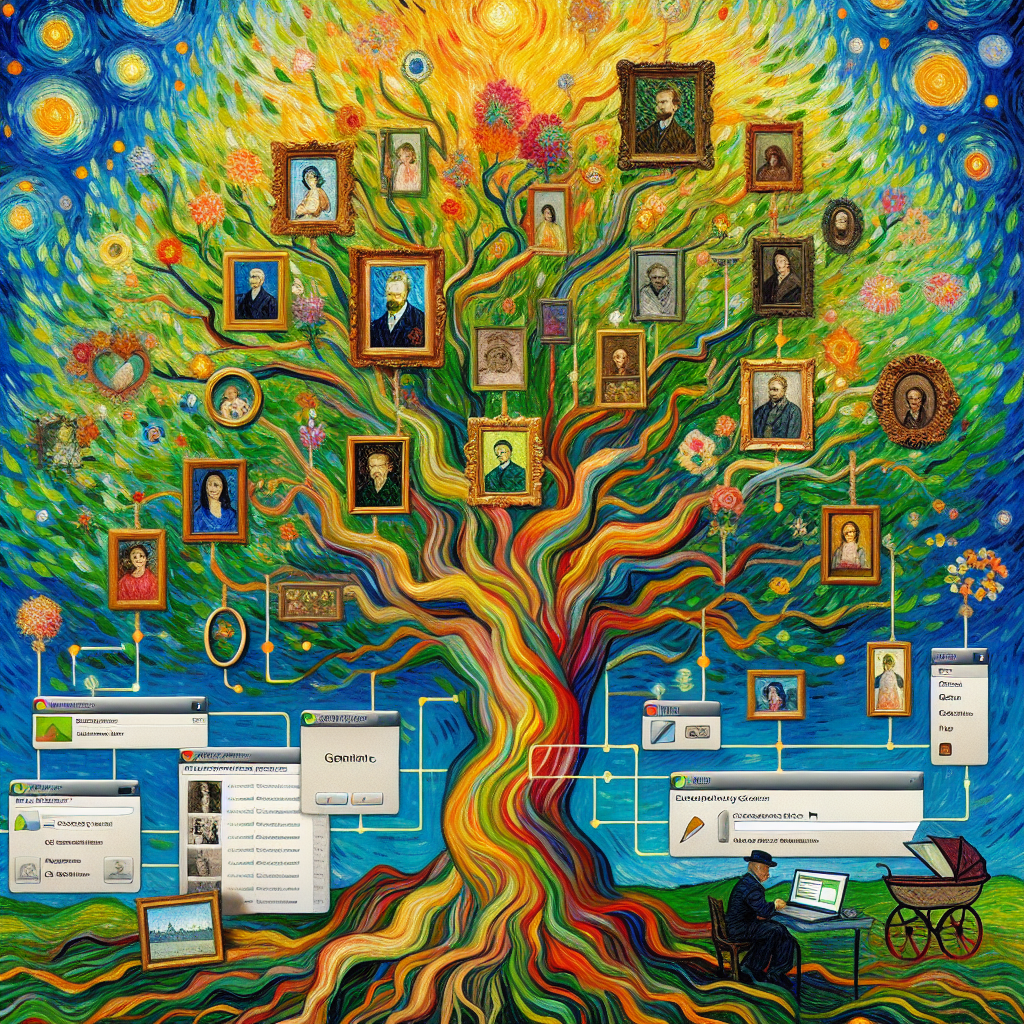
Next, consider turning these stories into something more permanent. You might create a family tree that intertwines these narratives, or even compile them into a book. With today’s technology, there are platforms that can help you share videos, audio clips, or written anecdotes with relatives far and wide. Today’s storytelling can take many forms, from simple handwritten letters to elaborate multimedia presentations.
Remember, it’s not just about preserving memories; it’s about setting the stage for future generations to connect with their roots. When you share your experiences, you give your loved ones a window into your world—into who you were and what you valued. And that, my friends, is the cornerstone of a lasting legacy.
So grab that notebook, fire up that recorder, and dive into the beautiful chaos of your life’s narrative. The stories you share today might just be the inspiration that lights the path for others tomorrow. Whether grand or humble, your legacy is worth preserving, because, in the end, it’s not just about you; it’s about everyone who comes after.

What Are Effective Methods For Preserving Personal Legacies?
What Are Effective Methods For Preserving Personal Legacies?
- Legacy storytelling revolves around the question, “What stories do we want to tell?”.
- It emphasizes the importance of intimate tales over grand achievements.
- Personal anecdotes connect generations and contribute to individual and familial identity.
- Start preserving your legacy with simple tools like notebooks or digital recorders.
- Focus on authenticity; raw and real stories resonate more powerfully.
- Consider creating a family tree or compiling stories into a book or multimedia format.
- Sharing experiences provides future generations with a connection to their roots and values.

What Are Effective Methods For Preserving Personal Legacies?
How Does Sharing Family Stories Contribute To Emotional Well-Being?
In our increasingly fast-paced world, the act of sitting down with family to share stories often feels like a luxury few can afford. But let me tell you, there’s a treasure trove of emotional wealth waiting to be discovered in those moments—the kind of wealth that can redefine your understanding of family and community. We often refer to this as Legacy Storytelling. It’s not just a nostalgic visit down memory lane; it’s a vital practice that can significantly contribute to our emotional well-being.
Think about it. When we share stories, we’re not merely recounting events; we are passing down our experiences, lessons learned, and values instilled. This is where the magic of connection happens. Have you ever seen the captivated expressions of children as they listen to grandparents speak about their lives? It’s a bridge across generations, a way of weaving ourselves into a shared tapestry that strengthens the very fabric of who we are. These stories help cultivate a sense of identity—who we were, who we are, and who we might become.
And let’s be real for a moment. We all face struggles, setbacks, and moments that might shake our foundations. Family stories act like a balm during tough times. They remind us that we are not alone; others have walked similar paths, confronted obstacles, laughed in the face of adversity, and emerged on the other side, often with a gleam in their eye and a story to tell.
Sharing these tales doesn’t just create a warm atmosphere; it builds trust. When we open up and share our vulnerabilities, we encourage those around us to do the same. This exchange fosters empathy and understanding—a human connection that promotes emotional healing. We find strength in each other, a realization that we’re part of something much larger than ourselves.
So how do we get started? It can be as simple as gathering around the dinner table, asking open-ended questions, or even setting up a comfy chair for storytelling nights. Use that moment. Dive deep into family archives—whether they’re pictures or anecdotes—and let the conversations flow. Remember, it’s not about polished narratives; it’s about authenticity. Each story is a thread in the vast quilt of your family’s legacy, woven with laughter, tears, and a shared human experience. Go ahead, take that step. Your heart—and your family—will thank you for it.

How Does Sharing Family Stories Contribute To Emotional Well-Being?
How Does Sharing Family Stories Contribute To Emotional Well-Being?
- Legacy Storytelling is a vital practice that enriches emotional well-being and redefines understanding of family and community.
- Sharing stories passes down experiences, lessons, and values, creating connections across generations.
- Listening to family stories helps cultivate a sense of identity and belonging.
- Family stories provide comfort during struggles, reminding us we are not alone in facing life’s challenges.
- Sharing personal narratives builds trust and fosters empathy and understanding among family members.
- Getting started can be simple, such as gathering around the dinner table and asking open-ended questions.
- Authenticity in storytelling is key; every story contributes to the rich tapestry of a family’s legacy.

How Does Sharing Family Stories Contribute To Emotional Well-Being?
Can Legacy Preservation Help With Grief And Loss?
When we lose someone we love, it can feel like a part of us disappears with them. The world can become a duller place, where memories swirl in a fog of sadness. But here’s the thing: amidst that fog, there exists a glimmer of hope. That hope often comes from a process many might not think of initially—one that melds legacy storytelling with our grief. Legacy preservation is a way to transform sorrow into celebration. It’s not just about commemorating the past; it’s about honoring the life lived.
Picture this: you gather your loved ones, perhaps at a family table or under an old tree where memories were made. Stories start to emerge—memories, shared experiences, perhaps even a few laughs that ripple through the air. Those stories we share become a refuge, a sacred space where we can weave together fragments of the lives we’ve lost. They help solidify their presence and keep their spirit alive, long after they’ve physically departed. This is legacy storytelling in action.
Engaging in this process can be both cathartic and empowering. In sharing stories, it allows us to ease the weight of grief while simultaneously preserving the essence of our loved ones. Even mundane details—a quirky habit, a favorite recipe, or a peculiar saying—transform into priceless treasures, creating a fabric that holds love and memory together. It’s a way to remind ourselves that grief and joy can coexist.
Now, you might wonder, how can I start this on my own? Begin by listening. Lean into the anecdotes shared by family and friends. Encourage, even challenge, folks to recount their favorite moments. Record them, write them down, or create a dedicated space—whether it’s a scrapbook or a digital archive—where these legacies can live for future generations. Remember, it’s not about crafting a perfect narrative; it’s about authenticity.
By embracing legacy storytelling, we don’t erase grief; instead, we invite it to coexist with love and gratitude. It allows us to take control of our narrative, transforming loss into a journey of connection. So, if you’re feeling the weight of grief, consider this: legacy preservation isn’t just about remembering; it’s about healing, sharing, and finding joy in the stories that bind us together, even in the hardest of times.

Can Legacy Preservation Help With Grief And Loss?
Can Legacy Preservation Help With Grief And Loss?
- Loss of a loved one can create a heavy sense of sadness, making the world feel dull.
- Amid the grief, there is hope through legacy storytelling, which transforms sorrow into celebration.
- Gathering loved ones to share memories creates a sacred space for honoring those who have passed.
- Sharing stories allows for a cathartic experience, easing the weight of grief while preserving their essence.
- Mundane details, like quirks or favorite recipes, become precious treasures that hold memories together.
- To start legacy storytelling, encourage sharing anecdotes and record them for future generations.
- Embracing legacy storytelling fosters healing and joy, allowing grief to coexist with love and gratitude.

Can Legacy Preservation Help With Grief And Loss?
What Role Does Culture Play In Legacy Preservation?
When we think about legacy, we often envision grandpa’s old rocking chair or the dusty photo album in the attic. But what really binds these artifacts to our hearts? It’s culture. Culture is the lens through which we view our legacies, the framework that gives shape to our stories. It’s the shared values and traditions that inform how we remember our past and shape our future.
Legacy storytelling is a powerful tool in this endeavor. Think about it: when you share stories about your family’s history, you breathe life into those memories. You’re not just recounting events; you’re preserving the essence of who you are and where you come from. This storytelling isn’t done in isolation. No, it’s sprinkled with the cultural nuances that define us. It might be the way your grandmother made her famous pie, passed down through generations, or the unique expressions that pepper your family conversations. These unique aspects create a rich tapestry that holds together the fabric of your legacy.
But what if you come from a culture that didn’t emphasize storytelling? This is where it gets interesting. Even if the stories aren’t handed down in a traditional way, the impact of culture remains. Think of the values your community holds dear or the rituals that punctuate your life. Even in silence, there’s a legacy waiting to be explored. As you engage with your roots, consider how your cultural background shapes your understanding of your legacy.
The beauty of culture is that it encourages connection. When you gather around the dinner table, share memories, or discuss family traditions, you’re participating in a vital dance of legacy preservation. Every laugh, tear, and moment spent together solidifies your unique identity, and that connects you not only to your past but to future generations.
So, don’t let your legacy slip quietly into the night. Embrace your cultural roots, dig into the stories waiting to be told, and pass them on. Whether through oral stories, written records, or shared experiences, legacy storytelling gives your culture a voice and keeps the flame of your heritage alive. Whether you’re a storyteller at heart or someone who simply holds the family album, remember: it’s not just about preserving the past; it’s about cultivating a vibrant future. Your legacy deserves nothing less.

What Role Does Culture Play In Legacy Preservation?
What Role Does Culture Play In Legacy Preservation?
- Legacy is shaped by culture, which influences how we view our past and future.
- Legacy storytelling revitalizes family history, preserving the essence of identity.
- Cultural nuances, such as traditional recipes and expressions, enrich storytelling.
- A culture lacking storytelling still holds a legacy through shared values and rituals.
- Engaging with cultural roots enhances our understanding of personal legacy.
- Connecting through shared memories and traditions solidifies identity across generations.
- Legacy storytelling empowers cultural expression and ensures heritage remains vital.

What Role Does Culture Play In Legacy Preservation?
How Does Documenting Legacies Strengthen Family Bonds?
Let’s have a moment of honesty here. Life is a whirlwind. Between work, errands, and navigating the sometimes-confounding maze of modern living, it’s easy to overlook the rich tapestry of experiences that shape who we are and where we come from. But here’s the kicker: our legacies aren’t just words scribbled on a piece of paper—they’re vibrant stories that enrich our family bonds and teach us the essence of connection. That’s where Legacy Storytelling steps in, making the mundane extraordinary.
Think about it. When you sit down with an elderly relative, sharing stories over a cup of coffee, you’re not just passing the time—you’re delving into a treasure trove of life lessons, struggles, and triumphs. These moments are the raw material of our legacies, waiting to be transformed into tales that resonate. Documenting these narratives doesn’t just give life to the past; it weaves a shared history that ties generations together.
Now, I know what you may be thinking: “Who has time for that?” But let me assure you, the investment is worth every second. When a family comes together to document their stories—be it through writing, audio recordings, or video—what emerges is a living, breathing testament to resilience and love. It’s like building an emotional bridge across eras, inviting everyone to contribute their bricks of wisdom and experience. The result? A familial tapestry that’s as robust as it is colorful, filled with lessons that hit close to home.
Encouraging family members to share their stories can foster a culture of reflection and appreciation. Suddenly, the mundane “How was your day?” transforms into meaningful exchanges filled with historical context and authenticity. Kids get a glimpse of their ancestry, and adults find renewed appreciation for sacrifices made and joys celebrated. This isn’t just storytelling; it’s legacy storytelling—gathering those threads to create a sturdy fabric of connection.
So, why not take that leap today? Start small. Gather around the dinner table, flip through old photo albums, or fire up a recording device. Create a tradition that celebrates your family’s unique narrative. In doing so, you’re not just documenting legacies; you’re strengthening bonds that can weather any storm, crafting a sense of belonging that spans generations. Trust me when I say: the stories you share today will echo for years to come. It’s time to start building those bridges.

How Does Documenting Legacies Strengthen Family Bonds?
How Does Documenting Legacies Strengthen Family Bonds?
- Life can often feel overwhelming, causing us to overlook meaningful experiences that shape our identities.
- Our legacies consist of vibrant stories that strengthen family bonds and teach connection.
- Sharing stories with elderly relatives can reveal valuable life lessons and shared histories.
- Documenting family narratives can create a testament to resilience and love across generations.
- Encouraging storytelling fosters a culture of reflection and appreciation within families.
- Simple actions, like sharing meals or looking through photo albums, can spark meaningful storytelling traditions.
- Building and sharing these legacies strengthens familial connections that endure over time.

How Does Documenting Legacies Strengthen Family Bonds?
Conclusion
In our fast-paced modern world, where the clock seems to dictate our lives, there lies an underappreciated remedy for our emotional well-being: legacy preservation. It’s like an anchor in a tumultuous sea, a way to connect with our roots and find meaning amidst the chaos. Legacy storytelling isn’t just about the glorious moments we want to celebrate; it’s also about the everyday anecdotes that shape who we are. Picture that iconic scene where family gathers around—a campfire, a dining room table, or maybe just a cozy living room—and laughs echo as generations share tales. This practice transcends mere recollection; it’s a heartfelt reminder that we are part of something much larger than ourselves.
The power of sharing these stories lies not only in their ability to preserve our memories but in how they fortify our identities and strengthen connections. Engaging in legacy storytelling helps us reflect on the threads that weave our lives together, transforming abstract memories into tangible lessons. It fosters understanding, empathy, and healing, especially during life’s inevitable hardships. When we recount how our grandparents faced adversities, it doesn’t just glorify the past. It reiterates the resilience that lives within us, bridging the gap between generations.
As we delve into our own narratives, it becomes a journey of self-discovery. Each story serves as a stepping stone that anchors us, reminding us of where we’ve come from and directing us towards what truly matters. So, rather than letting these moments slip through our fingers, let’s seize the opportunity to document our legacies—whether through written words, spoken anecdotes, or digital formats. Each voice, each contribution matters.
There’s a profound sense of peace that comes from this act of storytelling. It’s a celebration of life itself, a commitment to nurturing our emotional health and the emotional health of those who will carry our stories forward. When we take the time to preserve our legacies, we’re not just echoing voices from the past; we’re uplifting spirits, creating continuity, and planting seeds of compassion for future generations.
So, if you’re ready to enrich not only your own spirit but those of your loved ones, it’s time to roll up your sleeves and start documenting. Find the courage to share your unique journey and inspire others. The tapestry of life is vast and vibrant, and each thread—in all its nuances—is worth preserving. In doing so, we cultivate not only a sense of belonging but a legacy of warmth, laughter, and countless stories worth sharing. Dive into your narrative; your story matters.

Conclusion
Conclusion:
- Legacy preservation serves as an emotional anchor in our fast-paced modern world.
- It encompasses both glorious moments and everyday anecdotes that shape our identities.
- Sharing stories strengthens connections and fosters understanding among generations.
- Engaging in legacy storytelling transforms memories into tangible lessons, especially during hardships.
- Documenting legacies, through various formats, helps us reflect on our journey and what matters.
- Storytelling nurtures emotional health and creates continuity for future generations.
- Preserving our narratives cultivates belonging and inspires others while enriching our spirits.

Conclusion
Other Resources

Other Resources
Here is a list of other resources you can review online to learn more:
- Digital Legacy Association
- Storyfile
- Willmaker
- MyWishes
- GhostMemo
- Everplans
- Remembered.com
- LifeSite
- PartingWishes
- LegalNature
Use This Prompt To Get More Resources With Your Favorite Online AI Tool: Please provide me with a list of online articles with their URLs in a bulleted list that I can read regarding How Does Legacy Preservation Impact Emotional Well Being?
Other Resources
Glossary Terms
How Does Legacy Preservation Impact Emotional Well Being? – Glossary Of Terms
1. Legacy: An emotional or historical connection left by individuals or groups, often encompassing values, beliefs, and traditions passed through generations.
2. Preservation: The act of maintaining, protecting, or safeguarding items, practices, or memories that hold significance to individuals or communities.
3. Emotional Well-Being: A state of mental health characterized by the presence of positive emotions and the absence of negative emotions, influencing overall life satisfaction.
4. Nostalgia: A sentimental longing for the past, which can trigger both positive and negative emotions, often associated with personal memories or cultural heritage.
5. Intergenerational Connection: The relationship and interaction between different generations, fostering a sense of continuity and shared identity.
6. Cultural Heritage: The legacy of physical artifacts (traditions, monuments) and intangible attributes (language, customs) inherited from past generations.
7. Identity: The qualities, beliefs, and expressions that define an individual or group, often shaped by historical and cultural legacies.
8. Memory: The mental faculty by which past experiences and information are recalled, often influenced by artifacts preserved as legacies.
9. Family Tradition: Activities or beliefs passed down through generations that reinforce family identity and closeness, positively affecting emotional bonds.
10. Sentimentality: The quality of being excessively emotional or nostalgic, regarding preserved legacies and memories.
11. Archiving: The process of collecting, cataloging, and preserving historical documents and artifacts for future reference and study.
12. Reflection: The act of contemplating or thinking back on past experiences, often leading to personal insights and emotional clarity.
13. Grief: The emotional response to loss, which can be influenced by preserved memories and legacies of those who have passed.
14. Meaning-Making: The process of interpreting and finding significance in experiences, often facilitated through the exploration of legacies.
15. Continuity: The concept of maintaining a connection with the past, which can provide stability and reassurance in times of change.
16. Storytelling: The act of sharing stories, often passed down through generations, which can enhance the emotional significance of legacies.
17. Belonging: A sense of acceptance and inclusion within a group or community, bolstered by shared histories and legacies.
18. Resilience: The ability to recover from stress or adversity, often supported by a strong sense of identity and connection to the past.
19. Reunions: Gatherings of family or community members, often fostering emotional bonds and reinforcing ties to shared legacies.
20. Ritual: Established procedures or ceremonies that help in the preservation of cultural or familial legacies and promote emotional well-being.
21. Empathy: The ability to understand and share the feelings of others, often deepened through knowledge of shared histories and legacies.
22. Beliefs: Core principles held by individuals or groups that shape behavior and attitudes, often rooted in historical contexts.
23. Preservationists: Individuals or groups dedicated to protecting and maintaining cultural or historical artifacts and practices.
24. Reflection: The deliberate contemplation of personal and shared histories, leading to deeper self-understanding and emotional health.
25. Cognitive Dissonance: The psychological discomfort experienced when holding conflicting beliefs, which can be navigated through legacy exploration.
26. Social Bonds: Relationships and connections between individuals that are often strengthened by shared heritage and legacy.
27. Therapeutic Storytelling: A method of using narrative and personal stories as a tool for healing and emotional expression, often linked to legacy.
28. Civic Engagement: Participation in community activities that honor and preserve local history, fostering belonging and emotional well-being.
29. Tradition-Bearers: Individuals who actively maintain and transmit cultural practices, symbols, and stories to future generations.
30. Cultural Resilience: The ability of a community to adapt and thrive while maintaining its unique cultural identity, enhanced by legacy preservation activities.

Glossary Of Terms
Other Questions
How Does Legacy Preservation Impact Emotional Well Being? – Other Questions
If you wish to explore and discover more, consider looking for answers to these questions:
- What are some practical steps I can take to begin legacy preservation?
- How can I involve my family in the legacy storytelling process?
- Are there specific techniques for effectively documenting personal legacies?
- What resources or tools can assist in preserving family stories?
- How can legacy preservation contribute to the emotional well-being of future generations?
- What role does technology play in legacy preservation today?
- How can I ensure that my family’s stories remain relevant as times change?
- What are the psychological benefits of engaging in legacy storytelling?
- How can I best preserve the stories of loved ones who have passed away?
- Can cultural practices influence the way we share our legacies?

Other Questions
Haiku
How Does Legacy Preservation Impact Emotional Well Being? – A Haiku
Stories weave our lives,
Roots anchor us, heal our hearts,
Legacy lives on.

Haiku
Poem
How Does Legacy Preservation Impact Emotional Well Being? – A Poem
In a world that races, swift and blind,
Where moments vanish, lost to time,
Legacy stands, a beacon bright,
An anchor for the heart, a guiding light.
Gathered ’round the warm, flickering glow,
Tales from the past begin to flow,
Stories of struggles, triumphs untold,
Weaving our lives in a tapestry bold.
Each laugh and tear, a thread entwined,
Reminders of roots, of love defined,
In the echoes of voices long gone,
Lives echo onward, forever drawn.
A legacy held in memories dear,
Transforming our grief into joy we can hear,
With every recount and shared embrace,
We find our identity, we find our place.
Pause in the hustle, take note of the past,
Preserve the moments, let the stories last,
For life’s not a sprint; it’s a dance, a song,
Where each voice matters, where we all belong.
Through the lens of culture, diverse and wide,
Our stories connect us, let them be our guide,
Written or spoken, in silence or noise,
Each legacy preserved is a gift, a choice.
So gather your loved ones, let memories bloom,
In laughter and tears find solace from gloom,
For in sharing our tales, we build and we mend,
Hearts intertwined, as families transcend.
Document the legacies, strengthen the bond,
With each shared heartbeat, with each quiet yawn,
Together we rise, with history in tow,
In the echoes of legacy, together we grow.

Poem
Checklist
How Does Legacy Preservation Impact Emotional Well Being? – A Checklist
1. Reflect on Your Stories
_____ Take time to think about what stories define you and your family.
_____ Identify key moments that shaped your identity.
2. Choose Your Medium
_____ Decide how you want to preserve your legacy (e. g. , written narratives, videos, audio recordings, photo albums).
_____ Explore digital platforms that can help you create multimedia presentations or archives.
3. Gather Family Members
_____ Organize family gatherings with the intention of sharing stories.
_____ Encourage open conversations around the dinner table or during family events.
4. Ask Open-Ended Questions
_____ Use prompts to spark storytelling (e. g. , “What was your best childhood memory?” or “Can you tell us about a challenging time you faced?”).
5. Document the Stories
_____ Write down or record the stories shared during your family gatherings.
_____ Create a dedicated space for family legacies (e. g. , family tree, scrapbook, or digital archive).
6. Celebrate Traditions
_____ Incorporate family traditions that highlight your shared history.
_____ Make storytelling a routine part of family gatherings.
7. Encourage Participation
_____ Motivate family members of all ages to contribute their stories.
_____ Foster an environment where everyone feels comfortable sharing.
8. Create a Living Legacy
_____ Turn collected stories into a family book or video compilation.
_____ Share the legacy with future generations to keep the narratives alive.
9. Embrace Cultural Nuances
_____ Be mindful of the cultural aspects that shape your family’s stories and values.
_____ Highlight and preserve traditions that define your family heritage.
10. Use Legacy to Cope with Grief
_____ When dealing with loss, share stories about the loved one to celebrate their life.
_____ Create a memorial space to honor those who have passed.
11. Reflect and Connect
_____ After storytelling sessions, take a moment to reflect on what you’ve learned as a family.
_____ Discuss how these stories strengthen familial bonds and cultural identity.
12. Practice Gratitude
_____ Acknowledge the wisdom and experiences of elders in your family.
_____ Focus on gratitude for the shared experiences and lessons learned through legacy storytelling.
13. Keep the Conversation Going
_____ Make storytelling a consistent, ongoing activity rather than a one-time event.
_____ Foster continuous reflection on new stories and experiences as they unfold.
14. Be Authentic
_____ Prioritize authenticity over perfection; focus on honest stories that truly represent your family’s journey.
_____ Encourage vulnerability and openness in storytelling to deepen connections.
By following this checklist, you can actively engage in legacy preservation, enhancing emotional well-being not just for yourself, but for your entire family. Remember, every story matters, and your legacy is waiting to be shared.

Checklist
At LegacyExplorations, we help people plan and explore their legacy by collecting information and news regarding end-of-life planning.
Please share this post with your friends, family, or business associates who may want help to plan or explore their legacy.