

Unlocking The Power Of Family Stories
By Tom Seest
At LegacyExplorations, we help people plan and explore their legacy by collecting information and news regarding end-of-life planning.
Please share this post with your friends, family, or business associates who may want help to plan or explore their legacy.
How Does Telling Your Story Give Your Family a Stronger Identity?
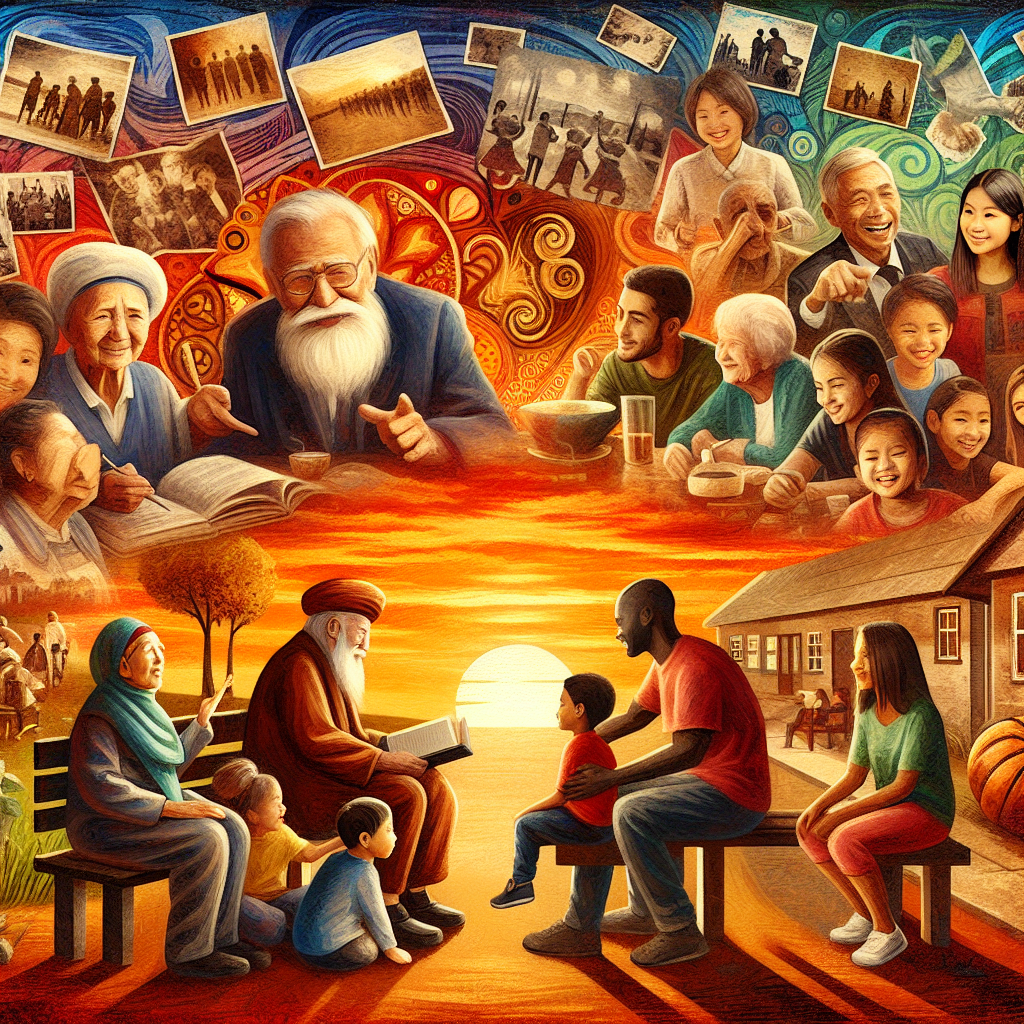
Gather ’round, folks, because we’re about to dive into something that might just change the way you see your family. When was the last time you paused to truly reflect on the stories that bind you together? You see, legacy storytelling isn’t just a fancy phrase tossed around at family gatherings; it’s the very thread that weaves the fabric of your family’s identity. When you take the time to tell your family stories—those bits of history filled with joy, struggles, wisdom, and even the mundane—it does something remarkable: it creates a shared narrative that gives everyone a solid sense of belonging.
Think about it. Each story you share carries a piece of your family’s history. Maybe it’s the tale of an ancestor who immigrated to a new land, or perhaps it’s the funny incident from last Thanksgiving that had everyone in stitches. These tales live on, handed down from generation to generation, making each member of the family feel connected to something larger than themselves. When your kids hear how Grandma stood tall during tough times or how Uncle Joe once danced with a jellyfish (yes, I’m sure there’s a story in there), they begin to understand that they’re part of a legacy that’s rich and textured.
But it doesn’t stop at history; legacy storytelling empowers the current generation, too. It helps each family member carve out their own identity while still feeling grounded in a shared past. This fusion of personal and collective identity builds confidence—your kids will know they come from a lineage of strong, resilient individuals. You see it in their eyes, a spark ignited by the stories you share, urging them to live boldly and make their mark on the world.
So, take a moment tonight during dinner or on a quiet weekend. Open up—tell those stories that linger in your heart. Encourage your family members to share their own, too. You might be surprised by the laughter that erupts or the deep conversations that unfold. Before you know it, you’ve got a treasure trove of stories that not only enrich your family’s identity but also ignite a powerful legacy for the future. In this ever-changing world, wouldn’t it be wonderful to know that the essence of who you are as a family is grounded in shared experiences, laughter, and love? That’s the true magic of storytelling, folks. So, start weaving those tales today!

How Does Telling Your Story Give Your Family a Stronger Identity?
How Does Telling Your Story Give Your Family a Stronger Identity?
- Legacy storytelling strengthens family bonds by sharing stories that reflect family history.
- Each story preserves a piece of family history, creating a sense of belonging among members.
- Tales shared can range from ancestor experiences to humorous family events.
- Storytelling connects generations, helping kids recognize they are part of a rich legacy.
- It empowers the current generation to develop their identity while rooted in family history.
- Sharing stories can lead to unexpected laughter and deeper conversations.
- Emphasizes the importance of personal and collective experiences in building a family’s essence.
How Does Telling Your Story Give Your Family a Stronger Identity?
Table Of Contents
- How Does Telling Your Story Give Your Family a Stronger Identity?
- How Can Sharing Family Stories Enrich Our Connections?
- What Role Do Personal Narratives Play In Family Identity?
- How Does Storytelling Impact The Values We Pass To Generations?
- Can Recalling Family History Strengthen Our Sense Of Belonging?
- What Are Effective Ways To Encourage Family Members To Share?
- How Can Storytelling Help Preserve Cultural Heritage Within Families?
- In What Ways Does Storytelling Foster Empathy Among Family Members?
- Conclusion
- Other Resources
- Glossary Of Terms
- Other Questions
- Haiku
- Poem
- Checklist
How Can Sharing Family Stories Enrich Our Connections?
Let’s face it: we all have a story to tell, but many of us are just waiting for the right moment—or the right audience—to share it. The beauty of family stories lies in their power to bridge generations, creating a tapestry of experience that connects us in ways we might not fully understand. How many times have you found yourself captivated by a tale from a relative that seemed so mundane at first, only to unravel into a priceless lesson or a hearty laugh? Those moments resonate. They linger in our minds, forming threads of connection that knit us closer together.
Enter the concept of Legacy Storytelling. It’s not just about sharing facts or dates; it’s about weaving together the fabric of our family history. Think of it as a shared treasure hunt, where each anecdote adds depth and richness to our lives. When someone shares a memory—perhaps a great-grandfather’s misadventures building a barn or an aunt’s first car—the narrative comes alive, wrapped in the emotions of the time. These stories give context to our own lives, allowing us to understand the struggles and victories of those who came before us.
The next time you find yourself at a family gathering, take a moment to listen. Ask your relatives about the stories that shaped them, the small moments that had a huge impact on their lives. You’ll often discover common struggles, unexpected victories, and those quirks that make your family utterly unique. You don’t have to be a historian or a skilled writer to participate; just be present and willing to share.
And let’s be honest—there’s something inherently comforting in sharing our stories. It invites vulnerability and openness, creating a safe space for others to do the same. By opening up about our past, we inspire trust and foster deeper relationships. These shared narratives become foundations for future conversations, deepening our connections and instilling a sense of belonging.
So why not start today? Gather those tales that have been sitting on the shelf, waiting for the right time, and give them a voice. It will not only enrich your connections with family but might just help you discover something new about yourself along the way. After all, our stories are not just individual experiences; they are a map of our shared humanity.

How Can Sharing Family Stories Enrich Our Connections?
How Can Sharing Family Stories Enrich Our Connections?
- Everyone has a story to tell, but many wait for the right moment or audience to share it.
- Family stories bridge generations, connecting us through shared experiences.
- Legacy Storytelling involves weaving together family history and memories.
- These narratives provide context for our lives, revealing the struggles and victories of ancestors.
- Listening to relatives’ stories can uncover common struggles and unique family characteristics.
- Sharing stories fosters vulnerability, trust, and deeper relationships among family members.
- Starting to share these tales enriches connections and enhances our understanding of shared humanity.

How Can Sharing Family Stories Enrich Our Connections?
What Role Do Personal Narratives Play In Family Identity?
Gather ’round the kitchen table or the living room couch, and you’ll find that personal narratives are the lifeblood of family identity. They’re the threads that weave together the rich tapestry of our lives—each story adding color, texture, and depth. You see, families are not just made up of people who happen to share a last name. They are a collection of legacy storytelling that captures the dreams, struggles, and triumphs of those who came before us. Each tale, whether it’s a grand adventure or a quiet moment, becomes a brick in the foundation of who we are.
Take a moment to reflect on your own family. What stories have been passed down to you? Perhaps it’s the tale of a great-grandparent who immigrated to this country with little more than hope and a suitcase. Or maybe it’s that quirky story about your cousin’s first attempt at baking a pie that left the whole family in stitches. These narratives create a shared history that can bring laughter, inspire resilience, or even spark conversations that last long into the night. They’re the guiding stars in times of uncertainty, reassuring us that our experiences, however mundane or chaotic, form a part of something larger.
But here’s the kicker: legacy storytelling isn’t just a passive process. It’s an active, ongoing conversation that evolves with each generation. When we share our narratives, whether through formal gatherings, casual chats, or even modern avenues like social media, we give our children and grandchildren a treasure trove to draw from. They gain a fundamental understanding of where they fit in this intricate family puzzle. These shared stories instill confidence, foster a sense of belonging, and make it easier to face life’s challenges knowing that “we’ve got this”—because we’ve been through something similar before.
So, let’s embrace the power of our personal narratives. Don’t hold back; share those moments that have shaped you, made you laugh, or taught you a lesson. Invite your loved ones to do the same. The impact may not be immediately clear, but trust me, it will ripple through time—creating connections that deepen bonds and define your family identity. So go ahead, dig into your stories, keep that legacy alive, and watch how it transforms not just the understanding of who you are, but also who you will become together.

What Role Do Personal Narratives Play In Family Identity?
What Role Do Personal Narratives Play In Family Identity?
- Personal narratives are essential to family identity, creating a rich tapestry of shared experiences.
- Stories capture the dreams, struggles, and triumphs of previous generations, forming a foundation of who we are.
- Passed down tales, like family adventures or humorous moments, contribute to a shared history that strengthens family bonds.
- Legacy storytelling is an active process that evolves across generations, enriching family conversations.
- Sharing narratives helps younger family members understand their place within the family and fosters confidence and belonging.
- Encouraging the sharing of personal experiences can strengthen connections and enhance family identity over time.
- Engaging in storytelling fosters understanding of both individual and collective family journeys, influencing future identities.

What Role Do Personal Narratives Play In Family Identity?
How Does Storytelling Impact The Values We Pass To Generations?
Ah, storytelling—the ancient art form that’s been connecting us across generations like a sturdy bridge built from shared dreams and hard-earned lessons. It’s no coincidence that we find ourselves gathered around hearths or campfires, leaning in closer, eyes wide, as someone dives into a story. You see, storytelling isn’t just about entertainment; it’s a form of Legacy Storytelling, a way to transfer the values, beliefs, and traditions that define us.
Think about it for a moment—what has shaped your perspective on life? Often, it’s those tales from our parents or grandparents, wrapped in vivid imagery and laden with emotions. Perhaps it was a story about perseverance, where you learned the importance of grit from a relative who tackled hard times with unwavering resolve. Or maybe it was a humorous anecdote that illustrated the power of kindness, sticking with you long after the punchline faded. These stories are our inheritance, whispered down through generations, rooting us in the values that shape our identities.
When we share these narratives, we do more than recount events; we breathe life into the morals those events carry. It’s in the way the storyteller gestures, their voice rising and falling, and the heartfelt laughter or sighs that punctuate the narrative. Each twist and turn draws us deeper into not just the tale but the essence of what it means to be human. These stories are not just mine, nor yours; they are ours—a shared experience that binds us as a family, community, or culture.
But here’s the crux of it: we need to be the ones to keep these stories alive. In a world buzzing with distractions, it’s easy to forget the power of a good story. Yet, let me tell you, the act of gathering around to share what’s important is worth every second. It’s how we shape our children’s understanding of right and wrong, of courage and compassion. They learn not just from the facts but the feelings embedded within each tale.
So, as we move forward, let’s ensure that we’re not just passive observers but active participants in this Legacy Storytelling. Share your stories. Encourage your kids to share theirs. Let’s lay the foundations for the next generation, ensuring they understand that the values we cherish are not just ours; they are meant to be cherished, honored, and passed on, shaping the future one story at a time.

How Does Storytelling Impact The Values We Pass To Generations?
How Does Storytelling Impact The Values We Pass To Generations?
- Storytelling is an ancient art that connects generations through shared dreams and lessons.
- Legacy Storytelling transfers values, beliefs, and traditions that define our identities.
- Personal stories, especially from parents or grandparents, shape our perspectives on life.
- Stories teach important lessons, such as perseverance and kindness, rooted in emotional experiences.
- Sharing narratives brings morals to life and creates a shared experience within families and communities.
- In a distraction-filled world, it’s crucial to actively share and keep stories alive for future generations.
- Encouraging children to share their stories helps pass on cherished values and shape the future.

How Does Storytelling Impact The Values We Pass To Generations?
Can Recalling Family History Strengthen Our Sense Of Belonging?
There’s something deeply powerful about the stories that bind us to our past. Think about it: each family has a legacy—filled with vivid characters, unexpected twists, and lessons waiting to be uncovered. When we delve into this treasure trove of experiences, we’re not just listening to nostalgia; we’re engaging in what I like to call “legacy storytelling.” It’s a concept that invites us to step back in time, put on the shoes of our ancestors, and explore how their journeys shaped our very existence.
Now, you might be wondering why this matters. Well, imagine a cozy evening, gathered around the kitchen table, surrounded by family—an environment where everyone feels safe to share their thoughts. That’s where the real magic happens. Stories told in that intimate space do more than remind us of who we are; they connect us. They’re the threads that weave a fabric of shared identity, giving texture to our understanding of belonging.
As you dive into your family history, you might uncover tales of resilience, sacrifice, or triumph. Perhaps your great-grandmother navigated the trenches of war, or your uncle took on a century-old farm against the odds. These narratives aren’t just mere facts; they’re living reminders that our roots are intertwined, that we come from a lineage of people who faced challenges with grit and heart. When you grasp these stories, you start to see pieces of yourself in them. You begin to understand that belonging isn’t just an emotion; it’s a profound recognition of shared struggles and victories.
This process doesn’t have to feel daunting, either. Start small! Reach out to your relatives, dig through old photo albums, or even create a family tree. Every little bit helps to design the narrative of who you are today. You don’t need an extensive background in genealogy; you just need the curiosity and the willingness to reflect.
So, let’s face it—our sense of belonging is often anchored in our family stories. As we share and recall these histories, we build a stronger connection not only with those who came before us but also with each other. It’s an invitation to cherish the past while strengthening the ties that bind us in the present. Remember, every story has value, and each one enriches the legacy we pass down to the next generation. So why not start today? Dive in, listen closely, and see how your family’s past can illuminate your path forward.

Can Recalling Family History Strengthen Our Sense Of Belonging?
Can Recalling Family History Strengthen Our Sense Of Belonging?
- Family stories create a powerful connection to our past and shape our identity.
- “Legacy storytelling” invites us to explore our ancestors’ journeys and their impact on our lives.
- Sharing stories in a safe familial environment fosters deeper connections and a sense of belonging.
- Tales of resilience and triumph reveal shared struggles and victories, emphasizing our interconnectedness.
- Exploring family history can start small, such as talking to relatives or examining photo albums.
- Recalling family stories strengthens bonds with both ancestors and present family members.
- Every family story contributes to our legacy and can illuminate our future; starting today can make a difference.

Can Recalling Family History Strengthen Our Sense Of Belonging?
What Are Effective Ways To Encourage Family Members To Share?
Gather ‘round, folks! Let’s dive into the heart of what makes families tick: connection. If you’ve ever tried to pry a story out of a stubborn relative, you know it can feel like pulling teeth. But fear not! Building a culture where everyone feels comfortable sharing—be it tales from yesteryear or simple day-to-day happenings—is not only achievable; it’s downright rewarding. One powerful approach to unlocking these stories is through Legacy Storytelling.
First off, start with the basics. Create a relaxed atmosphere. Whether it’s a Sunday afternoon barbecue, a cozy family dinner, or a casual weekend gathering, set the stage for storytelling. Encourage everyone to bring a favorite dish or a cherished memento, and set up an informal “story circle.” This isn’t just about tradition; it’s about inclusion. Let your family know that their stories matter and are valued. To borrow a phrase, “Everyone has a story,” and you might be surprised at what fellow family members have tucked away in the recesses of their minds.
Next, strike a balance—while you want to coax the stories out, you don’t want to turn it into a lecture. Ask open-ended questions that allow room for elaboration, but don’t interrogate. Instead of leading with, “So, what was your childhood like?” Try something like, “Was there a moment back then that really shaped who you are today?” This approach invites reflection and signals that you’re genuinely interested in listening.
Now, for the grand finale—celebrate these shared stories! Create a family scrapbook or a digital archive. Bring those experiences to life visually, whether through photographs, handwritten notes, or videos. Not only do these artifacts preserve memories, but they also give everyone a reason to contribute to something greater than themselves. By embracing Legacy Storytelling, you’re doing more than sharing anecdotes; you’re weaving together the fabric of family history, making every member feel like they’re part of something larger.
Finally, remember to model the behavior you want to see. Share your own stories! Open up about your experiences, your challenges, and your triumphs. When family members see you being vulnerable, they’ll feel safer doing the same. So, roll up your sleeves and get to it. By creating a warm and inviting environment, encouraging open dialogue, and celebrating the shared moments, you’ll foster an atmosphere ripe for connection, trust, and unforgettable storytelling. Now, what are you waiting for? Start digging into those stories—your family’s legacy is just waiting to be uncovered!
What Are Effective Ways To Encourage Family Members To Share?
What Are Effective Ways To Encourage Family Members To Share?
- Focus on fostering family connections through storytelling.
- Create a relaxed atmosphere for sharing stories during family gatherings.
- Encourage participation by having family members bring favorite dishes or mementos.
- Use open-ended questions to invite reflection without turning discussions into interrogations.
- Celebrate shared stories through a family scrapbook or digital archive to preserve memories.
- Model vulnerability by sharing your own experiences to encourage openness among family members.
- Strive to create an environment conducive to connection, trust, and storytelling.

What Are Effective Ways To Encourage Family Members To Share?
How Can Storytelling Help Preserve Cultural Heritage Within Families?
Gather round, folks—it’s time to talk about something that binds us together like the finest thread in a family quilt: Legacy Storytelling. You might be wondering what makes this age-old practice so vital in our fast-paced, digital world, where swipes and clicks often drown out the whispers of our ancestors. Well, let’s slow down for a minute and contemplate the richness found in the stories we share.
Think about it. Every family has its treasure trove of tales—those quirky anecdotes about Great Uncle Larry who tried to open a restaurant out of the family garage, or warm-hearted stories of Grandma’s childhood during the war. These aren’t just amusing bits to share at dinner tables; they are pieces of our cultural puzzle, a way to connect generations and offer insights into the values that shaped our families.
When we engage in Legacy Storytelling, we create a bridge between the past and the present. It offers us a means to honor the struggles and triumphs of those who came before us, reinforcing the lessons they learned along the way. Have you ever found solace in knowing that your challenges aren’t yours alone? That someone before you faced similar trials? Listening to the stories of those before us instills a sense of resilience and belonging, reminding us that we are all part of something much larger than ourselves.
But let’s get real for a moment. In a world where screen time often reigns supreme and face-to-face conversations are dwindling, it’s up to us to preserve these vital connections. So, how do we do that? Gather your family, whether it’s around the dinner table or a backyard barbecue, and invite everyone to share their stories. Ask questions! Tap into their memories of cultural traditions, favorite recipes, and family folklore. You might find that those seemingly small tales resonate deeply, weaving together a collective identity that empowers everyone involved.
As generations pass, let’s not forget that every story shared is a thread woven into the tapestry of our family’s history. When we share those stories, we create an environment where cultural heritage isn’t just remembered, but celebrated. So, grab a seat, pour a cup of coffee, and prepare to embrace the wonderful world of storytelling. It’s time to keep our stories alive—it’s time to preserve our legacy!

How Can Storytelling Help Preserve Cultural Heritage Within Families?
How Can Storytelling Help Preserve Cultural Heritage Within Families?
- Legacy Storytelling connects us and preserves family history in a fast-paced digital world.
- Every family has unique tales that provide insights into their cultural values.
- Engaging in storytelling builds a bridge between past and present, honoring struggles and triumphs.
- Listening to ancestral stories fosters resilience and a sense of belonging.
- To preserve connections, initiate family gatherings for sharing stories and memories.
- As stories are shared, they create a collective identity and celebrate cultural heritage.
- Embrace storytelling as a means to keep legacies alive and enrich family bonds.

How Can Storytelling Help Preserve Cultural Heritage Within Families?
In What Ways Does Storytelling Foster Empathy Among Family Members?
Gather ’round the family table, folks, because there’s something magical about storytelling that goes far beyond mere entertainment. Many of us grew up with our elders weaving tales of yesteryear—those timeless nuggets of wisdom wrapped in adventure, laughter, and sometimes heartbreak. It’s in these moments of Legacy Storytelling where we unveil layers of our family’s history and values, igniting connections that run deeper than shared genes.
Think back to the last time you shared a story about your childhood; perhaps it was about a hilarious mishap or a moment of triumph. Now, imagine your kids hanging on to every word—eyes wide, smiles breaking, laughter echoing in the room. That’s empathy at work. As we share these intimate slices of life, we invite our loved ones to step into our shoes, to see the world through our eyes. This connection builds understanding, allowing family members to relate to each other’s struggles and victories.
For example, let’s explore your grandfather’s journey from a small town to a bustling city, chasing the American dream. His experiences—both challenging and uplifting—are lessons in resilience. When he speaks, he’s not just a figure of authority; he becomes a window into a different time, a different mindset. As you listen and reflect, you might find yourself empathizing with his fears and joys, his triumphs and failures. Suddenly, the generational gap doesn’t feel so wide anymore—it’s a bridge forged with shared feelings.
Storytelling also cultivates trust. When we share our vulnerabilities—like the time you lost your job or faced a personal crisis—we position ourselves as both real and relatable. Family members often realize they’re not alone in life’s hurdles. It encourages others to open up, fostering a safe space where feelings can be expressed without judgment. When family members feel heard and valued, empathy flourishes naturally.
So, the next time you gather with your family, think about sharing some stories of your own. Whether it’s an old family legend or a personal tale of overcoming adversity, diving into your own experiences can make the invisible threads of empathy come alive. It’s a small act, really, one that can weave a rich tapestry of connection and understanding. In doing so, you don’t just pass down your stories; you nurture your family’s hearts, planting seeds of empathy that will grow for generations.

In What Ways Does Storytelling Foster Empathy Among Family Members?
In What Ways Does Storytelling Foster Empathy Among Family Members?
- Storytelling transcends entertainment, fostering deeper family connections.
- Legacy Storytelling reveals layers of family history and values.
- Sharing personal stories enhances empathy and understanding among family members.
- Examples of family journeys, like a grandfather’s, illustrate resilience and bridging generational gaps.
- Sharing vulnerabilities helps build trust and creates a safe space for open emotions.
- Encouraging storytelling nurtures empathy and connection within the family.
- Sharing personal tales can have lasting effects, planting seeds of empathy for future generations.

In What Ways Does Storytelling Foster Empathy Among Family Members?
Conclusion
Gather ‘round, folks, because it’s time to wrap our heads around something that could alter how you see the stories you share—or, more importantly, how they shape who you are as a family. Legacy storytelling is no passing trend; it’s the hidden thread weaving through the fabric of family identity. It’s about more than just dusty tales from the past; it’s about creating a shared narrative that gives each family member a sense of belonging to something grander.
Think of the stories that resonate within your family—the emigrant who forged a new life, the funny Thanksgiving debacles, or the courageous moments from the lives of those who came before you. Each tale is more than just entertainment; they are the essence of your collective history that connects generations, providing a rich backdrop against which your own experiences play out.
Storytelling does incredible things. It arms the younger generation with an armor of knowledge about who they come from, helping them carve their identities against the backdrop of family triumphs and trials. The connection created by sharing the narrative of Uncle Joe’s jellyfish dance or Grandma’s resilience during hard times fosters confidence and sparks something fierce within the hearts of the next generation. They feel buoyed by the strength of their lineage, encouraged to chase their dreams and weather life’s challenges because they know they belong to a legacy of fighters.
And let’s not overlook the power of storytelling to build empathy. When we share our experiences—whether they are hilarious or heart-wrenching—we invite our loved ones to step into our shoes. This isn’t just about passing time; it’s an invitation to deeper understanding and connection that can bridge generational gaps. Suddenly, every family member has a stronger grasp on not just who you are, but why you are.
So tonight, or whenever you find a moment, open the floor to these stories. Create a space where everyone feels valued, and watch as connections deepen, laughter flows, and discussions arise over the experiences that make your family, well, uniquely you. By doing so, you’re building a treasure trove of tales that not only solidify your family’s identity but nourish a legacy destined to echo through generations.
Remember: every story matters because every story enriches the tapestry of your family. So let’s get to it! Dig into those narratives and celebrate the profound gift of storytelling. Your family’s legacy is waiting to be uncovered, and trust me, the journey will be nothing short of extraordinary.

Conclusion
Conclusion:
- Legacy storytelling shapes family identity and fosters a sense of belonging.
- Stories spanning generations connect family members and create a shared history.
- Storytelling empowers the younger generation by helping them understand their roots.
- Sharing family narratives boosts confidence and encourages pursuit of dreams.
- Storytelling builds empathy and deepens connections across generations.
- Creating spaces for storytelling strengthens family bonds and encourages open discussions.
- Every family story enriches the collective narrative and contributes to the legacy.

Conclusion
Other Resources

Other Resources
Here is a list of other resources you can review online to learn more:
- MyMoriam
- Knotify.me
- WishesKeeper
- LifeNaut
- USLegalWills.com
- Storyworth
- Living Wisely
- Funeral Finder
- EverNote
- LegalZoom
Use This Prompt To Get More Resources With Your Favorite Online AI Tool: Please provide me with a list of online articles with their URLs in a bulleted list that I can read regarding How Does Telling Your Story Give Your Family a Stronger Identity?

Other Resources
Glossary Terms
How Does Telling Your Story Give Your Family a Stronger Identity? – Glossary Of Terms
1. Ancestry: The lineage or heritage of a family, tracing back to previous generations, often shaping family identity.
2. Narrative: A structured account or storytelling that conveys experiences, helping to pass down traditions and values within a family.
3. Tradition: Established customs or practices handed down through generations, serving as a foundation for family identity.
4. Legacy: The impact of one’s actions or beliefs that are passed on to future generations, shaping their identity and values.
5. Belonging: A sense of being an integral part of a family or group, reinforced through shared stories and experiences.
6. Cultural Heritage: The shared beliefs, values, and practices of a family or community that influence their identity.
7. Storytelling: The act of narrating personal or family experiences, which fosters connection and understanding among family members.
8. Connection: The emotional bond between family members, strengthened through shared stories and experiences.
9. Identity: The qualities, beliefs, and characteristics that define an individual or family, often influenced by narratives.
10. Values: Core principles and standards that guide behavior and decision-making within a family, often conveyed through stories.
11. Memory: The recollection of past experiences that contribute to a family’s shared history and identity.
12. Intergenerational: Relating to interactions or relationships between different generations of a family, often facilitated through storytelling.
13. Resilience: The ability to overcome challenges as a family unit, often highlighted in stories of perseverance.
14. Culture: The collective customs, arts, and social institutions of a family or group that shape their identity.
15. Genealogy: The study of family ancestry and lineage, which can enhance a family’s understanding of their identity.
16. Narrative Identity: The internalized story that individuals create about themselves, influenced by family stories and traditions.
17. Bonding: The process of forming close relationships, often nurtured through shared stories and experiences.
18. History: The chronological account of significant events within a family that contribute to its identity.
19. Mythology: Traditional stories that explain beliefs and values, often serving as a metaphor for a family’s culture and identity.
20. Cohesion: The strength of relationships within a family, often enhanced by shared stories and experiences.
21. Empathy: The ability to understand and share the feelings of others, which can be deepened through storytelling.
22. Shared Experience: Common events or moments that family members have gone through together, creating a collective identity.
23. Values Transmission: The process by which families pass down their core beliefs and values through storytelling.
24. Self-Expression: The ability to convey one’s thoughts, emotions, and experiences, often achieved through storytelling.
25. Reflection: The process of thinking deeply about past experiences, which can lead to a better understanding of family identity.
26. Rituals: Established procedures or ceremonies that reinforce family connections and identity through storytelling.
27. Connection to Place: The significance of specific locations in family history that contribute to a sense of identity.
28. Diversity: The inclusion of different cultural backgrounds and experiences within a family, enriching its identity through diverse stories.
29. Narrative Closure: The resolution and understanding of family stories, providing a sense of completeness in identity.
30. Healing: The process of overcoming trauma or challenges through shared family stories, fostering a stronger identity and connection.

Glossary Of Terms
Other Questions
How Does Telling Your Story Give Your Family a Stronger Identity? – Other Questions
If you wish to explore and discover more, consider looking for answers to these questions:
- What specific benefits can storytelling provide for family relationships?
- How can families effectively record and preserve their stories?
- What techniques can be used to inspire storytelling in more reserved family members?
- What are some common themes found in family stories, and why do they resonate?
- How can technology assist in sharing and preserving family narratives?
- In what ways can children’s stories contribute to family identity?
- How can storytelling be incorporated into family traditions or celebrations?
- What role does storytelling play in teaching moral values to children?
- How can recalling family history influence personal decision-making?
- What are some fun activities that can promote family storytelling?
- How do teachers or educators view the role of storytelling in family identity?

Other Questions
Haiku
How Does Telling Your Story Give Your Family a Stronger Identity? – A Haiku
Stories of our past,
Weaving threads of family,
Bonding hearts and souls.

Haiku
Poem
How Does Telling Your Story Give Your Family a Stronger Identity? – A Poem
Gather round, dear family, come take a seat,
In the warmth of our memories, our hearts skip a beat.
For stories we tell are the fabric we share,
Binding us tighter in love and in care.
Each tale we narrate, a thread finely spun,
Of struggles and triumphs, of laughter and fun.
From ancestors’ journeys across distant lands,
To quirky mishaps and the warmth of our hands.
Legacy storytelling, a bridge through the years,
Connecting our lives through laughter and tears.
In sharing our past, we find who we are,
A tapestry woven with each shining star.
Around dinner tables, where secrets unfold,
Wisdom and laughter are treasures to hold.
“Remember that Christmas?”—the stories ignite,
Bringing joy to our days and love to the night.
Empathy blossoms as we step in each other’s shoes,
Understanding the scars and the joys that we choose.
For every shared memory ignites the spark bright,
Illuminating pathways to love’s purest light.
Let’s cherish these tales, from the great to the small,
For they shape our identity, connecting us all.
In a world ever-changing, our stories remain,
A bridge to our heritage, a balm for our pain.
So gather, my family, around hearths and hearts,
In sharing our journeys, the magic imparts.
From generations past to the ones yet to be,
Our kinship grows stronger, as deep as the sea.
Let’s weave our narratives, rich in their grace,
For the stories we tell are our family’s embrace.
Unlocking our heritage, we find where we stand,
Together, forever, a beautiful band.

Poem
Checklist
How Does Telling Your Story Give Your Family a Stronger Identity? – A Checklist
1. Create a Comfortable Environment
_____ Set the stage for storytelling with a relaxed atmosphere (family dinner, picnic, etc. ).
_____ Encourage family members to bring a favorite dish or memento to share.
2. Encourage Open Sharing
_____ Initiate a story circle where everyone gets a chance to share.
_____ Let family members know their stories are valued and important.
3. Ask Open-Ended Questions
_____ Use prompts like “Was there a moment back then that shaped who you are today?” to inspire storytelling.
_____ Encourage elaboration without making it feel like an interrogation.
4. Listen Actively
_____ Show genuine interest in the stories being shared.
_____ Remember to listen as much as you speak; your presence is just as important as your words.
5. Share Your Own Stories
_____ Model story sharing by reflecting on your personal experiences.
_____ Be vulnerable to inspire others to open up.
6. Celebrate Shared Narratives
_____ Create a family scrapbook or digital archive to document stories.
_____ Incorporate photos, memories, and anecdotes for future generations.
7. Explore Family History Together
_____ Gather old photo albums, documents, or family trees to delve into your family’s past.
_____ Discuss the resilience and triumphs depicted in those stories to strengthen family identity.
8. Foster a Culture of Storytelling
_____ Regularly schedule storytelling sessions to maintain engagement.
_____ Encourage members to share new stories or memories as they arise.
9. Emphasize Cultural Heritage
_____ Incorporate discussions of cultural traditions and values into storytelling.
_____ Ask relatives about family folklore to keep cultural heritage alive.
10. Encourage Empathy and Understanding
_____ Use storytelling as a tool to bridge generational gaps through shared experiences.
_____ Highlight the importance of vulnerability in fostering trust among family members.
11. Preserve and Share Your Family’s Legacy
_____ Document the stories in a way that can be passed down through generations.
_____ Celebrate the unique experiences and lessons learned from each family story.
By using this checklist, you can actively engage your family in storytelling, enriching your connections and solidifying a stronger family identity through shared narratives. Start weaving those stories into the fabric of your family’s future today!
Checklist
At LegacyExplorations, we help people plan and explore their legacy by collecting information and news regarding end-of-life planning.
Please share this post with your friends, family, or business associates who may want help to plan or explore their legacy.