

Preserve Your Legacy: Start Recording Your Memories Today
By Tom Seest
At LegacyExplorations, we help people plan and explore their legacy by collecting information and news regarding end-of-life planning.
Please share this post with your friends, family, or business associates who may want help to plan or explore their legacy.
How Soon Will You Start Recording Your Memories for Posterity?
In a world overwhelmed by digital noise, the art of Legacy Storytelling stands as a beacon of clarity and purpose. It’s a simple, yet profound act—the deliberate documentation of the moments that define us. So often, we get caught up in our day-to-day grind, but have you ever stopped to ponder the richness of your own narrative? The essence of your life experiences deserves more than a fleeting thought; it warrants preservation.
Consider this: every day we walk among memories, experiences, and lessons learned, yet most of us don’t take the time to capture them. It’s akin to having a treasure trove buried deep within us, and yet we never bother to dig it up. When it comes to passing on our stories to future generations, there’s a sense of urgency to grab that shovel before the opportunity slips away. How soon will you start recording your memories for posterity?
The irony is that while we live in an age of rapid-fire information, genuine storytelling often takes a backseat. We’re posting selfies and shouting into the void of social media while our most vital reflections remain unarticulated. The stories that breathe life into our legacy are typically the ones that hold the most weight: the hard-earned triumphs, the lessons from failure, the heartfelt moments of joy. They’re the threads woven together to create the fabric of who we are.
Legacy Storytelling isn’t just for the famous or the articulate; it’s for anyone who has ever lived, loved, and lost. Have you met your great-grandparents? If not, why not honor their existence through stories? Remember the life lessons your parents imparted? Those nuggets of wisdom don’t just fade away; they need to be captured, cherished, and retold.
So, why wait? Start now. Grab a journal, record a video, or even open a dialogue with your family around the dinner table. Ask questions and listen—not just to the answers, but to the emotions beneath them. In doing so, you’ll find not only your memories but also a deeper connection to those who matter most. The question isn’t just when you’ll start; it’s whether you’re ready to embrace the beautiful responsibility of keeping your story alive. Your legacy begins today, and every moment that passes is another thread in the rich tapestry of life waiting to be recorded.
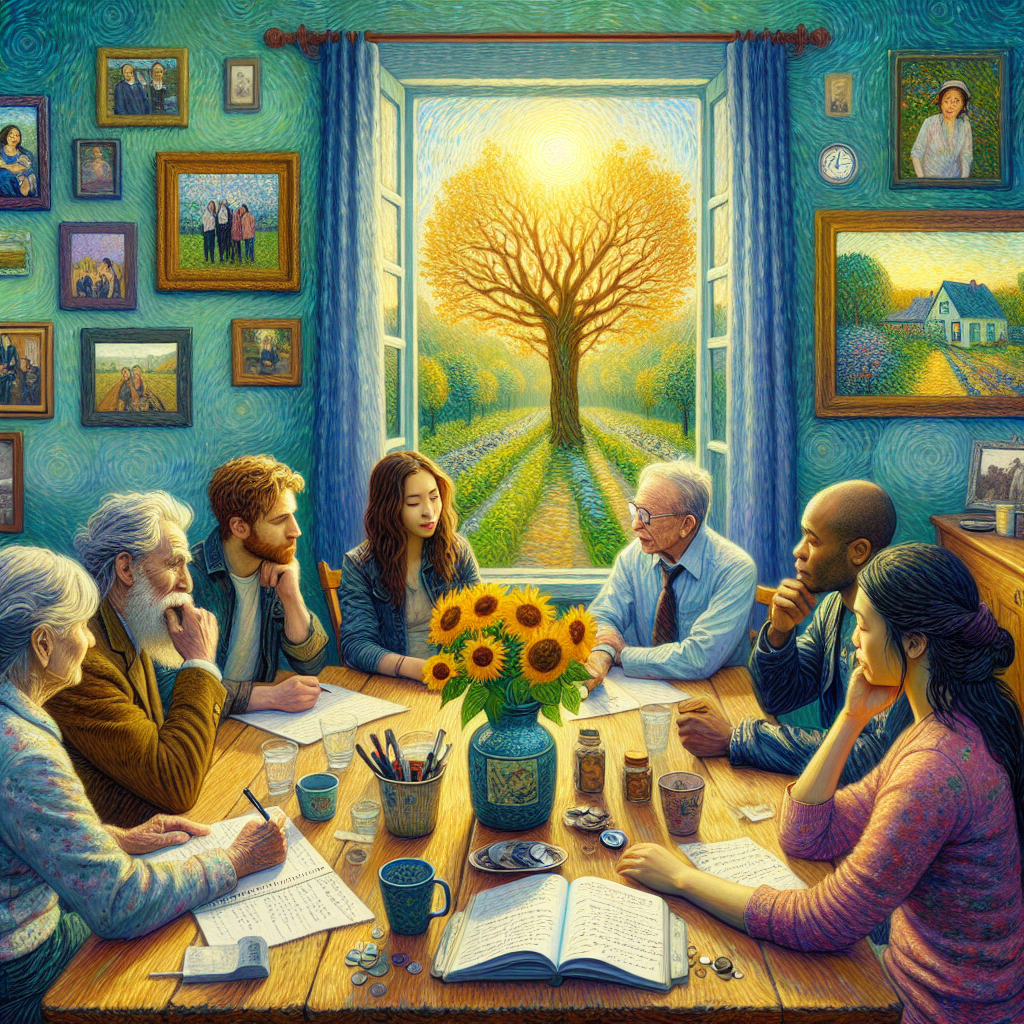
How Soon Will You Start Recording Your Memories for Posterity?
How Soon Will You Start Recording Your Memories for Posterity?
- Legacy Storytelling is the deliberate documentation of defining life moments amidst digital noise.
- Many people overlook the richness of their narrative, which deserves preservation beyond fleeting thoughts.
- We often sit on a treasure trove of memories and experiences without taking the time to capture them.
- Genuine storytelling is often overshadowed by the rapid-paced information age and social media distractions.
- Legacy Storytelling is accessible to everyone, not just famous individuals; it honors familial and personal histories.
- We should actively engage in preserving our stories through journals, videos, or conversations with family.
- Your legacy starts today; every moment is an opportunity to add to the rich tapestry of life.

How Soon Will You Start Recording Your Memories for Posterity?
Table Of Contents
- How Soon Will You Start Recording Your Memories for Posterity?
- What Are The Benefits Of Recording Your Memories?
- How Do I Start Capturing My Memories?
- What Tools Can I Use For Memory Recording?
- How Often Should I Update My Recorded Memories?
- Should I Focus On Written Or Audio-Visual Memories?
- What Challenges Might I Face In Recording Memories?
- How Can I Ensure My Memories Are Preserved For The Future?
- Conclusion
- Other Resources
- Glossary Of Terms
- Other Questions
- Haiku
- Poem
- Checklist
What Are The Benefits Of Recording Your Memories?
In a world that rushes forward at breakneck speed, the art of recording your memories can feel like a quiet rebellion against the relentless march of time. There’s a certain magic in capturing those fleeting moments, transforming the mundane into something monumental. This is where legacy storytelling comes into play—a way to immortalize our experiences, thoughts, and feelings.
First off, let’s tackle the emotional aspect of memory recording. When you take the time to write down your stories, you’re not just scribbling details on a page; you’re diving deep into your own life. You’re giving a nod to the struggles, triumphs, and laughter that have shaped you. This kind of reflection can be therapeutic, allowing you to process experiences and understand them better. Just think of how often we rush through life without taking a moment to appreciate it. Recording memories is a way to slow down and breathe.
Now, let’s pivot to the family aspect. When you create a record of your life, you’re crafting a legacy storytelling resource for future generations. Imagine your grandchildren flipping through pages filled with your adventures, hearing your voice in the words you penned. You’re not just narrating your life; you’re giving them a window into a world they might never otherwise know. It’s like handing them a piece of history that is intimately tied to who they are.
But it goes beyond mere nostalgia. Documenting your memories enhances your cognitive abilities. Studies show that the act of writing can improve memory retention. When you put pen to paper (or fingers to keyboard), you make the experiences tangible and create a mental roadmap that can sharpen your recollection in the future. This isn’t just about recalling moments; it’s about building a richer understanding of your own life.
Of course, in the hustle and bustle of life, it’s easy to overlook the importance of recording these memories. Yet, the benefits are clear. Whether you’re sharing your triumphs, challenges, or the quiet moments that brought you joy, you’re engaging in a meaningful way with your own existence.
So, the next time you find yourself reflecting on a beautiful sunset, a family gathering, or a personal victory, consider the power of recording those memories. You’re not just stitching together the fabric of your life; you’re also crafting a legacy that offers connection across generations. In a world where everything changes, your memories can endure, reminding us all of what truly matters.
What Are The Benefits Of Recording Your Memories?
What Are The Benefits Of Recording Your Memories?
- Recording memories serves as a quiet rebellion against the fast pace of modern life.
- Legacy storytelling transforms fleeting moments into meaningful narratives, capturing experiences, thoughts, and feelings.
- The emotional aspect of memory recording allows for deep reflection on personal struggles, triumphs, and joys.
- Creating a record of your life provides future generations with a glimpse into your world, enriching their understanding of family history.
- Documenting memories enhances cognitive abilities and improves memory retention through the act of writing.
- Despite life’s hustle, recording memories is crucial for engaging meaningfully with existence.
- Preserving memories connects generations, creating a lasting legacy that highlights what truly matters.

What Are The Benefits Of Recording Your Memories?
How Do I Start Capturing My Memories?
Capturing your memories isn’t about being perfect; it’s about being present. In our fast-paced world, it’s easy to let moments slip through our fingers like grains of sand. But when it comes to Legacy Storytelling, every grain matters. It’s these small details that weave the rich tapestry of our lives—the stories that become our legacy. So, how do you start pointing your lens inward and gathering those precious memories?
First, grab a notebook or a digital device. The medium doesn’t matter; what matters is that you have a place to begin. Think about setting aside a few minutes each day, especially during moments that stir your heart. Start with the simplest things. What did you eat for breakfast? What song played on the radio during your morning commute? These everyday slices of life may seem mundane, but—trust me—they’re foundational.
Next, don’t shy away from the tough stuff. Write about your struggles, your victories, and the lessons learned along the way. This is the heart of Legacy Storytelling; it’s the authenticity that connects us with others. The messy, unfiltered parts of our stories are often the ones that resonate most, allowing future generations to learn from our experiences.
Think about including photographs, letters, or even snippets of conversations that encapsulate a moment in time. Use these elements to complement your written recollections. Each photo, each word, adds depth to your narrative, transforming flat memories into dynamic experiences.
If writing isn’t your forte, consider recording voice memos or even video diaries. Speaking your thoughts out loud may bring a freedom that pen and paper can’t provide. You might find yourself relaxing into the vulnerability of your story, delivering a tone that perfectly captures the feeling of the moment—raw, real, and unfiltered.
Lastly, don’t forget to share your stories with family and friends. Whether it’s a casual dinner conversation or a more structured family gathering, sharing creates connection. Legacy Storytelling isn’t just for the storyteller; it’s a gift for those who come after us. Your memories are worth taking the time to capture, and they deserve to be celebrated as part of your family’s ongoing narrative. So, roll up your sleeves and get started—your life’s story is waiting to be told.

How Do I Start Capturing My Memories?
How Do I Start Capturing My Memories?
- Capturing memories is about presence rather than perfection.
- Each small detail contributes to the rich tapestry of our lives and legacy.
- Begin documenting memories using a notebook or digital device, focusing on everyday moments.
- Include both struggles and victories to convey authenticity in your storytelling.
- Incorporate photographs, letters, and snippets of conversations to enrich your narrative.
- Consider alternative methods like voice memos or video diaries for more freedom in expression.
- Share your stories with family and friends to create connection and celebrate your shared narrative.

How Do I Start Capturing My Memories?
What Tools Can I Use For Memory Recording?
When it comes to capturing memories, a lot of folks think about family albums, scrapbooks, or maybe even those fancy video montages we see on social media. But let’s get real: legacy storytelling is about doing more than just slapping a few pictures together or piling up old video files. It’s about creating a narrative—your narrative—an authentic representation of your life and the lives around you. So what tools can help you along the way? Let’s dig in.
First up, we have the good old-fashioned notebook and pen. There’s something special about putting pen to paper that really makes you think. Journaling allows you to reflect on your experiences, distilling your memories into words and thoughts that are uniquely yours. Whether it’s a daily diary or a collection of life lessons, this traditional method is timeless and can serve as a great foundation for any future storytelling project.
Next, let’s talk technology. We live in a digital age, and there are plenty of tools that can supercharge your legacy storytelling efforts. Voice recording apps on your smartphone are a game changer. You can capture anecdotes, interviews with family members, or simply share your thoughts and feelings about significant events in your life—all in real time. These recordings can preserve not just the details but also the emotions behind them, making your memories come alive for future generations.
Then there are various multimedia platforms. Think about creating a blog or a website dedicated to sharing your stories. It’s a great way to reach a broader audience—friends, family, or even strangers who may find inspiration in your journey. Visual storytelling tools, like Canva or Adobe Spark, allow you to combine images, text, and video in eye-catching formats, making your tales more impactful.
Now, don’t underestimate the power of video, folks. With a good quality camera or even your smartphone, you can create video documentaries of your life or record family gatherings, providing a vivid account of moments that words alone may not capture. Editing software is easy to find and use now—so you can stitch your clips together in a way that tells your story beautifully.
Whether you prefer tangible methods like journals and scrapbooks or the digital methods of audio and video recording, the key is to find the tools that resonate with you. Your memories are meant to be shared, and with the right resources, you can craft a legacy that will stand the test of time.
What Tools Can I Use For Memory Recording?
What Tools Can I Use For Memory Recording?
- Legacy storytelling goes beyond simple photo albums and videos; it focuses on creating an authentic narrative of your life.
- Journaling with a notebook and pen encourages reflection and helps distill memories into unique words and thoughts.
- Voice recording apps can capture anecdotes and emotions in real-time, preserving stories for future generations.
- Creating a blog or website can broaden your audience and share your journey with friends, family, and even strangers.
- Visual storytelling tools like Canva or Adobe Spark help combine images, text, and video to create impactful narratives.
- Video documentation can vividly capture life experiences and family gatherings, using simple cameras or smartphones.
- Finding the right storytelling tools—whether traditional or digital—ensures your memories are shared and can last a lifetime.

What Tools Can I Use For Memory Recording?
How Often Should I Update My Recorded Memories?
When it comes to recorded memories, the question of frequency often clouds the waters. How often should you dive into that digital treasure trove and update your legacy storytelling? The answer lies somewhere between keeping your memories fresh and avoiding the chaotic pitfall of over-editing.
Let’s break it down. First and foremost, consider what you want your legacy to be. Is your aim to create a polished narrative, or are you hoping for an authentic reflection of your life as it unfolds? If your legacy storytelling is intended to showcase the milestones—those moments that shape our identity—then a routine update might be beneficial. Aim for a check-in annually or biannually to capture pivotal experiences and changes. This rhythm allows you to curate your story without falling victim to the vortex of constant revision.
Now, if you’re the type who thrives on spontaneity, your approach might look a bit different. Life happens; it’s messy, and sometimes those raw, unfiltered experiences make for the best stories. In such cases, consider updating your memories whenever significant events take place—like a big move, a new job, or, dare I say, a family reunion that could either solidify bonds or serve as comedic material for years to come.
But there’s also an argument to be made for the power of reflection. Every few months, carve out some time to ponder your existing recordings. Are they still resonant? Do they represent your current beliefs and values? It’s through this reflection you may find joy in nostalgia or spot areas that need a sprinkle of truth. In this sense, updating is less about frequency and more about authenticity.
Then there’s a practical angle to consider: technology changes. It’s inevitable. As platforms evolve, your recorded memories may need to shift alongside them. You wouldn’t want your legacy storytelling to be lost in a digital graveyard, so keeping things updated ensures accessibility for future generations.
Strive for balance. Update regularly enough to keep your legacy alive, yet allow your memories the grace of spontaneity. Finding this equilibrium is part of the journey—and that’s where the real storytelling magic happens. So, get out there, update your recordings, and let your story continue to unfold with purpose and passion.

How Often Should I Update My Recorded Memories?
How Often Should I Update My Recorded Memories?
- The frequency of updating recorded memories should balance freshness and avoiding over-editing.
- Consider the aim of your legacy: a polished narrative or an authentic reflection of your life.
- Routine updates, such as annually or biannually, can help curate your story around significant milestones.
- For those who prefer spontaneity, update memories when significant events occur, like a new job or family reunion.
- Regular reflection on past recordings helps ensure they resonate with your current beliefs and values.
- Stay aware of technological changes that may affect the accessibility of your recorded memories.
- Strive for balance in updating: keep your legacy alive while allowing for spontaneity in storytelling.

How Often Should I Update My Recorded Memories?
Should I Focus On Written Or Audio-Visual Memories?
When it comes to chronicling our lives and the adventures we undertake, the question pops up more often than a jack-in-the-box: Should I focus on written or audio-visual memories? Now, let’s break this down because the right choice might just be the key to legacy storytelling that feels authentic and meaningful.
First, think about written memories. There’s a certain grit to putting pen to paper, or fingers to keyboard, that allows for reflection in a way that’s all your own. It’s the act of creating a narrative, where the words you choose paint a picture for the reader. There’s a special intimacy when someone digs into your thoughts and experiences through writing, feeling as if they’re walking beside you on your journey. Written memories can be revisited over and over, with each reading peeling back layers you might not have noticed before. Plus, there’s a structured beauty to it. You can craft your legacy storytelling with care, knowing that every chapter has the chance to resonate deeply with those who come after you.
On the flip side, we’ve got audio-visual memories. This is where you can bring your life to life! With a camera or a microphone, you capture the vibrancy of experiences in all their colorful glory. There’s a palpable energy in seeing and hearing a story unfold; the laughter, the tears, the music—all woven together in a way that only multimedia can achieve. This form of storytelling can instantly transport someone back to those moments. It’s raw and immediate, providing a dimensionality that the written word, while powerful, simply can’t compete with.
Now, you might be tempted to think you have to choose one over the other. But let’s not box ourselves in. The beauty of modern technology is that it allows for a blend of both mediums. You can write those reflective pieces while pairing them with photos or videos that complement your thoughts. The end result? A rich tapestry of legacy storytelling that combines the depth of written expression with the dynamism of audio-visual experiences.
So, whether you find solace in the written word or the vibrant world of visuals, remember this: both are powerful tools in your storytelling arsenal. Choose one for now, or better yet, embrace both. After all, the aim here is to leave something behind that truly captures the essence of who you are. That, my friend, is what legacy storytelling is all about.

Should I Focus On Written Or Audio-Visual Memories?
Should I Focus On Written Or Audio-Visual Memories?
- Choosing between written and audio-visual memories can enhance legacy storytelling.
- Written memories offer personal reflection and intimacy, allowing readers to connect deeply with the storyteller’s journey.
- Revisiting written narratives can reveal new insights and emotions over time.
- Audio-visual memories capture the vibrancy and energy of experiences, providing an immersive storytelling format.
- This multimedia approach evokes immediate feelings and a sense of nostalgia that text alone may lack.
- Modern technology enables the blending of both written and audio-visual storytelling for a richer narrative experience.
- Ultimately, both mediums are valuable tools for expressing one’s legacy authentically and meaningfully.

Should I Focus On Written Or Audio-Visual Memories?
What Challenges Might I Face In Recording Memories?
When it comes to recording your memories, the task can seem as monumental as climbing a mountain or wrestling a bear. That’s because memories aren’t just a series of events we recount; they’re the emotional fabric of our lives, the threads of our experiences woven together to create a larger narrative. And while the idea of Legacy Storytelling is enticing, there are a slew of challenges that can stand in your way.
First off, let’s acknowledge the most insidious opponent: the passage of time. Memories fade. They can twist, turn, and morph in ways that would make even the most seasoned storyteller scratch their head. What was once a vibrant recollection can dull to a whisper, leaving you scrambling to capture the essence of an experience before it slips away like sand through your fingers. And when you think about it, what makes a memory truly worth telling? It’s not just the event itself; it’s the emotion surrounding it—the joy, the pain, the hilarity. But guess what? Those emotions are just as likely to fade.
Then there’s the pesky problem of perspective. How do you narrate a story filled with family bickering, missed opportunities, and heartwarming moments without bias? Each participant in your tale has their own version of the same events, and trying to merge them into a coherent narrative can feel like assembling a jigsaw puzzle with pieces from different sets. You might skew the story in favor of one relative while unintentionally sidelining another, which can lead to family drama that you didn’t sign up for.
Practical hurdles also loom large. You might face technical difficulties if you’re using unfamiliar recording equipment. Ever tried to operate a camera while trying to narrate the most crucial moment of your life? It can feel like juggling chainsaws—one wrong move and poof! The moment is lost. Furthermore, there’s the challenge of creating a conducive environment. Not everyone wants to sit around for a storytelling session—some may recoil at the thought of being recorded, fearing the spotlight more than the truth.
Finally, let’s not forget the emotional toll. Mining your past can sometimes unearth feelings you thought were buried. You might find yourself grappling with sadness, regret, or nostalgia—feelings that complicate the act of Legacy Storytelling. So, before you set out to record your memories, take a moment to prepare for the challenges that lie ahead. It’s a journey worth taking, but like any worthwhile endeavor, it requires grit and determination.

What Challenges Might I Face In Recording Memories?
What Challenges Might I Face In Recording Memories?
- Recording memories can feel monumental, akin to climbing a mountain or wrestling a bear.
- Memories are the emotional fabric of our lives and contribute to our larger narrative.
- The passage of time is a significant challenge; memories fade and change over time.
- Capturing the essence of a memory involves more than just recounting events; it includes the emotions tied to those events.
- Perspective complicates storytelling, as everyone has their own version of events, leading to the challenge of bias.
- Practical hurdles include technical difficulties with recording equipment and creating a comfortable environment for storytelling.
- Emotional challenges may arise when revisiting past memories, potentially unearthing complex feelings.

What Challenges Might I Face In Recording Memories?
How Can I Ensure My Memories Are Preserved For The Future?
When it comes to preserving your memories, it’s not just about safeguarding a collection of photos or mementos; it’s about crafting a legacy that resonates beyond your years. Think of those stories that simmer beneath the surface, waiting to bubble up at family gatherings or reunions. That’s where the art of legacy storytelling enters the picture. It’s not simply a nostalgic endeavor; it’s a chance to pass down wisdom, laughs, and lessons learned along the way.
Now, don’t let the idea of storytelling scare you off. It doesn’t require a PhD in literature or years of experience. All it demands is a willingness to share your tales, warts and all. Start with the basics: find a comfortable spot and let your mind drift back to the days gone by. What were the pivotal moments that shaped you? Was it that first job that taught you responsibility? Or perhaps it was a family tradition that instilled a sense of belonging? Each memory is a building block of your identity, and once you’ve got a firm grip on them, it’s time to share.
You can begin by jotting down your experiences in a journal. The act of writing ignites a flame that keeps those memories alive. Whether you’re drafting short anecdotes or longer narratives, the important thing is to capture the essence of those experiences. Use descriptive language and emotion; a well-painted picture can make the reader feel as if they’ve lived those memories alongside you.
Beyond ink and paper, consider modern technology to expand your storytelling horizons. Record video messages or audio clips that capture your voice, laughter, and personality. In a world that’s increasingly digital, these recordings can transport future generations right back to your living room, where they can witness your humor and idiosyncrasies firsthand.
And let’s not forget about family gatherings. Gather the clan and encourage everyone to share their own stories. This creates a dynamic dialogue, a tapestry of memories woven through different perspectives. In doing so, you transform solitary recollections into a shared legacy that fosters connection and understanding.
Remember this: preserving your memories isn’t just about you; it’s about nurturing the bonds that define family and community. By embracing legacy storytelling, you ensure that your experiences are cherished for generations to come. So go on, pick up that pen, grab that recording device, and start sharing your story. Your future family will thank you.
How Can I Ensure My Memories Are Preserved For The Future?
How Can I Ensure My Memories Are Preserved For The Future?
- Legacy storytelling is about crafting a lasting legacy and sharing wisdom, laughs, and lessons.
- Storytelling doesn’t require expertise, just a willingness to share personal experiences.
- Reflect on pivotal moments that shaped your identity, such as first jobs or family traditions.
- Writing down experiences in a journal helps keep memories alive and captures their essence.
- Utilize technology by recording video or audio messages to preserve your personality and voice.
- Encourage family gatherings for a collective sharing of stories, creating a shared narrative.
- Preserving memories strengthens family bonds and ensures experiences are cherished by future generations.

How Can I Ensure My Memories Are Preserved For The Future?
Conclusion
In a world that likes to rush ahead at breakneck speed, taking a moment to slow down and consider the weight of your memories can feel like a radical act. The art of Legacy Storytelling is not just for the famous or the gifted wordsmiths, but for everyone who has lived, loved, and learned. It compels us to dig deep—like unearthing a buried treasure—to capture the rich tapestry of our experiences. These aren’t just trivial moments; they hold the essence of who we are and offer invaluable lessons for those who will follow in our footsteps.
Let’s face it: life can be chaotic. Many of us find ourselves caught in the whirlwind of daily life, drowning in a sea of social media posts and digital distractions. Yet, amidst all that static, your story is one worth telling. It’s a beautiful blend of triumphs and failures, laughter and tears, love and loss—a mixture that connects you to your family and roots you in something greater than yourself. So, I ask you: how soon are you going to start capturing those moments?
There’s a therapeutic element to recording your memories. When you take the time to write, voice, or even film them, you’re engaging with your life in a purposeful way. The act of reflection can enhance your cognitive skills and deepen your emotional understanding. Plus, what better gift could you give future generations than the gift of your voice, your experiences, and your hard-earned wisdom? Think of your grandchildren poring over old letters or listening to your anecdotes; it’s a chance for them to step back in time and learn what shaped you and, by extension, them.
Of course, it won’t always be easy. Time marches on, memories fade, and emotions can make telling certain stories a bit tricky—like threading a needle in the dark. But embracing the challenges is part of this incredible journey. Whether you choose to jot things down in a journal, record your voice, or film a video, remember that it’s the raw authenticity that makes your narrative vibrant and real.
So, roll up your sleeves and get started. Your slicing of that proverbial pie isn’t just about you; it’s about a legacy—an invitation to your family to walk down memory lane, connect deeply, and build a rich tapestry of shared experiences that can last for generations. Your legacy begins today, and trust me, future generations will be grateful for the effort you put in now. Make it count!

Conclusion
Conclusion:
- Taking time to reflect on memories is a powerful and radical act in a fast-paced world.
- Legacy Storytelling is accessible to everyone, not just famous writers.
- Our stories encapsulate the essence of our experiences and offer valuable lessons for future generations.
- Amidst life’s chaos and digital distractions, your personal story is significant and worth sharing.
- Engaging in memory recording enhances cognitive skills and emotional understanding.
- While challenging, the authenticity of your narrative is what makes it truly impactful.
- Your efforts today contribute to a rich legacy that future generations will appreciate and cherish.

Conclusion
Other Resources

Other Resources
Here is a list of other resources you can review online to learn more:
- Xarona
- Afternote
- Memorial Matters
- Legacy
- Your Digital Afterlife
- Lexikin
- Living Wisely
- DocuBank
- RocketLawyer
- deviantART
Use This Prompt To Get More Resources With Your Favorite Online AI Tool: Please provide me with a list of online articles with their URLs in a bulleted list that I can read regarding How Soon Will You Start Recording Your Memories for Posterity?

Other Resources
Glossary Terms
How Soon Will You Start Recording Your Memories for Posterity? – Glossary Of Terms
1. Anecdote: A short, interesting story about a real incident or person, often used to illustrate a point or lesson.
2. Archives: A collection of documents, records, and other materials organized for preservation and access, often containing historical significance.
3. Autobiography: A self-written account of one’s life, detailing personal experiences, reflections, and significant events.
4. Biographical: Relating to the detailed description or history of someone’s life.
5. Career Journal: A record of professional experiences, achievements, and reflections that document one’s career progression over time.
6. Chronicle: A factual written account of important or historical events in the order of their occurrence.
7. Digital Footprint: The trail of data one leaves online, which can be a source of memories and reflections when revisited.
8. Documentary: A film or television program that provides a factual record or report, often focusing on historical events or personal stories.
9. Emotional Resonance: The capacity of a memory or story to evoke strong feelings and connections, making it memorable.
10. Family Tree: A visual representation of one’s ancestry, illustrating relationships between family members across generations.
11. Legacy: Something handed down or inherited from one’s predecessors, which can include memories, stories, values, and possessions.
12. Memoir: A historical account or biography written from personal knowledge and experience, focusing on specific aspects of one’s life.
13. Memory Keeper: An individual who takes special care to document and preserve memories for future generations, often through storytelling.
14. Oral History: A method of gathering, preserving, and interpreting the voice of people and their memories through recorded interviews.
15. Personal Narrative: A story about an individual’s life, experiences, and reflections, often emphasizing lessons learned.
16. Photographic Archive: A collection of photographs intended to preserve history and document visual memories for future reference.
17. Recollection: The action or process of remembering or recalling past experiences.
18. Record Keeping: The systematic management of records to document important information for future reference.
19. Reflections: Considered thoughts about past events or experiences, often leading to insights or lessons learned.
20. Reminiscence: The act of recalling or reminiscing about past experiences, often associated with nostalgia.
21. Storytelling: The art of sharing stories or experiences in a compelling way, often used as a means of preserving memories.
22. Time Capsule: A container storing a selection of items intended to be a representation of a particular time period, to be opened in the future.
23. Tradition: The transmission of customs or beliefs from generation to generation, often through storytelling and memory sharing.
24. Video Diary: A personal record of life events captured on video, often used to reflect on experiences or emotions.
25. Visual Diary: A creative collection of images and illustrations that capture daily experiences, thoughts, and memories.
26. Voice Recording: Capturing audio memories through spoken word, which can document thoughts, stories, and reflections.
27. Wellness Journal: A record focusing on personal well-being, including thoughts, feelings, and experiences related to health and mindfulness.
28. Writing Prompts: Suggestions or ideas to inspire writing, often used to encourage the recording of personal memories and reflections.
29. Zine: A self-published booklet or magazine often created to document personal stories or experiences, emphasizing individuality and creativity.
30. Zenith: The peak or pinnacle of one’s life experience, often encapsulating memories or accomplishments that hold particular significance.
Glossary Of Terms
Other Questions
How Soon Will You Start Recording Your Memories for Posterity? – Other Questions
If you wish to explore and discover more, consider looking for answers to these questions:
- What are some effective techniques for documenting memories?
- How can I involve my family in the memory recording process?
- Are there specific questions I should ask when interviewing family members?
- What platforms are best for sharing recorded memories with others?
- How can I maintain the quality and authenticity of my recordings over time?
- What are some creative ways to present my recorded memories?
- How can I overcome writer’s block when documenting my memories?
- What are the best practices for organizing recorded memories?
- How can I use social media responsibly while recording my memories?
- What are the legal considerations for recording interviews with family members?

Other Questions
Haiku
How Soon Will You Start Recording Your Memories for Posterity? – A Haiku
Capture life’s weave,
Stories for those who’ll come next—
Threads of love and loss.

Haiku
Poem
How Soon Will You Start Recording Your Memories for Posterity? – A Poem
In the clamor of life, a whisper calls,
“Record your journey, before the silence falls.”
Among the noise, let legacy take flight,
For memories cherished are stories of light.
Dig deep in your heart, unearth that gold,
Moments woven, both timid and bold.
From triumphs to trials, laughter and pain,
Each thread in your tale is a gem to retain.
In journals and videos, life’s essence laid bare,
A mosaic of memories, tender and rare.
Share with your kin ‘round the table of fate,
Listen, and capture what life has to narrate.
Embrace the mundane, the fleeting, the grand,
Each everyday detail—a memory’s strand.
For in every sunrise, in every soft sigh,
Lies a treasure of lessons, a glimpse of the sky.
Yet challenges linger, shadows may loom,
Memories may fade, like the scent of a bloom.
But raw and unfiltered, let your truth flow,
For it is in honesty the richest tales grow.
So don’t let time steal what you hold dear,
Craft your legacy now, let the world hear.
With each pen stroke, each flick of the lens,
You weave a connection that never ends.
The tapestry stretches, a bond without measure,
Your life’s narrative blooms, a cherished treasure.
Embrace this calling, with heart and with grace;
Record your memories, a timeless embrace.

Poem
Checklist
How Soon Will You Start Recording Your Memories for Posterity? – A Checklist
Personal Reflection:
1. Take Time for Reflection
_____ Set aside moments each week to think about your significant life experiences.
2. Identify Key Memories
_____ Jot down pivotal events that shaped your life (e. g. , first job, family traditions).
Recording Your Memories:
3. Choose a Medium
_____ Decide on a method: journaling, audio recording, or video diaries.
4. Start Small
_____ Record small, everyday moments (e. g. , meals, conversations) to build your narrative.
5. Include Emotions
_____ Don’t shy away from sharing feelings tied to your memories, not just the events.
6. Collect Complementary Items
_____ Gather photographs, letters, or keepsakes that relate to your memories.
7. Engage Others
_____ Include family members and friends in your storytelling efforts—conduct interviews or ask for their memories.
Embrace Technology:
8. Use Recording Apps
_____ Download voice memo or video recording apps on your phone for easy capture.
9. Explore Multimedia Platforms
_____ Consider starting a blog or website to share your life stories with a wider audience.
10. Edit Thoughtfully
_____ Use simple editing software for videos or presentations that blend images, text, and audio.
Regular Updates:
11. Schedule Check-Ins
_____ Review and update your recorded memories at least twice a year.
12. Capture Major Events
_____ Make a habit of documenting significant life changes or events as they happen.
Maintaining Authenticity:
13. Aim for Honesty
_____ Embrace both joyful and challenging aspects of your stories.
14. Seek Different Perspectives
_____ Compare your recollections with family members to create a more comprehensive narrative.
Overcoming Challenges:
15. Acknowledge Emotional Difficulties
_____ Prepare emotionally before diving into sensitive topics from your past.
16. Create a Conducive Environment
_____ Choose comfortable settings for storytelling sessions and identify family members willing to participate.
Long-Term Preservation:
17. Safeguard Physical Records
_____ Keep your handwritten notes, photos, and recordings in safe, organized spaces.
18. Advocate for Future Accessibility
_____ Keep your digital files backed up in multiple locations (cloud services, external drives).
19. Share Your Legacy
_____ Pass down your recorded stories to family members regularly for continued connection.
Final Thoughts:
20. Begin Your Legacy Today
_____ Take the first step in your storytelling journey by writing or recording one memory tonight.
By following this checklist, you will be well on your way to capturing and preserving the rich tapestry of your life’s stories for future generations.

Checklist
At LegacyExplorations, we help people plan and explore their legacy by collecting information and news regarding end-of-life planning.
Please share this post with your friends, family, or business associates who may want help to plan or explore their legacy.