

Capturing Life’s Moments: Digital Storytelling And Wisdom
By Tom Seest
At LegacyExplorations, we help people plan and explore their legacy by collecting information and news regarding end-of-life planning.
Please share this post with your friends, family, or business associates who may want help to plan or explore their legacy.
How to Document Stories and Wisdom Digitally?
In the age of bytes and bandwidth, our collective stories and wisdom are at risk of evaporating into the ether, like steam rising from a freshly brewed cup of coffee. You see, there’s something uniquely human about sharing our experiences, and it’s time we harnessed the technology at our fingertips to preserve these tales.
First, consider the art of the interview. Sit down with a friend, family member, or that neighbor whose life story is far richer than you might imagine. Get comfortable, grab a cup of coffee, and turn on a quality recording device—your smartphone works just fine. Ask open-ended questions that invite storytelling: “What’s the most valuable lesson you’ve learned?” or “Tell me about a moment that changed your life.” You’re not just transcribing words; you’re capturing the essence of a person’s journey.
Next up is the world of writing. You don’t need to be a Pulitzer Prize winner to document stories. Start with a simple blog or a digital journal. Use platforms like WordPress or Medium, where you can craft narratives and share wisdom with a wider audience. Write as though you’re sharing a secret with a friend—no pressure, just your truth spilling onto the screen. Crafting a narrative isn’t just for authors; it’s for everyone who has something to say. And trust me, there’s no shortage of material—every life lived is a tapestry woven with highs, lows, and lessons learned.
Then consider the power of visuals. A picture says a thousand words, right? So, why not augment your stories with photographs? Snapshots of people, places, and moments can breathe life into your narratives. Utilize platforms like Instagram or Pinterest to create visual stories that encapsulate not just events, but emotions. Remember, authenticity is key. People connect with raw, unfiltered images that evoke real feelings—so ditch the filters and let the truth shine through.
Lastly, don’t underestimate the impact of community. Share your digital documentation with family, friends, or with an online audience. Inviting others to discuss and build upon these stories can create a rich tapestry of shared wisdom. Online forums, social media groups, or even dedicated websites can nurture this growth.
As we navigate this digital landscape, let’s remember that wisdom doesn’t come from algorithms, but from individuals. Every story is a thread in the fabric of human experience—let’s weave those threads together before they slip away into the void.

How to Document Stories and Wisdom Digitally?
How to Document Stories and Wisdom Digitally?
- Our collective stories and wisdom are at risk of disappearing in the digital age.
- The art of interviewing is essential for capturing personal narratives; ask open-ended questions.
- Writing can be easily done through blogs or digital journals on platforms like WordPress or Medium.
- Every individual has stories to tell; narrative crafting is accessible to all, not just authors.
- Visual storytelling enhances narratives; use photographs to complement your writing.
- Engage with community by sharing stories online to foster discussion and shared wisdom.
- Remember that wisdom is derived from individual experiences, not algorithms; every story matters.

How to Document Stories and Wisdom Digitally?
Table Of Contents
- How to Document Stories and Wisdom Digitally?
- What Is The Best Format For Digitizing Personal Stories?
- How Can I Organize My Digital Stories Effectively?
- What Tools Can I Use To Document My Wisdom Digitally?
- Should I Include Multimedia Elements In My Digital Documentation?
- How Can I Ensure My Stories Are Preserved For Future Generations?
- What Are The Advantages Of Digital Vs. Traditional Documentation?
- How Do I Start Sharing My Documented Stories Online?
- What Privacy Concerns Should I Consider When Going Digital?
- How Can I Encourage Others To Share Their Stories With Me?
- What Platforms Are Best For Archiving Personal Stories?
- How Often Should I Update My Digital Documentation?
- Can I Turn My Documented Stories Into A Digital Book?
- What Are The Emotional Benefits Of Digitizing My Personal Stories?
- How Do I Handle Sensitive Topics In Digital Storytelling?
- What Role Does Storytelling Play In Preserving Cultural Heritage?
- Conclusion
- Other Resources
- Glossary Of Terms
- Other Questions
- Haiku
- Poem
- Checklist
What Is The Best Format For Digitizing Personal Stories?
When it comes to preserving the tapestry of our lives, the methods employed can be as varied as the stories themselves. Digital formats abound, each boasting its own set of merits and quirks, but what’s the best approach to ensuring our personal narratives shine bright into the future?
First off, let’s get one thing clear: there’s no one-size-fits-all answer. The ideal format often hinges on the story being told and the storyteller behind it. For some, the written word is an intimate companion. Digitizing stories as written documents—whether short anecdotes, journal entries, or full-blown memoirs—offers a sense of permanence that appeals to the organized soul. Word processing software allows for easy editing, formatting, and the opportunity to include images, making it a great choice for those who love the craft of writing.
But what if you’re an auditory learner, or perhaps your tales are best told with inflection and emotion? Enter audio recordings. Platforms like smartphones and simple recording devices let you capture your voice, allowing every chuckle, sigh, and poignant pause to come alive. This format has a raw, unpolished quality that can transport listeners straight into your living room, experiencing the story as if they were right there with you. The charm of voice cannot be understated; it adds a layer of sincerity that written words sometimes struggle to convey.
Video, too, deserves a spot at the table. Imagine the power of combining visuals with your storytelling. This isn’t just about documenting life events; it’s about bringing those moments to life. A simple smartphone can capture you relaying a story while showing the world around you, creating an immersive experience for your viewers.
Then we have social media and blogging platforms. These modern avenues allow for shared storytelling, creating often vibrant communities of listeners and fellow narrators. With multimedia elements like images, video snippets, and even engaged comments, your story can inspire others and generate a discussion that outlives the initial telling.
Ultimately, the best format for digitizing your personal stories doesn’t hinge on trends or technological advancements; it resides in your comfort and connection to the medium. Choose what resonates with you, and the tales you cherish will find their way into the hearts and minds of future generations. So grab that device or get that pen moving—your stories are waiting to be told!
What Is The Best Format For Digitizing Personal Stories?
What Is The Best Format For Digitizing Personal Stories?
- Preserving personal narratives involves varied methods, each tailored to individual stories and storytellers.
- There is no universal answer; the ideal format depends on the story and the storyteller’s preferences.
- Written documents provide permanence and organization, appealing to those who enjoy crafting text.
- Audio recordings capture emotion and inflection, creating a raw and personal storytelling experience.
- Video combines visuals with storytelling, offering an immersive experience that enhances the narrative.
- Social media and blogging foster community engagement and shared storytelling, allowing for vibrant discussions.
- The best format aligns with the storyteller’s comfort and connection, ensuring stories resonate with future generations.
What Is The Best Format For Digitizing Personal Stories?
How Can I Organize My Digital Stories Effectively?
In a world overflowing with digital chaos, organizing your stories isn’t just a good idea—it’s an absolute necessity. Just like a well-maintained toolbox, the way you structure your stories can either lead you to a satisfying outcome or leave you fumbling around for the right bit. So, let’s roll up our sleeves and get into the nitty-gritty of how to tidy up the digital clutter and make those stories sing.
First off, you need to start with a clear vision. What do you want to say? Before you dive into the sea of files and folders, take a moment to sketch out the main themes or messages you want to convey. Once you have that mental roadmap, you can create a structure that mirrors your vision. Think of it like drafting blueprints for a house: every story should have a foundation, a skeleton, and a roof.
Next, categorize your stories in a way that makes sense to you. You can organize by themes, dates, or even mediums—whether they’re written narratives, videos, or photographs. Digital folders are your friends here. Create a hierarchy: main folders for broad categories, and subfolders for finer details. This way, when it’s time to dig up that perfect story about your grandmother’s legendary pie recipe or the summer you spent learning to fish, you won’t have to wade through a mess of random files.
Then comes the digital housekeeping. Just as you wouldn’t let dust gather under your workbench, don’t let unnecessary files linger in your digital spaces. Set aside time regularly to revisit your folders and prune what you don’t need. You’ll be amazed at how much clearer your vision becomes once you eliminate distractions.
Additionally, consider backing up your stories. Cloud storage platforms offer an easy way to keep your narratives safe. Whether it’s Google Drive, Dropbox, or a dedicated external hard drive, make this a non-negotiable part of your workflow. There’s nothing worse than losing a cherished story because it was left unattended in the digital void.
Finally, be consistent. Develop a routine for organizing and storytelling—make it as regular as washing your truck or oiling your tools. The more you practice this discipline, the easier it will become, and before long, you’ll have a well-ordered collection of stories that not only captures your experiences but allows them to shine. So take a step back, get organized, and let your stories tell themselves in a way that only you can.
How Can I Organize My Digital Stories Effectively?
How Can I Organize My Digital Stories Effectively?
- Organizing stories is crucial for clarity in the digital age.
- Start with a clear vision of the themes or messages you want to convey.
- Create a structured hierarchy of folders to categorize stories by themes, dates, or mediums.
- Regularly perform digital housekeeping to eliminate unnecessary files and distractions.
- Backup your stories using cloud storage or external hard drives to prevent loss.
- Establish a consistent routine for organizing stories to streamline your process.
- With organization, your stories can shine and effectively communicate your experiences.

How Can I Organize My Digital Stories Effectively?
What Tools Can I Use To Document My Wisdom Digitally?
In today’s digital age, documenting your wisdom can be as simple as pushing a few buttons on a gadget. But let’s be real: navigating the plethora of tools out there can feel like sifting through a barn full of hay. The trick is to find the right tools that resonate with your style and needs. So, roll up your sleeves, and let’s dive into some practical options.
1. Voice Recording Apps: Sometimes, the best ideas come when you’re knee-deep in a project, or driving down the road. That’s where voice recording apps come in handy. Whether you’re using your smartphone or a dedicated recorder, capturing your thoughts as they flow can be a game-changer. Apps like Otter.ai or even good ol’ fashioned voice memos allow you to record your musings with relative ease, and they often offer transcription features to turn your verbal nuggets into written text.
2. Blogging Platforms: If writing is your jam, platforms like WordPress or Medium can serve as a digital canvas. Crafting articles or stories about your life lessons not only helps preserve your wisdom, but it also opens the door to connect with others who might benefit from your experiences. Don’t worry about grammatical perfection—just let those words flow. Your authenticity is what really resonates.
3. Digital Notebooks: Tools like Evernote or Microsoft OneNote allow you to organize your thoughts, notes, and experiences neatly. Whether you’re jotting down a brilliant idea that struck you while fixing a leaky faucet or consolidating years’ worth of insights, these platforms keep everything tidy and accessible. Plus, you can tag and categorize your notes, making retrieval easier than finding a well-worn toolbox.
4. Video Recording Tools: If you’re more of a visual storyteller, consider using video platforms like YouTube or Vimeo. A simple webcam or smartphone can help you share your insights in a more personal way. Imagine your grandkids looking back at your tales—there’s something powerful in seeing a loved one’s animated expressions as they share wisdom.
5. Social Media: Finally, don’t overlook the power of social media. Platforms like Instagram, Facebook, or even TikTok allow for quick snippets of wisdom, formatted in bite-sized pieces. Share a story, a lesson learned, or even a moment of inspiration.
Remember, the goal isn’t to create a perfectly polished product; it’s to capture your experiences and insights in a way that feels right for you. So, grab a tool that fits your needs, and start documenting. After all, folks, your wisdom is worth sharing.
What Tools Can I Use To Document My Wisdom Digitally?
What Tools Can I Use To Document My Wisdom Digitally?
- Documenting wisdom is simple in the digital age but requires finding the right tools for individual style and needs.
- Voice Recording Apps like Otter.ai help capture spontaneous ideas and offer transcription features for verbal notes.
- Blogging Platforms such as WordPress and Medium provide a space to write and share life lessons, fostering connection with others.
- Digital Notebooks like Evernote and Microsoft OneNote organize thoughts and experiences, making them easy to retrieve.
- Video Recording Tools like YouTube and Vimeo allow for personal storytelling, preserving visual memories for future generations.
- Social Media platforms, including Instagram and TikTok, enable the sharing of bite-sized wisdom and inspirational moments.
- The focus should be on capturing experiences rather than perfection; the goal is to share your valuable insights.

What Tools Can I Use To Document My Wisdom Digitally?
Should I Include Multimedia Elements In My Digital Documentation?
Let’s face it: in a world overflowing with information, standing out is no easy task. You’ve got headlines competing for attention, videos begging to be clicked, and podcasts vying for our ear. Amidst all this noise, the question arises: should you incorporate multimedia elements into your digital documentation? The short answer? Yes, you should, but with a couple of caveats.
First off, think about your audience. Who are you trying to reach? What do they prefer? People engage with content in different ways, and sprinkling in multimedia elements like images, videos, or infographics can cater to those varied preferences. A well-placed image can illustrate a point faster than a paragraph of text ever could. Videos can provide a richer context, showing rather than telling what you’re trying to get across. It’s like spicing up a bland meal—suddenly, your documentation goes from an afterthought to something that demands attention.
But here’s where it gets tricky. Just because you have the tools to make your documentation multimedia-rich doesn’t mean you should throw in every shiny element at your disposal. There’s a fine line between enhancement and distraction. Overloading your document with multimedia might confuse your audience rather than illuminate your message. Picture a crowded diner: if the kitchen is too noisy and the waitstaff are running around like headless chickens, the customers are going to leave without ever tasting what’s on the menu.
So, stick to the essentials. Use a video to demonstrate a complicated process or an infographic to sum up complex data. One well-placed audio clip can serve to clarify or deepen understanding. Think of multimedia like salt and pepper; a little can go a long way, but too much and you’ll ruin the dish.
Moreover, consider accessibility. Not everyone engages with multimedia in the same way—it’s important to offer alternatives for those who might struggle. Captions for videos and text descriptions for images ensure that your documentation reaches everyone, regardless of their learning style or ability.
It’s about striking the right balance. Incorporating multimedia can elevate your digital documentation from ordinary to extraordinary, but it requires intention and a clear understanding of your audience. So go ahead, mix it up—but keep your focus on clarity and purpose.
Should I Include Multimedia Elements In My Digital Documentation?
Should I Include Multimedia Elements In My Digital Documentation?
- Multimedia elements can enhance digital documentation, making it stand out in a crowded information landscape.
- Consider your audience’s preferences and engagement styles when incorporating multimedia.
- Effective use of multimedia, such as images and videos, can illustrate points more efficiently than text alone.
- Avoid overloading your documentation with multimedia; too many elements can confuse rather than clarify.
- Use multimedia judiciously—opt for essential elements that enhance understanding, like a video for complex processes or an infographic for data.
- Ensure accessibility by providing alternatives for different learning styles, such as captions for videos and text descriptions for images.
- Strive for balance; multimedia should elevate your documentation while maintaining clarity and purpose.
Should I Include Multimedia Elements In My Digital Documentation?
How Can I Ensure My Stories Are Preserved For Future Generations?
When it comes to preserving your stories for future generations, it’s not about handing down a dusty archive of written pages; it’s about capturing the very essence of your life’s journey—those moments that made your heart race, the hard lessons learned, and the laughter shared over a pot of coffee. Here’s the deal: your life is a treasure chest of experiences, and it’s time to unlock it.
First and foremost, don’t just think about writing things down. Get creative! Use video or audio recordings. Imagine your grandkids sitting around a screen, looking at their grandfather or grandmother, your voice echoing your tales of resilience, mischief, and love. Technology offers us a plethora of ways to document our stories, and they’re as accessible as a cup of joe on Monday morning. You can grab your smartphone, hit record, and let it all flow. No scripts, no expectations—just you sharing the raw, unfiltered narrative of who you are.
Next, focus on the details that ignite the imagination. Paint a vivid picture of your life through anecdotes. Was there a time you tried your hand at a trade of some sort, perhaps fumbled your way through a DIY project, or battled a neighbor over questionable lawn care practices? These stories have personality! They embody life’s quirks and bumps, reflecting not just your experiences, but the culture and era in which they unfolded.
And while you’re at it, involve your family. Engage them in the storytelling process. Host a family gathering where everyone shares their favorite memories, turning the event into a living history project. This not only helps you preserve your legacy but also creates a sense of unity and shared history. Plus, it’s a blast! Just picture the stories that will surface, enriching each family member’s understanding of their roots.
Lastly, don’t forget to leave behind a written legacy. Journals, letters, or even a memoir can anchor your tales in permanence. Write them down for those who might come after you, perhaps nestling them in a time capsule for future discovery.
All in all, preservation isn’t just about telling your stories; it’s about breathing life into them, ensuring they resonate across generations. So roll up your sleeves and get to it—your stories deserve to be told.

How Can I Ensure My Stories Are Preserved For Future Generations?
How Can I Ensure My Stories Are Preserved For Future Generations?
- Preserving stories is about capturing life’s essence, not just archiving written pages.
- Utilize various mediums like video and audio recordings to share experiences creatively.
- Focus on vivid details and anecdotes that ignite the imagination and reflect life’s quirks.
- Involve family in storytelling, hosting gatherings to share memories and create a shared history.
- Consider leaving behind a written legacy through journals, letters, or memoirs.
- Ensure your stories resonate across generations by making them engaging and relatable.
- Your life is a treasure chest of experiences—unlock it and share it with future generations.

How Can I Ensure My Stories Are Preserved For Future Generations?
What Are The Advantages Of Digital Vs. Traditional Documentation?
When it comes to the age-old debate of digital versus traditional documentation, the scales tip in favor of the digital realm for a variety of reasons that resonate with the everyday worker. Now, let’s dig into the nitty-gritty of why digital documentation stands tall like a well-maintained toolbox on a job site.
First off, let’s talk about accessibility. You’re out in the field, the sun’s beating down, and you need to pull up some notes or an important contract. With digital documentation, all it takes is a few taps or clicks, and voilà! That document is right at your fingertips. No more rifling through dusty binders or worrying about whether you left that critical piece of paper back at the office. Digital files are portable, meaning you can carry entire libraries in your pocket without breaking a sweat.
Next up is organization. Traditional documentation can often resemble a cluttered garage—piles of paper, unmarked folders, everything jumbled together. A digital system, on the other hand, allows you to categorize and tag documents with ease. Want to find that essential project proposal? A simple search, and it’s there, crisp and clean. Efficiency isn’t just a buzzword; it’s a necessity, especially when deadlines loom and projects stack up.
And let’s not forget about collaboration. In a traditional setup, sharing documents often means handing over a physical copy, which does little for real-time teamwork. Digital platforms, however, enable you to work together with colleagues wherever they may be, without missing a beat. Editing, commenting, and tracking changes in real-time ensure that everyone’s on the same page, promoting a seamless flow of ideas.
Now, if we’re talking about sustainability, digital documentation leaps ahead like a racecar off the starting line. Fewer trees sacrificed for paper means doing your part for the environment. We’re living in an age where every little bit counts, and reducing paper waste can contribute to a healthier planet.
Lastly, let’s address security. Gone are the days of locking documents in a filing cabinet. Digital documentation means sophisticated security features—encryption, password protection, and automated backups to keep your sensitive information safe from prying eyes or the common coffee spill.
So, while both methods have their merits, the advantages of digital documentation shine bright, setting a new standard for efficiency, accessibility, and collaboration in an ever-evolving workplace. It’s time to embrace the tools of the future—after all, progress doesn’t wait for anyone.

What Are The Advantages Of Digital Vs. Traditional Documentation?
What Are The Advantages Of Digital Vs. Traditional Documentation?
- Accessibility: Digital documentation allows instant retrieval of documents with just a few taps, eliminating the hassle of searching through physical papers.
- Organization: Digital systems enable easy categorization and tagging of documents, streamlining the search process and efficient project management.
- Collaboration: Digital platforms facilitate real-time teamwork, allowing for simultaneous editing, commenting, and change tracking regardless of geographic location.
- Sustainability: Using digital documentation reduces paper consumption, contributing to environmental conservation efforts.
- Security: Digital documentation provides advanced security features like encryption, password protection, and automated backups for sensitive information.
- Efficiency: Digital tools enhance overall workflow and productivity, especially under tight deadlines and increased project demands.
- Future-oriented: The shift towards digital documentation sets a new standard for modern workplaces, embracing innovation and progress.

What Are The Advantages Of Digital Vs. Traditional Documentation?
How Do I Start Sharing My Documented Stories Online?
So, you’ve collected your tales—little nuggets of experience turned stories, and they’re itching to escape the confines of your mind and be shared with the world. That’s an admirable ambition. After all, storytelling is a timeless craft, and in our digital age, the platforms for sharing stories are more abundant than the stars in the sky. But where do you begin? Don’t worry; it’s simpler than you might think.
First off, hone your stories. Take a step back and reflect on the moments that shaped you. Maybe it’s that time you found yourself knee-deep in muck while figuring out how to fix an old tractor, or perhaps a chance encounter with a stranger that changed your perspective. Whatever it is, focus on the raw essence of those experiences. Aim to capture not just what happened, but how it felt, the lessons you learned, and the humor or absurdity that life often throws your way.
Now, choose your platform. There’s a whole world out there: blogs, social media, podcasts, or even good ol’ fashioned video content. Each medium has its own flavor, so consider where your voice fits best. Are you a writer who loves crafting prose? Start a blog. Prefer to speak your mind? A podcast might be the best avenue for you. Videos? Well, that’s where you can really engage with an audience, showing off not just your words but your personality.
Once you’ve decided on a platform, it’s time to share. But don’t rush into it. Start with a draft. Revise it until it shines. Think about your audience and how they might connect with your stories. Don’t shy away from the uncomfortable truths; vulnerability often resonates the most. When you finally hit ‘publish,’ don’t expect a slew of comments and likes overnight. It often takes time to build an audience. Be patient and persistent.
And here’s the kicker: engage. Respond to comments, reach out to fellow storytellers, and immerse yourself in the community. Storytelling is as much about connection as it is about the tales themselves. So, in the spirit of those who came before you, don’t hold back—let your stories soar into the wild and see where they take you. After all, the world needs your voice, and there’s no time like the present to start sharing your journey.

How Do I Start Sharing My Documented Stories Online?
How Do I Start Sharing My Documented Stories Online?
- Reflect on personal stories and experiences that shaped you.
- Focus on capturing the essence of your experiences, including feelings and lessons learned.
- Choose your storytelling platform: blog, social media, podcast, or video content.
- Draft and revise your stories to resonate with your audience.
- Be patient after sharing; building an audience takes time.
- Engage with your audience and fellow storytellers to foster connection.
- Embrace the opportunity to share your unique voice with the world.

How Do I Start Sharing My Documented Stories Online?
What Privacy Concerns Should I Consider When Going Digital?
In a world that seems to be shifting more toward the digital realm by the minute, understanding the privacy implications can feel like trying to navigate a minefield blindfolded. Every tap, swipe, and click sends information of yours out into the ether, sometimes leaving you exposed and vulnerable. So let’s peel back the layers of this digital onion and uncover what you need to watch out for.
First off, there’s the data collection monster. When you sign up for that shiny new app or service, consider the fine print. Many companies collect an alarming amount of personal information, often more than they need. From your location to your browsing history, your data can end up being used for targeted advertising, sold to third parties, or worse—hacked. Before you hit “Accept,” ask yourself: Do you really want your preferences out there for the world to see?
Then there’s the issue of passwords. Ah, yes, the good old password problem. It’s tempting to use the same password across all your accounts for the sake of simplicity, but that’s like leaving your front door wide open. A breach in one service can easily lead hackers straight to all your other accounts. Use unique, complex passwords—consider a password manager if you have trouble keeping track.
Let’s not forget about social media. Sharing a little too much can be the digital equivalent of shouting your secrets in a crowded bar. Information posted online can be screen-capped, shared, or stored indefinitely, sometimes resurfacing years after the fact. Think twice before posting that seemingly harmless photo or sharing personal milestones. Once it’s out there, it’s out there for good.
Speaking of oversharing, let’s talk about smart devices. From thermostats that learn your habits to voice-activated assistants that eavesdrop, the convenience of these gadgets often comes at the price of privacy. They may be listening to your conversations or tracking your routines without you even realizing it. Familiarize yourself with privacy settings and consider whether the comfort they offer is worth the potential cost.
Ultimately, going digital doesn’t have to mean sacrificing your privacy. It just takes a bit of awareness, a pinch of caution, and the willingness to take control of your digital life. After all, in this increasingly connected world, it’s your information—so guard it like gold.
What Privacy Concerns Should I Consider When Going Digital?
What Privacy Concerns Should I Consider When Going Digital?
- The digital landscape is increasingly complex, making privacy navigation challenging.
- Companies often collect excessive personal data, leading to potential misuse or hacks.
- Using the same password for multiple accounts increases vulnerability in case of breaches.
- Social media oversharing can lead to permanent exposure of personal information.
- Smart devices may listen to conversations and track behaviors, compromising privacy.
- Awareness and caution are essential for protecting personal information online.
- Valuing and guarding your privacy in a digital world is crucial.
What Privacy Concerns Should I Consider When Going Digital?
How Can I Encourage Others To Share Their Stories With Me?
When it comes to storytelling, everyone has a tale to tell, even if they don’t know it yet. The challenge lies not just in the act of telling but in creating an environment where those stories can flow freely. So, how can you become the type of person that invites others to share their experiences, thoughts, and feelings? It’s about creating connection, building trust, and practicing the art of listening.
First off, let’s talk about the power of genuine curiosity. Approach conversations with an open mind and a sincere interest in the other person. People can sniff out disinterest quicker than a dog can fetch a frisbee. Instead of diving into the day’s headlines or your own accolades, ask open-ended questions that prompt deeper reflection. “What’s the most memorable experience you’ve had at work?” or “What was the most challenging lesson you learned growing up?” These questions signal that you value their perspective, sparking conversations that go beyond the surface.
Next, practice the lost art of active listening. It’s not just a passive act of hearing words but an engagement that says, “I care about what you’re saying.” Nod your head, make eye contact, and don’t be afraid to pause between their sentences. Sometimes silence can be the most powerful invitation to continue. If they seem hesitant, a simple, “I’d love to hear more about that” or “What happened next?” can open the floodgates to stories waiting to be told.
You also want to create a space where vulnerability feels safe. Share a story of your own—something personal and perhaps a bit messy. This act of sharing sets the stage, showing that it’s okay to be honest and real. When people see you being authentic, they’re far more likely to open up in return. Remember, nobody wants to feel like they’re the only one baring their soul.
Moreover, be mindful of body language and atmosphere. Choose settings that are conducive to conversation, whether it’s a quiet corner of a coffee shop or a relaxed evening around a fire pit. A little warmth goes a long way in making others feel comfortable.
Finally, don’t underestimate the power of a simple thank you. Acknowledging the stories shared shows appreciation and reinforces that their experiences matter. It’s a reminder that every person holds a universe of stories just waiting for someone to listen. So get out there, be that person, and watch as the rich tapestry of human experience unfolds before you.

How Can I Encourage Others To Share Their Stories With Me?
How Can I Encourage Others To Share Their Stories With Me?
- Everyone has a story to tell; the environment influences the flow of these stories.
- Genuine curiosity is essential; approach conversations with an open mind and sincere interest.
- Ask open-ended questions to prompt deeper reflection and meaningful conversations.
- Practice active listening by engaging with the speaker non-verbally and creating space for pauses.
- Create a safe space for vulnerability by sharing your own personal stories to encourage openness.
- Be mindful of body language and choose comfortable settings that facilitate conversation.
- Acknowledge shared stories with gratitude to reinforce their importance and value.

How Can I Encourage Others To Share Their Stories With Me?
What Platforms Are Best For Archiving Personal Stories?
When it comes to capturing the essence of our lives, there’s a world of digital tools just waiting to help you preserve those personal narratives. The beauty of storytelling in this modern age lies in the sheer variety of platforms available, and choosing the right one can make the difference between a fleeting memory and a lasting legacy.
First up, let’s talk about social media. Platforms like Facebook and Instagram might initially seem like the domains of selfies and vacation pics, but don’t underestimate their power. These sites allow you to share snippets of your life with friends and family, creating a digital time capsule of thoughts, experiences, and moments. The catch? Social media can be as fleeting as a passing cloud, so consider these platforms as addendums to your story rather than the foundation.
For those with a penchant for the written word, blogging is a fantastic avenue. Platforms like WordPress or Medium provide the space to dive deep into your experiences, reflecting on them with the kind of detail that turns mundane moments into compelling narratives. Not only do blogs offer you creative control, but they also allow for interaction with your readers. Just keep in mind that maintaining a blog takes dedication and effort—an investment well worth it for those serious about their storytelling.
Next on the list are dedicated storytelling platforms like StoryCorps, where the focus is on collecting and sharing personal narratives in audio format. This approach is particularly powerful, as it captures not just the words you choose but also the emotion and inflection that come with your voice. What better way to preserve your tales than to have them recorded and potentially shared with future generations?
Then, we have digital scrapbooking sites, such as Canva or Mixbook, designed for those who love visuals as much as they appreciate words. These platforms enable you to combine photos, text, and design in a way that tells your story in a beautifully formatted manner. It’s like curating an art exhibit of your life—one that can be printed or viewed online.
Lastly, consider using cloud storage services like Google Drive or Dropbox. While not traditionally linked to storytelling, these platforms are invaluable for keeping documents, photos, and videos safe and organized. When it’s time to craft your narrative, everything’s at your fingertips.
The best platform is the one that resonates with you. It’s not just about documenting; it’s about expressing what matters most—your story.

What Platforms Are Best For Archiving Personal Stories?
What Platforms Are Best For Archiving Personal Stories?
- Modern digital tools offer various platforms for preserving personal narratives.
- Social media, while often seen as just for casual sharing, can help create a digital time capsule of experiences.
- Blogging on platforms like WordPress or Medium allows for deeper storytelling and reader interaction.
- Dedicated storytelling platforms, such as StoryCorps, capture personal narratives in audio format, preserving emotion and voice.
- Digital scrapbooking sites like Canva and Mixbook enable users to combine visuals and text to create formatted life stories.
- Cloud storage services (e.g., Google Drive, Dropbox) help organize documents, photos, and videos for easy access when crafting narratives.
- Choosing the right platform is essential for effectively expressing and documenting personal stories.

What Platforms Are Best For Archiving Personal Stories?
How Often Should I Update My Digital Documentation?
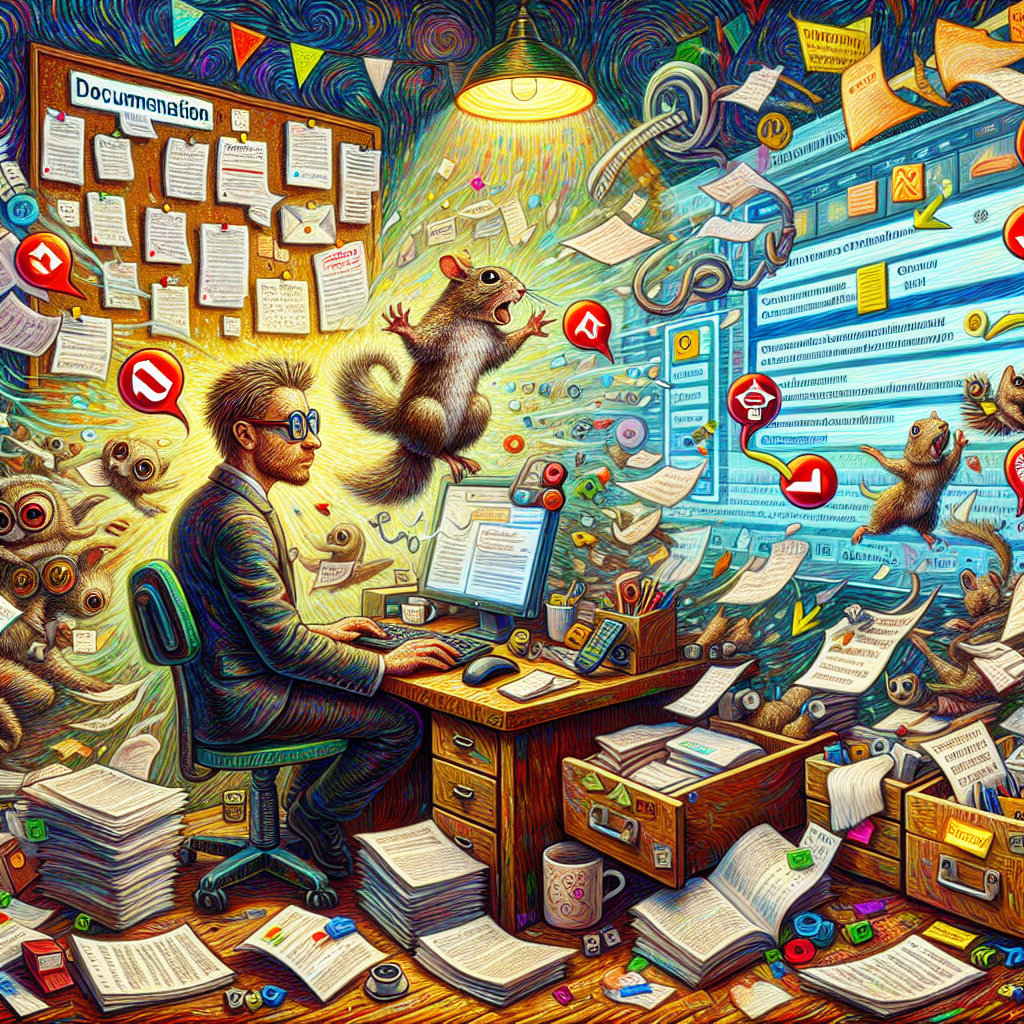
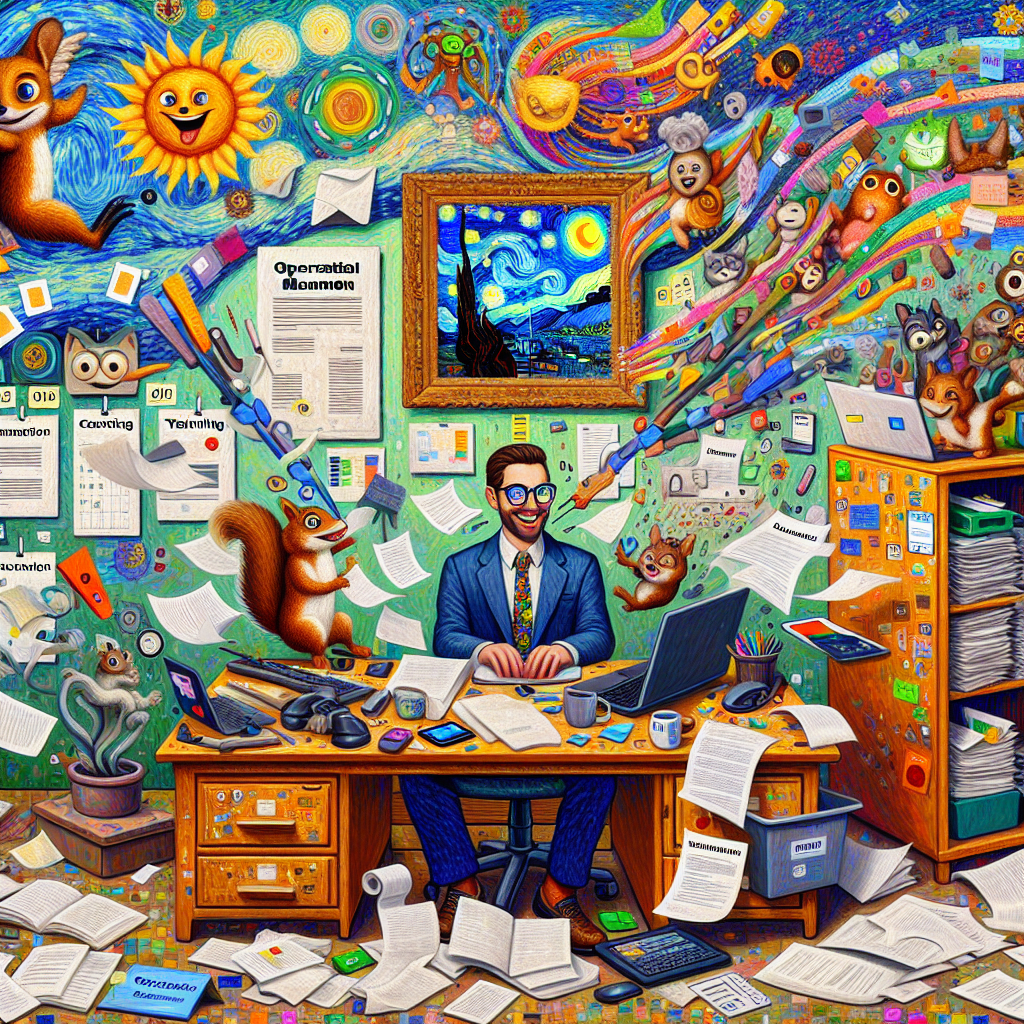
In a world where technology evolves faster than a caffeinated squirrel on a sugar rush, keeping your digital documentation up to date isn’t just a good idea; it’s essential. The short answer to how often you should update your digital documentation is: as often as necessary. But let’s unpack that a bit, shall we?
First off, think about the nature of your documents. Are they living, breathing entities that require regular maintenance, or are they static files that serve as historical records? If you’re dealing with operational manuals, training guides, or any documentation that impacts daily workflow, you’d better give them a regular check-up. Think about it like changing the oil in your car: miss a few maintenance sessions, and you’ll find yourself in a heap of trouble.
Start with a routine. For essential documents, set a schedule. Maybe it’s quarterly or bi-annually—whatever keeps you and your team on track. When it comes to compliance-related documents, you might need to be even more vigilant. New regulations, updated industry standards, or internal policy shifts can call for updates at the drop of a hat. If your documents aren’t aligned with the current landscape, you’re leaving yourself vulnerable to confusion, misinterpretation, or downright chaos.
Next, look for the triggers that should ring the bell for updates. Are new team members onboarded? Did you roll out a new project? Did a significant change occur in technology or processes? These transitions often necessitate a look back at what you have and, if necessary, a thoughtful revision of what you need.
And let’s not forget about accessibility. Make sure your documents are easy to find and consume. If your staff can’t navigate your documentation like it’s a friendly neighborhood map, you’ll hear the collective groan of frustration. Regular updates provide a perfect opportunity to not only revise content but to also rethink organization, ensuring that everything is intuitive and user-friendly.
Finally, encourage feedback. Ask your team for their thoughts. They’re the ones living with the documentation day in and day out. If something’s clunky or outdated, they’ll know. Learning to adapt based on real-world experience is what will truly keep your digital documentation relevant and reliable.
So, keep those documents fresh, aligned, and accessible. You’ll thank yourself later when you’re not stumbling through outdated material like a blindfolded chicken. After all, an up-to-date digital landscape is a smoother ride for everyone involved.
How Often Should I Update My Digital Documentation?
How Often Should I Update My Digital Documentation?
- Regularly updating digital documentation is essential in a fast-evolving technological landscape.
- Determine if documents are dynamic (requiring updates) or static (historical records).
- Establish a routine schedule for essential documents, such as quarterly or bi-annually.
- Stay vigilant for compliance-related updates due to new regulations or policy changes.
- Identifying triggers for updates, like new team members or significant project changes, is crucial.
- Ensure documents are accessible and easy to navigate to prevent staff frustration.
- Encourage team feedback to make documents more relevant and user-friendly.
How Often Should I Update My Digital Documentation?
Can I Turn My Documented Stories Into A Digital Book?
When you’ve poured your heart into documenting your stories—whether they’re tales of triumph, everyday life, or unforgettable mishaps—there comes a moment of reckoning: Can you transform those pages into a digital book? The short answer is a resounding “yes.” But let’s unpack that a little, shall we?
First things first, you’ve got to recognize that writing is not just about stringing words together; it’s about crafting a narrative that resonates. If your documented stories capture the essence of your experiences and hold a kernel of truth that others can relate to, you’re already halfway there. People love to read about real life, especially when it comes from a place of authenticity. So, if you’ve got the goods, let’s get to work on getting them out into the digital realm.
Next up: the logistics of turning your words into a digital format. You don’t need to have a PhD in computer science or a background in publishing to embark on this journey. Start with formatting your document for e-readers, like Kindle or Nook. There are plenty of user-friendly tools available that can take your manuscript from a simple Word doc to a polished digital book. But don’t just check the box—take the time to understand the process. After all, the better your formatting, the better the reading experience.
Now, let’s talk about cover art. The old adage “don’t judge a book by its cover” is nice and all, but let’s be real: a stunning cover can make a world of difference in attracting readers. Think about an image that encapsulates your story or an eye-catching design that reflects your style. You don’t have to be an artist, either—there are online platforms that offer simple templates for you to create a professional-looking cover.
Once all that is squared away, consider how you’re going to distribute your digital book. Platforms like Amazon and Smashwords offer straightforward avenues for publishing and selling your work. The beauty of the digital age is that you’re not at the mercy of traditional publishers. You can share your stories with the world, one click at a time.
So, if you’re wondering if you can turn your documented adventures into a digital book, the answer is yes—and with a little effort, creativity, and grit, you can bring those stories to life in ways you never thought possible. Now, let’s stop talking and get cracking!

Can I Turn My Documented Stories Into A Digital Book?
Can I Turn My Documented Stories Into A Digital Book?
- You can transform your documented stories into a digital book.
- Writing is about crafting a resonating narrative filled with authentic experiences.
- Formatting your manuscript for e-readers is crucial; user-friendly tools are available.
- Understanding the formatting process enhances the reading experience.
- A stunning cover is vital for attracting readers; use online platforms for design templates.
- Distribute your digital book via self-publishing platforms like Amazon and Smashwords.
- With effort and creativity, you can bring your stories to life digitally.

Can I Turn My Documented Stories Into A Digital Book?
What Are The Emotional Benefits Of Digitizing My Personal Stories?
In the world we live in today, it’s all too easy to let our memories fade away, caught up in the whirlwind of routines and responsibilities. But when you take the time to digitize your personal stories, something remarkable happens—your emotional landscape begins to blossom. It’s akin to polishing an old piece of brass; suddenly, those memories gleam with a new luster, reigniting feelings you thought were long gone.
First off, there’s a profound sense of ownership that comes with preserving your stories. When you click that “merge” button on your nostalgia and your tech savvy, you turn ephemeral moments into lasting treasures. This stewardship over your history fosters self-reflection, allowing you to see not just where you’ve been, but who you’ve become. You might discover a thread woven through your life experiences, revealing resilience you didn’t know you had or joys tucked away in dusty nooks of the past.
Moreover, digitizing your personal stories invites connection. In a day and age where conversations happen in short bursts of emojis and screenshots, sharing meaningful narratives with family and friends fosters deeper relationships. Whether it’s creating a digital scrapbook or a virtual video diary, it becomes a vessel for shared laughter, tears, and insights. You find that revisiting those moments can spark discussions that create bonds stronger than steel. There’s something cathartic about sharing a laugh over a childhood blunder or shedding a tear over a bittersweet farewell.
Then there’s the liquid magic of nostalgia. Science shows that revisiting cherished memories can elevate your mood, acting like a balm for the soul. They add richness and depth to the fabric of daily life, reminding you of your value and purpose. Just think about it: when was the last time you smiled at a story from your past? By digitizing those tales, you create a go-to library for your heart, a repository of happiness that you can revisit anytime you need a pick-me-up.
Finally, there’s the powerful act of legacy. In digitizing your experiences, you offer future generations a glimpse into your world. Your stories become beacons, illuminating pathways for others to follow. It’s like planting a tree whose shade you may never sit under, but that someone, somewhere, will be grateful for in years to come.
So, take the plunge. Digitize your stories and invest in your emotional well-being. The rewards are as vast as your imagination and as rich as the experiences that shaped you.

What Are The Emotional Benefits Of Digitizing My Personal Stories?
What Are The Emotional Benefits Of Digitizing My Personal Stories?
- Digitizing personal stories rejuvenates memories, reigniting emotions and enhancing your emotional landscape.
- Preserving stories fosters a sense of ownership and self-reflection, revealing your personal growth and resilience.
- Sharing narratives with family and friends strengthens connections and promotes meaningful relationships.
- Creating a digital scrapbook or video diary provides a cathartic way to bond over shared experiences.
- Revisiting cherished memories elevates mood and offers comfort, serving as a source of happiness.
- Digitized experiences serve as a legacy, providing future generations with insight into your life and values.
- Investing in digitizing your stories enhances emotional well-being and offers a treasure trove of personal history.

What Are The Emotional Benefits Of Digitizing My Personal Stories?
How Do I Handle Sensitive Topics In Digital Storytelling?
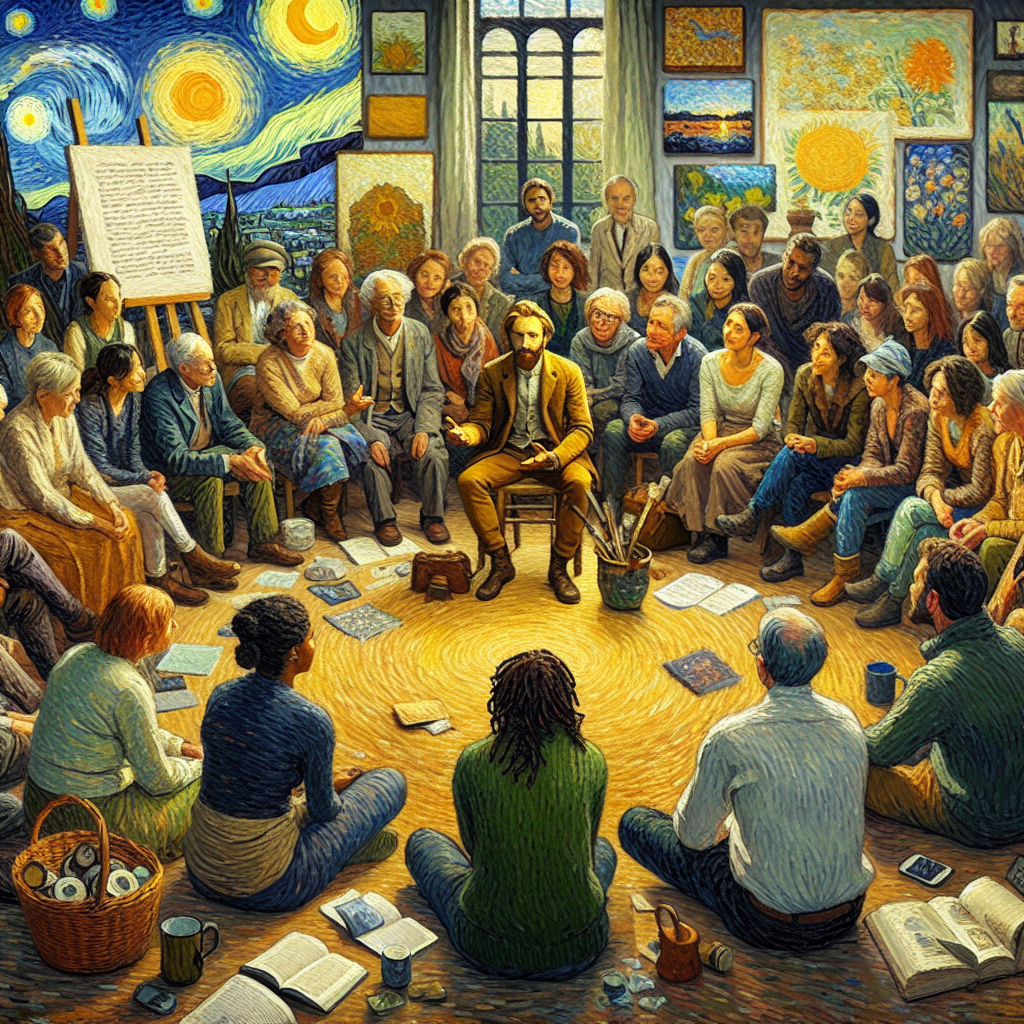
When it comes to telling stories, especially those that tiptoe around sensitive subjects, there’s an undeniable art to striking the right balance. Approach this task with caution, a sprinkle of empathy, and—most importantly—authenticity. You see, stories have weight; they can lift spirits or crush them, often without warning. Handling sensitive topics requires an understanding that, behind every story, there are real people with real feelings.
First off, do your homework. If you’re dealing with a subject that carries emotional baggage, research it like you’re gearing up for an important seminar. Understand the nuances, the history, and, most importantly, the perspectives of those affected by the topic. Ignorance is the enemy here. A well-informed storyteller builds credibility and sets the stage for respectful dialogue. It shows your audience that you’re not just skimming the surface; you’re diving deep.
Next, consider your audience. Who are you talking to, and what baggage might they carry? Different people have different thresholds for pain and vulnerability. Adjust your tone and language accordingly. Would a lighthearted quip make the rounds, or would it stumble over sensitivities? A delicate approach can sometimes tell a stronger story than stark realism. Remember, you’re guiding your audience through a journey, not bulldozing them across a battlefield.
Empathy is your best friend. Craft your narrative with a heart. Share stories from real people—from those who have faced the struggles themselves. Show their resilience, their humor, and their strength. It’s one thing to narrate statistics or facts; it’s another to put a face to those numbers. Emotional stories are often rooted in personal experiences, and that personal touch can resonate deeply with your audience.
Lastly, be prepared for a range of reactions. Not everyone will walk away feeling warm and fuzzy; some may even bristle at what you share. And that’s okay! Your job isn’t to placate everyone but to open a conversation. When you handle sensitive topics thoughtfully, you’re not just storytelling; you’re fostering understanding and, perhaps, healing.
In summary, handling sensitive topics in digital storytelling is about respect, knowledge, and connection. With the right approach, you’ll not only tell a story but also create a space for dialogue and growth, leaving your audience better for the experience. Now that, my friends, is genuine storytelling.

How Do I Handle Sensitive Topics In Digital Storytelling?
How Do I Handle Sensitive Topics In Digital Storytelling?
- Striking a balance is essential when telling stories about sensitive subjects.
- Research the topic thoroughly to understand its nuances and the feelings of those involved.
- Consider your audience’s perspectives and adjust your tone and language accordingly.
- Emphasize empathy by sharing personal stories and experiences of real individuals.
- Prepare for varied reactions; your aim is to open a conversation, not to please everyone.
- Focus on respect, knowledge, and connection in digital storytelling.
- Genuine storytelling fosters understanding and growth within the audience.
How Do I Handle Sensitive Topics In Digital Storytelling?
What Role Does Storytelling Play In Preserving Cultural Heritage?
In the grand tapestry of human existence, storytelling serves as one of the most vibrant threads, stitching together histories, traditions, and identities. It’s not just about spinning yarns around a campfire; it’s about passing the torch of human experience from one generation to another. You see, storytelling is the lifeblood of cultural heritage, keeping the pulse of a community alive in the face of rapid change and globalization.
Every culture has its tales—myths, legends, and folktales that embody the essence of its people. These narratives offer more than just entertainment; they are repositories of wisdom, complex moral frameworks, and reflections of social values. When an elder recounts the tale of a courageous ancestor or a mythical creature that roamed the earth, they aren’t just sharing a story; they’re transmitting a collective memory intertwined with the identity of the community. It’s a way of saying, “This is who we are. This is where we come from.”
In a world increasingly dominated by screens and instant gratification, the art of storytelling serves as a powerful reminder of our roots. It anchors us, offering context for our lives amid a sea of digital noise. Families gather to share stories at the dinner table, schools incorporate storytelling into their curriculums, and communities host festivals to celebrate their unique narratives. Each of these moments acts as a stitch in the fabric of tradition, reinforcing ties and ensuring that the lessons of the past resonate in the lives of the present.
Moreover, storytelling serves as a tool for resilience. Many indigenous and marginalized communities have employed storytelling as a means of resistance against cultural erasure. By sharing their narratives, they assert their place in history, reclaim their identity, and educate those around them about the richness of their cultural heritage. It’s an empowering act, one that transforms storytelling into an instrument of social justice.
In essence, storytelling does not merely preserve cultural heritage; it breathes life into it. It fills the gaps where voices could have been lost, allowing them to resonate in modern times. So, the next time you hear a tale spun by a trusted neighbor or read a story that speaks to your soul, remember: you’re not just enjoying a narrative. You’re partaking in a vital act of preservation—keeping the spirit of humanity alive and thriving.

What Role Does Storytelling Play In Preserving Cultural Heritage?
What Role Does Storytelling Play In Preserving Cultural Heritage?
- Storytelling is a vital element in preserving cultural heritage and identity.
- Cultural narratives encompass myths, legends, and folktales that reflect the essence of communities.
- These stories transmit collective memories and social values from generation to generation.
- Storytelling provides context and connection, especially in a rapidly changing, digital world.
- Families and communities engage in storytelling to reinforce traditions and maintain ties.
- Indigenous and marginalized groups use storytelling as a means of resistance against cultural erasure.
- Overall, storytelling breathes life into cultural heritage, ensuring voices are heard and preserved.

What Role Does Storytelling Play In Preserving Cultural Heritage?
Conclusion
Alright folks, let’s wrap this up with a bit of heart and soul. In this whirlwind of digital bytes and pixels, it’s easy to let our rich tapestry of stories fray at the edges. Life is full of vivid moments—every laugh, tear, and lesson learned deserves to be captured. This isn’t just for grandmas’ memoirs or artists’ portfolios; it’s for every one of us who has ever paused to reflect on where we’ve been and where we’re headed.
Consider this: the digital tools at our disposal are powerful allies in this mission. From voice memos to video diaries, every method brings a piece of our narrative to life. So grab that smartphone, start documenting, and let the stories spill out—the way you reminisce over a cup of coffee with an old friend. And while we’re at it, don’t overlook the importance of organizing that information. A cluttered digital space can stifle creativity and make retrieval a hassle. So, put in some elbow grease to tidy things up. Think of it as a well-organized toolbox—easy access to the tools you need can make all the difference.
And remember, storytelling isn’t a solo act. Share your narratives, invite conversations, and spark discussions. Create a community where stories dance around a virtual bonfire, weaving connections that bind us all. Whether you’re posting on social media, starting a blog, or launching a podcast, your voice matters, and your stories have the power to inspire, heal, and transform others.
But let’s not ignore the potential pitfalls. Navigating this digital landscape requires a touch of caution and an awareness of privacy. Strive for authenticity while protecting your personal space. Sensitivity in storytelling is crucial—approach delicate topics with care and respect.
At the end of the day, we’re not just chronicling experiences—we’re encapsulating moments in time, offering a glimpse into our essence. By digitizing our stories, we create a legacy, a bridge connecting past and future generations. So, go ahead, dive in, and let your voice echo through the ages. Your story deserves to be heard—now is the time to tell it!

Conclusion
Conclusion:
- The craft of documenting our experiences is essential for preserving our stories for future generations.
- Every significant moment in life deserves to be captured, not just for certain demographics like artists or grandparents.
- Digital tools such as voice memos and video diaries are powerful aids in storytelling.
- Organizing digital information is crucial, as a cluttered space can hinder creativity and ease of access.
- Storytelling should be a communal activity, encouraging sharing and discussions to foster connections.
- Be cautious about privacy and authenticity when sharing personal stories, treating sensitive topics with care.
- By digitizing our stories, we create a legacy that connects the past with future generations.

Conclusion
Other Resources
Other Resources
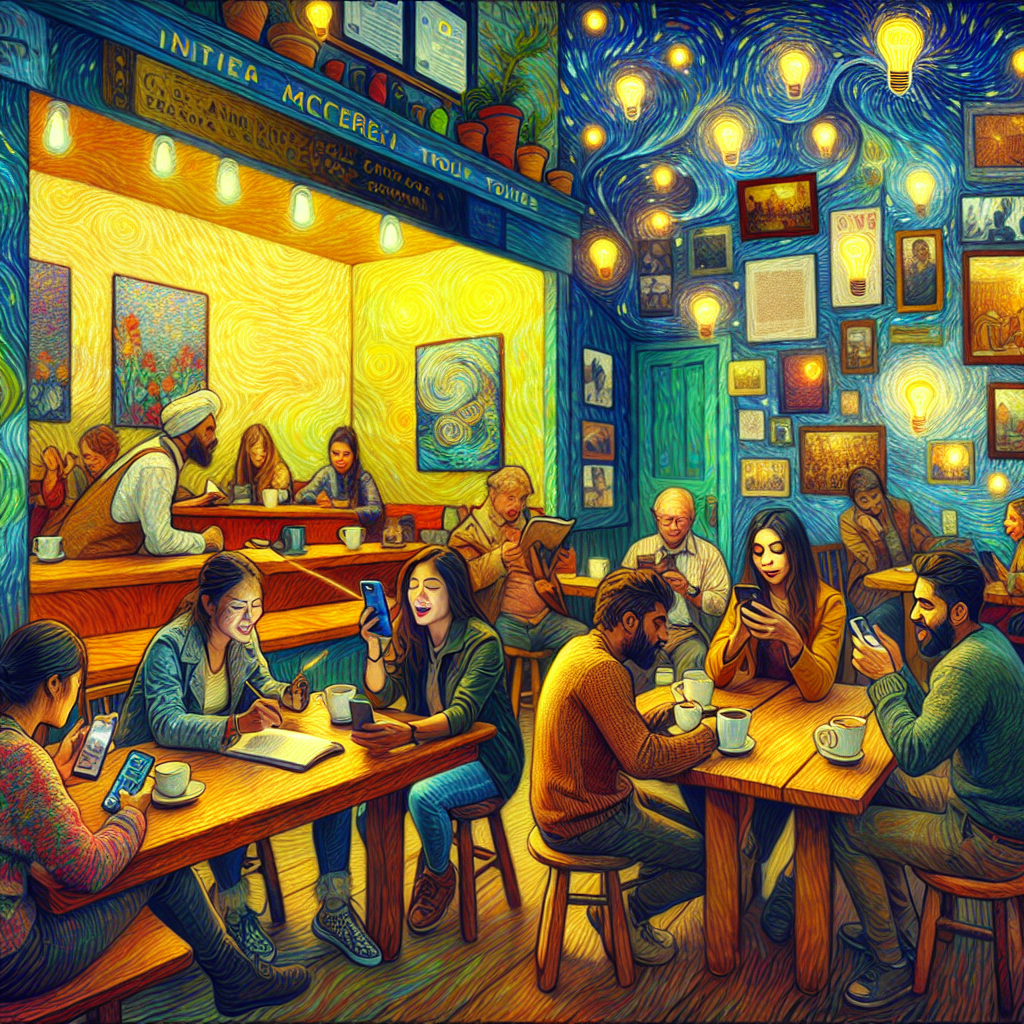
Here is a list of other resources you can review online to learn more:
- What is Digital Storytelling?: This video introduces the concept of digital storytelling, which is a way of using multimedia tools to tell narratives.
- Create a digital story: This video is a tutorial on how to create a digital story. It gives five tips: 1- Start with an idea 2- Write your story 3- Create a storyboard 4- Research and gather elements 5- Build your story.
- What is Digital Documentation? What is document? What is electronic documentation: A document is a paper with written contents and the process of preparing a document is called documentation. Documentation is required to preserve the contents for longer period or to be used as evidence.
- The Stories and Wisdom Company | online culture transformation workshop: The Stories and Wisdom Company provides online culture transformation workshops and customer discovery workshops.
- DIGITAL STORYTELLING GUIDEBOOK – Transforming the Field Education: This guidebook is a resource created by the Transforming the Field Education Landscape Project (TFEL) to support social work students, field educators, and faculty members in creating a digital story rooted in reflexivity.
I hope you find these resources helpful!

Other Resources
Glossary Terms
How to Document Stories and Wisdom Digitally? – Glossary Of Terms
1. Archiving: The process of storing documents, records, or digital content for long-term preservation and future access.
2. Content Management System (CMS): A software application that enables users to create, manage, and modify digital content without specialized technical knowledge.
3. Digital Ethnography: The study and documentation of cultures and communities through digital platforms and tools, often involving the observation of online interactions.
4. E-book: A digital version of a book that can be read on a computer, tablet, or e-reader, often formatted for easy distribution.
5. Metadata: Data that provides information about other data, such as the author, date created, and keywords that aid in the organization and retrieval of digital documents.
6. Oral History: A method of gathering historical information through recorded interviews and storytelling, preserving cultural memory and personal accounts.
7. Podcast: A digital audio program available for streaming or download, often presenting narratives, stories, or discussions on various topics.
8. Reflection: The practice of thinking critically about one’s experiences, often documented in writing or digital formats to capture insights and wisdom.
9. Social Media: Online platforms that enable the sharing of content, stories, and experiences, fostering connections among users.
10. Story Mapping: A visual representation of a story’s elements, often used to organize thoughts and structure narratives effectively.
11. Transcription: The process of converting audio or video recordings into written text, facilitating easier access and understanding of stories.
12. User Interface (UI): The design elements and layout of a digital platform that users interact with, affecting their experience in consuming content.
13. User Experience (UX): The overall experience of a user when interacting with a digital product, emphasizing comfort, accessibility, and engagement.
14. Video Documentary: A nonfiction film that records and presents real events, typically emphasizing storytelling through visuals and interviews.
15. Virtual Reality (VR): Computer-generated environments where users can immerse themselves, often utilized for interactive storytelling and experiences.
16. Website: A collection of related web pages that are identified by a common domain name and can showcase stories and wisdom through text, images, and multimedia.
17. Webinar: A seminar conducted over the internet, allowing for presentations, lectures, or discussions that can capture and share wisdom.
18. Visual Storytelling: The art of conveying narratives through visual media, such as images, videos, and graphics, to enhance understanding and engagement.
19. E-journal: An online platform for publishing articles, reflections, and stories, allowing users to document and share their insights digitally.
20. Annotation: The practice of adding notes, comments, or explanations to a digital document, helping to provide context or expanding on ideas.
21. Collaboration Tools: Digital platforms or applications designed to facilitate group work, allowing multiple users to contribute stories and insights.
22. Narrative Structure: The organized framework of a story, including elements such as exposition, rising action, climax, and resolution, guiding storytelling in digital formats.
23. Crowdsourcing: The practice of obtaining information, input, or contributions from a large group of people, often used in gathering stories or wisdom from multiple sources.
24. Diaries and Journals: Personal records of thoughts, experiences, and reflections, which can be documented digitally for ease of access and sharing.
25. Digital Footprint: The trail of data created by users’ online activities, which can influence how stories and wisdom are perceived and archived.
26. Interactive Storytelling: Engaging users in the narrative through choices and actions, often employed in digital mediums like games or apps.
27. Blog: A regularly updated website or web page that features written or multimedia entries, often used to document thoughts, stories, and insights over time.
28. Audio Recording: The capture of sound, typically used to document spoken stories or wisdom, which can be shared in various digital formats.
29. Sustainability: The practice of ensuring the longevity and accessibility of digital documents and stories for future generations.
30. Preservation: Efforts to protect and maintain the integrity of digital content over time, often involving strategies for backup and data management.

Glossary Of Terms
Other Questions
How to Document Stories and Wisdom Digitally? – Other Questions
If you wish to explore and discover more, consider looking for answers to these questions:
- What are the different methods for recording oral histories?
- What is the best way to choose a platform for digital storytelling?
- How do I edit and format my digital stories for publication?
- What types of multimedia works best in digital storytelling?
- How can I encourage younger generations to document their stories?
- What precautions should I take when documenting others’ stories?
- How do I balance personal storytelling with privacy concerns?
- What are some tips for making my digital stories engaging?
- Can I collaborate with others on my digital documentation projects?
- What are common mistakes to avoid in digital storytelling?
- How do I handle feedback on my documented stories?
- What resources are available for learning more about digital storytelling?
- Are there specific communities or forums for sharing personal stories online?
- How can I make my digital documentation accessible to diverse audiences?
- How do I determine the long-term sustainability of my digital archives?

Other Questions
Haiku
How to Document Stories and Wisdom Digitally? – A Haiku
Capture life’s stories,
Share wisdom through the ages—
Preserve our voices.

Haiku
Poem
How to Document Stories and Wisdom Digitally? – A Poem
In a world where whispers fade to air,
Stories linger, lost without a care.
Yet with our phones and keys, we stand,
Ready to capture life’s soft demand.
Gather round with your favorite brew,
Invite a friend to share the true.
Ask of journeys, the lessons they’ve learned,
And watch as memories brightly burned.
From whispered audio, hear laughter and tears,
Through simple blogs, give voice to your fears.
Visual tales in colors bright,
Let photographs shimmer, igniting the night.
To weave stories, a community blooms,
Where voices mingle in shared rooms.
Digital platforms, a treasure to find,
Archive the wisdom of humankind.
Yet organize, let chaos fade,
With folders crafted, a well-laid parade.
Seek the right tools—each story’s key,
From Evernote notes to podcasts that free.
But be aware in this digital zone,
Of privacy’s whispers, of data overthrown.
Breathe life into legacies, let them unfold,
For the tales you compile are nuggets of gold.
Encourage others, with warmth, share,
Invite them to speak, invite them to dare.
Preserve culture, let stories ignite,
For in every word lies a guiding light.
So document wisely, let feelings flow,
In digital realms, let your history glow.
For every life lived is a tale to tell,
A tapestry woven where memories dwell.

Poem
Checklist
How to Document Stories and Wisdom Digitally? – A Checklist
Preparing to Document Stories
_____ Gather a quality recording device (smartphone or dedicated recorder).
_____ Create a comfortable environment for interviews (e. g. , cozy seating, refreshments).
_____ Prepare a list of open-ended questions to facilitate storytelling.
Writing and Sharing Your Narratives
_____ Choose a writing platform (e. g. , WordPress, Medium) for your stories.
_____ Set a regular writing schedule (daily, weekly, monthly).
_____ Write authentically as if sharing with a friend—no pressure, just honesty.
Incorporating Visual Elements
_____ Capture relevant photographs to complement your stories.
_____ Use visual platforms (e. g. , Instagram, Pinterest) for sharing visual narratives.
_____ Keep visuals authentic—avoid heavy filters to maintain relatability.
Organizing Your Digital Stories
_____ Define key themes or messages for your documentation.
_____ Create a structured folder system for storage (main categories and subcategories).
_____ Schedule regular digital housekeeping checks to remove unnecessary files.
Backup and Security
_____ Utilize cloud storage services (e. g. , Google Drive, Dropbox) for backup.
_____ Regularly update your backups to ensure all stories are secure.
_____ Implement strong passwords and security measures for all digital accounts.
Engaging Your Community
_____ Invite family and friends to share their stories in a group setting.
_____ Participate in online forums or social media groups focused on storytelling.
_____ Prompt discussions around your documented stories for shared learning.
Choosing Digital Documentation Formats
_____ Evaluate the best format for your storytelling (written, audio, video).
_____ Experiment with various formats to find what resonates with you.
_____ Consider multimedia elements to enhance your storytelling experience.
Maintaining Privacy and Sensitivity
_____ Be mindful of privacy when sharing personal stories online.
_____ Research sensitive topics fully before documenting.
_____ Be empathetic and respectful of others’ experiences in your narratives.
Turning Stories into Books
_____ Format your stories for e-readers using user-friendly tools.
_____ Create an eye-catching cover design for your digital book.
_____ Explore distribution platforms like Amazon or Smashwords for publishing.
Preserving Cultural Heritage
_____ Highlight the cultural significance of the stories you collect.
_____ Share narratives that reflect community values and history.
_____ Encourage dialogue about cultural practices through storytelling.
Encouraging Others to Share Their Stories
_____ Foster genuine curiosity and interest in others’ experiences.
_____ Practice active listening during conversations.
_____ Create a safe space for sharing vulnerable stories.
Feel free to print or share this checklist with readers to facilitate the process of documenting and preserving their stories and wisdom digitally!

Checklist
At LegacyExplorations, we help people plan and explore their legacy by collecting information and news regarding end-of-life planning.
Please share this post with your friends, family, or business associates who may want help to plan or explore their legacy.