

Unifying Generations: Inspiring Legacy Work For All
By Tom Seest
At LegacyExplorations, we help people plan and explore their legacy by collecting information and news regarding end-of-life planning.
Please share this post with your friends, family, or business associates who may want help to plan or explore their legacy.
How to Get Your Family on Board with Legacy Work
When it comes to legacy work, it’s not just about what you leave behind; it’s about what you build together as a family. Legacy storytelling is a powerful tool that can bridge generations, making the intangible values you hold dear into something your loved ones can cherish and carry forward. So how do you get everyone on board with this vital endeavor?
Start with a conversation. Gather your family—yes, even the teenager glued to their phone and the skeptical uncle with his arms crossed. Frame the discussion not as a lecture but as an opportunity for everyone to share their stories. Recall those moments that shaped your family’s identity—the cooking disaster that turned into a recipe treasure or the summer road trip full of mishaps. These stories aren’t just entertaining; they tether us to a shared history, reminding each member of the unique threads that weave your family tapestry.
Engage their hearts by sharing your vision. Why is this important to you? Speak candidly about how you want your children and grandchildren to understand their roots and feel the gravity of their heritage. Explain that legacy isn’t about material wealth but rather the values, struggles, and triumphs that define you as a family. When people understand the ‘why,’ they’re more likely to embrace the ‘how.’
Now, appeal to their heads. Discuss the practical side—creating a family archive, writing down stories, or even recording video interviews. This isn’t just fluff; it’s preserving memories that could otherwise fade. This documentation offers a treasure trove of guidance, wisdom, and inspiration for those who come after.
Ethically speak to the responsibility we all share. Remind them, every family has a legacy, whether intentional or not. Would you rather leave a haphazard collection of disjointed memories or a cohesive story that inspires future generations?
Lastly, tap into the social aspect. Reach out to extended family and friends. Create a collaborative project where everyone contributes their piece. Inviting them in can foster a greater sense of belonging and connection, creating an emotional investment like nothing else.
Getting your family on board with legacy work is a journey, not a sprint. Every shared laugh, tear, and therapy session will bind you closer together, ensuring the stories that matter don’t just slip away into the ether. Embrace the chance to shape your family’s narrative; it’s a legacy worth pursuing together.

How to Get Your Family on Board with Legacy Work
How to Get Your Family on Board with Legacy Work
- Legacy work involves building together as a family, not just leaving behind material possessions.
- Legacy storytelling bridges generations and helps preserve intangible values for loved ones.
- Start with open conversations that encourage family members to share their own stories and experiences.
- Share your vision for legacy work, emphasizing the importance of understanding family roots and heritage.
- Discuss practical methods for preserving memories, such as creating archives and recording interviews.
- Highlight the shared ethical responsibility of creating a cohesive family legacy rather than a disjointed collection of memories.
- Engage extended family and friends in collaborative projects to foster connection and emotional investment.

How to Get Your Family on Board with Legacy Work
Table Of Contents
- How to Get Your Family on Board with Legacy Work
- What Memories Do You Cherish That Deserve To Be Preserved?
- How Can Shared Legacy Work Strengthen Family Bonds And Connections?
- What Challenges Have You Faced In Discussing Legacy With Your Family?
- How Can You Encourage Your Family To Participate In Legacy Planning?
- What Examples Of Legacy Work Have Inspired You Or Your Family?
- What Values Do You Want Your Family To Remember You For?
- How Can You Inspire Your Family To Share Your Legacy Vision?
- Conclusion
- Other Resources
- Glossary Of Terms
- Other Questions
- Haiku
- Poem
- Checklist
What Memories Do You Cherish That Deserve To Be Preserved?
Memories are the quiet architects of our lives, shaping who we are and who we aspire to be. They hold the weight of our legacies, stitched together by moments that made us laugh, cry, and ponder the very essence of existence. When we think about what memories we cherish, we often overlook the simple yet profound stories behind them. Each memory is a thread in the fabric of our existence, weaving a narrative that deserves to be told and preserved.
Think back to the first time you rode a bike, knees scraped, the wind whipping through your hair. That moment wasn’t just about learning a skill; it was about freedom and the thrill of exploration. Perhaps it was a family gathering around the dinner table, laughter echoing off the walls, where stories climbed generations like an ancient tree. These instances, no matter how mundane they may seem at first glance, are the building blocks of our identity. They inform our values, shape our beliefs, and link us to others in ways that surface only when we pause to recall them.
Preserving these memories isn’t just an act of nostalgia; it’s an ethical duty we owe to ourselves and future generations. The tales of joy, struggle, or all the in-betweens teach us resilience and foster connection across time. Imagine your children or grandchildren learning about their ancestors through tales of courage, perseverance, or even moments of vulnerability. Our stories have the power to inspire and guide them, forging bonds that stretch beyond the confines of our existence.
Yet, it’s not just about our own legacies. There’s a collective readiness to share our stories, to connect on a human level. We are part of a larger tapestry woven from various experiences, and when we share our memories, we extend an invitation for others to connect their experiences to ours. Whether through scrapbooks, journals, or even digital archives, our stories can serve as touchstones, reminders that we are not alone in this journey of life.
Let’s reclaim those moments. Dive into the depths of your memories, find the stories that sparkle, and allow them to breathe. As you preserve them, not only will you enrich your own life, but you’ll also become a beacon for others, illuminating paths they never knew existed. Your legacy is waiting to be told—what will your story be?

What Memories Do You Cherish That Deserve To Be Preserved?
What Memories Do You Cherish That Deserve To Be Preserved?
- Memories shape our identities and aspirations, holding the weight of our legacies.
- They are woven together by significant moments that evoke laughter, tears, and contemplation.
- Every memory is a crucial thread in the fabric of our lives, deserving to be preserved and shared.
- Simple experiences, like riding a bike or family gatherings, serve as building blocks of our identity.
- Preserving memories is an ethical duty that fosters resilience and connections across generations.
- Sharing our stories invites connection and creates a communal tapestry of human experiences.
- By reclaiming and preserving our memories, we illuminate paths for others and enrich our own lives.
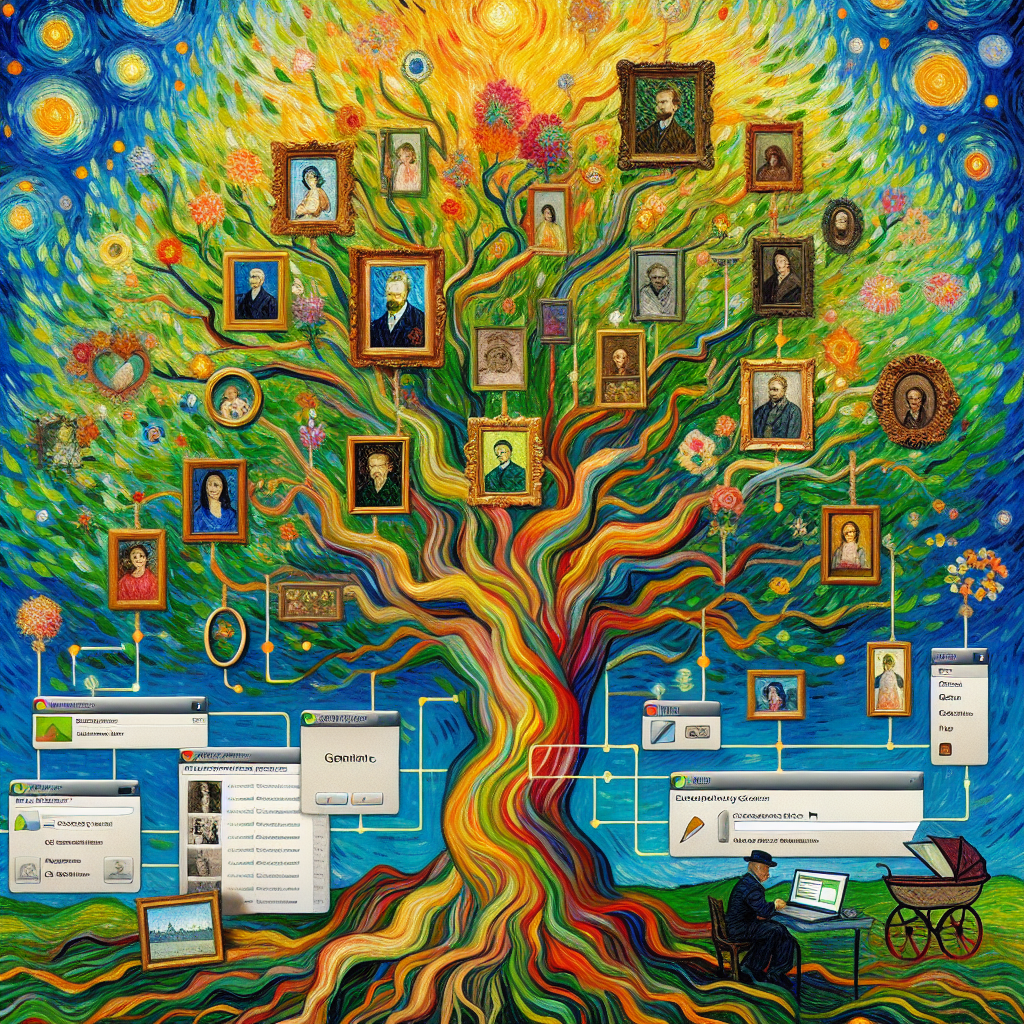
What Memories Do You Cherish That Deserve To Be Preserved?
How Can Shared Legacy Work Strengthen Family Bonds And Connections?
When we talk about family, we often find ourselves swimming in a river of shared experiences, both joyful and challenging. A powerful way to deepen those connections is through legacy storytelling—an art that gives voice to the unspoken narratives running beneath the surface of our family trees. This isn’t just about looking back; it’s about forging stronger bonds in the here and now.
Picture a gathering where Grandpa spins tales of his youth, where laughter and tears mingle like old friends. These aren’t just stories; they’re the threads that weave the tapestry of your family’s identity. Each anecdote, from mischievous childhood pranks to heart-wrenching moments of resilience, reinforces a collective fabric of belonging. When you share these experiences, you invite each other into the intimate corners of your lives, creating a space where understanding blooms. This isn’t merely nostalgia; it’s a way to impart wisdom, instill values, and ignite empathy among generations.
From a rational standpoint, consider the impact of shared legacy storytelling on emotional intelligence within a family. By discussing past struggles and victories, we equip ourselves and our children with the tools to navigate life’s complexities with grace and grit. The gut response to these stories—feeling pride, sorrow, or inspiration—fosters emotional resilience. You aren’t just recalling history; you’re cultivating character and preparing future generations to stand on the shoulders of their ancestors.
Ethically, legacy storytelling underscores the importance of honesty and authenticity. Families built on trust are more likely to weather the storms of life together. When we choose to open our hearts and share our truths, we become not just relatives, but allies in a shared mission.
Now, let’s not forget the social aspect. In a world where disconnectedness has become the norm, sharing these tales creates a sanctuary—spaces where vulnerabilities are embraced rather than shunned. It invites younger and older family members alike to form connections that transcend age gaps and experience divides.
In every story told, a legacy is born. By embracing this practice of legacy storytelling, you’re creating not just a bond, but a lineage of hearts that will reverberate through time—each story, a key that unlocks deeper understanding, trust, and love amongst family members. So gather round, open up, and let those stories flow. You might just find that in the journey of sharing, you’ve created something extraordinary.

How Can Shared Legacy Work Strengthen Family Bonds And Connections?
How Can Shared Legacy Work Strengthen Family Bonds And Connections?
- Legacy storytelling deepens family connections through shared experiences.
- Tales of the past strengthen the family’s identity and create bonds of belonging.
- Sharing stories imparts wisdom, instills values, and ignites empathy across generations.
- Discussing struggles and victories enhances emotional intelligence and resilience.
- Honesty in storytelling fosters trust, turning relatives into allies.
- Storytelling creates a social sanctuary, bridging age and experience gaps in families.
- Embracing legacy storytelling nurtures understanding, trust, and love across generations.

How Can Shared Legacy Work Strengthen Family Bonds And Connections?
What Challenges Have You Faced In Discussing Legacy With Your Family?
When it comes to discussing legacy with your family, a maze of emotions and unspoken truths often emerges. It’s a topic that makes the heart race and the stomach churn, an intricate dance between the comforts of nostalgia and the realities of the unknown. For many, legacy storytelling becomes a pivotal thread in the fabric of family bonds, but it’s rarely a straightforward conversation. Instead, it can feel like navigating a minefield of expectations, fears, and hopes.
Imagine sitting around the dinner table, where laughter and stories flow freely, suddenly giving way to a discussion about what happens when the final curtain falls. It’s easy to crack a joke or deflect with a humorous anecdote, but deep down, each family member may grapple with their own anxieties. They may fear that sharing their wishes for the future might shatter the delicate peace. The heart knows that talking about legacy can bring clarity and connection, yet the gut instinct often whispers to avoid the topic altogether.
The ethical responsibility to pass down wisdom and values hangs heavy in the air. Each generation has stories that deserve to be heard, fragments that shape who we are. Yet, despite the weight of this knowledge, how do we foster open conversations that honor our past and empower our future? It’s essential to approach these discussions with an open heart, understanding that each family member brings a unique perspective, a different legacy of their own. When we share our fears, hopes, and aspirations, we begin crafting a collective narrative that resonates far beyond our own lives.
Imagine the impact of a simple story shared by an elder—a tale of resilience in the face of adversity or a moment that defined their existence. Such storytelling can help bridge generational divides, offering an anchor in the swirling uncertainties of life. It fosters trust and builds confidence, reinforcing that our legacies are not merely about possessions but rather about values, experiences, and the love that endures.
At the core of these conversations is an undeniable truth: we all crave connection. By opening the door to legacy storytelling, we allow our families to engage in a dialogue that honors the past while laying the groundwork for the future. So, take a deep breath and broach the subject—your legacy and the legacies of those you love depend on it. Embrace the discomfort, for within it lies the potential for growth, understanding, and love that transcends time.

What Challenges Have You Faced In Discussing Legacy With Your Family?
What Challenges Have You Faced In Discussing Legacy With Your Family?
- Discussing legacy with family often reveals a complex mix of emotions and truths.
- Legacy storytelling serves as a key thread in strengthening family bonds, despite its challenges.
- Conversations about legacy can induce anxiety, with family members fearing disruption of peace.
- There’s an ethical obligation to pass on wisdom and values across generations.
- Open discussions about legacy require empathy, recognizing diverse perspectives within the family.
- Storytelling from elders can bridge generational gaps and emphasize the importance of values over possessions.
- Engaging in legacy conversations fosters connection and understanding, essential for personal and familial growth.

What Challenges Have You Faced In Discussing Legacy With Your Family?
How Can You Encourage Your Family To Participate In Legacy Planning?
When it comes to legacy planning, nobody wants to feel like they’re being handed a dry instruction manual for a mystery machine. It’s a journey that’s deeply personal, and the best way to get your family involved is through the art of *legacy storytelling*. This isn’t just about legal documents or financial charts. It’s about connecting with the living breath of your family’s history, values, and dreams.
Start by weaving stories that illustrate your family’s journey—the triumphs, struggles, and pivotal moments that shaped who you are today. Gather everyone around the table and ask, “What’s one memory that has meant the most to you?” This kind of storytelling fosters an emotional connection, encouraging everyone to see their role in a larger narrative. It’s not just about what you leave behind; it’s about cultivating a shared understanding of where you came from and how it informs your future.
As you share these stories, appeal to the head by helping your family recognize the practicality of planning. Explain that legacy planning isn’t just for the wealthy; it’s a way to ensure that the values you cherish endure beyond your time. Present real-life scenarios of families who faced unexpected challenges because they didn’t have a plan. This rational approach underscores the importance of being proactive, not reactive.
Then, tap into the gut. Engage their emotions by discussing what it feels like to lose a loved one without having laid the groundwork. The anguish of a family member sifting through chaos is a powerful motivator. By showcasing the immense relief that a well-prepared legacy brings, you stir a visceral reaction, lighting a fire under the conversation.
Lastly, rally your family’s sense of ethics and responsibility. Emphasize the duty to preserve family traditions, values, and wisdom for future generations. A family united in purpose becomes a formidable force. Encouraging participation alongside practical benefits opens the door for everyone to invest their hearts and minds into this endeavor.
Remember, legacy planning isn’t just individual—it’s communal. By discussing it openly, you invite family members into the fold, making them partners in crafting a future that honors the past. The stories, the dreams, and the laughter you share today will echo through generations to come, leaving a lasting imprint that transcends mere material wealth. Make legacy planning a family affair, and watch as your kinship grows stronger, guided by a shared vision of what they hope to accomplish together.

How Can You Encourage Your Family To Participate In Legacy Planning?
How Can You Encourage Your Family To Participate In Legacy Planning?
- Legacy planning is a personal journey, best approached through *legacy storytelling*.
- Share family stories to illustrate the journey, fostering emotional connections and shared narratives.
- Highlight the practical aspects of legacy planning to show its importance for all families, not just the wealthy.
- Engage emotions by discussing the chaos faced by families without a plan and the relief of having a well-prepared legacy.
- Emphasize the ethical duty to preserve family traditions, values, and wisdom for future generations.
- Encourage family participation in the legacy planning process to strengthen kinship and shared purpose.
- Make legacy planning a communal effort, ensuring that stories and values echo through generations.

How Can You Encourage Your Family To Participate In Legacy Planning?
What Examples Of Legacy Work Have Inspired You Or Your Family?
There’s something profoundly moving about legacy work, isn’t there? It’s the quiet testament to the lives we’ve led, the choices we’ve made, and the paths we’ve paved. Picture this: your grandmother, weaving the stories of her childhood into quilts that drape your family sofa. Each stitch is a thread connecting generations, and every time you pull that quilt around you, you feel the warmth of her memories. This form of legacy storytelling goes beyond mere fabric; it’s an intricate tapestry of values, struggles, and triumphs.
On the flip side, consider the young man working tirelessly to document his family’s heritage. He pours over dusty records, interviewing relatives, compiling photographs—he’s not just chronicling history; he’s building a bridge back to his roots. This journey prompts conversations over dinner that stir curiosity and pride in the family’s past. It’s a reminder that legacy isn’t merely about what we leave behind, but also about what we cultivate in the present.
Every family has its own legacy stories, vibrant with the colors of human experience. Perhaps it’s the way your father, an electrician, taught you to fix things at home, instilling a sense of self-reliance. Or maybe it’s your mother’s passion for community service that ignited your desire to give back. These narratives shape not just identities but also moral compasses. They resonate deeply, motivating us to be better versions of ourselves, bearing the torch of those who came before us.
Yet, it’s not just the heart that speaks through these stories. The rational side recognizes their impact on future generations. A well-told legacy story might inspire a child to pursue a calling they never considered. It can provide direction when one faces uncertainty, lending choices a weight that goes beyond personal gain. It brings clarity in decision-making, binding us to values that matter.
And the best part? Conversations about legacy can bring us together; they foster connections that span beyond family. Sharing your own legacy work or listening to someone else’s story creates a shared experience that enriches community ties. Suddenly, we become stewards of wisdom passed down, engaged in a collective journey of understanding, appreciation, and continuity.
So, take a moment to reflect: what legacy work has inspired you or your family? Perhaps it’s time to craft your own narrative, not just for you, but for those who will come after—and who knows? You might just ignite a spark that lights the way for future generations.
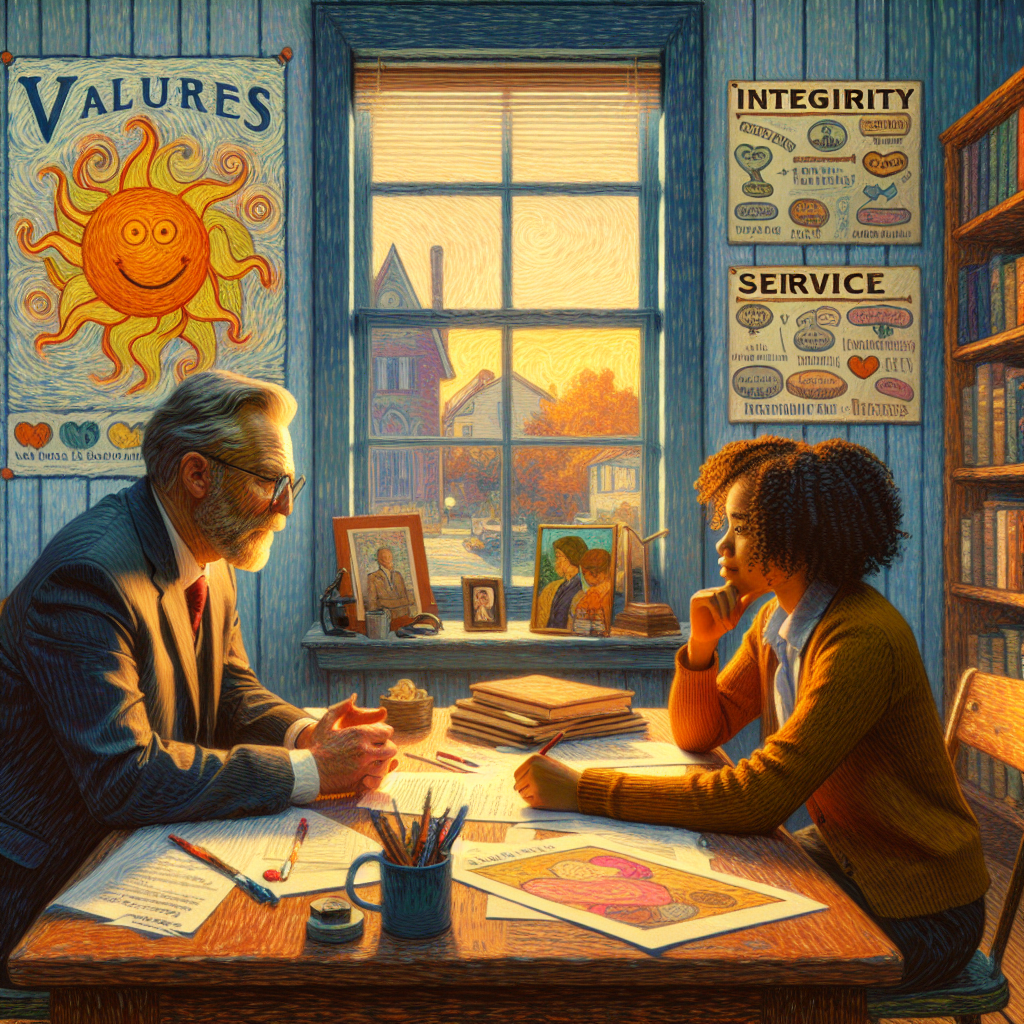
What Examples Of Legacy Work Have Inspired You Or Your Family?
What Examples Of Legacy Work Have Inspired You Or Your Family?
- Legacy work serves as a profound testament to our lives, choices, and paths.
- Family quilts symbolize interconnectedness, weaving stories and memories across generations.
- Documenting family heritage fosters curiosity and pride, bridging connections to the past.
- Every family has legacy stories that shape identities and moral values.
- Well-told legacy stories can inspire future generations and guide decision-making.
- Conversations about legacy strengthen community ties and foster shared experiences.
- Crafters of legacy narratives can ignite inspiration for future generations.

What Examples Of Legacy Work Have Inspired You Or Your Family?
What Values Do You Want Your Family To Remember You For?
When we consider the values we want our family to remember us for, we unveil the essence of our legacy. Legacy isn’t just about what we leave behind in terms of possessions; it’s about the stories and principles we instill in those we love. This idea of legacy storytelling is powerful—each moment spent sharing our beliefs, challenges, and joys can become an everlasting thread lovingly woven into the fabric of our family’s history.
Think back to the stories your elders told you—those moments often linger, not because they were perfect, but because they were real. They spoke of hard work, perseverance, kindness, and courage. Those stories shaped their lives and they can shape ours too, especially when we choose to pass down these values to our children. Whether it’s the importance of honesty, the strength in vulnerability, or the courage to stand up for what is right, these principles are what family members will carry forward long after we’re gone.
There’s an undeniable pull towards authenticity in our lives. People crave real connections, and when taught through examples, values resonate on a deeper level. What do you want your family to carry in their hearts? A commitment to integrity? A spirit of service? The fortitude to face challenges head-on? These aren’t just lofty ideas—they are actionable legacies.
Ethically, we know that leading by example is far more impactful than preaching ideals. Demonstrate these values in your daily life, and your family will absorb them almost organically. Share tales of struggles that shaped you, not just triumphs. Show them the grit it takes to get up when life knocks you down. Be transparent about your failures and how they fueled your growth.
Socially, fostering a family culture that values open dialogue can enrich relationships. Encourage discussions around what matters most. In this exchange of ideas, you enable everyone to contribute to the family narrative, ensuring that the values shared today become the guiding principles for generations to come.
Remember, our legacy isn’t merely what we achieve; it’s the heartbeat of our family that continues to echo through time—pulsing with the values and stories we choose to pass on. What will your family say about you? What stories will they tell? Let’s ensure they are the ones that fill them with pride, strength, and love.

What Values Do You Want Your Family To Remember You For?
What Values Do You Want Your Family To Remember You For?
- Legacy is about instilling stories and principles, not just possessions.
- Sharing beliefs, challenges, and joys creates lasting memories in family history.
- Stories from elders shape values like hard work, perseverance, and kindness.
- Real connections through authenticity resonate deeper and influence family values.
- Leading by example is more effective than just preaching values.
- Fostering open dialogue enriches relationships and strengthens family narratives.
- Our legacy reflects the values and stories that will echo through generations.

What Values Do You Want Your Family To Remember You For?
How Can You Inspire Your Family To Share Your Legacy Vision?
When it comes to inspiring your family to share your legacy vision, storytelling is the key that unlocks hearts and minds. Legacy storytelling isn’t just about passing down facts; it’s about crafting a narrative that resonates—one that intertwines your dreams, values, and experiences with their own futures. Picture this: You’re sitting around the table, the warmth of home embracing the air, and you begin to share your journey—the struggles, the triumphs, and the lessons learned along the way. These moments create an emotional tapestry that binds generations together.
Lead with your heart. Share not just what you want your legacy to be, but why it matters. Perhaps it’s a lesson learned through hardship or an insight gained from a moment of vulnerability. Engage your family by inviting them to see the world through your eyes. They’ll begin to grasp the importance of your legacy, which may soon become their own. This isn’t about imposing beliefs; it’s about fostering connections. Make it relatable. Everyone has faced challenges, and by sharing your stories of resilience, you invite them to recognize their own potential to overcome—both today and tomorrow.
Don’t forget the rational aspect that appeals to your family’s heads. Clearly articulate your vision and the “why” behind it. Discuss how your legacy can positively impact their lives, the community, and the world at large. When they understand the benefits, they’ll be more inclined to embrace and carry forward this vision. Establishing your credibility is crucial; draw from personal experiences, or look to respected mentors or family members who’ve walked a similar path. Their stories can inspire confidence and establish a sense of continuity across generations.
Finally, consider the social aspect. Encourage them to share their stories in return. The more they contribute, the more invested they will feel in this legacy. This two-way exchange not only fosters trust but also creates a vibrant family narrative rich with diverse perspectives. Let them know that this is not a solo endeavor but a collaborative journey toward a shared vision for the future.
Legacy storytelling becomes a communal act that resonates through laughter, tears, and shared dreams. By effectively engaging your family’s hearts and minds, you empower them to not just understand your vision but to live it, breath it, and most importantly, pass it on.

How Can You Inspire Your Family To Share Your Legacy Vision?
How Can You Inspire Your Family To Share Your Legacy Vision?
- Storytelling is essential for inspiring family members to share your legacy vision.
- Legacy storytelling mixes dreams, values, and experiences with family futures.
- Sharing personal journeys creates emotional connections across generations.
- Communicate the significance of your legacy, emphasizing lessons learned and insights gained.
- Clearly articulate your vision, highlighting its benefits to motivate family engagement.
- Encourage family members to share their own stories, fostering collaboration and trust.
- Legacy storytelling is a communal act that empowers families to live and pass on shared visions.

How Can You Inspire Your Family To Share Your Legacy Vision?
Conclusion
Legacy work is about weaving a narrative together, a tapestry enriched with stories and values that transcend generations. It’s more than just preserving memories; it’s about building connections that strengthen family bonds. So how do we get our loved ones on board with this essential journey of discovery and preservation? The answer lies in storytelling—an art form that’s as much about the heart as it is about the brain. Start a conversation, drawing in everyone from the teenage tech addict to the skeptical uncle. Frame this not as a chore, but as an opportunity to share laughter and learn from each other. Each anecdote, whether it’s a family cooking disaster or a summer road trip misadventure, creates the fibers that connect us, grounding future generations in their heritage.
When you share your vision, you spark the fire of connection. Explain why preserving your legacy is crucial for your children and grandchildren. It’s not about the money or material possessions, but the struggles and triumphs that shape your unique identity as a family. Help them understand the “why,” and watch as they become more invested in the “how.”
Don’t skip the rational side—discuss practical avenues, like archiving stories or recording them on video. These endeavors aren’t just sentimental fluff; they’re vital assets, providing wisdom and encouragement for those who come after. Ethically, remind them that every family has a legacy, whether intentional or not. Wouldn’t we prefer a well-crafted narrative that inspires rather than random snippets of disjointed memories?
Extend your storytelling to the wider circle of friends and family. Invite their contributions, creating a collective project that fosters deeper connections and emotional investment. This isn’t merely an exercise in nostalgia; it’s a path toward unity and understanding.
As you embark on this journey, recognize that it is not a sprint but a marathon, filled with shared moments of joy, contemplation, and sometimes even discomfort. Each conversation and shared story cements the bonds between you, ensuring that the true essence of your family’s narrative won’t fade away. So gather around, share your legacies, and breathe life into the stories that are waiting to be told. Everything you do now to nurture this legacy is not just for you. It reverberates through time—rippling outward, connecting hearts and souls for generations to come. In doing so, you create not just a legacy, but a living legacy—one that celebrates the past while enriching the future.

Conclusion
Conclusion:
- Legacy work involves weaving together narratives filled with stories and values that transcend generations.
- Storytelling is essential to this process, creating connections and strengthening family bonds.
- Encourage open conversations among family members of all ages to share memories and experiences.
- Highlight the importance of preserving legacy for future generations by focusing on individual and collective family identity.
- Discuss practical methods for archiving stories and recording them for posterity.
- Involve a broader circle of friends and family to foster deeper connections through collective storytelling.
- Understand that this journey is ongoing, nurturing a living legacy that connects hearts and enriches the future.

Conclusion
Other Resources

Other Resources
Here is a list of other resources you can review online to learn more:
- INELA
- FuneralWise
- Legacy
- Lexikin
- Afternote
- Digital Legacy Association
- How Has Time Changed The Cost Of Capturing Family Legacy Stories
- LegacyLearned
- LifeWeb 360
- Can Telling and Preserving Personal or Family Legacy Stories Be Therapeutic?
- LegacyFamilyTree
- LifeNaut
- Living Wisely
- Storyworth
- Remembered.com
- Is There A Need To Pay For Copyrighting Services For Personal Or Family Legacy Stories?
- deviantART
- AmericanAncestors
- APH
- DocuBank
Use This Prompt To Get More Resources With Your Favorite Online AI Tool: Please provide me with a list of online articles with their URLs in a bulleted list that I can read regarding How to Get Your Family on Board with Legacy Work

Other Resources
Glossary Terms
How to Get Your Family on Board with Legacy Work – Glossary Of Terms
1. Legacy: An inheritance or a lasting impact passed down through generations.
2. Family Engagement: The process of involving family members in decisions and activities related to legacy work.
3. Values: Core beliefs or principles that guide decisions and actions within a family.
4. Communication: The exchange of ideas, thoughts, and feelings among family members.
5. Storytelling: Sharing personal or family narratives to convey values and history.
6. Tradition: Practices or customs passed through generations that shape family identity.
7. Vision: A clear idea of what a family hopes to achieve through their legacy work.
8. Collaboration: Working together as a family to plan and execute legacy initiatives.
9. Timeline: A schedule or sequence of events planned to achieve legacy goals.
10. Mission Statement: A formal summary of the aims and values of a family’s legacy work.
11. Family Meetings: Gatherings specifically held to discuss and plan family matters, including legacy work.
12. Involvement: The participation of family members in legacy-related activities and decisions.
13. Mentorship: Guidance and support provided by experienced family members to newer generations.
14. Philanthropy: Charitable giving and community service as part of a family’s legacy.
15. Preservation: The act of maintaining and protecting family history and heritage.
16. Succession Planning: Preparing the next generation to take over family responsibilities and values.
17. Legacy Projects: Specific initiatives or activities that embody and promote family values.
18. Reflection: Looking back on family history to draw lessons and inspiration for the future.
19. Documentation: Recording family stories, values, and traditions for future generations.
20. Resilience: The ability of a family to adapt and thrive through challenges in legacy work.
21. Cultural Heritage: The traditions, customs, and artifacts that define a family’s identity.
22. Engagement Strategies: Approaches used to involve family members in legacy work effectively.
23. Consensus: General agreement among family members on important decisions.
24. Goal Setting: The process of defining specific objectives for legacy work.
25. Family Charters: Agreements outlining the values and expectations of family members.
26. Intergenerational Dialogue: Conversations that bridge the gap between different age groups in the family.
27. Family History: The recorded past of the family, including ancestors and key events.
28. Stewardship: The responsible management and care for family resources and values.
29. Commitment: The dedication shown by family members to the legacy work and its success.
30. Vision Mapping: Creating a visual representation of the family’s aspirations and plans for their legacy.

Glossary Of Terms
Other Questions
How to Get Your Family on Board with Legacy Work – Other Questions
If you wish to explore and discover more, consider looking for answers to these questions:
- What specific techniques can be used to initiate family discussions about legacy work?
- How can family members deal with resistance or skepticism towards legacy storytelling?
- What are some successful examples of family legacy projects?
- How can technology be utilized to enhance legacy work within families?
- What resources are available for families wanting to document their legacy?
- How can families address emotional challenges that arise during legacy discussions?
- What impact does legacy work have on younger generations compared to older generations?
- What role do traditions play in shaping a family’s legacy?
- How can legacy work foster a sense of belonging among family members?
- What common pitfalls should families avoid in legacy planning?
- How can storytelling be made engaging for younger family members?
- What are effective ways to document and preserve family stories for future generations?
- How can legacy work help heal rifts or tensions within a family?
- What are some creative ways families have celebrated their legacies?
- How can family members create a culture of legacy storytelling over time?

Other Questions
Haiku
How to Get Your Family on Board with Legacy Work – A Haiku
Stories weave our lives,
Threads of past and future blend—
Legacy in hearts.

Haiku
Poem
How to Get Your Family on Board with Legacy Work – A Poem
Gather round, beloved kin, let’s weave a tale,
Of legacy’s embrace, where memories prevail.
Not just treasures of gold, but values we share,
A tapestry of essence, woven with care.
In stories told softly, around tables set bright,
Laughter echoes through time, creating our light.
From childhood missteps to triumphs we’ve known,
Each moment a thread in the family we’ve grown.
Dig deep, dear hearts, into roots intertwined,
Through pain and through joy, in the stories we find.
An archive of wisdom, both fragile and bold,
Lessons of courage, resilience retold.
Connect with the past, and in doing, we teach,
The strength of our lineage is within every speech.
For every generation carries burdens anew,
It’s the tales of our struggles that bring courage too.
Invite the teens and the skeptics who roam,
Inherit their voices to breathe life in our home.
Through laughter and tears, let’s break down the walls,
In sharing our legacy, our family unites and calls.
Consider the duty that binds us as one,
Preserve what defines us, the battles we’ve won.
With open hearts, let’s chart this shared course,
Building bonds unyielding, drawing strength from our source.
So gather, dear family, and share what you hold,
The narratives rich, both the timid and bold.
Embrace the discomfort, seek truths from the past,
For in every shared story, our love will forever last.

Poem
Checklist
How to Get Your Family on Board with Legacy Work – A Checklist
Family Legacy Work Checklist
Emotional Appeals
_____ Identify Cherished Memories: Reflect on personal and family stories that evoke strong emotions and values.
_____ Share Personal Stories: Create opportunities for family members to share their unique experiences and anecdotes during gatherings.
Rational Appeals
_____ Discuss Legacy Benefits: Explain the tangible benefits of legacy work, such as preserving family history and providing life lessons for future generations.
_____ Create Practical Action Steps: Outline steps like creating a family archive or documenting stories that can be easily executed.
Ethical Appeals
_____ Foster Responsibility: Encourage family members to recognize the ethical obligation to pass down family values and lessons learned.
_____ Promote Transparency: Emphasize the importance of honesty in discussing legacies and openly sharing past struggles and successes.
Authority Appeals
_____ Seek Guidance: Look to respected family figures or mentors who embody the legacy values you want to instill.
_____ Share Inspirational Examples: Highlight successful legacy initiatives from other families or well-known figures to serve as models.
Narrative Appeals
_____ Craft a Shared Narrative: Work together to create a family story that incorporates everyone’s perspectives, memories, and wishes for the future.
_____ Encourage Storytelling Traditions: Establish regular family events focused on storytelling to strengthen connections and foster a sense of belonging.
Social Appeals
_____ Inclusive Participation: Invite all family members, including distant relatives, to contribute to the legacy project for a sense of community.
_____ Collaborate on Legacy Projects: Engage in activities like scrapbooking, creating digital archives, or having family interviews that enhance connection.
Motivation to Engage
_____ Start Conversations: Initiate discussions about personal legacies and how they can shape collective family narratives.
_____ Celebrate Contributions: Acknowledge and celebrate each family member’s contributions to maintain motivation and enthusiasm in the legacy work.
Using this checklist, families can foster deeper connections, document their legacies, and ensure the values they cherish are preserved for future generations.

Checklist
At LegacyExplorations, we help people plan and explore their legacy by collecting information and news regarding end-of-life planning.
Please share this post with your friends, family, or business associates who may want help to plan or explore their legacy.