

Preserving Online Legacies: Memorializing Social Media
By Tom Seest
At LegacyExplorations, we help people plan and explore their legacy by collecting information and news regarding end-of-life planning.
Please share this post with your friends, family, or business associates who may want help to plan or explore their legacy.
How to Memorialize Social Media Accounts?
In a world where our digital lives often feel as real as the air we breathe, the thought of losing those accounts can be daunting. Social media is like a scrapbook of our lives, capturing milestones big and small—birthdays, weddings, adventures, and even the mundane moments that make us who we are. When the inevitable happens and a loved one passes away, it can be important to honor their memory in these digital spaces. So, how do we navigate the sometimes murky waters of memorializing social media accounts? Let’s dig in.
First things first, familiarizing yourself with each platform’s memorialization process is key. Facebook, for instance, allows you to turn a profile into a memorial page, which preserves the timeline and makes it a place for friends and family to remember and share memories. Simply gather documentation—like a death certificate or an obituary—and submit it through their memorialization form. It’s straightforward enough, just like following a recipe; gather your ingredients and mix them together properly.
Instagram takes a slightly different approach. While they don’t offer a full memorialization option, you can request that they remove a deceased user’s account altogether or turn it into a private memorial if you provide sufficient proof. This ensures that only approved friends and family can view photos and posts, keeping those memories safe yet still private. Think of it as building a cozy lodge in the woods where only close friends are invited—the stories they share remain cherished, while others can’t intrude.
Now, Twitter is a whole other ballgame. Their policy allows you to request the deactivation of an account by providing relevant documentation. They don’t offer memorial accounts like Facebook, but it can still be meaningful to preserve those tweets that brought laughter or wisdom. After all, those 280 characters might just capture the essence of someone’s spirit.
Lastly, don’t forget about legacy contacts for other platforms such as Google or Apple. These services allow individuals to designate a legacy contact who can access their accounts after they’re gone. It’s akin to appointing a responsible friend to look after your house while you’re away—making sure nothing valuable is lost or forgotten.
Honor the journey and the stories shared. Memorializing social media accounts isn’t just about preserving posts; it’s about keeping the spirit of our loved ones alive in the digital realm. A little effort can ensure that their memory continues to resonate, giving us all a place to reflect, reminisce, and celebrate the lives we shared. So roll up those sleeves—it’s time to keep the memory alive.

How to Memorialize Social Media Accounts?
How to Memorialize Social Media Accounts?
- Social media serves as a scrapbook of life, capturing important milestones and everyday moments.
- Memorializing accounts can honor the memory of a loved one after they pass away.
- Familiarize yourself with each social media platform’s memorialization process.
- Facebook allows profiles to be turned into memorial pages with proper documentation.
- Instagram does not offer full memorialization, but accounts can be removed or converted to private memorials with proof.
- Twitter allows account deactivation through documentation, but does not offer memorial accounts.
- Other services like Google and Apple allow designation of legacy contacts to manage accounts posthumously.

How to Memorialize Social Media Accounts?
Table Of Contents
- How to Memorialize Social Media Accounts?
- How Do I Memorialize A Facebook Account?
- What Is The Process For Instagram?
- Can I Request Memorialization On Twitter?
- How Does Memorialization Work On Linkedin?
- What Happens To Messages After Memorialization?
- Are There Restrictions On Memorialized Accounts?
- Can I Delete A Memorialized Account Later?
- What Information Is Needed For Memorialization?
- How Can I Access A Memorialized Account?
- Is Memorialization Available For All Platforms?
- What Can Friends And Family Do With A Memorialized Account?
- How Long Does The Memorialization Process Take?
- What Effect Does Memorialization Have On Privacy?
- Can I Specify Who Can See The Memorialized Account?
- Are There Any Costs Associated With Memorializing?
- Conclusion
- Other Resources
- Glossary Of Terms
- Other Questions
- Haiku
- Poem
- Checklist
How Do I Memorialize A Facebook Account?
When someone we love passes away, the world can feel a little less bright, a little less connected. Social media, with all its quirks and complexities, often serves as a digital reflection of our lives, capturing moments, thoughts, and milestones. Facebook, one of the biggest players in this digital arena, allows us to memorialize the accounts of our departed loved ones, a gesture that can help commemorate a life lived while providing a space for friends and family to come together in remembrance.
So, how do you go about memorializing a Facebook account? Picture yourself standing at a crossroads of nostalgia and grief, with the flickering light of your loved one’s digital presence beckoning you forward. First off, you’ll want to gather some essential information. To memorialize an account, you’ll need to compile the deceased person’s name, the URL of their Facebook profile, and, if possible, their date of death. This last detail isn’t just a formality; it unlocks the door to this digital sanctum and gives you the ability to create a space for remembrance.
Next, head over to Facebook’s Help Center. There, you’ll find the designated form for memorialization requests. Fill that out with all the information you’ve gathered, and don’t forget to breathe. While it can feel heavy to navigate this process, remember that you’re about to create a lasting tribute, a digital place where memories can flourish. Once submitted, Facebook will review the details, so patience is the name of the game. They often prioritize requests, understanding the significance of this situation.
Once the account is memorialized, it will be marked with the word “Remembering” alongside the individual’s name, allowing friends to share memories while ensuring that the page does not serve as a platform for new advertisements or engagements. Important posts can be pinned, and friends can leave comments, sharing stories or reflecting on their shared experiences, creating a digital quilt of memories that showcases the essence of the person.
Memorializing a Facebook account isn’t just a way to mark the passing of someone; it’s about celebrating their life, keeping their memory alive in a community that knows their story. In a world that often moves too fast, and too far from the moments that matter, this small act can carry profound meaning, reminding us all of the connections we’ve forged, both online and off.
How Do I Memorialize A Facebook Account?
How Do I Memorialize A Facebook Account?
- Loss of a loved one can leave the world feeling dimmer and less connected.
- Social media, especially Facebook, helps memorialize deceased loved ones, creating spaces for remembrance.
- Gather essential information: the deceased’s name, Facebook profile URL, and date of death for memorialization.
- Submit a memorialization request through Facebook’s Help Center to create a lasting tribute.
- Memorialized accounts are marked “Remembering,” allowing for shared memories without new ads or engagements.
- Friends can leave comments and share stories, creating a collective memory of the individual.
- Memorializing is about celebrating a life and preserving connections in a fast-moving world.
How Do I Memorialize A Facebook Account?
What Is The Process For Instagram?
Ah, Instagram—a platform that has transformed how we share our lives, one photo at a time. But have you ever wondered what goes on behind the scenes of this ubiquitous app? Let’s dig into the nitty-gritty, peeling back the curtain to understand the process that brings those perfectly filtered snapshots and endless scrolls to our fingertips.
First things first, let’s set the stage. When you open up Instagram, you’re greeted by an interface that’s designed to entice and engage. But this user-friendly experience is built on layers of sophisticated technology and design. Behind every swipe is a meticulously crafted blend of code and algorithms, all working tirelessly to personalize your feed and keep you coming back for more.
The journey begins the moment you hit “upload.” Your photo or video is compressed and optimized—think of it as giving your content a good haircut before sending it out into the world. This ensures that what you see on your screen looks as good as it can. But that’s just the tip of the iceberg; once your content hits the servers, the magic truly starts. Instagram’s tools analyze your post, examining every detail from hashtags to geolocation. This helps determine whom to show it to and when—because, let’s face it, there’s a method to the madness of social media.
Now, let’s talk about the community aspect. You’re not just tossing your pictures into the void; you’re engaging with a vast ocean of users. This interaction feeds back into Instagram’s complex algorithm. Likes, comments, and shares are all data points that help the platform refine what you see in your feed. The more you engage, the more tailored your experience becomes. It’s like a dance, with every participant influencing the rhythm.
Then there are the creators, the influencers, and the brands that use the platform to showcase their work. They’re not just posting; they’re strategizing. Content creation involves understanding what resonates with followers, which trends to hop on, and how to leverage analytics to reach wider audiences. It’s hard work, but it pays off in clicks, likes, and, ultimately, a spot in the ever-coveted “Explore” section.
So, whether you’re a casual user or a social media mogul, understand this: Instagram is a well-oiled machine, designed to captivate, entertain, and connect. The next time you scroll through your feed, remember there’s a whole world of processes working tirelessly to bring those moments to life.

What Is The Process For Instagram?
What Is The Process For Instagram?
- Instagram has transformed the way we share our lives through photos and videos.
- The user-friendly interface is supported by complex technology and algorithms.
- When a user uploads content, it is compressed and optimized for visual appeal.
- Instagram analyzes posts using details like hashtags and geolocation to determine audience engagement.
- User interactions such as likes and comments influence the platform’s algorithm, tailoring the feed experience.
- Creators and brands strategize their content to resonate with followers and maximize reach.
- Instagram operates as an intricate system to captivate and connect users through meticulously crafted processes.

What Is The Process For Instagram?
Can I Request Memorialization On Twitter?
So, you’ve found yourself in a situation that nobody ever wants to think about: a loved one has passed away, and now you’re left wondering how to handle their digital presence. In this age we live in, social media holds a piece of our lives, and it’s not easy to see that digital footprint just hanging around after someone is gone. A common question that arises is, “Can I request memorialization on Twitter?”
Let’s break it down. Memorialization on Twitter is a formal way to honor the account of someone who has died. It’s Twitter’s way of keeping a user’s memory alive while transforming their profile into a serene space where followers can still engage with the past. Unlike other platforms that might let you ride off into the sunset without much fuss, Twitter has a process in place.
First off, it’s important to note that only an immediate family member or a verified representative of the deceased can request this memorialization. So, if you’re looking to make this happen, ensure you have the right credentials and relationships in place. The process begins with filling out a form on Twitter’s Help Center. It might sound a bit formal, but it’s just their way of making sure that the person in charge actually has a legitimate connection to the deceased.
Now, as you gather the necessary information, be prepared to share proof of death, like a death certificate or an obituary. Twitter takes these matters seriously, and they want to honor the memory without causing any unnecessary distress. Remember, they’re trying to keep it respectful, so a bit of patience and attention to detail go a long way here.
Once you submit your request, you can expect a waiting period. This is the part where you might find your knuckles turning white, tapping impatiently while wondering if your submission is lost in the ether. But hang tight; Twitter will review the request and make a decision based on their guidelines.
If approved, the account will be transformed into a memorial account where it will no longer appear in public Twitter searches or trends, and the person’s tweets will still be accessible for followers and friends. It’s a somber step towards preserving a loved one’s legacy in a digital age, and it’s one that can provide comfort to those left behind. So yes, you can indeed request memorialization on Twitter, and it’s one of the steps we can take to keep the memories alive in a world that too often focuses on the fleeting.
Can I Request Memorialization On Twitter?
Can I Request Memorialization On Twitter?
- Dealing with a loved one’s digital presence after their passing can be challenging.
- Twitter offers a formal memorialization process to honor deceased users’ accounts.
- Only immediate family members or verified representatives can request memorialization.
- The memorialization request begins with filling out a form on Twitter’s Help Center.
- Proof of death, such as a death certificate or obituary, is required for the request.
- There is a review period after submission where Twitter evaluates the request.
- If approved, the account becomes a memorial account, preserving the user’s tweets but removing them from public searches.
Can I Request Memorialization On Twitter?
How Does Memorialization Work On Linkedin?
In the digital age, where our lives are often etched in pixels and online profiles become our professional fingerprints, it’s crucial to understand what happens to those impressions when life takes its unexpected turns. LinkedIn, the leading platform for professional networking, has a sensitive process for handling the profiles of members who have passed away. This is known as memorialization, and it’s both a respectful tribute and a practical tool for networks in mourning.
So, how does this whole process work? When someone passes, there’s a need for the memories they created online to be preserved while ensuring their network can navigate the digital landscape smoothly. LinkedIn’s memorialization transforms the deceased’s profile into a space that honors their legacy while restricting certain activities to protect the integrity of their account.
First off, memorialization cannot be initiated by just anyone; it typically requires a family member or a close associate to report the profile. This important step ensures that those closest to the individual can take charge of the situation. Once a request is made, LinkedIn reviews it thoroughly. They may ask for verification, like a death certificate or another form of documentation, to maintain the privacy and dignity of the deceased and those who knew them.
Once memorialized, the profile retains its content—like endorsements, recommendations, and connections—so that colleagues and friends can share their experiences and memories. However, the platform alters the profile’s visibility. For instance, the profile cannot be accessed for edits or updates, diminishing the chance of misinformation or unwanted changes. It also restricts certain features, such as messaging and connecting with new users. This meticulous approach serves to protect the departed’s professional narrative while allowing their connections to reflect and remember.
Beyond the technicalities, memorialization serves as a crucial part of the grieving process. It becomes a digital shrine where people can leave tributes, share stories, and celebrate the individual’s achievements. For many, it’s a reminder that even in the online world, we are all part of a larger community—one where our professional journeys remain intertwined long after we’ve clocked out for the last time.
So, when you think about it, LinkedIn’s approach to memorialization isn’t just about handling user accounts; it’s about acknowledging the bonds we forge in our careers and the indelible mark we leave behind. In an era where connections matter more than ever, it’s a poignant reminder of the humanity behind the profiles.

How Does Memorialization Work On Linkedin?
How Does Memorialization Work On Linkedin?
- LinkedIn has a sensitive process for handling the profiles of deceased members, known as memorialization.
- Memorialization preserves the memories and legacy of the deceased while allowing their network to navigate their digital presence.
- A family member or close associate must typically initiate the memorialization process by reporting the profile.
- LinkedIn reviews requests for memorialization and may require documentation like a death certificate for verification.
- Once memorialized, a profile’s content remains intact, but certain features like editing, messaging, and connecting with new users are restricted.
- Memorialized profiles serve as digital shrines where people can tribute and celebrate the individual’s life and achievements.
- LinkedIn’s approach to memorialization emphasizes the ongoing bonds formed during professional journeys and the humanity behind online profiles.
How Does Memorialization Work On Linkedin?
What Happens To Messages After Memorialization?
In a world glued to our smartphones, messages have become modern-day artifacts—glimpses into our lives, our thoughts, and our relationships. When someone passes away, their online presence endures, leaving a digital ghost; this is especially true for platforms that allow for the memorialization of accounts. So, what happens to those messages once an account is put on ice? Let’s shed some light on this digital dilemma.
When a social media account gets memorialized, it’s like wrapping everything in bubble wrap. The account remains accessible for all who knew the person, but it’s swathed in a layer of reverence; no one can log in with the deceased’s credentials anymore. Messages and posts won’t go poof into thin air, but the nature of how they’re accessed shifts dramatically. Friends and family can still scroll through cherished memories—the snapshots, the inside jokes, the words of wisdom—but interactions become a one-way street. You can reminisce, but you can’t reply.
The direct messages, however? That’s where things get sticky. Depending on the platform, those personal conversations often vanish into the ether, lost forever. For example, with many services, direct messages aren’t included in the memorialization process—once the account is marked, those private chats may either disappear or become inaccessible to all but the platform itself. It’s as if a door closes, leaving behind nothing but echoes of unspoken words.
What about those poignant messages that offered comfort, laughter, or insight? In some cases, these treasures survive, but their legacies bear no chance for further dialogue. Friends and family can still retrieve them; they’re like a well-oiled time capsule trapping memories in their prime. The irony? Even as we try to remember and celebrate the life of a loved one, technology has its limitations. This balancing act between nostalgia and accessibility leaves many scratching their heads—do we preserve or forget?
Ultimately, memorialization lends a delicate touch to our digital interactions, allowing us to hold onto memories in this fast-paced virtual world. Yet, as we navigate this landscape of remembrance, it’s vital to understand that, while memories may linger, the conversations we once had are often lost to the unyielding march of time and technology.

What Happens To Messages After Memorialization?
What Happens To Messages After Memorialization?
- Messages are viewed as modern artifacts reflecting our lives and relationships.
- Upon memorialization, social media accounts become inaccessible for direct login, preserving accessibility while preventing interaction.
- Friends and family can still view posts and memories, but replies and interactions are no longer possible.
- Direct messages often disappear or become inaccessible after an account is memorialized, depending on the platform.
- Some poignant messages may remain accessible, acting as a time capsule of memories but without the possibility for further conversation.
- The process raises questions about preserving memories versus allowing for ongoing dialogue as technology imposes limitations.
- Memorialization allows for remembrance in a fast-paced digital world, but many conversations are lost to time and technology.

What Happens To Messages After Memorialization?
Are There Restrictions On Memorialized Accounts?
When it comes to memorialized accounts, navigating the rules can feel like trying to find a needle in a haystack. These digital tributes, set up after the passing of a loved one, serve as a poignant reminder of their life. However, they come with their own set of guidelines that can limit how friends and family interact with these spaces.
First and foremost, it’s important to understand that memorialized accounts are not like typical profiles. Think of them as a serene park bench in a bustling city—their purpose is to be a reflective space, not a playground. When a social media account is memorialized, it acknowledges the owner’s death, but it doesn’t mean the account becomes a hub for activity. Many platforms restrict the ability to log into these accounts. Only close family members, often verified through a formal process, can manage these pages. This ensures that the intent behind the memorialization remains intact: to honor, remember, and reflect rather than to engage in the kind of everyday chatter that might have filled the account before.
Moreover, while some features might be available, others are explicitly turned off. For instance, most platforms restrict messaging capabilities and limit the ability to post on the timeline. This cultivates a respectful environment, where people can visit the account to leave messages and memories, rather than having the account transform into a lively chat room.
Another key restriction involves privacy settings. These accounts are often locked down tighter than a drum, meaning that unless you’re connected with the deceased or have the right permissions, you might not be able to see much at all. It’s a far cry from the vibrant interactions that once characterized the profile, but it’s a necessary safeguard to ensure that the memories and moments captured are treated with the care they deserve.
In sum, while memorialized accounts serve an essential role in helping us grieve and celebrate lives lost, they come with restrictions that promote the space’s integrity. These limits remind us that, in the digital age, even our memories deserve to be protected—like a carefully curated photo album, visited only by those who cherish what it contains. So next time you’re browsing through a memorialized account, take a moment to consider the delicate balance of remembrance and privacy at play.

Are There Restrictions On Memorialized Accounts?
Are There Restrictions On Memorialized Accounts?
- Memorialized accounts serve as digital tributes after a loved one’s passing.
- These accounts are designed for reflection, not for regular social interaction.
- Only close family members can manage memorialized accounts, maintaining the space’s intent.
- Messaging capabilities and posting on timelines are often restricted to ensure a respectful environment.
- Privacy settings are usually very tight, limiting visibility to a select few.
- Restrictions on these accounts protect the integrity of memories and moments shared.
- These guidelines promote a balance between remembrance and privacy in the digital age.

Are There Restrictions On Memorialized Accounts?
Can I Delete A Memorialized Account Later?
When it comes to memorialized accounts on social media platforms, navigating the emotional terrain can feel as tangled as a backcountry trail. After all, these digital legacies serve a significant purpose—allowing friends and family to remember and celebrate the lives of their loved ones. But what happens when the grief starts to fade, or when the memories shift from poignant to painful? Can you hit the delete button on a memorialized account later? Let’s dig into that.
First things first: not every platform handles memorialization the same way. Facebook, for instance, offers a way to turn a regular account into a “memorialized” one when a user passes away. This means that their profile transforms into a space where people can share memories, post tributes, and keep the spirit of that person alive—at least in the virtual sense. However, what if those memories feel more like an anchor than a comforting breeze after a while? The good news is that you have options.
While you can’t delete a memorialized account yourself, you can request that it be removed entirely. This process often involves reaching out to the platform’s support team or submitting a form that verifies your relationship to the deceased. Just be prepared—this might take some time. For many, taking this step is akin to clearing out an attic filled with memories: a bit daunting but ultimately necessary for moving forward.
Moreover, it’s vital to consider the emotional impact of your decision. Deleting a memorialized account doesn’t erase the memories or love you shared; it merely alters the way they live online. For some, this action represents healing—a way to reclaim their space in the digital world. For others, it might feel like they’re shutting a door that should remain ajar. As with so many things in life, there’s no one-size-fits-all answer.
So, if you find yourself weighing the option of deleting a memorialized account, take a moment to reflect. Gather your family or friends who might also have a stake in this decision, and discuss what feels right to everyone involved. After all, the journey through grief is as personal as it is shared, and sometimes it takes a village to decide how to best honor a cherished life. Whether you choose to preserve or remove that digital monument, remember—there’s no wrong way to love someone you’ve lost.

Can I Delete A Memorialized Account Later?
Can I Delete A Memorialized Account Later?
- Navigating memorialized accounts on social media can be emotionally complex for friends and family.
- These digital legacies allow users to remember and celebrate the lives of loved ones.
- Different platforms handle memorialization differently; Facebook transforms regular accounts to memorialized ones.
- Memorialized accounts can become burdensome over time, prompting considerations for deletion.
- While you can’t delete a memorialized account yourself, you can request its removal through the platform’s support.
- Deleting an account can represent healing, but it may also feel emotionally challenging for some.
- It’s important to reflect and involve family or friends in the decision to honor a loved one appropriately.

Can I Delete A Memorialized Account Later?
What Information Is Needed For Memorialization?
When it comes to memorialization, the devil is in the details. Capturing the essence of a life well-lived requires more than just dates and names. If done thoughtfully, the process can create a lasting tribute that resonates with those left behind. So, what information do you really need to make it meaningful? Let’s break it down.
First and foremost, you’ll want the basic facts: full name, date of birth, and date of death. Simple, right? But don’t stop there. The piece of paper might be a little bare if you neglect to include a brief biography. Think of it as the highlights reel of a person’s journey. When did they achieve that dream job? What were their passions? Did they play the accordion, volunteer at the local soup kitchen, or have an animated love for cats? This is where you capture the quirks and qualities that made them unique. It’s the spirit of the individual that brings the memorial to life.
Next, consider the relationships that mattered to them. Were they a beloved parent, a cherished friend, or the neighborhood ace at barbecuing? Including significant family members and friendships adds layers to the story. You can also touch on how they impacted the lives of those around them. Did they have a knack for making everyone laugh, or were they the go-to for advice during tough times? Personal anecdotes are the heart and soul of a memorial.
Additionally, reflect on their interests and hobbies. You might uncover hidden gems that paint a fuller picture. Whether they were passionate about gardening, had a sweet tooth for chocolate, or spent hours enthralled by classic literature, every little detail can help define their legacy.
Finally, don’t forget about any memorial wishes the individual expressed. Did they want a specific song played, a favorite place remembered, or a charity in lieu of flowers? This is vital; it honors their preferences and makes the memorial feel personal and intentional.
Memorialization is less about what you include and more about how you encapsulate a life. It’s about creating a narrative that resonates, making memories tangible, and ensuring that the person’s story lives on in the hearts of those who loved them. So gather those details and create a tribute that doesn’t just fill space but fills hearts.

What Information Is Needed For Memorialization?
What Information Is Needed For Memorialization?
- Memorialization requires capturing the essence of a life beyond just dates and names.
- Include basic facts: full name, date of birth, and date of death.
- Add a brief biography highlighting key achievements, passions, and personal quirks.
- Incorporate significant relationships and how the individual impacted the lives of others.
- Reflect on their interests and hobbies to provide a fuller picture of their life.
- Honor any expressed memorial wishes, such as songs, favorite places, or charitable contributions.
- Create a narrative that resonates, ensuring the individual’s story lives on in the hearts of loved ones.

What Information Is Needed For Memorialization?
How Can I Access A Memorialized Account?
Navigating the world of social media can be a bit like wandering through a dense forest with no map, especially when it comes to the somber task of accessing a memorialized account. If you find yourself in this position, let me assure you—you’re not alone, and there’s a pathway through the thicket.
First and foremost, it’s important to understand what a memorialized account is. When someone passes away, their social media accounts may be transformed into memorialized accounts. This means their profile remains active, with content preserved for loved ones to cherish, while ensuring that no new activity can occur. It’s a solemn digital tribute, but accessing it requires the right steps to honor that memory.
To start your journey, you’ll want to know which platform you’re dealing with. Each social media giant, whether it’s Facebook, Instagram, or Twitter, has its own set of rules surrounding memorialized accounts. Don’t let the nuances overwhelm you; the key is to stay focused and patient. For instance, Facebook allows verified family members or close friends to access the account for specific purposes, like commemorating the deceased or managing posts. The first step is usually a tapped finger on that “Help Center” or the equivalent—don’t skimp on reading the fine print.
Proving your relationship to the deceased is a crucial juncture in this process. You might need to provide documentation, such as a death certificate, and fill out some forms that will help authenticate your claim. It feels a bit like a gatekeeper scenario, but remember: this is about honoring a life lived, so take it seriously.
Once you’ve successfully navigated the labyrinth of forms and proofs, you may gain access to the account, allowing you to share memories, manage messages, or simply reflect on the photos and moments preserved in time. It’s a bittersweet experience, one that can stir a whirlwind of emotions.
If the account belongs to someone who didn’t set any plans in motion before their passing—say, no designated legacy contact—you might face more challenges. In such cases, platforms often have procedures to follow, leaning heavily on legal verification.
Accessing a memorialized account isn’t just about logging in; it’s about connecting with memories, honoring a person’s legacy, and finding comfort in shared moments. Approach it with grace and patience, and you just might find that pathway a little clearer.

How Can I Access A Memorialized Account?
How Can I Access A Memorialized Account?
- A memorialized account preserves the digital presence of a deceased person for loved ones to cherish.
- Each social media platform, like Facebook, Instagram, and Twitter, has specific rules about accessing memorialized accounts.
- Facebook allows verified family members or close friends to access memorialized accounts for certain purposes.
- Proving your relationship to the deceased often requires documentation, such as a death certificate.
- Successfully gaining access allows for sharing memories and reflecting on preserved moments.
- Access may be more challenging if no legacy contact was designated by the deceased, requiring legal verification.
- Approaching the process with grace and patience is essential for honoring a person’s legacy.

How Can I Access A Memorialized Account?
Is Memorialization Available For All Platforms?
In today’s digital landscape, it feels like every app, service, and social network has a feature that lets you share a memory, and much like a well-worn pair of boots, some platforms have been around long enough to know the value of revisiting the past. But let’s get real for a moment: not every platform offers memorialization capabilities, and those that do aren’t created equal.
First off, let’s define what we mean by “memorialization.” This isn’t just about hitting the pause button on a social profile when someone passes away; it’s a way to honor their memory, preserve their online legacy, and allow friends and family to keep the connection alive—albeit in a different form. Facebook, for example, has fine-tuned this process. When a user dies, their account can be turned into a memorialized account, allowing friends to leave messages and share memories. You’ll find this feature used like an old photo album, where people can come and reflect, share, and sometimes even laugh, all while celebrating a life well-lived.
Contrastingly, platforms like Twitter don’t have a specific way to memorialize accounts. When someone passes, the account remains, but it’s treated with a bit more indifference. Users can continue to view tweets, but it feels a bit like peeking through the window at an old home where no one resides anymore. You can find the echoes of someone’s voice without the warmth of those heartfelt tributes floating around.
Then you have Instagram, which operates similarly. If an account isn’t removed, the pictures remain. Friends can comment, reminisce, and relive memories through snapshots—the digital equivalent of an online scrapbook. However, without a dedicated way to memorialize those accounts, the experience can feel somewhat incomplete. The photos might be there, but where’s the sense of community or the more profound collective grieving?
And what about newer platforms, like TikTok? It’s a wild ride of creative expression, but there’s no formalized approach for commemorating users. It’s as if the ephemeral nature of TikTok doesn’t lend itself well to the concept of lasting memories. Once a creator is gone, their content may simply fade away into the algorithm’s abyss.
In summary, memorialization isn’t universally available across all platforms, and the approaches vary widely. It’s essential to consider how these digital spaces can both honor and forget, capturing lives in a way that resonates—or doesn’t—with those left behind.
Is Memorialization Available For All Platforms?
Is Memorialization Available For All Platforms?
- Many digital platforms now have features that allow users to share memories.
- Memorialization is about honoring someone’s memory and preserving their online legacy.
- Facebook has a specific process for memorializing accounts, allowing friends to leave messages and share memories.
- Twitter lacks dedicated memorialization, treating accounts of deceased users with indifference.
- Instagram allows for remembrance through photos, but lacks a formal memorialization feature.
- TikTok does not have a standardized way to commemorate users, reflecting its ephemeral nature.
- The availability and effectiveness of memorialization vary significantly across different platforms.

Is Memorialization Available For All Platforms?
What Can Friends And Family Do With A Memorialized Account?
When a loved one passes away, the digital landscape doesn’t just go quiet. Instead, their social media accounts often linger, like echoes in an empty room. For the family and friends of the deceased, these memorialized accounts become unique spaces for connection, reflection, and sometimes, even a bit of catharsis. So, what can we actually do with these digital altars?
First and foremost, memorialized accounts act as a virtual gathering place. Friends and family can share memories, anecdotes, and tributes to celebrate the life of the departed. It’s like a digital memory book, where each comment and photo shared offers a glimpse into who the person was—a snapshot of their laughter, passions, and moments of sheer joy. This collective storytelling can be a powerful part of the grieving process, allowing loved ones to reminisce and comfort each other in shared loss.
For those feeling the bite of grief, these accounts allow for expressions that might otherwise go unsaid. Here, one can pour out heartache in the form of messages and comments that linger for others to see. Maybe you want to reminisce about the good times or just say how deeply you miss them. There’s a raw honesty in these messages that can unite friends and family, reminding everyone that they’re not alone in their sorrow.
But it’s not just about saying goodbye; it’s also about keeping the spirit alive. People can continue to post on their loved one’s account, sharing milestones—birthdays, anniversaries, or even those little everyday victories—while tagging the departed with heartfelt notes. This is a way to ensure that their memory remains a part of our lives, woven into the fabric of our experiences.
Another practical side of these memorialized accounts is safeguarding the legacies of the deceased. Friends and family can manage the privacy settings of the memorialized account, controlling who can see the profile and what can be posted. This ensures that the memory of the loved one is protected while still allowing for shared moments to flourish.
Lastly, it’s worth noting that while these accounts provide a space for community and healing, they also serve as a reminder of life’s ephemeral nature. In a world that often feels disconnected, memorialized accounts can bring people together, reminding us of the bonds we share, both online and off. So take a moment, reflect, connect, and celebrate those who’ve touched our lives. After all, everyone deserves to be remembered.

What Can Friends And Family Do With A Memorialized Account?
What Can Friends And Family Do With A Memorialized Account?
- Memorialized social media accounts serve as virtual gathering places for friends and family after a loved one passes away.
- These accounts facilitate shared memories, anecdotes, and tributes, creating a digital memory book that reflects the person’s life.
- The accounts allow expressions of grief and longing, providing a platform for heartfelt messages and support among loved ones.
- Continuing to post on the memorialized account keeps the spirit of the deceased alive, celebrating milestones and everyday victories.
- Friends and family can manage privacy settings to protect the legacy of the deceased while still fostering shared moments.
- Memorialized accounts remind us of life’s fleeting nature and can create a sense of community and connection during times of loss.
- These digital altars encourage reflection, connection, and remembrance, ensuring that loved ones are honored and cherished.

What Can Friends And Family Do With A Memorialized Account?
How Long Does The Memorialization Process Take?
When it comes to commemorating a life, there’s no telling how long it might take. The memorialization process weaves together a tapestry of emotions, logistics, and personal reflections, all of which play a critical role in shaping how we remember those we’ve lost. So, how long does this often emotional process really take? Well, pull up a chair and let’s dive into it.
First off, the grieving process itself is different for everyone. Some folks may find solace in memorializing their loved ones nearly immediately – they’re ready to rally the family and put together a celebration of life within days. Others may take a bit longer, needing weeks or even months to gather their thoughts. There’s no right answer here. Just like that old pair of boots that fit you perfectly after a bit of wear, grief takes its time.
Next comes the practical side of things. If your loved one is being cremated or buried, you’ll be looking at a timeline set by funeral homes, which typically range from a few days to a week. They’ll walk you through the steps needed, from selecting caskets to scheduling viewings. All of these elements can add time to the equation, especially if family members are scattered across the country and need to make travel arrangements.
Then there’s the actual memorial service. Planning that can be another beast altogether. Some choose a grand affair – a gathering that celebrates the life lived with music, speeches, and perhaps even a potluck of family favorites. Others might opt for a simple gathering of close friends. The time it takes to organize these elements can be a week or two, depending on how elaborate the plans are and how decisive the family members are.
Lastly, we can’t forget the ongoing process of memorialization. Many people find comfort in creating lasting tributes—be it a dedicated space in the yard, a memorial bench in a park, or even an online tribute page. These projects often evolve over time, taking months or even years to develop fully.
So, whether it takes days, weeks, or longer, remember one thing: the memorialization process is less about the clock and more about honoring a life in your own way, at your own pace. It’s about finding that sweet spot where memories live on comfortably, leaving room for both laughter and tears. And that, my friend, is a journey worth taking.
How Long Does The Memorialization Process Take?
How Long Does The Memorialization Process Take?
- The memorialization process varies greatly in duration, shaped by emotions, logistics, and personal reflections.
- Grief is unique to each individual; some may commemorate loved ones quickly, while others may need weeks or months.
- Funeral homes set timelines for cremation or burial, typically spanning from a few days to a week.
- Organizing a memorial service can take one to two weeks, influenced by the complexity of plans and family decisions.
- Ongoing memorialization efforts can last months or even years as individuals create lasting tributes.
- The process is less about timing and more about honoring a life in a personal and meaningful way.
- Ultimately, it’s a journey that allows for the coexistence of laughter and tears, holding memories close.

How Long Does The Memorialization Process Take?
What Effect Does Memorialization Have On Privacy?
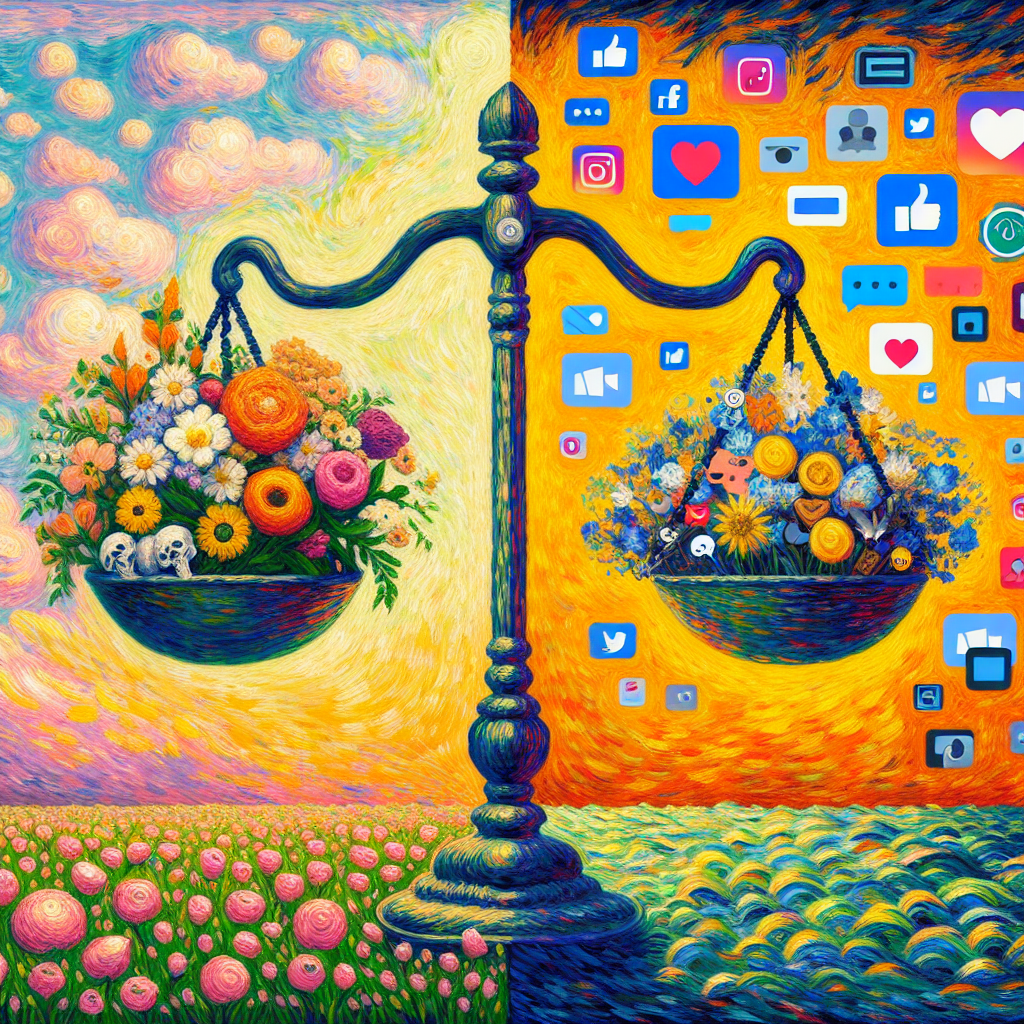
Memorialization is a complex beast, a double-edged sword that swings between honoring memories and intruding on the personal lives of individuals. In our digital age, we’re inundated with memorials—be it social media posts, virtual tribute pages, or even digital avatars in online spaces. On one hand, these acts allow us to remember and celebrate lives, a necessary human practice. But on the other, they pose interesting questions about privacy, consent, and the very essence of memory itself.
When someone passes away, their digital footprint lingers far longer than the traditional tombstone. Profiles filled with photos, statuses, and cherished moments become digital graveyards, often left unmonitored. Without clear guidelines, these spaces can devolve into battlegrounds for privacy issues. Family members may find themselves wrestling with the decision to memorialize a social media account, which can unintentionally expose private information to the world. Those moments meant to evoke love and remembrance can become repositories of unresolved grief and unwanted scrutiny.
It’s not just about the departed; it also heavily impacts the living—friends, family, and even acquaintances. The act of remembering can open the floodgates to conversations that might not have been intended. Did Aunt Edna really want her personal struggles out on display? Was that embarrassing vacation photo meant for public viewing? While sharing stories can help process grief, the fine line between honoring a life and infringing on someone’s privacy is often crossed before we even realize it.
Another layer of complexity is added by social media platforms themselves, which often have their own policies regarding deceased accounts. What happens to that digital persona? Is it memorialized and protected, or simply locked away, forgotten like a dusty old photo album? The intricacies of these policies can leave families scrambling during an already overwhelming time, creating unnecessary friction when they should be focusing on healing and remembrance.
In this era where everything seems to be up for grabs, memory and privacy clash in ways we’re only beginning to understand. The challenge lies in navigating these murky waters, finding a balance between honoring the memories of those we’ve lost while maintaining respect for their lives—both in life and posthumously. It’s a nuanced conversation, one that begs us to tread carefully as we carve out our digital memorials in the vast expanse of the online world.
What Effect Does Memorialization Have On Privacy?
What Effect Does Memorialization Have On Privacy?
- Memorialization can honor memories while intruding on personal lives.
- Digital memorials (social media posts, virtual tribute pages) have become prevalent.
- Digital footprints endure longer than traditional memorials, creating digital graveyards.
- Families face dilemmas about memorializing accounts, risking exposure of private information.
- Memorialization can lead to unintended privacy breaches for the living, raising ethical questions.
- Social media platforms have varying policies for deceased accounts, adding complexity for families.
- Navigating memory and privacy requires careful consideration to respect the deceased and the living.
What Effect Does Memorialization Have On Privacy?
Can I Specify Who Can See The Memorialized Account?
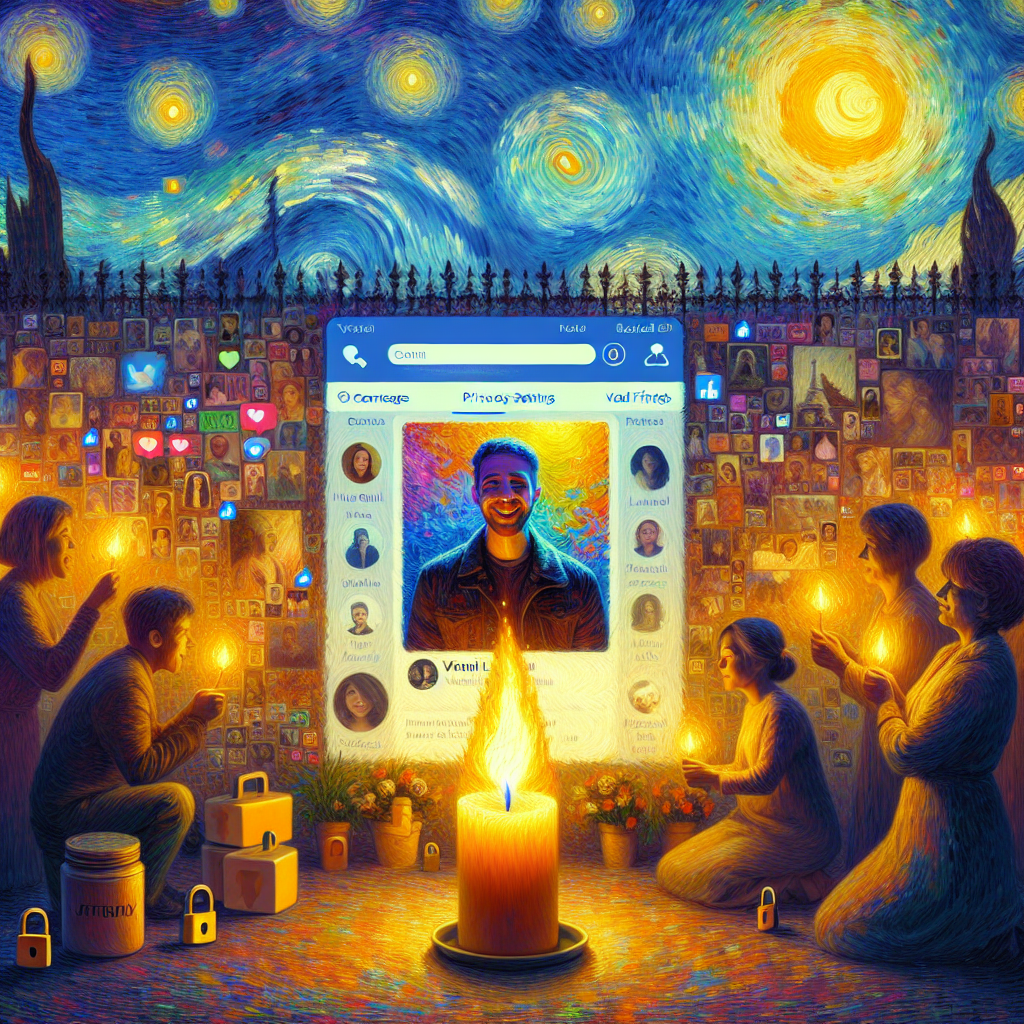
When it comes to memorialized accounts on social media, the question of privacy and visibility can be as important as the memorial itself. After all, you might want to ensure that your loved one’s digital legacy is preserved in a way that reflects their wishes and protects their memory from unwanted eyes. So, can you specify who gets to see the memorialized account? Let’s dig into that a bit.
First off, it’s crucial to understand what a memorialized account is. In the digital age, it’s essentially a way to keep a loved one’s presence alive on social media after they’ve passed. The account is transformed into a tribute—a place where friends and family can share memories, post condolences, and honor the individual’s life. But with great power comes great responsibility—and that includes having some say in who can view this virtual space.
Depending on the platform, you may have some control over who can see the memorialized account. Many social media platforms have privacy settings that allow family members or designated heirs to manage the account’s visibility. This means you might have the ability to limit access to a select group of friends or followers. However, the availability and extent of these options can vary widely. Some platforms might offer a simple solution, while others could be more rigid, creating a few hurdles for those looking to maintain a tighter circle.
If you’re pondering the privacy settings of a memorialized account, communication is key. It’s a good idea to discuss this with the individual while they are still with us, if possible. After all, preferences regarding who should see that account can vary widely. Some may want to keep it open to everyone, while others may prefer a more intimate audience. These conversations can be challenging, but they are an important part of ensuring that their digital presence reflects their values and priorities.
Another option to consider is whether to leave instructions for how to handle the account after passing. Users can often select a trusted friend or family member as a legacy contact who can manage the account according to their wishes. This can help provide clarity and security regarding who gets to see what.
Specifying who can see a memorialized account isn’t just about privacy; it’s about honoring the person and allowing their legacy to be shared in a manner that feels right. A little planning can go a long way in ensuring that their digital footprint aligns with their life story.
Can I Specify Who Can See The Memorialized Account?
Can I Specify Who Can See The Memorialized Account?
- Memorialized accounts on social media raise questions about privacy and visibility.
- A memorialized account serves as a tribute to keep a loved one’s presence alive after their passing.
- Some platforms allow control over who can view a memorialized account through privacy settings.
- The extent of visibility options varies by social media platform, with some being more flexible than others.
- Discussing privacy preferences with the individual before their passing is essential for honoring their wishes.
- Users can appoint a legacy contact to manage the memorialized account according to their instructions.
- Planning for a memorialized account helps align a person’s digital footprint with their life story and values.

Can I Specify Who Can See The Memorialized Account?
Are There Any Costs Associated With Memorializing?
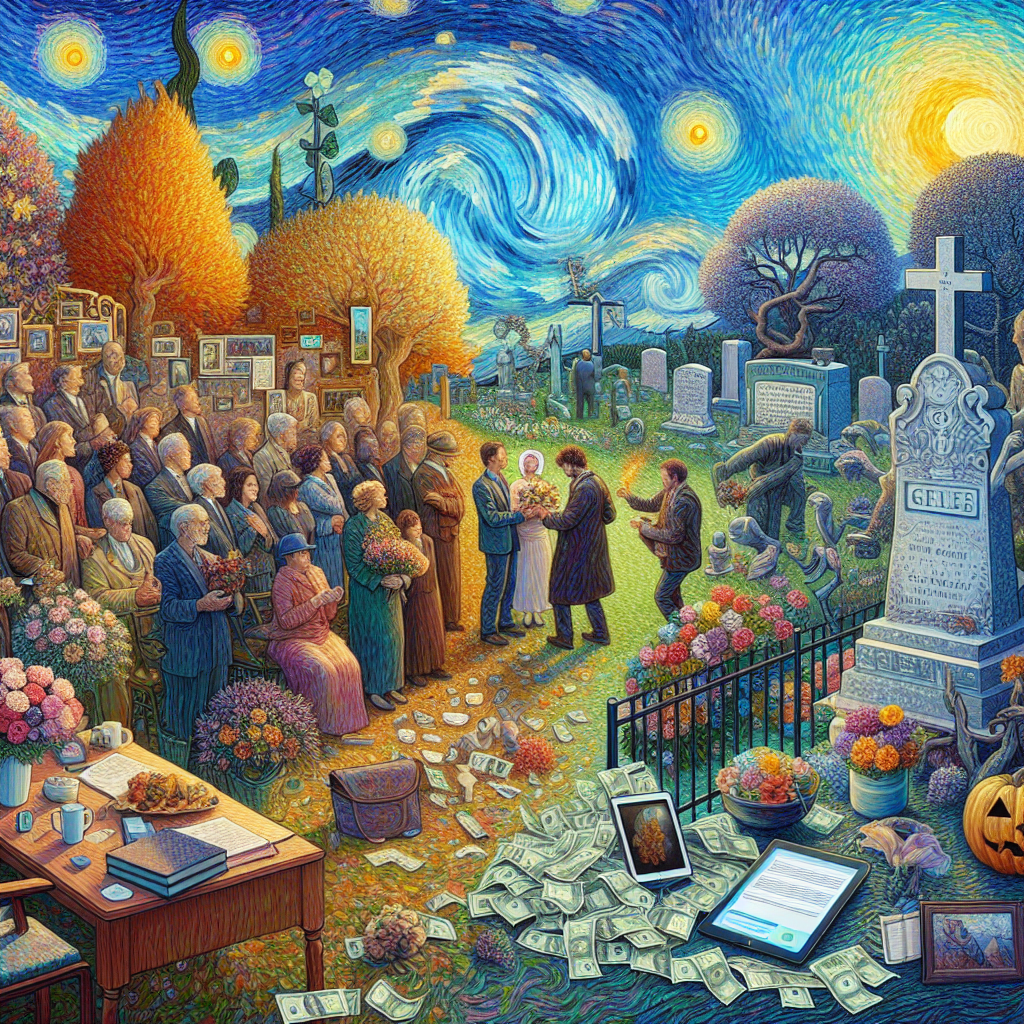
When we think about memorializing someone—whether it’s through a grand ceremony, a small service, or even a digital tribute—the focus often leans towards honoring the departed. However, while love and remembrance are priceless, it’s important to note that memorializing can come with a host of costs that shouldn’t be brushed under the rug.
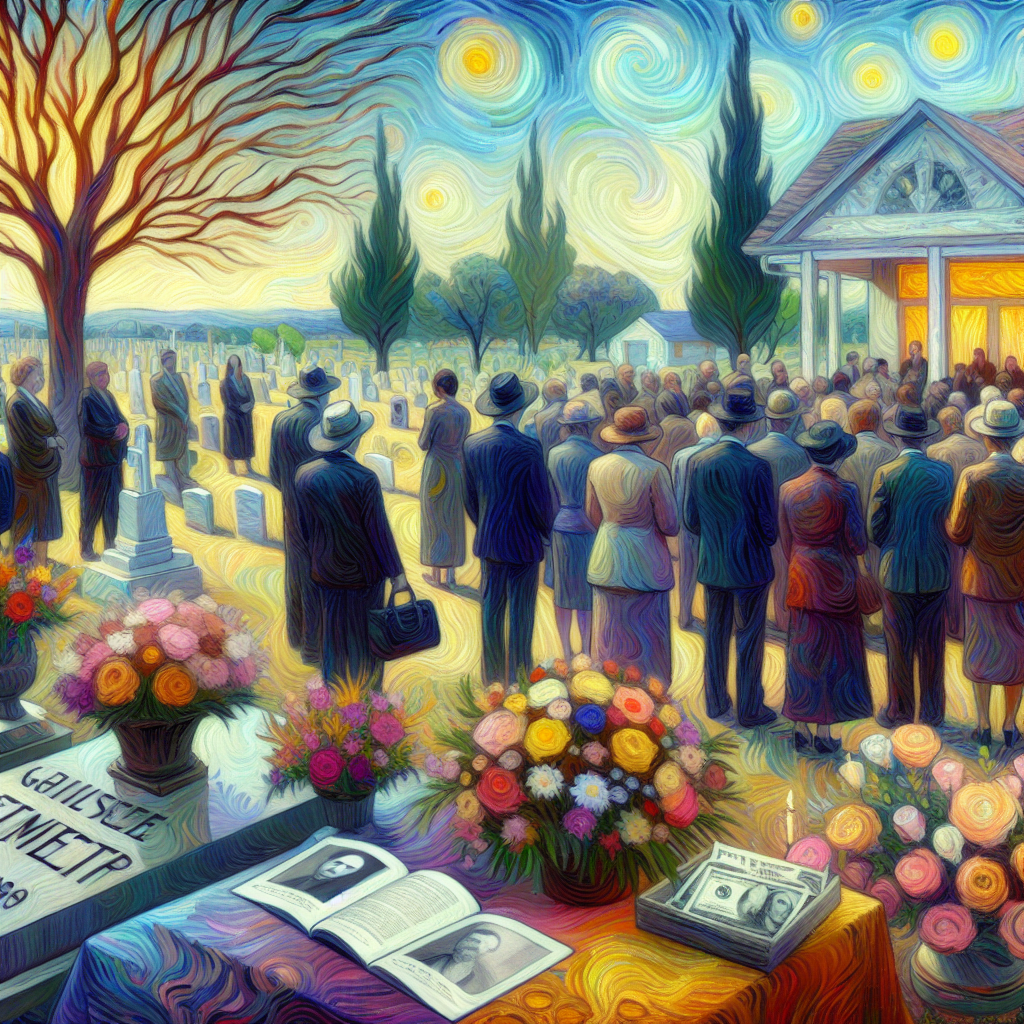
First off, let’s talk about the basics: the service itself. Arranging a memorial can mean renting a venue, hiring an officiant, and possibly catering a meal. Depending on your location and the scale of the event, these expenses can add up faster than you can say “where’s the cake?” If you opt for a more traditional route, you might also find yourself dealing with funeral homes and their associated fees. Typically, these costs can vary widely based on the services provided, but they can range from a few hundred to several thousands of dollars.
Then there’s the matter of keeping memories alive—think headstones, plaques, and other markers. While you might want a simple stone and a few words, the price tag can soar when you factor in design, materials, and installation. A beautifully crafted headstone might set you back significantly, especially if you want it personalized.
Now, let’s not forget the digital age we live in. Memorial websites and online tributes have become increasingly popular, but yes, you guessed it—there’s usually a fee involved. Creating a dedicated space for reflections, photographs, and tributes might involve website hosting fees or service charges from a provider specializing in memorialization. And who could forget the cost of social media advertisements to get the word out?
But here’s the kicker: amidst all these expenses, there’s an emotional component that’s harder to quantify. Families often find themselves navigating not just financial decisions but emotional ones. Do you splurge a bit more for that additional floral arrangement? How much is too much when it comes to commemorating a life well-lived?
While the act of memorializing is steeped in love and reverence, it’s important to tread carefully through the financial waters. Take the time to assess what truly matters to you and your family, because remembrance shouldn’t come at the expense of the living.
Are There Any Costs Associated With Memorializing?
Are There Any Costs Associated With Memorializing?
- Memorializing a loved one can incur significant costs that should not be overlooked.
- Basic expenses may include venue rental, officiant fees, and catering, which can vary widely.
- Traditional memorials may involve funeral homes with associated fees that can total thousands of dollars.
- Keeping memories alive through headstones and markers can also be costly, especially with personalized options.
- Digital memorials and tributes often involve fees for website hosting and service charges.
- Emotional considerations complicate financial decisions, as families weigh spending on tributes.
- It’s crucial for families to prioritize what matters most to avoid financial strain during difficult times.
Are There Any Costs Associated With Memorializing?
Conclusion
In a world where our digital footprints grow deeper with each click and post, the idea of memorializing social media accounts becomes all the more vital. These platforms, once vibrant with the laughter and stories of those we love, must also serve as sanctuaries for memories once they’re gone. Honoring a loved one online isn’t just about preserving the digital scrapbook of their life; it’s about creating a relevant space for those grieving to come together.
Each social platform has its own set of rules and rituals for memorialization, akin to the unique customs we observe in our lives. Facebook, for example, transforms a profile into a solemn memorial page where friends can reminisce and keep the spirit alive. Instagram, while less formal in its approach, can still protect a legacy by making the account private. And Twitter? Well, it takes on more of a simplistic farewell, allowing family to deactivate accounts, but leaving the essence of tweets floating in the ether. Each platform’s way of addressing death reflects a larger cultural dialogue about how we remember and connect.
But navigating these waters can be murky. It requires gathering documents, submitting forms, and dealing with bureaucratic processes while your heart is still heavy. It’s a bit like piecing together a family puzzle, where each piece brings both grief and comfort. As we dive into this delicate journey, we learn that celebrating a life lived digitally doesn’t have to mean giving up on the very real relationships we shared.
Memorialized accounts can serve as virtual gathering spots for friends and family, places to share heartwarming memories, and expressions of love that never really die. They can be havens, capturing the essence of laughter, love, and loss—places to reflect and reconnect with the shared humanity that binds us all.
Of course, we must tread lightly and respect the boundaries of privacy. After all, how we honor our loved ones speaks volumes about their lives and how we choose to remember them. The processes may differ, but the intent remains the same: to hold onto those cherished memories and ensure they resonate both online and in our hearts. So while it may take some time, effort, and perhaps a few tears, getting the memorialization right can turn our grief into a tribute, helping those left behind embrace a lasting connection. After all, our loved ones may leave us in body, but their stories, captured in pixels and words, continue to echo in our digital age.

Conclusion
Conclusion:
- Digital footprints are deepening, making the memorialization of social media accounts increasingly important.
- Social media platforms can serve as memorials, preserving memories and providing spaces for grieving loved ones to connect.
- Different platforms have unique memorialization protocols; Facebook transforms profiles into memorial pages, while Instagram offers private legacy options.
- Twitter allows for accounts to be deactivated, leaving behind tweets as a form of remembrance.
- Navigating the memorialization process can be challenging, requiring documentation and emotional labor.
- Memorialized accounts can serve as gathering spots for sharing memories and expressions of love.
- Respect for privacy and intent in honoring loved ones is crucial, ensuring that their stories continue to resonate in our hearts.

Conclusion
Other Resources

Other Resources
Here is a list of other resources you can review online to learn more:
- “About memorialized Instagram accounts”
- “What happens to my social media accounts when I die?”
- “About legacy contacts on Facebook | Facebook Help Center”
- “Social Media Accounts After Death: Memorialization Options”
- “Rise of Deceased Social Media Accounts”
- “Brooklynology”
- “Capstone-Assignment”
- “What happens to your Facebook after you die? – Bare Cremation”
- “Managing Social Media Following a Bereavement”

Other Resources
Glossary Terms
How to Memorialize Social Media Accounts? – Glossary Of Terms
1. Memorialization: The process of transforming a social media account into a tribute to a deceased individual, allowing for remembrance and tribute.
2. Legacy Contact: An individual designated to manage a deceased person’s social media account posthumously, particularly on platforms like Facebook.
3. Account Deactivation: The action of temporarily disabling a social media account, which can be a step prior to memorialization or deletion.
4. Estate Planning: The process of preparing for the transfer of one’s assets and responsibilities after death, which can include social media accounts.
5. Digital Afterlife: Refers to how a person’s online presence is managed or remembered after their death, including social media accounts.
6. Posthumous Posting: Content that is scheduled to be shared on social media after a person’s death, typically created in advance.
7. Privacy Settings: Configurations that control who can see or access a social media account, which may need adjustment in the event of a death.
8. Commemorative Page: A tribute page set up in honor of someone who has passed away, often featuring memories, photos, and messages from friends and family.
9. Obituary: A published death notice that may include memorialization information, often shared across social media platforms.
10. Account Deletion: The permanent removal of an individual’s social media profile and content, usually irreversible.
11. Tribute Post: A dedicated post made to honor or remember someone who has died, often including heartfelt messages and memories.
12. Social Media Policies: Guidelines established by social media platforms regarding the handling and memorialization of deceased users’ accounts.
13. Digital Executor: A person appointed to manage a deceased individual’s digital assets, including social media accounts, as part of the estate.
14. Memorial Fund: A financial contribution set up in memory of a deceased person, sometimes promoted via social media.
15. Profile Archive: A preserved version of a social media profile that keeps existing posts and memories available for viewing after death.
16. User Agreement: The terms of service that users agree to when creating an account, which outline the platform’s policy on account memorialization.
17. Interactivity: The ability for friends and family to engage with a memorialized account through comments or likes, preserving the memory of the deceased.
18. Digital Footprint: The trail of data a person leaves online, which becomes relevant for remembrance and account management after death.
19. Remembrance Day: A specific day or event organized to honor and remember individuals who have passed away, often facilitated through social media.
20. Online Memorial: A digital space dedicated to celebrating the life of someone who has died, providing a platform for sharing memories and condolences.
21. Profile Verification: The process of authenticating a memorialized account to prevent fake pages and ensure the account is a legitimate tribute.
22. Posthumous Privacy: The considerations made regarding the privacy of the deceased individual’s data and content on social media after their passing.
23. Social Media Archive: A collection of digital content, posts, and interactions that can be preserved to remember a deceased individual.
24. Notification Process: The steps required by social media platforms to alert them of a user’s death, often necessary for initiating memorialization.
25. Content Curation: The careful selection and management of digital content related to the deceased to ensure respectful remembrance.
26. Virtual Guest Book: An online platform or digital space where friends and family can leave messages and memories in remembrance of the deceased.
27. Grief Support Group: Online communities created to provide support for individuals mourning the loss of a loved one, often sharing memorialized accounts.
28. Online Remembrance Service: A virtual ceremony or gathering held to celebrate the life of the deceased, often shared via social media platforms.
29. Profile Statue: A term sometimes used to describe a memorialized account that has become static and non-interactive, preserving the individual’s legacy.
30. Crisis Communication: The strategies employed to communicate about a death and manage the deceased individual’s social media presence during times of grieving.

Glossary Of Terms
Other Questions
How to Memorialize Social Media Accounts? – Other Questions
If you wish to explore and discover more, consider looking for answers to these questions:
- What are the specific steps to memorialize an account on different social media platforms?
- Are there any differences in the memorialization process for various sites like TikTok, Snapchat, or Reddit?
- What documentation is required to initiate the memorialization process?
- How can family and friends best preserve memories through memorialized accounts?
- Can I leave messages or posts on a memorialized account, and if so, how?
- What happens to the account if no one requests memorialization?
- Are there privacy settings that can be adjusted for memorialized accounts?
- What will happen to the photos and videos on a memorialized account?
- Are memorialized accounts still subject to platform policies regarding management and visibility?
- Can a memorialized account be turned back into a regular account later?
- What are the emotional implications of memorializing social media accounts?
- How can I support someone who is going through the memorialization process?
- Are there any time limits on how long an account can remain memorialized?
- What are the challenges or drawbacks of memorializing an account?
- How do different cultures view the concept of memorializing digital accounts?

Other Questions
Haiku
How to Memorialize Social Media Accounts? – A Haiku
Digital lives endure,
Memories shared, love preserved,
Legacy lives on.

Haiku
Poem
How to Memorialize Social Media Accounts? – A Poem
In a digital world where memories dwell,
We weave our lives, a tapestry to tell,
Each photo, post, and shared delight,
Captures moments, both small and bright.
Yet when we face that solemn day,
When loved ones leave, and light turns gray,
How do we honor those, now gone,
In that vast expanse of the online dawn?
Facebook, a shelter where memories bloom,
Turns profiles to shrines in a quiet room.
Gather your proof—a document or two,
Create a space where the heart can view.
Instagram holds snapshots tucked away,
While tweets may linger, their echoes stay.
On Twitter, you’ll hush the voice of the past,
Deactivating accounts to preserve the last.
LinkedIn frames careers in a dignified space,
While privacy shadows each digital trace.
Direct messages may vanish like sighs,
As the unshared thoughts drift into the skies.
With legacy options, you choose who can see,
A well-guarded circle—just family, or free.
Costs may arise as you seek proper care,
In the love of remembrance, be aware.
But through it all, let connections remain,
In laughter and tears, in joy and in pain.
For even in absence, the bonds will not sever,
Memorials in pixels—your love, their forever.

Poem
Checklist
How to Memorialize Social Media Accounts? – A Checklist
1. Gather Necessary Information
_____ Full name of the deceased
_____ Date of birth
_____ Date of death
_____ URLs of social media profiles
2. Prepare Required Documentation
_____ Death certificate
_____ Obituary or another proof of death
3. Choose the Right Platform
_____ Facebook: Convert to memorial page
_____ Instagram: Request removal or privacy setting adjustment
_____ Twitter: Request deactivation (only by immediate family)
_____ LinkedIn: Report for memorialization (requires a close contact)
_____ Google/Apple: Designate a legacy contact if applicable
4. Fill Out Memorialization Forms
_____ Facebook Memorialization Request Form
_____ Instagram Request Form (for removal or privacy setting)
_____ Twitter Memorialization Form
_____ LinkedIn Memorialization Report
_____ Collect and submit any additional documentation as needed.
5. Understand Platform-Specific Restrictions
_____ Review policies about access and management of memorialized accounts.
_____ Know who can view and post on the account after memorialization.
6. Communicate with Family and Friends
_____ Discuss how to honor the deceased on the memorialized account.
_____ Decide on privacy settings and who can access the account together.
7. Plan for Future Changes
_____ Determine if and when to delete the memorialized account.
_____ Discuss whether you’d like to set a timeline for revisiting the account.
8. Share Memories and Tributes
_____ Encourage others to share memories, photos, and messages on the memorialized account.
_____ Set up dedicated posts or comments to celebrate significant dates.
9. Maintain Respect and Privacy
_____ Monitor engagement on the memorialized account to maintain a respectful atmosphere.
_____ Address any inappropriate comments or messages promptly.
10. Consider Emotional Aspects
_____ Acknowledge the emotional journey and support each other during this process.
_____ Plan for ongoing reflection and connection with memories and tributes.
Feel free to print or share this checklist with anyone facing the task of memorializing social media accounts of loved ones. It can serve as a supportive guide during a difficult time.

Checklist
At LegacyExplorations, we help people plan and explore their legacy by collecting information and news regarding end-of-life planning.
Please share this post with your friends, family, or business associates who may want help to plan or explore their legacy.