

Ensuring Their Digital Memory Lives On
By Tom Seest
At LegacyExplorations, we help people plan and explore their legacy by collecting information and news regarding end-of-life planning.
Please share this post with your friends, family, or business associates who may want help to plan or explore their legacy.
How to Preserve an Online Legacy for Someone That Is Dying?
When faced with the inevitable, preserving an online legacy for someone who is nearing the end of their journey can feel like a monumental task. Unlike a scrapbook collecting dust on a shelf, digital spaces are both fluid and fickle. But with a bit of intentionality, you can etch lasting memories into the vast expanse of the internet, ensuring that their essence lives on.
First off, gather all the digital scraps. Photos, videos, blog posts, and social media updates. Each digital footprint tells a piece of their story. Start by collecting their most cherished moments, the laughter-filled gatherings, and the candid snaps they may have forgotten. Platforms like Google Photos and Dropbox can serve as virtual vaults, but don’t forget to ensure that these accounts include options for sharing or transferring ownership, in case they’re unable to maintain them.
Next, consider creating a dedicated space online. A memorial website can be an excellent way to encapsulate their life’s narrative. Websites like Ever Loved or Tributes make it easy to craft a space where family and friends can gather, reminisce, and share stories. Think of it as a digital bonfire where memories can be shared and retold. Invite contributions from folks who were touched by their presence, allowing their impact to ripple outward.
Now, let’s talk about social media. Platforms like Facebook and Instagram don’t just vanish when someone passes away; they often remain as a digital archive of a person’s life. Find out how to memorialize their accounts. This process varies by platform but typically involves a few straightforward steps. This preserves their page and allows loved ones to share memories, post tributes, and celebrate their life in a space that was once a part of their daily routine.
Lastly, consider documenting their wisdom and advice. Whether through video recordings or written letters, capturing their thoughts can provide comfort to those they leave behind. Ask them to share insights or stories they believe would be valuable for the next generation. These personal legacies can be incredibly poignant.
Preserving an online legacy isn’t just about remembering someone who is dying; it’s about celebrating their life and the connections they forged. By taking these steps, you not only honor their existence but also create a lasting tribute that transcends time. After all, when the dust settles, it’s the stories we tell—and how we choose to tell them—that keep us connected.

How to Preserve an Online Legacy for Someone That Is Dying?
How to Preserve an Online Legacy for Someone That Is Dying?
- Preserving an online legacy for someone who is dying can be a significant task.
- Gather digital memories such as photos, videos, blog posts, and social media updates to tell their story.
- Create a dedicated online space, like a memorial website, to encapsulate their life’s narrative.
- Explore options to memorialize their social media accounts, allowing for continued sharing of memories among loved ones.
- Document their wisdom and advice through video recordings or written letters for future generations.
- Preserving an online legacy honors the individual’s life and the connections they made.
- The stories we tell and how we tell them keep our loved ones’ memories alive.

How to Preserve an Online Legacy for Someone That Is Dying?
Table Of Contents
- How to Preserve an Online Legacy for Someone That Is Dying?
- What Is An Online Legacy And Why Is It Important?
- How to Gather Digital Memories?
- Which Platforms to Focus on for Preservation?
- How Can Social Media Accounts Be Managed Posthumously?
- What Should Be Done with Online Financial Accounts?
- How to Create a Digital Memorial Page?
- How to Organize and Store Digital Files Effectively?
- What Role Do Blogs Or Personal Websites Play In Preserving Legacy?
- How Should to Communicate with Loved Ones About Online Legacy?
- What Are The Legal Considerations for Online Accounts After Death?
- Are There Services That Help with Online Legacy Preservation?
- How to Document Important Life Stories Digitally?
- How to Address Privacy Concerns When Sharing Online?
- What Digital Tools Aid In Memory Sharing?
- Conclusion
- Other Resources
- Glossary Of Terms
- Other Questions
- Haiku
- Poem
- Checklist
What Is An Online Legacy And Why Is It Important?
In today’s digital world, the term “online legacy” rolls off the tongue like a well-practiced line in a script. But what does it really mean? Simply put, your online legacy is the collection of digital traces you leave behind—your social media posts, blog entries, photos, comments, and everything else that’s sprinkled across the internet. It’s the virtual footprint that defines how you’ll be remembered long after the last ‘like’ is clicked or the last tweet is sent.
Now, why does this matter? Let’s break it down, shall we? Think of your online legacy in the same way you would think about your family photo album. But instead of being tucked neatly on a dusty shelf, it’s accessible to anyone with an internet connection. It reflects your values, beliefs, and personality. It showcases your triumphs and struggles, your humor and wisdom—all those moments that shape who you are. In essence, your online presence can be a beacon of your character, influencing how people perceive your contributions to the world.
So, why should you care about weaving a quality online legacy? Well, in a society that thrives on connection—both personal and professional—your digital footprint can facilitate relationships and open doors. Employers are savvy; they often scour social media profiles before making hiring decisions. A robust online legacy that portrays you in a positive light can make all the difference. Your posts can start conversations, ignite collaborations, and inspire communities.
Furthermore, there’s an underlying responsibility here. We live in an age where misinformation can spread like wildfire, and a single poorly thought-out post can haunt you like a bad dream. By being intentional about your online contributions, you not only curate a legacy you can be proud of but also contribute to a healthier digital ecosystem for everyone.
An online legacy isn’t just a collection of bytes and pixels; it’s a snapshot of your existence in a vast, interconnected tapestry. It’s a chance to tell your story on your own terms, to leave a mark that resonates with others, and perhaps, just perhaps, to change someone’s perspective. So, as we navigate this digital frontier, let’s be mindful of the legacies we’re building—because they might just outlive us.

What Is An Online Legacy And Why Is It Important?
What Is An Online Legacy And Why Is It Important?
- Your online legacy consists of digital traces such as social media posts, blog entries, and photos.
- It reflects your values, beliefs, personality, and the moments that shape who you are.
- Your online presence can influence how others perceive your contributions to the world.
- A strong online legacy can facilitate personal and professional relationships and enhance career opportunities.
- Employers often review social media profiles before making hiring decisions, making it essential to present a positive image.
- Being intentional about your online contributions helps cultivate a legacy you can be proud of and promotes a healthier digital ecosystem.
- Your online legacy serves as a personal narrative that could resonate with others and potentially change perspectives.

What Is An Online Legacy And Why Is It Important?
How to Gather Digital Memories?
In this whirlwind of life, let’s face it: memories are slippery little buggers. One moment, they’re clear as day, and the next, they’re lost in a digital abyss. So, how do we grab hold of those fleeting moments and pull them into a neat, organized collection? Gather ’round, folks, because we’re about to dive into the art of collecting digital memories without ending up in a tangled mess of files and forgotten passwords.
First things first: you need a solid strategy. Think of it as building a digital scrapbook, but without all the glitter and glue. Start by choosing a primary platform where you’ll centralize your memories. Whether it’s Google Photos, Dropbox, or a dedicated external hard drive, pick a place that suits your style. Once that’s settled, create organized folders. You could go by year, significant life events, or even whimsical themes—whatever tickles your fancy. The key is to make it easy to find those memories when nostalgia hits.
Next, get proactive about capturing moments as they happen. Your smartphone is your trusty sidekick here. Snapping photos or recording videos on the fly is a habit worth forming. But it doesn’t stop there. After you take that picturesque sunset shot or capture the laughter at a family gathering, don’t let it languish in your device for eternity. Set aside time—weekly or monthly—to upload these treasures to your chosen platform. Trust me, it’s a lot easier to sift through memories when you’re not trying to sort through a year’s worth of files in one go.
Let’s talk about the power of captions. Take a few moments to jot down what’s happening in each photo. You may think you’ll remember the details, but when you look back two years later, those specifics have a funny way of fading. A simple note—a date, a location, a funny quip—turns a random image into a story worth reliving.
Lastly, don’t underestimate the magic of sharing. Invite family and friends into your digital memory world. Collaborate on album projects or simply share your favorites on social media. After all, memories become even richer when interconnected with those we hold dear.
Gathering digital memories doesn’t have to be overwhelming. With a little organization, a proactive mindset, and some storytelling, you can create a tapestry of moments that will last a lifetime. So grab your device, roll up your sleeves, and start gathering those memories, one snapshot at a time.

How to Gather Digital Memories?
How to Gather Digital Memories?
- Memories can slip away easily in the digital age, necessitating a strategy to organize them.
- Select a central platform (e.g., Google Photos, Dropbox, external hard drive) to store your memories.
- Create organized folders based on years, life events, or themes for easy retrieval.
- Proactively capture moments using your smartphone and make a habit of taking photos and videos.
- Schedule regular uploads (weekly or monthly) to keep your digital collection up to date.
- Add captions to photos to preserve context, ensuring the stories behind them are not forgotten.
- Share memories with family and friends to enrich the experience and foster connections.

How to Gather Digital Memories?
Which Platforms to Focus on for Preservation?
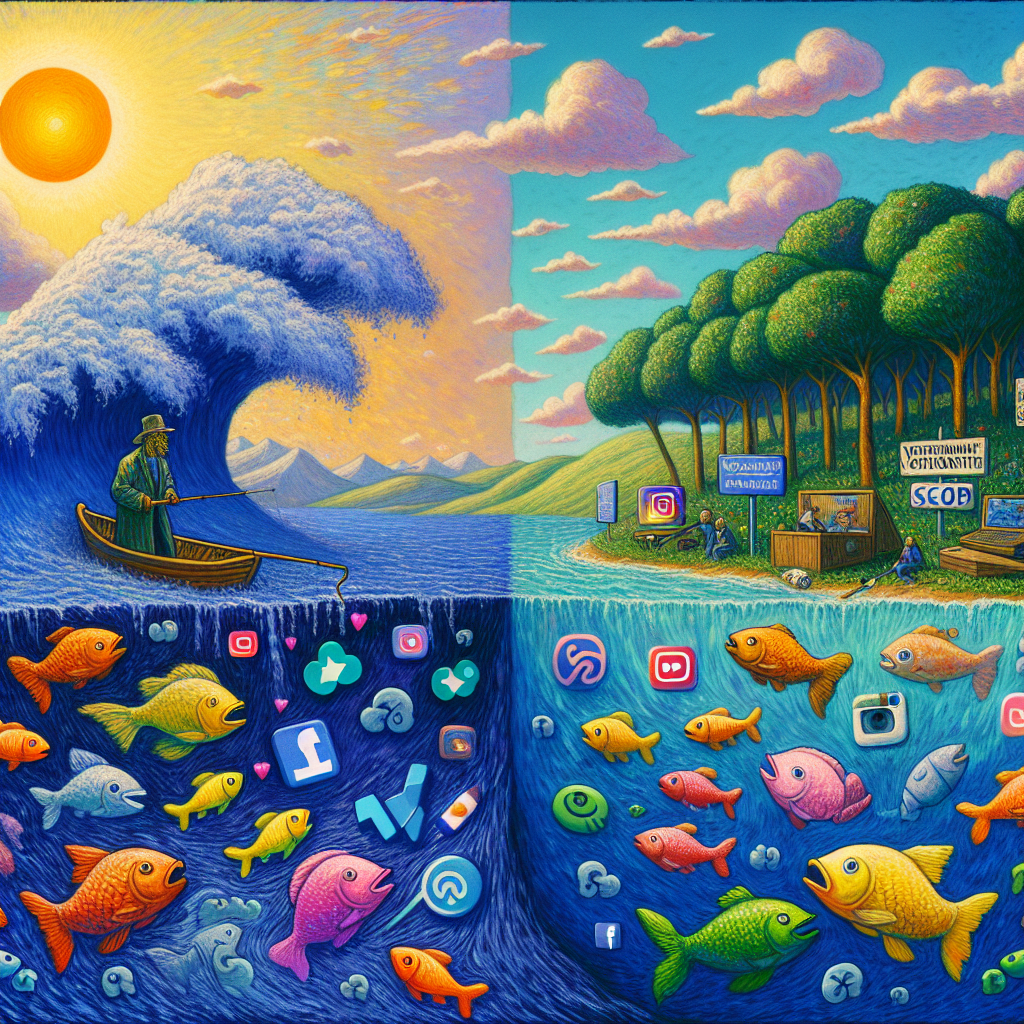
When it comes to preserving your creative works, picking the right platforms isn’t just a good idea—it’s vital. Think of it like fishing; you wouldn’t cast your line into just any stretch of water. You want to focus on the spots where the big ones are hiding. The same goes for digital preservation—concentration is key.
First up, let’s talk about social media. Platforms like Instagram, Twitter, and TikTok have become modern-day archives for creativity. They’re where trends start and where audiences engage like never before. But, here’s the hitch: content on these platforms can become ephemeral faster than a summer storm. Posts can vanish, accounts can be suspended, or algorithms can change overnight, burying your content beneath a mountain of competition. Choose wisely—consider platforms that offer the best chances for content longevity.
Next, we have video platforms. YouTube reigns supreme, and for good reason. It’s not just a place to post videos; it’s an ecosystem that allows for community building and sharing your work across multiple avenues. Plus, the sheer volume of people searching for content every day means your work has a good shot at being seen. Don’t ignore alternatives like Vimeo and Dailymotion, though. They offer different tools for artists and filmmakers who want a bit more control over their content.
Now, let’s not forget about blogs and personal websites. In a world dominated by social media’s whims, having a space that you own gives you a solid foundation. It’s a place to conserve your work, share your thoughts, and build an audience over time. Plus, it’s exempt from the capriciousness of algorithms—if you publish it, it’s there for as long as you want it to be.
Lastly, consider cloud storage platforms. Services like Google Drive, Dropbox, or even dedicated archival platforms provide a safety net for your creations. They’re your lifeboat on the digital ocean, ensuring that no matter what happens to the platforms you rely on, your work remains intact.
Think strategically. Focus on platforms that won’t just vanish tomorrow and will allow your work to shine in its best light. After all, preserving your legacy in the ever-changing digital landscape isn’t just wise—it’s essential.

Which Platforms to Focus on for Preservation?
Which Platforms to Focus on for Preservation?
- Choosing the right platforms for preserving creative works is crucial, akin to selecting the best fishing spots.
- Social media platforms like Instagram, Twitter, and TikTok serve as modern archives but can lead to content loss due to their ephemeral nature.
- YouTube is the leading video platform, ideal for community engagement and wider content visibility.
- Alternatives to YouTube, such as Vimeo and Dailymotion, provide artists with more control over their content.
- Owning a blog or personal website offers a stable space for sharing and preserving work independent of social media trends.
- Cloud storage services like Google Drive and Dropbox act as safety nets for digital creations, ensuring longevity.
- Strategic platform selection is vital for preserving creative legacies in a rapidly changing digital landscape.
Which Platforms to Focus on for Preservation?
How Can Social Media Accounts Be Managed Posthumously?
Navigating the digital landscape after the passing of a loved one might seem like an exercise in futility. Yet, as we’ve learned in our tech-savvy world, social media accounts don’t just disappear into the ether after someone has left us. Instead, they often linger, offering a peculiar blend of comfort and concern. So, what happens to those personal profiles—the likes, the posts, the cherished memories—once the person behind them has gone? Understanding how to manage these accounts posthumously can save family and friends a lot of headaches and heartaches.
First off, it’s essential to acknowledge that different platforms handle death in unique ways. For instance, Facebook offers a feature called memorialization, allowing the account to exist in a state that’s respectful and low-key. Once set up, friends can share memories on the profile, keeping the spirit of the deceased alive in the digital realm. This is a helpful feature for many, but it’s important to note that to initiate this process, someone needs to provide proof of the user’s death, often requiring a certified death certificate.
On the other side of the spectrum, there are the platforms that leave more to individual discretion. Twitter, for example, doesn’t automatically memorialize accounts but does allow family members to request the deletion of the account without needing any further proof of death. It’s a mixed bag, really—what one site values, another might dismiss. This discrepancy can be frustrating, especially when emotions are already running high.
Then there’s the matter of passwords and privacy. If you happen to know your loved one’s login information, you have some choices to make. You could choose to keep their account active, allowing you to revisit old memories and post tributes, or you could go the other route and shut it down entirely, breaking that digital connection. That’s a personal choice and one that should be made delicately, considering the emotions tied to those accounts.
The bottom line is that managing social media accounts after a person has passed is not just about deletion or memorials; it’s about honoring their legacy while navigating a landscape that wasn’t built for goodbyes. Approach it with care, respect, and a sprinkle of understanding. After all, the digital footprints our loved ones leave behind are just as valuable as the memories etched in our hearts.

How Can Social Media Accounts Be Managed Posthumously?
How Can Social Media Accounts Be Managed Posthumously?
- Navigating digital accounts after a loved one passes can be complicated yet important.
- Social media profiles typically remain active, offering both comfort and concern.
- Different platforms have varying policies for handling accounts of deceased users.
- Facebook enables a memorialization feature, but requires proof of death, such as a death certificate.
- In contrast, Twitter allows account deletion by family members without needing proof of death.
- Decisions about passwords and privacy can be challenging; choices include keeping the account active or deleting it.
- Managing accounts is about honoring a loved one’s legacy and requires care and understanding.

How Can Social Media Accounts Be Managed Posthumously?
What Should Be Done with Online Financial Accounts?
In today’s digital age, online financial accounts aren’t just a convenience—they’re a necessity. But with that necessity comes responsibility. Whether you’re managing a bank account, investments, or even a savings account for that dream vacation, it’s crucial to take the right steps to safeguard your treasures. Let’s dig into what needs to be done with these accounts, so you can rest easy knowing your finances are as secure as a fort.
First and foremost, the cornerstone of online financial security is strong, unique passwords. You wouldn’t use the same key for your home, car, and safety deposit box, right? The same principle applies online. Create complex passwords that combine letters, numbers, and symbols, and blend them like a good cocktail. And for goodness’ sake, don’t write them down in a place where a snoop might stumble upon them. Instead, consider using a password manager—these digital tools offer both security and convenience.
Next, enable two-factor authentication—think of it as putting a deadbolt on your online accounts. It may be a slight inconvenience to have to verify your identity, but it adds an invaluable layer of protection. If a hacker gets their hands on your password, they’ll still be stuck outside that digital fortress without the second form of verification. So, take the time to set this up; it’s about as easy as pie and about as important as the filling.
Let’s also talk about regular monitoring. Just like you wouldn’t ignore your car’s dashboard warning lights, you shouldn’t overlook your financial statements. Regularly check your accounts for any suspicious activity or transactions that don’t look like they belong. And if you spot something off, don’t just shrug it off—report it immediately! The sooner you act, the better chance you have of limiting any damage.
Finally, when it comes to closing an online account you no longer use, don’t just hit the delete button and walk away. Make sure to withdraw any remaining balances, cancel automatic payments, and obtain written confirmation of the closure. Leaving accounts unattended can invite trouble like a welcome mat for intruders.
In summary, protecting your online financial accounts is no small feat, but with a proactive mindset and smart practices, you can ensure that your hard-earned cash remains secure. Approach your financial world with the same care and attention you’d give a prized possession, and you’ll navigate this digital landscape like a pro.

What Should Be Done with Online Financial Accounts?
What Should Be Done with Online Financial Accounts?
- Online financial accounts are essential and require responsible management.
- Use strong, unique passwords that mix letters, numbers, and symbols, and avoid writing them down.
- Consider using a password manager for enhanced security and convenience.
- Enable two-factor authentication for an additional layer of protection on your accounts.
- Regularly monitor your accounts for suspicious activity or unfamiliar transactions.
- When closing unused accounts, withdraw any balances, cancel automatic payments, and get confirmation of closure.
- Maintain a proactive approach to safeguard your online financial accounts to ensure their security.

What Should Be Done with Online Financial Accounts?
How to Create a Digital Memorial Page?
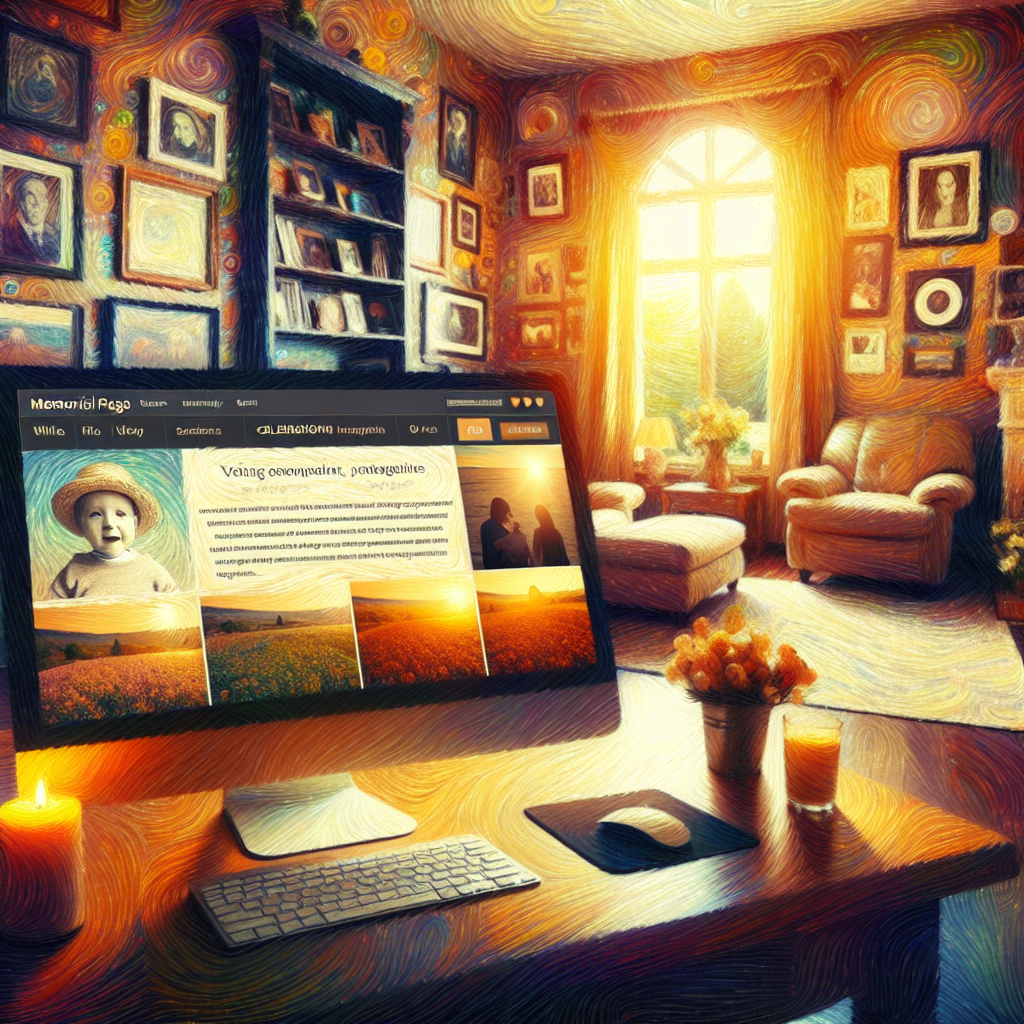
Creating a digital memorial page is a heartfelt way to honor a loved one who has passed away. It serves as a virtual gathering place where family and friends can come together to share memories, stories, and condolences. In a world that’s increasingly tech-savvy, a digital memorial can be accessible to anyone, anywhere. So, let’s roll up our sleeves and dive into the process of building a fitting tribute online.
First things first—choose the right platform. There are numerous websites designed specifically for memorial pages, allowing you to create a space that is easy to navigate and visually appealing. Popular options like Legacy.com or Ever Loved offer customizable templates and features that make the setup straightforward. Take a moment to explore your options, comparing designs and functionalities. Find one that resonates with how you want to celebrate your loved one’s life.
Once you’ve chosen your platform, it’s time to gather the content. Start with the basics: the person’s full name, dates of birth and death, and maybe a touching quote or phrase that encapsulates who they were. Assembling photos is also crucial. A picture speaks a thousand words, and you’ll want to include a variety—from childhood snapshots to those unforgettable family gatherings. The aim is to capture the essence of their life, so don’t hold back on the memories you share.
Next, invite family and friends to contribute. This shouldn’t just be a personal endeavor; it should be a collective memory bank. Using social media or direct messaging, reach out to those who knew your loved one, encouraging them to share their own stories, anecdotes, and photographs. This collaborative spirit can transform the memorial page into a vibrant tapestry woven from diverse experiences and perspectives.
Now, take a moment to personalize the page further. Many platforms allow for the addition of features like guest books, where visitors can leave their condolences, or sections for donations to a meaningful charity in the deceased’s name. These little touches can turn a simple memorial into a legacy—a space where love and remembrance can thrive long after the initial loss.
Finally, remember to keep the page active. Over time, revisit it to add new memories, anniversaries, or updates on any charitable efforts initiated in your loved one’s name. This ongoing documentation of their legacy can be a healing practice for you and all who knew them. A digital memorial page isn’t just a tribute; it’s a celebration of life, and every bit of it deserves to be cherished.

How to Create a Digital Memorial Page?
How to Create a Digital Memorial Page?
- Creating a digital memorial page is a meaningful way to honor a deceased loved one, serving as a virtual space for sharing memories and condolences.
- Choose a suitable platform, such as Legacy.com or Ever Loved, to create an accessible and visually appealing memorial page.
- Gather essential content, including the person’s name, dates of birth and death, and a memorable quote, along with a variety of photographs that capture their life.
- Encourage family and friends to contribute their own stories, anecdotes, and photos to create a collective memory bank.
- Personalize the page with features like guest books for condolences and donation sections for charities in the deceased’s name.
- Keep the memorial page active, adding new memories, anniversaries, and updates on charitable efforts to celebrate the loved one’s legacy.
- A digital memorial page can serve as a healing practice, emphasizing that it is not just a tribute but a celebration of life.
How to Create a Digital Memorial Page?
How to Organize and Store Digital Files Effectively?
When it comes to organizing and storing digital files, we’ve got to face the facts: it can feel like herding cats in a thunderstorm. However, just like any decent job, a little elbow grease and some common sense can go a long way. Here’s how you can tackle the digital chaos by breaking it down into manageable steps, and trust me, you’ll thank yourself later.
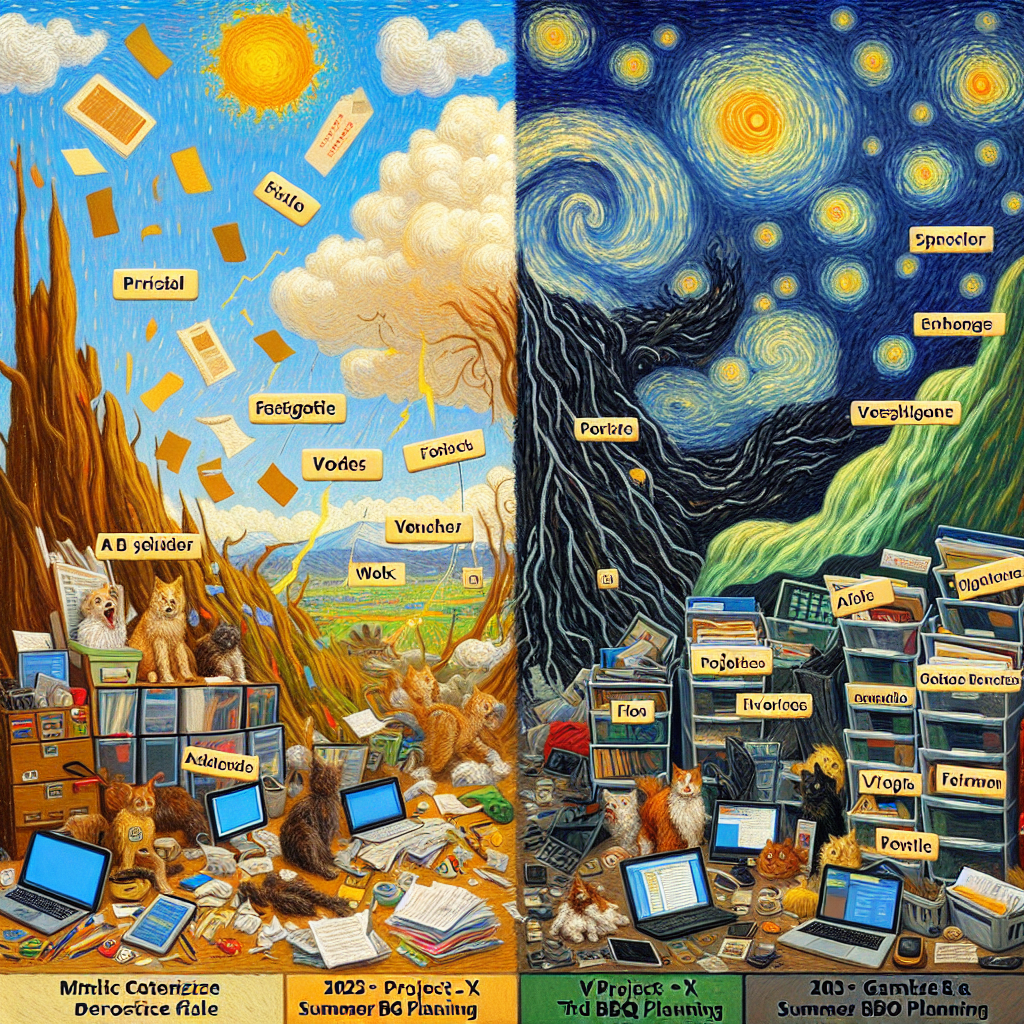
First off, let’s talk about structure. Think of your computer as a workbench—if everything is a cluttered mess, you’re going to spend more time searching than doing. Start by creating a folder hierarchy that reflects your needs. For example, you might have top-level folders like “Work,” “Personal,” “Projects,” and “Finances.” Within those, dive deeper if necessary. Each project might deserve its own space, so don’t hesitate to create subfolders that zero in on specifics: “2023,” “Invoices,” or “Summer BBQ Planning.” Just remember, a little foresight in labeling can save you a mountain of wasted time later.
Next, let’s talk about naming conventions. An unyielding file-naming strategy is your best friend. You wouldn’t haphazardly slap labels on jars in a workshop, right? The same principle applies here. Use clear, descriptive titles that include dates or project names. Consider a system that works for you—perhaps something like “2023-09-30_Project_X_Proposal.pdf.” It may seem tedious, but when you need a file suddenly, you’ll be grateful for that kind of detail.
Now, let’s touch on backups. If you’ve ever lost work due to a hard drive crash, you know the sinking feeling all too well. Implement a robust backup system—whether that’s using an external hard drive, cloud storage solutions, or a combination of both. Rule of thumb: If it’s important, back it up. Make this a part of your routine.
And finally, embrace the art of decluttering. Just like a dusty toolbox won’t serve you well, a file system cluttered with irrelevant data will slow you down. Regularly review your digital storage, eliminate files you no longer need, and archive what can wait but doesn’t need to be front and center.
Organizing and storing digital files isn’t just about aesthetics—it’s about efficiency and survival in the digital age. So roll up your sleeves, adopt a system, and give your digital life the respect it deserves. You’ll be amazed at how much easier it is to work when you know exactly where to find what you need.
How to Organize and Store Digital Files Effectively?
How to Organize and Store Digital Files Effectively?
- Organizing digital files can feel overwhelming but is essential for efficiency.
- Create a clear folder hierarchy based on needs, such as “Work,” “Personal,” “Projects,” and “Finances.”.
- Utilize subfolders for specific categories, e.g., “2023,” “Invoices,” or “Summer BBQ Planning.”.
- Implement a strict naming convention for files, such as including dates and project names in titles.
- Establish a robust backup system using external hard drives or cloud storage to prevent data loss.
- Regularly declutter digital storage by reviewing and removing unnecessary files.
- Organizing files enhances efficiency and makes it easier to locate important documents.
How to Organize and Store Digital Files Effectively?
What Role Do Blogs Or Personal Websites Play In Preserving Legacy?
In our fast-paced digital age, where information whirls around us faster than a tornado in a trailer park, blogs and personal websites stand as beacons in the chaos, offering a solid foundation for preserving one’s legacy. Think of them as the modern-day journals or memoirs, but with an audience that’s limited only by the boundaries of the internet.
First off, let’s face it: everyone has a story worth telling. We all roam the earth shaped by experiences that could fill volumes, and in an era where social media posts vanish faster than a magician’s rabbit, having a dedicated space to share those tales is invaluable. Personal blogs allow individuals to curate their thoughts, beliefs, and adventures in a way that’s structured and meaningful. It’s like building your own campfire where you can gather friends, family, and even strangers around to hear what you’ve got to say.
A personal website isn’t just a digital diary; it’s an opportunity for deep reflection. There’s something cathartic about crafting a narrative that showcases who you are and what you cherish. Whether it’s stories of triumphs, mishaps, or everyday musings, this space allows for a kind of authenticity that social media often overlooks. In essence, it becomes a time capsule of your insights and adventures, preserving them for posterity in a way that standalone tweets or fleeting Instagram images simply can’t.
Moreover, blogs and websites can serve as platforms for advocacy and education. If you’re passionate about a cause—be it environmental conservation, social justice, or even the revival of obscure hobbies—these platforms allow your voice to resonate beyond the confines of your immediate community. You become a part of a larger narrative, contributing to dialogues that can inspire change or ignite passion in others.
As generations come and go, the digital breadcrumbs left on these platforms can inform, educate, and inspire those who follow. Think about it: your great-grandkids scrolling through your thoughts on life could offer them a glimpse into who you were—a touchstone of connection across time.
So, in a world where disposable content reigns, blogs and personal websites are more than just mere web pages; they are robust repositories of human experience, ensuring that our legacies are not just remembered, but celebrated, shared, and cherished. In this way, they truly stand the test of time.

What Role Do Blogs Or Personal Websites Play In Preserving Legacy?
What Role Do Blogs Or Personal Websites Play In Preserving Legacy?
- Blogs and personal websites serve as beacons in the digital chaos, preserving one’s legacy.
- Everyone has a story worth telling; personal blogs provide a dedicated space to share them.
- Blogs allow individuals to curate their thoughts and experiences in a structured way.
- They offer a cathartic opportunity for deep reflection and authenticity often missing in social media.
- These platforms can advocate for causes and contribute to larger dialogues for change.
- Digital breadcrumbs left on personal websites can inform and inspire future generations.
- In a world of disposable content, blogs and personal websites are repositories of human experience that ensure our legacies are celebrated and cherished.

What Role Do Blogs Or Personal Websites Play In Preserving Legacy?
How Should to Communicate with Loved Ones About Online Legacy?
When it comes to discussing your online legacy with loved ones, you might find yourself feeling like you’re standing on the edge of an uncharted territory. It can be intimidating, but just like any worthwhile endeavor, a good plan can make all the difference. So, let’s roll up our sleeves and dig into how you can tackle this task head-on.
First off, consider setting aside some dedicated time for this conversation. This shouldn’t be a casual chat over dinner or during a passing comment in the living room. Choose a quiet moment when everyone’s mind is clear, and you can talk without distractions. The goal here is to create an environment where everyone feels comfortable discussing the nuances of your digital footprint and what it means for them.
Start by laying out the groundwork. Explain what you mean by “online legacy.” This isn’t just about passwords to your social media accounts or photos buried in some cloud storage. It encompasses your digital identity—your online relationships, your written thoughts, your intellectual property, and maybe a few of those quirky memes you’ve shared over the years! Help them see that your digital legacy is just as significant as the physical possessions they might be more accustomed to addressing.
Next, be open about your wishes. Do you want your social media profiles to be memorialized? Should they be deleted? What about your blog posts or any online businesses you’ve started? Provide clarity on how you envision this aspect of your life continuing—or concluding—once you’re no longer around. Make a checklist or a document that outlines what you have and what your desires are, so it’s not a vague conversation. Concrete details help in avoiding confusion down the line.
And let’s not forget about the legal side of things. If you’ve got specific wishes regarding your online accounts or digital assets, it can be beneficial to consult with a legal expert. This might lead to talking about power of attorney and digital inheritance, which, while not the most exciting subjects, can save your loved ones a great deal of grief later on.
Lastly, invite their thoughts and questions. Your loved ones might not realize the implications of digital legacy, but hearing their perspectives can help inform and enrich the conversation. The key takeaway here is that while discussing online legacy might feel uncomfortable, remember this is a crucial part of your life story that you can share—one that deserves a chance to be well understood by those who matter most.

How Should to Communicate with Loved Ones About Online Legacy?
How Should to Communicate with Loved Ones About Online Legacy?
- Discussing your online legacy can be intimidating, but planning can ease the process.
- Set aside dedicated time for the conversation in a distraction-free environment.
- Define what “online legacy” means, including your digital identity and relationships.
- Be clear about your wishes regarding the management of your online presence.
- Create a checklist or document outlining your online assets and desires.
- Consider consulting a legal expert on digital inheritance and power of attorney.
- Encourage questions and input from loved ones to enrich the conversation.

How Should to Communicate with Loved Ones About Online Legacy?
What Are The Legal Considerations for Online Accounts After Death?
When it comes to online accounts after someone has passed away, we’re stepping into a legal minefield that can be as tricky as a cat on a hot tin roof. It’s a situation that brings up not just emotional turmoil but also a handful of legal considerations that can send even the most organized person scrambling for clarity.
First things first: many of us have left our digital footprints behind on social media, email platforms, and cloud storage. These accounts, while often neglected in terms of the will, can hold invaluable memories, documents, and a whole lot of personal information. After death, how this data is handled can vary widely based on a few key factors.
The terms of service for each platform often dictate what happens to accounts after someone dies. Facebook, for example, has its own protocol—it allows users to appoint a legacy contact who can manage the account after death or, alternatively, the option to delete it entirely. However, not every platform follows these guidelines. Some treat accounts like abandoned property, leaving loved ones in the lurch, with no way to access cherished memories or important information.
Now, let’s talk about passwords. In the digital age, having a password manager can keep your life organized, but it can also seal the fate of access to your data posthumously. Under the law, many jurisdictions view passwords as personal property. This means that if loved ones can’t prove they have the right to access your accounts, they might be banging on a locked door with no key in sight. Without proper planning, family members could find themselves facing the awkward reality of needing permissions or even a court order to access what you left behind.
Then there’s the issue of online banking and financial accounts. If you’ve set up online banking, transactions and access might become a tangled web. Banks typically require a death certificate and proof of identity for the executor of the estate to manage the deceased’s accounts. This can take time, leaving family members in a financial limbo that’s both stressful and cumbersome.
So, what’s the takeaway? Planning ahead is vital. By writing down your digital wishes or incorporating them into your will, and appointing a trusted individual to handle your accounts, you can make a tough situation a whole lot easier. In this brave new digital world, a little foresight can keep your online legacy intact while sparing your loved ones from unnecessary heartache.

What Are The Legal Considerations for Online Accounts After Death?
What Are The Legal Considerations for Online Accounts After Death?
- Online accounts of deceased individuals present legal challenges and emotional difficulties.
- Digital footprints on social media, email, and cloud storage often go unaddressed in wills.
- Terms of service for platforms dictate the management of accounts after death; e.g., Facebook allows a legacy contact.
- Companies may handle accounts like abandoned property, making access difficult for loved ones.
- Passwords may be considered personal property, complicating access for family members without proper planning.
- Online banking access requires death certificates and proof of identity, potentially causing financial delays.
- Effective planning, including documenting digital wishes and appointing a trusted individual, can alleviate burdens on loved ones.

What Are The Legal Considerations for Online Accounts After Death?
Are There Services That Help with Online Legacy Preservation?
In our increasingly digital world, the question of legacy preservation isn’t just a ponderous philosophical inquiry—it’s a pressing reality. Every meme we share, every TikTok dance we execute, and every opinion we put out into the void shapes the narrative of who we are. The catch? There’s a lot of noise out there, and the digital landscape can shift faster than a cat chasing a laser pointer. So, how do we ensure that our digital footprints don’t disappear into the ether? Enter a smorgasbord of services designed to help you curate your online legacy.
First off, let’s talk about social media. Platforms like Facebook offer a “legacy contact” feature which lets you designate a trusted friend or family member to manage your account after you’ve taken a permanent vacation from the digital hustle. They can archive your posts, respond to friend requests, and even create a memorial page to keep your memory alive. It’s a bittersweet but beautiful gesture—the digital equivalent of leaving a well-worn photo album behind.
But social media preservation is just the tip of the iceberg. If you’ve got a treasure trove of content strewn across various platforms, dedicated services can help you pull it all together. Companies like Everplans and SafeBeyond offer digital vaults that securely store everything from your personal memories to vital documents. These platforms allow you to craft a comprehensive digital legacy, complete with instructions for loved ones on how to access your accounts and memories after you’re gone. You could think of them as the modern-day equivalent of that shoebox filled with old letters and photographs, just with a bit more security and a whole lot less dust.
And let’s not forget about the art of storytelling. Websites designed for legacy projects allow you to document your life, share stories, and add context to your digital memorabilia. Whether it’s writing your memoir, compiling your favorite family recipes, or simply cataloging your life’s work, these services give you a platform to share your narrative in an authentic way.
In a world where the internet feels like a vast ocean of information, it’s nice to know there are lifebuoys out there—services that understand the importance of preserving your digital legacy. From social media memorials to personal digital vaults, you can take the reins and ensure that your story remains vibrant, meaningful, and accessible for those who come after you. After all, even in the digital age, the essence of who we are deserves to be remembered.

Are There Services That Help with Online Legacy Preservation?
Are There Services That Help with Online Legacy Preservation?
- Legacy preservation in the digital world is a pressing concern, not just a philosophical question.
- Social media platforms like Facebook offer features for designating legacy contacts to manage accounts posthumously.
- Platforms like Everplans and SafeBeyond provide digital vaults to securely store content and instructions for loved ones.
- Dedicated services help pull together digital content across various platforms.
- Websites designed for legacy projects allow individuals to document their lives and share stories authentically.
- Digital legacy preservation services create a way to maintain vibrant and meaningful narratives for future generations.
- These services emphasize the importance of remembering our essence, even in a fast-paced digital age.

Are There Services That Help with Online Legacy Preservation?
How to Document Important Life Stories Digitally?
In a world brimming with high-tech gadgets and endless digital options, documenting your life stories can feel like navigating a vast, uncharted ocean. But fear not; creating a digital archive of your important life moments doesn’t have to be a Herculean task. Let’s roll up our sleeves and dive into some straightforward steps that can make this process both manageable and meaningful.
First and foremost, consider the platform. There are numerous options, from simple cloud storage solutions to elaborate storytelling apps. Services like Google Drive or Dropbox can effectively store photos, videos, and documents. If you’re looking for something with a bit more pizzazz, platforms like StoryCorps or Life Story can help you weave narratives into a digital tapestry that captures the essence of your experiences. Pick a platform that speaks to you, and remember: the best tool is the one you’re most comfortable using.
Once you’ve settled on a storage method, it’s time to gather your materials. Think of your life like a well-made sandwich, filled with memories layered one atop another. Start with the bread—the big milestones. This might include your graduation, a wedding, or the birth of a child. Then, sprinkle in some of those less celebrated but equally valuable moments: family vacations, small victories, or even that time you tried to fix the leaky sink and ended up creating a mini indoor water feature.
As you digitize these memories, take the time to write down the stories behind them. Record the emotions, the lessons learned, or even the hilarious mishaps. Use your smartphone or a simple voice recorder to capture your voice—your inflections and idiosyncrasies make your story uniquely yours. Don’t worry about being a Hemingway; the goal here is authenticity. Your family will appreciate the raw, unpolished truth of your experiences far more than some fancified, polished prose.
Visuals matter too! Pair your narratives with photos, videos, and even old letters or memorabilia. Scan those cherished items and upload them alongside your stories. Just like a good meal, we eat with our eyes first—so give your audience something visually appealing to savor.
Finally, don’t forget to share. Whether it’s with family during those cozy holiday gatherings or through social media, let others in on your journey. Your stories are gifts, and sharing them keeps the spirit of those moments alive. So get out there, capture your life, and let the digital world be your canvas. After all, a life well-lived deserves to be remembered, cherished, and celebrated.

How to Document Important Life Stories Digitally?
How to Document Important Life Stories Digitally?
- Choose a suitable platform for documenting life stories, like Google Drive, Dropbox, StoryCorps, or Life Story.
- Gather materials reflecting your life’s milestones, such as graduations, weddings, and significant vacations.
- Document the stories behind moments, emphasizing authentic emotions and lessons learned.
- Use voice recordings to capture your unique storytelling style and personal touch.
- Incorporate visuals such as photos, videos, and scanned memorabilia to enhance your narratives.
- Share your documented stories with family or friends to maintain the spirit of those memories.
- Remember that a well-documented life deserves to be cherished and celebrated.

How to Document Important Life Stories Digitally?
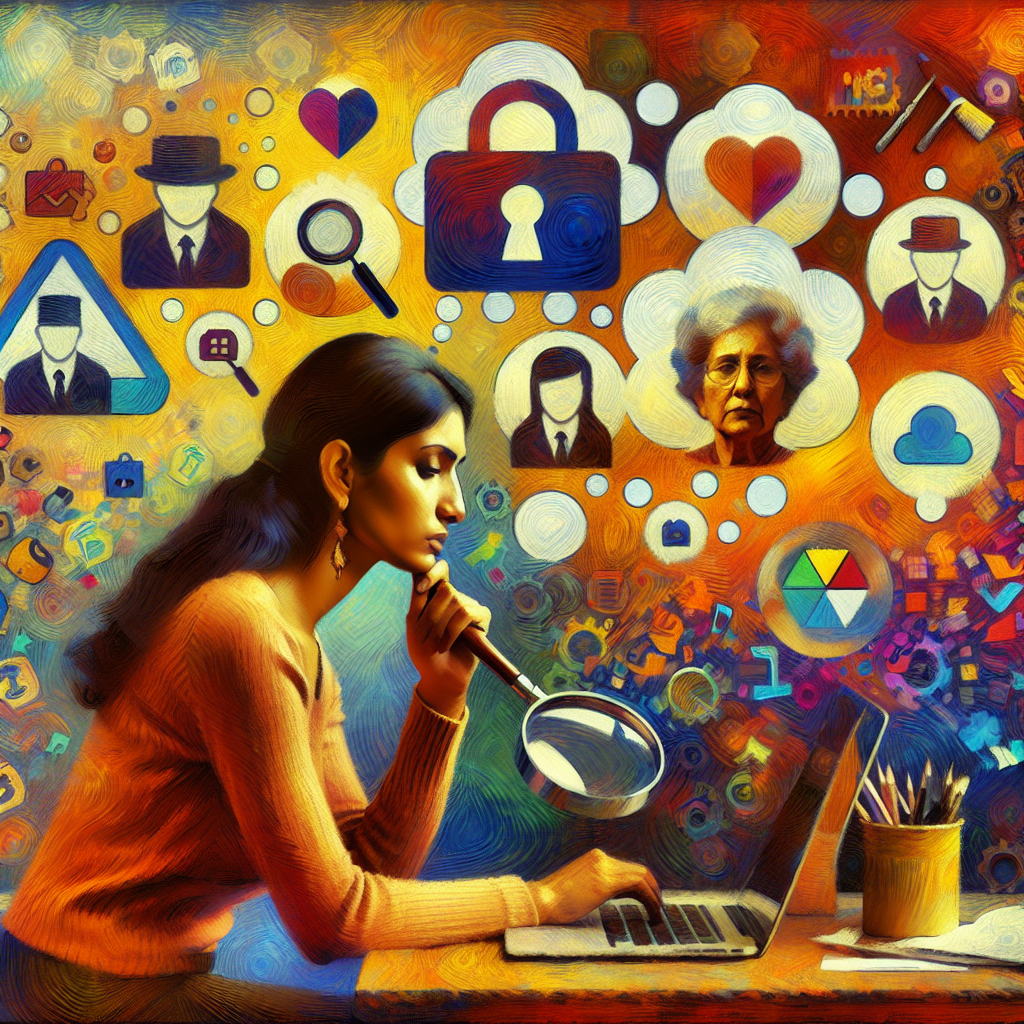
How to Address Privacy Concerns When Sharing Online?
In our digital age, sharing online has become a part of our daily lives, whether we’re posting pictures of last weekend’s BBQ or sharing thoughts about current events. But before you hit that “post” button, it’s crucial to consider the implications of your digital footprint. Privacy concerns loom large in the online world, and they deserve your attention, not just a passing thought.
First off, let’s talk about what you’re putting out there. When you share a photo or a status update, ask yourself: “Is this something that I’d be comfortable showing to my boss, my grandma, or perhaps someone I’d rather not have in my business?” It’s a simple litmus test that can help gauge what’s worth sharing. The reality is, once something is out there, it’s like confetti in the wind; you may try to gather it back, but you’ll never get all of it.
Next, take a good, hard look at your privacy settings. Most social media platforms come equipped with an array of tools tailored to help you manage who can see your content. Don’t be afraid to dive in and customize those settings. Treat them like your toolbox—pull out the right tools to create a safe online space. If you’re not sure how to do this, there are plenty of guides available, or you can even reach out to a tech-savvy friend for a crash course.
Another point worth considering is the perennial practice of recognizing what’s public and what’s private. Remember, information can be pieced together in ways you might not expect. Posting your pet’s name, while innocent enough, can lead someone to connect the dots and find out where you live, particularly if it’s paired with other seemingly harmless posts. Always think about the context in which you’re sharing and the potential connections that others might make.
And finally, don’t forget about good old-fashioned common sense. Trust your instincts. If something feels off or you get a nagging feeling that you shouldn’t share something, heed that voice. Staying secure online requires a blend of instinct and informed decision-making.
At the end of the day, being mindful of your privacy doesn’t mean you can’t enjoy social media or connect with others. It just means making thoughtful choices—because you deserve to share your life without the shadows of unnecessary worry creeping in. So get out there, share some joy, but keep your eyes wide open—a little awareness goes a long way when it comes to protecting what’s yours.

How to Address Privacy Concerns When Sharing Online?
How to Address Privacy Concerns When Sharing Online?
- Sharing online is part of daily life, but consider the implications of your digital footprint.
- Before posting, ask yourself if you’re comfortable with others seeing the content.
- Review and customize privacy settings on social media platforms to control who sees your content.
- Understand the difference between public and private information to prevent unintentional disclosure.
- Trust your instincts; if something feels off, reconsider sharing it.
- Being mindful of privacy allows for enjoyable social media interaction without unnecessary worries.
- Awareness is key to protecting your personal information online.
How to Address Privacy Concerns When Sharing Online?
What Digital Tools Aid In Memory Sharing?
In a world that often feels rushed and chaotic, sharing memories has become a crucial way to connect with one another. Luckily, technology has stepped up to the plate with an array of digital tools that help us capture, preserve, and disseminate our cherished moments. Let’s take a look at some of these game-changers, shall we?
First up, we have social media platforms. Ah yes, the old stalwarts like Facebook, Instagram, and Twitter. They’ve evolved into modern-day scrapbooks, allowing us to document everything from a mundane Tuesday to the thrill of a graduation celebration. With a few taps, we can upload photos, share stories, and invite friends and family to relive those special moments with us. You can see Aunt Mildred’s birthday cake from three states away, and if you’re lucky, catch her infamous dance moves in the comments section. There’s something profoundly satisfying about sharing life’s highlights with a click.
Next on the list are cloud storage services, such as Google Drive and Dropbox. They’re like the digital attic of yesteryears—safe, organized, and accessible whenever you need a stroll down memory lane. You no longer have to sift through dusty boxes; everything you hold dear is right at your fingertips. Whether it’s a collection of family photos, old home videos, or the first doodles of your budding artist, you can keep those memories secure and share them with just a link. Boom! Instant access for the whole clan.
Then, there are specialized memory-sharing apps, like Evernote and Flipgrid. These nifty tools allow you to create shared spaces where memories can be thoughtfully recorded and revisited. Imagine crafting a digital scrapbook with your family or collaborating on a timeline of meaningful events. With their user-friendly interfaces, they transform the art of memory-sharing into a team effort, allowing everyone in the family to contribute snippets of their lives, whether it’s a heartfelt note, a significant date, or even a short video.
Let’s not forget the old-school charm of digital photo frames. It’s the perfect fusion of nostalgia and technology. These frames allow you to display a rotating gallery of images right on your mantelpiece or desk. Family members can send their favorite picks straight to the frame via Wi-Fi, keeping the memories flowing in and out. No more fading photographs lost in shoeboxes—now your memories get the spotlight they deserve.
So, there you have it. In an age of fleeting moments and endless distractions, these digital tools are not just gadgets; they’re essential lifelines to our shared past, bridging gaps and blending lives, one memory at a time. Embrace them, and let the sharing begin!

What Digital Tools Aid In Memory Sharing?
What Digital Tools Aid In Memory Sharing?
- Sharing memories is essential for connection in a chaotic world.
- Social media platforms act as modern scrapbooks for documenting life events.
- Cloud storage services like Google Drive and Dropbox offer safe and organized memory storage.
- Specialized memory-sharing apps (e.g., Evernote, Flipgrid) facilitate collaborative memory creation.
- Digital photo frames combine nostalgia with technology by displaying a rotating gallery of images.
- These digital tools serve as vital links to our past, enhancing our shared experiences.
- Embracing technology allows for effortless sharing and preserving cherished moments.

What Digital Tools Aid In Memory Sharing?
Conclusion
In the end, preserving an online legacy for someone nearing the end of their journey isn’t just a task—it’s a heartfelt tribute, a way to ensure that their essence continues to resonate in the vast expanse of the internet. The digital world, unlike the dusty pages of an old scrapbook, is ever-changing, and it takes a little intentionality to carve out a space where memories can shine. The first step is about gathering those precious digital scraps that tell their story—photos, videos, social media posts—everything that makes up their unique narrative. Think of it as assembling a virtual treasure chest. Make sure you’ve got the right platforms at your disposal, whether that’s Google Photos for securely storing images or social media for sharing moments of joy and laughter.
Next, consider setting up a dedicated online space—a memorial website—as a digital bonfire where friends and family can gather to reminisce. This isn’t merely about keeping memories; it’s about sharing stories and letting the ripples of their influence spread. When it comes to social media, don’t overlook the power of memorialization features. These platforms are more than just posts; they can serve as places where their legacy can continue to thrive, allowing loved ones to engage with memories and tributes long after their passing.
And let’s talk about documenting wisdom—capturing their thoughts, insights, stories, and advice—be it through video recordings or letters. These are treasures that can provide immense comfort to those left behind, a way for their voice to echo across generations. The emotional weight of preserving an online legacy isn’t lost on anyone—it’s less about the nitty-gritty of the digital world and more about love, connection, and honoring the life of someone who’s impacted our journey.
Ultimately, creating a lasting digital legacy is about more than remembrance; it’s about bringing joy, comfort, and connection to those who knew them. By actively curating their online presence, you craft a beautiful tribute that not only honors their memory but also fosters ongoing bonds that survive the test of time. So, roll up those sleeves, gather those memories, and let’s ensure that their legacy shines brightly across the digital landscape—a testament to a life well-lived and a love still felt. After all, when it’s all said and done, it’s the stories we tell and the connections we cherish that keep us interwoven, even when our time together comes to a close.

Conclusion
Conclusion:
- Preserving an online legacy is a heartfelt tribute ensuring a person’s essence resonates online.
- Gathering digital scraps—photos, videos, social media posts—creates a virtual treasure chest of their story.
- Setting up a memorial website serves as a digital gathering place for friends and family to share memories.
- Utilizing memorialization features on social media allows a legacy to thrive beyond a person’s passing.
- Documenting wisdom through video or letters offers comfort and echoes their voice across generations.
- The emotional weight of online legacy preservation emphasizes love, connection, and honoring the deceased.
- Creating a lasting digital legacy fosters joy and connection, ensuring memories shine brightly in the digital landscape.

Conclusion
Other Resources

Other Resources
Here is a list of other resources you can review online to learn more:
- How to Prepare Your Digital Life for Your Death | PCMag: This article provides a comprehensive guide on how to prepare your digital life for your death. It includes information on how to designate legacy contacts on Google, Facebook, Apple, your password manager, and more.
- Get Your Digital Accounts Ready In Case of Death: This article from Wirecutter provides advice on how to get your digital accounts ready in case of death. It includes information on how to set up a digital version of a “little black book” for simple and secure information sharing with family members and trusted friends.
- Digital Legacy: Preserving and Managing Digital Assets After Death: This article provides information on how to instruct family or friends on how you want your digital assets and online presence to be handled after your passing.
- Everybody Dies: How to Preserve Your Digital Legacy: This article provides information on how to take advantage of platform-specific tools to express your wishes. It includes information on how to set up Google’s Inactive Account Manager and designate a Facebook Legacy Contact.
- Death in the Digital Age: How to Memorialize Your Facebook Account: This article provides information on how to memorialize your Facebook account in the event of your death.
I hope you find these resources helpful!

Other Resources
Glossary Terms
How to Preserve an Online Legacy for Someone That Is Dying? – Glossary Of Terms
1. Digital Legacy: The digital footprint left behind by an individual, including social media accounts, emails, and online content.
2. Memorialization: The process of creating a lasting tribute to someone who has passed away, often through online platforms.
3. Social Media Account: Online profiles on platforms like Facebook, Instagram, and Twitter where individuals can share content and connect with others.
4. Digital Will: A legal document that specifies how a person’s online accounts and digital assets should be managed after their death.
5. Executor: A person appointed to carry out the instructions of a deceased individual’s will, including managing their digital legacy.
6. Profile Management: The process of adjusting privacy settings, content, and visibility of online accounts as part of legacy planning.
7. Obituary: A written notice of a person’s death that often includes details of their life, achievements, and funeral arrangements.
8. Archiving: The practice of preserving digital content and records for future reference, ensuring they are kept intact.
9. Account Inactivity: The state of an online account that has not been accessed for a certain period, often leading to potential account deletion.
10. Data Privacy: The right to control how personal information is collected, stored, and used by others, important in legacy considerations.
11. Memorial Fund: A fund established in memory of the deceased, often aimed at supporting a cause or charitable organization.
12. Legacy Website: A dedicated website created to honor a loved one, featuring stories, photos, and memories shared by family and friends.
13. Posthumous Content: Materials such as articles, videos, or artworks created by someone that are published after their death.
14. Social Media Legacy Settings: Options provided by social media platforms that allow users to choose how their accounts are managed after death.
15. Digital Content: Any form of media such as text, images, videos, or audio shared or created online.
16. Personal Archive: A collection of personal materials, including photographs, letters, and digital interactions, curated to preserve memories.
17. E-Commerce Account: Online shopping accounts that require information about purchases and credit cards, and may need closure or transfer management after death.
18. Content Ownership: The rights to digital materials created online, which may include intellectual property and copyright considerations.
19. Legacy Contact: An individual designated by a person to manage their digital accounts after their death, often needed for social media platforms.
20. Secure Data Transfer: The process of safely passing control of online accounts and digital assets to another person after death.
21. Digital Archiving Service: A service provider that specializes in preserving and maintaining online content for individuals or organizations.
22. Virtual Tribute: An online gathering or memorial event that celebrates the life of someone who has passed, often through live streaming or recorded videos.
23. Online Niche Community: Digital groups or forums that connect individuals with shared interests, often valuable for preserving personal stories and connections after death.
24. Legacy Plan: A strategy outlining how one wishes to manage and preserve their digital presence and assets after passing.
25. Cloud Storage: Online services like Google Drive or Dropbox that provide space to save digital files securely.
26. Personal Legacy Videos: Videos created by individuals to share life stories, messages, and memories for future generations.
27. End-of-Life Planning: The comprehensive organization of affairs related to an individual’s final wishes, including digital and online considerations.
28. Digital Footprint: The trail of data one leaves behind on the internet through online activities, which can be curated posthumously.
29. Digital Rights Management: Technology and legal measures that control the use of digital content, important for managing digital assets after death.
30. Virtual Memorial: An online space dedicated to commemorating a deceased individual, often including photos, videos, and anecdotes shared by loved ones.

Glossary Of Terms
Other Questions
How to Preserve an Online Legacy for Someone That Is Dying? – Other Questions
If you wish to explore and discover more, consider looking for answers to these questions:
- What are the emotional challenges involved in preserving an online legacy?
- How can one approach digitizing physical memorabilia?
- What steps should be taken if the deceased has not provided digital access information?
- Are there legal tools or documents that can streamline the management of online accounts after death?
- How can family members collaborate on a digital memorial page?
- What specific features should be included in a digital memorial page?
- Can digital legacies be preserved for pets, and how would that differ from human memorials?
- What are the best practices for ensuring the privacy of online memories shared on social media?
- How can we educate younger generations about the importance of maintaining a digital legacy?
- What are some common mistakes to avoid when creating an online legacy?

Other Questions
Haiku
How to Preserve an Online Legacy for Someone That Is Dying? – A Haiku
Digital footprints left,
Memories held in online,
Life’s stories preserved.

Haiku
Poem
How to Preserve an Online Legacy for Someone That Is Dying? – A Poem
When shadows stretch in twilight’s glow,
And loved ones heed the time to go,
Amidst the digital expanse they roam,
Preserving echoes of a timeless home.
Gather the fragments, each photo and tale,
Where laughter and love in memories dwell,
In clouds of data, through pixels we weave,
A tapestry bright for those who grieve.
Create a sanctuary, a sacred place,
For gathering stories, a tranquil space,
With Ever Loved or Tribute’s embrace,
In this digital fire, let fondness efface.
Social media flares, bright yet fleet,
With names and faces, where good friends meet,
Memorialize souls, their spirits entwined,
In posts shared and cherished, their lives redefined.
Capture their wisdom, let voices be heard,
In letters or videos, each heartfelt word,
For what we convey spreads warmth like the sun,
Binding generations, where life’s threads are spun.
A blog or a site can harbor the soul,
Living truths of existence, making us whole,
Reflecting our journeys, the laughter and strife,
In pixels and prose, preserve the essence of life.
So gather your loved ones, converse with intent,
Discuss online legacies—the time well spent,
Make plans for the future, cast light on the past,
In the hue of shared stories, connections will last.
For as we traverse this digital land,
Let us weave and preserve with a tender hand,
In every byte linger, in memories stay,
An online mosaic that’s here to convey.

Poem
Checklist
How to Preserve an Online Legacy for Someone That Is Dying? – A Checklist
Gathering Digital Memories
_____ Collect photos, videos, blog posts, and social media updates.
_____ Utilize cloud storage services (e. g. , Google Photos, Dropbox) for organization.
_____ Create organized folders by year, event, or theme.
_____ Regularly upload new memories captured on smartphones.
_____ Add captions to photos to document the context and emotions.
Creating a Dedicated Online Space
_____ Choose a platform for a memorial website (e. g. , Ever Loved, Tributes).
_____ Gather essential information: full name, dates of birth and death, and a meaningful quote.
_____ Invite family and friends to contribute their stories and memories.
_____ Personalize the site with guest books and donation options.
Managing Social Media Accounts Posthumously
_____ Research how to memorialize accounts on specific platforms (e. g. , Facebook’s legacy feature).
_____ Determine if accounts should be maintained or deleted based on the loved one’s wishes.
_____ Know the legal requirements for accessing accounts (like providing a death certificate).
Documenting Wisdom and Life Stories
_____ Capture personal stories through video, audio, or written formats.
_____ Combine stories with visual memorabilia (photos, letters).
_____ Create a timeline that highlights significant life events.
Addressing Legal Considerations
_____ Review the terms of service for online accounts regarding posthumous access.
_____ Consider including digital legacy wishes in a will.
_____ Designate a trusted individual for managing online accounts.
Organizing and Storing Digital Files
_____ Create a structured folder hierarchy for ease of access.
_____ Regularly back up important files using external drives or cloud services.
_____ Declutter unnecessary files periodically.
Communicating with Loved Ones
_____ Schedule a dedicated time to discuss online legacy wishes.
_____ Share the importance of online legacy and digital presence.
_____ Provide clear documentation of wishes regarding social media and digital assets.
Utilizing Digital Tools for Memory Sharing
_____ Explore social media for sharing memories and updates.
_____ Use cloud storage for secure and organized memory keeping.
_____ Try memory-sharing apps (e. g. , Evernote, Flipgrid) for collaborative projects.
Navigating Privacy Concerns
_____ Set appropriate privacy settings on shared content.
_____ Discuss what should and shouldn’t be shared publicly.
_____ Be mindful of the information shared in context with personal safety.
Considering Services for Legacy Preservation
_____ Research services that specialize in digital legacy management.
_____ Explore options for secure storage of digital assets (e. g. , Everplans, SafeBeyond).
_____ Consider hiring experts for creating comprehensive digital legacies.
By following this checklist, you can take proactive steps toward preserving the online legacy of a loved one, ensuring their memories and essence remain valued and celebrated in the digital landscape.

Checklist
At LegacyExplorations, we help people plan and explore their legacy by collecting information and news regarding end-of-life planning.
Please share this post with your friends, family, or business associates who may want help to plan or explore their legacy.