

Preserving Your Heritage: Safeguarding Heirlooms With Wisdom
By Tom Seest
At LegacyExplorations, we help people plan and explore their legacy by collecting information and news regarding end-of-life planning.
Please share this post with your friends, family, or business associates who may want help to plan or explore their legacy.
How to Protect Heirlooms From Natural Disasters
When it comes to protecting heirlooms from the unpredictable chaos of nature, we’re not just safeguarding objects; we’re preserving the very threads that weave our family’s legacy. Every cracked vase, faded photograph, or handwritten letter tells a story—the story of who we are and where we came from. These pieces of our past hold not just sentimental value but become indispensable markers of our shared identity.
As storms brew and the earth shifts, it’s easy to feel overwhelmed, even powerless. But standing vigilant doesn’t have to be daunting. Start by creating a plan. Identify your most precious items and assess their vulnerabilities. Ask yourself: If disaster strikes, will these treasures survive? Think about using waterproof containers, fire-resistant safes, or even climate-controlled storage to shield your heirlooms. It may take some effort and investment, but protecting your family’s history is a responsibility that transcends generations.
Furthermore, let’s talk about the power of communication. Gather your family, perhaps over a cup of coffee or a raucous dinner, and share the stories behind these heirlooms. This isn’t just about preservation—it’s an opportunity for legacy storytelling that builds emotional bonds. The more we share these stories, the more they become ingrained within our family narrative, and the more we recognize the importance of safeguarding them.
You won’t just be protecting items; you’ll be ensuring that these stories continue to have a place in future gatherings, weaving the fabric of your family’s legacy tighter with each telling. When the storm passes and the skies clear, what remains is not just material wealth but a community united in its history.
Ethically, we owe it to ourselves and our descendants to honor these artifacts, understanding that with the right measures, we can do our part to shield our history from the unpredictable. Maybe it starts with a simple checklist or a family meeting—small steps, but each one lays a brick in the sturdy wall of our family’s legacy.
And remember, you are not alone. You’re part of a larger community that values history and memory. Engage with your neighbors, share strategies, and bolster each other’s resolve. Because, at the end of the day, preserving our heirlooms means keeping our stories alive—stories that deserve to be told, treasured, and passed on, come what may.

How to Protect Heirlooms From Natural Disasters
How to Protect Heirlooms From Natural Disasters
- Protecting heirlooms preserves family legacy and identity.
- Heirlooms like cracked vases and faded photographs tell our family’s story.
- Create a protection plan by identifying precious items and their vulnerabilities.
- Consider using waterproof containers, fire-resistant safes, or climate-controlled storage.
- Share heirloom stories during family gatherings to strengthen emotional bonds.
- Honor artifacts ethically to shield our history for future generations.
- Engage with the community to share preservation strategies and support each other.

How to Protect Heirlooms From Natural Disasters
Table Of Contents
- How to Protect Heirlooms From Natural Disasters
- What Cherished Memories Do Your Heirlooms Hold for You?
- What Practical Steps Can You Take to Protect Your Heirlooms?
- Have You Considered the Emotional Toll Of Losing Your Keepsakes?
- What Insurance Options Exist for Protecting Valuable Heirlooms?
- How Can Technology Help Safeguard Your Treasured Possessions?
- What Are the Best Storage Methods for Vulnerable Items?
- How Do Natural Disasters Impact the Value Of Your Heirlooms?
- Conclusion
- Other Resources
- Glossary Of Terms
- Other Questions
- Haiku
- Poem
- Checklist
What Cherished Memories Do Your Heirlooms Hold for You?
Heirlooms are more than just items passed down through generations; they are tangible pieces of our legacy. Imagine running your fingers over the worn handle of a wooden chest that once cradled love letters between your great-grandparents, or perhaps a delicate silver locket that held a portrait of an ancestor who persevered through the hardest trials. These objects tell stories—your stories—stories that have been woven through time and shaped the fabric of your family.
Each heirloom possesses a unique charm that invites us into a world of nostalgia and connection. They serve as anchors to our past, reminding us of where we come from and the values embedded within our lineage. Have you ever held that weathered baseball glove from your father, the very one that caught the winning pitch in his championship game? It’s not just leather and stitching; it’s the heart and soul of a young boy’s dreams, a legacy of ambition, perseverance, and family bonding. It calls to our hearts, offering a sense of belonging that is both comforting and profound.
Rationally, the importance of preserving these heirlooms is evident. Beyond their sentimental value, they serve as tangible links in a chain of experiences, teaching us about resilience, tradition, and identity. They remind us of the sacrifices made by those who came before us and the dreams they nurtured for future generations. This can spur a desire to honor those sacrifices by ensuring that their legacies are preserved and cherished.
Ethically, we owe it to our relatives, both living and gone, to acknowledge and share these stories. By doing so, we enrich the social fabric of our lives, creating a bond that transcends time and place. Perhaps it’s the quilt stitched by your grandmother’s loving hands that brings the family together every holiday, or the antique clock that reminds you to value each fleeting moment.
Engaging in legacy storytelling, whether at a family gathering or through a simple conversation, transforms sending off these memories into a collective experience. It’s the laughter shared over a favorite dish or the tears shed over heart-wrenching stories that fortify familial ties. So next time you gaze upon a cherished heirloom, reflect on the legacy it embodies. Embrace those stories, and you’ll discover not only the past but also a deeper appreciation for your present—connecting hearts and minds across generations.

What Cherished Memories Do Your Heirlooms Hold for You?
What Cherished Memories Do Your Heirlooms Hold for You?
- Heirlooms are tangible representations of our legacy, carrying stories through generations.
- Each heirloom holds unique charm, evoking nostalgia and connection to our family history.
- They serve as anchors to our past, reminding us of our origins and family values.
- Preserving heirlooms is important for understanding resilience, tradition, and identity.
- Heirlooms remind us of familial sacrifices and inspire us to honor their legacies.
- Sharing heirloom stories enriches the social fabric and strengthens familial bonds.
- Engaging in legacy storytelling fosters collective experiences and deepens appreciation for the present.

What Cherished Memories Do Your Heirlooms Hold for You?
What Practical Steps Can You Take to Protect Your Heirlooms?
When it comes to protecting your heirlooms, the stakes are high. These aren’t just objects; they’re tangible pieces of your legacy, woven into the very fabric of your family’s story. Think about that old rocking chair in the corner—your grandmother spent countless hours in it, weaving stories of yesteryears. Every scratch and dent tells a tale, and preserving that chair means preserving a part of who you are.
First things first, start by documenting these treasures with a bit of legacy storytelling. Grab your phone, set up a simple video, or write down the stories that accompany each item. This gives future generations a window into your life and the lives of those who preceded you. Knowing where these items come from and what they represent can evoke a sense of pride and connection—a reminder that these heirlooms are more than just dust collectors; they’re conversation starters, lessons, and bearers of love.
Next, think about physical preservation. Invest in proper storage solutions. Acid-free boxes and archival tissue can shield delicate items. For furniture, consider climate-controlled spaces. Ask yourself how you’d feel if that cherished quilt faded away because it was tossed in the attic with last year’s holiday decorations. Protecting your heirlooms is an ethical responsibility, a way to honor those who came before you and share their legacy with those who come after.
But let’s talk about the gut for a moment. Picture a family gathering, the kind where laughter dances in the air and stories flow like wine. Now envision someone dropping a family heirloom, right in the middle of the joy. Heart-stopping, isn’t it? Educate your loved ones on the significance of these items, so everyone understands their value—not just in dollars but in memories and sentiment. Foster a sense of respect within your household, turning care for these heirlooms into a shared habit, an unspoken bond that ties your family together.
Lastly, don’t shy away from seeking professional help if needed. Antique restorers and appraisers can provide valuable insight into the best ways to maintain or repair your heirlooms. This can boost your confidence, knowing that you’ve taken the right steps to honor your family’s history while ensuring that these treasures will be there for future storytellers, adding depth to your legacy for generations to come.

What Practical Steps Can You Take to Protect Your Heirlooms?
What Practical Steps Can You Take to Protect Your Heirlooms?
- Heirlooms are more than objects; they are integral to your family’s legacy and story.
- Document heirlooms through legacy storytelling by using videos or written accounts of their history.
- Understanding the origin and significance of these items fosters pride and connection among family members.
- Invest in proper preservation techniques, such as acid-free storage solutions and climate-controlled spaces.
- Educate family members about the value of heirlooms to cultivate respect and shared responsibility.
- Encourage a family culture that values and cares for heirlooms as a bond that unites generations.
- Seek professional assistance from antique restorers and appraisers for advice on maintaining or repairing heirlooms.

What Practical Steps Can You Take to Protect Your Heirlooms?
Have You Considered the Emotional Toll Of Losing Your Keepsakes?
When we think about keepsakes—those tangible pieces of our lives that hold memories—it’s easy to dismiss them as just “stuff.” But let’s be real: these objects are often much more. They are the chapters of our legacy, each item steeped in a narrative that connects us to moments, people, or lessons from our past. Picture that battered baseball glove, the one your father used to teach you how to throw. Think of the wedding dress tucked away in a box, or the old letters from a long-lost friend. Each of these keepsakes tells a story, and can evoke a flood of emotions; from laughter to tears, from nostalgia to grief.
Now, imagine losing them. Whether due to a move, a fire, or simply the passage of time, that loss isn’t just about material things—it’s a severing of ties to our identity. It raises an ethical question: how do we honor the memory of those we love when a part of our history vanishes? When the physical reminders slip through our fingers, it can leave us feeling untethered, like a ship adrift on a vast sea.
The emotional toll is not just personal; it’s felt collectively. We bond over shared experiences, and the story of our lives serves as a bridge between generations. When keepsakes disappear, so too may the lessons learned and the truths celebrated within them. We lose the ability to say, “This is who we were,” and “This is why it matters.”
Consider this: by preserving and sharing our stories, we create an empathetic connection—not only with those who come after us but with ourselves. Sharing your legacy is a way to bring meaning to your experiences, a gift to those who may one day stumble upon your treasures and come to understand the essence of who you are.
Let’s face it—life’s chaos can easily blur our memories and bury our stories beneath the weight of the everyday grind. But by understanding the profound impact of our keepsakes, we are reminded not to take them for granted. Begin to preserve these tokens of your life, whether they are photographs, heirlooms, or simple mementos. Engage in legacy storytelling. Capture who you are and what you’ve experienced. This is not just about stuff; it’s about love, loss, and the indelible mark you leave on the world.

Have You Considered the Emotional Toll Of Losing Your Keepsakes?
Have You Considered the Emotional Toll Of Losing Your Keepsakes?
- Keepsakes are more than just “stuff”; they hold memories and shape our legacy.
- Each keepsake carries a narrative that connects us to moments, people, and lessons from our past.
- Loss of keepsakes can sever ties to our identity and raise ethical questions about honoring our memories.
- The emotional toll of losing keepsakes is felt not just personally, but collectively across generations.
- Preserving and sharing stories creates empathetic connections with future generations and ourselves.
- Life’s chaos can blur memories, making it essential to recognize the importance of our keepsakes.
- Engaging in legacy storytelling and preserving mementos is a way to capture love, loss, and our impact on the world.

Have You Considered the Emotional Toll Of Losing Your Keepsakes?
What Insurance Options Exist for Protecting Valuable Heirlooms?
In the grand tapestry of our lives, the threads of family and memory weave together in ways that can only be described as priceless. Each heirloom carries more than just its material worth; it’s a vessel of legacy storytelling, connecting generations past and present. As cherished as these items are, they’re also vulnerable, and protecting them is not merely a practical responsibility—it’s a passionate commitment.
When considering the right insurance options to safeguard your valuable heirlooms, the emotional weight of these decisions cannot be overstated. Imagine a beloved grandmother’s locket that was worn on her wedding day, or a hand-carved side table crafted by a long-lost relative. These aren’t just “things,” they’re memory keepers, linked indelibly to the people who shaped us. Here’s where insurance steps in—not as a cold, transactional experience, but as a protective layer enveloping your sentimental treasures.
Umbrella policies and specialized collectibles insurance are often considered your best bets. These solutions not only provide monetary coverage but also offer peace of mind. If disaster strikes—be it fire, theft, or an unexpected accident—having a policy in place means you can focus on what truly matters: the legacy and memories associated with these items, rather than panicking over their loss.
Rationality plays a role here too. Understand the value of your heirlooms by obtaining professional appraisals. This insight equips you with the knowledge to choose a policy that adequately reflects what matters to you. Don’t leave it to chance; an outdated insurance plan might skimp on coverage, leaving you with nothing but heartache if your precious history is compromised.
Ethically, there’s a responsibility to protect what has been entrusted to us. To dismiss the importance of these pieces, or to assume they’ll remain unharmed, is a disservice not only to ourselves but to those who bestowed these heirlooms upon us. Each item we keep alive extends a ripple of connection through time, deserving our utmost diligence.
Finally, consider this: sharing your legacy story with friends or family gathers collective wisdom and support. Engaging in conversations about protecting cherished items fosters community. You’ll find that many others have faced the same dilemmas and can offer insights from their own experiences, turning a solitary burden into a shared mission.
Insuring your heirlooms transcends mere policy. It’s about honoring your roots, preserving the stories that shape who we are, and ensuring that the echoes of our past continue to resonate for generations to come. Trust in this process, take action, and safeguard your legacy.

What Insurance Options Exist for Protecting Valuable Heirlooms?
What Insurance Options Exist for Protecting Valuable Heirlooms?
- Family and memory are intertwined, with heirlooms serving as vessels of legacy storytelling.
- Protecting heirlooms is a passionate commitment, beyond mere practicality.
- Emotional weight accompanies decisions regarding insurance for valuable heirlooms.
- Umbrella policies and specialized collectibles insurance provide both monetary coverage and peace of mind.
- Professional appraisals help assess the value of heirlooms for suitable insurance coverage.
- It is ethically important to protect entrusted heirlooms and acknowledge their significance.
- Sharing legacy stories fosters community support and collective wisdom in protecting cherished items.

What Insurance Options Exist for Protecting Valuable Heirlooms?
How Can Technology Help Safeguard Your Treasured Possessions?
In an age where our lives are punctuated by rapid change and uncertainty, the need to safeguard our cherished possessions takes on a new urgency. These items—be it Grandma’s antique china or that guitar you learned to play in your basement—tell a deeper story. They carry the weight of memories, connect generations, and embody our personal legacy. By leveraging technology, we not only protect these treasures but we also enhance the storytelling woven into them.
Imagine using smart devices to monitor your home, creating a formidable barrier against theft and damage. Security cameras and smart alarms offer peace of mind, letting you focus on what truly matters. It’s about more than just preserving valuables; it’s about preserving the tapestry of life itself. Each item is a thread sewn into your family’s narrative, and technology ensures those threads remain intact.
Consider the role of digital inventory apps—tools that allow you to catalog your possessions with photographs and details that articulate their history. Should disaster strike, you’ll have a detailed record ready to share with authorities or insurers. This isn’t just a spreadsheet; it’s your legacy storytelling made tangible. Each entry becomes a chapter, documenting the journey of your belongings and the memories they hold, providing a comforting reminder of where you came from and what you cherish.
On a practical level, think of the peace utility companies and insurance agencies provide through their online services. These platforms establish an ethical duty to help you protect what you love. They don’t just offer financial support; they foster a nuanced understanding of your needs as a protector of family history.
Technology has a fascinating knack for building community, too. Online forums and groups allow you to share experiences, tips, and strategies with like-minded individuals who understand the importance of safeguarding personal treasures. This isn’t just personal; it’s a collective movement towards being custodians of our own histories.
At the end of the day, connecting with our possessions through technology isn’t just about safeguarding them—it’s about honoring the intricate narratives they represent. With each clever device and smart service, we forge a resilient link to our past, weaving a future filled with remembrance and respect. So, let’s embrace these advancements and turn our homes into sanctuaries for our legacies. Grab your device, document those stories, and stand vigilant. After all, our treasures deserve it.

How Can Technology Help Safeguard Your Treasured Possessions?
How Can Technology Help Safeguard Your Treasured Possessions?
- The urgency of safeguarding cherished possessions is heightened in a rapidly changing world.
- Valuable items, such as family heirlooms, carry memories and connect generations.
- Technology enhances the storytelling of our possessions through monitoring and security devices.
- Digital inventory apps allow cataloging of items, preserving their histories for reference during emergencies.
- Utility companies and insurance agencies provide essential support and understanding for protecting personal legacies.
- Online communities foster sharing of tips and strategies for safeguarding treasures.
- Connecting with possessions through technology honors the narratives they represent, creating a lasting legacy.
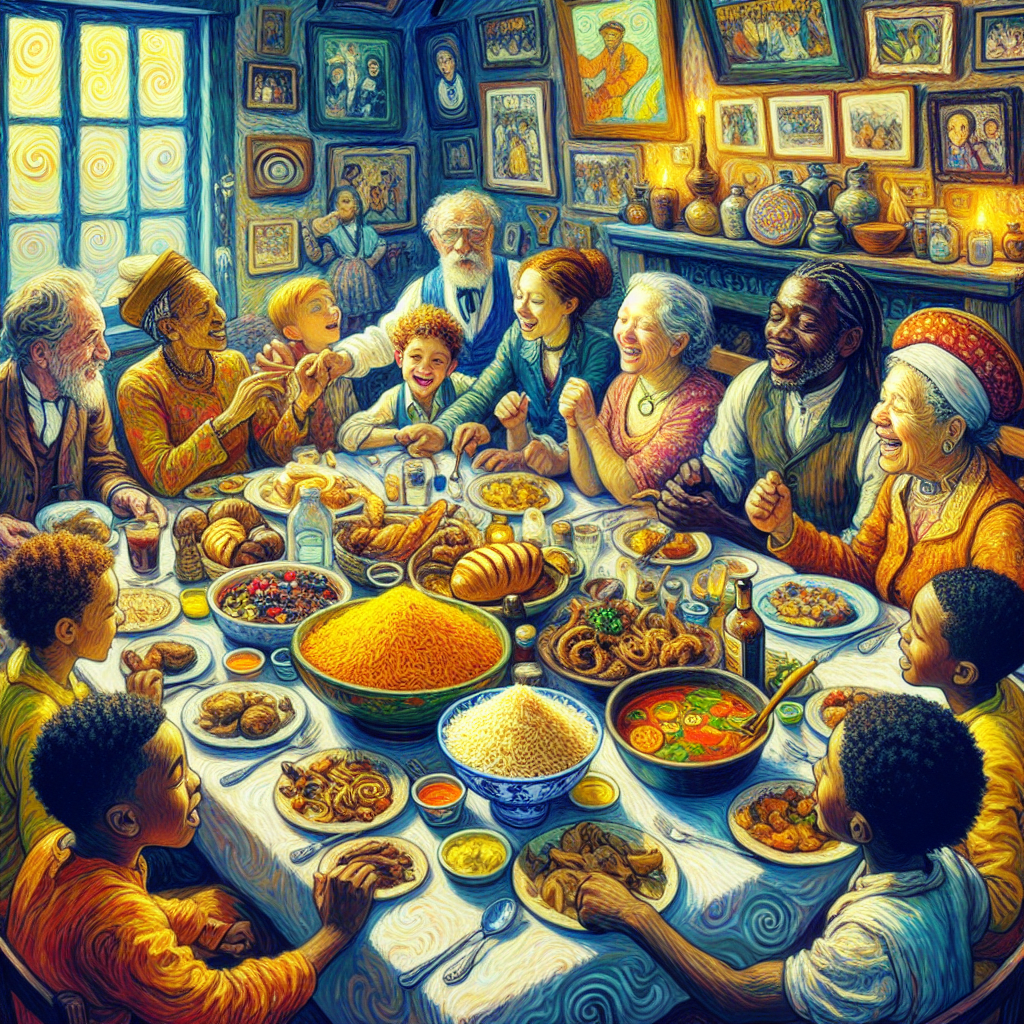
How Can Technology Help Safeguard Your Treasured Possessions?
What Are the Best Storage Methods for Vulnerable Items?
When it comes to protecting our treasures—those vulnerable items that tell our stories—the right storage methods are the backbone of preservation, holding not just physical objects, but the legacies we pass down through generations. Each box, each shelf, plays a vital role in safeguarding memories, nostalgia, and family history.
Let’s start with the emotional aspect. Think about your grandmother’s quilt, stitched with care and love. It’s more than fabric; it’s a hug from the past. To honor that legacy, consider acid-free storage options. They’re not just boxes; they are time capsules, cocooning each stitch to ensure future generations can feel the warmth and wisdom imbued in every thread.
From a rational perspective, the environment plays a critical role in storage. Fluctuations in temperature and humidity can wreak havoc on delicate materials. A climate-controlled unit isn’t just a luxury; it’s a necessity for the preservation of your irreplaceable items. Imagine walking into that unit and feeling the steady hum of controlled conditions, where your cherished possessions wait patiently, preserved against the caprices of time.
Ethically, we have a responsibility to protect not just our personal belongings, but the stories tethered to them. It’s about respect—respect for the past and the future. Ensuring that family artifacts are kept in the right conditions means that they will be available for storytelling sessions around the dinner table. The laughter, tears, and shared memories link generations, allowing children to connect with ancestors they’ve never met, forming a tapestry of shared identity.
Think of authority in terms of expertise. There are specialists out there—archivists, conservators, and historians—who dedicate their lives to understanding the best practices in preserving items of significance. Seek them out, listen to their insights, and trust their guidance. It’s not just an investment in items; it’s an investment in knowledge and heritage.
Lastly, let’s consider the social aspect. Storing these vulnerable items is an act of community, a commitment to maintaining a collective memory. Share your practices with friends and family, start conversations about preservation, and inspire a movement.
By creating a culture of care, we ensure that the stories woven into our belongings continue to resonate, teaching future generations about the paths we’ve walked, the values we cherish, and the dreams we’ve held close. Let us rise to the occasion, taking action to preserve our legacies with the diligence they deserve.

What Are the Best Storage Methods for Vulnerable Items?
What Are the Best Storage Methods for Vulnerable Items?
- Effective storage methods are essential for preserving cherished items and their associated stories.
- Emotional connections to items, like a grandmother’s quilt, highlight the importance of using acid-free storage to honor legacies.
- A climate-controlled environment is necessary to protect delicate materials from damage due to fluctuating temperature and humidity.
- There is a moral obligation to preserve family artifacts and the stories connected to them, allowing future generations to engage with their history.
- Experts such as archivists and conservators are valuable resources for best practices in preservation, making it wise to seek their advice.
- Storing vulnerable items fosters a sense of community and helps maintain collective memories, encouraging discussions about preservation.
- Creating a culture of care for our belongings ensures that their stories continue to educate and inspire future generations.

What Are the Best Storage Methods for Vulnerable Items?
How Do Natural Disasters Impact the Value Of Your Heirlooms?
When we think of heirlooms, we often conjure images of delicate porcelain figures or dusty chests filled with family photos, items brimming with sentimental value. Yet, beneath that polished surface lies a haunting reality: natural disasters can threaten not just our physical possessions but the very essence of our family’s legacy. Imagine a sudden flood rising over a treasured quilt stitched by your great-grandmother. In a flash, what was once part of your family’s narrative—its joys, struggles, and victories—can be reduced to mere memories.
Every artifact tells a story. It’s not just a piece of jewelry or a dusty old book; it’s a direct line to the past, a bridge to those who came before us. When disaster strikes, that narrative—and the lessons contained within it—is at risk. The history forged by generations is not merely a collection of items but a rich tapestry woven with the threads of love, resilience, and identity. Losing these heirlooms can feel like losing pieces of ourselves, as if the stories we share and pass down hold the remnants of our very being.
Now, let’s dig into the rational aspect. When a wildfire sweeps through a neighborhood, insurance can often replace material possessions, but how do you put a price on the memories contained in a locket or the laughter that echoes in an old photograph? These items often don’t have a clear monetary value, yet they undoubtedly possess immense worth. The ethical side of this discussion is vital too, as we grapple with the responsibility of safeguarding our family’s stories, not just for ourselves but for future generations.
We have a duty to ensure that these narratives endure through the unpredictable chaos of nature. Consider how your community can come together to help protect these legacies. By engaging with local preservation efforts or disaster preparedness initiatives, you take action that fosters collective resilience. The heart of this matter isn’t merely about maintaining property; it’s about nurturing connections that bind us to our roots.
So when disaster looms on the horizon, remember: it’s not just about property—you’re defending the heart of your family’s legacy. It’s a battle worth fighting: for the stories that resonate within us and the future generations who will listen, learn, and carry forth the tales we’ve cherished.

How Do Natural Disasters Impact the Value Of Your Heirlooms?
How Do Natural Disasters Impact the Value Of Your Heirlooms?
- Heirlooms are often seen as sentimental items, like porcelain figures or family photos, but they hold deeper significance.
- Natural disasters can jeopardize not just possessions but the very essence of a family’s legacy and narrative.
- Every artifact is a connection to the past and contains the history of love, resilience, and identity.
- Losing heirlooms can feel like losing parts of ourselves, as they carry the stories and memories of our family.
- Insurance may cover material items lost in disasters, but cannot replace the emotional value of personal heirlooms.
- Communities should unite to protect family legacies through preservation efforts and disaster preparedness initiatives.
- Defending family stories and heritage is a crucial battle that ensures future generations continue to learn and appreciate their history.
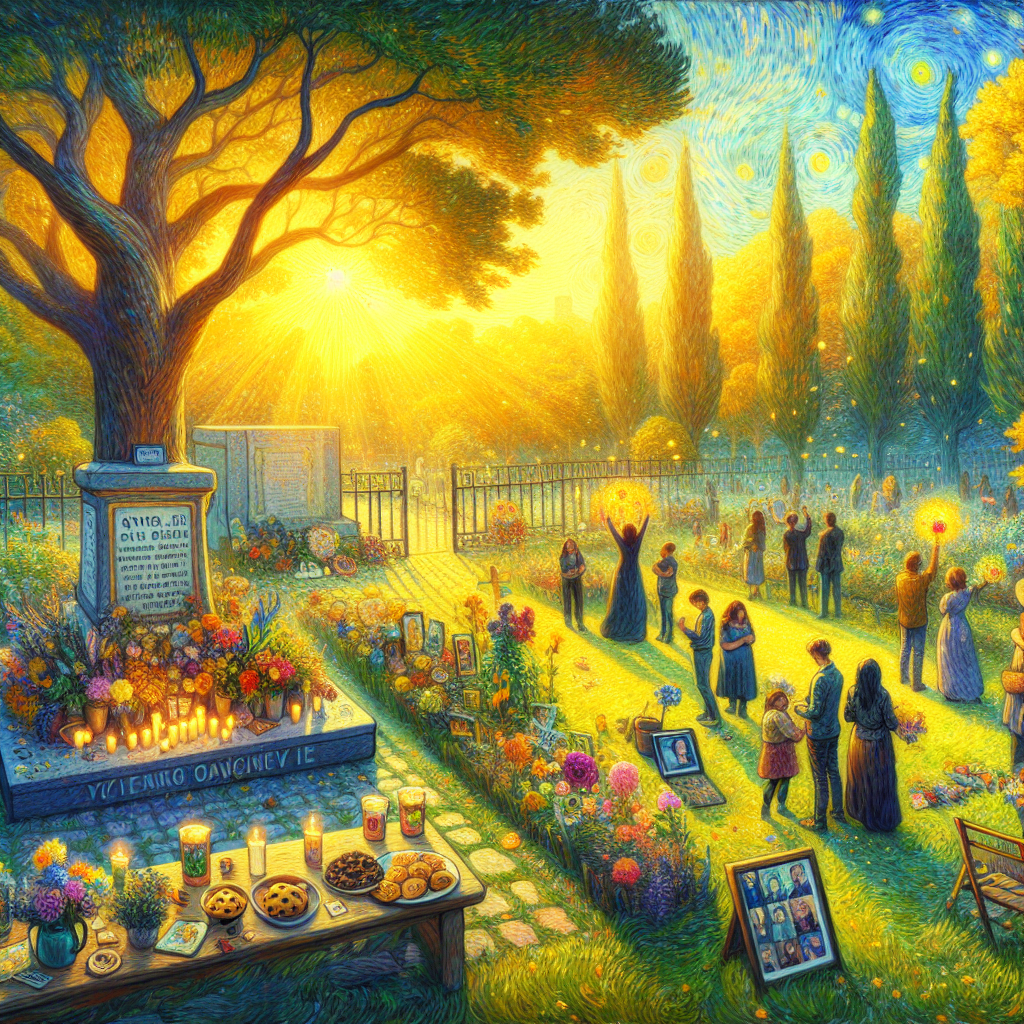
How Do Natural Disasters Impact the Value Of Your Heirlooms?
Conclusion
Protecting our heirlooms is about more than just safeguarding objects; it’s about preserving the threads of our family stories woven throughout generations. These treasures—each chipped vase, faded photo, or lovingly handwritten letter—are touchstones of who we are and where we come from. Natural disasters can strike at any moment, feeling like a tidal wave over our very histories. The responsibility to shield these artifacts rests not only on our shoulders but transcends generations, creating an opportunity to craft a legacy filled with meaning.
Begin by forming a solid plan. Assess your most cherished items and their vulnerabilities. Are they stored in waterproof containers or fire-safe environments? This might require effort and investment, but remember that defending our family’s history is a duty worth undertaking. Then, gather your loved ones around a dinner table or during a family gathering and share the tales that accompany each heirloom. This legacy storytelling not only strengthens bonds but embeds those stories within your family narrative, ensuring they are cherished and remembered.
The emotional landscape here cannot be overstated. Each heirloom evokes memories and connects us with our roots, cultivating a profound sense of belonging. Whether it’s an old glove that caught your father’s best pitch or a quilt stitched by an ancestor, every item carries the weight of dreams, perseverance, and family love. But the loss of these keepsakes is troubling. It’s perceived as a severing of ties to our identity, depriving us of the lessons they embody.
As much as emotional ties are vital, rational thought must guide us, too. Insuring our heirlooms can provide peace of mind. Policies not only replace lost items but safeguard the stories lodged within them. By engaging with experts in preservation, we can ensure these narratives endure. The ethical duty to honor our family’s memories pushes us to take proactive steps—small acts that contribute to a larger commitment to legacy.
It’s essential to encourage community dialogue around heirloom preservation. Sharing strategies with neighbors and drawing from collective wisdom fosters a sense of solidarity. Let’s remember, protecting our heirlooms is not solely about safeguarding our possessions; it’s about keeping memories alive. As we navigate the chaos of life, let’s take action, standing vigilant for our narratives and ensuring that these stories continue for generations to come. Embrace the challenge of preservation, for it’s a fight worth undertaking—a commitment to our past and an investment in our future.

Conclusion
Conclusion:
- Protecting heirlooms preserves family stories across generations.
- Heirlooms serve as touchstones of identity and heritage.
- Natural disasters pose risks to these artifacts, necessitating proactive protection.
- Assess the vulnerabilities of cherished items and store them securely.
- Share the stories behind each heirloom with loved ones to strengthen family bonds.
- Insuring heirlooms provides peace of mind and protects their narratives.
- Encourage community dialogue on heirloom preservation to foster collective strategies.

Conclusion
Other Resources

Other Resources
Here is a list of other resources you can review online to learn more:
- RootsMagic
- DocuBank
- FindMyPast
- Ever Loved
- Storyworth
- Everplans
- Funeral Services Guide
- Memorial Matters
- RocketLawyer
- GhostMemo
- Directive Communication Systems
- Afternote
- FamilySearch
- My Wonderful Life
- Geni
- Geneanet
- Is There A Need To Pay For Copyrighting Services For Personal Or Family Legacy Stories?
- Postumo
- How to Save Your Family�s Stories from Being Lost Forever � A Step-by-Step Guide to Creating a Lasting Digital Legacy
- INELA
Use This Prompt To Get More Resources With Your Favorite Online AI Tool: Please provide me with a list of online articles with their URLs in a bulleted list that I can read regarding How to Protect Heirlooms From Natural Disasters

Other Resources
Glossary Terms
How to Protect Heirlooms From Natural Disasters – Glossary Of Terms
1. Heirloom: A valuable object passed down through generations, often cherished for sentimental or historical significance.
2. Natural Disaster: A catastrophic event caused by natural processes of the Earth, including earthquakes, floods, hurricanes, and wildfires.
3. Preservation: The act of keeping an item in its original condition, often through careful handling and storage techniques.
4. Climate Control: Maintaining temperature and humidity levels in a space to protect items from environmental damage.
5. Storage: The act of keeping items in a designated space, often using containers or specialized equipment to safeguard valuables.
6. Insurance: A financial product that provides compensation for loss or damage to heirlooms, helping to protect their monetary value.
7. Emergency Kit: A collection of essential supplies and tools prepared for use during a natural disaster, including items for heirloom protection.
8. Evacuation Plan: A strategy for leaving a hazardous area, including guidelines for taking heirlooms with you when necessary.
9. Fireproofing: Techniques and materials used to protect items from fire damage, often involving specialized containers or treatments.
10. Flood Proofing: Measures taken to protect belongings from water damage, including raised storage and waterproof containers.
11. Mold Prevention: Strategies to inhibit the growth of mold on heirlooms, often involving control of humidity and air circulation.
12. Seismic Bracing: Techniques used to reinforce structures and items against earthquake damage, ensuring stability during tremors.
13. Packaging: The process of enclosing heirlooms in protective materials to safeguard against environmental threats during storage or transport.
14. Restoration: The process of repairing or refurbishing an item to return it to its original condition after damage.
15. Documentation: The act of creating written records or photographs that detail an heirloom’s history, value, and condition.
16. Flood Zone: An area identified as being at risk of flooding, influencing decisions on where to store and protect heirlooms.
17. Safety Deposit Box: A secure container located in a bank or financial institution used to store valuables, including important documents and small heirlooms.
18. Conservation: The scientific practice of preserving artifacts and heirlooms, focusing on maintaining their integrity and value for the future.
19. Inventory: A comprehensive list of all heirlooms and their details, used for organization and insurance purposes.
20. Thermal Blanket: An insulating material designed to protect items from temperature fluctuations and fire during disasters.
21. Non-Acidic Materials: Special packaging supplies that won’t damage heirlooms, important for long-term storage.
22. Archival Quality: Description of materials that are chemically stable and safe for the long-term preservation of artifacts and documents.
23. Tornado Preparedness: Specific measures to protect items from tornado damage, including identification of safe locations to store heirlooms.
24. Restoration Expert: A professional who specializes in repairing and restoring heirlooms to their original state following damage.
25. Crisis Management: Strategies and plans developed to effectively respond to unexpected disasters and protect valuable items.
26. Humidity Control: Techniques to manage moisture levels in storage areas, crucial for preventing water damage to heirlooms.
27. Evacuation Bag: A portable kit that includes essential items and possibly small heirlooms for quick retrieval during an emergency.
28. Insurance Appraisal: The process of obtaining a professional valuation of heirlooms for the purpose of insurance coverage.
29. Environmental Monitoring: Continuous observation of conditions such as temperature, humidity, and air quality in storage areas.
30. Disaster Recovery: The process of restoring and rehabilitating stolen or damaged heirlooms following a natural disaster.

Glossary Of Terms
Other Questions
How to Protect Heirlooms From Natural Disasters – Other Questions
If you wish to explore and discover more, consider looking for answers to these questions:
- What are the most common natural disasters that can impact heirlooms?
- How can I create a disaster preparedness plan specifically for heirlooms?
- What types of insurance should I consider for my heirlooms?
- How can I digitally document my heirlooms for future generations?
- What specific preservation techniques work best for different types of heirlooms?
- How can technology further assist in the preservation of heirlooms?
- What are some community resources available for preserving family history?
- What professional services can assist in restoring damaged heirlooms?
- How do I evaluate the sentimental versus monetary value of my heirlooms?
- What steps should I take immediately after a natural disaster to assess damage to heirlooms?
- How can I engage my children in the legacy storytelling process?
- What ethical considerations should I keep in mind when passing down heirlooms?

Other Questions
Haiku
How to Protect Heirlooms From Natural Disasters – A Haiku
Treasures that we hold,
Whispers of our lineage,
Guardians of our past.
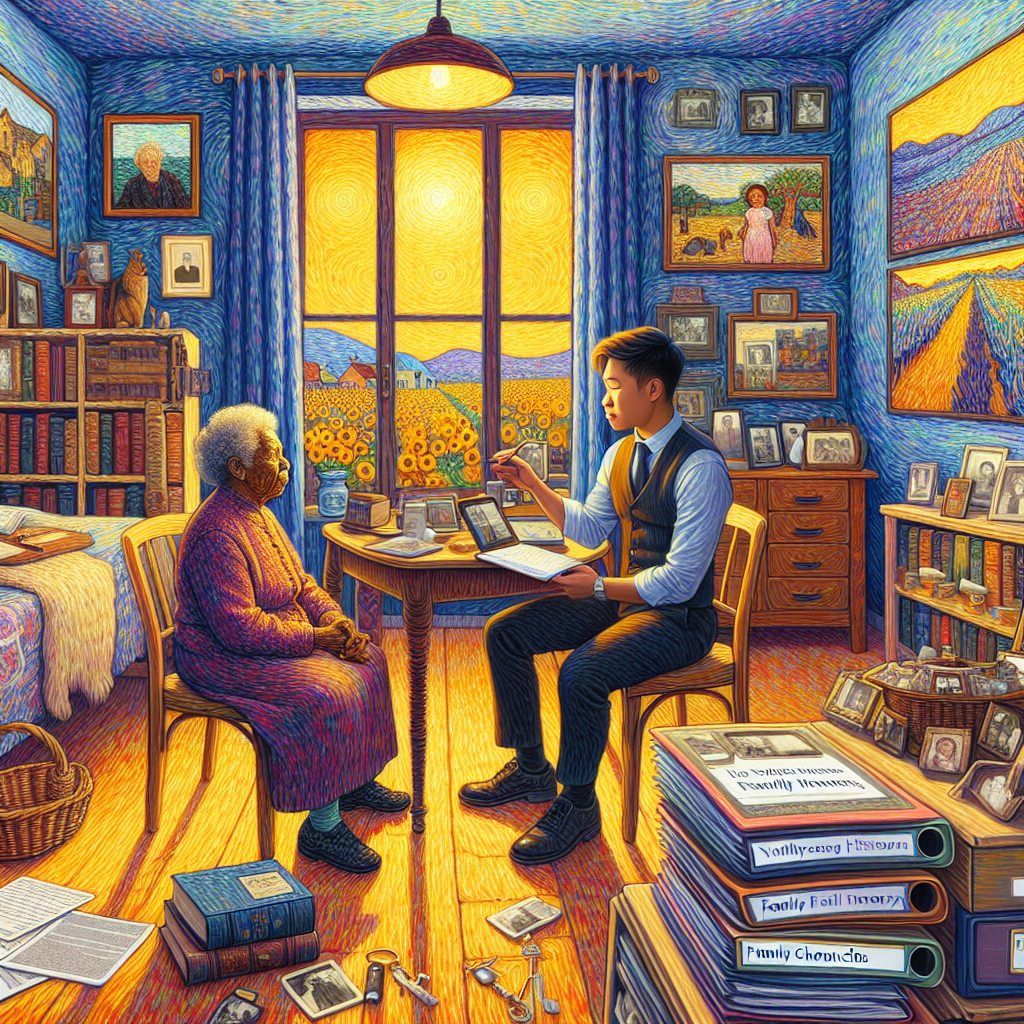
Haiku
Poem
How to Protect Heirlooms From Natural Disasters – A Poem
In the heart of chaos where storms may rise,
Heirlooms whisper tales beneath turbulent skies.
Every cracked vase and worn letter’s seam
Holds our family’s essence, forged in a dream.
A plan we must craft, with love as our guide,
To shield what we cherish, our history’s pride.
With containers of strength, and spaces just right,
We protect our past stories, with hope’s radiant light.
Gather round family, share stories untold,
Through laughter and tears, let your legacy unfold.
Each heirloom a thread, in the tapestry spun,
Connecting our hearts—generations as one.
Yet should loss come dashing, with a flood or a flame,
What comfort in knowing each treasure’s true name?
These keepsakes are more than tokens of old,
They harbor our warmth, our spirit, our gold.
Insurance a safeguard for feelings that bind,
An umbrella of solace in storms we may find.
Engage with your community, share wisdom and care,
A tapestry woven, a legacy rare.
So let’s honor the past, each item a bridge,
To lessons of love and the heritage we give.
From the heart to the head, let’s protect what we hold,
For our stories are treasures—a legacy bold.

Poem
Checklist
How to Protect Heirlooms From Natural Disasters – A Checklist
Checklist for Safeguarding Your Heirlooms
Emotional Appeals:
_____ Reflect on the stories behind each heirloom. Write them down or share them with family.
_____ Create a dedicated space in your home for showcasing treasured items, reinforcing their significance.
_____ Organize family gatherings focused on legacy storytelling to strengthen emotional connections.
Rational Appeals:
_____ Assess the vulnerabilities of your heirlooms. Identify items at risk and make a list.
_____ Invest in appropriate storage solutions (e. g. , acid-free boxes, climate-controlled environments).
_____ Obtain professional appraisals to understand the value of your heirlooms for insurance purposes.
Ethical Appeals:
_____ Commit to preserving and protecting family heirlooms as a responsibility to future generations.
_____ Engage family members in conversations about the importance of each heirloom’s history.
_____ Consider the ethical implications of heirloom care. What legacy do you want to leave behind?
Authority Appeals:
_____ Research best practices for preserving heirlooms by consulting experts in conservation.
_____ Follow guidelines from reputable organizations dedicated to preservation and disaster preparedness.
_____ Attend workshops or seminars on heirloom protection and preservation techniques.
Narrative Appeals:
_____ Create a digital inventory of your heirlooms, documenting their stories and significance.
_____ Use storytelling to link heirlooms with family history, turning each item into a narrative piece.
_____ Share stories of your heirlooms within your community to foster connections and understanding.
Social Appeals:
_____ Join or form local groups focused on heirloom preservation and sharing best practices.
_____ Collaborate with friends and neighbors to create a community strategy for protecting shared history.
_____ Engage online with forums where you can exchange tips and experiences about safeguarding heirlooms.
By following this checklist, you can ensure your cherished heirlooms are protected, their stories preserved, and your family’s legacy strengthened for generations to come.

Checklist
At LegacyExplorations, we help people plan and explore their legacy by collecting information and news regarding end-of-life planning.
Please share this post with your friends, family, or business associates who may want help to plan or explore their legacy.