

Afterlife Data Security: Safeguarding Online Privacy For Loved Ones
By Tom Seest
At LegacyExplorations, we help people plan and explore their legacy by collecting information and news regarding end-of-life planning.
Please share this post with your friends, family, or business associates who may want help to plan or explore their legacy.
How to Protect Online Privacy After Death for Loved Ones?
When it comes to safeguarding your digital legacy, planning isn’t just for the living. It’s a practical step that often gets overlooked, yet it’s vital for ensuring that your loved ones aren’t left piecing together a digital puzzle at a difficult time. In a world where our lives are intertwined with technology, taking charge of your online presence after you’re gone is one of the most caring things you can do.
Start with creating an organized account inventory. Jot down where you have accounts—social media, email, banking, subscriptions—you name it. Make a list, and be thorough. You might be surprised to discover how many emails, forums, and memberships you’ve accumulated over the years. This inventory will serve as both a roadmap and a lifeline for your family, preventing them from embarking on fruitless treasure hunts through your digital life.
Next, think about passwords. Everyone hates the hassle of managing passwords, but with a bit of effort, you can streamline this process. Consider using a reputable password manager. These services securely store your passwords and can often generate strong, unique passwords for each of your accounts. When the time comes, your loved ones can access this information with permission and a bit of direction. It saves them from the head-scratching acronyms that are probably stored in your mind only.
And while we’re on the topic of access, don’t forget about deciding what happens to your social media. Most platforms have settings that allow you to designate a legacy contact who can manage your account in the future. This can mean everything from keeping your profile active as a memorial page to managing messages and privacy settings. Consider what would best honor you, and make those choices clear.
Lastly, be sure to communicate your wishes with your loved ones. This isn’t just about leaving a piece of paper in a drawer; have an actual conversation. Discuss your preferences about accounts, digital assets, and how you’d like them handled. It’s not easy to talk about, but addressing it head-on will ease their burden significantly.
Taking these simple yet crucial steps ensures that your online identity reflects your wishes and protects your loved ones from unwarranted stress. It’s a legacy of love—because even after we’re gone, we can still look out for the people we care about.

How to Protect Online Privacy After Death for Loved Ones?
How to Protect Online Privacy After Death for Loved Ones?
- Planning for online privacy after death is essential to protect loved ones from confusion during a difficult time.
- Create a detailed inventory of all your online accounts, including social media, email, banking, and subscriptions.
- Utilize a reputable password manager to securely store and manage passwords for easy access by your loved ones.
- Designate a legacy contact on social media platforms to manage your accounts posthumously.
- Communicate your online privacy wishes clearly with loved ones to ensure they understand your preferences.
- Addressing online legacy planning head-on can significantly ease the burden on family and friends.
- These steps reflect your wishes and demonstrate love and care for those you leave behind.

How to Protect Online Privacy After Death for Loved Ones?
Table Of Contents
- How to Protect Online Privacy After Death for Loved Ones?
- What Online Accounts Need Management After Death?
- How Can I Set Up A Digital Will?
- What Is A Legacy Contact And How Does It Work?
- How Do I Secure My Loved Ones’ Digital Assets?
- What Are The Privacy Risks Associated With Online Accounts?
- How Can Passwords Be Securely Managed After Death?
- What Should I Include In A Digital Estate Plan?
- How Can Family Members Access Accounts After I Pass Away?
- What Services Can Help Manage Online Presence Post-Mortem?
- How Do I Safely Share My Digital Information?
- What Are The Legal Aspects Of Digital Privacy After Death?
- How Often Should I Review My Online Privacy Settings?
- How Can I Ensure My Social Media Is Handled Appropriately?
- What Happens To My Cryptocurrency After I Die?
- How Can I Communicate My Online Wishes To Loved Ones?
- Conclusion
- Other Resources
- Glossary Of Terms
- Other Questions
- Haiku
- Poem
- Checklist
What Online Accounts Need Management After Death?
When someone passes away, it’s not just the personal belongings and cherished memories that require attention; there’s a whole digital world that needs managing, too. In this fast-paced tech-savvy age, our online lives can sometimes be as intricate and abundant as our physical ones. And if you think that email accounts and social media profiles can simply fade away like old photographs, think again. Here’s a closer look at the online accounts that merit consideration after a loved one has departed.
First off, we cannot overlook email accounts. Whether it’s Gmail, Yahoo, or Outlook, these platforms often contain critical information, such as banking statements, medical records, and correspondence that may hold sentimental value. Accessing these accounts could be a necessity for surviving family members to tie up loose ends.
Next on the list is social media. Facebook, Instagram, Twitter — these platforms are modern-day scrapbooks, preserving memories and photos that can comfort grieving family and friends. Therefore, it’s crucial to decide what happens to these profiles. Many platforms allow for memorializing accounts, a choice that honors the person’s legacy while giving friends a space to remember and share stories. Alternatively, families might prefer to have these accounts removed altogether, wiping the digital slate clean.
Then there are financial accounts. This includes everything from bank accounts and credit cards to investment portfolios and cryptocurrencies. These accounts not only require management to settle debts but also to transfer assets to heirs. It’s important to have a clear understanding of who has access and what information is needed, as dealing with finances in a time of grief is the last thing most folks want to tackle.
Don’t forget about subscription services. Things like Netflix, Spotify, Prime, or even gaming accounts may seem insignificant, but they can accumulate surprisingly fast. Having a plan for these accounts—whether it’s transferring ownership, cancelling subscriptions, or simply cataloging them—can prevent additional headaches down the line.
Finally, consider any online memberships or platforms—perhaps a domain name for a website or an online storage account. These can often slip through the cracks, but taking the time to manage them can provide peace of mind and continuity for family members.
In summary, the digital footprint left behind is substantial. Addressing these online accounts after someone has passed is an essential step in processing grief and ensuring their legacy—both physical and digital—is managed with care and respect. After all, the digital world isn’t just made up of data; it holds memories, connections, and remnants of the lives we’ve shared.

What Online Accounts Need Management After Death?
What Online Accounts Need Management After Death?
- The digital world requires attention after someone passes away, alongside personal belongings and memories.
- Email accounts like Gmail and Yahoo contain important information such as banking statements and sentimental correspondence.
- Social media platforms function as modern scrapbooks and can be memorialized or deleted based on family preference.
- Financial accounts—including bank accounts, credit cards, and cryptocurrencies—must be managed to settle debts and transfer assets.
- Subscription services (e.g., Netflix, Spotify, gaming accounts) should be addressed to prevent future complications.
- Online memberships, domain names, and storage accounts can also require attention for continuity and peace of mind.
- Managing the digital footprint is essential for processing grief and honoring a loved one’s legacy.

What Online Accounts Need Management After Death?
How Can I Set Up A Digital Will?
In a world where nearly everything is digital, it makes sense that the way we handle our affairs in the afterlife should evolve, too. A digital will lets you address your online assets and accounts—everything from social media profiles to cryptocurrency wallets. So, how do you get started? Buckle up; we’re diving in.
First and foremost, you need to compile a list of your digital assets. This isn’t just about your Instagram account or your Netflix subscription. Think broader: online bank accounts, stocks, domains, or even those beloved gaming accounts where you’ve poured hours of your life. If it exists online and holds value—be it sentimental or financial—it deserves a spot on that list. Just like any good recipe, the key is in the details.
Next up, you’ve got to decide who gets what. This person will be your digital executor, the guardian of your virtual treasures. It could be a family member, a trusted friend, or even a legal professional—just make sure they’re up for the task. This is someone who should understand technology to navigate your digital landscape. No one wants a reluctant executor stumbling around the web, trying to find the email account where you’ve stored your passwords.
Now, let’s get to the nitty-gritty: the legal stuff. While some folks might think that a simple note on a napkin will suffice, that’s not going to cut it in the eyes of the law. You can either create a digital will through an online service or consult with an attorney. Digital estate planning services provide frameworks and templates for crafting a will that meets the legal requirements in your jurisdiction. You don’t want to leave your loved ones with a tangled web of passwords and permissions—make it as easy as pie.
Finally, once your digital will is set up, don’t stash it away like a forgotten sock under the bed. Share it with your executor and give them access to any necessary login details. Regularly updating your will to reflect changes in your digital footprint is crucial; after all, life online is ever-evolving.
Ensure your digital legacy lives on, reflecting who you are long after you’ve logged out for good. Put in the work now, and rest easy knowing that your online identity is in good hands. Your peace of mind is worth every keystroke.

How Can I Set Up A Digital Will?
How Can I Set Up A Digital Will?
- Digital wills are essential for managing online assets in the afterlife.
- Compile a comprehensive list of digital assets, including social media, banking, and gaming accounts.
- Choose a digital executor who is knowledgeable about technology and willing to manage your online legacy.
- Create a legally binding digital will using an online service or with an attorney’s assistance.
- Share your digital will and necessary login information with your executor to ensure accessibility.
- Regularly update your digital will to reflect changes in your online presence and assets.
- Investing time in digital estate planning assists in preserving your online identity and peace of mind.

How Can I Set Up A Digital Will?
What Is A Legacy Contact And How Does It Work?
In an age where everything is interconnected, and our lives are meticulously documented online, the concept of a legacy contact is like having a safety net in the digital wild west. Have you ever thought about what happens to your online accounts once you’ve shuffled off this mortal coil? I’m not talking about a last will and testament that includes your prized collection of action figures; I’m talking about the likes of Facebook, Instagram, or your beloved Twitter account.
A legacy contact is essentially your digital understudy. It’s someone you designate to manage your online presence after you’re unable to do so – whether that’s due to illness, incapacity, or, well, the big sleep. When the time comes, your chosen legacy contact steps in to handle your accounts, keeping the digital footprint of your life intact and, hopefully, respectful.
So how does it all work? Let’s break it down. First, you need to designate someone you trust. This isn’t just picking an acquaintance; it’s about selecting a digital guardian who’ll advocate for your memory, sift through your online estate, and engage with your friends and family at a time that’s bound to be emotionally charged. Think of it as handing over the keys to your digital house – you wouldn’t give those to just anyone.
After you’ve made your choice, you go into the settings of your social media account and add the person as your legacy contact. Depending on the platform, they might get the authority to do things like create a pinned post announcing your passing or update your profile picture. They’ll be able to respond to friend requests, manage posts, and even take down content that doesn’t match your values or memory. Need to transfer ownership of a page? These legacy contacts can do that, too.
Remember, this isn’t just about keeping your online accounts alive. It’s about preserving your legacy, your voice, and the way you lived. By establishing a legacy contact, you’re ensuring that when you take that final bow, your digital life carries on in a way that reflects who you were. It’s a unique blend of modern technology and old-world guardianship, and, frankly, it’s about time we all started to think about it. So, who’s going to hold the reins of your virtual legacy? Choose wisely; the next act is up to them.

What Is A Legacy Contact And How Does It Work?
What Is A Legacy Contact And How Does It Work?
- The concept of a legacy contact serves as a safety net for managing online accounts after one’s death.
- A legacy contact is a designated individual to handle your online presence in case of illness or death.
- This person is responsible for preserving your digital footprint, ensuring it remains respectful and intact.
- Choosing a trust-worthy individual is crucial, as they will advocate for your memory and engage with loved ones.
- Once designated, legacy contacts can manage your social media accounts, including updating profile information and responding to friend requests.
- The role of a legacy contact goes beyond account management; it is about preserving your legacy and voice online.
- Choosing the right legacy contact is important, as they will oversee your digital life after you’re gone.

What Is A Legacy Contact And How Does It Work?
How Do I Secure My Loved Ones’ Digital Assets?
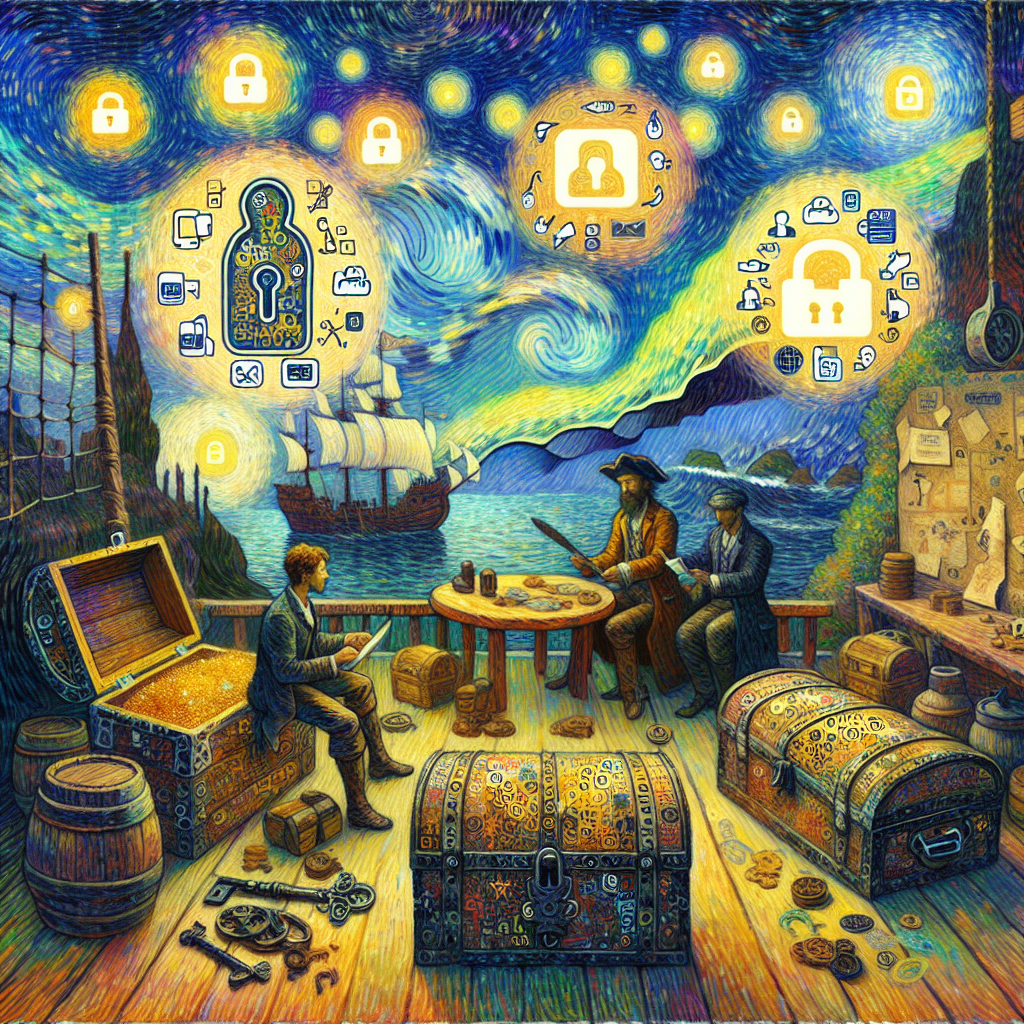
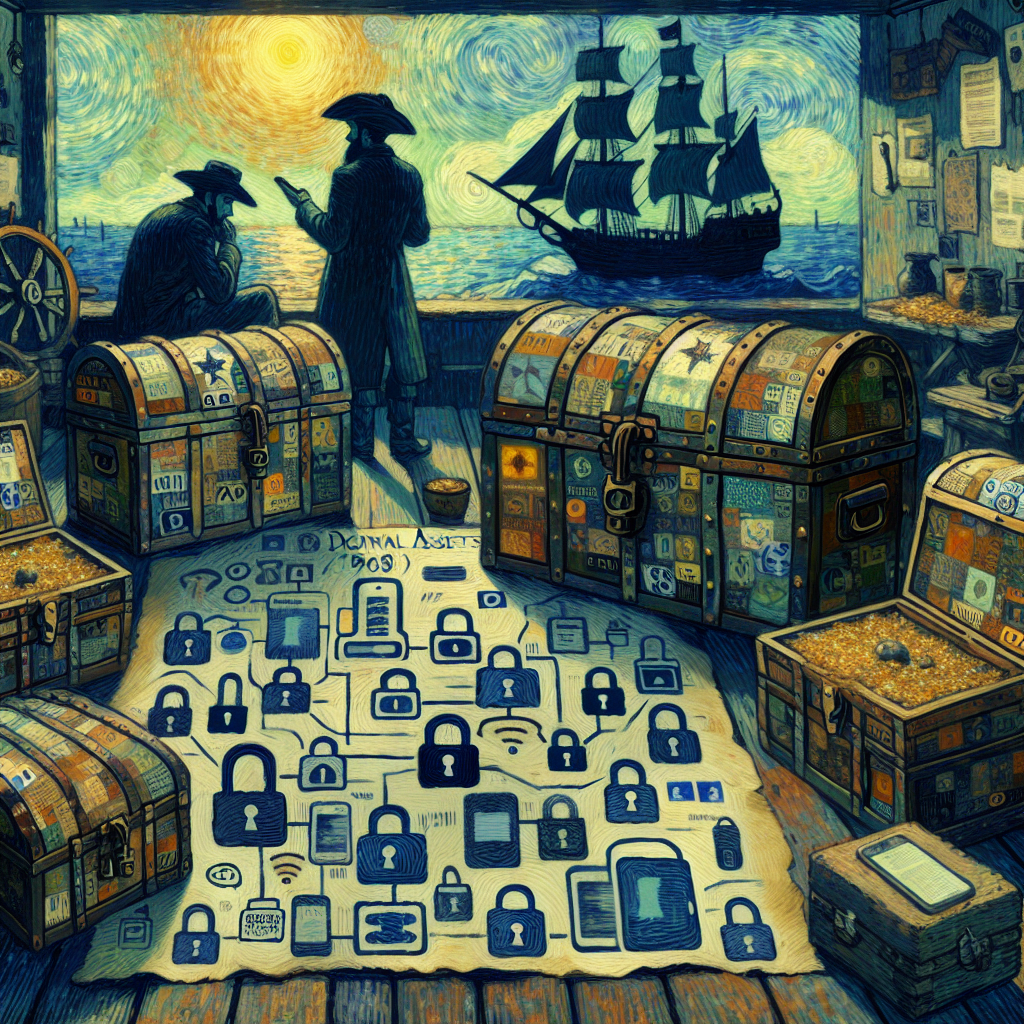
When it comes to digital assets, think of them like the treasures buried deep in a pirate’s cove—valuable, but nearly impossible to access without the right map. As we glide deeper into an era dominated by technology, the importance of securing our digital assets has never been more critical. But let’s not get overwhelmed. With a few straightforward steps, you can safeguard your loved ones’ online presence as effectively as any sturdy treasure chest.
First off, let’s talk passwords. Those little combos of letters, numbers, and symbols are the keys to the kingdom. Encourage your loved ones to use unique, complex passwords for each account. It’s like giving every treasure chest its own lock. Password managers can be invaluable tools here. These nifty applications help manage and generate strong, random passwords you can’t memorize but don’t have to! Just remember, the best lock in the world is useless if you leave the key lying around. Teach them to avoid storing passwords in plain text or on sticky notes haphazardly plastered to their laptops.
Next up is two-factor authentication (2FA). Picture it as a security guard checking for ID before you’re allowed access. This extra layer of protection can thwart hackers who’ve managed to snag a password. With 2FA enabled, a second confirmation—usually sent to a smartphone—is required before access is granted. It’s a small hassle, but one that can save a world of heartache down the line.
Now, let’s take a moment for data backups. Just like a wise captain wouldn’t sail to uncharted waters without a backup plan, your loved ones shouldn’t keep all their critical info in one place. Promote regular backups to external drives or cloud services. In the digital world, hard drives crash, and databases corrupt. Regularly backing up data ensures there’s always a safety net waiting.
Lastly, start the conversation. We’re often hesitant to chat about digital security because it feels daunting, but tackling it head-on sheds light on potential vulnerabilities. Encourage loved ones to share passwords, backup strategies, and even the accounts that hold sentimental value. A solid plan for securing those digital assets—not unlike navigating uncharted waters—helps everyone feel a bit more anchored. Remember, keeping loved ones’ digital riches close at hand can make the difference between smooth sailing and stormy seas.
How Do I Secure My Loved Ones’ Digital Assets?
How Do I Secure My Loved Ones’ Digital Assets?
- Digital assets are valuable yet hard to access; securing them is essential in today’s tech-driven world.
- Encourage the use of unique, complex passwords for each account, akin to giving every treasure chest its own lock.
- Password managers assist in creating and managing strong passwords, avoiding insecure storage methods like sticky notes.
- Implement two-factor authentication (2FA) for an added layer of security, requiring a second confirmation to access accounts.
- Promote regular data backups to external drives or cloud services to prevent data loss from hardware failures.
- Initiate conversations about digital security to address vulnerabilities and share strategies among loved ones.
- A solid digital asset security plan helps ensure smooth sailing through potential online risks.
How Do I Secure My Loved Ones’ Digital Assets?
What Are The Privacy Risks Associated With Online Accounts?
In today’s digital landscape, where almost everything we do is tethered to our online accounts, it’s essential to shed light on the privacy risks lurking in the shadows. These days, your personal data isn’t just a collection of facts and figures; it’s a digital fingerprint, and piecing it together can reveal a whole lot more than you might expect.
First off, the obvious culprit—data breaches. Corporations often collect vast amounts of sensitive information, and when these systems get hacked, it’s like opening the floodgates. Hackers can scoop up usernames, passwords, and even financial records, often in one fell swoop. The more accounts you have, the greater the targets you become. And let’s face it, many folks reuse passwords because it’s convenient. This practice is like using the same key for your house, your car, and your safe—if one lock is picked, they all go tumbling down.
Before you think it’s just the big names at risk, consider the lesser-known platforms where you might have an account. Smaller websites often lack robust security measures. When they get compromised, your personal information can end up on the dark web faster than you can say “I forgot my password.”
Next on the list are those pesky tracking cookies. While they’re not malicious in themselves, these little crumbs allow companies to follow you around the internet, gathering data on your habits, preferences, and even your location. Ever notice ads popping up for products you just searched for? That’s not magic; it’s a well-oiled marketing machine watching your every move. Without realizing it, you’re granting consent for companies to learn about you in ways you might not be comfortable with.
Then there’s the whole business of social engineering. Humans are the weakest link in any security chain, and scams that prey on our trust are more common than you’d think. Phishing attempts can masquerade as trustworthy communications, dueling for your login details without you ever realizing it. It’s a clever ruse, and unfortunately, many fall victim to it.
All said and done, the journey through the online world is a complex one, filled with bear traps and pitfalls. Being aware of these privacy risks associated with online accounts is your first line of defense. So lock down those accounts, use unique passwords, and stay vigilant. After all, your digital safety is in your hands.

What Are The Privacy Risks Associated With Online Accounts?
What Are The Privacy Risks Associated With Online Accounts?
- In the digital age, personal data is akin to a digital fingerprint, revealing more than expected.
- Data breaches pose a significant risk as hackers can access sensitive information from compromised systems.
- Reusing passwords across multiple accounts increases vulnerability; it’s akin to using a single key for multiple locks.
- Smaller, lesser-known platforms often have weaker security, making them targets for data breaches.
- Tracking cookies allow companies to monitor online behavior and gather personal data, often without explicit consent.
- Social engineering scams, such as phishing, exploit human trust and can lead to unauthorized access to accounts.
- Awareness of these risks is crucial; using unique passwords and maintaining vigilance can enhance digital safety.

What Are The Privacy Risks Associated With Online Accounts?
How Can Passwords Be Securely Managed After Death?
When it comes to securing your digital assets, the conversation often skims over a rather grim yet crucial reality: what happens to our passwords after we take our final bow? Managing one’s digital life is a Herculean task, and while most of us focus on the here and now, it’s wise to consider how our online presence will be handled once we’re no longer around to manage it ourselves.
First and foremost, communication is key. Make it a point to have an open conversation with trusted family members or executors about your digital accounts and the importance of your online presence. You might feel a bit uncomfortable discussing “what happens when I’m gone,” but trust me, a little discomfort now can save countless headaches later. Just think about it: your loved ones might have to sift through a digital clutter that includes everything from social media accounts to bank details and email addresses.
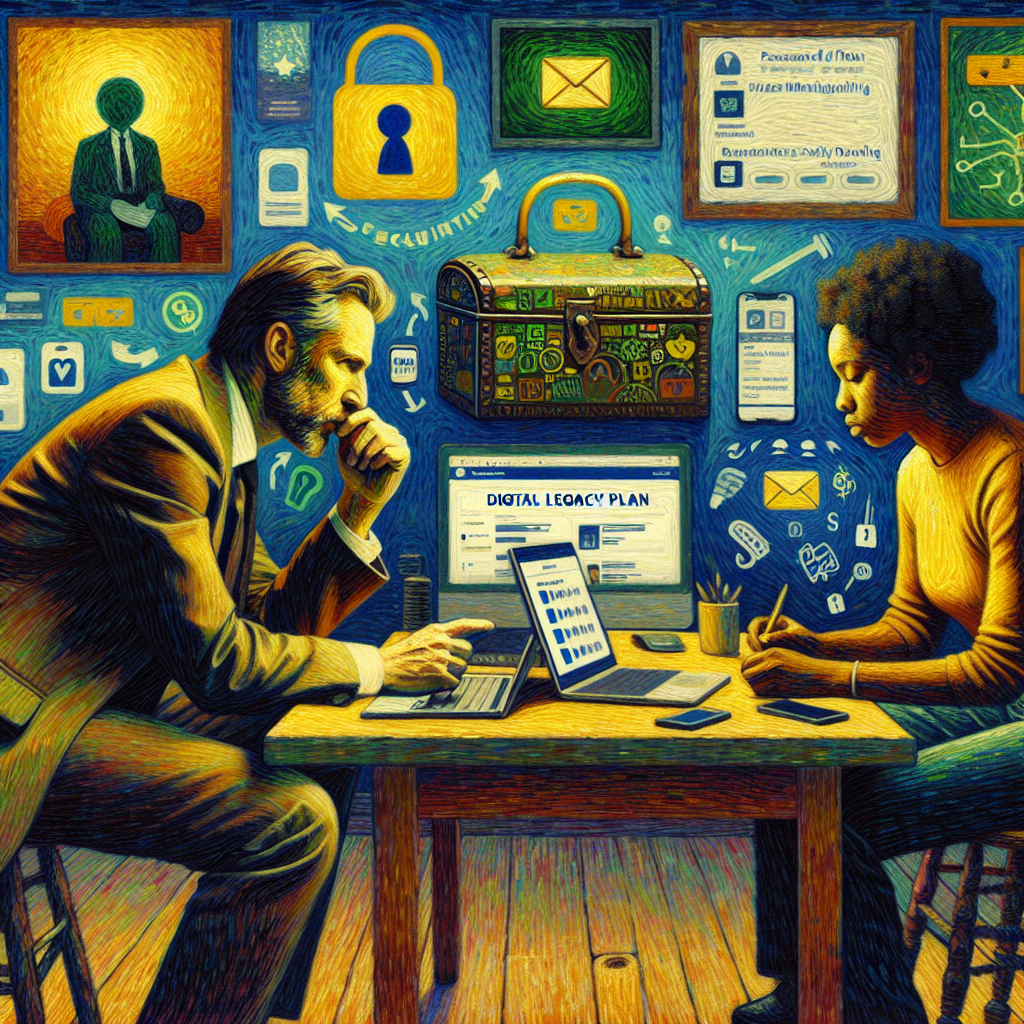
Now, let’s talk tools. Enter the world of password managers. These digital vaults are akin to a high-tech safety deposit box for your login credentials. The beauty lies in their ability to encrypt your data, keeping it safe from prying eyes while allowing designated individuals secure access post-mortem. Take the time to choose a password manager that allows for “inheritance” or “emergency access”—features that enable the passage of digital keys to an appointed heir or executor when the time comes.
But this isn’t just about technology; it’s about strategy. Consider creating a living document that outlines all your accounts, user names, and passwords—yes, the whole shebang. It might not sound very romantic, but a well-structured document can be invaluable. Store this file in a secure spot, like a secured cloud service or a locked drawer, and let your trusted circle know where to find it.
Lastly, review your plans periodically. Just as life changes, so too can passwords and accounts. An annual audit of your digital estate will ensure everything is up to date and secure. So while planning for the inevitable may give you the creeps, think of it as a final act of kindness for those you leave behind. By being proactive, you can keep your digital legacy intact, even when you’re not around to manage it.

How Can Passwords Be Securely Managed After Death?
How Can Passwords Be Securely Managed After Death?
- Consider the fate of your passwords and digital assets after you pass away.
- Communicate openly with trusted family members or executors about your digital accounts.
- Use password managers to securely store and encrypt your login credentials.
- Choose a password manager that offers features for “inheritance” or “emergency access.”.
- Create a comprehensive document listing your accounts, usernames, and passwords.
- Store the document securely and inform trusted individuals about its location.
- Review and update your digital estate plans annually to ensure security and accuracy.
How Can Passwords Be Securely Managed After Death?
What Should I Include In A Digital Estate Plan?
When it comes to a digital estate plan, you need to think like a trailblazer, navigating the wild and often chaotic landscape of the internet. Your online life is more than just memes and cat videos; it’s an intricate tapestry of accounts, subscriptions, and digital assets that need some serious attention. So, roll up your sleeves, and let’s get to the grit of what you should include in your digital estate plan.
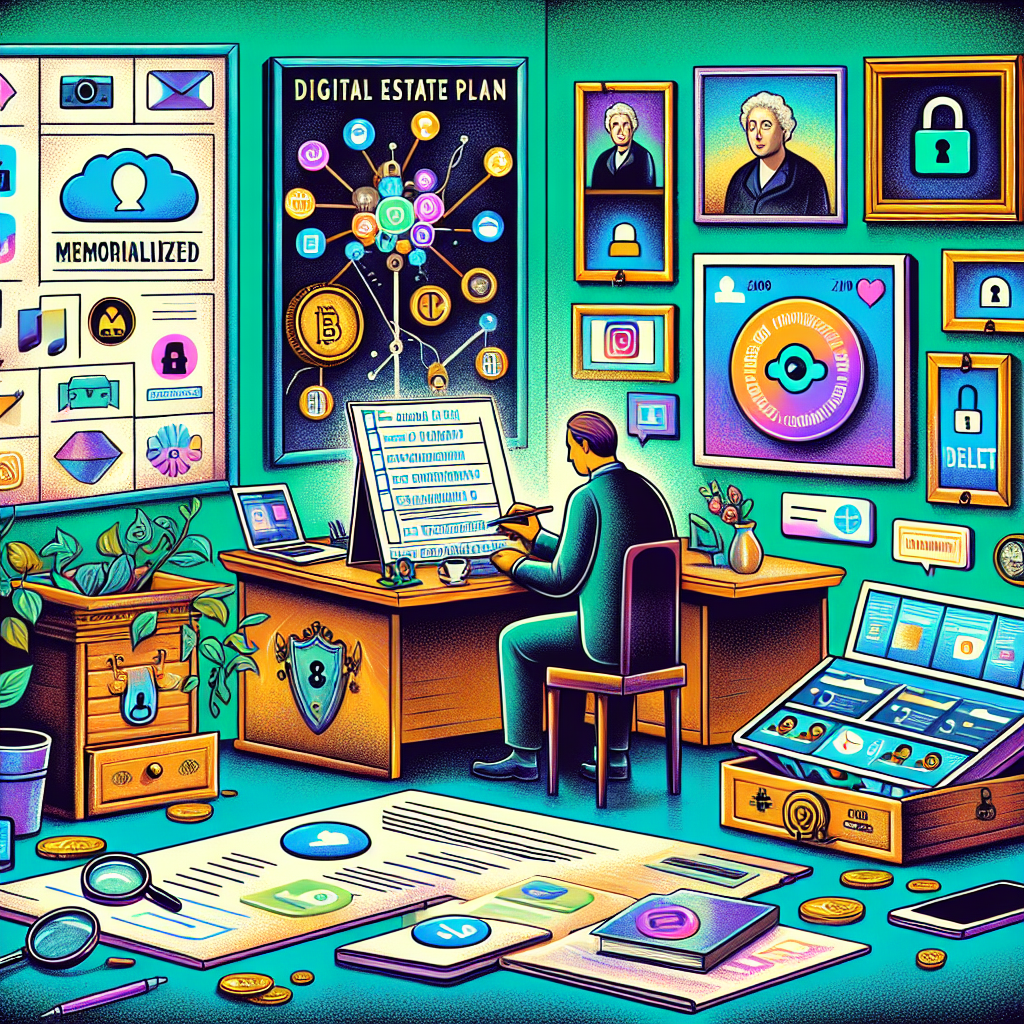
First things first, you have to make a list. Just like tracking your tools for a big job, you need to catalog your online accounts. Think social media platforms, email accounts, cloud storage services, and any websites where you have a presence—like online banking, investment accounts, and e-commerce sites. Don’t forget those subscriptions you might have forgotten about, like streaming services or a gym membership; they matter too. Once you’ve got a comprehensive list, note the usernames and passwords associated with each. But don’t just toss this list under the bed; consider using a reputable password manager that encrypts your credentials.
Next, think about what you want done with those accounts. Some folks choose to have their social media pages memorialized, while others prefer them to be deleted entirely. It’s a personal decision, and your preferences should be crystal clear. You might even designate a digital executor—someone you trust to handle your affairs online. This person can either carry out your wishes or, quite frankly, be the guardian of your digital legacy.
Also, consider your digital assets. Cryptocurrency, NFTs, and valuable domain names can have real monetary worth. Make sure you include details like wallet access, account login information, and even step-by-step instructions for transferring these assets to your beneficiaries.
Lastly, let’s talk about your content: blogs, videos, and photographs stored in the vast virtual wilderness. If you have creative works that hold sentimental value, provide instructions on what should happen to them.
Just like the countless projects you’ve tackled in life, crafting a digital estate plan requires thoughtfulness and a bit of elbow grease. Get organized, be deliberate, and ensure that your online presence reflects your legacy in the way you envision. After all, the digital world is as much a part of you as anything tangible, and it deserves respect and consideration.
What Should I Include In A Digital Estate Plan?
What Should I Include In A Digital Estate Plan?
- Develop a digital estate plan by visualizing your online presence as a complex web of accounts and assets.
- Compile a comprehensive list of all your online accounts, including social media, emails, and subscriptions.
- Record usernames and passwords, and consider using a secure password manager for storage.
- Decide on the fate of your accounts after death, including options for memorialization or deletion.
- Designate a trusted digital executor to manage your online affairs and carry out your wishes.
- Include details of valuable digital assets like cryptocurrency and NFTs, with instructions for transfer to beneficiaries.
- Provide guidance for your creative content, such as blogs and videos, on what should happen to them after you’re gone.

What Should I Include In A Digital Estate Plan?
How Can Family Members Access Accounts After I Pass Away?
When the dust settles and the inevitable happens, the last thing you want is for your loved ones to be left scrambling in the dark. Think about it: you’ve worked hard, built a life, and set up accounts that may very well hold the key to your family’s financial future. Now, how can they access those accounts once you’ve taken your final curtain call? Let’s break it down.
First off, in this digital age, many of us use online banking, social media, and various subscription services. It’s a double-edged sword; while it provides convenience and security, it also creates a labyrinth of digital assets that your family may find daunting. The critical step here is to ensure that your accounts are organized and accessible. You’ve got to have a plan—think of it like preparing for a hunting trip: you wouldn’t head into the woods without a map and the right gear, right?
Start by compiling a list of all your accounts, including bank accounts, retirement funds, insurance policies, and even the digital subscriptions you hold dear. Then, consider whether these accounts have a payable-on-death (POD) option or beneficiaries listed. If they do, chances are your family can access that money without a pesky probate process getting in the way.
Next, pass along the access details. It might feel a bit odd, but sharing passwords or using a password manager that allows for inheritance is crucial. Just make sure your family knows where to find this information! Your loved ones should be able to reach out to the financial institutions, armed with your death certificate and any required identification, ready to claim what’s rightfully theirs.
And let’s not forget the little things—social media accounts, email addresses, and even the subscription services that sprinkle life with entertainment. Most platforms have policies in place for deactivation or memorialization after death. Make sure your family understands how to navigate these processes, so they can manage your digital legacy with ease.
Finally, regular updates to this plan are vital. Life changes, and so do your assets. Touch base with your family periodically to ensure they’re in the loop. Keeping your affairs in order isn’t just about protecting your legacy; it’s about giving your family the peace of mind to grieve without unnecessary stress. It’s all about making life a little easier for those you leave behind.

How Can Family Members Access Accounts After I Pass Away?
How Can Family Members Access Accounts After I Pass Away?
- Prepare for your family’s financial future by organizing your accounts and digital assets.
- Compile a comprehensive list of accounts, including bank accounts, retirement funds, and subscription services.
- Check if your accounts have a payable-on-death (POD) option or listed beneficiaries to facilitate access for your family.
- Share access details, such as passwords, using a secure method like a password manager with inheritance features.
- Educate your family on managing your digital legacy, including deactivation or memorialization of social media and email accounts.
- Regularly update your financial organization plan to reflect changes in your life and assets.
- Communicate with your family periodically to ensure they are informed and prepared for managing your affairs.

How Can Family Members Access Accounts After I Pass Away?
What Services Can Help Manage Online Presence Post-Mortem?
In a world where the digital landscape grows more complex by the day, managing one’s online presence has taken on new meaning—especially when the unthinkable happens. While it’s not a topic most of us like to ponder, the reality is that our digital legacies linger long after we’ve breathed our last. Thankfully, there are services designed to help navigate the murky waters of online presence after a loved one passes away.
First on the list are social media management services. Most major platforms, like Facebook and Instagram, allow users to designate a legacy contact. This trusted individual can manage the account on behalf of the deceased, ensuring that memories are preserved and that the account reflects the deceased’s wishes. In some cases, families might prefer to delete the account entirely, a step that platforms typically facilitate after a formal request is made—usually with documentation like a death certificate.
Then there are digital estate planning services that operate like traditional estate planners but focus solely on online assets. These services can help family members compile a list of accounts, logins, and passwords, creating a clear pathway for managing the deceased’s digital footprint. Some vital information may involve removing embarrassing posts or taking down profiles that no longer serve any purpose. It’s similar to cleaning out a garage—sometimes, you need to declutter to make room for what really matters.
Another powerful ally in this journey is data management tools. These applications offer solutions for storing and encrypting accounts and passwords in a secure manner. In the unfortunate event of a person’s passing, authorized family members can access this digital vault to gather all relevant information about social accounts, subscriptions, and other online holdings.
Moreover, memorial websites have emerged as a beautiful alternative for families wishing to honor the departed. These platforms offer a space to create a dedicated memorial page where loved ones can share stories, photos, and messages, allowing for a collective grieving process that celebrates life rather than just mourning loss.
It’s essential to face the facts about our digital lives head-on. By understanding and utilizing the services available, families can maintain dignity in their loved one’s online legacy—even after they’ve taken their last bow. It’s all about embracing technology to create a softer landing, preserving memories that might otherwise be lost in the ether.

What Services Can Help Manage Online Presence Post-Mortem?
What Services Can Help Manage Online Presence Post-Mortem?
- Managing online presence has become increasingly important, especially regarding digital legacies after death.
- Social media management services allow users to designate legacy contacts to manage accounts posthumously.
- Families can choose to delete accounts through formal requests, often requiring documentation like a death certificate.
- Digital estate planning services help compile a list of online accounts, logins, and passwords for efficient management.
- Data management tools provide secure storage for account information, allowing authorized family members to access it when needed.
- Memorial websites offer a space for families to create dedicated pages to honor loved ones, sharing stories and memories.
- Understanding available services helps families maintain dignity in their loved one’s online legacy and preserve precious memories.

What Services Can Help Manage Online Presence Post-Mortem?
How Do I Safely Share My Digital Information?
Let’s face it, folks: in today’s interconnected world, sharing information online is as common as a cup of coffee in the morning. But just like you wouldn’t hand over your house keys to a stranger, you’ve got to be smart about who you’re sharing your digital nuggets with. Here are some straightforward strategies to keep your data safe and sound while still being able to connect with family, friends, and the occasional “life coach” you barely know.
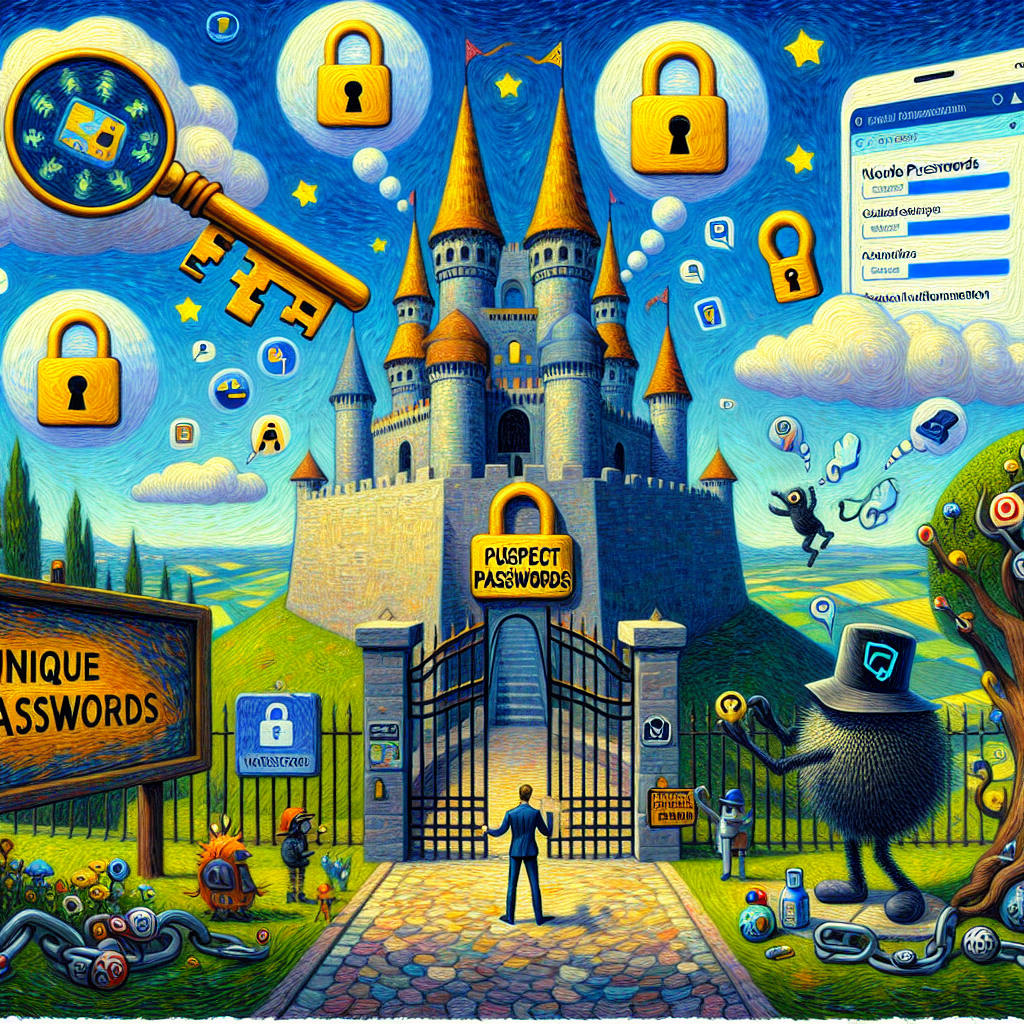
First off, use strong, unique passwords for each of your accounts. Think of passwords as the gates to your digital fortress. If one gate is weak, the whole castle can come crashing down. A password manager can be your best ally here—spitting out jumbled up, hard-to-guess combinations that you won’t have to memorize. Realistically, you won’t keep your best ideas in the same place where you toss your spare change, so don’t treat your passwords any differently.
Next up, let’s talk about two-factor authentication, or 2FA for those in the know. It’s like putting a deadbolt on your main entrance. With 2FA enabled, you’ll need not just your password but also a second piece of information—often a code sent to your phone or an authentication app. Sure, it might be a tad inconvenient, but do you want a few extra seconds of hassle, or do you want to spend months dealing with identity theft? It’s a pretty clear choice if you ask me.
Now, when it comes to social media and sharing personal information, proceed with caution. You don’t need to share every detail of your life on the internet, whether it’s your birthday, your pet’s name, or your mother’s maiden name. These so-called “fun facts” can really come back to bite you. Instead, think before you post. Is that cute baby photo going to be viewed the same way in ten years, or will it cause all sorts of embarrassment for both you and your child?
Lastly, be wary of unfamiliar links and attachments. The internet has its share of wolves in sheep’s clothing, and a simple click can unleash a whole world of chaos. If something looks too good to be true, or even slightly suspicious, trust your gut and steer clear.
In essence, protecting your digital information isn’t about living in fear; it’s about embracing common sense and being a tad more vigilant. Stay educated, stay aware, and you can navigate the digital landscape without losing your shirt—or your sensitive info.
How Do I Safely Share My Digital Information?
How Do I Safely Share My Digital Information?
- Sharing information online is common, but it’s essential to be cautious about who you share with.
- Use strong, unique passwords for each account; consider a password manager for added security.
- Implement two-factor authentication (2FA) to add an extra layer of protection to your accounts.
- Avoid oversharing personal information on social media; think before you post sensitive details.
- Be cautious of unfamiliar links and attachments to avoid potential security threats.
- Protecting your digital information involves using common sense and remaining vigilant.
- Stay educated and aware to navigate the digital landscape securely.

How Do I Safely Share My Digital Information?
What Are The Legal Aspects Of Digital Privacy After Death?
We live in a world overflowing with digital footprints—photos on social media, dozens of emails, online banking histories, and endless cloud-stored memories. But what happens to all of these digital remnants when someone kicks the proverbial bucket? The legal landscape surrounding digital privacy post-mortem is a turbulent sea, rife with murky waters and uncharted territory.
First, let’s address the elephant in the room: digital assets. These are your social media profiles, email accounts, online subscriptions, and anything else you’ve diligently curated over your lifetime. In many cases, when you pass away, your digital accounts don’t magically vaporize into thin air; they linger on. The problem? Most online platforms have their own policies regarding account management after death, which can lead to a legal quagmire. Some services may allow a family member to access the account, while others may require a court order, and still others might lock the account away tighter than Fort Knox, with no way to access it whatsoever.
Then there are laws like the Revised Uniform Fiduciary Access to Digital Assets Act (RUFADAA), which was crafted to tackle the issue of digital assets in the event of someone’s death. It aims to provide clarity on how heirs can access a decedent’s online accounts, but its acceptance varies by state, leading to a patchwork of regulations. This means that unless you’ve taken the time to draft an explicit digital estate plan, your loved ones could find themselves locked out of cherished memories, crucial information, and perhaps even essential business dealings.
Furthermore, consider privacy. After death, how do we respect a person’s wishes regarding their digital data? Some folks might prefer their online presence to dissolve into the ether, while others might want their accounts to remain active as a form of digital memorial. Without clear guidance, family members may grapple with tough decisions, often burdened by the emotional weight of what their loved one would have wanted.
Thus, it’s clear that planning ahead is crucial. A little foresight goes a long way. By taking the time to create a digital estate plan, designating digital executors, and familiarizing yourself with applicable laws in your jurisdiction, you can help steer your loved ones clear of the legal muck after you’re gone. Ultimately, while we can’t control how the digital world remembers us, we can take steps to shape the narrative of our posthumous digital lives.

What Are The Legal Aspects Of Digital Privacy After Death?
What Are The Legal Aspects Of Digital Privacy After Death?
- Digital footprints include social media, emails, online banking, and cloud-stored memories.
- The legal landscape of digital privacy after death is complex and unclear.
- Digital assets such as social media profiles and online accounts often remain after death.
- Different online platforms have varied policies for post-mortem account management.
- The Revised Uniform Fiduciary Access to Digital Assets Act provides guidelines, but its enforcement varies by state.
- Privacy concerns arise regarding how to respect a deceased person’s wishes about their online presence.
- Creating a digital estate plan can help loved ones manage your digital assets and wishes after your passing.

What Are The Legal Aspects Of Digital Privacy After Death?
How Often Should I Review My Online Privacy Settings?
Let’s get right to it: The digital landscape is a wild and ever-changing frontier. If you think you can set your privacy settings once and forget about them, well, that’s like tossing your tools in the back of the truck and hoping they’ll magically stay organized. Spoiler alert: they won’t.
Online privacy isn’t a “set it and forget it” proposition. It’s a living, breathing organism that requires regular attention. How often should you roll up your sleeves and get to work? A good rule of thumb is to review your privacy settings at least once every six months. Mark your calendar, set a reminder—whatever it takes to make sure you don’t get too complacent in this fast-paced digital world.
Why six months, you ask? Because technology evolves faster than a jackrabbit on caffeine. Social media platforms, apps, and websites often update their privacy policies and settings. They do this in the name of security, your experience, or, let’s be honest, a little marketing sleight of hand. By taking the time to review these changes, you might uncover new features designed to enhance your privacy, or perhaps find that some settings have been switched to share more than you’d like.
Now, while the six-month schedule is a good baseline, there are a few key moments that warrant a deeper dive into your settings. Did you just sign up for a new service? Review those settings right away. Are you thinking of posting something personal? Double-check who can see it. Did you hear a buzz about a security breach? It’s time to take a hard look and tighten the reins.
Remember to not get too overwhelmed with the technical jargon. Companies often dress things up in terms that sound fancy, but at the core of it, you should be asking yourself: Who can see my stuff? What am I sharing? Am I okay with that? If the answers give you pause, it’s time to cinch up those settings.
So, roll up your sleeves, keep that tool belt handy, and make regular checks on your online privacy. It’s not just about where you’ve been; it’s about where you’re going and how you want to be seen along the way. Stay vigilant, stay informed, and keep your digital life as locked down as your grandmother’s cookie jar.

How Often Should I Review My Online Privacy Settings?
How Often Should I Review My Online Privacy Settings?
- The digital landscape requires ongoing attention to privacy settings.
- Regularly review privacy settings at least once every six months.
- Technology evolves quickly, impacting privacy policies and settings.
- Key moments to review settings: signing up for new services or after a security breach.
- Understand the privacy implications of what you’re sharing online.
- Don’t be overwhelmed by technical jargon; focus on who sees your content.
- Stay vigilant and informed to maintain your online privacy effectively.

How Often Should I Review My Online Privacy Settings?
How Can I Ensure My Social Media Is Handled Appropriately?
In the vast digital landscape where every tap, click, and post can echo for miles, the responsibility of managing your social media presence looms larger than ever. We find ourselves in a world where a fleeting moment can become a permanent record, and a well-intended message can twist into something unintended. So how can you ensure that your social media is handled appropriately? Let’s dig into the dirt and get down to the basics.
First off, it’s about self-awareness. Before hitting that “post” button, pause a moment. Ask yourself, “Could this come back to bite me?” Your words can be powerful; they can inspire or incite, connect or divide. Consider how a thought might be interpreted by different audiences. What might seem like a harmless quip to you could easily be misconstrued by someone else.
Next, think about the permanence of your digital footprint. Just because you delete it doesn’t mean it’s gone. Screenshots exist, and in a world where opinions can be shaped in seconds, careless posts can haunt your online persona long after you’ve hit delete. Be judicious with your content. If it’s reflective of who you are and aligns with your values, it’s likely worth sharing.
Now, let’s not forget about privacy settings. Familiarize yourself with them. In the age of oversharing, it’s tempting to lay it all out there. However, you wouldn’t invite strangers into your living room, so why broadcast your life on a public stage? Craft your online interactions with the same caution you would when meeting someone for the first time. Limit your audience to those who bring positivity into your life.
Engagement matters too. Find a balance between sharing your thoughts and listening to others. If you’re always the lone wolf howling into the online void, it’s time to reconsider. Engage with a community, but do so with respect. This means being ready to accept differing views while presenting your own in a civil manner.
Finally, consider accountability. If you’re going to put your opinions out there, stand by them. Own your mistakes and learn from them. We’re all human, after all, and genuine acknowledgment is often more relatable than a defense.
In summary, treating your social media with the care it deserves is no small feat, but by being aware, thoughtful, and responsible, you can ensure that it reflects the best version of yourself—and that, my friends, is worth every keystroke.

How Can I Ensure My Social Media Is Handled Appropriately?
How Can I Ensure My Social Media Is Handled Appropriately?
- Managing social media presence is increasingly important in the digital age.
- Self-awareness is crucial; consider the potential impact of your posts.
- Your digital footprint is permanent; deleted posts may still linger in screenshots.
- Be discerning with what you share; align content with your values.
- Understand and utilize privacy settings to control your audience.
- Engage respectfully with others while valuing different viewpoints.
- Take accountability for your opinions and learn from mistakes.

How Can I Ensure My Social Media Is Handled Appropriately?
What Happens To My Cryptocurrency After I Die?
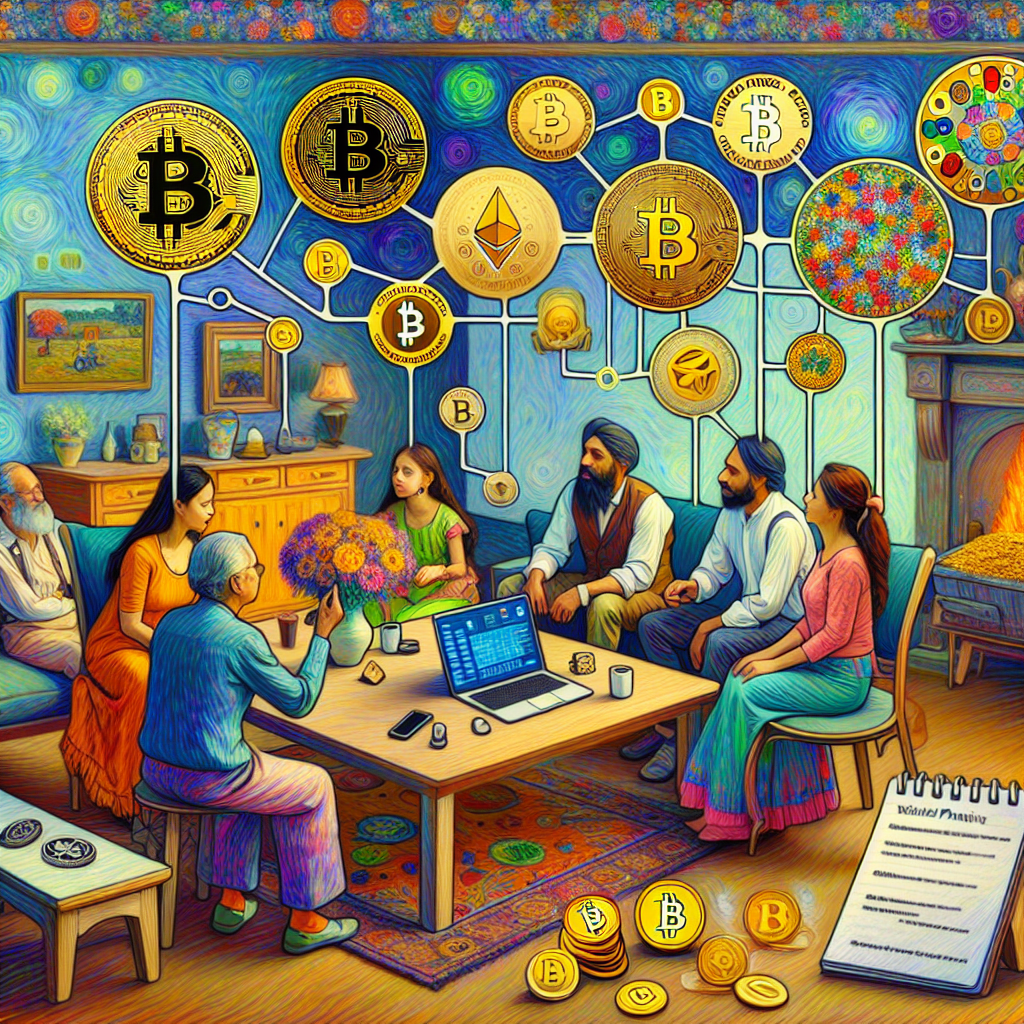
When it comes to planning for the great beyond, most people tend to focus on the practicalities of life insurance, wills, and how to gracefully hand over the family heirlooms. But what happens to that digital treasure map you’ve carefully curated in the form of cryptocurrency? Whether it’s Bitcoin, Ethereum, or one of those newer coins that sound more like a cocktail than currency, it’s crucial to understand the fate that awaits these digital assets when you cross the ultimate finish line.
First things first, let’s be clear: cryptocurrencies are not stored in a bank or a safety deposit box. They live in digital wallets that hold the keys to your assets. Lose your keys, and you might as well have tossed that money into a black hole. So, if you haven’t shared your wallet details and recovery phrases with anyone, those coins could end up as abstract notions of wealth, lost to the ether, much like your uncle’s half-finished stories at Thanksgiving.
Now, let’s get down to the nitty-gritty of what you can do. If you have a plan, it’s essential to document it. Write down your private keys and how to access your digital wallets, along with any necessary passwords. This little piece of information could turn into a lifeline for your heirs—or a nightmare if they are left scrambling through your cluttered digital world wondering what the heck a “blockchain” is.
Consider involving a trusted individual, perhaps a family member or a close friend, in your cryptocurrency affairs. Make sure they are well-informed and at least somewhat tech-savvy, so they don’t accidentally delete your digital legacy while trying to access it. You can also look into estate planning services that specifically address cryptocurrencies. Some companies specialize in managing digital assets, ensuring that everything is handled smoothly when you’re no longer around.
Keep in mind, though, that laws surrounding the transfer of digital assets are still evolving. Jurisdictions differ, and regulations can be a bit murky. One thing is for certain: neglecting to plan for your crypto could mean that all your hard work ends up as little more than digital dust.
So, here’s the takeaway: have a conversation about your crypto assets—preferably while you’re still around to explain what on Earth they are. Plan wisely, stay organized, and make sure your digital legacy doesn’t become a tragic saga of lost fortunes. After all, nothing shouts “bad investment” like leaving your crypto-rich life to chance.

What Happens To My Cryptocurrency After I Die?
What Happens To My Cryptocurrency After I Die?
- Many focus on traditional estate planning (life insurance, wills) but overlook cryptocurrencies.
- Cryptocurrencies are stored in digital wallets; losing access means losing the assets.
- It’s crucial to document access details for digital wallets and private keys for heirs.
- Involve a trusted individual who is knowledgeable about technology to manage your crypto affairs.
- Consider estate planning services that specialize in handling digital assets.
- Laws regarding the transfer of digital assets are still evolving and can vary by jurisdiction.
- Have discussions about your crypto assets while you are still able to explain their significance.
What Happens To My Cryptocurrency After I Die?
How Can I Communicate My Online Wishes To Loved Ones?
When it comes to expressing our thoughts and feelings to the people we cherish, especially in the digital age, many of us find ourselves grappling with the right words, the right platform, or even the right moment. The good news? It doesn’t have to be complicated. As life unfolds with its twists and turns, having a few straightforward strategies can make a world of difference in keeping those connections strong—even from miles away.
First off, let’s talk about the platforms available at our fingertips. Social media is a double-edged sword; it can foster connections or create a noisy echo chamber. Use it wisely. If you want to send a heartfelt message or share a moment, consider posting on a platform where your loved ones congregate—perhaps Facebook or Instagram. A well-crafted post celebrating a birthday, reflecting on a cherished memory, or simply sending love can resonate more than you think. Don’t shy away from using those tools—just remember to keep it authentic. Your loved ones want to hear from the real you, not a polished persona.
Next, think about the medium. A written message can carry a weight that a simplistic text might not convey. Crafting a thoughtful email or even a handwritten letter can show that you put time and effort into your communication. If you want to amplify the emotional impact, include a personal anecdote or a meaningful quote that resonates with your shared experiences. It’s those little touches that show you care.
Video calls are another treasure trove of connection. A face-to-face conversation, even over a screen, allows for that personal engagement that can often get lost in a quick message or post. Schedule regular check-ins with your loved ones. Those little pockets of time can be a remedy for loneliness and keep relationships thriving.
Lastly, don’t forget to encourage reciprocity. Open the door for your loved ones to express their wishes, too. Ask them how they are doing, what they desire, and what they dream of—listening can be just as powerful as sharing.
So, whether it’s through a warm post, a heartfelt letter, or an engaging video call, remember that the effort you put into communicating your wishes can fortify those connections, making the distances between you seem a little less daunting.

How Can I Communicate My Online Wishes To Loved Ones?
How Can I Communicate My Online Wishes To Loved Ones?
- Expressing thoughts and feelings to loved ones can be challenging in the digital age.
- Social media can foster connections; use it wisely and authentically.
- Craft thoughtful messages or posts that resonate with your loved ones’ interests.
- Consider more meaningful mediums, like emails or handwritten letters, for deeper emotional impact.
- Incorporate personal anecdotes or meaningful quotes to show you care.
- Schedule regular video calls to maintain personal engagement and connection.
- Encourage reciprocity by asking loved ones about their feelings and dreams.

How Can I Communicate My Online Wishes To Loved Ones?
Conclusion
In this wild, unpredictable digital age, the conversation of how to protect our online privacy after we take that final bow is one we need to tackle head-on. You see, folks, planning for your digital afterlife isn’t just a good idea; it’s a loving gesture to those you leave behind. Imagine your family, tangled in a labyrinth of forgotten passwords and unmanageable accounts, all while they’re trying to navigate their grief. Not exactly how you want your loved ones to remember you, right?
First things first, let’s organize that digital footprint. Create a comprehensive inventory of your online presence—social media sites, email accounts, banking institutions, you name it. This won’t just save them time; it’ll provide a roadmap through the clutter. And when it comes to passwords, admit it: you’ve probably got a jumble of cryptic combinations living in your head. Time to enlist a password manager to safeguard that critical info. Then, go ahead and set up a legacy contact on social media! Choose someone you trust to manage your online presence, making sure that your account either lives on as a tribute or is tidily wrapped up as per your wishes.
Ah, but let’s not forget the conversation that can be a tad uncomfortable but is absolutely essential. You gotta talk to your loved ones about your preferences and plans. Leaving behind a piece of paper won’t cut it—have those tough talks about your digital assets, your accounts, and what you’d like to see happen after you’re gone.
Remember, both your digital and physical assets deserve care and respect. Without that foresight, your family could be left sifting through a digital hoard that’s much harder to manage than any physical clutter. As you craft a solid digital estate plan—listing all accounts, deciding on access, and even drafting a digital will—you’re crafting a significant legacy that stretches beyond your lifespan.
Let’s embrace this challenge, folks. With just a little effort and a lot of love, you can ensure that your digital memory is handled with grace, giving your family the peace of mind to cherish the memories you’ve made together. Because in the end, making sure that your digital life still reflects who you are is one last gift to those you love. It’s not just about logging off; it’s about how you want to be remembered in this digital age. Time to roll up those sleeves and start planning, because that legacy of love? It’s worth every keystroke.

Conclusion
Conclusion:
- Protecting online privacy after passing is essential for loved ones left behind.
- Organizing a digital footprint includes creating an inventory of all online accounts.
- Using a password manager can help simplify access and secure critical information.
- Setting up a legacy contact on social media ensures your online presence is managed per your wishes.
- Engaging in open conversations with loved ones about your digital plans is crucial.
- Creating a digital estate plan with a list of accounts, access decisions, and a digital will is important.
- This planning reflects your values and helps your family remember you gracefully in the digital age.

Conclusion
Other Resources

Other Resources
Here is a list of other resources you can review online to learn more:
- How to Prepare Your Digital Life for Your Death | PCMag
- 7 Steps to Protect Your Digital Assets After Death | Cake Blog
- How to gain access to your loved one’s online accounts after they die
- Digital Footprint After Death | Dignity Memorial
These articles provide a wealth of information on preparing your digital life for your death, protecting your digital assets, and gaining access to a loved one’s online accounts after their death. They offer practical steps and advice to ensure your digital footprint is handled according to your wishes.

Other Resources
Glossary Terms
How to Protect Online Privacy After Death for Loved Ones? – Glossary Of Terms
1. Digital Executor: A person designated to manage a deceased person’s digital assets and online accounts according to their wishes.
2. Digital Assets: Any online property such as social media profiles, email accounts, and online banking information that has value or significance.
3. Digital Legacy: The online presence and digital assets that remain after someone has passed away.
4. Account Recovery: The process of retrieving access to online accounts after the original owner has died.
5. Privacy Settings: Controls on social media and other online platforms that manage who can see or interact with a user’s profile and content.
6. Online Will: A legal document that specifies how digital assets and online accounts should be handled after death.
7. Two-Factor Authentication: An added security measure for online accounts that requires two forms of identification before granting access.
8. Deactivation: The process of disabling an online account, making it inactive but not deleting its content.
9. Data Privacy Laws: Regulations that protect individual privacy and govern how information can be used and shared, especially after death.
10. Posthumous Privacy: The concept of ensuring that a deceased individual’s privacy is respected and protected in the digital space.
11. Memorialization: The act of transforming a social media profile into a memorial site to honor and remember a deceased person.
12. Intestate: Dying without a valid will, which can complicate the handling of digital assets and online privacy issues.
13. Digital Footprint: The trail of data left behind by a person’s online activity, which includes social media interactions, website visits, and emails.
14. Trust Account: An arrangement in which a third party holds and manages a deceased person’s digital assets according to their wishes.
15. Privacy Policy: A statement that explains how an online service collects, uses, and protects user data, particularly after a user has passed away.
16. Social Media Policies: Guidelines established by platforms regarding the management of accounts after death.
17. Executor of Estate: A person legally appointed to manage a deceased person’s financial and legal affairs, which may include digital assets.
18. Authorization: Official permission granted to someone to handle a deceased person’s online accounts or assets.
19. Ethical Hacking: The practice of legally accessing someone else’s accounts for security testing, which can include recovering a deceased person’s digital assets.
20. Email Access: The ability to retrieve and manage a deceased person’s email accounts, often requiring specific legal documentation.
21. Data Breach: An incident where unauthorized access is gained to personal data, which becomes a concern for deceased individuals’ remaining accounts.
22. Security Questions: Pre-set questions used for account recovery that may lead to complications if the answers are not known by the loved ones remaining.
23. Online Account Management: The practice of keeping track of passwords, settings, and terms of service for various online accounts.
24. Content Deletion: The irreversible removal of online content and accounts, which can be specified in a digital will.
25. Blockchain Technology: A decentralized digital ledger that can provide secure ways to manage digital identities and assets.
26. Memory Preservation: The act of keeping digital memories of a deceased person, such as photos and messages, secure for future generations.
27. Identity Theft: The illegal use of someone else’s personal information, which can be an issue if a deceased person’s accounts are not properly secured.
28. Interment Practices: Guidelines for the digital management of a deceased person’s online presence after burial or memorial services.
29. Data Retention: The policy regarding how long data associated with deceased individuals is kept by online service providers.
30. Legacy Planning: The strategic process of organizing and preparing a plan for how one wishes their digital and physical assets to be managed after death.
These terms and descriptions can serve as a starting point for understanding how to protect online privacy for loved ones after death.

Glossary Of Terms
Other Questions
How to Protect Online Privacy After Death for Loved Ones? – Other Questions
If you wish to explore and discover more, consider looking for answers to these questions:
- What steps can I take to create a comprehensive digital estate plan?
- Are there specific legal requirements for a digital will?
- What happens to my digital accounts if I don’t designate a legacy contact?
- How can I ensure my family knows about my digital assets?
- What are the best practices for organizing my online accounts and passwords?
- How should I communicate my online privacy preferences to my loved ones?
- What are the differences between digital assets and physical assets in estate planning?
- How can I find a reputable digital estate planning service?
- What are the most common challenges families face regarding digital assets after a death?
- How can I protect my cryptocurrency after I pass away?
- What are the consequences of not planning for my digital legacy?
- How will recent laws affect my digital privacy after death?
- What online security measures should I review periodically?
- How can I set reminders for my digital privacy reviews?
- What should I do if I suspect my accounts have been compromised?

Other Questions
Haiku
How to Protect Online Privacy After Death for Loved Ones? – A Haiku
Digital lives persist,
Plan the path for loved ones’ peace;
Legacy set clear.

Haiku
Poem
How to Protect Online Privacy After Death for Loved Ones? – A Poem
In the web of life where pixels blend,
We craft our legacies, our stories penned.
Through channels of data, connections weave,
Yet when one departs, what do we leave?
A map of our presence, accounts defined,
An inventory of moments forever entwined.
From banking to social, each treasure concealed,
Planning our exit, our wishes revealed.
Passwords, those keys to our digital vault,
With tools to secure them, it’s no one’s fault.
A password manager, a digital guide,
Ensuring those left won’t be lost in the tide.
Select a contact, a guardian true,
To tend to your pages when parting is due.
Memorialized profiles, or perhaps they will fade,
It’s vital to share how you want to be laid.
Conversations mattered; don’t let them stall,
Discuss how you wish to be honored by all.
A digital will that guards what is yours,
It matters more now, as life’s path endures.
Names of accounts, each crucial piece,
Managing legacies grants loved ones peace.
For grief is a journey, their hearts may weigh,
But your forethought lightens the burden they sway.
So gather your treasures from the digital sea,
And cast forth your wishes, let them fly free.
In a world intertwined, the end may seem dark,
Yet love can persist—like a flickering spark.

Poem
Checklist
How to Protect Online Privacy After Death for Loved Ones? – A Checklist
Inventory and Documentation
1. Create an Account Inventory
_____ List all online accounts (social media, banking, email, subscriptions, etc. )
_____ Include usernames, email addresses, and any relevant URLs.
2. Document Passwords
_____ Use a reputable password manager to store passwords securely.
_____ Decide on a method for sharing access with loved ones.
3. Identify Digital Assets
_____ List cryptocurrency wallets, digital subscriptions, and other valuable online assets.
_____ Include important login details and instructions for access.
Setting Contacts and Permissions
4. Designate a Digital Executor
_____ Choose a trusted individual to manage your digital estate.
_____ Ensure they are comfortable with technology and aware of your wishes.
5. Select Legacy Contacts for Social Media
_____ Identify individuals to manage or memorialize your social media accounts.
_____ Familiarize them with the platform’s procedures for handling accounts after death.
Legal and Communication Steps
6. Create a Digital Will
_____ Consider using an online service or consulting with an attorney for legal documentation.
_____ Ensure it complies with local laws regarding digital assets.
7. Communicate Your Wishes
_____ Have a frank discussion with loved ones about your online preferences.
_____ Provide them with copies of your plans and necessary access details.
Review and Maintenance
8. Regularly Update Your Plans
_____ Review and revise your account inventory and digital will at least once a year.
_____ Update any changes to accounts, passwords, or preferences.
9. Educate Your Loved Ones
_____ Share information about how to access and manage your accounts.
_____ Discuss the importance of online security and privacy settings.
Security Measures
10. Enable Two-Factor Authentication (2FA)
_____ Activate 2FA on important accounts for added security.
_____ Inform your executor about how to authenticate if needed.
11. Backup Data
_____ Regularly back up important digital documents to secure cloud storage or external drives.
_____ Keep your backup strategy documented for your executor.
Handling Sensitive Information
12. Discuss Privacy Settings
_____ Review and adjust privacy settings on social media periodically.
_____ Make informed choices about who can access your information after death.
By following this checklist, you can help ensure that your digital legacy is managed with care and respect, easing the burden on your loved ones during a difficult time.

Checklist
At LegacyExplorations, we help people plan and explore their legacy by collecting information and news regarding end-of-life planning.
Please share this post with your friends, family, or business associates who may want help to plan or explore their legacy.