

Preserving Your Impact For Generations
By Tom Seest
At LegacyExplorations, we help people plan and explore their legacy by collecting information and news regarding end-of-life planning.
Please share this post with your friends, family, or business associates who may want help to plan or explore their legacy.
How to Protect Your Legacy From Tech Obsolescence
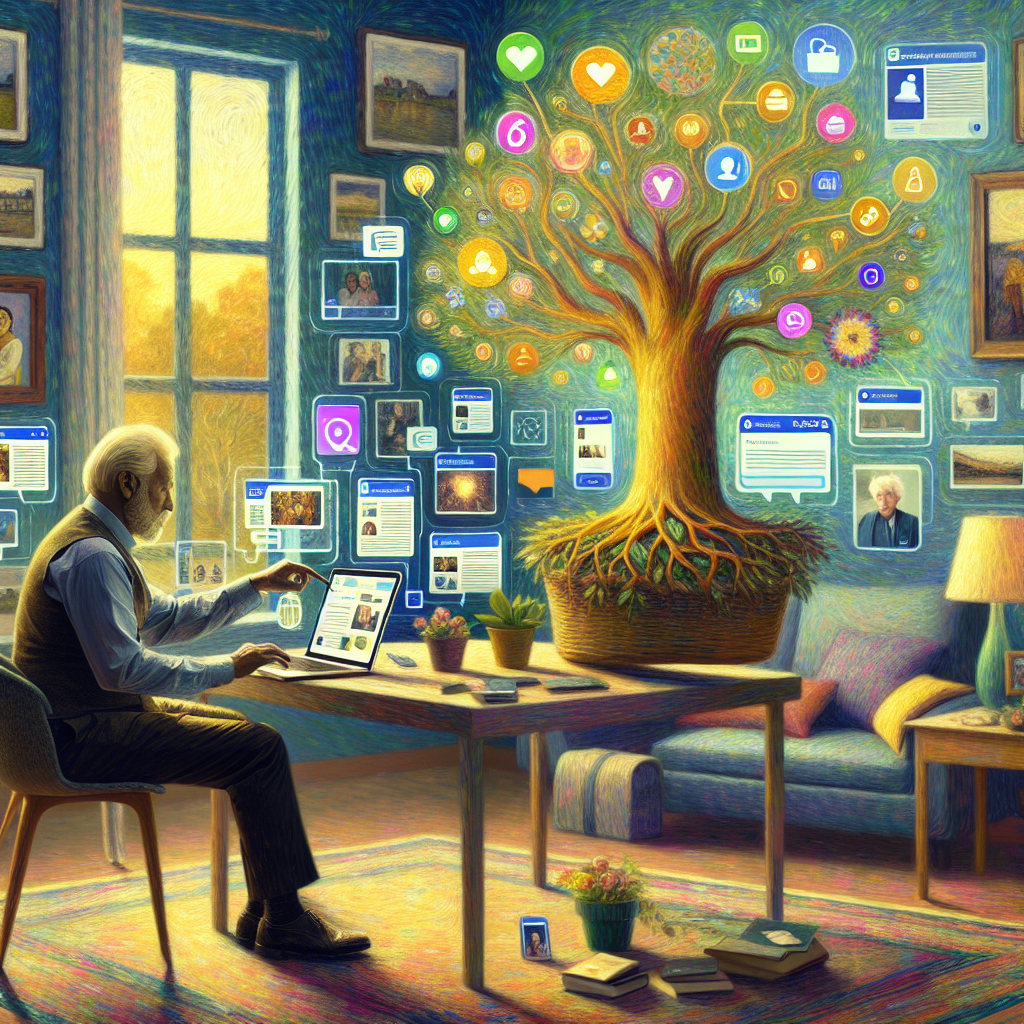
In a world that spins faster than a high-speed train, technology comes and goes at an alarming clip. What once felt cutting-edge can become ancient history almost overnight. But in the midst of this relentless shift, there lies an undeniable truth: our stories, our legacies, deserve more than a passing nod. They’re the very essence of our humanity, and they deserve preservation against the swell of time and tech obsolescence.
Imagine the heartwarming stories of your grandparents, woven tightly into the fabric of their lives and your own. Each tale carries a heartbeat, a lesson, a moment frozen in the amber of memory. Yet, if those stories remain locked in outdated devices, who will ever hear them? Legacy storytelling isn’t just a noble endeavor; it’s an ethical responsibility. We owe it to those who came before us and those who will follow. We are the custodians of their stories, and we have a duty to ensure they don’t just disappear into the digital ether.
Start by embracing technology, yes, but do so as a tool, not the whole solution. Record your family stories, but do it in a format that transcends the fickleness of tech. Write them down. Create a scrapbook. Use platforms that will stand the test of time. In a world drowning in fleeting social media posts, our written and spoken narratives can be the anchors that hold us steady. Think of the profound impact your legacy storytelling can have. It’s not just about sharing experiences; it’s about shaping identities, reinforcing values, and inspiring future generations.
Now, let’s face it. We’re all susceptible to the lure of the latest gadget or platform, drawn in by promises of efficiency and glamour. But real connections—those that resonate in our gut and linger in our minds—come from authenticity. So, harness the power of technology to tell your story, but always ask yourself: Does this truly represent who I am? Will it survive beyond my current device?
Lastly, connect with your community. Seek out that shared desire to remember and honor legacies. Be the one with a notebook, not just a phone. Cultivating these connections establishes a web of trust and resilience, where stories can thrive, and legacies endure, regardless of what the next shiny gadget brings.

How to Protect Your Legacy From Tech Obsolescence
How to Protect Your Legacy From Tech Obsolescence
- Technology evolves rapidly, rendering once cutting-edge tools obsolete.
- Preserving personal stories and legacies is essential for maintaining our humanity.
- Family stories, like those of grandparents, hold valuable lessons and memories.
- Legacy storytelling is both a noble endeavor and an ethical responsibility.
- Embrace technology as a tool, but prioritize timeless formats like writing and scrapbooking.
- Authentic storytelling fosters deep connections and shapes identities across generations.
- Connect with your community to create a resilient network for preserving legacies.
How to Protect Your Legacy From Tech Obsolescence
Table Of Contents
- How to Protect Your Legacy From Tech Obsolescence
- What Memories Do You Want To Preserve For Future Generations?
- How Can Technology Shape Your Legacy In Meaningful Ways?
- What Steps Can You Take To Ensure Your Digital Assets Remain Relevant?
- How Will You Document Your Values And Stories For Future Reference?
- What Is The Emotional Impact Of Losing Irreplaceable Digital Memories?
- What Ethical Considerations Arise In Safeguarding Your Digital Legacy?
- How Might Future Generations Interact With Your Legacy Technology?
- Conclusion
- Other Resources
- Glossary Of Terms
- Other Questions
- Haiku
- Poem
- Checklist
What Memories Do You Want To Preserve For Future Generations?
Thinking about the memories you want to preserve for future generations is a bit like planting a tree. You nurture that little seedling, knowing full well it may not bear fruit in your lifetime, but each care you provide now is a gift for those who will come after. That’s what legacy is all about—crafting a narrative that weaves through time, connecting the hearts of your descendants with the essence of who you were.
Think about the stories that line your family history—those moments of triumph and regret, joy and sorrow—each chapter contributing to a greater understanding of what it means to be part of your lineage. Embrace the art of storytelling, and don’t shy away from the messy bits. Those failures are often more relatable than the polished victories. They remind future generations that struggle is part of the human experience; they’ll see your perseverance and understand that everything worth having comes at a price.
Every memory you choose to preserve fosters a bond, turning the abstract concept of “family” into something tangible. Sharing your life lessons, values, and beliefs is more than just passing down wisdom; it’s about teaching resilience. That kind of narration requires courage and transparency, and it roots the next generation in a soil that is rich with history and meaning.
Think bigger than just your immediate family. How about your community? Your experience has great potential to inspire others beyond the confines of home. When you tell your story, you not only capture your own journey but also contribute to a broader tapestry of human experience—an ethical responsibility we all share. In a world where every voice has the potential to echo, why not make yours resonate with authenticity and love?
So, what will you preserve? Will it be your first bike ride or the day you welcomed a child into the world? Perhaps it’s those quiet evenings filled with laughter or heartfelt conversations over dinner. Whatever it is, get it down. Write it, record it, share it. This is your legacy—a living document that fuels connection far beyond your existence, inviting future generations to see the world through your eyes, fostering relationships built on empathy, understanding, and a sense of belonging that will endure long after you’re gone.

What Memories Do You Want To Preserve For Future Generations?
What Memories Do You Want To Preserve For Future Generations?
- Preserving memories for future generations is akin to nurturing a tree, which may not bear fruit in your lifetime.
- Legacy involves crafting a narrative that connects descendants to your essence.
- Family history encompasses moments of triumph, regret, joy, and sorrow, contributing to a deeper understanding of lineage.
- Embrace storytelling, including failures, as they are relatable and reflect perseverance in the human experience.
- Sharing life lessons, values, and beliefs helps teach resilience and roots the next generation in rich history.
- Your story can inspire both your family and the broader community, contributing to a collective human experience.
- Document your memories—whether joyful or quiet—as a legacy that fosters empathy, understanding, and connection for future generations.

What Memories Do You Want To Preserve For Future Generations?
How Can Technology Shape Your Legacy In Meaningful Ways?
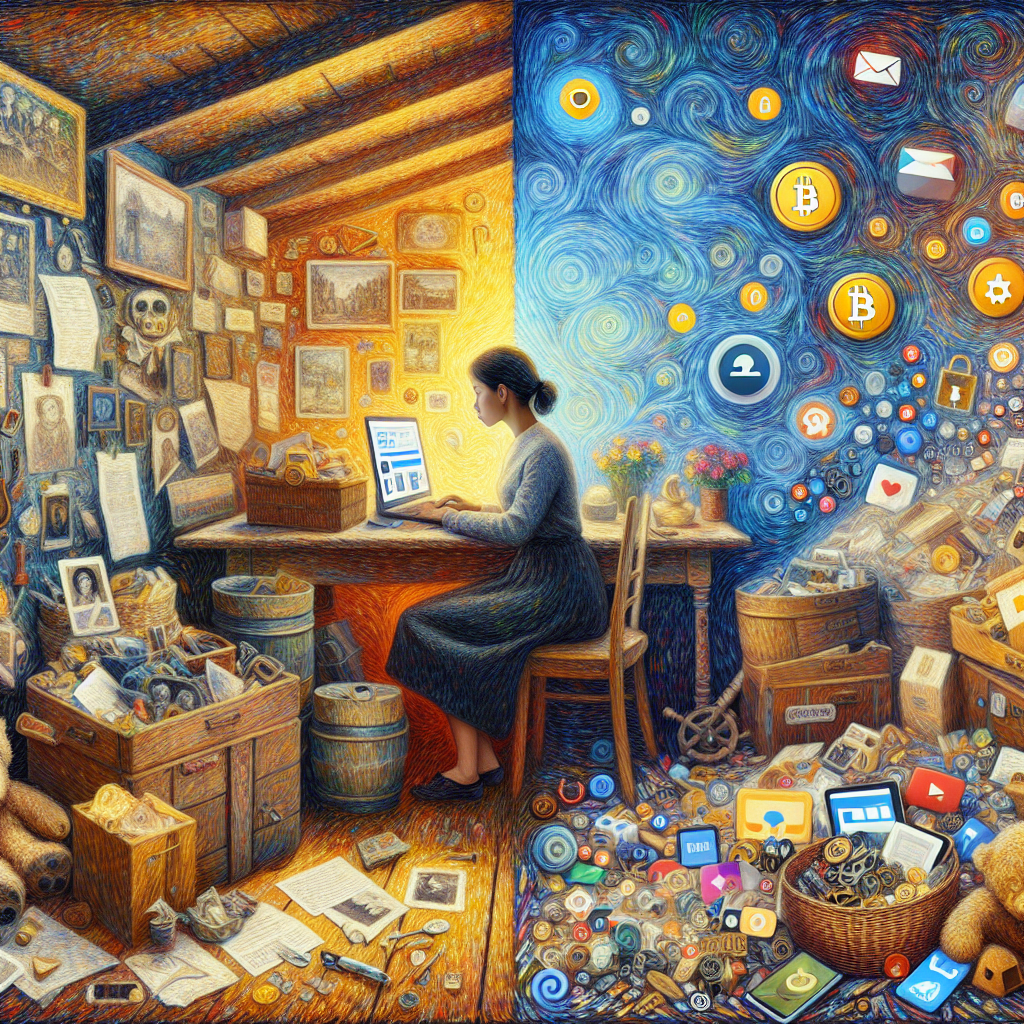
Imagine standing at the crossroads of your life, the paths before you weaving tales of grit and grace. Each moment, each decision molds the legacy you’ll leave behind, but what if technology could be the compass guiding that journey? It’s more than just wires and screens; it’s a powerful tool for Legacy Storytelling, an instrument that can bridge generations and keep the flame of your experiences alive.
Picture this: your grandchildren huddled together, listening wide-eyed to a recording of your voice, sharing stories that shaped who you are. They’ll learn firsthand about your triumphs and trials—the hours spent working a job that paid the bills but drained your spirit, the laughter shared with friends during simpler times, the moments of vulnerability that showcased your humanity. Each story is a thread woven into the fabric of your legacy, and in this digital age, those threads can be immortalized and passed down like heirlooms.
But let’s engage our heads for a moment. Why just reminisce when you can create an interactive experience? Imagine using social media not merely to post selfies but to curate a timeline of your journey—embracing your setbacks and celebrating your victories. Create videos, write blogs, and share thoughts that resonate not just with your peers but with future generations. This isn’t self-promotion; it’s proactively shaping the narrative of your existence. You hold the power to frame how your life is viewed, transforming personal struggles into sources of inspiration.
Now, let’s pull at those gut instincts. There’s an undeniable urge in all of us to connect, to know we matter. Technology allows for authentic relationships, even in a sprawling digital landscape. Join online communities that align with your passions and values, share your wisdom with others, and spark conversations that inspire. Imagine the ripple effect your legacy could have, resonating with countless individuals and leaving an indelible mark on the world.
What’s more, it’s an ethical duty we owe to ourselves and to those who will come after us—to be authentic and real, to share our true selves. In this fast-paced world, risking vulnerability may seem daunting, but it’s precisely those stories that resonate the most. When we embrace our narratives—messy, raw, and real—we build connections that transcend time. So, dig deep, share your legacy, and watch it evolve into a powerful testament of resilience and hope, a torch illuminating the path for those who will follow.
How Can Technology Shape Your Legacy In Meaningful Ways?
How Can Technology Shape Your Legacy In Meaningful Ways?
- Life is a crossroads where decisions shape your lasting legacy.
- Technology serves as a powerful tool for Legacy Storytelling, bridging generations.
- Your grandchildren can connect with your stories through recordings, understanding your journey.
- Social media can be used to create an interactive timeline of your life rather than just sharing selfies.
- Engaging with online communities allows you to share wisdom and inspire others.
- Authenticity is crucial; sharing vulnerable stories fosters deep connections.
- Your legacy can serve as a beacon of resilience and hope for future generations.

How Can Technology Shape Your Legacy In Meaningful Ways?
What Steps Can You Take To Ensure Your Digital Assets Remain Relevant?
When you think about digital assets, what often comes to mind? Pictures, videos, articles? Sure, those are pieces of the puzzle, but let’s dig a bit deeper. Your digital assets tell a story; they’re part of your legacy. Imagine that your great-grandchildren could one day scroll through your digital scrapbook—the laughter, the struggles, the triumphs captured in pixels and bytes. This is a narrative that matters, and it deserves to remain relevant in an ever-changing digital landscape.
So, how do you ensure that your legacy storytelling doesn’t get lost in the ether? Start by embracing the art of adaptability. Technology evolves at breakneck speed, but your desire to connect with others doesn’t have to. Regularly assess and refresh your digital content. What resonates today may not resonate tomorrow. Think of your social media posts or your blog entries as living documents—keep them dynamic, morphing to answer the questions of today’s audiences.
Rationally, you know that the digital world is cluttered. You need a strategy. Focus on maintaining your brand’s core message while experimenting with platforms and formats. Try a podcast if you’re used to writing. Explore videos if you tend to stick with static images. Embrace the discomfort of stepping outside your comfort zone. Your willingness to evolve is what helps you connect with others authentically; it invites them into your story.
Now, let’s talk about ethics. With great power comes great responsibility, and in this digital age, it’s crucial to state your truth. Be genuine in your storytelling; your audience will appreciate your vulnerability. Honesty fosters trust, and trust is Currency 101 in any relationship, especially digital ones.
Lastly, consider the community you build around your digital assets. Engage with your audience. Respond to comments, ask questions, and create conversations. People want to feel part of something bigger—a narrative that includes them. When they feel valued, they’re more likely to return and share your legacy.
So there’s your call to action. Craft your digital assets as an ongoing story—one that is relevant, adaptable, and deeply human. Ensure your legacy storytelling shines brightly, not just for you but for all those who will come after. Because, at the end of the day, that’s what it’s all about.

What Steps Can You Take To Ensure Your Digital Assets Remain Relevant?
What Steps Can You Take To Ensure Your Digital Assets Remain Relevant?
- Digital assets such as pictures, videos, and articles are pieces of a larger legacy story.
- Preserve your digital storytelling for future generations, reflecting laughter, struggles, and triumphs.
- Embrace adaptability by regularly assessing and refreshing your digital content to stay relevant.
- Maintain a core brand message while experimenting with various platforms and formats.
- Practice ethical storytelling by being genuine and honest, which fosters trust in digital relationships.
- Engage with your audience to build a sense of community around your digital assets.
- Craft your digital assets as an ongoing, relevant narrative that connects deeply with people.

What Steps Can You Take To Ensure Your Digital Assets Remain Relevant?
How Will You Document Your Values And Stories For Future Reference?
How will you document your values and stories for future reference? It’s a question that echoes through generations, tugging at the heartstrings of every person who has ever sat near a fire, listening to tales of courage, laughter, and lessons learned. Legacy storytelling is not just about recounting events; it’s about weaving a tapestry of who you are, a beacon of light for those who come after.
Picture this: A child looks up at you, wide-eyed and curious, yearning to grasp the world you’ve experienced. They’re not just interested in the dates and places—you could slap those onto a PowerPoint and call it a day. No, what they want is the essence, the beating heart of your existence—the raw narrative of triumph and failure, love and heartache. That’s where your values come into play—they anchor your stories with purpose, and those stories, in turn, shape the values of the next generation.
It’s not just about filling a notebook; it’s about building a bridge between hearts. When you pour out your stories, you create a connection that transcends time. Imagine your grandchildren, huddled together, reading about why you believed what you believe. They might just find inspiration there, a sense of confidence that propels them into their own adventures. And let’s face it, we’re all human; we crave connection. Your stories become the threads that tie your family together, reminding them they are part of something greater.
Now, let’s talk practicality. Take a moment to think deeply. How will you capture these moments? Will it be through a journal, audio recordings, or maybe a family website? The medium matters less than the message. Utilize whatever feels authentic to you—a method that will resonate with the ones you love. In a world clamoring for attention and instant gratification, giving your stories the nurturing they deserve can create a ripple effect of understanding and compassion.
Consider the ethical responsibility you have to the future. It’s not just your life that unfolds; it’s a mosaic that influences lives beyond your own, molding the very fabric of your community. Make your values clear, and don’t shy away from vulnerability. Your journey—its struggles and victories—could just be the guiding light someone else needs. This is a call to action, a chance to ensure that your legacy lives on, wrapped in honesty and hope. Document those values and stories. They matter, not just to you but to everyone who will walk in your footsteps.

How Will You Document Your Values And Stories For Future Reference?
How Will You Document Your Values And Stories For Future Reference?
- Legacy storytelling weaves a tapestry of personal identity and values for future generations.
- Children seek the essence of experiences, looking for narratives of triumph, love, and heartache, not just facts.
- Sharing stories builds connections that transcend time, inspiring and instilling confidence in future generations.
- Family stories remind members of their belonging to something greater than themselves.
- Consider how to capture memories, whether through journaling, recordings, or online platforms, focusing on authenticity.
- Your journey, including struggles and successes, can serve as guidance for others, highlighting ethical responsibility towards future generations.
- Documenting values and stories is crucial for creating understanding and compassion within the community.

How Will You Document Your Values And Stories For Future Reference?
What Is The Emotional Impact Of Losing Irreplaceable Digital Memories?
Losing irreplaceable digital memories is not just an inconvenience; it’s a profound emotional blow that reverberates through our lives. Picture this: a cherished photo of a family gathering, a heartfelt video from a loved one, or a batch of old emails that tell a story of growth, heartbreak, and triumph. These digital relics represent more than just data; they are our legacy, tangible pieces of our storytelling tapestry. When they vanish, something irreplaceable slips through our fingers, leaving us grappling with a sense of loss that can feel overwhelming.
From a rational standpoint, these memories serve as anchors, tying us to moments of joy, laughter, and sometimes even sorrow. Our stories shape who we are, and when they’re wiped away, it’s as if a part of our identity has been erased. We find ourselves caught in a labyrinth of ‘what ifs’—wondering how those memories could have shaped our present and future. It’s a logical connection; the past informs the now, and losing it can lead to a haunting sense of disconnection.
Ethically speaking, there’s a collective responsibility to preserve these digital artifacts for future generations. They serve as bridges to our past for our children and grandchildren, teaching them about who we were and shaping their understanding of their roots. Telling our story is a communal act, and losing those pieces can feel like denying the next generation a glimpse of their heritage.
But there’s also a universal truth in the emotional upheaval that comes with this loss. It’s a gut punch that resonates deeply within all of us. We’ve all experienced that sinking feeling when we realize a memory has gone missing—a family vacation captured in a series of pixels or a friend’s last birthday party that now exists only in the recesses of our mind. It’s a shared human experience, a thread that ties us together.
You may wonder what can be done to safeguard these precious memories. Taking proactive steps—organizing backups and utilizing cloud storage—can empower you to protect your legacy. By actively preserving your digital storytelling, you are not only safeguarding your history but also fortifying the emotional connections that bind us all. So, let’s take action together. Don’t wait until it’s too late to protect the memories that define us. Embrace the responsibility to keep those stories alive, for today and for all tomorrows.

What Is The Emotional Impact Of Losing Irreplaceable Digital Memories?
What Is The Emotional Impact Of Losing Irreplaceable Digital Memories?
- Losing irreplaceable digital memories is a profound emotional blow, reflecting deeper personal loss.
- Digital relics like photos, videos, and emails represent our legacy and storytelling tapestry.
- These memories serve as anchors to our joy, laughter, and sorrow, shaping our identity.
- Loss of these memories can lead to feelings of disconnection and contemplation of ‘what ifs.’.
- Ethically, we have a responsibility to preserve digital artifacts for future generations.
- The emotional impact of losing memories is a shared human experience that connects us.
- Proactive steps like organizing backups and using cloud storage can safeguard our memories and legacies.

What Is The Emotional Impact Of Losing Irreplaceable Digital Memories?
What Ethical Considerations Arise In Safeguarding Your Digital Legacy?
When we think about the digital footprint we leave behind, it’s easy to overlook the profound impact it has on those we love. Your legacy isn’t just a collection of selfies, tweets, and blog posts; it’s an intricate tapestry of your values, experiences, and memories—a narrative that tells the story of who you were and what you stood for.
Ethics come into play when we navigate the complexity of how our online presence should be handled after we’re gone. The idea of “digital inheritance” stirs a pot of ethical questions about consent, privacy, and memory. Do you want your social media accounts retained, or would you prefer they be taken down? Who gets to control that narrative? This isn’t just paperwork; it’s about creating a meaningful chapter in your legacy storytelling.
When loved ones sift through your digital remnants, piecing together your life, how will they interpret your decisions? The emotions they’ll experience—joy, sorrow, confusion—are real and potent. That’s the crux of the matter: your digital legacy could influence their emotional well-being long after you’re gone. By planning ahead, you give yourself the chance to shape that experience rather than leaving it to chance.
Rationally, it’s clear that the digital world’s intricacies aren’t slowing down. With the rise of artificial intelligence and evolving technology, your online persona might continue to exist in ways you never intended. Guardianship over your digital legacy isn’t just a trendy concept; it’s a necessary step to ensure your intentions are honored. How would you feel knowing your voice could be exploited or misrepresented against your core beliefs?
The ethical duty extends beyond ourselves; it encompasses our families, friends, and even acquaintances. We have an obligation to protect not just our stories, but their emotional journeys as well. In a world where empathy is often sidelined, embracing these ethical considerations fosters connection and responsibility.
So take a moment to think about your legacy. Sit down, reflect, and write it out. What do you want to be remembered for? Be the captain of your narrative and embrace the responsibility that comes with it. Your story deserves to be told authentically, echoing with the heart, head, and gut of your true self.

What Ethical Considerations Arise In Safeguarding Your Digital Legacy?
What Ethical Considerations Arise In Safeguarding Your Digital Legacy?
- A digital footprint is a complex intertwining of values, experiences, and memories that shapes your legacy.
- The concept of “digital inheritance” raises ethical questions about consent, privacy, and how to manage one’s online presence posthumously.
- Decisions about retaining or deleting social media accounts impact how loved ones perceive and remember you.
- Your digital legacy can significantly affect the emotional well-being of those left behind.
- Given the rapid evolution of technology, maintaining control over your digital presence is essential to honor your intentions.
- Protecting our digital legacy is not only about ourselves but also about the emotional journeys of our families and friends.
- Reflect on your legacy and take responsibility for how your story will be told, ensuring it reflects your true self.

What Ethical Considerations Arise In Safeguarding Your Digital Legacy?
How Might Future Generations Interact With Your Legacy Technology?
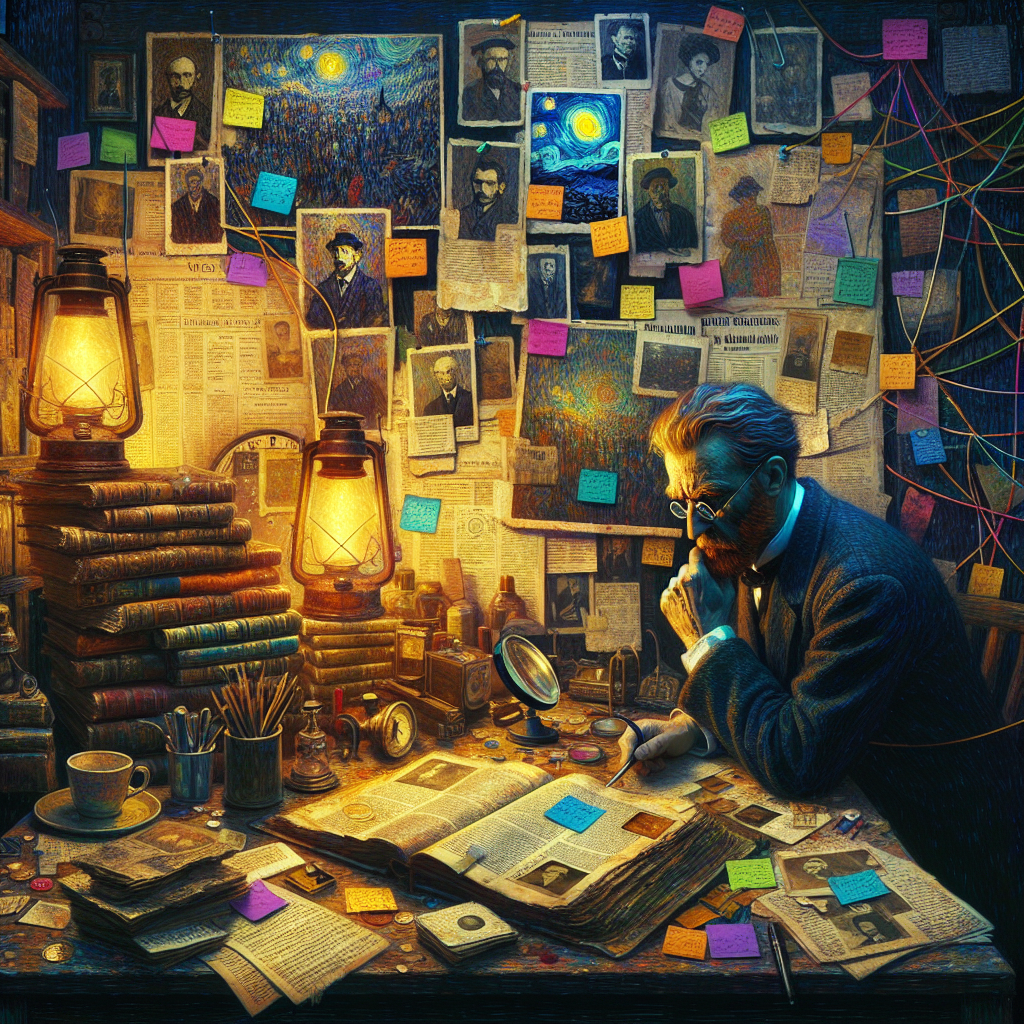
When you think about your legacy technology, what do you envision? Maybe it’s an old rotary phone gathering dust in the attic, or a beloved computer that once served as the centerpiece of your home office. These relics, often viewed as outdated or obsolete, tell a deeper story about our lives, our achievements, and our connections. They are more than just machinery; they symbolize the moments that shaped us. This is where the art of legacy storytelling enters the picture.
Imagine a future generation stumbling upon your old devices. They might not understand the intricate mechanics of a VHS player or the significance of a floppy disk. Yet, through a little curiosity and a sprinkle of context, they could unveil a window into your world. Each chipped edge and faded button holds echoes of laughter and late-night brainstorming sessions. Your legacy technology could become a tangible bridge across time, inviting these digital natives to step into the shoes of their predecessors. It’s a chance for them to grasp not just how you lived, but why you loved.
Now, let’s consider the ethical implications. In an age where technology evolves at lightning speed, how will your descendants assess the value of your tech within their own frameworks? They might wonder: What choices did you make when those devices were cutting-edge? Were you someone who prioritized the latest gadgetry over meaningful experiences? Your legacy storytelling can shape their moral compass, showing them that technology is a tool and not an end in itself.
Furthermore, the authority you wield through your choices holds weight. Every decision, from how you utilized your devices to how you interacted with the tech-driven world around you, is a lesson in resilience and adaptability. Your legacy becomes a narrative—a story that can inspire them, teach them, and perhaps even challenge them to ponder their own relationship with technology.
And let’s not forget the social dimension. By sharing your experiences tied to these pieces of technology, you’re essentially passing down a sense of belonging, reinforcing the idea that you are part of a continuum. The connection forged through shared stories—both triumphs and trials—can resonate deeply, allowing future generations to draw strength from their roots.
So, as you contemplate the legacy you leave behind, think not just about the devices, but about the stories they carry. In doing so, you empower future generations to embrace their technology with the wisdom born from your experiences. Your legacy is as much a part of their future as it is a reflection of your past.
How Might Future Generations Interact With Your Legacy Technology?
How Might Future Generations Interact With Your Legacy Technology?
- Legacy technology includes old devices that represent our lives, achievements, and connections.
- These relics tell stories and can serve as a bridge for future generations to understand the past.
- Contextualizing legacy technology helps future generations grasp the significance of our experiences and emotions.
- Ethically, descendants may evaluate the value of our tech choices in relation to their own experiences.
- Every choice made regarding technology serves as a lesson in resilience and adaptability for future generations.
- Sharing experiences tied to legacy technology fosters a sense of belonging and connection across generations.
- Ultimately, our legacy is about the stories that empower future generations and reflect our own past.

How Might Future Generations Interact With Your Legacy Technology?
Conclusion
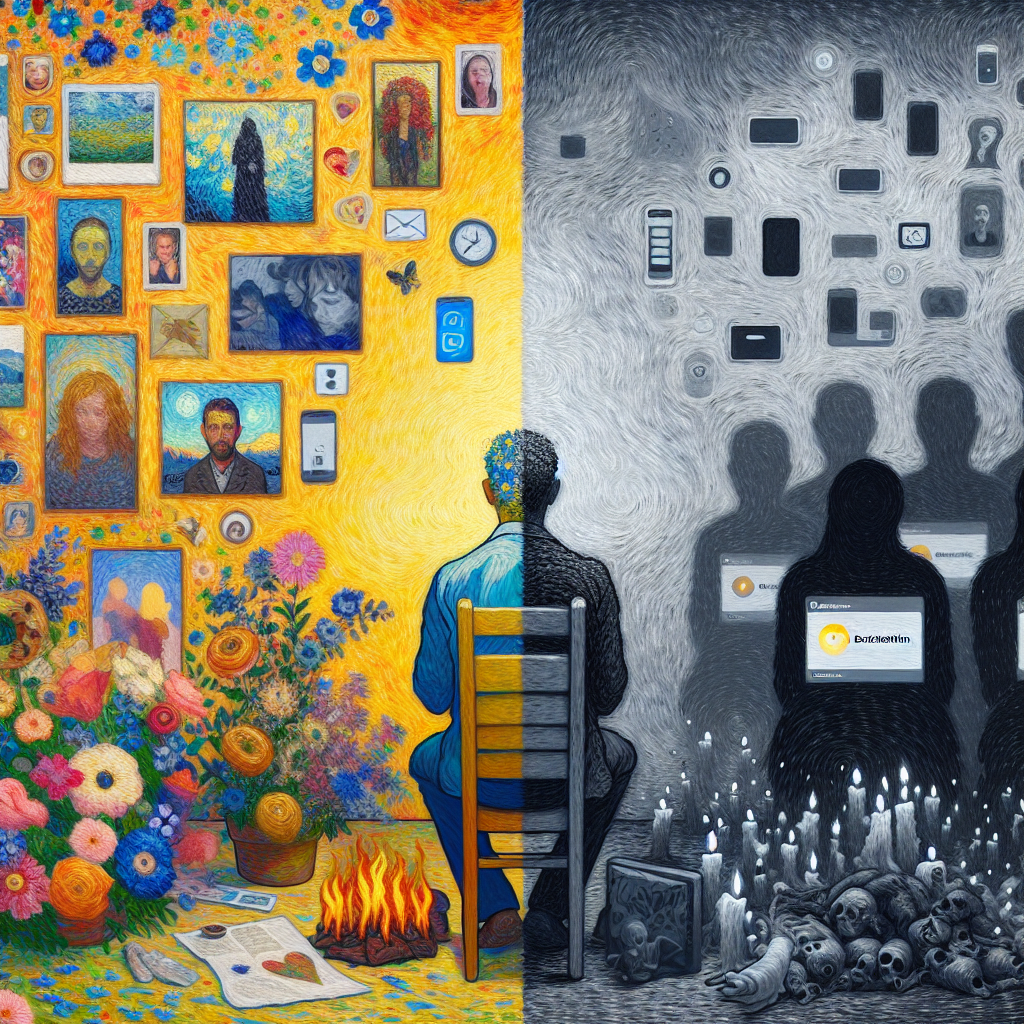
Time waits for no one, especially in this frenetic dance of technology. What was state-of-the-art yesterday is often obsolete today, yet amid this whirlwind, lies the heart of what truly matters—your legacy. It’s the stories you tell, the lessons you impart, and the values you uphold that breathe life into your existence. It’s time to stand up and take responsibility for your narrative, ensuring that the essence of who you are withstands the test of time.
Imagine the treasures that lie within your memories—those laugh-out-loud moments, the tender lessons from hard times, moments of realization that shaped you into who you are today. Each story is a thread woven into a bigger tapestry, a gathering of experiences that bond you to future generations. They deserve to know who you were, not just the polished versions but the raw, real moments that make you, you. This isn’t merely an act of nostalgia; it’s an ethical obligation to ensure those connections endure.
Don’t get caught in the web of fleeting moments shared online. Instead, use technology as a tool to immortalize your genuine self—write, record, and preserve your stories in formats that stand the test of time. Seek out community, engage with others, and build that web of trust where stories thrive. When you share your tale—full of hiccups and triumphs—you create a ripple effect, inspiring others and weaving a collective fabric of human experience.
As we navigate this ever-changing technological landscape, keep questioning how these tools will shape your legacy. Are they amplifying your voice or distorting it? Your authenticity matters. Embrace it, for it’s the beating heart of what will resonate with those who come after you.
Consider the ethical ramifications of your legacy. How will your digital footprint impact your loved ones? Planning for your digital afterlife isn’t just smart; it’s responsible. You dictate how your stories should be remembered and who controls that narrative. Embrace your power by documenting not just your highlights but your heartfelt struggles that can teach resilience.
Ultimately, legacy storytelling is a dialogue across time. The future generations will encounter your journey through the alleys of your experiences, values, and dreams. So, as you craft your narrative, think beyond mere memories. Protect your legacy with intention, authenticity, and love. It’s not just about you—it’s about creating lasting connections that reach far beyond your time on Earth. Your legacy can ignite a spark of understanding and empathy in the hearts of those who will follow. What will you leave behind? Now is the time to decide.
Conclusion
Conclusion:
- Time is fleeting, and technology evolves rapidly, making yesterday’s innovations obsolete.
- Your legacy is built on the stories you tell, lessons you impart, and values you uphold.
- Memories, including both joyful and challenging moments, contribute to the tapestry of your life.
- Preserving authentic stories is an ethical obligation to connect with future generations.
- Utilize technology to document and share your genuine self instead of relying on superficial online moments.
- Consider the impact of your digital footprint on loved ones and plan for your digital afterlife responsibly.
- Your storytelling creates lasting connections, igniting understanding and empathy for future generations.

Conclusion
Other Resources

Other Resources
Here is a list of other resources you can review online to learn more:
- Knotify.me
- Trust And Will
- ForeverMissed
- My Wonderful Life
- RootsMagic
- Afternote
- Legacy Learned
- LegacyLearned
- USLegalWills.com
- 23AndMe
- How Has Time Changed The Cost Of Capturing Family Legacy Stories
- GhostMemo
- UpCounsel
- Ever Loved
- Funeral Services Guide
- WishesKeeper
- RocketLawyer
- Storyfile Life
- EverLoved
Use This Prompt To Get More Resources With Your Favorite Online AI Tool: Please provide me with a list of online articles with their URLs in a bulleted list that I can read regarding How to Protect Your Legacy From Tech Obsolescence

Other Resources
Glossary Terms
How to Protect Your Legacy From Tech Obsolescence – Glossary Of Terms
1. Legacy
A person’s or organization’s long-lasting impact, assets, or contributions that are passed down over time.
2. Obsolescence
The process of becoming outdated or no longer useful due to advancements in technology.
3. Technology
Tools, systems, and devices created to solve problems or enhance tasks, often evolving rapidly.
4. Digital Preservation
The practice of maintaining and protecting digital information to ensure its longevity and accessibility.
5. Format Migration
The process of transferring data from one file format to another to maintain usability over time.
6. Backup
Creating copies of data or files to prevent loss due to failure or obsolescence.
7. Storage Solutions
Options for storing data, including physical and cloud-based services, designed to ensure data integrity and accessibility.
8. Data Integrity
The accuracy and consistency of data over its lifecycle, crucial for maintaining legacy information.
9. Access Protocols
Rules and processes for retrieving and managing digital information while ensuring security and usability.
10. Cloud Computing
Internet-based computing that provides on-demand access to shared resources and data storage.
11. Disaster Recovery
A plan for recovering data and maintaining operations in the event of a catastrophic failure or data loss.
12. Software Updates
Regular enhancements to software applications that improve functionality and security to combat obsolescence.
13. Digital Footprint
The trail of data left by users on digital platforms, which can impact legacy considerations.
14. Interoperability
The ability of different systems and software to work together and share data seamlessly.
15. Encryption
The process of converting data into a coded format to prevent unauthorized access and protect legacy information.
16. Data Migration
The process of transferring data between storage types or formats, ensuring compatibility and accessibility.
17. Version Control
A system for managing changes to documents and data, allowing for tracking revisions and preventing loss.
18. Archiving
The long-term storage of data that is not regularly accessed, ensuring its preservation for future reference.
19. Scalability
The capability of a system to handle growing amounts of data and adapt to increasing demands over time.
20. Sustainability
Practices that ensure technology and data preservation methods are environmentally and economically viable long-term.
21. Privacy
The right to control personal information and data usage, essential for protecting legacy assets.
22. User Education
Training and resources provided to users regarding best practices in technology usage and data management.
23. Legal Compliance
Adhering to laws and regulations regarding data protection and privacy, which affects legacy planning.
24. Retention Policy
Guidelines outlining how long data should be stored and when it should be deleted, impacting legacy information management.
25. Content Management System (CMS)
A software used to create, manage, and store digital content, aiding in digital legacy preservation.
26. Digital Rights Management (DRM)
Technologies used to control how digital content is used and distributed, affecting legacy accessibility.
27. Cross-Platform Compatibility
The ability of software or data to operate across different operating systems or devices, ensuring broader access.
28. Tech Audit
An assessment of current technology and systems to identify potential risks of obsolescence.
29. Data Lifecycle
The stages data goes through from creation to deletion, affecting how legacy information is managed.
30. Community Engagement
Involvement of stakeholders and users in discussions and decisions regarding the preservation and future of legacy data.

Glossary Of Terms
Other Questions
How to Protect Your Legacy From Tech Obsolescence – Other Questions
If you wish to explore and discover more, consider looking for answers to these questions:
- What specific actions can individuals take to begin documenting their stories today?
- How can families collaboratively contribute to preserving their legacy narratives?
- What tools or platforms are best for ensuring the longevity of digital memories?
- How can one effectively organize and categorize memories for easy access in the future?
- What challenges might arise when trying to preserve stories across different generations?
- How do digital assets differ from physical memorabilia in terms of legacy preservation?
- What role does storytelling play in shaping family identity over generations?
- How can individuals balance the use of current technology while ensuring their legacy won’t become obsolete?
- What are some practical tips for turning stories into engaging narratives for future generations?
- How can an ethical approach to legacy storytelling impact community relationships?
Other Questions
Haiku
How to Protect Your Legacy From Tech Obsolescence – A Haiku
Legacy’s heartbeat sings,
Stories woven with warm care—
Time’s tide shall not claim.

Haiku
Poem
How to Protect Your Legacy From Tech Obsolescence – A Poem
In the rush of this relentless race,
Where tech evolves at dizzying pace,
Lies a truth we must not forsake—
Our stories are the legacies we make.
Echoes of laughter, tears of grace,
Memories etched, time can’t erase.
From grandparents’ tales of joy and strife,
To moments that shape the essence of life.
As custodians of voices past and near,
We owe it to those we hold dear.
To weave and record the tapestry of days,
In formats that won’t fade away.
A student of past, we plant the seed,
A tree of stories for those in need.
Through trials shared and triumphs bold,
In messy narratives, our truths unfold.
Feel the pulse of love, the weight of loss;
A legacy’s worth is more than gloss.
Technology, a bridge, not the end,
A tool for connection, a means to mend.
So write, record, and share your song,
In every digit, where memories belong.
For in each story, a bond is formed,
A compass of values, a legacy warmed.
Think of the children, wide-eyed and bright,
Hungry for wisdom, for warmth, for light.
Your laughter captured, your lessons clear,
Empowers them with courage to face every fear.
As you sift through digital shards of the past,
Preserve each treasure; make each moment last.
Back them up, hold them tight,
For lost memories cast shadows in our light.
In community, we gather, a web we weave,
Stories strengthen us, in them we believe.
Every share is a thread, binding hearts and minds,
Creating a legacy that lovingly binds.
So stand as the storyteller, the curator of dreams,
As time rushes by and technology gleams.
Wrap your truth in a tapestry bright,
For future generations to honor your light.

Poem
Checklist
How to Protect Your Legacy From Tech Obsolescence – A Checklist
Legacy Protection Checklist: Preserving Your Story for Future Generations
Emotional Appeals
_____ Reflect on the heartwarming stories of your ancestors. What lessons do they carry?
_____ Consider the emotions tied to your cherished memories. Which ones do you want to preserve?
_____ Write down stories that capture both triumphs and failures. They add richness and authenticity to your legacy.
Rational Appeals
_____ Regularly assess and refresh your digital assets. Are they still accessible and relevant?
_____ Create an inventory of your digital assets—photos, videos, documents. Where are they stored?
_____ Explore new storytelling formats. Are you using various media to reach future audiences?
Ethical Appeals
_____ Think about whom you are preserving your legacy for. What is your ethical responsibility to future generations?
_____ Decide how you want your digital estate managed after you’re gone. Have you communicated your wishes?
Authority Appeals
_____ Seek guidance from legacy preservation experts or join workshops on storytelling and technology.
_____ Connect with community leaders or organizations that focus on preserving family histories. Share insights and resources.
Narrative Appeals
_____ Craft a timeline of significant events in your life. How can you weave these into a compelling narrative?
_____ Use storytelling techniques in your documentation. Are you engaging your audience emotionally?
_____ Consider how your legacy intersects with broader community stories, establishing a more significant connection.
Social Appeals
_____ Join groups focused on storytelling and legacy preservation. How can shared experiences enhance your understanding?
_____ Encourage family discussions about memories and values. What traditions can be passed down together?
_____ Engage with online communities that resonate with your values and interests, fostering a sense of belonging.
Practical Steps
_____ Choose the best medium for documenting your stories (journals, audio, video, digital platforms).
_____ Establish a backup plan for your digital memories. Are your photos and documents safe from obsolescence?
_____ Schedule regular times to update and reflect on your legacy materials. When will you prioritize this meaningful work?

Checklist
At LegacyExplorations, we help people plan and explore their legacy by collecting information and news regarding end-of-life planning.
Please share this post with your friends, family, or business associates who may want help to plan or explore their legacy.