

Reviving Tradition: Transforming Legacy Brands For Millennials
By Tom Seest
At LegacyExplorations, we help people plan and explore their legacy by collecting information and news regarding end-of-life planning.
Please share this post with your friends, family, or business associates who may want help to plan or explore their legacy.
How to Reboot a Legacy Brand with Millennial Vibes
Reviving a legacy brand is less about slapping a fresh coat of paint on an old barn and more about reconnecting the heart of that barn to the values of the community surrounding it. It’s about Legacy Storytelling—crafting narratives that resonate with millennials who crave authenticity and purpose. This demographic yearns for brands that can weave their storied past into a compelling narrative that feels relevant today.
Think about it: every great legacy is built on stories that evoke emotions. When you tap into the rich history of your brand, draw threads from the past to engage millennials at their core. The warmth and nostalgia of yesteryear can create an emotional touchstone, inviting them in. A millennial’s heart beats to the rhythm of shared experiences, especially those that echo their values—sustainability, community, and transparency.
But don’t stop at the emotional. Employ rational appeals to reason, showing how a historical brand can evolve without losing its integrity. Millennials are keenly aware of the world around them and want brands that practice what they preach. Present them with data and innovative strategies that illustrate the brand’s adaptation to modern sensibilities. Propose initiatives like eco-friendly practices or collaborations with local artisans, emphasizing not just a new direction, but a holistic approach that aligns past and future.
Remember, ethics play a crucial role in this journey. Establish credibility by sharing your brand’s commitment to responsible practices and social justice. Collaborate with influencers who embody your values, reinforcing your authority and enhancing trust. Access the power of narrative by bringing someone from the brand’s history into the spotlight— a family member, a long-time employee, or even a customer whose life has been touched by the brand. Their stories can strengthen your legacy, connecting the past with the present in an authentic way.
Finally, consider the social aspect. Create platforms and opportunities for your community to engage with the brand and each other. Encourage millennials to share their own experiences, creating a space where they can build a relationship not only with the brand but also with each other.
Reviving a legacy brand with millennial vibes isn’t simply a marketing strategy; it’s reclaiming a narrative that’s been woven through time, making it relevant and meaningful for the present generation. It’s about taking pride in where you come from while confidently striding toward the future.

How to Reboot a Legacy Brand with Millennial Vibes
How to Reboot a Legacy Brand with Millennial Vibes
- Reviving a legacy brand involves reconnecting with community values, not just superficial updates.
- Legacy Storytelling is essential, crafting narratives that resonate with millennials’ desire for authenticity and purpose.
- Emotional connections are crucial; leveraging the brand’s history can evoke nostalgia and warmth.
- Rational appeals are important; showcase how the brand evolves while maintaining its integrity.
- Focus on ethical practices and responsible branding to establish credibility and trust.
- Utilize narratives from brand history through personal stories of employees or customers to enhance authenticity.
- Create engagement platforms for millennials to share experiences and foster community connections around the brand.

How to Reboot a Legacy Brand with Millennial Vibes
Table Of Contents
- How to Reboot a Legacy Brand with Millennial Vibes
- What Emotional Connection Does Your Brand Hold for Customers Today?
- How Can Storytelling Breathe New Life Into Your Brand Identity?
- Is Your Brand Language Inclusive and Relatable to Younger Audiences?
- What Innovative Products Or Services Can Attract Millennial Interest?
- Is Collaborating with Influencers Key to Connecting with Millennials?
- How Can Your Brand Embrace Sustainability to Engage with Millennials?
- How Are Competitors Successfully Attracting Millennial Consumers?
- Conclusion
- Other Resources
- Glossary Of Terms
- Other Questions
- Haiku
- Poem
- Checklist
What Emotional Connection Does Your Brand Hold for Customers Today?
In a world swamped with choices, standing out requires more than a catchy slogan or an appealing logo. It demands emotional connection, a tangible thread that weaves itself between the heart, head, and gut of your customers. Think about it: everyday decisions are steeped in stories—your brand’s legacy storytelling is no different. It’s the stories behind the products, the values you champion, and the people you serve that create a lasting impression.
Let’s face it, people are wired for narratives. When customers engage with your brand, they want to feel something deep down. Maybe it’s the nostalgia of a simpler time; perhaps it’s the values shared through a community initiative that resonates with their own beliefs. When brands share their legacy, they tap into something powerful. They speak to the heart, rousing emotions that trigger loyalty and inspire action.
But emotion needs a companion: reason. Customers want to know they’re making sound choices, and that’s where the rational appeal shines. Provide them with solid facts. Show how your product can improve their lives, back it up with testimonials, and share your ethical commitments. This combination fosters trust—a crucial ingredient in any brand relationship.
Let’s not overlook the authority you build by demonstrating expertise and transparency. People like to feel guided by someone who knows what they’re talking about. Your legacy story—rich with authenticity and passion—positions your brand as a trusted authority. It shows you’ve been on a journey, learned from it, and are equipped to guide them through theirs.
And then there’s the social appeal. In today’s connected world, people crave community. They want to know they’re part of something bigger—a network of like-minded individuals who share their values. Share your customers’ stories, showcase your brand ambassadors, and let your audience see themselves in that narrative. Engaging with them on social media, responding to their concerns, and celebrating their successes creates an inclusive culture that welcomes new members into your brand family.
So, as you reflect on your brand’s emotional connection with customers today, consider how you can deepen that bond. Forge relationships that are more than transactional—create experiences that resonate on a personal level. Inspire trust, evoke emotions, and empower action. It’s the story you tell that will linger long after the purchase is made.

What Emotional Connection Does Your Brand Hold for Customers Today?
What Emotional Connection Does Your Brand Hold for Customers Today?
- Standing out in a crowded market requires emotional connection, beyond just branding.
- Brand storytelling conveys the legacy behind products, values, and the served community.
- Customers are driven by narratives that evoke deep emotions and create loyalty.
- Emotional appeal must be paired with rational reasoning to foster trust.
- Authenticity and expertise enhance brand authority and guide customer decisions.
- Engagement and community-building through shared narratives strengthen brand relationships.
- Deepening customer bonds through meaningful experiences can inspire trust and action.

What Emotional Connection Does Your Brand Hold for Customers Today?
How Can Storytelling Breathe New Life Into Your Brand Identity?
Storytelling is like a well-worn tool in a master craftsman’s workshop—each narrative has the power to shape your brand’s identity, carving out a space in the hearts of your audience. Think about it: every time you share your legacy, you not only recount your journey but also craft an experience that resonates on a deeper level. This isn’t just about marketing; it’s about building connections that endure.
When you tell your brand’s story, you’re not just filling the air with words; you’re offering a glimpse into your mission and values. That authenticity matters. Consumers today crave more than a product; they seek relationships, a sense of belonging. When you share your triumphs, failures, and the lessons learned along the way, you invite people in—they see themselves reflected in your struggles and successes. Your legacy storytelling becomes a shared experience, forging a bond that transcends mere transactions.
Let’s engage the rational side for a moment. Research shows that people are more likely to remember stories than facts or figures alone. When a potential customer hears your story, they aren’t just being sold to; they are becoming part of a narrative larger than themselves. This forms a foundation of trust. People are more likely to believe in a brand that stands for something, that integrates purpose into their daily operations. Storytelling offers that purpose, helping consumers make informed choices aligned with their values.
Ethically speaking, a compelling story can elevate your brand’s image. By being transparent about your challenges and how you’ve overcome them, you develop credibility. This invites your audience to hold you accountable, establishing a relationship built on mutual respect.
From a social perspective, storytelling allows your brand to take part in broader conversations. It transforms your identity into something that your community can rally behind. Consumers are more likely to advocate for a brand that resonates emotionally and socially with them.
So, take a step back, recall your story, and start weaving it into the fabric of your brand. Legacy storytelling isn’t just a marketing strategy; it’s a powerful, transformative way to breathe new life into who you are. Let your audience not just see your brand, but feel it—because when they feel it, they’ll stand by it.

How Can Storytelling Breathe New Life Into Your Brand Identity?
How Can Storytelling Breathe New Life Into Your Brand Identity?
- Storytelling shapes your brand’s identity and resonates with your audience on a deeper level.
- Sharing your brand’s legacy builds enduring connections beyond mere marketing.
- Authenticity in storytelling attracts consumers seeking relationships and a sense of belonging.
- Stories are more memorable than facts, forming a foundation of trust with potential customers.
- A compelling narrative enhances brand credibility through transparency about challenges.
- Storytelling engages your brand in broader social conversations, building community support.
- Legacy storytelling is a transformative strategy to infuse life into your brand’s identity.

How Can Storytelling Breathe New Life Into Your Brand Identity?
Is Your Brand Language Inclusive and Relatable to Younger Audiences?
When crafting your brand language, it’s essential to remember that words can either build bridges or erect walls. In a world buzzing with voices, especially from younger audiences seeking authenticity, your choice of language can be the difference between being heard and being forgotten. Embracing inclusive language isn’t just about ticking boxes; it’s about weaving a tapestry of experiences that resonates with the hearts and minds of your audience.
Think for a moment about legacy storytelling—the cherished narratives that get passed down through generations. These are stories that don’t just entertain; they connect us to our humanity. When your brand tells a story, consider who’s at the center of that tale. Are you speaking to fixed ideals, or are you allowing space for the diverse backgrounds and experiences that define today’s youth? The more relatable your language, the more it reflects the complex identities of your audience.
Consider the gut feeling we get when we read something that feels genuine; it’s a kind of recognition that we are not alone. Authentic language fosters that connection, encouraging a deeper relationship with your brand. Younger generations crave sincerity. They want to know that your brand stands for something beyond profit—whether that’s social justice, environmental sustainability, or community empowerment. Mixing these values with your narrative creates a sense of duty among your audience, inviting them to stand alongside you in a shared journey rather than being passive consumers.
We all know the power of social proof. When younger audiences see their peers engaged with a brand that resonates with their beliefs and values, they’re more likely to pay attention. But a brand’s authority stems from being both credible and relatable. Share your legacy storytelling in ways that engage rather than preach. Use language that embodies empathy, opening up lines of dialogue that are as inviting as they are informative.
Every word you choose can be a rallying cry or a flat, dismissive echo. Choose wisely. Build a language that feels like a warm handshake, a promise, and an invitation. Show your audience that you not only hear them but also genuinely understand their narratives. When your brand speaks their language, you’re not just making a transaction; you’re forging a connection that can last a lifetime. Now, isn’t that a legacy worth pursuing?

Is Your Brand Language Inclusive and Relatable to Younger Audiences?
Is Your Brand Language Inclusive and Relatable to Younger Audiences?
- Words can either connect or isolate; choosing the right language is crucial for engagement.
- Inclusive language resonates with younger audiences seeking authenticity and shared experiences.
- Legacy storytelling connects us to our humanity and should reflect diverse backgrounds and experiences.
- Authentic language fosters connections and encourages deeper relationships with brands.
- Younger generations desire brands to stand for values beyond profit, inviting shared journeys with consumers.
- Social proof influences younger audiences; credibility and relatability are key to engagement.
- Every word can either build connection or distance; prioritize language that invites and resonates.

Is Your Brand Language Inclusive and Relatable to Younger Audiences?
What Innovative Products Or Services Can Attract Millennial Interest?
When it comes to attracting millennial interest, innovative products or services that weave together a tapestry of legacy storytelling can strike a chord like no other. Picture this: a sustainable clothing brand that doesn’t just sell apparel but shares the narrative of each garment—a story etched in the fibers, reflecting local artisans, eco-friendly practices, and a commitment to the planet. Millennials crave authenticity, and brands that can articulate their origins tap into a deep well of emotional resonance. This kind of storytelling invites consumers to become part of a larger mission, allowing them to feel not just like buyers but champions of a cause.
Rationally, millennials prioritize quality over quantity. They want to invest in things that last—products with a purpose. Think about tech gadgets that are designed not just for efficiency but for environmental sustainability. A phone that uses recycled materials and promotes a circular economy doesn’t merely answer functional needs; it aligns with a value system that prioritizes ethical consumption. When companies can back up their claims with transparency, they build trust and confidence—something millennials value more than flashy advertising.
Ethically, consumers are increasingly looking for businesses that make a concerted effort to revitalize communities. Services that allow them to engage locally—like platforms that connect freelancers to neighborhood projects—resonate profoundly. They want to support the local economy, invest in the places where they live, and nurture relationships that matter. This effort fosters connection, as it transforms consumption into collaboration.
Narratives are powerful. By sharing the journey of their products—from conception through creation—brands can create an emotional bridge that draws in millennials. Imagine a coffee brand that follows its beans from small farms to your morning brew. That’s not just coffee; that’s an expression of values, a relationship built on shared passion, culture, and care.
In a world where social media reigns—and where brand loyalty is born out of shared values and experiences—companies must realize that innovation is not solely about new technology. It’s about crafting a narrative that allows customers to identify with the brand emotionally and socially. When products and services are designed with a focus on legacy storytelling, they become more than mere items for consumption—they become part of a story worth sharing, a legacy worth building. So, let’s not just innovate—let’s inspire, connect, and leave a mark that future generations will remember.

What Innovative Products Or Services Can Attract Millennial Interest?
What Innovative Products Or Services Can Attract Millennial Interest?
- Millennials are drawn to innovative products that incorporate legacy storytelling.
- Sustainable brands that share the narrative of their garments resonate deeply with consumers.
- Quality over quantity is a priority; millennials prefer durable, purposeful products.
- Transparency in business practices builds trust and confidence among millennial consumers.
- Consumers value businesses that revitalize communities and engage locals in meaningful ways.
- Strong narratives create emotional connections, allowing brands to engage millennials more effectively.
- Innovation should focus on emotional and social narratives, not just new technology.

What Innovative Products Or Services Can Attract Millennial Interest?
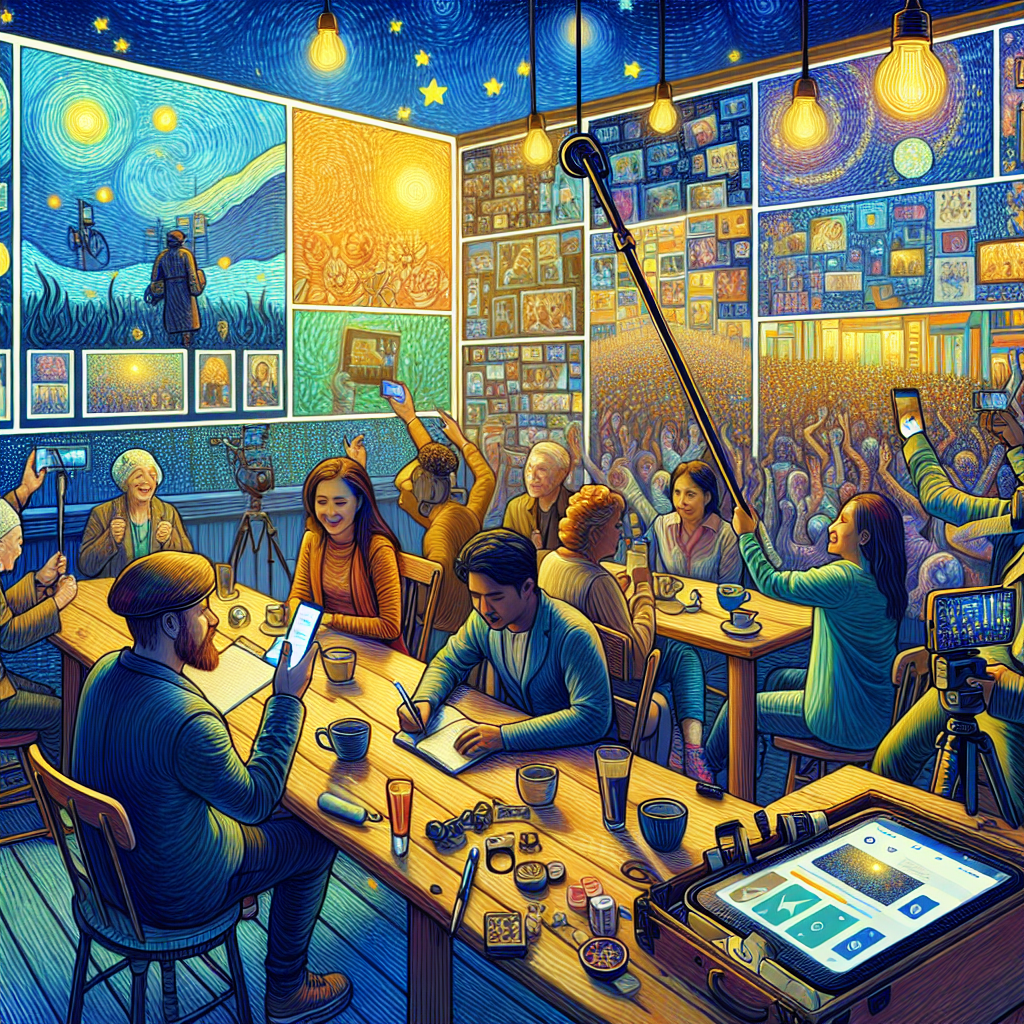
Is Collaborating with Influencers Key to Connecting with Millennials?
When we think about connecting with millennials, one thing becomes abundantly clear: it’s not just about selling a product—it’s about sharing a story. Legacy storytelling isn’t a slick marketing gimmick; it’s an authentic connection, a bridge built between those who create and those who consume. Millennials, a generation often labeled as disengaged or distracted, crave depth. They want to know the ‘why’ behind a brand, to understand its mission, and to feel like they’re part of something bigger than themselves.
Influencers serve as the modern town criers, and their power lies in relatability. They are not just voices; they are storytellers who weave narratives that resonate. A quick scroll through social media reveals everyday people—chefs, artists, teachers—sharing experiences with products they genuinely love. This is where the gut comes into play. When we see someone we admire bond with a brand, suddenly it feels less like an ad and more like a recommendation from a dear friend. Trust is established, and the walls between consumer and creator begin to dissolve.
However, it’s not enough to just find an influencer with a million followers. It’s about aligning values. Ethical marketing goes beyond mere aesthetics; it compels brands to choose ambassadors who reflect their commitment to social responsibility. The brands that make an effort to address larger issues—environmental sustainability, social equality—show millennials that they are genuine about their legacy, and that makes all the difference. Collaborating with the right influencers isn’t a transaction; it’s a partnership grounded in common cause.
Think about the stories we pass down through generations—the ones that inspire us, challenge us, and ignite our passions. Every brand has a legacy waiting to be discovered, but influencers have the skill to breathe life into that legacy, turning abstract history into relatable narratives. By collaborating with those who share your vision, you’re not just crafting a marketing strategy; you’re building a community.
So the next time you consider how to reach millennials, remember that it’s not just about what you’re selling. It’s about sharing a narrative that resonates—one filled with heart, purpose, and authenticity. Create a connection that speaks to their aspirations, and watch your brand flourish.

Is Collaborating with Influencers Key to Connecting with Millennials?
Is Collaborating with Influencers Key to Connecting with Millennials?
- Connecting with millennials involves sharing a story, not just selling a product.
- Legacy storytelling fosters authentic connections between creators and consumers.
- Millennials seek depth and understanding of a brand’s mission and values.
- Influencers act as relatable storytellers, making product recommendations feel personal.
- Successful engagement requires aligning brand values with those of chosen influencers.
- Brands addressing social and environmental issues demonstrate genuine commitment to millennials.
- Collaborating with aligned influencers helps build a community and share compelling narratives.
Is Collaborating with Influencers Key to Connecting with Millennials?
How Can Your Brand Embrace Sustainability to Engage with Millennials?
When thinking about sustainability, let’s cut to the core of what matters: it’s not just a trend; it’s a lifeline. Millennials, the bold trailblazers of our time, are seeking brands that resonate with their values. Your brand can tap into this sentiment through genuine Legacy Storytelling. Share the real story behind your practices. Don’t gloss over it with flashy marketing. Let’s be honest here—the earth is in peril, and a heartfelt narrative can cultivate trust.
Imagine a young woman drinking her morning coffee made from ethically sourced beans. She stirs in a dash of fair-trade sugar, feeling a connection not just to her drink but to the farmers who cultivated the beans from the ground up. When your brand communicates its sustainability journey—one rooted in respect for the earth and its people—you’re not just selling a product. You’re inviting her to be part of something bigger.
This emotional appeal is coupled with an ethical obligation. Every purchase is a vote; every dollar spent is a statement. By aligning your brand with sustainable practices, you provide clarity amid an increasingly confusing market. Millennials want to know where their money goes, how it impacts our planet, and how it contributes to their own legacy. Be transparent. Show them the behind-the-scenes decisions that guide your business, the sweat and grit that create every product, and the heart that fuels your mission.
Intangible benefits aside, sustainability isn’t just about lofty ideals. It cuts to the gut—when faced with climate catastrophes, we can no longer afford to ignore our responsibility. Craft messages that inspire action, be it through encouraging eco-friendly choices or promoting community initiatives. When you demonstrate your commitment to the planet, you cultivate a bond that runs deeper.
And let’s not forget the narrative element. Share stories of how your eco-conscious choices are making a difference. A recycled packaging initiative might seem small, but narratively connected to a community’s rejuvenation, it can inspire waves of change. By engaging with these real and relatable stories, your brand can foster genuine connections.
In a world yearning for authentic connection, empathy, and purpose, let your brand lead the charge. Embrace sustainability not just as a buzzword, but as your call to action—an invitation to join a movement where together, we build a legacy worth sharing.

How Can Your Brand Embrace Sustainability to Engage with Millennials?
How Can Your Brand Embrace Sustainability to Engage with Millennials?
- Sustainability is essential, not just a trend; it acts as a lifeline for the planet.
- Millennials are drawn to brands that align with their values and seek genuine Legacy Storytelling.
- Authentic narratives about sustainability cultivate trust and connection with consumers.
- Every purchase represents a vote; transparency about sustainability practices is crucial.
- Brands should inspire action through messages that encourage eco-friendly choices and community initiatives.
- Sharing stories of impactful eco-conscious efforts fosters genuine connections and inspires change.
- Embrace sustainability as a call to action, inviting the community to build a meaningful legacy together.

How Can Your Brand Embrace Sustainability to Engage with Millennials?
How Are Competitors Successfully Attracting Millennial Consumers?
When it comes to wooing Millennial consumers, some competitors are hitting the sweet spot by grabbing hold of powerful, authentic narratives that resonate deeply. These brands understand that for many in this generation, spending money is not just about acquiring a product or service; it’s about aligning with a story, a belief system, and a community. This transformative shift in consumer behavior highlights the crucial role of Legacy Storytelling.
Imagine a newly launched coffee brand. It doesn’t just tout its organic beans or explain its roasting techniques. Instead, it shares the journey of a single family’s multi-generational farming tradition, showcasing not just the beans but the lives that have been shaped around them. This connection to tradition stirs emotions, taps into nostalgia, and inspires consumers to reflect on their own stories, making them feel seen and understood.
Rational appeals come into play when brands utilize transparency, laying bare their production processes and sourcing methods. In an age rife with greenwashing and false claims, Millennial consumers crave honesty and integrity. They’re not just buying coffee; they’re investing in ethical practices that support the environment and empower local communities. They seek to elevate their choices, feeling responsible for the impact each purchase has on the world around them.
The ethical dimension of marketing takes a front seat when brands align their missions with social causes Millennials care about deeply—be it sustainability, equality, or mental health awareness. By becoming champions of these issues, companies build trust, showing Millennials they are not merely profit-driven entities but genuine participants in the world’s betterment. This invites connection, creating a sense of belonging to something greater than oneself.
Brands are also leveraging social proof by weaving customer experiences into their campaigns. Testimonials and community-driven content create authenticity—real people sharing their real moments, with real emotions attached. When someone sees their peer raving about a product that feels like it was custom-made for them, that’s where the gut instinct kicks in. It’s a visceral response, a nudge to act.
As competitors tap into these multifaceted strategies, they are not just selling; they are forging relationships. They are inviting Millennials on journeys filled with rich narratives and clear values—leaving an indelible mark that inspires them to engage and invest with confidence. It’s a beautifully woven tapestry of emotion and ethics, a bold call to consumers craving more than mere consumption.

How Are Competitors Successfully Attracting Millennial Consumers?
How Are Competitors Successfully Attracting Millennial Consumers?
- Brands attracting Millennial consumers through authentic narratives that resonate deeply.
- Spending is about aligning with stories, beliefs, and communities rather than just products.
- Example of a coffee brand sharing a family’s multi-generational farming tradition to evoke emotions.
- Transparency in production and sourcing is essential to combat greenwashing and ensure honesty.
- Aligning brand missions with social causes (e.g., sustainability, equality) builds trust with Millennials.
- Leveraging social proof through customer experiences adds authenticity and encourages consumer action.
- Successful brands are forging relationships with consumers through rich narratives and shared values.

How Are Competitors Successfully Attracting Millennial Consumers?
Conclusion
Revitalizing a legacy brand is not just a commercial endeavor; it’s a heartfelt pilgrimage that taps into the core values shared across generations. For millennials—those modern-day custodians of authenticity—the journey starts with storytelling. It’s about more than the product; it’s about weaving narratives that resonate deeply, bridging the emotional tapestry of the past with the aspirations of the present. The essence of a brand’s history, when articulated powerfully, can evoke nostalgia, drawing younger consumers in with shared experiences that make them feel part of something bigger.
However, emotional connections alone won’t cut it. Millennials seek transparency and a rational basis for their choices. They want to see how a brand’s legacy aligns with ethical practices, sustainability, and social justice initiatives. Presenting data and innovative strategies that showcase evolution without sacrificing integrity is paramount. Initiatives like collaborating with local artisans or employing eco-friendly practices can unify past and present, knitting trust into the fabric of the brand.
Ethics play a crucial role, too. Collaborating with influencers who genuinely embody a brand’s values can amplify its voice, solidifying its authority in a crowded marketplace. When brands partner with those who share a commitment to social responsibility, it not only builds credibility but invites consumers to join a larger mission.
Let’s not forget the social dimension—creating platforms where communities can engage with the brand and with each other fosters deeper connections. Millennials crave belonging, and brands can cultivate this by encouraging the sharing of experiences that resonate with shared values. The language of a brand must reflect inclusivity, authenticity, and openness, transforming casual consumers into passionate advocates.
For brands looking to sway millennials, innovative products infused with compelling narratives become more than mere items. They’re imbued with meaning, laying the groundwork for a lasting legacy. This journey isn’t merely about engaging in the marketplace; it’s about unlocking the stories that weave hearts, minds, and communities together. It’s about showing that your brand isn’t just a passing trend but a part of an ongoing conversation that matters in today’s world.
By championing these principles, your legacy brand can not only survive but thrive, building a future that not only honors the past but resonates deeply with the desires of today’s consumers. In the end, it’s about pride—pride in your history and confidence in your journey forward. That’s a legacy worth nurturing.

Conclusion
Conclusion:
- Revitalizing a legacy brand involves connecting with core values that resonate across generations.
- The journey begins with storytelling that bridges past emotions with present aspirations.
- Millennials seek transparency and ethical practices to inform their buying decisions.
- Innovative strategies and collaborations can unify a brand’s history with current values.
- Partnering with like-minded influencers enhances credibility and invites consumer involvement.
- Brands should foster community engagement to deepen emotional connections and belonging.
- By embodying these principles, legacy brands can thrive while honoring their past and resonating with today’s consumers.

Conclusion
Other Resources

Other Resources
Here is a list of other resources you can review online to learn more:
- MyHeritage
- Knotify.me
- IronClad Family
- LifeWeb 360
- Can Telling and Preserving Personal or Family Legacy Stories Be Therapeutic?
- LastPass
- Ever Loved
- LivingDNA
- Lexikin
- LegacyFamilyTree
- International End of Life Doula Association
- Legacy Family Tree
- LegacyLearned
- Geneanet
- USLegalWills.com
- Storyfile Life
- How To Write Legacy Stories That Appeal To The Heart, Gut and Head
- LegalZoom
- FamilySearch
Use This Prompt To Get More Resources With Your Favorite Online AI Tool: Please provide me with a list of online articles with their URLs in a bulleted list that I can read regarding How to Reboot a Legacy Brand with Millennial Vibes

Other Resources
Glossary Terms
How to Reboot a Legacy Brand with Millennial Vibes – Glossary Of Terms
1. Legacy Brand: An established brand, often with historical significance, that may need revitalization to remain relevant.
2. Millennial: A demographic cohort typically defined as individuals born between 1981 and 1996, known for unique cultural trends and values.
3. Rebranding: The process of changing the corporate image of an organization to align with modern trends or audience preferences.
4. Market Positioning: The strategy of placing a brand in a specific niche in the market to differentiate it from competitors.
5. Target Audience: The specific group of consumers a brand aims to reach with its products or marketing strategies.
6. Authenticity: The quality of being genuine and trustworthy, important for connecting with millennial consumers.
7. Social Media Engagement: Interaction with consumers via social media platforms to enhance brand visibility and loyalty.
8. Sustainability: Practices that consider environmental and social impacts, appealing to millennial values of responsibility.
9. Influencer Marketing: Collaborating with social media influencers to promote a brand and enhance its reach among younger audiences.
10. Visual Identity: The visual elements of a brand, including logo, colors, and design, that convey its personality and attract customers.
11. Brand Storytelling: Communicating a brand’s narrative to engage consumers emotionally and create deeper connections.
12. Consumer Insights: Understanding the preferences and behaviors of consumers to tailor marketing strategies effectively.
13. Innovation: The introduction of new ideas, products, or methods to keep a brand fresh and appealing to modern consumers.
14. Omnichannel Strategy: Providing a seamless customer experience across different channels, including online and offline.
15. User-Generated Content: Content created by customers that can promote a brand, fostering community and engagement.
16. Experiential Marketing: Creating immersive experiences that allow consumers to interact with a brand in a meaningful way.
17. Brand Loyalty: The tendency of consumers to continuously choose a brand over others due to positive experiences or perceptions.
18. Cultural Relevance: Aligning a brand with current cultural trends and values to resonate with targeted consumers.
19. Collaboration: Partnering with other brands, artists, or influencers to create unique offerings that attract millennials.
20. Digital Transformation: Adapting digital technology to improve customer experiences and operational efficiency.
21. Ethical Branding: Focusing on moral principles in brand practices, attracting socially conscious consumers.
22. Nostalgia Marketing: Using elements from the past to evoke sentimental feelings that attract older consumer demographics.
23. Voice of the Customer: Gathering feedback and opinions from consumers to guide brand decisions and improvements.
24. Community Building: Creating a network of customers and fans who share interests and values, fostering brand loyalty.
25. Adaptability: The ability of a brand to evolve in response to changing market conditions and consumer preferences.
26. Trend Analysis: Monitoring and evaluating industry trends to inform brand strategies and marketing efforts.
27. Cross-Promotion: Collaborating with another brand to market both products simultaneously and reach wider audiences.
28. Personalization: Tailoring products, services, or marketing messages to individual consumer preferences.
29. Social Responsibility: Engaging in practices that benefit society and addressing social issues, appealing to millennial values.
30. Brand Equity: The value and strength of a brand based on consumer perception, which affects purchasing behavior.

Glossary Of Terms
Other Questions
How to Reboot a Legacy Brand with Millennial Vibes – Other Questions
If you wish to explore and discover more, consider looking for answers to these questions:
- What specific examples of legacy brands have successfully connected with millennials?
- How can brands measure the effectiveness of their legacy storytelling efforts?
- What role does social media play in reviving legacy brands for millennials?
- What are the common mistakes brands make when trying to attract millennials?
- How important is visual branding in telling a legacy story?
- What demographic trends should legacy brands consider when targeting millennials?
- What strategies can brands use to ensure their messaging is inclusive and relatable?
- What are some successful case studies of influencer collaborations in legacy brand marketing?
- How can brands effectively communicate their sustainability efforts to millennials?
- What metrics should brands track to understand millennials’ engagement with their narrative?
- How can legacy brands stay relevant in a constantly changing market?
- What other values besides sustainability resonate with millennials when considering brand loyalty?
- How can brands create community-driven initiatives that engage millennials?
Other Questions
Haiku
How to Reboot a Legacy Brand with Millennial Vibes – A Haiku
Legacy brands reborn,
Stories weave through hearts and minds—
Future, past in sync.

Haiku
Poem
How to Reboot a Legacy Brand with Millennial Vibes – A Poem
In a realm where legacy rests on dusty shelves,
Brands bear stories, but forgotten themselves.
Millennials yearn for the authentic and true,
Drawn to the past, but seeking the new.
Revive the heart of the barn with care,
Let nostalgia and purpose entwine in the air.
Tell tales of yore that evoke joy and pain,
For every thread woven, a connection to gain.
With voices that echo the values they heed,
Sustainability and justice are seeds,
Plant them within stories, share their roots wide,
Make ethics a promise, let transparency guide.
Oh, beloved brand, let the narratives flow,
From artisans’ hands to the hearts below.
Compose not just products but experiences bright,
Where every purchase feels like stepping into light.
Invite your community, let conversations spark,
In shared stories echo the warmth of the heart.
For in a world tangled with choices profound,
It’s the bonds that we foster where true value is found.
So surpass mere transactions, let connections unfold,
Build a legacy worthy, with courage and bold.
Engage with the past, yet stride towards the sun,
Together we’ll flourish—every heart, every one.
Poem
Checklist
How to Reboot a Legacy Brand with Millennial Vibes – A Checklist
Checklist for Revitalizing Your Legacy Brand to Connect with Millennials
Emotional Connection
_____ Identify the core stories of your brand’s legacy that evoke nostalgia and warmth.
_____ Craft narratives that share the emotional journeys of customers or team members.
_____ Foster a sense of shared experiences through community initiatives.
Rational Appeals
_____ Provide concrete data and statistics that illustrate your brand’s modern adaptations and value.
_____ Showcase innovative products or services that meet contemporary consumer needs while maintaining quality.
_____ Share testimonials that highlight real-life benefits of your offerings.
Ethical Commitment
_____ Clearly communicate your brand’s social responsibility and ethical practices.
_____ Share your initiatives for sustainability and community support transparently.
_____ Position your brand as an advocate for social justice and environmental issues that resonate with millennials.
Authority and Credibility
_____ Collaborate with influencers who align with your brand values and have authentic engagement with their audience.
_____ Share insights and expertise through thought leadership content, demonstrating your understanding of market trends.
_____ Highlight endorsements from credible figures or experts that reinforce trust in your brand.
Narrative Engagement
_____ Incorporate storytelling into all aspects of your brand communication, from marketing materials to customer interactions.
_____ Create a platform for customers to share their own experiences with your brand.
_____ Feature historical narratives that connect the past to present-day relevancy in your offerings.
Social Proof and Community
_____ Build a community around your brand by encouraging user-generated content.
_____ Engage with customers on social media, actively responding to their feedback and fostering a sense of belonging.
_____ Organize events or initiatives that bring your audience together both online and offline.
Transparency and Inclusivity
_____ Use inclusive language that resonates with younger audiences and their diverse backgrounds.
_____ Be transparent about your practices, processes, and motivations behind your products or services.
_____ Invite dialogue with your audience to better understand their values and perspectives.
This checklist encourages a holistic approach to brand revitalization, ensuring emotional resonance, ethical integrity, and community engagement.
Checklist
At LegacyExplorations, we help people plan and explore their legacy by collecting information and news regarding end-of-life planning.
Please share this post with your friends, family, or business associates who may want help to plan or explore their legacy.